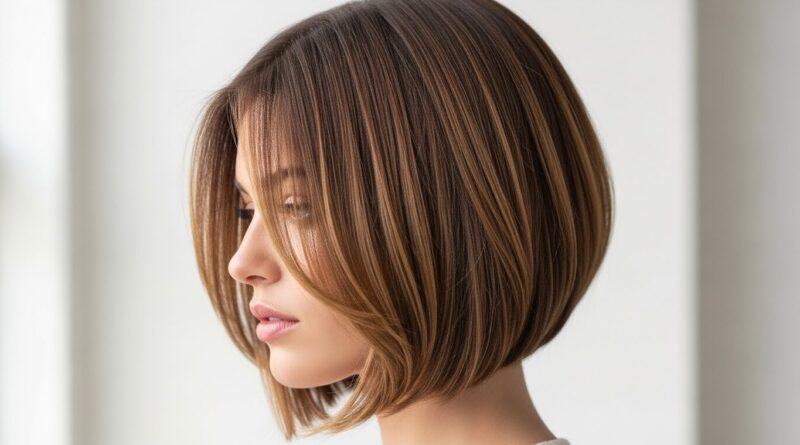
The Winston-Salem Bob: Tobacco Road Traditional
In the heart of North Carolina’s Piedmont, where the scent of cured tobacco once hung thick in the air and the rhythms of factory whistles defined the day, a style was born. It wasn’t just a fashion statement; it was a declaration of practicality, elegance, and regional identity. This is the story of the Winston-Salem Bob, a haircut that transcends mere beauty salon trends to become a woven thread in the fabric of Southern culture. More than just a shorter ‘do, the Winston-Salem Bob represents a specific aesthetic—a Tobacco Road Traditional—that balances neat sophistication with a no-nonsense approach, much like the city that inspired its name.
Roots in the Red Clay: The Birth of a Practical Elegance
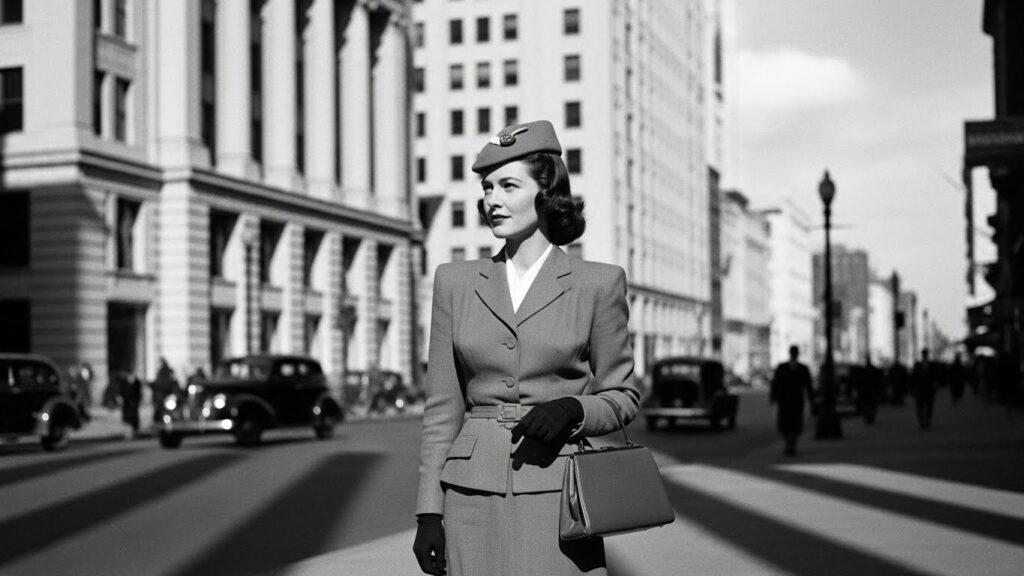
To understand the Winston-Salem Bob, you must first understand its birthplace. Winston-Salem, a city forged from the twin pillars of Moravian craftsmanship and industrial tobacco wealth, cultivated a unique character. It was a place of quiet prosperity, disciplined work ethic, and understated grace. The women who worked in the offices of Reynolds or Hanes, who managed households, or who were pillars of the community needed a hairstyle that could keep up.
Long, flowing locks, while beautiful, were impractical for the humid Southern climate and the busy pace of life. The fashionable bobs arriving from Northern cities and Europe needed adaptation. Thus, the Winston-Salem Bob evolved: shorter, but never severe; shaped, but never over-styled; elegant, but never fussy. It was a haircut that could survive a humid afternoon, look appropriate for church on Sunday morning, and project capable confidence in a boardroom or a garden club meeting. It was, in essence, the perfect compromise between cosmopolitan flair and Piedmont pragmatism.
Defining the Cut: Anatomy of a Classic
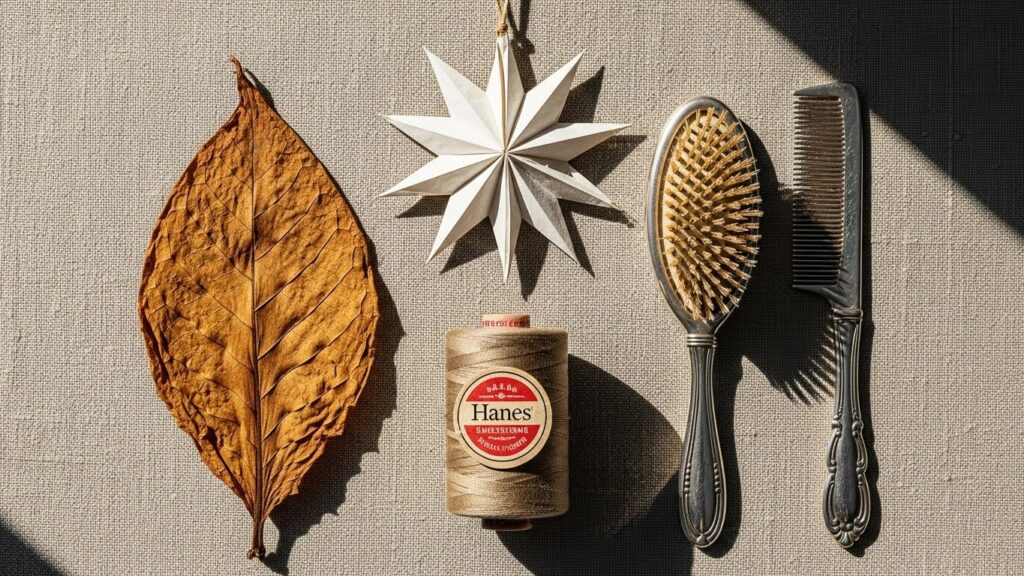
So, what exactly distinguishes a Winston-Salem Bob from any other bob haircut? It lives in the specifics. This is not a one-length, blunt cut, nor is it an asymmetrical modern statement. The traditional Winston-Salem Bob is characterized by a few key features.
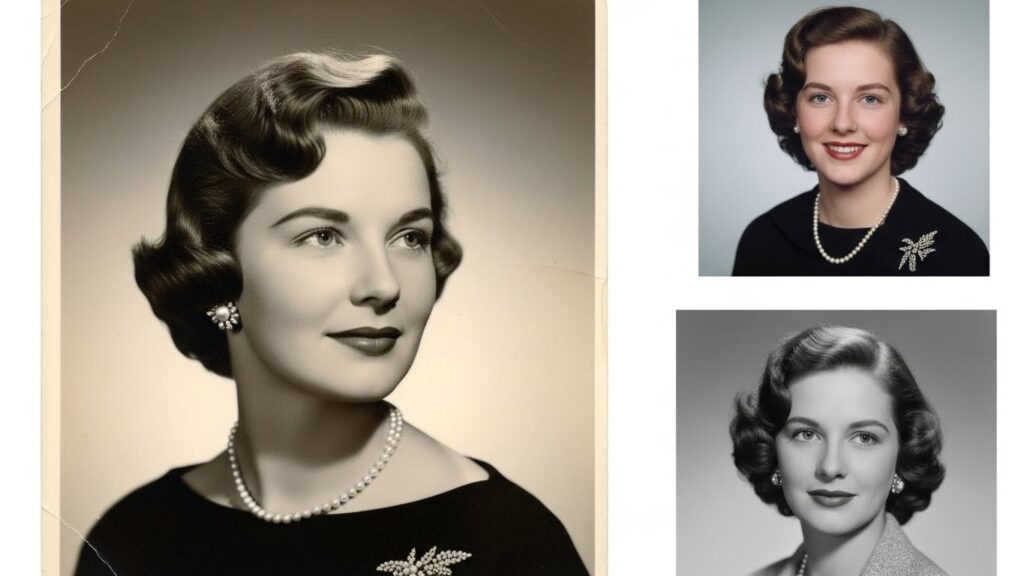
First, the length is consistently at the jawline or just below, never creeping toward the shoulders. This precise placement frames the face beautifully while ensuring hair stays off the neck. Second, it often features soft, inward-turning layers around the perimeter, creating a gentle curve that hugs the chin. This “roll” under is signature—it’s a controlled shape that adds body without volume. Third, there is frequently a deep side part, adding a touch of maturity and polish. The bangs, if present, are side-swept and blended, never heavy or blunt. The overall silhouette is clean, helmet-like in its perfection, yet utterly soft to the eye.
Icons and Influencers: Who Wore It Best?
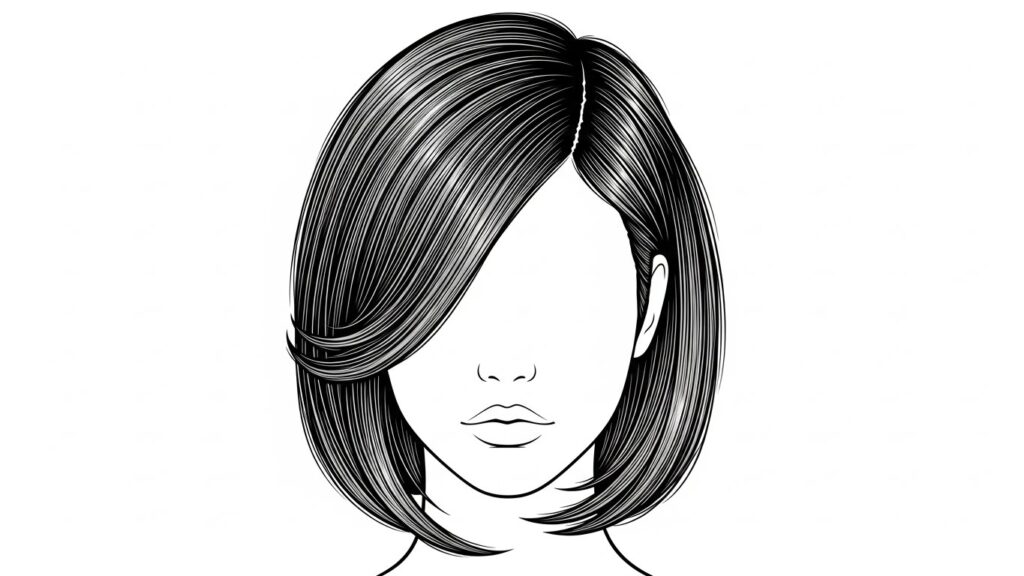
The Winston-Salem Bob found its ambassadors in local women of note and in national figures who embodied its spirit. While not necessarily born in the city, certain icons wore variations that perfectly captured the aesthetic. Think of the poised, reliable elegance of Katharine Gibbs (of secretarial school fame), or the dignified grace of Nancy Reagan during her White House years—her iconic bob, while possibly more Hollywood-influenced, shared the same disciplined, polished ethos.
Closer to home, the style was the hallmark of the Southern socialite, the respected schoolteacher, and the savvy businesswoman. It was the haircut of a woman who valued permanence and propriety. In a world of fleeting trends, the Winston-Salem Bob communicated stability. It said its wearer was not chasing fashion but was anchored in a timeless, regional sense of self. It was, and remains, the haircut of someone who gets things done without ever looking disheveled in the process.
The Modern Revival: Why the Winston-Salem Bob Endures
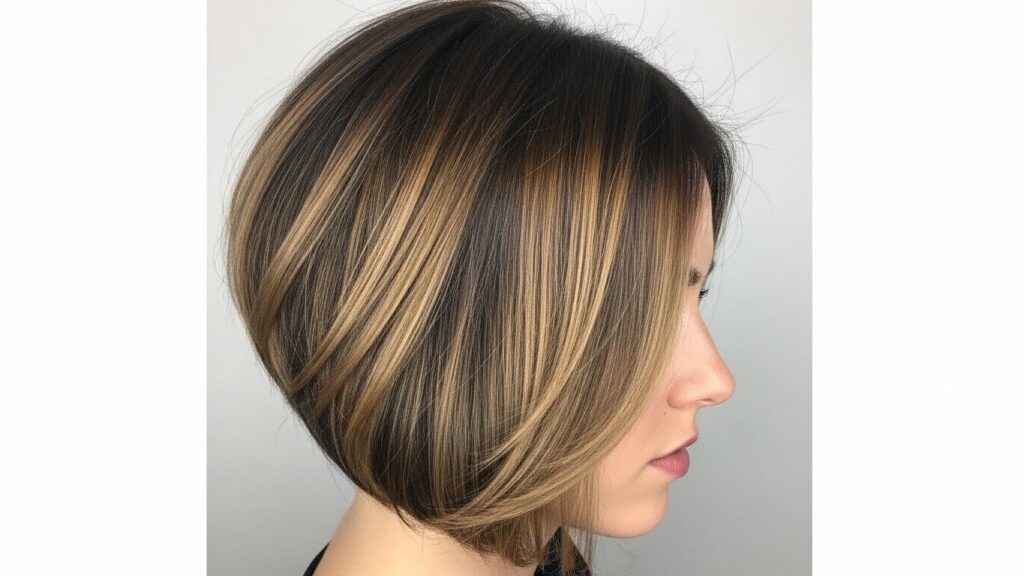
In today’s era of beach waves, shag cuts, and bold colors, the continued appeal of the Winston-Salem Bob is a testament to its flawless design. We are seeing a revival of classic, low-maintenance hairstyles that prioritize shape and health over daily styling drama. The modern woman, much like her mid-century counterpart, is busy. She appreciates a cut that air-dries neatly, that looks professional with minimal effort, and that grows out gracefully.
Contemporary stylists are reintroducing this cut, often updating it with softer texturizing techniques at the ends or pairing it with richer, more dimensional color—think honeyed balayage or smoky grey instead of a single solid shade. But the foundational principles remain: precision length, a shape that compliments the bone structure, and an overall aura of polished composure. It’s a haircut that defies age, flattering a woman in her 20s as powerfully as it does a woman in her 70s.
Asking for the Cut: A Guide for the Modern Client
If you’re inspired to request this piece of Southern sartorial history, knowing how to communicate with your stylist is key. Walking in and asking for “a bob” will yield unpredictable results. Instead, be specific. Use the language of its heritage.
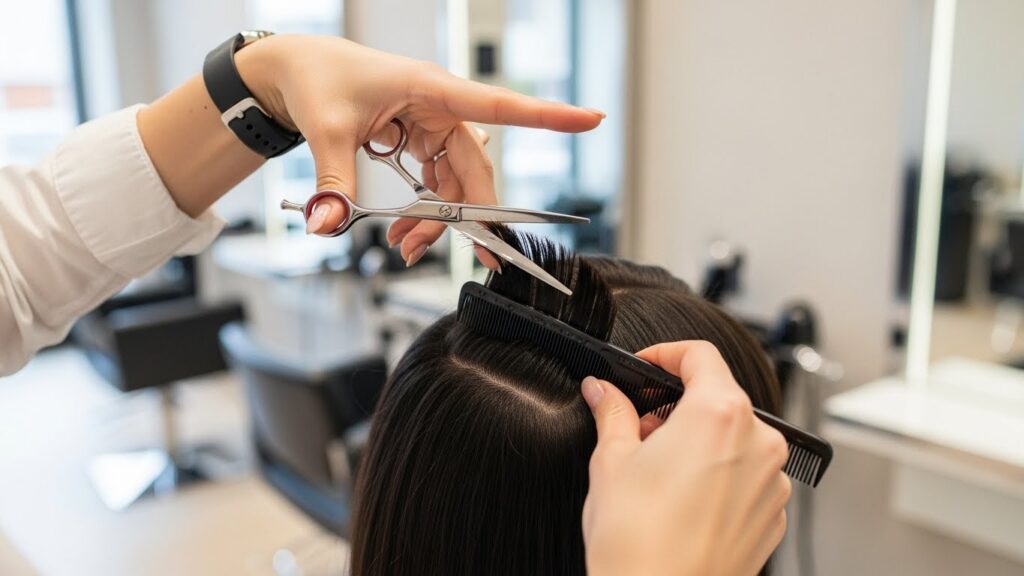
Say: “I’m looking for a traditional, jaw-length bob with a slight under-roll. I’d like a deep side part and the length to be uniform all around, just brushing the chin. I want a clean, polished shape that is low-maintenance and air-dries well.” Bring pictures, especially vintage ones, to illustrate the specific silhouette. Emphasize that you want structure and shape, not volume or layers on top. This is a cut that relies on the skill of the stylist’s scissors more than styling products.
More Than Hair: A Legacy of Understated Grace
The Winston-Salem Bob is ultimately more than a haircut. It is a cultural artifact, a testament to a specific time and place where industry, faith, and community created a unique standard of beauty. It speaks to a Southern ideal of femininity that is strong, capable, and impeccably presented. In its clean lines, we see the Moravian love of order. In its practical design, we sense the pragmatism of factory and farm. In its enduring elegance, we witness the pride of a city that knew its own worth.
In a world of fast fashion and faster trends, the Winston-Salem Bob stands as a reminder that some styles are eternal because they are perfectly suited to their purpose. It is a Tobacco Road Traditional—a cut with its roots deep in Carolina red clay, growing steadily toward the sun, trimmed with care, and always, always in perfect shape.