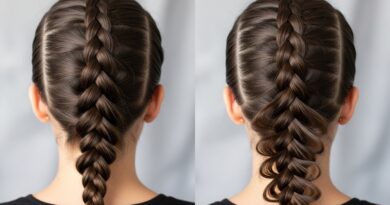
Tribal Braids: Intricate Patterns and Designs
In the vast and vibrant universe of hairstyling, few looks command attention and tell a story quite like tribal braids. More than just a protective style, they are a living canvas of cultural heritage, artistic expression, and personal identity. Characterized by their complex geometric patterns, raised textures, and symbolic designs, tribal braids transform hair into a breathtaking work of art. This style, deeply rooted in African traditions, has traversed continents and centuries, evolving into a global phenomenon celebrated for its beauty, versatility, and profound cultural resonance. Let’s unravel the threads of history, meaning, and artistry behind these intricate patterns.

A Legacy Woven in Time: The History of Tribal Braids
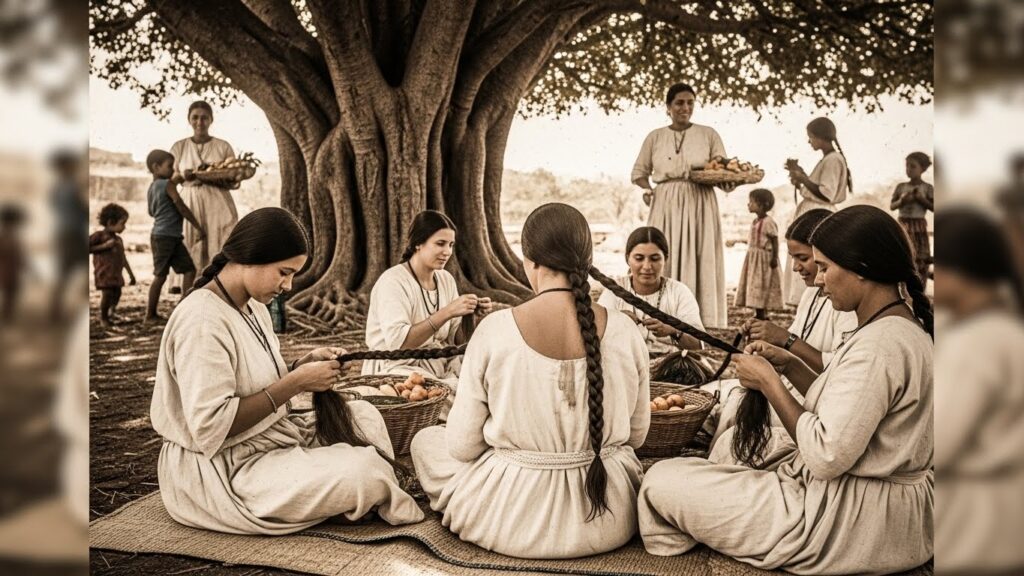
The story of tribal braids begins thousands of years ago across the African continent. Far from being merely aesthetic, these hairstyles served as intricate social maps. Braiding patterns could indicate a person’s age, marital status, wealth, religion, social rank, and even their community or tribe. In some cultures, specific designs were reserved for special ceremonies like weddings, rites of passage, or times of war. The act of braiding was, and often still is, a sacred social ritual—a time for bonding, storytelling, and passing traditions from one generation to the next.
During the transatlantic slave trade, braids took on a new, painful dimension. They were used as tools for survival and communication, with certain patterns acting as coded maps to escape routes. In the face of forced assimilation, braiding became a quiet act of preserving identity. The resilience of this art form is a testament to its deep cultural importance. Today, when we wear tribal braids, we engage with this rich, layered history—honoring its origins while celebrating its modern evolution.
More Than Hair: The Cultural Significance and Meaning
To view tribal braids solely through a lens of fashion is to miss their profound depth. They are a powerful form of non-verbal communication and a celebration of natural Black hair texture. In a world that has often demanded conformity, choosing to wear bold, intricate braids is a statement of pride, resistance, and self-love. It is a reclaiming of a beauty standard that is inherently one’s own.
Each pattern can hold specific meaning. Zig-zags might symbolize the journey of life with its ups and downs. Chevron patterns could represent strength and protection. Cornrows braided toward the crown might signify a path to the divine or a connection to one’s ancestors. While not every modern wearer is versed in these specific symbologies, the act of choosing a complex, culturally-rooted design is itself a nod to this legacy of meaning. It connects the individual to a global diaspora with a shared history of creativity and resilience.

A Gallery of Styles: Popular Tribal Braid Patterns and Designs
The term “tribal braids” encompasses a stunning array of styles. The common thread is the use of raised, three-dimensional patterns that often incorporate shaved parts, beads, cuffs, or thread. Here are some of the most iconic designs:
Fulani Braids: Inspired by the Fulani people of West Africa, this style is iconic. It typically features a central cornrow or part running front to back, with braids along the sides often adorned with beads and accessorized with a distinctive, often coin-adorned, ring. The sides may be left loose or incorporated into the pattern.
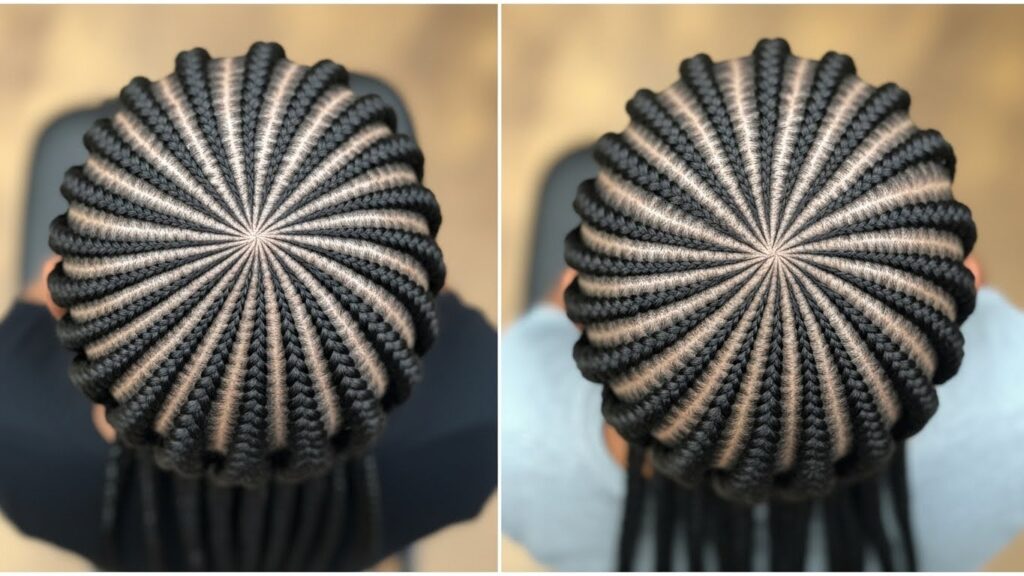
Ghana Braids (or Banana Cornrows): These are sleek, raised cornrows that are braided closely to the scalp in straight, curved, or swirling lines. They are known for their clean, sharp parts and the “banana” shape of the raised braid. They form the perfect base for more complex geometric designs.
Box Braids with Tribal Parts: This style combines the volume and length of individual box braids with an intricately designed scalp. The partings between each braid are not simple straight lines but are instead crafted into stunning geometric mazes, swirls, and curves, making the scalp a focal point of artistry.
Zig-Zag and Chevron Patterns: Perhaps the most recognizable tribal motifs, these sharp, angular patterns create a striking, graphic look. They can run parallel, converge, or radiate from a central point, offering a bold and modern aesthetic.
Geometric and Asymmetrical Designs: This is where the stylist’s creativity truly shines. Think triangles, diamonds, squares, and free-form shapes shaved or parted into the hair, contrasting with the flowing braids. Asymmetrical designs that favor one side of the head are particularly dramatic and contemporary.
Caring for Your Crown: Maintenance and Protection
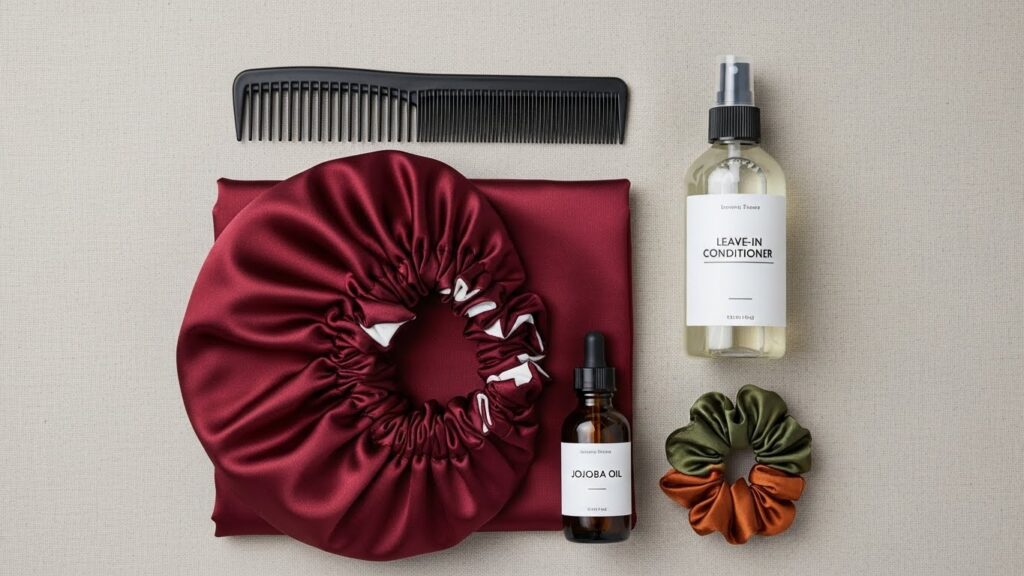
While incredibly durable, tribal braids require dedicated care to keep your hair healthy underneath and your style looking fresh. Protective styling only works if you protect the hair being styled. Start with a deep conditioning treatment before installation to ensure your hair is strong and moisturized. During the lifespan of your braids (typically 4-8 weeks), maintain a simple but consistent routine.
Use a lightweight, alcohol-free moisturizing spray or a mix of water and leave-in conditioner on your scalp and the length of your braids every few days to combat dryness. Always focus on the scalp to prevent itching and flaking. At night, protect your style—and reduce friction—by wrapping your hair in a silk or satin scarf or using a satin pillowcase. Keep your edges and nape moisturized and avoid styles that are too tight, which can lead to traction alopecia. Remember, beauty should not come at the cost of the health of your hairline.
From Tradition to Trend: Tribal Braids in the Modern World
Today, tribal braids have rightfully taken their place on global runways, red carpets, and social media feeds. Celebrities and influencers have embraced the style, further propelling its popularity and visibility. This mainstream appreciation is a double-edged sword: while it celebrates the beauty of Black hair culture, it also raises important questions about cultural appropriation versus appreciation.
Appreciation involves understanding and respecting the history and significance of the style, giving credit to its origins, and supporting the stylists from the cultures that created it. It means recognizing that what is a “trend” for some is a sacred and historical tradition for others. As you consider this style, take the time to learn its story, and seek out skilled braiders, often Black stylists, who have mastered this complex art form. In doing so, you honor the craft and contribute to the cultural and economic ecosystem that sustains it.

Finding Your Pattern: Inspiration for Your Next Style
Ready to embrace the art of tribal braids? Start by gathering inspiration. Platforms like Pinterest and Instagram are treasure troves of ideas. Save images of patterns, shapes, and overall looks that resonate with you. Consider your face shape, lifestyle, and how much maintenance you’re willing to commit to. Do you prefer a bold, all-over geometric pattern or a subtler design concentrated at the crown?
The most crucial step is finding a qualified, experienced braider. Look at their portfolio to ensure their style and precision align with your vision. A consultation is key—discuss your hair type, the desired pattern, size, and length. Bring your inspiration photos! A good braider will also assess the health of your hair to ensure it can handle the style. Remember, this is an investment in both time and money, but for a piece of wearable art that celebrates history and personal style, it is an unparalleled transformation.
Tribal braids are more than a hairstyle. They are a testament to resilience, a gallery of artistry, and a personal proclamation. Each intricate part, each raised row, carries the echo of ancestors and the creativity of the present. Whether you choose a design steeped in traditional symbolism or a modern geometric masterpiece, you are participating in a timeless tradition of weaving identity, one braid at a time.