Trim 25 Layer Graduation Scissors Angling Cuts for Movement
Okay, let’s talk about something that sounds super technical but is actually the secret weapon for the best hair out there. You know those effortless, moving, full-of-life styles you see everywhere? The ones that feel expensive and modern? They almost always start with this exact technique.
I’m talking about using a 25-layer graduation with scissor angling. It’s the pro method behind everything from that soft quiet luxury bob to the coolest asymmetrical lob. It’s all about creating shape and movement from within the cut itself.
It might sound like salon-only talk, but understanding it helps you ask for what you really want. Whether you’re into 2026 hairstyles or a timeless old money hair vibe, this is the foundation. Let’s break it down into simple, practical terms so you can get the hair of your dreams.
What Does “25 Layer Graduation” Actually Mean?
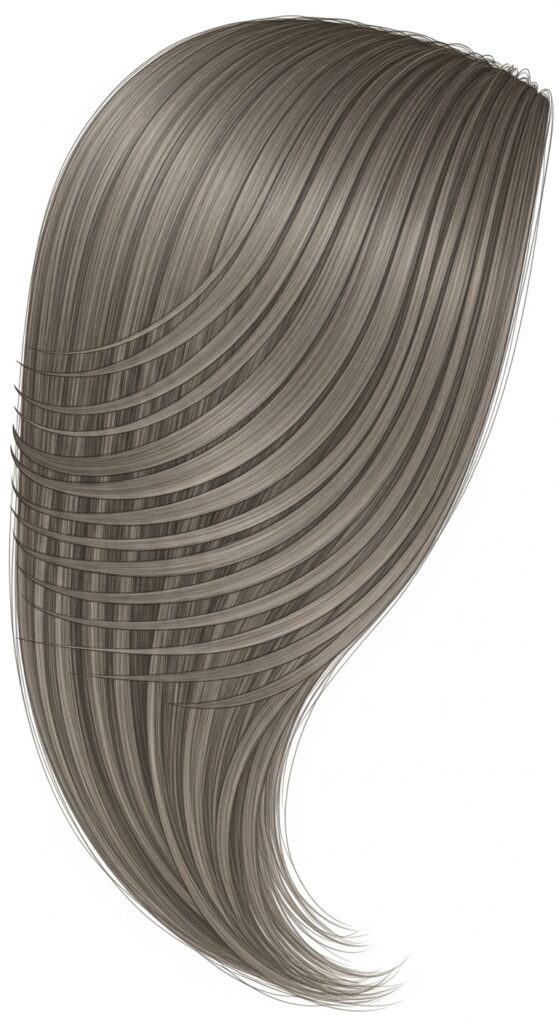
Think of it like a staircase for your hair. Instead of blunt, heavy ends, your hair is cut into 25 subtle, stacked layers. Each layer is slightly shorter than the one above it, creating a soft, graduated shape.
This removes weight and allows the hair to bend and move naturally. It’s not choppy or 2000s scene-kid layers. It’s a refined, internal structure that gives you volume at the roots and swing at the ends.
The Magic of Scissor Angling for Movement
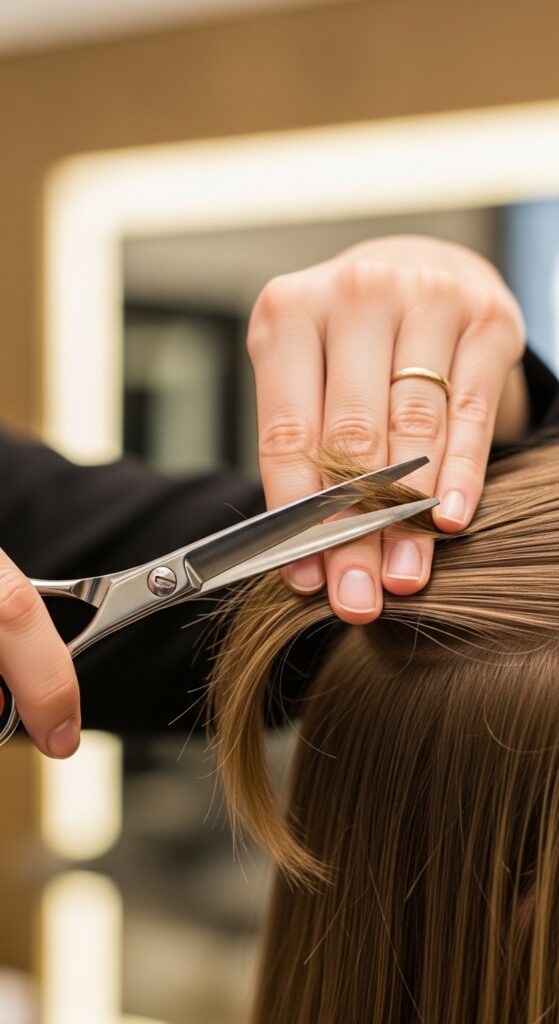
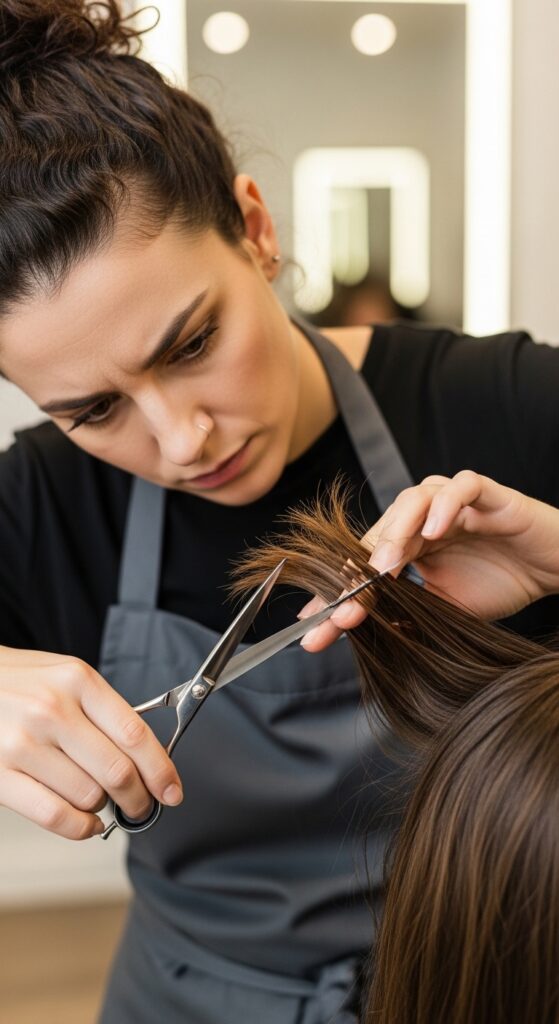
This is where the magic happens. Instead of cutting straight across, your stylist angles their scissors while cutting each of those 25 layers. This creates tiny, textured points along the hair shaft.
These points keep the ends from looking too perfect or blunt. They let pieces separate and dance around, creating that lived-in, expensive texture. It’s the difference between a stiff shape and hair that looks alive.
Why This Combo is a Total Game-Changer
Together, these two techniques create a cut that does the work for you. The graduation gives the overall shape and internal support. The angling adds the detailed texture and separation.
The result? Hair that has built-in body, movement, and a soft, diffused outline. It grows out beautifully and styles easily because the structure is already there. It’s the ultimate practical cut for real life.
Perfect For: The Quiet Luxury Bob
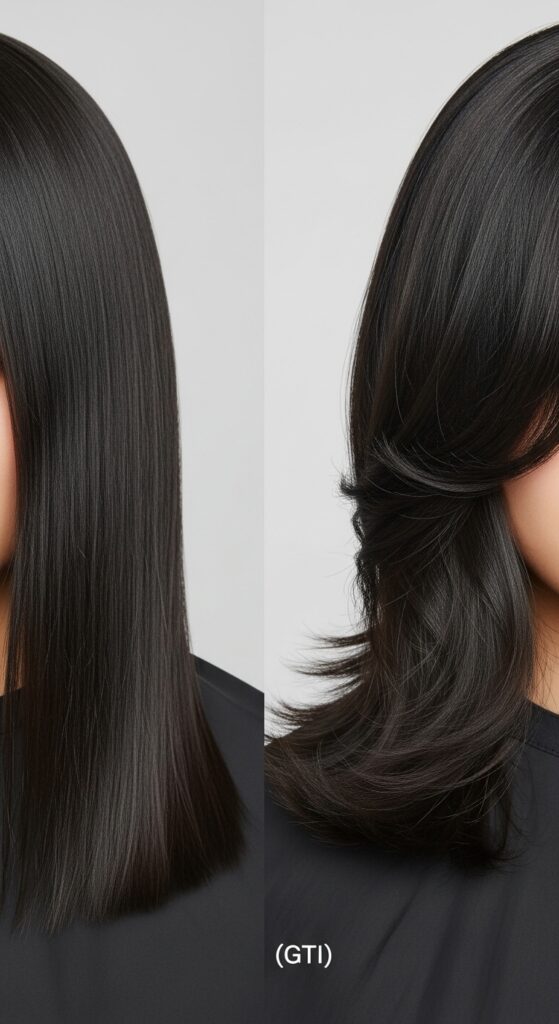
This technique is the absolute star for achieving that understated, old money hair look. The “quiet luxury bob” isn’t just a blunt chop. It’s a masterclass in subtle shape.
The 25-layer graduation gives it a slight, rounded curve underneath, while the angling prevents any harsh lines. It looks polished but never helmet-like. It’s sleek with a hidden sense of ease.
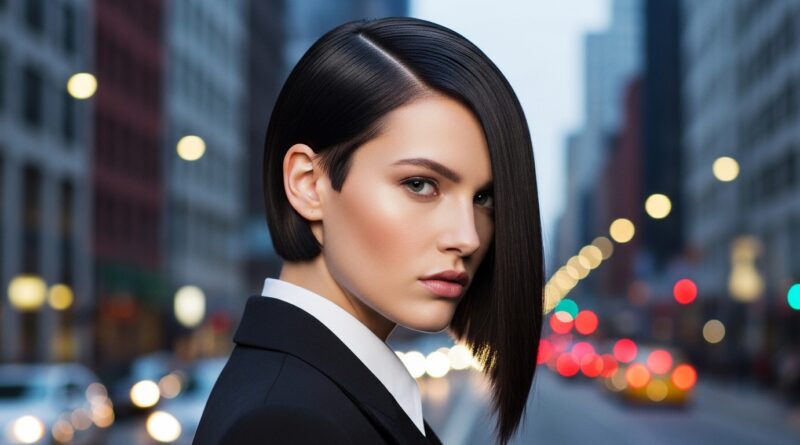
Perfect For: The Asymmetrical Lob
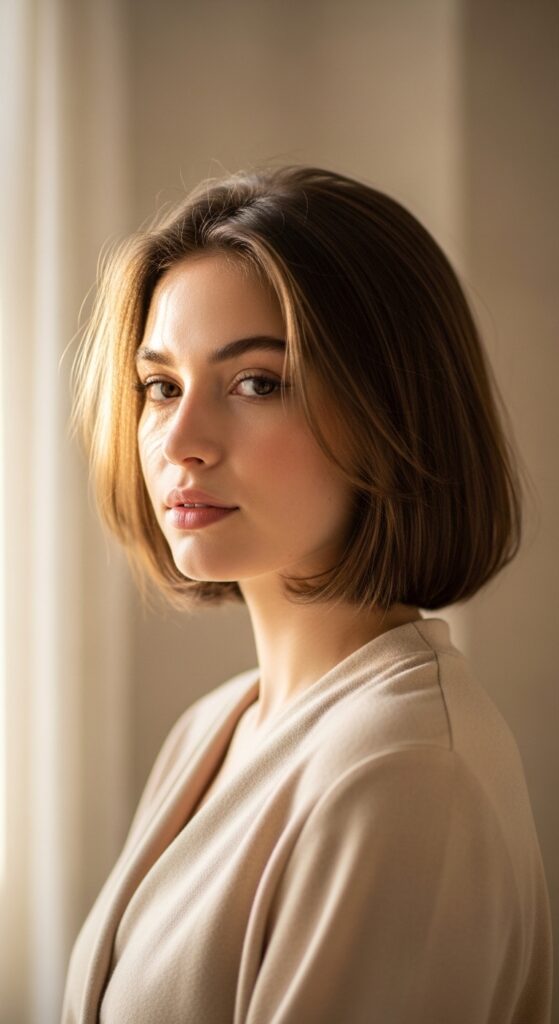
Want an edgier, modern look? The asymmetrical lob thrives on this cut. The graduation helps balance the shorter front with the longer back, so it doesn’t look choppy.
The scissor angling is key for softening the dramatic line and making the longer pieces feel piece-y and cool. It adds that intentional, artistic touch that makes the cut feel fashion-forward.
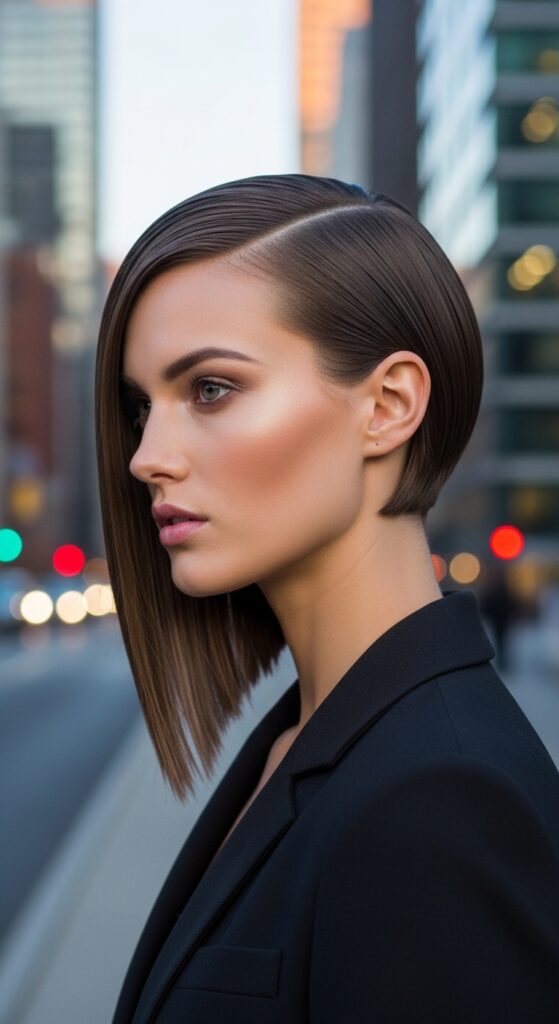
Bringing Drama with a Vampire Cut
Yes, even the dramatic vampire haircut uses these principles! Think sharp, interior layers for that “I just woke up in a castle” volume.
The heavy graduation at the crown creates lift, while intense angling on the face-framing layers gives you those iconic, wispy tendrils. It’s structured chaos, and it’s gorgeous for romantic goth hairstyles.

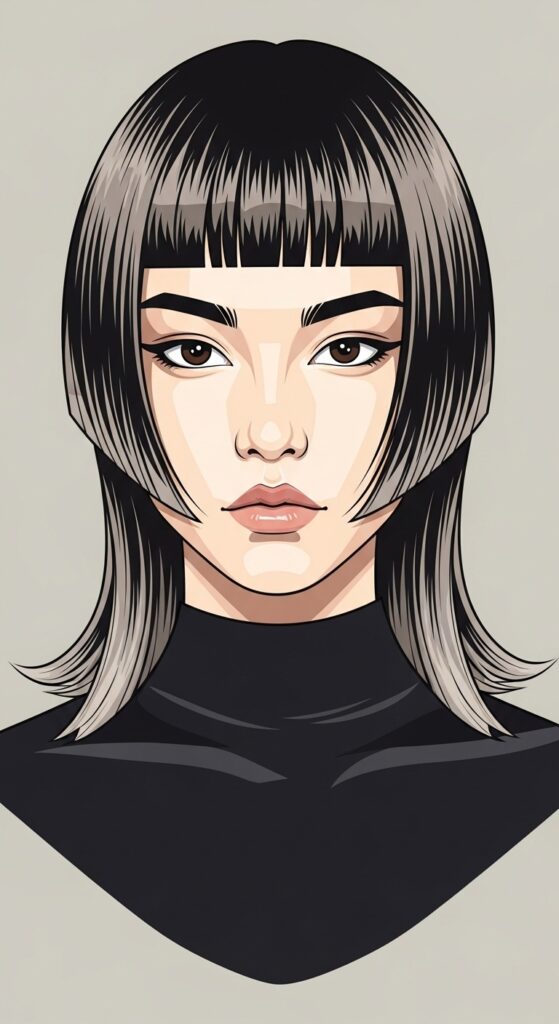
A Touch of Fantasy: The Hime Cut
The iconic hime cut, with its straight-across fringe and blunt side locks, gets a modern update with this technique. While the front pieces remain blunt, the back hair is often graduated.
Adding light angling to the ends of the long back section keeps it from looking too heavy or triangular. It blends the dramatic front with the flowing back for a more wearable look.
Creating “Glitchy Glam” Texture
For that glitchy glam hair vibe—think perfectly imperfect, textured, and cool—scissor angling is your best friend. It’s all about strategic, almost random-looking texture.
By angling the scissors at different points on random sections, your stylist can create intentional “breaks” in the hair. This mimics that lived-in, piece-y texture that looks effortlessly styled.

How to Ask Your Stylist For This Cut
Don’t just walk in and say “25-layer graduation with angling.” They’ll know you’ve been doing your homework! Instead, describe the feeling and show pictures.
Say: “I want a cut with lots of internal movement and softness. I love the idea of graduated layers for shape and some light texturizing with the shears to keep it from getting bulky.” Bring photos of the styles we’ve talked about!
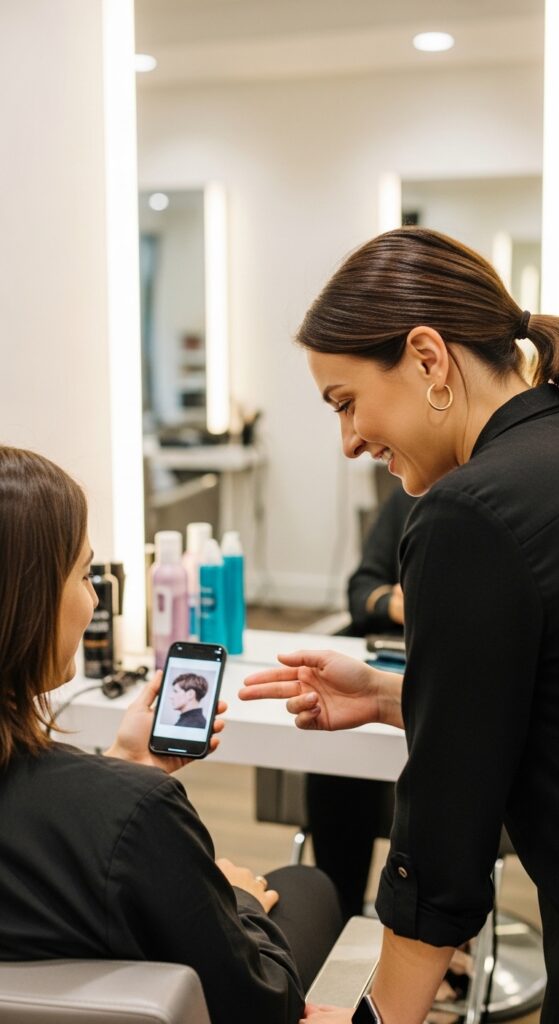
Bringing a Photo is Key
A picture is worth a thousand technical terms. Find 2-3 images that show the overall shape you like and one that shows the texture you want.
Point out what you love: “I like how this bob bends here,” or “See how these pieces separate? That’s the texture I’m after.” This gives your stylist a clear visual target to work towards with their techniques.
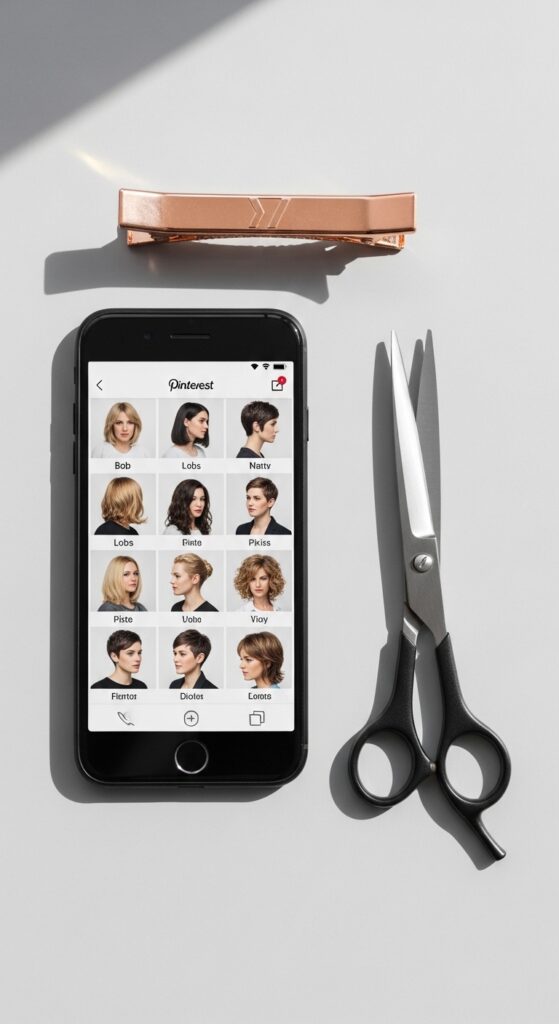
What to Expect During the Cut
Your stylist will likely section your hair carefully. They’ll start by establishing the length and overall shape (the graduation). This is the foundation.
Then, they’ll go back through sections, often holding the hair at an angle and using the points of their shears to snip into the ends or mid-lengths. This is the angling/texturizing phase. It requires focus and precision.
Styling Your New Cut at Home
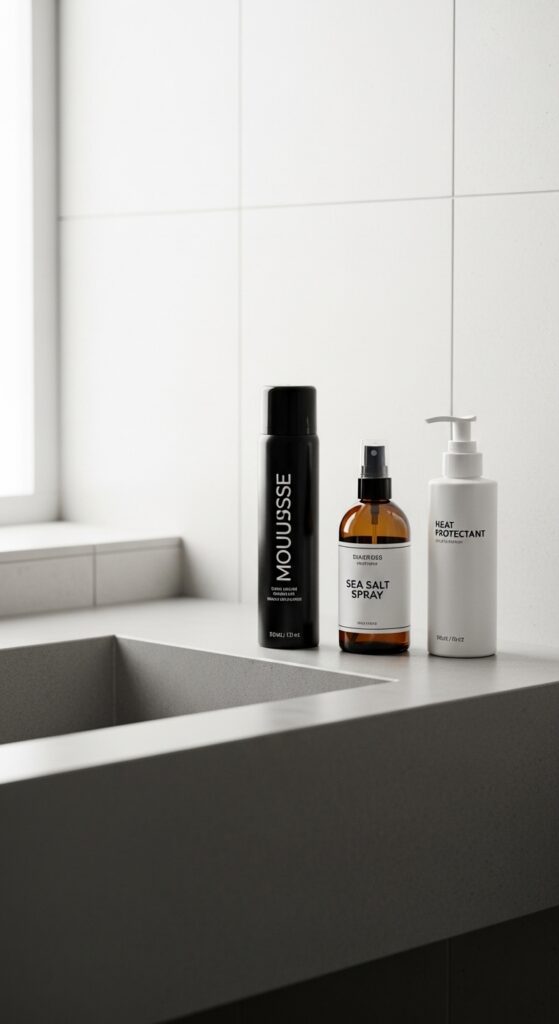
The best part? This cut is low-maintenance. You don’t need a ton of product. A light mousse or root spray at the damp roots will enhance the graduation’s volume.
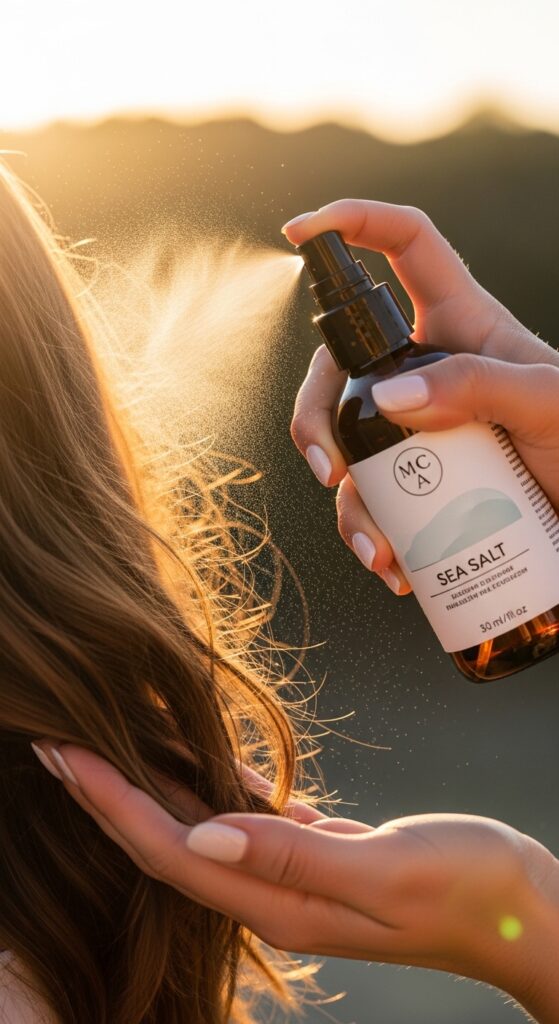
To show off the angling and texture, try a sea salt spray on damp hair and let it air dry. Or, use a large round brush when blow-drying to smooth the shape while letting the textured ends pop out.
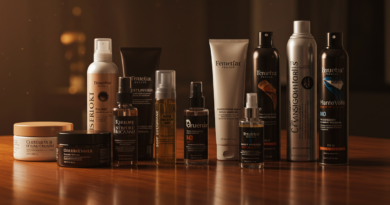
My Go-To Products for This Hair
- Volumizing Mousse: Applied to roots on damp hair for lift.
- Texturizing Sea Salt Spray: Spritzed on mid-lengths to ends for piece-y separation.
- A Lightweight Oil: Just a drop smoothed over the ends to tame frizz without weighing it down.
Keep it simple. The cut does most of the work, so you don’t need to fight it with heavy products.
Why It Grows Out So Beautifully
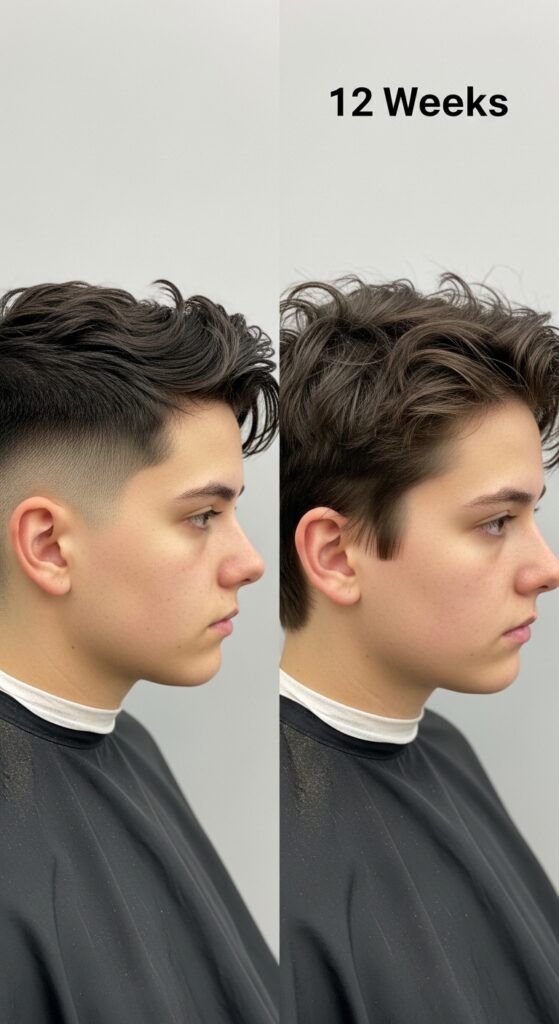
Because the layers are graduated and the texture is blended, there are no harsh lines to grow out. The shape just gets softer over time.
You might find you can go longer between trims because the grow-out phase is graceful, not awkward. The angling helps the ends stay light and blended as they get longer.
Common Mistakes to Avoid
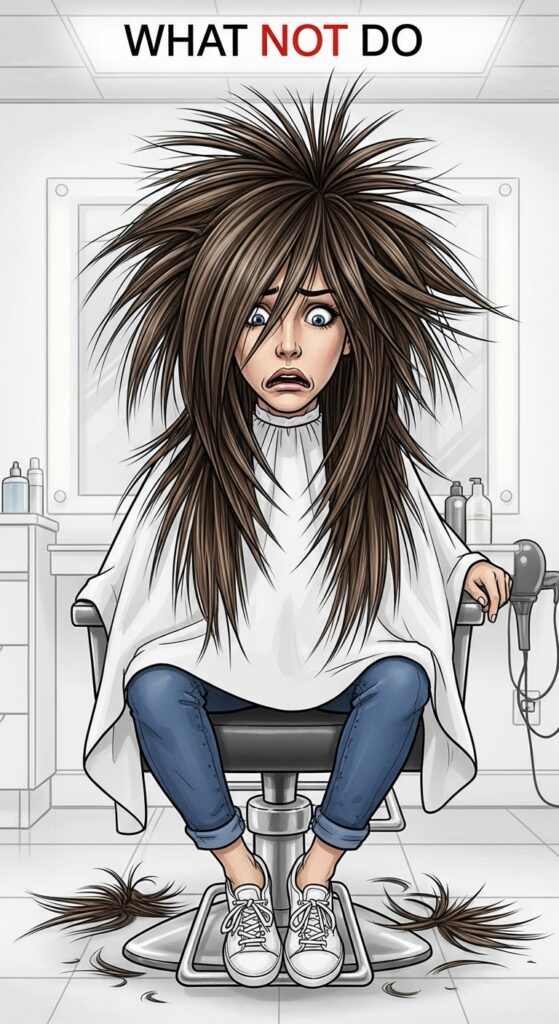
The biggest mistake is over-texturizing. A good stylist will be conservative. You can always take more hair off, but you can’t put it back.
Another is getting the graduation too high up. For most, starting the layers below the jawline is more flattering and maintains weight. Always communicate your comfort with layer height!
Is This Cut Right For Fine Hair?
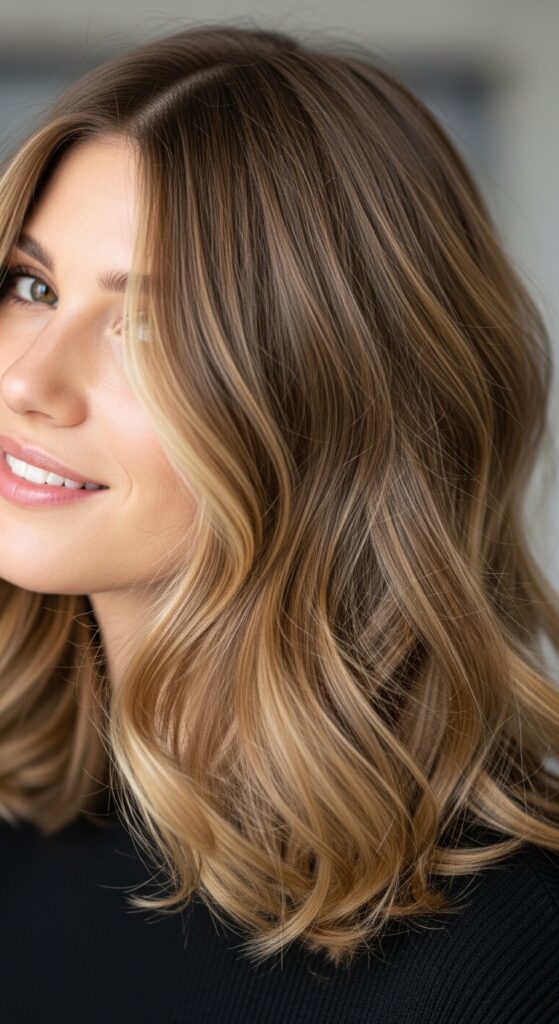
Absolutely! This is a secret weapon for fine hair. The graduation removes just enough bulk to allow the hair to swing, and the angling creates the illusion of thickness and texture.
It prevents fine hair from looking flat or stringy. The key is a very light hand with the texturizing—less is more to avoid making the ends look sparse.

Is This Cut Right For Thick Hair?
Yes, but the goal is different. For thick hair, the graduation is crucial for removing weight and reducing bulk without losing the shape.
The angling helps thin out the ends just enough to prevent a “blunt block” look and encourage movement. It’s about managing volume and creating a wearable shape.
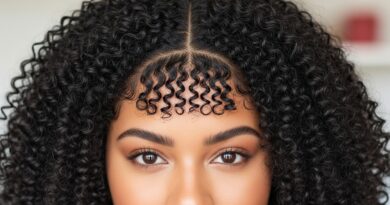
Curly Hair Adaptation
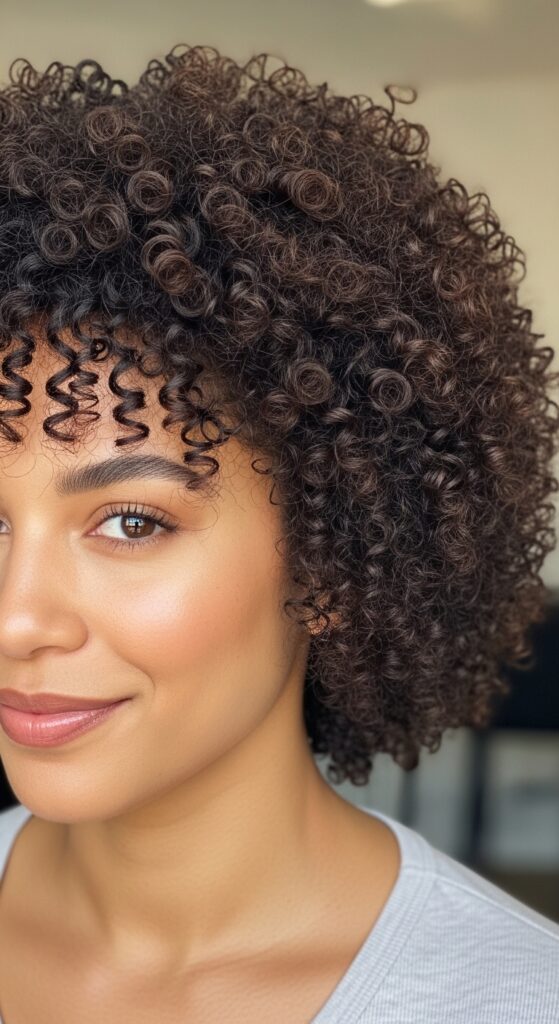
For curly hair, the principle adapts. “Graduation” often means shaping the curl pattern, and “angling” might mean careful point-cutting on dry curls to define shape and remove bulk.
The goal is the same: a shape with movement and life that honors your natural texture. Always seek a stylist experienced with curly cuts for the best result.
Maintaining Your Investment
To keep this cut looking sharp, regular trims are key. Every 10-12 weeks is ideal to maintain the graduation’s shape and refresh the textured ends.
Use a heat protectant every time you style with hot tools. Those textured ends are more delicate and can look frayed if they get damaged. Protect your investment!

Seeing the Big Picture
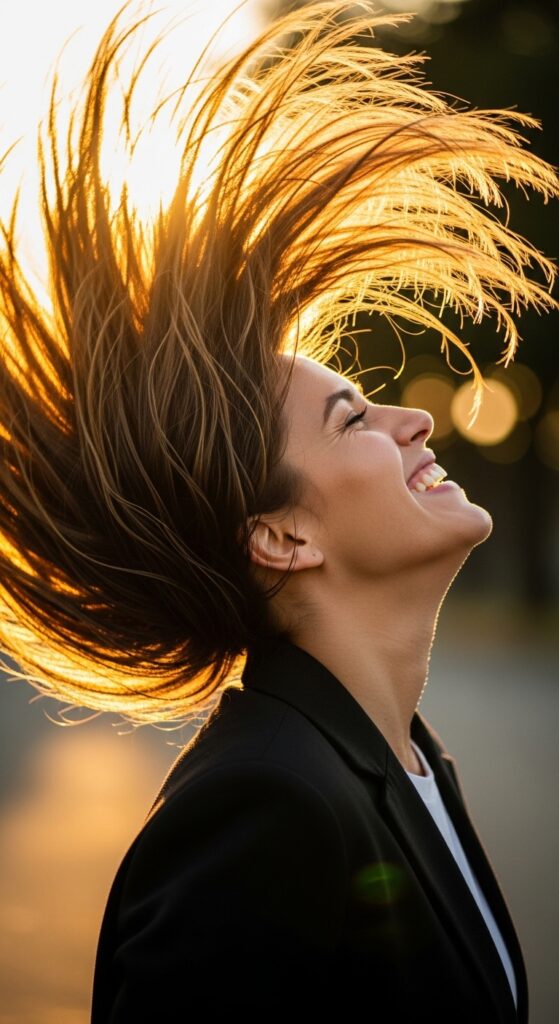
At the end of the day, “25-layer graduation with scissor angling” is just the technical path to a feeling. It’s the path to hair that feels free, stylish, and uniquely yours.
It works for so many of the 2026 hairstyles we’re seeing because it’s all about personalized shape and effortless texture. It’s not a trend; it’s a timeless technique.
Your Next Step
Now you’re armed with the knowledge! You understand what creates that incredible movement you see in your favorite hair inspirations.
Book that salon appointment with confidence. You know what to ask for, how to describe it, and what to expect. You’re ready to get the haircut that truly works with you, not against you.
And that’s the inside scoop! Understanding these techniques honestly changes the game. It takes the mystery out of getting a great haircut and puts the power back in your hands to ask for exactly what you want.
Remember, the best haircut is a conversation between you and a skilled stylist. Now you have the vocabulary to start that chat. Here’s to amazing hair days ahead, friends.
Save this post to Pinterest to keep this guide handy for your next salon visit! Did this demystify haircuts for you? Let me know in the comments what your dream haircut is this season!