Why Hair Is Becoming Less Perfect on Purpose
For decades, the beauty industry sold us a dream of flawlessness. Salon-fresh blowouts, not a strand out of place, roots perpetually touched-up, and styles so precise they looked painted on. But scroll through your feed today, and a different aesthetic emerges. The “perfect” hair ideal is being deliberately dismantled, replaced by a celebration of the messy, the textured, the grown-out, and the authentically undone. This isn’t about laziness; it’s a profound cultural shift. From the clean girl aesthetic to the quiet luxury vibe, imperfection has become the ultimate signifier of cool, confidence, and a more realistic approach to living. Let’s untangle why hair is becoming less perfect—on purpose.
The Rejection of High-Maintenance Beauty Standards
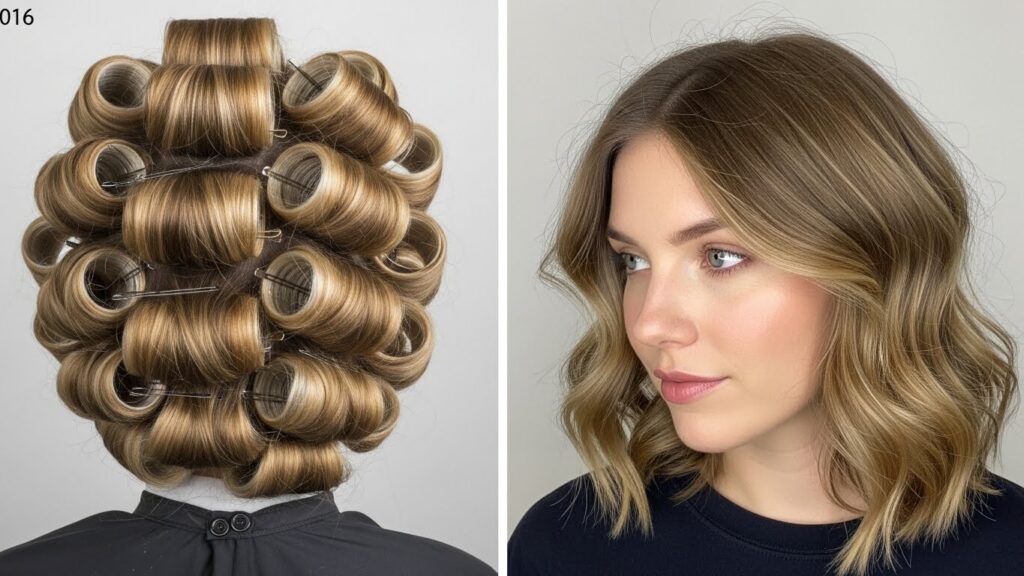
The first driver of this trend is a collective fatigue. The 2010s were the era of the Instagram face and contoured-to-perfection everything, including hair. It was exhausting and expensive. The pursuit of perfection became a visible burden. Today’s ethos leans into sustainability—not just environmentally, but in terms of personal time, energy, and finances. Choosing to air-dry your natural texture, extending time between hair appointments, and embracing styles that don’t require heat or complex tools is a form of rebellion. It says, “My value is not tied to my compliance with a high-maintenance routine.” This shift is deeply connected to broader movements towards body neutrality and rejecting unrealistic, often digitally-enhanced, beauty standards.
Authenticity and “Effortless” Cool as a Status Symbol
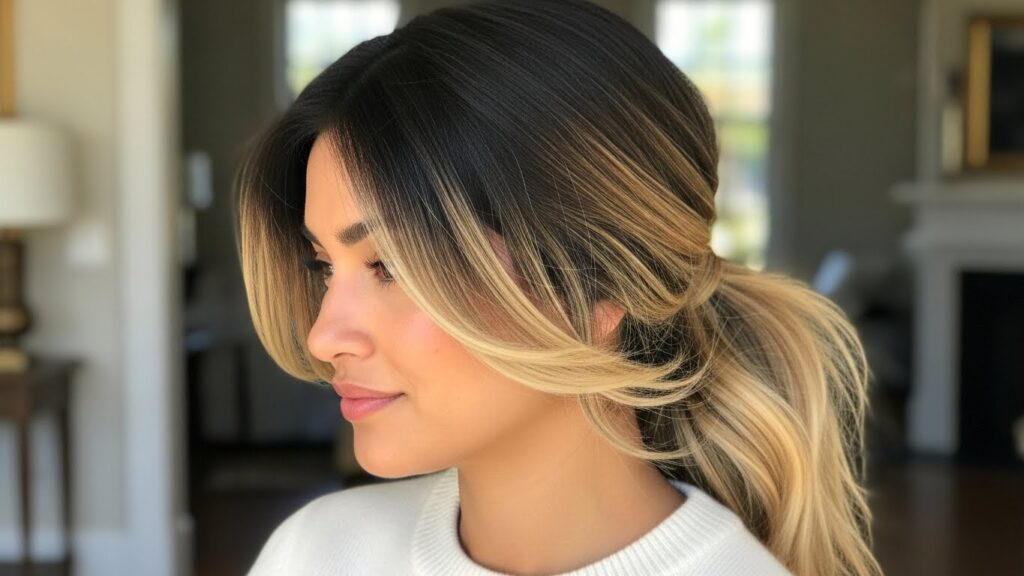
In a world of filters and facades, authenticity has become the new luxury. Purposefully imperfect hair signals something genuine. Think of the “model-off-duty” messy bun or the artfully disheveled waves seen at fashion weeks. These styles are carefully crafted to look like they took no effort, which is precisely the point. This studied nonchalance communicates a different kind of status: I am so confident and secure that I don’t need to try hard to impress you. It’s a move away from conspicuous consumption (showing off expensive treatments) to what sociologists call “inconspicuous consumption”—where the luxury is in having the time and confidence to not care. Visible roots or undone texture become a badge of self-assurance.
The Rise of Texture and Hair Health Advocacy
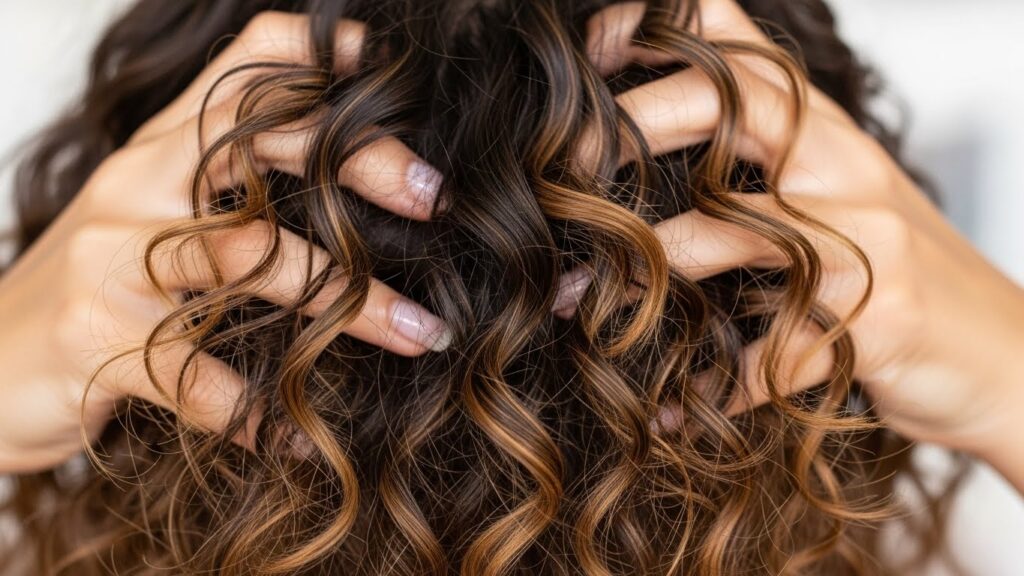
The curly hair movement paved the way, championing the beauty of natural texture over heat-straightened conformity. This has expanded into a universal appreciation for hair that looks and feels like hair—with its inherent volume, frizz, wave, and movement. The “perfect” glass hair or slicked-back look often requires subduing the hair’s natural state with heavy products and tools. The imperfect trend celebrates the opposite. It’s about using products that enhance, not suppress: mousses for volume, texturizing sprays for grip, and leave-in conditioners for defined waves. This approach is often healthier, limiting heat damage and chemical processing, aligning with a wellness-oriented mindset that prioritizes the health of the hair over its temporary appearance.
Cultural Shifts: Pandemic Influence and Time Reclamation
The COVID-19 pandemic acted as a massive accelerator for this trend. With salons closed and video calls focusing on the face, people were forced to experiment with their natural hair. Many discovered they liked it. They also reclaimed hours previously spent on styling. Post-pandemic, there was no full return to the old ways. The experience normalized grown-out colors, gray hair transitions, and simple, manageable styles. It created a permanent mindset shift: time is precious, and spending an hour flat-ironing hair might not be the best use of it. The “imperfect” hair trend is, in part, a lasting legacy of this period of enforced simplicity and self-reliance.

The Aesthetics of Specific “Imperfect” Trends
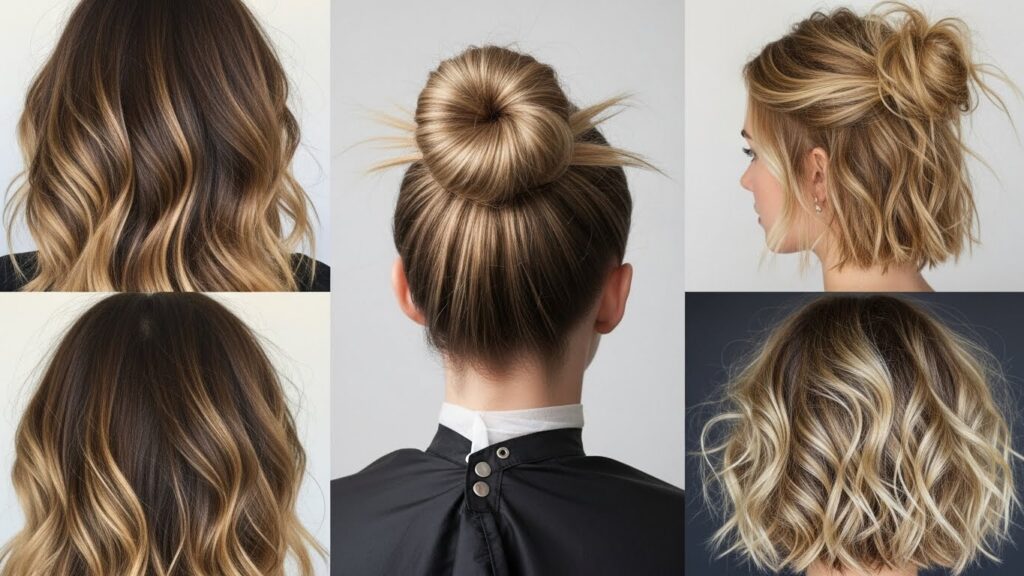
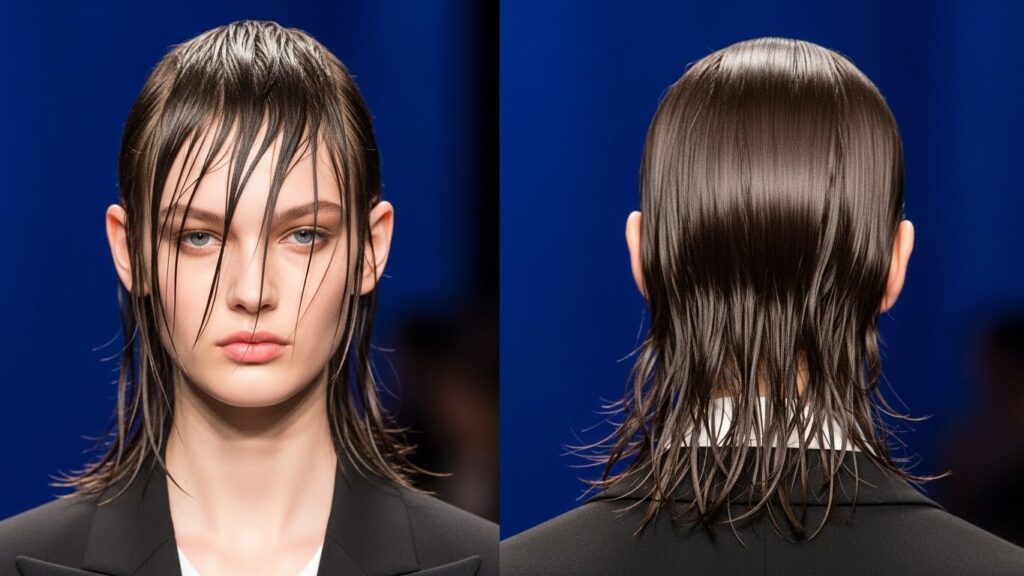
This philosophy manifests in concrete, popular styles. The “Cold Girl” hair features a high, sleek-but-flyaway bun, often with face-framing pieces, mimicking the look of someone bracing against winter air. The “Brushed-Out Curl” look takes defined curls and gently brushes them into a soft, fluffy, halo-like volume. Conscious root regrowth is now a color technique, where the demarcation line is soft and blended, intended to last for months. The “wet look” gone dry—where hair has the separated, textured finish of gel but is fully dry—celebrates a piece-y, unfinished texture. Each of these styles is achieved with purpose and product, deconstructing the old rules of what “finished” hair must look like.
What This Trend Says About Our Future with Beauty
The move towards intentionally imperfect hair is more than a passing fad; it’s a correction in our relationship with beauty. It prioritizes personal expression, comfort, and health over external validation and rigid standards. It democratizes beauty by making it more accessible and less dictated by salon schedules and expert techniques. Looking ahead, we can expect this to fuel continued innovation in products designed for enhancement rather than correction—more texturizers, air-dry creams, and flexible hold stylers. The role of the hairstylist evolves from enforcer of perfection to collaborator in creating low-maintenance, high-impact looks that grow out beautifully and suit the client’s real life.
Ultimately, the choice to wear less-than-perfect hair is a powerful one. It’s a small, daily act of embracing the beautifully human—the unpredictable, the textured, the lived-in. It swaps performance for presence. In a culture that often demands polish at all costs, a few flyaways or some visible growth can be a quiet but radical statement: I am here as I am, and that is enough. And perhaps, that is the most perfect statement of all.