Why Hair Is Becoming Less Trend-Driven
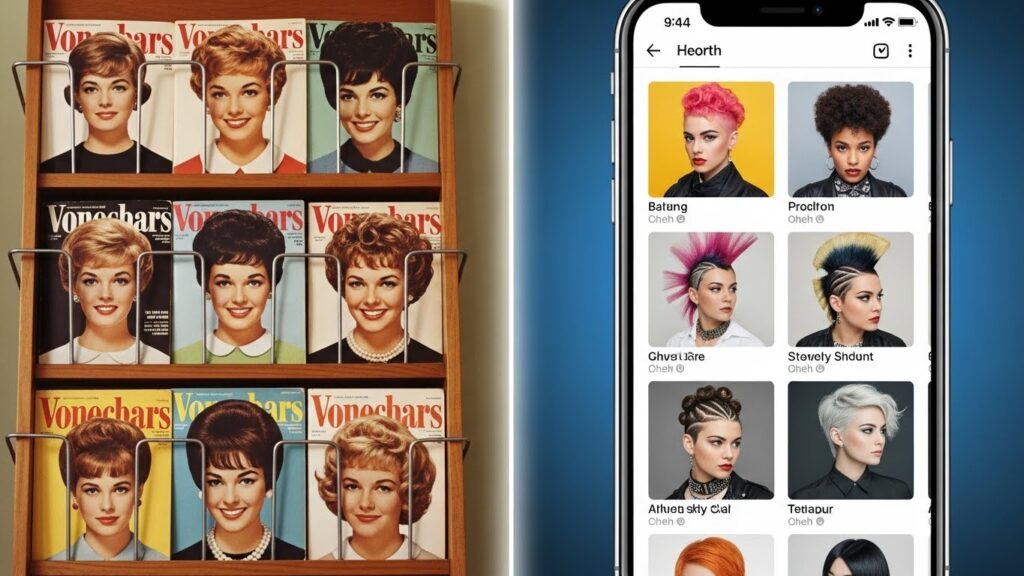
Remember the years of frantic trend-chasing? The sudden, collective rush to get the Rachel, the ombre, the balayage, the lob, or the glass hair? For decades, the hair industry operated on a predictable cycle: a trend would emerge from the runways or celebrity culture, dominate salons and media for a season or two, and then be unceremoniously replaced by the next big thing. But something significant is shifting. Today, scrolling through Instagram or walking down a city street, you’re less likely to see a uniform sea of the same cut and color. Instead, you witness a vibrant tapestry of individual expression. Hair is decisively moving away from being trend-driven and towards something more personal, sustainable, and health-focused. This isn’t just a fleeting moment; it’s a fundamental cultural reset.
The Rise of the Individual Over the Collective
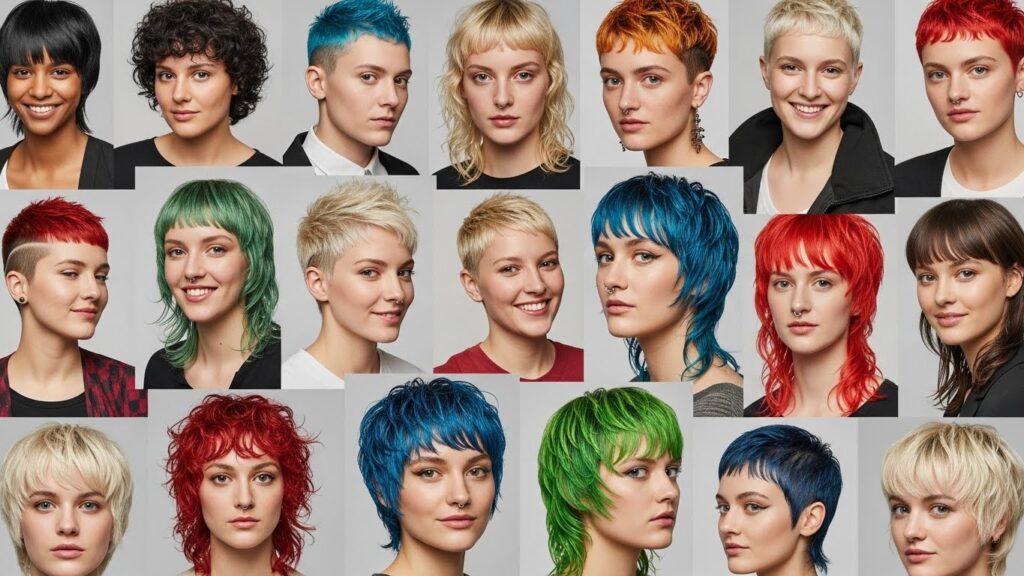
The most powerful force behind this shift is the celebration of individuality. Social media, once a trend accelerator, has paradoxically become its antidote. While platforms like Instagram and TikTok can still spark trends, they have primarily democratized beauty. We are no longer limited to a handful of gatekeepers (magazines, celebrity stylists) dictating what’s beautiful. Now, we have access to millions of real people showcasing their unique hair journeys—embracing their natural curl patterns, growing out their gray, or crafting a color that speaks to their personality alone.
This has fostered a “you do you” mentality. The question is no longer “Is this style in fashion?” but rather “Does this style feel authentic to me?” People are investing in cuts and colors that enhance their natural features, suit their lifestyle, and reflect their identity, rather than forcing their hair to conform to an external ideal. The goal is confidence, not conformity.
Wellness and Hair Health as the New Priority
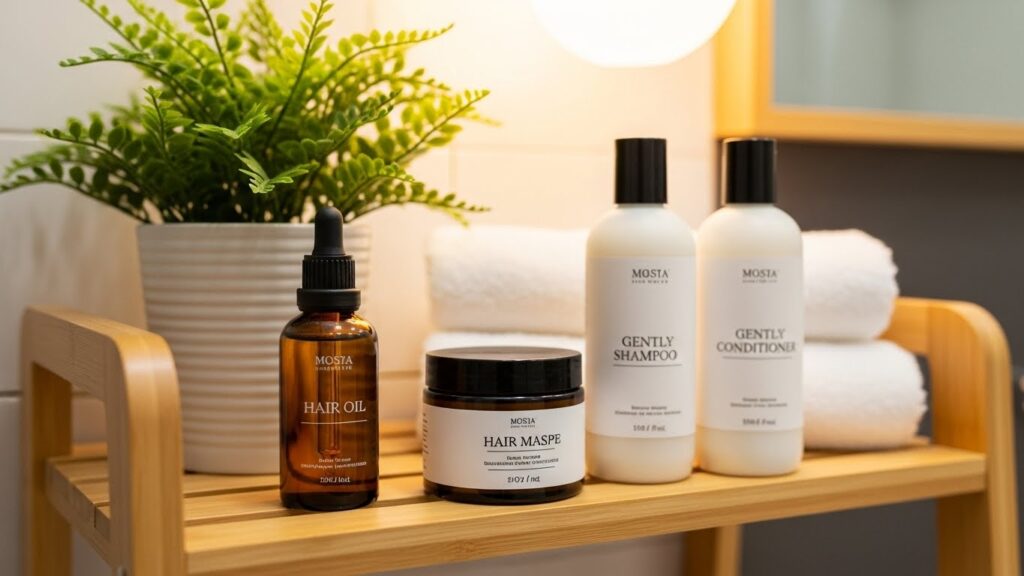
The modern consumer is increasingly informed and concerned about hair health. The era of subjecting hair to weekly bleaching, high-heat styling, and harsh chemical treatments to keep up with trends has revealed its cost: damage, breakage, and loss of vitality. As the wellness movement permeates every aspect of our lives, hair care is being viewed through a similar lens.
People are now asking stylists for health-first services. They want treatments that repair, formulas that are cleaner, and styles that allow their hair to rest and recover. The “glazed donut” hair trend, for instance, was popular not just for its shine but because it implied supreme health. This focus on integrity means individuals are more likely to stick with a regimen and style that maintains their hair’s strength, even if it means skipping the next drastic color trend. Long-term vitality has trumped short-term trendiness.
The Sustainability and Low-Maintenance Revolution
Closely tied to wellness is the growing demand for sustainability and low-maintenance routines. The constant upkeep required by many high-trend styles—root touch-ups every four weeks, frequent salon visits for precise cuts—is being questioned both for its environmental impact (chemical runoff, water use, product waste) and its personal cost in time and money.
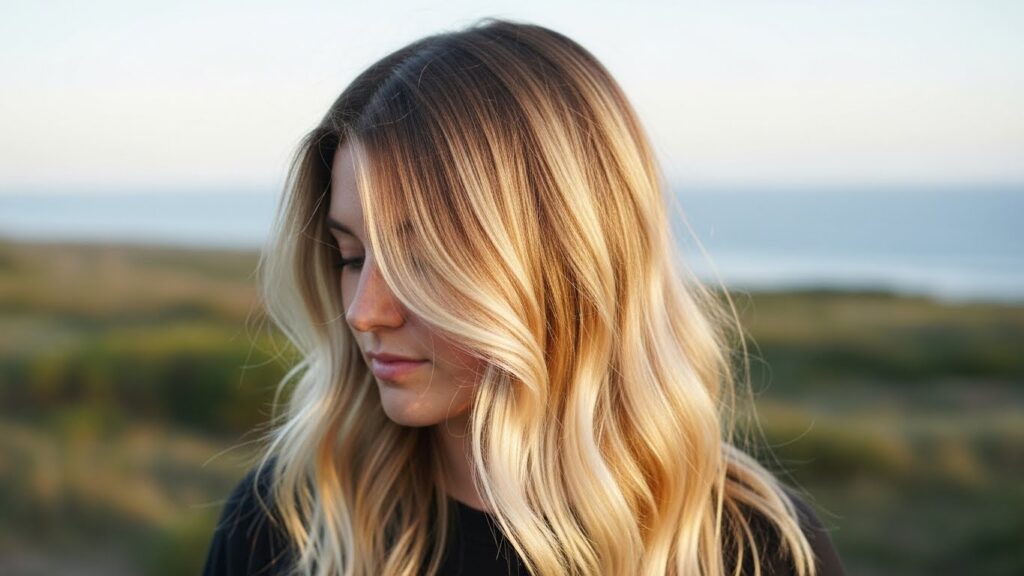
There’s a powerful move towards styles that grow out gracefully and colors that blend naturally. Think of the popularity of lived-in color, shadow roots, and shag cuts that improve with a bit of grow-out. These styles are inherently anti-trend because they are designed to evolve with the individual, reducing salon dependency and waste. The value proposition has shifted from “look perfect according to a trend” to “look good and feel good with minimal intervention.”
The Rejection of Fast Fashion Beauty
Just as the fashion industry faces criticism for fast fashion, the beauty industry is confronting its own cycle of disposable trends. Consumers are becoming more mindful of the constant churn and its implications. This awareness leads to a preference for timelessness and investment.
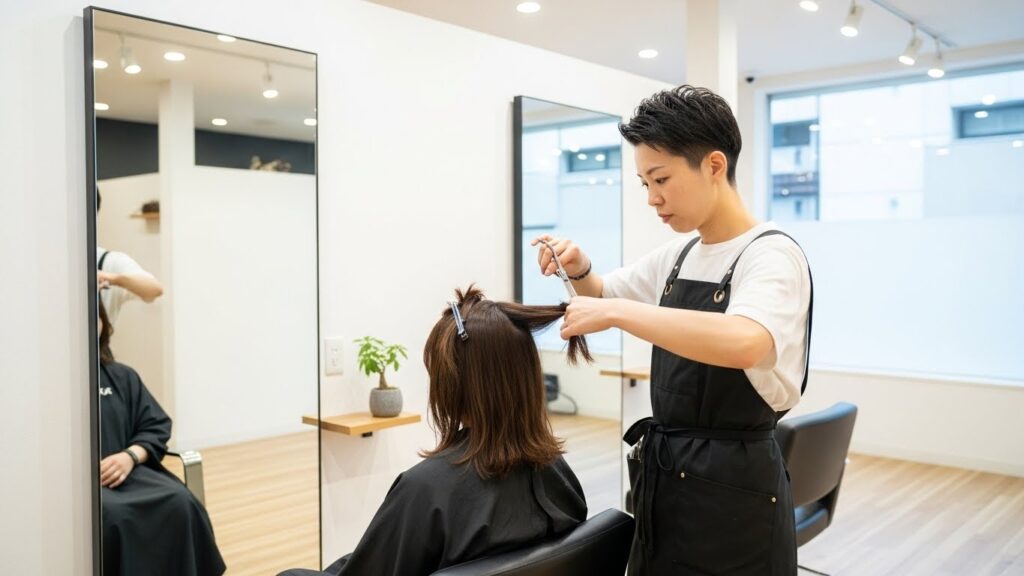
Rather than seeking a cheap, quick fix to emulate a passing fad, people are saving for a quality cut from a skilled stylist or investing in better products. They are treating their hair as a long-term asset. This mindset naturally resists trend waves, favoring classic, tailored looks that won’t feel “dated” in six months. The focus is on craftsmanship and personal aesthetics over mass-market novelty.
Cultural Inclusivity and the Celebration of Texture
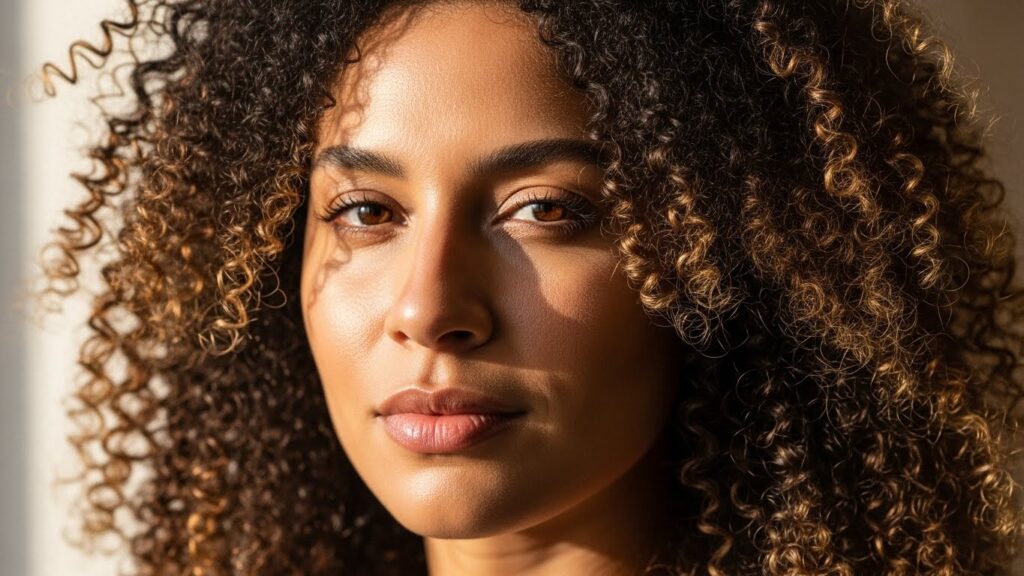
For too long, mainstream hair trends largely centered on straight, silky textures, forcing many people to chemically or thermally alter their natural hair. The powerful and overdue movement towards textural inclusivity has fundamentally disrupted the trend cycle. Celebrating natural curls, coils, kinks, and waves isn’t a trend—it’s a permanent correction.
This celebration means that for a huge portion of the population, the concept of chasing a trend that doesn’t honor their natural texture is irrelevant. The “trend” is the healthy, well-cared-for manifestation of one’s own hair. This has created entire new product categories and styling philosophies centered on enhancement, not alteration, making the traditional trend model obsolete for these communities.
What’s Replacing the Trend Cycle?
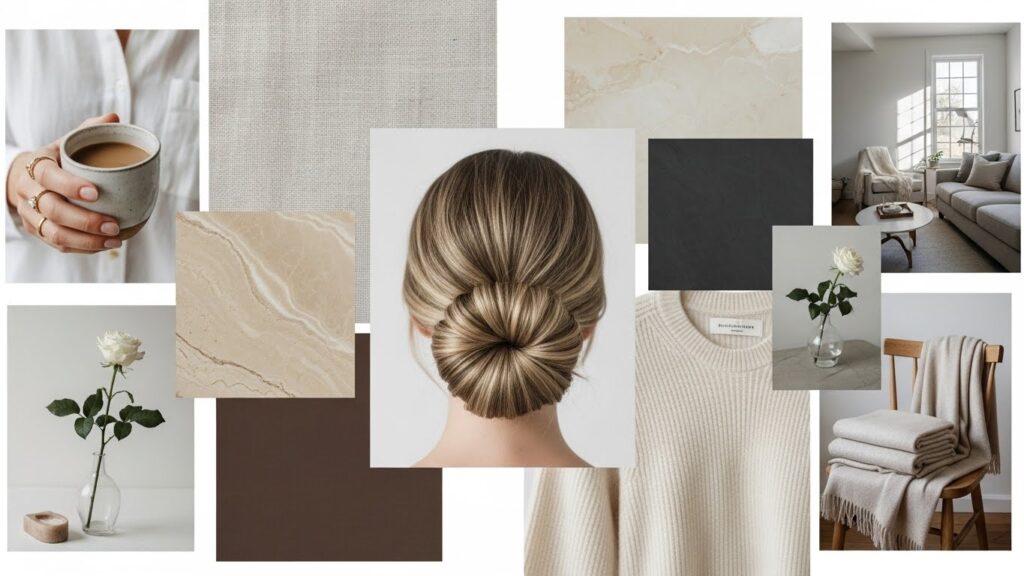
If not trends, then what is guiding our hair choices? The new paradigm is built on archetypes and aesthetics rather than prescribed styles. Think of the “clean girl” aesthetic, the “cottagecore” vibe, or the “quiet luxury” look—these are not specific haircuts, but rather moods or values expressed through beauty. Someone might choose a sleek, low bun not because it’s “in,” but because it aligns with their minimalist “clean girl” aesthetic. Another might embrace romantic, undone waves to match their “cottagecore” lifestyle.
This allows for immense personal interpretation. It’s a shift from copying a specific look to adopting a philosophy that can be uniquely applied to one’s own hair texture, face shape, and personality. The stylist’s role evolves from trend technician to creative collaborator and health consultant.
Embracing Your Hair’s Unique Story
The move away from trend-driven hair is ultimately a liberation. It returns agency to the individual, prioritizes the long-term health of our hair, and aligns with broader cultural values around sustainability and inclusivity. Your hair is no longer a billboard for what’s hot this season; it’s an integral part of your personal narrative and well-being.
So, the next time you consider a change, ask yourself new questions: What will make my hair feel its healthiest? What style expresses who I am at my core? What routine is sustainable for my life? The answers will lead you to a choice that is far more rewarding and enduring than any trend ever could be. The future of hair is not uniform; it is uniquely, authentically, and beautifully yours.