
Why Hair Is Getting Softer Across All Lengths
Have you noticed a subtle yet profound shift in the texture of hair around you? From the crown of your own head to the locks of friends, celebrities, and strangers on the street, there’s a growing phenomenon: hair is getting noticeably softer. This isn’t just a trick of the light or a fleeting trend. Across all lengths—from sharp bobs to waist-length waves—hair is experiencing a collective upgrade in softness, manageability, and shine. But why? Is it magic, or is there a fascinating convergence of science, consumer awareness, and cultural shifts at play? This deep dive explores the compelling reasons behind this global hair transformation, revealing how we’ve moved beyond mere cleansing into an era of hair optimization.

The Science of Soft: Advanced Formulations Leading the Charge
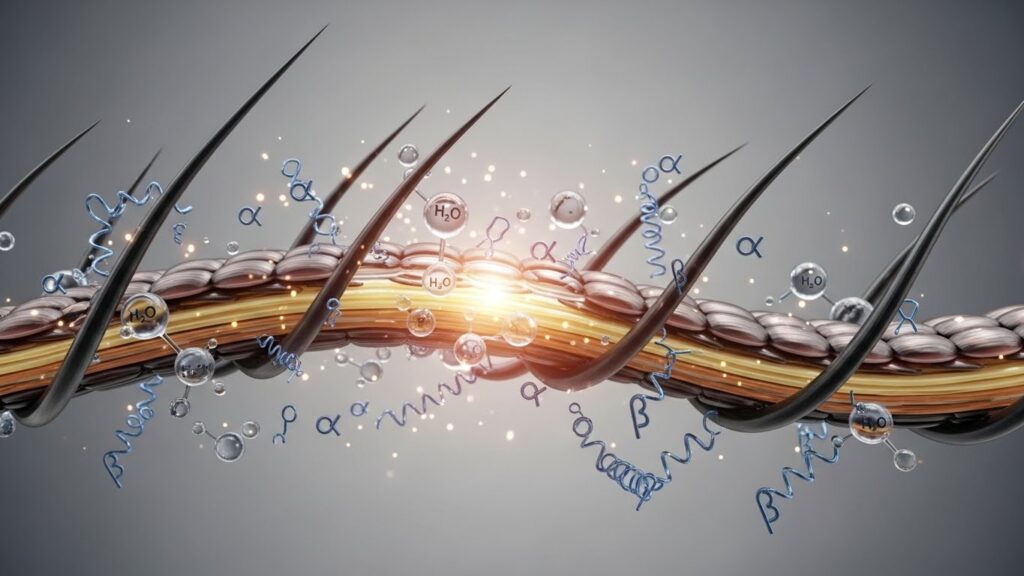
The most significant driver behind the soft hair revolution is unequivocally scientific innovation. Gone are the days of harsh sulfates and simple silicone serums. Today’s hair care is engineered at a molecular level. Formulators now deeply understand hair porosity, the cuticle structure, and the protein-lipid balance. Ingredients like amino acids are being used to reinforce hair bonds, while hydrolyzed proteins of various molecular weights penetrate different levels of the hair shaft to deliver targeted strength and flexibility. Furthermore, the rise of humectants and emollients derived from natural sources—like hyaluronic acid, squalane, and various plant butters—work in harmony to attract and seal in moisture without heavy buildup. This sophisticated cocktail of ingredients doesn’t just coat the hair; it improves its intrinsic health, leading to lasting softness from root to tip.
The Pre-Shampoo & Treatment Boom: Proactive Care Over Reactive Fixes
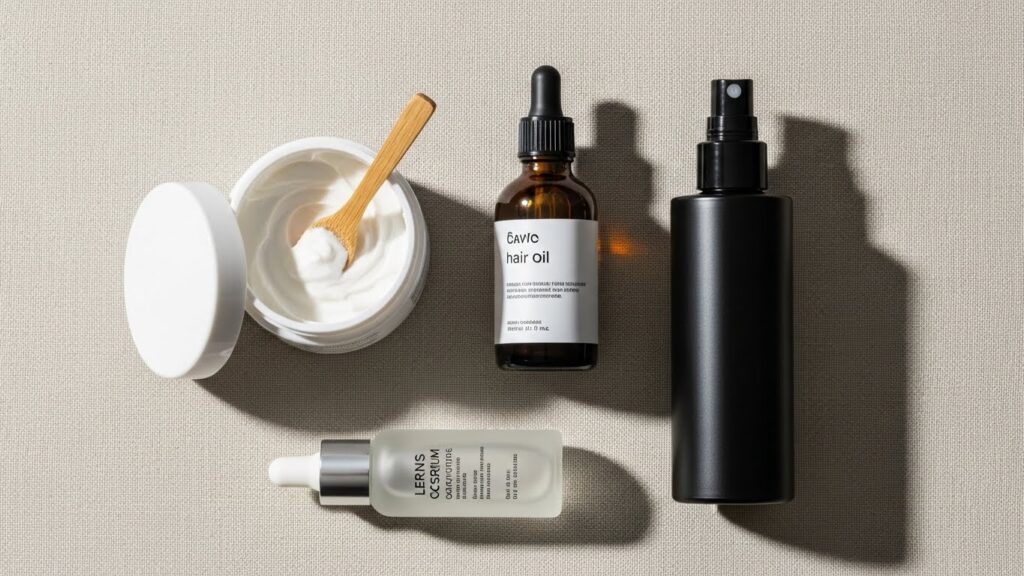
Our approach to hair care has become fundamentally more proactive. The ritual has expanded far beyond shampoo and conditioner. The widespread adoption of pre-shampoo treatments (pre-poo), hair masks, and leave-in conditioners has created a multi-layered defense and repair system. Pre-poo treatments, often using oils, protect the hair from the potential drying effects of cleansing. Deep conditioning masks, now used regularly by the average consumer, deliver intensive hydration and nutrients that standard rinse-out conditioners cannot. This consistent, preventative care addresses damage before it manifests as dryness or breakage, resulting in a cumulative softness that withstands styling and environmental stress. The mantra is now nourish first, style second.
The Filter-Down Effect of Professional-Grade Technology
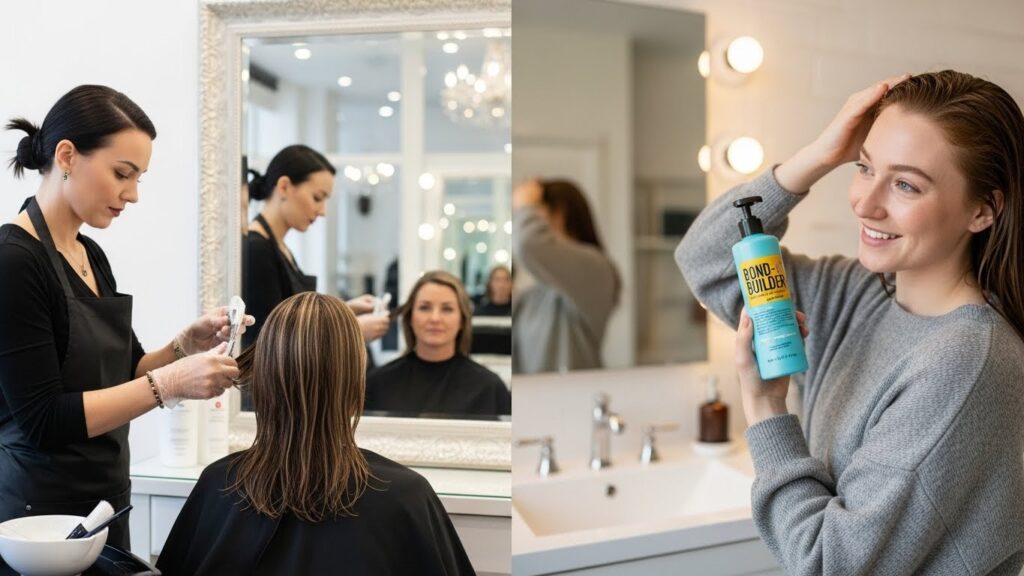
What was once exclusively available in high-end salons is now sitting on drugstore shelves. Technologies like keratin complex, bond-building (popularized by treatments like Olaplex and K18), and ceramide infusion have trickled down into affordable product lines. Consumers are educated and demand professional results at home. Bond-building technology, for instance, actually repairs the disulfide bonds in hair broken by chemical and thermal damage. This isn’t superficial smoothing; it’s genuine structural repair that restores the hair’s natural softness and strength. The democratization of these powerful technologies means salon-quality softness is now a consistent, at-home achievement for millions.
Water Quality Awareness and Filtration
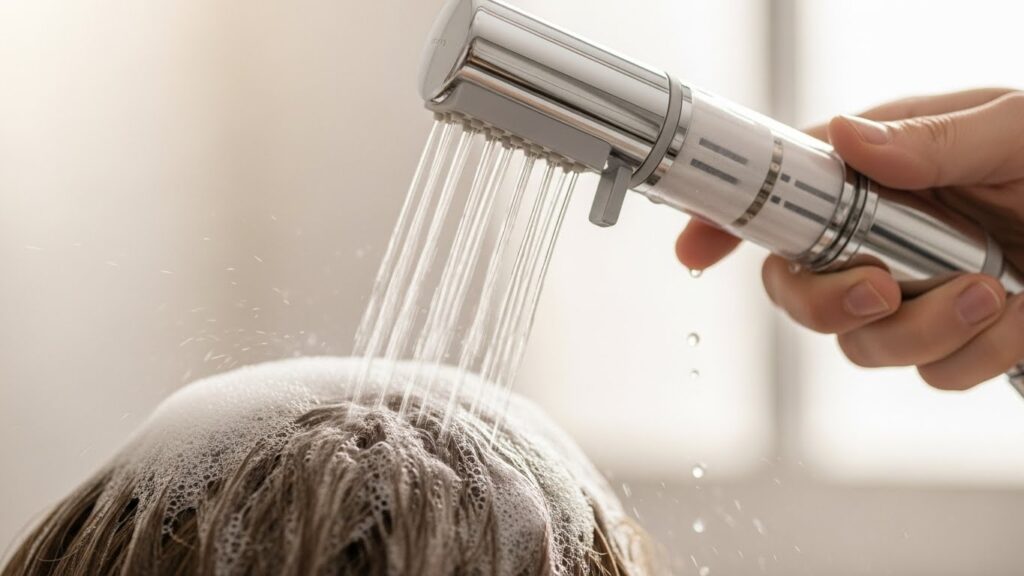
An often-overlooked hero in the soft hair story is water quality. The beauty community has loudly highlighted the ravages of hard water—mineral-heavy water that leaves deposits on hair, causing dryness, dullness, and brittleness. In response, there’s been a surge in the use of shower head filters and chelating shampoos. By removing chlorine, magnesium, and calcium from the water, these filters allow cleansers and conditioners to work as intended, without mineral interference. The result? Hair that rinses cleaner, feels lighter, and retains moisture and softness more effectively after every wash. It’s a foundational change that amplifies the efficacy of every other product in your routine.
The “Less Is More” Philosophy and Gentler Routines
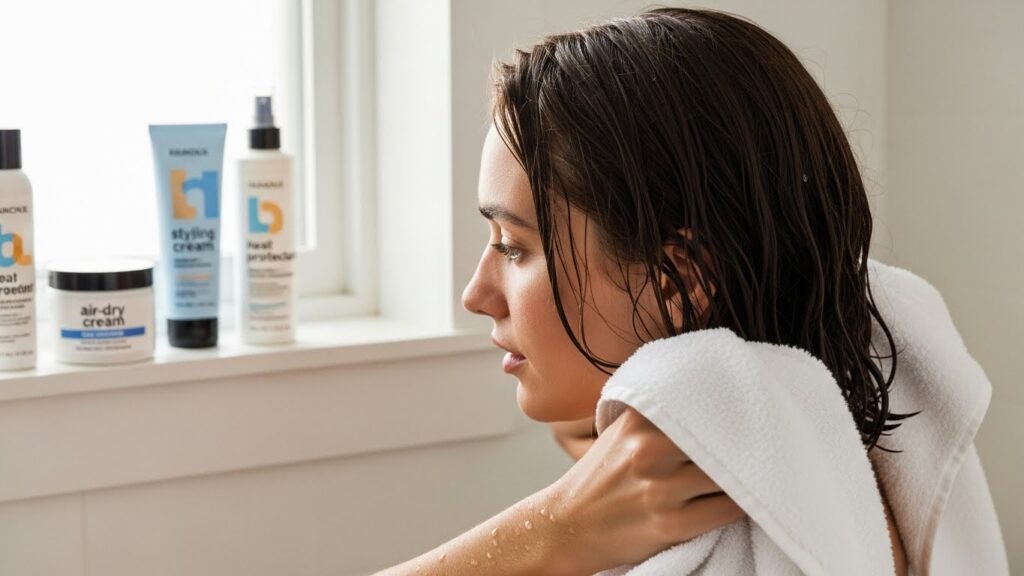
Paradoxically, achieving softer hair has also come from doing less. The over-washing, over-styling, and excessive heat of previous decades are being replaced by mindful routines. The popularity of co-washing (using conditioner only), scalp-focused washing, and extended periods between washes helps preserve the hair’s natural oils and prevent moisture stripping. Heat styling is no longer a daily default, thanks to better air-dry products and protective styles. This cultural shift towards gentler handling reduces cumulative damage, allowing the hair’s natural soft texture to emerge and be maintained. We are finally listening to our hair’s needs rather than forcing it into submission.
Material Science: Softer Tools for Softer Strands
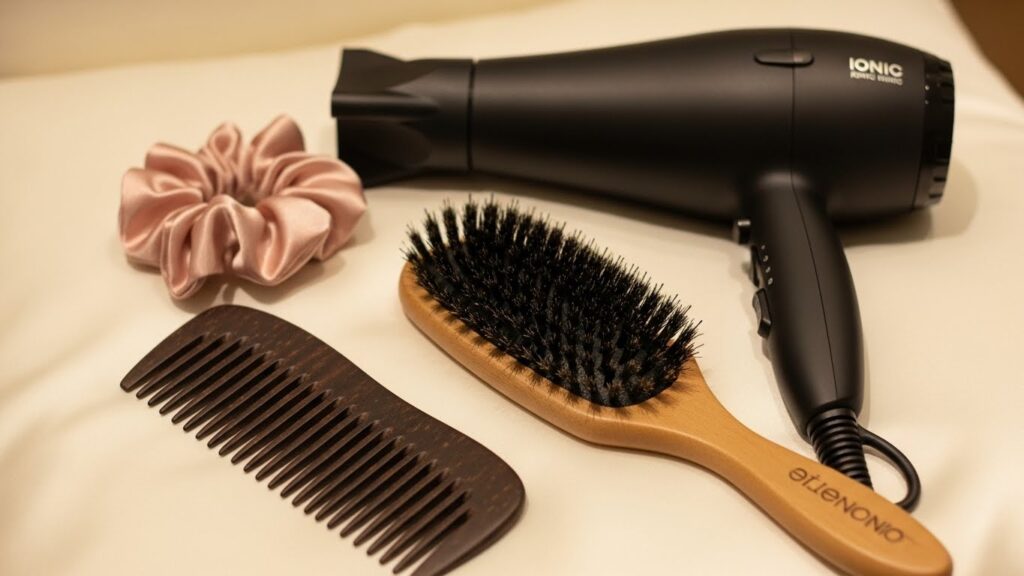
Innovation isn’t limited to liquids and creams; it’s in our tools. The humble hair brush has undergone a renaissance. Bristles made from boar hair, nylon blends, and thermoplastic materials are designed to distribute natural oils and detangle without snagging or breaking. Similarly, the shift from cotton pillowcases to silk and satin has dramatically reduced friction during sleep, a major cause of frizz and moisture loss. Even hair ties have evolved to be seamless and snag-free. These tool upgrades work in the background to protect the hair’s cuticle integrity, ensuring that the softness achieved in the shower isn’t destroyed by the tools we use daily.
Holistic Health: The Internal Foundation of External Softness
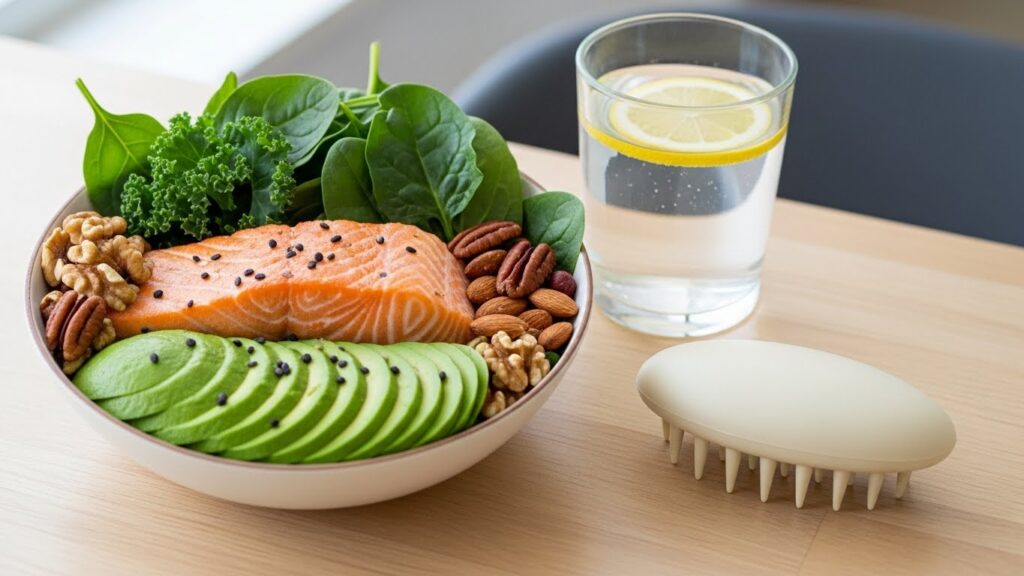
Finally, we cannot discount the role of holistic wellness. The interconnectedness of diet, stress, and hair health is now mainstream knowledge. Increased consumption of omega-3 fatty acids, biotin, collagen peptides, and adequate protein provides the building blocks for strong, supple hair from within. Simultaneously, the focus on scalp health as the root of hair health has led to scalp serums and massages that boost circulation. A healthy scalp environment produces healthier, softer hair strands. We are treating our hair not just as an accessory, but as an indicator of overall well-being, nourishing it from the inside out.
The Future of Soft: What’s Next?
The trend toward universally softer hair is more than a passing fad; it’s a permanent shift born of knowledge and innovation. As biotechnology advances, we can expect even more personalized solutions—products tailored to our unique protein and moisture balance, perhaps even based on DNA or microbiome analysis. The goal is evolving from simply cleaning hair to optimizing its genetic potential for softness and strength. The collective move towards softer hair across all lengths is a testament to a more informed, caring, and technologically empowered approach to beauty. It signals a future where hair care is truly hair health, and where softness is the default, not the dream.
So, the next time you run your fingers through your hair and notice a newfound silkiness, know that it’s not your imagination. It’s the culmination of a quiet revolution—one wash, one treatment, one gentle tool at a time. Your hair is softer because the world of hair care finally understands how to make it so.