Why Hair Is Moving Toward Natural Balance
For decades, the beauty industry sold us a dream of transformation. The promise was clear: with the right product, you could chemically straighten curly hair, volumize fine strands, or force glossy perfection onto any texture. It was a war against our natural state, and our hair was the battlefield. But a profound shift is underway. Today, the conversation is no longer about domination, but about dialogue. The new ideal isn’t forced perfection; it’s natural balance. This movement is more than a trend—it’s a holistic reevaluation of what healthy hair means, driven by science, sustainability, and self-acceptance.
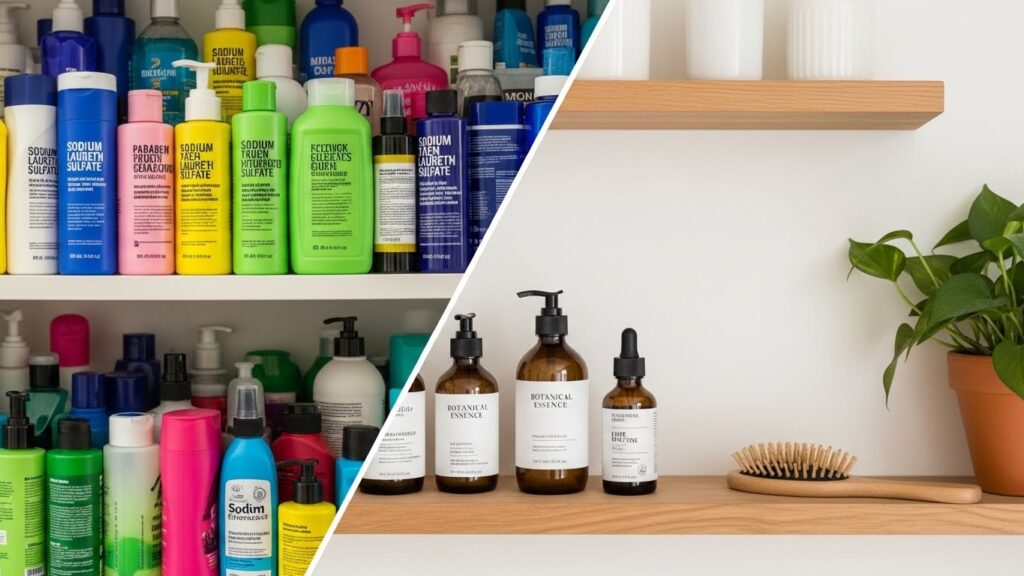
The Rejection of “One-Size-Fits-All” Chemistry
The first catalyst for change was a growing consumer awareness of ingredients. People began reading labels and questioning the long-term effects of sulfates, parabens, silicones, and harsh alcohols. While these ingredients can create short-term aesthetic results—intense lather, slick smoothness, or dramatic hold—they often do so at a cost.
Sulfates, powerful detergents, can strip the hair and scalp of all oils, leading to dryness, irritation, and a rebound overproduction of sebum. Silicones can coat the hair, creating instant shine and slip, but can also build up, blocking moisture and nutrients from penetrating the hair shaft, ultimately leaving hair dull and lifeless. The pursuit of balance meant seeking formulas that cleanse without stripping and condition without coating. This gave rise to gentle surfactants, plant-based cleansers, and water-soluble silicones that respect the hair’s natural lipid barrier.
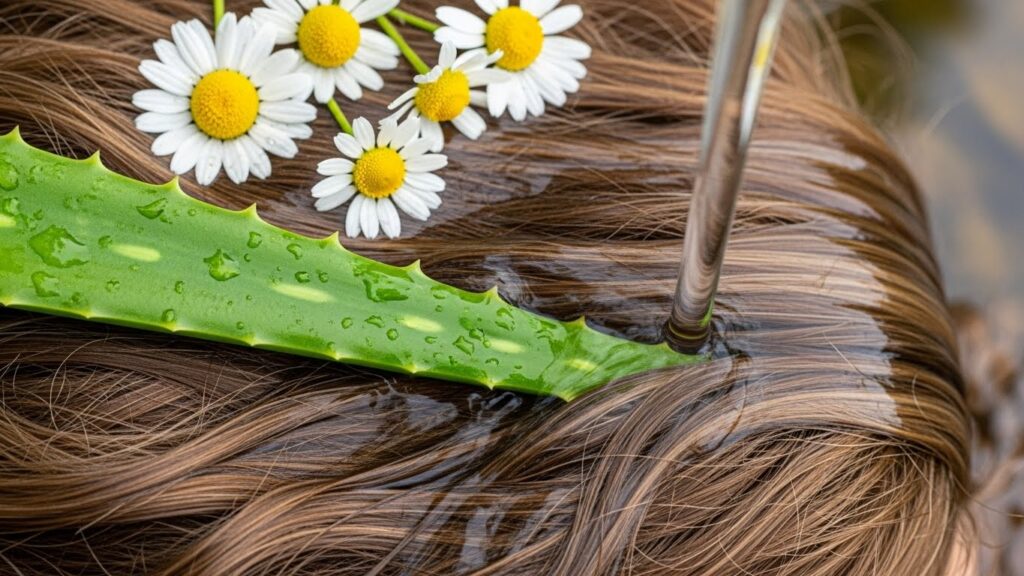
The Rise of Scalp Health as the Foundation
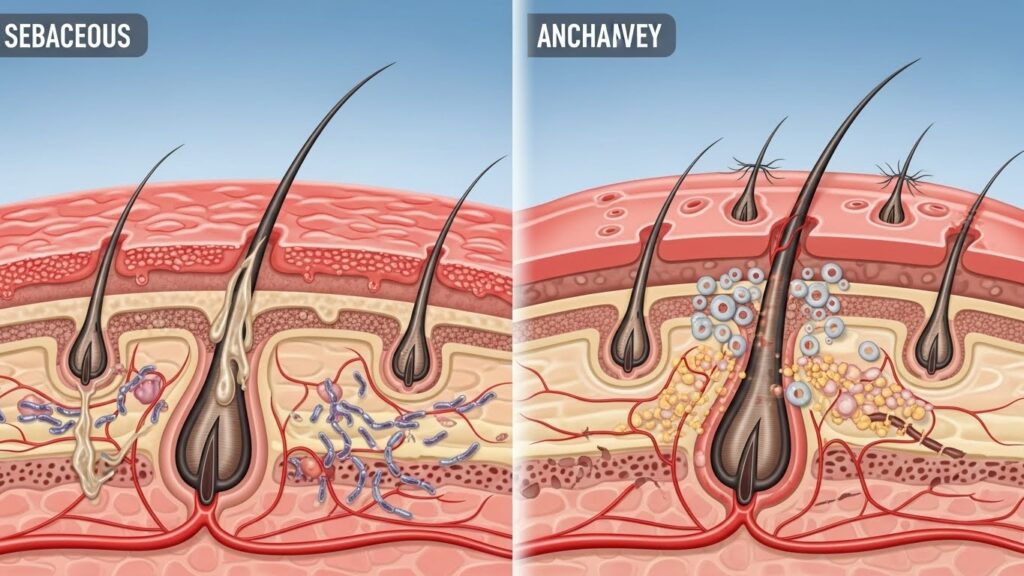
You cannot have healthy hair without a healthy scalp. This fundamental truth is now at the core of the natural balance movement. The scalp is a living ecosystem, and treating it like just an extension of the skin on your face has become paramount. The old model of harsh cleansing followed by heavy conditioning neglected this foundation.
Today, scalp care is the first step in hair care. This includes exfoliating treatments to remove buildup, soothing serums to address inflammation, and nourishing oils to maintain microbiome balance. Pre-shampoo treatments, scalp massagers, and pH-balanced tonics are no longer niche products but essentials for those seeking balanced hair. When the scalp is in harmony, hair grows stronger, shinier, and more resilient from the root up.
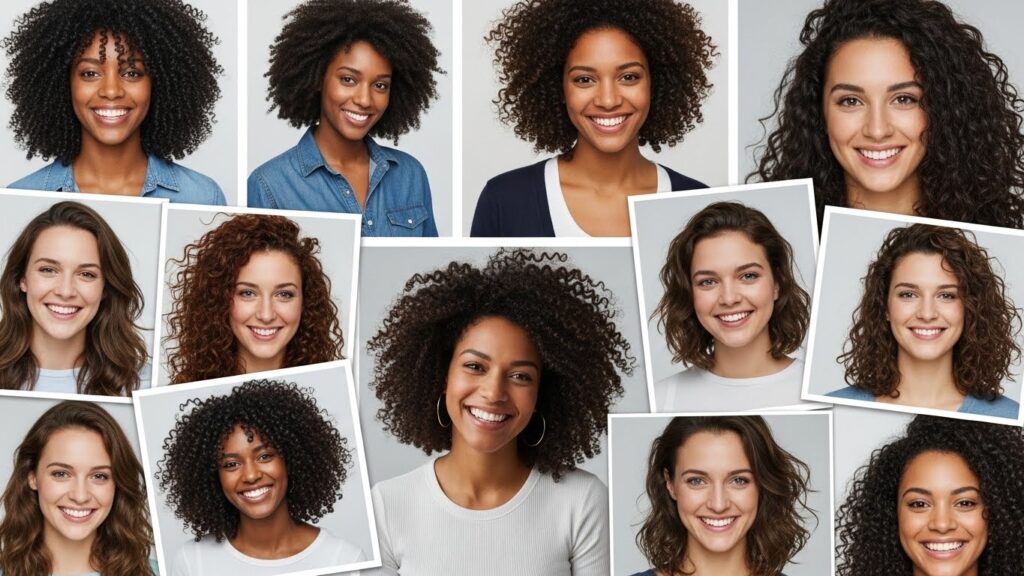
Celebrating Texture and Curl Acceptance
The cultural push for diversity and inclusivity has powerfully manifested in haircare. The CGM (Curly Girl Method), though now evolved, ignited a global embrace of curls, coils, and waves. This wasn’t just about style; it was a rejection of a Eurocentric beauty standard that prized straight, smooth hair above all else.
The move toward natural balance is, for many, a move toward authenticity. It’s about using products and techniques that enhance your natural texture, not disguise it. This has led to an explosion of products designed for specific curl patterns, porosity levels, and density. The goal is definition, hydration, and health—not alteration. This celebration has empowered people to spend less time and energy fighting their hair and more time appreciating its unique beauty.
The Shift from Correction to Maintenance
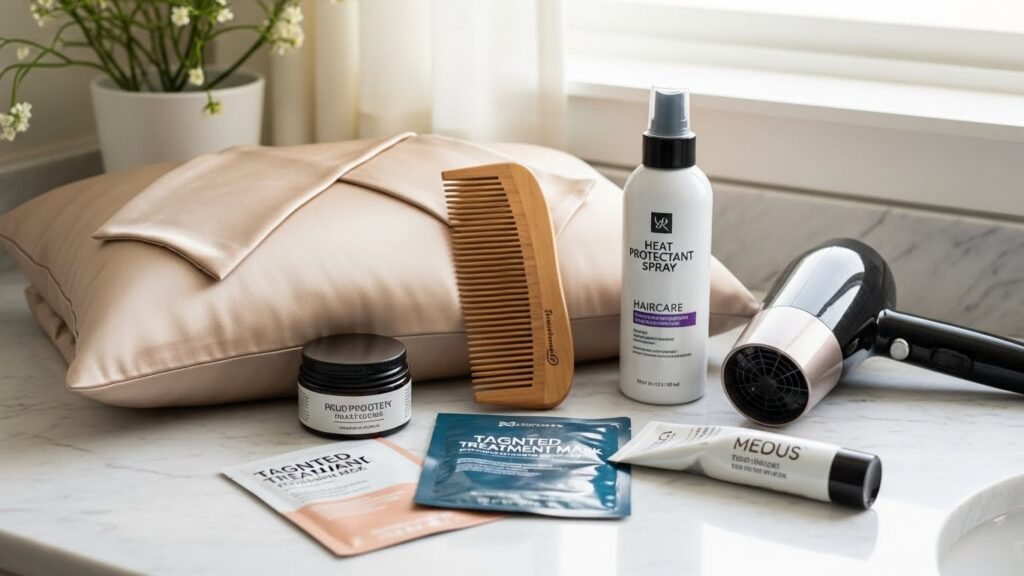
Historically, many hair routines were corrective. Damaged from heat and chemicals? Use a deep conditioner. Frizzy from humidity? Apply a heavy serum. The natural balance approach is proactive and preventative. It focuses on maintaining the hair’s integrity so that drastic corrective measures aren’t needed.
This means using heat protectants every single time, not just when you remember. It involves regular protein treatments to reinforce the hair’s structure and moisture treatments to maintain flexibility. It’s about understanding that balance is dynamic—your hair’s needs may change with the seasons, your health, or your environment—and adjusting your routine accordingly. This maintenance mindset leads to long-term health and reduces the cycle of damage and repair.
The Influence of Sustainability and Mindful Consumption
The natural balance movement aligns perfectly with a growing desire for sustainable living. The “more is more” approach—a cabinet overflowing with specialized products—is being questioned. Consumers are seeking multi-functional products and streamlined routines that reduce waste, water usage, and chemical runoff.
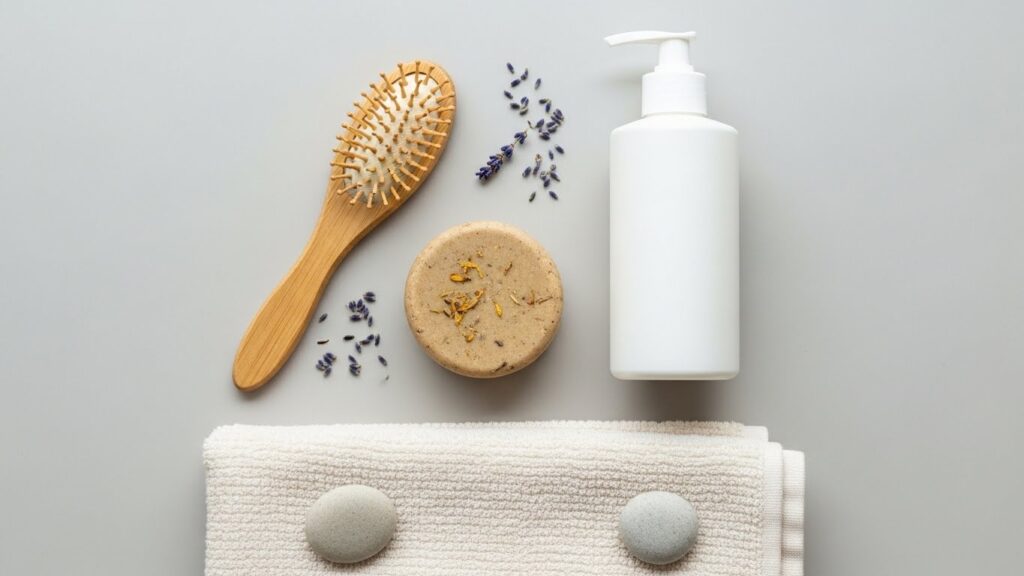
This includes concentrated formulas, shampoo bars that eliminate plastic bottles, and brands with transparent, ethical sourcing. Balancing your hair also means balancing your impact on the planet. Furthermore, the mindfulness of understanding your hair’s needs leads to less product experimentation and waste, fostering a more intentional and sustainable relationship with beauty consumption.
The Role of Social Media and Community Knowledge
Unlike the top-down marketing of the past, today’s haircare wisdom is often crowdsourced. Platforms like YouTube, Instagram, and TikTok have created global communities where people share their genuine experiences, ingredient breakdowns, and technique tutorials. This democratization of information has allowed consumers to become experts on their own hair.
People are no longer reliant on a salon professional’s advice alone; they are engaging in forums, following cosmetic chemists, and learning the science behind their strands. This access to peer-to-peer knowledge has accelerated the move toward balance, as people discover what truly works for their unique biology, sharing successes and failures in real-time.
Finding Your Own Natural Balance
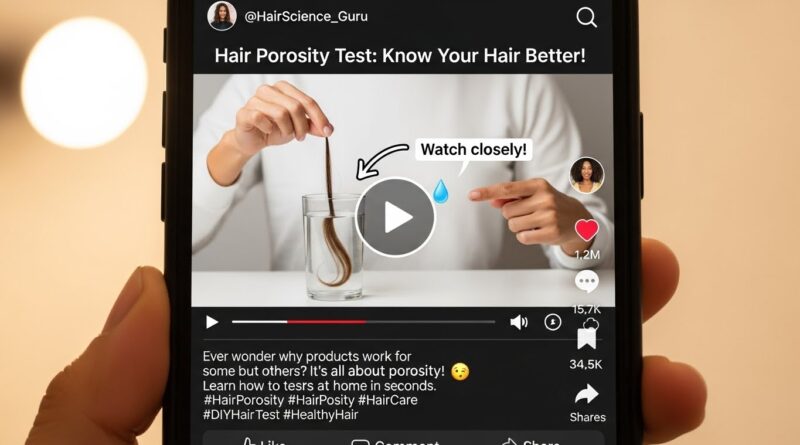
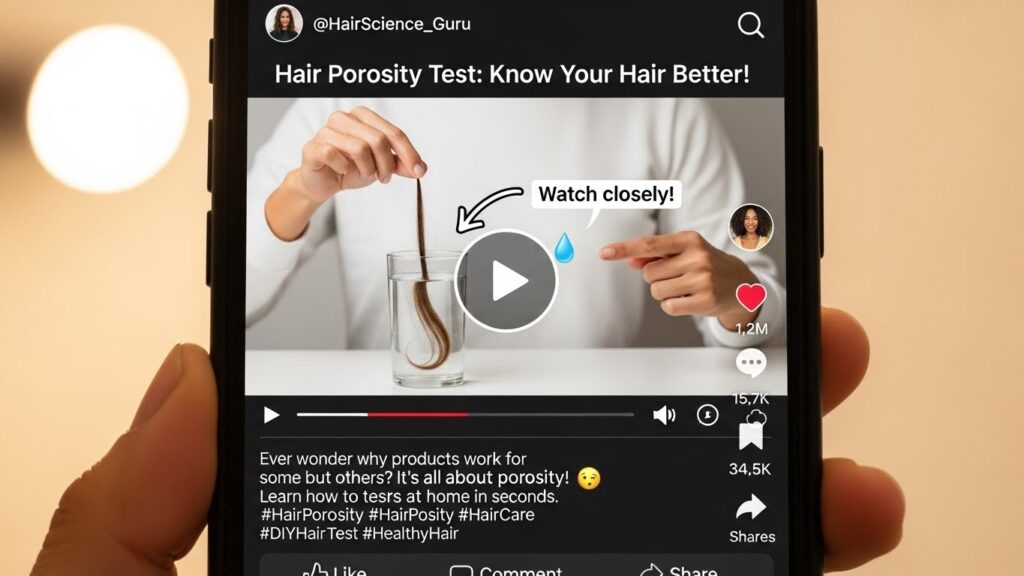
So, how do you embark on this journey? It starts with observation. Pay attention to how your hair and scalp feel after washing. Is it tight or comfortable? Does it get oily quickly or stay dry? Learn your hair’s texture and porosity. Introduce new products slowly, and don’t be afraid to simplify.
Embrace the transition period. Moving away from heavy silicones or sulfates may mean your hair feels different for a few weeks as it recalibrates. This is not a step backward, but a reset. Consult reputable resources, consider your environmental impact, and, most importantly, listen to what your hair is telling you. The goal is not to achieve a static idea of “perfect” hair, but to cultivate hair that is healthy, strong, and authentically yours.
The movement toward natural balance in hair is a reflection of a broader cultural shift: towards wellness over appearance, authenticity over conformity, and sustainability over excess. It’s a recognition that true beauty doesn’t come from forcing nature into submission, but from nurturing it into its healthiest, most vibrant state. Your hair’s best day isn’t when it looks like someone else’s—it’s when it feels perfectly, uniquely, and naturally balanced.