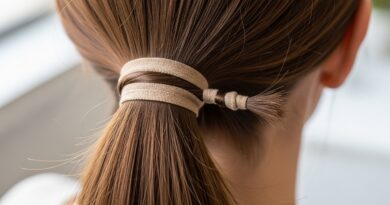
Why Hair Trends Are Slowing Down
Remember the dizzying pace? One year, it was the balayage explosion, the next, everyone was chopping off their locks for a shag. Social media feeds acted as runaway trend trains, with viral hairstyles like the “money piece” or “e-girl” layers taking over seemingly overnight. But if you’ve felt a shift recently, you’re not imagining it. The breakneck speed of hair trends is decelerating. We’re entering an era where the “it” haircut or color is no longer the ultimate goal. Instead, a more thoughtful, personalized, and sustainable approach to hair is taking root. This isn’t a lack of creativity; it’s a cultural evolution. Let’s untangle the reasons behind this significant slowdown.
The End of the Monolithic Trend Cycle
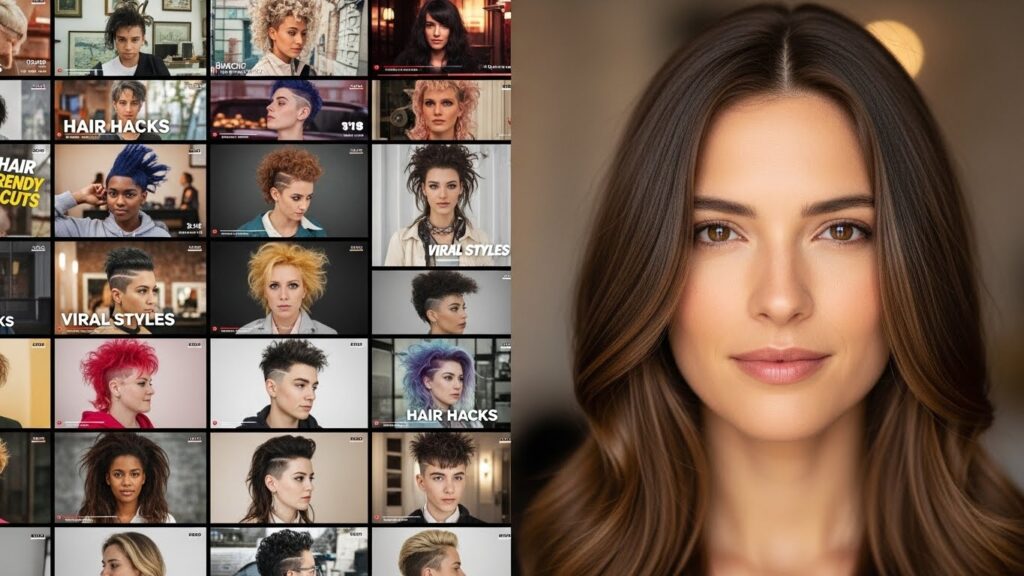
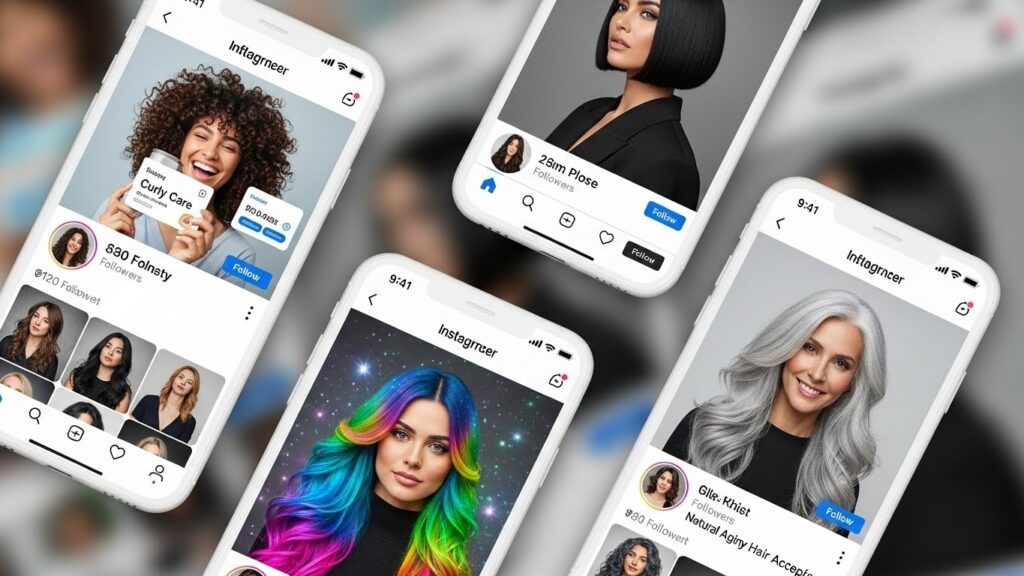
For decades, fashion and beauty magazines dictated one or two key trends per season. The “Rachel” cut, the “ombre” wave—these were monolithic movements. Today, the landscape is fragmented. Algorithmic personalization means your “For You” page looks radically different from your friend’s. You might be served content on classic bobs and natural grays, while another sees bold colors and avant-garde cuts. This has shattered the idea of a single, dominant trend. Instead, we have countless micro-trends existing simultaneously, catering to niche communities. When everything is a trend, nothing holds the same cultural weight, naturally slowing the collective adoption rate of any one style.
The Prioritization of Hair Health Over Aesthetic
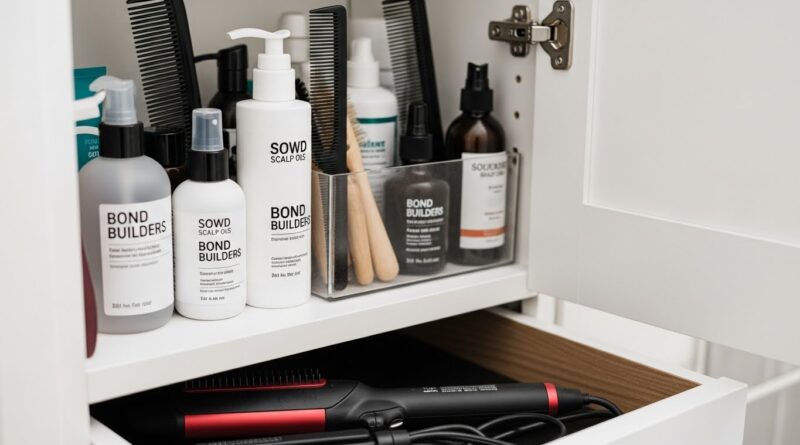
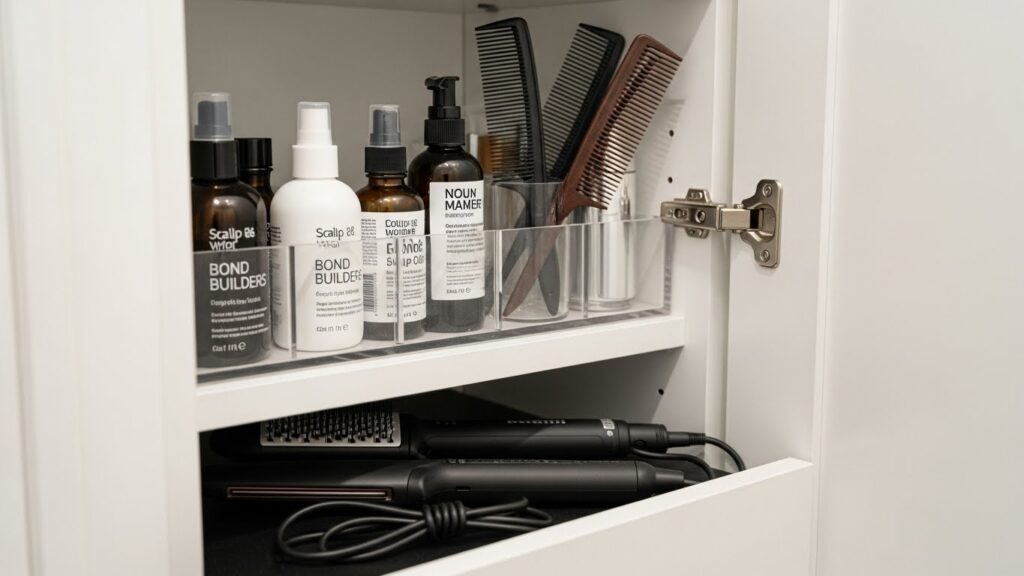
The “damage for drama” ethos is fading. Consumers are now more educated than ever about the long-term consequences of aggressive chemical treatments, high-heat styling, and constant color changes. The rise of the hair wellness movement has shifted the conversation. People are investing in scalp treatments, bond-building products, and protective styles. The question is less “What’s the hottest color?” and more “How can I get my hair to be its healthiest?” This focus on integrity inherently slows the trend cycle. It takes time to grow out damage, to nurture curls back to life, to maintain a delicate color properly. The commitment to health creates a natural resistance to jumping on every fleeting trend.
The Sustainability and Cost-Consciousness Factor
Frequent salon visits for trend-chasing are expensive and generate significant waste—from color tubes to foils to energy consumption. In an economically uncertain world and with a growing awareness of environmental impact, fast beauty is facing scrutiny. Clients are opting for low-maintenance cuts and colors that grow out gracefully, stretching the time between appointments. Techniques like “hair glossing” for shine without commitment or “grown-out bobs” are popular because they are sustainable for both the wallet and the planet. This economic and ecological mindfulness discourages the rapid, disposable consumption that fueled previous trend cycles.
The Power of Personalization and Anti-Conformity
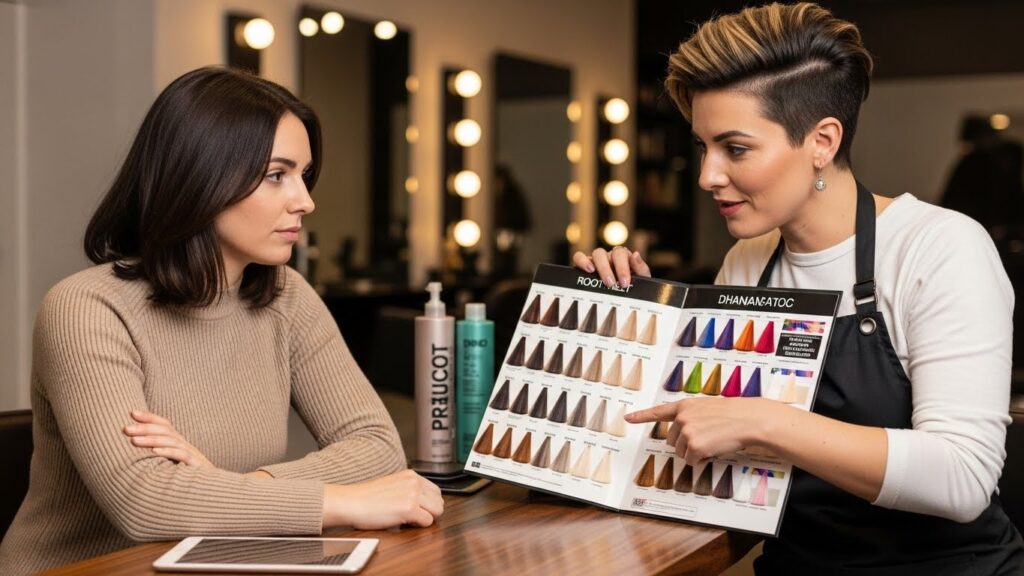
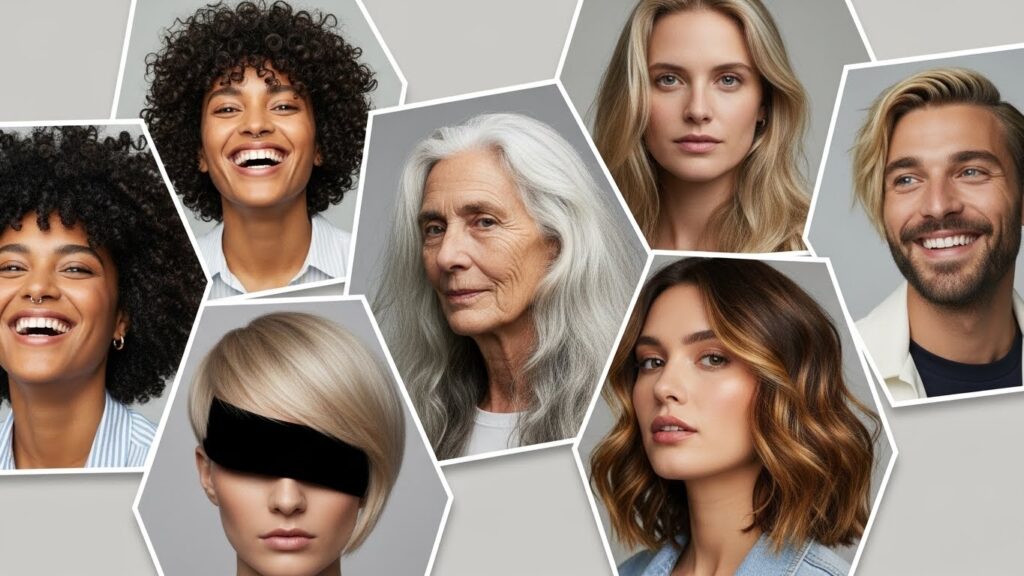
There’s a growing cultural pushback against looking “done” or like everyone else. The modern beauty ideal is increasingly centered on authenticity and individuality. People are working with their natural texture—curls are celebrated, waves are enhanced, coily hair is revered. Gray hair is no longer hidden but worn with pride as a “silver statement.” The trend is becoming “what works for you.” This hyper-personalization means the success of a style is measured by how well it suits an individual’s face shape, lifestyle, and hair type, not by its fidelity to a viral TikTok look. When the goal is unique expression, the pressure to follow a speeding trend diminishes.
The Bob: A Case Study in Trend Longevity
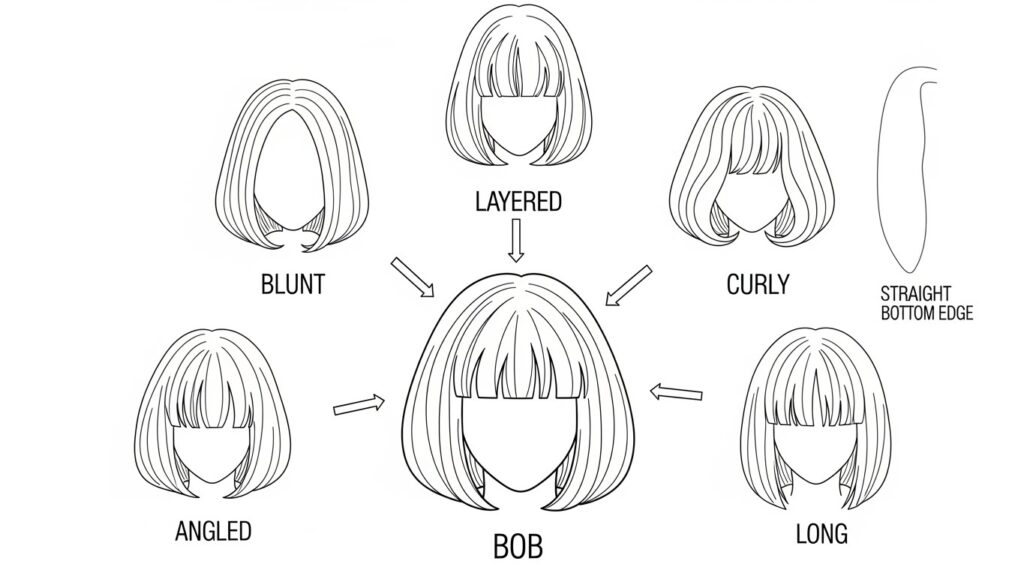
Consider the bob. It has been “in style” for over a century. But its current reign is a perfect example of the slowed-down trend. We’re not seeing one definitive bob. Instead, we have the blunt bob, the Italian bob, the lob (long bob), the curly bob, and the shaggy bob. The trend isn’t a specific cut; it’s a template for customization. It’s a classic shape that is being endlessly adapted and personalized, which gives it staying power. This is the new model: enduring shapes that evolve slowly through subtle iterations, rather than being discarded each season.
What This Means for the Future of Hair
This deceleration signals a maturation of the beauty industry. The future is less about shock value and more about signature style. We will likely see:
Rise of the Consultation: Salons will become places for deeper consultation, focusing on hair health history and lifestyle needs.
Emphasis on Styling, Not Just Cutting: Trends may manifest more in styling techniques—how to air-dry, how to create a perfect braid—than in drastic cut or color changes.
Celebration of “Slow Beauty”: A holistic approach that values quality products, skilled craftsmanship, and long-term hair integrity over quick fixes.
Ultimately, the slowing of hair trends is a liberation. It returns agency to the individual, allowing for creativity that isn’t dictated by a fleeting algorithm. It champions health, sustainability, and self-knowledge. Your hair is no longer just a canvas for the trend of the month; it’s an integral part of your personal expression, meant to be nurtured and styled in a way that makes you feel most confident—season after season, year after year.