Why Soft Waves Are Replacing Tight Curls
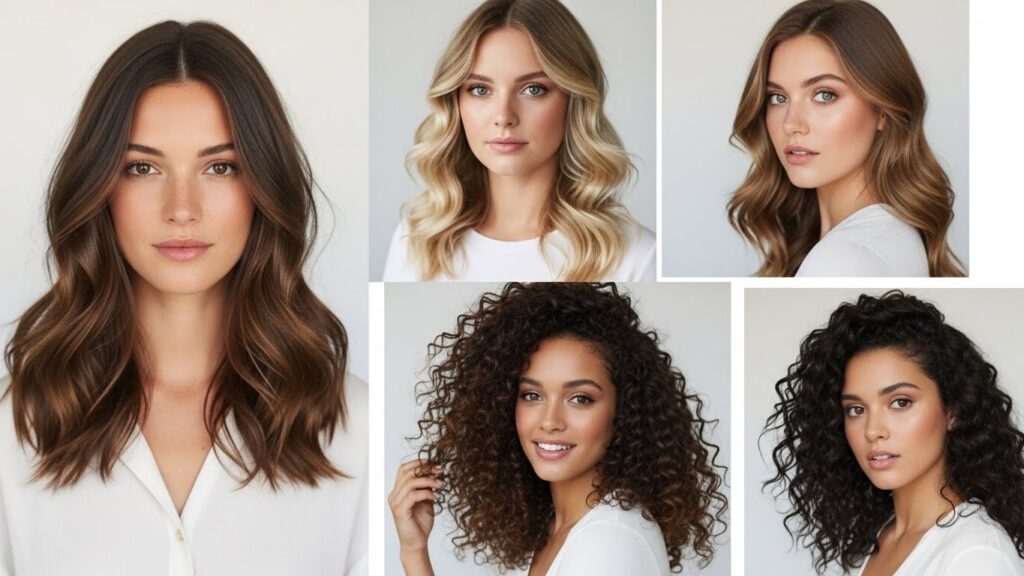
For years, the beauty and hair industry celebrated the precision of tight, defined curls. From red carpet ringlets to perfectly coiled afros, the message was clear: definition and volume were king. But a subtle yet powerful shift is happening. Look around—on social media, in offices, and on city streets—and you’ll notice a prevailing, more relaxed vibe. Soft, effortless waves are steadily dethroning the reign of tight curls, becoming the signature look for a new era. This isn’t just a fleeting trend; it’s a reflection of deeper changes in how we view beauty, lifestyle, and self-expression.
The Rise of “Effortless” Beauty
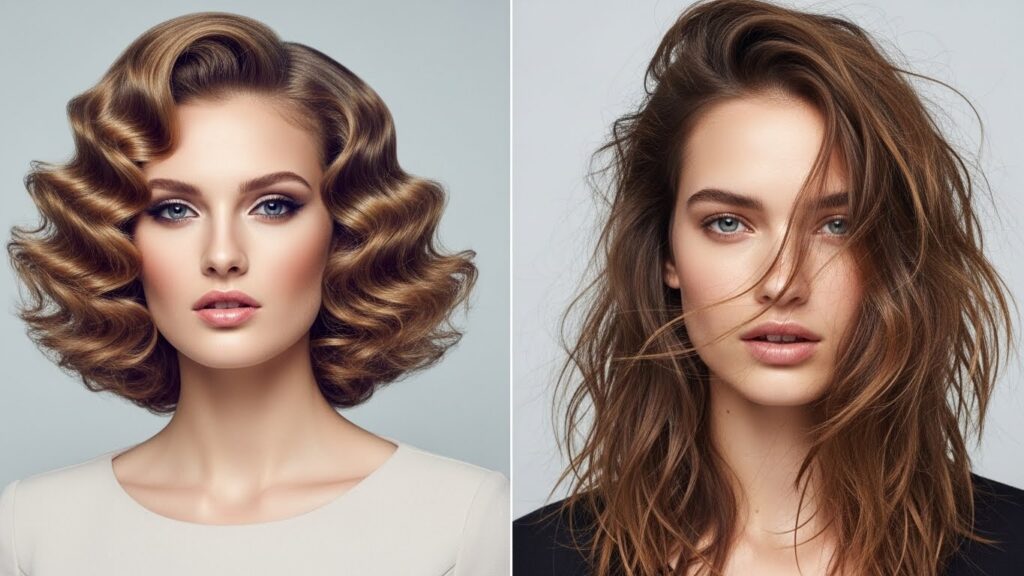
The most significant driver behind the wave revolution is the monumental shift in beauty standards. The age of social media, particularly platforms like Instagram and TikTok, initially promoted highly curated, flawless looks. But a backlash to that perfection gave birth to the “clean girl” and “quiet luxury” aesthetics. Today’s ideal is radiant health and natural appearance over obvious, time-consuming styling.
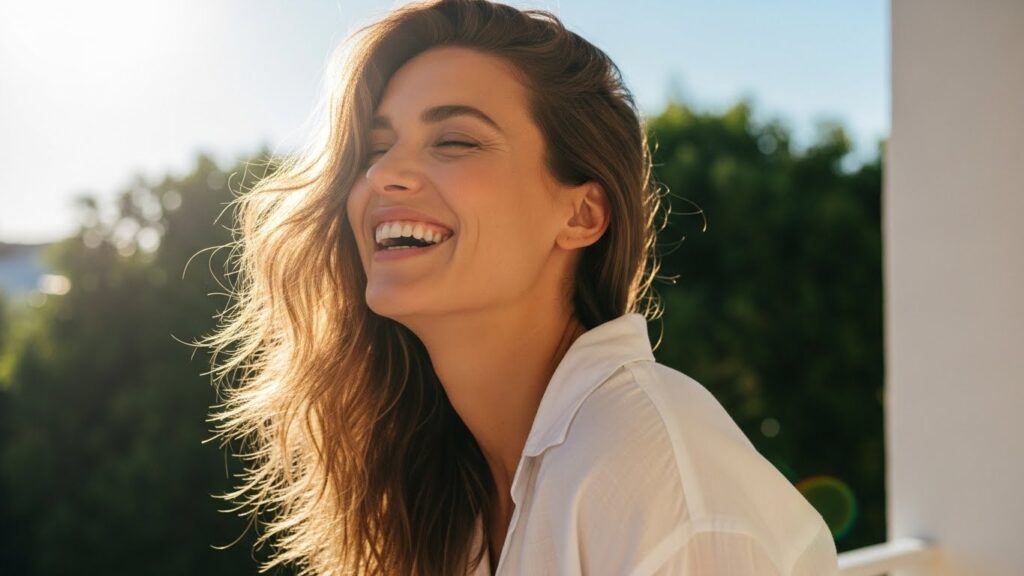
Soft waves epitomize this “I woke up like this” ethos. They suggest a day spent by the ocean, a leisurely morning, or simply a healthy head of hair with its own beautiful texture. Unlike tight curls, which often require specific techniques and products to achieve a uniform pattern, waves embrace slight imperfection and variation. This alignment with a more authentic and relatable standard of beauty makes them incredibly appealing to a generation valuing genuine self-presentation.
The Lifestyle Factor: Speed and Simplicity
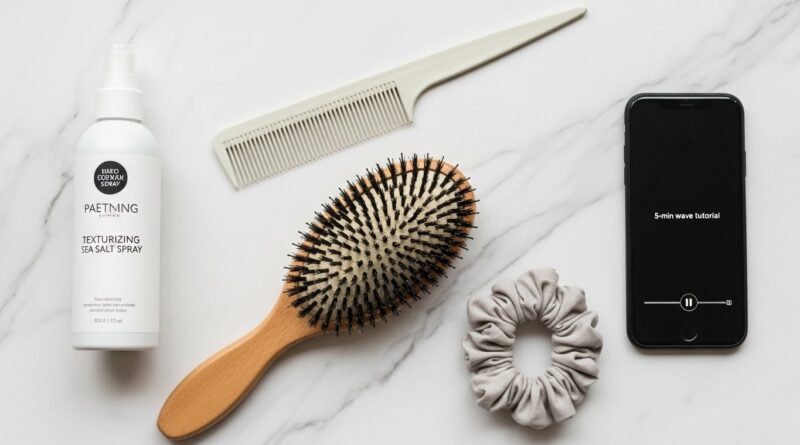
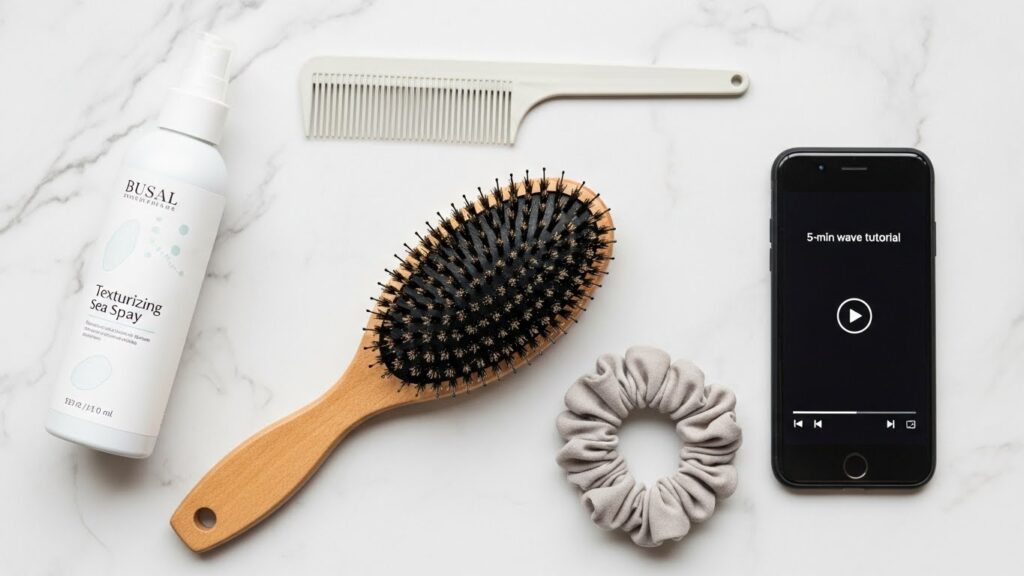
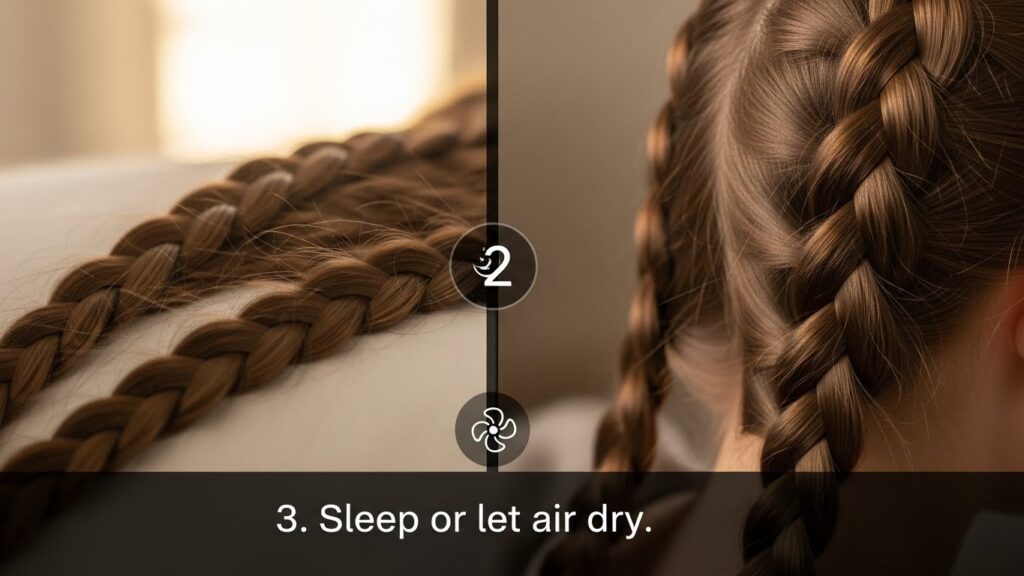
Let’s be practical: modern life is fast. The intricate process of sectioning, curling, and setting tight curls is a time commitment many are no longer willing or able to make daily. Soft waves, in contrast, offer a forgiving and versatile styling process. They can be achieved with a wide range of low-commitment methods: braiding damp hair overnight, using a large-barrel wand haphazardly, or even applying a texturizing spray and scrunching.
This simplicity extends to maintenance. Tight curls can be prone to frizz, require careful refreshing, and may need precise cutting to maintain their shape. Waves are inherently disheveled-chic; a little frizz or a day-old texture only adds to their character. They grow out gracefully and work with a multitude of haircuts, from long layers to blunt bobs. In a world prioritizing efficiency, the wave is the ultimate low-effort, high-impact hairstyle.
Versatility and Wearability
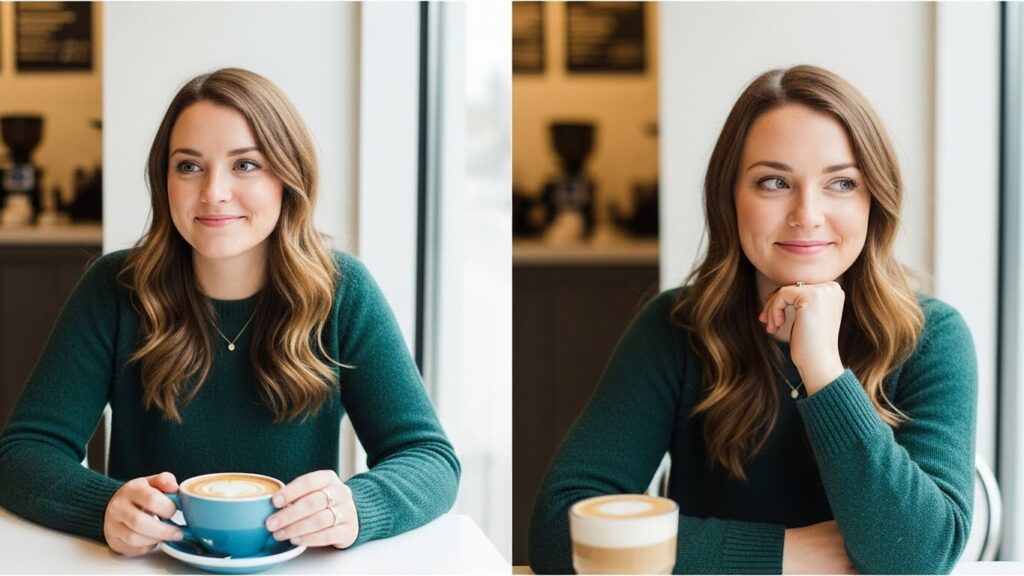
Soft waves are the chameleons of the hair world. They seamlessly transition from a casual daytime look to an elegant evening style with minimal adjustment. Pull them back into a loose, face-framing ponytail or a half-up style, and the waves add instant texture and romance. Tight curls, when pulled back, can sometimes lose their intended shape or create excessive bulk.
Furthermore, waves are incredibly compatible with accessories like clips, bandanas, and headbands. They provide a textured base that holds styles better than sleek hair but isn’t as dense as a head full of tight curls. This versatility makes waves a reliable choice for anyone with a dynamic, multifaceted life, reducing the need for daily restyling.
A Shift in Hair Health Priorities
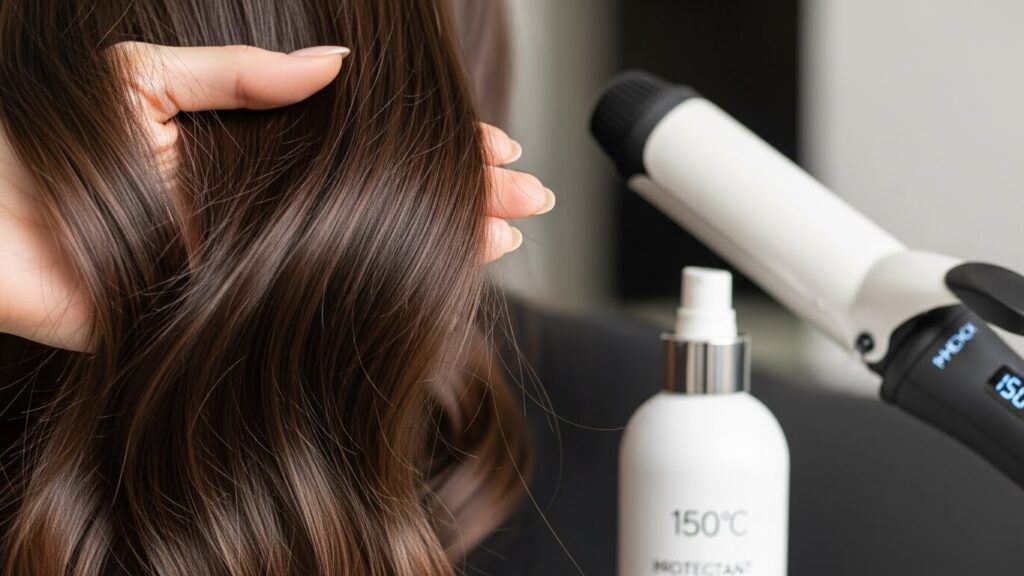
The conversation around hair health has never been louder. People are more educated about the damage caused by excessive heat styling and chemical treatments. Creating uniform tight curls often requires consistent, high-heat application on small sections of hair, which can lead to stress and breakage over time.
While waves still often involve some heat, the techniques are generally gentler. Using a lower heat setting on a large barrel iron, or opting for heatless methods, is less damaging. The end result also better masks any existing damage or uneven ends compared to the precise pattern of tight curls, which can highlight split ends or dryness. The wave trend encourages a health-first approach to styling, where the goal is enhancing the hair’s natural state rather than completely reforming it.
Cultural and Fashion Influences
Fashion trends directly influence hair trends. The current fashion landscape leans towards minimalist tailoring, fluid silhouettes, and organic fabrics. The structured, dramatic look of tight curls can sometimes clash with this understated, elegant clothing style. Soft waves, however, complement and harmonize with modern minimalist fashion, adding just the right amount of movement and softness to a clean-lined outfit.
Celebrity and influencer culture has also played a massive role. Icons known for their wave-centric styles—think Blake Lively’s signature tousled glamour or the French-girl “undone” waves of influencers—promote a look that feels both aspirational and attainable. This cultural reinforcement makes waves not just a style, but a lifestyle identifier associated with cool, relaxed confidence.

Inclusivity of Texture
Another beautiful aspect of the soft wave trend is its inherent inclusivity. While tight curl patterns are specific to certain hair types, the concept of a “wave” can be interpreted and adapted across a much broader spectrum of natural textures. Someone with straight hair can create loose bends, while someone with naturally curly or coily hair can stretch or loosen their curl pattern with techniques like banding or gentle blow-drying to achieve a wavier look.
This adaptability makes the trend more accessible and less prescriptive. It’s about achieving a mood—a relaxed, textured movement—rather than a specific, uniform pattern. This democratic approach resonates in a beauty culture increasingly focused on celebrating individual texture rather than forcing it into a rigid mold.
Making the Transition: Tips for Embracing Soft Waves
Ready to ride the wave? Transitioning from tight curls or a sleek style is easier than you think. Start by asking your stylist for long, blended layers to remove weight and encourage movement. Invest in a good texturizing spray or mousse—these are the secret weapons for creating lasting, piece-y definition without crunch.
If you use heat, try a waver iron or a very large barrel (1.5 inches or more) and curl away from your face in random sections. Don’t clamp the ends; leave them straight for a more undone look. Immediately after curling, run your fingers through the waves to break them up. For a heatless option, try damp braiding or twisting your hair before bed, or use a robe belt or silk scarf to create waves by wrapping sections around it.
Most importantly, embrace a little imperfection. The goal is not symmetry, but a beautiful, lived-in texture that looks and feels uniquely yours.
The Future of Hair is Fluid
The ascent of soft waves over tight curls is more than a simple style swap. It’s a cultural marker signaling a preference for ease, authenticity, and versatility. It reflects a world that values feeling good over looking perfect, and a beauty philosophy that works with your hair’s natural language rather than overwriting it.
This doesn’t mean defined curls are disappearing—they remain a powerful and beautiful form of expression. But the dominant mood for the foreseeable future is undoubtedly soft, fluid, and effortlessly cool. So, whether you were born with a wave or you’re crafting one, know that this trend is about embracing a softer, more relaxed approach to beauty, one effortless wave at a time.