18 Subtle Changes That Make Your layered look Look Brand New
Layering is the cornerstone of effortless, intelligent style. It’s how we build outfits that are both functional and fashionable, transitioning seamlessly through seasons and settings. But even the most beloved styling technique can fall into a rut. Are you reaching for the same cardigan-over-tee combo? The same trusty jacket-and-jeans uniform?
Ready to rediscover the art of the layer? Here are 18 subtle, genius changes that will make your layered outfits look and feel brand new.
1. The “Peek-a-Boo” Hemline
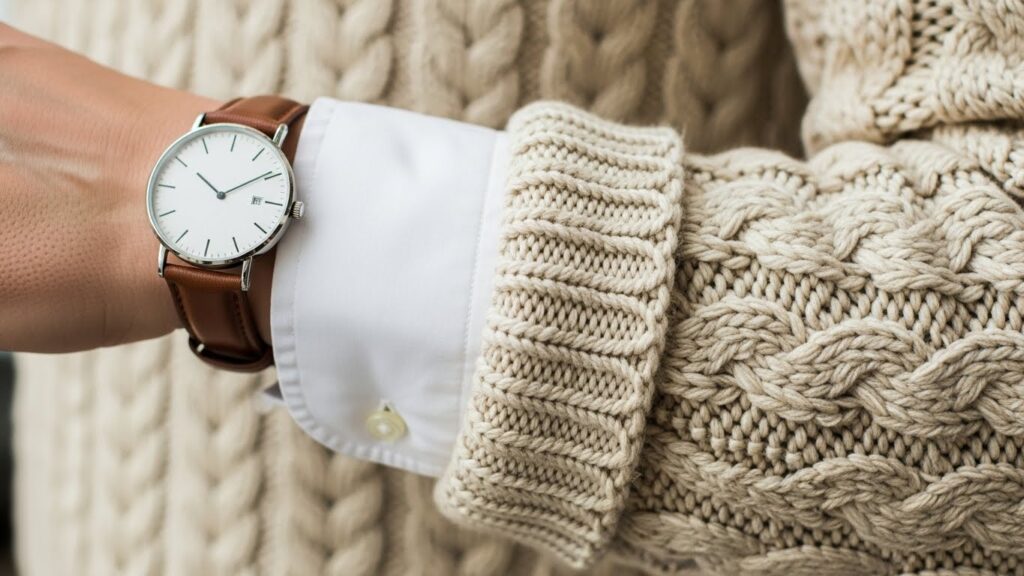
Instead of letting all your layers end at the same point, create intentional slivers of contrast. Let the cuff of a crisp button-down shirt extend just a centimeter past the sleeve of your sweater. Allow the delicate lace trim of a chemise to peek out from under the hem of your dress. This small detail adds a frisson of depth and suggests a carefully considered, rather than haphazard, approach to dressing.
2. Swap Your Standard Tee for a Bodysuit
The humble t-shirt is a layering hero, but it can often create unwanted bulk and bunching around the waist. For an instantly sleeker, more polished foundation, replace your tee with a bodysuit. This simple swap eliminates all back and waistline fabric bunching, creating a smooth canvas that makes every layer on top—blazers, cardigans, vests—look more tailored and intentional.

3. Play with Proportions: The Long-Over-Short Rule
Break the monotony of similar lengths by deliberately pairing long layers with short ones. Try a long, flowing duster coat or a maxi cardigan over a shorter slip dress or a cropped sweater and high-waisted trousers. This creates dynamic, eye-catching lines that are far more modern and interesting than layers of equal length.
4. Introduce an Unexpected Texture
Our eyes feel texture before they even register color. If your layers are all cotton denim and jersey knits, introduce something surprising. A slick, vinyl trench coat over a soft cashmere sweater. A nubby, tweed blazer against a smooth silk camisole. A delicate, sheer mesh top under a structured leather jacket. Texture creates instant, tactile interest.

5. Belt the Un-Beltable
Don’t reserve your belts for your waistbands. One of the easiest ways to redefine a layered silhouette is to add a belt over your outer layer. Cinch a blazer or a bulky cardigan at the waist. Slip a thin belt over a long coat. This instantly creates shape, adds a focal point, and can make oversized pieces look deliberately designed rather than just roomy.

6. Change Your Neckline Dynamics
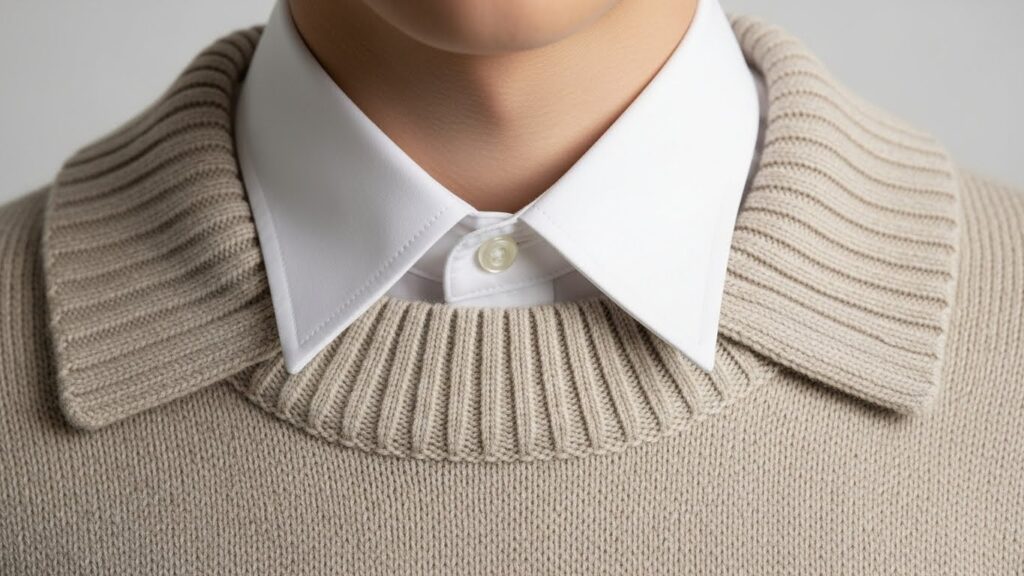
A crewneck under a blazer is a classic, but why not try a turtleneck for a more sophisticated, cozy feel? Or a V-neck to elongate the torso? Even more impactful: layer contrasting necklines. A V-neck cardigan over a round-neck tee, or a collared shirt under a square-neck sweater. This draws the eye and adds architectural interest around the face.
7. The Power of a Pop-of-Color Liner
If you live in a neutral color palette, this trick is for you. Wear a thin, brightly colored t-shirt or turtleneck as your base layer. Keep the rest of your outfit—your sweater, jacket, pants—in your usual neutrals. Then, simply unbutton your sweater or jacket just enough to reveal a bold slash of ruby red, electric blue, or sunny yellow at the neckline and cuffs. It’s a high-impact change with minimal effort.

8. Rethink Your Sleeve Lengths
Playing with sleeve length is a master-level subtle change. Try rolling or pushing up the sleeves of your outer layer (like a blazer or jacket) to intentionally showcase the sleeve of the garment underneath. Alternatively, wear a long-sleeve top under a sleeveless dress or tank top. This creates a layered effect even within a single limb, adding incredible depth.

9. Add a Third, Unexpected Layer
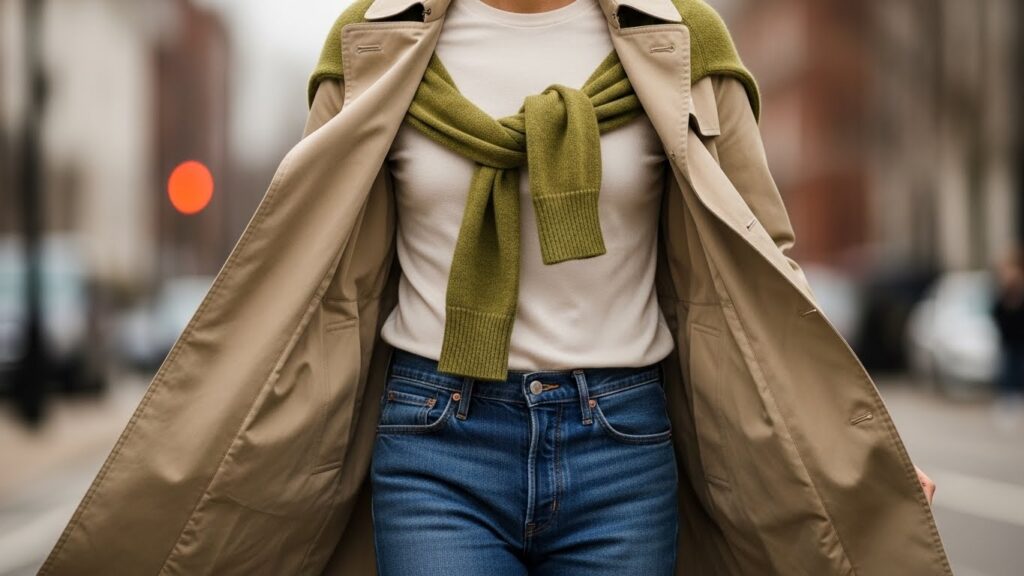
We often stop at two layers. The magic often happens at three. Think beyond the obvious. Drape a fine knit sweater over your shoulders, tying the arms loosely in front. Wear a vest (denim, puffer, or waistcoat) over your shirt but under your jacket. This adds volume, color, and texture in a way that feels artistic and personal.
10. Go Monochromatic, But Not Monotexture
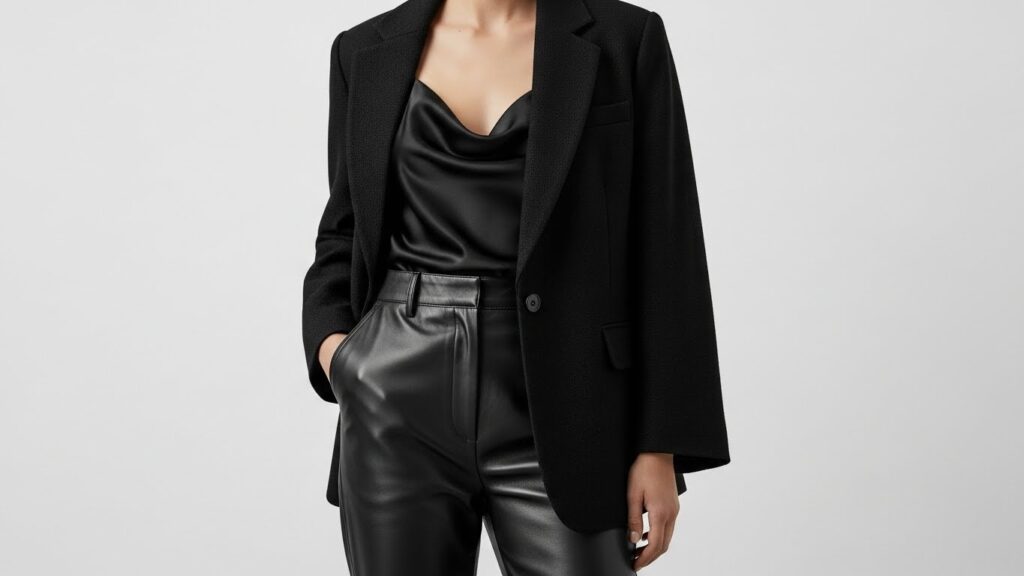
Wearing different shades of the same color is a famously chic move. To elevate it further, ensure each layer is a distinctly different texture. An outfit of all black could include a silk slip dress, a wool blazer, and leather ankle boots. The tonal harmony is calming and sophisticated, while the textural contrast provides the intrigue.
11. Layer Your Jewelry Strategically
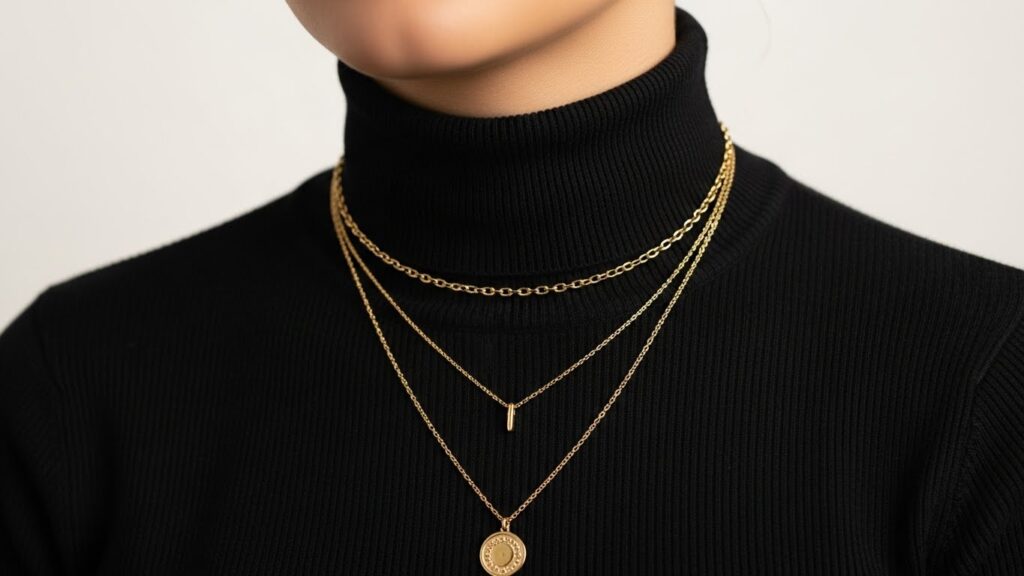
Jewelry is a layer in itself. Don’t let it get lost. Layer delicate necklaces of varying lengths over your turtleneck. Stack multiple thin bracelets that will play peek-a-boo with your shirt cuffs. Add a statement earring that contrasts with the collar of your jacket. These metallic and gemstone accents act as mini-layers of light and shine.
12. The “Half-Tuck” 2.0
You know the half-tuck for a single top. Apply the principle to layering. Try tucking just the front of your base layer (like a shirt) into your pants, while leaving your middle layer (like a sweater) untucked. Or, tuck a lightweight sweater into your high-waisted pants but leave your overshirt untucked. This creates definition and a relaxed, effortless vibe.

13. Upgrade Your Base Layer to Silk or Satin
The feel of a luxury fabric against your skin can change your entire demeanor. Swap your standard cotton camisole or tee for a silk or satin version. The way it slips smoothly under other layers reduces bulk, and the subtle sheen that peeks out at the neckline and cuffs whispers of quiet luxury and attention to detail.

14. Use Footwear to Anchor the Look
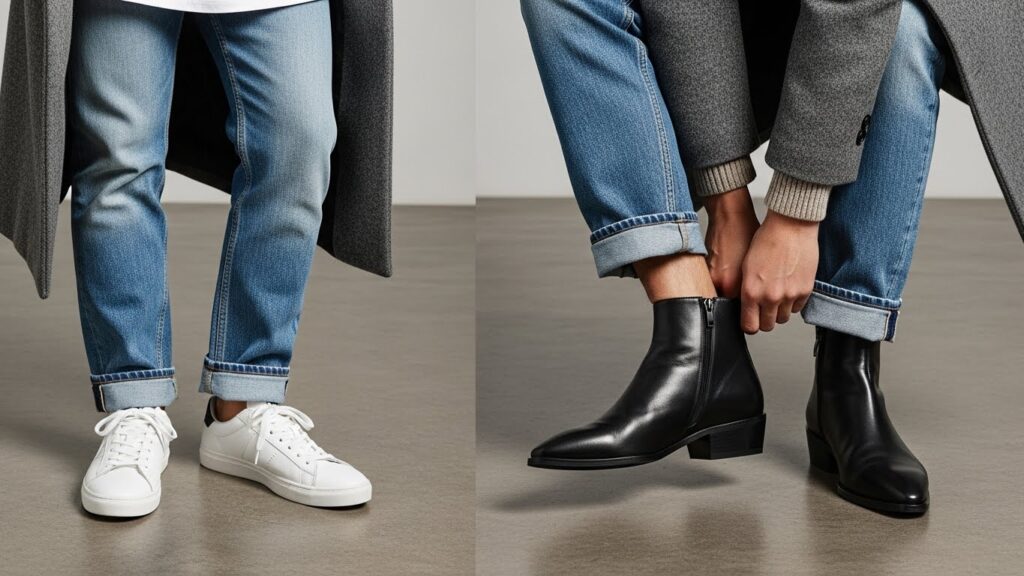
The shoes you choose can redefine your layered outfit. A layered look with sneakers is casual and cool. The same outfit with sleek ankle boots becomes edgy. Swap to loafers for a preppy feel, or to strappy heels for an unexpected, dressy contrast. Don’t underestimate the power of your footwear to set the entire tone.
15. The Art of the Visible Strap
Instead of hiding them, make your straps a deliberate part of the outfit. Let the elegant strap of a silk slip dress or a lace-trimmed camisole be visible over the neckline of a sweater or tee. This works best with pretty, intentional straps—not your standard bra straps—and adds a hint of delicate, romantic detail.

16. Mix Prints (Subtly)
If you’re feeling bold, introduce a subtle print mix into your layers. The key is to keep the color palette cohesive. A striped boatneck top under a solid blazer. A delicate floral-print blouse under a chunky, neutral sweater. The peek of pattern breaks the visual monotony and showcases your styling confidence.

17. Play with Volume Contrast
Balance is everything. If your top layer is voluminous and oversized (like a big coat or chunky knit), ensure your base layer is slim-fitting (a bodysuit or thin tee). Conversely, if you’re wearing a fitted blazer, try a blouse with subtle volume, like a puff sleeve, underneath. This conscious play of volume prevents the look from becoming either too bulky or too constricted.
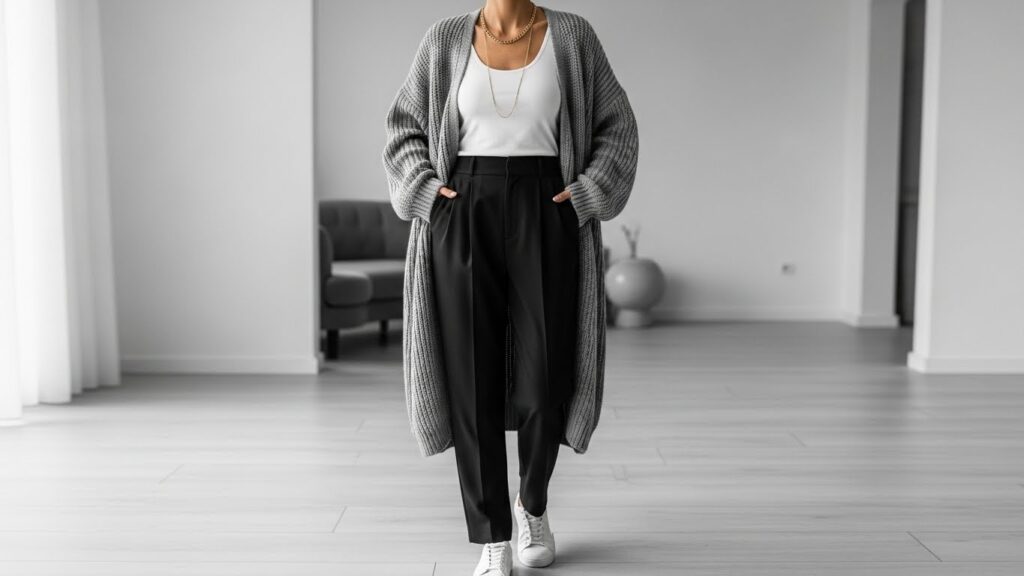
18. Finish with a “Topper” with Personality
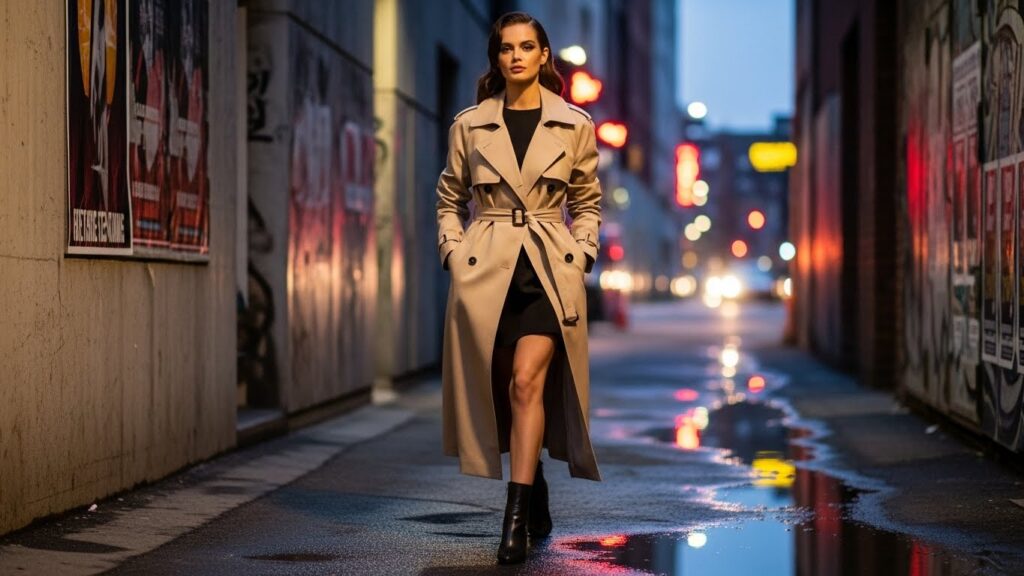
Your outermost layer is the exclamation point of your outfit. Instead of a basic black blazer, could it be a corduroy trucker jacket? Instead of a standard trench, what about one in a bold color or with a leopard-print lining? Choosing an outer layer with a distinct personality, texture, or unique detail automatically makes the entire ensemble beneath it feel more considered and fresh.

Your Layered Look, Reimagined
Layering is not just about staying warm; it’s about self-expression through composition. You are the artist and your clothes are the medium. You don’t need to run out and buy a new wardrobe. The secret to a brand new look is often already hanging in your closet, waiting for you to see it with fresh eyes and a new sense of play.
Start with just one or two of these subtle changes. Belt that cardigan you’ve worn a hundred times. Let a new color peek out from your collar. Play with a texture you usually avoid. These small, intentional shifts are the building blocks of a personal style that is dynamic, evolving, and forever new.