19 Heatless Wave Methods That Work on All Hair Textures
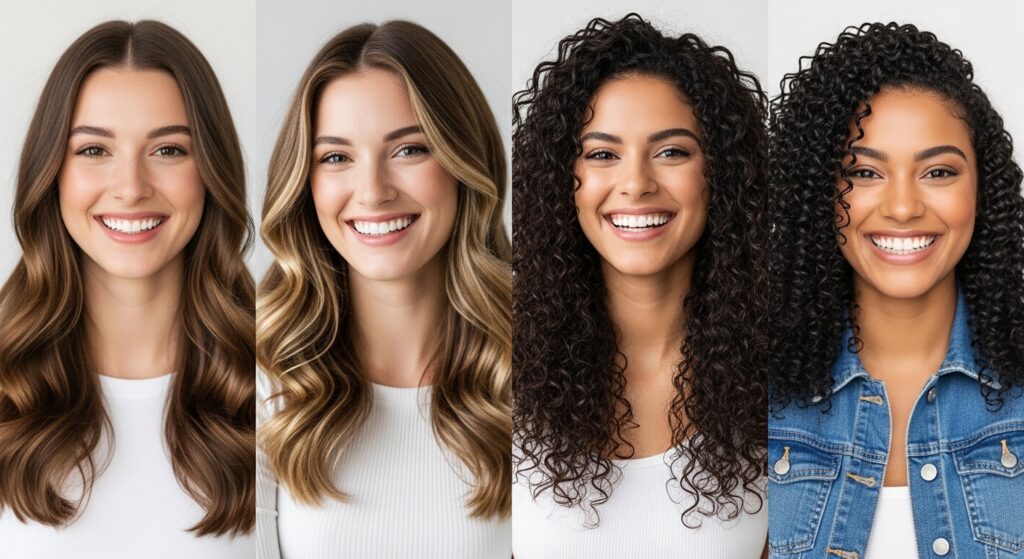
Imagine waking up to a head full of beautiful, bouncy waves without ever touching a curling iron or wand. No heat damage, no frizz, just effortless texture that looks like you stepped out of the sea or a salon. The dream of perfect heatless waves isn’t reserved for a select few with a specific hair type. Whether your hair is pin-straight, coily, wavy, or somewhere gloriously in between, there is a no-heat method that can work for you.
Why Go Heatless? The Benefits Beyond Beauty
Before we dive into the methods, let’s talk about why heatless styling is a game-changer. Heat tools, even with protectants, slowly degrade the keratin in your hair, leading to dryness, breakage, and loss of shine over time. Heatless styling eliminates this risk entirely. It also encourages you to work with your hair’s natural texture, often enhancing your innate wave or curl pattern. Plus, many of these methods are done on damp hair overnight, meaning you save precious time in the morning. It’s a win for your hair’s health, your wallet, and your schedule.
Section 1: Overnight Twists & Braids (The Classics)
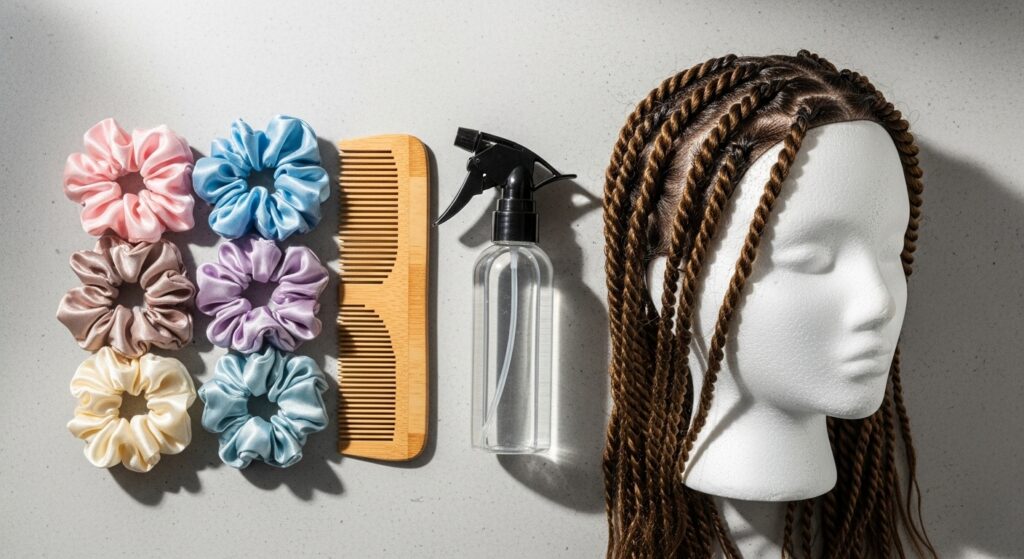
These timeless techniques are beloved because they are simple, require minimal supplies, and are highly adaptable. The key is in the details: the size of the section, the tightness of the braid, and the texture of your starting hair.
1. Classic Three-Strand Braids: The simplest entry point. For looser waves, braid damp hair in 2-4 large sections. For tighter, more defined waves, create many smaller braids. Works beautifully on medium to long hair of all textures.
2. French/Dutch Braids: By incorporating hair from the scalp, these braids create waves that start at the root, adding volume. Ideal for straight to wavy hair that resists root volume.
3. Two-Strand Rope Twists: Twist two sections of hair around each other. This method creates a more uniform, spiral wave compared to a braid and is exceptional for preventing frizz on curly and coily textures.
4. Flat Twists (Cornrows): A protective styling staple for coily and curly hair that creates stunning, defined wave patterns close to the scalp. Can be done in various directions for different looks.
5. Crown Braid (Heidi Braids): Braiding your hair around your head like a crown gives you a headband wave effect with incredible volume at the roots. Perfect for all medium to long hair types.
Section 2: Sock, Scarf & Bandana Methods (The Ingenious Hack)
Who knew household items could be the secret to salon-worthy waves? These methods use fabric to create a soft, uniform bend, resulting in loose, romantic waves.
6. The Classic Sock Bun: Cut the toe off a long sock, roll it into a donut, and use it to create a high bun on damp hair. The resulting waves are soft, voluminous, and concentric. Best for straight to wavy, medium-length hair.
7. Double Sock Bun: Place two sock buns (or fabric donuts) on the top of your head, split your damp hair over each, and secure. This creates beautiful, voluminous Bardot-style waves.
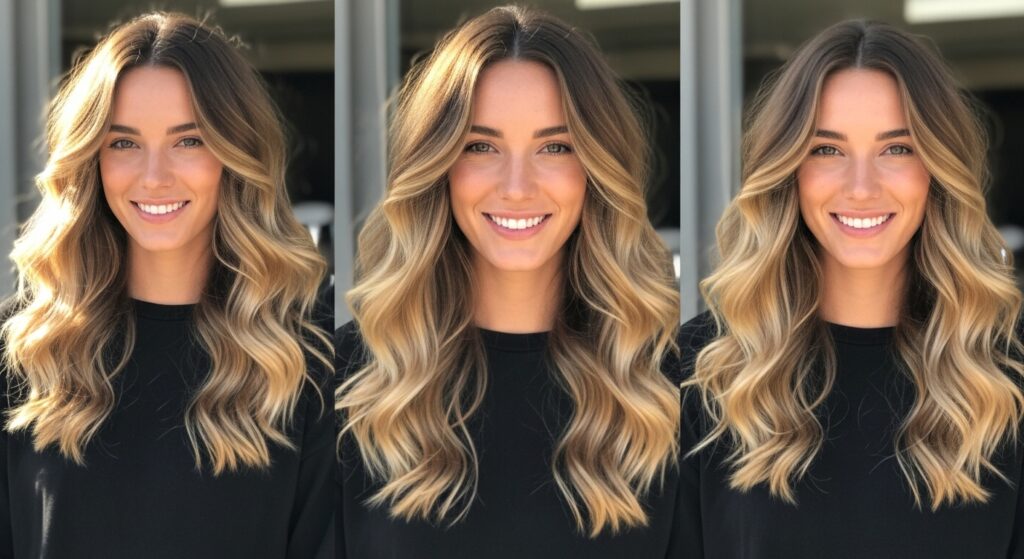
8. Scarf/ Bandana Waves: Fold a long scarf into a headband, tie it at the nape, then twist the hanging ends with sections of your hair all the way up. This creates a loose, bohemian wave perfect for all textures.
9. The “Heatless Curling Ribbon” Hack: Using a soft, satin ribbon, you can wrap sections of hair around it and tie it off, similar to a rod set but without tension. Incredibly gentle on fragile or fine hair.
Section 3: Robe, Towel & Fabric Wraps (For Luxurious Waves)
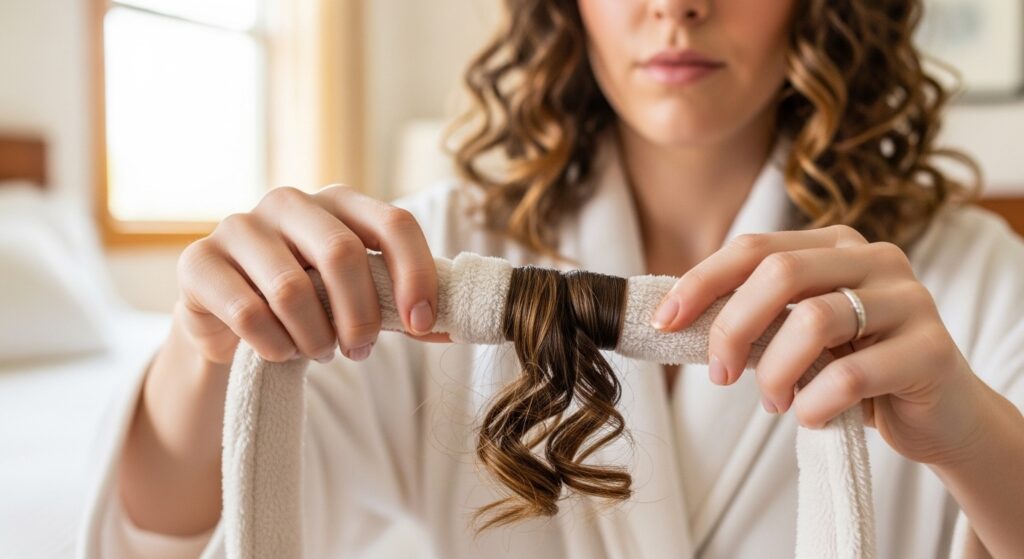
These techniques leverage the soft, plush texture of fabrics like towels and robes to create a looser, more relaxed wave pattern, often with incredible volume.
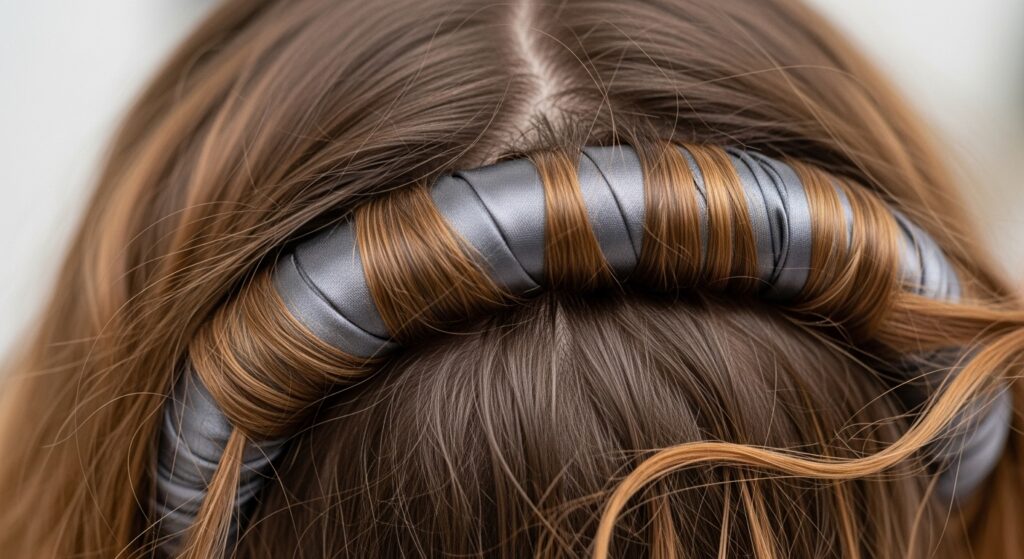
10. The Robe Belt Method: Use the belt from a soft robe or a satin scarf. Tie it around your head like a headband, then wrap sections of damp hair around it, tucking the ends under. Creates effortless, beachy waves.
11. Towel Twisting: After showering, twist sections of your damp hair with a microfiber towel or turban twist. The absorbent fabric sets a gentle wave as it dries, reducing frizz.
12. The T-Shirt Wrap: Lay a soft, old cotton t-shirt flat, roll your damp hair from the ends up to the roots, and tie the arms of the shirt to secure. A fantastic method for long, heavy hair that needs gentle support.
Section 4: Pin Curls & Roller Sets (The Vintage Revival)
Channel old Hollywood glamour with these tried-and-true techniques. They offer the most control over wave size and shape, from tight curls to soft bends.
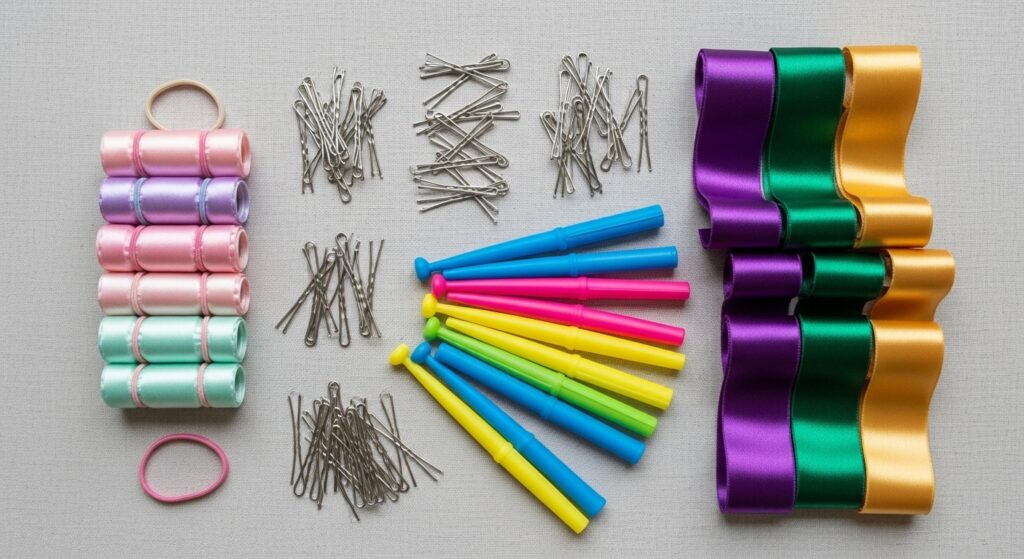
13. Classic Pin Curls: Wrap small sections of damp hair around your finger, coil them flat against your scalp, and secure with a bobby pin. The direction of the coil determines the final wave pattern. Works on every texture.
14. Flexi Rod / Soft Roller Sets: These foam-covered rods require no clips or pins. Simply wrap your hair around them and bend the rod to secure. They create bouncy, defined spiral waves and are a favorite for curly and coily textures.
15. Satin Rollers: The gentlest roller option, satin rollers minimize friction and breakage. They are ideal for setting a smooth, uniform wave on straight to wavy hair or for stretching curly hair without tension.
16. Rag Curls: A historical method that’s still brilliant. Wrap damp hair sections around strips of soft fabric (satin is best) and tie them off. Creates beautiful, defined, frizz-free ringlets on any hair type.
Section 5: The “Out of the Box” Innovators
For those who love a clever hack, these methods use unexpected items to create unique and stunning wave patterns.
17. The “Twisted Bun” or “Princess Leia” Buns: Create two space buns on top of your head with twisted sections of damp hair. The result is a gorgeous, voluminous wave with a deep bend, perfect for adding body to straight hair.
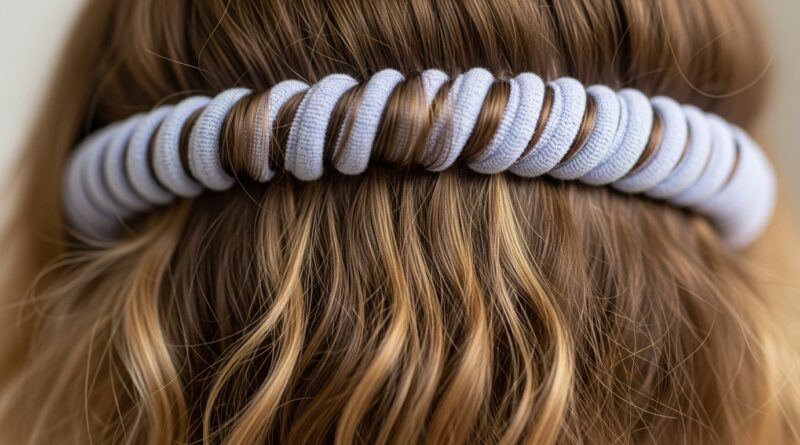
18. Headband Curling: Place a flexible, coil headband over damp hair. Take small sections, wrap them around the headband, and tuck them under. This creates a perfect, uniform wave all around the head with amazing root lift.
19. The “Pineapple” for Curly & Coily Hair: While often used as a protective style, gathering your curls into a very loose, high ponytail on top of your head (the pineapple) while damp can help preserve and enhance your natural wave pattern overnight, reducing flattening.
Pro Tips for Heatless Wave Success on Any Texture
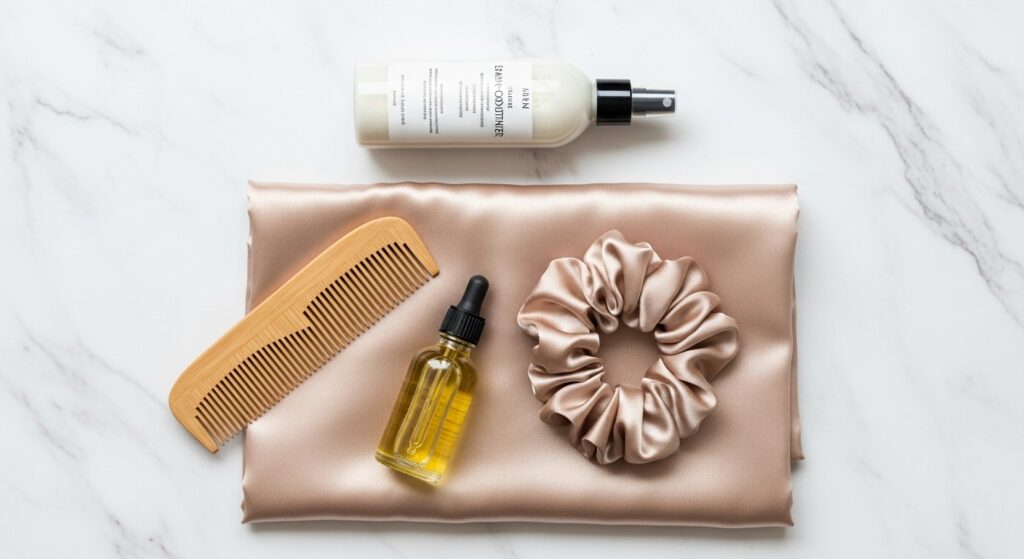
Start on Damp (Not Soaking Wet) Hair: Hair that is towel-dried or 80% dry sets better and is less prone to mildew or weakening. Use a leave-in conditioner or light styling cream for hold and definition.
Protect with Satin or Silk: Always use a satin or silk pillowcase, or a bonnet/scarf, when sleeping on your set. This reduces friction, prevents frizz, and helps the style last.
Experiment with Dampness Level: Very straight hair may need to be slightly damper when setting. Curly or coily hair might do better on hair that is almost dry to avoid excessive shrinkage.
Be Patient & Let It Dry Completely: This is the golden rule. Undo your style only when your hair is 100% dry. If needed, use a blow dryer with a diffuser on a cool, low setting to speed up the process without heat damage.
Shake, Don’t Brush: Once dry, gently unravel your style. Use your fingers or a wide-tooth comb to separate waves. Avoid brushing through curls, as it can cause frizz. Finish with a light oil to scrunch and enhance shine.
Embrace Your Texture, Wave By Wave
The journey to beautiful heatless waves is one of experimentation and fun. Your perfect method might be a twist on a classic braid or an innovative robe belt hack. The most important thing is to listen to your hair. What gives it the best definition? The most longevity? The healthiest feel?
With these 19 methods at your fingertips, you have a full arsenal of techniques to try. So, put down the hot tools, pick up a satin scarf or a sock, and give your hair the break it deserves. Beautiful, healthy, heat-free waves are not just a possibility—they are waiting for you to discover them.