The Tokyo Bob: Japanese Street Style Hair
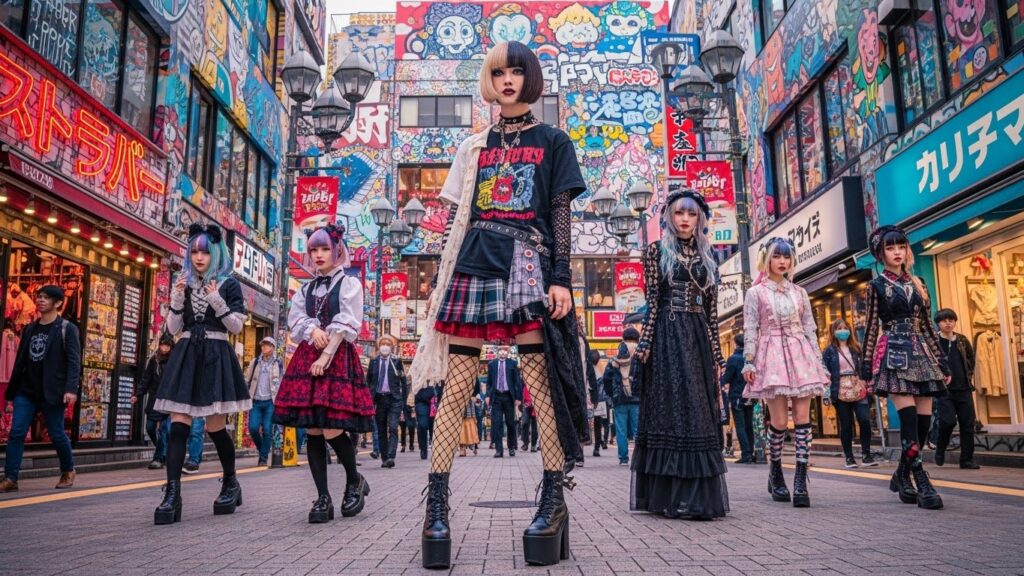
Walk through the electric districts of Shibuya, Harajuku, or Shimokitazawa, and you’re not just witnessing fashion—you’re immersed in a living, breathing art exhibit. Amidst the layered outfits, platform boots, and deliberate aesthetic clashes, one element consistently commands attention: the hair. And rising to the top of this style ecosystem is a cut that perfectly encapsulates the spirit of modern Japan—the Tokyo Bob. This isn’t your grandmother’s bob. It’s a razor-sharp, personality-packed, and endlessly adaptable statement that draws from tradition before launching it into a hyper-stylized future.
Roots & Revolution: The Bob’s Journey to Tokyo
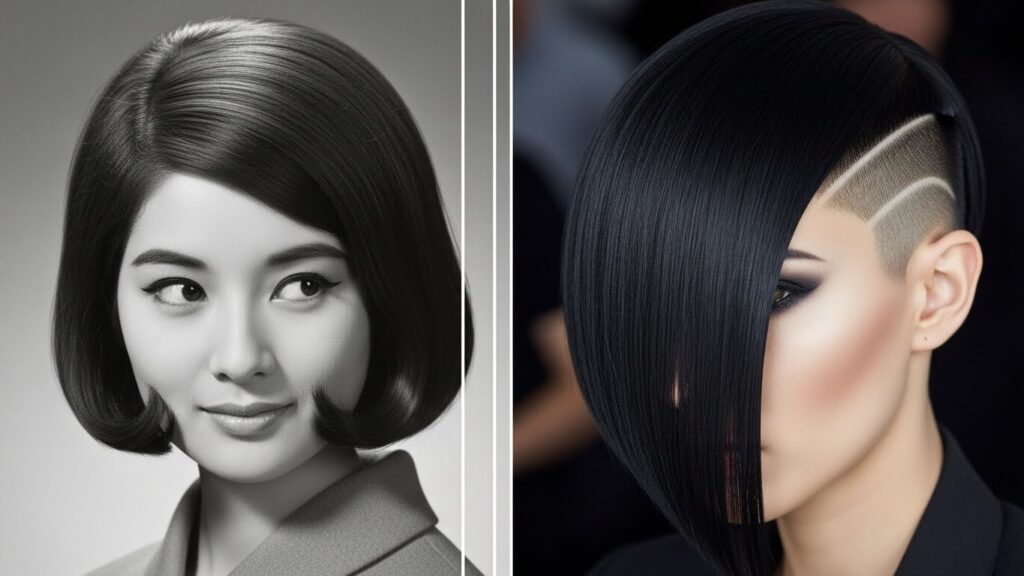
To understand the Tokyo Bob, we must first acknowledge its ancestor. The classic bob haircut, popularized in the 1920s by icons like Louise Brooks, symbolized a radical break from tradition—a cut for the modern, liberated woman. It arrived in Japan decades later, often associated with actresses and moga (modern girls) of the Showa era, representing Western influence and new femininity.
However, Japanese fashion has a renowned talent for absorbing, deconstructing, and reimagining external influences. As street style movements evolved from the kogal of the 90s to the intricate substyles of the 2000s and beyond, the bob was pulled into this creative vortex. It was no longer just a neat, chin-length cut. It became a canvas. Stylists began playing with extreme asymmetry, disconnected layers, bold colors, and textured ends, transforming it from a simple shape into a sculptural element of personal style. The Tokyo Bob was born from this collision of global trend and local, avant-garde expression.
Decoding the Signature Elements of a Tokyo Bob
So, what separates a Tokyo Bob from any other bob in the world? It’s defined by a few key, often exaggerated, characteristics that prioritize impact and artistry over convenience.
Architecture and Asymmetry: While a classic bob often seeks perfect balance, the Tokyo Bob frequently rejects symmetry. One side might be dramatically longer than the other, or the back might be stacked and short while the front pieces are left long and heavy. The lines are intentional and graphic, creating a sense of movement and edge.
The Power of the Fringe (Bangs): Bangs are rarely an afterthought; they are a central feature. From thick, blunt straight-across bangs that hover just above the eyelashes to wispy, fragmented see-through bangs or deeply side-swept curtains, the fringe frames the face and completes the cut’s statement.
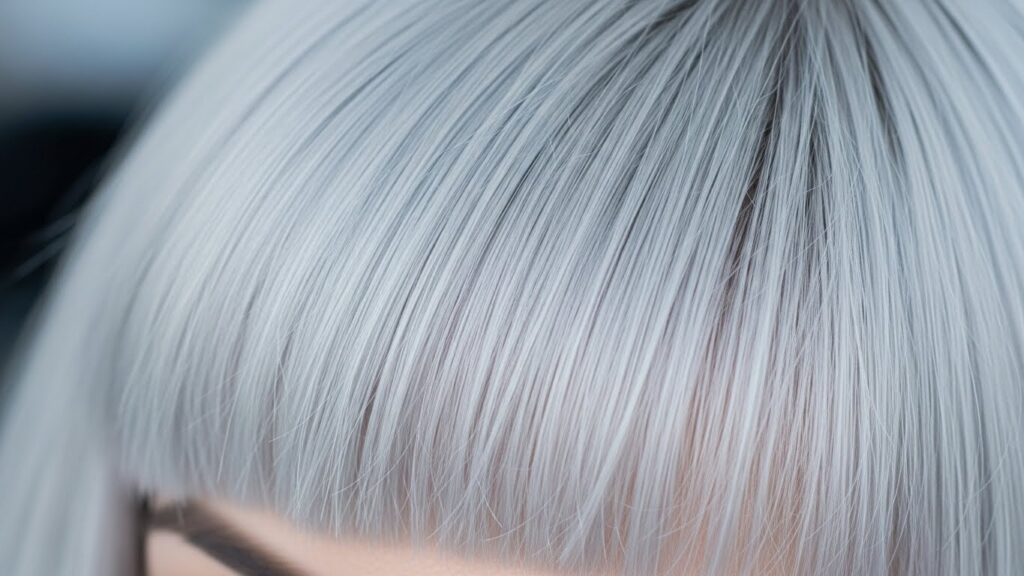
Texture and Finish: The finish is paramount. This can mean razor-sharp, glass-like blunt ends that look almost digitally rendered, or conversely, feathered, shattered, or textured ends created with thinning shears or a razor for a piecey, deconstructed effect. The texture adds depth and a touch of controlled chaos.
Variations on a Theme: Substyles of the Tokyo Bob
The true genius of the Tokyo Bob lies in its adaptability. It morphs to align with different street style tribes.
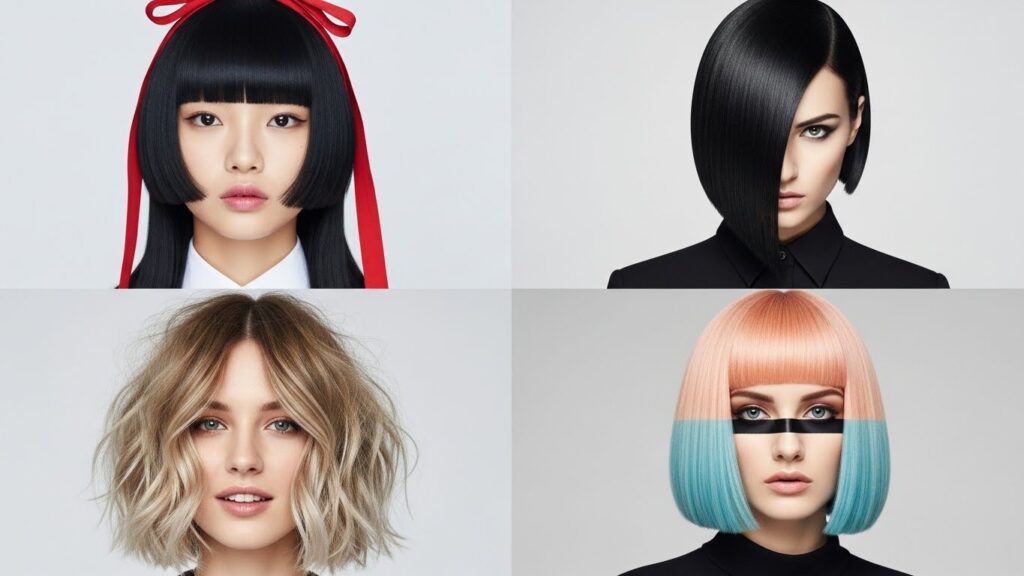
The Hime Cut Bob: A regal, anime-inspired take. This features a straight, blunt bob (often at jaw-length) paired with dramatic, long sidelocks that frame the face, sometimes with blunt bangs. It’s a look straight out of a shōjo manga, blending cute with severe.
The Asymmetric Warrior: The most avant-garde version. The asymmetry is the star—think one side cropped close to the ear, the other grazing the collarbone. It’s bold, architectural, and often seen paired with monochromatic or minimalist fashion for maximum impact.
The Wavy, Textured Bob: Here, the cut is slightly more relaxed, but the styling is key. Using techniques like digital perm or meticulous flat-iron waving, the hair is set in perfect, uniform waves or loose curls. It’s a softer take but maintains that meticulously crafted Tokyo aesthetic.
The Color-Blocked Bob: The cut provides the perfect shape for experimental color. Think solid blocks of pastel lilac, electric blue, or neon orange. Often, the color is applied in a way that enhances the cut’s shape—darker on top, brighter on the ends, or split-dyed to emphasize asymmetry.
Styling and Maintenance: Keeping the Tokyo Bob Sharp
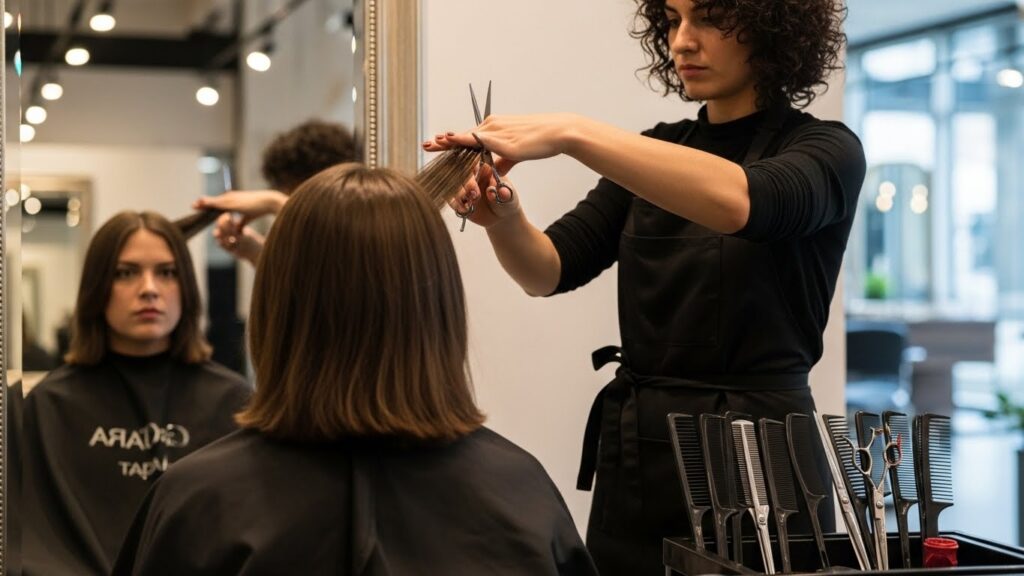
This is not a wash-and-go hairstyle. The Tokyo Bob demands commitment and a good relationship with your stylist. Maintenance is typically required every 4-6 weeks to keep the sharp lines and shape from growing out. Investing in quality tools is non-negotiable: a professional flat iron for sleekness, a small-barrel curling iron for textured waves, and a strong-hold hairspray or texture spray are essential.
The styling ritual is part of the appeal. To achieve the iconic glass-like blunt finish, apply a heat protectant and a smoothing serum, then carefully flat-iron small sections in one downward motion. For piecey texture, use a wax or pommel on the ends after curling random sections away from the face. The goal is intentional imperfection or flawless precision—nothing in between.

Is the Tokyo Bob For You? Considerations Before the Chop
The Tokyo Bob is a powerful style, but it’s not for everyone. It requires confidence and a willingness to stand out. Consider your hair type: while it can be adapted, it often works best on straight to slightly wavy hair that can hold a sharp line. Very curly or coarse hair may require different techniques to achieve the desired graphic shape.
More importantly, consider your lifestyle and styling patience. It’s a high-commitment, high-reward look. Bring clear inspiration photos to a stylist who understands architectural cutting and has experience with avant-garde styles. Communication is key—discuss how much asymmetry you’re comfortable with, the ideal fringe style for your face shape, and the daily upkeep required.
Beyond the Hair: The Tokyo Bob as a Cultural Statement
Ultimately, the Tokyo Bob transcends hairdressing. It is a wearable piece of Japanese youth culture and fashion philosophy. It reflects the values of kawaii (cuteness), kireime (clean and neat), and edgy rebellion all at once. It shows how street style can take a universal item and reinvent it with local flavor and relentless creativity.
Whether you’re inspired to take the plunge or simply admire it from afar, the Tokyo Bob serves as a brilliant example of how hair can be one of the most powerful forms of self-expression. It’s a reminder that in the right creative context, even the most classic cut can be revolutionized, one precise, asymmetric snip at a time.