Cowlick-Friendly Cuts: Hairstyles That Work With Your Hair, Not Against It
Forget bad hair days rooted in frustration. That persistent swirl at your crown or that defiant fringe that refuses to lay flat isn’t a flaw—it’s a unique growth pattern begging for the right approach. The constant battle against a cowlick, armed with nothing but a hairbrush and hope, is a fight you’re destined to lose. But what if you could lay down your arms and call a truce? The secret to managing a cowlick isn’t about domination; it’s about strategic collaboration.
What Exactly Is a Cowlick (And Why Does It Rebel)?
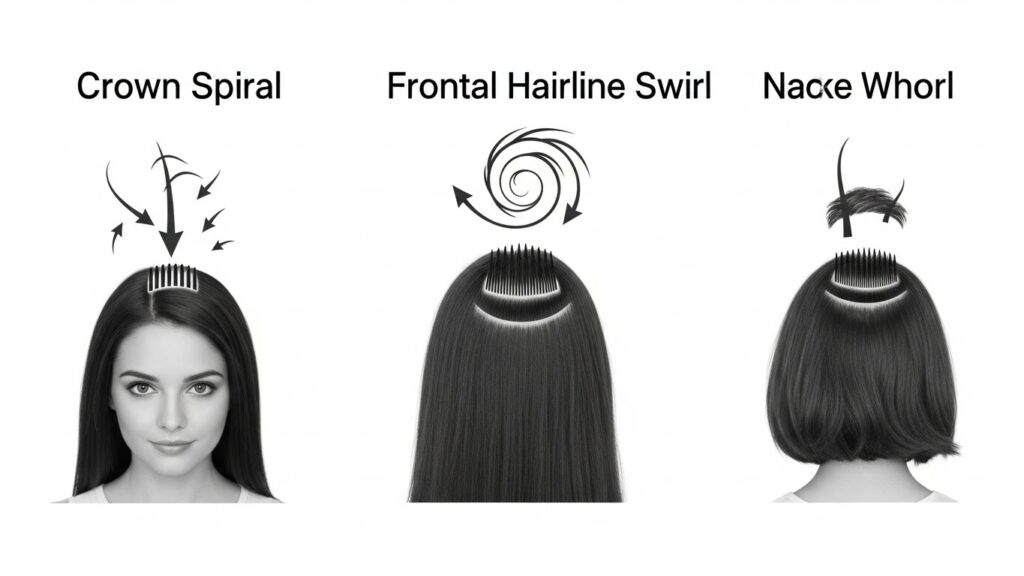
Before we can master it, we must understand it. A cowlick is not just “weird hair.” It’s a specific section of hair that grows in a circular or spiral direction, distinct from the surrounding hair. This pattern is determined by the hair follicle’s angle in the scalp, which is set before birth and remains for life. They most commonly appear at the crown (the top-back of the head), the hairline (especially at the forehead’s center or temples), or at the nape of the neck.
The rebellion happens when we try to force hair growing in one direction to lay in another. It’s like trying to comb a whirlpool flat—the inherent structure will always fight back. This is why traditional, heavily styled looks often fail. The key to harmony lies in identifying the cowlick’s growth pattern while your hair is damp and product-free. Observe which way the spiral goes. This intel is the most critical piece of information you can give to your stylist and the foundation for choosing a cut that flows with this natural current.
The Golden Rules for Cutting and Styling Cowlicks
Armed with knowledge of your hair’s pattern, you can now apply the universal principles that make a haircut cowlick-friendly. These rules guide every successful style.
Rule 1: Embrace Texture and Layers. Blunt, heavy cuts create a “shelf” for a cowlick to push against, making it more pronounced. Strategic, textured layers remove weight and allow the hair to follow its natural growth with movement and shape. Think of layers as releasing the tension in the hair.
Rule 2: Work With the Growth Pattern, Not Against It. A great stylist will cut your hair following the direction of the cowlick. For a crown cowlick, this might mean cutting the hair so it falls gracefully from the swirl’s apex. For a frontal cowlick, it could mean designing a fringe that parts naturally where the cowlick dictates.
Rule 3: Mind the Length. Length is leverage. Often, a cowlick is most unruly at a specific, awkward length (typically between 1 to 3 inches). Going shorter than the cowlick’s “lever point” or growing it long enough for weight to calm it are both effective strategies. Your stylist can identify this critical length for you.
Rule 4: Master the “Dry Cut” and Styling Techniques. A cowlick’s true personality shows when hair is dry. A skilled stylist will often do a final shape-up on dry hair to see exactly how the hair falls naturally. At home, you should also style your hair mostly dry, using a pre-styling product (like a mousse or light gel) on damp hair, then blowing dry in the direction of growth for control.
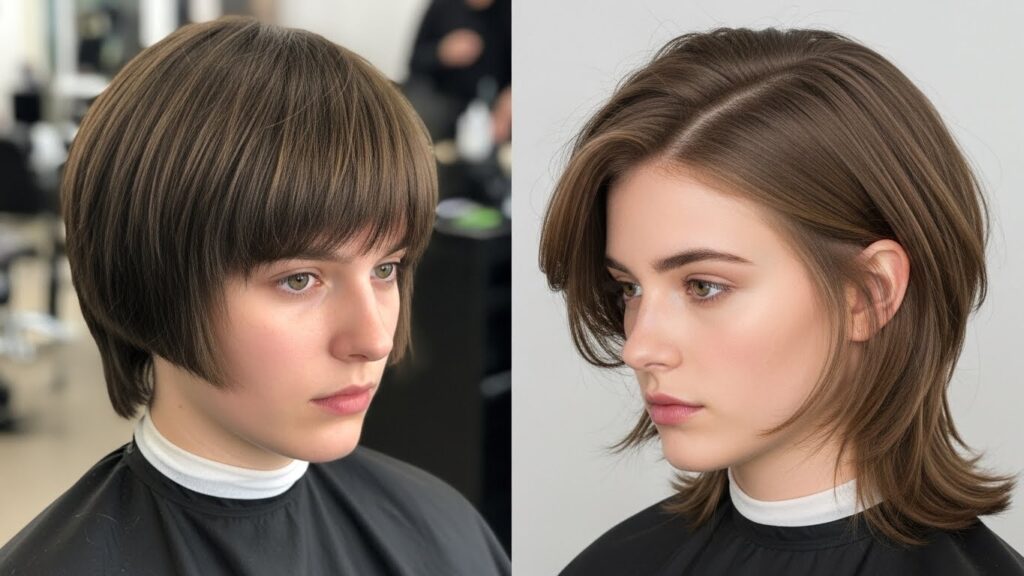
Top Cowlick-Friendly Hairstyles for Every Hair Type
Now for the fun part: the cuts. These styles are celebrated for their ability to incorporate and even highlight a cowlick’s natural volume and movement.
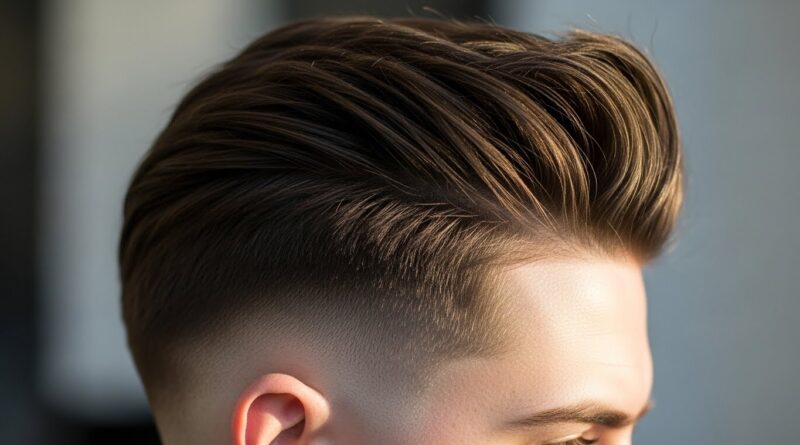
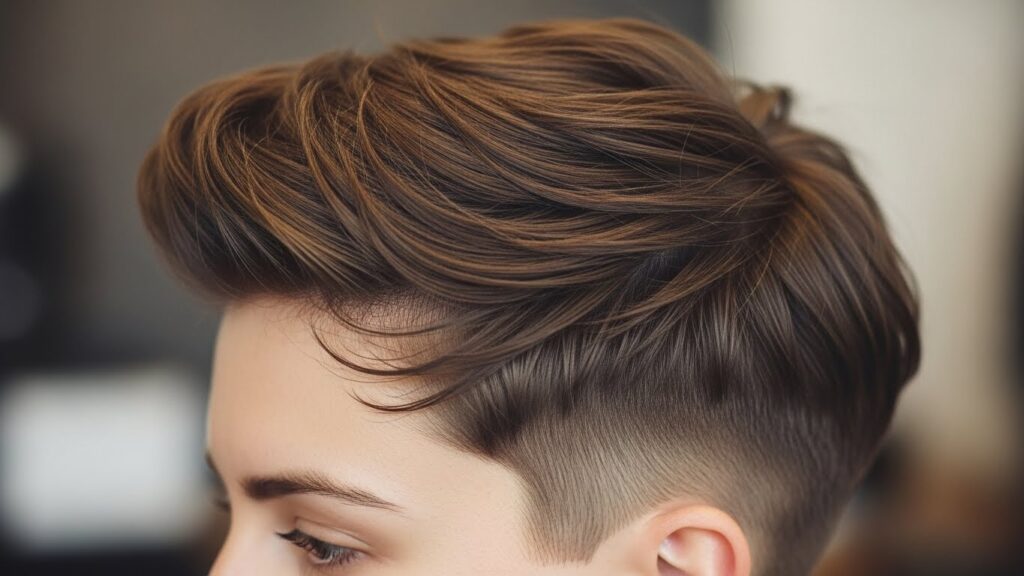
For Short Hair: The Textured Crop or Modern Pompadour is a winner. Short sides reduce bulk, while length on top allows the cowlick to create natural volume and texture. With a little matte product, you can style the top to work with the cowlick’s lift, creating an intentionally messy, modern look. The Classic Side Part is another excellent option, as it uses the cowlick’s natural direction to help create a clean part and volume on one side.
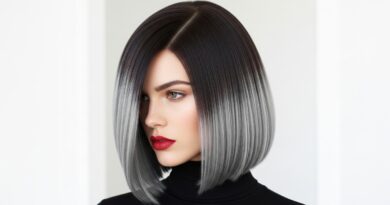
For Medium-Length Hair: This is the sweet spot for versatility. Shaggy Layers are a cowlick’s best friend. The all-over texture and varied lengths mean every cowlick just adds to the effortless, rock-and-roll vibe. Similarly, a Layered Bob (whether lob-length or shorter) with internal texturizing prevents the “helmet head” effect and lets the hair move naturally from any cowlick point.
For Long Hair: The goal here is to use length as an anchor. Long, Face-Framing Layers starting below the jawline add movement without sacrificing the weight that helps tame a crown cowlick. A Deep Side Part can strategically redirect hair from a frontal cowlick, turning it into beautiful, voluminous sweep across the forehead.
For Curly and Wavy Hair: Curls often disguise cowlicks beautifully, but they can still cause odd partings. DevaCut or curl-specific layered cuts are ideal. They enhance the natural curl pattern, allowing the cowlick to simply become part of the curl’s organic shape. Embracing your natural texture is the ultimate cowlick-friendly strategy.

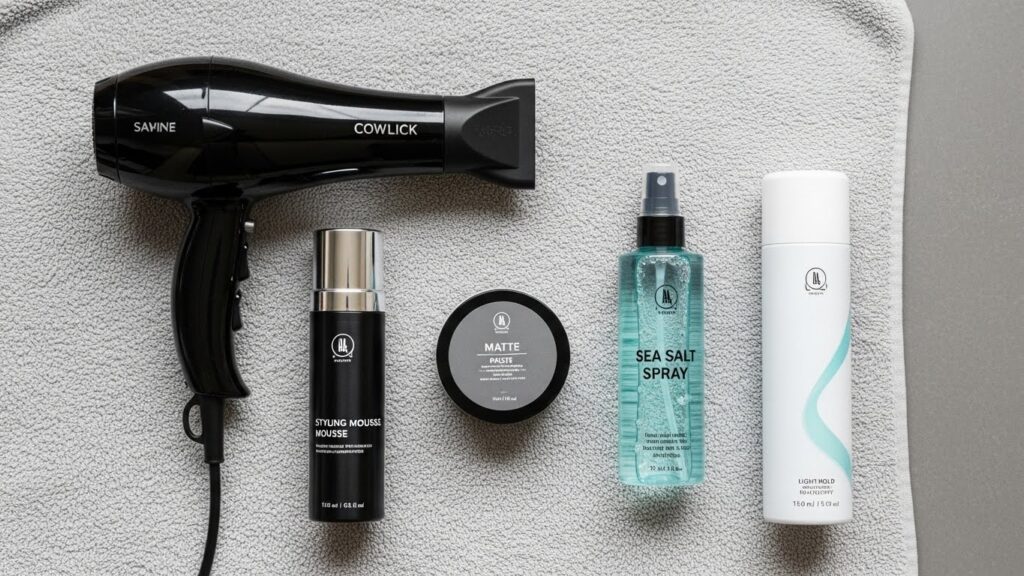
Styling Products and Techniques: Your Cowlick Toolkit
The right cut does 80% of the work, but the right products and techniques seal the deal. Your styling mantra should be: control, not combat.
Start with a pre-styling product on damp hair. A light-hold mousse or a texturizing spray applied at the root gives hair memory and hold from the start. When blow-drying, use a nozzle concentrator and dry the hair in the direction you want it to lay, following the cowlick’s natural path. For a stubborn crown cowlick, try bending at the waist and flipping your hair forward, drying the roots at the crown in that inverted position for extra lift that then settles neatly.
For finishing, choose your product based on hold and finish. Matte pastes and clays offer strong hold and texture without shine, perfect for short to medium styles. Sea salt spray enhances natural wave and texture, helping different hair sections blend. For a polished look, a light-hold hairspray can be misted from a distance to set style without creating stiffness that might fight the hair’s movement.
What to Tell Your Stylist: The Consultation Conversation
Walking into the salon prepared is the final step to success. Be proactive and specific. Instead of saying “I have a cowlick,” try this:
“I have a strong cowlick at my crown that grows in a clockwise spiral. I’d like a cut that works with that natural volume instead of fighting it. I’m open to texture and layers to help it blend.”
Show pictures of the styles you like, but point out the texture and movement, not just the length. Ask them to show you the direction of growth and explain how their cut will accommodate it. A great stylist will be excited by the challenge and will likely want to cut your hair dry (at least for the final detailing) to see the cowlick in action. This consultation is a partnership—your insight into your hair’s behavior combined with their technical skill creates the perfect, personalized result.

Embrace Your Unique Hairprint
The journey to cowlick contentment is a shift in perspective. That whorl on your crown or that rebellious front section is part of your unique “hairprint”—as individual as your fingerprint. By choosing a cowlick-friendly cut, you’re not surrendering to chaos; you’re making a smart, stylish decision to honor your hair’s innate structure.
Stop viewing it as a problem to be solved and start seeing it as the source of your hair’s best volume and character. With the right cut, a few key products, and a collaborative stylist, you can achieve hair that looks good every day with minimal fuss. Remember, the goal is to work with your hair, not against it. Now go forth and let your cowlick be the star of the show.