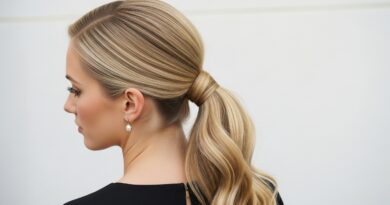
20 Hairstyles for Women Who Prefer Wash-and-Wear Cuts Over Daily Heat Styling
If you have ever stood in the bathroom at 7 a.m., hot tool in hand, wondering why your hair needs so much help just to look normal, this one is for you. I used to think wash-and-wear meant boring. Then I learned the real secret: it is all about the cut, not the styling.
When a haircut is built right, it dries into shape on its own. You wash, you add a little product, you walk out the door. That is it.
Below are 20 hairstyles for women who would rather skip the daily heat styling. Some are 2026 hairstyles you will see everywhere, and some are timeless classics that never ask much of you. Let’s get into it.
What Makes a Wash-and-Wear Cut Actually Work
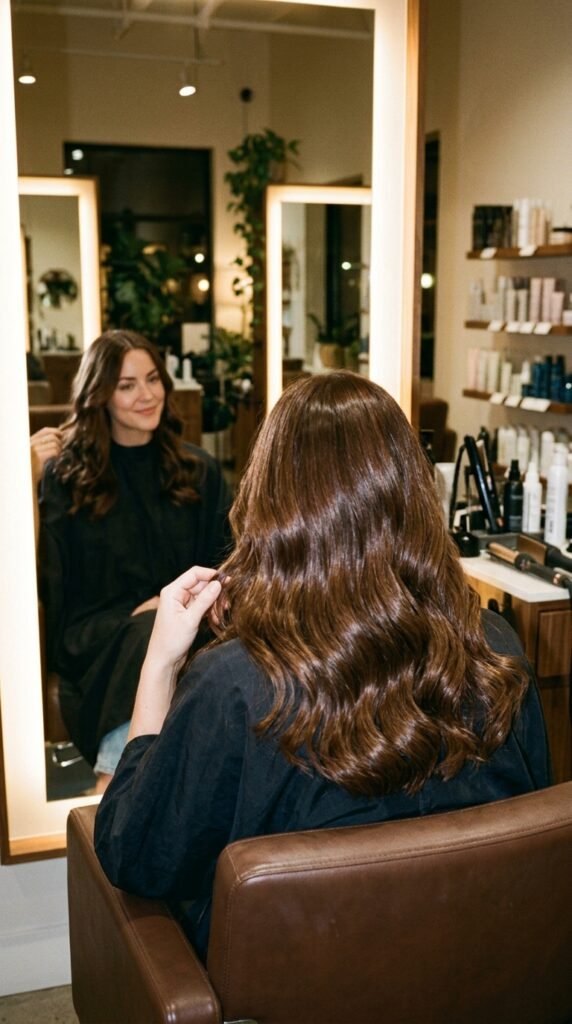
Before the list, here is the truth nobody tells you: wash-and-wear is not a product. It is a haircut that does the work for you.
Three things make it happen:
- Weight removed in the right spots. Bulky ends never dry smooth.
- A shape that falls into place. Blunt lines and soft layers forgive you.
- Your natural texture in the plan. Fighting your hair is a losing game.
Tell your stylist you air dry about 90 percent of the time. That one sentence changes the whole appointment.
The Quiet Luxury Bob
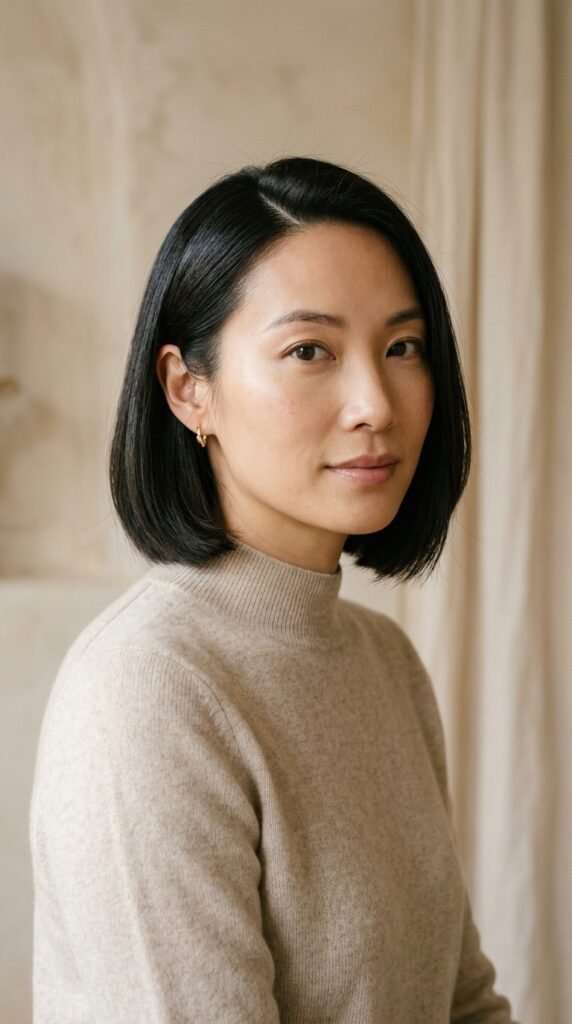
The quiet luxury bob is the poster child for low-effort hair. It is blunt, usually chin to jaw length, and cut with barely any layers. That means no hidden pieces to fix.
Why it works:
- The blunt hemline creates a clean edge without a round brush.
- A slight angle near the front keeps it from looking heavy.
- It air dries into a soft, slightly imperfect version of itself.
Pair it with a light leave-in and a two-minute rough dry if you feel like it. Otherwise, let it do its thing.
Old Money Hair: The Soft Mid-Length
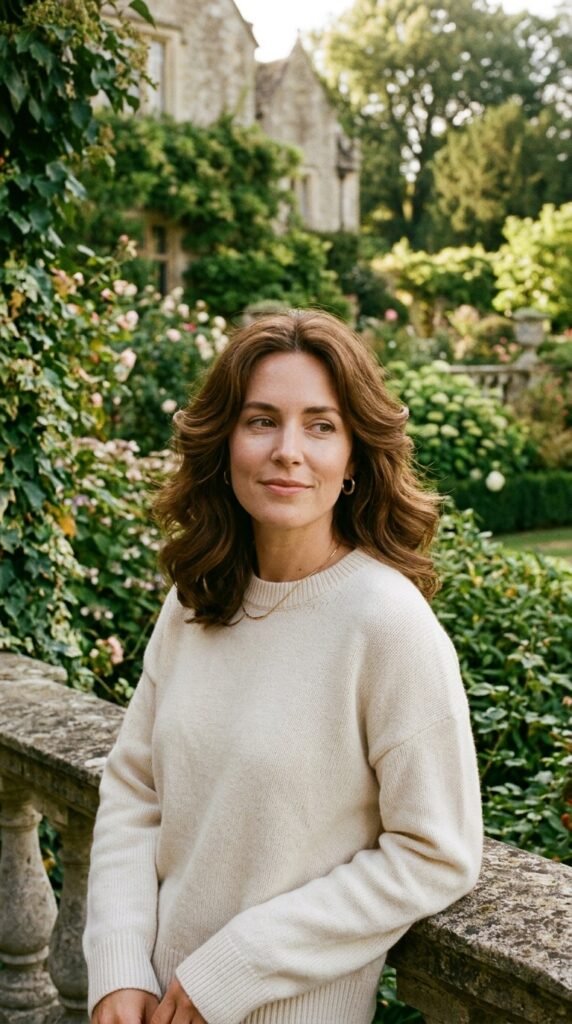
Old money hair is less about a specific cut and more about a feeling: healthy, expensive-looking, and effortless. The trick is length that sits right at the shoulders, with the tiniest bit of face framing.
Ask for:
- A soft U-shape hemline instead of a harsh straight line.
- Long, invisible layers to move weight away from the ends.
- Face-framing pieces that start below the cheekbone.
This one looks best when you let it air dry and only touch up the front. A little shine serum on damp ends goes a long way.
The Asymmetrical Lob
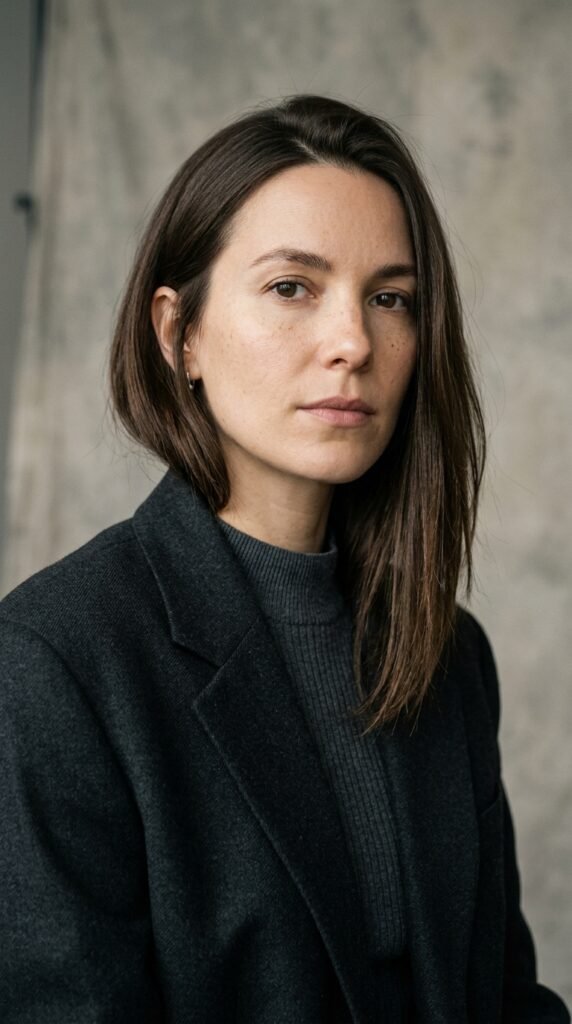
The asymmetrical lob is one of those 2026 hairstyles that looks way more styled than it is. The cut itself creates the drama, so you do not have to.
What makes it work:
- It is shorter in the back and longer near the front, often collarbone length.
- The mismatched sides break up bulk and hide uneven drying.
- A strong part gives it instant shape.
This cut does need a stylist who understands weight lines. Done well, you can air dry it and look like you meant every piece to fall that way.
Curly Shag with Built-In Texture
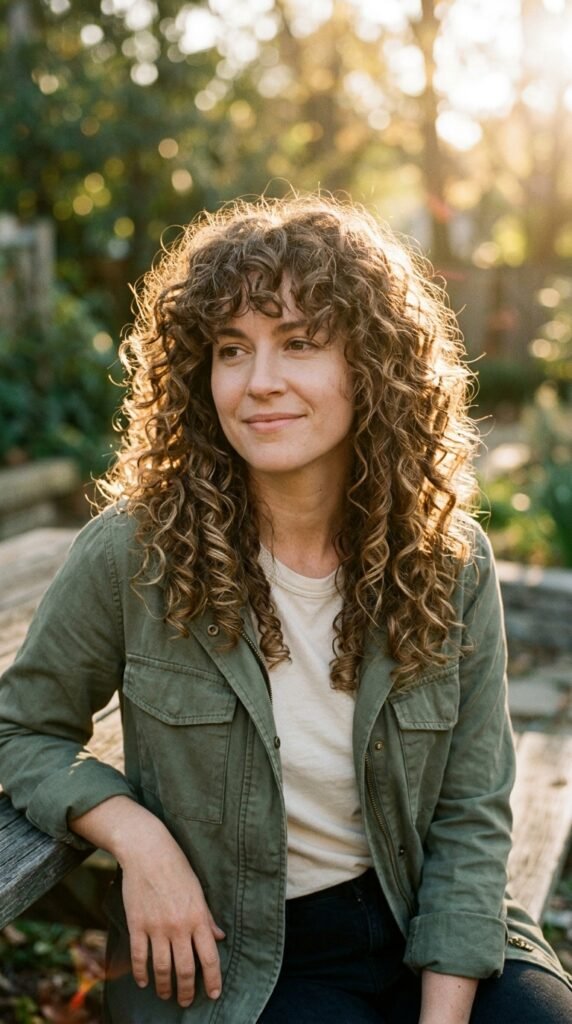
If you have curls, a shag is your best friend. It is cut to follow your curl pattern instead of fighting it, which means no heat tools required, ever.
The wash-and-wear routine is simple:
- Wash and condition, then leave some conditioner in.
- Scrunch in a curl cream or gel while your hair is soaking wet.
- Air dry or use a diffuser on low if you are in a hurry.
Ask for lots of texture through the crown and shorter pieces around the face. Do not let anyone thin it out with a razor blade.
The Hime Cut
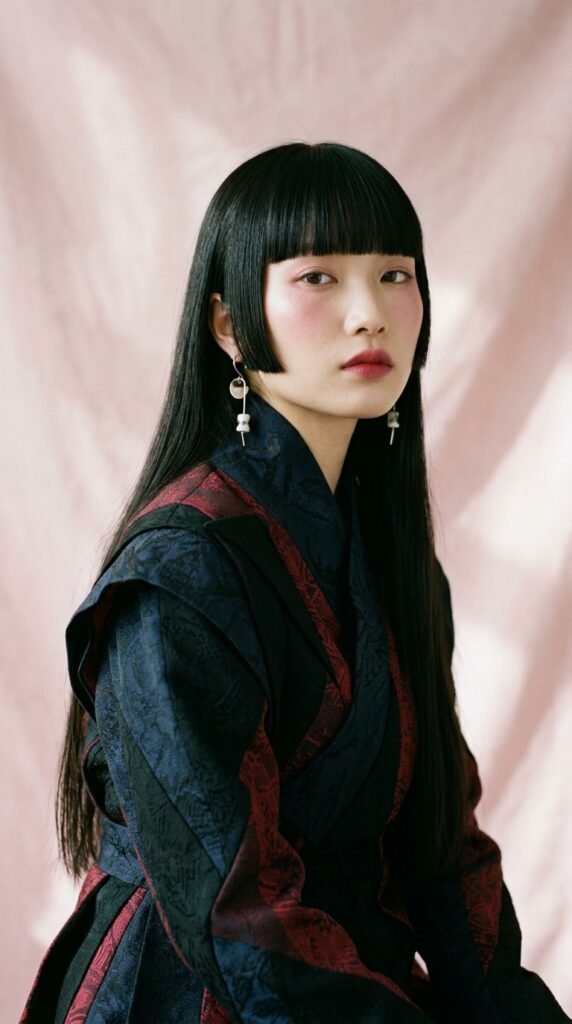
The hime cut is having a real moment. It is a straight, blunt cut with two shorter, sharply cut sections framing the face while the rest stays long.
Why it is secretly low maintenance:
- It is designed for straight, smooth hair, so it air dries flat on its own.
- The blunt face-framing pieces hold their shape without styling.
- Zero layers means zero pieces to tame.
If your hair is wavy, ask for a modified version or plan on a quick flat iron on the front pieces only. Even that is two minutes, tops.
Vampire Haircut

The vampire haircut is moody, a little dramatic, and surprisingly easy to wear. Think collarbone or longer, with sharp, angled pieces that frame the face and point slightly downward.
What to ask for:
- A blunt, heavy base so the ends look intentional.
- Angled face-framing pieces that start at the jaw.
- Minimal layers everywhere else.
Because the shape is so defined, it dries into place with almost no help. A texturizing spray on damp hair is really all it needs. Deep colors like espresso, black cherry, and oxblood make it pop.
Romantic Goth Hairstyles

Romantic goth hairstyles work beautifully for wash-and-wear, because the look actually improves when hair is a little imperfect. Think soft, lived-in waves and long layers that move.
Simple way to get there:
- Ask for long layers that start below the chin.
- Keep the ends slightly tapered, not blunt.
- Apply a light mousse to damp hair and scrunch once.
Then let it air dry. Add a velvet ribbon, a small clip, or a lace headband if you want the full mood. The color does most of the heavy lifting here, so choose something rich.
Glitchy Glam Hair

Glitchy glam hair is the fun, unexpected trend of the year. It mixes sharp angles, choppy ends, and mismatched lengths on purpose. Nothing is supposed to look perfect.
Why it is perfect for lazy mornings:
- Uneven pieces mean uneven drying is not a problem.
- Choppy texture reads as intentional, not messy.
- It looks better on day two than day one.
Ask for a choppy lob or shag with sliced ends and a few disconnected face-framing pieces. Scrunch in salt spray on damp hair and you are done.
Blunt Collarbone Cut

If you want one cut that works for basically everyone, this is it. The blunt collarbone cut is exactly what it sounds like: one length, landing right at the collarbone, with a clean hemline.
Why it is a wash-and-wear winner:
- One length means no layers to separate or frizz out.
- The length is short enough to dry fast.
- It looks polished even when it is slightly messy.
Ask for a slight softness at the very ends so it does not look like a broom. Then air dry with a light oil on the ends.
Long Layers with Face-Framing Pieces

Long hair does not have to be high maintenance. The problem is usually too many layers, not too much length.
Keep it simple:
- Ask for long layers that start at the collarbone or lower.
- Add two face-framing pieces, no more than that.
- Skip the thinning shears.
With this cut, your hair dries into soft movement on its own. Braid it damp at night and you will wake up with waves that look like you spent real time on them. You did not, and nobody needs to know.
The French Bob

The French bob sits at the jaw and has just a touch of texture at the ends. It is the cut that made everyone want bangs and then regret them, but this version is easier to live with.
What keeps it easy:
- The length is short, so it dries in minutes.
- Soft, piecey ends look better when they are a little undone.
- A middle or slightly off-center part adds instant shape.
Air dry it with a small amount of cream, then tuck one side behind your ear. That is the whole routine. It is one of the most flattering short cuts out there.
Wolf Cut for Thick Hair
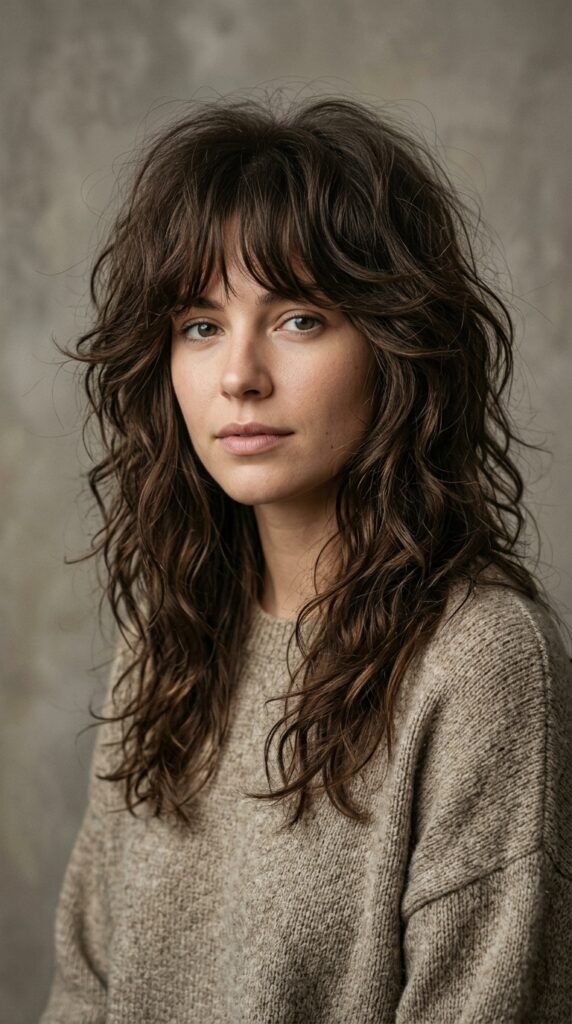
The wolf cut gets a bad reputation for needing styling, and honestly, on fine hair it does. On thick, wavy hair? It is basically self-sufficient.
Ask for:
- Short, choppy layers around the crown for volume.
- Longer, tapered pieces at the back.
- Face-framing sections that blend into the rest.
Thick hair holds this shape without help. Wash, add a light cream, scrunch, and go. If you have thin hair, ask for a softer version with fewer layers so it does not fall flat.
Tapered Curly Pixie
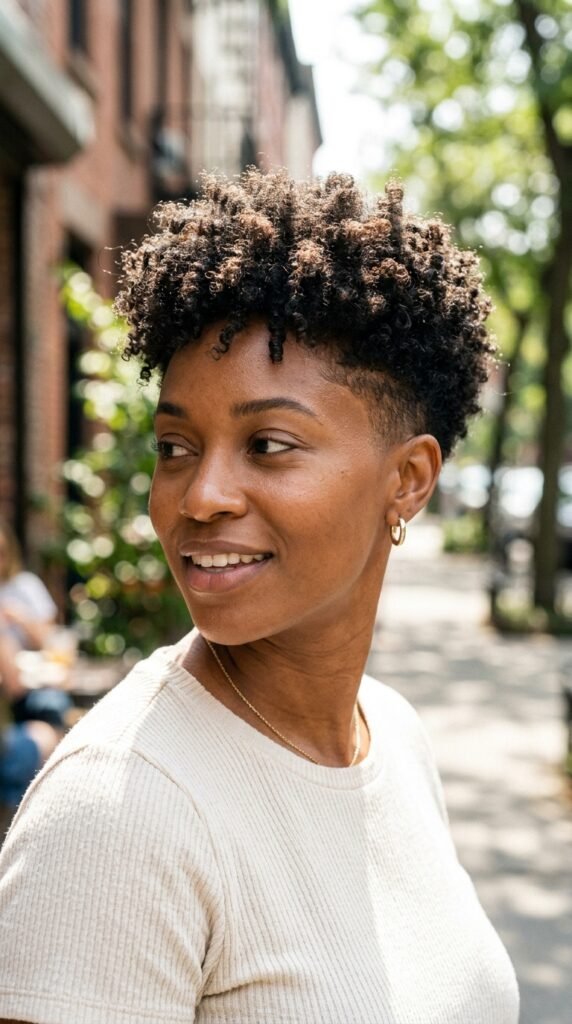
For my curly girls who are ready to go short, the tapered pixie is freedom. Short sides plus a little length on top means it dries in five minutes flat.
The routine is almost nothing:
- Condition in the shower and rinse lightly.
- Add a leave-in or curl cream to soaking wet hair.
- Shake your head, scrunch once, and walk away.
No diffuser needed unless you want extra definition. Get a trim every four to six weeks to keep the shape sharp, especially around the neckline and sideburns.
The Bixie Cut
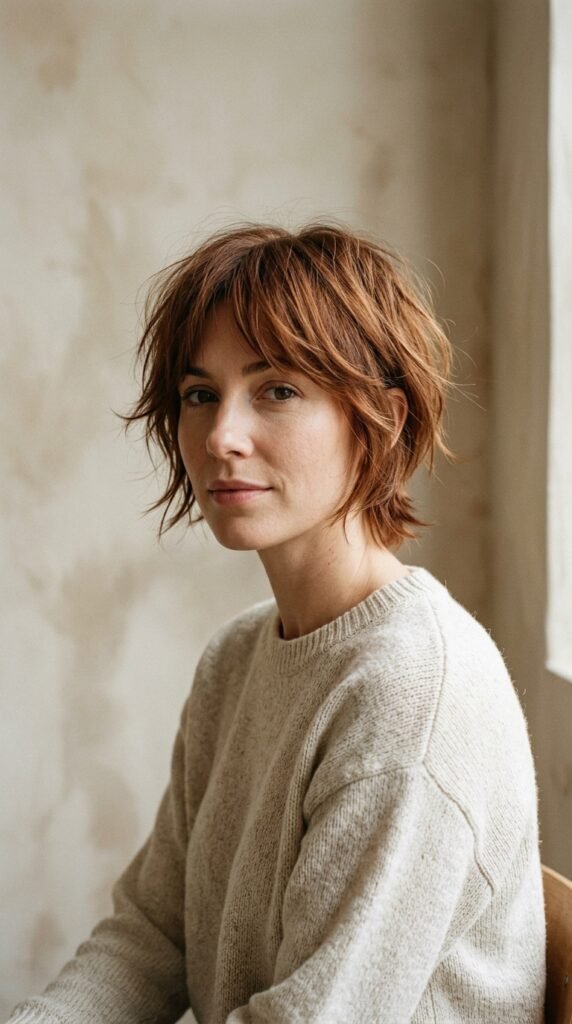
The bixie is the bob-pixie hybrid that keeps showing up in 2026 hairstyles, and for good reason. It is short enough to dry fast but long enough to feel like hair.
What makes it easy:
- Textured ends mean you do not need a perfect finish.
- It works on straight, wavy, and curly textures.
- It grows out gracefully, which saves you money.
Ask for a soft nape and slightly longer pieces at the front. Air dry with a little cream and use your fingers to push it where you want it.
The Italian Bob

The Italian bob is fuller and slightly longer than the French version, usually right at the chin with soft, rounded volume. It is glamorous without being high maintenance.
How to keep it low effort:
- Ask for soft layers so it has roundness without a round brush.
- Keep the ends slightly tapered, not razor thin.
- Use a mousse on damp roots for lift.
Then let it dry naturally. The shape holds itself. It is one of those cuts that looks expensive even when you did nothing.
The Butterfly Cut, Lightened Up

The butterfly cut was everywhere, but the full version can feel like a lot. The lightened-up version keeps the pretty face framing and skips the heavy layering.
Ask for this instead:
- Two face-framing pieces that end around the chin.
- Long layers starting past the collarbone.
- No short crown layers, since those are what need styling.
You still get the movement and the flattering shape. You just do not get the morning routine. Braid it damp at night for extra wave.
Lob with Curtain Bangs

Curtain bangs are the easiest bangs to live with, mostly because you can let them dry however they want. Paired with a lob, they give you shape without daily work.
Keep them low maintenance by:
- Asking for a longer, cheekbone-skimming length so they blend in.
- Requesting soft, wispy ends rather than a blunt line.
- Letting them part naturally instead of forcing a shape.
A quick finger comb while damp is all they need. If they act up, a 20-second blast of cool air fixes them.
Braid-Ready Long Layers
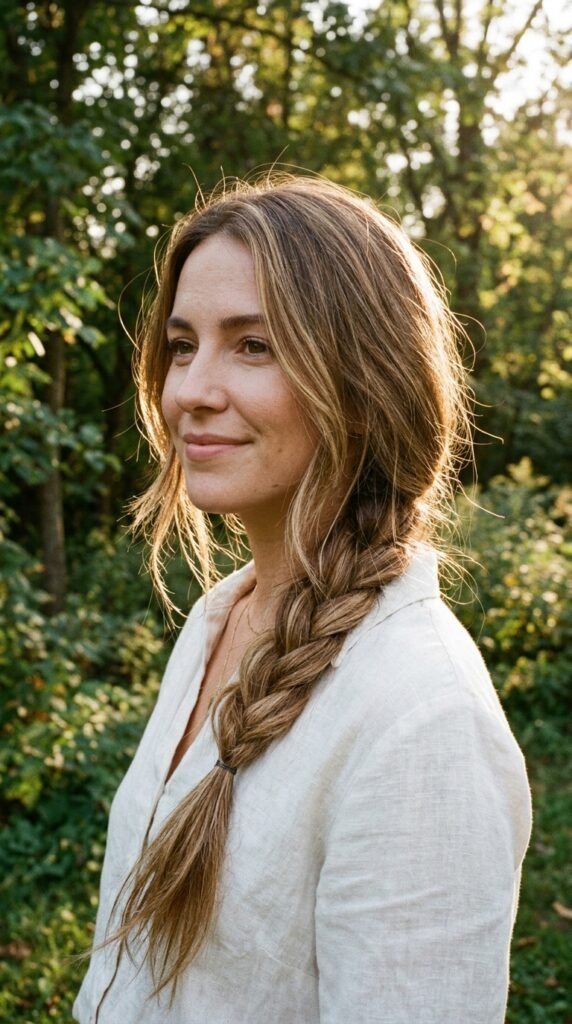
If you love wearing braids, your haircut should support that. Long layers with a slightly tapered end make braids look fuller and hold better all day.
What to ask for:
- Long layers that start near the shoulder.
- Ends that taper gently, not blunt.
- Enough length to work with, usually mid-back or longer.
This cut gives you options. Wear it down and let it air dry, or braid it damp for waves. Either way, you are not touching a curling iron.
Shoulder-Length Curls with a Blunt Hemline

Curls and blunt lines are a great match. A blunt hemline gives curly hair a strong shape, so it looks intentional instead of round and shapeless.
How to make it wash-and-wear:
- Ask for the length to land at or just above the shoulders.
- Skip layers on top if your hair is fine, since they cause frizz.
- Keep the perimeter blunt for structure.
Style it soaking wet with a gel cast, then let it air dry completely before scrunching out the crunch. That is your whole routine.
What to Tell Your Stylist

The cut is everything, so the consultation matters more than the styling. Say these things out loud and you will get a better result.
Your script:
- “I air dry my hair almost every day.”
- “I want a shape that looks good without a round brush.”
- “Please go easy on the layers.”
- “I would rather have less volume than more frizz.”
Also bring two or three photos from this list. Visuals always beat words when it comes to haircuts.
Products Worth Keeping Around
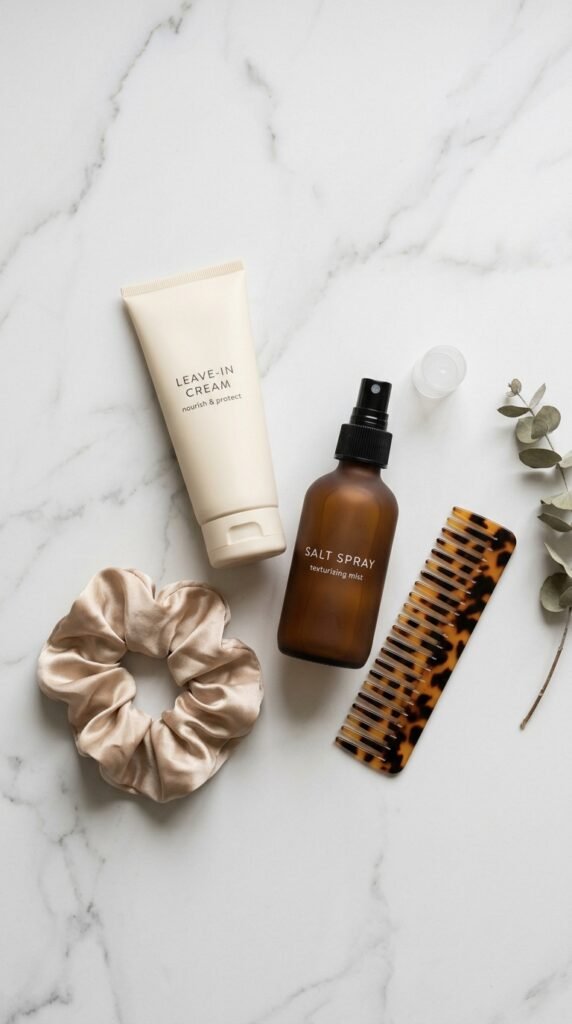
You do not need a shelf full of stuff. You need four things, and that is genuinely it.
My short list:
- A lightweight leave-in cream for smoothness.
- A curl cream or gel if you have texture.
- A salt or texture spray for grip and piecey ends.
- A silk scrunchie or pillowcase to reduce frizz overnight.
Apply everything to damp hair, not dry. That is the one rule that changes your results the most.
A Few Habits That Help

Even the best cut needs a couple of small habits behind it. None of these take longer than a minute.
Try these:
- Skip the heavy towel rub. Squeeze water out gently instead.
- Do not touch your hair while it dries. Hands create frizz.
- Sleep on a silk pillowcase or tie your hair loosely on top.
- Get a trim every eight to ten weeks to keep the shape sharp.
That is it. Small changes, big difference, no hot tools involved.
Let’s Wrap This Up
Here is what I want you to take away: your hair does not need to be styled to look good. It needs to be cut for the life you actually live.
Pick one cut from this list, bring a photo, and tell your stylist the truth about your mornings. That is how you get hair that works with you instead of against you.
Wash-and-wear is not lazy. It is smart, and in 2026, it is honestly the best-looking choice out there.
Save this post to Pinterest so you have it ready before your next salon visit. And tell me in the comments: which of these cuts are you trying first? I read every single one.