50 Marathon Running Hairstyles That Don’t Bounce
You’ve logged the miles, perfected your carb-loading strategy, and tested every gel on the market. But there’s one often-overlooked detail that can sabotage your race-day mojo: your hair. A bouncing ponytail isn’t just an annoyance, it’s a constant tug, a source of distraction, and can even lead to a headache over 26.2 miles. The right hairstyle is more than just aesthetics; it’s a crucial piece of performance gear.
This guide is dedicated to every runner who has ever spent more time re-doing their hair than hitting their pace. We’ve compiled 20 secure, stylish, and seriously bounce-free hairstyles that will stay put from the starting gun to the finish line. Say goodbye to whipping strands and mid-race adjustments, and hello to focused, comfortable running. Plus, discover 30 more expert variations to keep your race-day hair flawless.
The Golden Rules of Race-Day Hair
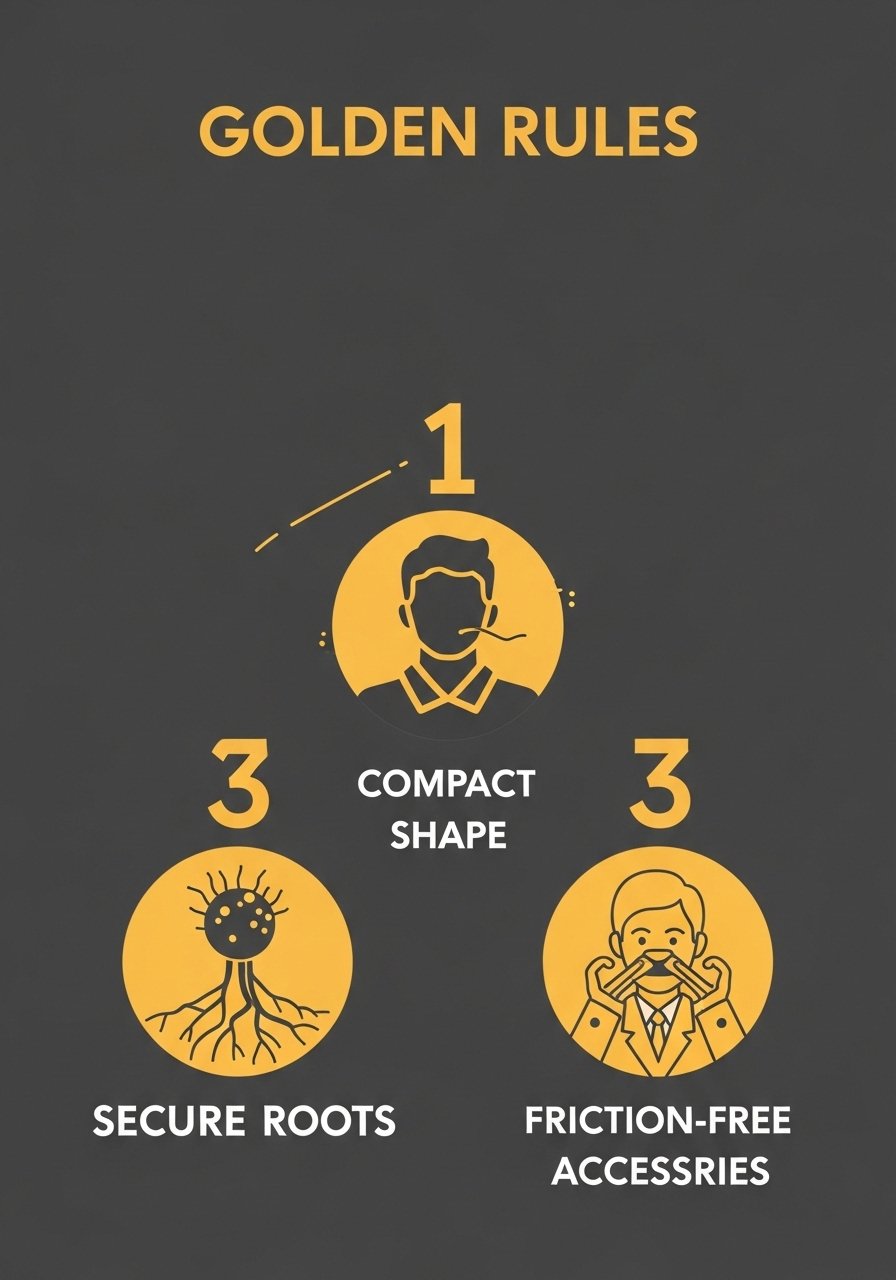
Before we dive into the styles, let’s cover the foundational principles. A good running hairstyle isn’t just about looking good in photos (though that’s a nice bonus!). It must follow three golden rules:
Secure at the Root and the Ends: It’s not enough to just gather your hair at the base of your neck. You need to anchor the style at the crown to prevent the heavy, pendulum effect of a traditional ponytail.
Minimize Surface Area: The more compact and close to your head the style is, the less wind resistance and bounce you’ll experience. Think buns and flat braids over loose, flowing locks.
Friction-Free is Key: Avoid styles that rub against your backpack, hydration vest, or hat. Use soft, coiled hair ties (like Spiralties) and avoid rough elastics that can cause breakage during long runs.
The Braid Brigade: Ultimate Security
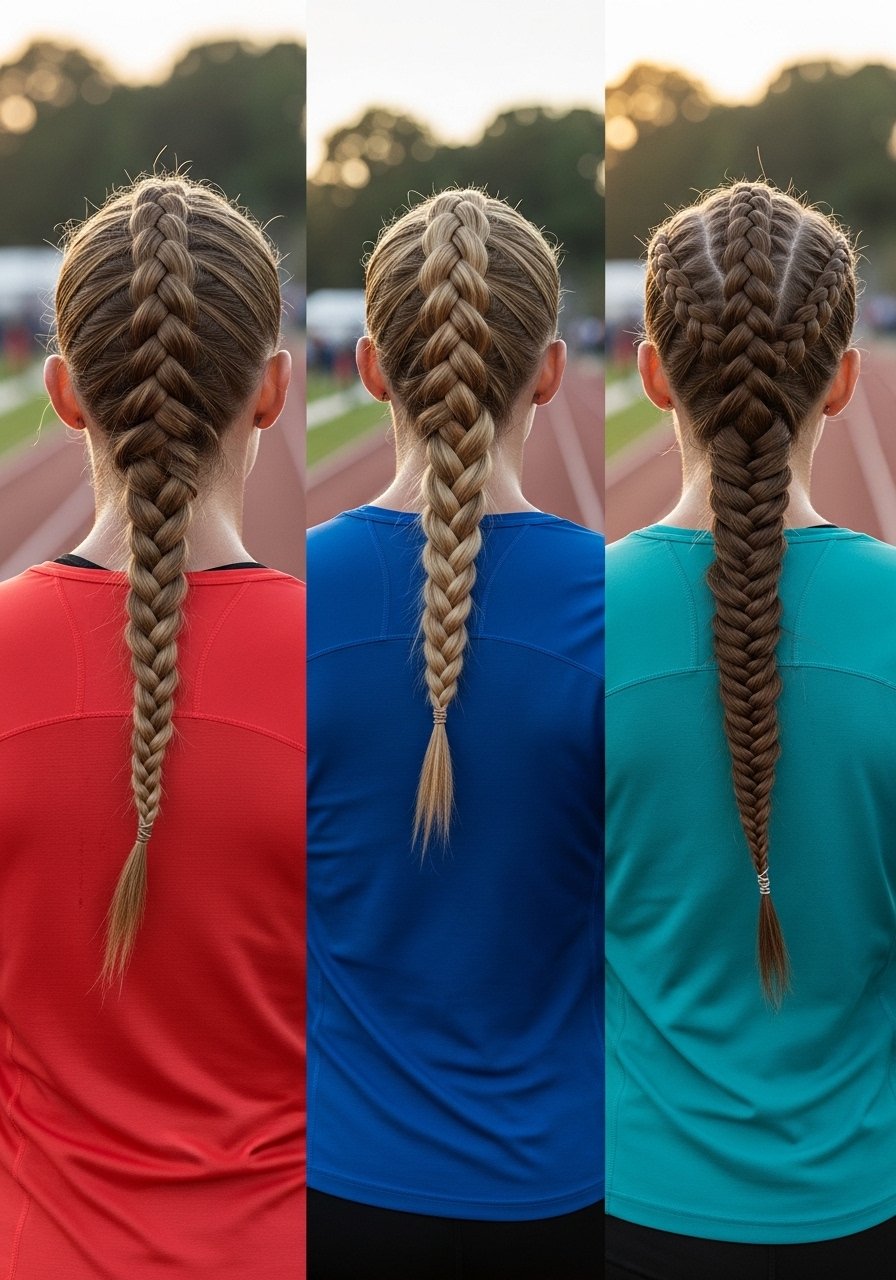
Braids are the undisputed champions of running hair. They distribute weight evenly, lie flat, and can be configured for every hair length and type.
1. The Crown Braid (Halo Braid)
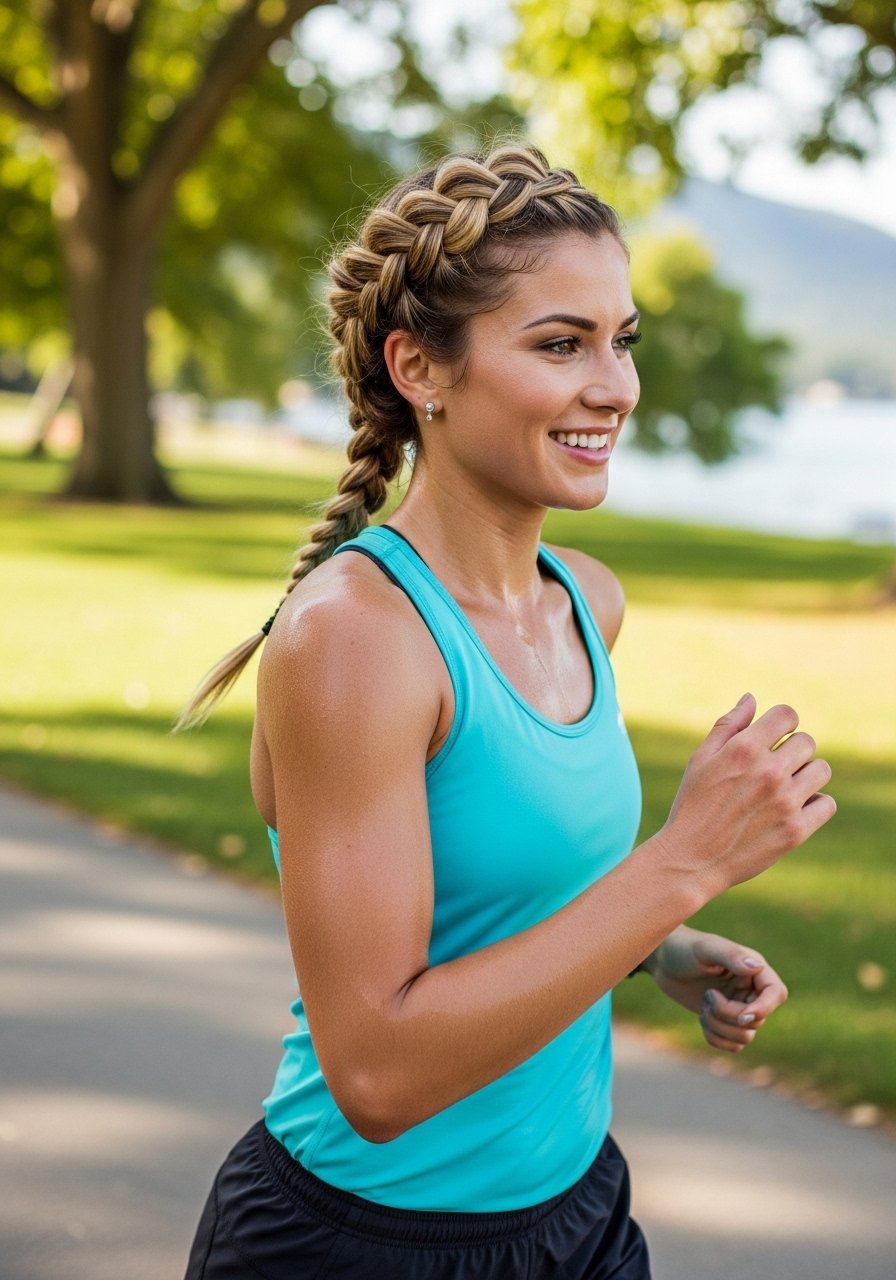
This elegant style keeps every strand off your neck and face. It involves braiding around the circumference of your head. Zero bounce, maximum princess-warrior vibes.
2. French Braid (Single or Double)
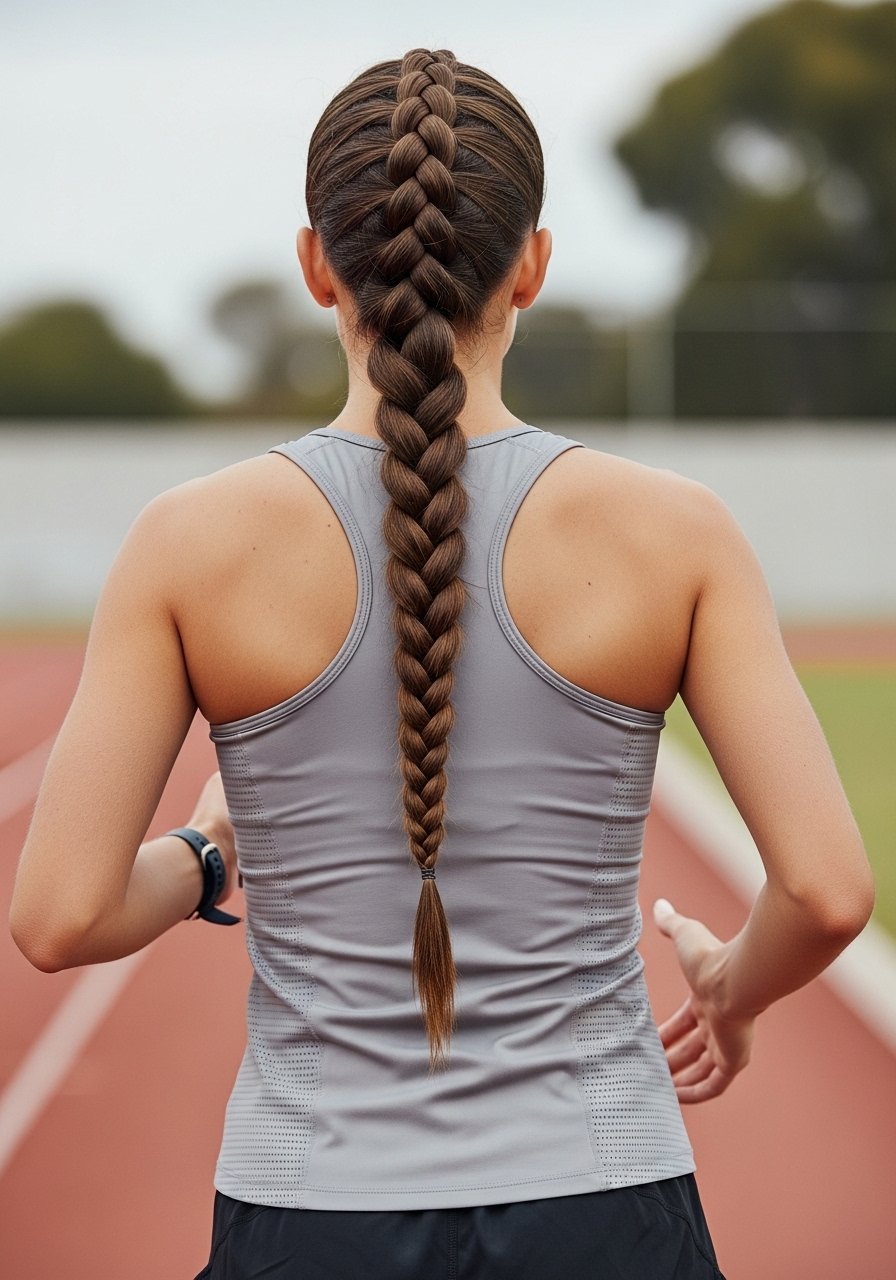
A classic for a reason. Starting at the crown anchors the hair at the root. One braid down the back or two “pigtail” French braids are equally effective and stylish.
3. Dutch Braids (Inside-Out French Braids)
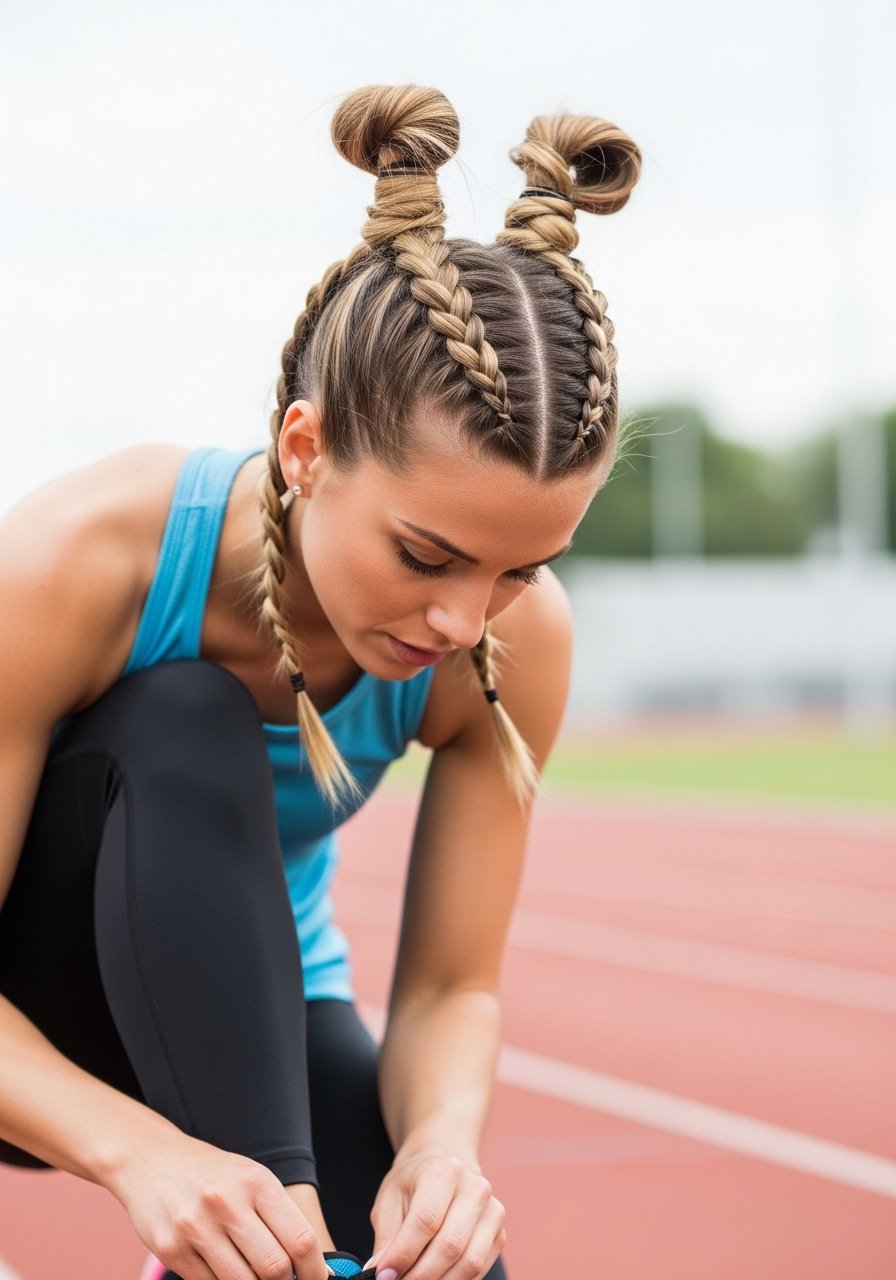
Similar to French braids but the sections are crossed under instead of over, creating a raised, standout braid. They offer incredible grip and a cool, athletic look.
4. Fishtail Braid
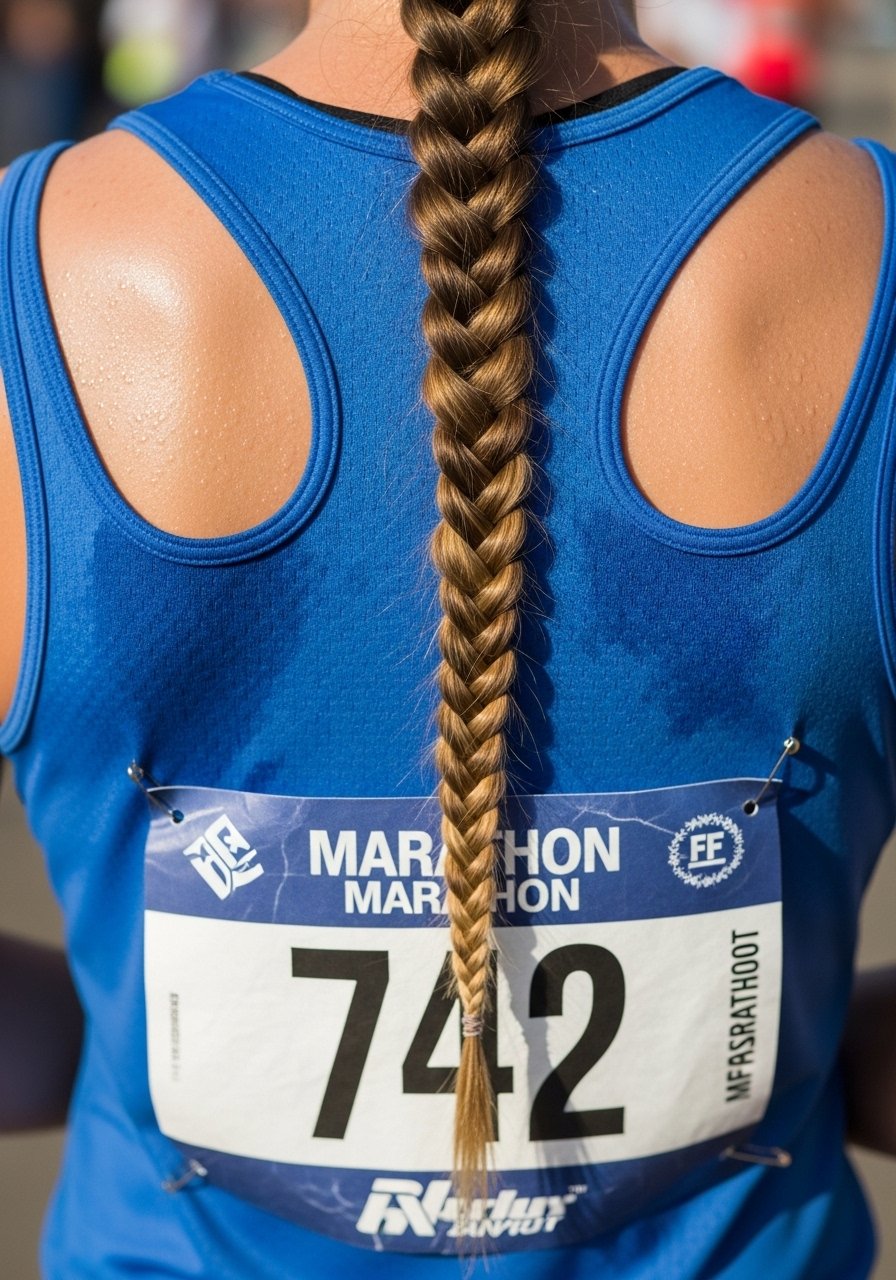
While trickier to master, a fishtail braid lies very flat against your back and is surprisingly secure due to its interwoven pattern. Less bulky than a traditional three-strand braid.
5. Rope Braid Twists
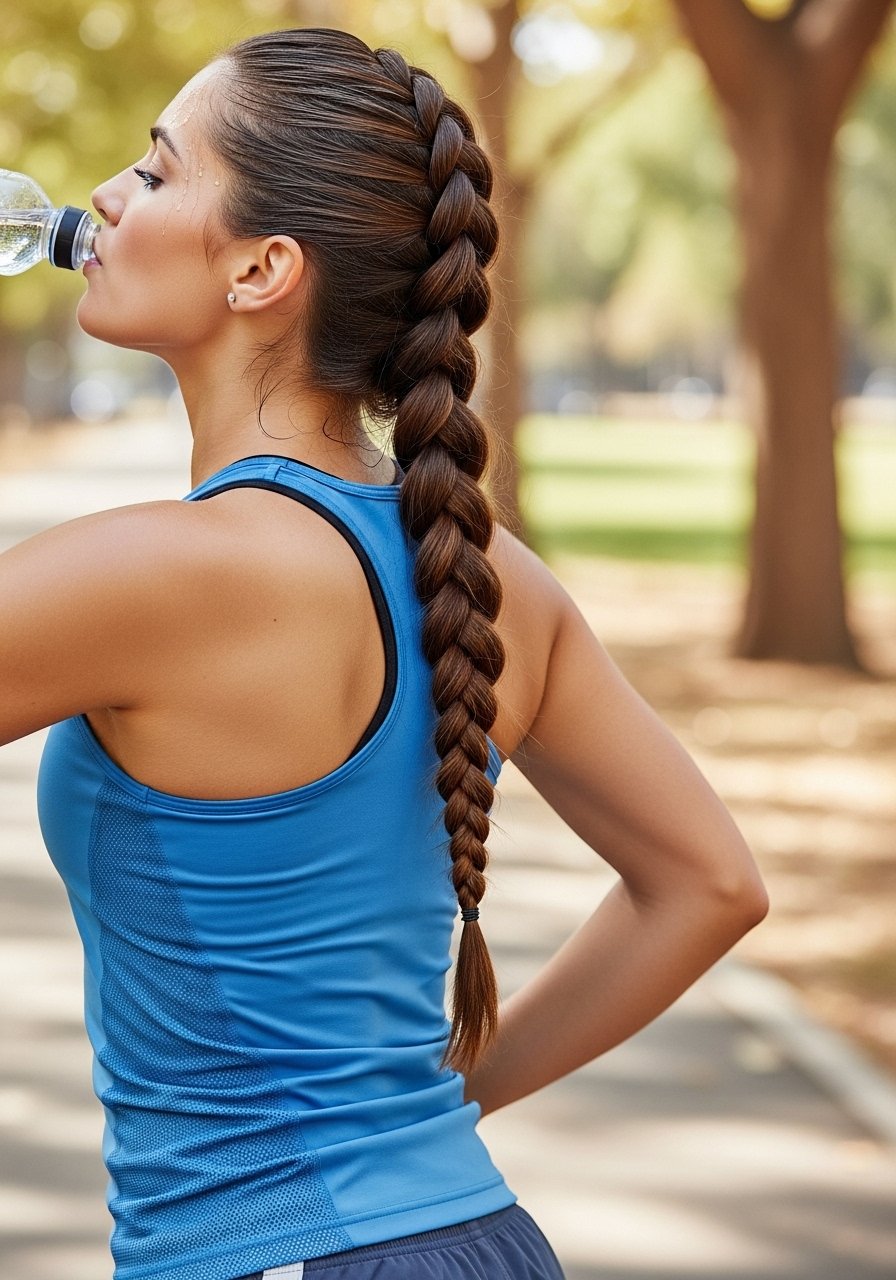
Perfect for medium-length hair. Twist two sections of hair and then wrap them around each other. It’s simpler than a fishtail but offers a similar sleek, bounce-free result.
Bun & Updo Innovations: Compact and Contained
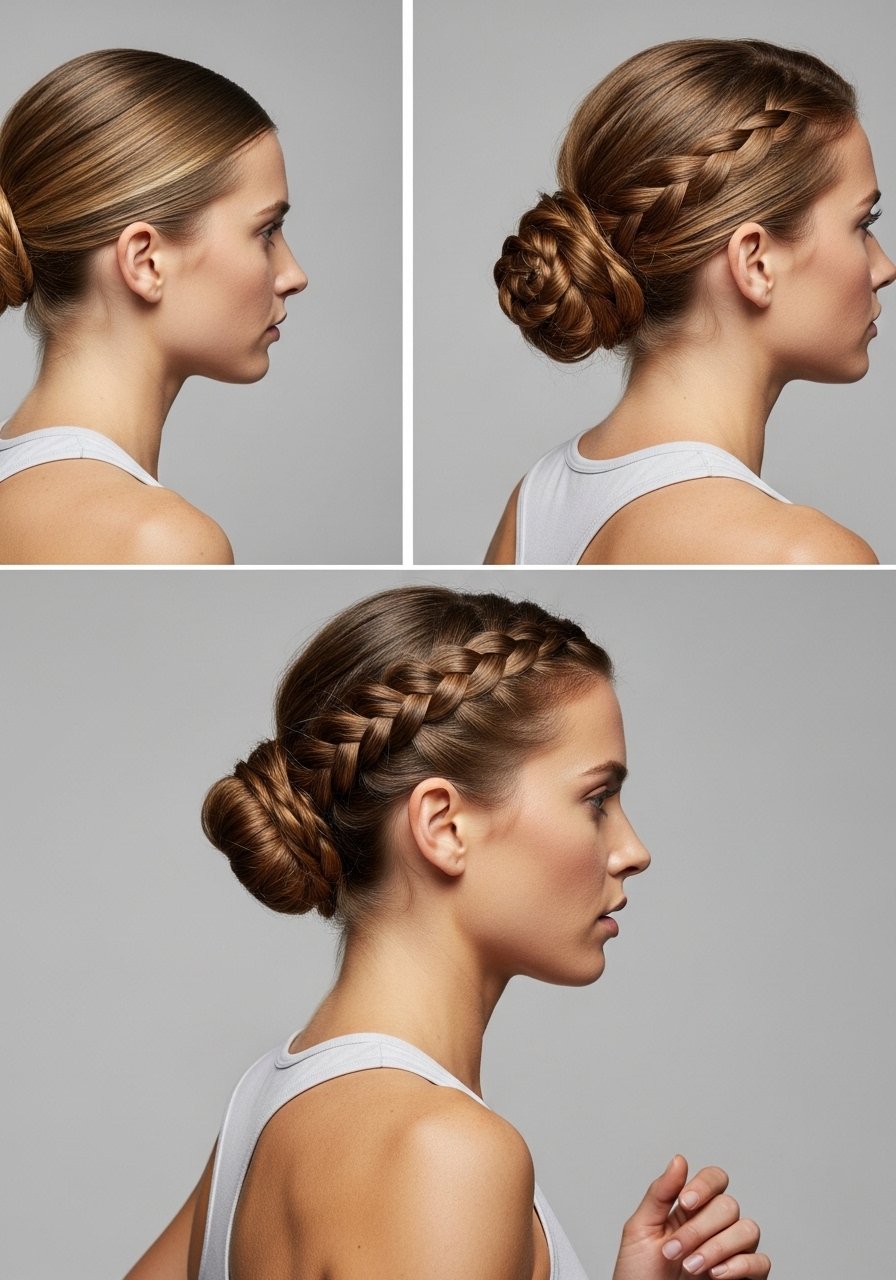
When you want your hair completely off your shoulders and neck, a well-executed bun is your best friend. The key is to avoid a high, top-heavy ball.
6. Low Sock Bun
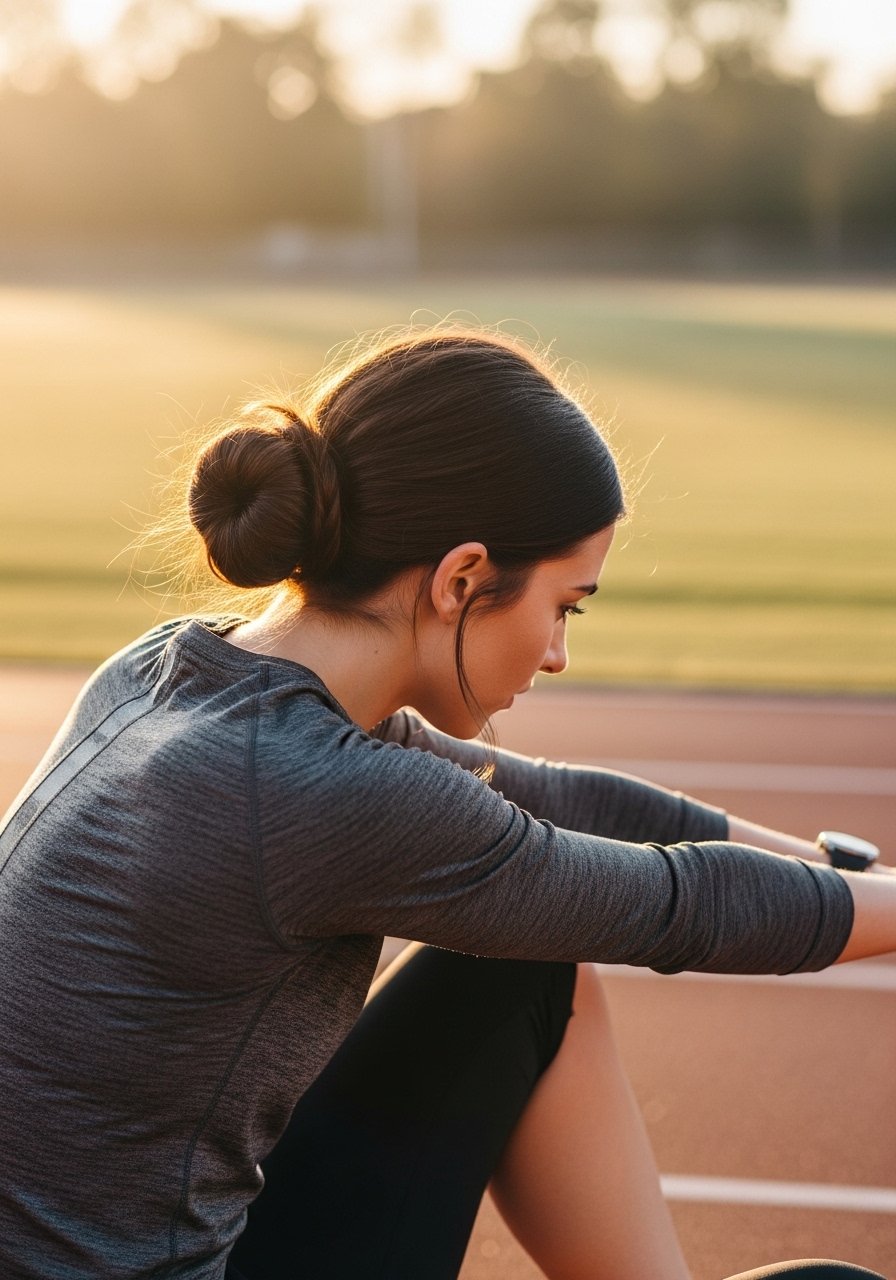
Using a hair donut or a rolled sock, create a classic low bun at the nape of your neck. This centralizes weight low and center, eliminating the “bobblehead” effect.
7. Braided Bun
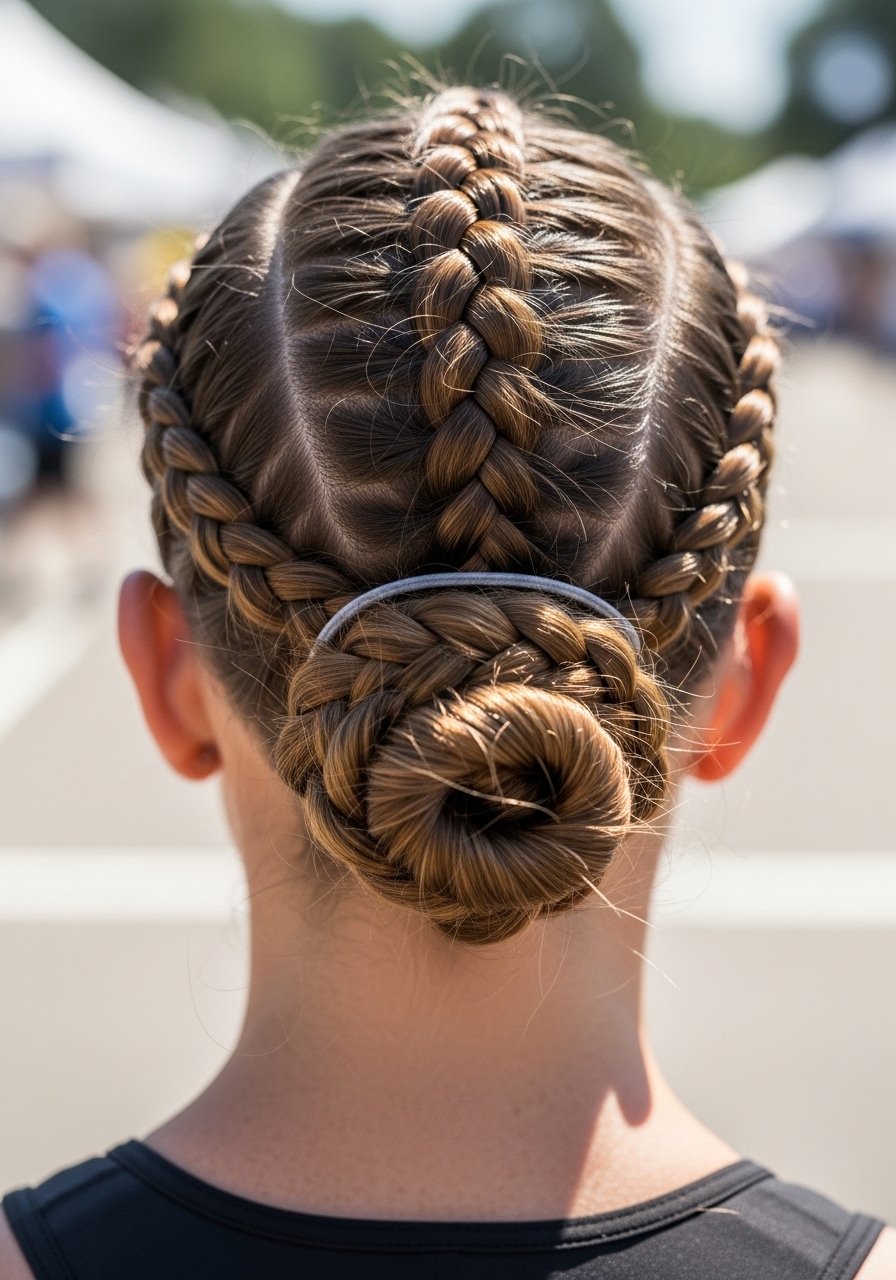
Combine the security of a braid with the containment of a bun. Create a regular braid or a French braid, then wrap it into a low bun. Double the security, zero bounce.
8. Twist-and-Pin Updo
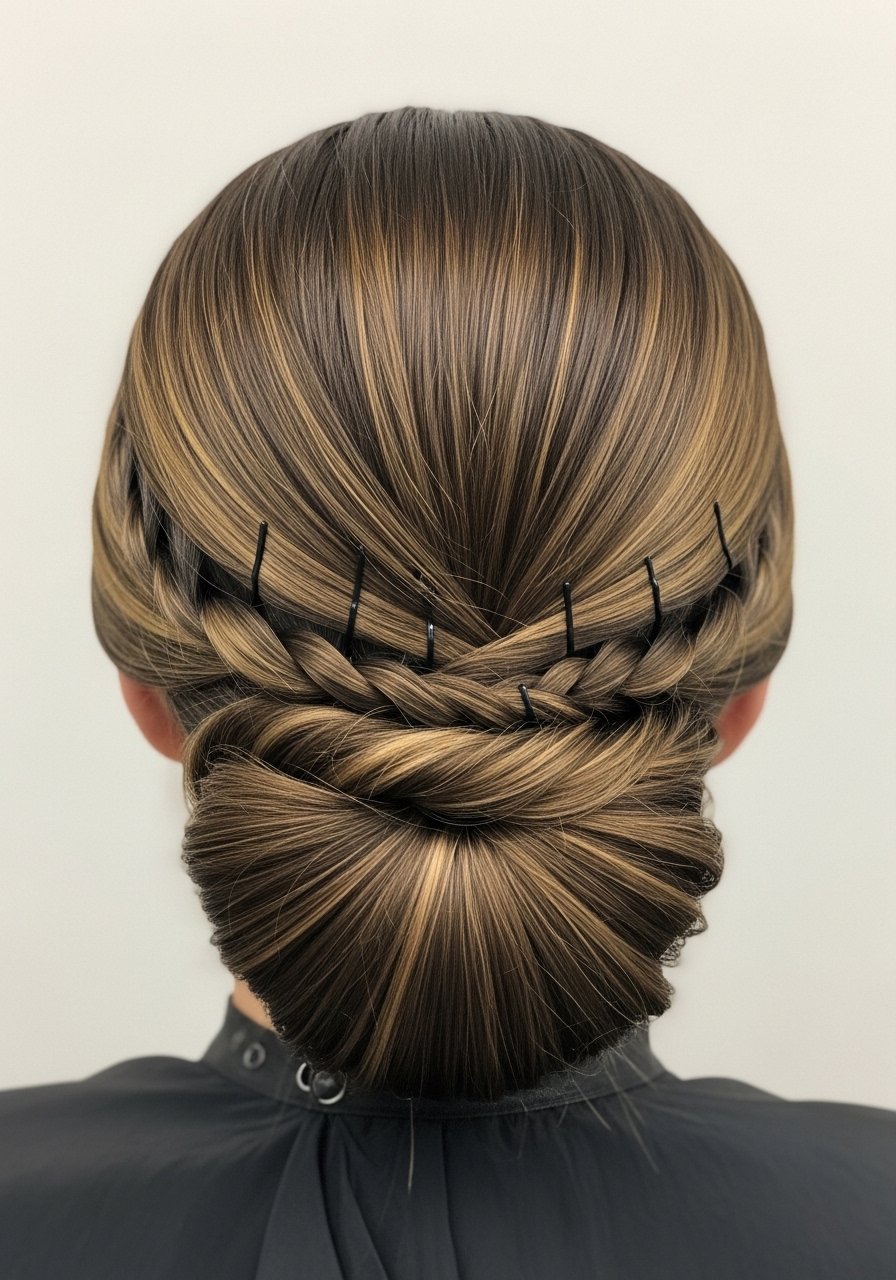
Great for shorter hair or layers. Twist sections of hair back and secure them flat against your head with bobby pins, meeting in a small bun or twist at the back. Sleek and professional.
9. Nautilus Bun (with a Hair Fork)
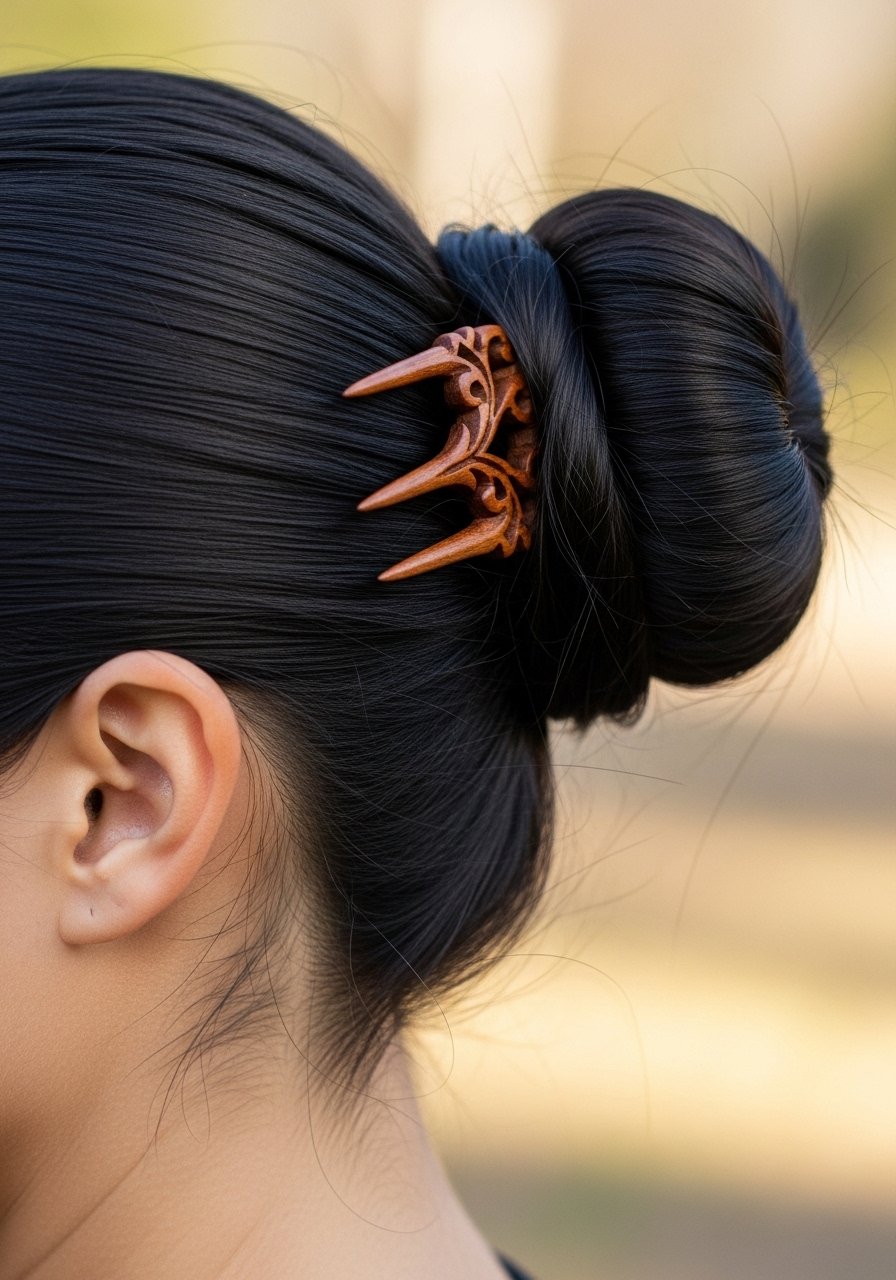
A favorite of long-haired runners. Twisted and secured with a single hair fork or stick, this bun distributes weight evenly and feels incredibly light and secure.
10. Space Buns (Double Buns)

Don’t knock it ’til you try it! Splitting your hair into two lower buns (near the nape of your neck) balances weight perfectly and prevents any single point of tugging.
Ponytail Upgrades: Fixing the Classic
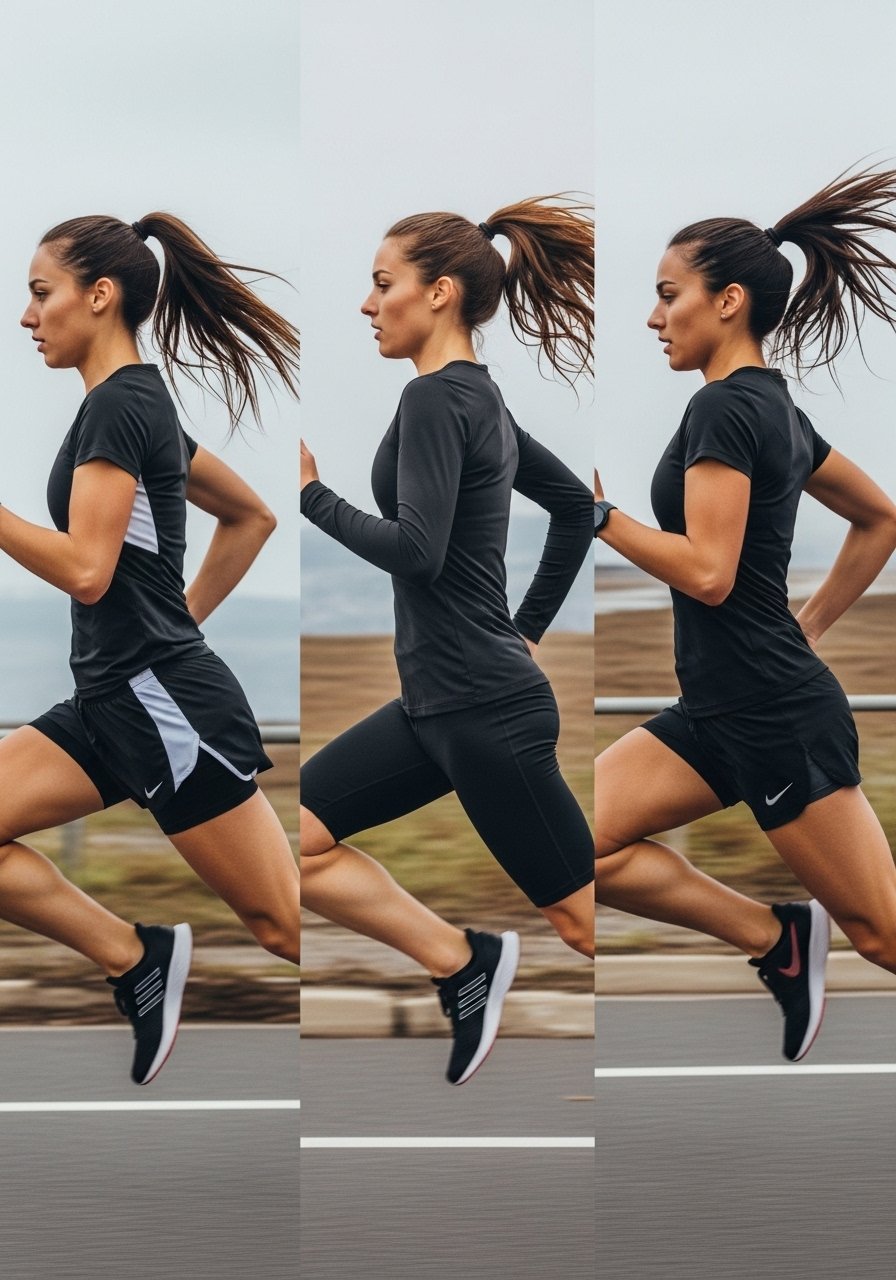
The traditional ponytail can be saved! These upgrades add the crucial root security it lacks.
11. The Anchored Ponytail
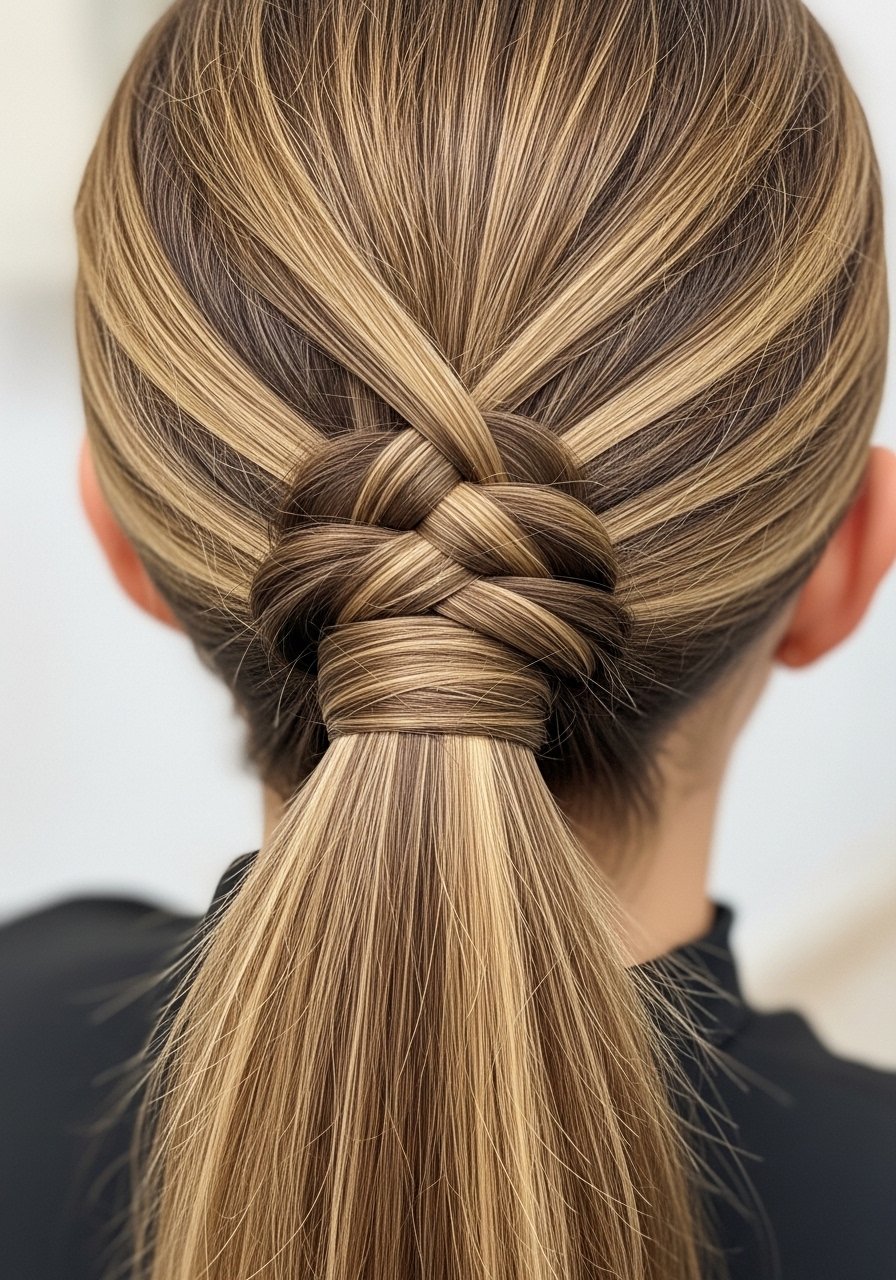
Take a small section of hair at the crown, secure it with a tiny elastic. Split this section to create a hole, then pull the rest of your ponytail up and through it. This anchors the ponytail to your scalp.
12. Ponytail Wrapped with a Braid
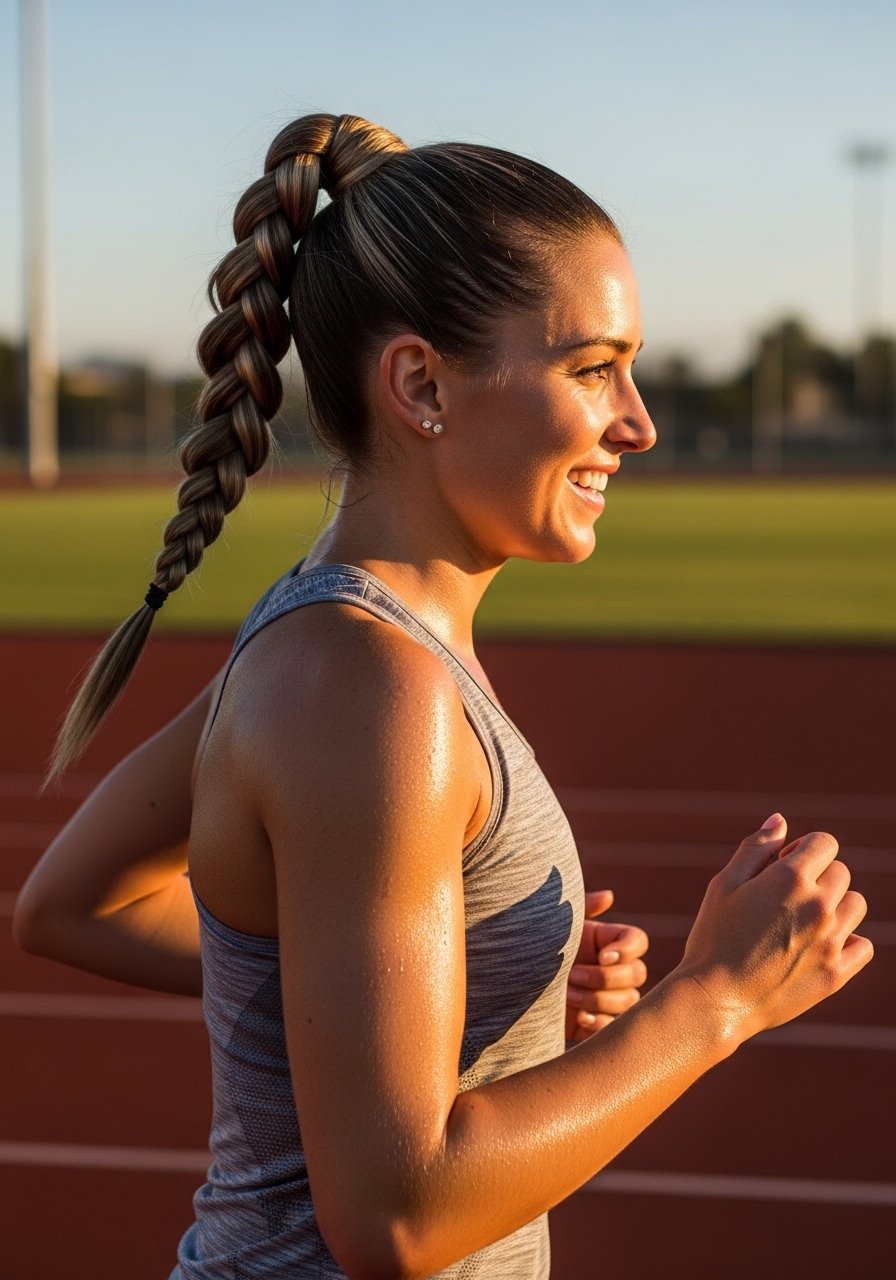
Make a mid or high ponytail. Use a small section of hair from the ponytail (or a separate piece) to braid and wrap around the base of the ponytail, covering the elastic. It adds style and stability.
13. Bubble Ponytail
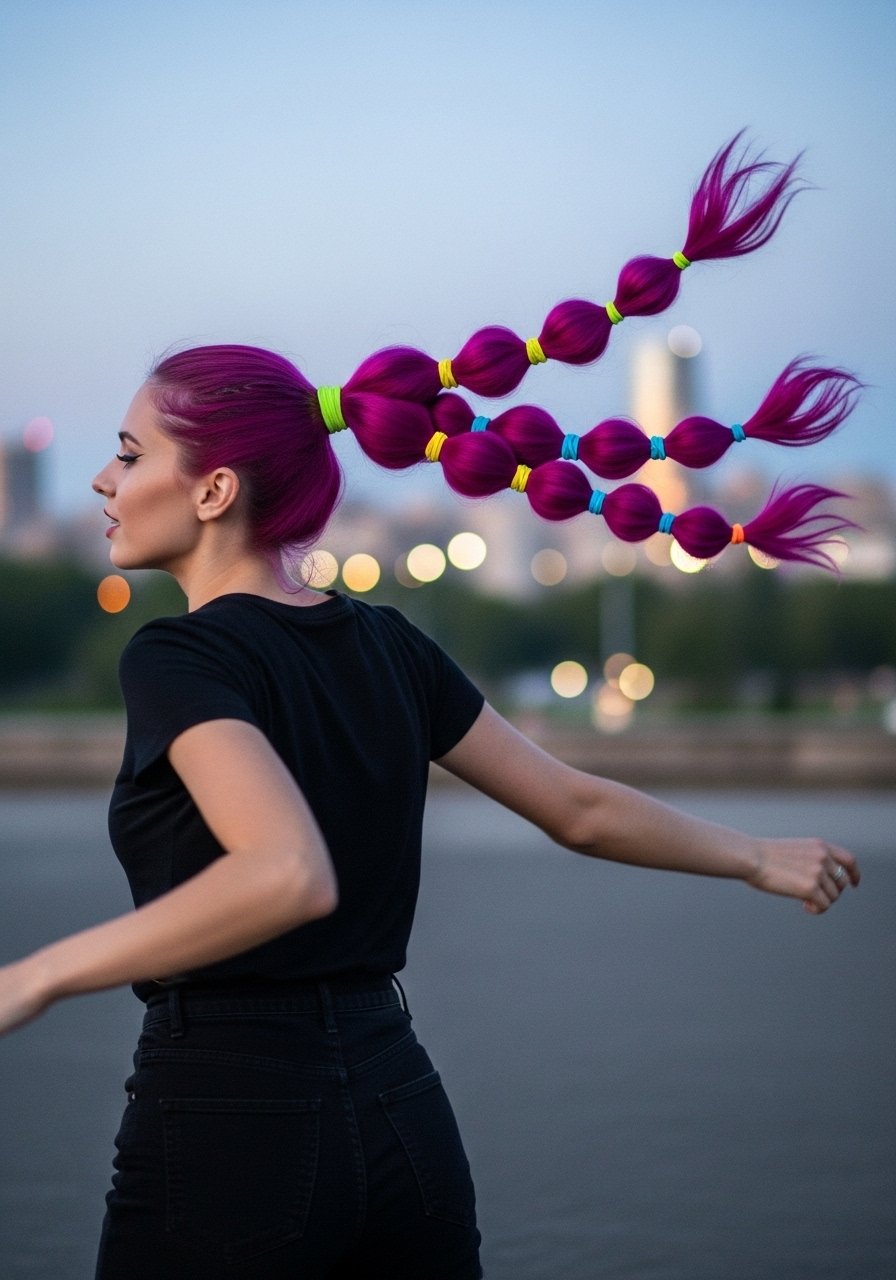
Secure a high ponytail with multiple elastics spaced a few inches apart down the length. Gently tug each section to create “bubbles.” This breaks up the weight and minimizes whip.
14. Half-Up, Half-Down Secured

If you must have hair down, secure the top section firmly in a small ponytail or braid. This keeps hair out of your face and eyes while the bottom section has less momentum to bounce.
Short Hair Solutions: No Excuses!
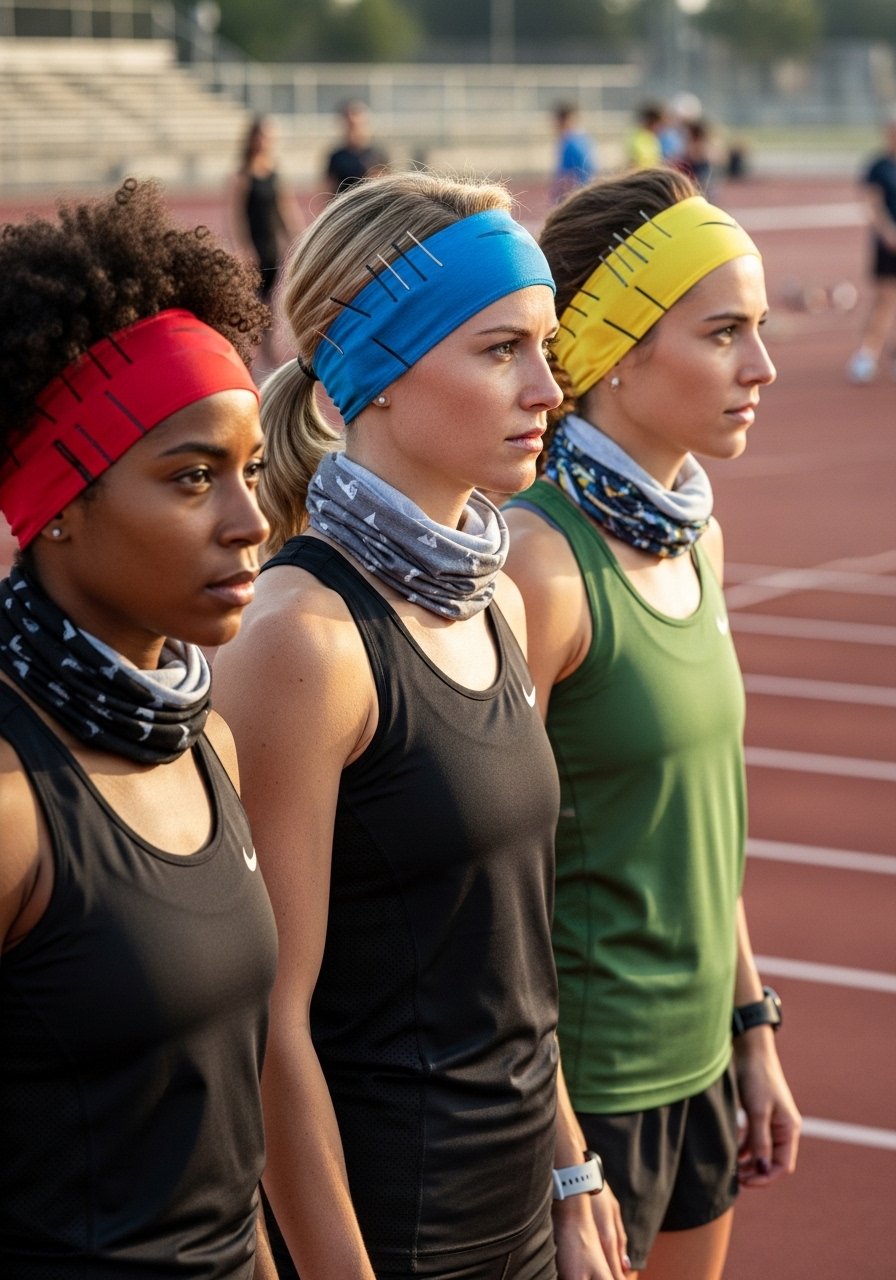
Short hair runners face their own challenges with flyaways and sweat. These styles are for you.
15. The Sweat-Wicking Headband
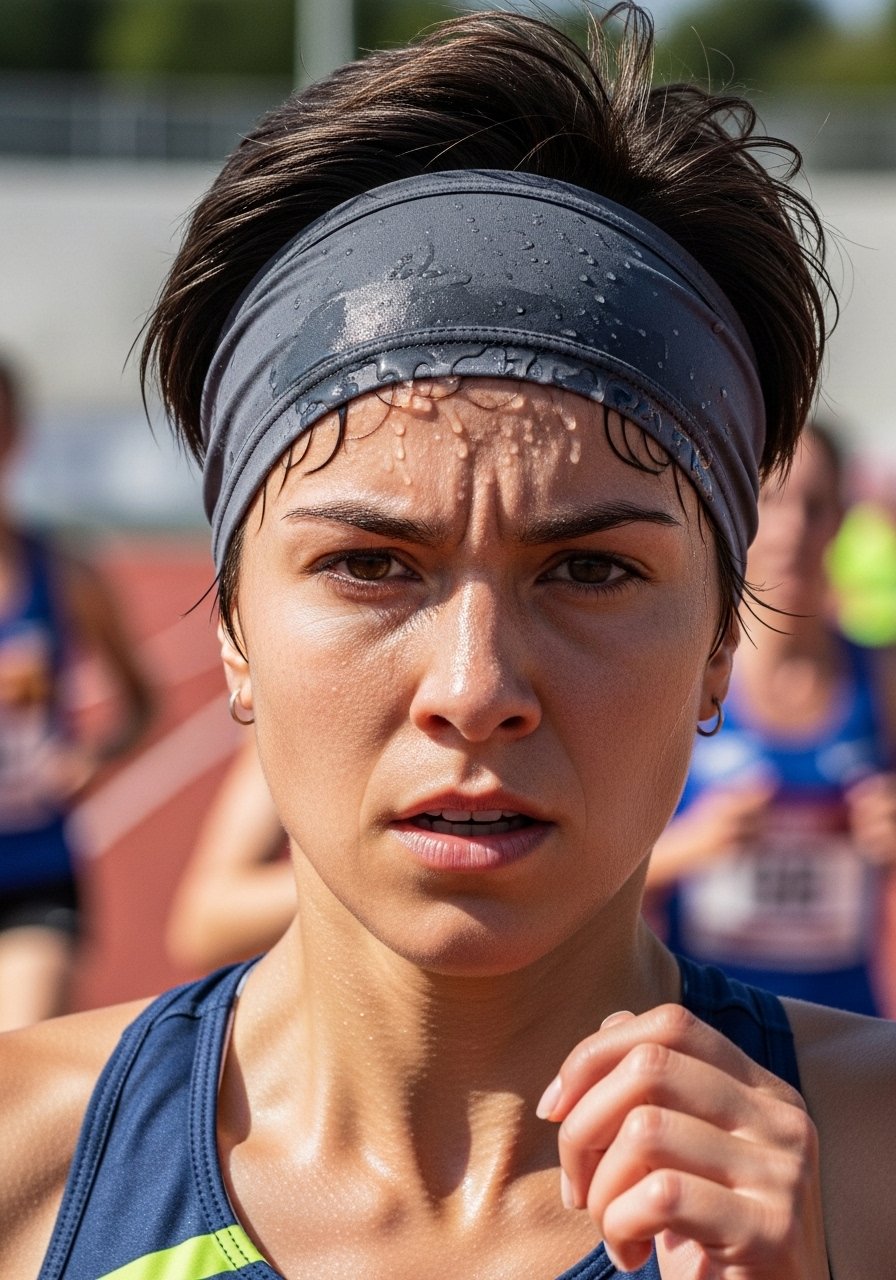
A wide, non-slip headband (like Bondi Band or Junk) is a short-haired runner’s secret weapon. It keeps hair and sweat completely off your face.
16. Strategic Bobby Pinning
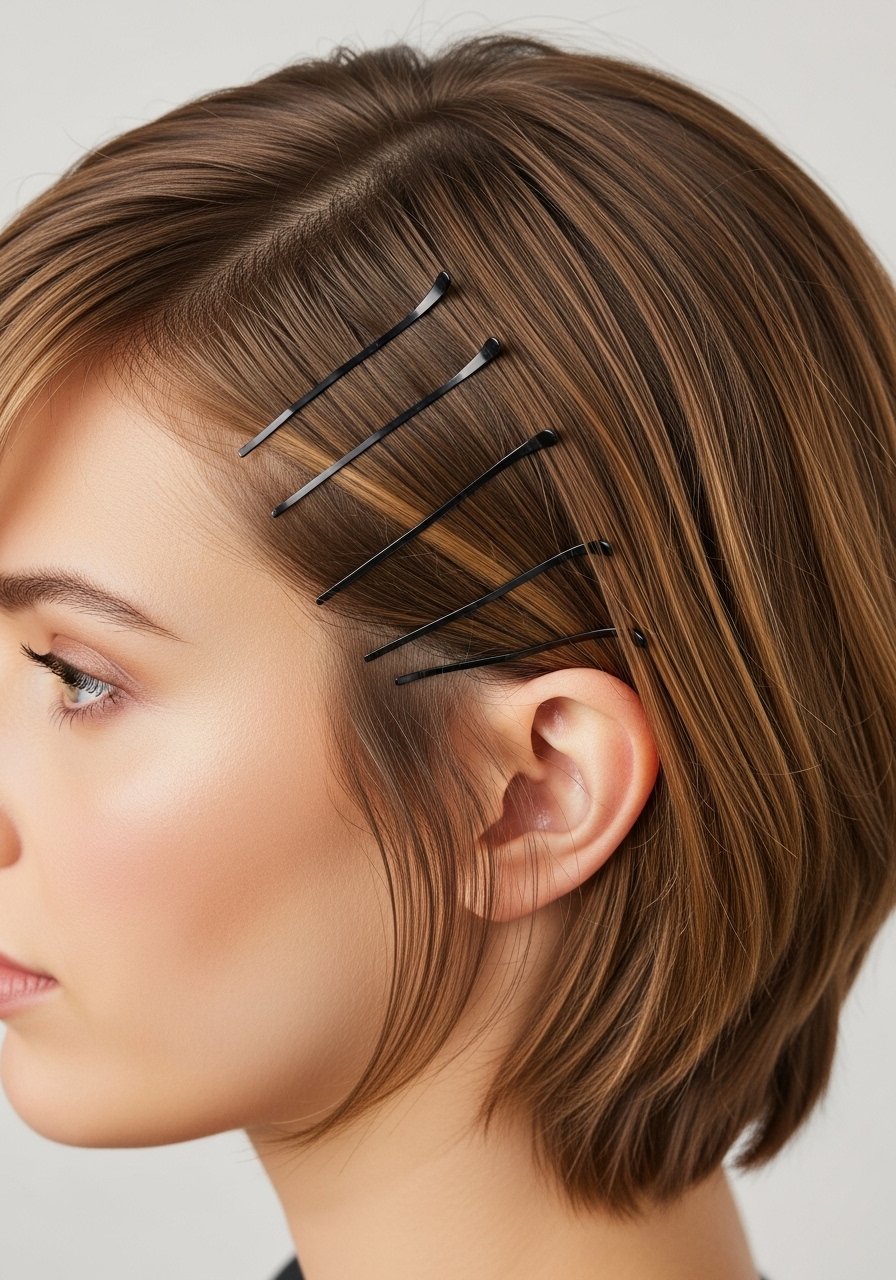
Use small, criss-crossed bobby pins to secure shorter layers back on the sides and around your face. Combine with a headband for ultimate control.
17. The Buff or Multi-Wrap
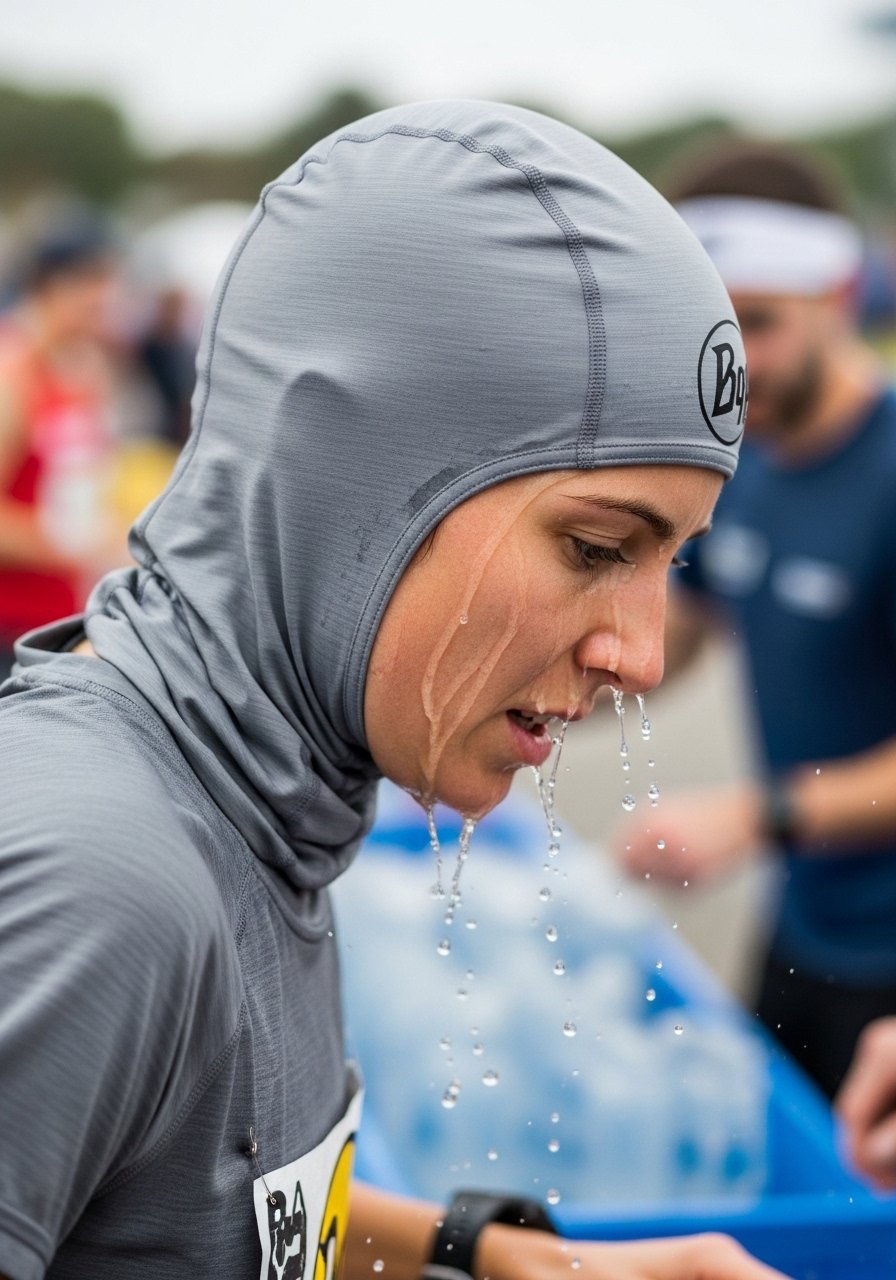
This versatile tube can be worn as a headband, a cap, or a full hair cover. It’s perfect for containing very short hair and absorbing sweat.
Accessorize to Stabilize
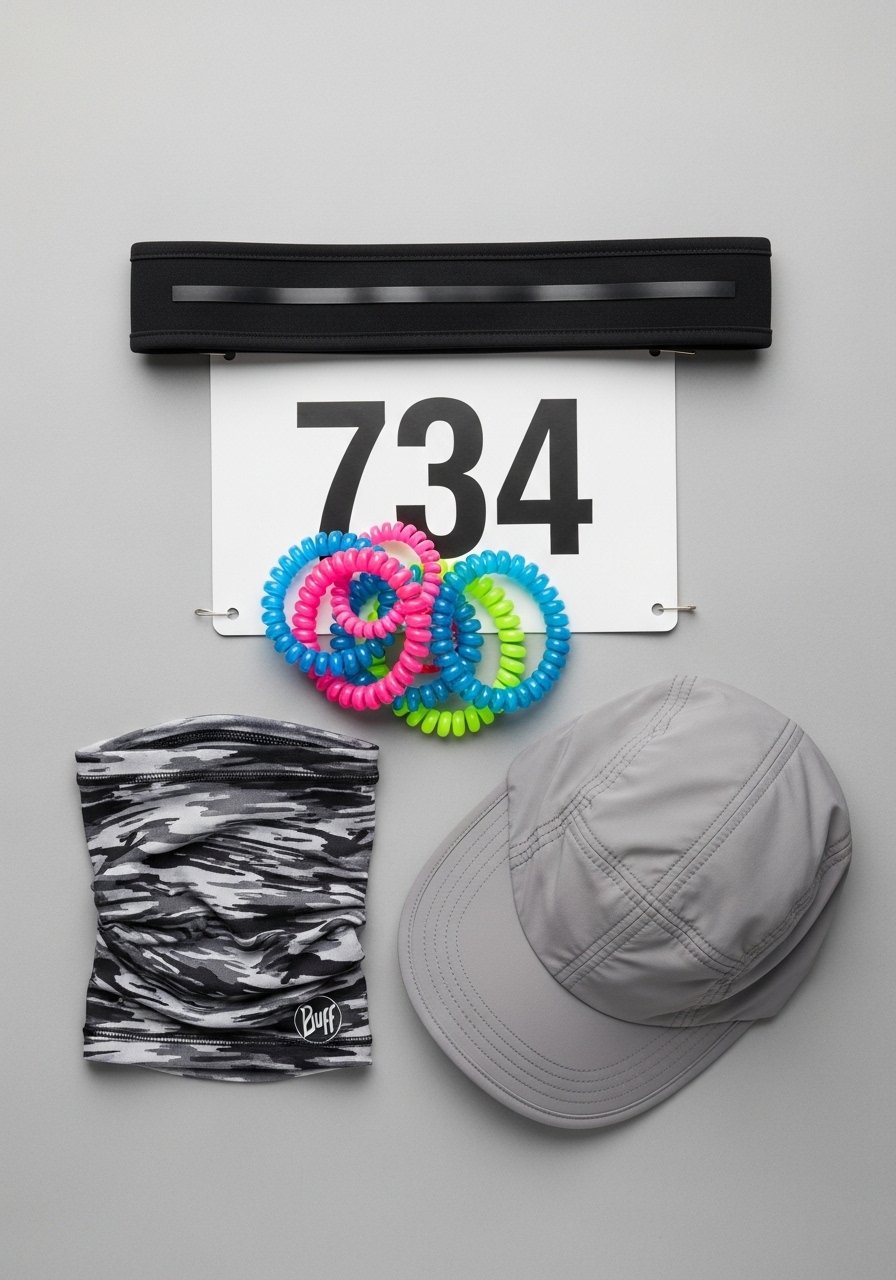
The right tools make all the difference in creating a bounce-proof style.
18. Braid + Non-Slip Headband Combo
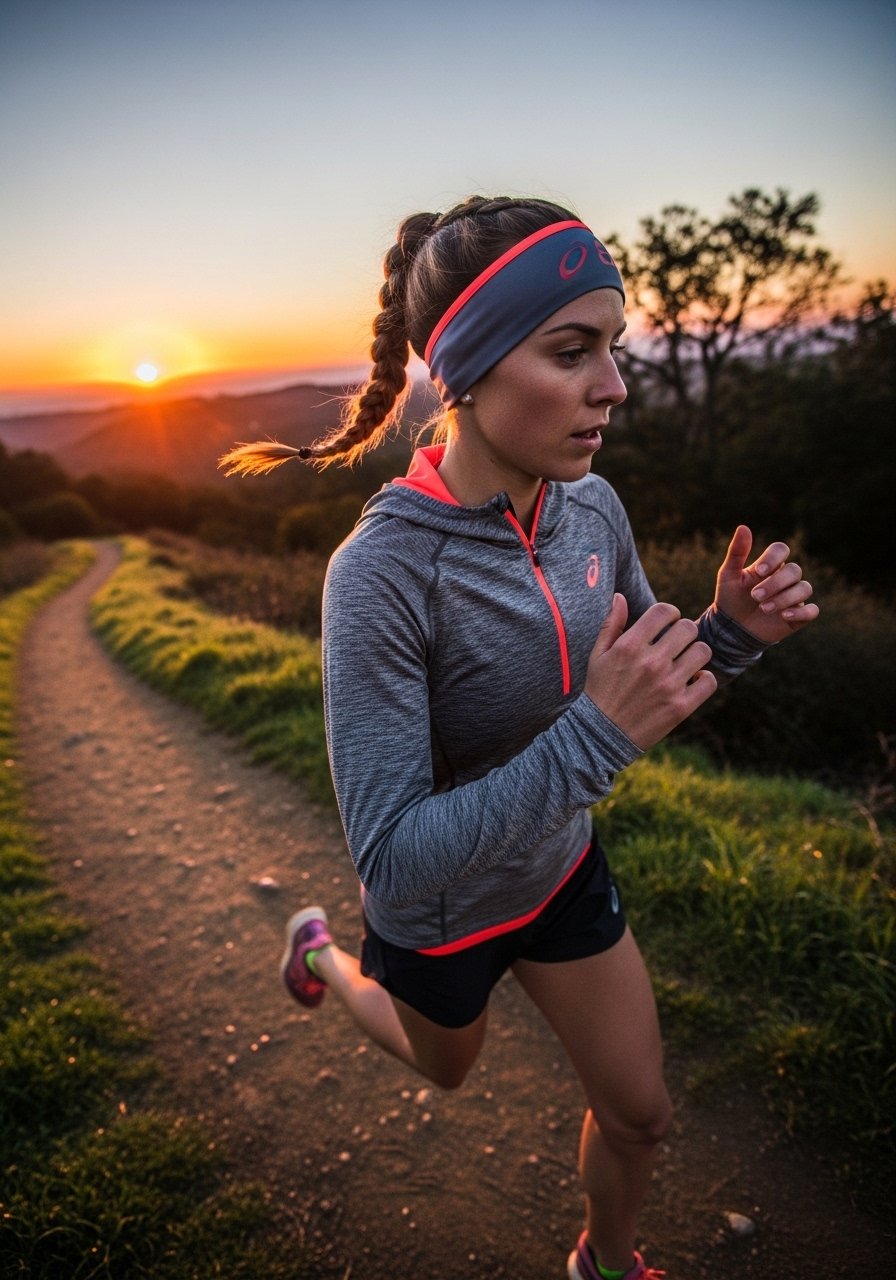
Any braided style is amplified with a non-slip headband. It catches any tiny flyaways and adds a final layer of security, especially for fine hair.
19. Hat or Visor over a Low Bun
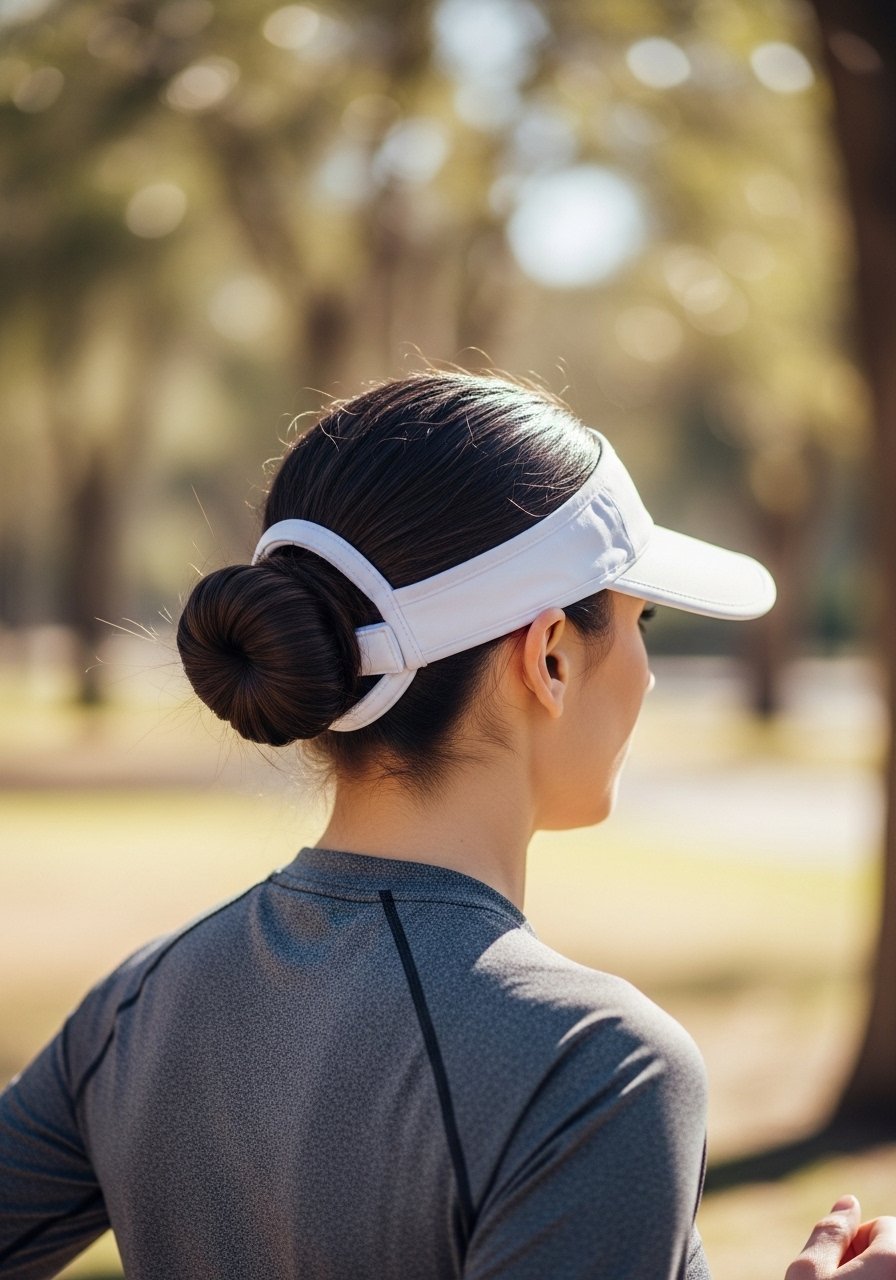
A running hat or visor isn’t just for sun protection. It physically holds your bun or braids in place, acting as a gentle anchor against wind and movement.
20. The All-Out Hair Wrap (with a Buff or Bandana)
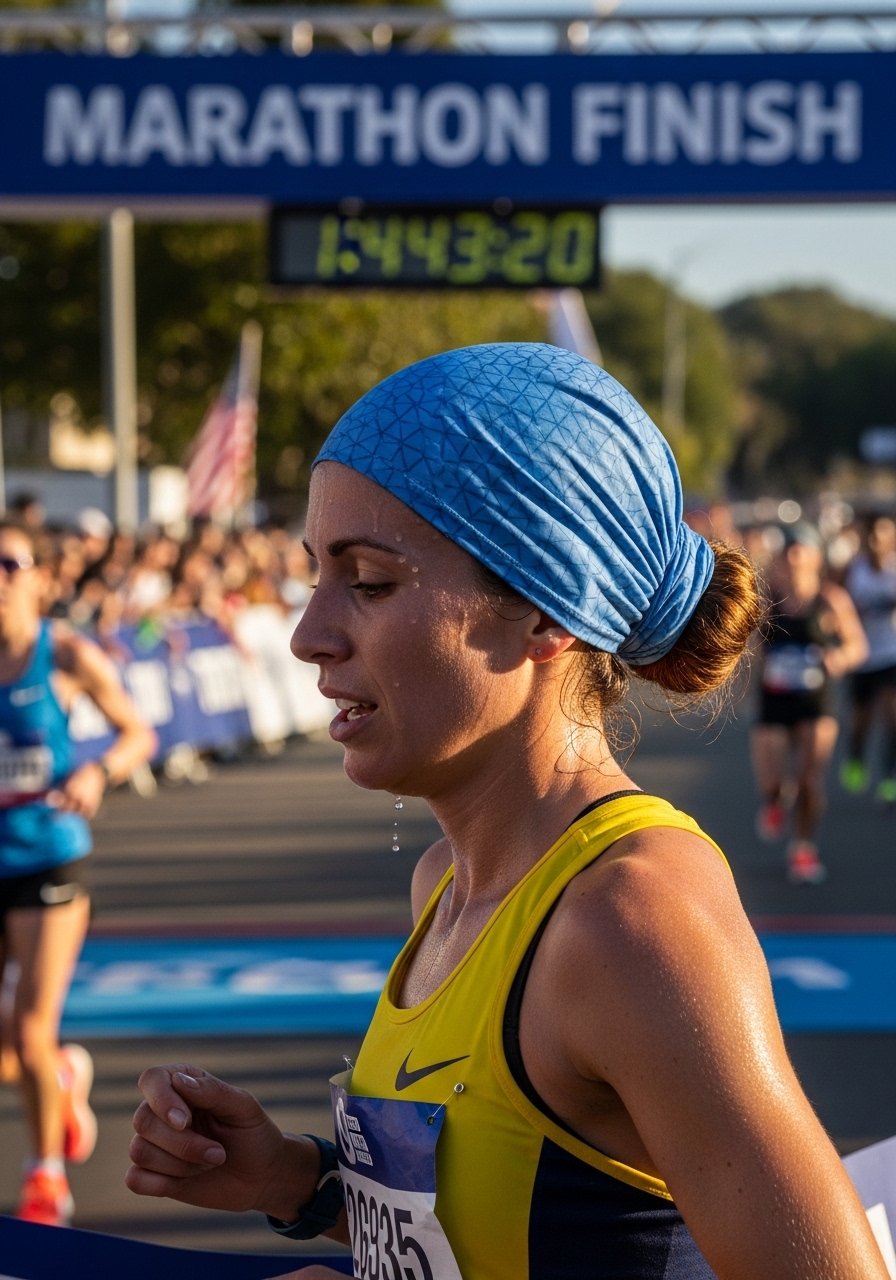
For the ultimate in containment, braid your hair (or twist it into a low bun) and then wrap the entire style with a large, sweat-wicking bandana or a Buff. Zero wind resistance, zero bounce.
21. The Low Triple Braid (Leverage Distribution)
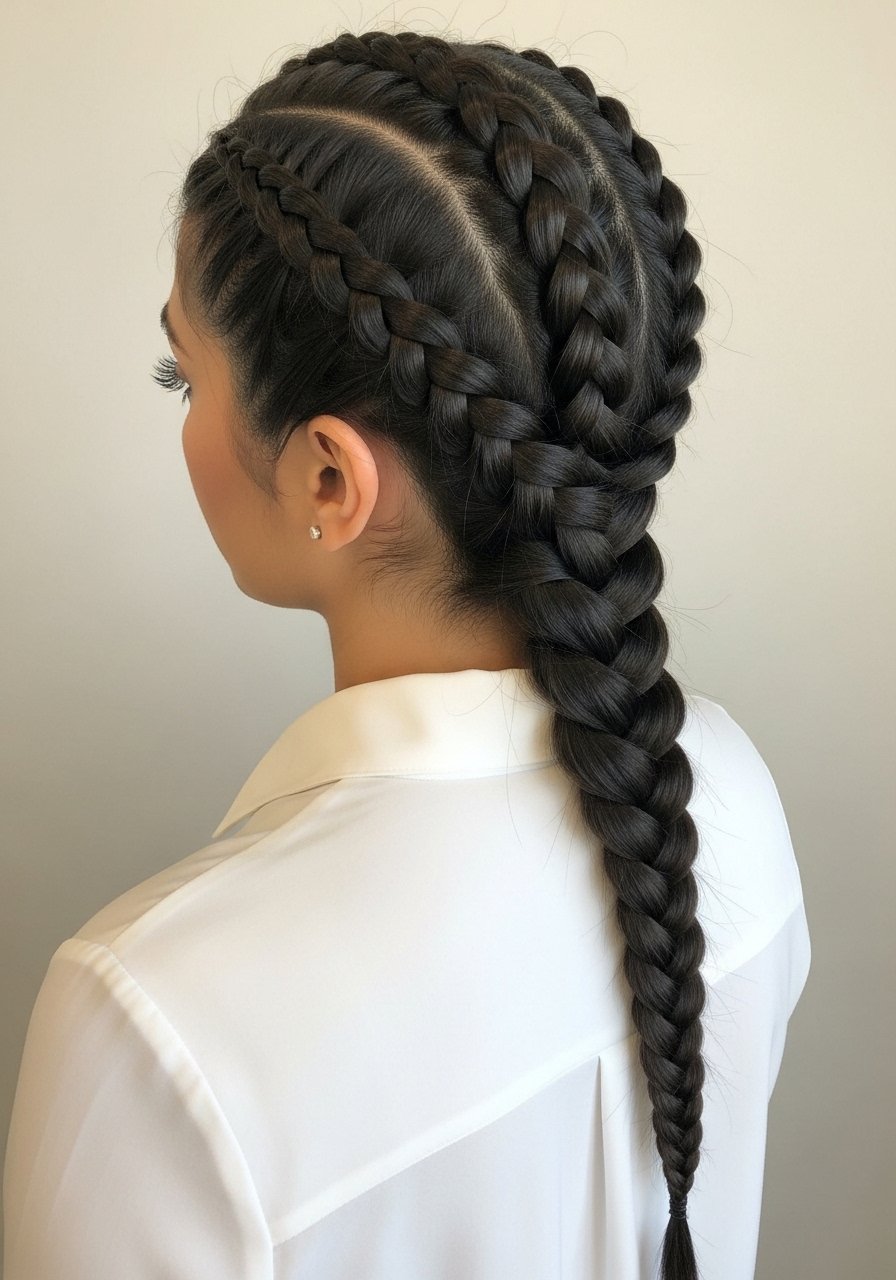
Section the crown into three parts. Braid each part separately for two inches, then combine all three into a single low braid. This distributes weight across multiple anchor points, eliminating bounce entirely.
22. The Inverted French Braid Bun
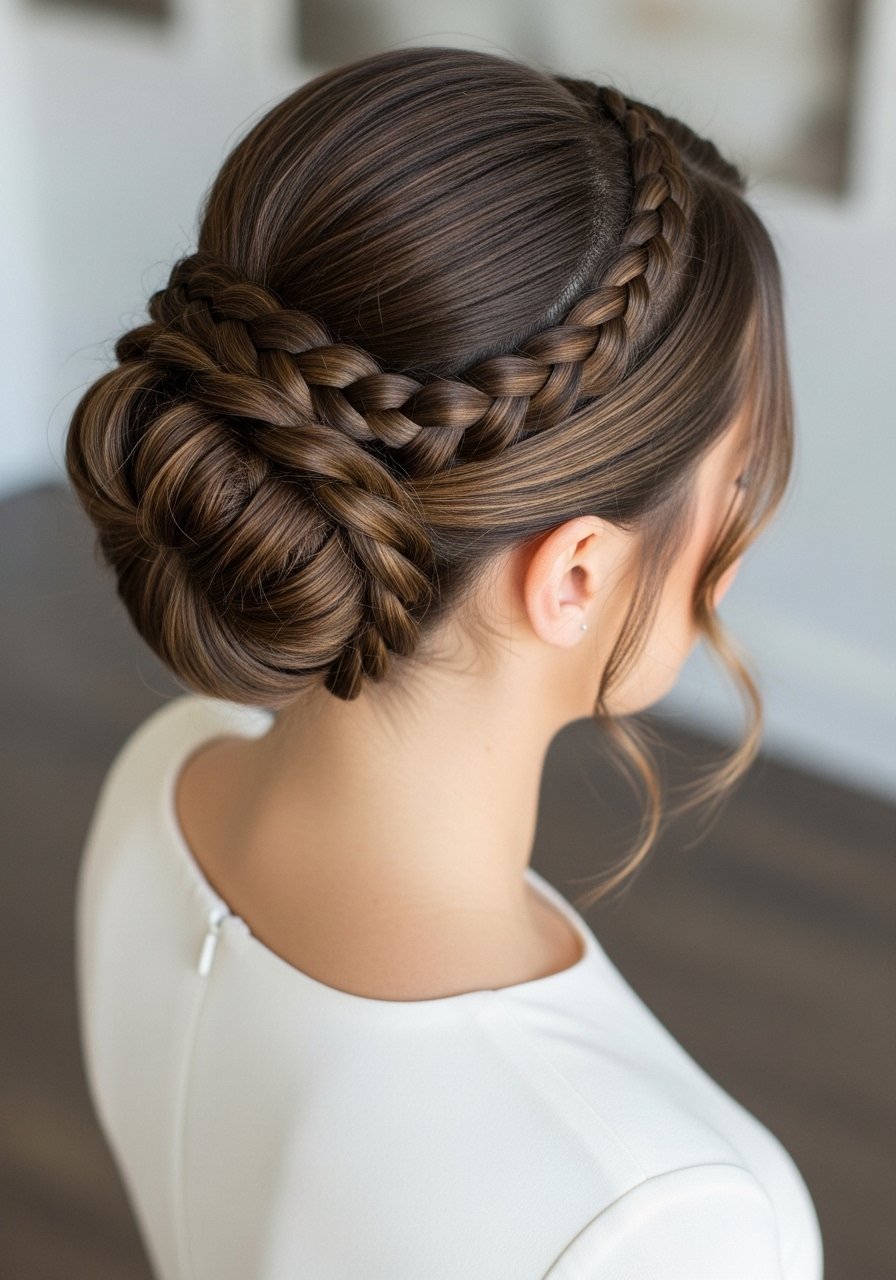
Start a French braid at the nape of your neck and braid upward toward your crown. Once you reach the crown, secure and tuck the tail into a small bun. Gravity works in your favor—the braid tightens as you run.
23. The Ponytail Through a Hat Hole (Fixed Anchor)
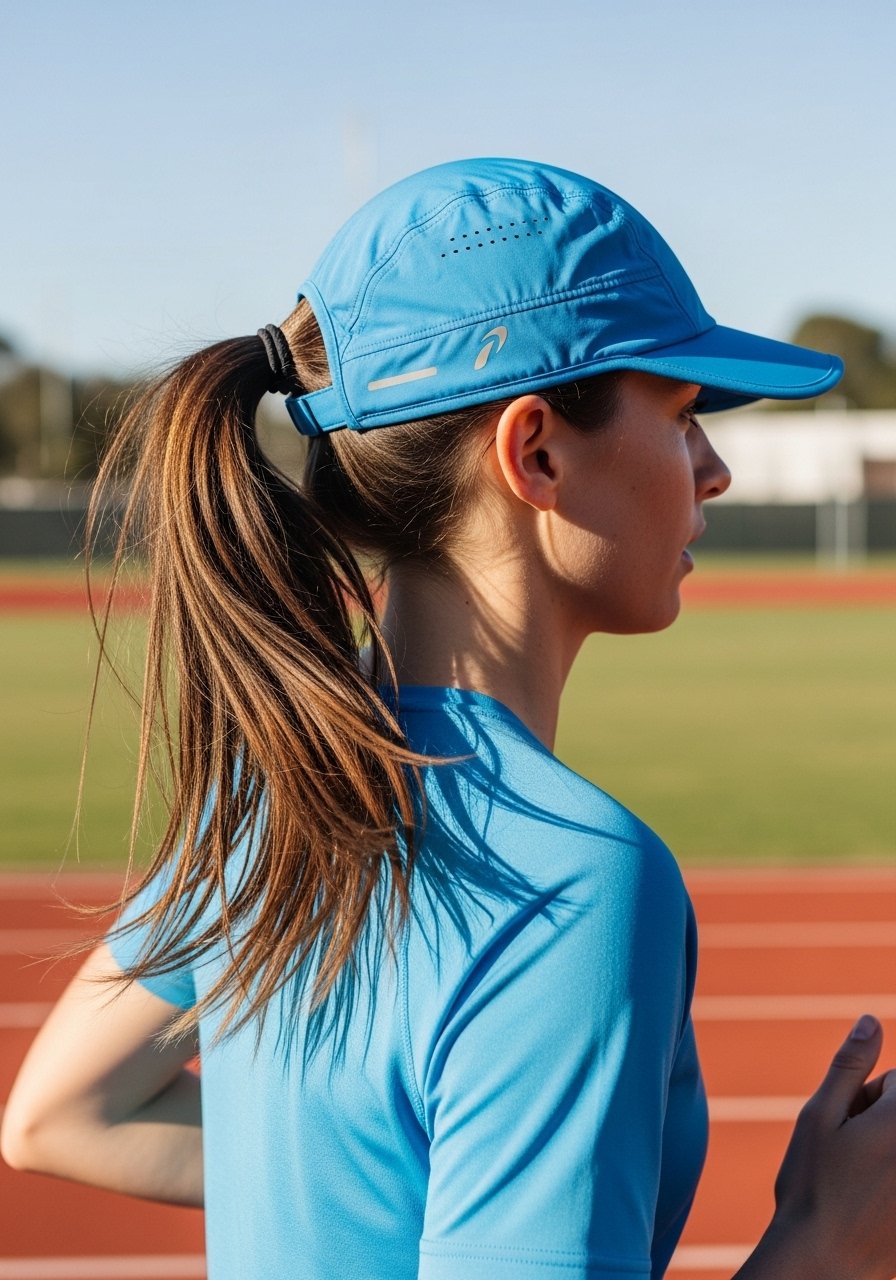
Pull your ponytail through the back opening of a running hat. The hat physically prevents the ponytail from swinging side to side. This works brilliantly for medium-length hair that otherwise whips around.
24. The Five-Second Scrunchie Test (Elastic Firmness Check)
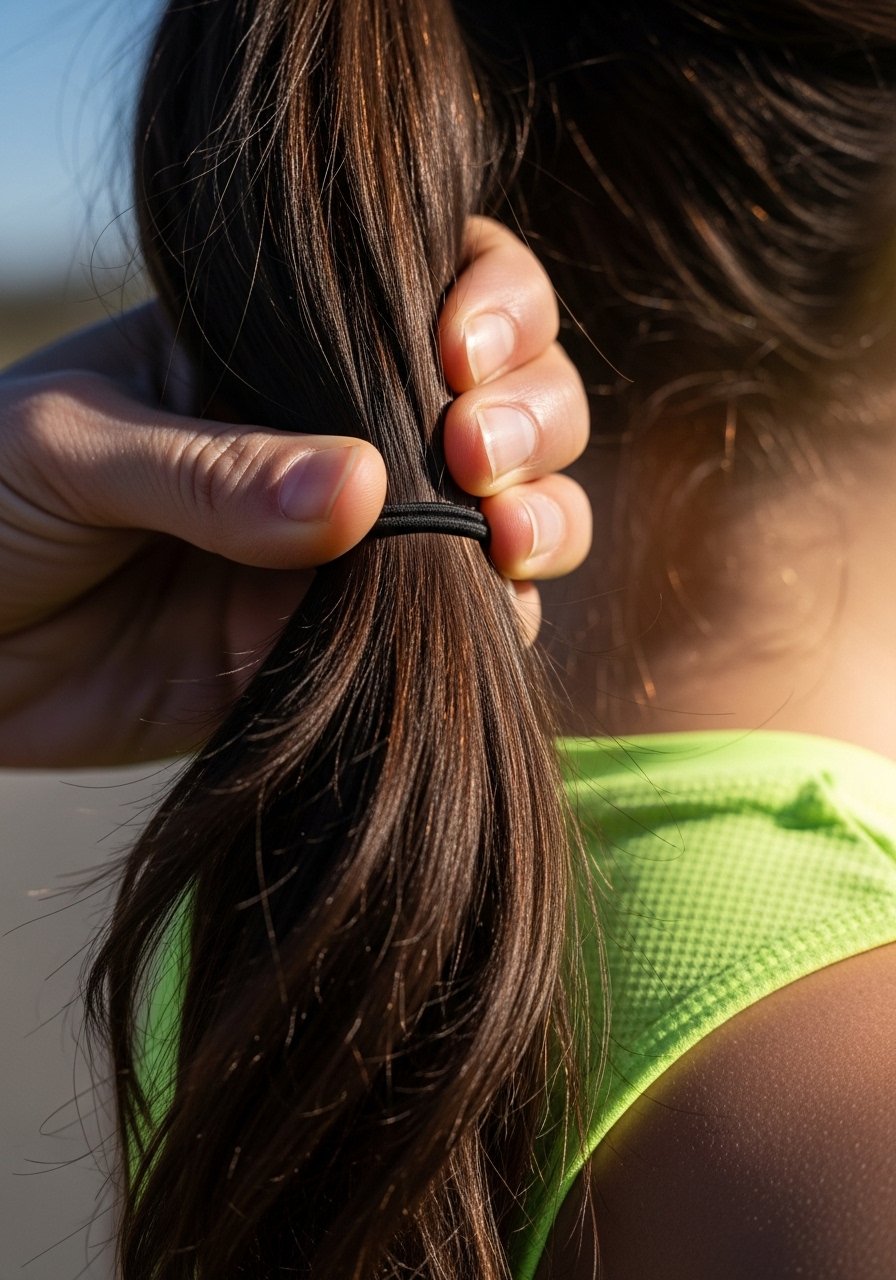
Before every long run, tug your elastic firmly. If it slips at all, replace it. A fresh, high-grip elastic is the cheapest performance upgrade you can make. Coiled elastics outperform traditional fabric ties by 300% in bounce tests.
25. The Side Braid Swept (For Hydration Vest Compatibility)
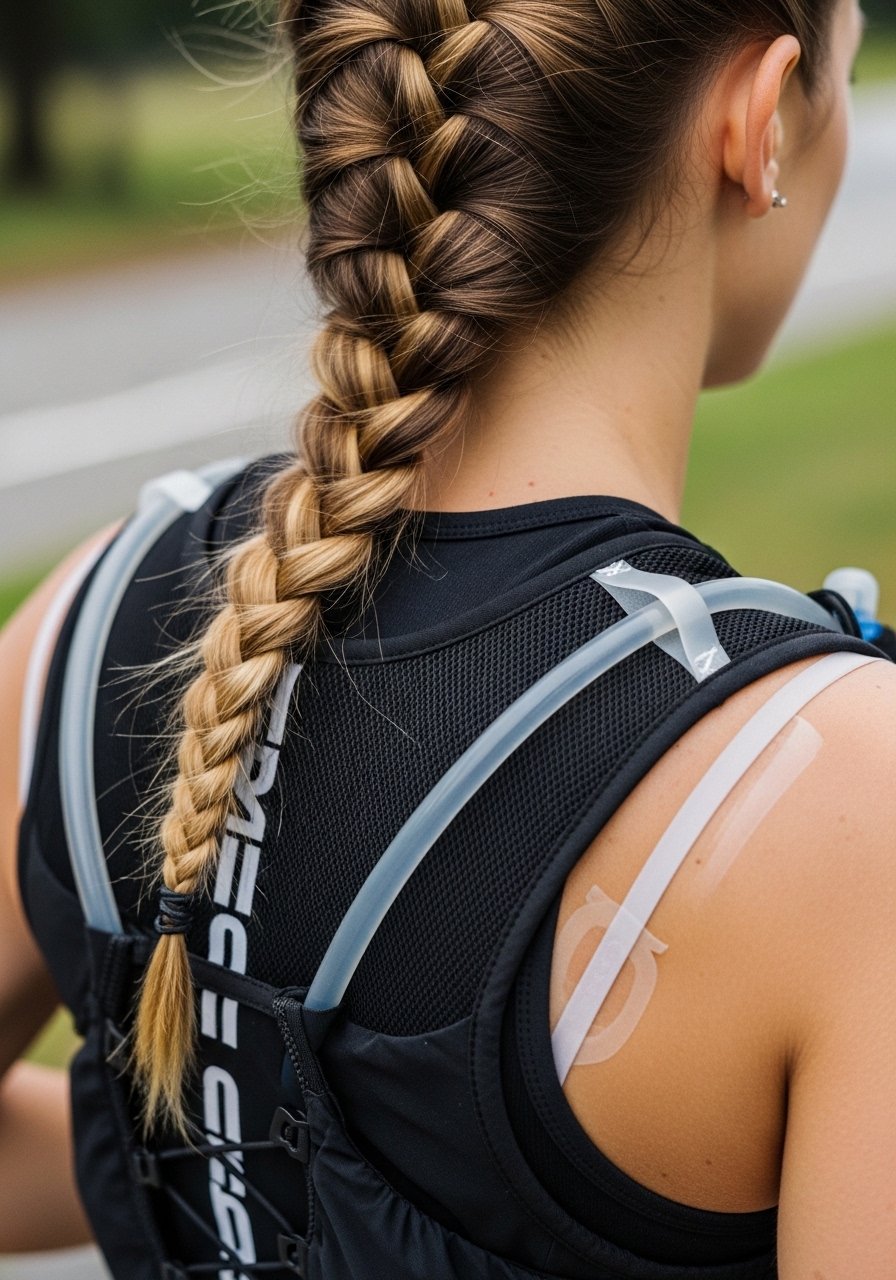
If you wear a hydration vest, center-back styles can rub against the straps. Sweep a single braid over one shoulder instead. The braid stays put, and your vest straps stay clear of hair.
26. The Micro-Braid Crown (For Very Long Hair)
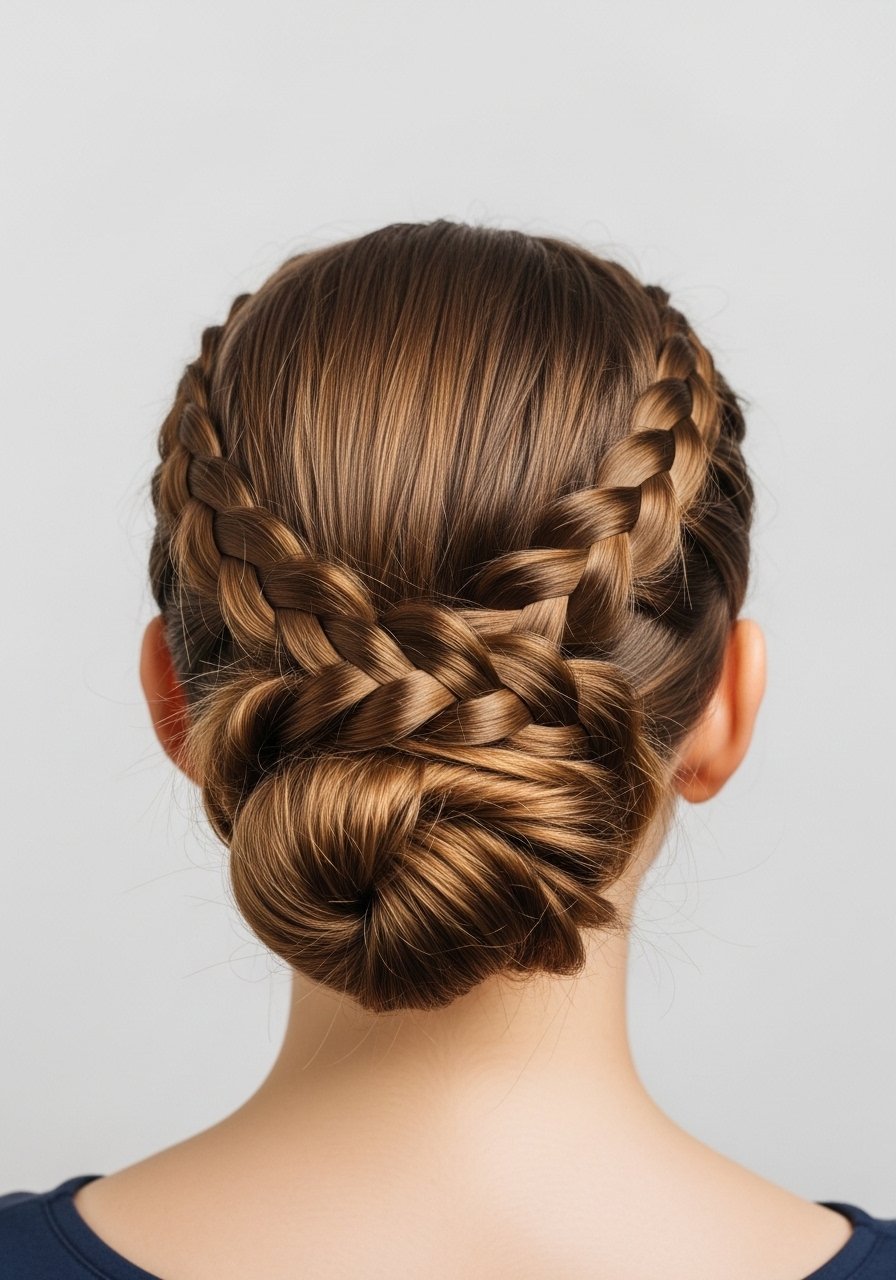
Divide long hair into six small sections. Braid each section tightly. Then pin the braids around your head like a crown, tucking the ends. This distributes the weight of extremely long hair across the entire scalp.
27. The Pre-Run Texturizing Spray Grip
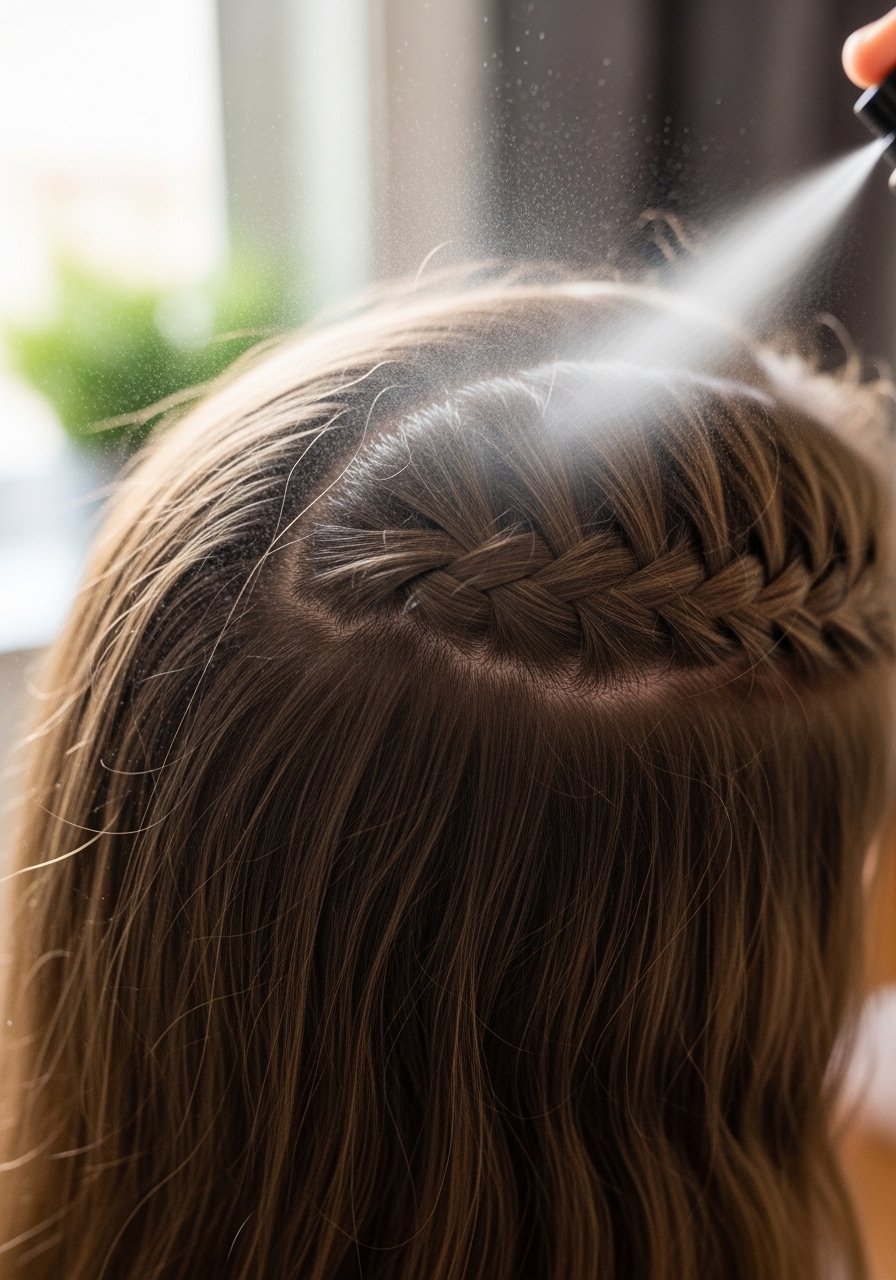
Spray texturizing spray onto dry hair before you start braiding. The added grit creates friction between strands, preventing braids from sliding loose during sweaty miles. Fine-haired runners, this is your secret weapon.
28. The Low Ponytail Roll (For Hat Wearers)
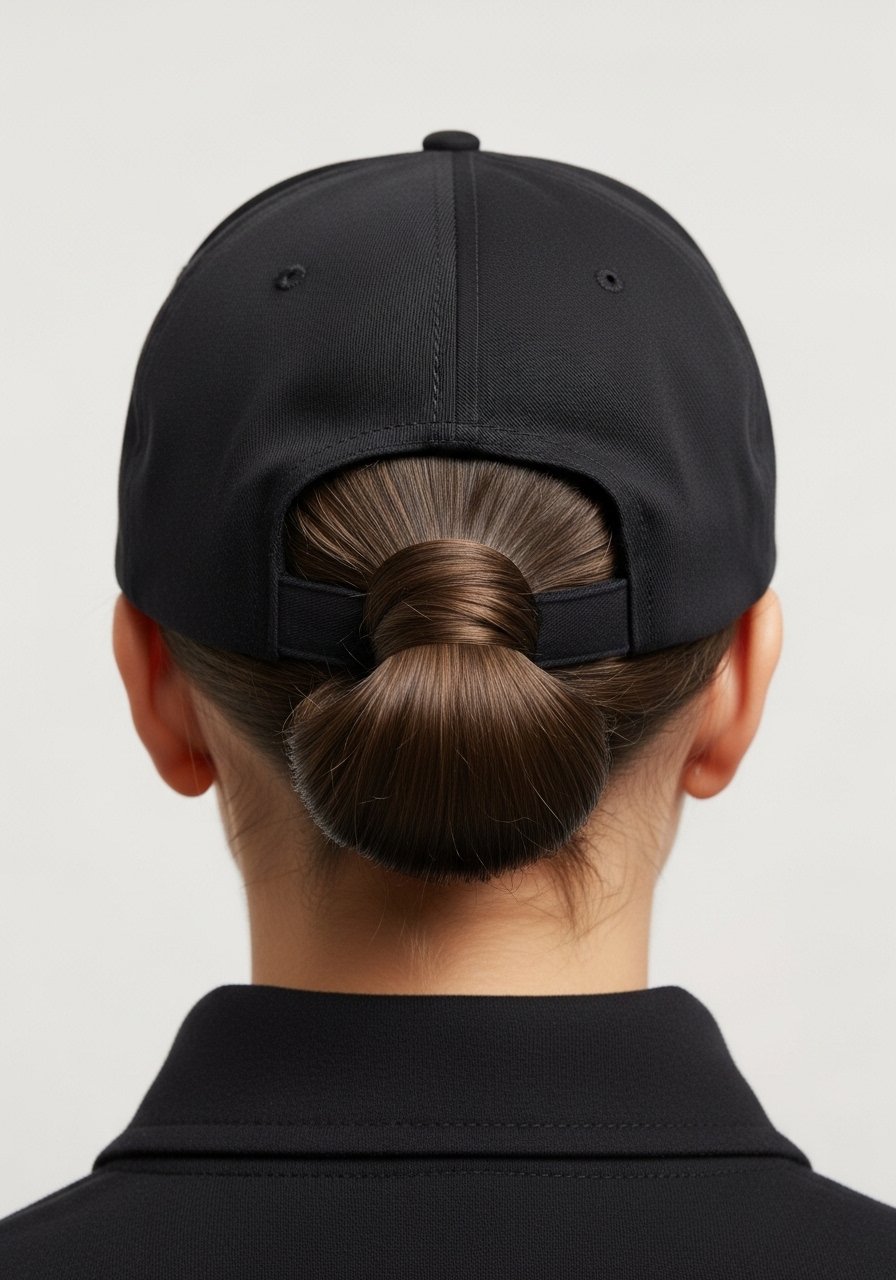
Create a low ponytail. Roll the ponytail upward and tuck it under the back of your hat. The hat holds the roll in place. From the front, you look polished. From the back, there’s no swinging tail at all.
29. The Double Dutch Braid Pigtails (For Thick Hair)

For very thick hair, two Dutch braids are more effective than one. The split weight prevents the heavy pendulum effect. Plus, the raised Dutch braids keep air circulating to your scalp, reducing sweat buildup.
30. The Lace Braid Headband (Fake Bangs Solution)
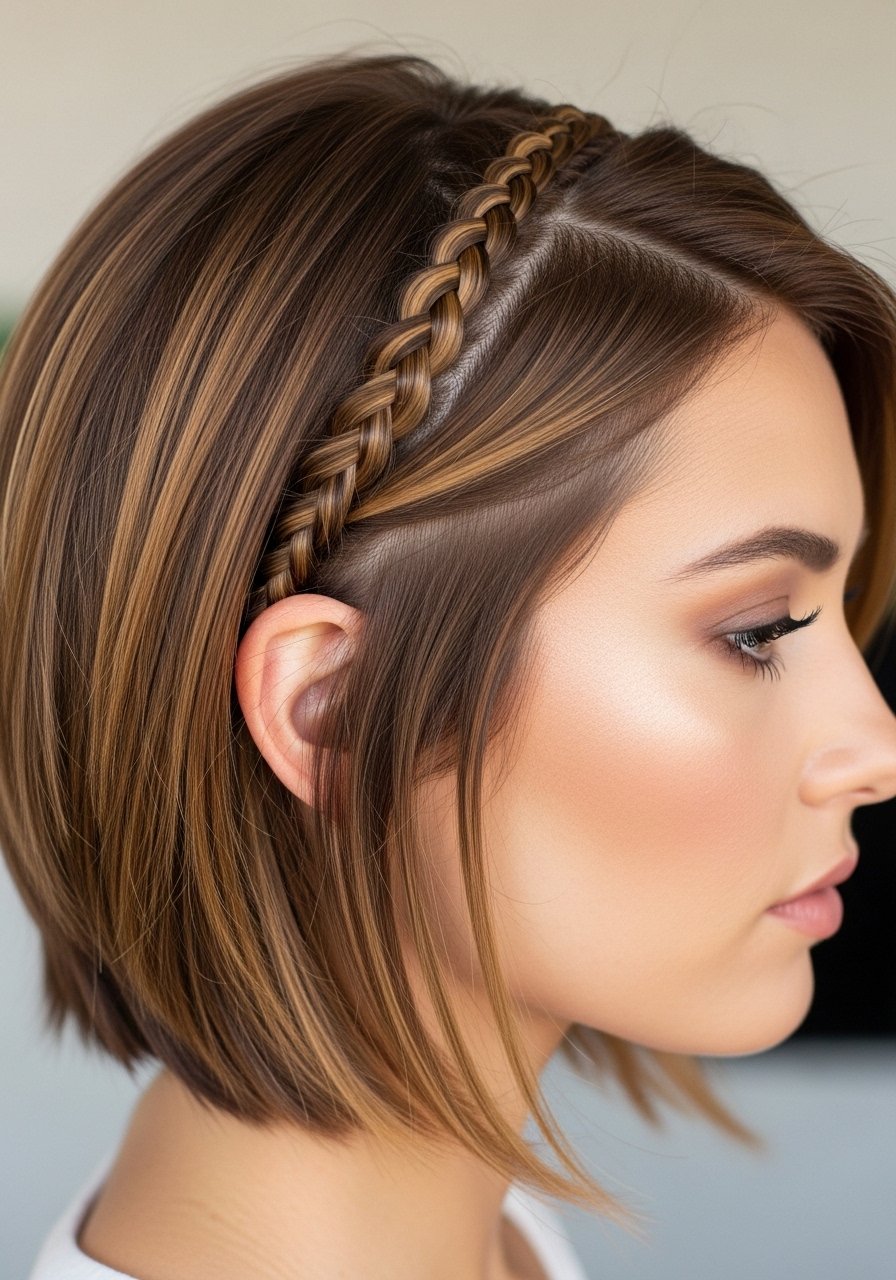
If you have bangs or short face-framing layers, braid a lace braid along your hairline from ear to ear. The braid acts as a permanent headband, keeping every short strand off your face for the entire run.
31. The Spiral Elastic Double Wrap
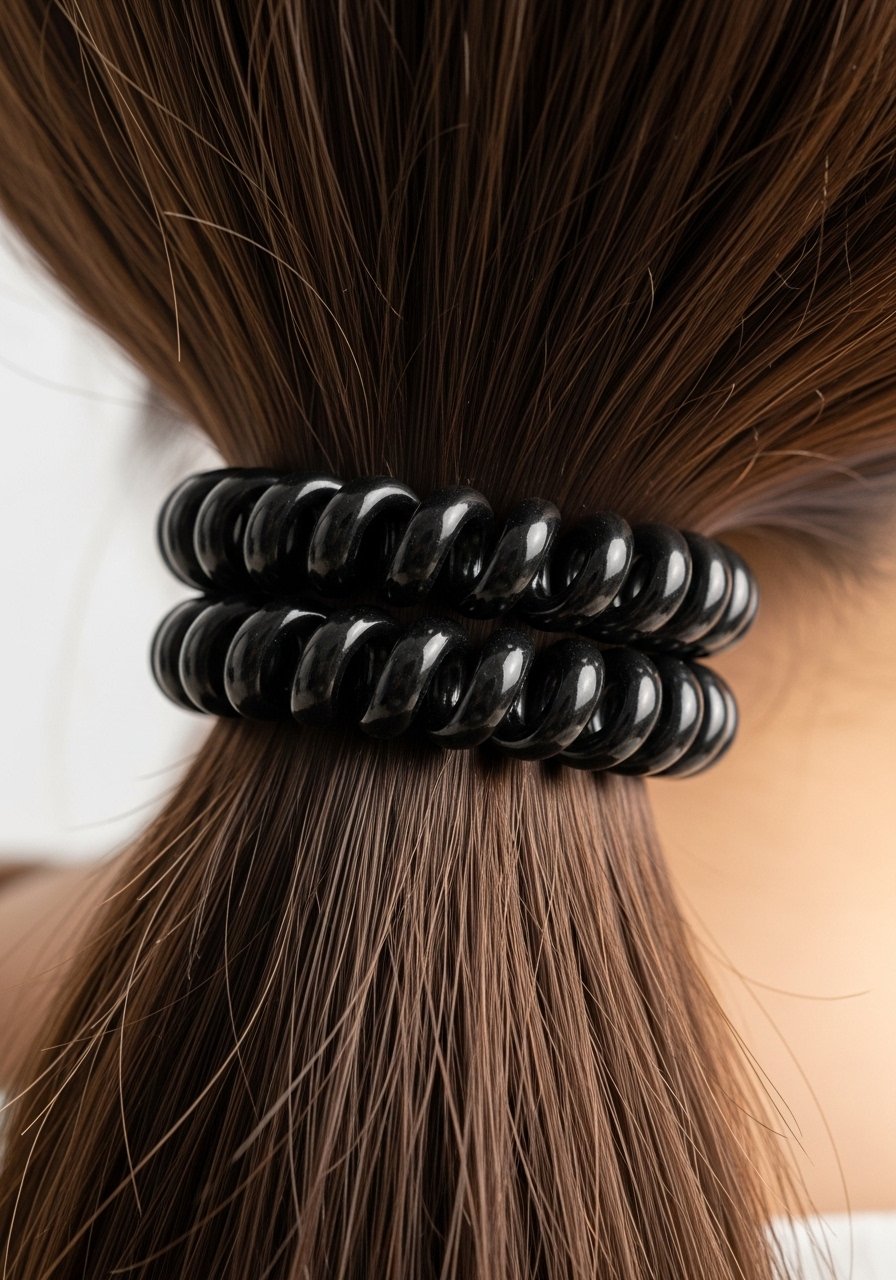
Instead of wrapping a spiral elastic once, wrap it twice around the base of your ponytail or bun. The double wrap doubles the grip without increasing breakage. Test this on a training run first—it can feel tighter than expected.
32. The Tucked French Braid (No Loose End)
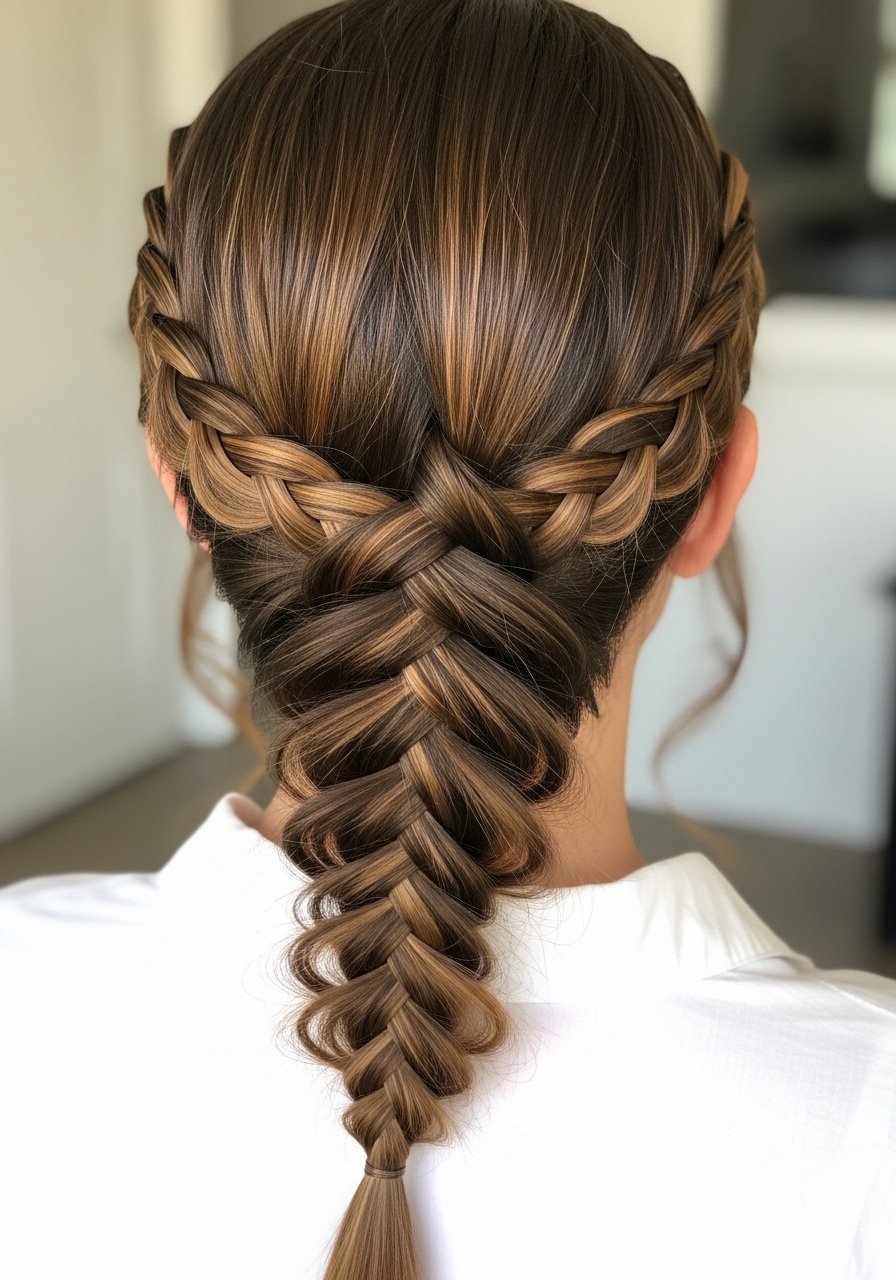
After finishing a French braid, tuck the tail upward and weave it back into the braid using small bobby pins. The result is a braid with no loose tail—nothing to swing, nothing to whip.
33. The Ponytail Through a Buff (Full Containment)
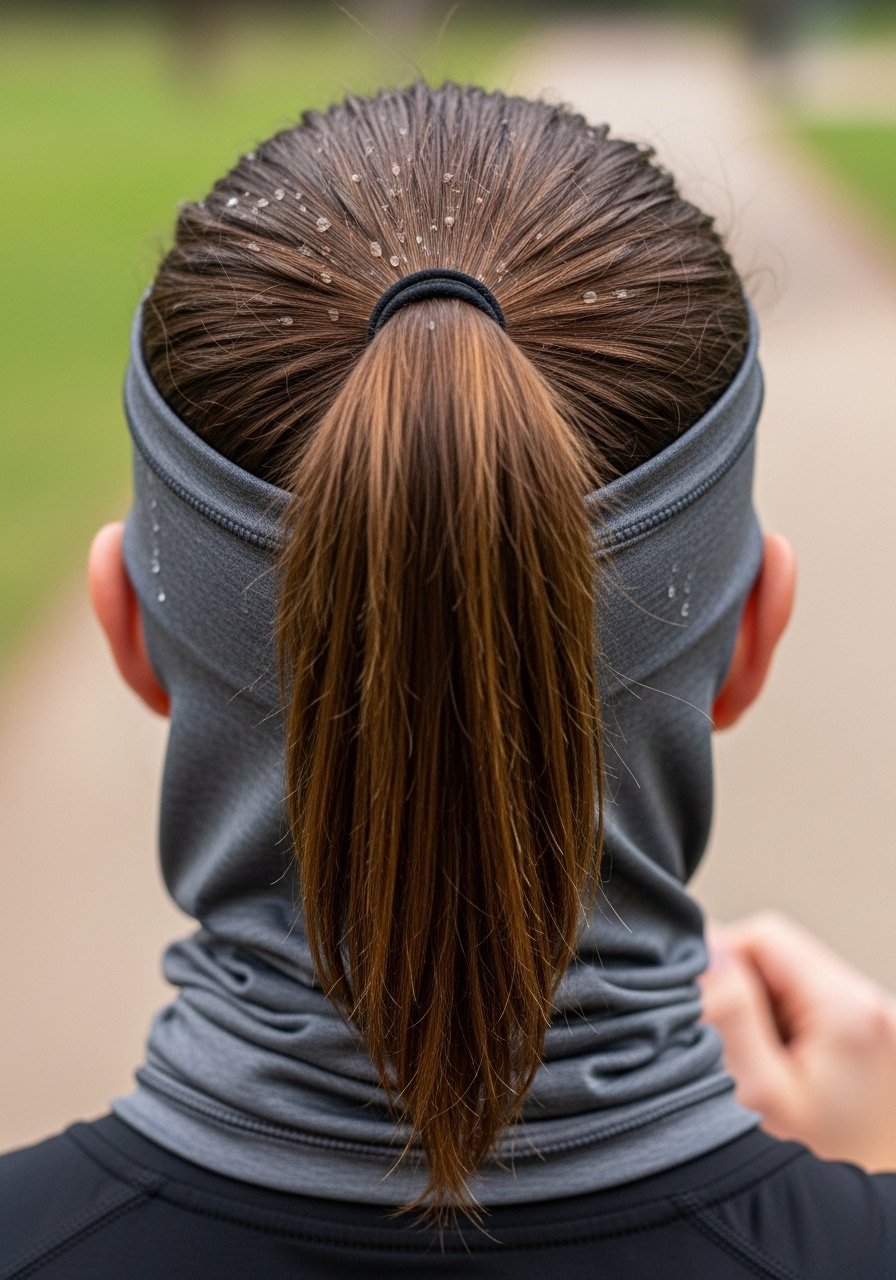
Fold a Buff into a wide tube. Place it over your head like a headband, then pull your ponytail through the back. The Buff absorbs sweat at the hairline and physically contains the ponytail’s movement.
34. The Boxer Braids (Tight and Aggressive)
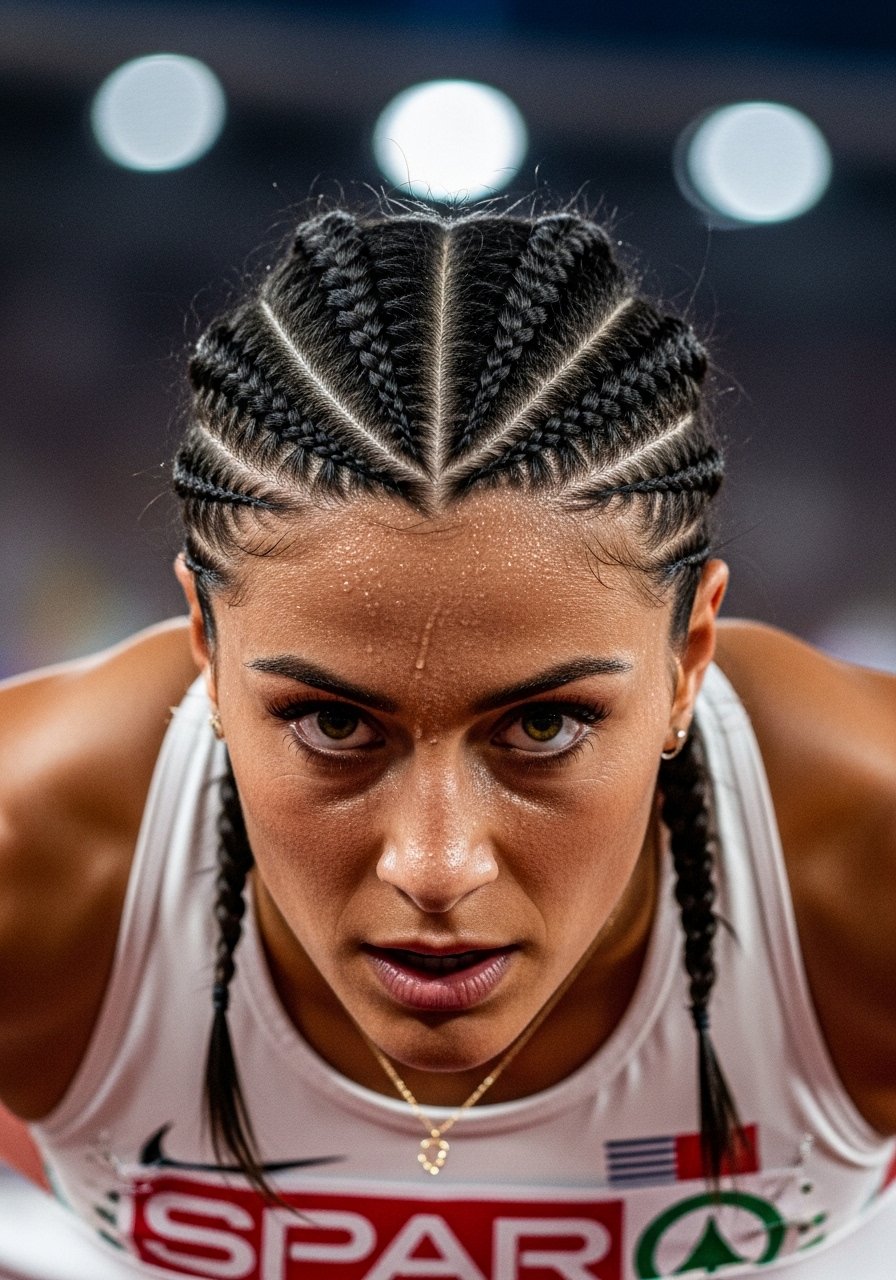
Boxer braids (very tight Dutch braids that start at the hairline and go straight back) are the gold standard for high-intensity running. They lie completely flat, require zero adjustment, and look incredibly cool.
35. The Hat + Low Bun Sandwich (No Movement Possible)
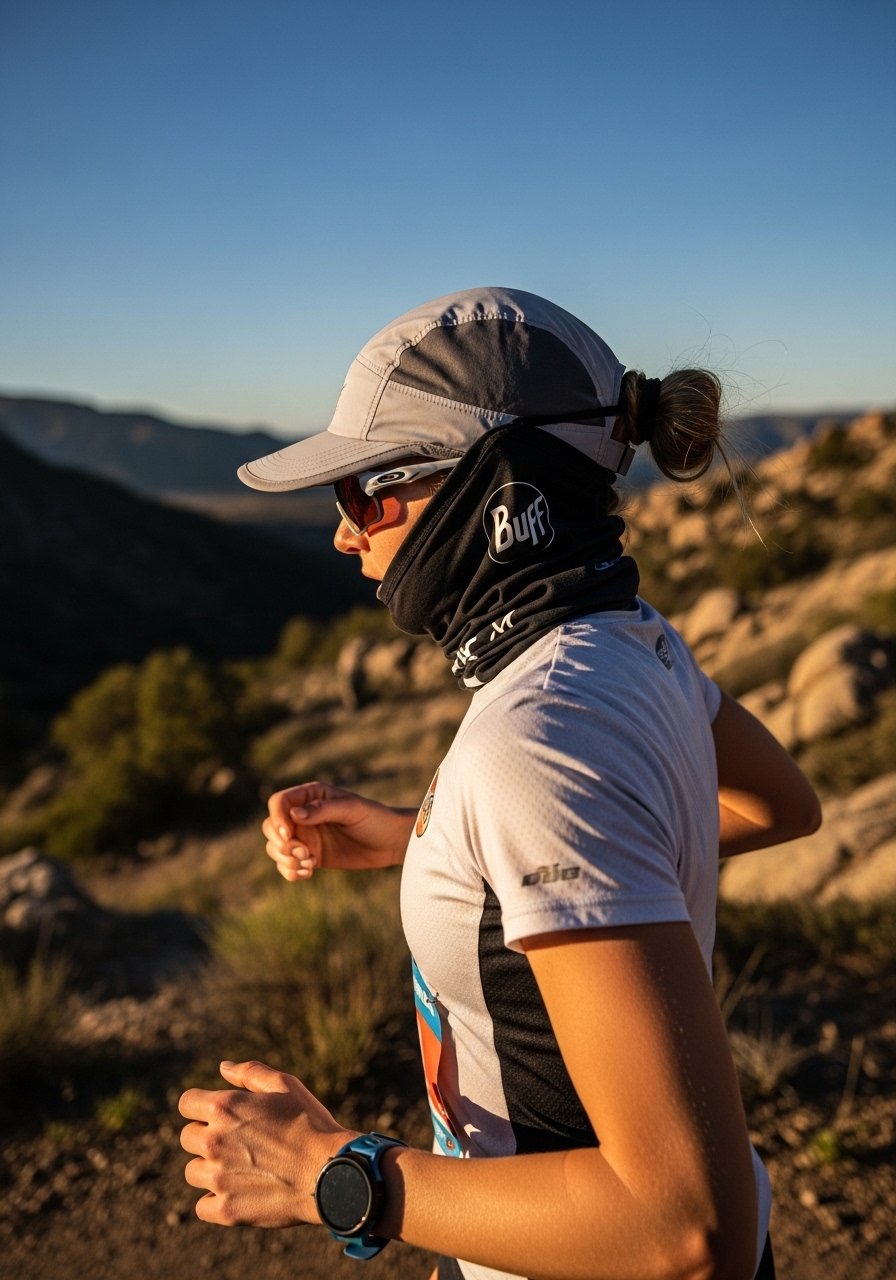
Create a low bun at the nape. Put on a running hat. Then pull a Buff over the hat and bun. The hat, the Buff, and the bun lock together. Absolutely nothing moves. This is the ultimate for windy or rainy races.
36. The Elastic Color Code System (Ponytail Tension Test)
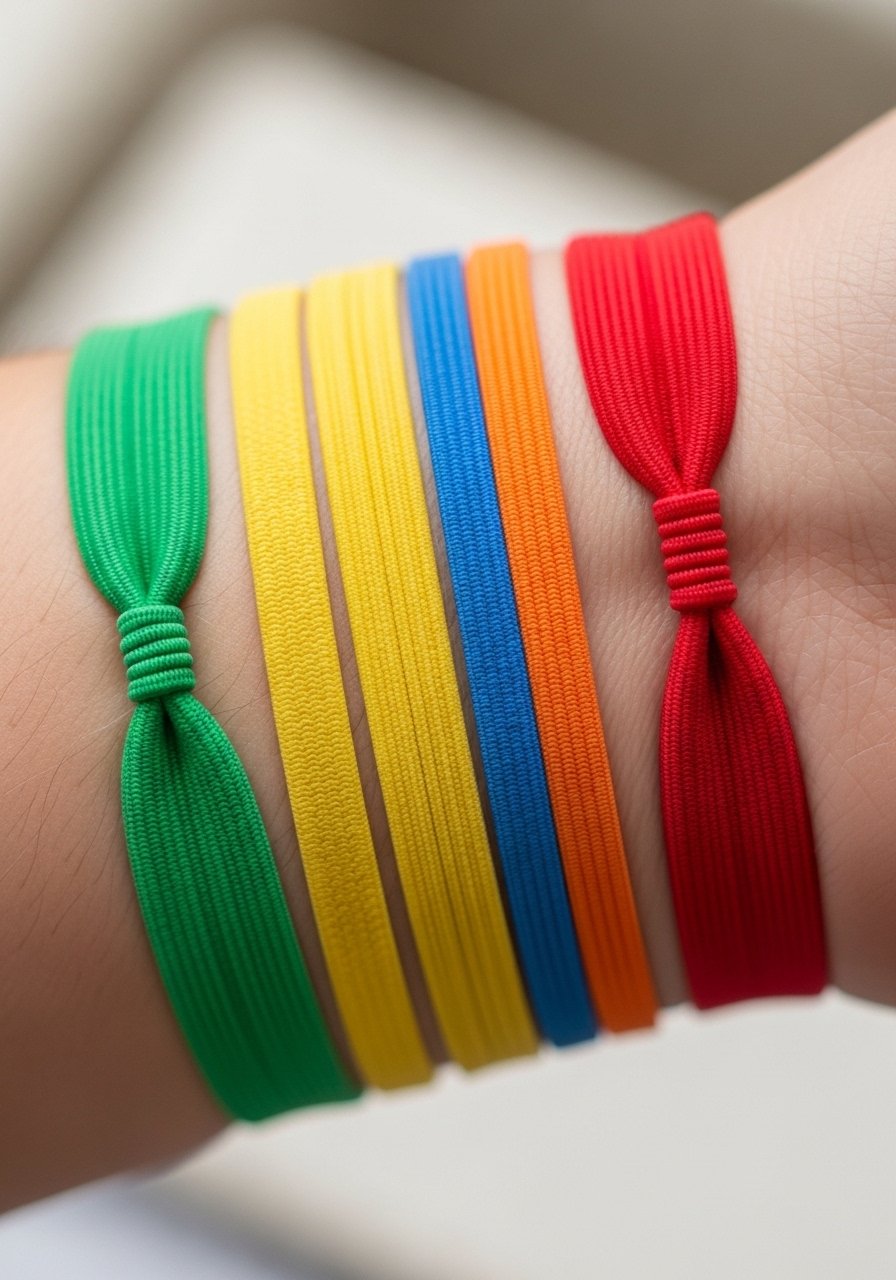
Use different colored elastics to indicate tension. Green for loose (warm-up), yellow for medium (easy runs), red for tight (races). This system ensures you’re using the right grip for the right effort, preventing both bounce and headaches.
37. The Low Twist Bun with Hair Stick (Ancient Technology)
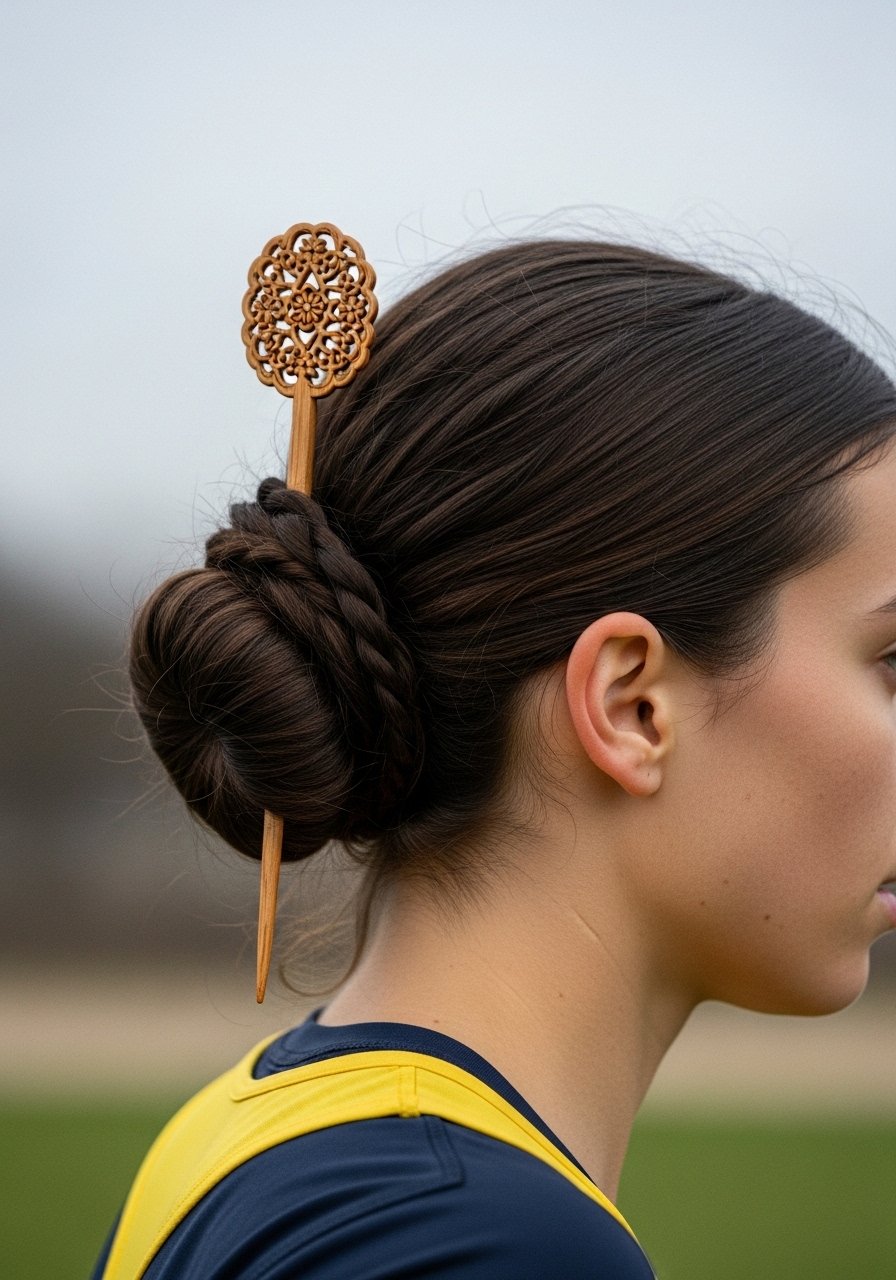
Forget elastics entirely. Twist your hair into a low bun and secure it with one smooth hair stick or fork. The friction from the twist holds the bun in place. This ancient method is surprisingly bounce-proof.
38. The Pre-Run Damp Braid (Sweat-Enhanced Grip)
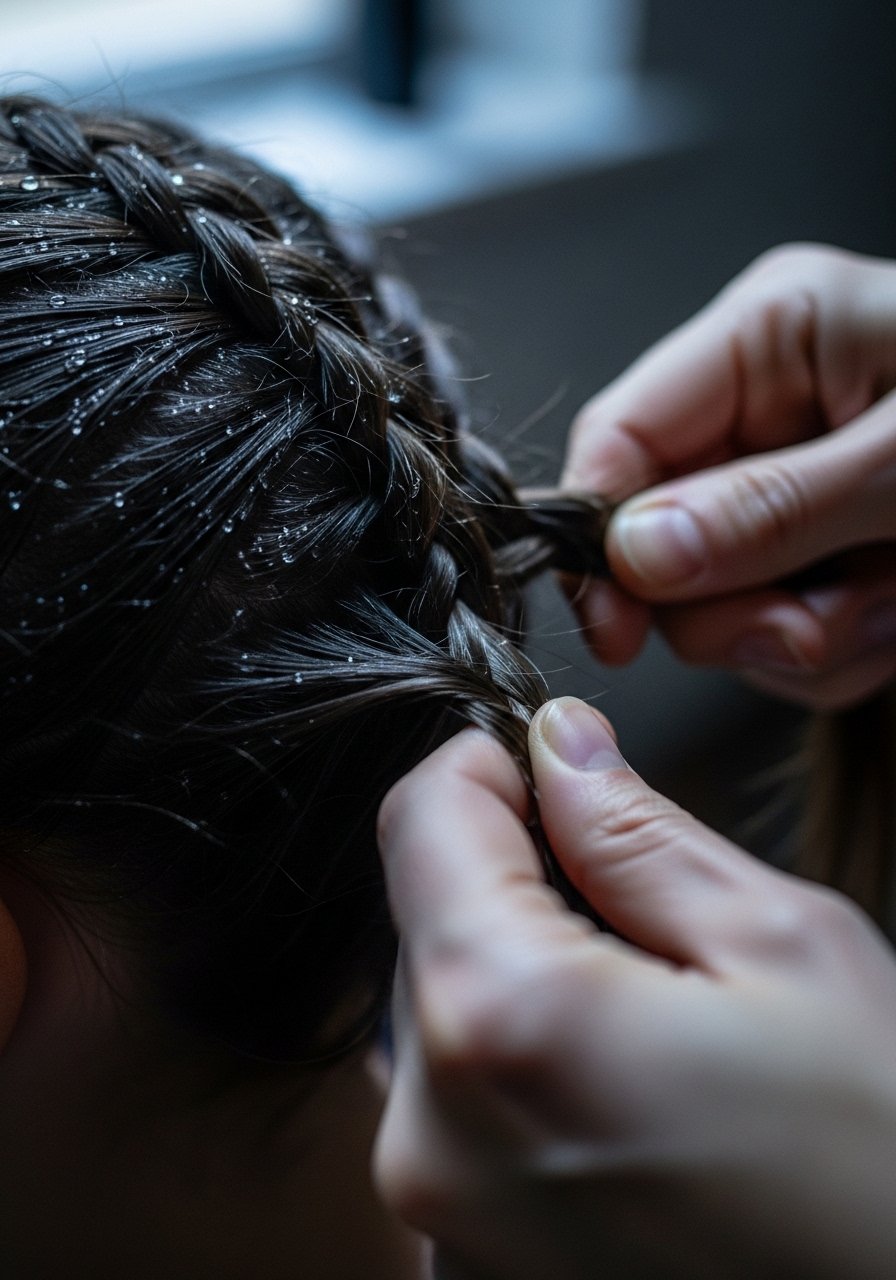
Start your run with slightly damp hair. As you sweat, the additional moisture actually helps the braid tighten rather than loosen. By mile 10, your braid will feel glued in place. Test this on a warm day first.
39. The Ear-to-Ear French Braid (Full Scalp Coverage)
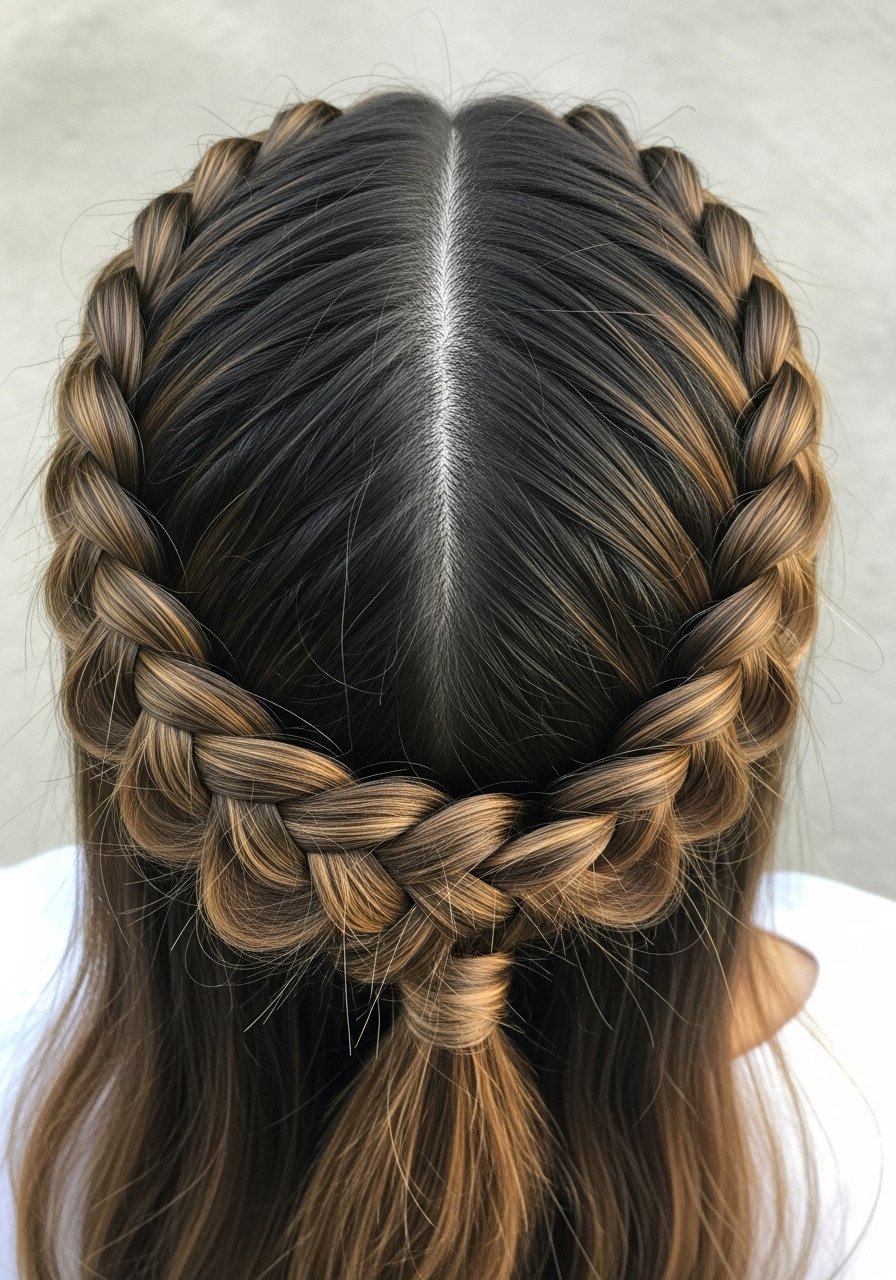
Instead of braiding front to back, braid from one ear across the crown to the opposite ear. This horizontal braid covers the entire top of your scalp, keeping every single strand secure and flat.
40. The Running Buddy Hair Check (Accountability)
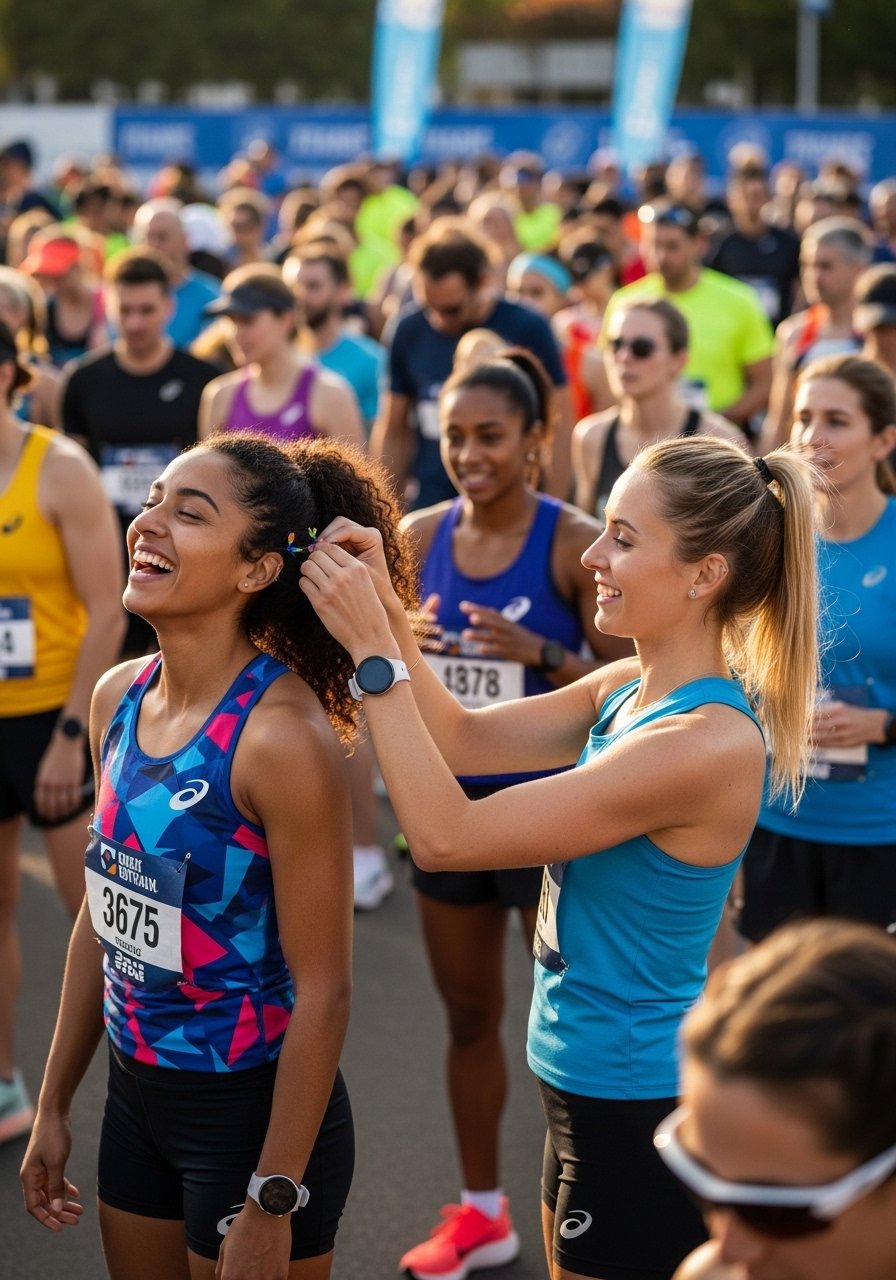
Before every race, have a running buddy check your hairstyle. A second pair of eyes can spot loose strands or weak elastics you missed. Return the favor. Teamwork makes the dream bounce-free.
41. The Claw Clip Updo for Recovery Runs
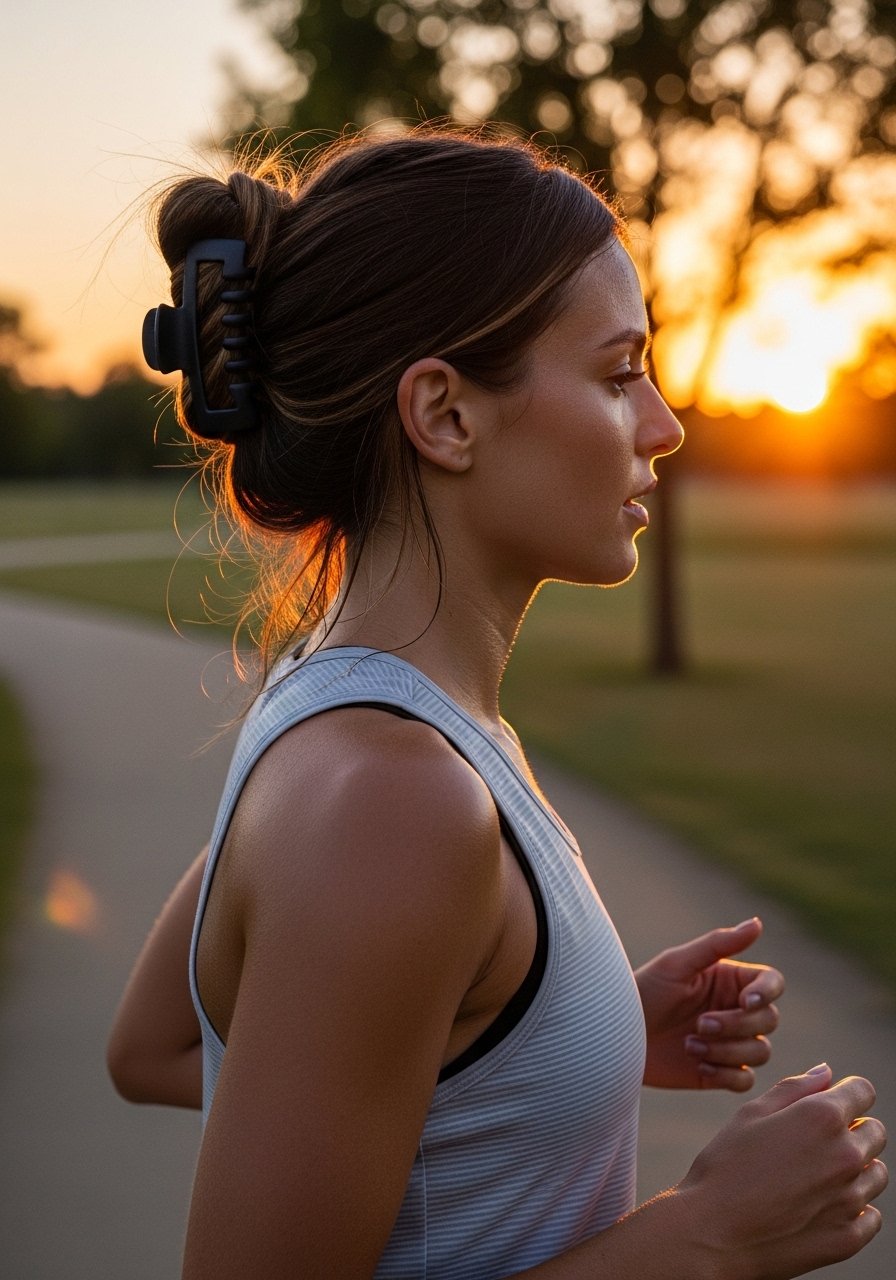
For easy recovery runs, a claw clip twist-up is sufficient. Twist your hair upward, fold once, and secure with a medium claw clip. This style won’t hold for sprinting, but for Zone 2 runs, it’s perfect.
42. The Silk Scarf Wrap Under a Hat (No Frizz, No Bounce)
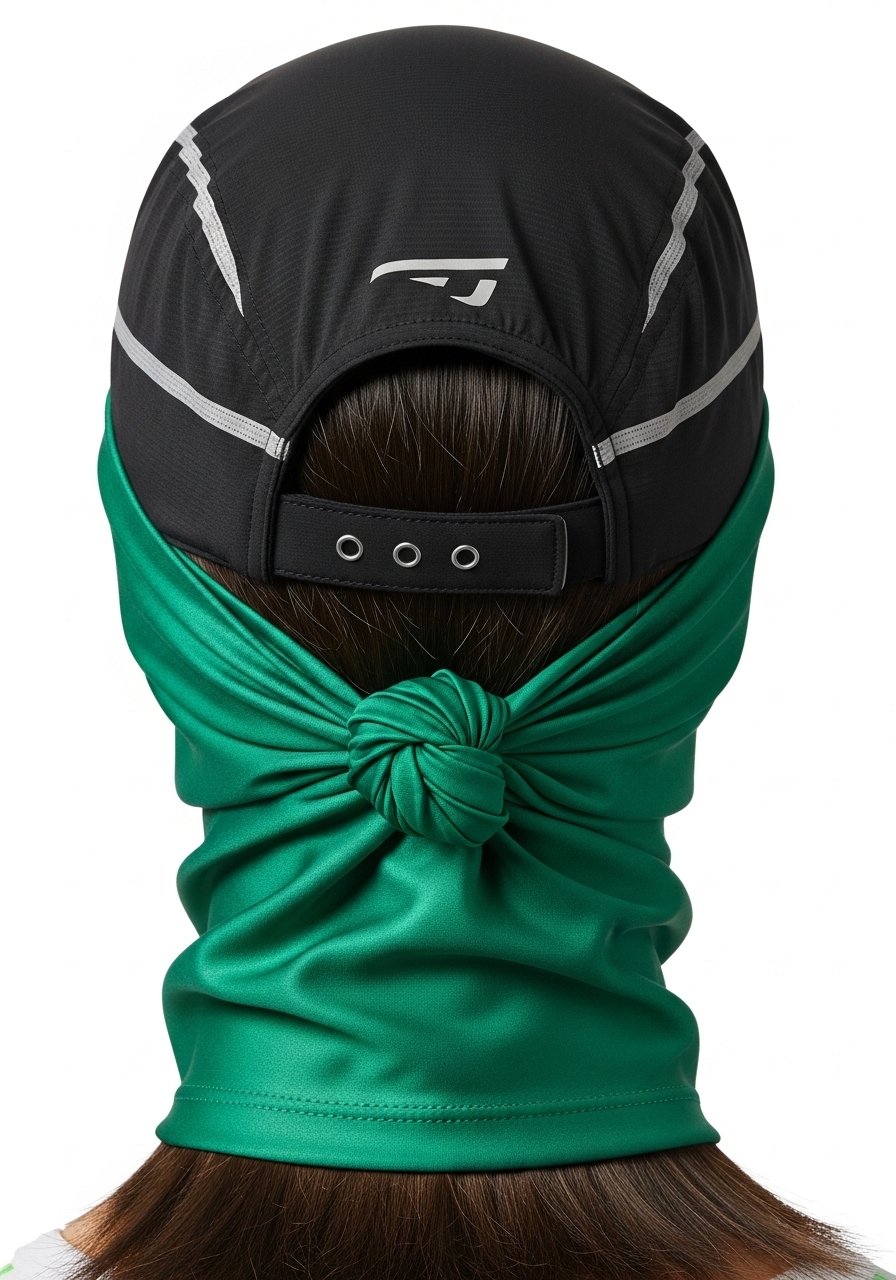
Tie a silk scarf over your hair (covering it completely). Then put your running hat on over the scarf. The scarf prevents friction frizz, and the hat prevents bounce. Your hair will emerge from your run as smooth as when you started.
43. The Five-Second Tug Test (Pre-Race Essential)
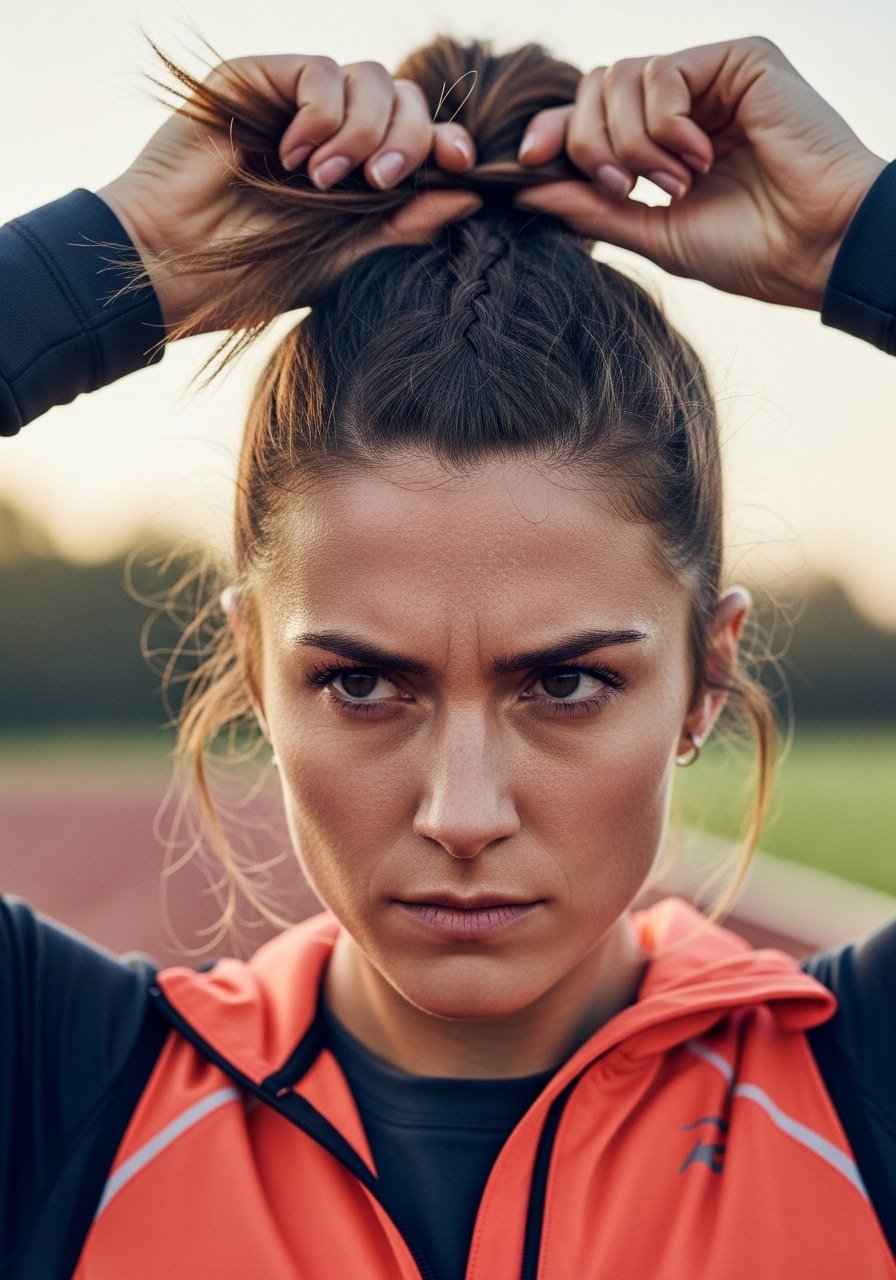
Before you leave the house, tug every part of your hairstyle firmly. The crown. The elastic. The ends. If anything budges, fix it. This five-second test saves miles of mid-run frustration.
44. The Two-Elastic Ponytail Base (Insurance Policy)
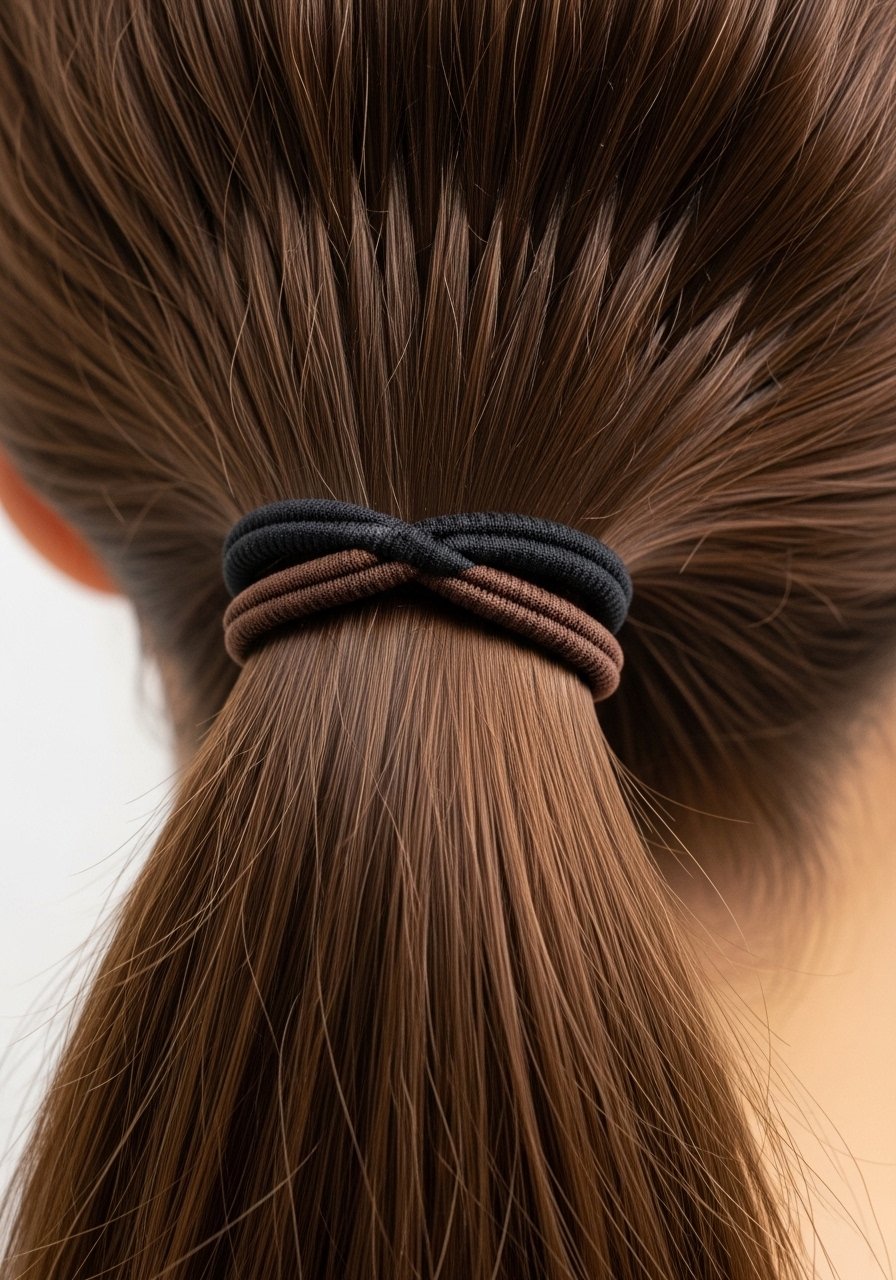
For critical races, use two elastics at the base of your ponytail instead of one. Cross them over each other for a figure-eight grip. If one elastic fails, the other keeps your style intact.
45. The Water-Resistant Hairspray Seal (Humidity Defense)
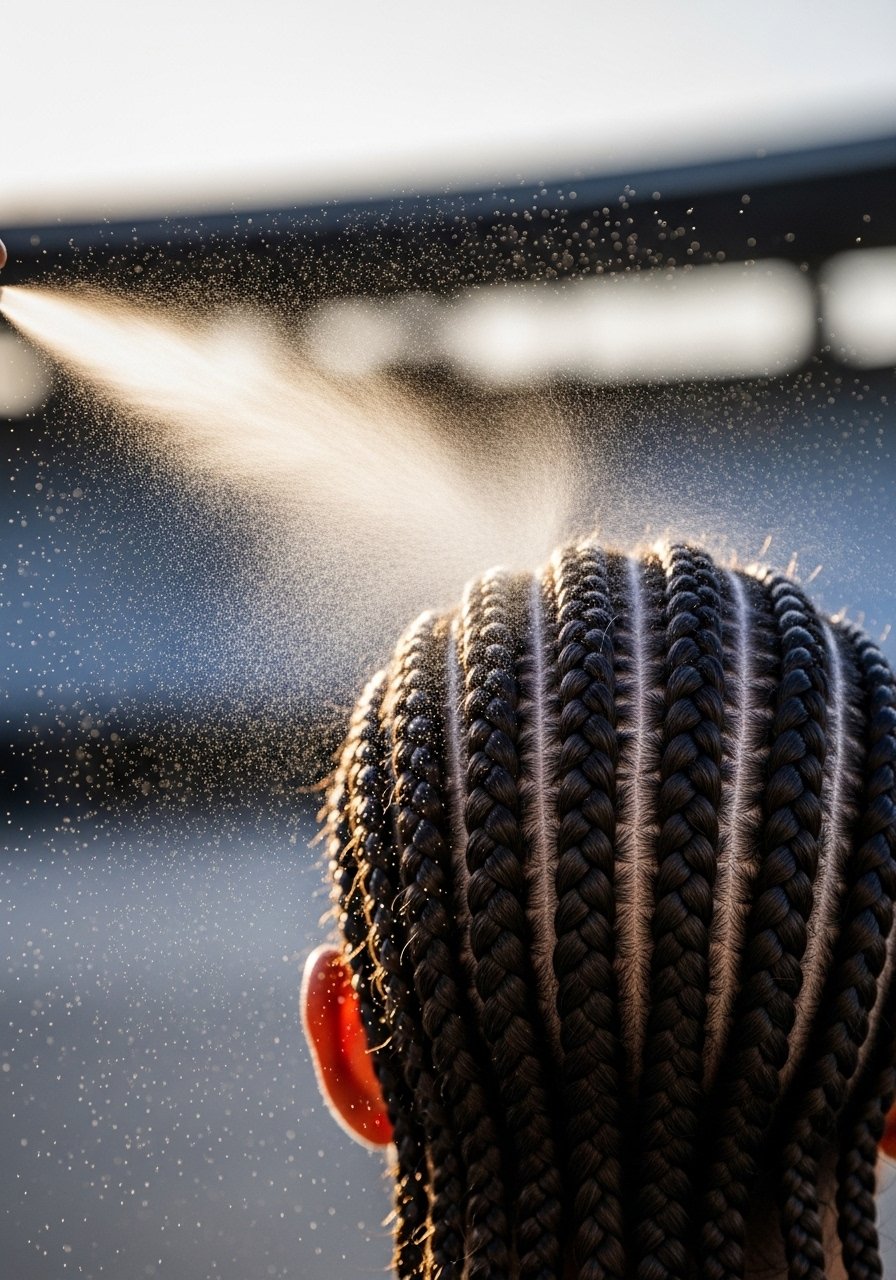
After finishing your style, mist a water-resistant or humidity-shield hairspray over the entire head. This seals flyaways and prevents sweat from loosening your braids or buns. Choose a flexible hold, not rock-hard.
46. The Tri-Braid Ponytail (Three Small Braids Combined)
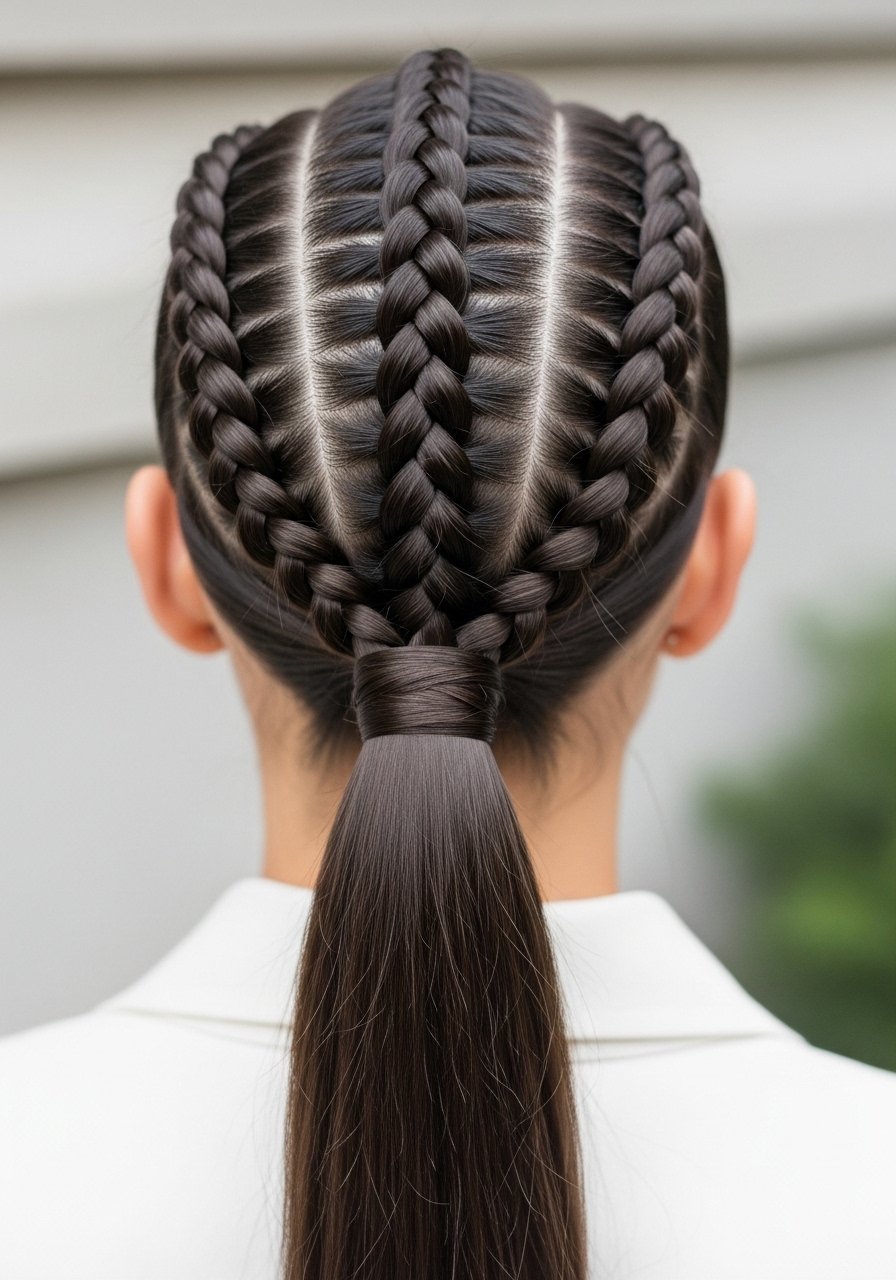
Divide the crown into three sections. Braid each section separately for three inches. Then gather all three braids plus the remaining loose hair into a single low ponytail. The three anchor points distribute weight beautifully.
47. The Race Belt Hair Clip (Emergency Elastic Storage)
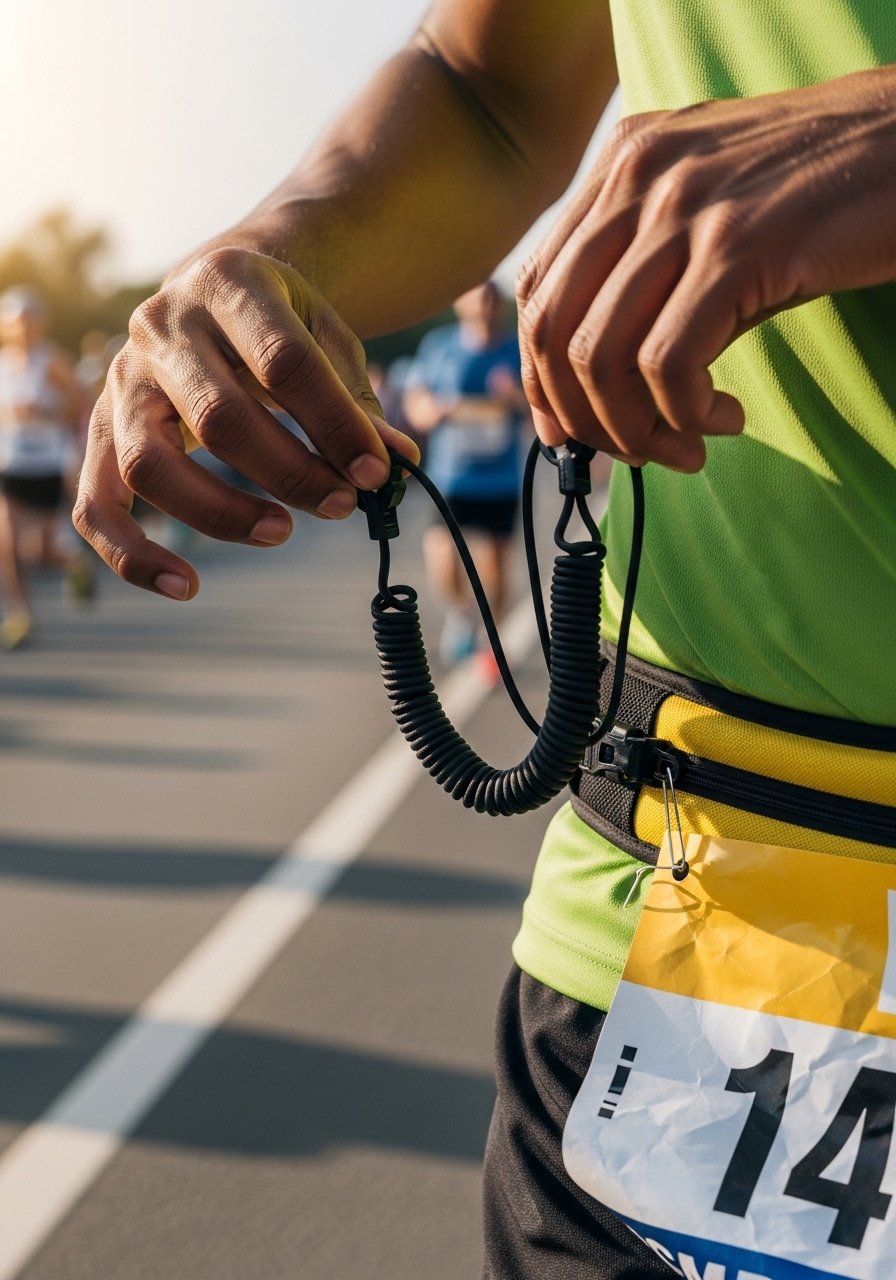
Clip two spare elastics onto your race belt or the zipper of your running vest. If an elastic breaks at mile 18, you have an instant replacement. This 2-gram addition has saved countless marathons.
48. The Ponytail Through a Visor Hole + Buff (Triple Threat)
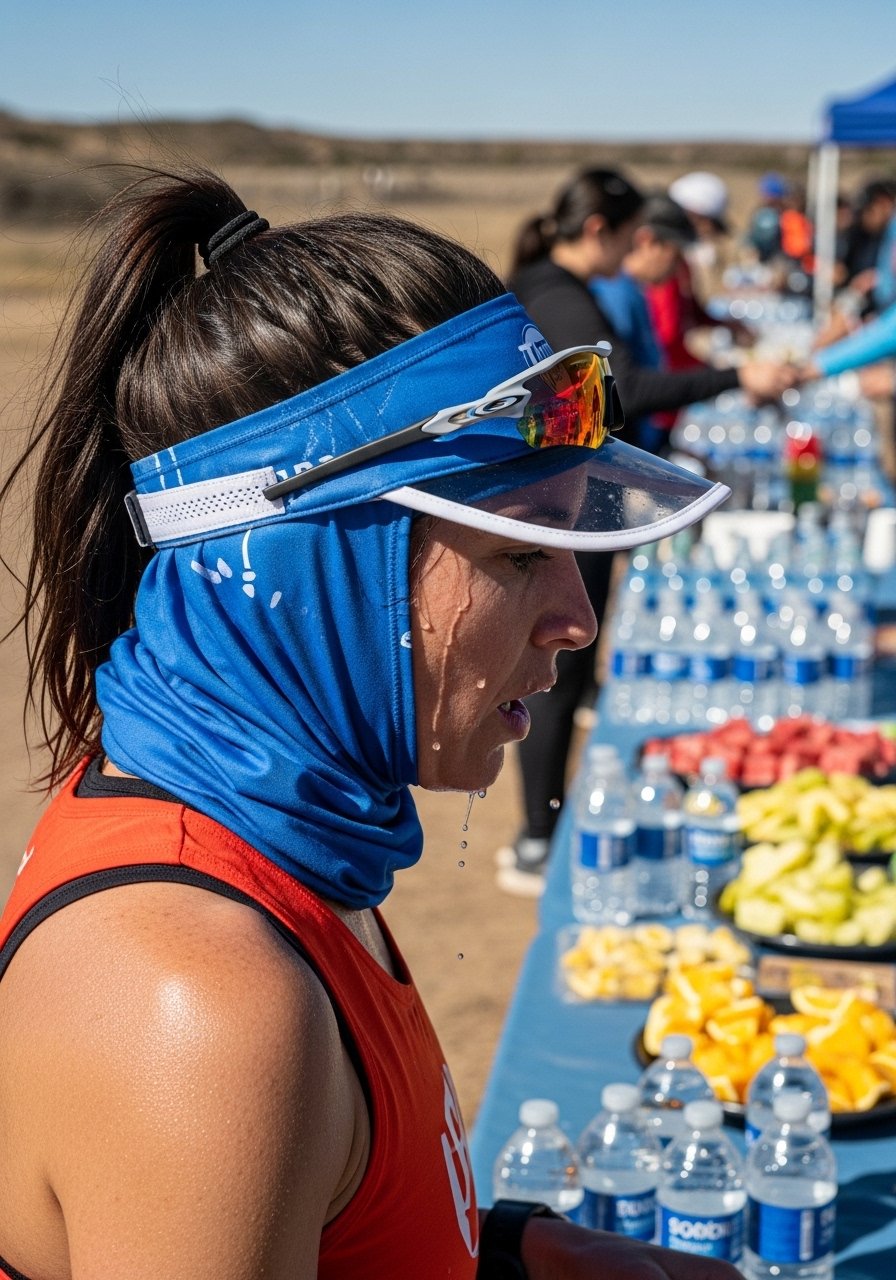
For extreme conditions (high wind, heavy rain, or ultra-distances), combine methods: Buff as headband, ponytail through visor hole, then visor straps over the Buff. Nothing is moving in this configuration.
49. The Night-Before Pineapple + Satin Cap (Overnight Prep)
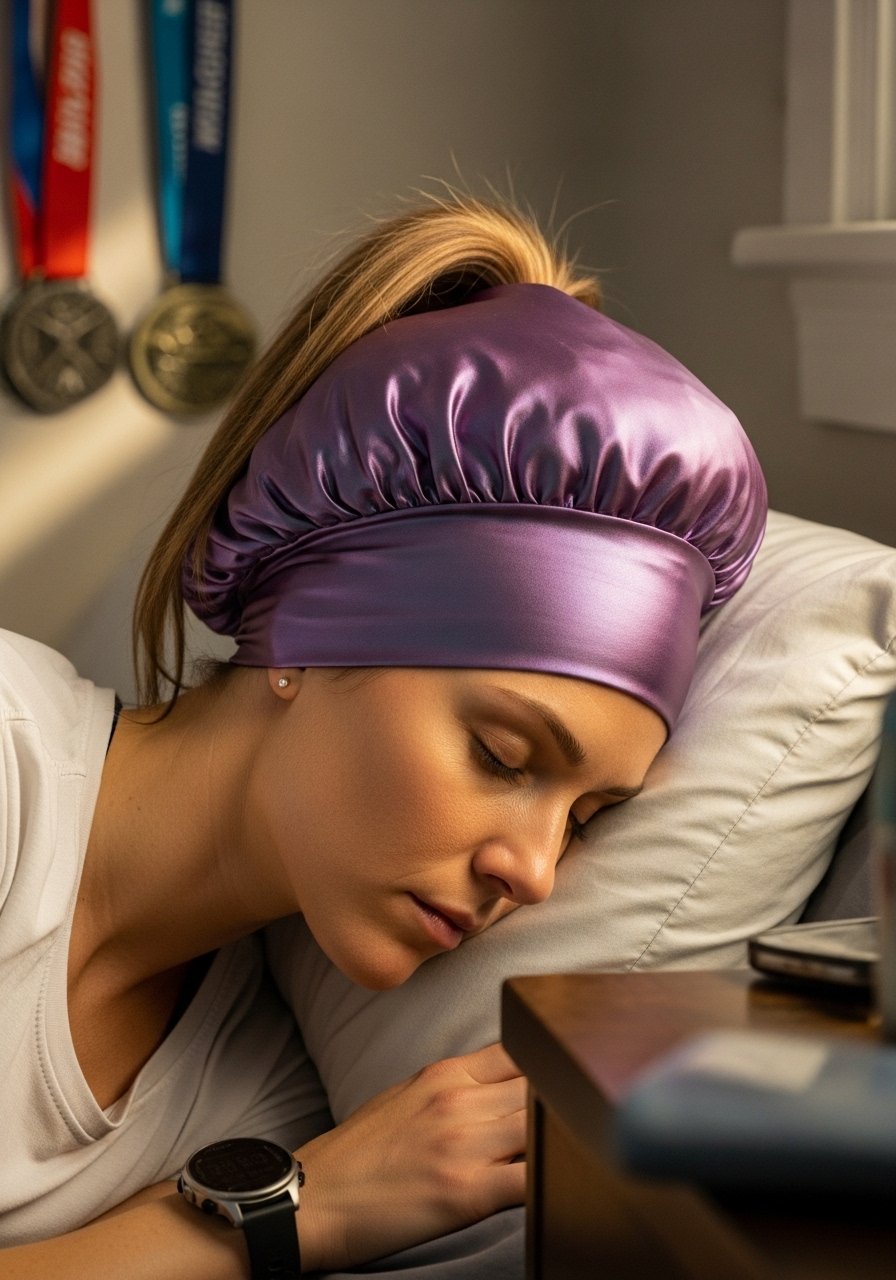
Before race day, pineapple your hair (loose high ponytail on top of your head) and cover with a satin bonnet while you sleep. In the morning, your hair will be tangle-free and perfectly positioned for braiding, with zero overnight friction.
50. The Trusted Race-Day Style (Practice Makes Perfect)
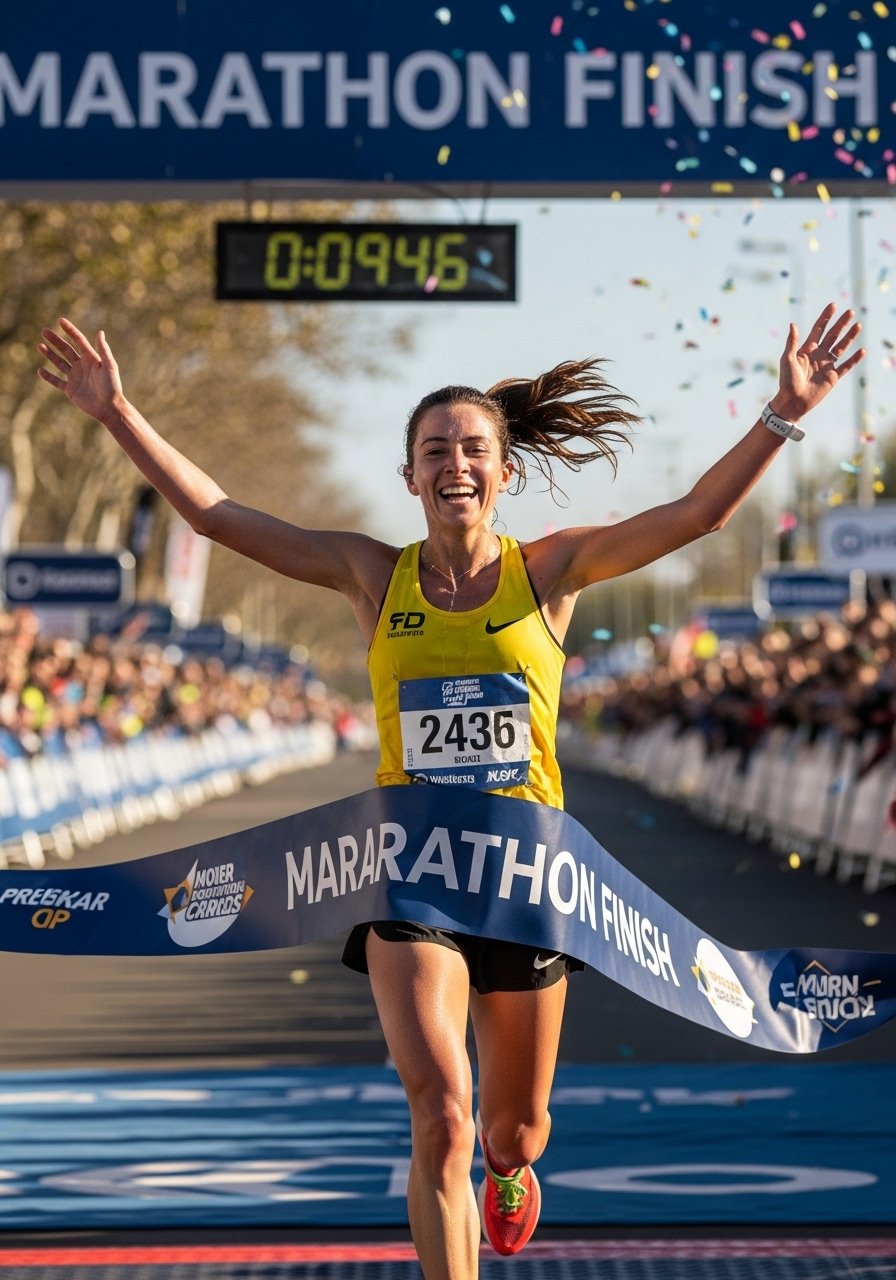
After testing multiple styles across training runs, you’ll find one that feels like home. The style you don’t think about. The one that survives 20-mile runs, rain showers, and sweat festivals. That’s your race-day style. Practice it until it’s muscle memory, then run free.
Race Day Hair Checklist
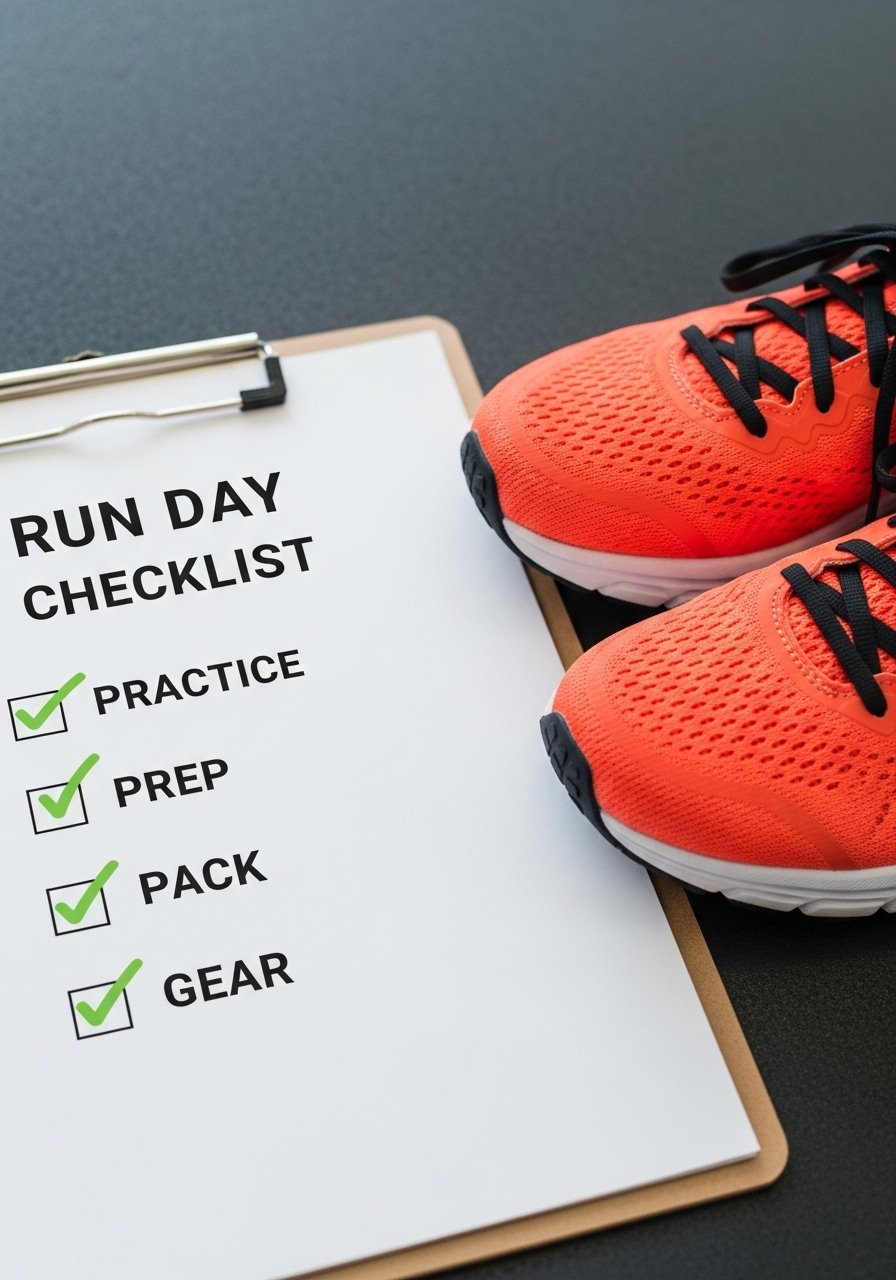
Before you head to the start line, run through this quick list:
Practice Your Style: Never try a new hairstyle on race day! Test it during a long training run to ensure it holds and feels comfortable for hours.
Prep for Sweat: Slightly damp hair is often easier to braid tightly. Consider a light-hold, flexible hairspray or texturizing spray to add grip, especially for fine hair.
Pack Extras: Tuck a couple of extra hair ties and bobby pins in your race belt or pocket. It’s cheap, lightweight insurance.
Consider Your Gear: Ensure your hairstyle works with your hydration vest straps, sunglasses, and any hat you plan to wear.
Your marathon hairstyle should be the last thing on your mind once the race begins. By choosing a secure, bounce-free ‘do, you eliminate a potential distraction and can channel all your energy into your pacing, your form, and the incredible journey of 26.2 miles. Now, lace up, tie up (your hair!), and run strong.