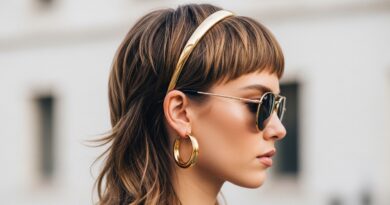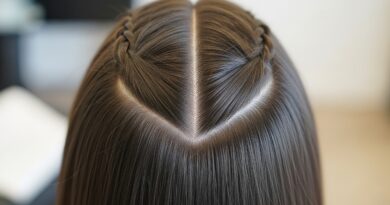
21 Lived-In Color Methods That Require Less Maintenance
Let’s be honest: the dream of a flawless, single-process hair color often crashes into the reality of a busy life. The constant cycle of root touch-ups, salon appointments, and the fear of harsh regrowth lines can make vibrant color feel more like a high-maintenance chore than a joyful expression. But what if your hair color could work with you instead of against you? Enter the world of lived-in color—a philosophy that embraces dimension, depth, and a seamless grow-out.
What is Lived-In Color, Anyway?
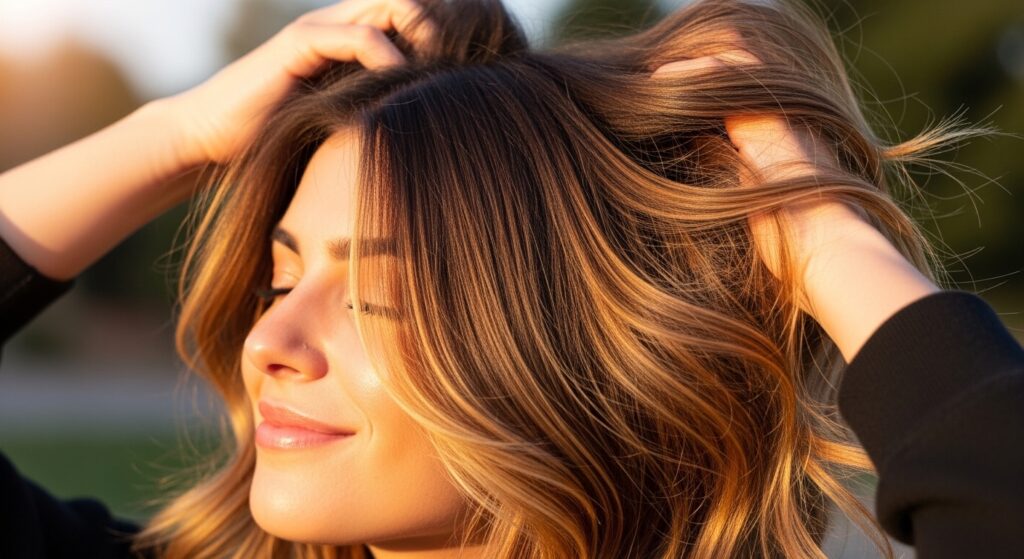
Lived-in color is more than a trend; it’s a strategic approach to hair coloring. The core principle is to create a color result that doesn’t have a stark, uniform starting point. Instead, it mimics the natural variations and lightening you might see after a summer spent outdoors—lighter around the face and ends, darker and richer at the roots. This intentional placement of light and shadow means that as your hair grows, there is no harsh line of demarcation. The new growth simply becomes part of the overall dimensional look, extending the time between salon visits from weeks to several months.
This technique is inherently kinder to your hair. By focusing color application on specific sections rather than saturating every strand from root to tip every time, you minimize damage and overlap. The result? Hair that not only looks good longer but feels healthier and retains its integrity.
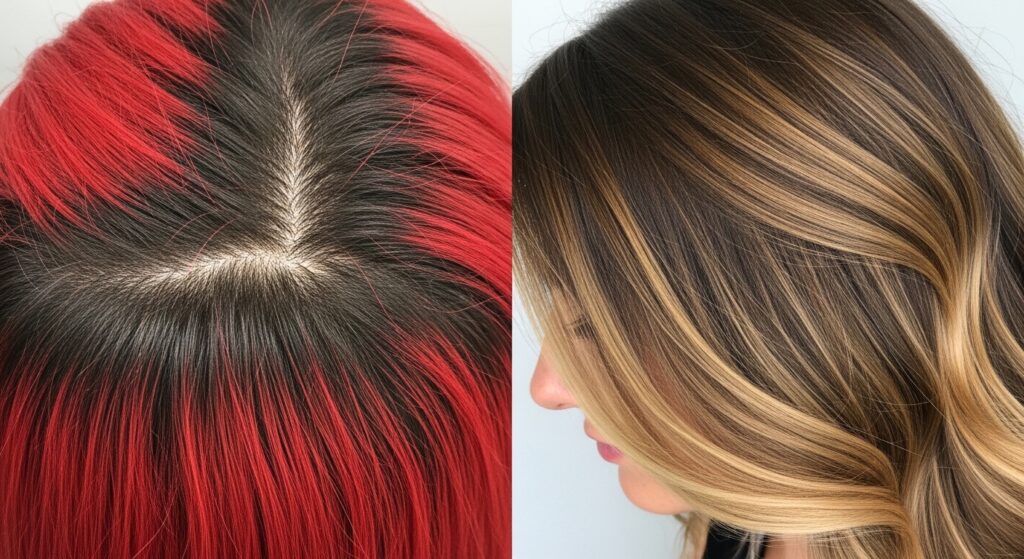
The Balayage & Hand-Painted Family
This category is the cornerstone of low-maintenance color. By hand-painting highlights onto the hair’s surface, colorists create soft, natural-looking dimension that grows out beautifully.
1. Classic Balayage: The queen of lived-in color. Highlights are swept onto the mid-lengths and ends, leaving the roots predominantly natural for a sun-kissed, effortless grow-out.
2. Babylights: Extremely fine, delicate highlights placed around the face and throughout the top layers. They add subtle brightness without a clear “start” point, blending invisibly.
3. Flamboyage: A technique where highlights are painted using a foil or film without foiling the entire strand. It allows for precise placement with a softer, more diffused result than traditional foils.
4. Teasy Lights: Using a teasing technique to create a barrier, the colorist paints random strands for a incredibly soft, natural, and blended highlight with zero harsh lines.
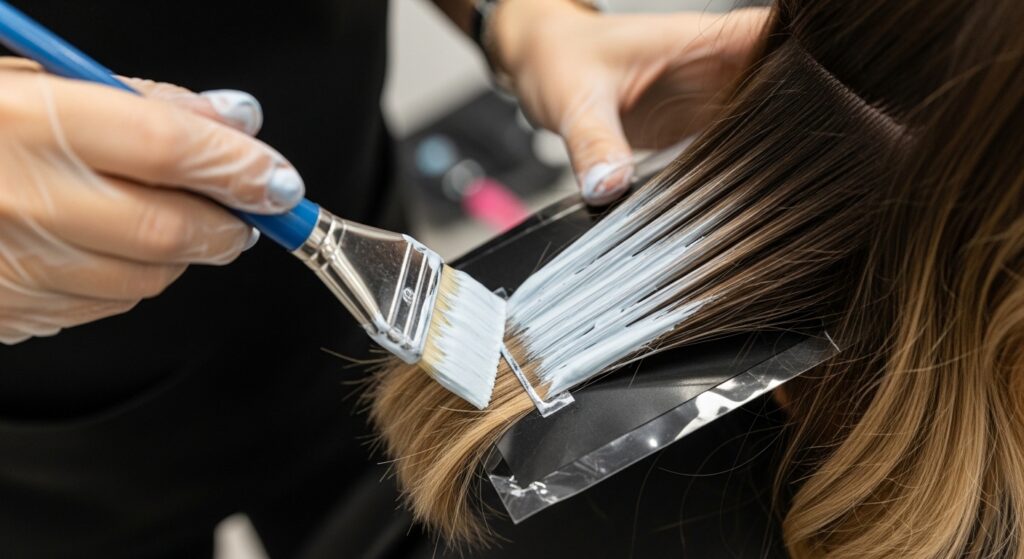
Root-Focused & Shadow Techniques
Instead of fighting your natural root color, these methods celebrate it or use it as a strategic starting point for depth and contrast.
6. Shadow Root: A game-changer. A darker shade (often close to your natural color) is applied at the root and softly diffused down. It creates depth and erases the line between your natural color and your highlights, making regrowth intentional.
7. Root Smudging: Similar to a shadow root but applied more heavily right at the part line and root area, then “smudged” down slightly to blend. Perfect for refreshing existing highlights.
8. Root Stretching: When you want to go lighter overall, colorists will apply your base color further down the hair shaft before applying the lighter color, creating a longer, more blended transition zone.
9. Dark Root Fade: Ideal for vivid or platinum blondes. A dark root is intentionally left or colored, creating a dramatic yet low-maintenance punk-rock edge as it grows.
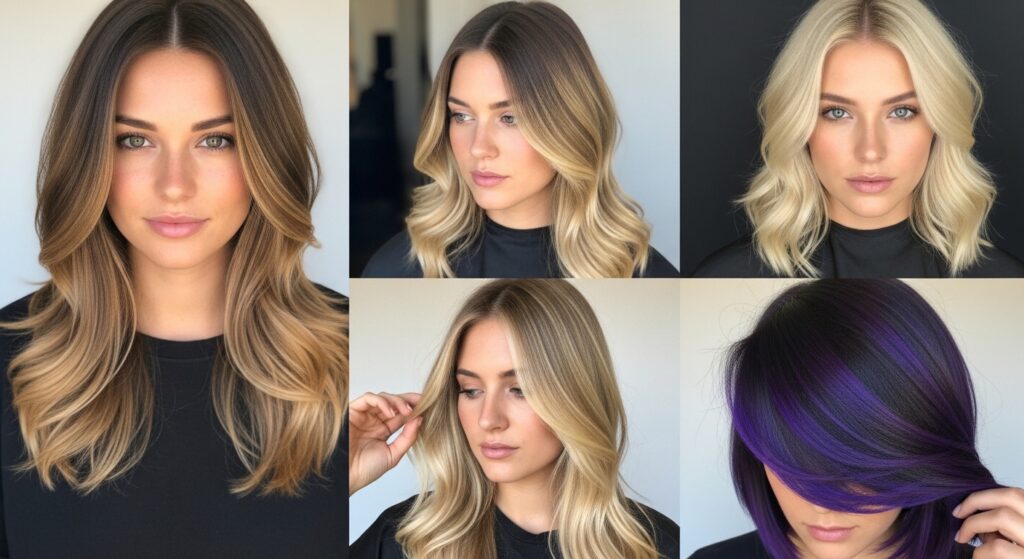
Dimensional & Contrast-Driven Methods
These looks play with multiple tones and placements to create movement and interest that lasts.
10. Sombre (Subtle Ombre): A softer, more gradual version of ombre. The transition from dark to light is incredibly subtle and blended, so any new growth just extends the darker base.
11. Ecaille (Tortoiseshell): Inspired by a tortoiseshell pattern, this technique blends warm brunette, caramel, and honey tones throughout for a rich, multi-dimensional effect where regrowth is unnoticeable.
12. Ribbon Highlights: Strategic placements of lighter pieces that weave through the hair like ribbons. They frame the face and add pops of light that don’t require full-head maintenance.
13. Peek-a-Boo Highlights: Color is applied to the under-layers of hair. When you move, pops of color are revealed. Since it’s hidden underneath, grow-out is completely concealed.
14. Chunky Highlights (Modernized): The 90s are back, but better. Wider, more intentional pieces are placed with a soft root and blended edges, making them look modern and grow out gracefully.
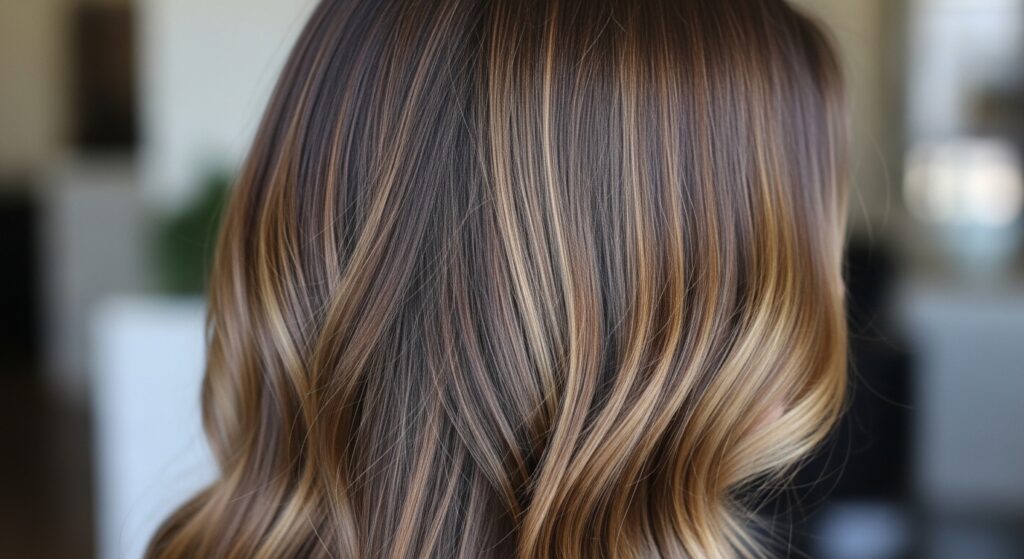
Global Color with a Lived-In Twist
Even if you love an all-over color, there are ways to make it more forgiving.
15. Gloss/Toner Refresh: Not a color technique per se, but a crucial maintenance strategy. A clear or tinted gloss can revive faded color, boost shine, and blend new growth without additional lightening, extending time between full appointments.
16. Single Process with Lowlights: When doing an all-over color, ask your stylist to weave in a few darker lowlights. This adds dimension from the start, preventing a flat look and camouflaging future regrowth.
17. Face-Framing Highlights Only: A cost-effective and low-commitment option. Brightening just the pieces around your face has a major impact and leaves the majority of your hair untouched for easy upkeep.
Creative & Vivid Lived-In Looks
Bold color doesn’t have to mean weekly touch-ups. These strategies make fashion shades more sustainable.
18. Dip-Dye or Pastel Tips: Concentrating vivid or pastel color only on the very ends. As it fades or grows, you can simply trim it off or refresh it without affecting the rest of your hair.
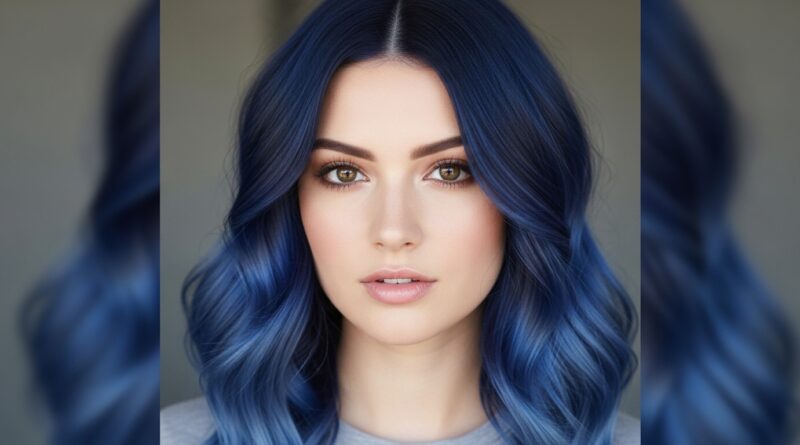
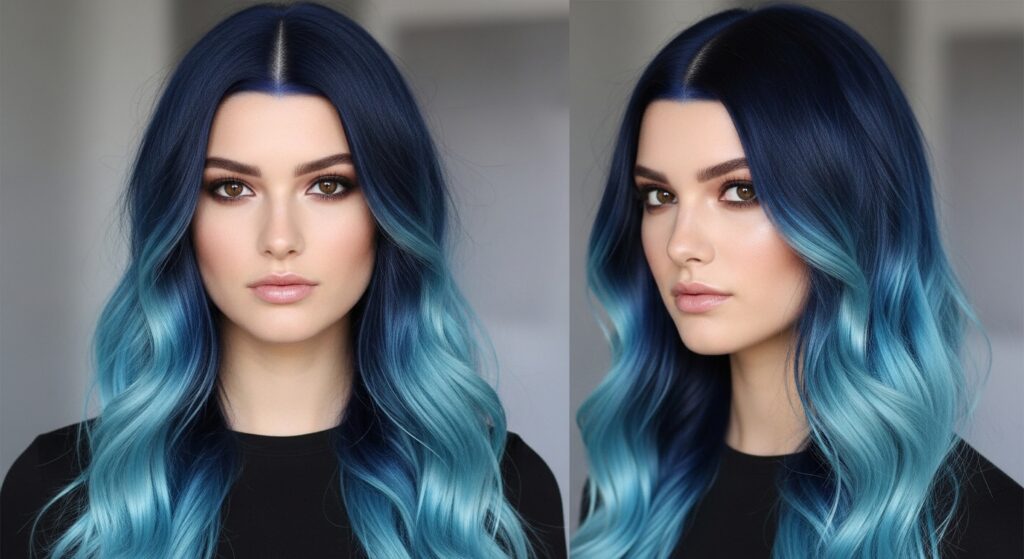
19. Vivid Shadow Root: Pairing a bright fashion color (like pink or blue) with a deeper, coordinating shadow root. The dark root makes grow-out look cool and intentional, not awkward.
20. Color-Washing: Using semi-permanent color over highlighted or natural hair to add a temporary, all-over tint. It washes out over a few weeks, allowing for easy change and no commitment.
21. Hidden Rainbow: Applying vivid colors only to the bottom layers or undersides of the hair. It’s a fun surprise that requires zero upkeep on the visible top layer.
How to Maintain Your Lived-In Color
To truly maximize the low-maintenance benefits, your at-home care is essential. Use sulfate-free shampoos and color-protecting conditioners to prevent your beautifully placed tones from fading prematurely. Incorporate a weekly deep conditioning mask to maintain hair health, especially if lightener was used. When heat styling, always apply a heat protectant. And consider using products designed for your color tone, like purple shampoo for blondes or color-depositing masks for brunettes and vivids, to refresh your color between salon visits.
Most importantly, communicate with your colorist. Bring inspiration photos and use the term “lived-in” or “low-maintenance.” A skilled professional will tailor these techniques to your hair type, texture, and lifestyle, ensuring you get a gorgeous result that gives you back your time and confidence.
Embracing a lived-in hair color philosophy is a liberating choice. It’s a move away from perfection and towards personality, from constant upkeep to effortless style. By choosing one of these 21 methods, you’re not just getting a color—you’re investing in a look that evolves beautifully, grows out gracefully, and lets you spend less time in the salon chair and more time enjoying life. Your hair should make you feel good, not stressed. Let it live a little.