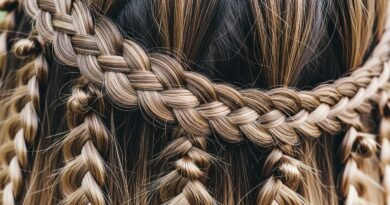
25 Haircuts for Women Transitioning From a Blunt Cut to Soft Layers
If you’ve been living with a blunt cut for a while, you already know the fear. One wrong snip and suddenly your hair looks like a triangle. I get it. I wore a chin-length blunt bob for two straight years before I finally worked up the nerve to ask for layers.
Here’s the good news: you don’t have to chop everything off to get softness. You can transition slowly, appointment by appointment, without losing the length you love.
Below are 25 haircuts that make that switch feel easy. Some are subtle, some are bold, and all of them work whether your hair is straight, wavy, curly, fine, or thick.
Pick two or three favorites, screenshot them, and bring them to your stylist. Let’s get you soft, bouncy, lived-in layers.
1. The Quiet Luxury Bob With Invisible Layers

This is the cut I recommend first. It keeps your blunt baseline at the ends, then adds hidden layers underneath so the shape moves without looking choppy.
It reads expensive. It photographs beautifully. And it grows out clean, which matters a lot when you’re mid-transition.
- Best for: straight to slightly wavy hair
- Ask for: a one-length bob with interior layers
- Skip if: your hair is very fine and thins out easily
2. The Asymmetrical Lob

An asymmetrical lob is sneaky-smart. Because the sides are intentionally uneven, nobody can tell whether your layers are growing out or designed that way.
Ask for soft face-framing pieces that start around your cheekbone and taper down. Keep the back slightly longer for balance.
- Works on: fine, medium, and thick hair
- Styling trick: blow-dry the shorter side forward for a modern swoop
- Grow-out: extremely forgiving
3. Old Money Hair With Long Soft Layers
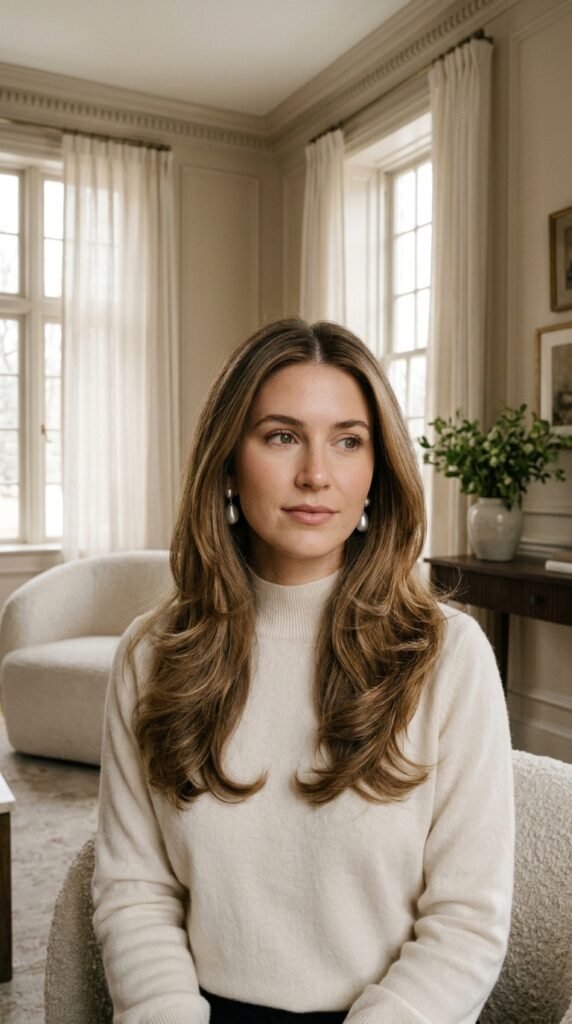
Old money hair is having a moment, and it’s the perfect destination for anyone leaving a blunt cut. The whole look is smooth, bouncy, and effortless — never choppy.
Ask for long layers that start below the chin, plus a soft face frame. Keep your ends full, not thinned out.
- Part: middle or slight side part
- Finish: smooth, glossy, no visible spray
- Maintenance: trim every 10 to 12 weeks
4. The Softened Hime Cut
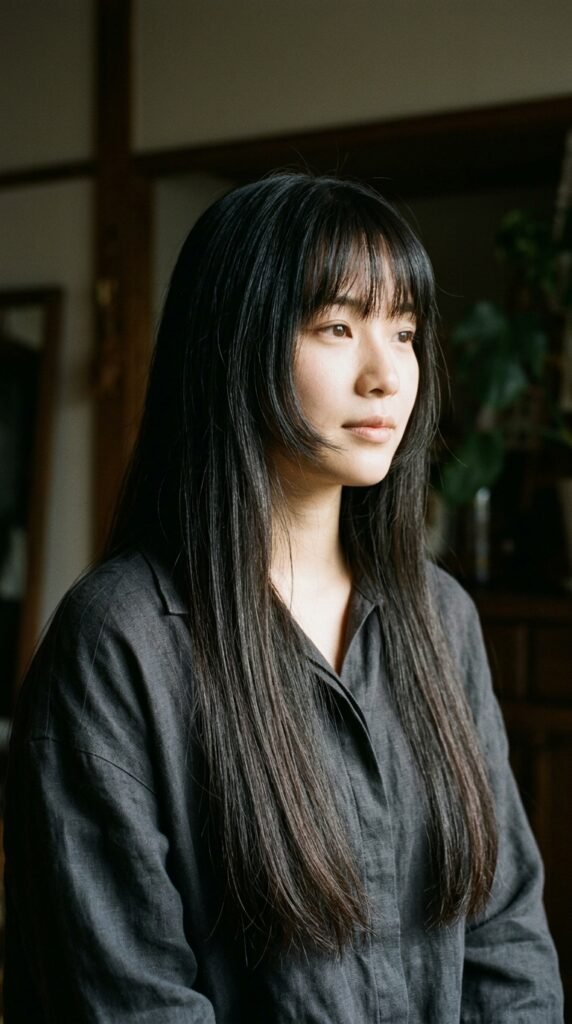
The hime cut is that Japanese style with blunt side pieces framing the face and long hair in the back. It sounds harsh, but you can soften it.
Ask your stylist to taper the ends of those side pieces so they blend instead of stopping abruptly. You keep the drama and lose the hard lines.
- Great for: straight, medium-thick hair
- Skip if: your hair is very curly
- Pro tip: flat-iron only the face pieces
5. Romantic Goth Hairstyles With Wispy Ends
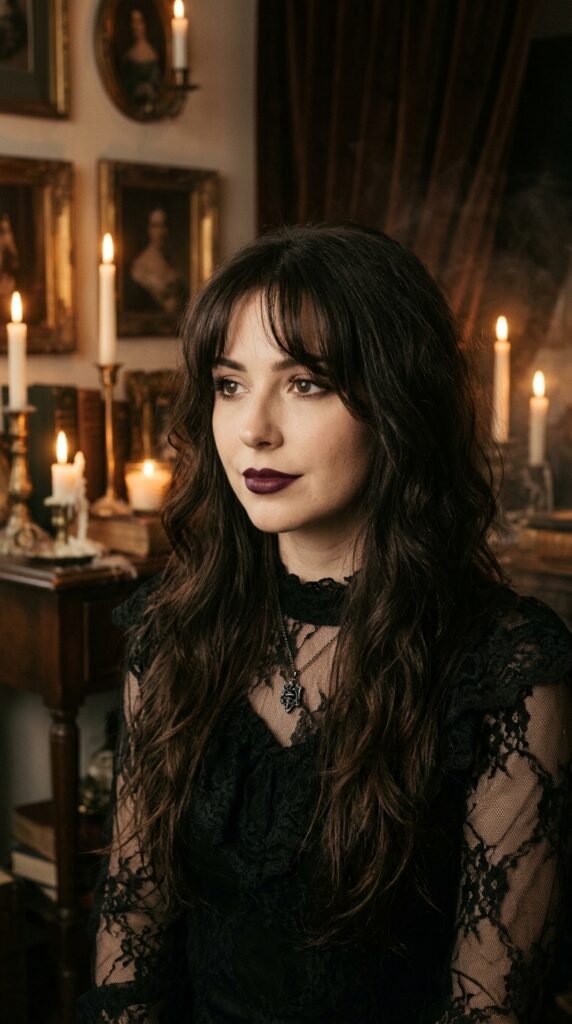
Romantic goth hairstyles lean soft and moody rather than sharp. Think long layers, wispy ends, and a little texture around the face.
If you’re coming from a blunt cut, this is a beautiful excuse to add pointed, feathered tips that look intentional and a little mysterious.
- Ask for: point-cut ends, face-framing wisps
- Color: deep brown, black cherry, or cool espresso
- Styling: air-dry with a light cream for softness
6. The Vampire Haircut With Feathery Edges

The vampire haircut is all about long, face-framing layers with light, feathery tips. It’s elegant, a little dramatic, and it blends a blunt cut beautifully.
Ask for layers that start at your collarbone and taper gradually. Nothing heavy. Nothing chunky.
- Best on: medium to thick hair
- Pairs well with: a deep side part
- Finish: shine spray, not hairspray
7. Glitchy Glam Hair: Choppy but Chic
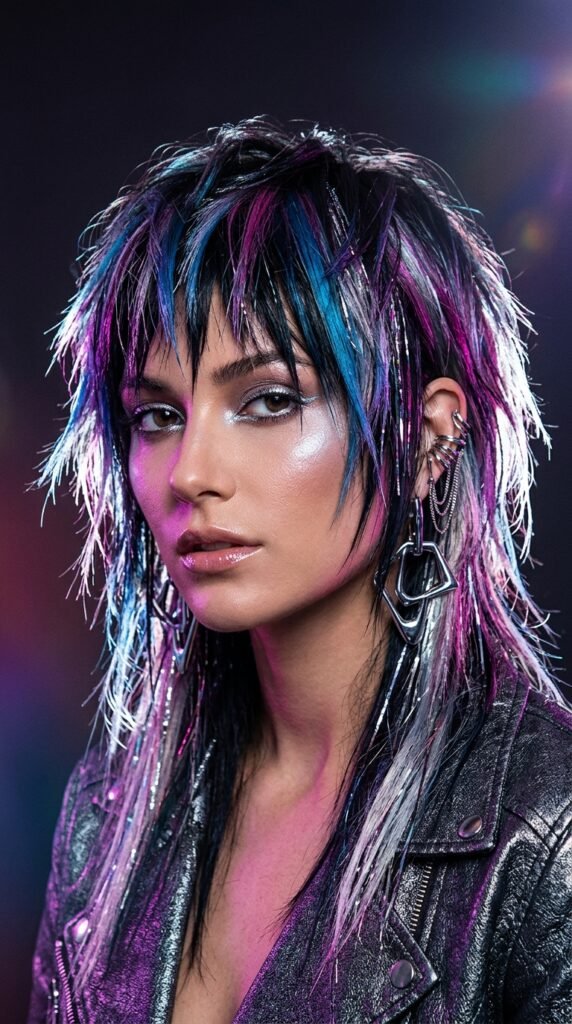
Glitchy glam hair is my favorite wild card. It mixes clean shine with slightly imperfect, choppy layers — like your hair is buffering, but in a good way.
This works incredibly well if you’re bored of your blunt cut but scared of a full shag.
- Ask for: sliced ends, uneven micro-layers
- Keep: some length at the bottom
- Style: straight with texture cream at the tips
8. Curtain Layers for 2026 Hairstyles

If you only remember one thing from the 2026 hairstyles trend list, make it curtain layers. They frame the face and flow down in a smooth curve.
They’re basically the opposite of a blunt cut — soft, open, and flattering on almost everyone.
- Ask for: layers starting at cheekbone level
- Length: collarbone or longer
- Works on: all hair textures
9. The Butterfly Cut, Grown Out
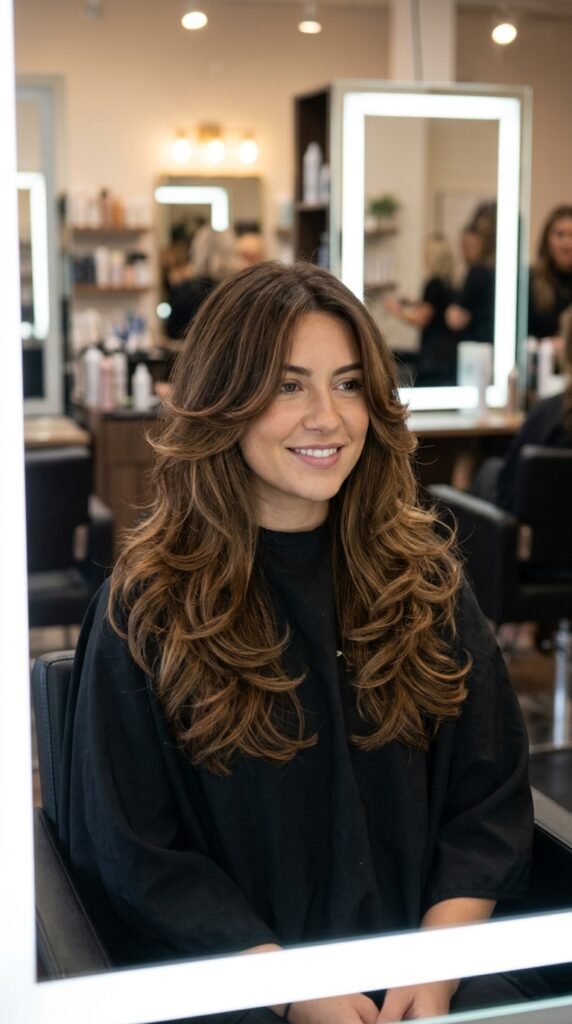
The butterfly cut is two distinct sections: shorter layers around the face and long layers in the back. It’s dramatic, but you can wear a milder version.
For a blunt-cut transition, ask for a softer butterfly with less contrast between the front and back. You’ll still get the lift.
- Best for: thick or wavy hair
- Ask for: a blended transition, not a jump
- Style: round brush for volume
10. Long Shag With a Blunt Base

Here’s the trick nobody tells you: you can keep your blunt baseline and still get shag movement. The two aren’t enemies.
Ask for a long shag where the bottom stays solid and the layers above do all the work. It’s edgy but still polished.
- Great for: wavy and curly hair
- Ask for: point cutting, not thinning shears
- Style: sea salt spray plus scrunching
11. Textured Lob With Micro-Layers
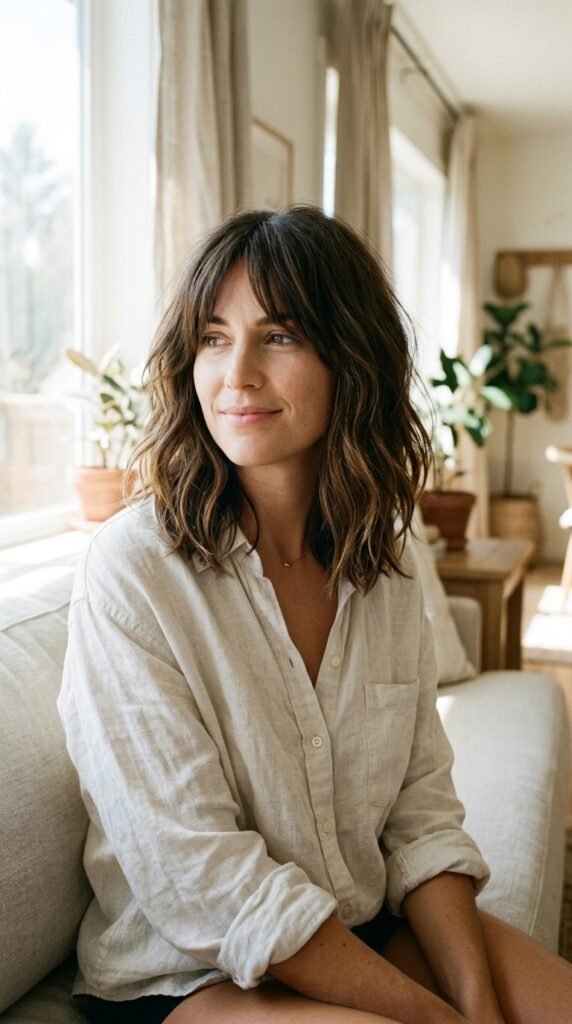
A textured lob is the safest first step if you’re nervous. Micro-layers are tiny, subtle, and nearly invisible until your hair moves.
You’ll notice more bounce immediately. Nobody else will notice a thing except that you look refreshed.
- Best for: fine to medium hair
- Ask for: surface texture only
- Length: just above the shoulders
12. The Soft U-Shape Cut
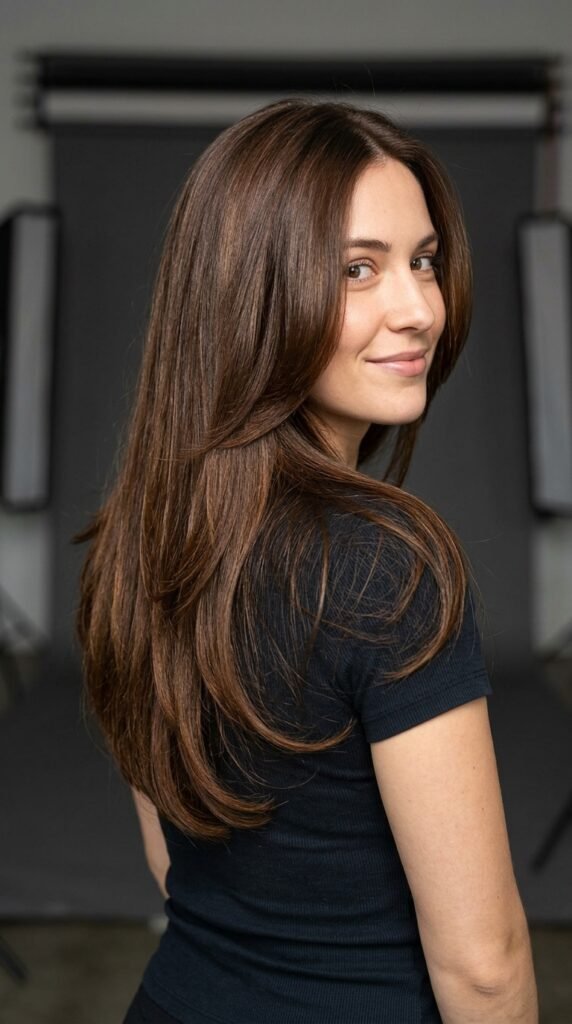
A U-shape cut curves gently at the bottom instead of hitting a hard straight line. It’s a quiet, elegant way to break up bluntness without adding obvious layers.
This is one of the easiest transitions out there. It also grows out beautifully.
- Ask for: a rounded, gradual curve
- Keep: length in the center back
- Works on: straight and wavy hair
13. Blunt Bangs Plus Soft Layers
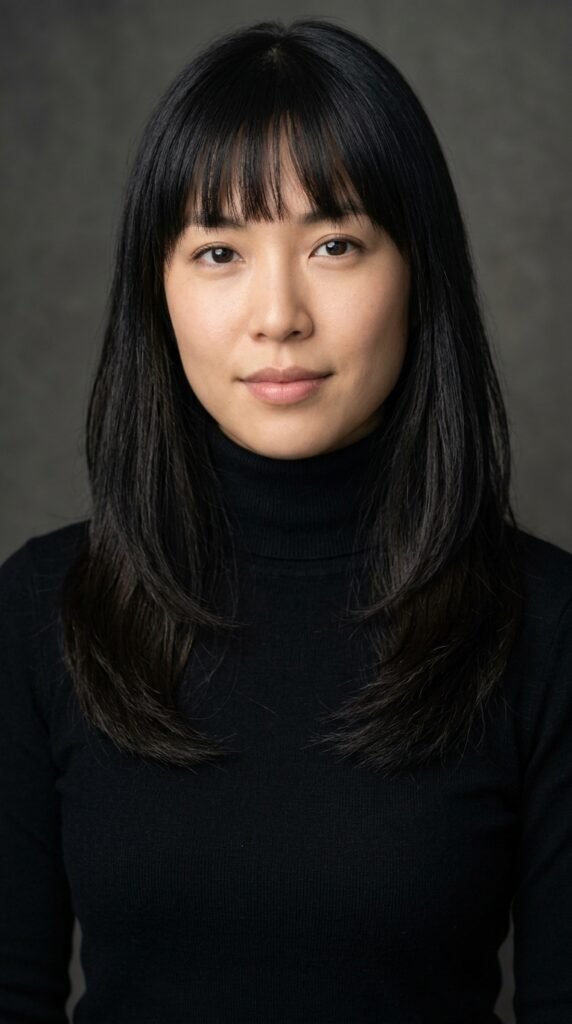
Instead of softening your whole cut at once, soften everything except the bangs. Blunt bangs stay graphic and modern while your layers bring movement.
It’s a smart contrast, and it keeps you from feeling like you lost your signature look.
- Ask for: blunt fringe, soft layered body
- Keep bangs: just above the brows
- Trim bangs: every 3 weeks
14. Curtain Bangs With Long Layers

Curtain bangs are the friendliest bang shape for a transition. They’re softer than a blunt fringe and they blend right into face-framing layers.
Ask for bangs that split in the middle and taper toward your cheekbones. Add a few long layers behind them.
- Best for: all hair types
- Styling: velcro roller for 5 minutes
- Grow-out: painless
15. The Graduated Bob
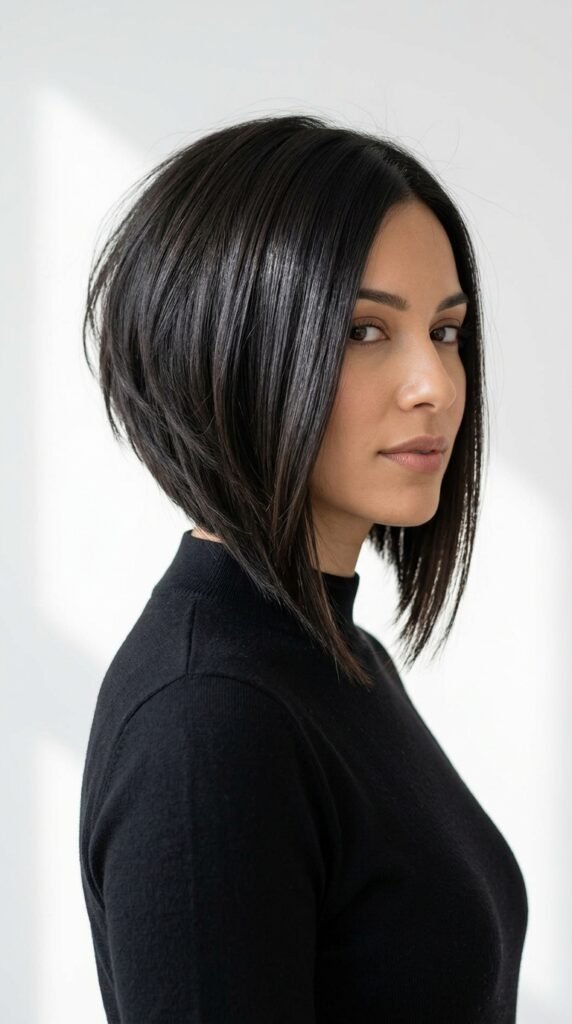
A graduated bob adds soft stacking at the back while keeping the front longer. It’s a classic that takes a blunt bob from heavy to light in one appointment.
The layers build volume where you want it and slim the shape overall.
- Best for: medium to thick hair
- Ask for: soft graduation, not chunky stacking
- Length: chin to jaw
16. The Invisible Layer Cut
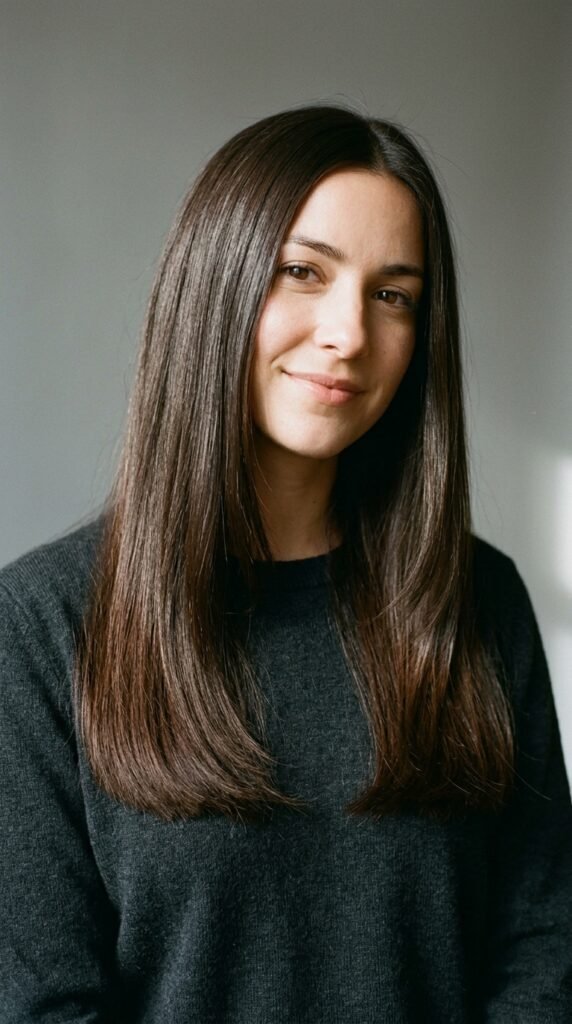
Invisible layers are the most underrated transition tool. They’re cut inside the hair so the outside still looks like one smooth length.
You keep your blunt silhouette, but your hair moves like it’s layered. It’s magic for fine hair.
- Ask for: interior layers, no visible steps
- Best for: fine, straight hair
- Skip if: your hair is very thick
17. The Collarbone Flip Cut

Collarbone length is that sweet spot where hair flips out naturally. Add light layers and you get a soft, bouncy, very now shape.
It’s flattering on almost every face shape and it’s short enough to feel like a change.
- Ask for: layers starting at the jaw
- Style: blow-dry ends outward
- Great for: growing out a bob
18. Soft Wolf Cut (Wolf Cut Lite)

A full wolf cut is a lot if you’ve had one length for years. A soft version gives you the vibe with half the commitment.
Ask for shorter face-framing pieces, gentle layers through the crown, and weight left in the ends.
- Best for: wavy or textured hair
- Ask for: blended, not choppy
- Style: texture spray plus a quick scrunch
19. The Octopus Cut, Softened

The octopus cut gets its name from rounded layers that cascade down like tentacles. It’s trendy, but a lighter version works great for transitions.
Ask for rounded layers with soft ends and a little length left at the bottom for weight.
- Best for: medium to thick hair
- Ask for: round layers, not flat ones
- Style: mousse plus a diffuser
20. The Italian Bob With Rounded Layers

The Italian bob is full, bouncy, and slightly voluminous — the opposite of a stiff blunt bob, even though it looks similar in length.
Rounded layers inside give it that soft movement. It’s glamorous without being high maintenance.
- Ask for: a full shape with soft internal layers
- Best for: medium to thick hair
- Style: round brush and shine serum
21. The Layered Blunt Lob (Blob)
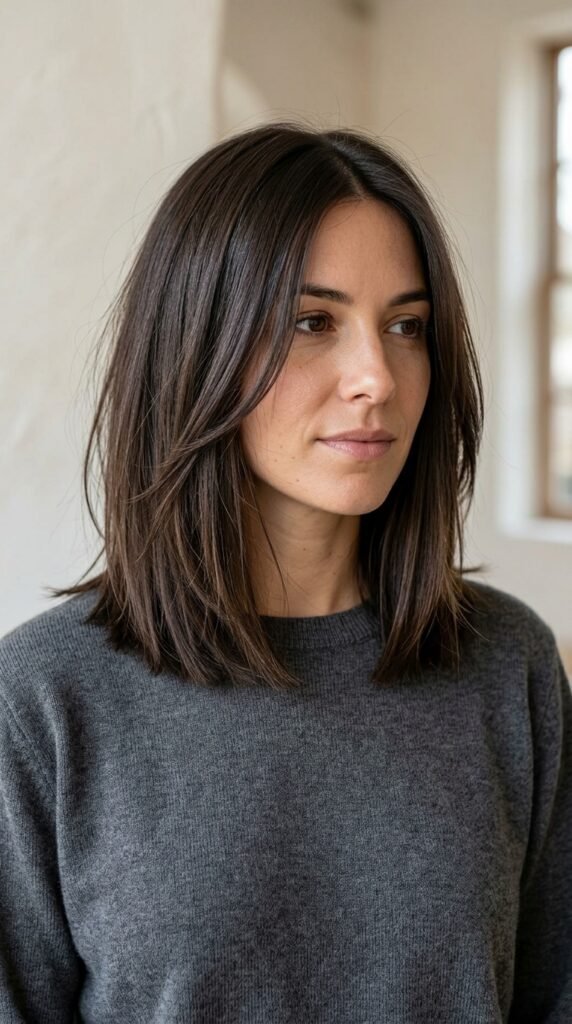
The blob — blunt lob — is exactly what it sounds like: crisp on the outside, soft on the inside. It’s the easiest way to keep your blunt look while adding movement.
You get the clean line you love at the bottom and hidden layers doing quiet work underneath.
- Ask for: a blunt perimeter, interior layers
- Best for: straight to wavy hair
- Grow-out: clean and easy
22. The Pixie-to-Bob Grow-Out Cut
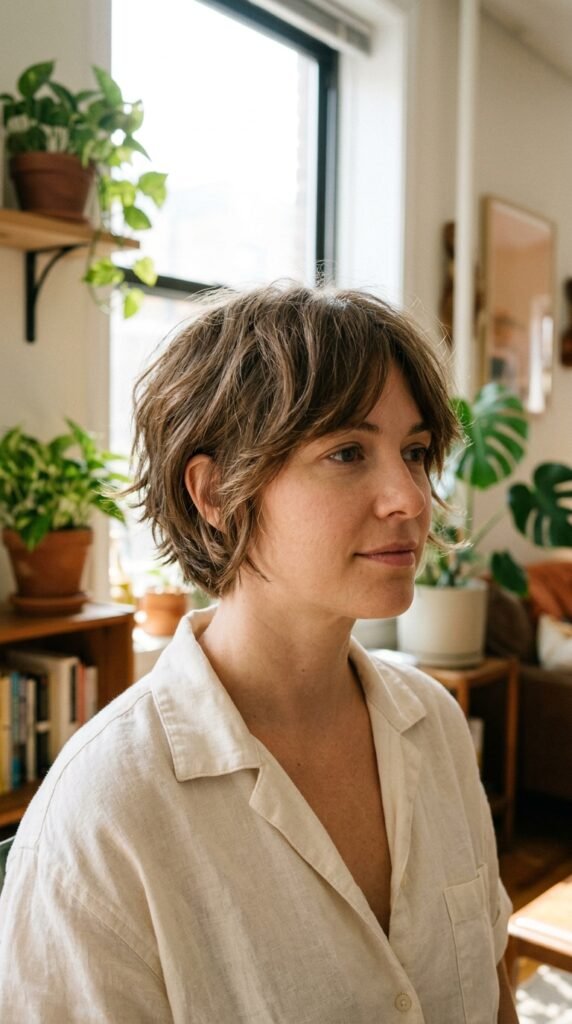
If you’re growing out something short, layers are your best friend. They let your stylist shape the awkward stages instead of just waiting them out.
Ask for soft, blended layers that follow your natural growth pattern. It keeps the shape intentional at every length.
- Trim: every 6 to 8 weeks
- Ask for: blended neckline and soft crown
- Style: texture paste for a piecey finish
23. The Curly Layered Lob

Curly hair needs layers cut dry, curl by curl, so your stylist can see how each piece springs up. Never let anyone cut your curls wet and straight.
A layered lob gives curls shape instead of a triangle. Ask for layers that follow your curl pattern, not fight it.
- Find: a curl specialist
- Ask for: a rounded shape, soft graduation
- Style: leave-in cream plus gel, then diffuse
24. Wavy Shadow Layers
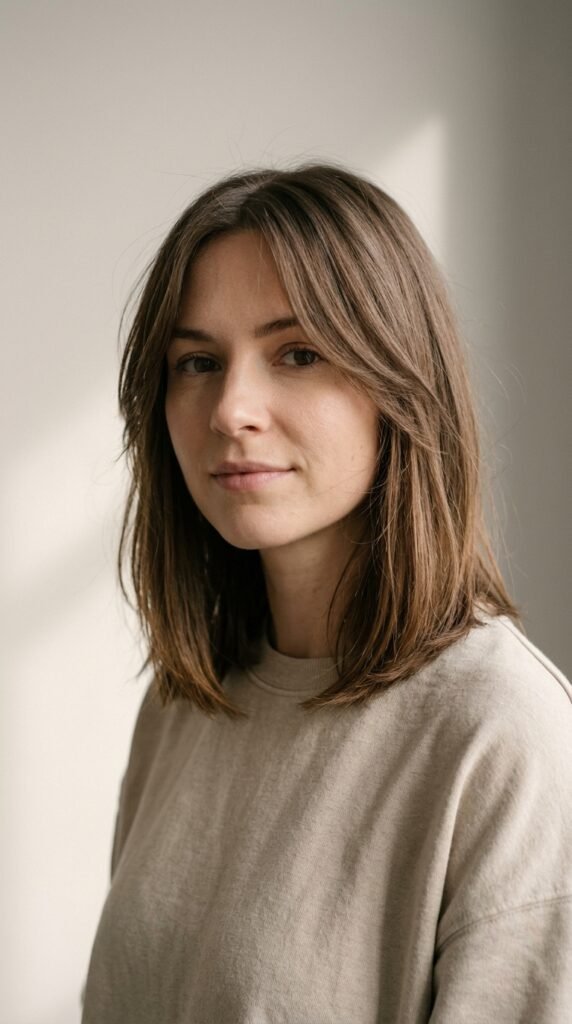
Shadow layers are subtle layers that sit just beneath the surface. On wavy hair, they add movement without creating frizz or choppiness.
They’re perfect if you love your blunt ends but want a little more life in the middle.
- Best for: wavy, medium-density hair
- Ask for: interior layers only
- Style: air-dry with a light mousse
25. The One-Length Lob With Face-Framing Pieces

This is the gentlest transition of all. Keep your entire cut one length, and add just two small pieces around the face.
It’s barely a change, but it softens everything. Perfect if you’re testing the waters before going further.
- Ask for: face-framing pieces starting at the cheekbone
- Keep: everything else one length
- Best for: every hair type
The Two-Inch Rule: Start Small
Never let anyone take off more than two inches on your first layered appointment. You can always go shorter next time. You can’t glue it back.
Book a consultation first. Talk through the shape. Then cut.
- Bring three reference photos
- Agree on the shortest layer length
- Cut, then live with it for two weeks
- Adjust at the next visit
Face Shape Cheat Sheet Before You Cut
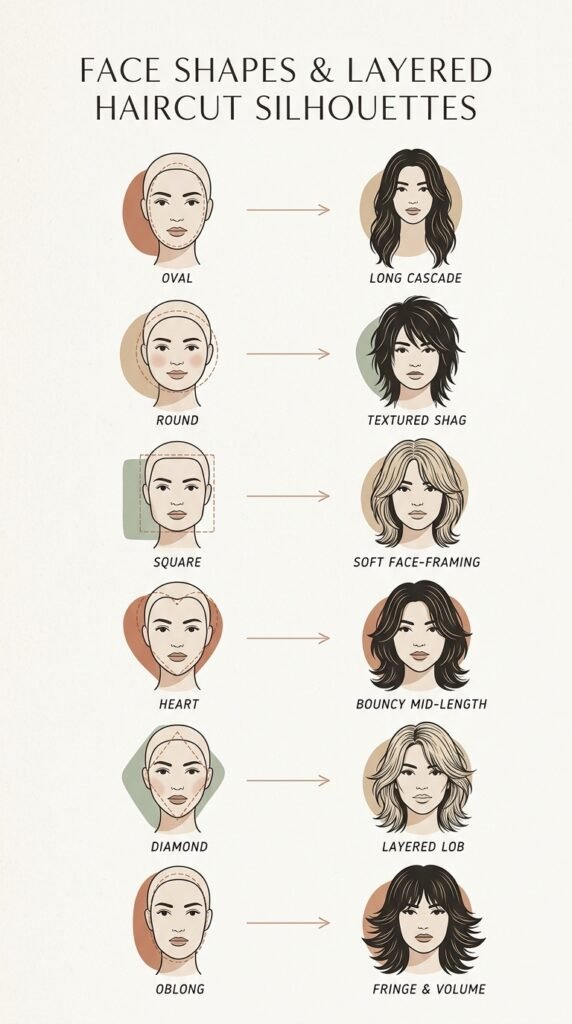
Layers change how your face reads. Here’s the quick version so you walk in confident.
- Round: start layers below the chin to add length
- Square: soft, curved layers around the jaw
- Heart: layers starting at the cheekbone
- Oval: you can wear almost anything
- Long: add width with layers at the cheek
Screenshot this list and bring it with you.
The Exact Script to Use With Your Stylist
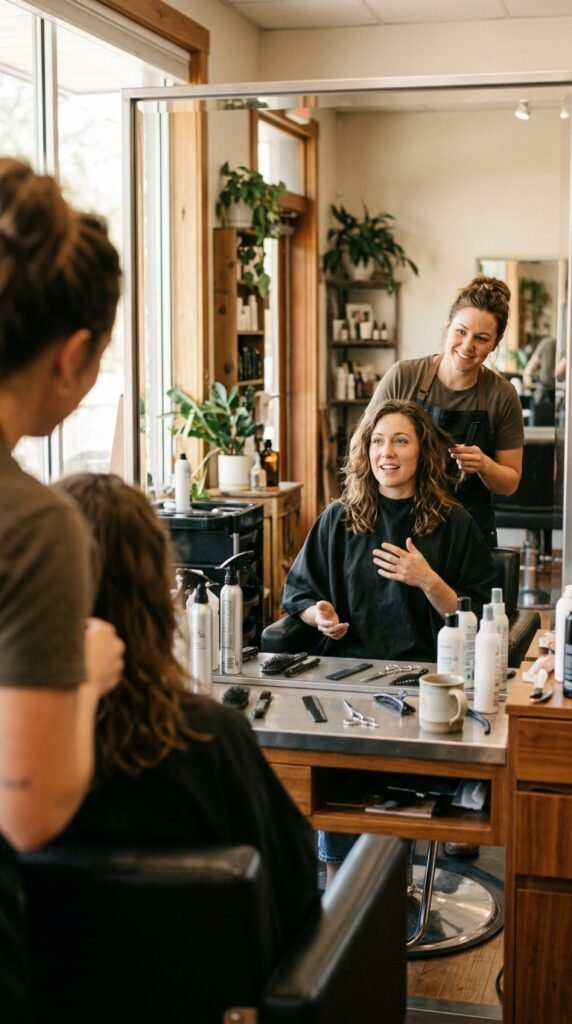
Don’t wing it. Say this:
“I’m growing out a blunt cut and I want soft, invisible layers. Please keep my bottom length, keep the perimeter blunt, and add interior layers for movement. Start below my chin.”
That one sentence prevents 90 percent of bad layered haircuts. It tells them what to protect and where to work.
Your Grow-Out Timeline, Month by Month
Here’s what the transition realistically looks like.
- Month 1: invisible layers only, tiny change
- Month 2 to 3: add face-framing pieces
- Month 4 to 6: soften the ends, blend layers
- Month 7 to 9: full soft layered shape
Slow is good. Slow means zero regrets and no awkward stage.
Tools That Keep Layers Soft, Not Stringy
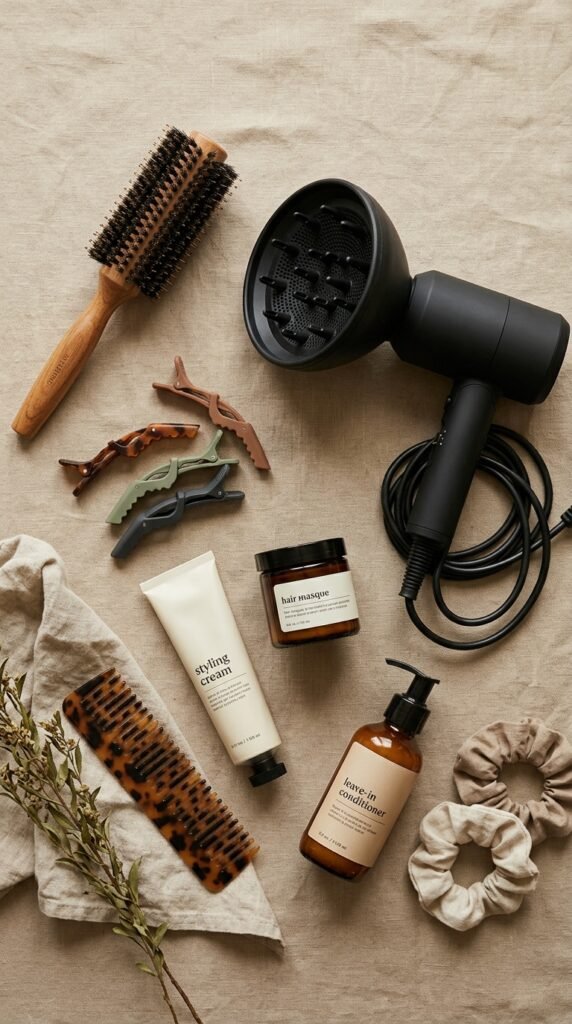
Layers need a little help to look soft instead of piecey and dry.
- Round brush: 1.5 inch barrel for smooth bends
- Diffuser: for waves and curls
- Section clips: for drying in layers
- Wide-tooth comb: for wet detangling only
Skip the razor-thin flat iron on layered ends. It flattens them into strings.
How to Style Soft Layers in Under Ten Minutes
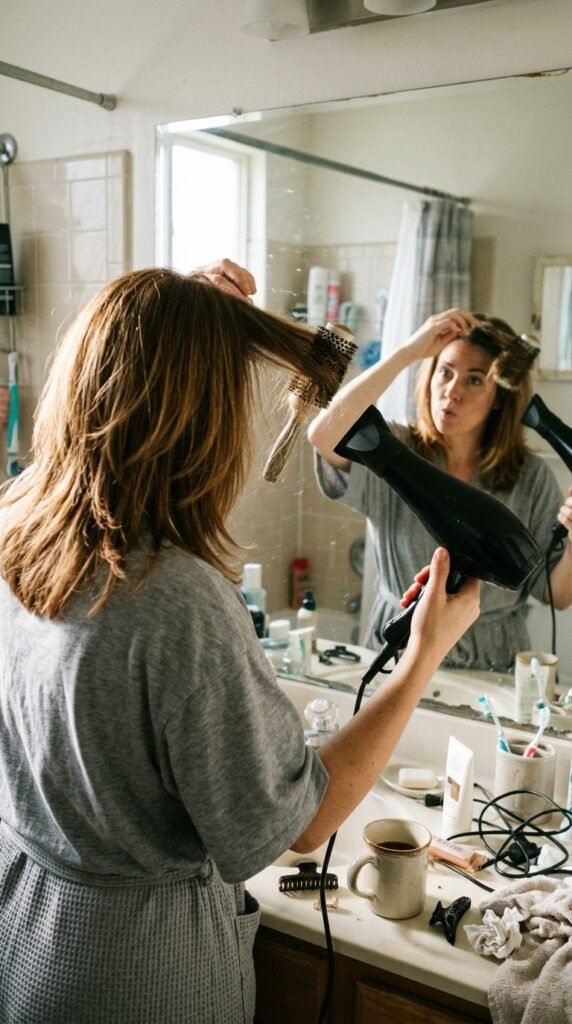
Mornings are short. Here’s the fast version.
- Spray in a heat protectant
- Rough-dry to 80 percent
- Wrap two front sections around a round brush
- Flip your head over and blast the roots for five seconds
- Finish with a light oil on the ends only
That’s it. Soft layers live on movement, not perfection.
A Few Last Thoughts Before You Book
Transitioning from a blunt cut to soft layers isn’t a big scary makeover. It’s a series of small, kind choices you make with your stylist over a few months.
Start with the invisible layers or the quiet luxury bob. Add face-framing pieces when you’re ready. Let the shape grow into itself.
You’ll end up with hair that moves, catches light, and still feels completely like you. That’s the whole goal.
Save this post to Pinterest so you have your reference photos ready before your next appointment. And tell me in the comments: which of these 25 cuts are you trying first? I read every single one.