25 Hairstyles for Job Interviews That Look Professional Without Feeling Overly Formal
Interview hair is weirdly stressful. You want to look polished, but not stiff. Professional, but not like you borrowed your hair from 2009. I get it, because I have stood in front of a mirror at 11pm redoing a ponytail six times.
Here is the good news: 2026 hairstyles are actually built for this. The old money hair trend, the quiet luxury bob, even softer takes on romantic goth hairstyles and glitchy glam hair, all read as “I have my life together” without looking overly formal.
Below are 25 interview-ready styles, from the asymmetrical lob to the vampire haircut to the clean, classic hime cut. Every single one works for an office, a video call, or a coffee shop interview.
Pick one, practice it twice, and you are done. Let’s get into it.
1. The Quiet Luxury Bob
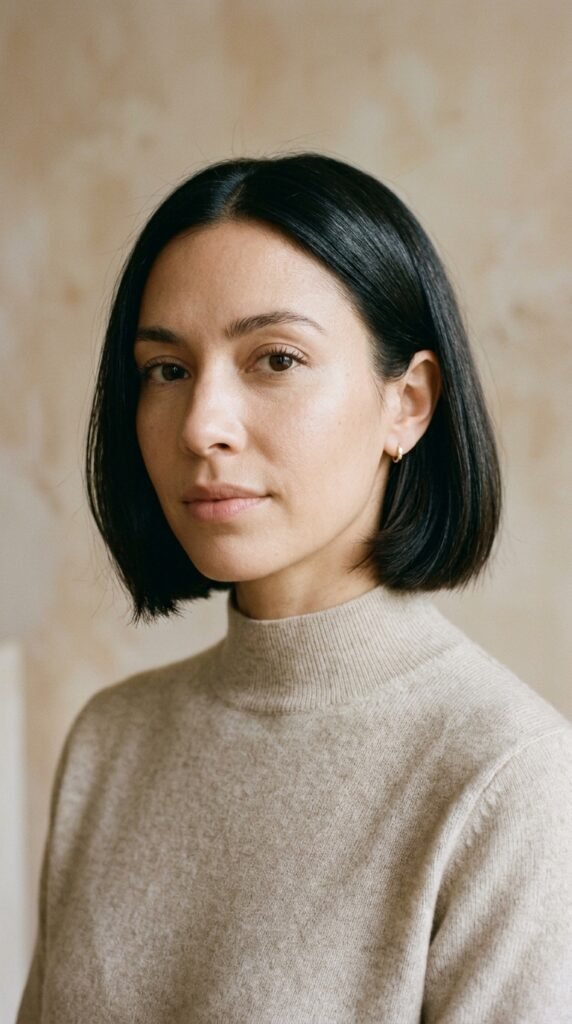
This is the style I recommend most often. The quiet luxury bob sits between your chin and your collarbone, blunt or barely layered, and it looks expensive without trying hard.
Why it works for interviews:
- It frames your face, so you look awake and engaged
- It reads as intentional, which is the exact vibe you want
- It needs almost no styling once it is cut right
Ask your stylist for a blunt cut with a little softness at the ends. Blow dry with a round brush and smooth one drop of serum through the ends.
2. Old Money Hair Blowout
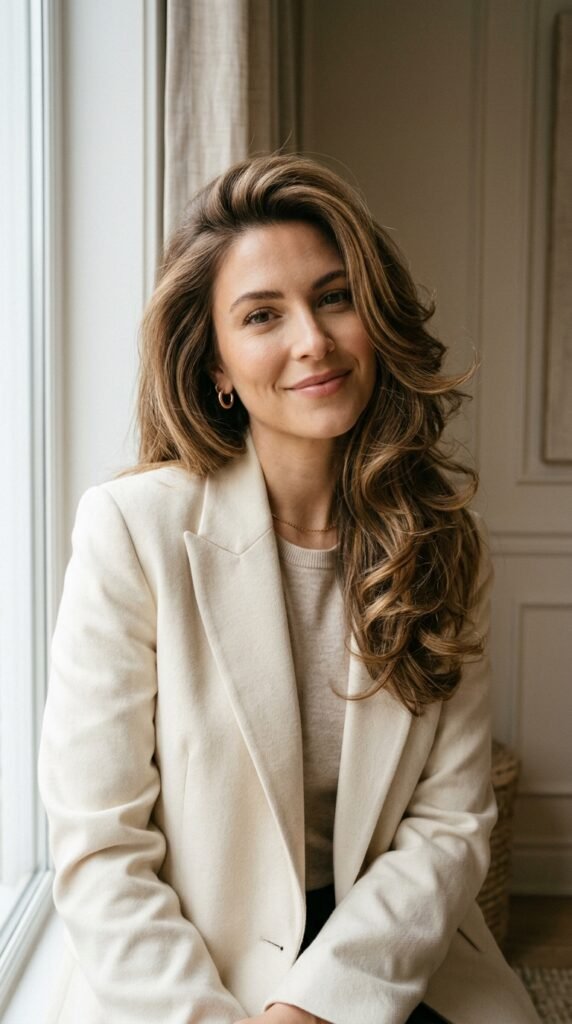
Old money hair is having a moment, and it is the most forgiving interview look out there. Think volume at the roots, a soft bend through the middle, and smooth, turned-under ends.
How to get it in about 12 minutes:
- Spray a volumizing mist at the roots on damp hair
- Blow dry upward with a round brush, focusing on the crown
- Wrap the front pieces around the brush and hold for 10 seconds
- Finish with a light flexible hold spray
It says “I have a 401k” without saying a single word. Perfect for finance, law, and any client-facing role.
3. The Asymmetrical Lob
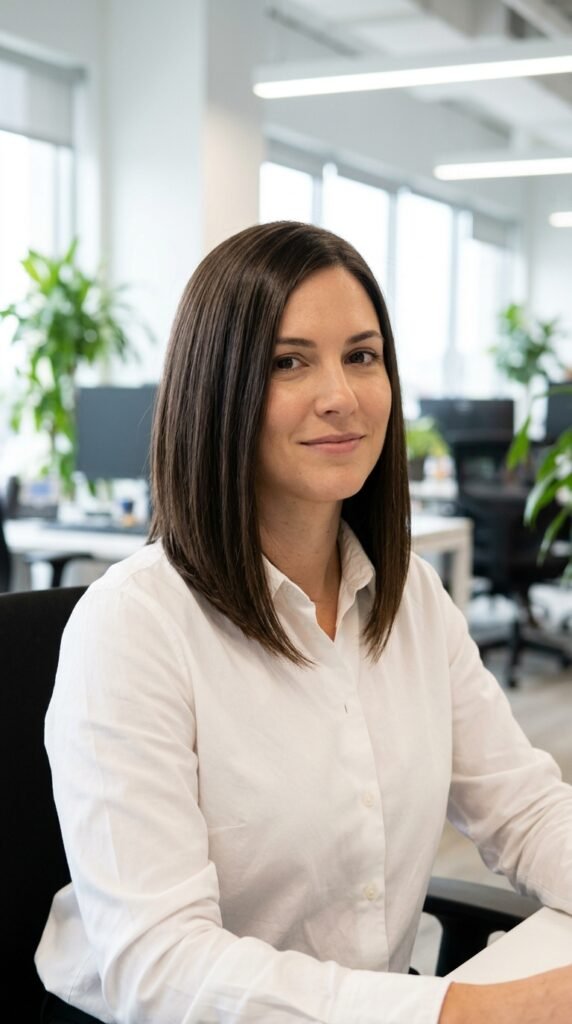
The asymmetrical lob is a little more modern than a classic bob, and it still looks completely professional. The idea is simple: a bit longer in the front, slightly shorter in the back, with an off-center part.
It is a great pick if you want to feel like yourself, not like a job interview mannequin.
- Ask for a lob that hits just above the shoulders
- Keep the layers long so it stays smooth
- Part it on whichever side suits your face best
Style it straight with a flat iron, then add a tiny flick at the ends so it does not look flat.
4. The Sleek Low Bun
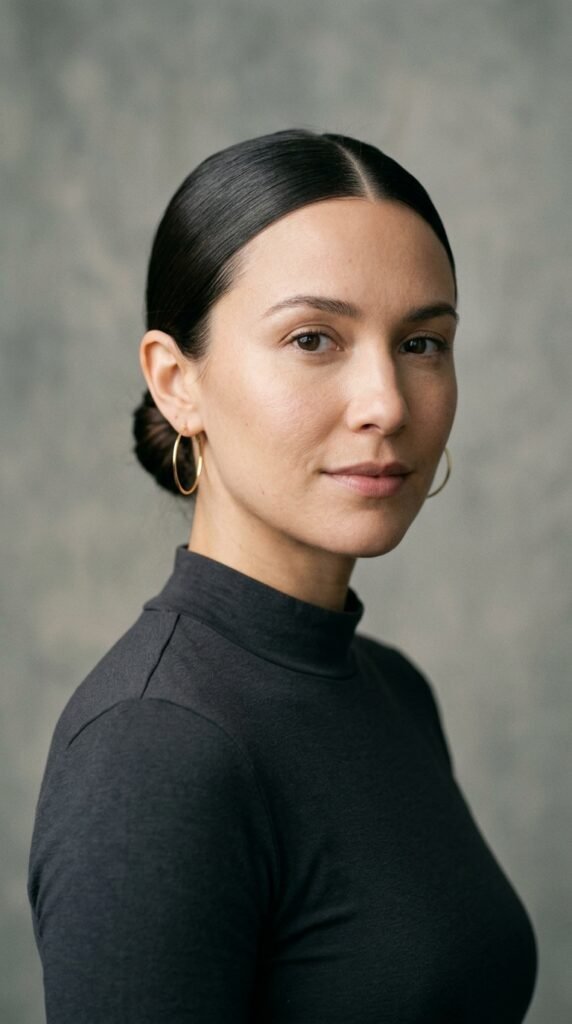
A sleek low bun is the safest hair choice in the world, and honestly, that is a compliment. It keeps hair out of your face, it works with every outfit, and it photographs beautifully on video calls.
Quick steps:
- Brush hair back with a soft boar bristle brush
- Secure a low ponytail at the nape of your neck
- Twist and wrap it into a bun, then pin
- Smooth flyaways with a tiny bit of gel on a toothbrush
Keep it a little loose at the sides so it does not look severe. That one inch of softness changes everything.
5. Polished Wrapped Ponytail
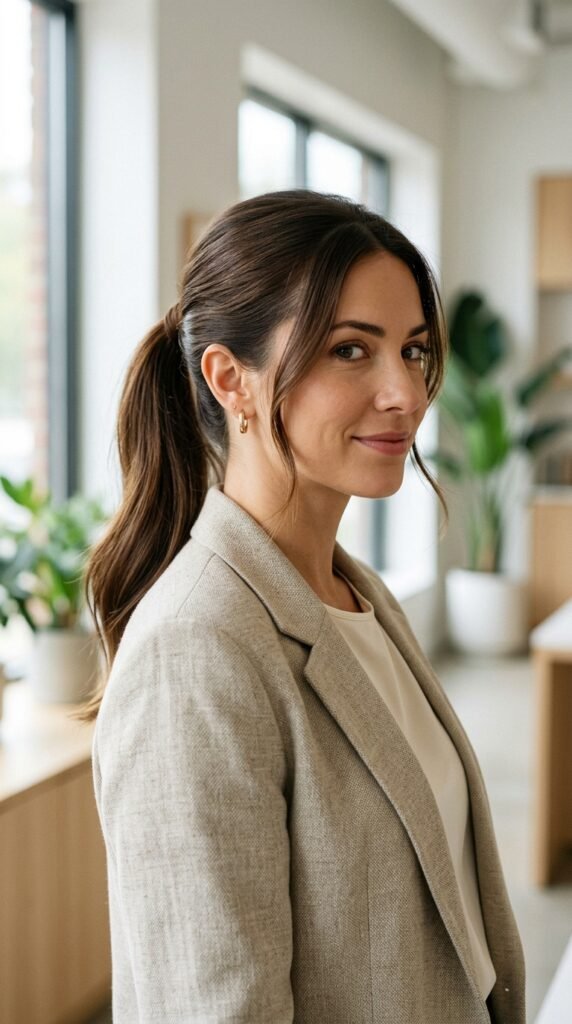
A plain ponytail can look like gym hair. A wrapped ponytail looks like a decision. The only difference is hiding the elastic with a strand of your own hair.
How to do it:
- Pull hair back to a mid-height pony and secure with a clear or matching elastic
- Take a half-inch section from underneath and wrap it around the base
- Pin the end underneath with a bobby pin
- Smooth the top with a light mist of hairspray
This one works for literally any interview, and it takes 90 seconds. Pair it with a middle part for a sharper look.
6. The Hime Cut
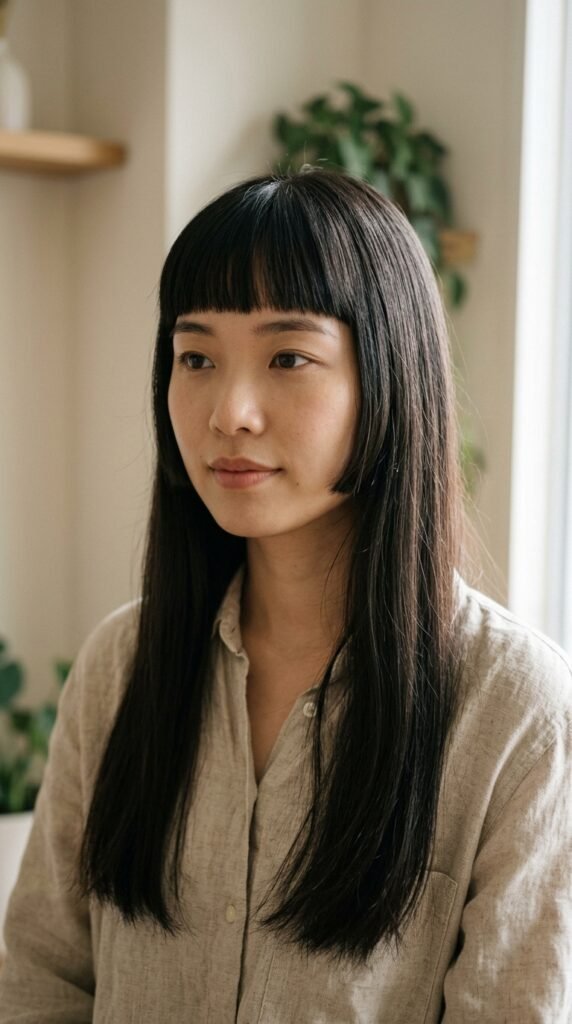
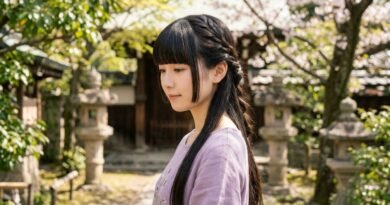
The hime cut is having a real comeback in 2026 hairstyles. It features blunt, straight side pieces at cheekbone length, a shorter fringe, and long, straight hair in the back.
In Japan it has been a formal, elegant style for centuries, which is exactly why it works for interviews. It looks deliberate and tidy.
- Best on straight or mostly straight hair
- Needs a trim every 5 to 6 weeks to stay crisp
- Style with a flat iron and a light gloss serum
Keep the rest of your look simple so the cut is the star. Stud earrings, clean makeup, done.
7. The Vampire Haircut
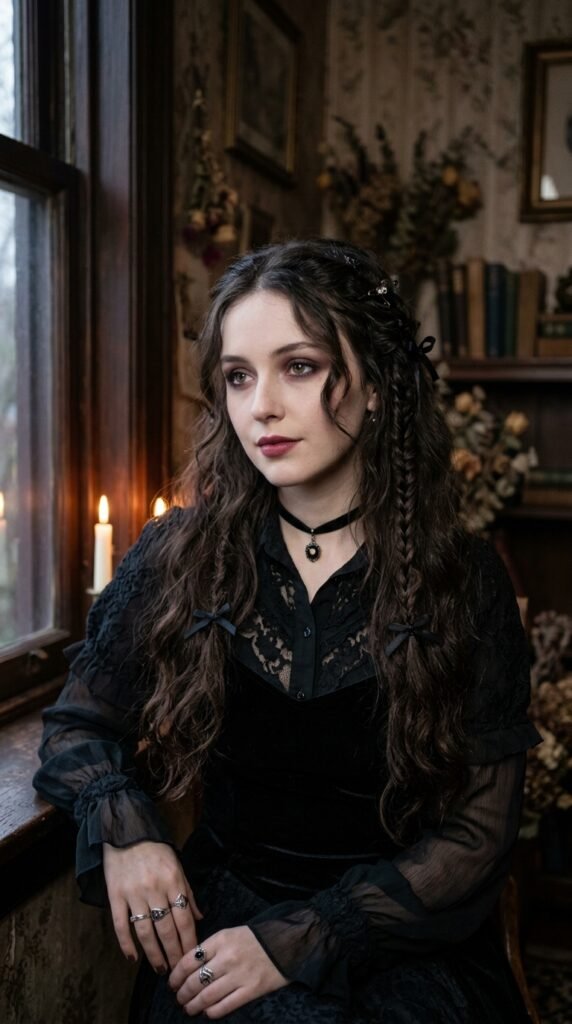
The vampire haircut sounds dramatic, but it is really just a U-shaped cut with soft, face-framing layers. Think elegant and a little moody, not spooky.
It is flattering on almost everyone because the shortest pieces sit right around the jaw, which draws attention up to your eyes.
- Ask for a U-shaped hemline, not a straight line
- Keep face-framing pieces at cheek or jaw level
- Style smooth with a slight bend at the ends
Pair it with a deep side part and you have a look that feels confident and calm. Great for creative roles.
8. Curtain Bangs with Medium Layers

Curtain bangs are the friendliest fringe for interviews because they grow out gracefully and they frame your face without covering your eyes. Eye contact matters, and this style keeps yours visible.
Styling tips:
- Blow dry bangs forward, then sweep them to each side
- Use a small round brush for the flick
- Set with a light hold spray so they stay put through the whole conversation
Keep the rest of the hair smooth with mid-length layers. This is a great option if you already have bangs and want them to look intentional instead of messy.
9. Romantic Goth Hairstyles, Toned Down
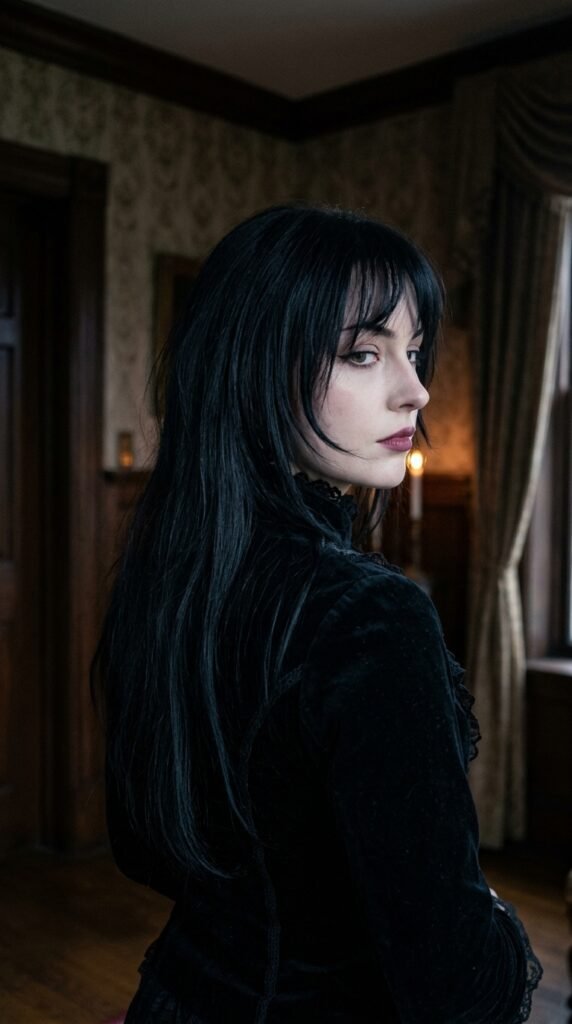
If your personal style leans dark and romantic, you do not have to throw it out the window. Romantic goth hairstyles can absolutely work for an interview, you just soften the details.
Swap the extreme for the elegant:
- Keep the color dark but make sure it is glossy and healthy
- Choose soft waves or a loose half-up instead of heavy backcombing
- Add one small braid or pin instead of a full accessory look
- Skip the matte dry texture and go for a soft shine
The result reads as artsy and put together. It works beautifully for design, media, and creative roles.
10. Glitchy Glam Hair, Subtle Version
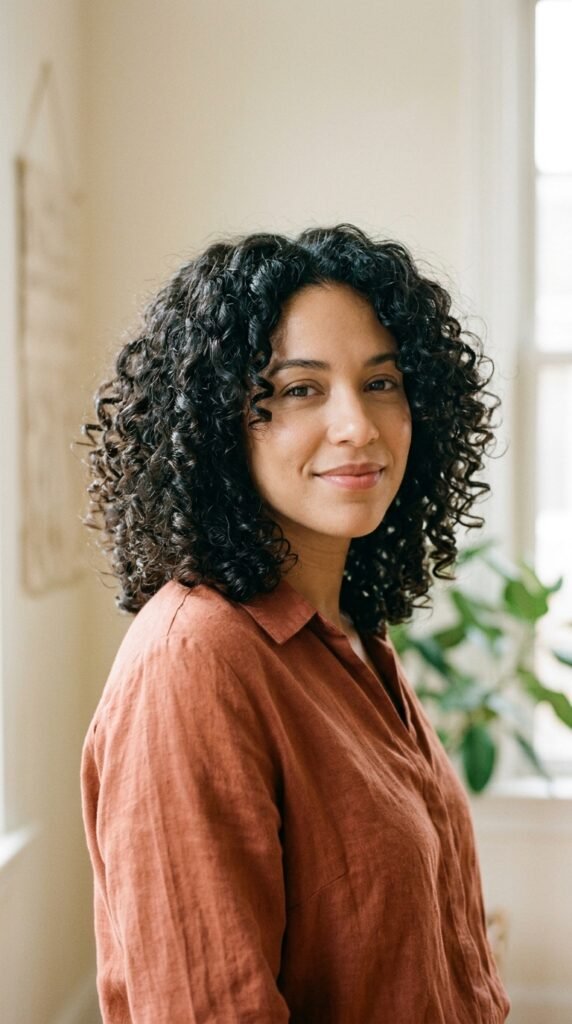
Glitchy glam hair is one of those 2026 hairstyles that sounds risky, but it can be scaled way down. The core idea is contrast: one section sleek and polished, another with texture or a slightly different finish.
For an interview, use contrast in a gentle way:
- Keep one side of your part sleek and smooth
- Add soft texture on the other side
- Use a single metallic pin as your only accessory
That small amount of asymmetry looks modern and interesting without looking experimental. Save the full glitch effect for the weekend.
11. Defined Natural Curls
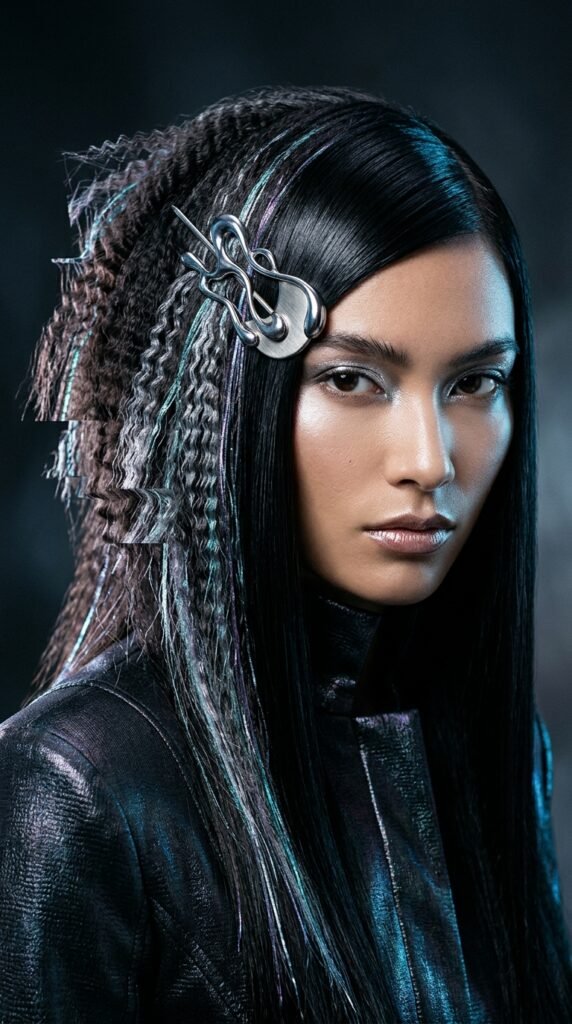
If you have natural curls, wear them. Seriously. Curls read as confident when they are clean, shaped, and defined rather than frizzy.
Your interview day routine:
- Apply leave-in conditioner to soaking wet hair
- Add a curl cream and scrunch upward
- Let it air dry or diffuse on low heat
- Scrunch out the crunch with a drop of light oil
Avoid touching your hair once it is dry. That is the number one cause of frizz. A defined, shaped curl pattern is one of the most professional looks there is.
12. Braid-Out Waves
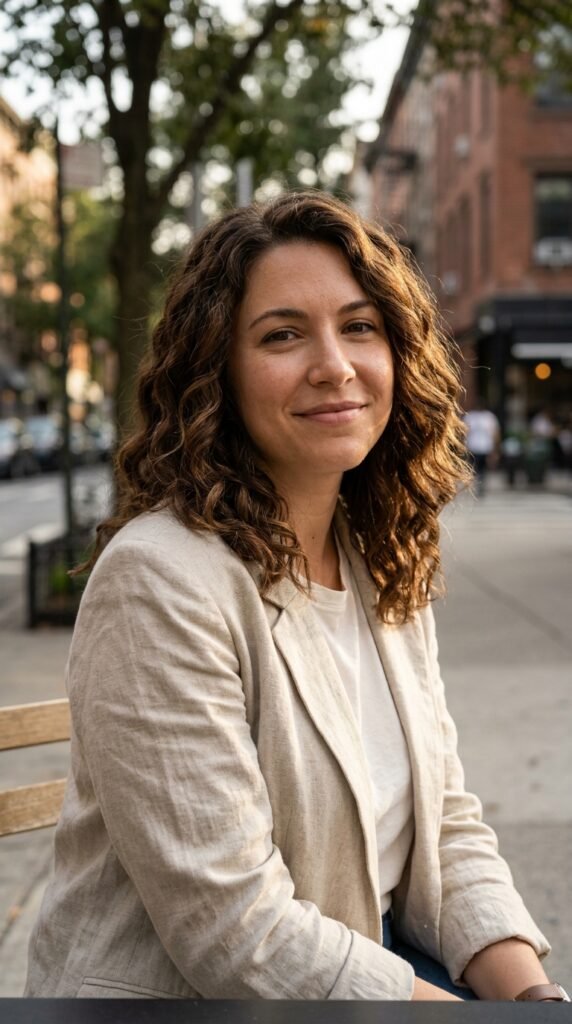
Braid-out waves are the easiest way to get polished texture without heat. You braid damp hair at night, sleep on it, and wake up with soft, natural-looking waves.
How to make it work:
- Apply a light mousse before braiding
- Make 4 to 6 braids for medium waves, 2 for loose ones
- Undo in the morning with your fingers, never a brush
- Finish with a shine serum on the ends only
This is perfect if you want volume that still looks calm and controlled. Great for early morning interviews when you have no time.
13. The Braided Crown
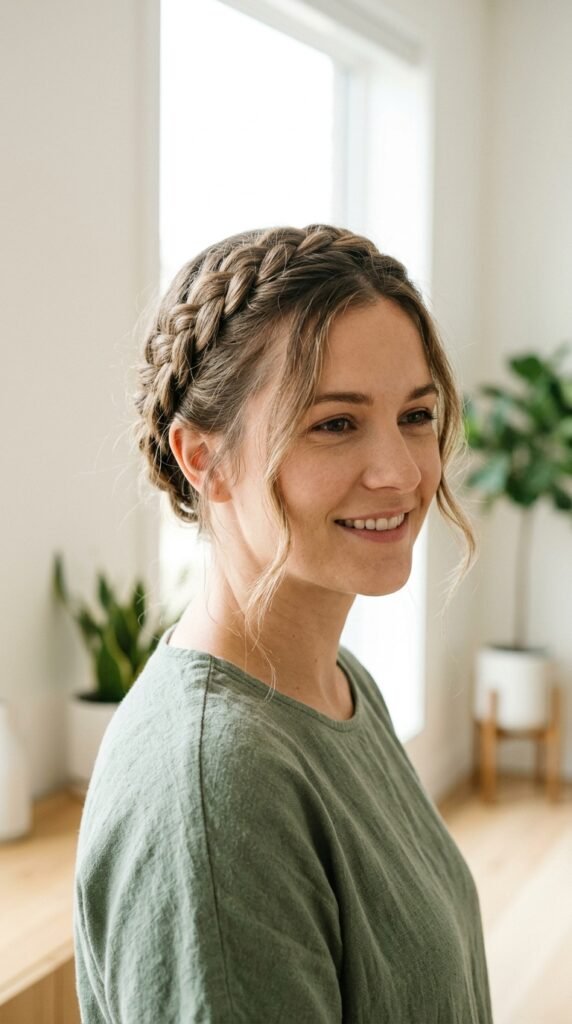
A braided crown looks intricate but it is basically two braids pinned across your head. It keeps everything off your face while still looking soft and feminine.
Steps:
- Part hair down the middle
- Braid each side into a loose, flat braid
- Cross both braids over the top of your head and pin
- Pull a few small pieces loose around your face
Keep the braids flat and slightly loose rather than tight and rope-like. Tight braids look severe. Loose ones look effortless and calm.
14. Twist-Back Half-Up
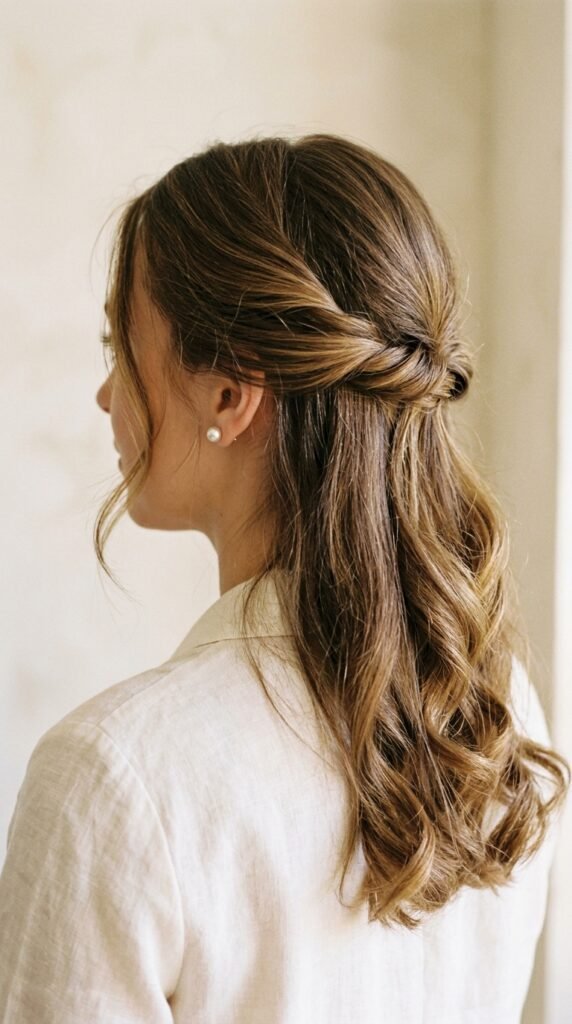
This is my go-to for video interviews because it keeps hair out of your face while still looking styled. You take two sections from the front, twist them back, and pin them.
Quick version:
- Make a center or soft side part
- Twist each front section back toward the middle
- Pin or clip them together at the back of your head
- Smooth the top and leave the rest of your hair down
Add soft waves at the ends for polish. It takes three minutes and it looks like you spent twenty.
15. Textured Bob with Fringe
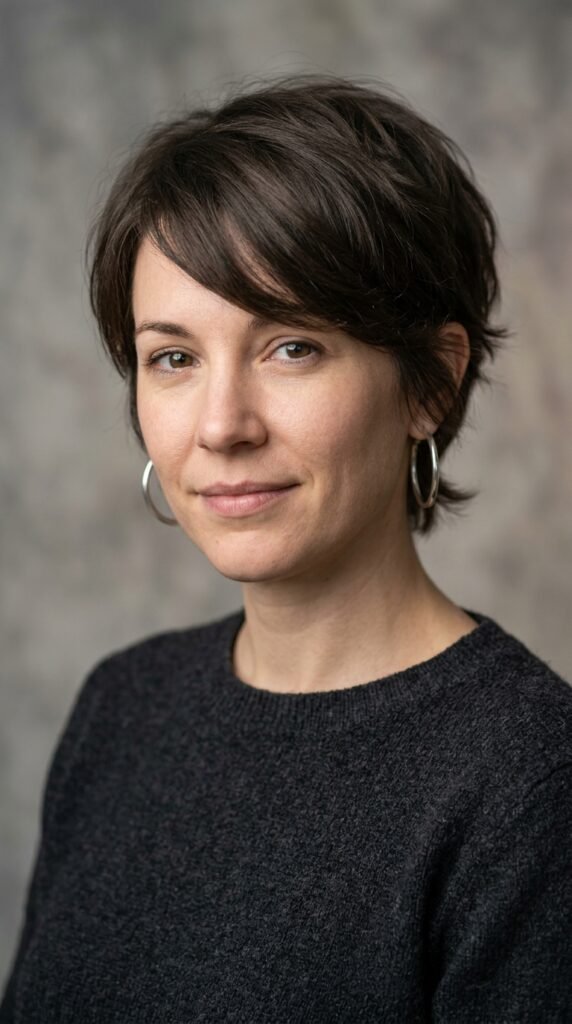
A textured bob with a soft fringe is a modern take on the classic bob, and it is one of my favorite 2026 hairstyles for interviews. The texture keeps it from looking flat and helmet-like.
Things to keep in mind:
- Ask for point-cut ends, not blunt, for a softer finish
- Keep the fringe above your eyebrows so your eyes stay visible
- Use texturizing spray on the ends only
Blow dry with a round brush and a little volume at the crown. This one works great for marketing, teaching, and startup roles.
16. Grown-Out Pixie
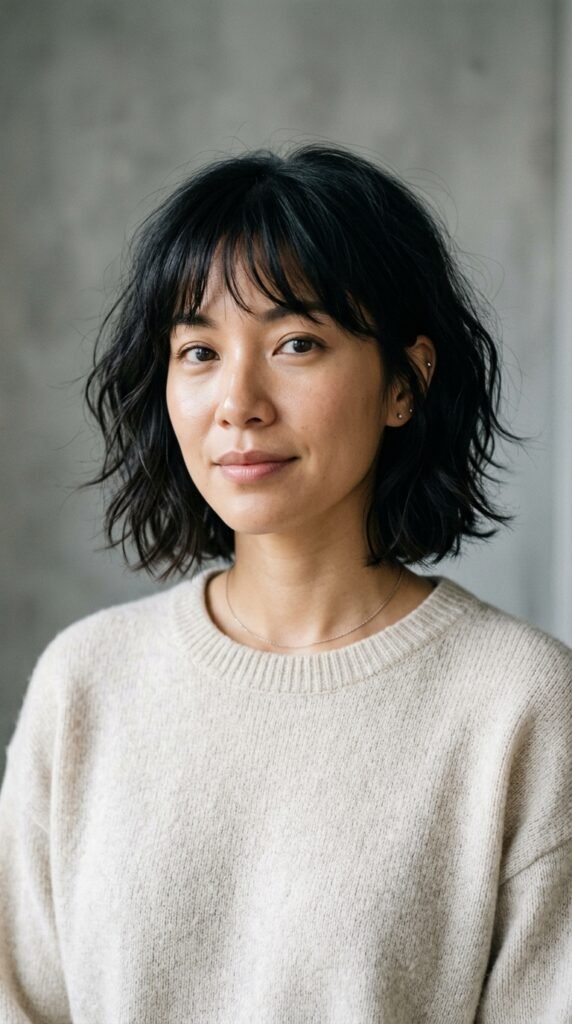
Short hair is powerful in an interview, and a grown-out pixie is the sweet spot. It is long enough to shape but short enough to look sharp and confident.
Ways to style it:
- Sweep the front to one side and pin for a polished finish
- Use a small amount of pomade to define the pieces
- Add volume at the crown with a blow dryer and round brush
Skip anything spiky. Keep the shape soft and directional. A well-cut pixie says you are decisive, and that is a great first impression.
17. The Classic Chignon
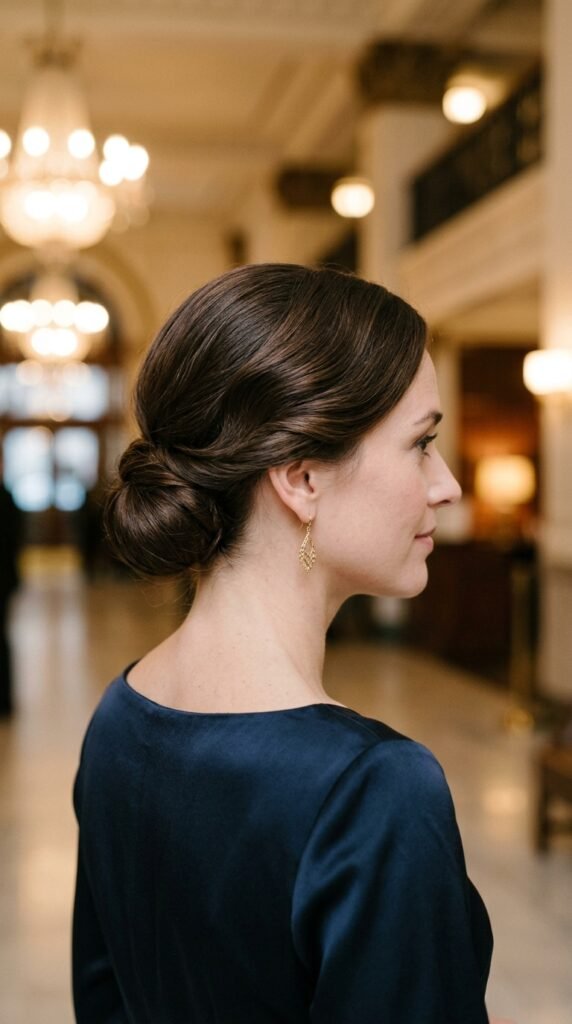
The chignon is the most traditionally formal style on this list, but you can soften it so it does not feel stiff. It is a low, elegant bun gathered at the nape of the neck.
How to keep it modern:
- Leave the front slightly loose rather than slicked
- Use two small elastics instead of one tight band
- Pin loosely so the bun looks full, not flat
- Pull tiny wisps at the ears
This is ideal for law, finance, and any interview where you want to look quietly authoritative.
18. Side Part with a Tuck
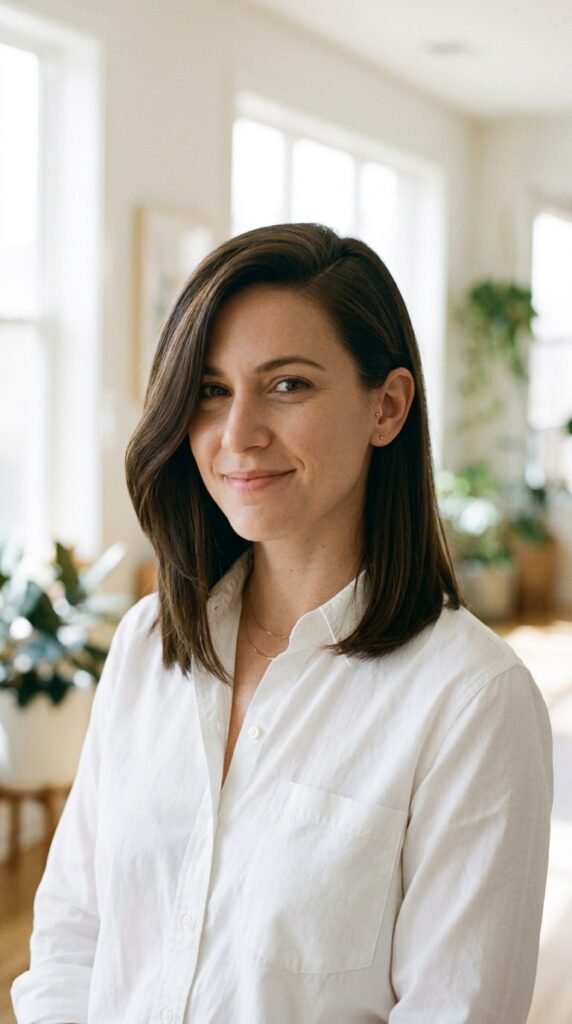
The side part with a tuck is the lowest effort style that still looks intentional. You create a deep side part, tuck one side behind your ear, and leave the other side falling forward.
Why I love it:
- It takes under two minutes
- It shows your face and jawline clearly
- It works on every hair length except very short
Add a small gold hoop on the tucked side to draw the eye. Smooth the top with a little serum so it looks clean, not flat.
19. Butterfly Layers, Smooth Finish
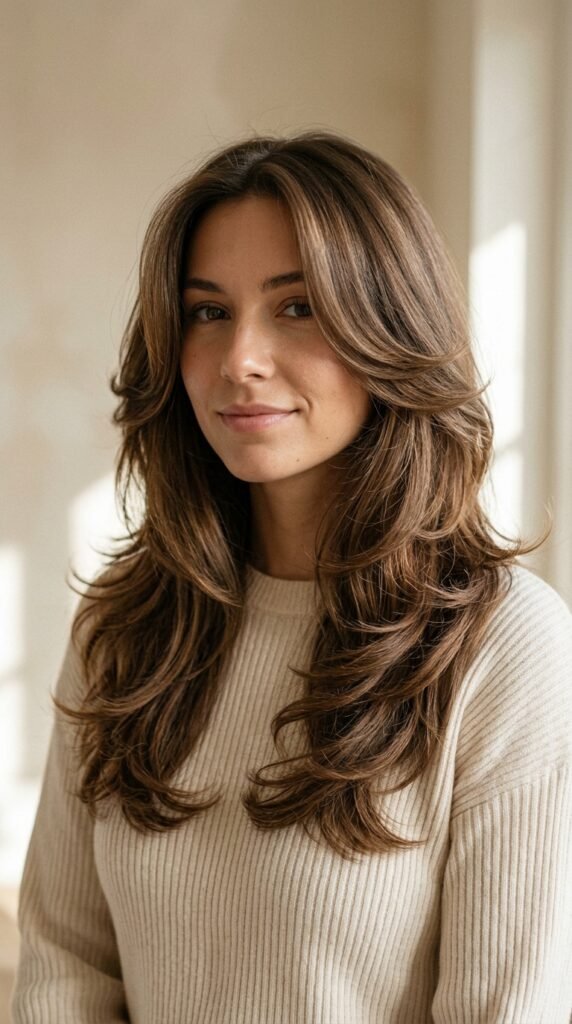
Butterfly layers are everywhere right now, and they can absolutely work for an interview if you style them smooth instead of bouncy and wild. The shape gives you volume at the crown and movement through the ends.
To make them interview-ready:
- Blow dry with a round brush to smooth the cuticle
- Keep the bend soft, not curled
- Use a light oil on the ends for shine
Ask your stylist for long layers that start below the chin. That keeps the shape flattering without looking dated or overly trendy.
20. Sleek Claw Clip Half-Up
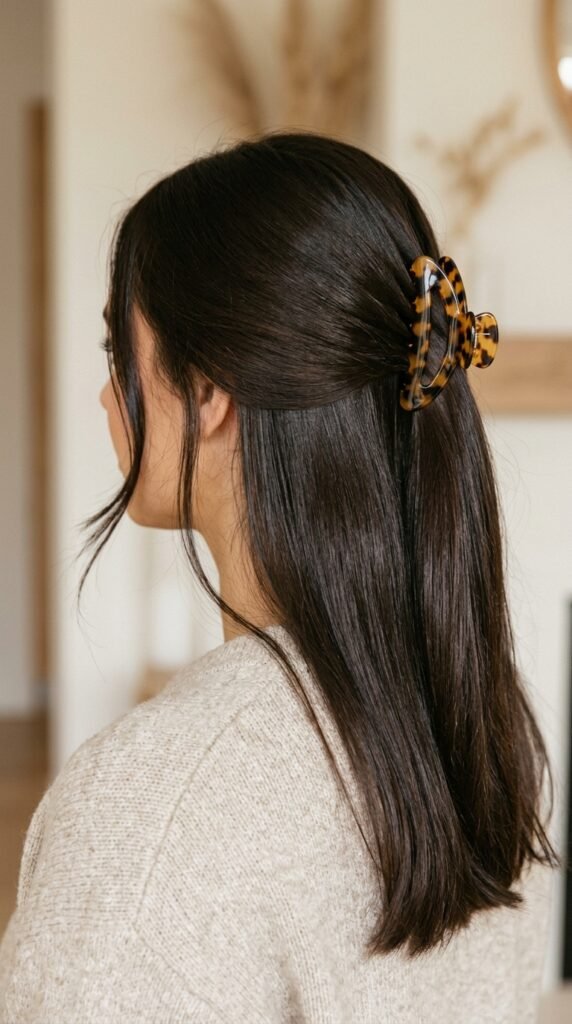
Claw clips are back, and the sleek version is genuinely interview appropriate. You pull the top half of your hair back, twist it once, and secure it with a neutral clip.
How to keep it polished:
- Choose a tortoiseshell, black, or gold clip, nothing neon
- Keep the front smooth with a bit of light hold spray
- Leave the bottom half straight or softly waved
It looks relaxed but tidy, which is exactly what you want for a casual or startup interview.
21. Twist and Pin Updo
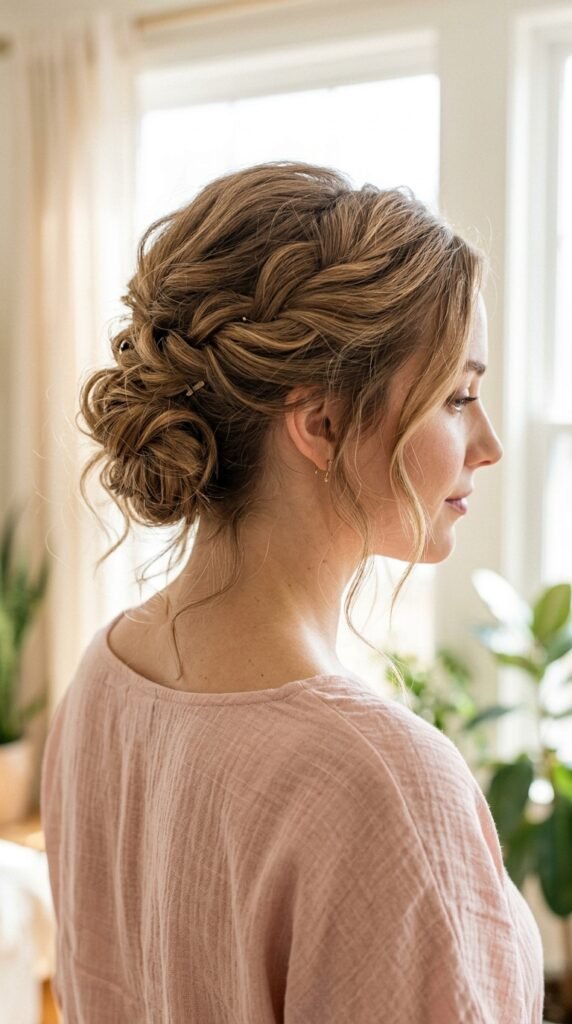
If your interview runs long or the weather is humid, an updo that holds is your best friend. The twist and pin is the easiest one to master.
Do this:
- Gather all your hair at the nape of your neck
- Twist upward until it coils into itself
- Pin the coil in four places, not two, so it stays
- Loosen the front slightly with your fingertips
Add a light mist of flexible spray. It holds through handshakes, coffee, and a long walk through a parking lot.
22. Glossy Straight with Center Part
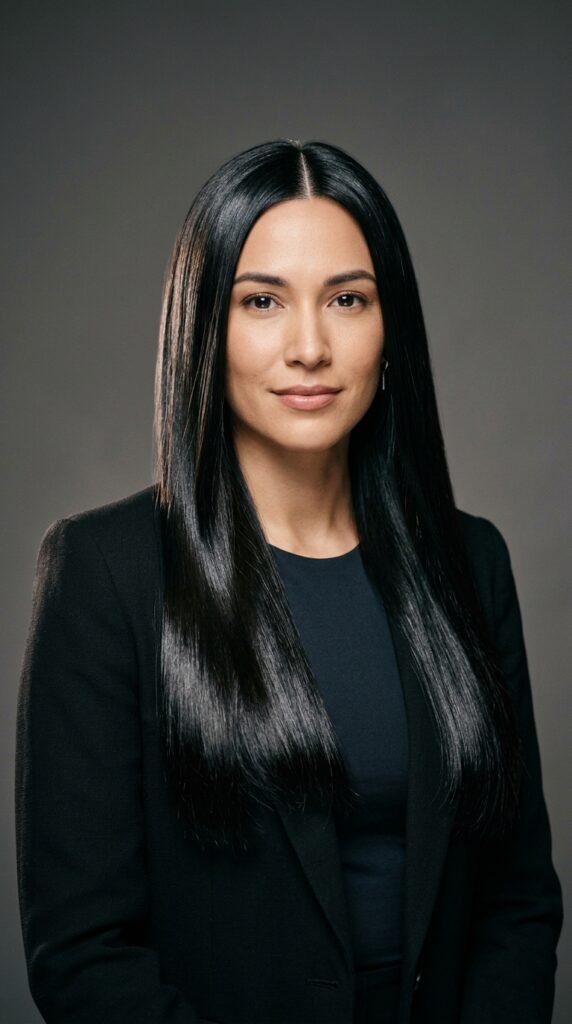
Glossy straight hair with a center part is the quiet luxury look in hair form. It is minimal, clean, and it signals confidence because there is nowhere to hide.
How to get that glass-like finish:
- Start with a smoothing shampoo and conditioner
- Apply a heat protectant, then flat iron in small sections
- Finish with a shine serum or gloss spray
- Brush through with a boar bristle brush for extra gleam
This one looks incredible in photos and on video. It is my top pick for a remote interview.
23. French Braid Down the Back
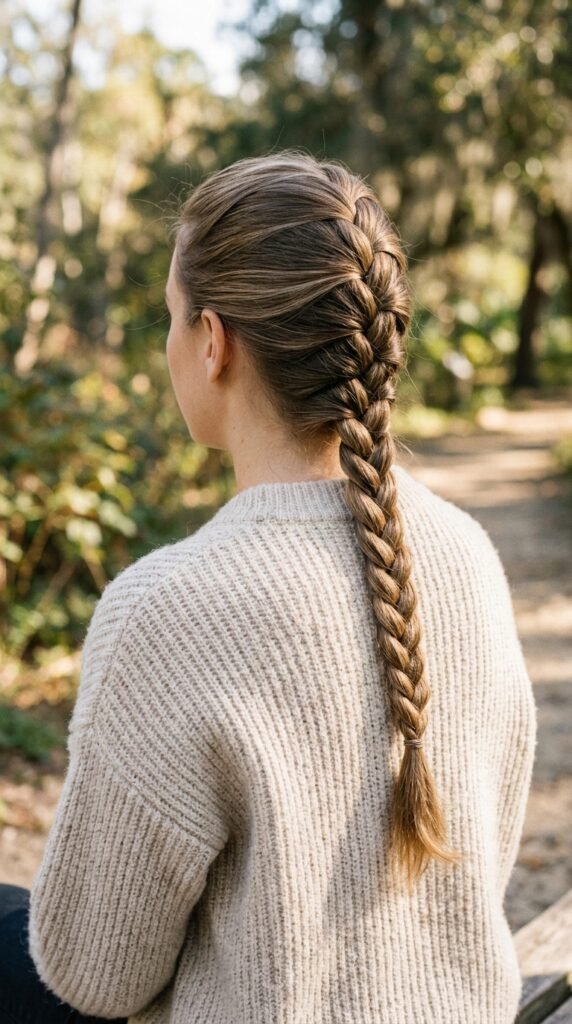
A single French braid is neat, practical, and quietly beautiful. It keeps every strand secure, which means you will not be fixing your hair during the interview.
Make it work:
- Braid snugly at the top and loosen slightly as you go down
- Keep the sections even so it looks tidy from behind
- Secure the tail with a clear elastic and hide it with a strand of hair
This is a great option for hands-on roles, teaching, nursing, and anything where you will be moving around.
24. Soft Waves with a Deep Side Part
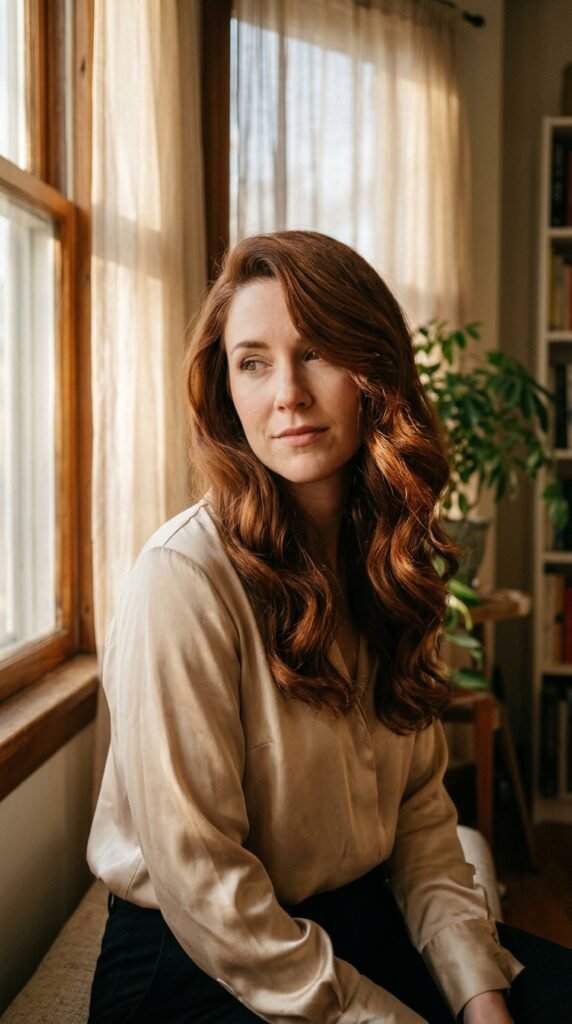
Soft waves plus a deep side part is the most romantic look on this list, and it still reads as completely professional. The side part adds instant polish, and the waves keep it from looking stiff.
How to get it right:
- Use a 1.25 inch curling iron and wrap away from your face
- Leave the ends straight for a modern finish
- Brush through with your fingers, never a paddle brush
- Set with a flexible hold spray
This works for almost every interview type, and it looks especially good with a blazer.
25. The Modern French Twist
one, and it is a classic for a reason. The French twist pulls all your hair up the back of your head into a vertical roll, which looks effortlessly elegant.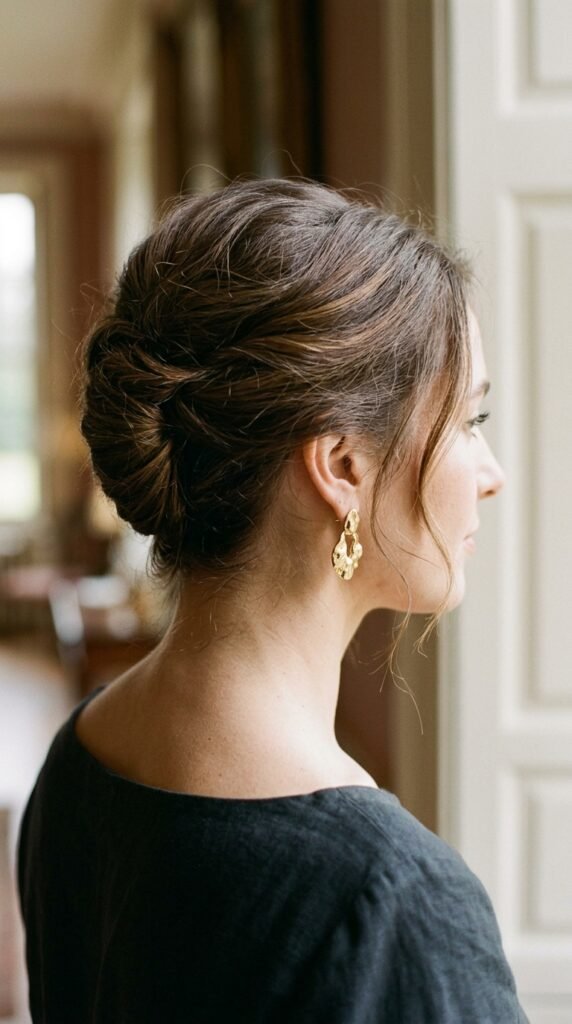
Modern tips:
- Do not slick the top, leave a little texture
- Pull small pieces loose at the temples
- Pin generously, then check it in a mirror from the side
- Finish with a light spray for hold
It is timeless, it photographs beautifully, and it works on almost any hair length past the shoulders.
How to Pick the Right One for Your Interview
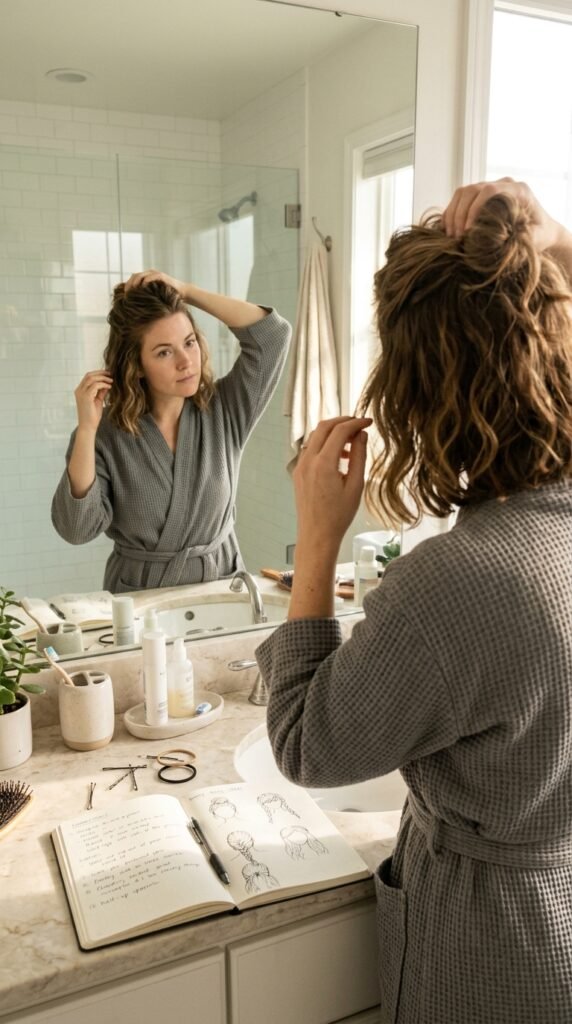
With 25 options, the real question is which one is yours. Match the style to the room you are walking into.
- Corporate, finance, law: chignon, sleek low bun, glossy straight, French twist
- Creative, media, design: asymmetrical lob, hime cut, glitchy glam, romantic goth
- Startup or casual: claw clip half-up, textured bob, soft waves
- Video interview: twist-back half-up, glossy straight, wrapped ponytail
Then factor in your hair type. Curly girls should wear curls. Short hair should stay short. You want to look like the best version of you, not a stranger.
The 10-Minute Interview Morning Routine
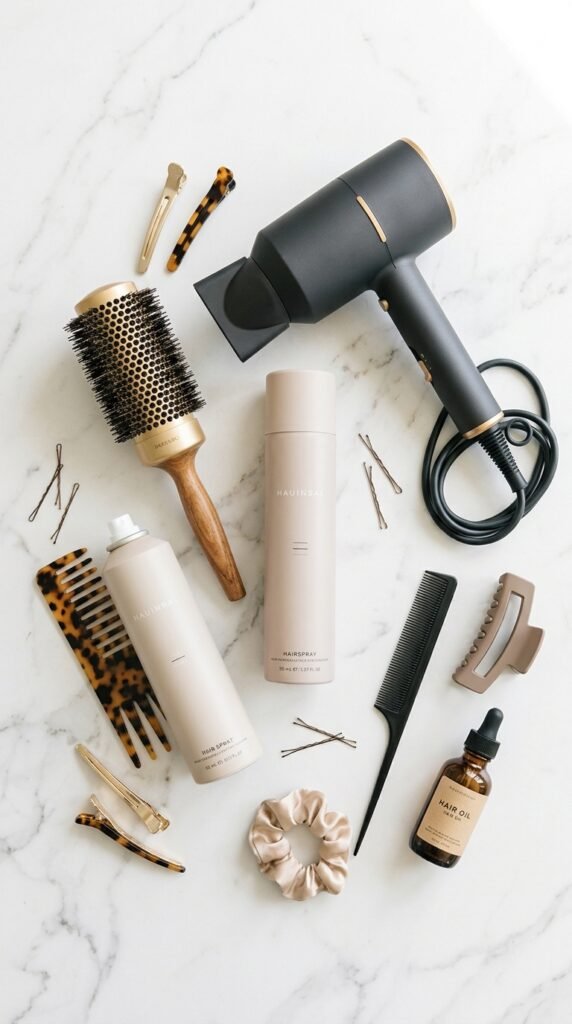
You do not need an hour. You need a plan. Here is the order that actually works when you are nervous and running late.
- Spray heat protectant and rough dry your roots upside down for volume
- Style the front first, since that is what people see
- Pin or clip the rest into place
- Smooth flyaways with a tiny bit of gel on a toothbrush
- Set with a light spray and check the back with two mirrors
Do a full practice run two days before. Muscle memory beats panic every single time.
What to Avoid on Interview Day
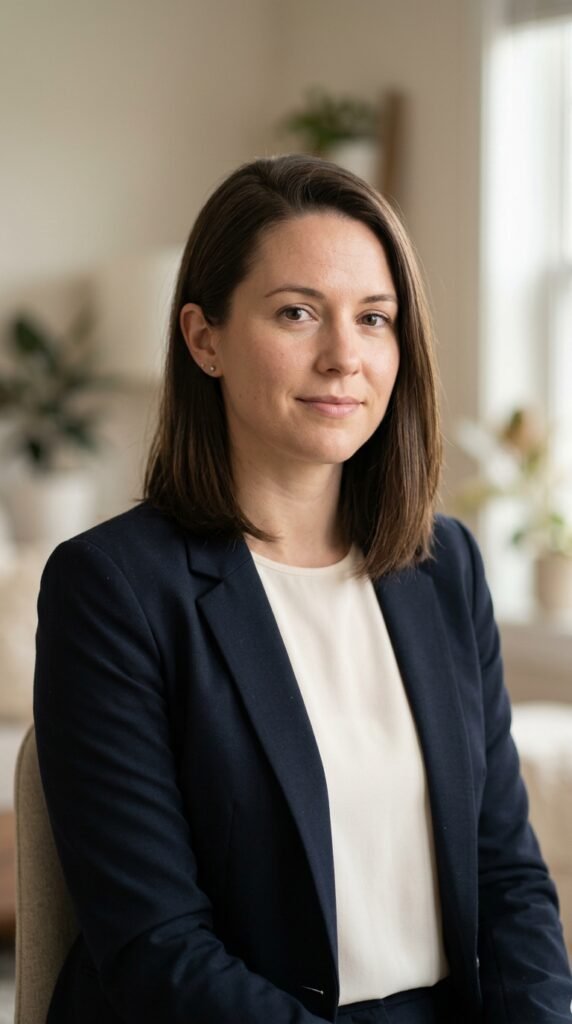
A few small things can undo a great style. Here is what I would skip.
- Heavy wet-look gel that looks greasy on camera
- Loud accessories like giant clips or sparkly headbands
- Brand new haircuts or colors done the day before
- Overly tight styles that give you a headache by hour one
- Strong perfume in your hair products, if you are meeting in a small room
Also, wash your hair the day before, not the morning of. Day-two hair holds a style better and looks less slippery.
A Last Little Pep Talk
Here is the thing nobody tells you: your hair is not what gets you the job. Your answers do. Hair just gets you into the room feeling like yourself, and that is worth a lot.
Pick one style from this list, practice it twice, and then let it go. If a piece falls out of place, tuck it back and keep talking. Nobody is grading your strands.
Confidence shows up in your voice and your posture far more than in your part. Wear the style that makes you feel calm, and you will be just fine.
Save this post to Pinterest so it is ready the next time an interview sneaks up on you. And tell me in the comments: which one of these 25 hairstyles are you trying first? I read every single one and I always reply.