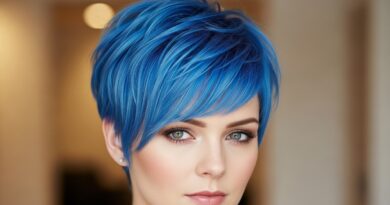
27 Polished Long Haircut Layers Emphasizing Healthy Reflective Hair Shine
Layers and shine are not two separate goals. A good cut is what makes light bounce around your face instead of sitting flat on top of it.
I spent years asking for “long layers” and walking out with hair that looked thinner and duller than before. The fix wasn’t a new product. It was layers cut with my hair’s health and texture in mind.
So here are the polished long haircut layers worth asking for in 2026. From the quiet luxury bob to romantic goth hairstyles, every option here is chosen because it makes hair look reflective, not raggedy.
Screenshot your favorite, take it to your stylist, and let’s get your shine back.
Why Layers and Shine Are the Same Conversation

Shine isn’t a product you buy. It’s light hitting a smooth surface. When your ends are healthy and your layers are cut at the right angle, light bounces back at the camera.
Bad layers do the opposite. They split hair into thin, uneven strips that look fuzzy and dull, no matter how much oil you layer on top.
- Healthy ends equal a smooth surface
- A smooth surface equals reflection
- Reflection equals that polished, expensive look
Every cut below is chosen for one job: making long hair look alive.
Your Hair Health Comes Before Any Cut
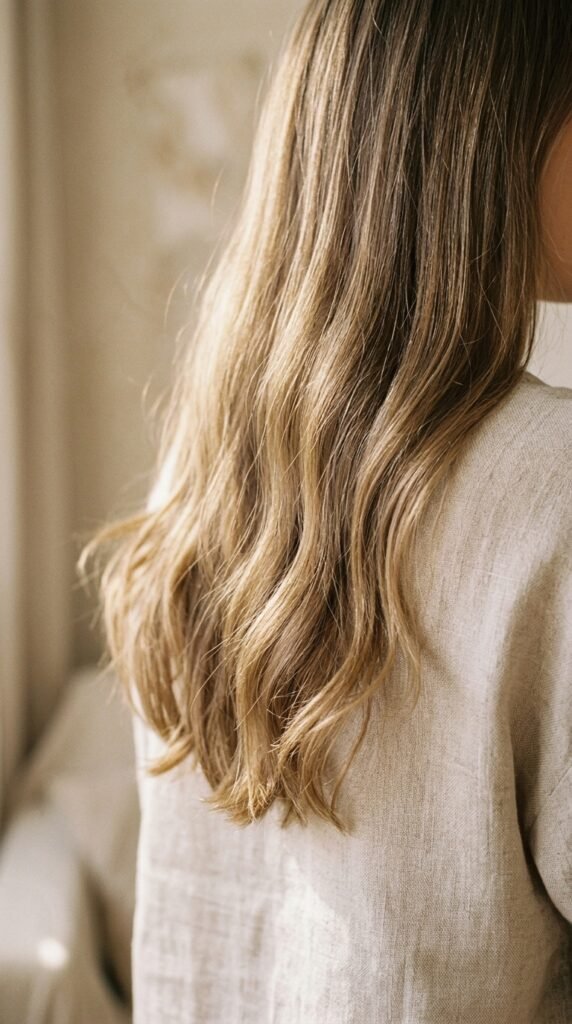
Before you book anything, look at your last four inches. If they’re see-through, no layer pattern will fix the shine. You need a trim first.
Ask your stylist to remove the minimum needed to make your ends feel solid. Usually that’s one to two inches, sometimes less.
- Split ends travel upward if you ignore them
- Thin ends make layers look stringy
- Fresh ends hold a gloss far better
This one step upgrades every 2026 hairstyle on this list.
The Quiet Luxury Bob, Grown Into Long Layers

The quiet luxury bob is still the cleanest look around, but a lot of us are growing it out. Good news: that grow-out is basically a layered long cut.
Keep the front pieces blunt and chin-skimming, then let the back flow into soft invisible layers. You get the elegance of the bob without losing length.
- Blunt front, soft back
- No choppy visible steps
- Gloss is non-negotiable here
It’s the quietest way to wear long hair in 2026.
The Asymmetrical Lob for Instant Movement
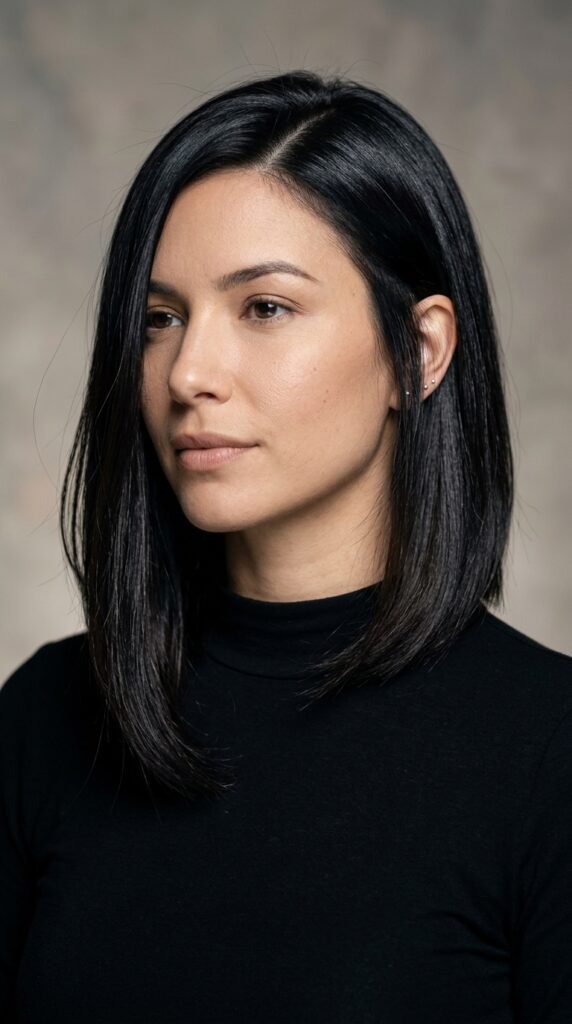
An asymmetrical lob sits between your collarbone and your shoulders, with one side slightly longer than the other. It’s the fastest way to look styled without doing much.
Ask for soft long layers through the back and a longer front piece on your good side. That front piece is your shine catcher, so keep it smooth.
- Great for fine to medium hair
- Grows out gracefully
- Works with side or middle parts
It reads modern, but still polished enough for work.
Face-Framing Layers That Catch the Light
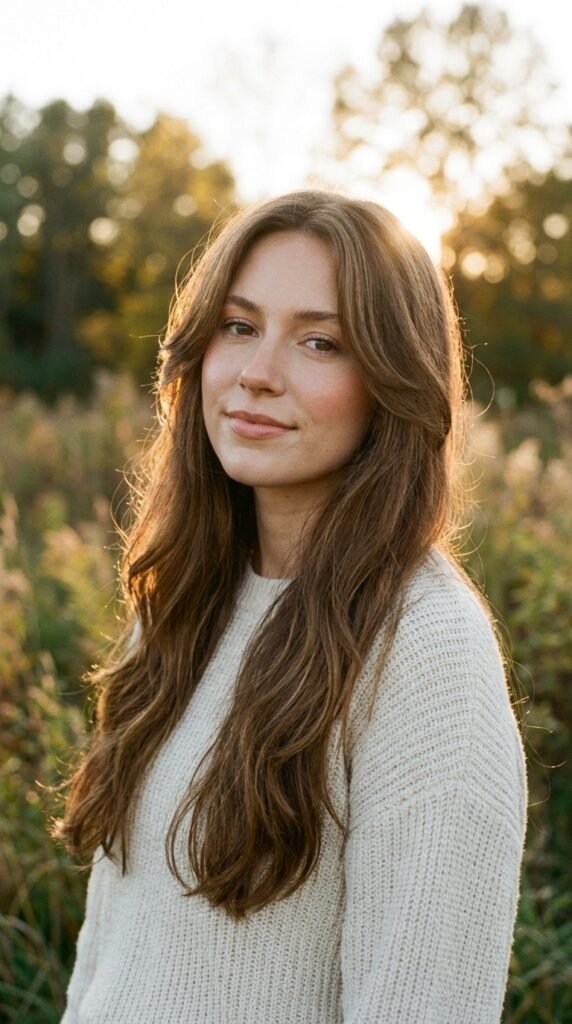
Face-framing layers start around your cheekbone or jaw and blend back into the length. They’re the single best way to brighten up a long cut.
The trick is keeping them blended. If your stylist cuts a hard line, you’ll get that dated “two separate haircuts” look.
- Start at cheekbone for round faces
- Start at jaw for long faces
- Always ask for point cutting, not blunt
Keep these pieces smooth with a light oil so they reflect the most light.
Old Money Hair: The Long Layer Blowout
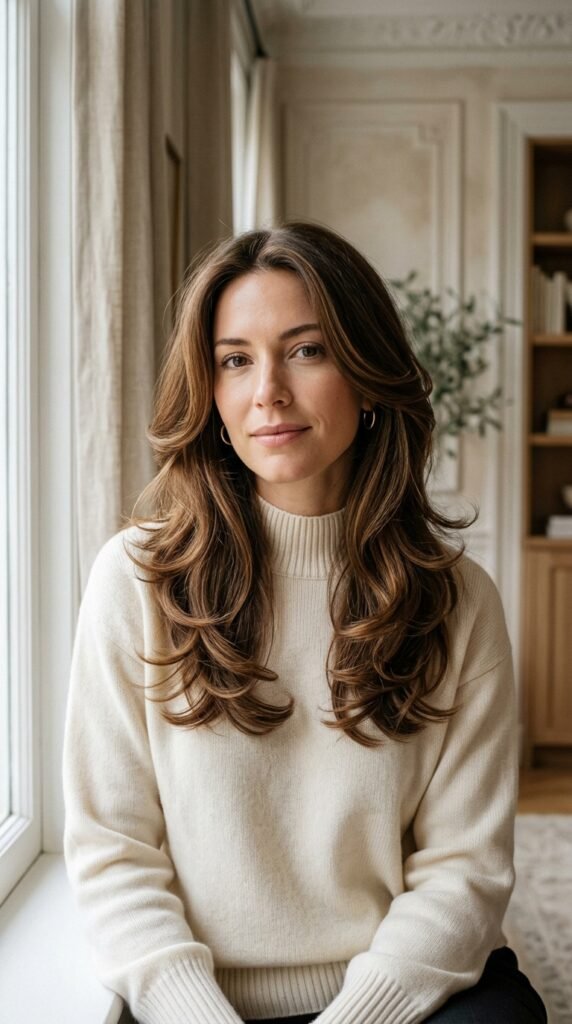
Old money hair is long, bouncy, and quietly expensive. No hard edges, no visible layers, just movement that looks like it happened naturally.
The cut behind it is simple: long layers starting below the chin, with a soft U-shaped hemline. The shine comes from a round brush blowout and a weekly gloss.
- Soft U-shape ends
- Layers below the chin only
- Volume at the roots, smooth through the mid-lengths
This is the most requested look I see right now.
How to Ask Your Stylist for Shine-First Layers
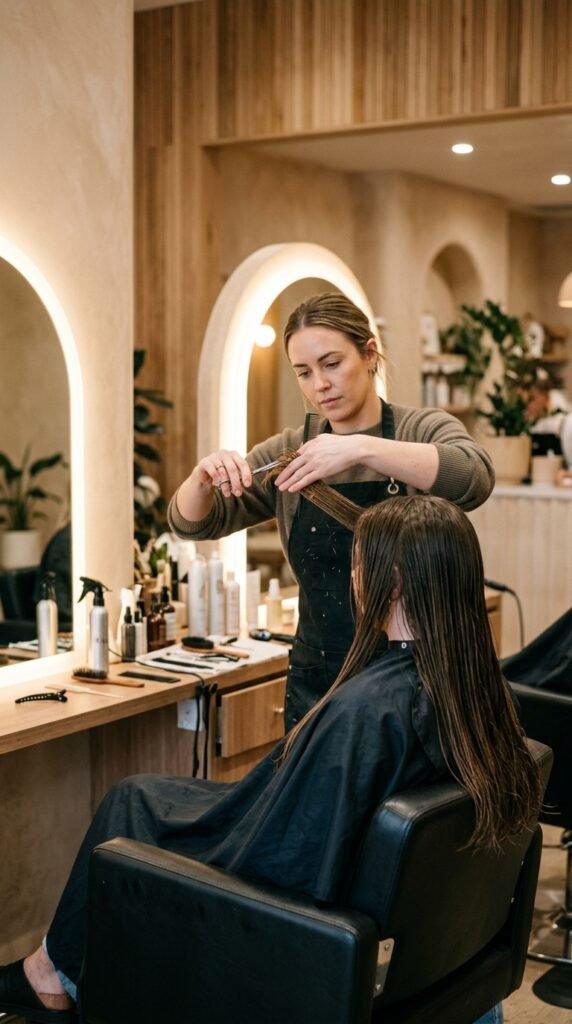
Bring two photos: one of the cut, one of the finish. Say the words “I want the ends to stay full and thick, and I want shine over volume.”
Then ask them to show you where the shortest layer will land. If it’s above your chin, that’s not the cut you asked for.
- “Point cut the ends, please”
- “Keep my hemline soft and full”
- “No thinning shears on my mid-lengths”
Thinning shears are the number one shine killer on long hair.
The Hime Cut, Softened for Long Hair

The hime cut is the Japanese style with blunt cheek-length side pieces and a long straight back. It’s striking, but the hard lines can look severe on fine hair.
Ask for a softened version: keep the side pieces blunt but slightly thinner, and add invisible layers through the back for movement.
- Side pieces at cheek or jaw
- Back stays long and one length
- Straight styling is the whole point
Sleek and shiny is the goal here, so a flat iron and a shine serum are your friends.
Romantic Goth Hairstyles With Layered Volume
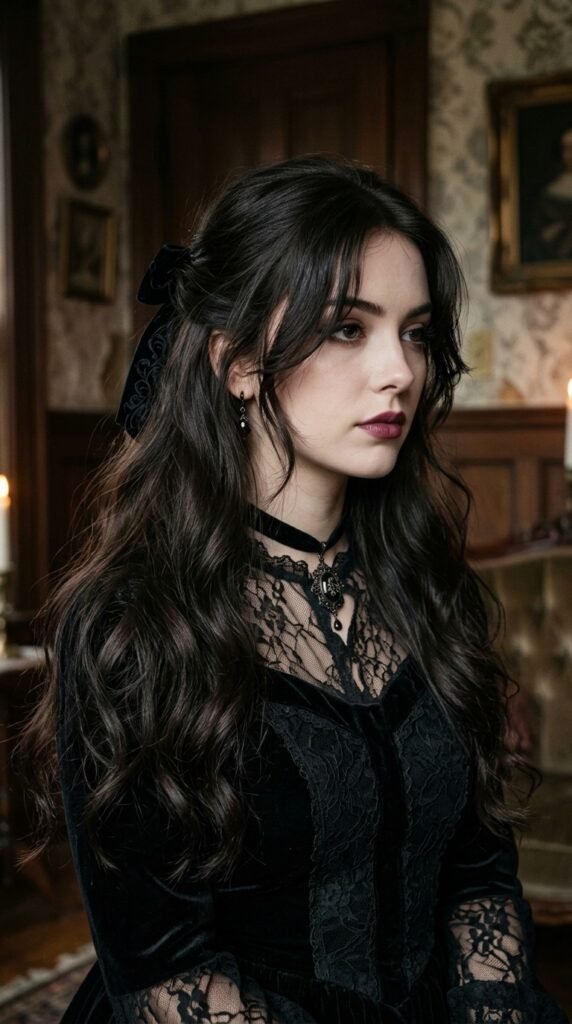
Romantic goth hairstyles lean soft, not spiky. Think long dark layers, gentle waves, and a deep gloss that makes hair look like polished stone.
The cut that works best is long layers starting at the collarbone, with face-framing pieces and a slightly tapered end. It keeps the drama without the stringiness.
- Deep side part for a vintage feel
- Loose waves, not tight curls
- High-shine finish, always
Pair it with a dark gloss treatment every three to four weeks.
Glitchy Glam Hair for Long Layers
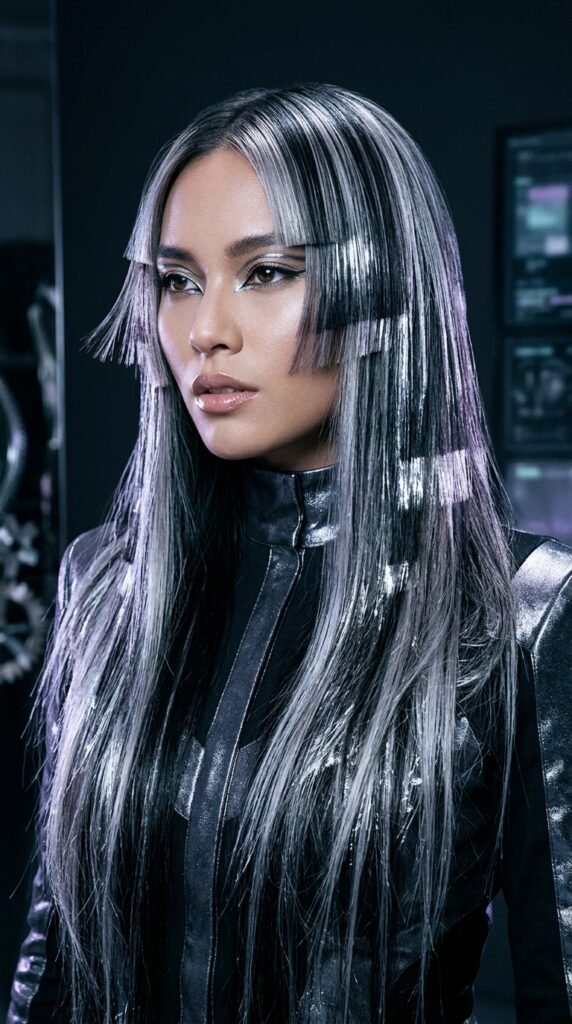
Glitchy glam hair is all about contrast: blunt meets soft, sleek meets undone. It’s the edgy cousin of the polished long layer cut.
Ask for a sharp, blunt face-framing piece on one side and soft invisible layers everywhere else. The tension between the two is what makes it feel current.
- One blunt piece, one soft side
- Keep the shine high
- Style it straight or with a bend at the ends
It photographs beautifully because the light hits two different textures.
The Vampire Haircut, Grown Out Beautifully
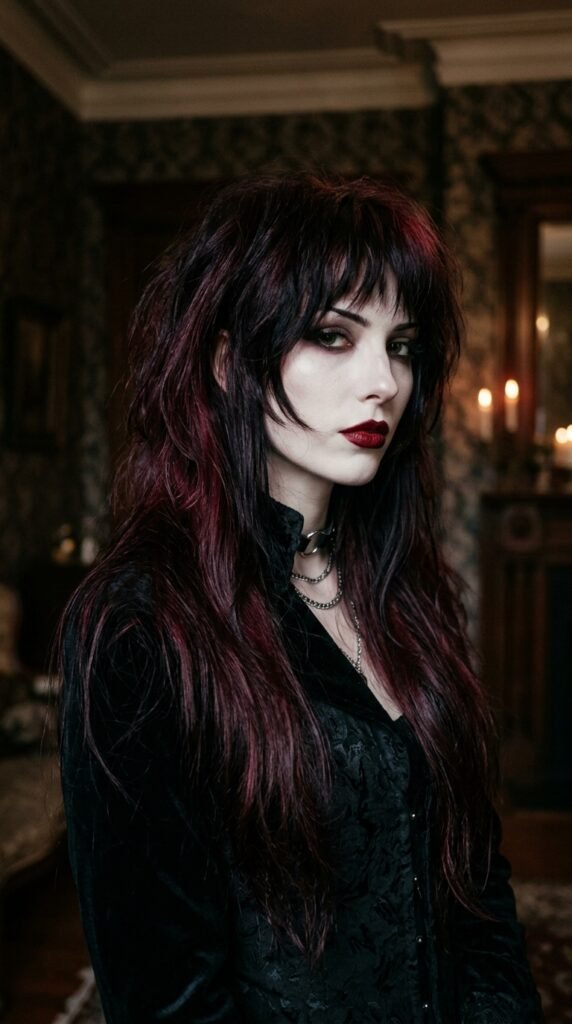
The vampire haircut is long, dramatic, and a little sharp. Think defined layers, a center or deep side part, and pieces that skim your cheekbones.
Grown out, it turns into one of the prettiest long layered cuts you can wear. The key is keeping the sharpness at the front and softness at the back.
- Sharp front pieces at cheek level
- Long, tapered back
- Glossy, cool-toned finish
It’s romantic goth energy, but wearable on a Tuesday.
Layered Curtain Bangs That Add Reflection

Curtain bangs are still the easiest way to add interest to long hair. When they’re layered properly, they also catch light right across your cheekbones.
Ask for them to start at your brow bone and blend back into your layers, not sit on top like a separate piece.
- Brow-bone length is safest
- Blend into the sides, always
- Style with a round brush for a soft bend
They grow out into face-framing layers, which is a bonus.
The Butterfly Cut, Still the Easiest Ask

The butterfly cut is short layers on top and long layers underneath, giving you volume up top and length at the bottom. It’s the most flattering long cut for most people.
It works best on medium to thick hair. On very fine hair, ask for a gentler version so you don’t lose density at the ends.
- Short layers around the crown
- Long layers through the bottom half
- Blow-dry with a round brush for that bounce
It’s an easy ask at any salon.
Long Layers for Fine, Delicate Hair
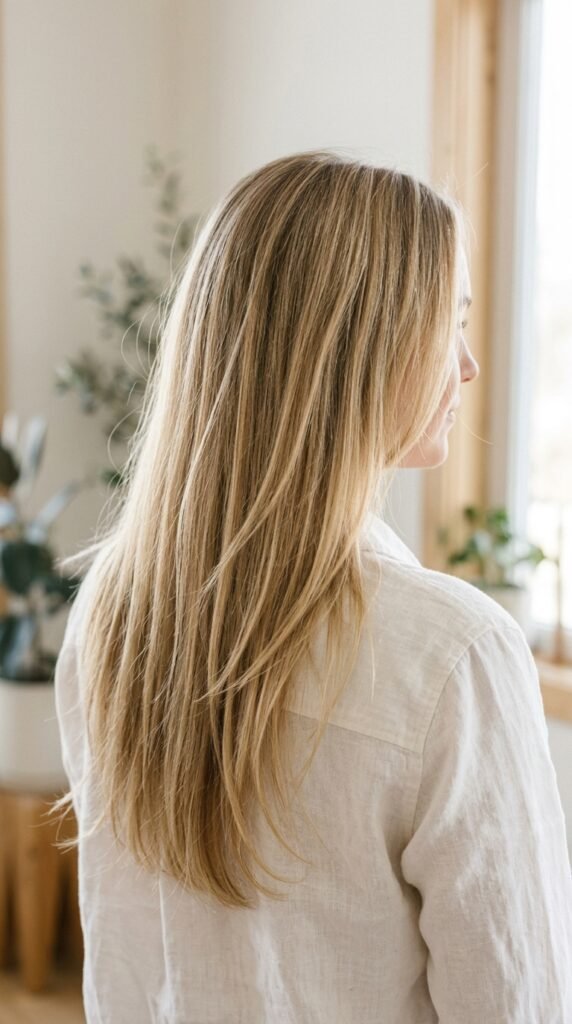
Fine hair needs fewer layers, not more. Too many and your ends go see-through, which kills shine fast.
Ask for three or four long layers starting below your collarbone, with a soft point-cut end. Keep your hemline as close to one length as possible.
- Skip thinning shears entirely
- Keep layers below the collarbone
- Add shine with a light gloss, not heavy oil
Less is genuinely more here.
Long Layers for Thick, Heavy Hair
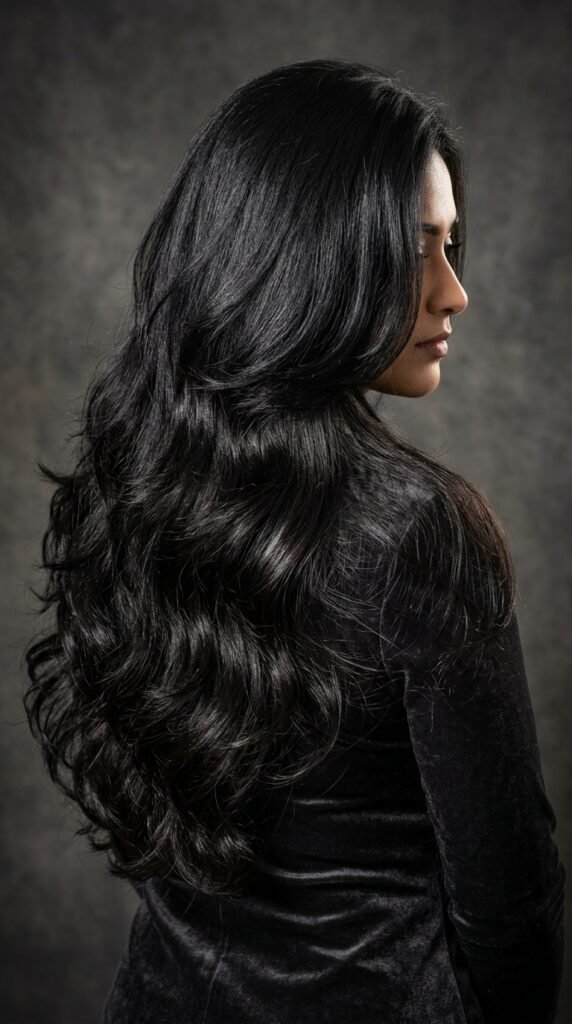
Thick hair can handle more layers, and it usually needs them. Without layers, heavy hair sits flat at the roots and drags at the ends.
Ask for long layers starting around your chin, with some internal texture through the mid-lengths to remove bulk without thinning the ends.
- Layers starting at chin or jaw
- Internal texture through mid-lengths
- Keep the hemline substantial
You’ll get movement and shine at the same time.
Where Your Layers Should Start on Your Face
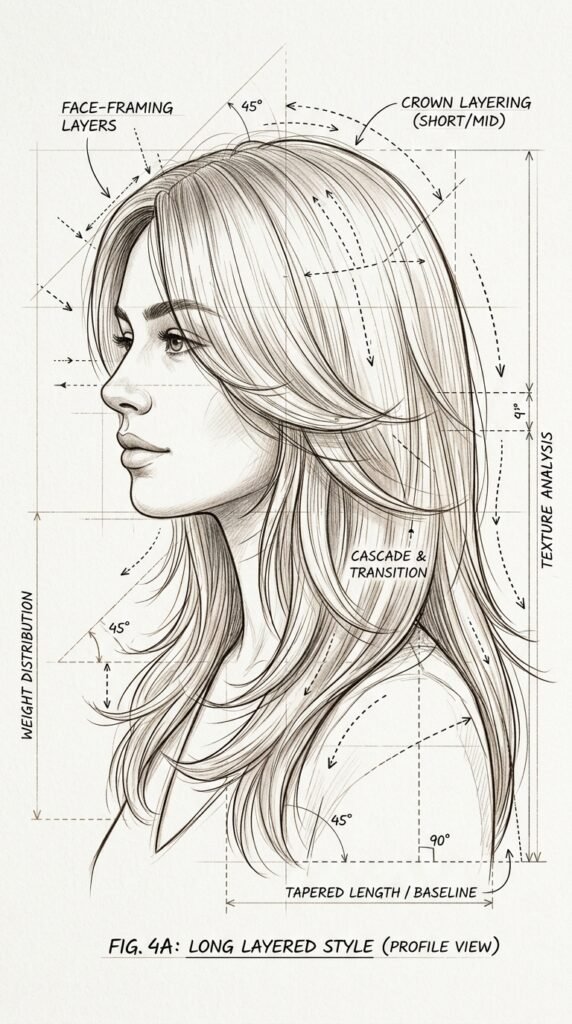
Layer placement changes everything. The shortest layer sets the shape of your whole cut, so it’s the most important decision you’ll make.
- Chin length: adds width at the jaw, good for long faces
- Collarbone: universally flattering, safe and polished
- Below collarbone: keeps maximum length and density
If you’re unsure, go lower. You can always go shorter next visit, but you can’t undo a chop.
Take a photo of where you want the shortest layer to land.
U-Shape, V-Shape, and Blunt Hemlines
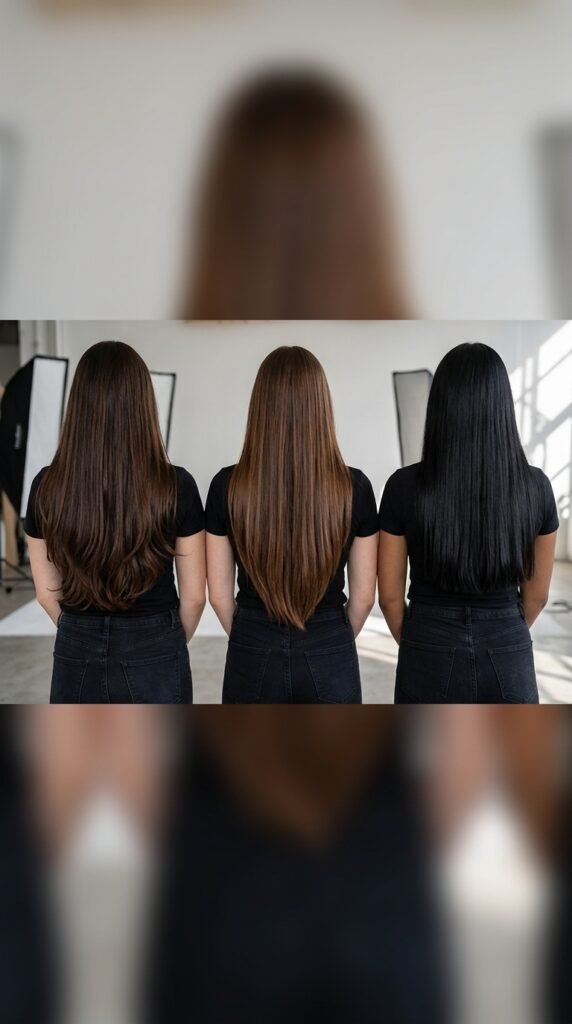
Your hemline decides how polished your layers look. The right one depends on your hair type and how you style it.
- U-shape: soft and classic, great for thick hair and old money hair
- V-shape: dramatic and lengthening, best on medium to thick hair
- Blunt: fullest look, ideal for fine hair that needs density
Fine hair should almost always stay blunt or very soft U. Thick hair looks best with a U or V to lighten the weight.
Mention this before your stylist starts cutting.
The Weekly Gloss That Makes Layers Pop
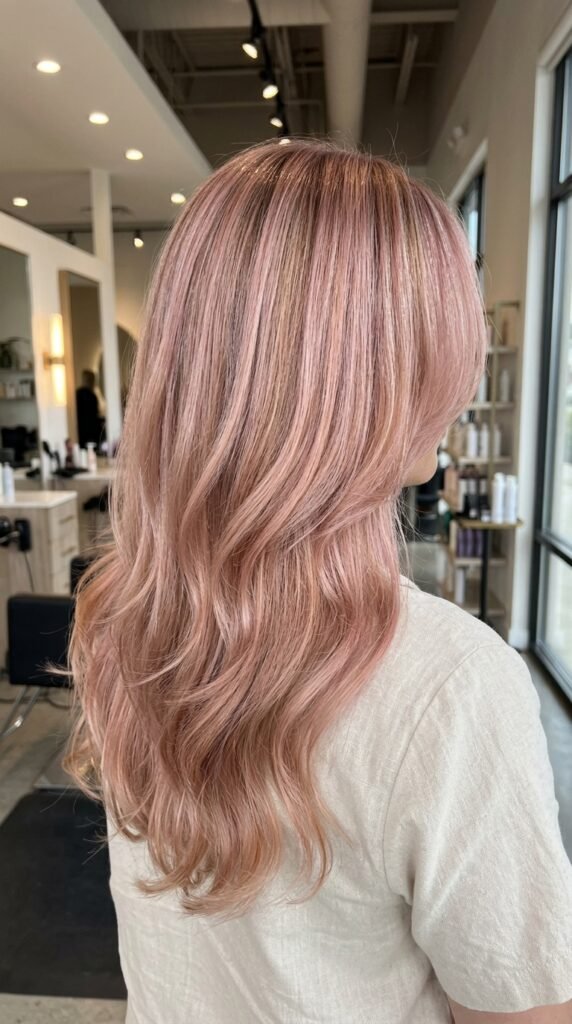
If you want your layers to look reflective, a gloss is the single highest-return step. It smooths the cuticle so light bounces evenly.
You can get a salon gloss every four to six weeks, or use an at-home clear gloss every other week. Both work. Consistency matters more than price.
- Salon gloss: deepest, longest-lasting shine
- At-home gloss: quick top-up between visits
- Always gloss after a trim, never before
This is the step most people skip.
Wash and Condition Like You Mean It
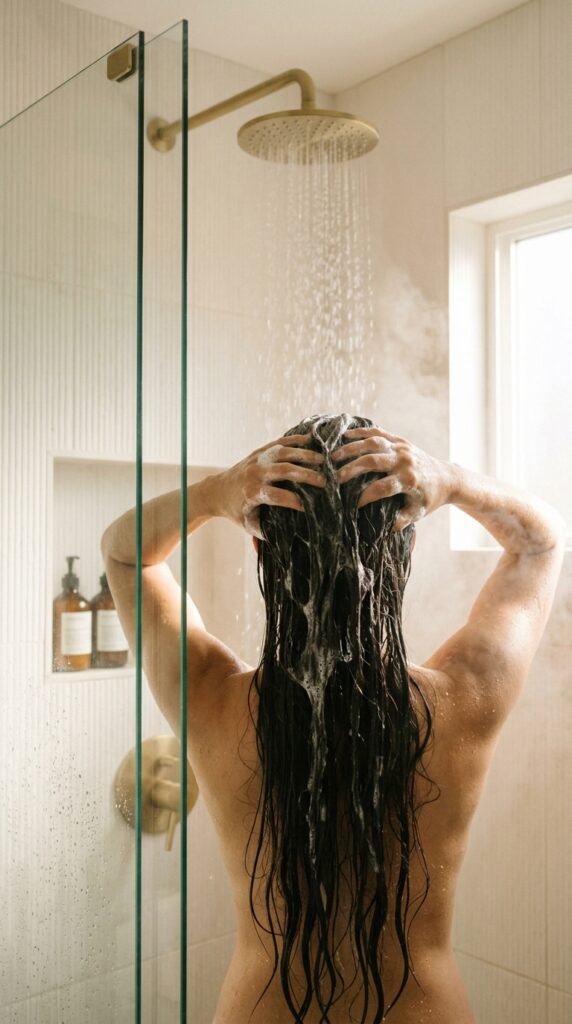
Shine starts in the shower. Hot water roughs up the cuticle, and rough cuticles scatter light instead of reflecting it.
Use lukewarm water, shampoo only your roots, and condition from mid-length to ends. Then rinse with cool water for ten seconds.
- Lukewarm water, cool rinse
- Shampoo roots only
- Conditioner on mid-lengths and ends
- Leave-in conditioner on damp ends
That cool rinse alone makes a visible difference.
Heat Styling Without Frying Your Shine
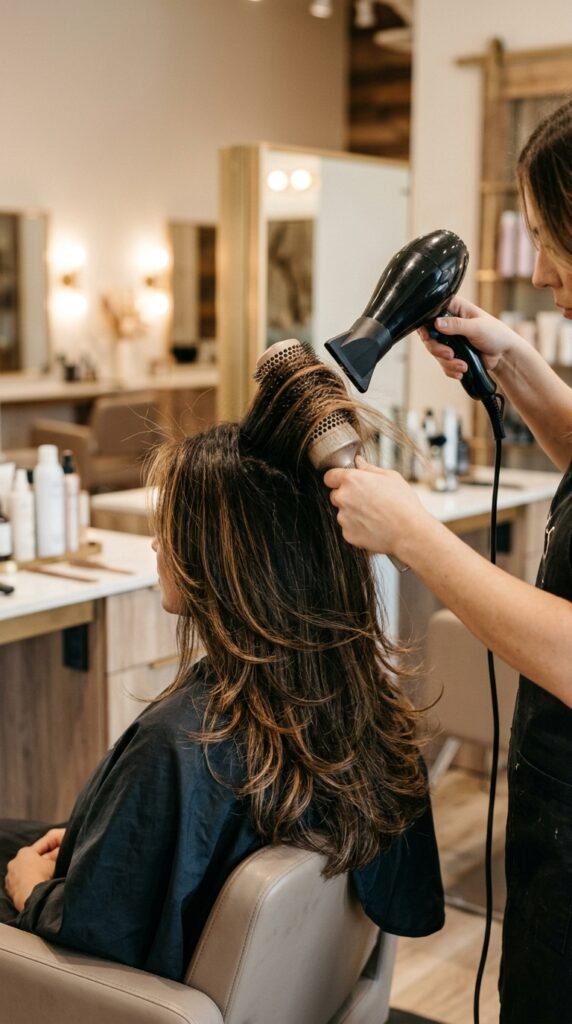
Heat is fine. Unprotected heat is what dulls your layers. The goal is smooth, sealed cuticles, not scorched hair.
Always use a heat protectant, keep your dryer pointed down the hair shaft, and keep irons under 375 degrees. One slow pass beats three fast ones.
- Heat protectant every single time
- Dryer nozzle pointed downward
- Irons under 375 degrees
- Finish with a cool shot to seal
Your layers will look glassy instead of crispy.
Sleep Habits That Protect Your Layers

You spend a third of your life on a pillow. Cotton pulls at your hair and roughs up the cuticle while you sleep, which is why your layers look dull by day three.
Swap to a silk or satin pillowcase and tie your hair in a loose braid or a soft topknot before bed.
- Silk or satin pillowcase
- Loose braid or silk scrunchie
- Never sleep on wet hair
Small change, huge difference in shine.
Products That Make Long Layers Reflect Light
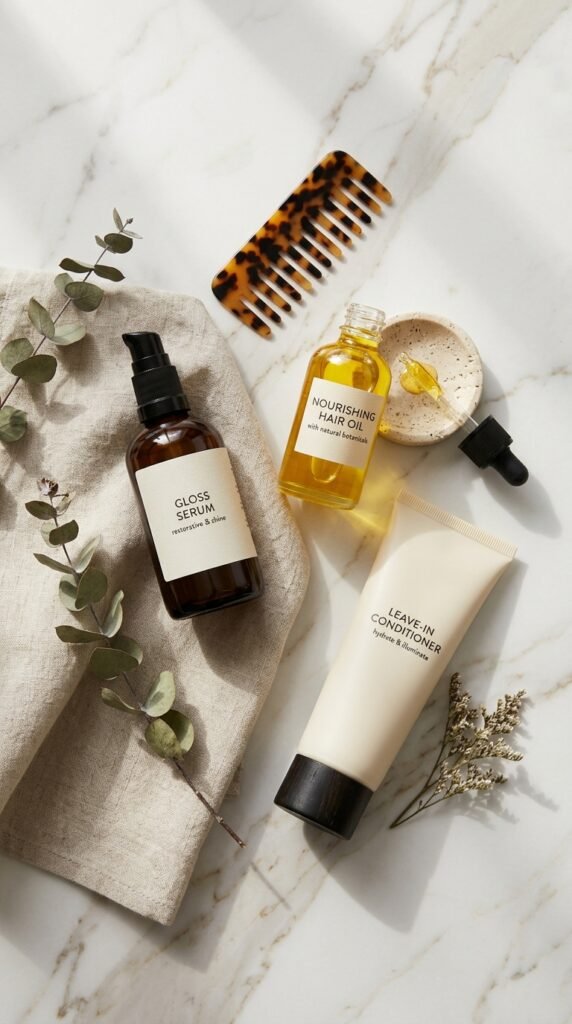
You only need a few products for polished long layers. More than that and you’ll weigh your hair down.
- Lightweight oil: one drop on damp ends
- Shine serum: a pea-sized amount on dry mid-lengths
- Leave-in conditioner: for detangling and slip
- Dry shampoo: for roots only, never ends
Apply everything from mid-length down. Roots plus oil equals flat, dull hair.
How Often to Trim Layered Long Hair
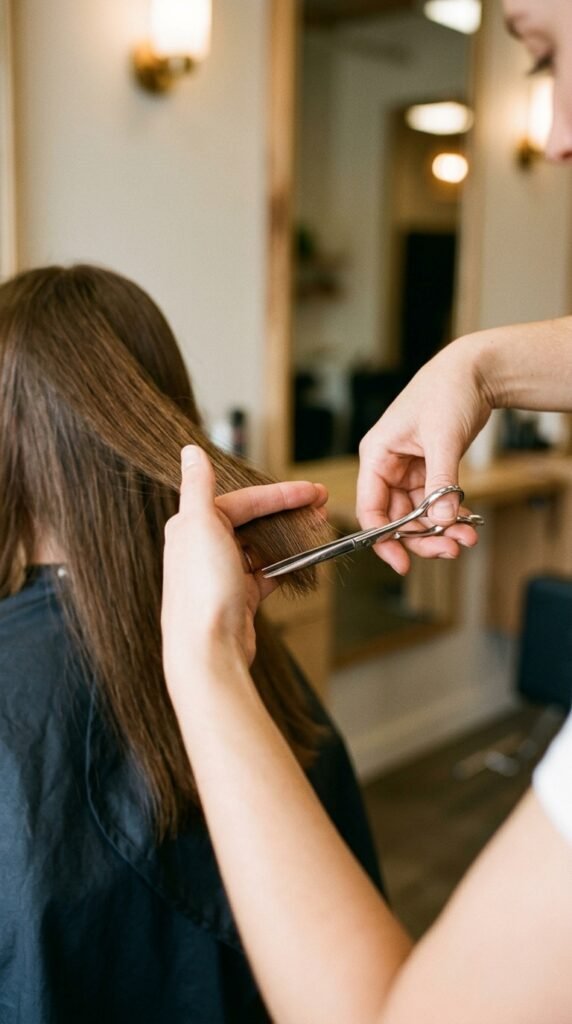
Layers only look good when your ends are solid. Once the ends go thin, the whole cut loses its shape and shine.
Most people with long layered hair should trim every eight to twelve weeks. If you heat style often or have fine hair, aim for eight.
- Every 8 weeks: fine or heat-styled hair
- Every 10 to 12 weeks: thick, healthy hair
- Ask for a “dusting” between full cuts
Regular trims are what keep layers looking polished instead of tired.
Hair Color That Makes Layers Glow
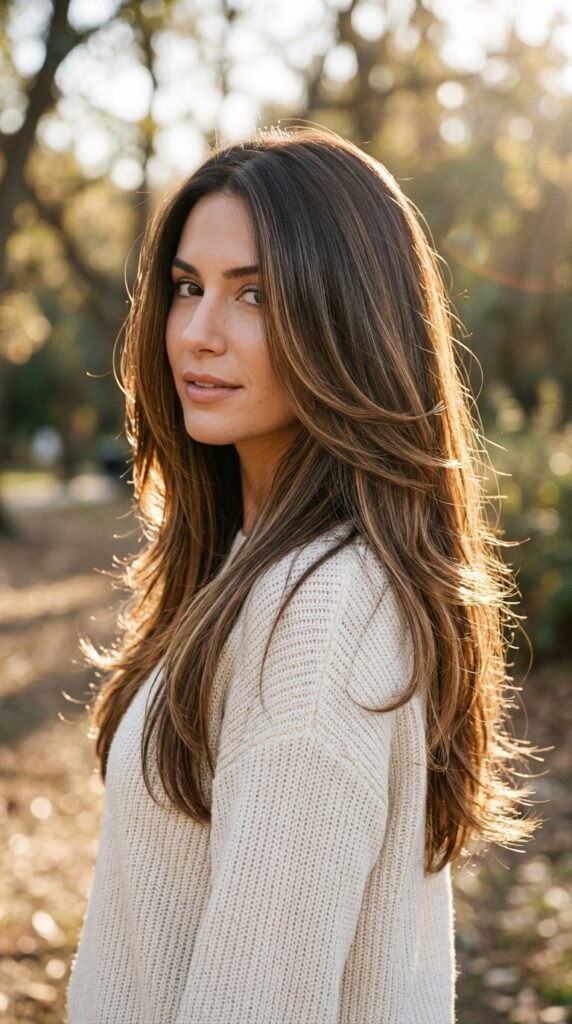
Color changes how much light your layers reflect. A little contrast makes every layer edge visible. Too much contrast makes it look stripey.
Soft balayage, a face-framing money piece, or a single-process gloss all work well. Keep the tone close to your natural depth.
- Subtle balayage for depth
- Money piece for face-framing shine
- Clear gloss for no color change
Old money hair almost always means soft, low-contrast color.
Five-Minute Styling for Long Layers
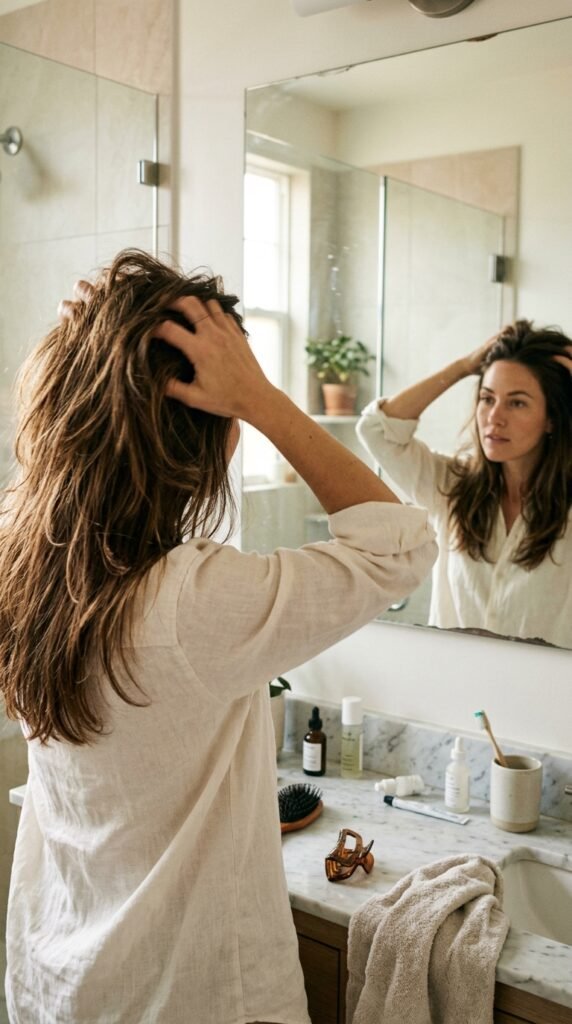
You don’t need an hour. Here’s the routine I actually use on busy mornings.
- Spray heat protectant on damp hair
- Rough-dry upside down for two minutes at the roots
- Blast the ends with the nozzle pointed down
- Wrap the front pieces around a round brush and hit them with cool air
- One drop of oil through the ends
That’s it. Root volume, smooth layers, and shine where the light hits.
Layer Mistakes That Kill Your Shine
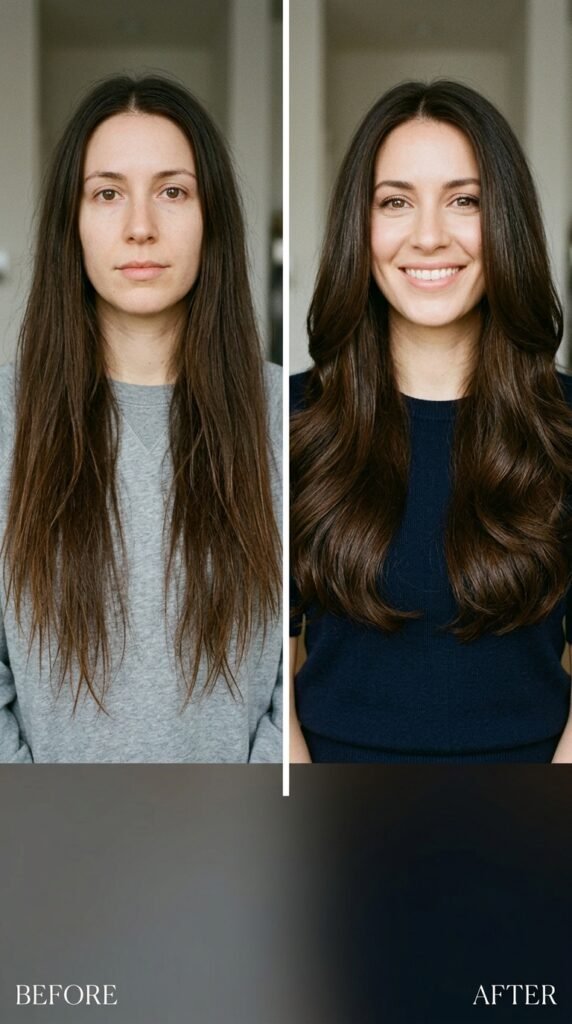
Most dull long hair comes from the cut, not the products. Watch out for these.
- Layers starting too high, creating thin ends
- Thinning shears used on mid-lengths
- Choppy, disconnected face-framing pieces
- Too many layers on fine hair
- Skipping trims for six months or more
If your hair looked better before a cut, one of these happened. It’s fixable, but you’ll need to grow some of it out.
Your Layers, Your Shine
Polished long layers aren’t complicated. Healthy ends, layers placed in the right spot, and a consistent gloss are basically the whole formula.
Pick one or two cuts from this list, screenshot them, and talk through the details with your stylist. Small, specific requests get you a much better result than “long layers, please.”
Your hair already has the shine in it. You just need a cut that lets it show.
Save this post to Pinterest so you have your layer inspiration ready before your next salon visit. And tell me in the comments: which cut are you trying first?