Curtain Bangs, Done Right: Hairstyles That Frame Your Face Without the Fuss
Here is the honest reason so many people want curtain bangs, and so many people hesitate: bangs feel like a commitment, and nobody wants to regret a haircut. A blunt fringe is a promise you have to keep every morning, and growing it out can feel endless. Curtain bangs are different, and that is the whole point of this guide.
Curtain bangs are the fringe you can grow out. They part in the middle, sweep softly to each side, and lengthen into face-framing layers instead of an awkward block. If you love them, you keep them. If you change your mind, you simply let them grow. There is no dramatic grow-out phase to survive, and no need to hide under clips for months.
In this guide, you will find 37 curtain bangs hairstyles, from classic long layers to bobs, curls, updos and occasion waves, plus eight practical guides on length, face shape, hair type, growing out and maintenance. Each style tells you the quick verdict, who should avoid it, and the exact styling steps, so you can choose with confidence before you book.
What Are Curtain Bangs, Really?
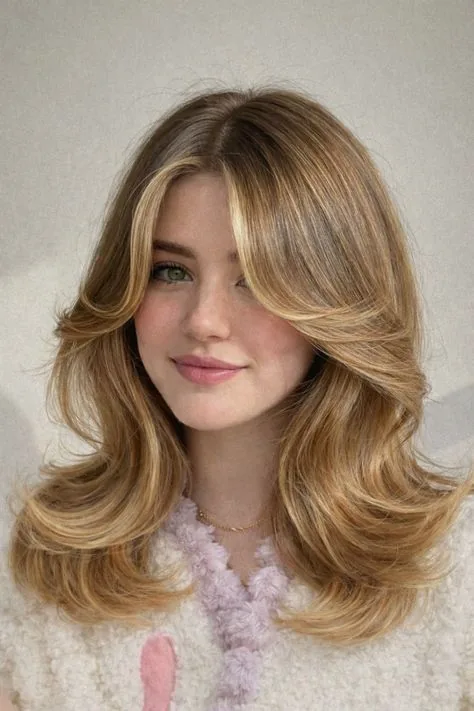
Curtain bangs are face-framing layers cut shorter in the centre and longer at the sides, so they part in the middle and sweep away from your face like curtains. They are not a solid block of fringe, and they are not just long layers either. The shortest piece usually sits around the eyebrows or cheekbones, and the longest pieces blend into the rest of your hair.
That soft, open shape is why curtain bangs feel so forgiving. They frame your eyes and cheekbones without covering your forehead, and they move with the rest of your hair instead of sitting apart from it. If you have ever wanted a fringe but feared looking boxed in, this is the version made for you.
Curtain Bangs vs Wispy, Blunt and Side-Swept Fringes
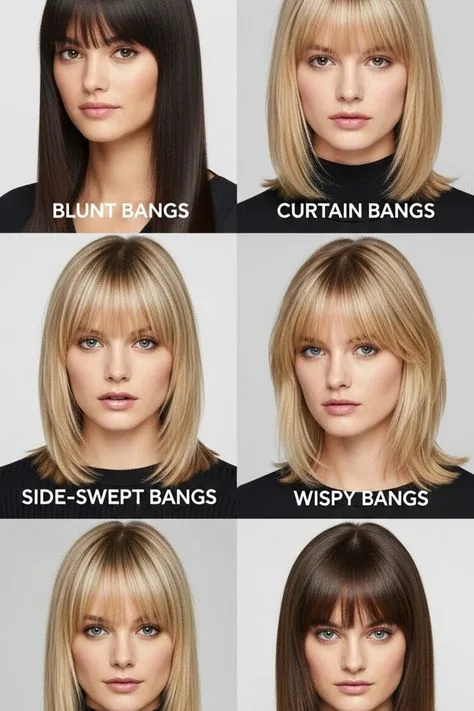
Wispy bangs are light, see-through and feathery across the forehead. Blunt bangs are thick, straight and cut in one strong line. Side-swept bangs fall diagonally to one side. Curtain bangs are different again: they split down the middle and fall to both sides, with a longer, layered edge.
The practical difference is commitment. Blunt bangs need frequent trims and a firm styling routine, and they grow out as an obvious block. Curtain bangs grow out as layers, so a missed trim is far less noticeable. Wispy bangs suit a softer, lighter look, while curtain bangs give more framing and more styling options.
Finding Your Curtain Bang Length
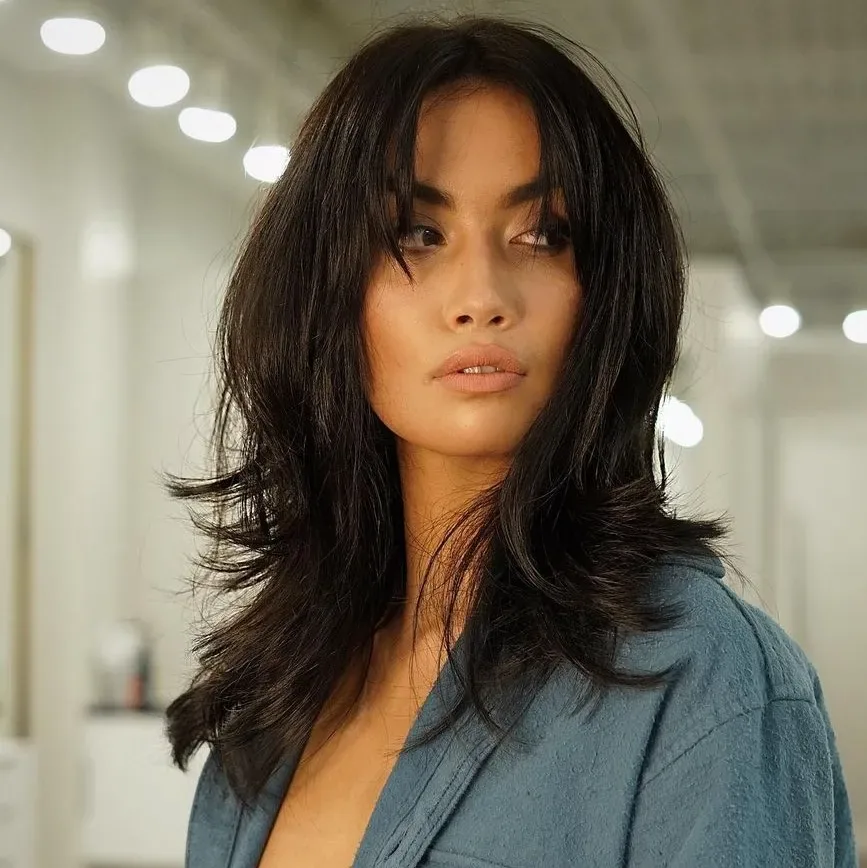
The right curtain bang length depends on where you want the framing to start and how much forehead you want to show. Short curtain bangs start near the eyebrows and give a bolder, more retro feel. Medium curtain bangs start at the cheekbones and suit most faces. Long curtain bangs start at the jaw and read almost like face-framing layers.
A useful rule is to start longer than you think you want. Your stylist can always take more off, but a too-short first cut takes months to grow back. Bring photos that show the exact starting point you like, and point to that spot on your own face in the salon chair, rather than guessing with words like short or long.
Curtain Bangs for Every Face Shape
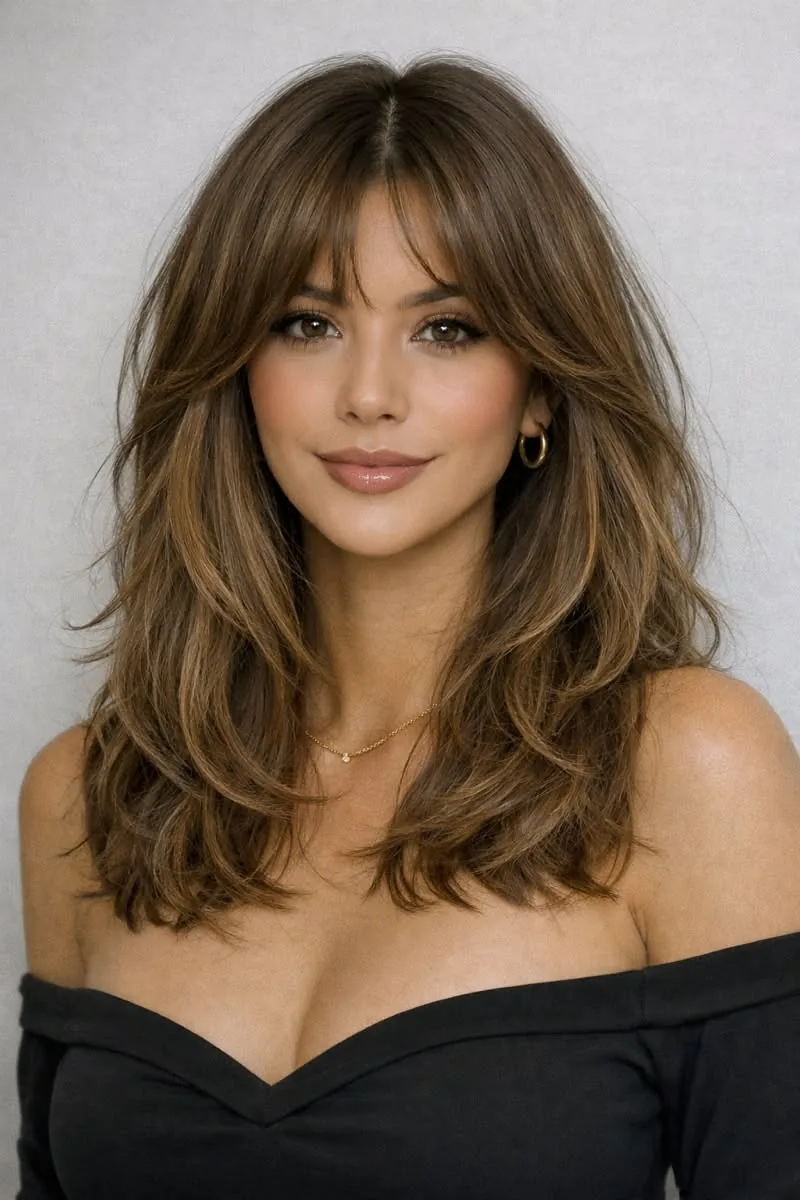
Curtain bangs suit round, oval, square, heart and long faces, but the length and fullness should change. Round faces benefit from longer, slimmer pieces that lengthen the look. Square faces benefit from soft, curved pieces that sit below the jaw. Heart faces benefit from fuller pieces that balance a wider forehead.
Oval faces can wear almost any length, while long faces usually suit a slightly shorter, fuller curtain bang that breaks up forehead length. The key in every case is the same: the bangs should open your face, not close it in. If the pieces fall straight across your cheeks and hide them, ask for them to be thinned or lengthened.
Hair Types: What Changes With Curls, Waves and Straight Hair
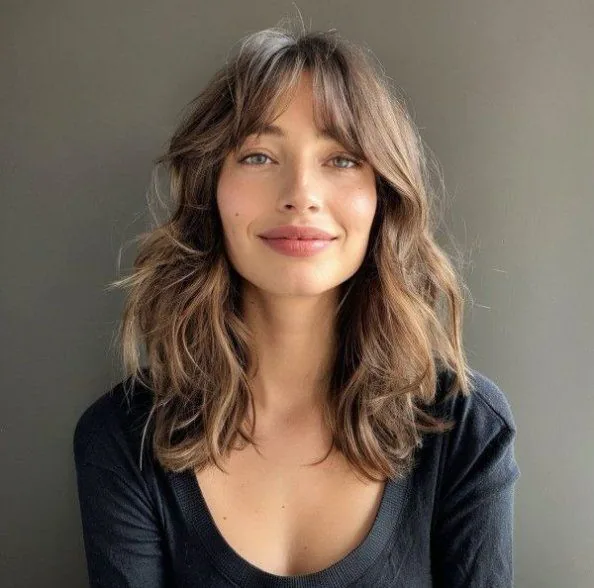
On straight hair, curtain bangs fall neatly and need the least effort, but they can also fall flat, so root lift matters. On wavy hair, they blend beautifully and add natural movement, though the parting may wander on humid days. On curly hair, they need to be cut dry or with extra length allowed for shrinkage, or they will spring up much shorter than planned.
Fine hair suits lighter, longer curtain bangs that do not eat up too much density. Thick hair suits thinned, layered curtain bangs that move instead of forming a heavy curtain. The cut should always be adapted to your texture, not copied exactly from a photo of a different hair type.
Growing Out Curtain Bangs Gracefully
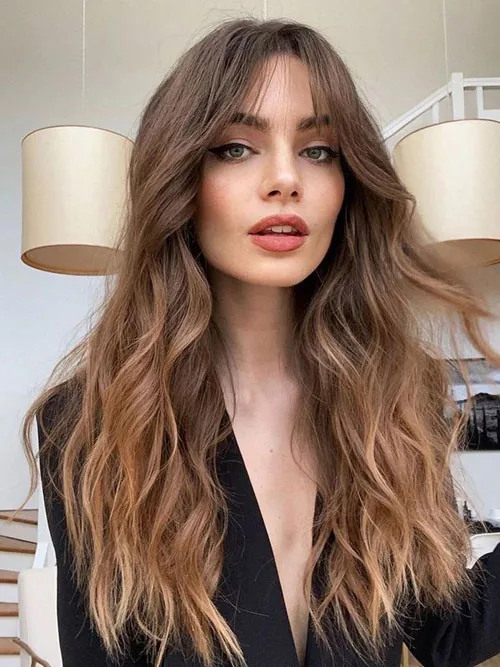
Growing out curtain bangs is one of their biggest advantages, because there is no awkward in-between block to hide. As they lengthen, they simply become face-framing layers, and you can clip, twist or braid the shorter pieces back while the rest catches up. Most people find the grow-out phase barely noticeable compared with growing out a blunt fringe.
To keep the grow-out tidy, trim only the very ends every eight to ten weeks, and let your stylist blend the bangs into your layers rather than cutting them back short again. Use a small clip or a soft side sweep on days when the pieces fall in your eyes, and resist the urge to cut them yourself between appointments.
Bangs Maintenance in Real Life
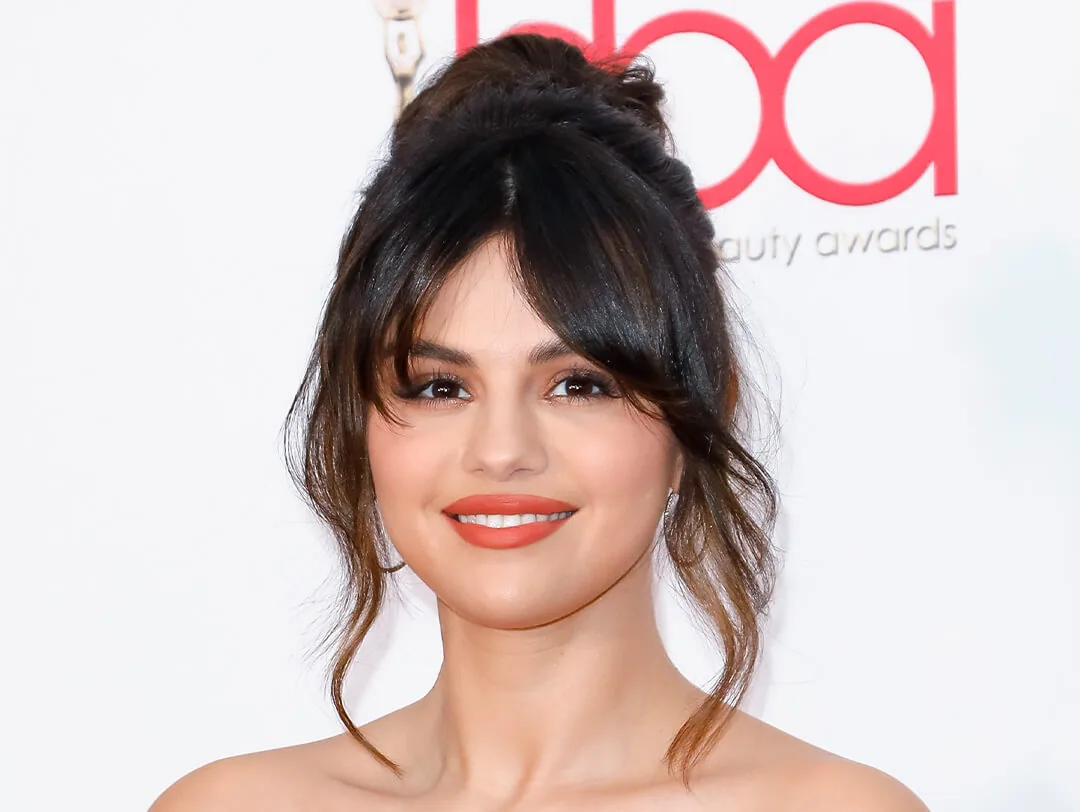
Curtain bangs are lower maintenance than blunt bangs, but they are not no-maintenance. Expect a light trim every six to eight weeks to keep the shape, and a quick blow-dry or round-brush pass on most mornings to set the sweep. On second- or third-day hair, dry shampoo at the roots and a short blast of warm air usually revives them.
Washing just the bangs in the sink on a greasy morning is a useful shortcut, and it takes far less time than washing all your hair. Keep a small round brush and a light-hold spray near your mirror, and avoid heavy oils right at the fringe, where they make hair separate and look flat.
What to Tell Your Stylist (and Show Them)
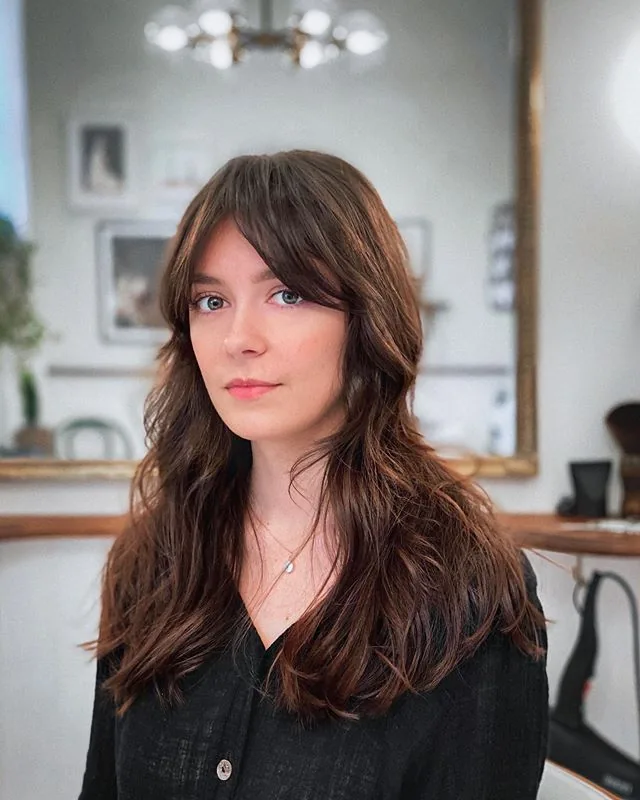
Take two or three photos that show the same length from the front and from the side, on hair similar to yours. Say where you want the shortest piece to start, whether you part in the middle, and how much time you will spend styling each morning. Those three facts change the cut more than any trend name will.
Ask your stylist to cut the bangs slightly longer than the photo if this is your first time, and to show you how to blow-dry them before you leave. Ask how the bangs will look tied up, air-dried and on day two, not just freshly blow-dried in the salon, so there are no surprises at home.
1. Classic Long Curtain Bangs with Long Layers
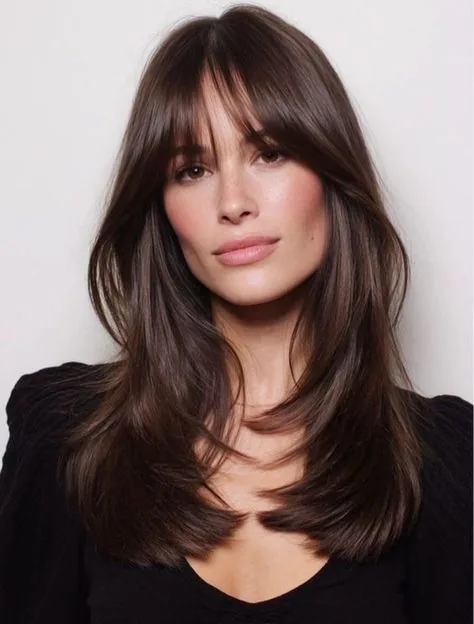
The classic pairing, and still the easiest place to start. Long curtain bangs open at the centre and melt into long layers, so your face is framed without a hard fringe line. It looks polished blow-dried and perfectly fine air-dried.
This is the version to choose if you want curtain bangs with the smallest risk. The length keeps your options open, and growing them out is almost effortless.
Quick verdict: Long curtain bangs that start at the cheekbones and blend into layers that fall past the shoulders.
Who should avoid it: anyone who wants a dramatic, short fringe statement, or very short hair where there is nothing for the bangs to blend into.
Styling steps:
- Blow-dry the bangs forward with a round brush, then sweep each side outward.
- Smooth the long layers down with the same brush.
- Add a light root spray for lift at the parting.
- Finish with a flexible spray and shake the front pieces loose.
2. Curtain Bangs with a Sleek Blowout
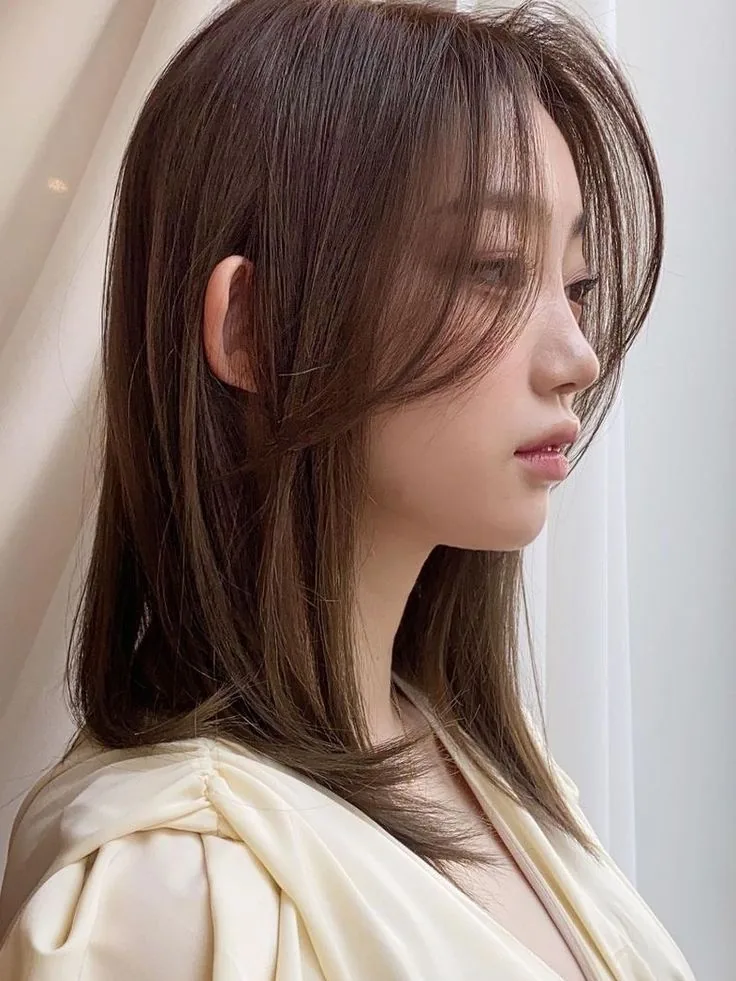
A sleek blowout turns curtain bangs into a smooth, glossy frame. The centre part stays soft, the sides curve gently away from the face, and the lengths fall straight and shiny. It is a clean, office-ready look that still feels modern.
Pair it with a smoothing cream and a round brush, and the bangs will sit exactly where you put them. It is also a good test of whether you enjoy styling a fringe every morning.
Quick verdict: A smooth, polished frame that suits straight and slightly wavy hair and smart, everyday styling.
Who should avoid it: anyone who dislikes heat styling, or very curly hair that will need a lot of straightening to hold this shape.
Styling steps:
- Apply smoothing cream to damp hair.
- Blow-dry the bangs forward, then curve each side away from the face.
- Blow-dry the lengths straight, section by section.
- Seal with a light shine spray, avoiding heavy oil at the fringe.
3. Curtain Bangs with Beach Waves
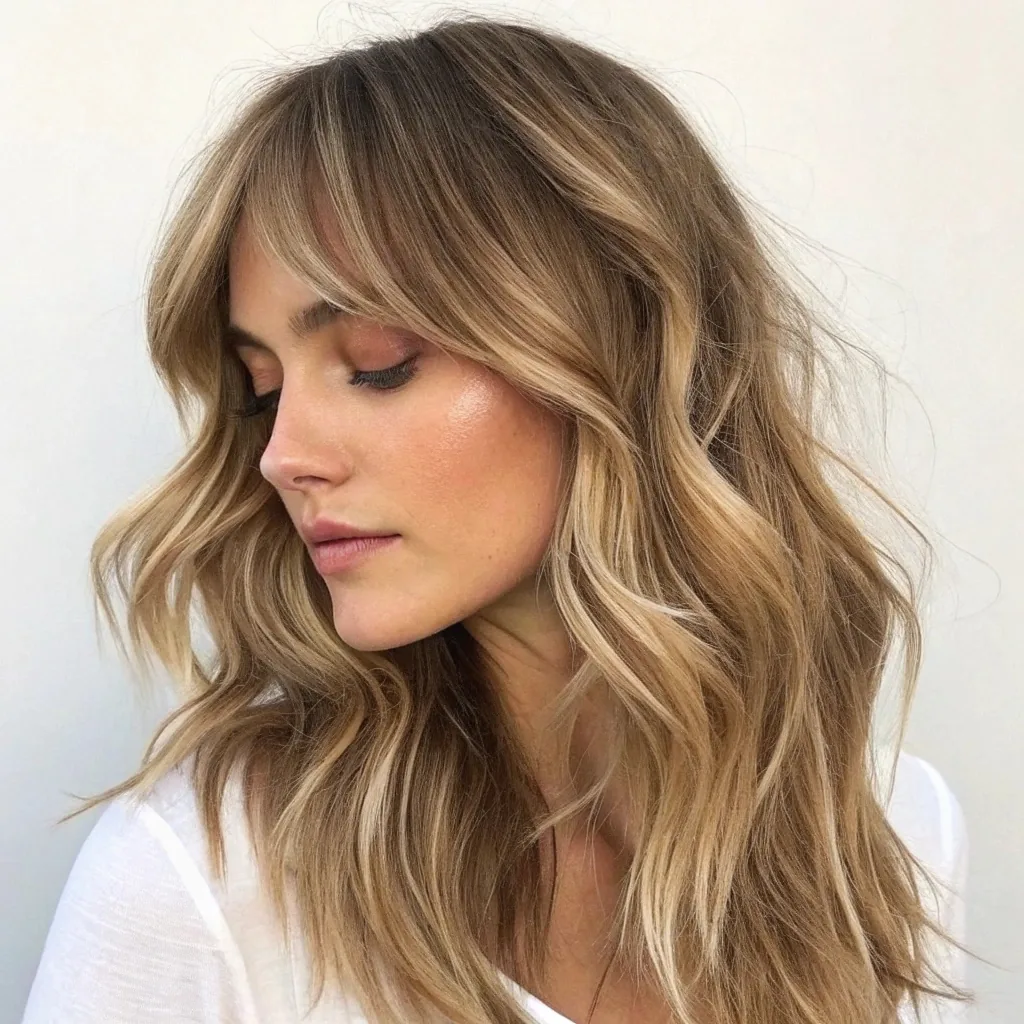
Beach waves and curtain bangs are a natural match. Both are soft, lived-in and a little undone, so the bangs blend into the waves instead of standing apart. The result is relaxed, summery and very forgiving on second-day hair.
Keep the waves loose and brushed out, not tight and ringlet-like. The bangs should wave in the same direction as the rest of your hair, so the whole style reads as one shape.
Quick verdict: A relaxed, holiday-ready style that suits wavy hair and low-effort routines.
Who should avoid it: anyone who wants a sharp, polished finish, or very fine hair that loses wave quickly without product.
Styling steps:
- Apply sea-salt or wave spray to damp hair.
- Twist large sections around a wand, alternating direction.
- Brush the waves out gently with your fingers.
- Scrunch the bangs lightly into the same wave pattern.
4. Curtain Bangs with a Bouncy Blow-Dry
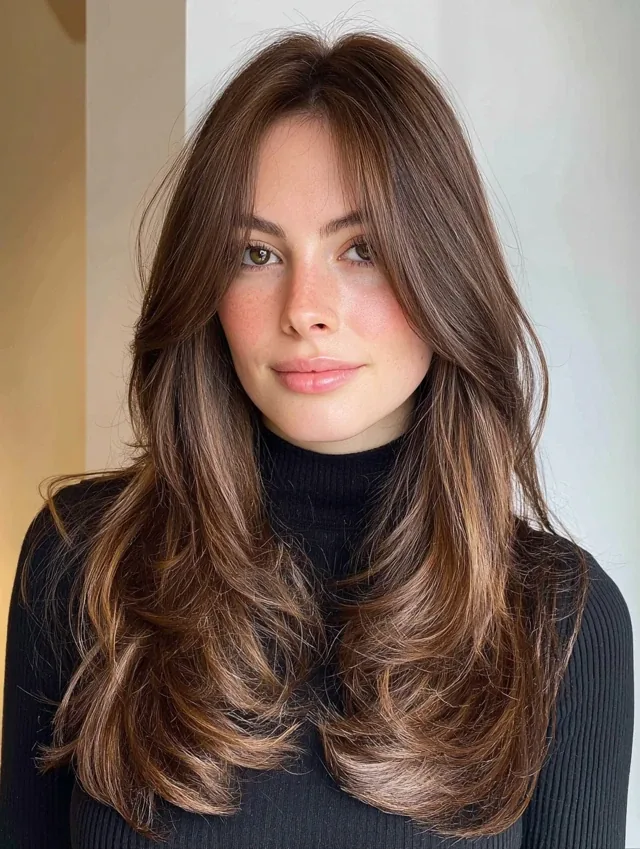
A bouncy blow-dry gives curtain bangs lift at the roots and a soft flick at the ends. The volume opens up the face, and the flicked pieces frame the cheekbones beautifully. It is the salon-fresh look, recreated at home with a round brush.
Work in sections and let each one cool before you drop it. That cooling step is what locks in the bounce, and it matters more than any product.
Quick verdict: A voluminous, feel-good style for medium to long hair and special days.
Who should avoid it: anyone short on morning time, or very fine hair that falls flat within an hour without root support.
Styling steps:
- Apply volumising mousse to damp roots.
- Blow-dry the bangs with a round brush, lifting at the roots.
- Roll each length section around the brush and let it cool.
- Shake out gently and set with a light-hold spray.
5. Short Curtain Bangs with a Bob
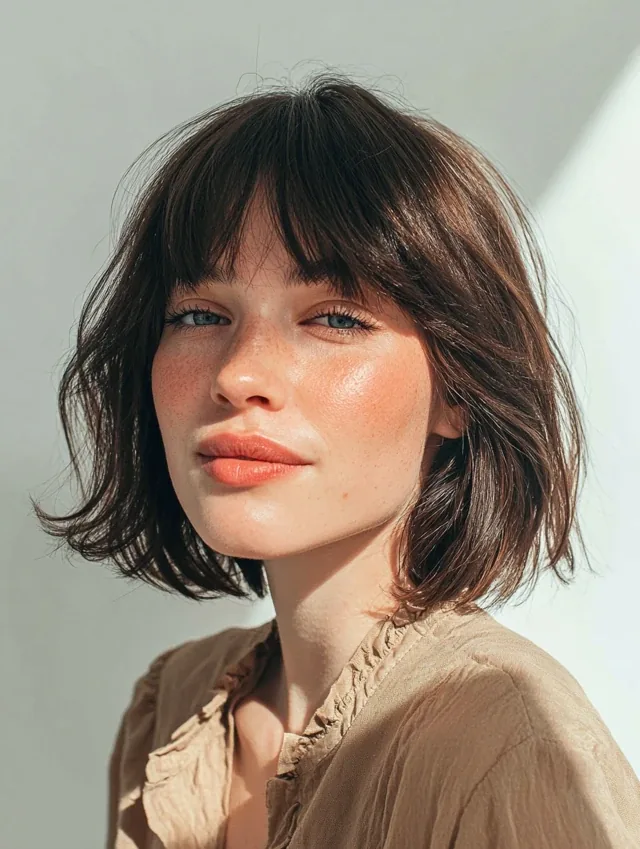
Short curtain bangs on a bob give a retro, French-inspired feel without the severity of a blunt fringe. The bangs split softly in the middle, the bob frames the jaw, and the whole shape stays light and wearable. Keep the bob just below the jaw for the softest result.
This pairing suits people who like short hair but still want face framing. Ask for the bangs to start a little longer than the bob's shortest layer, so they blend rather than sit as a separate block.
Quick verdict: A chic, short style with soft retro framing.
Who should avoid it: anyone who wants to tie all their hair back easily, as short bangs and a bob leave little to gather.
Styling steps:
- Blow-dry the bangs forward and sweep to each side.
- Smooth the bob under with a round brush.
- Bend the ends slightly inward for a rounded shape.
- Finish with a light texturising spray.
6. Curtain Bangs with a Lob
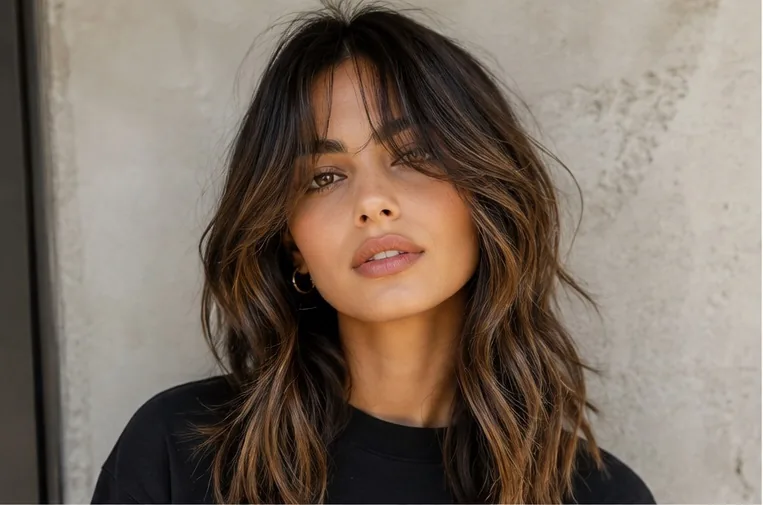
The lob, or long bob, is one of the most reliable partners for curtain bangs. The length sits around the shoulders, the bangs add framing at the top, and the style works straight, wavy or gently curled. It is modern without being fussy.
A lob also grows out gracefully with curtain bangs, because both parts of the cut lengthen together. You can wear it tucked, loose or half-up without the bangs looking out of place.
Quick verdict: A versatile medium-length style for most hair types.
Who should avoid it: anyone who wants very long hair, or a super-short statement cut, as the lob sits firmly in the middle.
Styling steps:
- Blow-dry the bangs with a round brush, sweeping outward.
- Dry the lob with a slight bend at the ends.
- Add a wave with a wand if you want movement.
- Set with a flexible spray and loosen the front pieces.
7. Curtain Bangs with Curly Hair
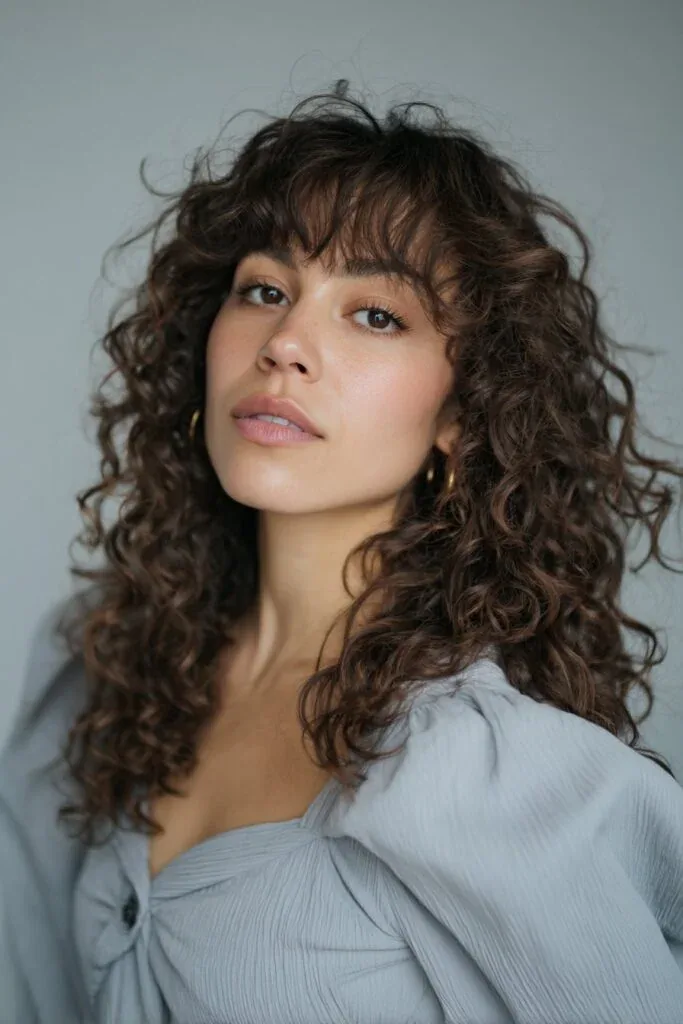
Curly curtain bangs can be beautiful, but they must be cut with curl in mind. Cut dry, or with generous extra length, they form soft, springy pieces that frame the face and blend into the curl pattern. The key is length: curls shrink, so what looks right wet will bounce up dry.
Work with your natural curl, not against it. A curl cream and diffusing will define the bangs, and a little scrunching keeps them soft rather than separated.
Quick verdict: A soft, natural frame for curly hair, when cut for shrinkage.
Who should avoid it: anyone who wants a precise, straight fringe line, or who straightens their hair daily and would fight the curl pattern.
Styling steps:
- Apply curl cream to soaking-wet hair.
- Diffuse the bangs gently, scrunching upward.
- Let the curls settle, then arrange the parting with your fingers.
- Avoid brushing dry, which turns defined curls into frizz.
8. Curtain Bangs with Wavy Shag Layers
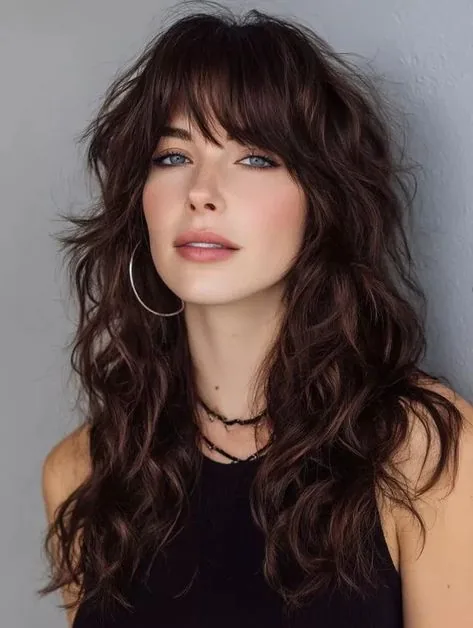
A wavy shag with curtain bangs is textured, layered and full of movement. The shag's layers give the hair body, and the curtain bangs sit naturally at the top of that texture. It is an edgy but still soft style, especially on wavy hair.
Keep the shortest shag layers below the chin so the shape stays flattering, and let the texture do the work rather than over-styling it.
Quick verdict: A textured, rock-inspired style for wavy and thick hair.
Who should avoid it: anyone who wants a sleek, smooth finish, or very fine hair that can look thin in a heavily layered shag.
Styling steps:
- Apply texturising cream to damp hair.
- Diffuse or air-dry, scrunching lightly.
- Piece out the ends with a little wax.
- Arrange the curtain bangs to frame the face and set lightly.
9. Curtain Bangs with a Wolf Cut
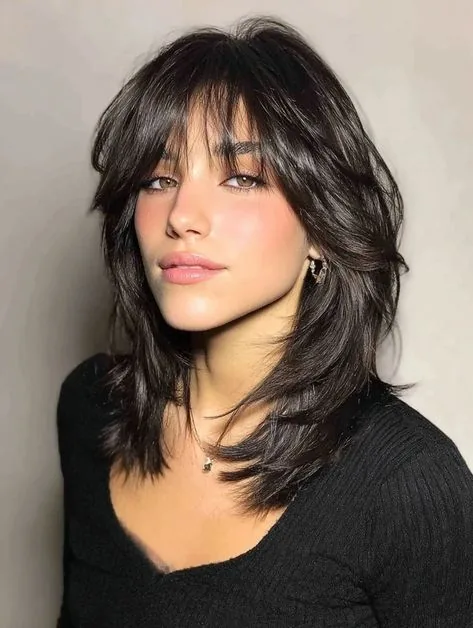
The wolf cut's short, choppy top and long lengths pair surprisingly well with curtain bangs. The bangs soften the wolf cut's edge, while the layers keep the volume. Ask for the face layers to be rounded, not jagged, so the framing stays flattering.
This is a trend-led style, so be sure you like texture and volume. It needs less precision than a sleek cut, which makes it forgiving between trims.
Quick verdict: A bold, layered style for thick or wavy hair that loves texture.
Who should avoid it: anyone who wants a conservative office cut, or very fine hair that can look wispy in a wolf cut.
Styling steps:
- Apply texturising cream to damp hair.
- Diffuse, lifting the crown lightly.
- Scrunch the lengths for texture.
- Sweep the curtain bangs to each side and piece the ends with wax.
10. Curtain Bangs with a High Ponytail
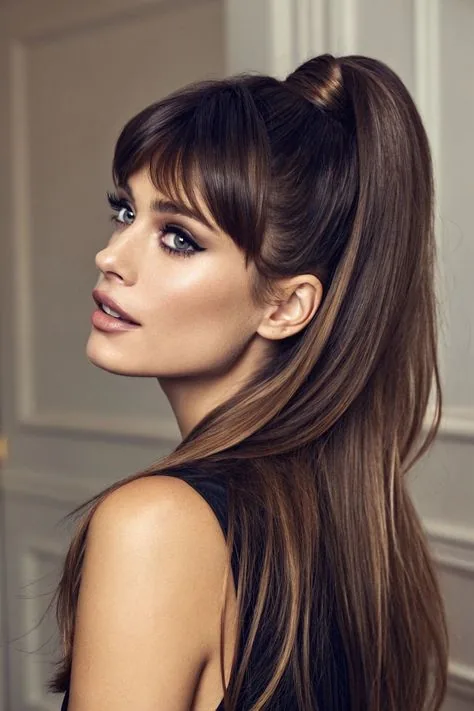
A high ponytail with curtain bangs looks instantly put-together. The ponytail lifts the face, and the bangs stay down to frame it, so you get height without a scraped-back look. It works for workouts, work and evenings out alike.
Leave the bangs and a few face pieces out of the ponytail. Pulling everything back tightly defeats the purpose of the fringe, which is to soften the face.
Quick verdict: A lifted, sporty-yet-polished style for medium to long hair.
Who should avoid it: anyone with very short bangs that will not stay out of the ponytail, or hair too short to gather high.
Styling steps:
- Style the bangs first with a round brush.
- Gather the rest of the hair high and secure loosely.
- Pull out soft face pieces around the temples.
- Smooth the ponytail and set the bangs with spray.
11. Curtain Bangs with a Low Bun
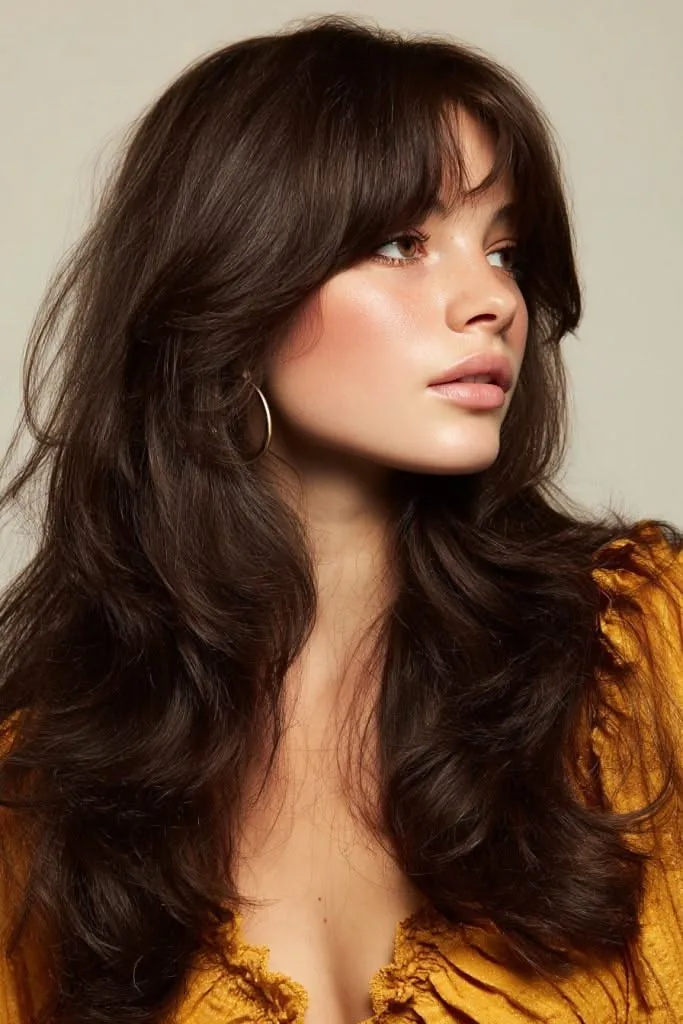
A low bun with curtain bangs is elegant without being severe. The bun sits at the nape, the bangs frame the forehead, and the whole look stays soft. It is ideal for weddings, work events and any day you want hair off your neck.
Keep the bun loose and textured, not pulled tight. A few soft pieces around the face make the difference between elegant and severe.
Quick verdict: A graceful, occasion-ready updo for medium to long hair.
Who should avoid it: anyone who wants a completely clean, tight bun, as this style relies on softness.
Styling steps:
- Blow-dry or curl the bangs lightly first.
- Gather the hair low and twist loosely.
- Pin the bun, leaving texture visible.
- Pull out the curtain bangs and a few soft pieces.
12. Curtain Bangs with a Half-Up Hairstyle
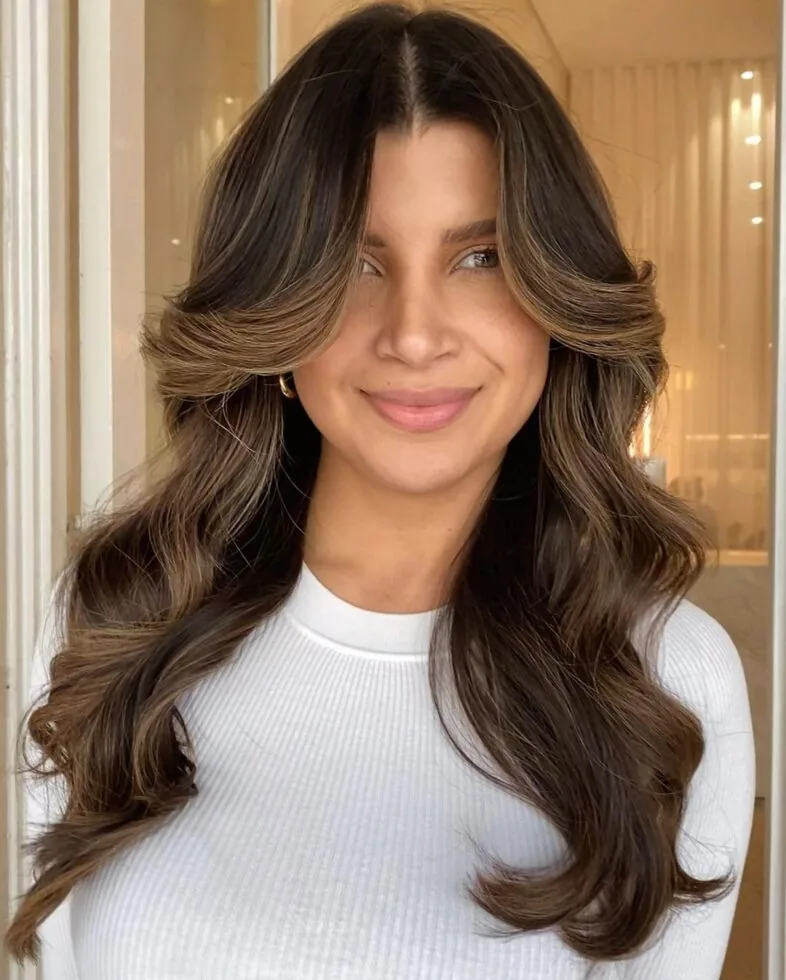
Half-up hair and curtain bangs are made for each other. The top half lifts off the face, the bottom half stays down, and the bangs frame everything in between. It is romantic, easy and works for almost any occasion.
This style also shows off the bangs at their best, because the lifted top section draws the eye to the fringe. Add a wave to the lengths for extra softness.
Quick verdict: A romantic everyday style for medium to long hair.
Who should avoid it: anyone with very short hair that will not stay in a half-up section.
Styling steps:
- Curl or wave the lengths loosely.
- Gather the top half loosely and secure with a clip or tie.
- Leave the curtain bangs and face pieces out.
- Shake the lengths out and set lightly.
13. Curtain Bangs with Soft Curls
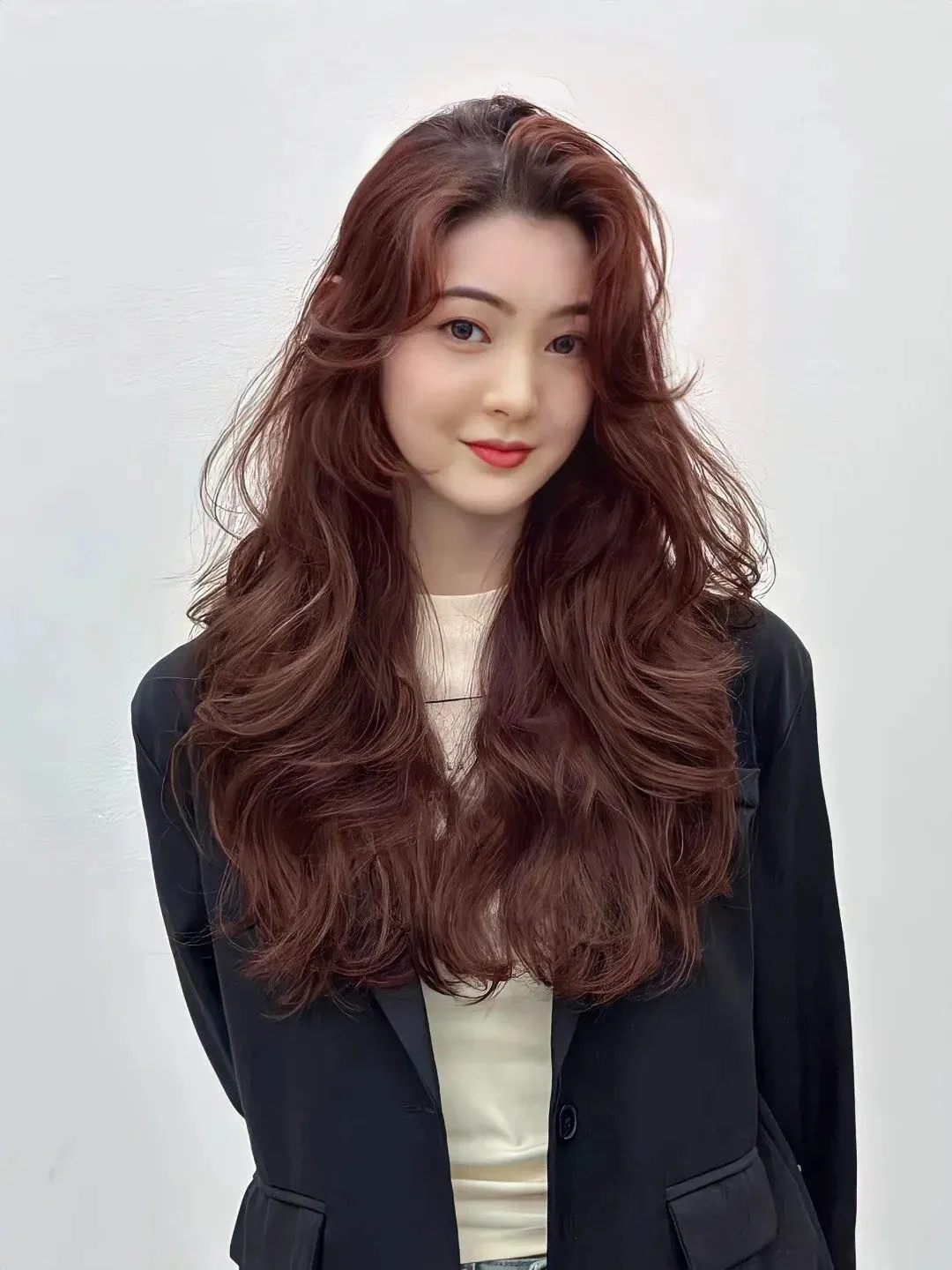
Soft curls plus curtain bangs give a gentle, feminine frame that never looks stiff. The curls add volume around the face, and the bangs break up the forehead so the curls do not overwhelm it. Keep the curls large and brushed out for softness.
This is a lovely choice for occasions, but it also works daily if you like a little more styling time. A large-barrel wand is your best friend here.
Quick verdict: A soft, romantic style for medium to long hair.
Who should avoid it: anyone who dislikes heat styling, or very straight hair that drops curl quickly.
Styling steps:
- Apply curl cream or heat protectant.
- Curl large sections around a large wand.
- Brush the curls out gently for softness.
- Arrange the curtain bangs to each side and set with spray.
14. Curtain Bangs with Straight Glass Hair

Glass hair is ultra-smooth, shiny and straight, and curtain bangs give it a face-framing finish that a blunt fringe cannot. The bangs curve gently away from the face, so the sleek lengths still have a soft edge. It is a striking, high-shine look.
This style needs healthy, well-conditioned hair and a good straightener or blow-dry. Split ends show more on glass hair than on textured styles, so regular trims matter.
Quick verdict: A sleek, high-shine style for straight hair.
Who should avoid it: anyone with damaged or very frizzy hair, or who wants a wash-and-go routine.
Styling steps:
- Apply smoothing serum to damp hair.
- Blow-dry straight in sections with a paddle brush.
- Pass a straightener lightly over the lengths and bangs.
- Finish with a shine spray, keeping oil away from the fringe roots.
15. Curtain Bangs with a Messy Bun
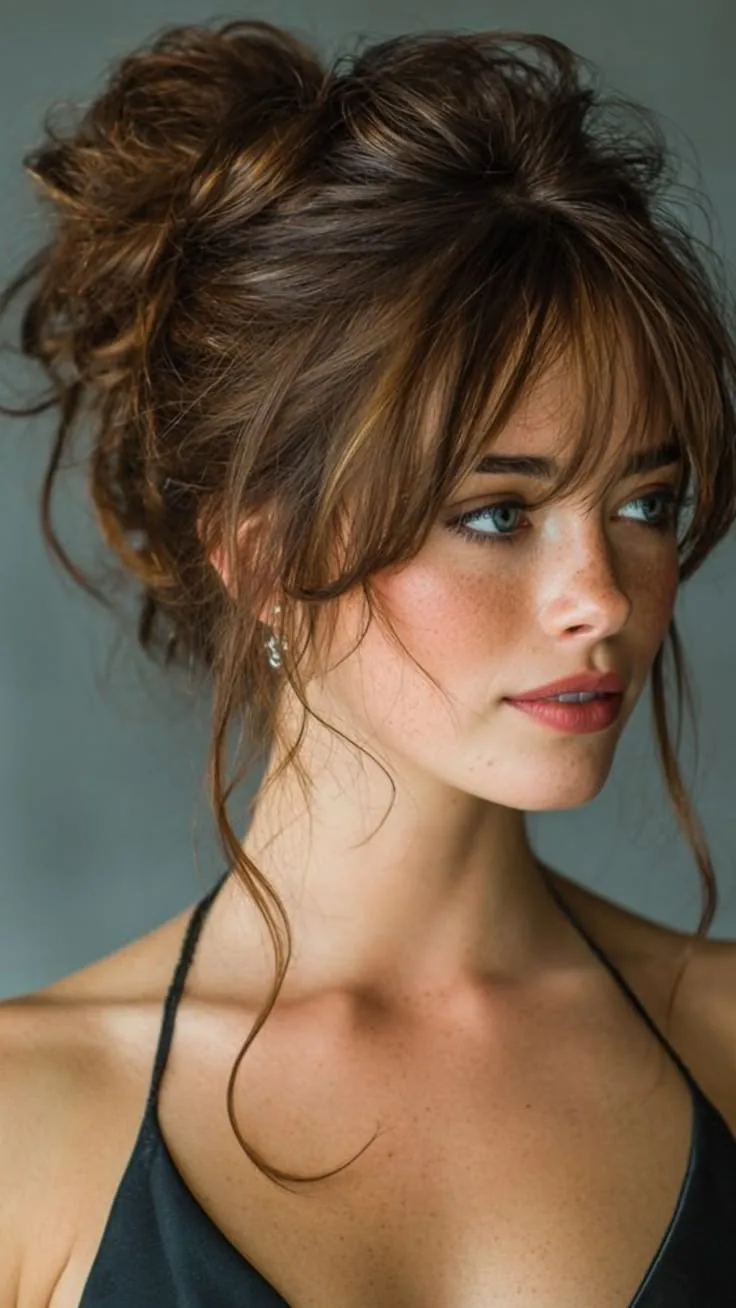
A messy bun is the ultimate off-duty style, and curtain bangs stop it from looking like you just rolled out of bed. The bangs give the look intention, while the bun stays loose and easy. It is the perfect weekend or work-from-home hairstyle.
Do not overthink the bun. Twist, pin loosely, pull out pieces, and let the bangs do the framing work. That imperfection is the point.
Quick verdict: An easy, lived-in updo for medium to long hair.
Who should avoid it: anyone who wants a formal, polished updo, as this style is deliberately undone.
Styling steps:
- Style the bangs quickly with a round brush or wand.
- Gather the hair loosely and twist into a bun.
- Pin loosely, leaving texture and soft pieces out.
- Pull the curtain bangs forward and set lightly.
16. Curtain Bangs with a Braided Crown
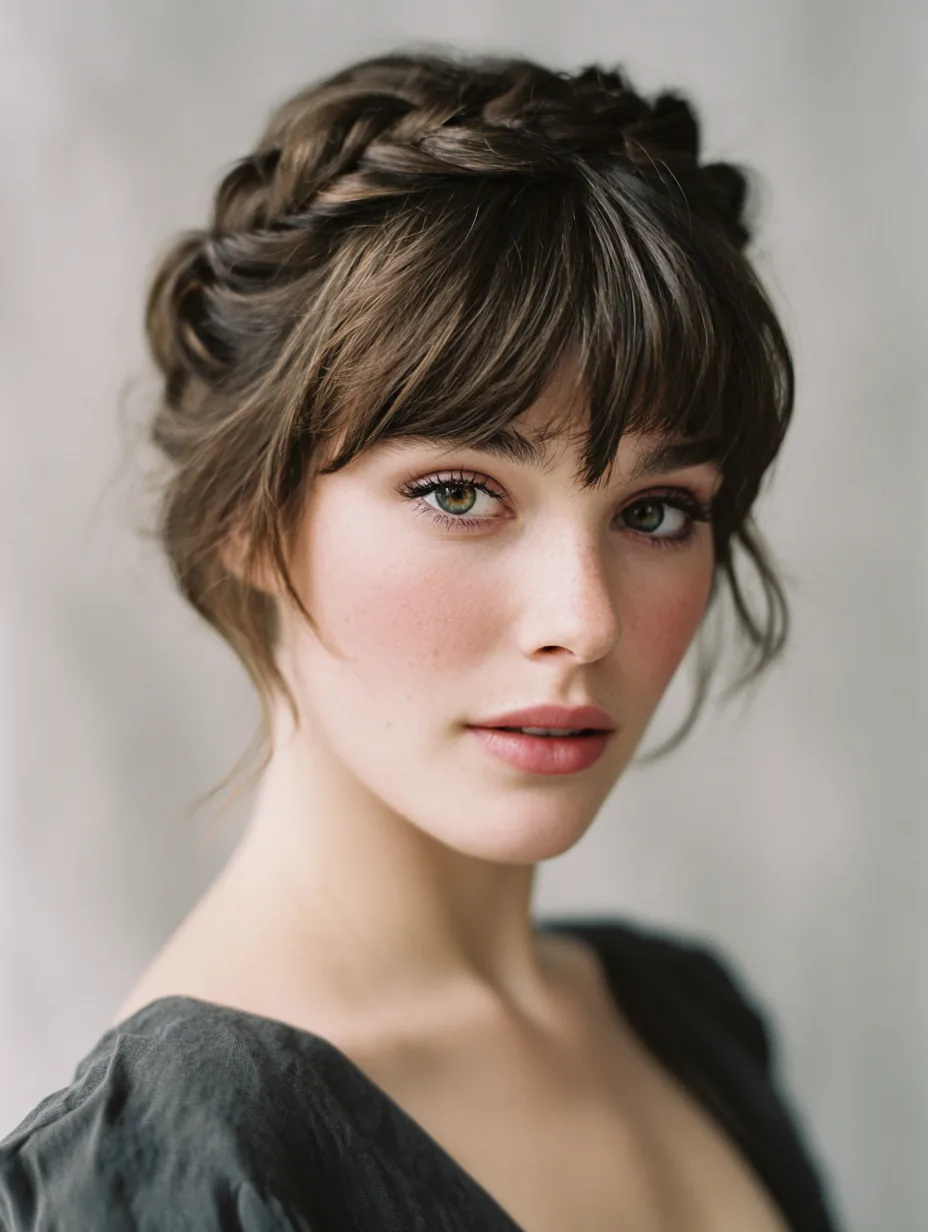
A braided crown with curtain bangs looks romantic and a little bohemian. The braid circles the head, the bangs frame the face, and the combination suits weddings, festivals and summer days. It also keeps hair off your face while leaving the fringe visible.
Keep the braid loose and pancake it gently for softness. A tight, severe braid next to soft bangs can look mismatched, so aim for relaxed throughout.
Quick verdict: A romantic, bohemian style for long hair.
Who should avoid it: anyone with short hair that cannot braid around the head, or who dislikes intricate styling.
Styling steps:
- Curl the lengths lightly and style the bangs.
- Braid two sections from each side toward the back.
- Cross and pin them into a crown shape.
- Pancake the braid gently and arrange the bangs.
17. Curtain Bangs with Face-Framing Highlights
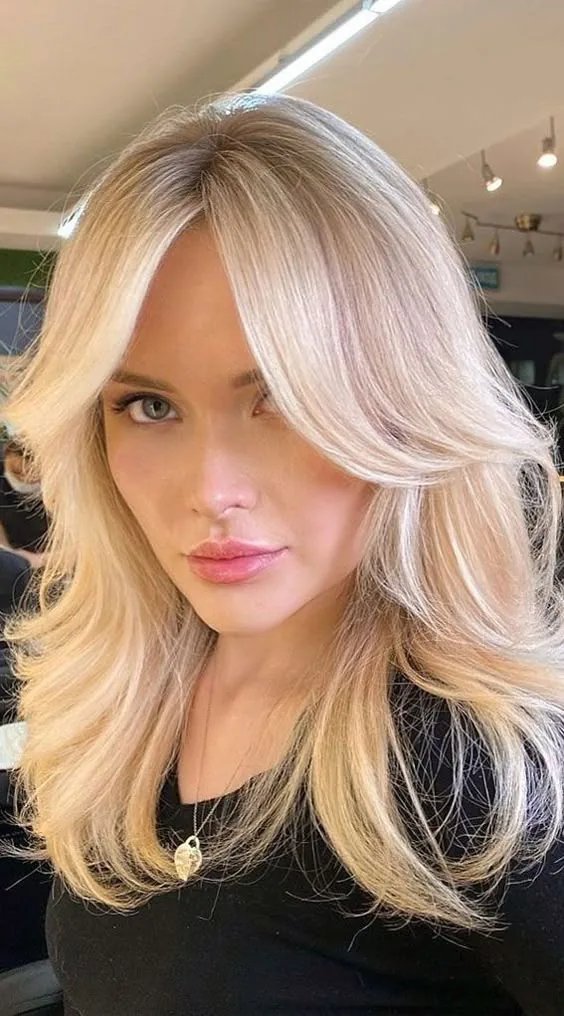
Face-framing highlights, sometimes called a money piece, make curtain bangs pop. The lighter pieces around the face draw the eye to the fringe and brighten your features, while the rest of the hair stays deeper for contrast. It is a low-commitment colour change with a big visual payoff.
Keep the highlights soft and blended, not a harsh stripe. A balayage-style blend around the bangs looks most natural as it grows out.
Quick verdict: A brightening colour pairing for curtain bangs.
Who should avoid it: anyone who wants zero colour maintenance, as highlights need toning and touch-ups.
Styling steps:
- Ask your colourist for soft, blended highlights around the bangs.
- Style the bangs with a round brush to show the colour.
- Keep the parting soft so the highlights frame evenly.
- Use a colour-safe shampoo and a toner as advised.
18. Curtain Bangs with Balayage
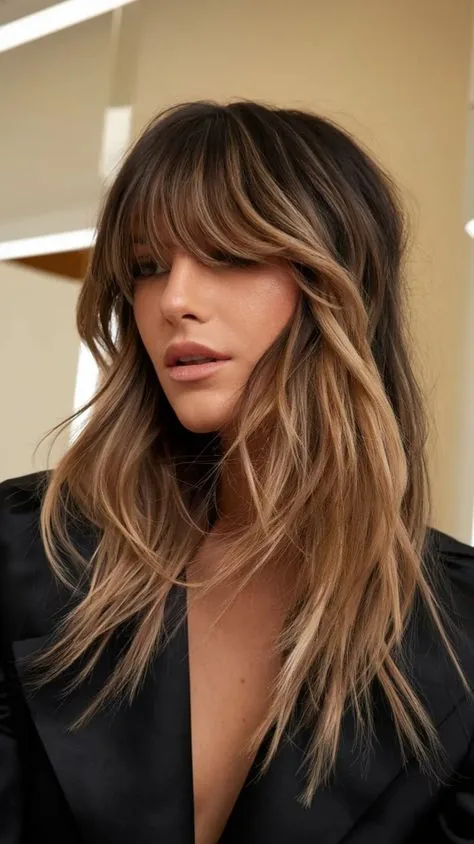
Balayage and curtain bangs grow out together beautifully, because both are soft and blended. The hand-painted colour adds dimension through the lengths, and the bangs catch the lightest tones around the face. It is a sun-kissed look that needs fewer salon visits than full highlights.
Choose tones that suit your skin and natural colour, and ask for the lightest pieces to sit around the face rather than only at the ends.
Quick verdict: A low-maintenance, dimensional colour style.
Who should avoid it: anyone who wants a sharp, uniform colour, or who cannot visit a colourist for toning.
Styling steps:
- Ask for balayage with lighter pieces around the curtain bangs.
- Style with waves to show the dimension.
- Use colour-safe products and limit heat.
- Book a toner or gloss between full colour appointments.
19. Curtain Bangs with a Deep Side Part
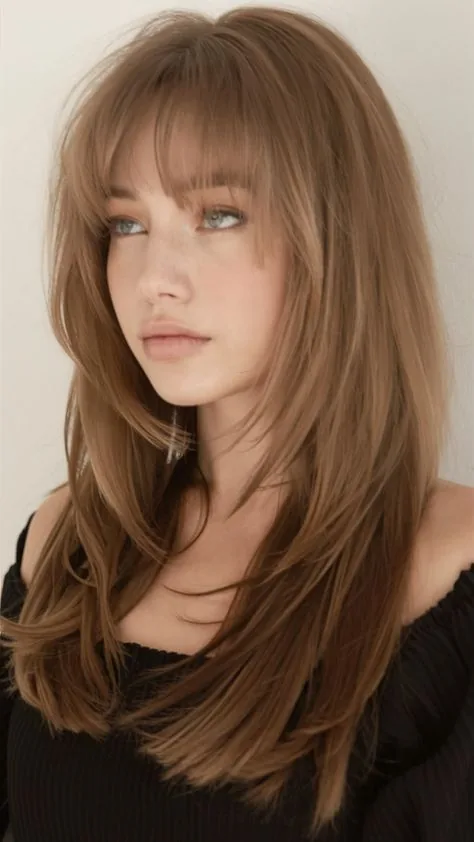
A deep side part gives curtain bangs a glamorous, sweeping feel. Instead of splitting evenly, the bangs fall more to one side, creating volume and a diagonal line across the forehead. It suits evenings out and anyone who likes a little drama.
This is a good option if a centre part feels too symmetrical for you, or if your hair naturally falls to one side. The bangs still frame both sides, just unevenly.
Quick verdict: A glamorous, voluminous variation for medium to long hair.
Who should avoid it: anyone who strongly prefers a centre part, or very short bangs that cannot sweep to one side.
Styling steps:
- Part deeply to one side while damp.
- Blow-dry the bangs in the direction of the sweep.
- Add root lift on the fuller side.
- Set with spray and keep the sweep soft, not stiff.
20. Curtain Bangs with a Centre Part
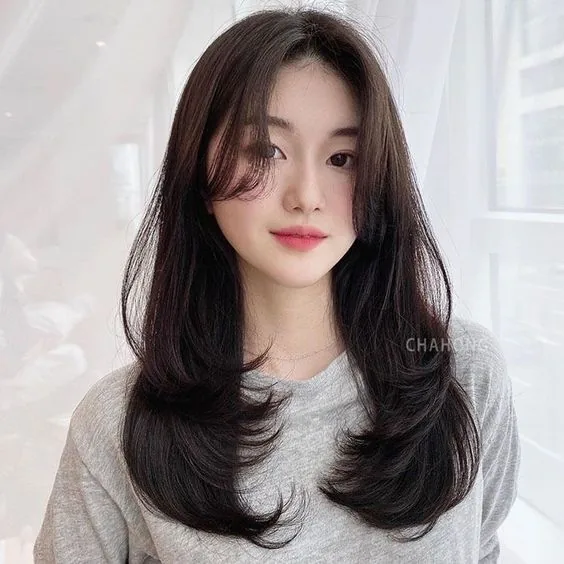
The centre part is the classic curtain bang look. The bangs split evenly, frame both sides of the face symmetrically, and give that iconic 1970s-inspired shape. It is balanced, timeless and easy to recognise.
A centre part suits oval and heart faces especially well, and it works best when the bangs are long enough to sweep past the cheekbones. Keep the part soft, not a razor-sharp line.
Quick verdict: The classic, symmetrical curtain bang style.
Who should avoid it: anyone whose hair strongly resists a centre part, or who prefers an asymmetric look.
Styling steps:
- Part in the centre while damp.
- Blow-dry the bangs forward, then sweep each side outward.
- Smooth the lengths and add a slight bend.
- Set lightly so the part stays soft.
21. Curtain Bangs with a Pixie Cut
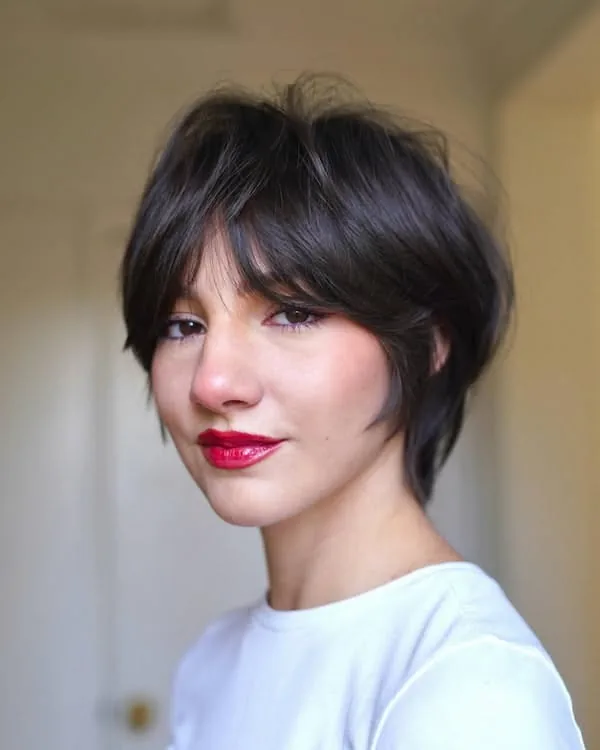
A pixie with longer curtain bangs is a softer take on short hair. The top stays long enough to sweep to each side, while the back and sides stay short and neat. It gives a pixie a fringe option without a heavy, blunt block.
This pairing needs regular trims to keep the pixie shape, but the bangs themselves are forgiving. It suits confident, low-length styles that still want face framing.
Quick verdict: A soft, modern pixie variation.
Who should avoid it: anyone who wants to grow their hair out quickly, as a pixie needs frequent shaping.
Styling steps:
- Blow-dry the top forward with a small round brush.
- Sweep the curtain bangs to each side.
- Add texture wax to the pixie layers.
- Set lightly and keep the fringe soft.
22. Curtain Bangs with a Midi Cut
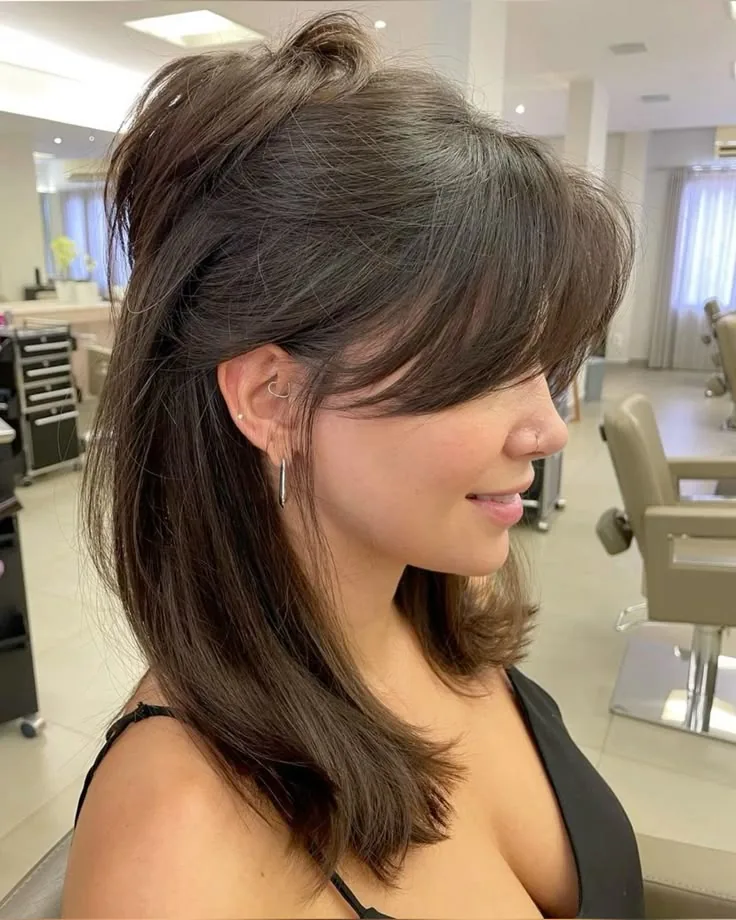
A midi cut, falling between the shoulders and chest, is a sweet spot for curtain bangs. It is long enough to feel feminine, short enough to style quickly, and the bangs add framing that a plain midi can lack. It suits busy routines well.
Wear it straight for work, wavy for weekends, and half-up for evenings, all with the same curtain bangs. That versatility is why the midi plus curtain bangs is so popular.
Quick verdict: A practical, versatile medium-length style.
Who should avoid it: anyone who wants very long or very short hair, as the midi is firmly in between.
Styling steps:
- Blow-dry the bangs outward with a round brush.
- Dry the midi with a slight inward bend.
- Add a loose wave if desired.
- Finish with a light spray.
23. Curtain Bangs with Thick Hair Layers
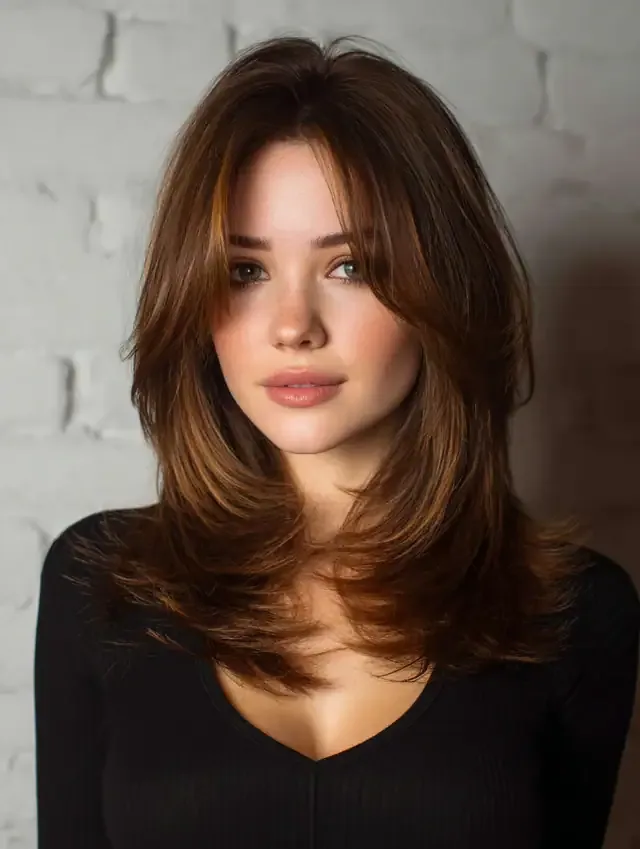
Thick hair can make curtain bangs look heavy if they are cut too thick, so thinning and layering matter. Well-thinned curtain bangs move, fall softly and frame the face without forming a solid curtain. Internal layers through the lengths remove bulk without losing length.
Ask your stylist to thin the bangs, not just shorten them. That single step is what keeps thick-hair curtain bangs light and wearable.
Quick verdict: A light, moving frame for thick hair.
Who should avoid it: anyone who wants a very thick, dense fringe, as this version is deliberately thinned.
Styling steps:
- Ask for thinned, layered curtain bangs.
- Blow-dry with a round brush, sweeping outward.
- Smooth the lengths and remove bulk with layers.
- Use a light cream, not heavy oil, at the fringe.
24. Curtain Bangs with Fine Hair Layers
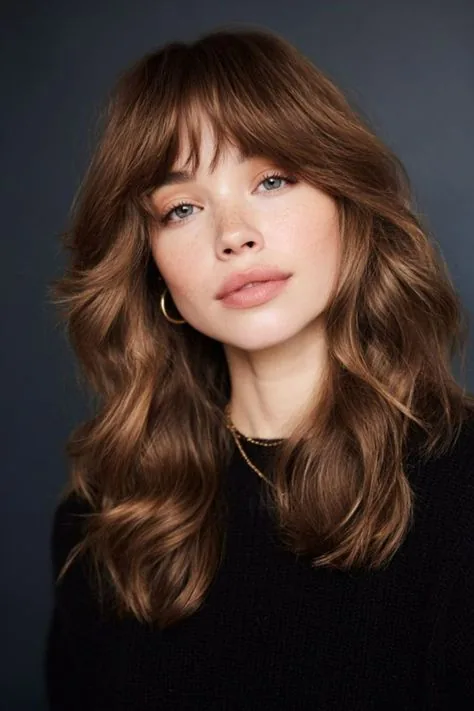
Fine hair suits longer, lighter curtain bangs that do not take too much density from the rest of the hair. The bangs add the illusion of fullness around the face, while light layers through the lengths add movement. Keep the fringe wispy rather than thick.
Root lift is essential for fine hair. A volumising spray at the roots and a round-brush blow-dry will stop the bangs from falling flat against the forehead.
Quick verdict: A fuller-looking frame for fine hair.
Who should avoid it: anyone who wants a thick, heavy fringe, as fine hair cannot support that density.
Styling steps:
- Apply volumising spray to damp roots.
- Blow-dry the bangs with a round brush, lifting at the roots.
- Keep layers light through the lengths.
- Set with a light spray and avoid heavy products.
25. Curtain Bangs with a Claw Clip Updo
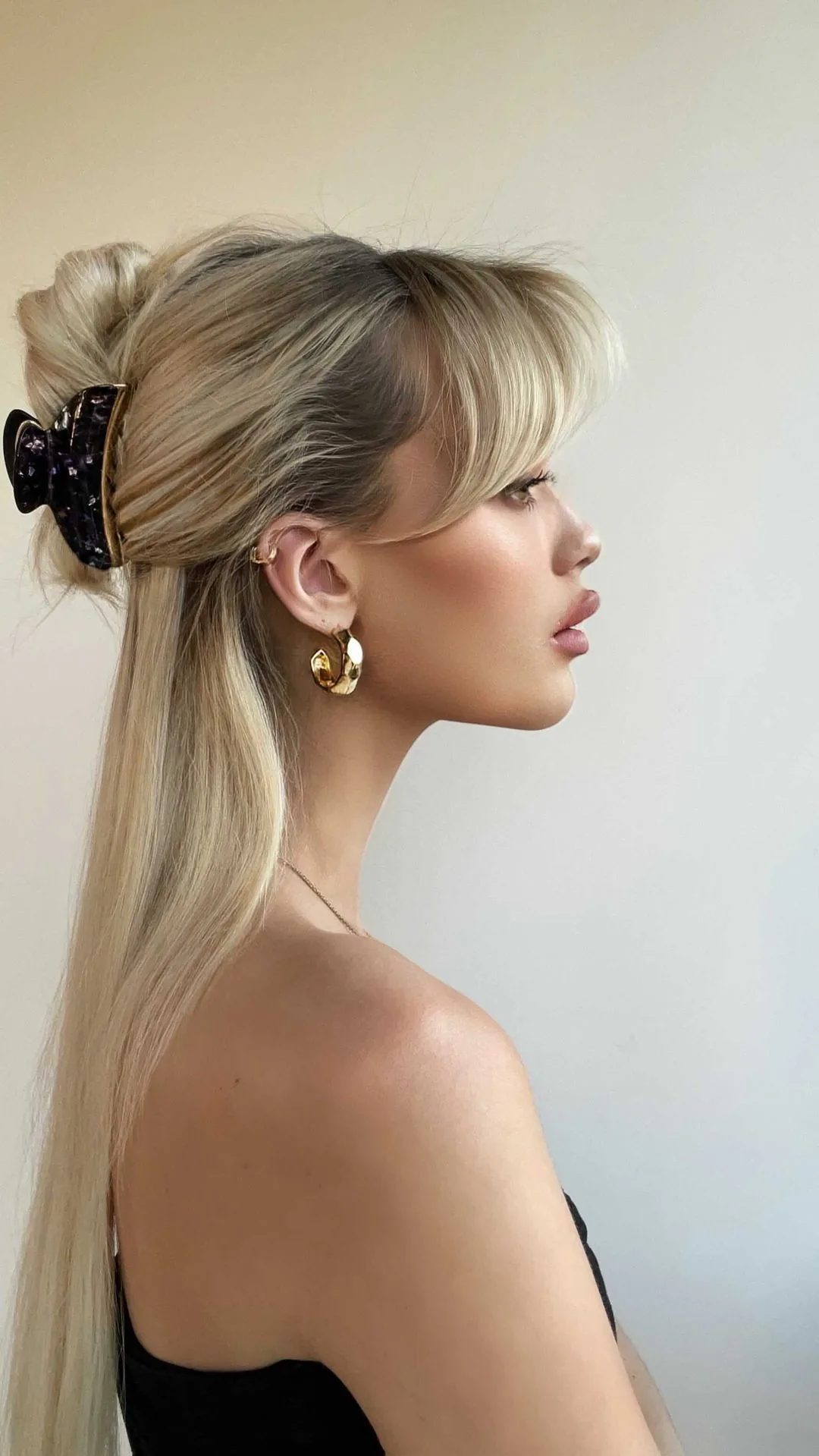
A claw clip updo with curtain bangs is the easiest polished style in this guide. Twist the hair up, clip it, leave the bangs down, and you look intentional in under a minute. It is ideal for hot days, busy mornings and second-day hair.
The bangs are what elevate this from a lazy-day twist to a real hairstyle, so style them first even if you skip the rest. A few soft pieces pulled out around the face complete the look.
Quick verdict: A quick, effortless updo for medium to long hair.
Who should avoid it: anyone with very short hair that will not twist into a clip, or very heavy hair that slips out of clips.
Styling steps:
- Style the bangs with a round brush or wand.
- Gather the hair loosely and twist upward.
- Secure with a claw clip, leaving the ends soft.
- Pull out the curtain bangs and a few face pieces.
26. Curtain Bangs with a Low Ponytail
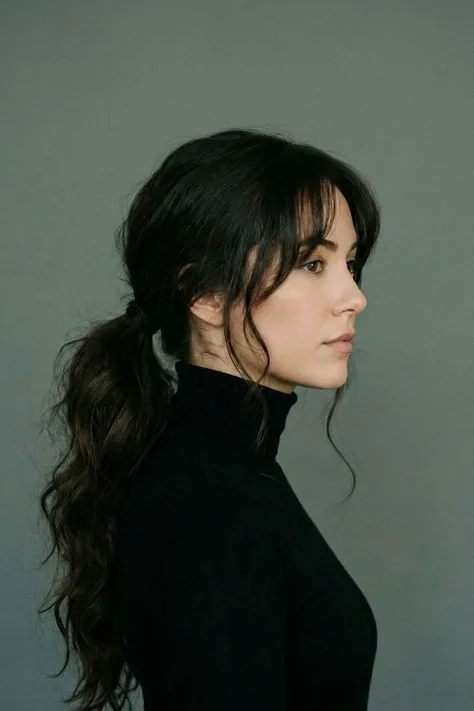
A low ponytail with curtain bangs is understated and elegant. The ponytail sits at the nape, the bangs frame the face, and the look works for work, school runs and evenings alike. It is a quiet, reliable style that never looks overdone.
Keep the ponytail loose at the front, not pulled tight. A little softness around the hairline makes the whole style feel relaxed rather than severe.
Quick verdict: An understated, everyday ponytail style.
Who should avoid it: anyone who wants a high, dramatic ponytail, as this version is deliberately low and soft.
Styling steps:
- Style the bangs first.
- Gather the hair low and secure loosely.
- Pull out soft pieces around the face.
- Smooth the ponytail lengths lightly.
27. Curtain Bangs with Vintage Waves
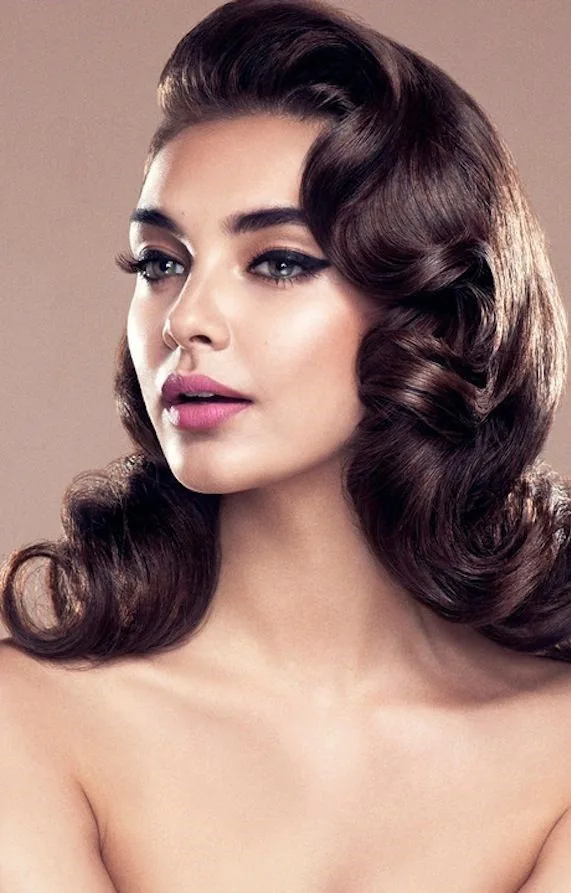
Vintage waves and curtain bangs channel old Hollywood glamour with a modern fringe. The waves are smooth, sculpted and brushed out, and the bangs sweep softly to each side. It is a show-stopping occasion style.
This look takes time and a good setting technique, so save it for events rather than everyday wear. Pin curls or a large wand, plus brushing out, create the vintage shape.
Quick verdict: A glamorous, occasion-ready vintage style.
Who should avoid it: anyone who wants a quick everyday style, or very short hair that cannot form long waves.
Styling steps:
- Curl sections around a large wand in the same direction.
- Let the curls cool, then brush out into smooth waves.
- Shape the curtain bangs to sweep to each side.
- Set generously with a flexible-hold spray.
28. Curtain Bangs with a French Bob

A French bob with curtain bangs is chic, short and effortlessly Parisian. The bob sits around the jaw, the bangs split softly, and the ends are slightly textured rather than blunt. It is a confident style that suits straight and wavy hair.
Keep the bob's ends soft and the bangs a touch longer than the bob's top layer, so they blend. A little texture spray stops it from looking too perfect.
Quick verdict: A chic, Parisian-inspired short style.
Who should avoid it: anyone who wants long hair, or who needs to tie their hair back daily.
Styling steps:
- Blow-dry the bangs forward and sweep outward.
- Dry the bob with a slight bend under.
- Add texture spray and tousle lightly.
- Arrange the bangs to frame the face.
29. Curtain Bangs with a Butterfly Cut
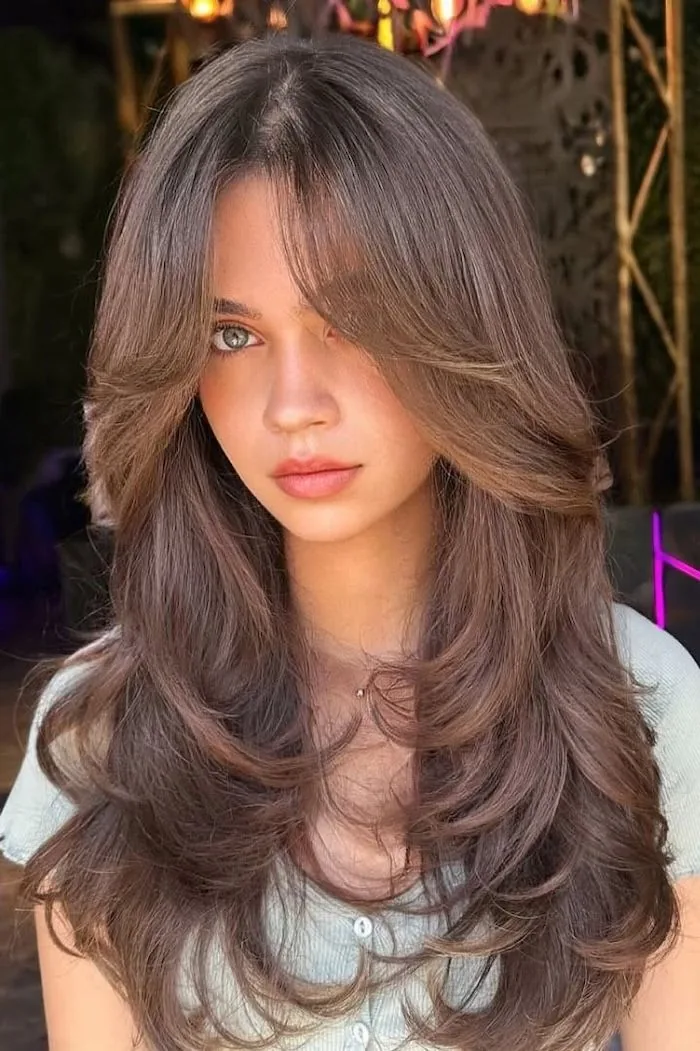
The butterfly cut layers short, face-framing pieces over long lengths, and curtain bangs sit naturally at the top of that shape. The short layers give volume around the face, while the long lengths keep the style feeling long. It is a clever way to get layers without losing length.
This cut suits medium to thick hair best, where the layers have enough density to show. Fine hair can look thinner in a butterfly cut, so ask for fewer, longer layers if your hair is fine.
Quick verdict: A voluminous layered cut that keeps its length.
Who should avoid it: anyone with very fine hair, or who wants a one-length, blunt shape.
Styling steps:
- Blow-dry the curtain bangs outward with a round brush.
- Blow-dry the short layers with volume at the crown.
- Smooth the long lengths down.
- Set with a light spray and shake the layers loose.
30. Curtain Bangs with a Layered Shag Bob
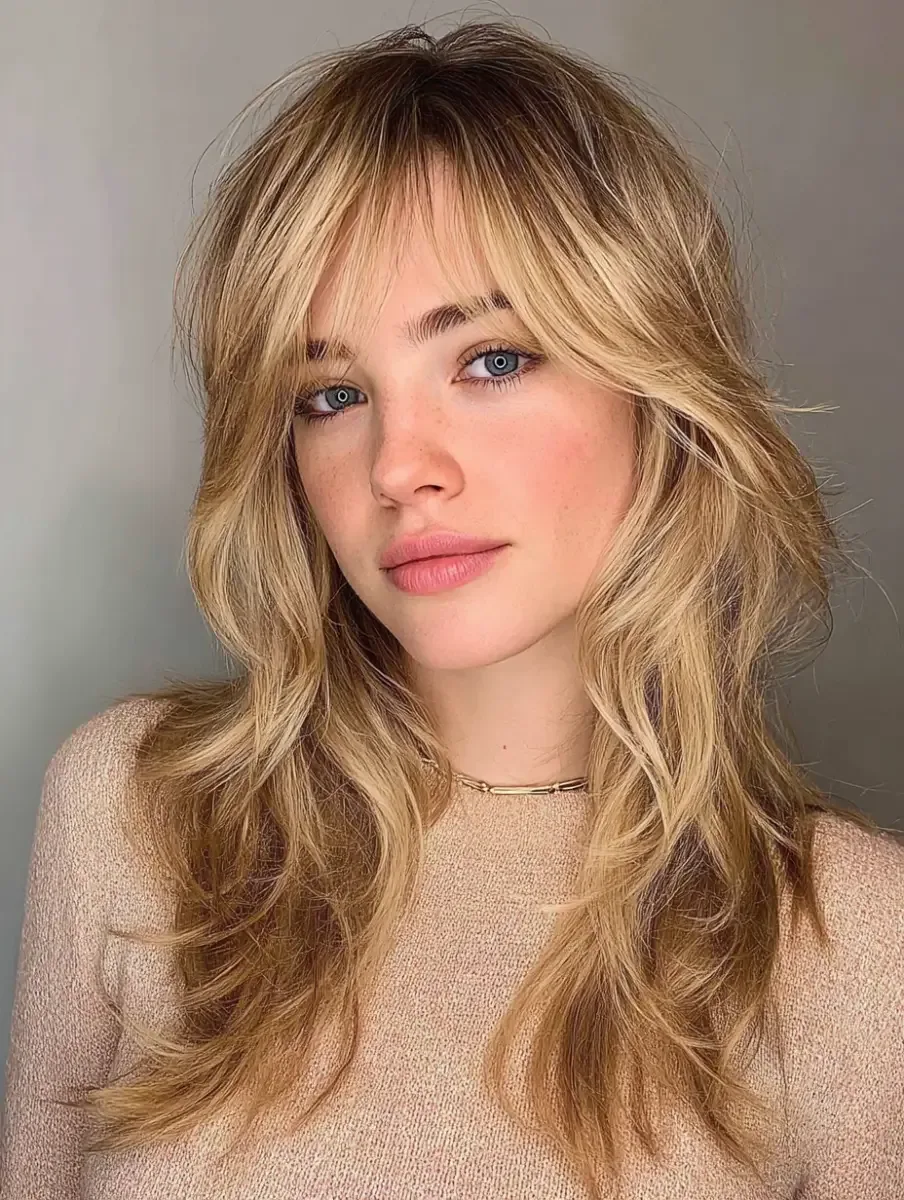
A layered shag bob with curtain bangs is short, textured and full of personality. The shag layers give the bob movement, and the curtain bangs add framing at the front. It is a modern short style that never looks stiff.
Texture is essential here. A texturising spray and a little scrunching will bring the shag layers to life, while over-smoothing will flatten the whole cut.
Quick verdict: A textured, modern short style.
Who should avoid it: anyone who wants a sleek, smooth bob, as this version is deliberately choppy.
Styling steps:
- Apply texturising cream to damp hair.
- Blow-dry with a round brush, sweeping the bangs outward.
- Scrunch the shag layers for texture.
- Piece the ends with wax and set lightly.
31. Curtain Bangs with a Side Braid
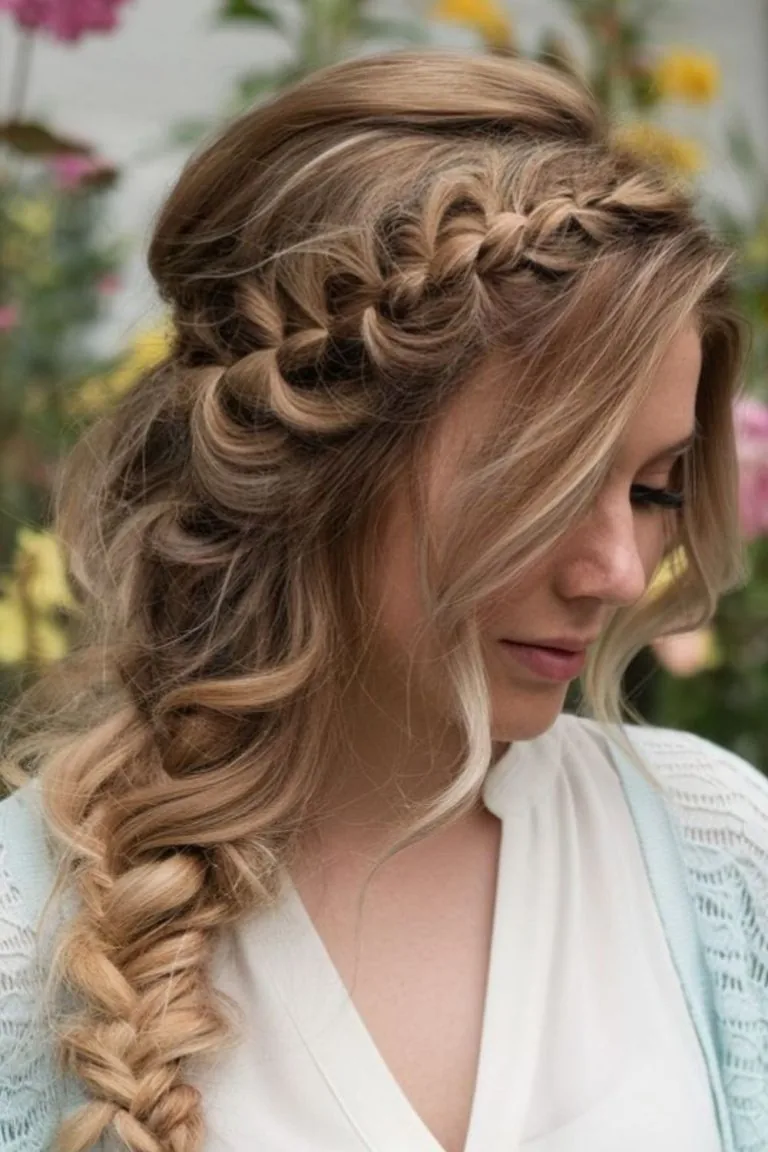
A side braid with curtain bangs is pretty, practical and romantic. The braid sweeps to one side, the bangs frame the face, and the style keeps hair tidy while still looking soft. It works for school, work and casual days out.
Braid loosely and pull a few pieces out for softness. A tight, severe braid next to soft curtain bangs can look unbalanced, so keep everything relaxed.
Quick verdict: A pretty, practical braided style for medium to long hair.
Who should avoid it: anyone with very short hair that cannot braid to one side.
Styling steps:
- Style the bangs first.
- Sweep the hair to one side and braid loosely.
- Pancake the braid gently for fullness.
- Pull out the curtain bangs and soft face pieces.
32. Curtain Bangs with a Top Knot
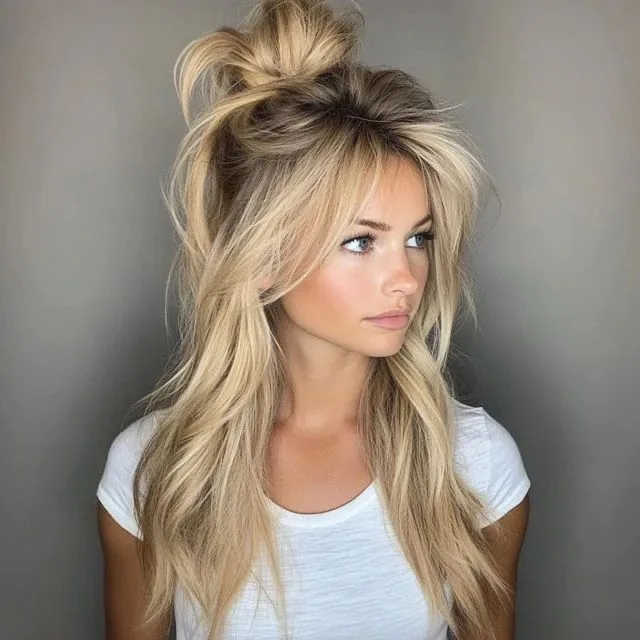
A top knot with curtain bangs is the fastest way to look polished on a busy day. The knot lifts everything up, the bangs stay down to frame your face, and the contrast looks intentional rather than rushed. It suits gym days, work days and everything in between.
Keep the knot a little loose and textured, not scraped tight. The bangs do the softening work, so let them fall naturally around your forehead.
Quick verdict: A quick, lifted style for medium to long hair.
Who should avoid it: anyone with very short bangs that slip into the knot, or hair too short to gather on top.
Styling steps:
- Style the bangs quickly.
- Gather the hair high and twist into a knot.
- Pin loosely, leaving texture.
- Arrange the curtain bangs around the face.
33. Curtain Bangs with a Sleek Bun for Work
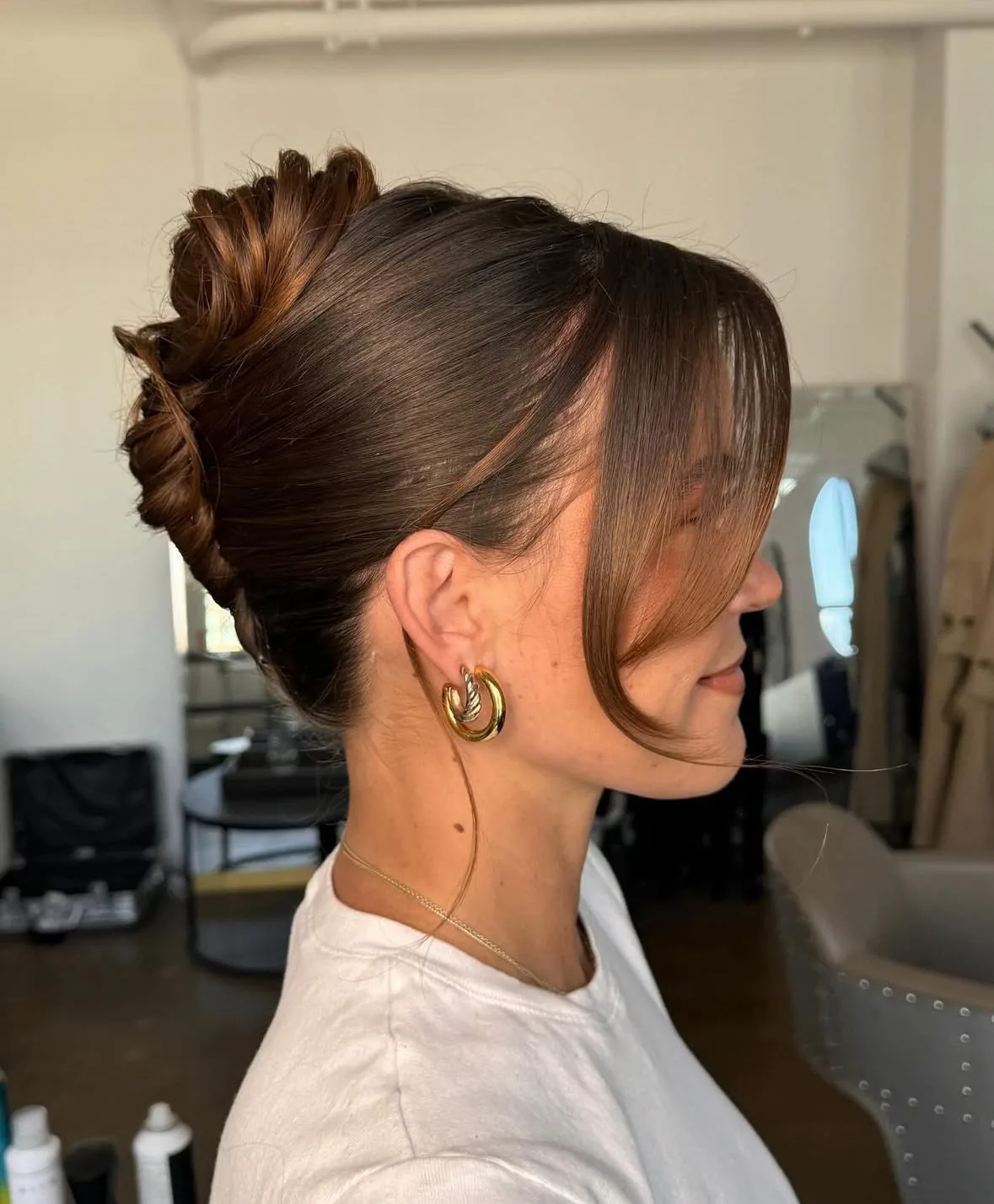
A sleek bun for work with curtain bangs strikes the right balance between professional and soft. The bun itself is smooth and tidy, but the bangs stop it from looking severe. It is ideal for offices, interviews and formal days.
Smooth the bun with a brush and a little gel or cream, but leave the bangs soft and curved. That contrast is what makes the style work-appropriate without being harsh.
Quick verdict: A professional, polished updo for medium to long hair.
Who should avoid it: anyone who wants a fully scraped-back look, as this style keeps the bangs down.
Styling steps:
- Blow-dry the bangs with a round brush.
- Brush the rest of the hair back smoothly.
- Twist into a bun and pin neatly.
- Set the bangs softly and finish with spray.
34. Curtain Bangs with a Textured Lob
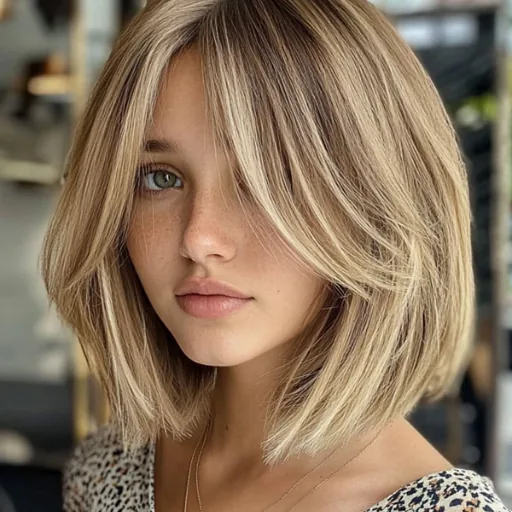
A textured lob with curtain bangs is relaxed, modern and very wearable. The lob's choppy ends give movement, the bangs give framing, and the whole style looks good with minimal effort. It is a great choice if you like a lived-in finish.
Texture spray is the key product here. It gives the lob grip and separation without stiffness, and it helps the bangs hold their sweep through the day.
Quick verdict: A relaxed, modern medium-length style.
Who should avoid it: anyone who wants a blunt, sleek lob, as this version is deliberately textured.
Styling steps:
- Blow-dry the bangs outward.
- Add texture spray to the lob lengths.
- Twist a few sections loosely and shake out.
- Arrange the bangs and set lightly.
35. Curtain Bangs with Romantic Loose Waves for Occasions
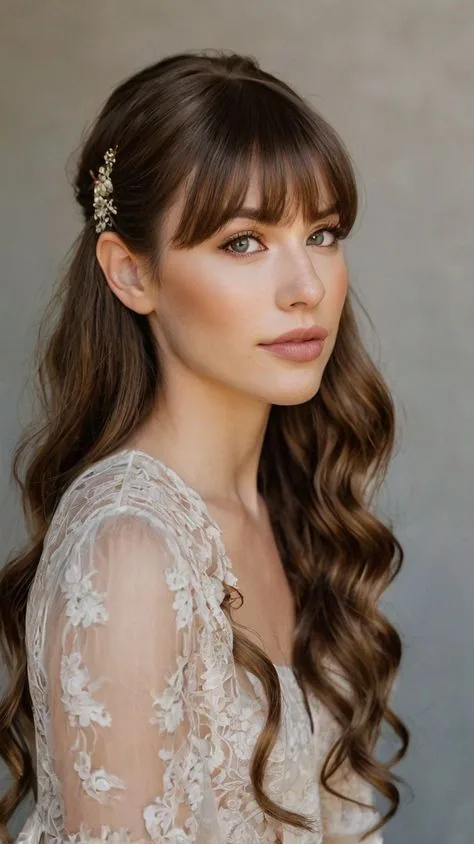
Romantic loose waves are the occasion version of curtain bangs at their best. The waves are soft and large, the bangs frame the eyes, and the whole style photographs beautifully. It suits weddings, dates and celebrations.
Use a large wand, brush the waves out, and let them fall naturally. Overly tight curls will fight the softness of the curtain bangs, so keep everything loose.
Quick verdict: A soft, photogenic occasion style for medium to long hair.
Who should avoid it: anyone who wants a tight, defined curl, or a very quick everyday style.
Styling steps:
- Curl large sections around a large wand.
- Brush out gently for loose waves.
- Arrange the curtain bangs to each side.
- Set with a flexible spray and a little shine.
36. Curtain Bangs Grown Out into Face-Framing Layers
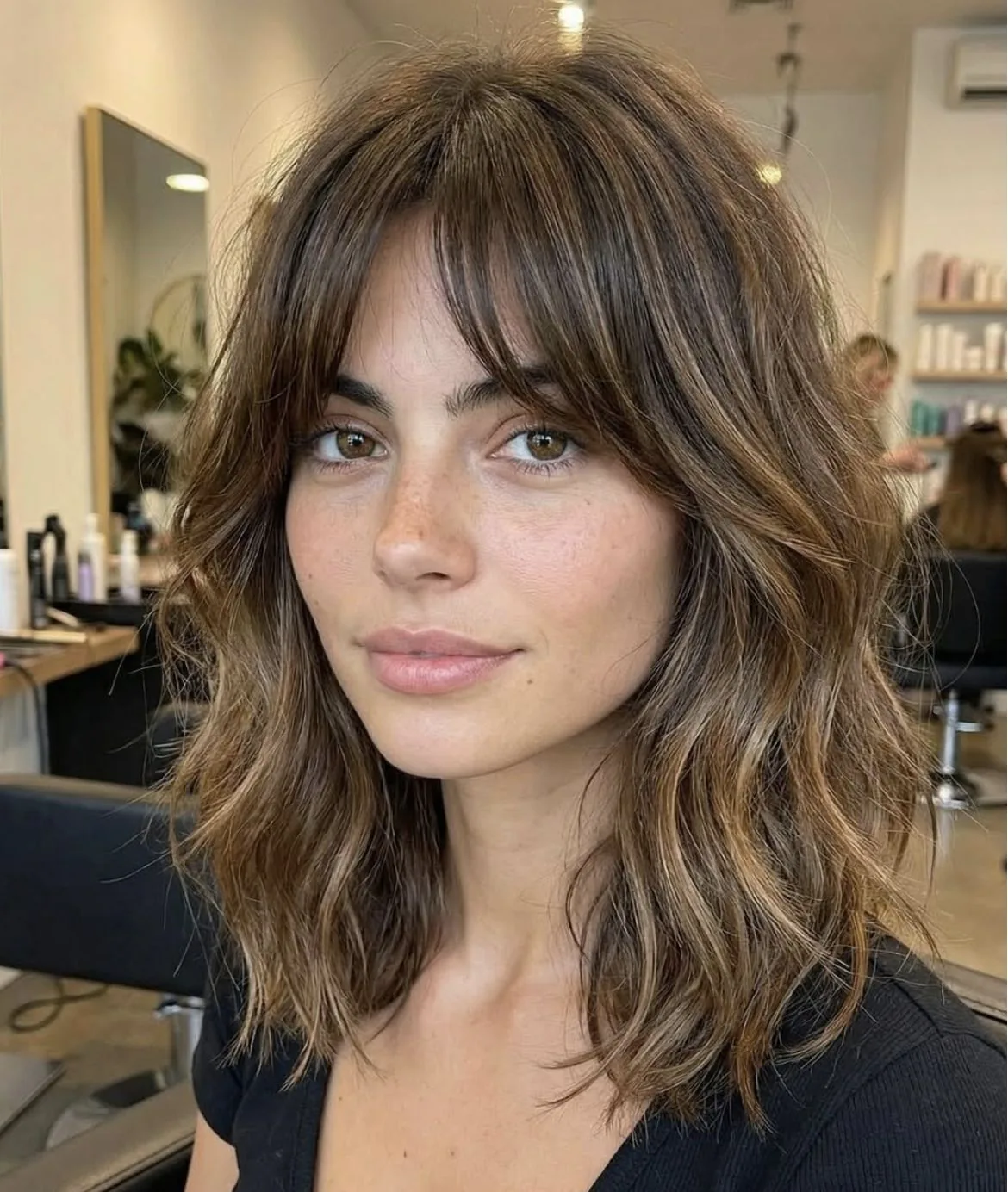
This is curtain bangs at their most forgiving: grown out into pure face-framing layers. There is no fringe line left, just soft pieces that open around your face and blend into the lengths. It is the style you get when you simply let curtain bangs grow, and it looks intentional rather than neglected.
It is also the easiest version to maintain, because there is nothing short to trim every few weeks. A light layer trim every couple of months keeps the shape tidy.
Quick verdict: The lowest-maintenance curtain bang outcome.
Who should avoid it: anyone who wants a visible, short fringe, as this version has grown past that stage.
Styling steps:
- Blow-dry the face pieces forward and outward.
- Smooth the lengths.
- Add a soft wave if desired.
- Set lightly and let the pieces fall naturally.
37. Curtain Bangs with a 90s Supermodel Blowout
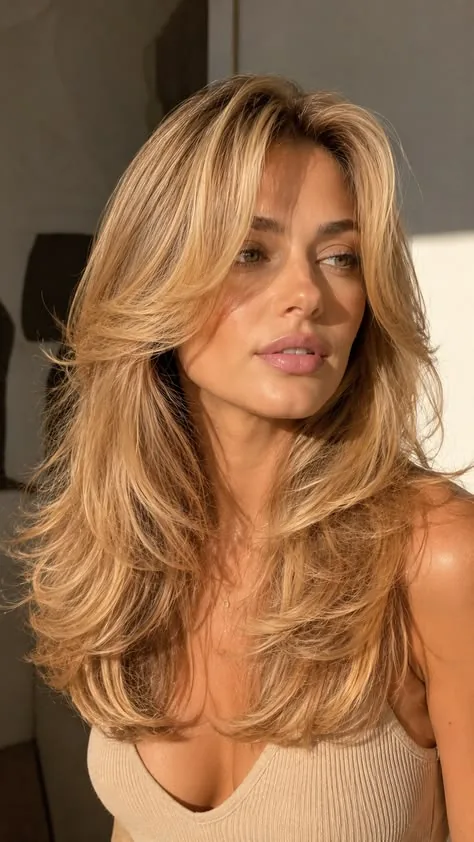
The 90s supermodel blowout is all about volume, bounce and flicked ends, and curtain bangs complete the look perfectly. The bangs sweep away from the face, the lengths flick outward, and the whole style feels glamorous and confident. It is a statement style, but a wearable one.
Big rollers or a large round brush create the volume, and letting sections cool before dropping them locks in the bounce. This is a style worth practising once, then repeating often.
Quick verdict: A voluminous, glamorous blowout for medium to long hair.
Who should avoid it: anyone who wants a flat, sleek finish, or who has very little styling time.
Styling steps:
- Apply volumising mousse to damp hair.
- Blow-dry with a large round brush, flicking ends outward.
- Set sections in large rollers and let them cool.
- Remove rollers, shake out and set with spray.
Do curtain bangs suit everyone?
Yes, curtain bangs suit most people, because the length and fullness can be adjusted to your face shape and hair type. Longer, slimmer pieces suit round faces, softer curved pieces suit square faces, and fuller pieces suit long faces. The key is a cut adapted to you, not copied exactly from a photo.
How do I style curtain bangs at home?
Blow-dry them forward with a round brush, then sweep each side outward and let them cool. That simple routine sets the classic curtain shape in a few minutes. On second-day hair, a little dry shampoo and a short blast of warm air usually revives them.
Are curtain bangs high maintenance?
No, curtain bangs are lower maintenance than blunt bangs. They need a light trim every six to eight weeks and a quick blow-dry most mornings, but they grow out as layers rather than an obvious block, so a missed trim is far less noticeable.
Can I have curtain bangs with curly hair?
Yes, but they must be cut with curl shrinkage in mind, ideally cut dry or with extra length allowed. That way they will not spring up much shorter than planned. A curl cream and diffusing will define them without frizz.
Do curtain bangs work with short hair?
Yes, curtain bangs work with bobs, lobs and even pixies, as long as the top is long enough to sweep to each side. With a bob, keep the bangs slightly longer than the shortest layer so they blend rather than sit as a separate block.
How long do curtain bangs take to grow out?
Curtain bangs grow out gracefully because they become face-framing layers, so there is rarely an awkward phase. Depending on your starting length, they will blend fully into your layers within a few months, and clips or a side sweep can tidy any in-between stage.
What should I ask my stylist for?
Ask for the exact starting point of the shortest piece, show two or three photos on similar hair, and say how much time you will spend styling each morning. Ask for the bangs to be cut slightly longer on your first visit, so you can go shorter next time if you like them.
Can curtain bangs hide a large forehead?
Curtain bangs soften a larger forehead by breaking it up with soft, parted pieces, without covering it completely like a blunt fringe. A slightly fuller, shorter curtain bang works best for this, as it adds coverage while keeping the face open.
Do curtain bangs work for fine hair?
Yes, longer and lighter curtain bangs suit fine hair well, as they add framing without taking too much density. Root lift with a volumising spray and a round brush will stop them falling flat.
How often should curtain bangs be trimmed?
Every six to eight weeks is a good rhythm for most curtain bangs, with shorter or bolder versions needing a trim closer to every four to six weeks. Grown-out curtain bangs that have become layers can go longer between trims.
Conclusion
Curtain bangs are the fringe you can grow out, and that is what makes them worth trying. From classic long layers to bobs, curls, updos and a 90s blowout, there is a version here for almost every face shape, hair type and routine. Start longer than you think you want, show your stylist a photo on similar hair, and let the bangs frame your face instead of hiding it.
Which curtain bang style will you try first? Tell us in the comments, and share this guide with a friend who has been thinking about bangs but is afraid of the commitment.