Thinking About Bangs? Hairstyles With Bangs for Every Face Shape and Hair Type
Thinking about bangs? You are not alone. Every year, millions of women stand in front of the mirror, hold a section of hair across their forehead, and wonder whether a fringe would change everything — or ruin everything. The honest answer is that bangs can do both, and the difference is rarely luck. It is the match between the bang shape, your face shape, and your hair texture.
This guide walks through 40 hairstyles with bangs — curtain, blunt, wispy, side-swept, bottleneck, feathered and micro — matched to different face shapes, hair types and lifestyles. Each style notes who it suits best, how to style it, what it costs in time and maintenance, and who should probably skip it. Eight short guides cover choosing the right fringe, styling at home, growing bangs out, and the mistakes worth avoiding, so you can decide with confidence instead of impulse.
How to Choose the Right Bangs for Your Face Shape
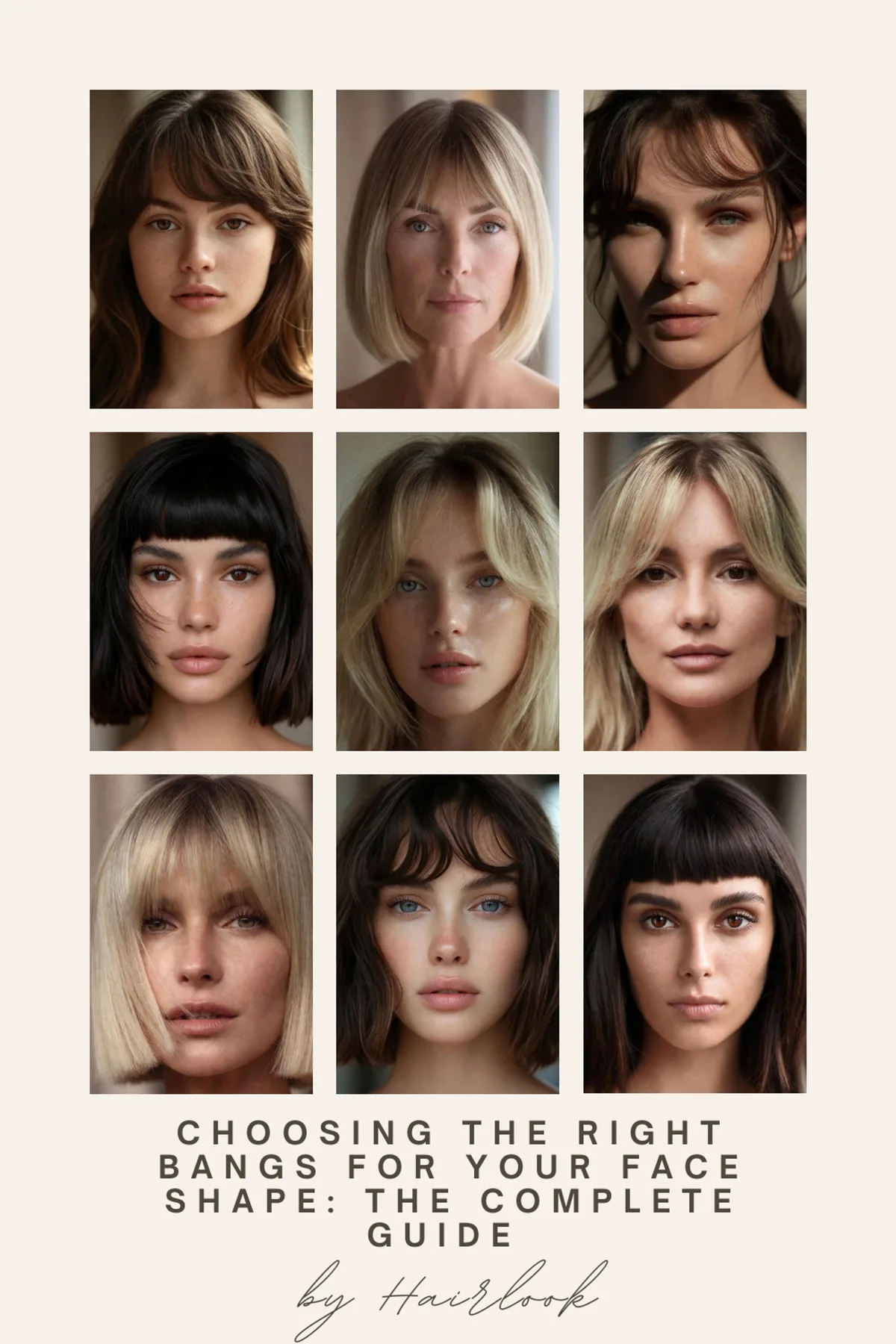
Bangs are not one-size-fits-all, and the face shape is the first filter worth using. Round faces usually look best with longer, side-swept or curtain bangs that add angles and length, while square faces soften with wispy or bottleneck bangs that break up a strong jawline. Oval faces can wear almost anything, which is both a gift and a trap — the freedom makes it easy to pick a style that clashes with your hair texture instead.
Heart-shaped faces suit curtain bangs that balance a wider forehead against a narrower chin, and long faces benefit from blunt or full bangs that visually shorten the forehead. Before you book the cut, hold a photo of the style next to your face in a mirror, or use a fringe filter in a hairstyle app. If a bang shape keeps drawing your eye to the same feature you dislike, it is the wrong one — no matter how good it looked on someone else.
Fine Hair or Thick Hair? What Bangs Do Differently
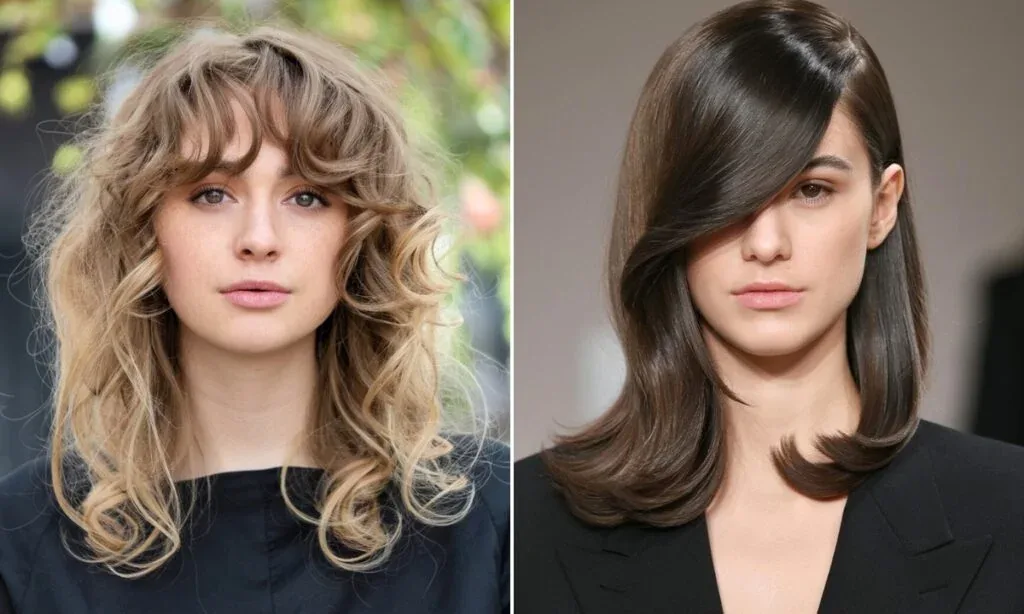
Fine hair and thick hair behave like different materials under a fringe, and the cut should respect that. Fine hair usually takes best to wispy or feathered bangs, because a heavy blunt fringe can look thin and separate into strands by midday. A little dry shampoo at the roots and a light texturising spray give fine bangs the grip and volume they lack on their own.
Thick hair, by contrast, can carry a full blunt or bottleneck bang beautifully, but it needs internal thinning or the fringe becomes a heavy curtain that hides the eyes. Ask your stylist to point-cut or slide-cut the ends so the bang moves. The mistake in both cases is the same: choosing a bang for its photo rather than for its weight. A fringe that fights your density will need restyling every morning.
Styling Bangs at Home: With Heat, and Without It
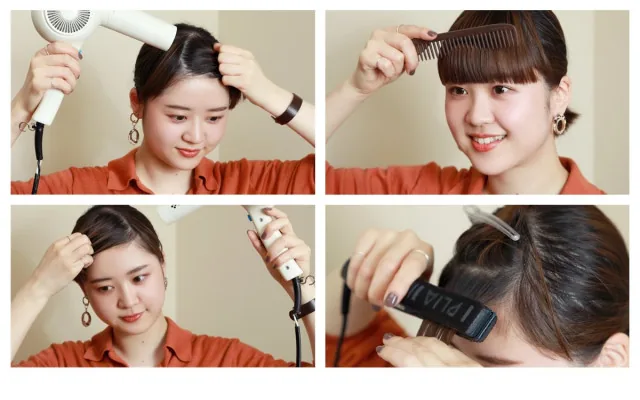
The fastest heat-free method is also the simplest: wash or dampen the bangs, comb them into place, and let them dry while you do your makeup. A velcro roller clipped in for five minutes while you get dressed adds a soft bend that looks like a blow-dry. On second-day bangs, a spritz of water and a quick finger-comb usually resets the shape better than more product.
If you do use heat, keep it gentle — a round brush and a hairdryer on medium, rolling the bangs under and then flicking them out, takes under a minute. A flat iron should touch bangs only briefly and on low heat, because scorched bangs go stiff and shiny in a way the rest of your hair does not. Whichever method you choose, style the bangs first, before the rest of your hair, while they are still damp: once they dry in the wrong direction, they are stubborn.
Growing Out Bangs Without the Awkward Stage
Growing out bangs is a commitment measured in months, not weeks, and the awkward stage arrives when the fringe hits the eyebrows and starts poking your eyes. The trick is to stop thinking of them as bangs and start treating them as face-framing layers: sweep them to the side, pin them back with a clip, or braid them into the front of your hair while they gain length.
Curtain bangs are the easiest to grow out, because their parted shape already blends into longer layers. Blunt bangs take longer, since the straight edge has to be softened gradually — ask your stylist to feather the ends at each trim rather than cutting the length off. Budget for one awkward month around the three-month mark, keep a few pretty clips handy, and remember that every long layered cut you admire started as someone’s grow-out.
1. Curtain Bangs With Long Layers
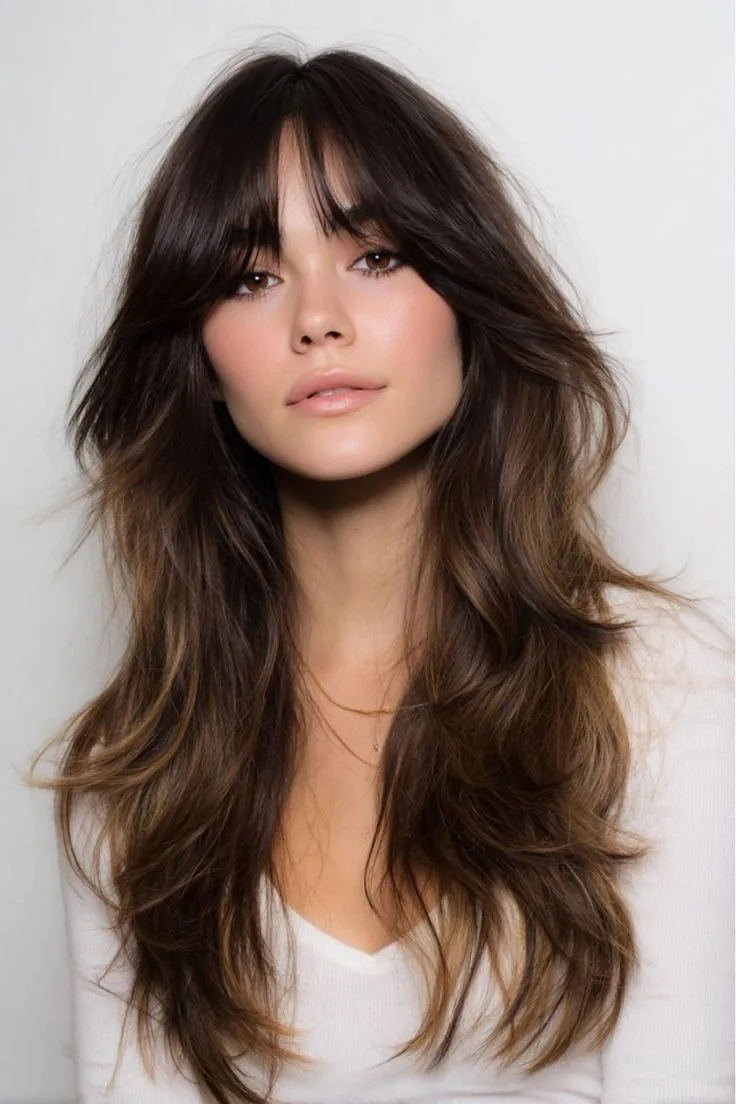
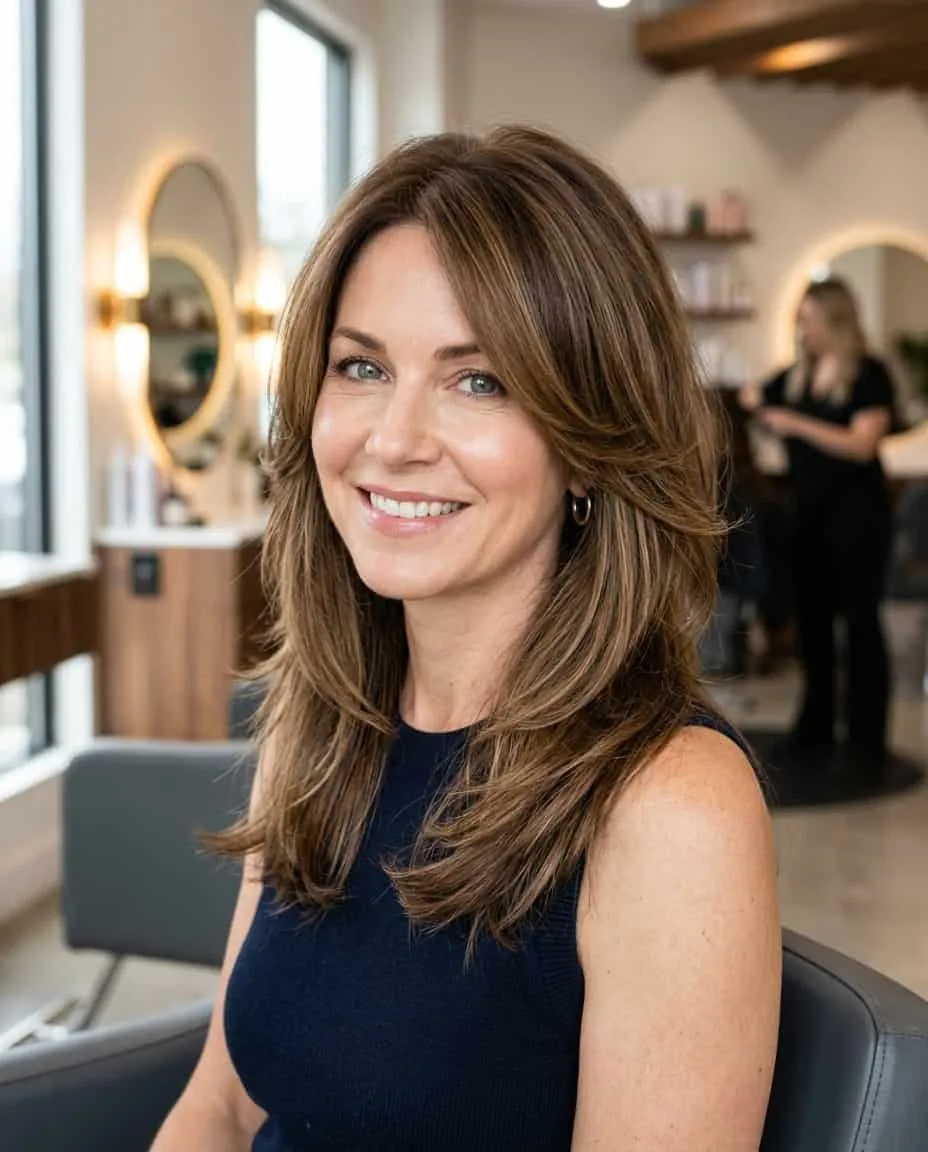
Curtain bangs parted down the middle and swept to each side are the most forgiving entry point into bangs, and long layers give them somewhere to blend. The bangs start around the cheekbones and melt into the face-framing layers, so there is no hard line anywhere — which is why this combination suits almost every face shape and why it grows out more gracefully than any other bang style.
Best for: oval, heart and long faces, and anyone nervous about their first fringe. How to style: blow-dry the bangs away from the face with a round brush, or wrap each side around a velcro roller for five minutes. Maintenance is light — a trim every six to eight weeks keeps the parting crisp, and on lazy days you can simply tuck the bangs behind your ears.
2. Blunt Bangs With a Sleek Bob
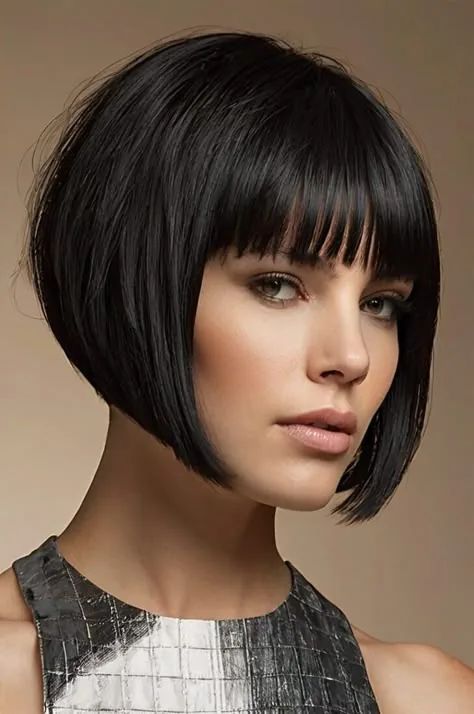
A blunt fringe cut straight across the forehead with a sleek bob underneath is a statement, not a whisper. The geometry does the talking: a sharp horizontal line at the brows, a clean jaw-length bob, and nothing in between to soften it. It looks most striking on straight hair, where the precision reads clearly, and it instantly makes a simple outfit feel deliberate.
The pros are real: it frames the eyes, hides a high forehead, and looks polished with almost no styling. The cons are just as real: it needs trimming every three to four weeks, it shows oily roots faster than any other style, and it demands a straightener on humid days. Who should avoid it: very curly hair, unless you are happy to straighten the fringe daily, and anyone who hates salon appointments — this bang lives or dies by its edge.
3. Wispy Bangs With a Shag Cut
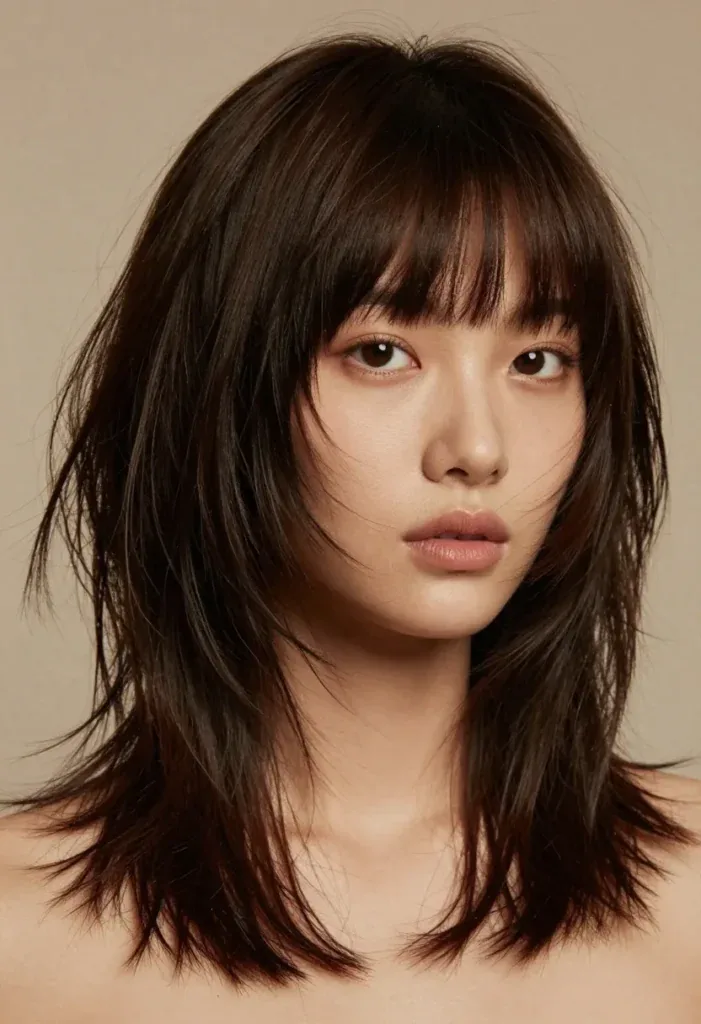
Wispy bangs are the soft answer to the blunt fringe: thin, feathery pieces that let the forehead show through. Paired with a shag cut, all choppy layers and texture, they create a look that feels effortless rather than engineered. The shag’s layers give the wispy bangs something to disappear into, so the whole style reads as one textured shape.
Best for: fine to medium hair, square and round faces, and anyone who wants bangs without the commitment of a heavy fringe. Styling takes minutes — a little texturising spray scrunched through damp bangs is often enough. The common mistake is over-cutting: wispy bangs should be cut sparingly, because taking too much hair into the fringe leaves the rest of the shag looking thin.
4. Side-Swept Bangs With a Lob
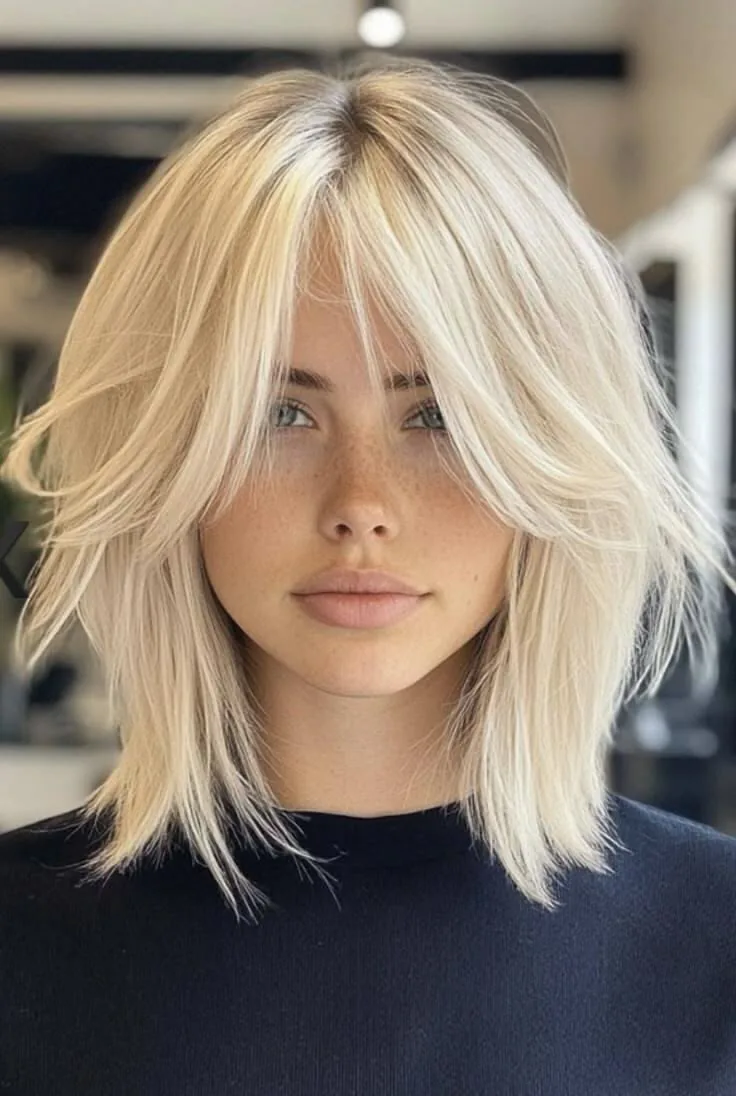
Side-swept bangs are the classic compromise: all the face-framing benefit of a fringe with none of the forehead coverage. Swept across from a deep side part, they soften the forehead, flatter the cheekbones, and blend into a lob so smoothly that the two cuts feel like one. It is the bang for people who say they do not want bangs — until they see how good this looks.
How to style: blow-dry the bangs across the forehead with a round brush, directing them away from the part. Maintenance is the easiest of any bang on this list, with trims every eight weeks and no daily heat required. A quick verdict: if you are unsure about bangs, start here. It is the lowest-risk fringe there is, and it grows out into layers with almost no awkward stage.
5. Bottleneck Bangs With Long Hair
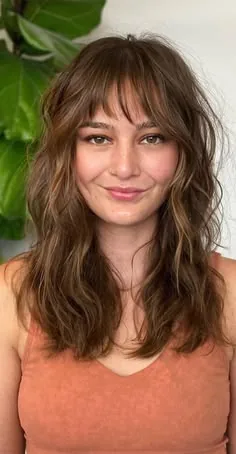
Bottleneck bangs are named for their shape: narrow and short in the middle, longer and wider at the sides, like the neck of a bottle. On long hair they are magic, because the longer side pieces connect the fringe to the face-framing layers and the whole length of the hair. The result is a soft, retro, seventies feel that looks intentional without looking severe.
Best for: long faces and oval faces, thick and medium hair, and anyone who loves curtain bangs but wants something a little more defined. What to ask your stylist for: a centre that hits just below the brows, sides that reach the cheekbones, and point-cut ends so the line stays soft. Cost and time: expect a standard fringe trim price and a five-minute morning routine — a round brush, a little spray, and you are done.
6. Curtain Bangs With a Pixie Cut
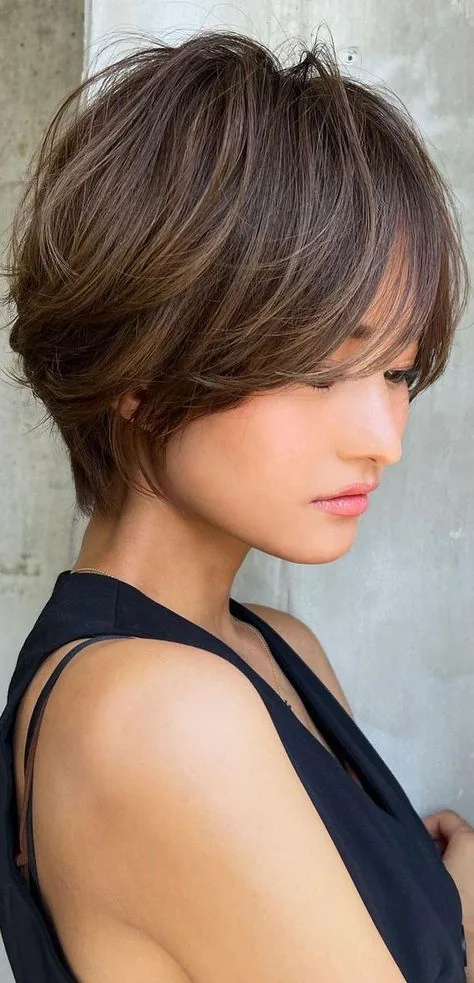
A pixie cut with curtain bangs sounds like a contradiction, and that is exactly why it works. The longer, parted fringe softens the shortness of the pixie, giving you the edge of a short cut with the femininity of face-framing length. It is a brilliant option if you want to go short but are afraid a pixie will feel severe or masculine.
Pros: the bangs make the pixie easy to style — sweep them, tousle them, or pin one side back for two different looks. Cons: the fringe grows fast relative to the cut, so you will need trims every four to five weeks to keep the shape. Who should avoid it: anyone who wants a wash-and-go pixie with zero styling, because the bangs need at least a minute of direction each morning.
7. Blunt Bangs With Curly Hair
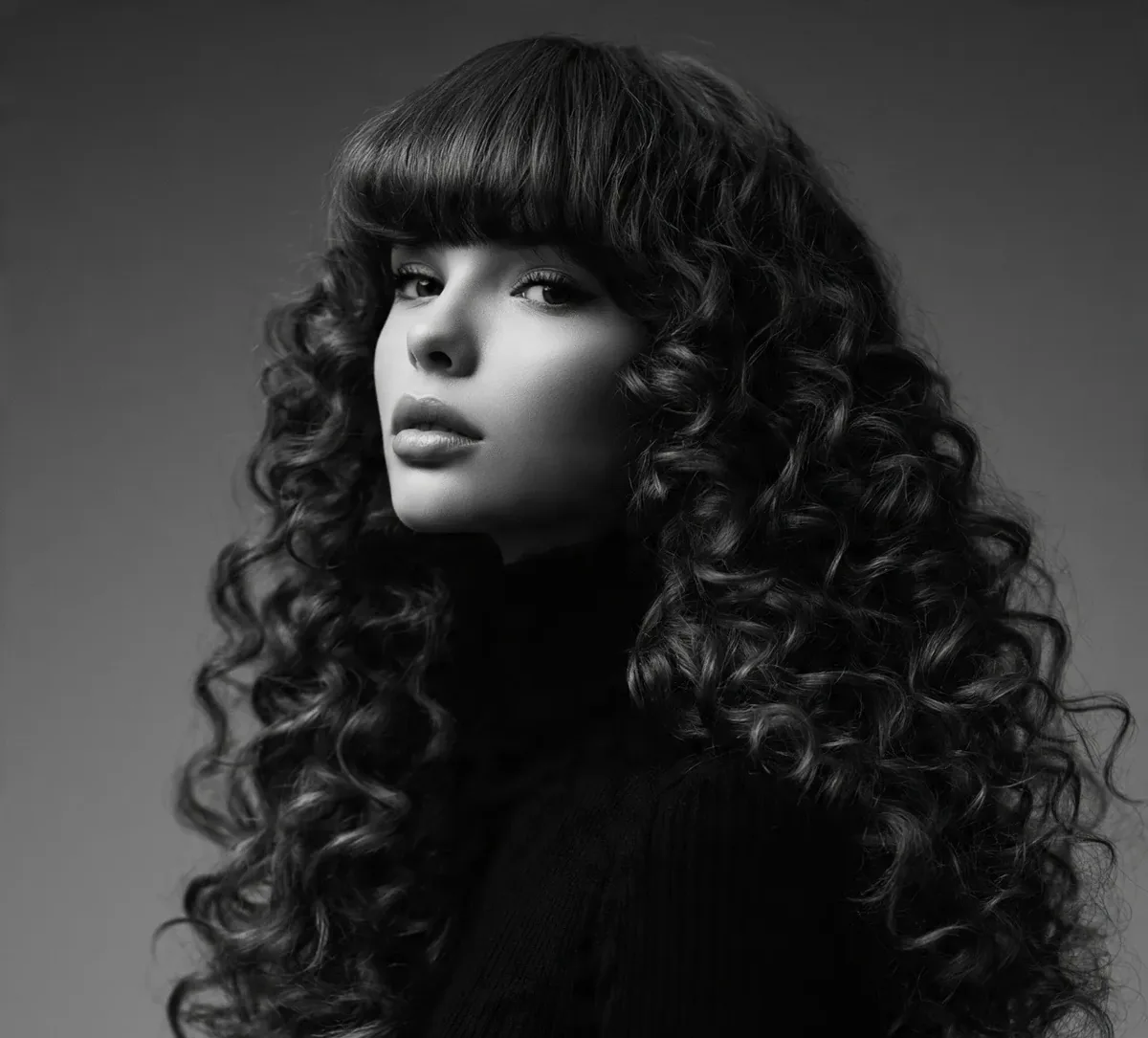
Blunt bangs on curly hair break the old rule that curls and fringes do not mix — but only when they are cut correctly. The secret is cutting the bangs dry, curl by curl, and leaving them longer than you think, because curls shrink as they dry. A fringe that looks blunt when wet can end up an inch shorter by lunchtime, so a stylist who specialises in curly cuts is not optional here.
Maintenance is honest work: the bangs need a curl cream or gel scrunched in while damp, and they will never behave like straight bangs on a humid day — and that is fine. The payoff is a striking, sculptural frame for the face that no straight fringe can match. Common mistake: letting a stylist cut curly bangs wet and straight, then watching them spring up. Always ask for a dry cut.
8. Wispy Bangs With a High Ponytail
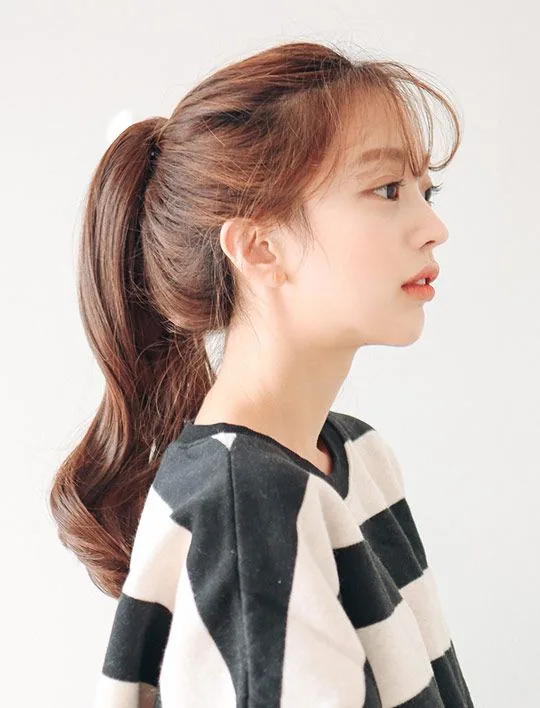
A high ponytail with wispy bangs is the perfect balance between pulled-back and soft. The ponytail lifts everything up and back, while the wispy pieces fall across the forehead and keep the look from feeling severe. It is a favourite for workouts, busy mornings and evenings out alike, because it takes two minutes and looks like you tried.
Best for: oval and heart-shaped faces, and straight or wavy hair. How to style: tie the ponytail high, then pull the wispy bangs forward and let them fall naturally — do not over-straighten them. The softness is the point. A quick verdict: this is the easiest bang hairstyle on the list to live with, because the fringe is short, light and forgiving of second-day hair.
9. Baby Bangs With a Bob
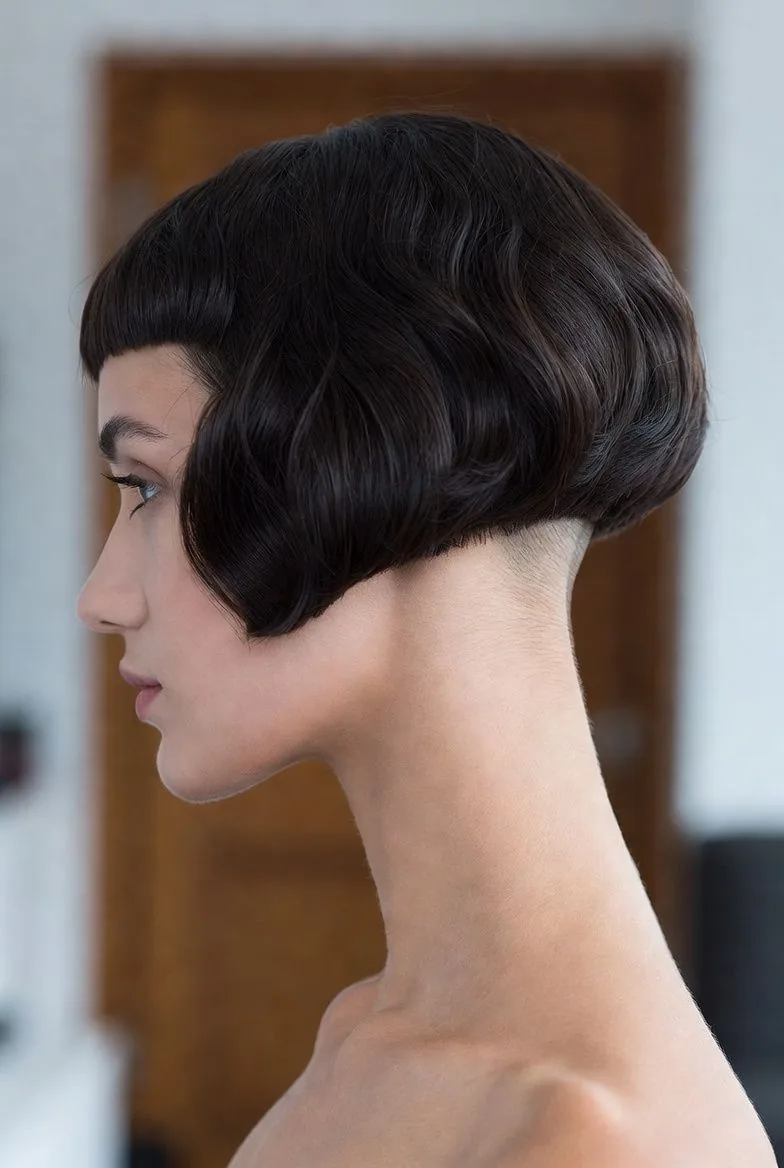
Baby bangs — also called micro bangs — sit well above the eyebrows, and paired with a bob they create one of the boldest looks in this guide. The short fringe opens up the whole face, shows off the brows, and gives the bob a graphic, editorial edge. It is not a shy style, and that is precisely the appeal.
Who should avoid it: round faces, where a very short fringe can emphasise width, and anyone who is not ready for daily attention — baby bangs show every cowlick. Pros: they make cheekbones look higher and the whole cut look more expensive. Cons: they grow out fast and the in-between stage is real. If you love a strong look and you love your brows, this one is worth the commitment.
10. Side-Swept Bangs With a Layered Cut
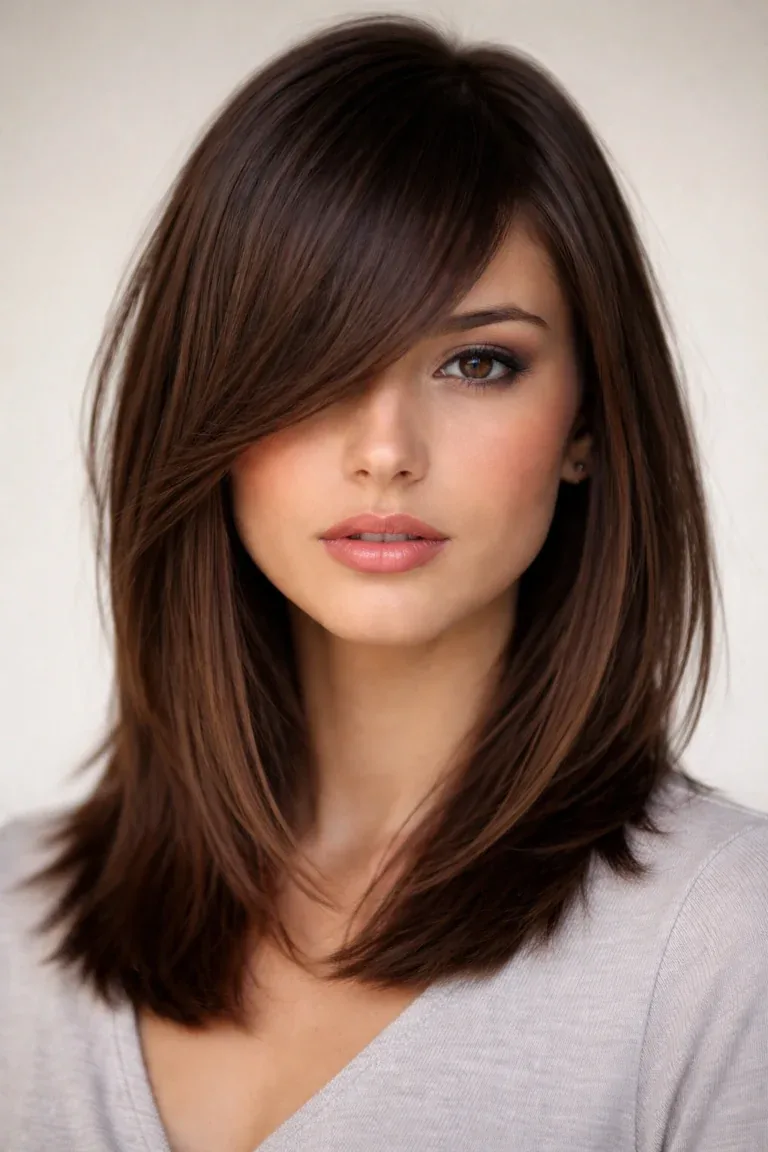
Side-swept bangs on layered hair are the workhorse of this list: flattering, low-maintenance, and suited to nearly everyone. The sweep creates a diagonal line across the forehead that adds movement, while the layers underneath keep the style from looking flat. It works at every length from a lob to waist-length hair.
Maintenance is minimal — trims every six to eight weeks, no special products, and it survives a bad hair day better than any blunt fringe. Common mistake: cutting the sweep too short, which makes it flip up instead of lying flat. Ask for the longest end to reach the cheekbone. If you only try one style from this guide, this is the safest bet for looking good on day one.
11. Curtain Bangs With a Messy Bun
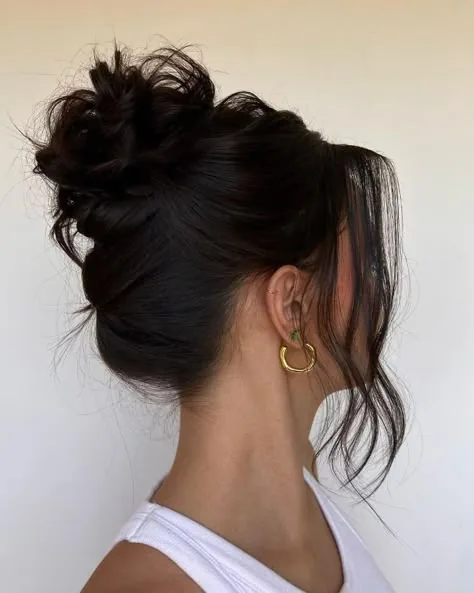
A messy bun with curtain bangs is the unofficial uniform of relaxed, put-together women everywhere, and for good reason. The bun does the heavy lifting — hair up, neck cool, zero effort — while the curtain bangs keep the face framed and the whole look soft. Without the bangs, a messy bun can look unfinished; with them, it looks deliberate.
Best for: busy mornings, work-from-home days, and second-day hair. How to style: gather hair into a loose bun, pull out the curtain bangs, and let a few face-framing pieces fall. Time needed: three minutes. Cost: nothing. This is the bang style that earns its keep on the days you do not want to think about your hair at all.
12. Blunt Bangs With Long Straight Hair
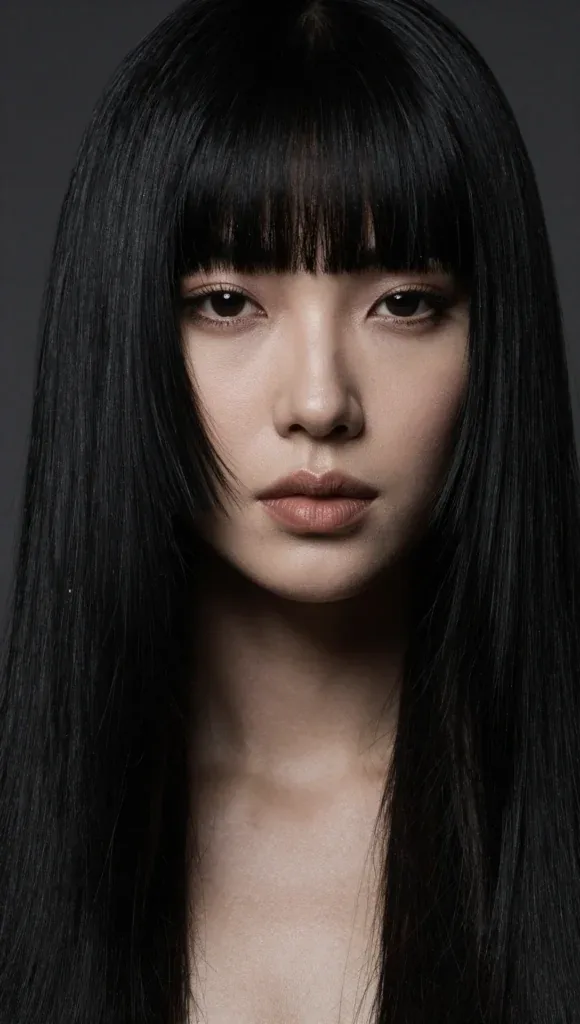
Blunt bangs with long, straight hair are the most iconic fringe pairing there is — think of every classic image of bangs you have ever seen. The long lengths give the straight fringe a dramatic frame, and the contrast between the sharp horizontal line and the vertical fall of the hair is what makes the look so striking in photos.
Pros: enormous impact for a relatively simple cut, and it hides a large forehead completely. Cons: the fringe needs a straightener most mornings, and long straight hair shows oily roots quickly. Who should avoid it: fine hair, where a heavy blunt fringe can eat up too much of the hair’s volume. A quick verdict: if your hair is naturally straight and you want the classic bang look, this is it — accept the trims and enjoy the drama.
13. Wispy Bangs With a Wolf Cut
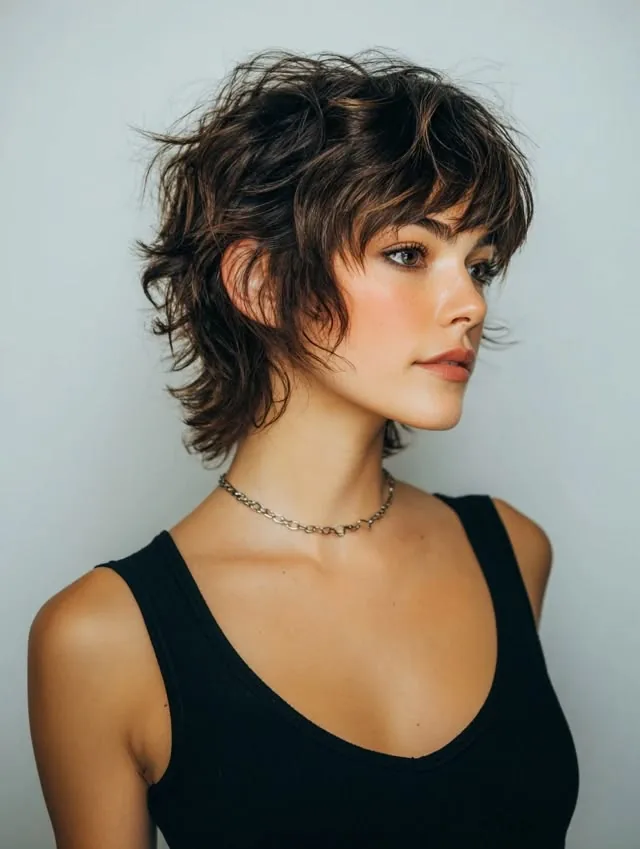
The wolf cut — part shag, part mullet, all attitude — pairs naturally with wispy bangs, because both are built on texture and imperfection. The wispy fringe softens the wolf cut’s wild top layers, while the cut’s volume keeps the bangs from looking flat. Together they create a look that is edgy without being hard to wear.
Best for: thick and wavy hair, and anyone who likes a rock-inspired, lived-in style. Styling is mostly a matter of scrunching in texture spray and letting the layers do their thing. Maintenance: trims every six weeks to keep the shape, and a willingness to let the hair look a little wild. This is not a polished look — it is a confident one.
14. Bottleneck Bangs With a Shag
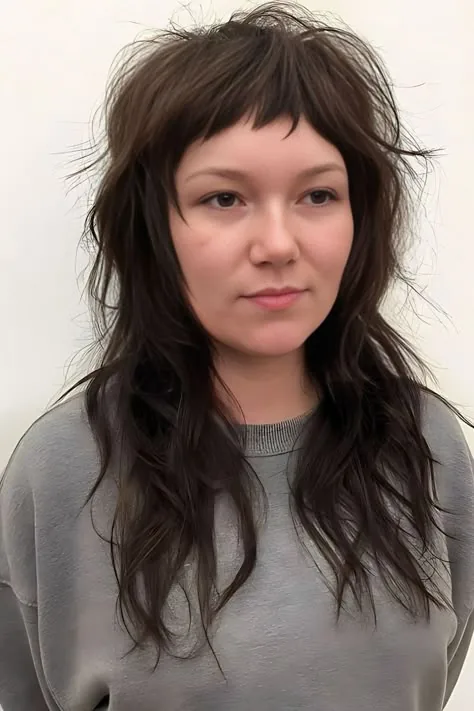
Bottleneck bangs and a shag cut are a natural match: the narrow centre and longer sides of the fringe echo the shag’s layered, face-framing shape. The combination feels retro and modern at once, and it suits hair with natural wave best, because the wave gives both the bangs and the layers their movement.
How to style: air-dry with a little curl cream, or diffuse for more volume. What to ask for: bottleneck bangs that start at the brow and blend into the shag’s shortest layers, with the ends point-cut for softness. Common mistake: cutting the bottleneck too blunt, which fights the shag’s texture. Keep the fringe light and the layers will do the rest.
15. Curtain Bangs With Wavy Hair
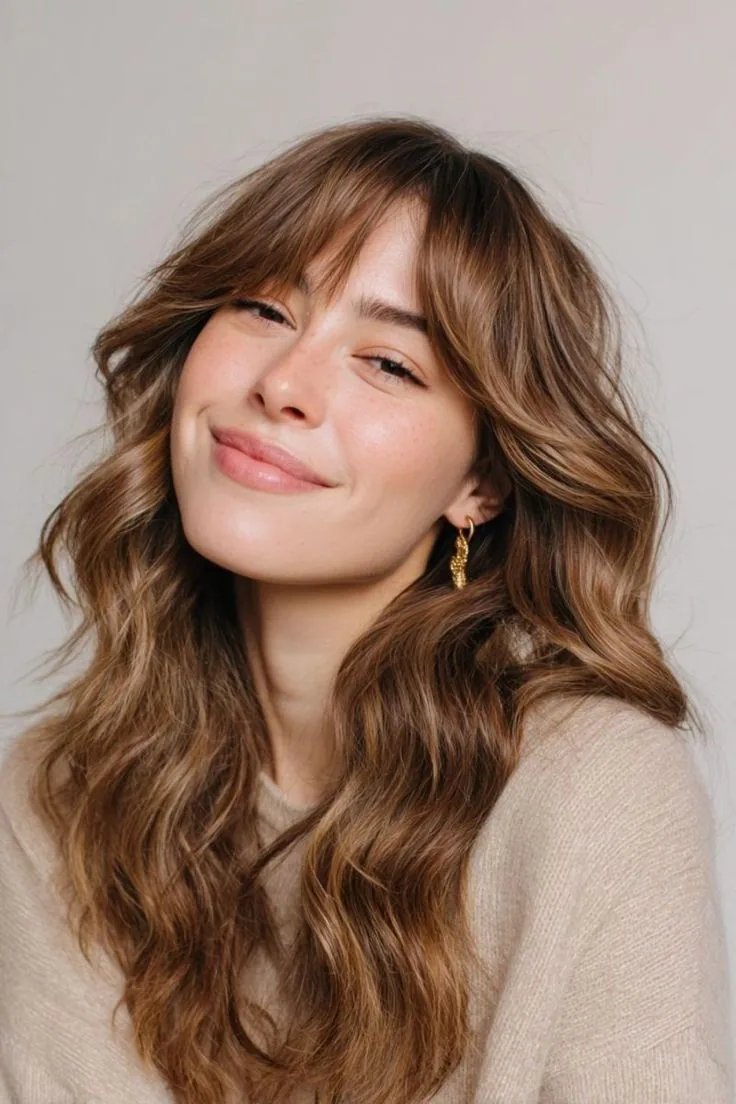
Curtain bangs on wavy hair are almost unfairly easy: the wave gives the parted fringe its shape without any heat. The bangs fall naturally to each side, the wave adds volume at the roots, and the whole style looks like you spent twenty minutes when you spent two. It is one of the most forgiving combinations in this guide.
Best for: natural waves, medium to thick hair, and square or round faces that need softening. Maintenance is light, with trims every six to eight weeks. A quick verdict: if your hair already waves, curtain bangs are the lowest-effort fringe you can get — the texture does the styling for you.
16. Side-Swept Bangs With a Pixie
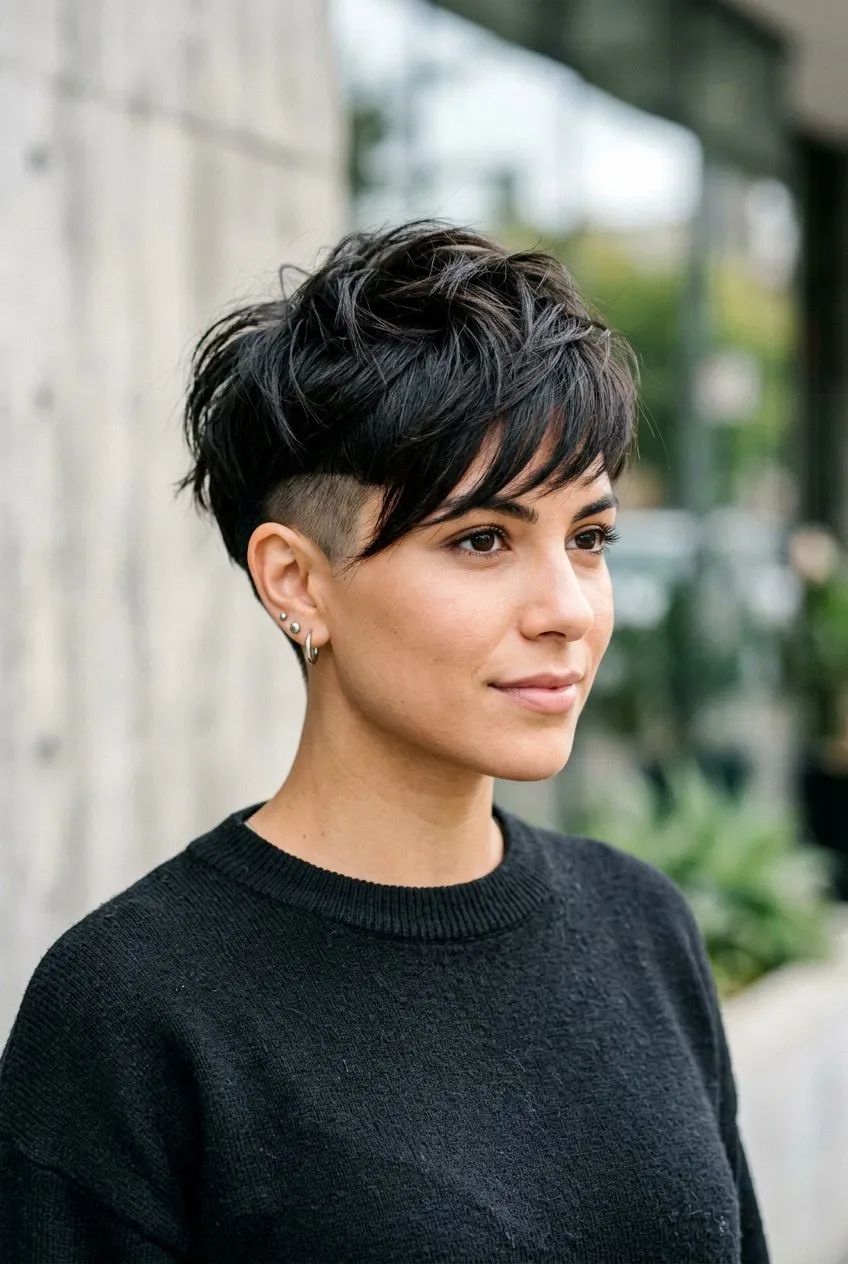
A pixie with side-swept bangs keeps the length where it matters — across the forehead — while the rest of the cut stays short and easy. The sweep gives the pixie a soft, feminine line and makes it far more versatile: wear it forward for a sleek look, or sweep it to the side for something softer. It is the pixie for people who are not quite ready for a full crop.
Pros: quick to style, flattering on most face shapes, and the bangs grow out into a longer pixie gracefully. Cons: the sweep needs a little product to stay in place on fine hair. Who should avoid it: nobody, really — this is one of the most universally flattering short cuts with bangs. Ask your stylist to keep the sweep long enough to tuck behind the ear.
17. Blunt Bangs With a French Bob
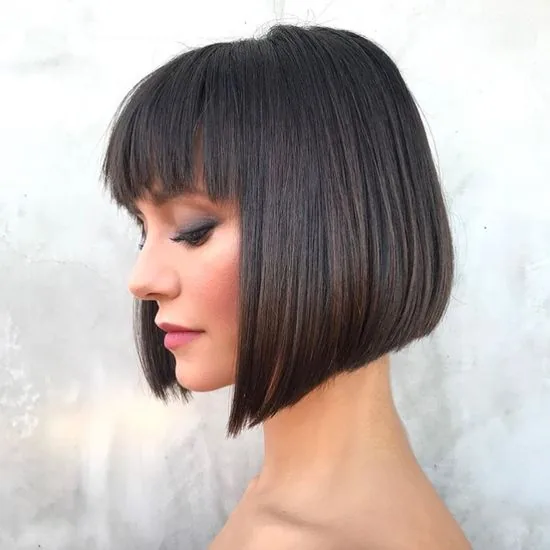
The French bob with blunt bangs is Paris in a haircut: chin-length, slightly curved under, with a straight fringe that sits just above the brows. It is chic, it is deliberate, and it makes everything you wear look more considered. The French bob’s charm is in its imperfection — it should look a little undone, never stiff.
Best for: straight or slightly wavy hair, oval and heart-shaped faces. How to style: blow-dry with a round brush, turning the ends under, and keep the fringe straight with a quick pass of the flat iron. Maintenance: trims every four weeks keep the bob’s line sharp. Cost and time: a little more salon time than a lob, but the daily routine is under five minutes.
18. Wispy Bangs With a Half-Up Style
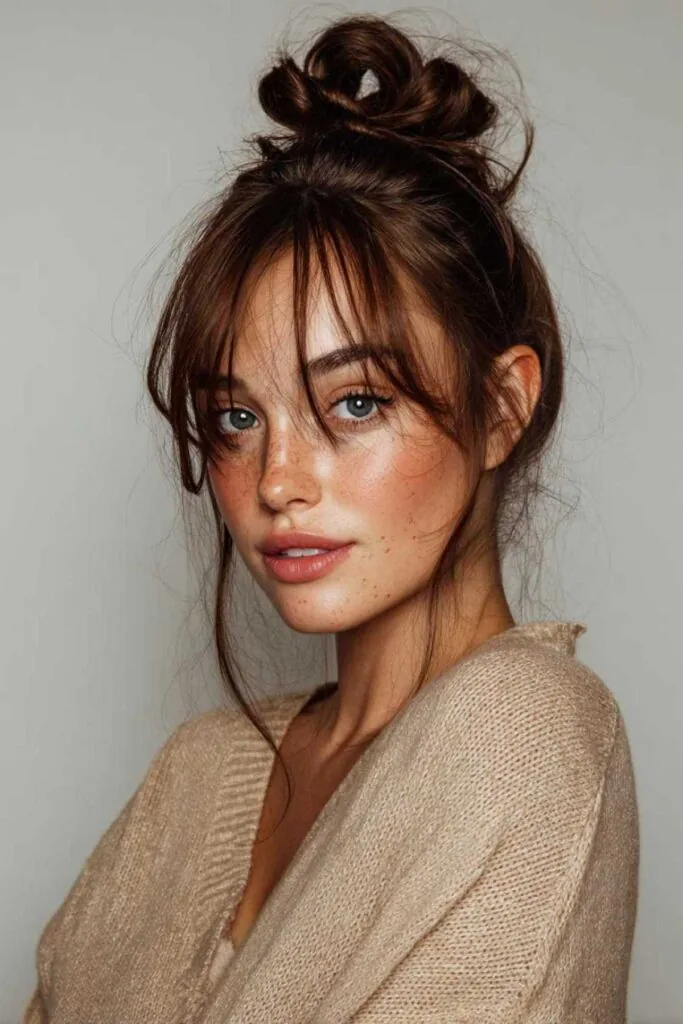
A half-up style with wispy bangs gives you the best of both worlds: hair off your face, length still showing, and a soft fringe keeping the look gentle. It works for weddings, work, and weekends, and it suits every length from a lob down. The wispy bangs are the key — a heavy fringe would make the half-up look top-heavy.
How to style: gather the top half into a small bun or twist, secure it, then let the wispy bangs fall forward. Two minutes, no heat required. Common mistake: pulling the half-up too tight, which drags the bangs back with it. Keep the top section loose and the fringe free, and the style stays soft.
19. Curtain Bangs With a Low Ponytail
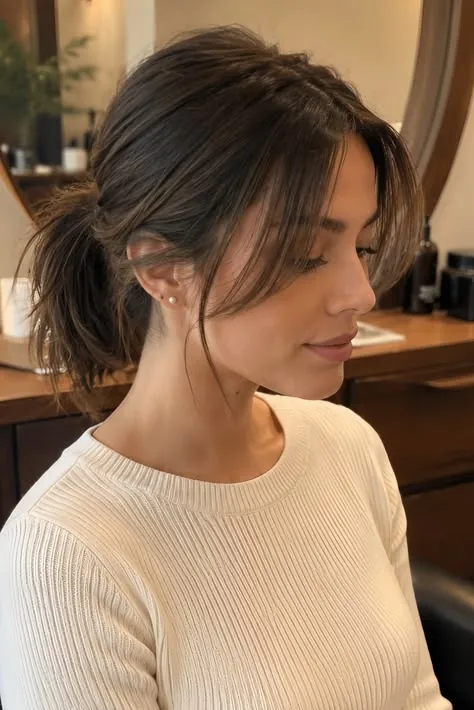
A low ponytail with curtain bangs is quiet luxury in hair form: understated, polished, and endlessly wearable. The low ponytail keeps everything neat, while the curtain bangs add softness around the face that a plain ponytail lacks. It is a favourite for offices, interviews, and any day you want to look put together without trying hard.
Best for: long and medium hair, straight and wavy textures. Styling takes three minutes: smooth the hair back, tie it low, and part the curtain bangs in the middle. A quick verdict: this is the most professional bang hairstyle on the list, and one of the easiest to maintain — the bangs need a trim every six to eight weeks and almost nothing else.
20. Feathered Bangs With Medium Hair
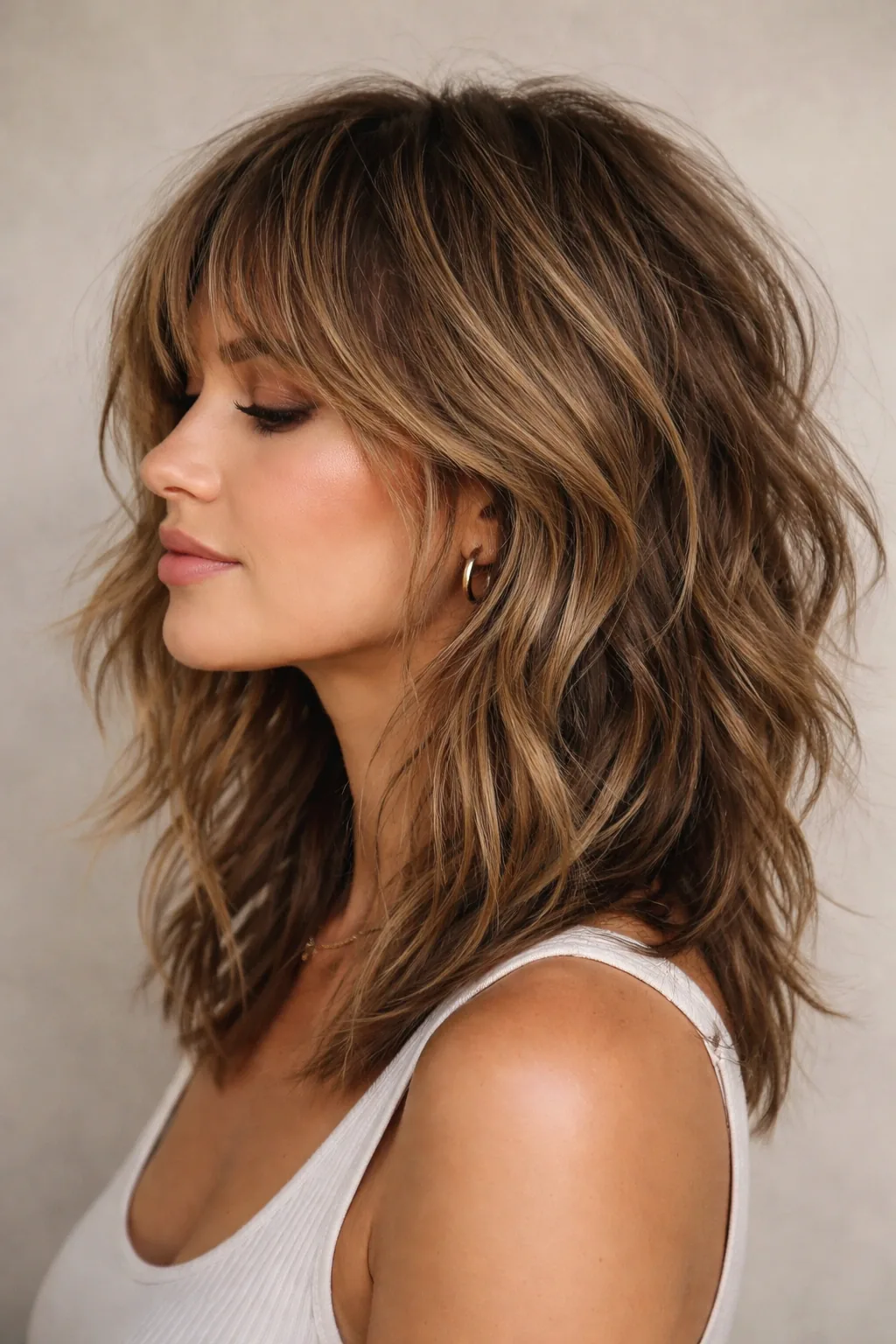
Feathered bangs are cut with a razor or thinning shears so the ends taper into soft, feathery points rather than a hard line. On medium-length hair they create movement and lightness, and they flatter mature faces particularly well, because the softness around the forehead is kinder than a blunt edge.
Best for: women over forty, fine to medium hair, and anyone who finds blunt bangs too harsh. Maintenance is forgiving — feathered bangs grow out softly, so you can stretch trims to eight weeks. What to ask for: a feathered fringe that hits at the brow, with the ends thinned so they move. Avoid heavy styling products; a light spray is all these bangs need.
21. Blunt Bangs With an A-Line Bob
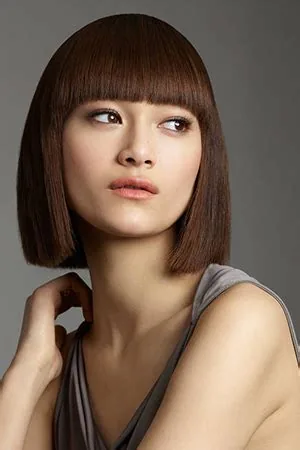
An A-line bob — shorter at the back, longer at the front — with blunt bangs is a sharp, architectural look. The diagonal line of the bob and the horizontal line of the fringe create a frame that draws attention straight to the eyes. It looks particularly good on straight hair, where both lines read clearly.
Pros: striking, modern, and it makes fine hair look thicker. Cons: it needs regular trims and a straightener to keep the lines crisp. Who should avoid it: very curly hair and anyone who dislikes frequent salon visits. If you love graphic haircuts and you are willing to maintain them, this pairing delivers more impact per inch than almost anything else.
22. Side-Swept Bangs With Long Layers
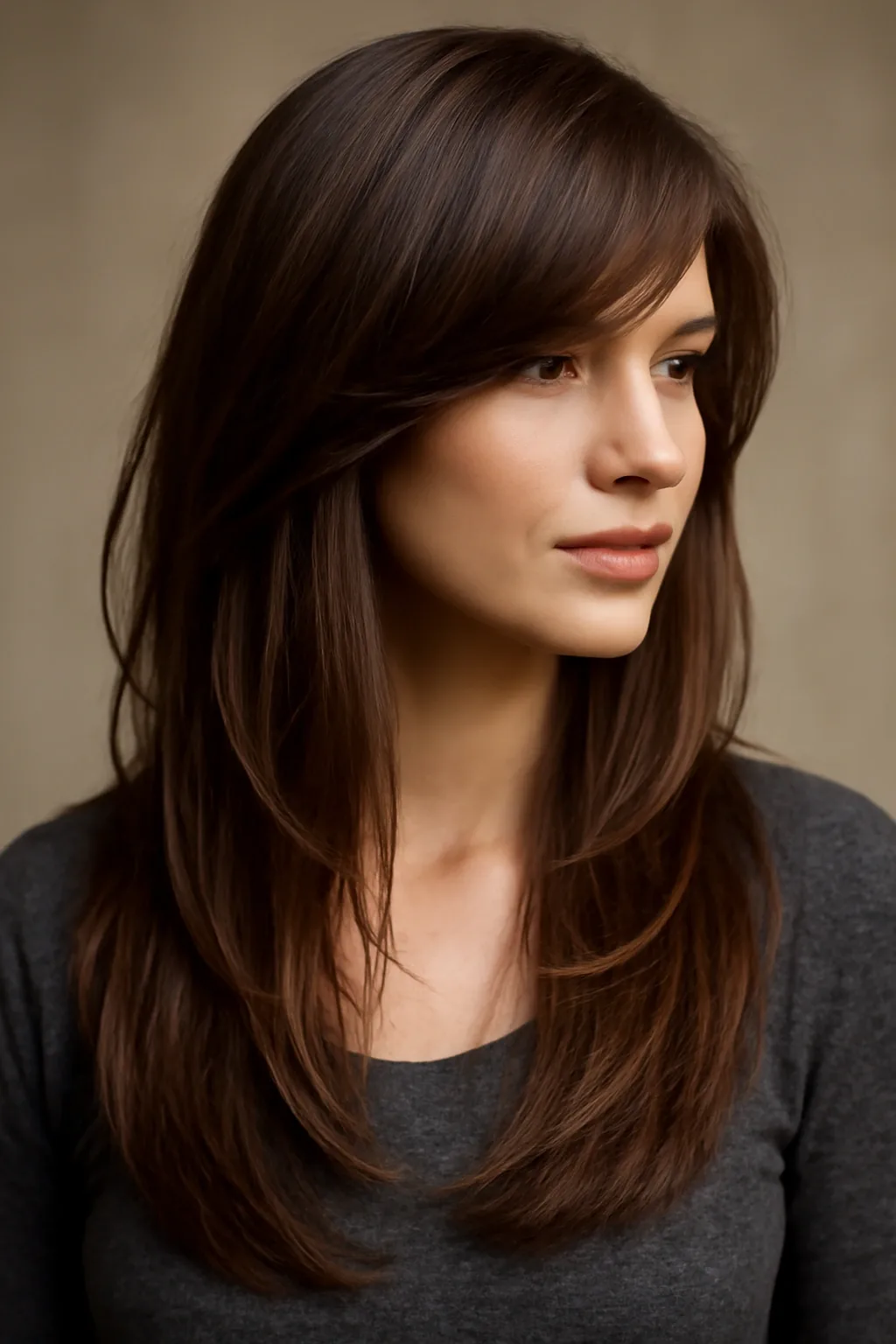
Side-swept bangs with long layers are the most popular fringe combination for a reason: they flatter almost everyone and ask almost nothing in return. The sweep softens the forehead, the layers add movement to long hair, and the whole style works whether you blow-dry it or let it air-dry. It is the default good haircut.
How to style: part deeply on one side and blow-dry the bangs across. Maintenance: trims every six to eight weeks, no special products. A quick verdict: if you want bangs but you do not want a project, this is your style. It looks good on day one, it grows out gracefully, and it suits every face shape with only small adjustments to the sweep’s length.
23. Wispy Bangs With a Curly Shag
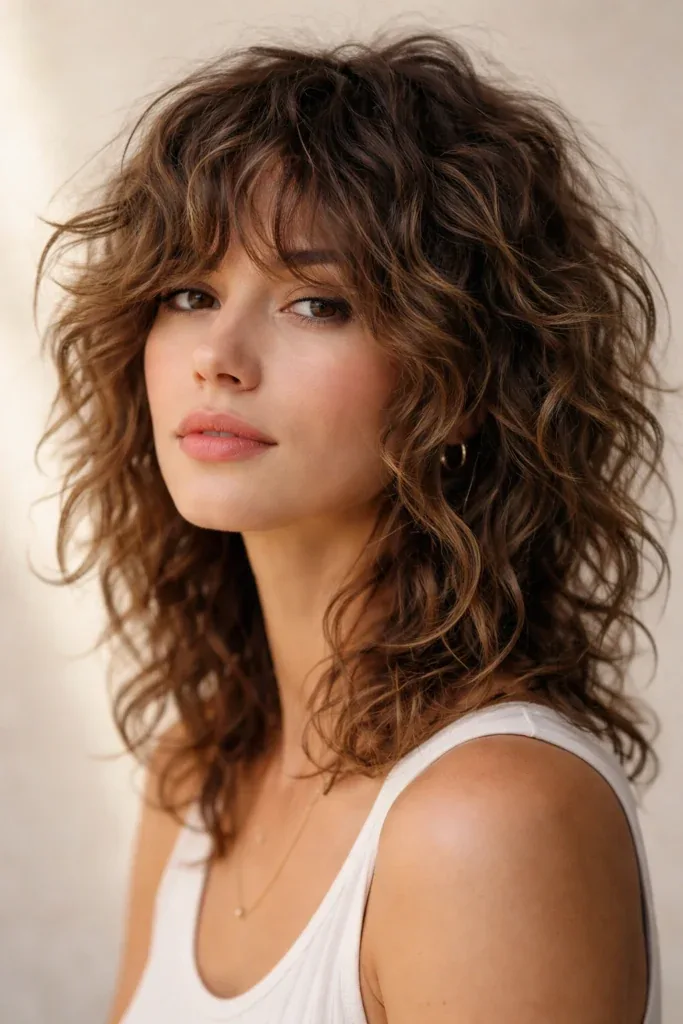
A curly shag with wispy bangs is built for texture: the shag’s layers give curls room to spring, and the wispy fringe lets the curls frame the forehead without weighing it down. The key is cutting the bangs dry and curl by curl, so the fringe keeps its shape as the curls dry and settle.
Best for: naturally curly and wavy hair, round and square faces that benefit from the shag’s height. Styling: scrunch curl cream through damp hair and let it air-dry or diffuse. Common mistake: cutting the wispy bangs too short when wet — curls shrink, so always leave extra length. This style rewards a stylist who understands curly hair.
24. Bottleneck Bangs With a Lob
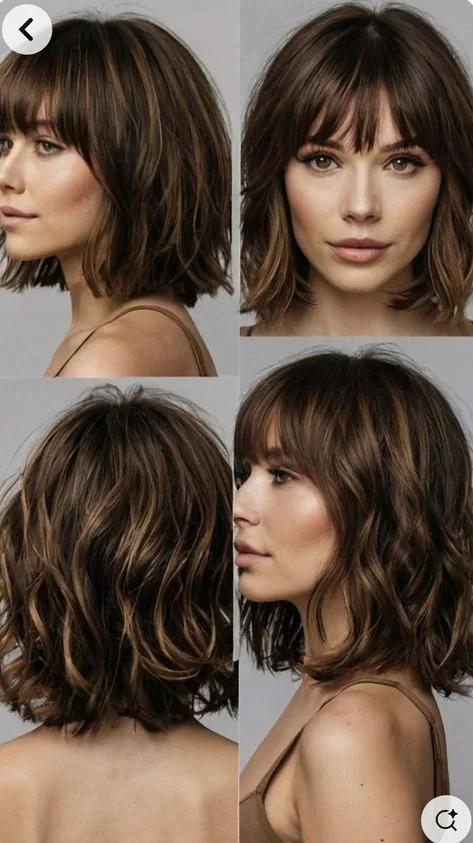
Bottleneck bangs with a lob bring a seventies softness to a thoroughly modern cut. The narrow centre of the fringe sits just below the brows, the longer sides sweep toward the cheekbones, and the lob underneath keeps the whole look light and swingy. It is a wonderful choice if you want bangs that feel romantic rather than severe.
Best for: oval, long and heart-shaped faces, medium to thick hair. What to ask for: a bottleneck fringe blended into the lob’s face-framing layers, with point-cut ends. Maintenance: trims every five to six weeks. Cost and time: a standard cut and a three-minute morning routine with a round brush.
25. Curtain Bangs With a Top Knot
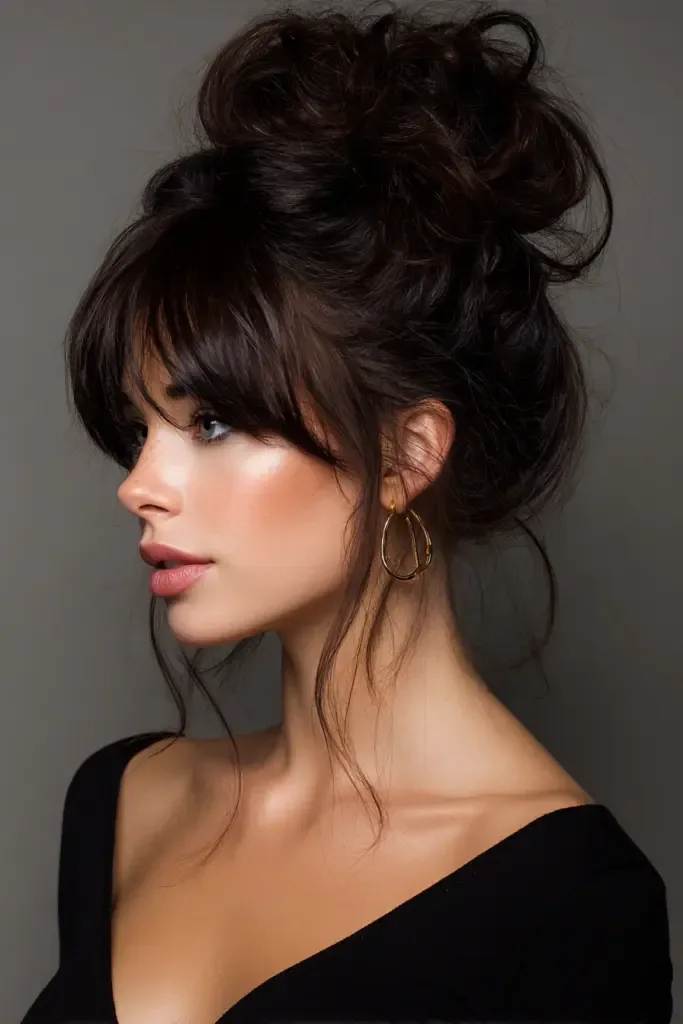
A top knot with curtain bangs turns the simplest updo into a style. The knot pulls everything up and back, which is practical and cooling, while the curtain bangs keep the face framed and the look soft. It is the hairstyle equivalent of a good blazer: it makes an ordinary day look intentional.
Best for: long and medium hair, busy days, and anyone who lives in a top knot anyway. How to style: gather hair high, twist into a knot, and let the curtain bangs fall on each side of the face. Time needed: two minutes. This is the bang style for women who want a fringe that works as hard as they do.
26. Arched Bangs With a Midi Cut
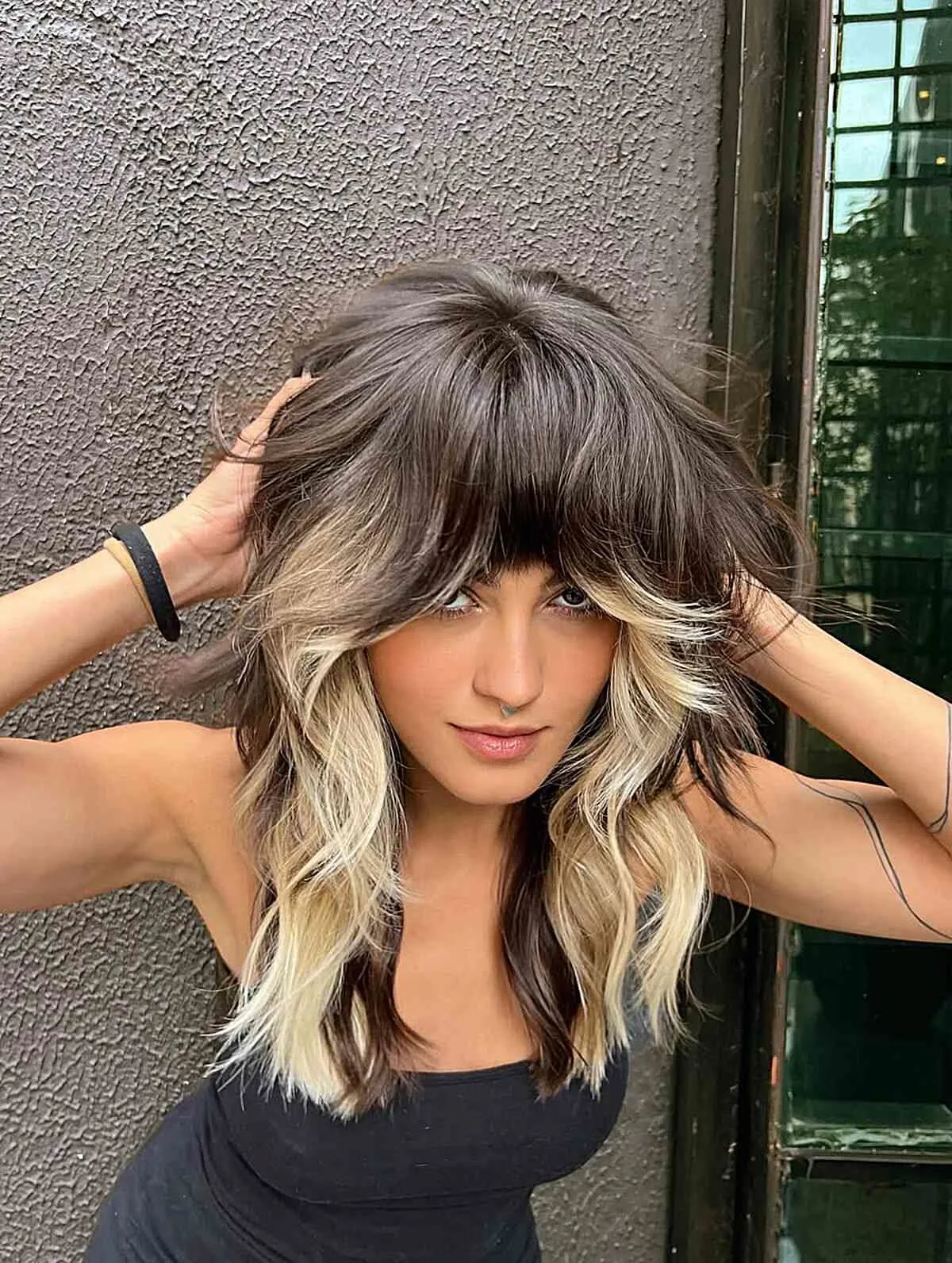
Arched bangs curve gently — shorter in the centre, longer at the sides — following the shape of the brow bone. On a midi cut, which falls between the shoulders and the collarbone, they create a soft, face-framing arc that opens up the eyes. It is a subtle style, and that subtlety is its strength.
Best for: round faces, where the arch adds length, and straight to wavy hair. Pros: the arch is flattering and easy to grow out. Cons: it needs a skilled cut — a bad arch looks like a mistake rather than a shape. What to ask for: an arch that follows your brow line, with the longest points reaching the cheekbones.
27. Blunt Bangs With a Textured Pixie
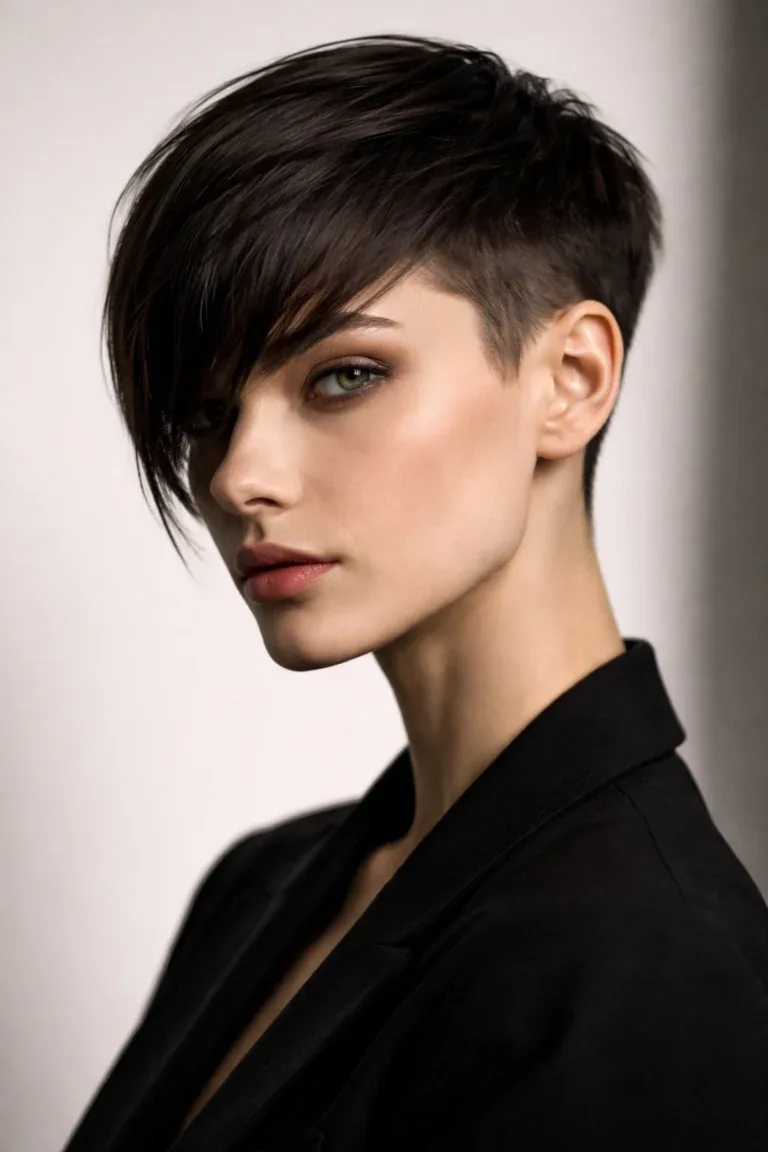
A textured pixie with blunt bangs is short hair with a strong opinion. The blunt fringe gives the pixie a bold, graphic front, while the textured layers on top keep it from looking severe. It is a brilliant cut for women who want short hair that still makes a statement.
Who should avoid it: anyone who wants a low-maintenance pixie, because the blunt fringe needs trimming every three to four weeks and a little styling each morning. Pros: it frames the eyes dramatically and makes the whole cut look expensive. If you love short hair and strong lines, this is the pixie to ask for.
28. Side-Swept Bangs With Beach Waves
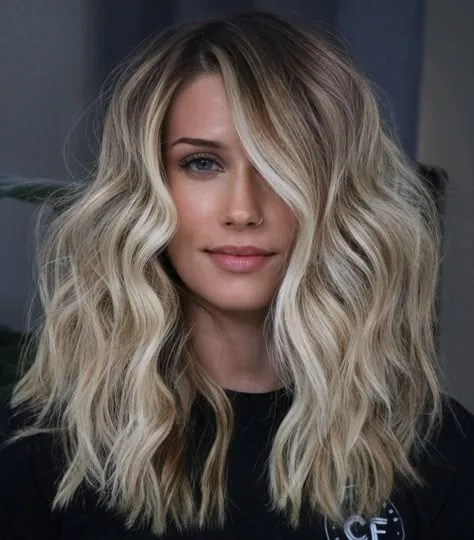
Side-swept bangs with beach waves are summer in a hairstyle: relaxed, textured, and a little bit undone. The sweep keeps the fringe out of your eyes while the waves do the rest, and the combination works on any length from a lob to long hair. Salt spray and a scrunch are often all the styling it needs.
Best for: wavy and straight hair, holidays, and anyone who wants bangs that look good slightly messy. Maintenance is minimal — the waves hide a growing fringe beautifully. A quick verdict: this is the most forgiving bang style on a bad hair day, because the whole look is built on imperfection.
29. Wispy Bangs With a Braided Crown
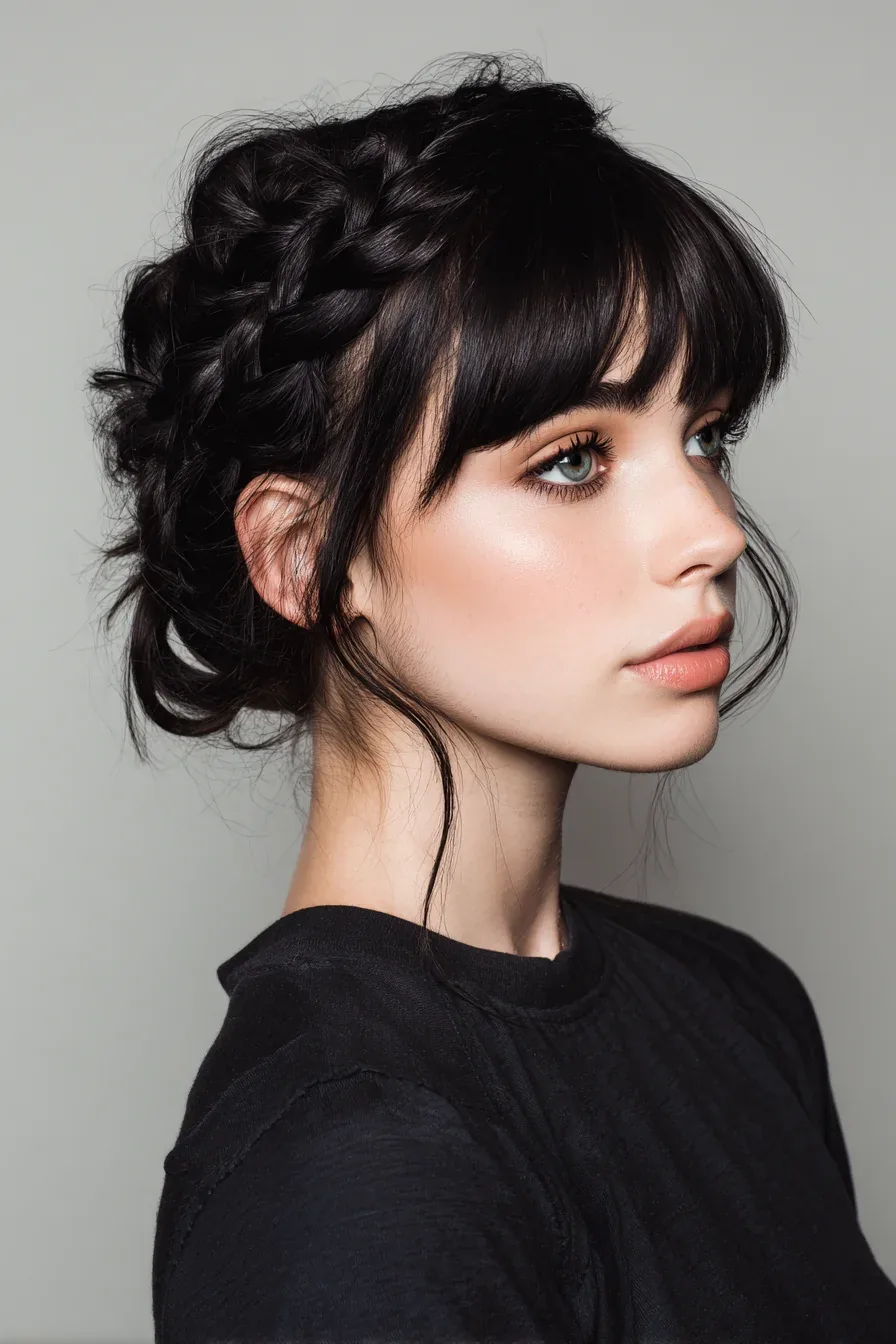
A braided crown with wispy bangs is the romantic option: the braid circles the head like a halo, keeping hair off the face, while the wispy fringe softens the forehead. It suits weddings, festivals, and any occasion where you want to look like you stepped out of a storybook.
How to style: braid two sections from the front, pin them across the crown, and let the wispy bangs fall free. Time needed: ten minutes with practice. Common mistake: braiding too tightly, which pulls the bangs back and ruins the softness. Keep the braid loose and the fringe untouched.
30. Curtain Bangs With a Sleek Blowout
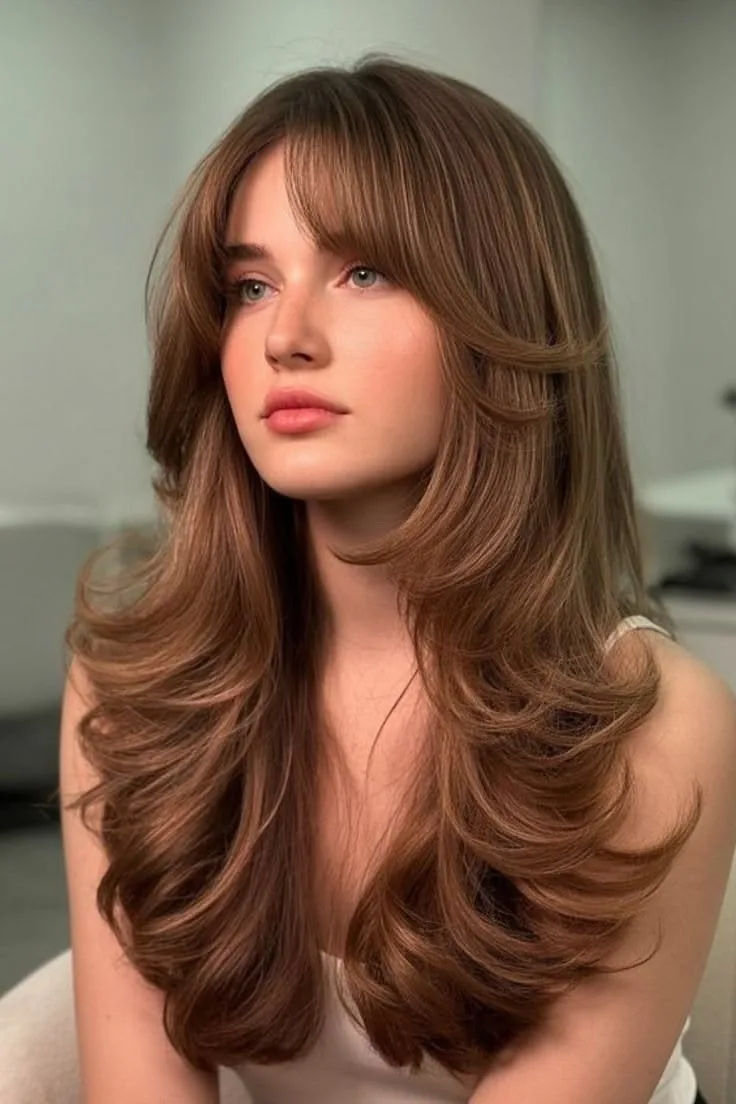
Curtain bangs with a sleek blowout are the polished, grown-up version of the curtain bang trend. The blowout gives the hair volume and shine, while the parted bangs frame the face with a soft, expensive-looking sweep. It is the look for job interviews, date nights, and any day you want your hair to do the talking.
Best for: straight and wavy hair, oval and heart-shaped faces. Cost and time: a blowout takes twenty minutes at home or a salon visit, so this is a special-occasion version rather than a daily one. Maintenance: the bangs themselves need only a trim every six weeks — it is the blowout, not the fringe, that takes the effort.
31. Micro Bangs With a Modern Shag
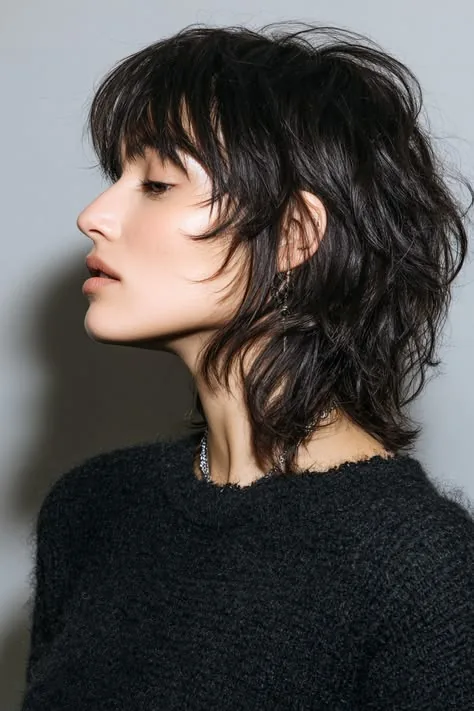
Micro bangs on a modern shag are for women who like their hair to have a point of view. The very short fringe opens up the face and shows off the brows, while the shag’s layers add texture and movement around it. The contrast between the short, graphic fringe and the longer, wilder layers is what makes the look work.
Pros: unforgettable, and it makes cheekbones look higher. Cons: the fringe needs frequent trims and it shows every cowlick. Who should avoid it: round faces and anyone who is not ready for a high-maintenance fringe. If you love bold hair and you are willing to commit, this pairing is one of the most striking in the guide.
32. Bottleneck Bangs With a High Bun
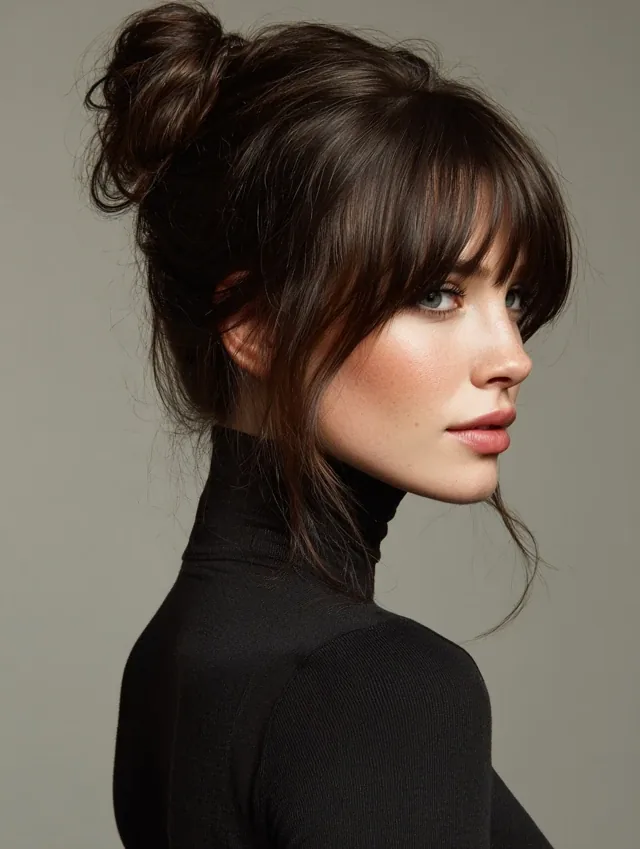
A high bun with bottleneck bangs is elegant without being stiff. The bun lifts everything up, which suits the bottleneck fringe perfectly — the narrow centre and longer sides frame the face while the bun keeps the rest of the hair out of the way. It is a favourite for formal occasions and for hot days alike.
Best for: long faces and oval faces, medium to long hair. How to style: gather hair into a high bun, then part the bottleneck bangs in the middle and sweep each side toward the cheekbones. Time needed: five minutes. A quick verdict: this is the most elegant updo with bangs on the list, and it photographs beautifully.
33. Blunt Bangs With a Wavy Lob
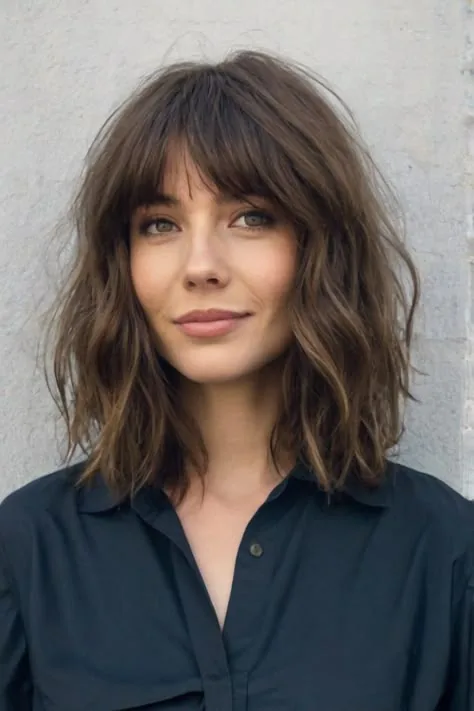
Blunt bangs with a wavy lob soften the fringe’s severity with texture. The straight line across the forehead contrasts with the waves below, and the contrast is the whole point — it keeps the blunt bang from looking heavy and the lob from looking plain. It is a brilliant compromise for women who want a statement fringe without a severe overall look.
Best for: wavy hair, oval and heart-shaped faces. Styling: straighten the bangs briefly, then scrunch the waves with a little cream. Maintenance: trims every four to five weeks for the fringe. Common mistake: letting the waves creep up into the bangs, which blurs the line — keep the fringe smooth and the lengths wavy.
34. Side-Swept Bangs With a Low Bun
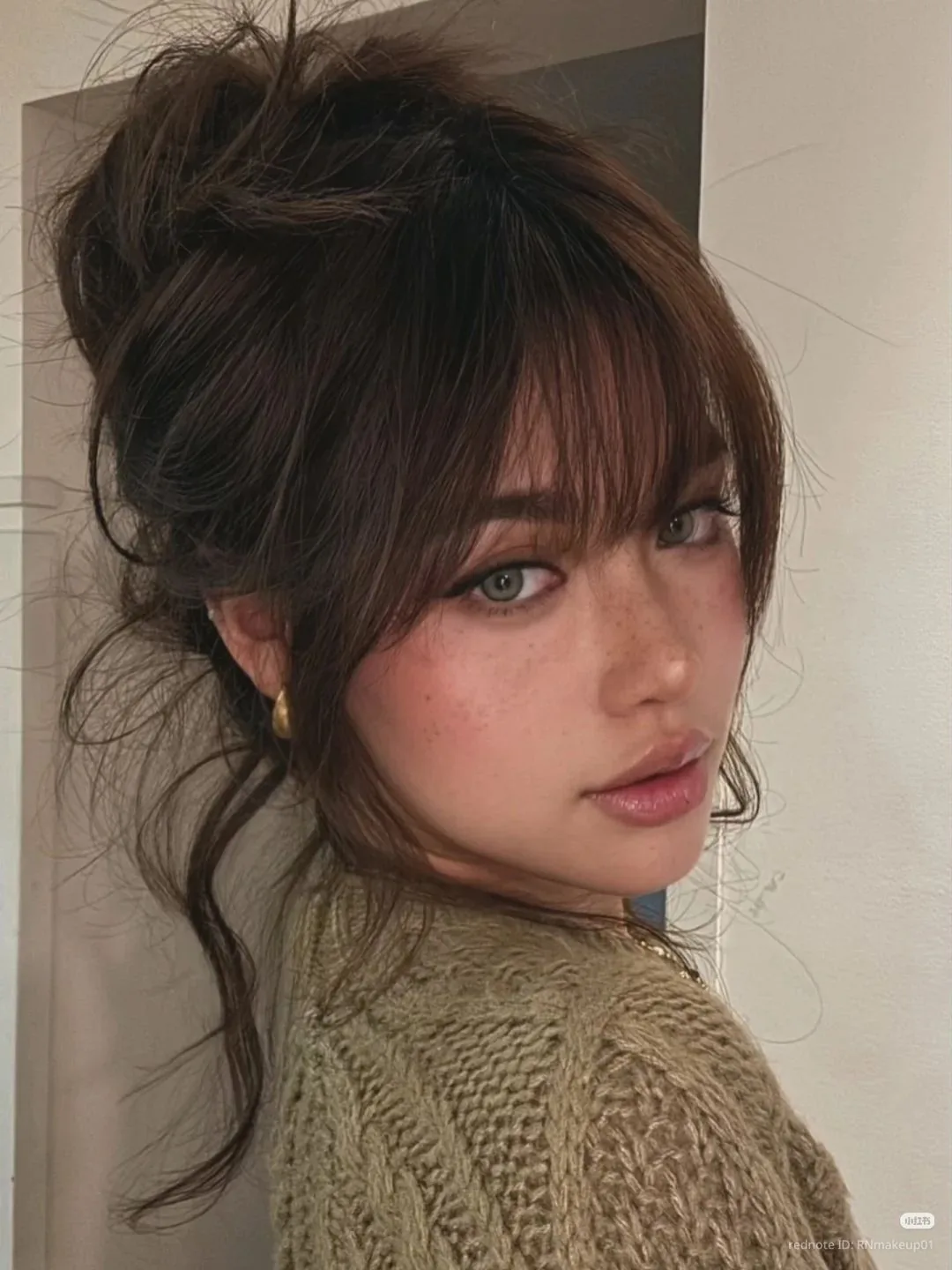
A low bun with side-swept bangs is the quiet, classic choice for weddings, work events, and any day you need to look polished. The low bun sits at the nape, elegant and understated, while the side-swept bangs add a soft diagonal line across the forehead that keeps the look from feeling severe.
Best for: medium to long hair, all face shapes. How to style: sweep the bangs to one side, gather the hair low, twist into a bun and pin. Time needed: five minutes. This is the bang hairstyle to choose when the occasion matters and you do not want your hair to be the thing you worry about.
35. Wispy Bangs With a Layered Pixie
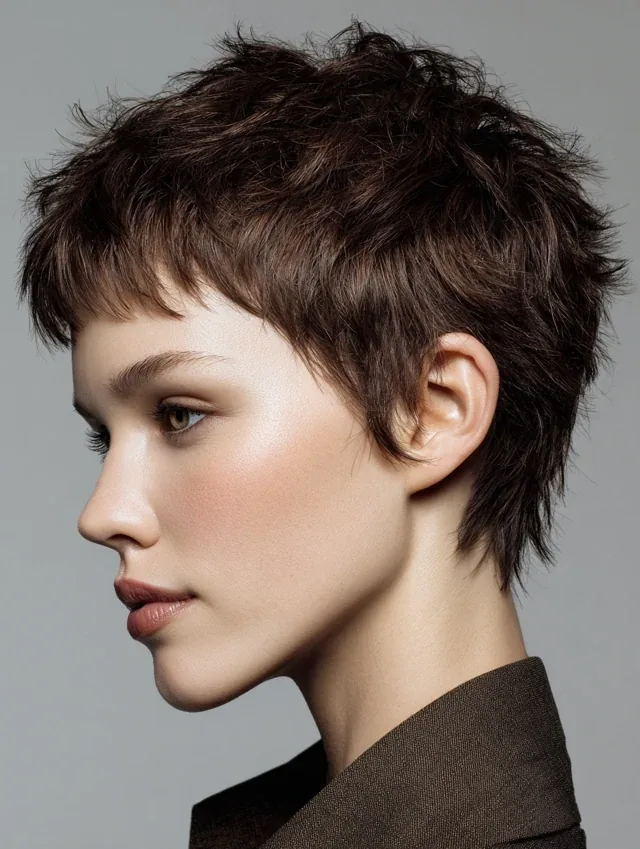
A layered pixie with wispy bangs is short hair at its softest. The layers give the pixie movement, the wispy fringe gives it a gentle front, and together they create a cut that is easy to style and flattering on most faces. It is the pixie for women who want short hair without a hard edge.
Pros: quick to wash and style, grows out gracefully, and suits fine hair well. Cons: the wispy bangs need a little product to hold their shape. Who should avoid it: nobody in particular — this is one of the most adaptable short cuts with bangs. Ask your stylist to keep the fringe light so it moves.
36. Curtain Bangs With a Side Part
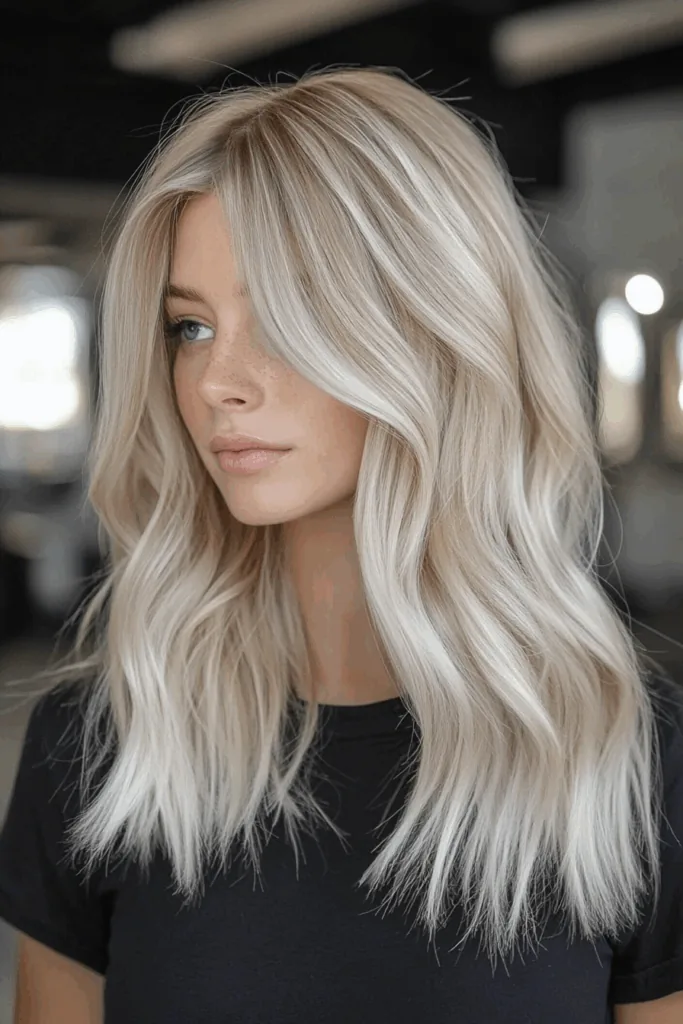
Curtain bangs are usually parted in the middle, but a deep side part gives them a completely different character: more volume on one side, a longer sweep across the forehead, and a softer, more romantic feel. It is a small change that makes the same cut feel like a new style.
Best for: round and square faces, where the asymmetry adds length, and anyone whose middle part never quite sat right. How to style: part deeply to one side and blow-dry the bangs across. Maintenance: the same as any curtain bang — trims every six to eight weeks. A quick verdict: if you already have curtain bangs and you are bored, try the side part before you book a new cut.
37. Blunt Bangs With a Voluminous Blowout
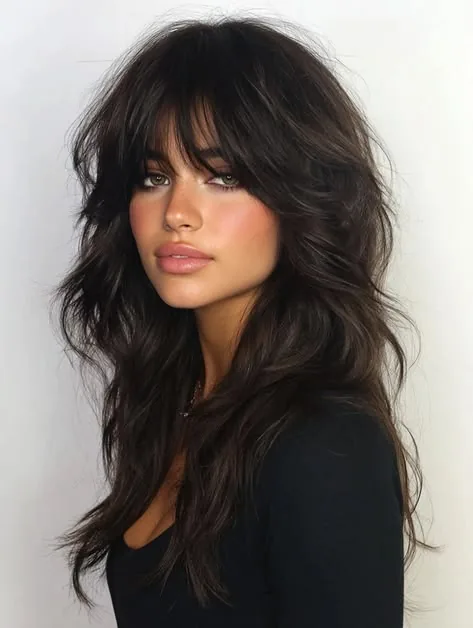
Blunt bangs with a voluminous blowout are pure glamour: a sharp fringe, big bouncy hair, and a finish that looks like a salon visit. The volume balances the weight of the blunt fringe, so the overall look feels lush rather than heavy. It is the style for nights out, events, and any day you want maximum impact.
Best for: thick and medium hair, straight and wavy textures. Cost and time: a full blowout takes twenty to thirty minutes, so save this for occasions. Maintenance: the fringe needs trims every three to four weeks. Common mistake: over-straightening the bangs until they look stiff against the bouncy lengths — keep a little movement in the fringe.
38. Feathered Side Bangs With Long Hair
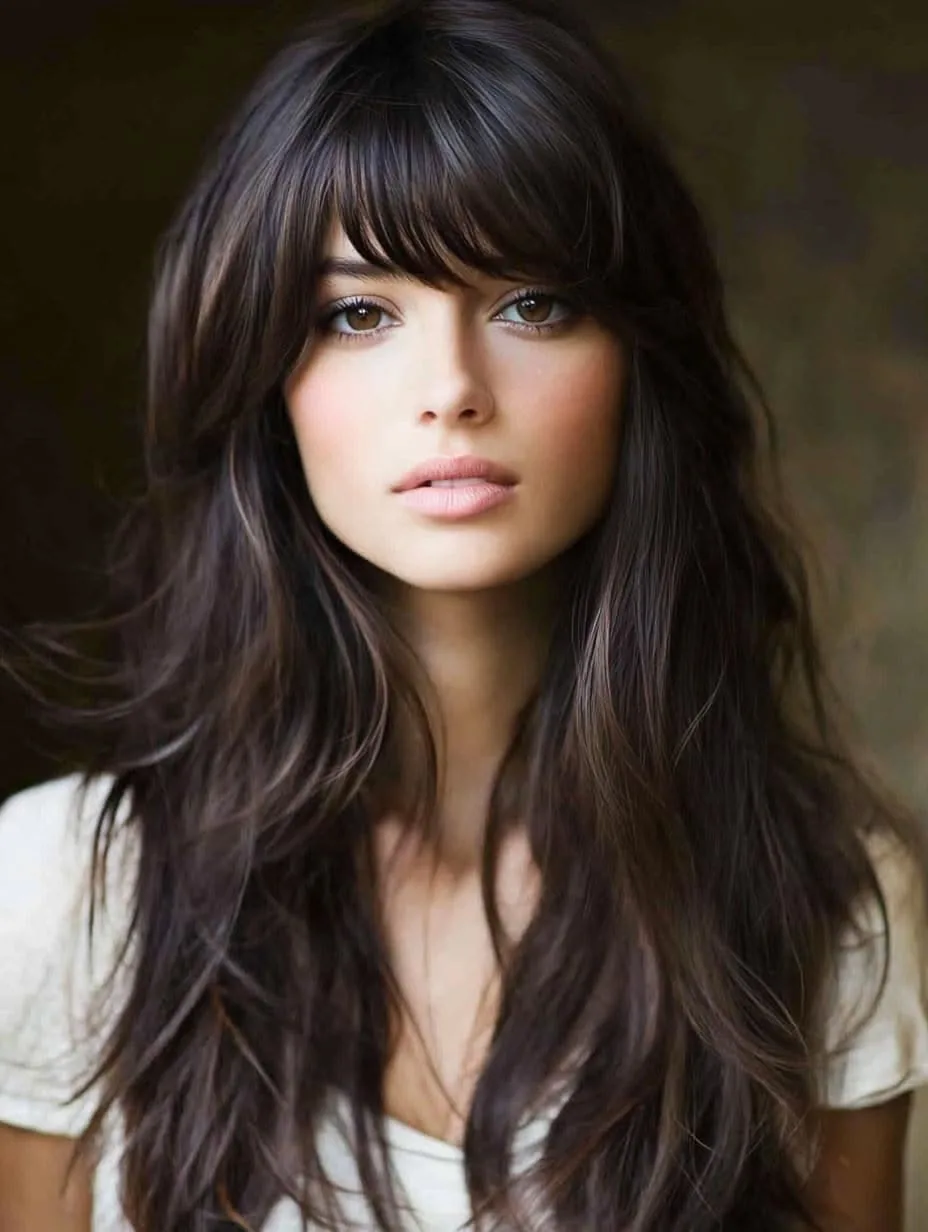
Feathered side bangs on long hair are the softest fringe in this guide. The feathered ends taper into the long layers, so there is no visible line where the bangs end and the rest of the hair begins. It is a wonderful choice for women who want face-framing without any hint of a hard fringe.
Best for: fine to medium hair, mature faces, and anyone who dislikes the look of a cut fringe. Maintenance is the easiest of any bang here — feathered bangs grow out so softly that you can go ten weeks between trims. What to ask for: a side-swept, feathered fringe that blends into the longest layers.
39. Wispy Bangs With a Messy Bob
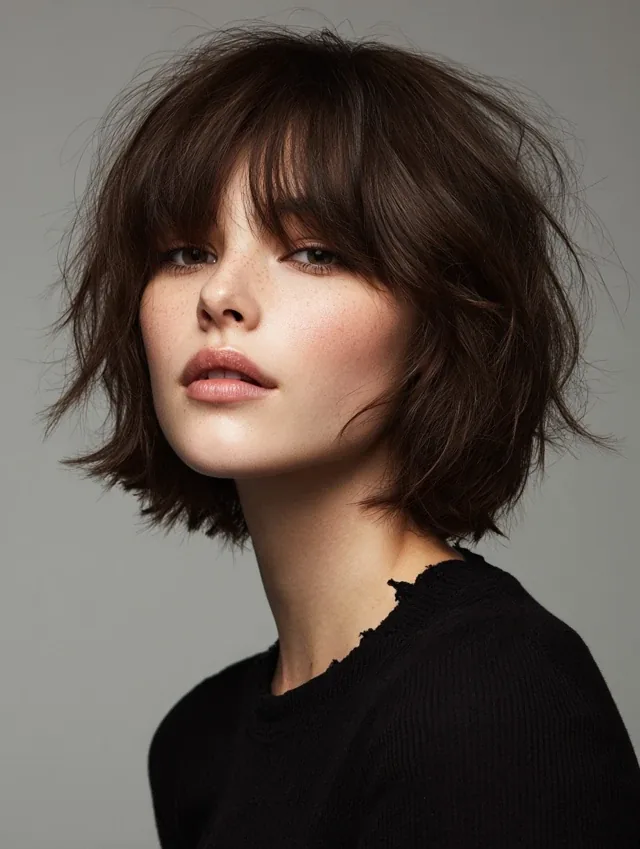
A messy bob with wispy bangs is the low-effort, high-charm option: tousled, textured, and deliberately imperfect. The wispy fringe keeps the forehead soft, the messy bob keeps the whole cut relaxed, and together they create a look that survives wind, humidity, and second-day hair with grace.
Best for: wavy and straight hair, and anyone who hates fussing over their hair. How to style: scrunch texturising spray through damp hair and let it air-dry. Time needed: two minutes. A quick verdict: this is the bang style for real life — it looks good when you try and almost as good when you do not.
40. Curtain Bangs With a Half-Up Twist
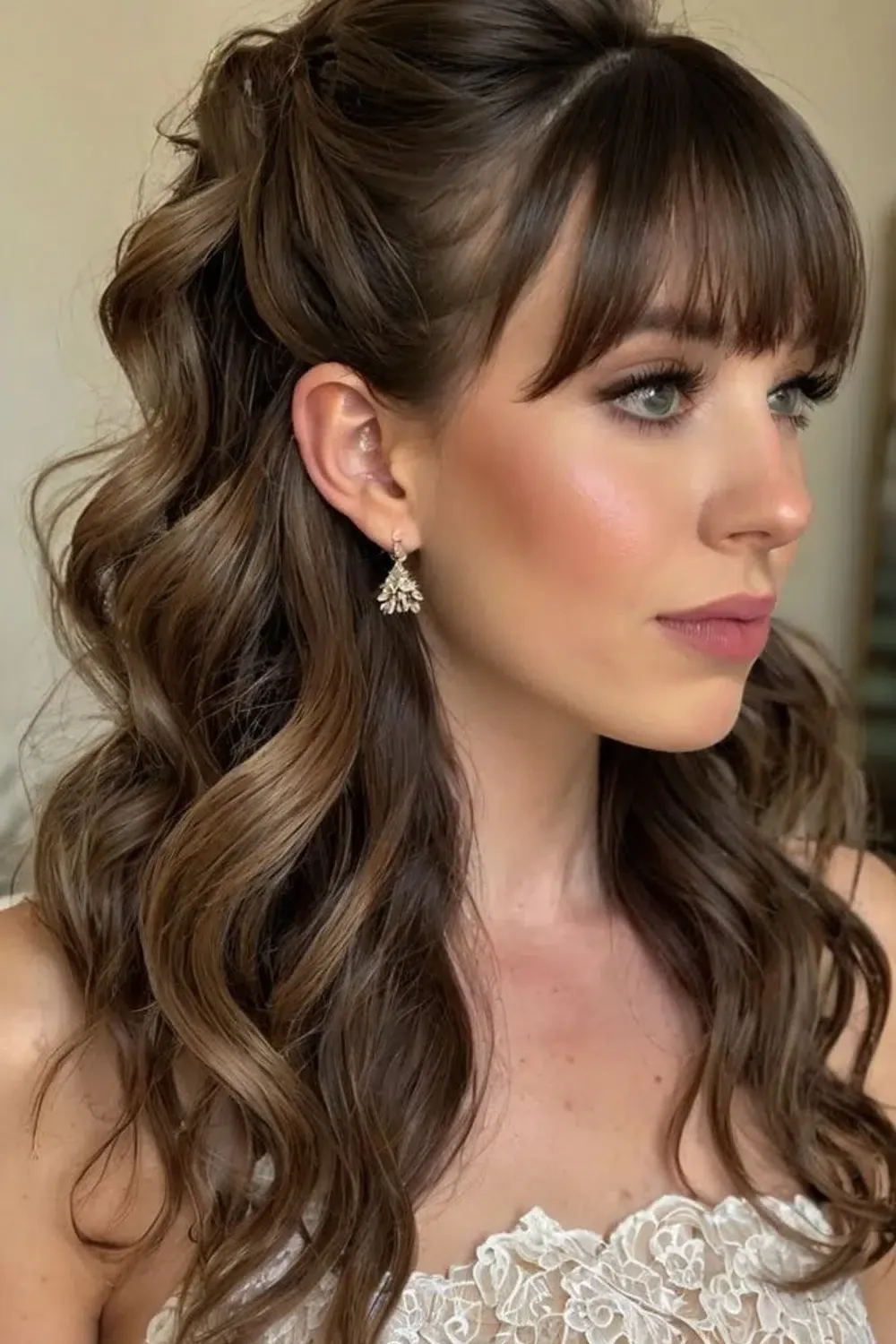
A half-up twist with curtain bangs is the prettiest way to wear your hair down without it falling in your face. The twist pulls the top section back, the rest of the hair stays loose, and the curtain bangs frame the face on both sides. It suits weddings, dates, and ordinary Tuesdays equally well.
Best for: medium to long hair, all face shapes. How to style: twist two front sections back and pin them where they meet, then part the curtain bangs in the middle. Time needed: five minutes. This is the style to end on, because it shows what curtain bangs do best — make everything else you do with your hair look a little more finished.
Bangs and Hair Texture: Straight, Wavy, Curly and Coily
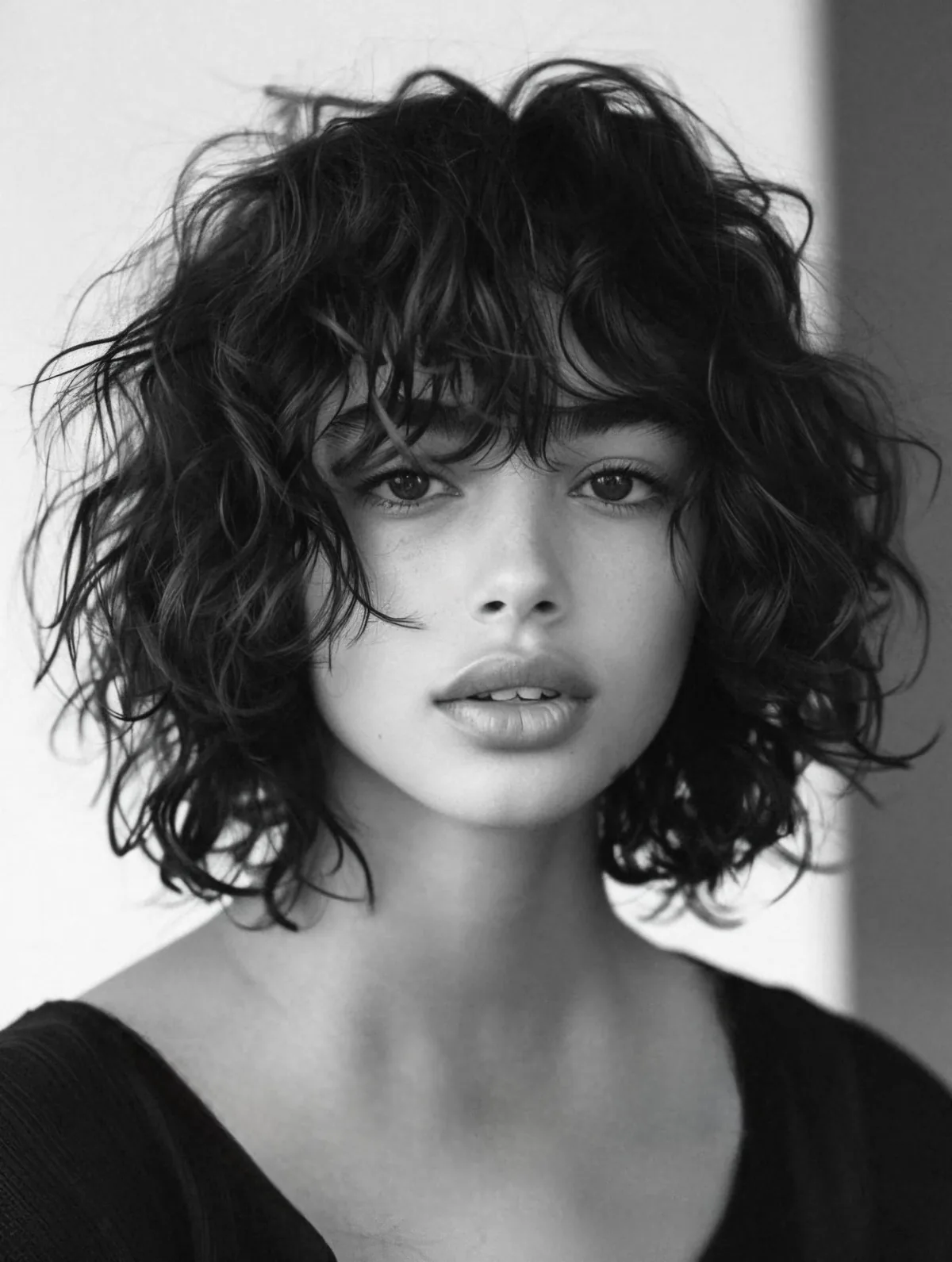
Straight hair takes bangs most predictably: a blunt fringe lies flat, a curtain bang sweeps cleanly, and the style you leave the salon with is the style you wake up with. The trade-off is that straight bangs show oil and separation faster, so a little dry shampoo goes a long way. Wavy hair adds natural movement to every fringe type, which is why curtain and bottleneck bangs look so effortless on waves.
Curly and coily hair needs a different approach: cut the bangs dry, leave them longer than the target length, and expect the fringe to behave like curls, not like a flat sheet. A curly fringe will never sit like a straight one, and trying to force it usually ends in frustration. The right question is not whether your texture can have bangs, but which bang shape works with your texture instead of against it.
The Real Cost of Bangs: Trims, Time and Products
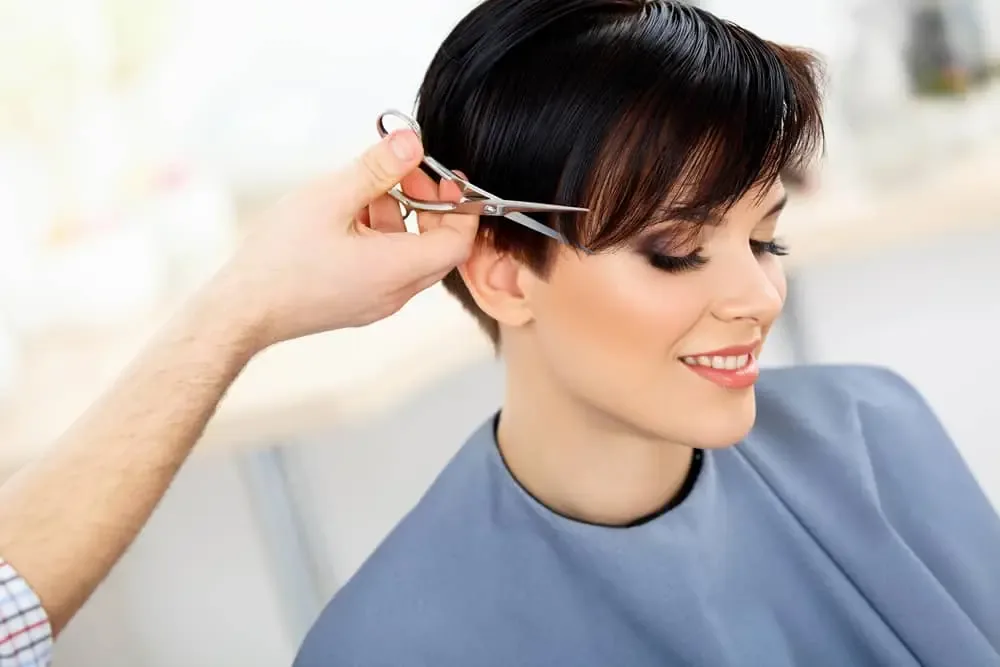
Bangs are not expensive, but they are not free either. A fringe trim costs less than a full cut and takes ten minutes, yet you will need one every three to eight weeks depending on the style — blunt bangs most often, feathered and curtain bangs least. Over a year, that adds up to a real, if modest, commitment of both money and calendar space.
The daily cost is smaller: a minute or two of styling, a bottle of dry shampoo that lasts months, and the occasional round brush. Many salons offer free fringe trims between cuts, so ask before you book — it can cut the yearly cost in half. The honest verdict: bangs cost less than most people fear, but they do cost something, and the cheapest bang is the one that suits your texture well enough to need little daily work.
Common Bang Mistakes — and How to Fix Them
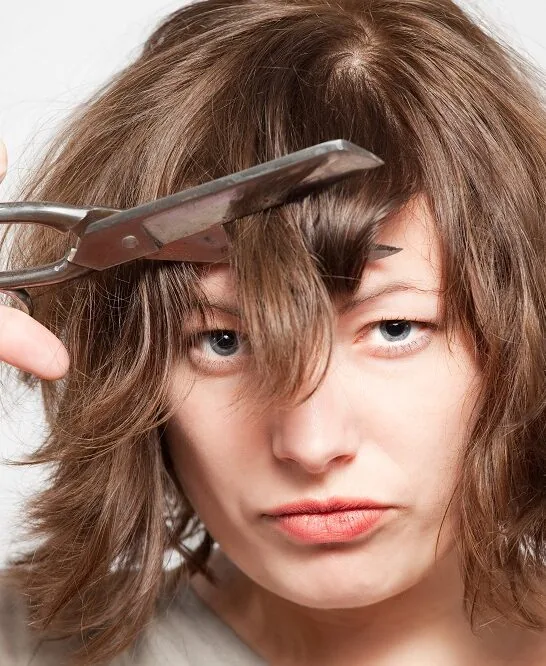
The most common mistake is cutting bangs yourself on a whim, usually too short, usually wet, usually with kitchen scissors. Wet hair shrinks as it dries, so a fringe cut wet ends up shorter than planned — the classic DIY disaster. If you have already done it, the fix is patience and clips: pin the bangs to the side while they grow, and let a stylist even them out.
Other mistakes are easier to avoid: cutting bangs on freshly washed, slippery hair that will not hold its shape; choosing a blunt fringe for very curly hair without a dry cut; and overloading bangs with product until they look greasy. The fix for all three is the same — a good stylist, a dry cut where texture demands it, and less product than you think you need.
Bangs for Every Occasion: Work, Weddings and Weekends
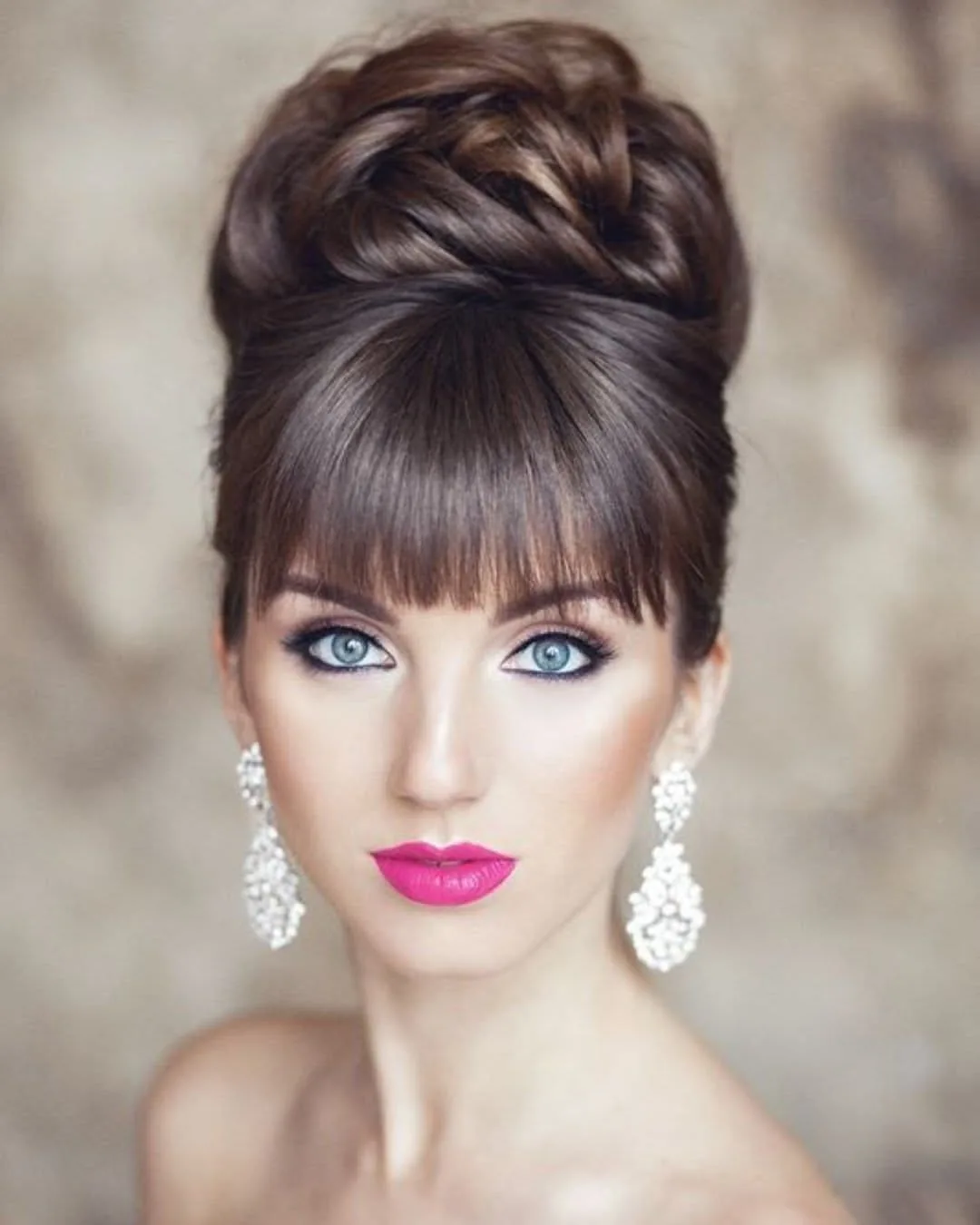
For work, side-swept and curtain bangs are the safest choices: they look polished, they stay out of your eyes, and they need almost no attention during the day. A low ponytail or a sleek blowout with curtain bangs reads as professional without reading as fussy. For weddings — yours or someone else’s — a half-up twist or a low bun with soft bangs photographs beautifully and stays in place through a long day.
For weekends, the rules relax: messy buns, wispy bangs and beach waves are all fair game, and a fringe that looks slightly undone is part of the charm. The real lesson is that bangs are not one look but a toolkit — the same fringe can be sleek for work, romantic for a wedding, and effortless for a Sunday, just by changing how you style the rest of your hair.
What face shape suits bangs best?
Oval faces suit almost every bang type, while round faces look best with longer side-swept or curtain bangs, square faces soften with wispy or bottleneck bangs, heart-shaped faces suit curtain bangs, and long faces benefit from blunt or full bangs that shorten the forehead visually.
Do bangs make you look younger?
Bangs often make you look younger because they soften the forehead, draw attention to the eyes and cheekbones, and hide fine lines. Wispy, curtain and feathered bangs have the most youthful effect, while a very blunt fringe can look severe if it does not suit your face shape.
How often do bangs need trimming?
Blunt bangs need a trim every 3 to 4 weeks, bottleneck and side-swept bangs every 5 to 6 weeks, and curtain, wispy and feathered bangs every 6 to 8 weeks. Many salons offer free fringe trims between full haircuts, so ask your stylist before booking.
Can I get bangs with curly hair?
Yes, curly hair can have bangs, but they must be cut dry and curl by curl, and left longer than the target length because curls shrink as they dry. Wispy and curtain bangs usually work best on curly hair, while a blunt fringe needs a stylist who specialises in curly cuts.
Are bangs high maintenance?
Bangs need a little daily attention — usually one to two minutes of styling — and regular trims, but curtain, wispy and side-swept bangs are low maintenance compared with blunt bangs. The easiest fringe is one that suits your natural texture, because it needs the least daily work.
How do I style bangs without heat?
Dampen the bangs, comb them into place, and let them air-dry, or clip in a velcro roller for five minutes while you get dressed. On second-day bangs, a light spritz of water and a finger-comb usually resets the shape without any heat at all.
What are bottleneck bangs?
Bottleneck bangs are narrow and short in the centre and longer and wider at the sides, like the neck of a bottle. They sit between curtain bangs and blunt bangs: more defined than curtain bangs, softer than a blunt fringe, and they blend beautifully into face-framing layers.
Do bangs suit thin or fine hair?
Yes, but choose wisely: wispy, feathered and curtain bangs suit fine hair best, because a heavy blunt fringe can look thin and separate into strands. A little dry shampoo at the roots and a light texturising spray give fine bangs volume and grip.
How long does it take to grow out bangs?
Growing out bangs takes about 3 to 6 months to reach chin length, depending on how short they started. Curtain bangs grow out easiest because they already blend into layers, while blunt bangs need gradual feathering at each trim to avoid an awkward stage.
Should I cut my own bangs at home?
It is best not to cut your own bangs, because wet hair shrinks as it dries and a fringe cut too short is hard to fix. If you do trim them yourself, cut them dry, cut less than you think you need, and use proper hair scissors — never kitchen scissors.
Conclusion
Bangs are not a gamble — they are a choice, and a good choice starts with knowing your face shape, your hair texture, and how much maintenance you are honestly willing to do. Curtain and side-swept bangs are the safest first step, wispy and feathered bangs are the kindest to fine hair, and blunt bangs are the boldest statement for those ready to commit to regular trims.
Start with the style that matches your life, not just your mood. Book the cut with a stylist you trust, ask for the version that suits your texture, and give the fringe two weeks before you judge it — bangs, like most good decisions, settle in better than they start. And if you change your mind, remember that hair grows: the worst-case scenario for bangs is a few months of clips and patience, and the best case is a whole new way of seeing your own face.