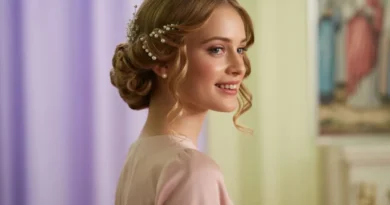
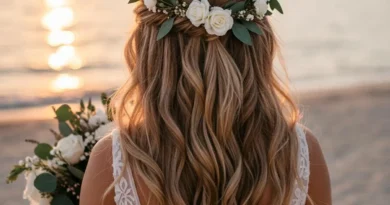
Turn It Up: 38 Concert Hairstyles for Women That Survive the Crowd and the Encore
A concert is the hardest test a hairstyle will ever face. You will dance for three hours, get bumped by strangers, sweat under hot lights, and probably get rained on if the show is outdoors — and then someone will take a photo of you at the encore, and that photo will live on the internet forever. The hairstyles that look best at a concert are not the ones that look best in the mirror at home. They are the ones that still look good at midnight, after the sweat, the jumping, and the third time someone’s elbow has caught your hair.
This guide gathers 38 concert hairstyles for women that are built to survive the crowd: braids that do not unravel, buns that do not slip, ponytails that stay high through every chorus, and loose styles that are designed to look better a little bit messy. Eight guides first cover the survival skills — sweat-proofing, tangle-proof dancing, accessories that will not get lost, and what to pack in a bag small enough to get through security. Whatever your hair type or length, there is a style here that will hold up from the first song to the last.
Styles That Stay Put for Hours — The Golden Rule of Concert Hair
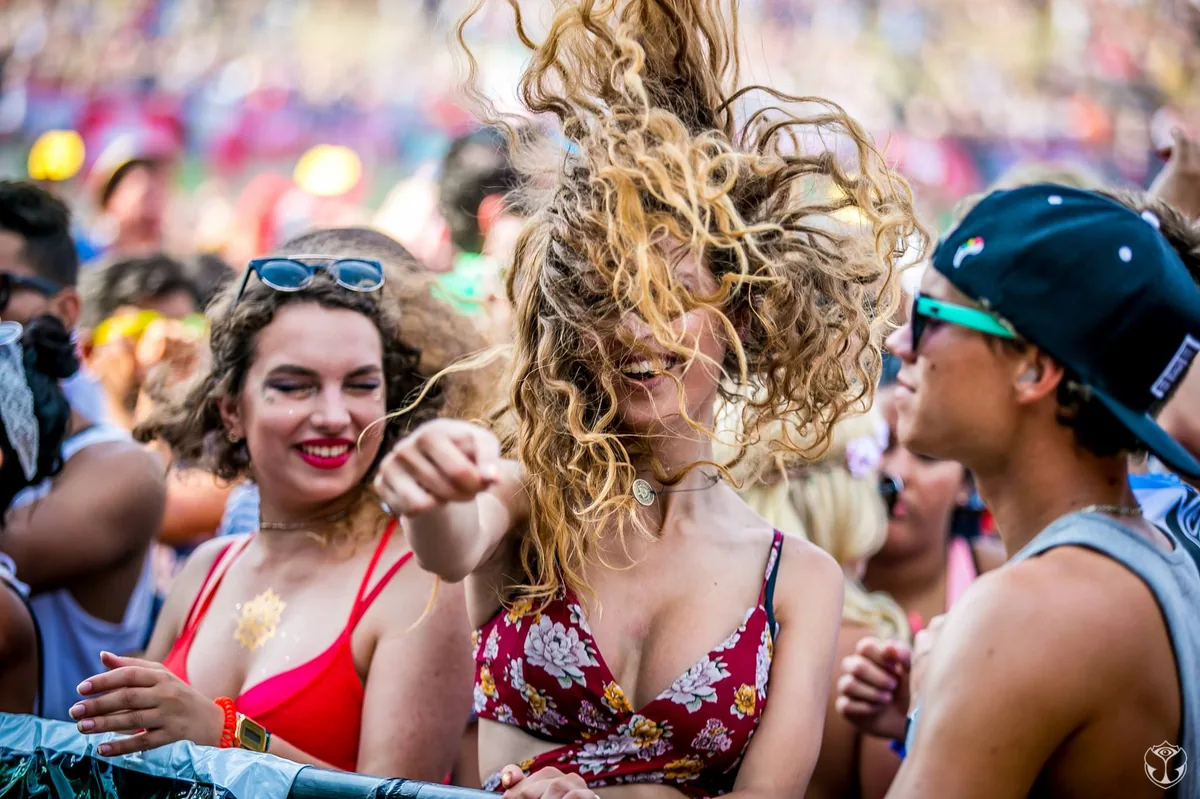
The golden rule of concert hair is simple: if a style needs you to check it in a mirror every twenty minutes, it is the wrong style for a concert. The best concert hairstyles are the ones that are anchored — braided in, pinned in, tied in twice — so they survive jumping, headbanging, and the crush of the crowd without your help. A style that looks slightly more secure than you think you need at 7 p.m. will look exactly right by 11 p.m., because everything loosens a little as the night goes on.
Quick verdict: choose the style you would pick if you knew you could not touch your hair again until you got home. If it needs a mirror, a straightener, or a prayer, save it for dinner. Best for: every concert, every venue. Common mistake: wearing your hair freshly washed and silky, which slips out of every pin — day-old hair with a little texture spray holds far better.
Sweat-Proofing Your Hair Before the Show
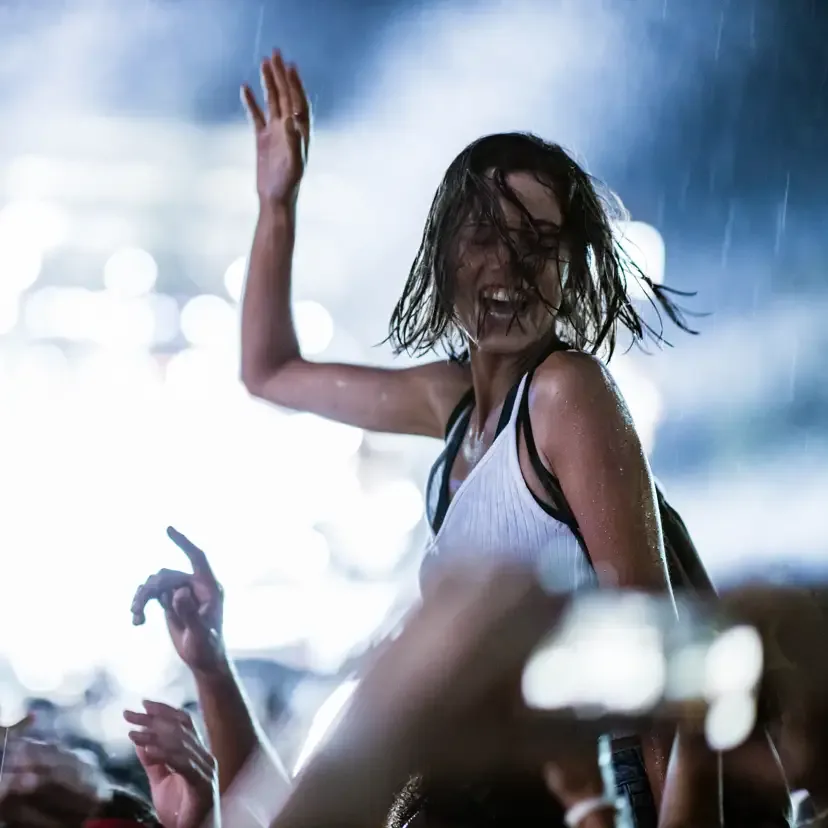
Sweat is the quiet enemy of concert hair. It flattens roots, frizzes ends, and turns a sleek style into a damp one by the third song. The fix starts before you leave the house: dry shampoo at the roots absorbs oil and gives grip, a light texturising spray adds hold without stiffness, and a pea-sized amount of styling cream smoothed over the surface keeps flyaways down. Work in thin layers — too much product makes hair heavy and sticky when you sweat.
Pros and cons: dry shampoo buys you hours of volume, but overdoing it leaves a white cast on dark hair, so brush it through well. What to pack: a travel dry shampoo is rarely worth the bag space; a few blotting papers for your face do more. Quick verdict: prep is 90% of sweat-proofing. The right base coat matters more than any mid-show rescue.
Dancing Without Tangles — How to Keep Long Hair From Knotting
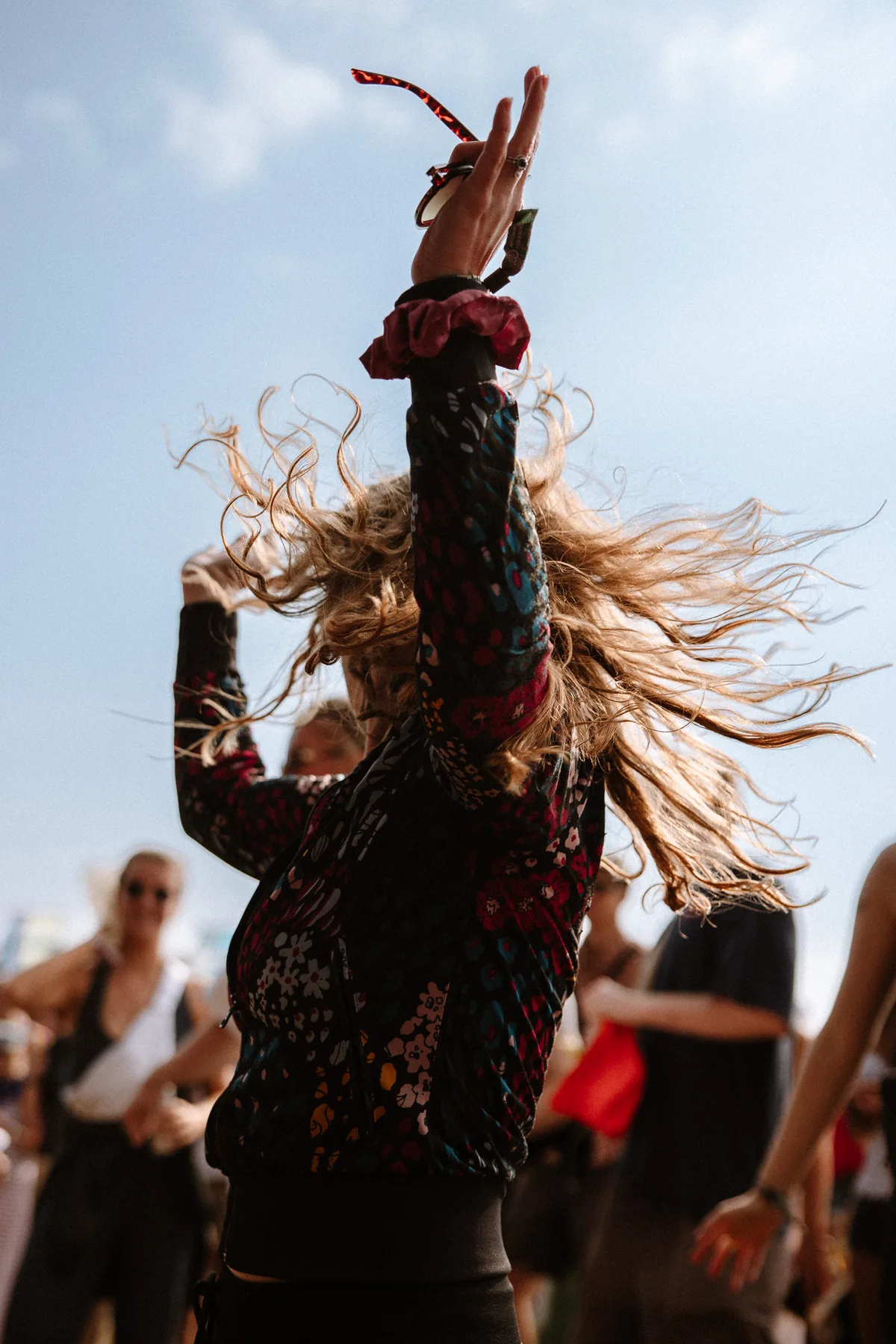
Long hair and a crowded dance floor are a bad combination: hair gets caught on bags, zips, necklaces, and other people’s arms, and by the encore it has tangled into a knot at the nape that takes twenty minutes to brush out. The fix is to keep the ends contained. A braid, a low bun, or a ponytail with the ends tucked in keeps your hair in one tidy unit instead of a loose curtain that catches on everything.
How to prevent it: a drop of serum on the ends before you leave reduces friction, and a silk scrunchie snags far less than a rough elastic. What to avoid: wearing long hair fully loose in a standing-room crowd — save that for a seated show. Quick verdict: contained ends are happy ends. If your hair can swing freely, it can tangle freely too.
Hair Accessories That Survive a Crowd
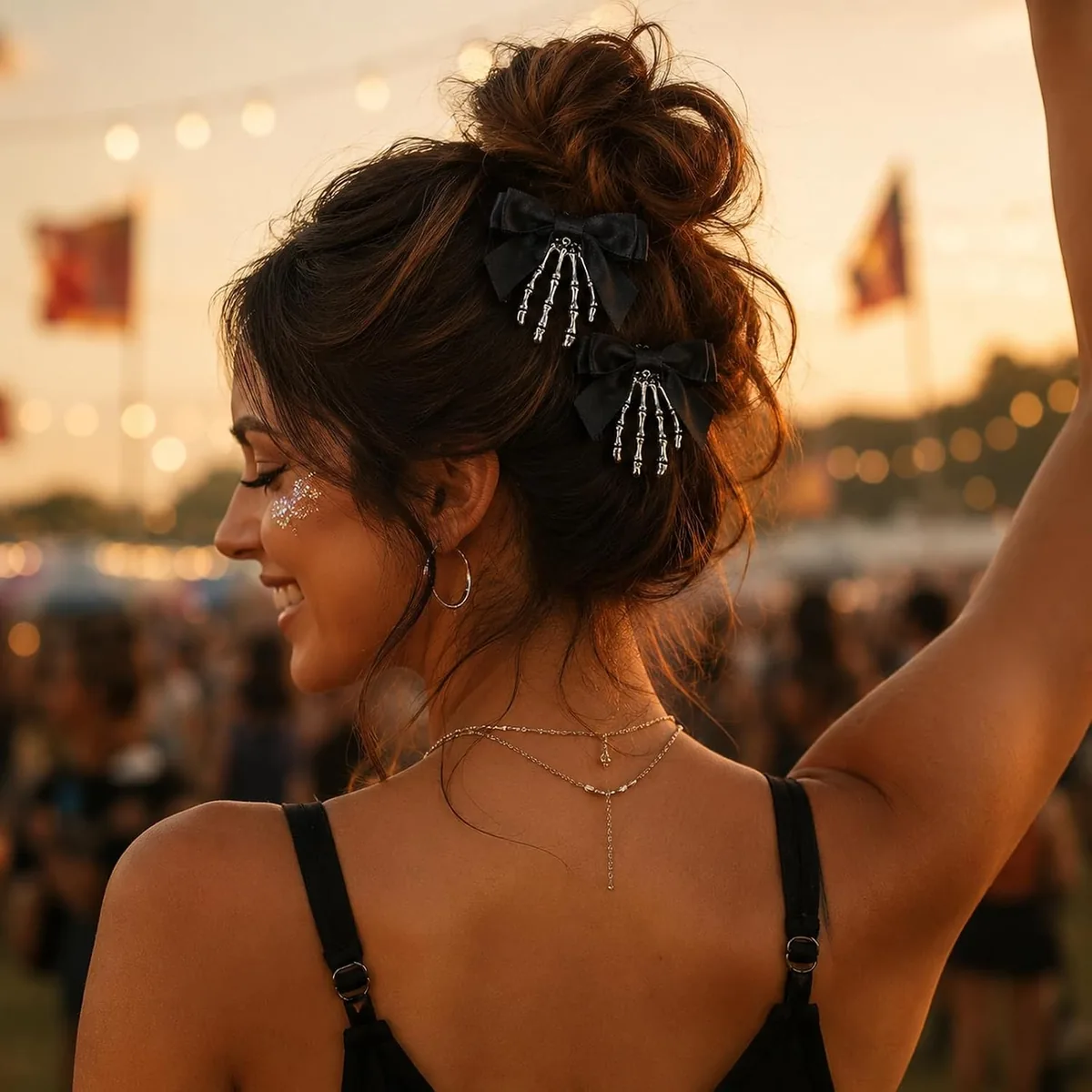
A concert is where hair accessories go to die. Bobby pins slide out, claw clips pop open when someone bumps you, and a favourite hair tie can vanish into a crowd in seconds. The survivors are the boring ones: strong elastic bands, a claw clip with a real spring, a silk scrunchie that grips, and braids secured with tiny clear elastics. Glitter, beads, and chains look amazing in photos — just make sure they are actually attached to the braid, not merely resting on it.
Best for: anyone who has ever lost a clip mid-chorus. Cost and time: a pack of strong elastics costs almost nothing and weighs nothing. Common mistake: one bobby pin doing the job of four — use two crossed pins at every anchor point. Quick verdict: if you would be upset to lose it, do not wear it to a standing show.
Outdoor vs Indoor Shows: What Changes
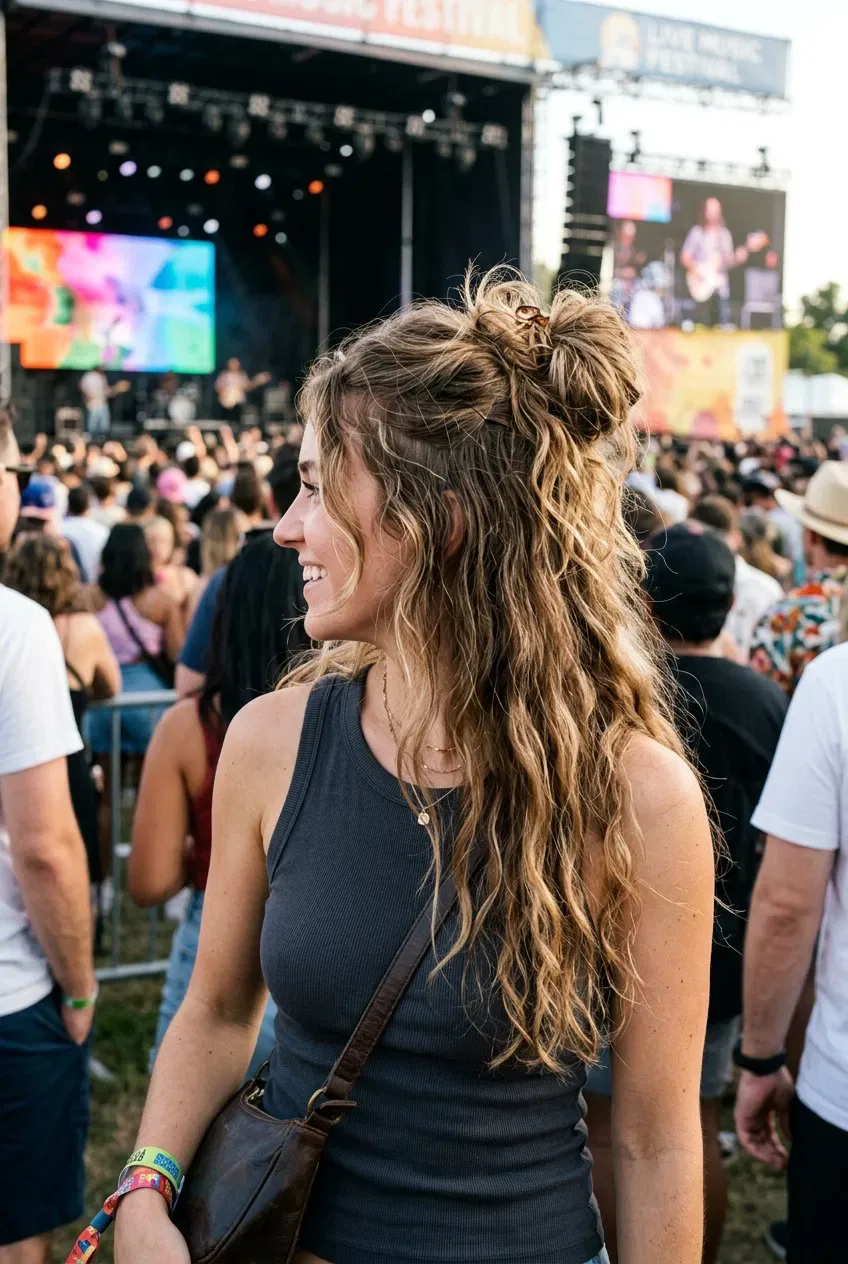
An outdoor show and an indoor show ask for different hair. Outdoors, the enemies are wind, humidity, and rain: loose styles get blown across your face, humidity frizzes curls, and rain flattens everything. Braids, buns, and scarves win outdoors because wind cannot undo them. Indoors, the enemy is heat: hot lights and a packed room make you sweat, so the priority shifts to styles that lift hair off the neck — high ponytails, top knots, and pinned-up curls.
What to pack: a small scarf or bandana is the most versatile outdoor accessory — it covers frizz, holds back wind-blown hair, and doubles as a rain shield. Maintenance: check the forecast, not just the lineup. Quick verdict: outdoors, braid it; indoors, lift it off your neck.
Keeping Hair Out of Your Face — and Your Mouth
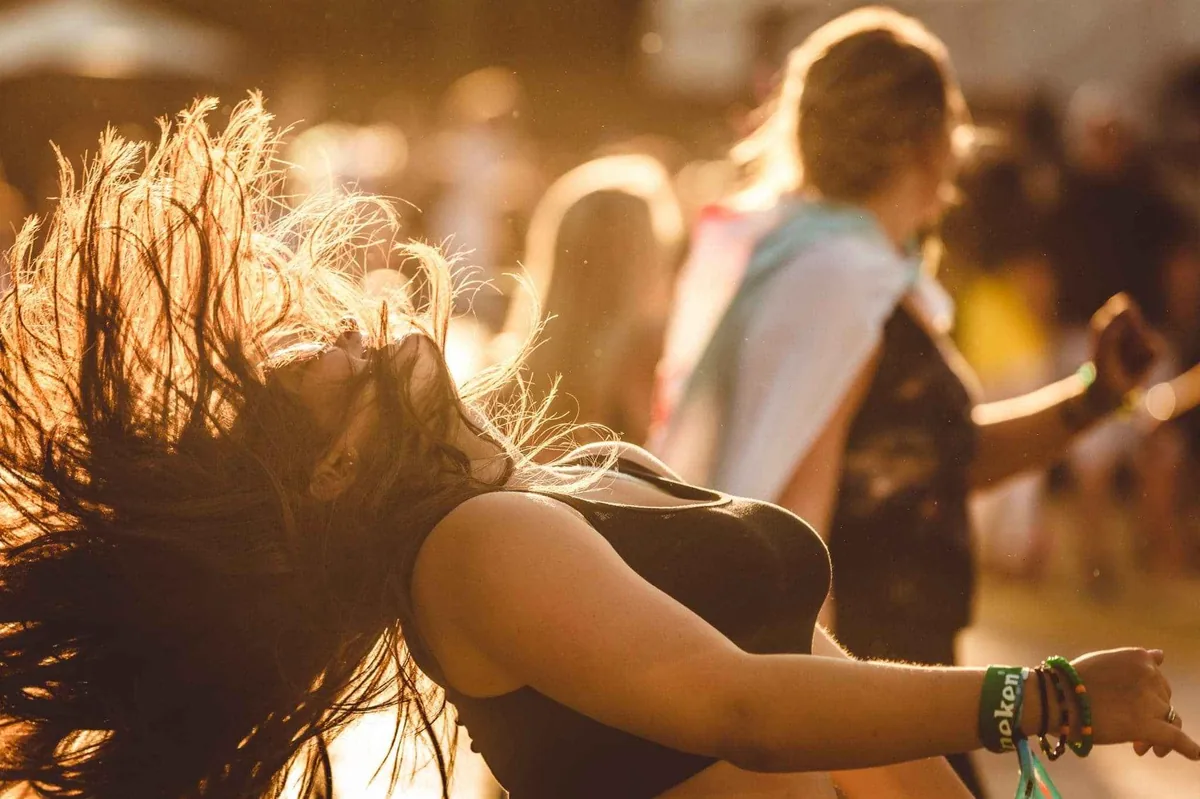
There is nothing that ruins a chorus faster than a mouthful of your own hair. Wind, jumping, and headbanging all throw hair forward, and once it is stuck to lip gloss or sweaty skin, it stays there. The fix is front control: two small braids framing the face, a headband braid, a scarf, or a half-up section that pins the front layers back. The rest of your hair can be as wild as you like, as long as the front is anchored.
How to style it: take a small section from each temple, twist or braid it back, and pin it behind your ear — five minutes, and the problem is solved. Who should avoid it: nobody. This is the one concert tip that suits every hair length. Quick verdict: control the front, free the back. Your lip gloss will thank you.
Quick Fixes Mid-Show — No Mirror Needed
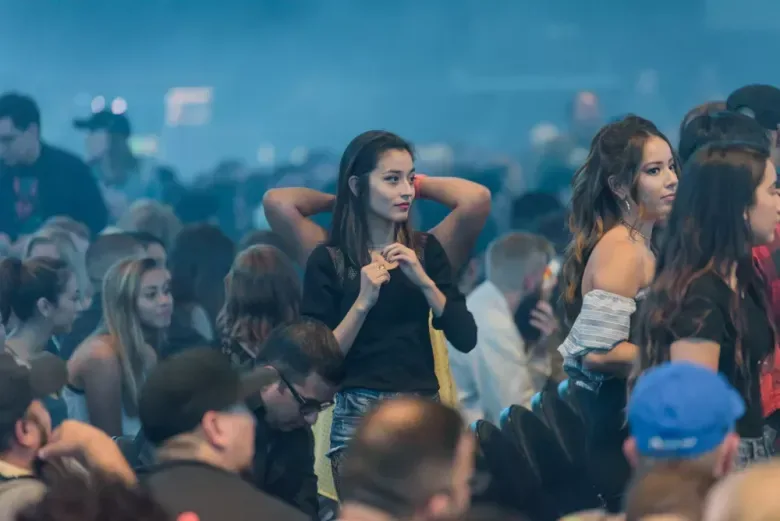
At some point in every long show, something will slip. The trick is to have a fix you can do blind, in the dark, with one hand, while holding a drink in the other. The classics: re-gather a ponytail and re-tie it higher, twist a loose bun and re-pin it with the spare pins in your pocket, or pull the whole lot into a claw clip and call it a look. Practice your chosen rescue at home once, so your hands know it before the lights go down.
What to pack: three bobby pins and one spare elastic, tucked in a pocket or a tiny bag — that is the whole emergency kit. Time: every fix here takes under thirty seconds. Common mistake: trying to re-do a complicated style mid-show instead of downgrading to a simpler one. Quick verdict: the best mid-show fix is a simpler style, done confidently.
What to Pack in a Small Bag
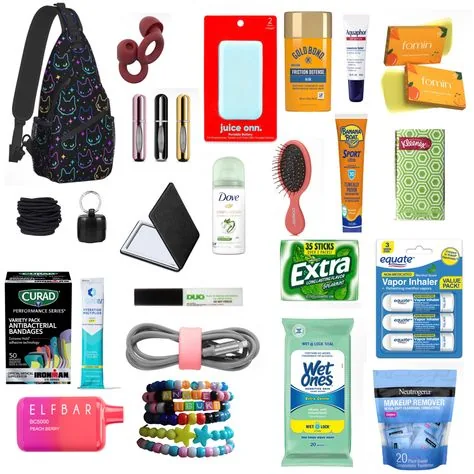
Concert security means a small bag, so every item has to earn its place. For hair, the list is short: two spare elastics, three bobby pins, one mini claw clip, and a silk scrunchie on your wrist as backup. That is it. Leave the dry shampoo, the brush, and the styling spray at home — you will not use them in a crowd, and they will only weigh you down. A bandana or scarf is the one luxury item worth its space, because it can rescue almost any hair situation.
Pros and cons: travelling light means fewer options, but also fewer things to lose and less to carry while you dance. Cost: the whole kit costs less than a drink at the venue. Quick verdict: elastics, pins, one clip, one scrunchie. If it does not fit in your pocket, it does not go.
1. The High Ponytail With a Wrapped Base That Will Not Slip
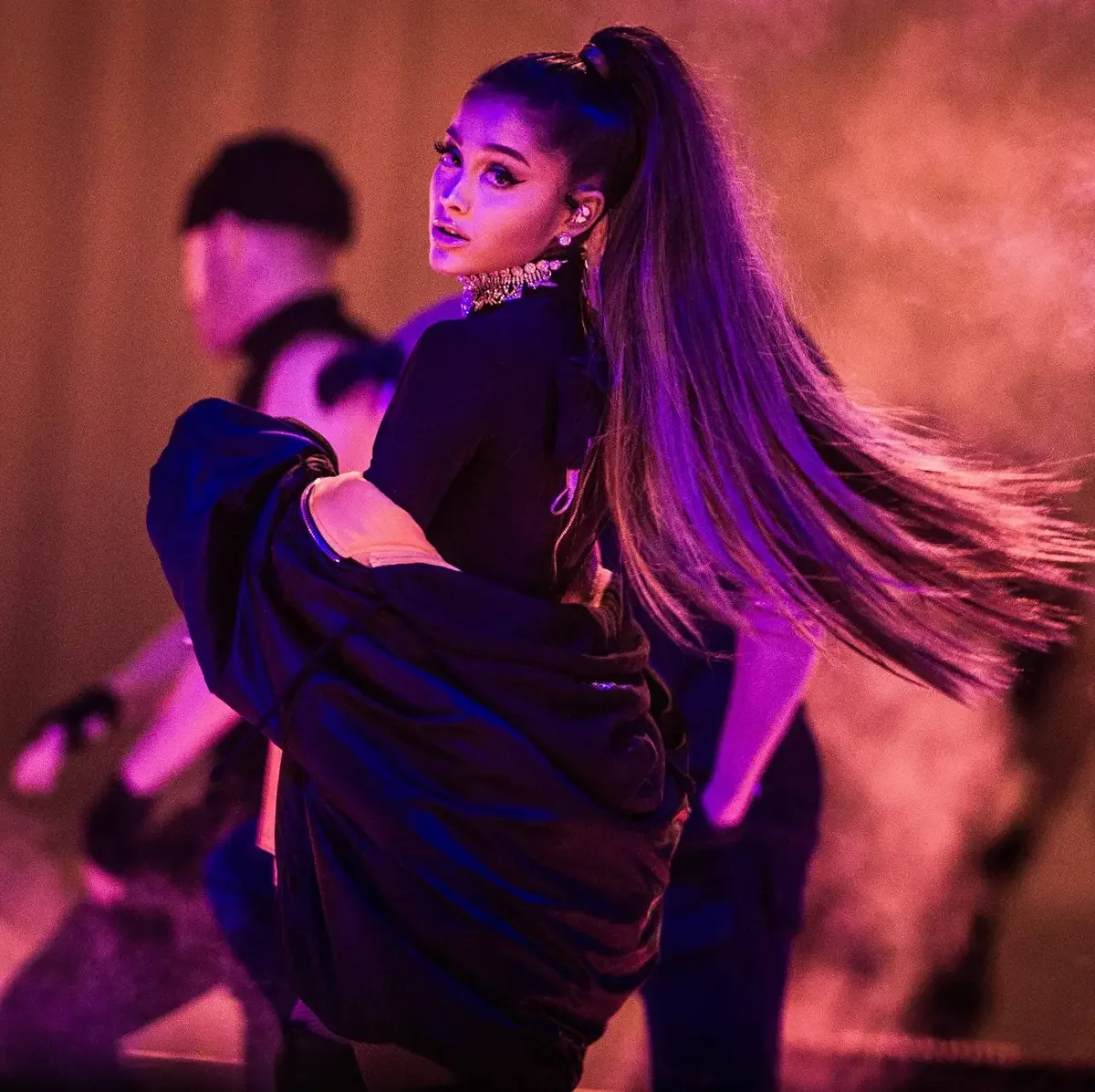
The high ponytail is the concert classic for a reason: it keeps every strand off your neck, it survives jumping, and it looks better the more you move. The trick is the base. Tie it with two elastics, one on top of the other, then wrap a section of hair around the base and pin it underneath — the wrap hides the elastic and the second elastic stops the slow slide downward that ruins most ponytails by the second song.
Best for: medium to long hair, hot venues, and anyone who dances hard. How to style it: flip your head upside down, gather the hair high, tie it twice, and smooth the top with a brush and a little cream. What to avoid: a ponytail tied too tightly at the front, which gives you a headache by the encore. Quick verdict: the most reliable concert style there is — start here if you are unsure.
2. The Bubble Braid Ponytail
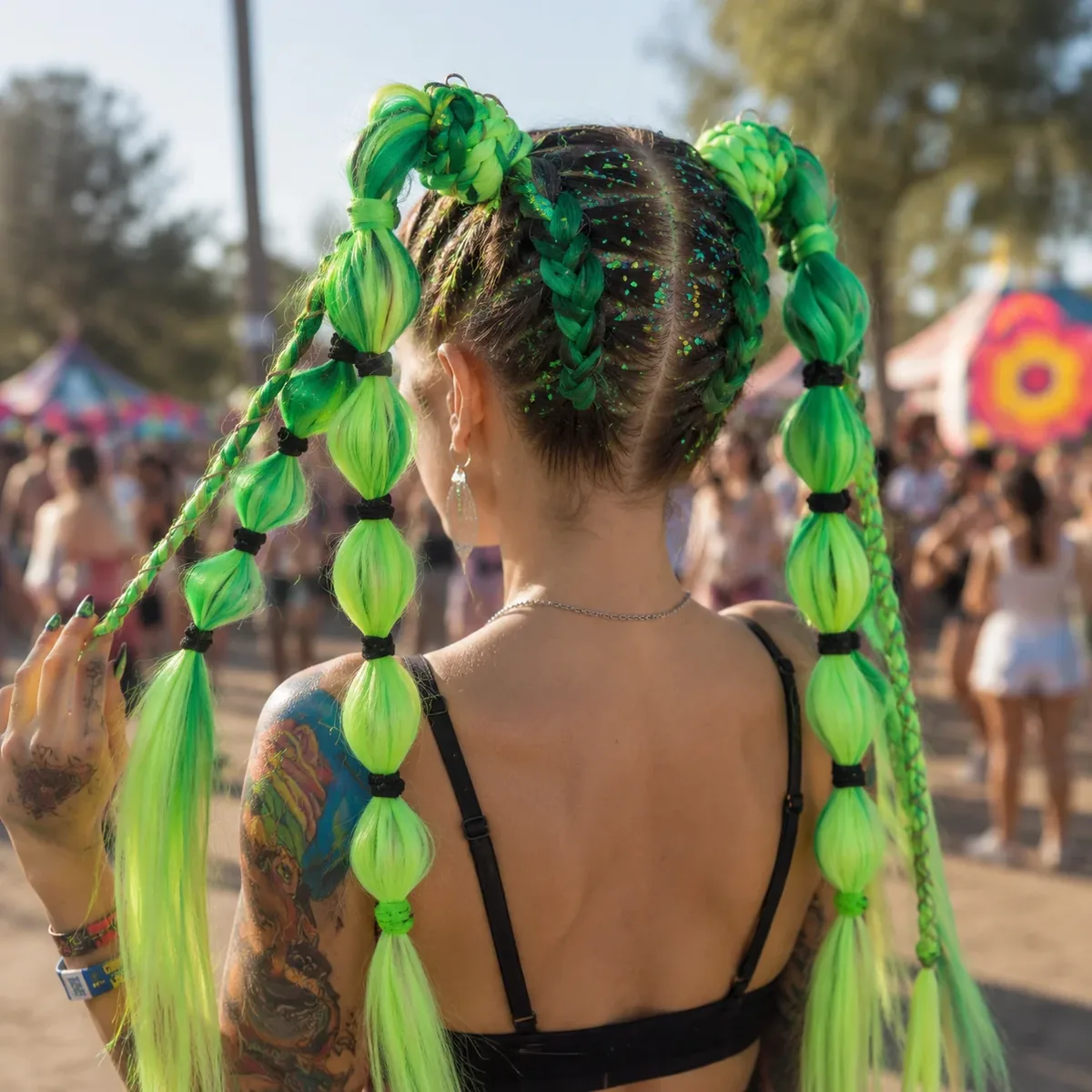
The bubble braid ponytail looks like a festival headliner and holds like a workhorse. You tie a high ponytail, then add elastics down its length and puff out the sections between them into bubbles. The elastics anchor the style at five points instead of one, so even if one section loosens, the rest stays put — and the bubbles only get better as they relax through the night.
Pros and cons: it is eye-catching, easy, and forgiving of second-day hair, but it needs a ponytail long enough for at least three bubbles. How to style it: use clear mini elastics, space them evenly, and gently pull each bubble wider with your fingertips. Time: about ten minutes. Quick verdict: maximum drama, minimum risk — the best effort-to-impact ratio in this guide.
3. Double Dutch Braids
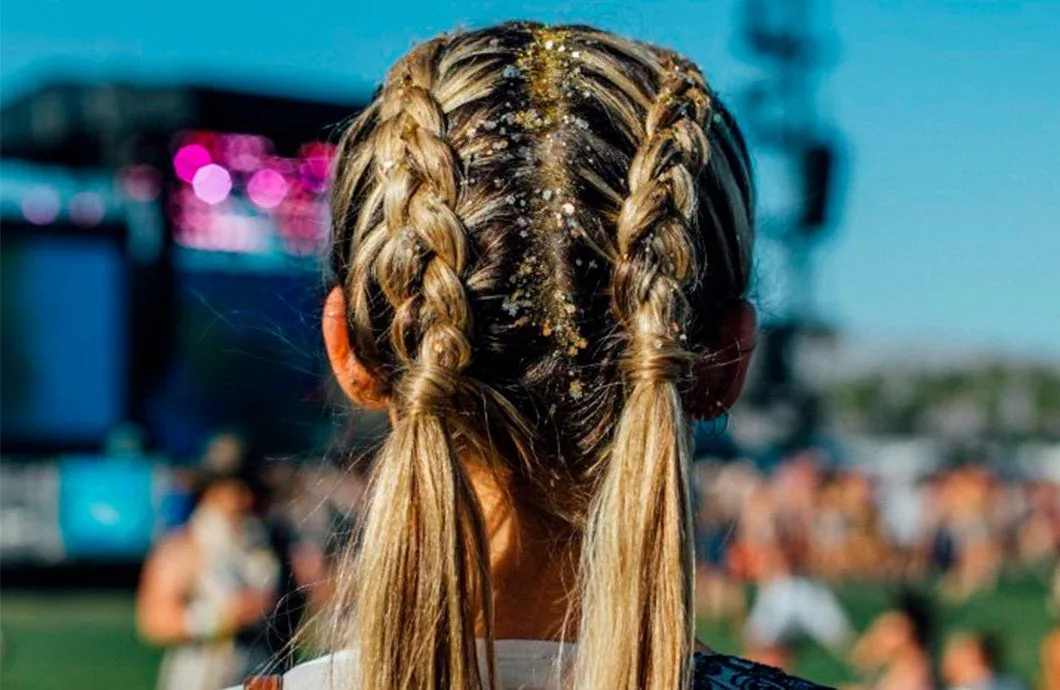
Double Dutch braids are the most sweat-proof style in this guide. The hair is braided tight to the head in two raised plaits, so there is nothing loose to frizz, tangle, or fall in your face, and the style looks exactly the same at midnight as it did at the door. It works on almost every hair length past the chin, and it is the style dancers and festival regulars reach for first.
Best for: long days, outdoor festivals, and humid nights. How to style it: part the hair down the middle, braid each side under rather than over for the raised Dutch effect, and secure with small elastics. Maintenance: none — that is the point. Who should avoid it: very short hair that cannot reach into a braid. Quick verdict: if you only learn one concert style, learn this one.
4. Space Buns
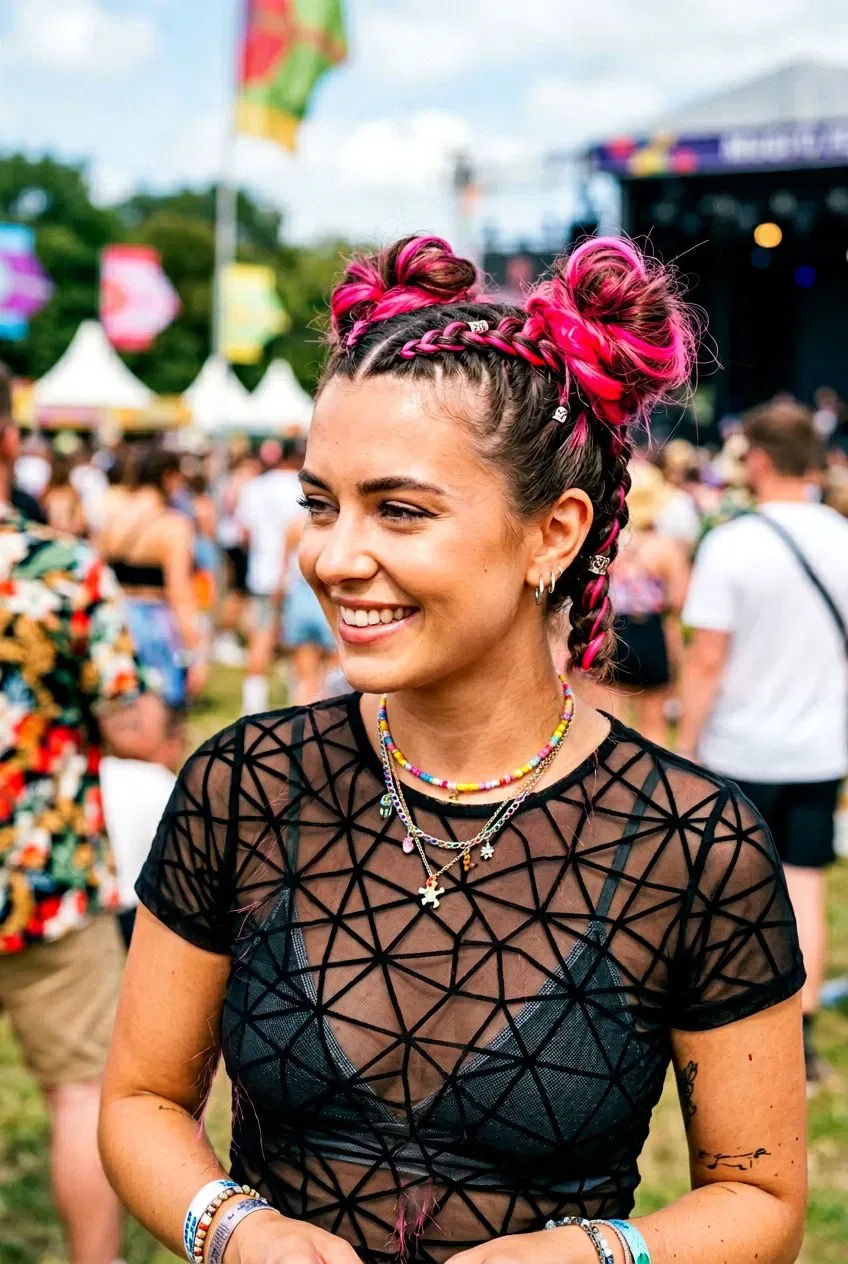
Space buns are the unofficial uniform of festival season: two buns, high on either side of the head, that keep every strand up and out of the way while looking deliberately playful. They are also one of the most practical concert styles — the weight is balanced, nothing hangs on your neck, and a bun that loosens can be re-twisted in ten seconds without a mirror.
How to style it: part the hair down the middle, twist each side into a bun, pin in three places, and pull out two small face-framing pieces if you like. Common mistake: making the buns too high and too tight, which pulls at the hairline — keep them at the crown, not the very top. Quick verdict: fun, practical, and almost impossible to ruin. The crowd favourite for a reason.
5. The Messy Top Knot With Face-Framing Pieces
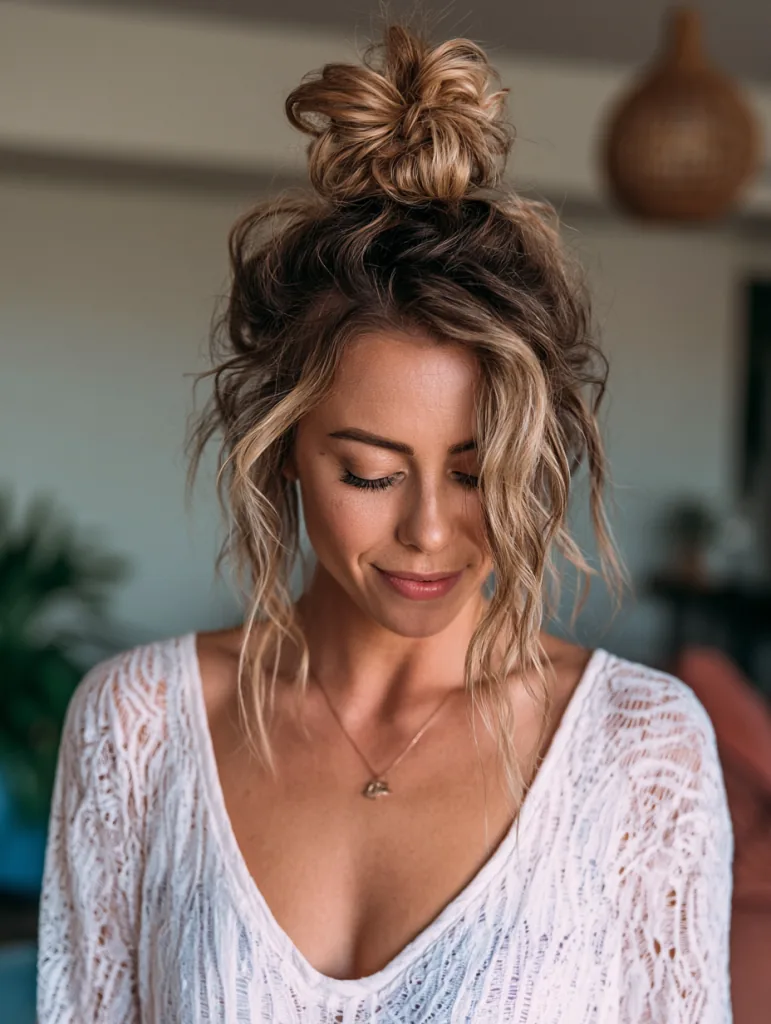
A messy top knot is the five-minute concert rescue that looks like a deliberate choice. The hair is piled on top of the head, twisted loosely, and pinned — and the two soft pieces left out at the front keep it from looking severe while framing your face in photos. As the night goes on and more pieces fall loose, it only looks more relaxed.
Best for: medium to long hair and anyone who wants hair fully off the neck. How to style it: gather the hair high, twist it loosely, pin it, and pull out the front pieces, curling them lightly if you have time. Pros and cons: it is fast and comfortable, but it can slip on very silky hair — use texture spray first for grip. Quick verdict: the easiest updo here, and one of the most photogenic.
6. The Low Sleek Ponytail
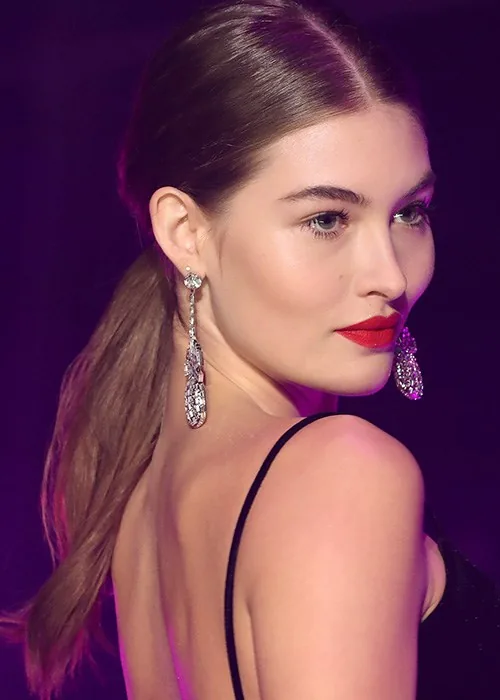
A low sleek ponytail is the polished answer to concert hair: smooth on top, tied low at the nape, and finished with a wrapped base. It keeps hair controlled without looking like a gym style, and it pairs beautifully with a bold outfit or statement earrings. The low placement means it never pulls at the hairline, so you can wear it comfortably for hours.
How to style it: smooth the hair with a brush and a little gel, gather it low, tie it, and wrap a strand around the elastic. What to ask your stylist: nothing — this is a styling choice, not a cut. Common mistake: skipping the smoothing step, which leaves bumps that show in photos. Cost and time: free, and five minutes. Quick verdict: sleek, comfortable, and quietly elegant — the grown-up concert ponytail.
7. Half-Up Half-Down With a Braided Crown
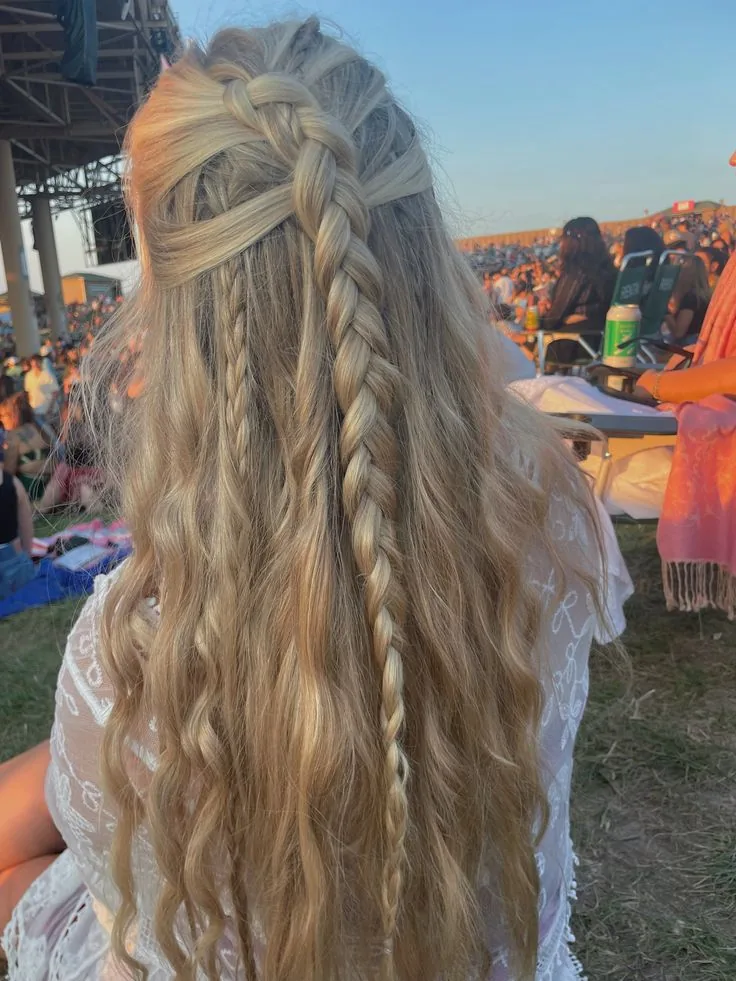
Half-up half-down with a braided crown gives you the best of both worlds: the front is braided back and anchored, so nothing falls in your face, while the rest of your hair falls loose and moves when you dance. The braid acts like a headband you cannot lose, and it looks romantic in photos without needing a single pin.
Best for: medium to long hair and seated or standing shows alike. How to style it: braid a small section from each temple toward the back, join them, and secure with a clear elastic hidden under the loose hair. Maintenance: check the braid once before the encore — it rarely needs more. Quick verdict: the prettiest way to keep the front under control while the back stays free.
8. French Braid Into a Low Bun
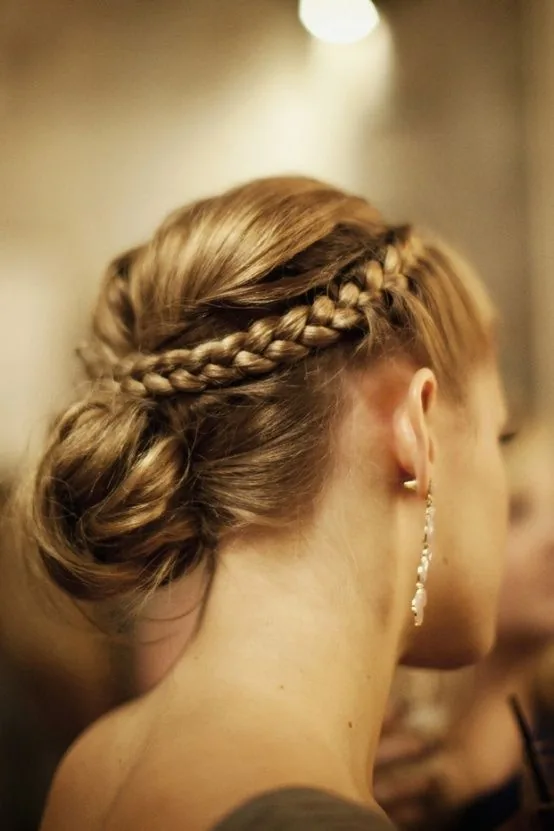
A French braid that flows into a low bun is the most secure elegant style in this guide. The braid anchors the hair from the crown down, so nothing can slip, and the bun at the nape finishes it cleanly. It holds through jumping, wind, and rain, and it looks just as good in a photo at the end of the night as it did at the start.
Pros and cons: it is rock-solid and elegant, but it takes practice if you have never French-braided your own hair — try it twice at home first. Time: about fifteen minutes once you know it. Who should avoid it: very short hair, which cannot braid into a bun. Quick verdict: the style to choose when you want to look polished and never think about your hair again.
9. The Fishtail Braid Over One Shoulder
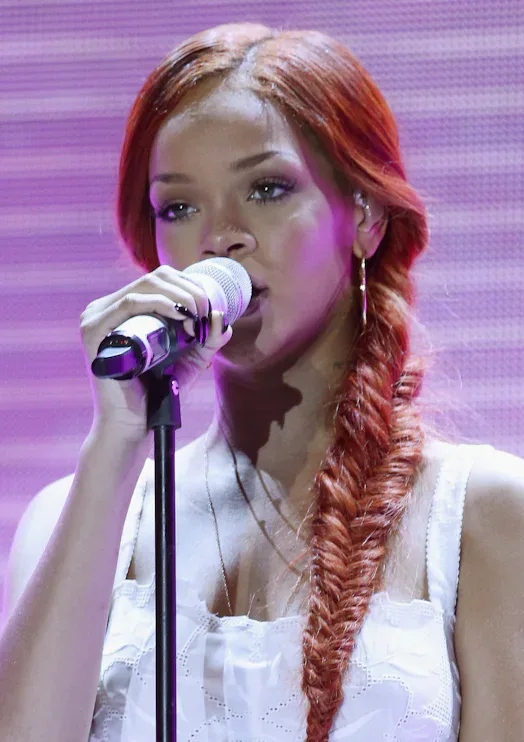
A fishtail braid worn over one shoulder is a concert style that actually gets better as it loosens. The braid brings all your hair forward, where it cannot tangle on bags or strangers’ arms, and the intricate fishtail pattern looks far more complicated than it is — it is just two sections, crossed over and over. Pull the edges out gently and it looks full and romantic, even after hours of dancing.
Best for: long hair and outdoor shows, where a forward braid stays out of the wind. How to style it: sweep the hair to one side, divide it in two, and cross small pieces from each side to the other, securing with a soft elastic. Common mistake: braiding too tightly, which makes it look thin — a fishtail wants to be pulled out. Quick verdict: the most beautiful low-effort braid here.
10. The Chunky Side Braid
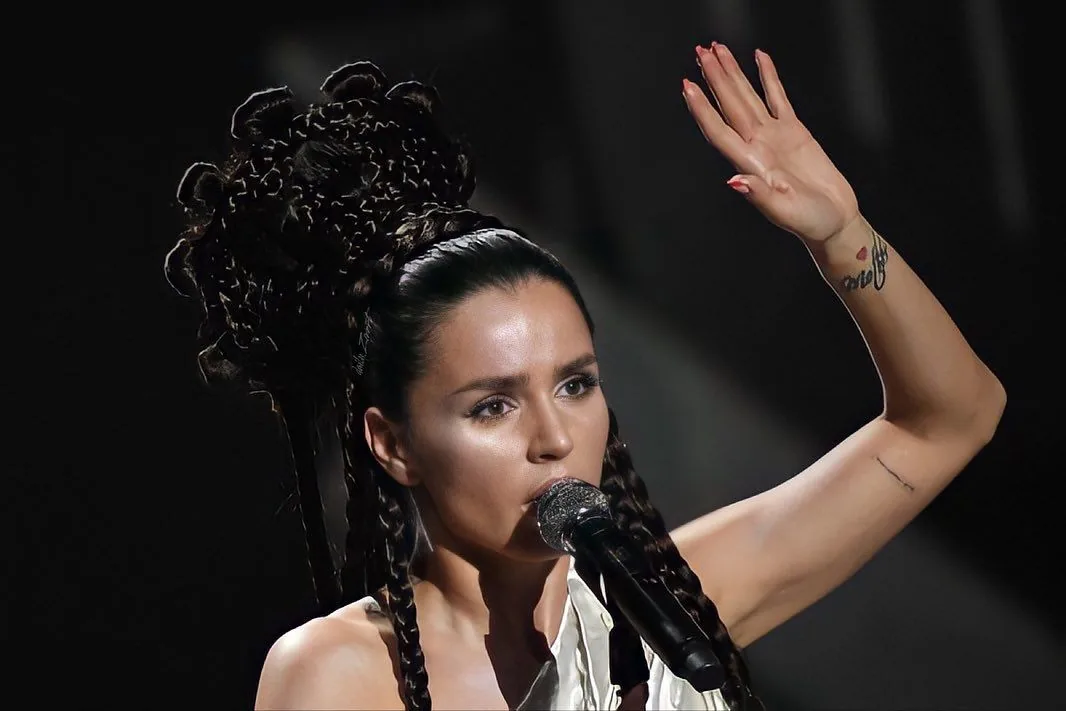
A chunky side braid is the fastest way to make long hair concert-proof: one big, loose braid over one shoulder, pulled out for fullness, tied with a ribbon or a scrunchie. It keeps the hair in one contained unit, it cannot fall in your face, and if it loosens, you simply pull it out a little more and call it texture. It works on straight, wavy, and curly hair alike.
How to style it: sweep the hair to one side, braid loosely in three sections, and gently tug the edges wider. Cost and time: free, and about three minutes. Pros and cons: it is the quickest style in this guide, but very fine hair may need texture spray to stop it slipping. Quick verdict: three minutes to a style that survives the whole night.
11. The Curly High Puff
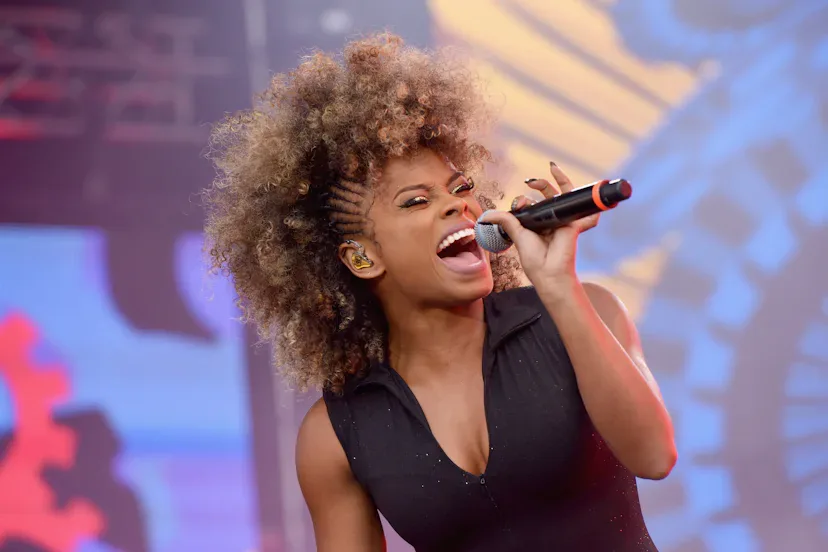
A curly high puff is a joyful, practical concert style for curly and coily hair: the curls are gathered high on the crown into a full, round puff, leaving the neck free and the face open. It shows off your natural texture at its best, it cannot fall flat the way straight styles can, and it holds its shape through sweat and dancing because the curls support each other.
Best for: naturally curly and coily hair, medium to long length. How to style it: gather the curls with a wide band or a puff cuff, place it high, and fluff the shape with your fingers. Maintenance: a little curl cream on the edges keeps it neat. Common mistake: pulling it too tight, which strains the hairline — keep it firm but comfortable. Quick verdict: your curls, lifted and celebrated — the most confident style here.
12. The Slicked-Back Wet Look
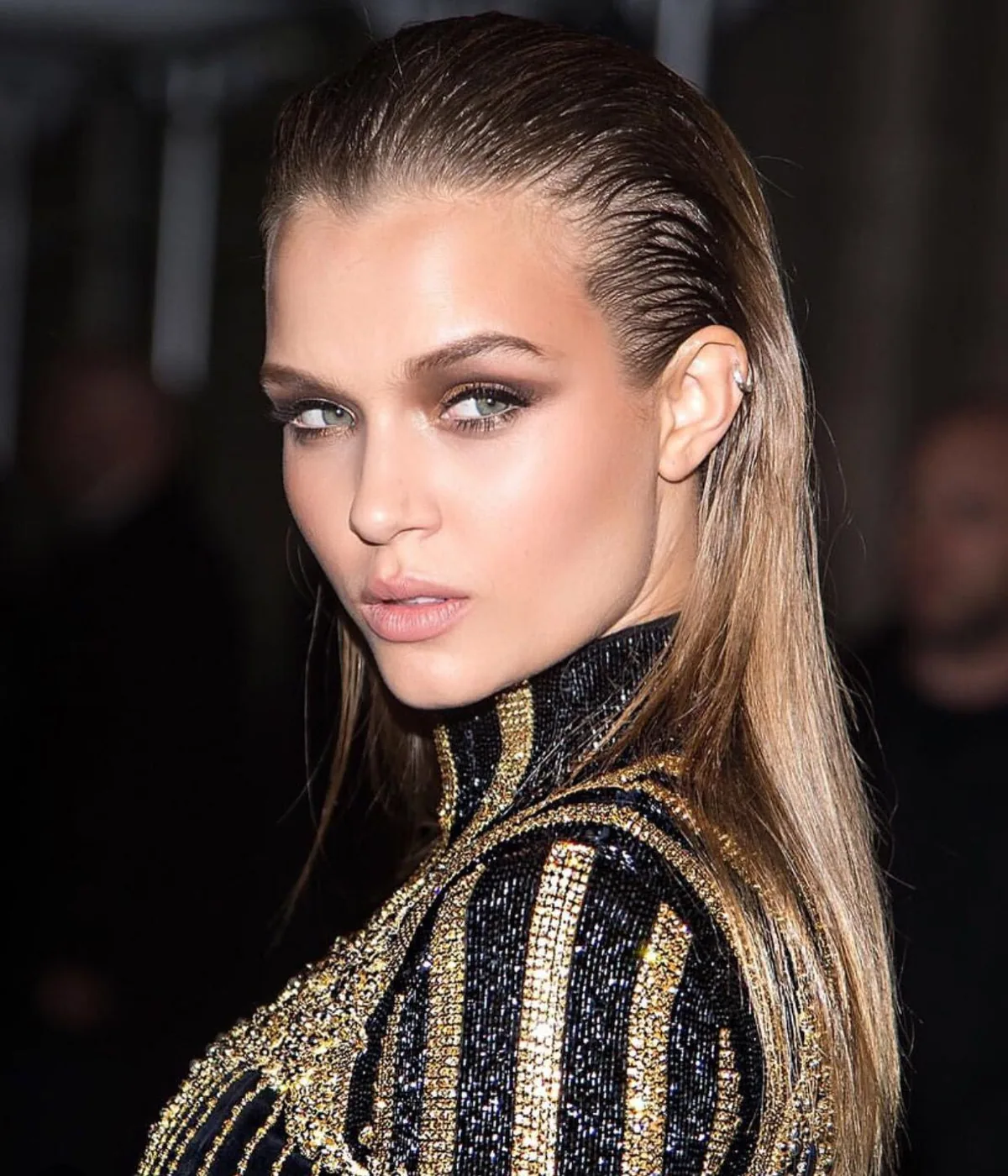
The slicked-back wet look is the boldest concert style here, and one of the most sweat-proof: hair is combed back with gel, so sweat and humidity have nothing left to ruin — the style is already supposed to look wet. It is dramatic, editorial, and surprisingly comfortable, because nothing touches your face at all. It photographs beautifully under stage lights.
How to style it: work gel through damp hair, comb it straight back, and smooth the sides with a brush. Pros and cons: it is striking and genuinely sweat-proof, but it is a commitment — you cannot change your mind mid-show. Who should avoid it: anyone who dislikes product-heavy hair. Quick verdict: the most dramatic style in this guide, and the most honest about sweat.
13. Glitter Roots With Loose Waves
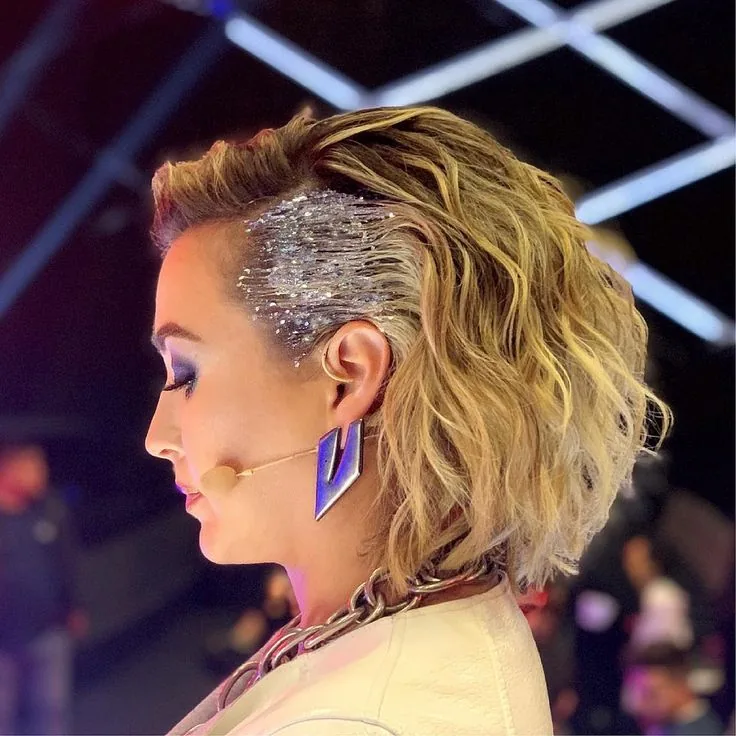
Glitter roots are the quickest way to make loose waves concert-ready: a line of cosmetic glitter along the part, which catches the stage lights and turns a simple style into a festival look. The waves underneath can do whatever they like — the glitter is the star, and a little frizz or movement only adds to the effect. Use cosmetic-grade glitter, never craft glitter, and a little hair gel to hold it in place.
Best for: festival shows and anyone who wants maximum impact for minimum effort. How to style it: part the hair, press glitter along the part with gel, and add loose waves through the lengths. Cost and time: a pot of cosmetic glitter costs little and lasts for years. Common mistake: glitter everywhere instead of along the part — restraint looks better. Quick verdict: five minutes, one pot of glitter, instant headliner energy.
14. Crimped Hair With a Centre Part
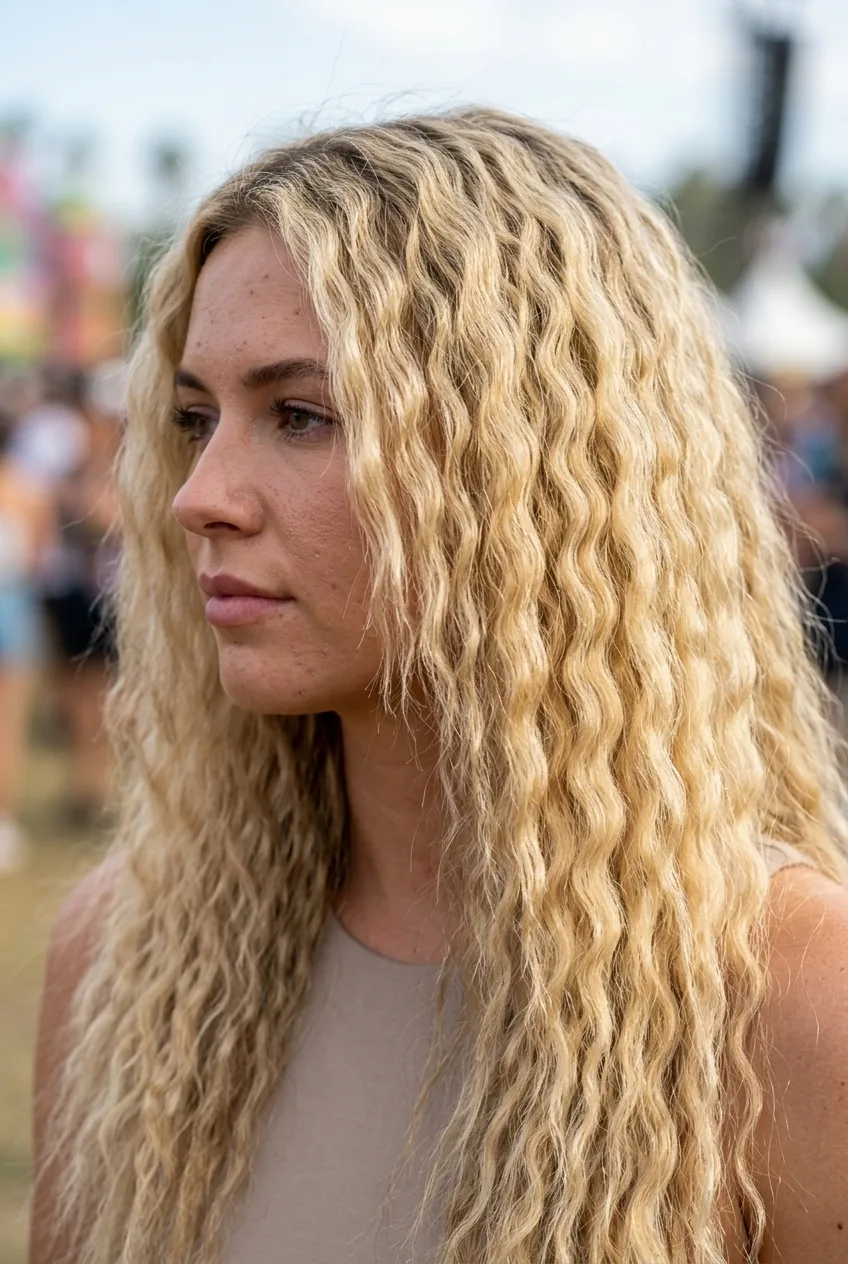
Crimped hair is back, and it is secretly one of the best concert textures: the zigzag waves add grip and volume, so the style holds its shape for hours, and the texture hides sweat and frizz far better than smooth hair. With a centre part and loose, crimped lengths, it reads as retro and fun rather than dated — especially under festival lights.
Best for: medium to long hair and anyone who wants texture that lasts. How to style it: crimp in sections with a crimping iron, then brush through very gently to soften the zigzags. Time: about twenty minutes for a full head. Pros and cons: it lasts all night, but it takes time to create — do it before you leave, not at the venue. Quick verdict: retro texture with real staying power.
15. The Wavy Lob With a Hair Scarf
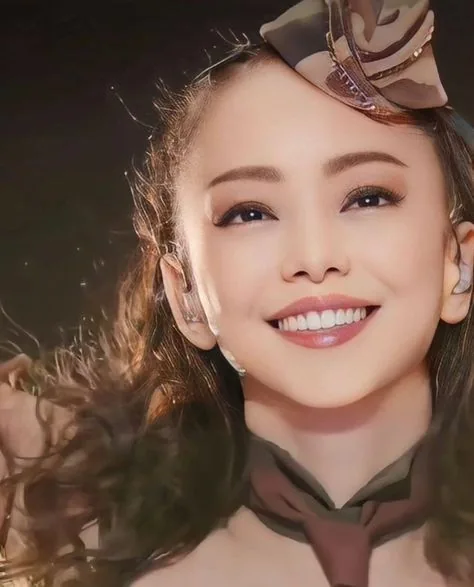
A wavy lob with a hair scarf is the most versatile concert style for short-to-medium hair: the scarf holds back the front, soaks up sweat at the hairline, and adds a pop of colour that ties your outfit together. When the scarf comes off at the end of the night, the waves underneath still look good — the scarf never flattens them the way a hat can.
How to style it: add loose waves with a large-barrel iron, fold the scarf into a band, and tie it at the nape or on top. Best for: shoulder-length hair, outdoor shows, and hot venues. Maintenance: retie once mid-show if it slips. Quick verdict: a scarf is a headband, a sweatband, and an accessory in one — the smartest thing you can wear to a concert.
16. The Braided Headband With Loose Hair
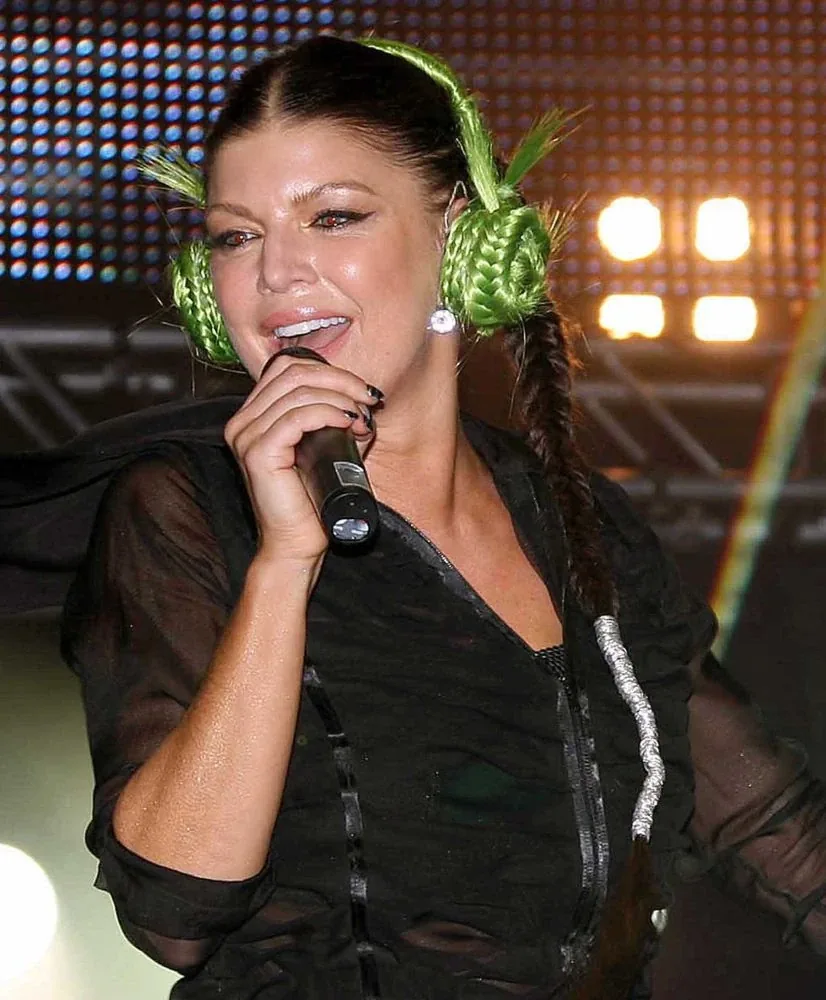
A braided headband is a braid worn across the front of the head like a hairband, keeping every front strand back while the rest of your hair stays loose. It is the prettiest solution to the hair-in-your-face problem, and unlike a real headband, it cannot slip off or get lost in a crowd. It works on almost every hair length and looks good with waves, curls, or straight hair.
Best for: medium to long hair and anyone who wants loose hair without the loose front. How to style it: braid a section from behind one ear across the forehead to the other side, and pin it behind the opposite ear. Common mistake: braiding too loosely, so it slides — anchor it with two crossed pins. Quick verdict: loose hair, tamed front — the best of both worlds.
17. Two Mini Braids Framing the Face
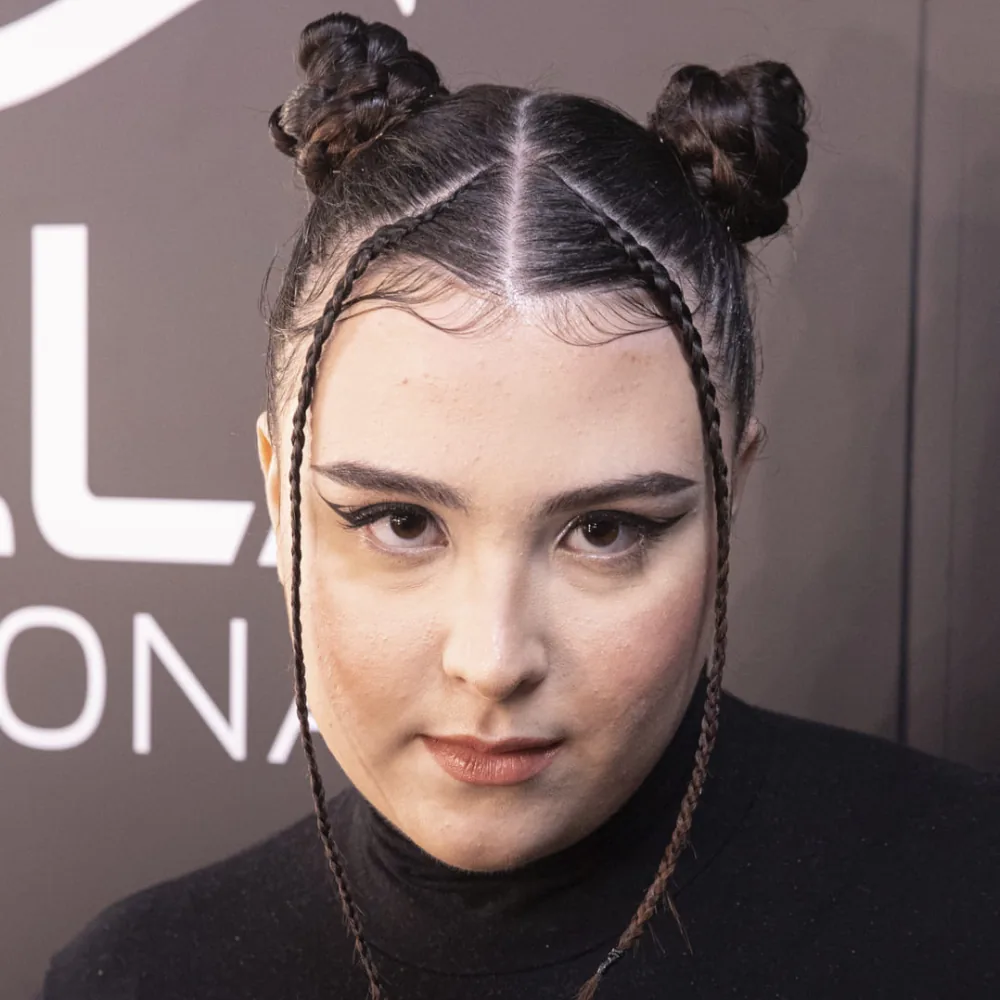
Two mini braids framing the face are the smallest fix with the biggest payoff: two thin braids, one on each side, that pull the front layers back and keep them there all night. The rest of your hair can be loose, wavy, or curly — the braids do the crowd-control work while the rest does the dancing. It is the style to choose when you love your hair down but hate it in your face.
How to style it: take a small section at each temple, braid it, and pin or tie the ends behind your ears. Time: about five minutes. Pros and cons: it is quick and subtle, but it only controls the front — the back still needs a plan for a very sweaty night. Quick verdict: the minimum viable concert style — five minutes, huge difference.
18. The Low Messy Bun With Tendrils
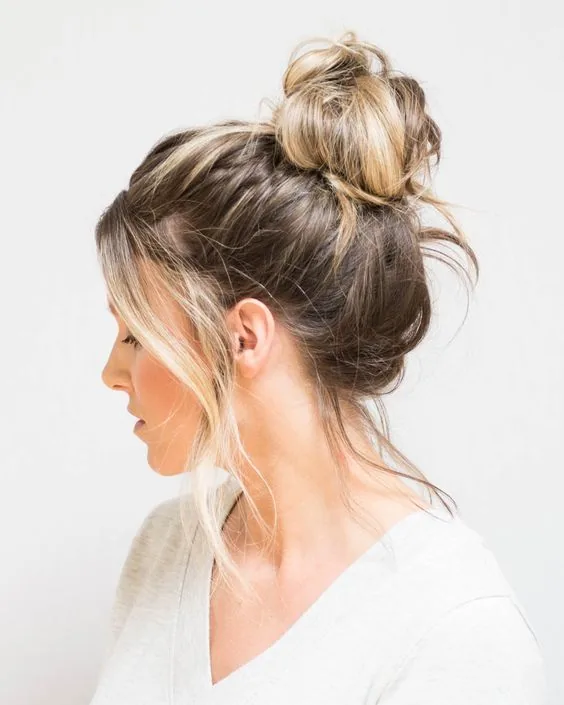
A low messy bun with tendrils is the concert version of the elegant chignon: the bun sits at the nape, the tendrils soften the face, and the looseness means it looks better as it relaxes. It keeps hair off the neck, it cannot fall in your face, and if it slips, you twist it back up in seconds. It is also one of the most forgiving styles here — a little mess is the point.
Best for: medium to long hair and long shows. How to style it: gather the hair low, twist it into a bun, pin it in three places, and pull out two tendrils at the front. Maintenance: re-pin once if it loosens. Common mistake: making it too neat, which turns relaxed into formal. Quick verdict: the most forgiving updo here — it gets prettier as the night goes on.
19. Voluminous Curls Pinned to One Side
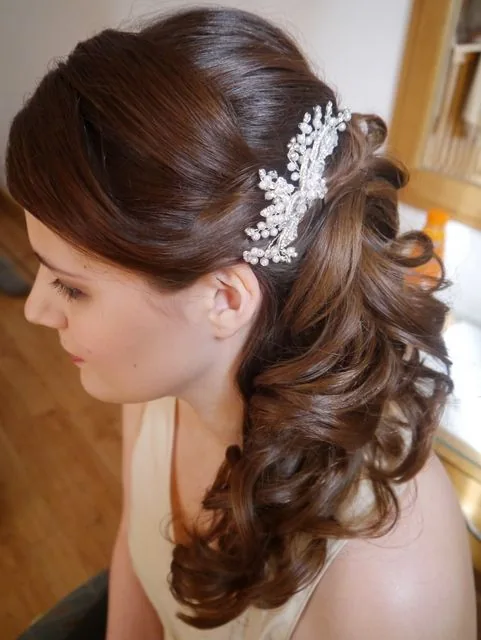
Voluminous curls pinned to one side are pure stage glamour: the curls are swept over one shoulder, pinned at the back, and left to fall in a deep, dramatic cascade. The pin keeps the weight off your neck and stops the curls from swinging into your face when you dance, while the one-sided shape photographs beautifully from every angle. It is the style to choose when you want to look like the headliner.
Best for: naturally curly hair or curled long hair, and special shows. How to style it: curl in large sections, sweep everything to one side, and pin securely at the back with crossed pins. Pros and cons: it is gorgeous and dramatic, but it needs strong pins — test them before you leave. Quick verdict: the most glamorous style in this guide — save it for the show you have waited months for.
20. Straight Hair With a Claw Clip Twist
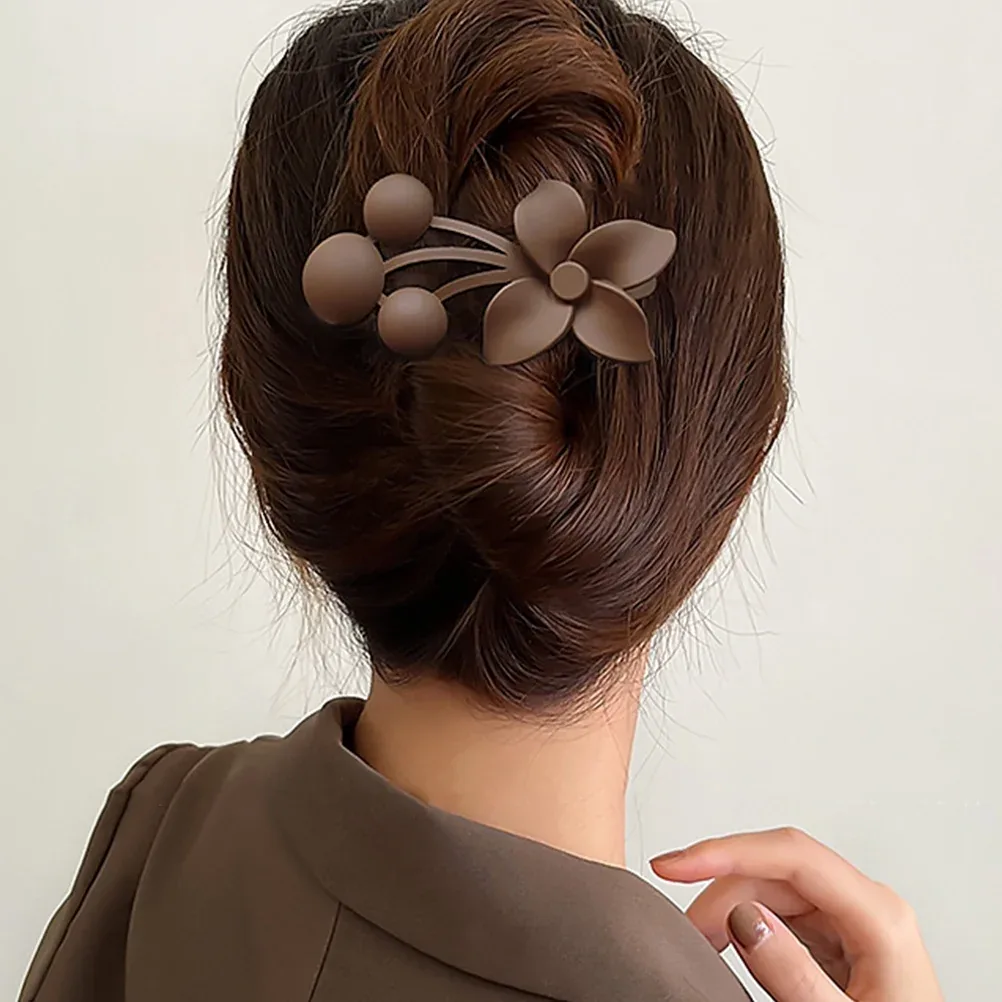
A claw clip twist is the thirty-second concert fix that looks like a real style: straight hair is gathered, twisted up, and clipped, with the ends left to fan out. It keeps hair off the neck, it survives dancing, and if the clip pops open, you simply twist and clip again. Choose a clip with a strong spring — the cheap ones are the ones that fail mid-chorus.
How to style it: gather the hair at the back, twist it upward, and clip it firmly, leaving the ends loose. Best for: medium to long straight hair and anyone who wants a no-fuss option. Cost and time: one good clip and thirty seconds. Common mistake: a clip that is too small for your hair’s thickness — size up. Quick verdict: the fastest real style in this guide.
21. Festival Braids With Beads
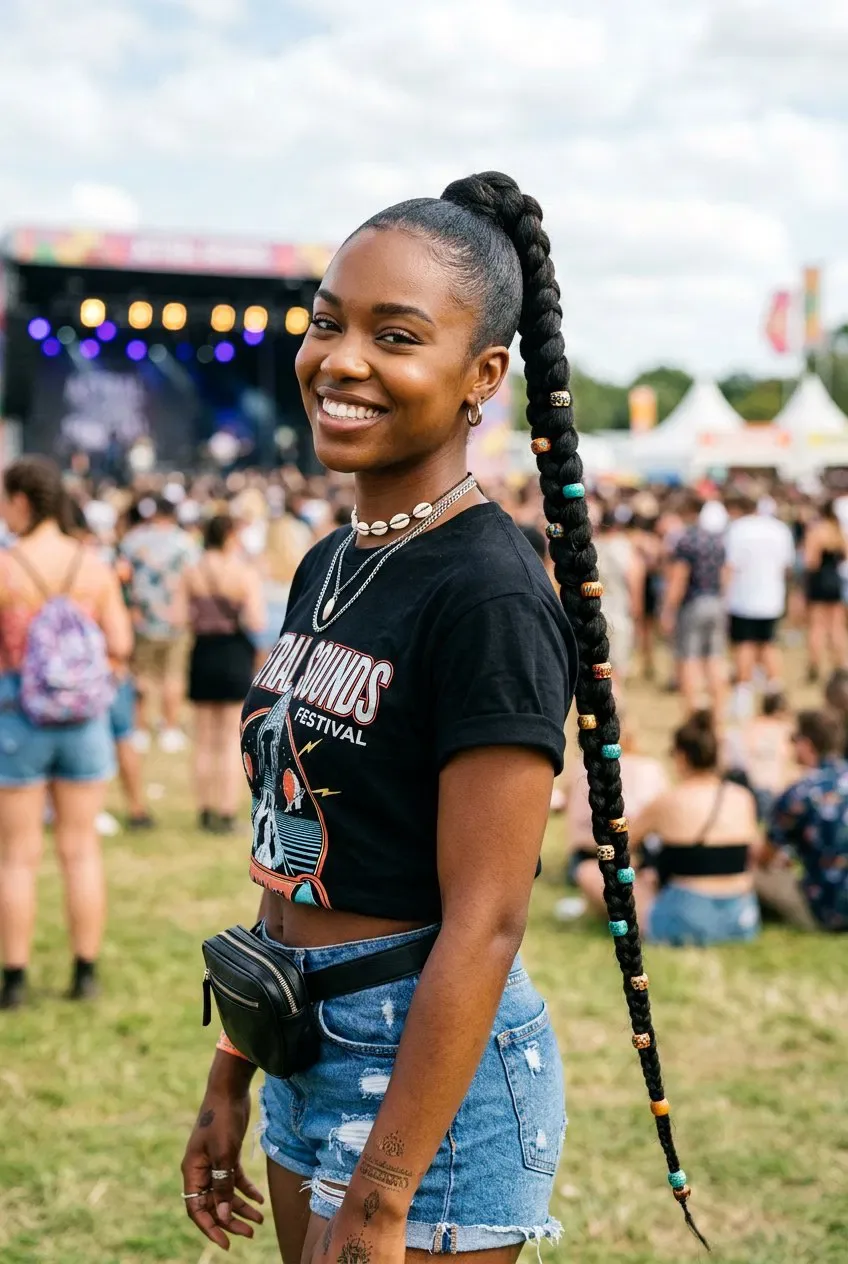
Festival braids with beads are the most joyful style in this guide: small braids threaded with beads, cuffs, or rings, that catch the light every time you move. The beads add weight, which actually helps the braids stay put, and they turn a simple protective style into something that looks like it took hours. Thread the beads onto the braid itself, not just the ends, so they cannot slide off.
Best for: braided hair, festival weekends, and anyone who wants their hair to be part of the outfit. How to style it: braid small sections, thread beads onto the strands as you go, and secure each braid with a tiny elastic. Time: allow thirty minutes — beads are fiddly. Quick verdict: the most fun you can have with a braid, and surprisingly secure.
22. The High Bun With a Scrunchie
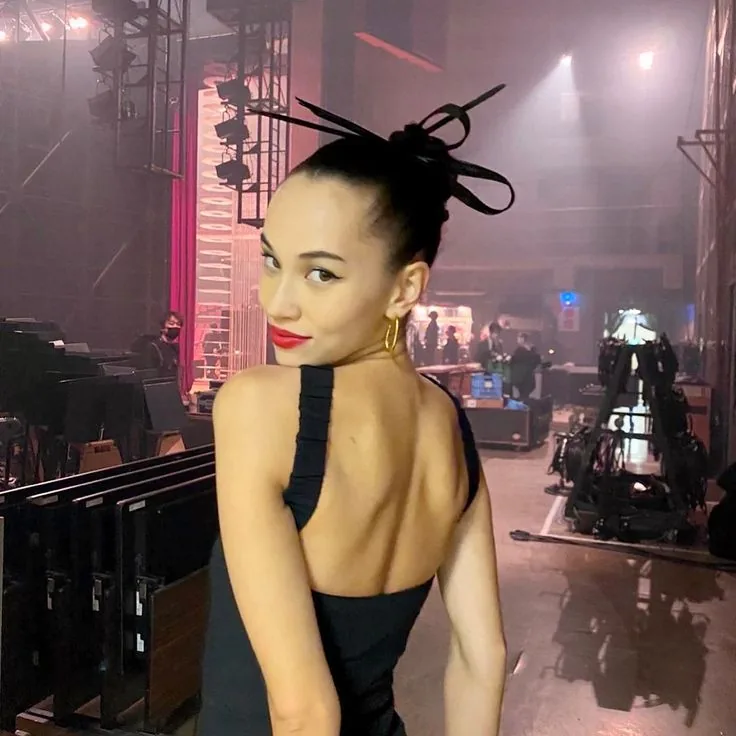
A high bun with a scrunchie is the comfort-first concert style: the hair is piled high, wrapped in a soft scrunchie that will not dent or snag, and the whole thing takes two minutes. The scrunchie is the secret — it grips without pulling, it doubles as a wrist backup, and a silk one will not crease your hair if you take the bun down for the journey home.
How to style it: gather the hair high, twist it into a bun, wrap the scrunchie around the base twice, and pin any loose ends. Pros and cons: it is the most comfortable updo here, but it is casual — pair it with a bold outfit if you want it to look deliberate. Maintenance: none. Quick verdict: the comfiest style in this guide, and the easiest to redo blind.
23. Side-Swept Waves
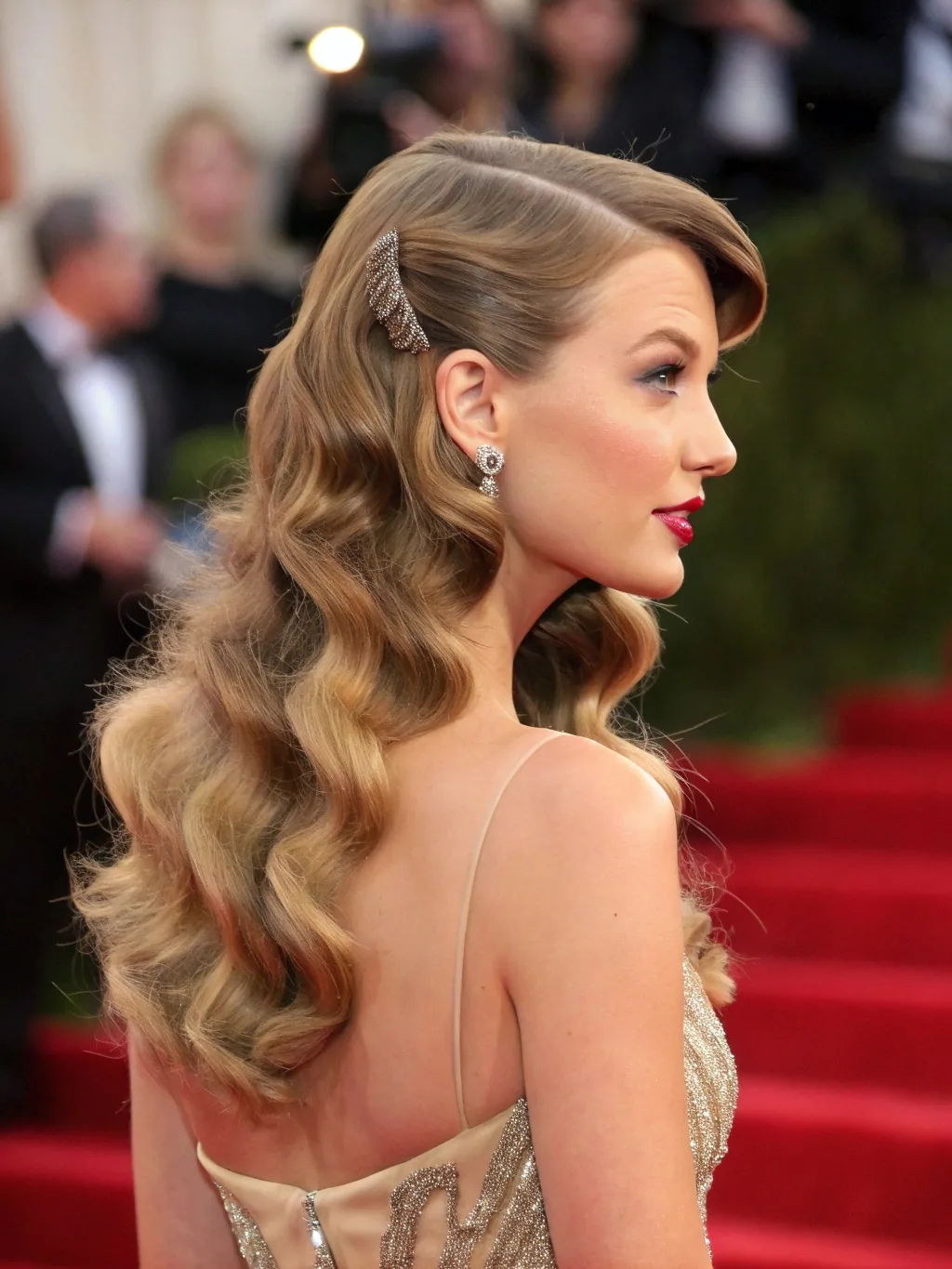
Side-swept waves are the old-Hollywood concert look: deep side part, big soft waves swept over one shoulder, and the other side pinned neatly back. The pinned side keeps the hair out of your face, while the swept side gives you drama and movement. It is the style to choose for a seated show, a jazz night, or any concert where you want to look glamorous rather than festival-ready.
Best for: medium to long hair and seated or formal shows. How to style it: part deeply on one side, curl in large sections, brush into waves, and pin the lighter side behind your ear. Common mistake: not pinning the light side firmly enough — it will fall forward within an hour. Quick verdict: glamour with a built-in anchor — the pinned side does the work.
24. Cornrows Into a Ponytail
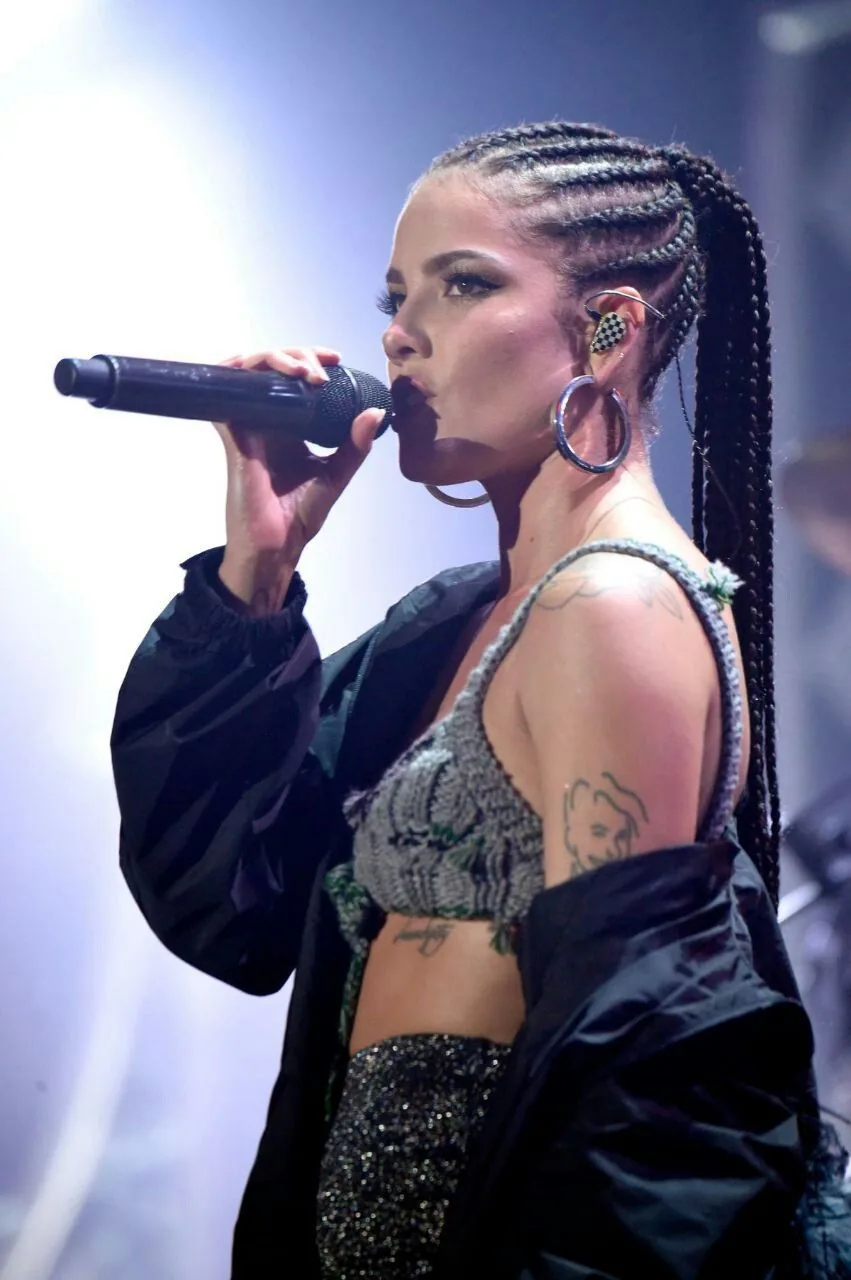
Cornrows into a ponytail combine the most secure braiding there is with the freedom of a ponytail: the front is braided tight to the head, so nothing moves, and the back flows free. It is sweat-proof, tangle-proof, and it lasts for days, not hours — which makes it the best choice for a multi-day festival. Get the cornrows done before the trip, and the ponytail is a two-minute daily decision.
Best for: multi-day festivals and anyone who wants a style that outlasts the weekend. How to style it: braid cornrows from the hairline back, gather the ends into a ponytail, and wrap the base. Maintenance: none for days. Who should avoid it: anyone who has never had cornrows — get them done by someone experienced. Quick verdict: the longest-lasting style here, by days.
25. The Textured Pixie With Glitter Gel
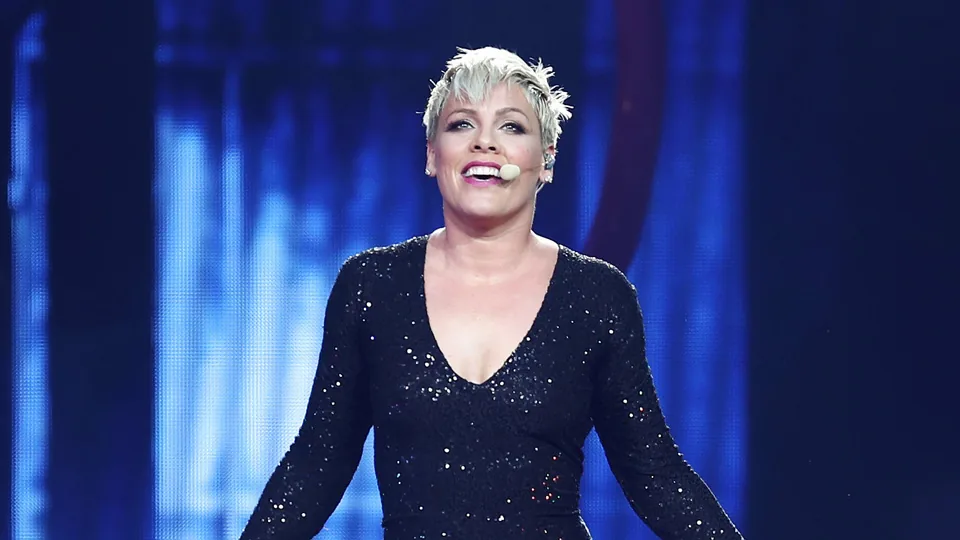
A textured pixie with glitter gel is proof that short hair can be the most concert-ready hair of all: there is nothing to fall in your face, nothing to tangle, and nothing to sweat flat. Add a little glitter gel through the textured top and the style goes from everyday to headliner in seconds. The texture gives the glitter something to grip, and the whole look takes five minutes.
Best for: short hair and hot, crowded venues. How to style it: work texture paste through damp hair with your fingers, then smooth glitter gel over the top layers. Pros and cons: it is the lowest-maintenance style here, but it needs a trim to keep its shape. Quick verdict: short hair, maximum fun — the easiest concert style to wear all night.
26. Long Layers With a Bandana
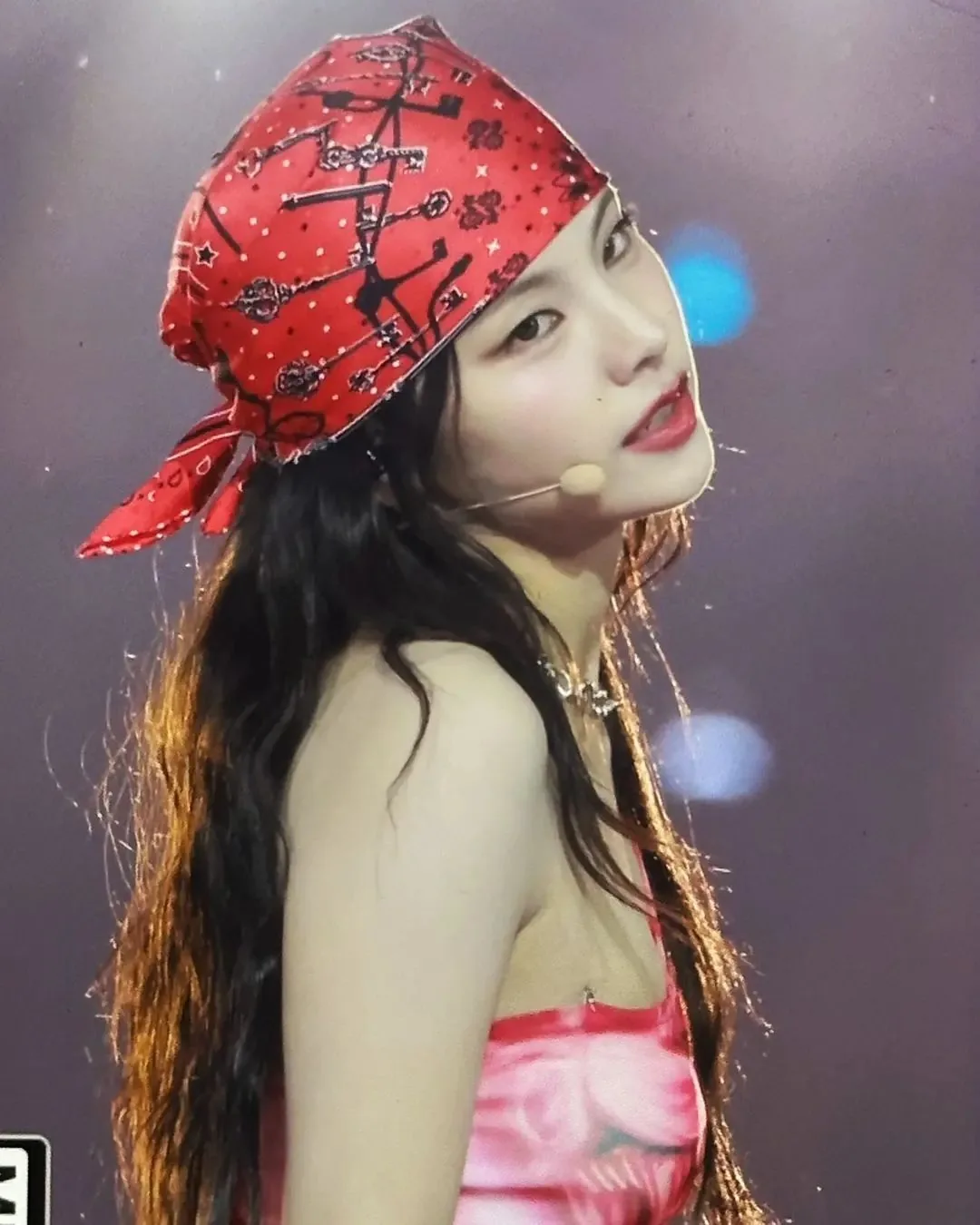
Long layers with a bandana are the most practical way to wear long hair loose at a concert: the bandana holds back the front, absorbs sweat at the hairline, and keeps the wind from throwing your hair across your face, while the layers underneath move freely. Fold it into a band and tie it at the nape, or wear it as a full head covering for a retro festival look.
How to style it: add loose waves through the layers, fold the bandana, and tie it securely at the back. Best for: long hair, outdoor shows, and hot days. Cost and time: one bandana and two minutes. Common mistake: tying it too loosely, so it slips — knot it twice. Quick verdict: a bandana does the work of three accessories at once.
27. Braided Pigtails
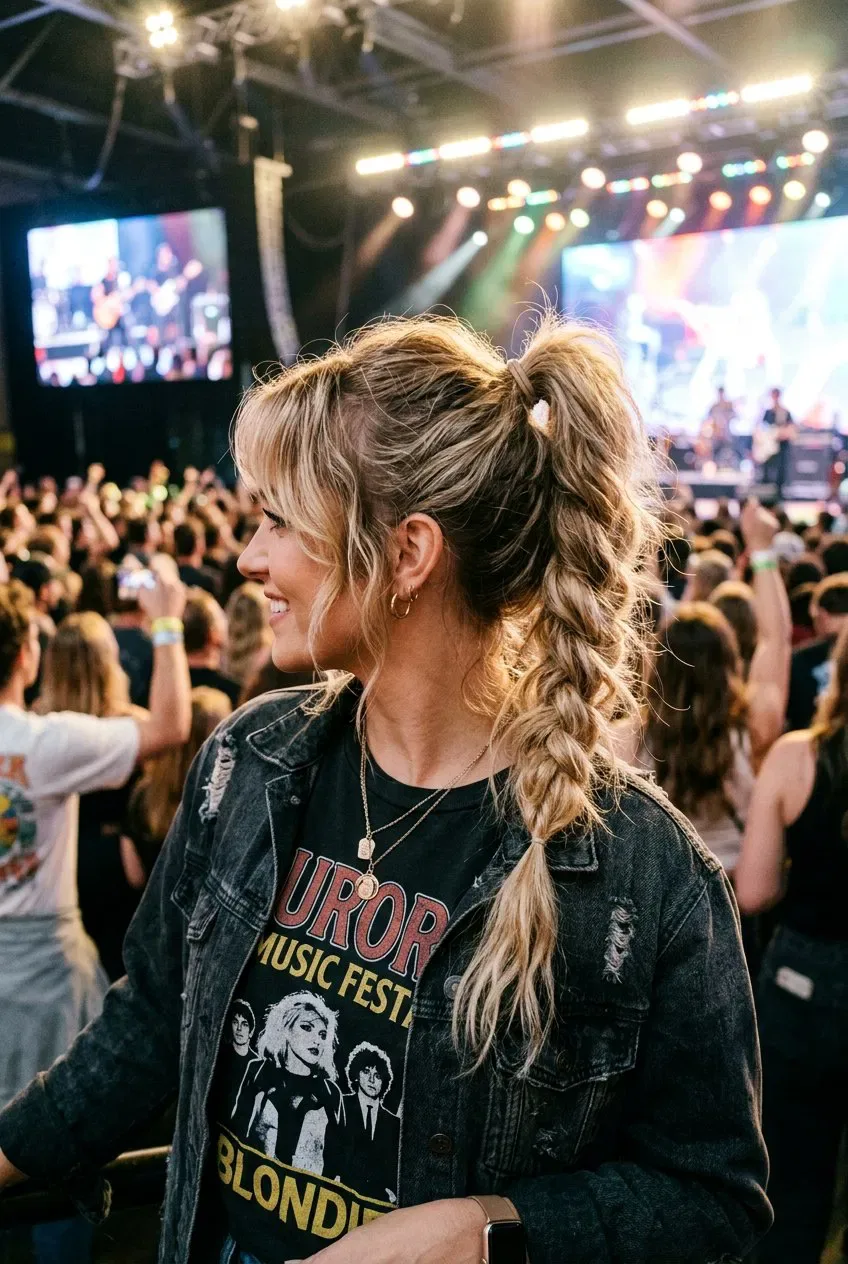
Braided pigtails are the playful, practical concert style that never goes out of fashion at festivals: two braids, one on each side, that keep every strand contained and balanced. The weight is even, nothing hangs on the neck, and the braids cannot tangle on anything. Add ribbons, beads, or coloured elastics and they go from cute to full festival look in seconds.
Best for: medium to long hair and outdoor festivals. How to style it: part down the middle, braid each side, and secure with elastics — pull the edges out for fullness. Maintenance: none. Who should avoid it: nobody — it suits every age and every hair type that can braid. Quick verdict: the most balanced style here, literally — even weight, even hold, all night.
28. The Retro High Ponytail With Volume
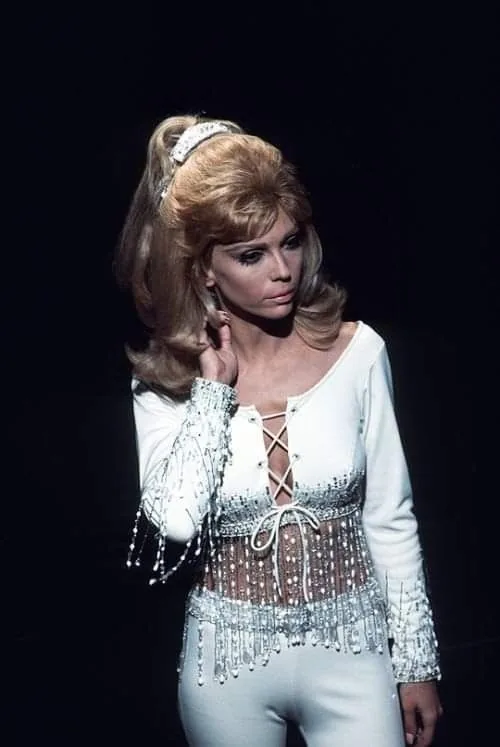
A retro high ponytail with volume is the 1960s concert look, updated: the crown is teased gently for lift, the ponytail sits high, and the lengths are curled into big, bouncy waves. It is dramatic and photogenic, and the volume at the crown gives the style structure, so it holds its shape far longer than a flat ponytail. Anchor it with two elastics and a hidden pin, and it will survive the encore.
Best for: medium to long hair and anyone who wants drama. How to style it: tease the crown lightly, smooth the top layer over it, gather high, tie twice, and curl the lengths. Time: about fifteen minutes. Pros and cons: it is striking, but the teasing needs gentle brushing out afterwards. Quick verdict: the most dramatic ponytail here — pure stage energy.
29. Loose Waves With Temporary Colour Streaks
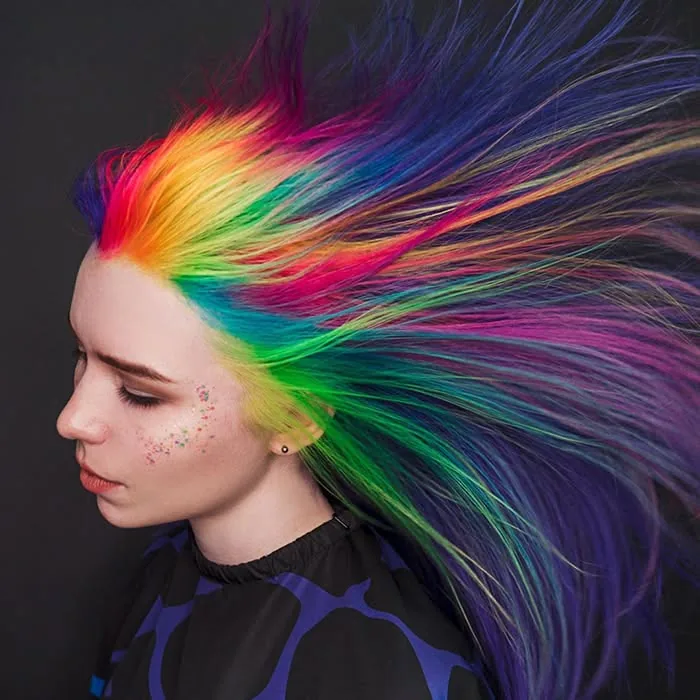
Loose waves with temporary colour streaks are the lowest-commitment way to make your hair part of the show: wash-out colour, coloured extensions, or clip-in streaks in the artist’s colours, worn through loose waves. The colour is the statement, so the waves underneath can be simple — and when the show is over, the colour washes out or unclips, and your hair is back to normal.
How to style it: add loose waves, then clip or paint in streaks around the face and through the lengths. Best for: anyone who wants a bold look without a permanent change. Cost and time: clip-in streaks cost little and take minutes. Common mistake: permanent dye the night before a concert — never. Quick verdict: the boldest look with zero commitment.
30. The Crown Braid
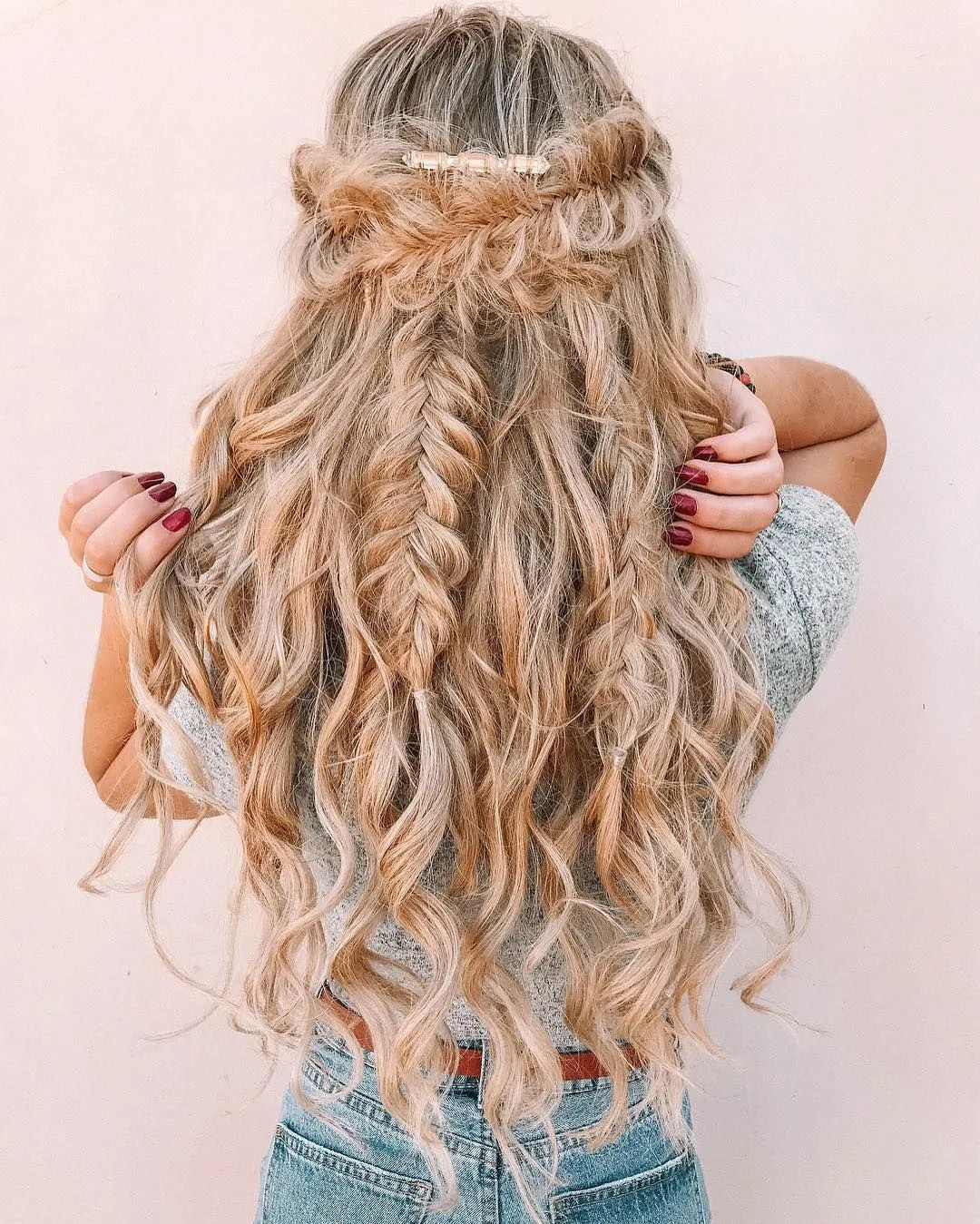
A crown braid circles the head like a halo, anchoring every strand in one continuous braid — which makes it one of the most secure styles in this guide. Nothing can fall in your face, nothing can tangle, and the braid itself looks intricate and romantic in photos. It works best on medium to long hair, and it is the style to choose when you want to look like you spent an hour on your hair, even if it took fifteen minutes.
Best for: medium to long hair and long shows. How to style it: braid from one side around the head, pinning as you go, and tuck the end under the start. Pros and cons: it is rock-solid and beautiful, but it takes practice — try it at home first. Quick verdict: the most secure elegant style here — a halo that cannot fall off.
31. Knotless Box Braids in a High Bun
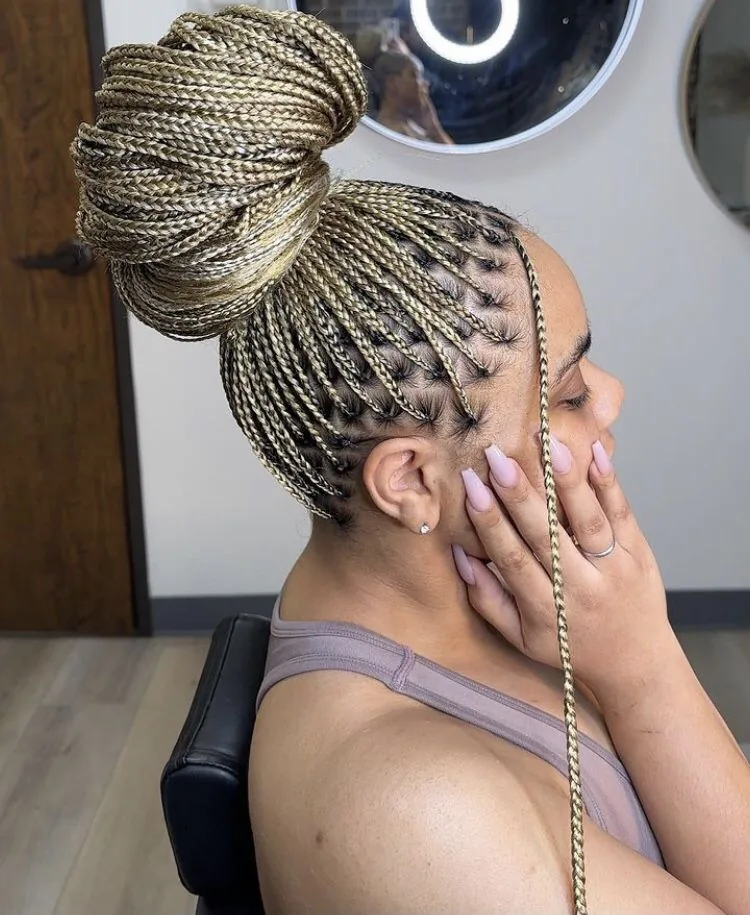
Knotless box braids gathered into a high bun are the festival-proof protective style: the braids are already secure, the bun keeps them off the neck, and the whole style lasts for weeks, not hours. It is the best choice for a multi-day festival, because you style it once and forget about it — no pins, no elastics, no mid-show fixes, just a bun that stays exactly where you put it.
Best for: braided hair and multi-day festivals. How to style it: gather the braids high, twist them into a bun, and secure with a large scrunchie or a few pins. Maintenance: none for days. Cost and time: the braids take hours to install, so plan ahead — but the concert itself needs zero styling time. Quick verdict: the ultimate set-and-forget concert style.
32. Shaggy Layers With a Headband
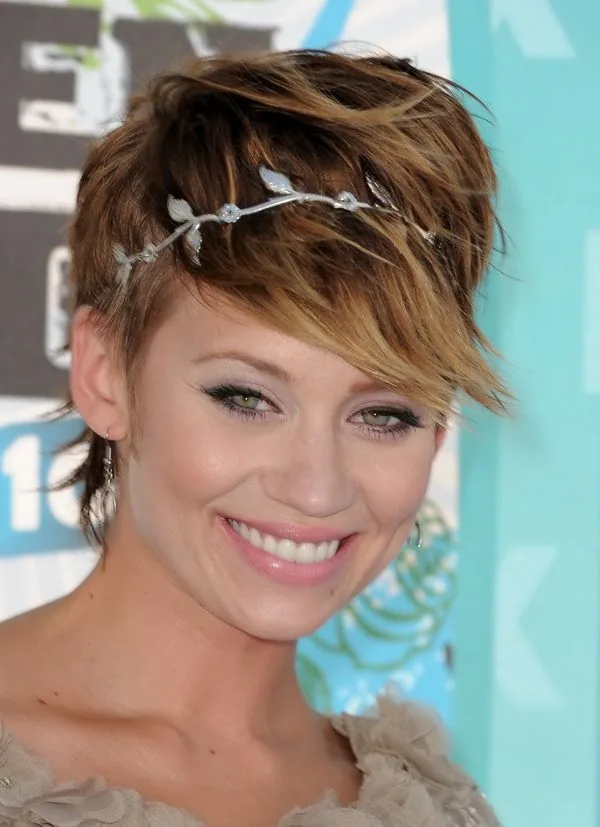
Shaggy layers with a headband are the effortlessly cool concert look: the layers give you movement and texture that only gets better as the night goes on, and the headband keeps the front out of your face without flattening the shape. The shag is one of the few cuts that genuinely looks better messy, which makes it ideal for a concert — the dancing is the styling.
Best for: medium-length hair and anyone who likes a lived-in look. How to style it: scrunch texture spray into damp hair, let it dry naturally, and slide on a fabric headband. Common mistake: a headband that is too tight, which flattens the layers — choose a soft, fabric one. Quick verdict: the cut that styles itself while you dance.
33. Sleek Middle-Part Straight Hair
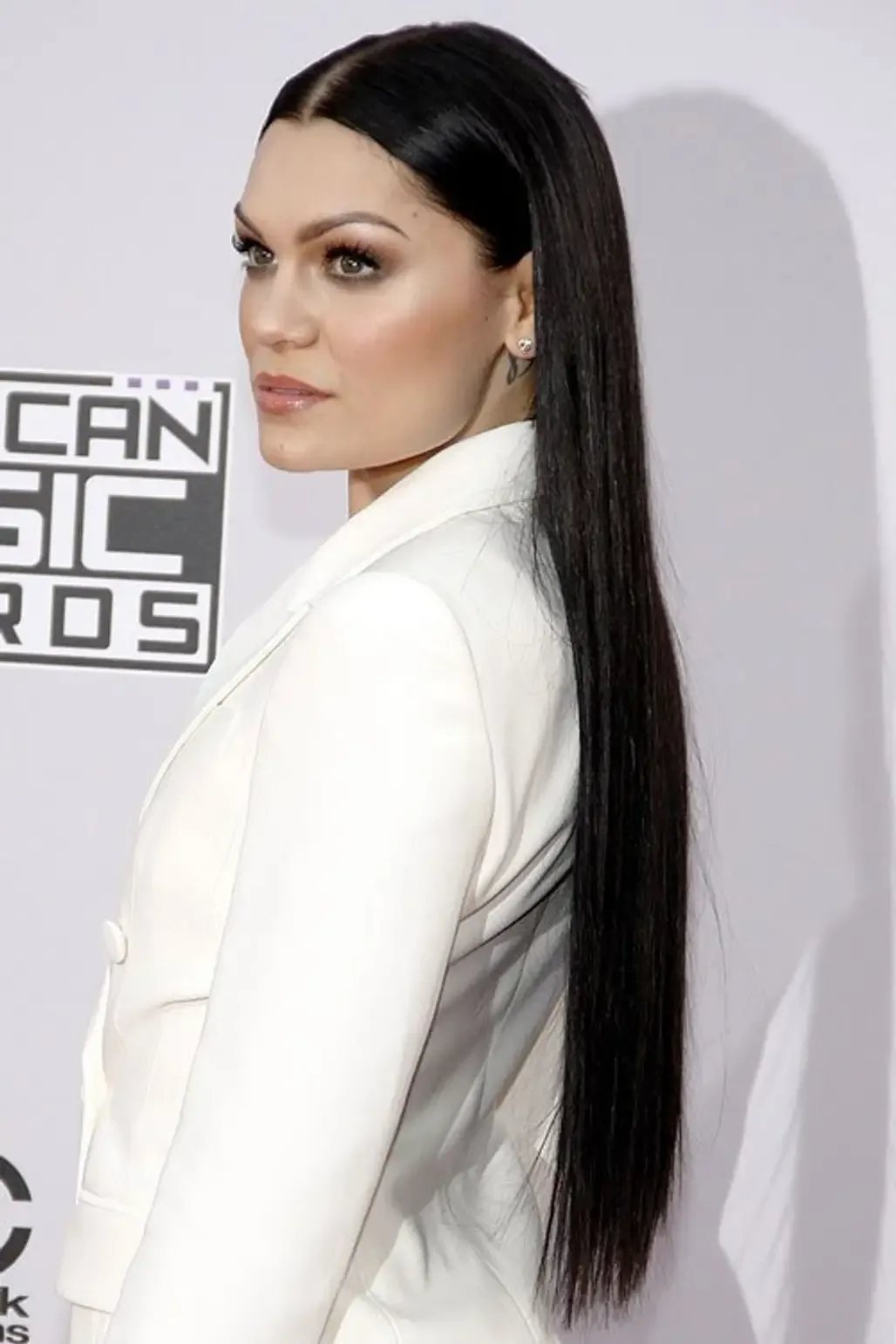
Sleek middle-part straight hair is the minimalist concert look, and it works best at seated shows, where the wind and the crush cannot undo it. The centre part keeps the look symmetrical, the smooth lengths catch the light beautifully, and a little serum keeps flyaways down. It is the style to choose when your outfit is the statement and your hair is the frame.
Best for: straight hair and seated or indoor shows. How to style it: straighten in sections, add a drop of serum, and part in the middle. Pros and cons: it is elegant and simple, but it shows every bit of sweat and frizz — save it for a cool venue. Who should avoid it: standing-room outdoor shows, where the wind will undo it in minutes. Quick verdict: sleek and simple — beautiful, but pick your venue.
34. The Braided Low Ponytail
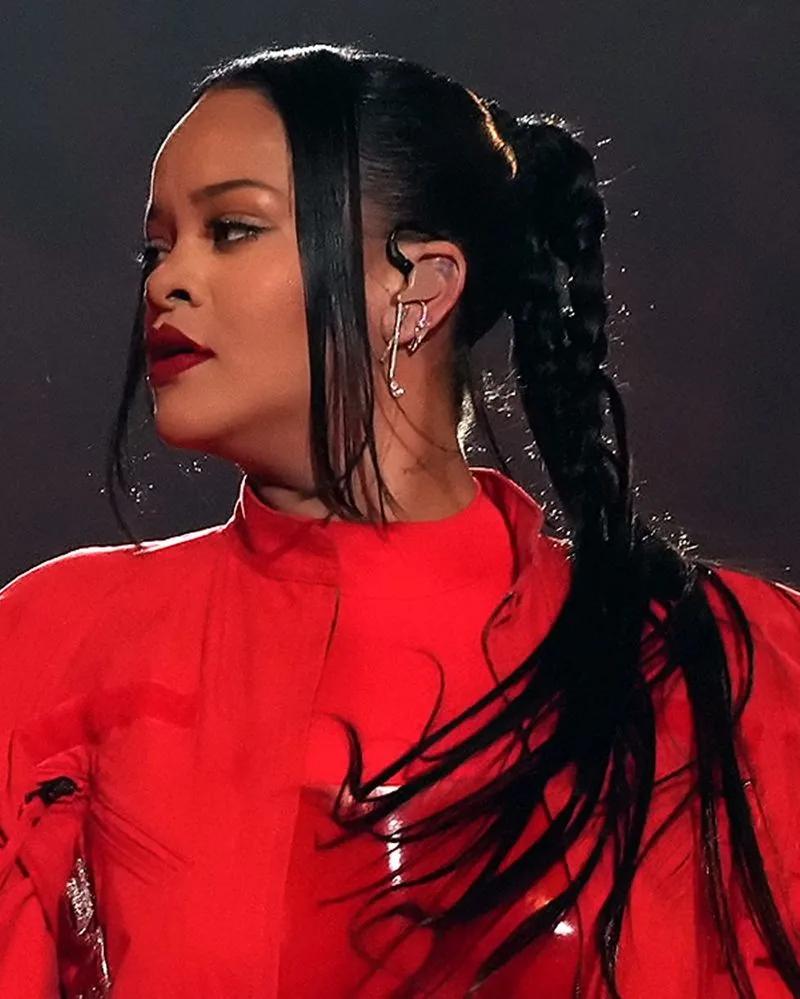
A braided low ponytail is the quiet achiever of concert hair: the hair is gathered low, braided down its length, and tied — which means the ponytail cannot swing into your face, the braid cannot unravel, and the whole style sits comfortably for hours. It is less showy than a bubble braid, but it is more secure, and it works on almost every hair length past the shoulders.
How to style it: gather the hair low, braid it in three sections, and secure with a soft elastic. Time: about five minutes. Pros and cons: it is the most comfortable ponytail here, but it is understated — add a ribbon if you want drama. Maintenance: none. Quick verdict: the most reliable low ponytail in this guide — quiet, secure, all night.
35. The Curly Afro With a Statement Clip
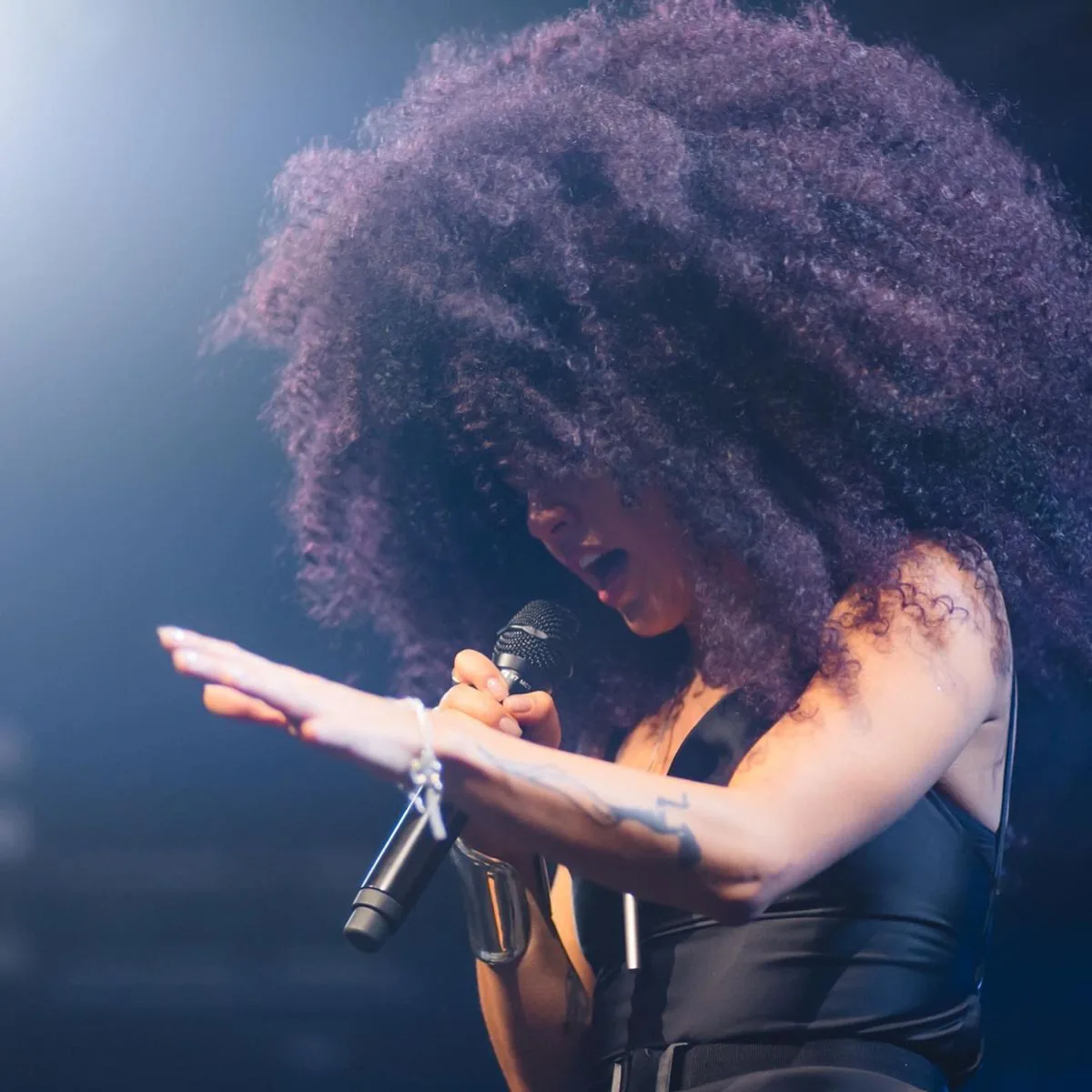
A curly afro with a statement clip is a celebration of natural volume: the afro is shaped and lifted, and one bold clip — gold, jewelled, or oversized — pins back a single section and becomes the focal point. The clip does real work, holding back the front, while the rest of the hair moves freely. It is joyful, photogenic, and completely sweat-proof, because curls do not fall flat.
Best for: naturally curly and coily hair. How to style it: pick the roots gently for volume, smooth the edges with a little cream, and place the clip above one temple. Common mistake: a clip that is too small to hold the hair — choose one with a strong grip. Quick verdict: your texture, one bold accent — the most confident short style here.
36. The Twisted Halo Updo
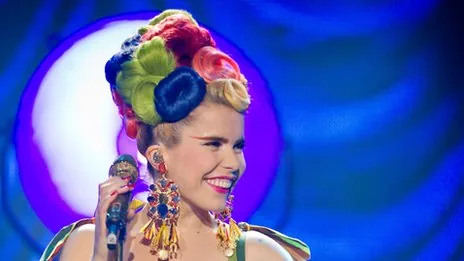
A twisted halo updo is the softer sister of the crown braid: two sections are twisted from each side of the head and pinned at the back, forming a halo that holds every strand up and away from the face. It is quicker than a braid, just as secure, and it looks romantic in photos. As the night goes on and a few pieces loosen, it only looks softer.
Best for: medium to long hair and anyone who cannot braid their own hair. How to style it: twist a section from each temple toward the back, cross them, and pin securely. Time: about ten minutes. Pros and cons: it is easier than a crown braid, but it needs strong pins — use crossed pairs. Quick verdict: the halo for people who cannot braid — just as secure, half the effort.
37. Beach Waves Under a Baseball Cap
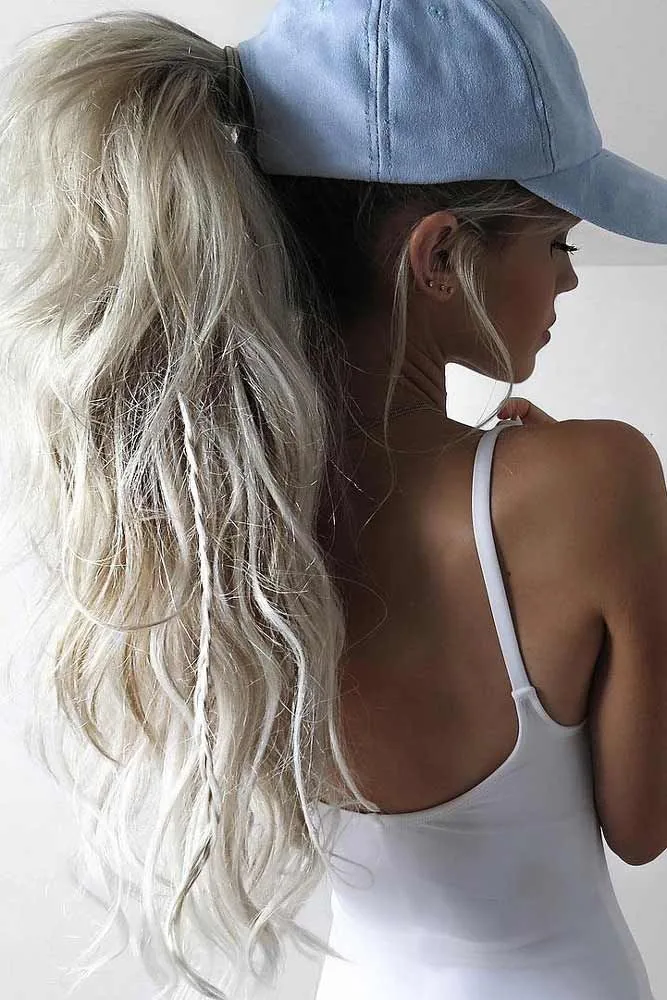
Beach waves under a baseball cap are the most practical outdoor concert style there is: the cap shades your face, keeps the sun off your part, and holds back the front, while the waves underneath do whatever they like. It is the style for daytime festivals, when the sun is the enemy and looking effortless matters more than looking polished. Pull a little hair through the back of the cap for a ponytail version.
Best for: daytime outdoor shows and sunny festivals. How to style it: add loose waves with a large-barrel iron or salt spray, and put the cap on last. Maintenance: none — the cap is the maintenance. Common mistake: a cap so tight it flattens the waves — leave it slightly loose. Quick verdict: the most practical daytime style here — sun protection and style in one.
38. The Last-Minute Claw Clip Updo
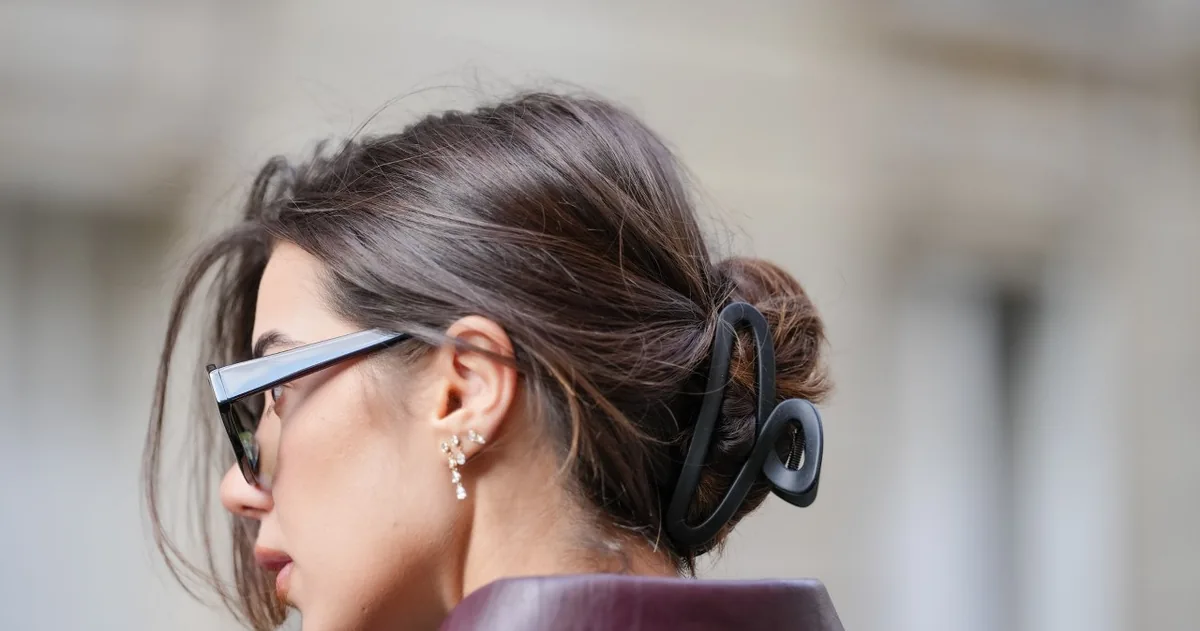
The last-minute claw clip updo is the style you reach for when the doors open in twenty minutes and your hair has other plans: gather it, twist it, clip it, and go. It takes thirty seconds, it keeps hair off your neck, and it looks deliberately undone rather than unfinished — especially with a few face-framing pieces left out. Every concert-goer should know this one by heart.
How to style it: gather the hair at the back, twist upward, clip firmly, and pull out two front pieces. Best for: everyone, every hair length past the chin, every emergency. Cost and time: one good clip and thirty seconds. Common mistake: using a weak clip — buy one with a real spring and keep it in your bag. Quick verdict: the style that saves the night — thirty seconds, zero stress.
What is the best hairstyle for a concert?
There is no single best hairstyle for a concert — the best one is the style that stays put while you dance and keeps hair out of your face. Double Dutch braids are the most secure choice overall. A high ponytail with a wrapped base is the most reliable updo. Space buns and a bubble braid ponytail are the most fun. And a low messy bun is the most comfortable. Choose the one that matches your hair length and how hard you plan to dance.
How do I stop my hair from getting sweaty and flat at a concert?
Prep before you leave: dry shampoo at the roots, a light texturising spray for grip, and a style that lifts hair off the neck, like a high ponytail, a top knot, or braids. Avoid freshly washed, silky hair, which goes flat fastest. And choose a style with texture — braids, curls, or crimped hair hide sweat far better than sleek, straight styles.
Should I wear my hair up or down to a concert?
Wear it up for a standing show and down only for a seated one. Up — a ponytail, bun, or braids — keeps hair off your neck, stops tangles, and survives dancing. Down works at a seated concert, where nobody bumps you and the wind cannot reach you. If you love your hair down, compromise with a half-up style that pins the front back.
What hairstyle lasts longest at a festival?
Braided styles last longest by far. Double Dutch braids, cornrows into a ponytail, and knotless box braids in a high bun can last a full day or even a whole multi-day festival without restyling. Buns and high ponytails last a single night well. Loose styles last the shortest — they look great at the door, but rarely survive the encore.
How do I keep my hair out of my face while dancing?
Anchor the front. Two mini braids framing the face, a braided headband, a headband braid, or a half-up section pinned back will all keep the front under control while the rest of your hair moves freely. A scarf or bandana does the same job and doubles as sweat protection. The key is to secure the front before you leave — once it falls forward mid-song, it is hard to fix in the dark.
Can I wear glitter in my hair to a concert?
Yes — glitter roots are one of the most popular concert looks. Use cosmetic-grade glitter only, never craft glitter, and press it along your part with a little hair gel so it stays put. Keep it along the part rather than all over your hair, and remember it will shed — wear a dark top or one you do not mind sparkling afterwards.
What should I pack for my hair at a concert?
Pack light: two spare elastics, three bobby pins, one mini claw clip, and a silk scrunchie on your wrist. That is the whole emergency kit, and it fits in a pocket. A bandana or scarf is the one luxury worth its space, because it can rescue almost any hair situation. Leave the dry shampoo, brush, and styling spray at home.
Do braids really stay in all night at a concert?
Yes — braids are the most secure concert style there is, because the hair is anchored at many points instead of one. Dutch braids, French braids, and fishtail braids all hold through jumping, sweating, and crowds. The only braids that fail are ones tied with weak elastics or braided too loosely, so use small, strong elastics and braid firmly.
What hairstyle is best for curly hair at a concert?
Styles that work with your curls, not against them: a curly high puff, voluminous curls pinned to one side, a curly afro with a statement clip, or cornrows into a ponytail. Curls hold their shape through sweat far better than straight styles, and they cannot fall flat. Avoid sleek styles that fight your texture — they will not survive the first song.
How do I fix my hair mid-concert without a mirror?
Downgrade to a simpler style, blind. Re-gather a ponytail and tie it higher, twist a loose bun and re-pin it, or pull everything into a claw clip. All three take under thirty seconds and need no mirror. Practice your chosen rescue once at home, and carry three bobby pins and one spare elastic in your pocket so you always have what you need.
Conclusion
Concert hair is not about the prettiest style — it is about the style that is still pretty at midnight, after three hours of dancing, sweating, and singing along. The 38 hairstyles in this guide were all chosen for that test: braids that do not unravel, buns that do not slip, ponytails that stay high, and loose styles that are designed to look better a little bit messy. Pick the one that matches your hair, your venue, and how hard you plan to dance.
Start with the guides, not the gallery. Think about whether your show is indoors or outdoors, standing or seated, one night or a whole festival weekend — then choose the style family that fits, prep your hair with dry shampoo and texture spray, and pack the tiny emergency kit: elastics, pins, one clip, one scrunchie. Then forget about your hair entirely and enjoy the show. That is the real test of a concert hairstyle — and now yours will pass it.