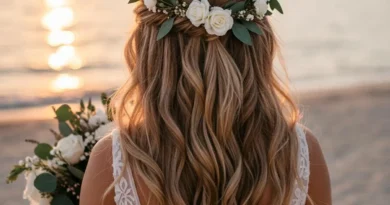
Sunday Best: 34 Church Hairstyles for Women That Are Pretty, Modest and Easy
Sunday morning has its own rhythm: the early alarm, the good dress, the quiet drive to church, and then a long, lovely morning of worship, fellowship and conversation after the service. Your hair should fit that rhythm. It should look polished when you walk in, stay neat through hymns, prayer and a sermon, survive a hug from every friend you meet, and still look good over coffee afterwards. That is a lot to ask of a hairstyle — and it is exactly why the best church hairstyles are the simple, secure ones, not the fussy ones.
This guide gathers 34 church hairstyles for women that are pretty, modest and easy — low buns and soft chignons, gentle braids, half-up styles, polished bobs and graceful waves, all chosen to hold their shape for hours without a mirror check every ten minutes. Eight guides first walk you through the ideas that matter: how to keep a style modest without making it dull, what holds through a long service, how to wear hair with a hat or head covering, and how to get ready in five minutes on a busy Sunday. Whether you are singing in the choir, greeting at the door, volunteering in the nursery or simply sitting in your usual pew, there is a style here that will suit you.
Modest but Beautiful: What Makes a Hairstyle Right for Church
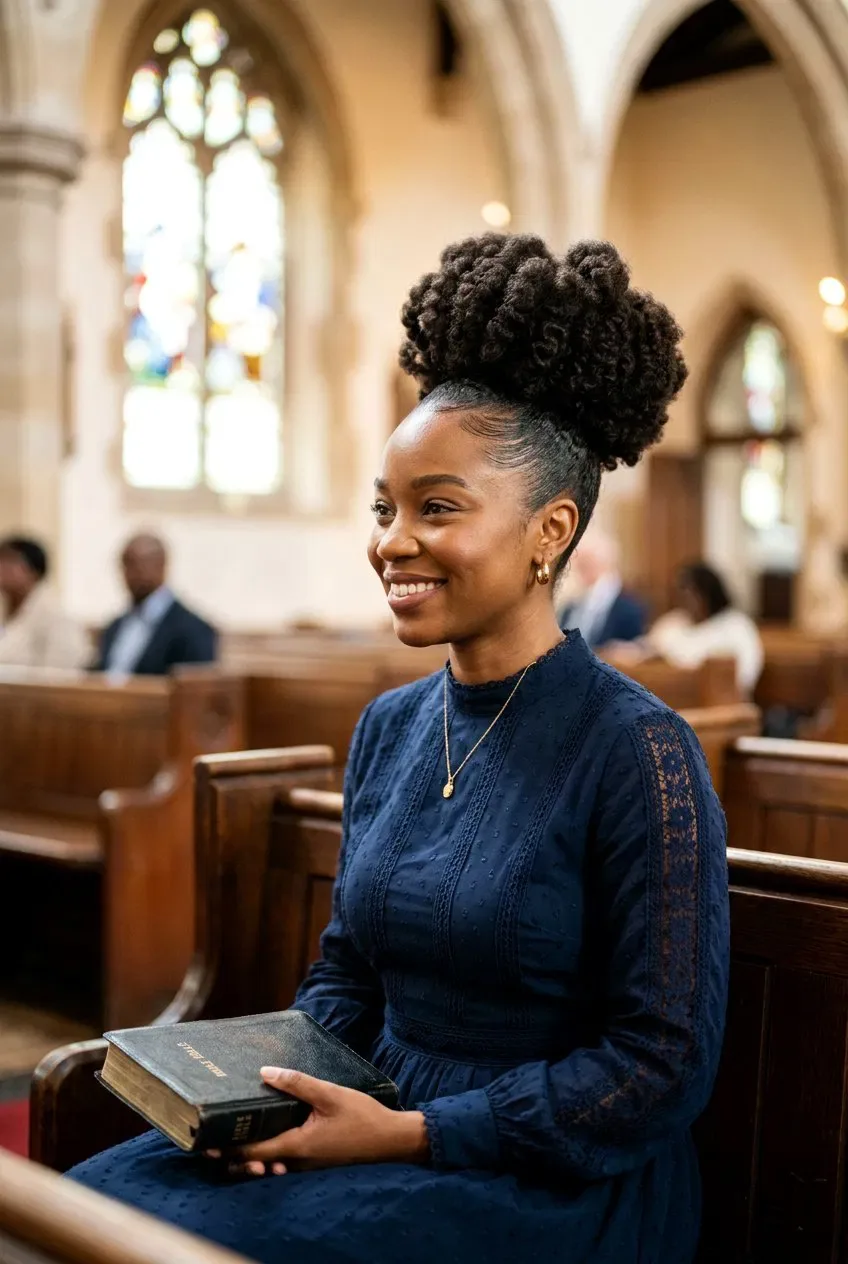
A church hairstyle does not need to be plain to be appropriate — it needs to be thoughtful. The styles that work best in church are the ones that frame your face softly, keep the hair out of your eyes and off your shoulders, and let your outfit and your presence do the talking. Think smooth lines, gentle volume, and a finish that looks finished: a neat part, a tidy bun, a braid that lies flat. Nothing about that is boring. A low chignon with soft tendrils, a glossy blowout, or a braid woven with a ribbon can be just as beautiful as any party hairstyle — it is simply beautiful in a quieter register.
The simplest test is the pew test: sit down, bow your head, stand up, and hug someone. If your hair stays where you put it and nothing falls into your face, it passes. Avoid styles that need constant attention — a top knot that slips, a curl that drops over one eye, a clip that pinches. Best for: every woman who wants to look her best without thinking about her hair all morning. Quick verdict: modest means considered, not invisible — choose a style that looks like you took care, and it will be right.
Styles That Hold Through a Long Service
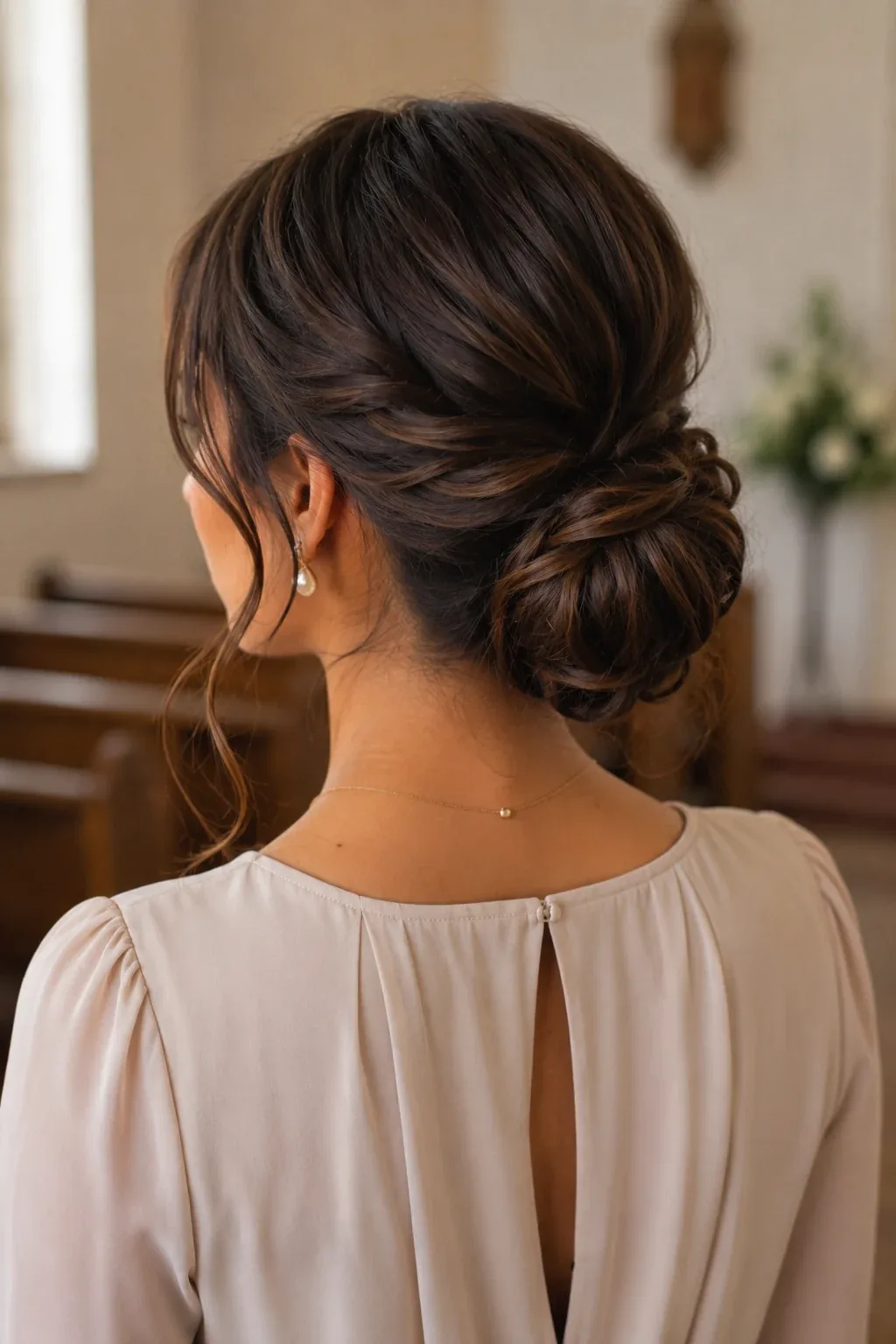
A Sunday service is a marathon for a hairstyle, not a sprint. There is standing and sitting, singing and kneeling, a sermon that can run long, and then fellowship that can run longer. The styles that survive all of that share three things: they are anchored low, they are pinned in more than one place, and they were set while the hair was slightly damp or freshly styled, not on hair that was already falling flat. A low bun pinned in three places will outlast a high ponytail every time, and a braid will outlast loose curls in summer heat.
The practical tricks matter as much as the style. Use two bobby pins crossed in an X wherever a style needs to stay — one pin alone will slide. Mist a little flexible-hold spray before you leave the house, not after you arrive, so the hold sets on the drive. And always carry two spare pins in your handbag: they weigh nothing and they have rescued many a Sunday. Common mistake: building a style that only looks good for the first twenty minutes. Quick verdict: pin it twice, spray it once, and forget about it for the rest of the morning.
Hats and Head Coverings: Hair That Works Under and Around Them
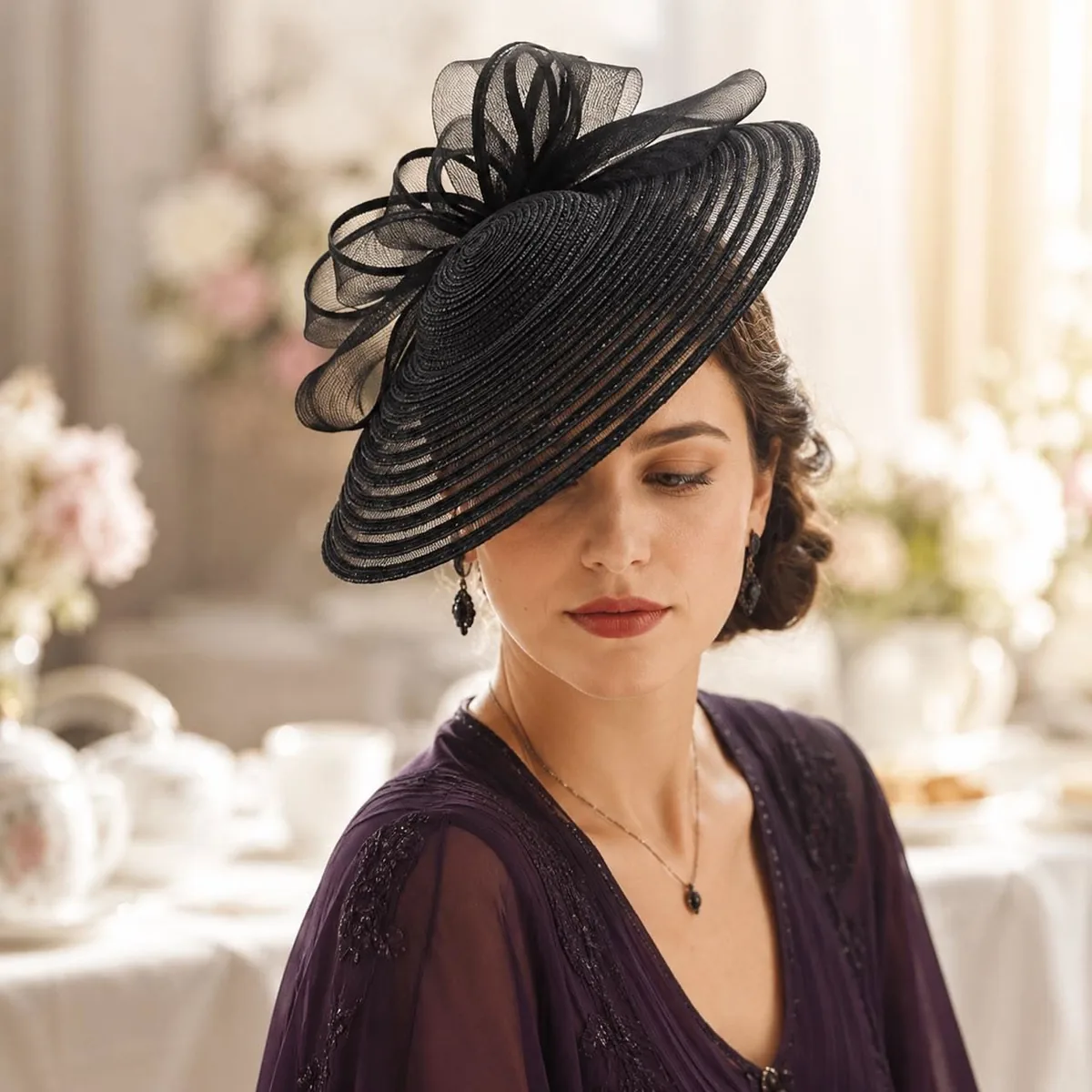
For many women, a hat is part of Sunday best — and hair that works with a hat is a different skill from hair that works without one. The rule is simple: keep the bulk low and the crown smooth. A low bun, a low chignon or a braid worn low sits comfortably under a wide-brimmed hat, while a high bun or a tall twist will push the hat up and make it sit crooked. A smooth crown also matters, because a hat rests on it; bumps and volume at the crown show through and can make the hat tilt.
If you wear a head covering or a veil, the same low-and-smooth rule applies, and a centre part usually sits best underneath it. A silk scarf can be part of the style itself — wrapped around a low bun, it looks deliberate and elegant, and it keeps flyaways in place. What to ask your stylist: if you wear hats often, ask for a cut that lies flat at the crown and keeps its shape at the nape. Quick verdict: build the hairstyle from the hat down, not the other way around — low, smooth, and secure wins.
Keeping Your Hair Neat in the Pew: Sitting, Singing and Hugging
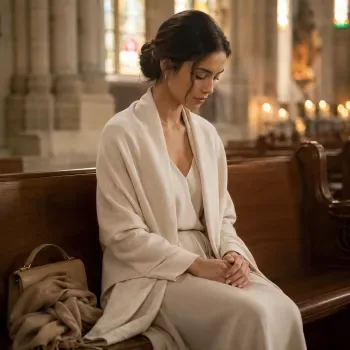
Church is one of the few places where you sit, stand, kneel and hug in quick succession, and each of those moves tests a hairstyle differently. Sitting for a long time presses the back of your head against a pew, which flattens loose curls and can dent a high style. Singing moves your head and shoulders. Hugging presses your hair against someone else’s shoulder. The styles that handle all of this are the ones with their weight low and their shape close to the head — low buns, low ponytails, braids, and half-up styles that are pinned, not just clipped.
A few habits help too. Sit with your head just forward of the pew back if you can, so your style is not crushed against it. If you wear your hair down, bring it forward over one shoulder when you sit, so it is not trapped behind you. And choose a finish that forgives movement: soft waves recover from a hug, while a perfectly straight blowout shows every dent. Pros and cons: updos survive the pew best but take more time; down styles are faster but need a mid-service check. Quick verdict: low and close to the head — that is the pew-proof formula.
Age-Appropriate Elegance: Pretty Hair at Every Age
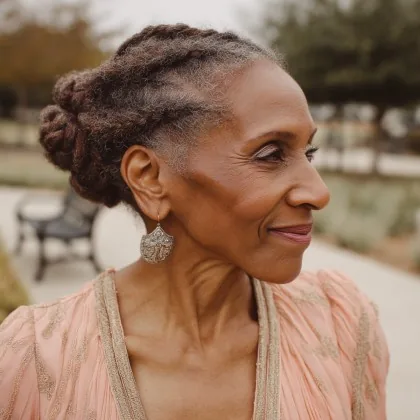
Church is one of the few places where every generation sits together, and every generation has a beautiful church hairstyle. Young women can wear a long braid or soft waves; women in their forties and fifties often love a polished lob or a low chignon; older women look wonderful in a neat bob, soft curls or a silver updo. The idea is not to dress younger or older than you are — it is to choose the version of a style that suits you now.
A few things flatter at every age: a neat part, smooth hair at the crown, and a style that does not fight your natural texture. Short hair can be just as elegant as long hair in church, and grey and silver hair looks beautiful in a soft updo or a neat bob. What to avoid: a style that is fussy or fiddly, whatever your age — if you are adjusting it all morning, it is the wrong style. Quick verdict: the most elegant church hairstyle is the one that looks like you, on your best day.
The Quick Sunday-Morning Routine: Five, Ten or Twenty Minutes
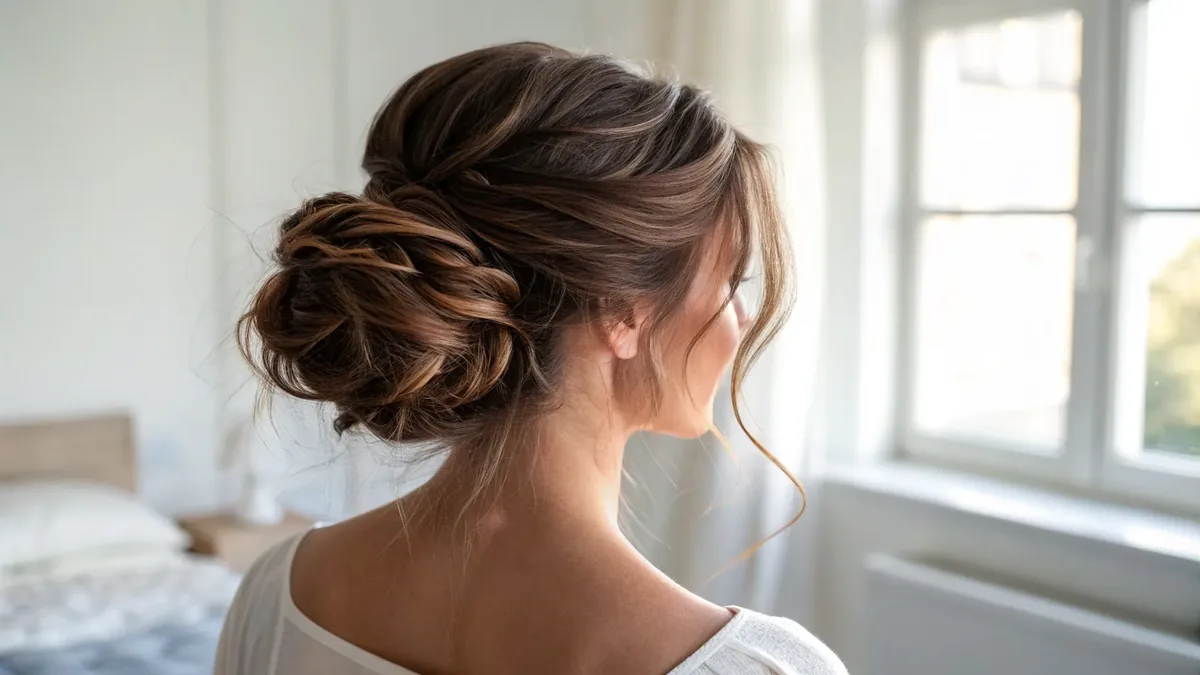
Not every Sunday allows a leisurely hour in front of the mirror, so it helps to have a plan for the morning you actually have. With five minutes, the answer is a low ponytail with a wrapped base, or a low bun with two pins — both look polished and take almost no time. With ten minutes, add soft waves through the lengths, or braid the hair the night before and undo it in the morning for easy waves. With twenty minutes, you can do a full blowout, a chignon with tendrils, or a twisted updo.
The real secret is the night before. Braid damp hair before bed for morning waves, pin a low bun loosely overnight for soft volume, or simply wash and dry your hair on Saturday evening so Sunday morning is only styling, not washing. Keep your pins, spray and one good brush in one place, so you are never hunting for them at 8 a.m. Common mistake: trying a new style for the first time on Sunday morning. Quick verdict: plan the night before, and Sunday morning takes care of itself.
Hair for Choir, Volunteering and Greeting
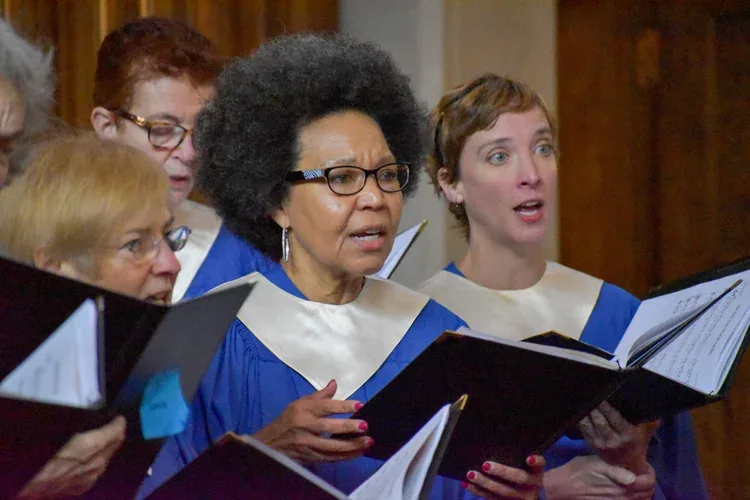
If you sing in the choir, greet at the door or volunteer in the nursery, your hair has a job to do beyond looking pretty. Choir members need hair that stays out of the face while singing and does not distract in a group — a low bun, a neat braid or a pinned half-up style is ideal, and a choir robe looks best with hair that is smooth at the neckline. Greeters need hair that survives a hundred hugs, so a pinned updo or a braid wins over loose curls.
Nursery and children’s volunteers need hair that is fully secured — little hands will find any loose strand. A low bun pinned in three places, a Dutch braid crown, or a low ponytail with a wrapped base all keep the hair safely out of reach. Pros and cons: updos are the most practical for serving roles, but they take a few more minutes; a simple braid is the fastest serving style. Quick verdict: if you are serving, pin it up — pretty and practical can be the same thing.
Seasonal Service Looks: Summer Heat, Winter Cold, Easter and Christmas
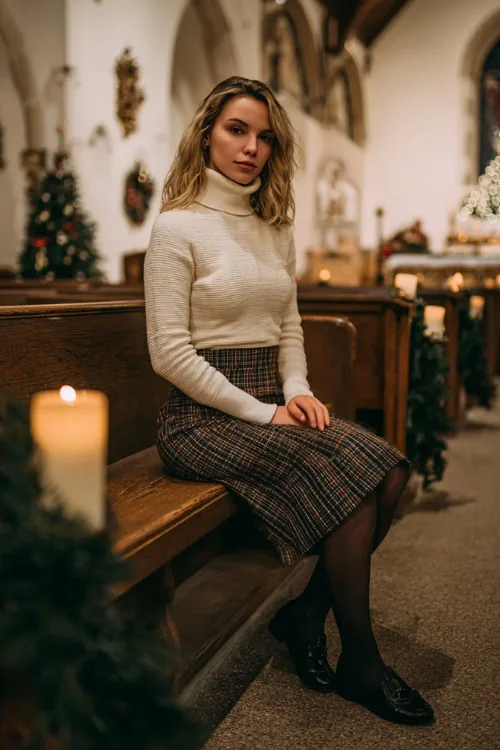
Church hairstyles change with the seasons, and a style that is perfect in spring can be miserable in August. In summer heat, wear the hair up — a low bun, a braid or a twisted updo keeps you cool and holds its shape in humidity far better than loose curls, which drop in the first hymn. In winter, a low bun or a half-up style sits neatly under a coat and a scarf, and static is tamed with a drop of serum.
Easter and Christmas are the two Sundays when most women dress up a little more, and the hair can follow: a chignon with tendrils, a French twist, or soft waves with a pearl pin all suit a festive service. But even on those days, the same rule holds — choose a style that will still look good at the end of a long morning, not just at the start. What to ask your stylist: if you have a festive service coming up, book a trial of the updo a week before. Quick verdict: up in summer, soft in winter, a little extra at Easter and Christmas.
1. The Classic Low Chignon
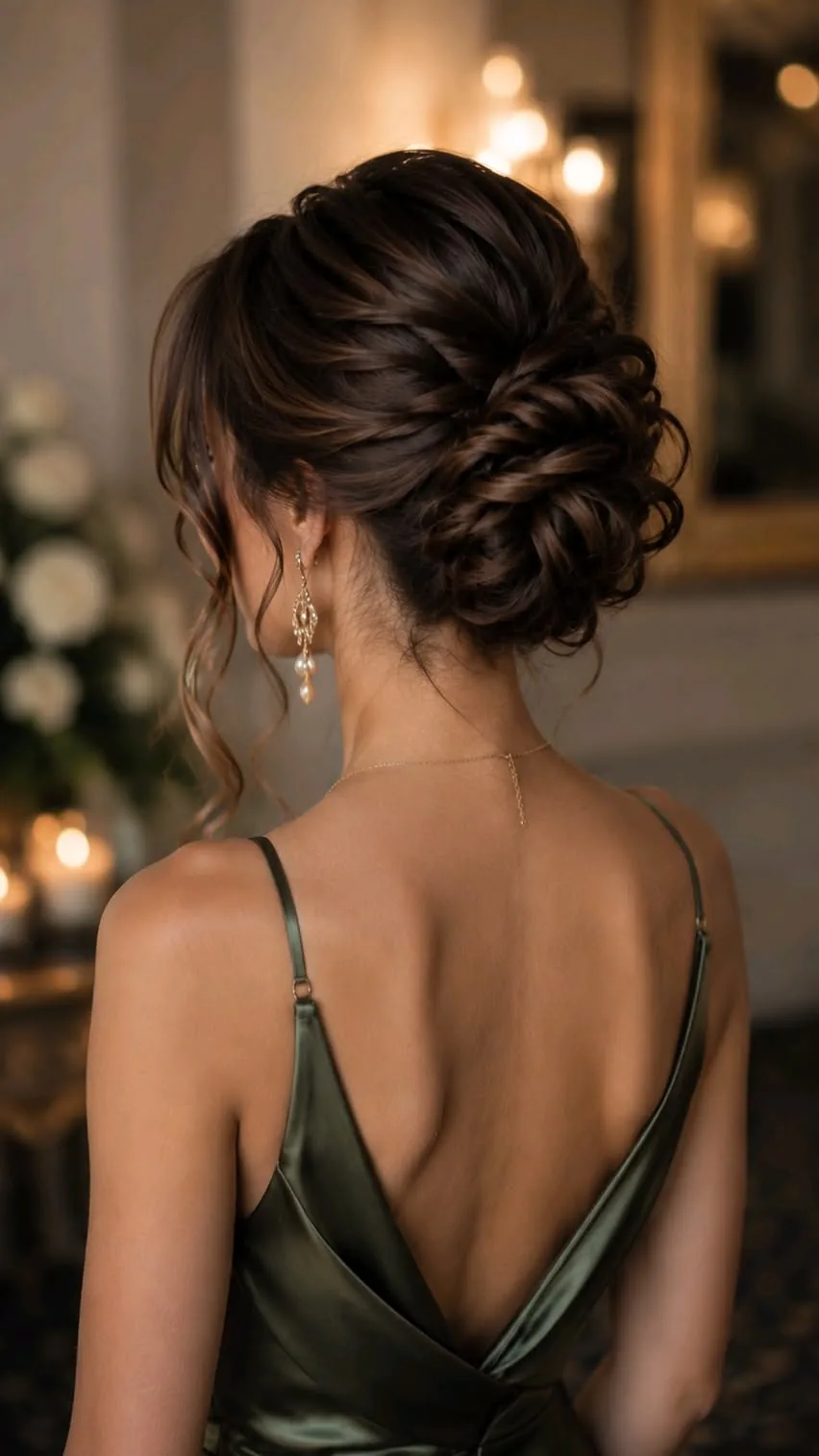
The classic low chignon is the church hairstyle against which all others are measured, and it earns that place honestly. The hair is gathered low at the nape, twisted into a soft roll and pinned, creating a smooth, graceful shape that looks polished from every angle and stays put for hours. It works with a hat, a veil or nothing at all, it flatters every face shape, and it makes even a simple dress look like Sunday best.
Best for: formal services, weddings in church, and any Sunday when you want to look your most polished. How to style it: smooth the hair back with a brush, gather it low, twist it into a roll and pin it in three places, then mist with a flexible-hold spray. What to ask your stylist: nothing special — this is a styling choice that works on almost any medium-to-long cut. Quick verdict: if you learn one church hairstyle, make it this one.
2. A Soft Low Bun With Tendrils
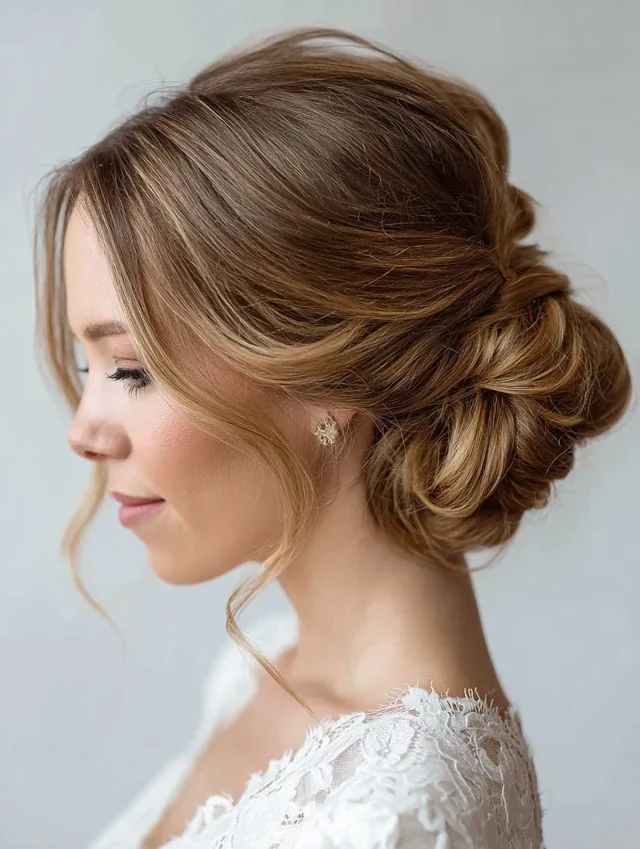
A soft low bun with tendrils is the gentler sister of the classic chignon, and for many women it is the more flattering choice. The bun itself sits low and loose, and two thin tendrils are left out at the front and curled lightly, which softens the face and keeps the style from looking severe. It is romantic without being fussy, and it looks just as good at a weekday service as it does on Easter Sunday.
How to style it: curl the hair first, gather it loosely at the nape, twist it into a bun and pin it, then pull out two tendrils and curl them. Pros and cons: it is forgiving, comfortable and pretty, but it needs a few pins and a trial run before a big day. Maintenance: none on the day beyond one spare pin. Who should avoid it: nobody — the tendrils can be tucked away for a neater finish. Quick verdict: the most forgiving elegant updo here.
3. The Elegant French Twist
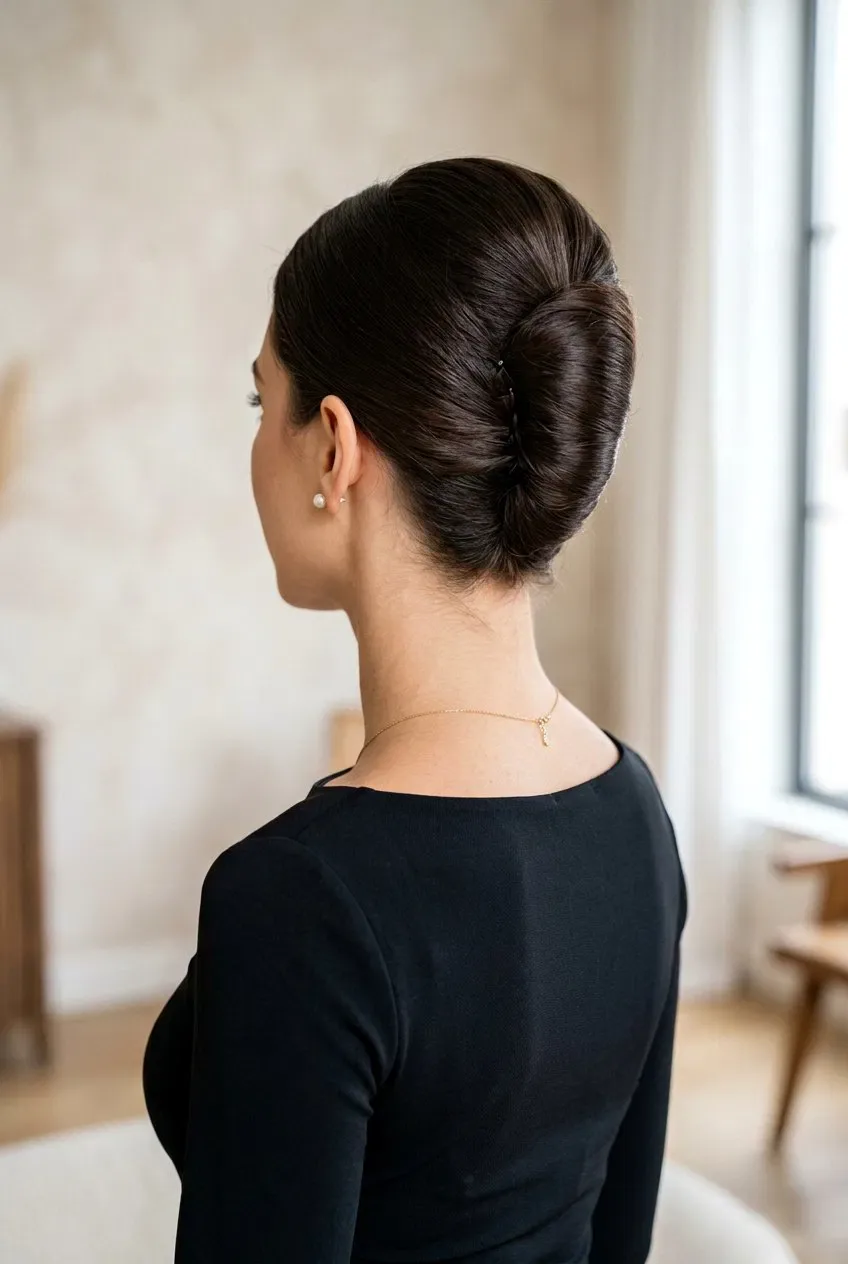
The French twist is the most timeless updo there is, and in church it looks exactly as it should: grown-up, graceful and completely unhurried. The hair is swept up and twisted into a sleek vertical roll, but the key for Sunday is the low placement — a twist that sits at the nape rather than high on the head is calm and elegant, and it sits comfortably under a hat. A couple of soft pieces left out at the front keep it from looking severe.
Best for: formal occasions, choir performances and women who love a classic look. How to style it: gather the hair to one side, twist it upwards against the head and pin it in a vertical line with large bobby pins. Cost and time: about ten minutes at home, or thirty minutes in the salon for a special occasion. Common mistake: making it too tight and too high, which looks severe rather than elegant. Quick verdict: timeless for a reason — and it never looks out of place in church.
4. Half-Up Half-Down With Soft Waves
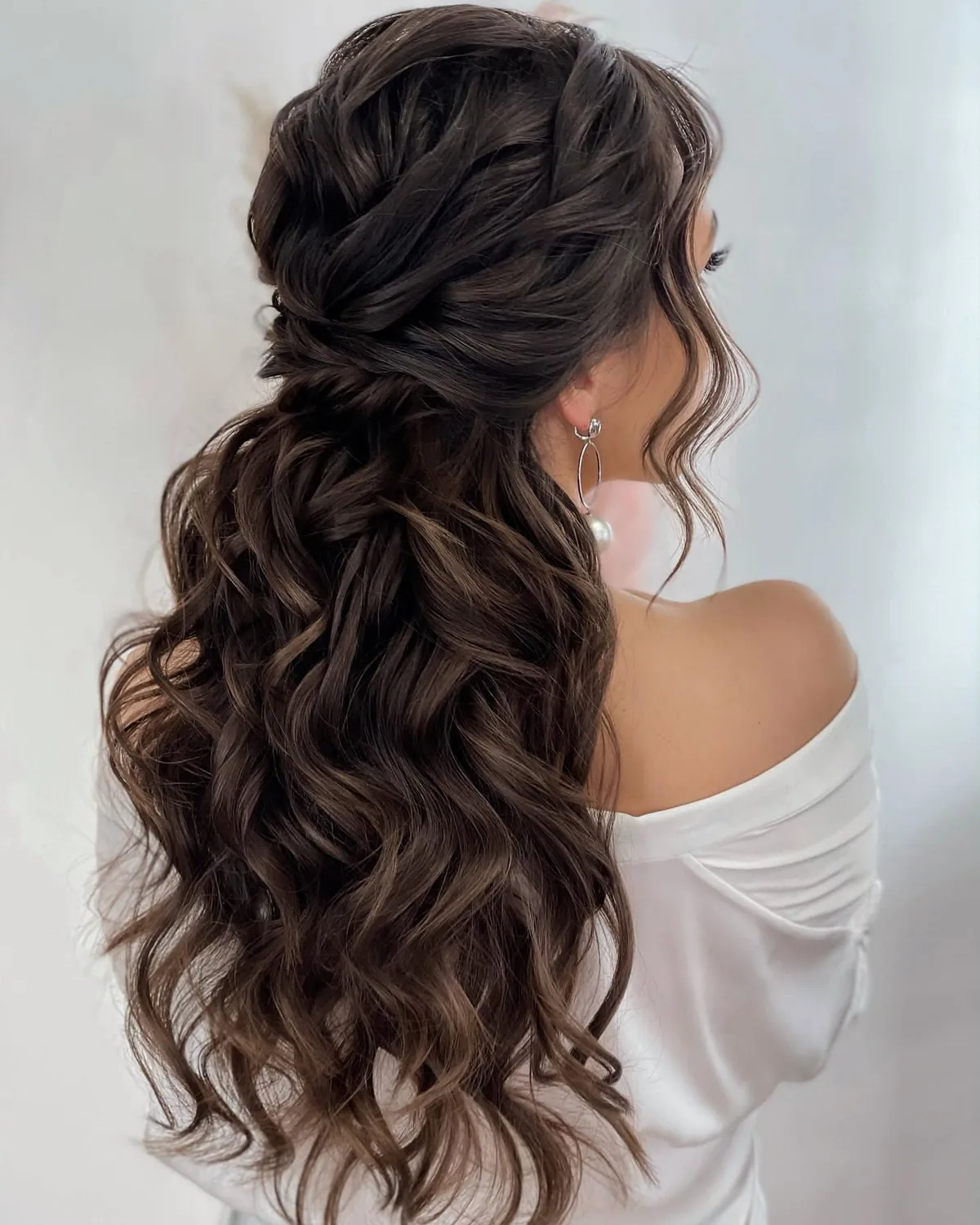
Half-up half-down is the best of both worlds for a Sunday morning: the top half is lifted and pinned, which shows off your face and keeps the hair out of your eyes during prayer, while the bottom half falls in soft waves that add gentle width and movement. The key is to keep the lifted section soft and low — a gentle half-up at the crown, not a tight high pull — so the style looks relaxed and graceful rather than stretched.
Best for: medium to long hair, and women who like wearing their hair down but want it out of their face. How to style it: curl the lengths first, then gather the top section from temple to temple, twist it once and secure it with crossed bobby pins or a small clip. Common mistake: pulling the top section too tight, which looks severe and gives you a headache by the second hymn. Quick verdict: five minutes to a style that looks like you tried much harder.
5. The Low Ponytail With a Wrapped Base
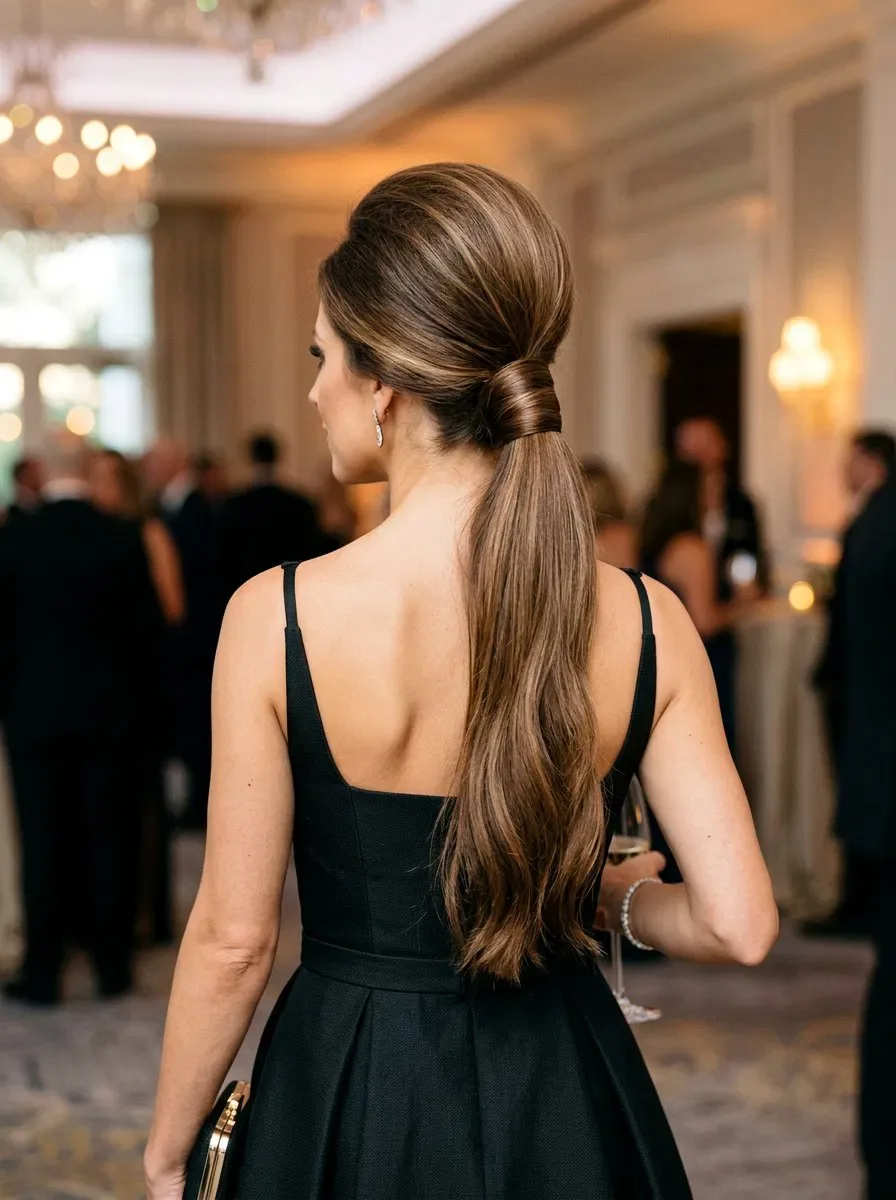
A low ponytail is far more flattering for church than a high one, because it sits at the nape and looks calm and polished instead of sporty. Wrap a section of hair around the elastic and the ponytail goes from everyday to Sunday-ready in seconds, and if you add a soft wave through the lengths or pull out a couple of face-framing pieces, you get the softness that makes it feel dressed up. It is the simplest style in this guide, and one of the most useful.
How to style it: smooth the hair with a brush and a little serum, gather it low at the nape, secure it, and wrap a strand around the base, pinning it underneath. Pros and cons: it takes two minutes, holds all day and suits every hair type — but a very sleek, very tight ponytail with nothing at the sides can look severe, so keep the front soft. Cost and time: free, and two minutes. Quick verdict: the everyday hero of this guide.
6. A Side Braid Over One Shoulder
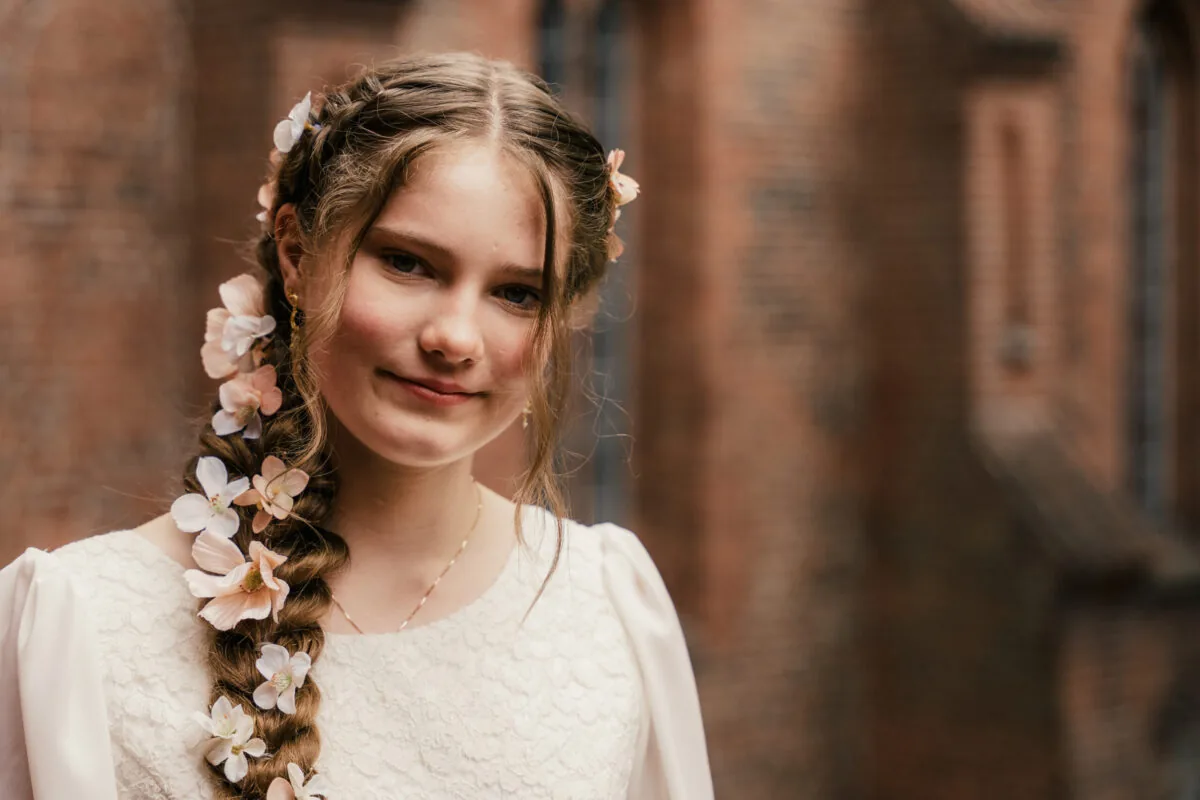
A braid worn over one shoulder is one of the prettiest church hairstyles, and one of the most practical. It brings the hair forward where it is visible and pretty, it keeps it out of the way when you sit in the pew, and it holds its shape through a long morning without a single pin. A loose, pulled-out braid looks best — a tight, thin braid can look severe, while a soft, chunky one looks romantic and adds real presence.
Best for: long hair, casual and formal services alike, and warm Sundays when you want your hair off your neck. How to style it: sweep the hair to one side, braid loosely, and gently pull the edges of the braid out to make it fuller, then tie with a soft elastic or a ribbon. Maintenance: almost none — if it loosens, just pull it out a little more. Who should avoid it: very short hair, which cannot reach over the shoulder. Quick verdict: bring the hair forward, not back — that is the whole trick.
7. The Dutch Braid Crown
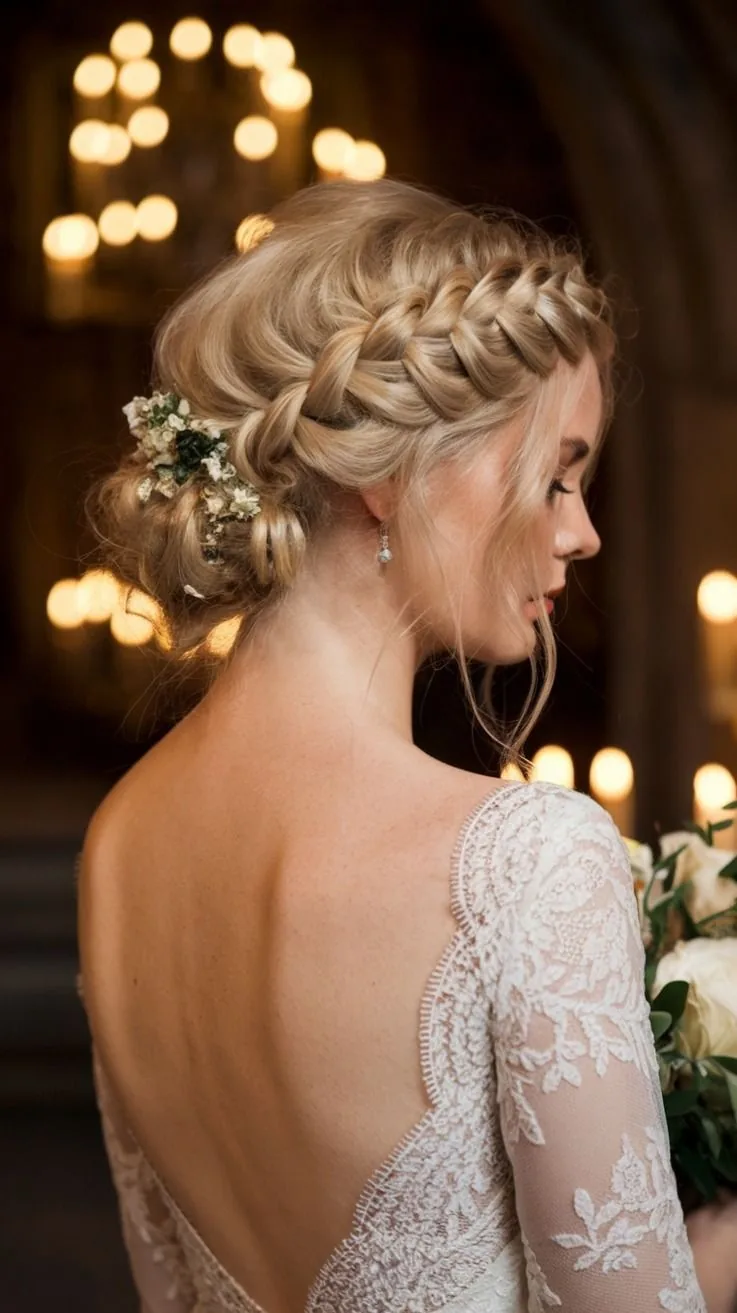
A Dutch braid crown — a braid that runs around the head like a halo — is a beautiful choice for church because it is both decorative and completely secure. It keeps every strand off the face and neck, it looks lovely with a hat or on its own, and it has a gentle, old-fashioned grace that suits a Sunday service perfectly. It is also one of the most comfortable styles to sit in for hours, because there is nothing at the back of the head to press against the pew.
What to ask your stylist: nothing — this is a styling skill, not a cut, but it does need enough length to wrap around the head. How to style it: part the hair in the middle, Dutch-braid each side toward the back, and pin the ends underneath each other. Pros and cons: it holds all morning and looks stunning, but it takes practice — do a trial run on Saturday. Quick verdict: the prettiest secure style in this guide.
8. The Sleek Low Bun With a Centre Part
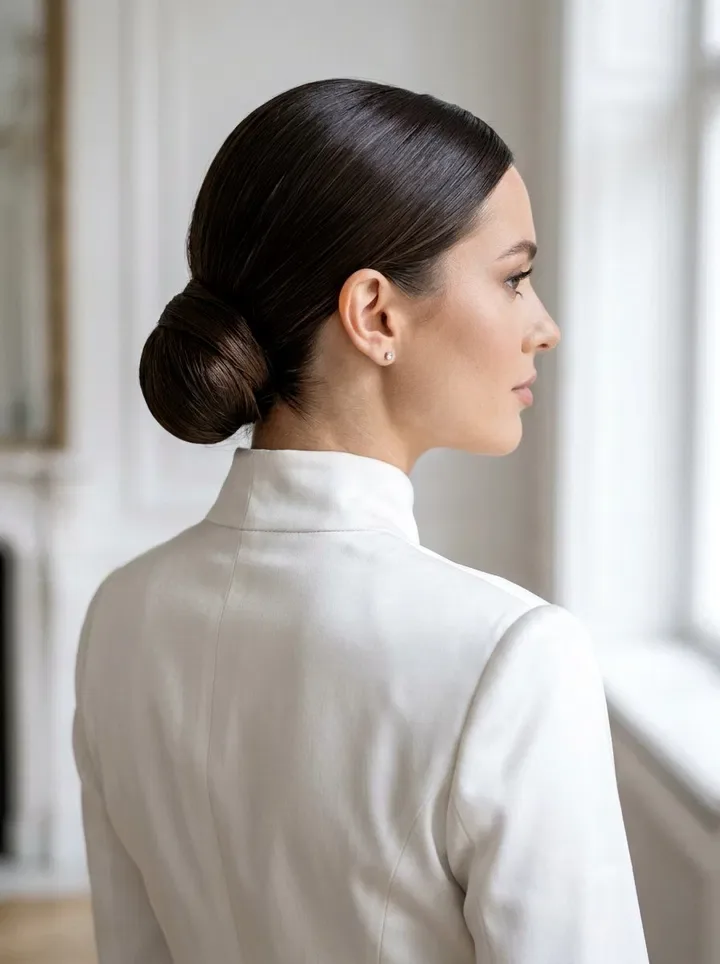
A sleek low bun with a centre part is the most polished, minimal look in this guide, and in church it reads as calm, confident and completely put together. The centre part keeps the face symmetrical, the smooth hair shows off the cheekbones, and the low bun shortens the line of the neck while looking entirely deliberate. It pairs beautifully with a simple dress and a pair of pearl earrings, and it photographs wonderfully at baptisms and confirmations.
Best for: formal services, and women who love a clean, minimal look. How to style it: part the hair in the centre, smooth it back with a brush and a little gel, gather it low, twist it into a bun and pin it in three places. Pros and cons: it is quick, holds all day and looks expensive — but it is a severe look, so soften it with earrings or a softer neckline. Cost and time: five minutes and a few pins. Quick verdict: minimal, sleek and serene — the editorial choice.
9. A Shoulder-Length Bob With Curtain Bangs
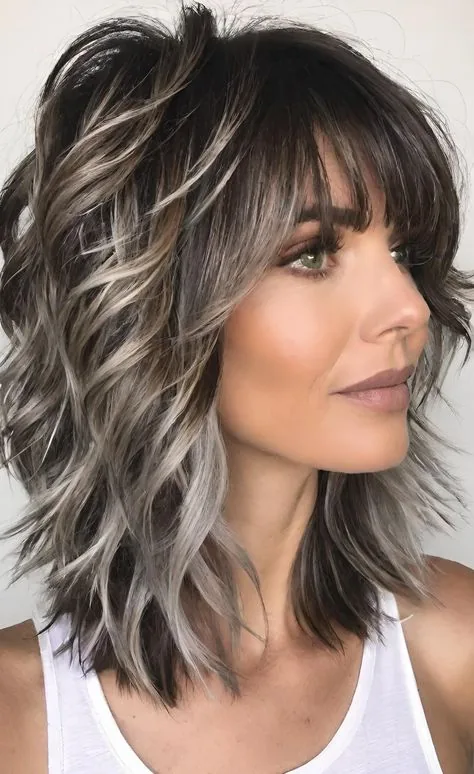
A shoulder-length bob with curtain bangs is a wonderful church hairstyle because it is pretty, practical and completely fuss-free. The bob ends right where the neck meets the shoulders, the curtain bangs frame the face softly, and there is nothing to pin, nothing to check, and nothing to fall out of place during a long service. It looks polished the moment you walk in and it still looks polished at coffee hour.
Best for: most face shapes, and women who want a low-maintenance cut that still looks intentional. How to style it: blow-dry with a round brush, turning the ends under slightly, and sweep the bangs to each side. What to ask your stylist: ask for the bob to end at the collarbone rather than the jaw, and for the bangs to reach the cheekbones when parted. Common mistake: a bob cut too short and too blunt, which can look severe rather than soft. Quick verdict: the safest, most flattering everyday church cut here.
10. Soft Curls at Shoulder Length
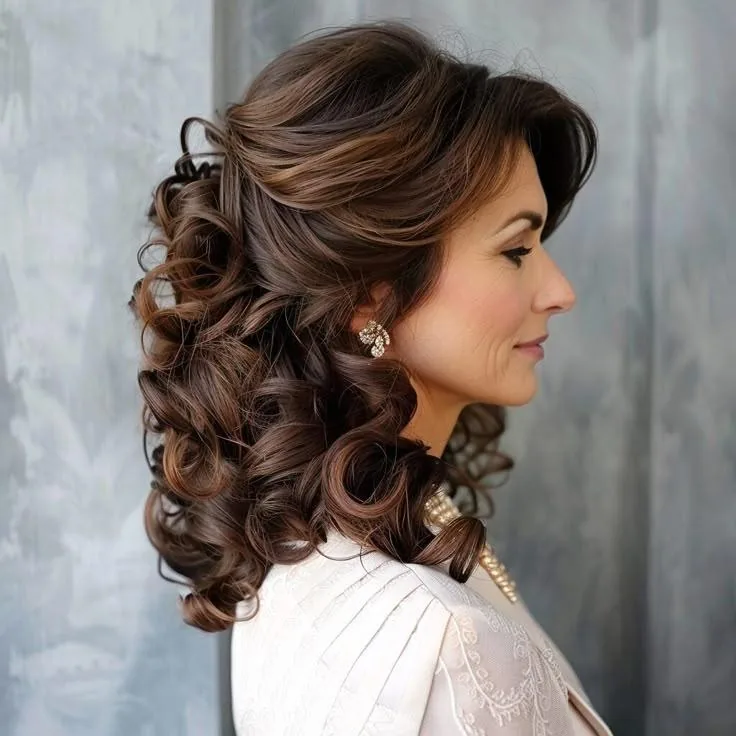
Soft curls at shoulder length are one of the most forgiving church styles, because curls add gentle width and movement without any pinning at all. A shoulder-length cut keeps the curls bouncy rather than weighed down, and the shape frames the face in a way that feels warm and welcoming. It works whether your curls are natural or created with an iron, and it looks just as good dressed up for Easter as it does on an ordinary Sunday.
Best for: naturally wavy or curly hair, and anyone who wants volume without teasing or backcombing. How to style it: curl in large sections with a wide-barrel iron, let the curls cool, then brush them out gently into soft waves and finish with a light-hold spray. Maintenance: a curl cream on damp hair keeps the shape between washes. Common mistake: brushing curls out too aggressively, which turns soft waves into frizz. Quick verdict: let the texture do the work — it is the easiest pretty style here.
11. The Textured Lob
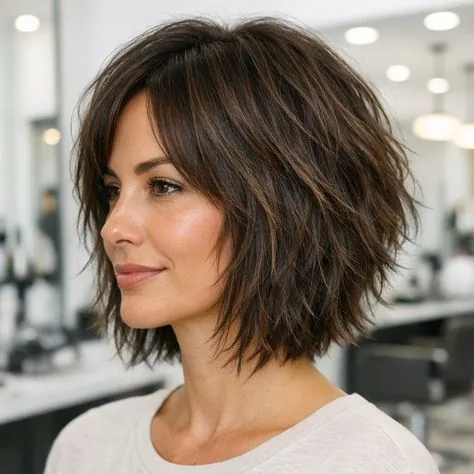
A textured lob — a long bob with soft, piecey layers through the ends — is a modern, lived-in cut that happens to be perfect for church. It sits at the shoulders, so it never falls into your face when you bow your head, and the layers give it movement without needing a single pin. It looks good air-dried or blow-dried, it grows out gracefully, and it suits a hat beautifully, because the length sits below the brim.
Pros and cons: it is versatile, easy to style and flattering on fine and thick hair alike, but the texture can look messy if the layers are cut too short, so ask for long, soft layers rather than choppy ones. How to style it: work a little texture cream through damp hair, scrunch the ends and let it dry naturally. Maintenance: a trim every eight weeks keeps the shape. Quick verdict: the easiest polished church cut — wash, scrunch, go.
12. The Classic French Bob
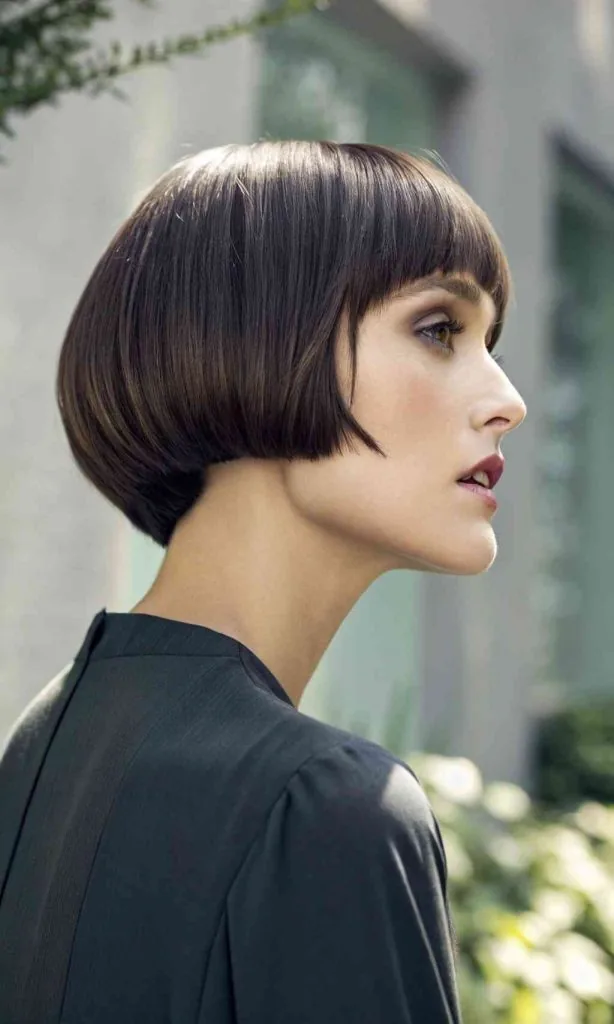
The French bob — chin-length, slightly curved under, often with a soft fringe — is a Parisian classic that looks beautifully at home in church. Because it ends at the jaw, it creates a neat, sculpted shape that frames the face, and the curved-under ends hug the cheeks, which softens the whole look. It is chic, confident and unmistakably stylish, and it needs no pinning, no checking and no fuss for the entire morning.
Best for: straight or slightly wavy hair, and women who like a bold, graphic look. How to style it: blow-dry with a small round brush, tucking the ends under, and add a drop of smoothing serum for shine. Pros and cons: it is striking and very low maintenance once cut, but it is a commitment — growing it out takes patience. Who should avoid it: very curly hair, which will not hold the curved-under shape without daily straightening. Quick verdict: the chicest short church cut in this guide.
13. The Gibson Tuck
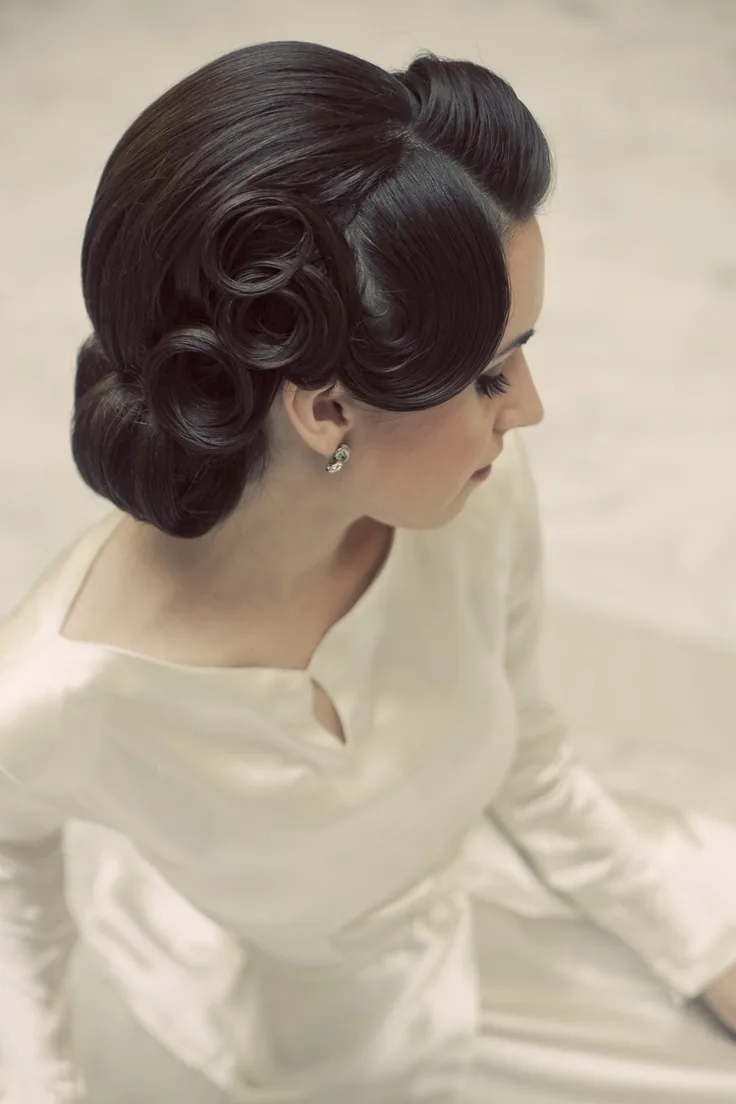
The Gibson tuck is a vintage updo with real church history behind it — it was the Sunday style of a century ago, and it still looks lovely today. The hair is gathered low, looped up and tucked into itself at the nape, creating a soft roll with no visible elastic and no pins showing. It is graceful, modest and a little bit romantic, and it holds beautifully through a long service because the tuck itself is the anchor.
How to style it: gather the hair into a low ponytail, loosen the elastic slightly, split the hair above it, and tuck the ponytail up and through the split, then pin the ends underneath. Best for: medium to long hair, and women who love a vintage touch. Common mistake: tucking it too tightly, which makes the roll look stiff — keep it soft. Cost and time: five minutes and two pins. Quick verdict: a century-old Sunday style that still works perfectly.
14. A Twisted Low Updo
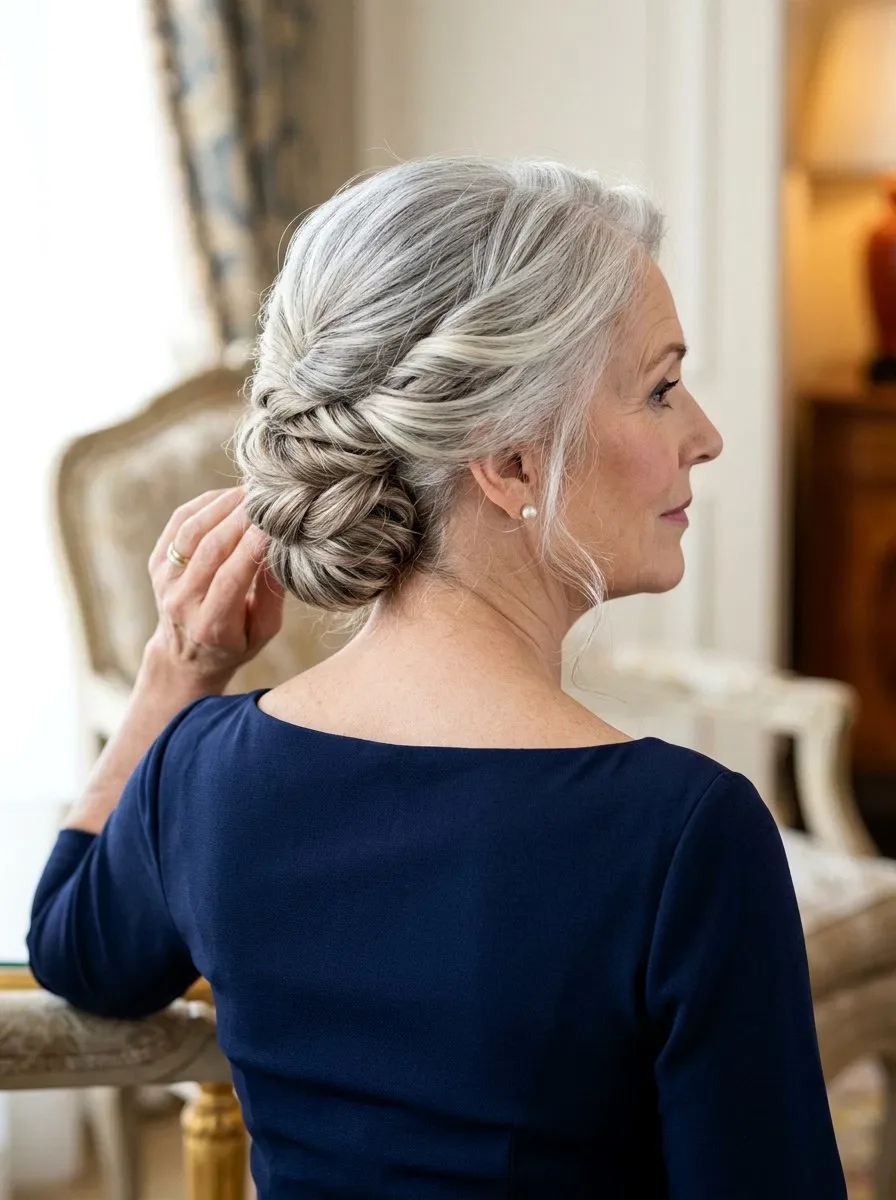
A twisted low updo is the middle ground between a chignon and a braid: the hair is divided into two or three sections, each one twisted, and the twists are pinned together low at the nape. The result is a soft, textured shape with lovely detail — it looks far more complicated than it is, and it holds its shape for hours because every twist is pinned separately. It is a beautiful choice for a special service, a baptism or a wedding in church.
Best for: medium to long hair, and special occasions. How to style it: divide the hair into three low sections, twist each one toward the centre, and pin the twists together at the nape, tucking the ends underneath. Pros and cons: it looks intricate and holds wonderfully, but it needs a mirror and a little patience the first time. Maintenance: none on the day. Quick verdict: the updo that looks like a salon visit but is really just three twists.
15. The Milkmaid Braid
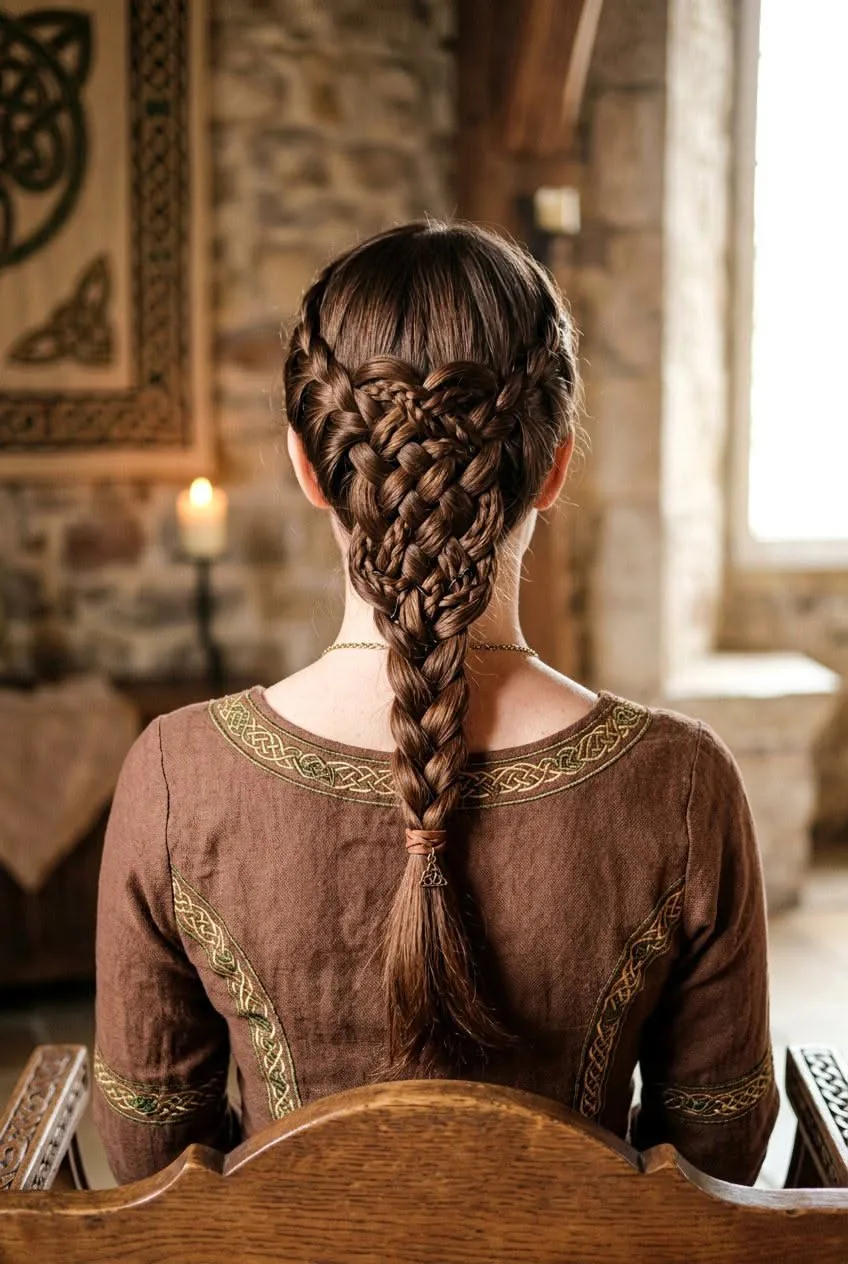
The milkmaid braid — two braids pinned up and across the crown — is a sweet, old-fashioned church style that is also one of the most secure you can wear. Once the braids are pinned, nothing moves: not in the wind on the way in, not during a long sermon, not through a dozen hugs afterwards. It has a gentle, storybook quality that suits a Sunday service, and it looks lovely with a simple dress and no jewellery at all.
Best for: long hair, warm Sundays, and women who want a style that truly will not move. How to style it: part the hair in the middle, braid each side, bring the braids up and across the crown, and pin the ends underneath each other. Common mistake: braiding too tightly, which can give you a headache — keep the braids loose and pull the edges out gently. Quick verdict: the most secure pretty style here — pinned, pretty, done.
16. A Loose, Low Fishtail Braid
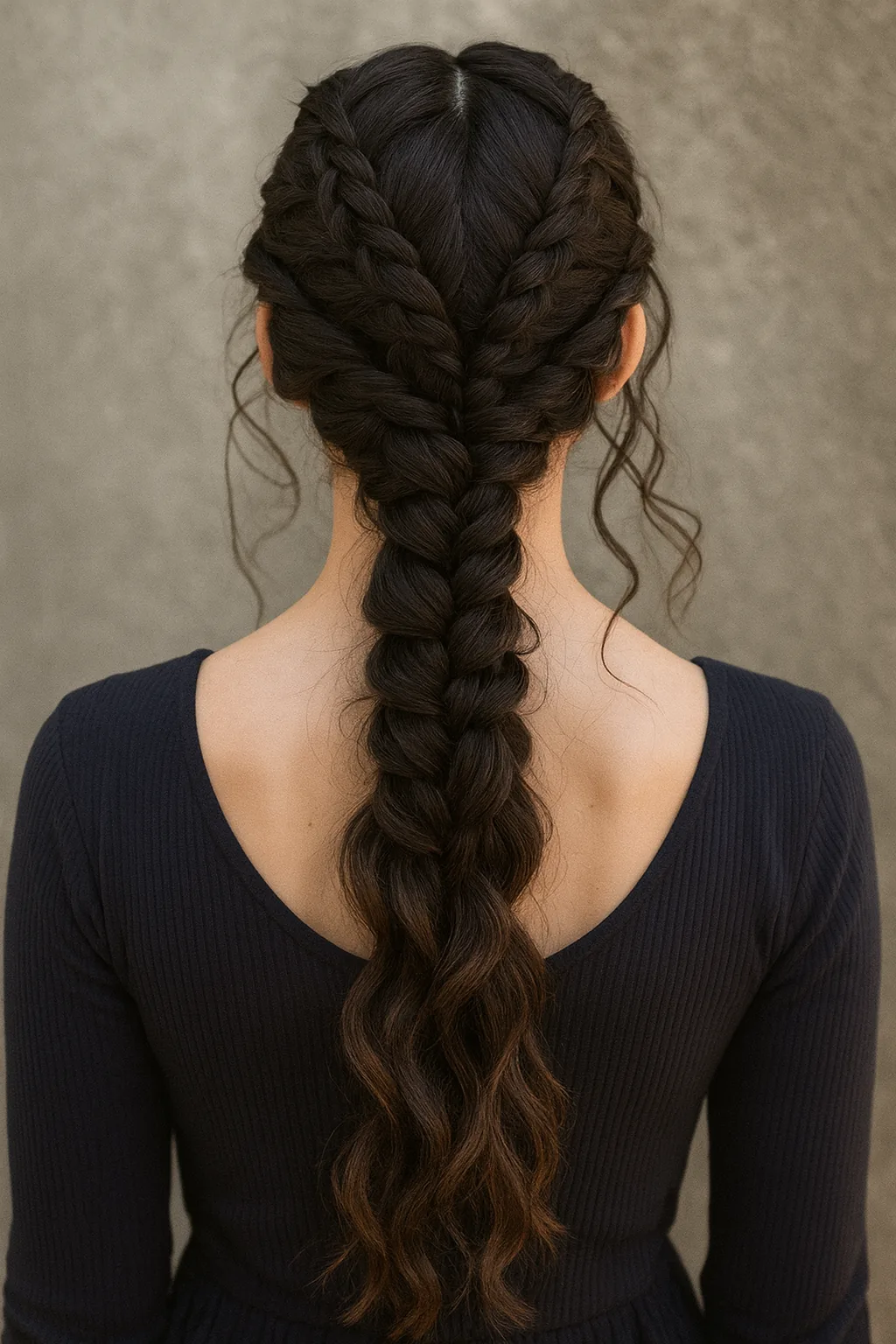
A loose, low fishtail braid is a softer, more detailed alternative to an ordinary braid, and it looks lovely in church. The fishtail weave creates a delicate, almost lace-like pattern, and when it is pulled out gently it looks full and romantic rather than tight and severe. Worn low and over one shoulder, it is pretty, modest and completely secure for a long morning.
How to style it: gather the hair low to one side, split it in two, and fishtail-braid by taking small pieces from the outside of each half to the inside of the other, then pull the braid out gently for fullness. Pros and cons: it looks intricate and holds well, but it takes a little longer than an ordinary braid — about ten minutes. Who should avoid it: very short hair, which cannot fishtail. Quick verdict: the braid for women who like a little detail.
17. A Romantic Loose Updo With Soft Pieces
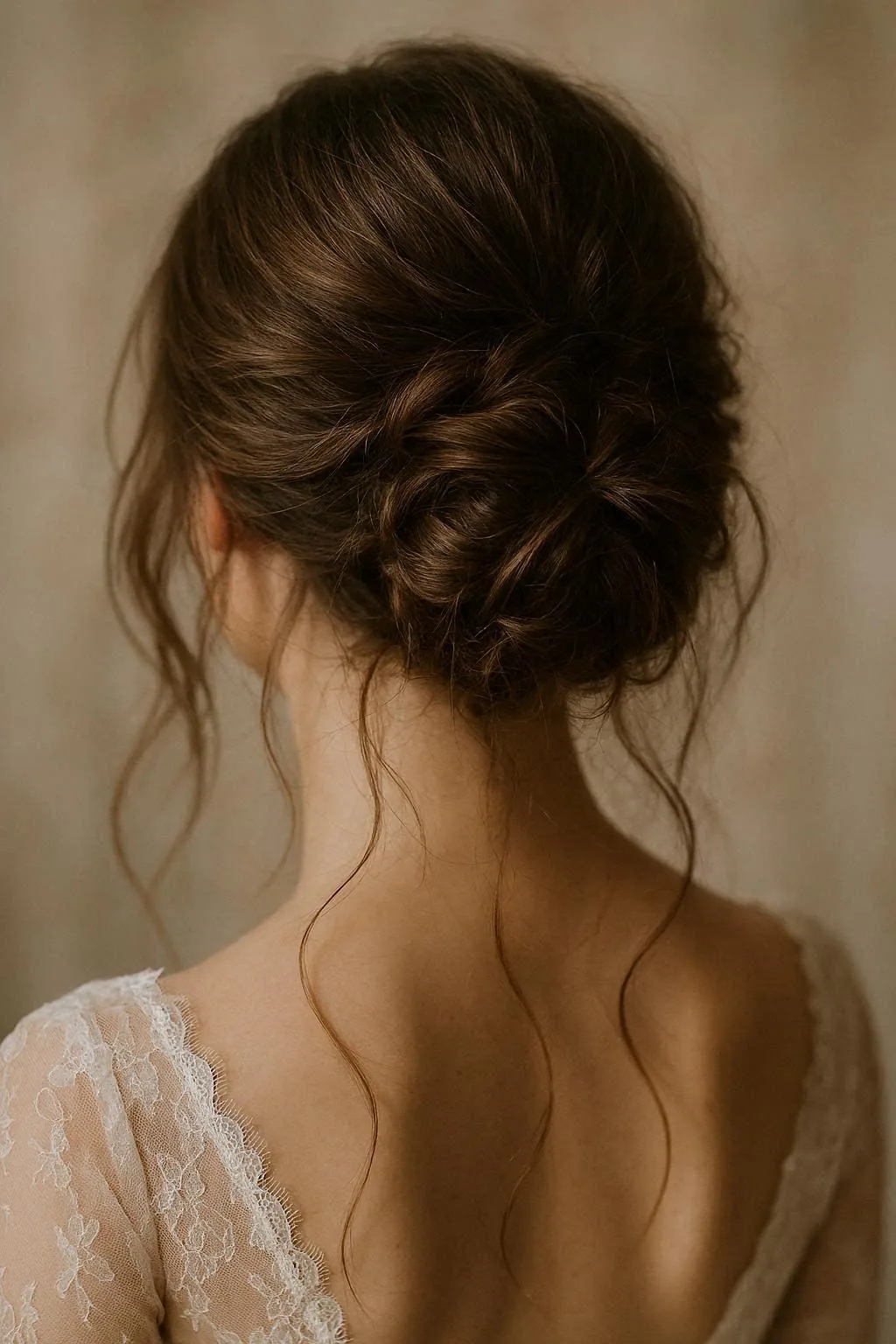
The loose romantic updo is the softer sister of the formal chignon: the hair is gathered up loosely, pinned with plenty of texture, and finished with soft pieces left out around the face and at the nape. In church it works beautifully, because the looseness adds warmth and the low placement keeps it modest, while the soft pieces keep the whole look from feeling severe. It is dreamy, forgiving, and wonderfully easy to wear — as the morning goes on and a few more pieces fall loose, it only looks more romantic.
Best for: a special service, a wedding in church, and medium to long hair. How to style it: curl the hair first, gather it loosely at the back, pin it in soft sections, and pull out pieces around the face. What to ask your stylist: ask for the pieces to be curled, not left straight, so they frame the face instead of hanging limply. Maintenance: re-curl one piece if it drops, and otherwise leave it alone. Quick verdict: the most forgiving updo here — it gets prettier as the morning goes on.
18. A Sleek Chignon With a Side Part
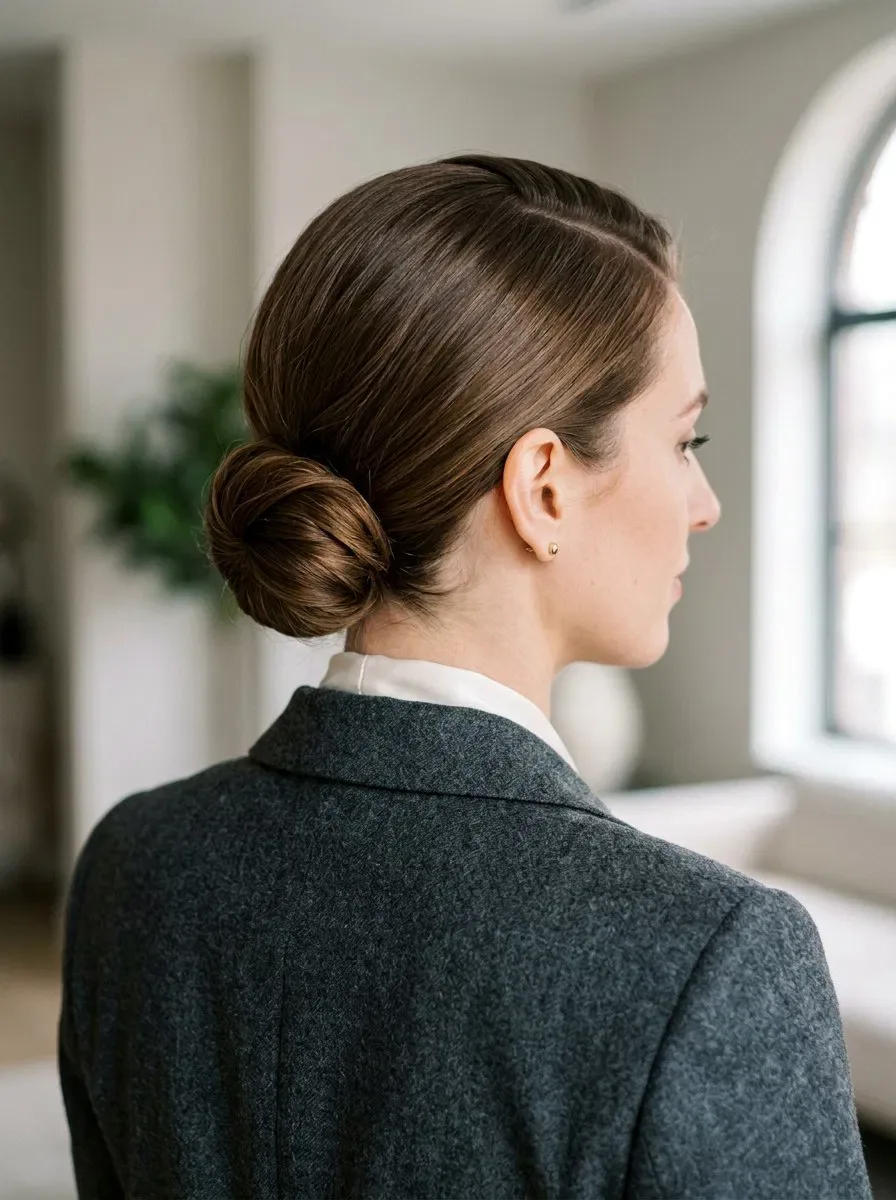
A sleek chignon with a side part is a small change from the centre-part version, and it makes a real difference: the deep side part sweeps a heavy section of hair across the forehead, which adds softness and a little asymmetry, and the low chignon keeps everything calm and polished. It is a grown-up, elegant look that suits a formal service, a baptism or a confirmation, and it sits beautifully under a hat.
Best for: straight and wavy hair, and women who want a classic updo with a modern twist. How to style it: part the hair deeply on one side while it is damp, smooth it back, gather it low and twist it into a chignon, pinning it in three places. Cost and time: about ten minutes of styling. Common mistake: parting too shallowly, which turns a dramatic sweep into an ordinary side part. Quick verdict: one deep part changes everything.
19. A Polished Low Messy Bun
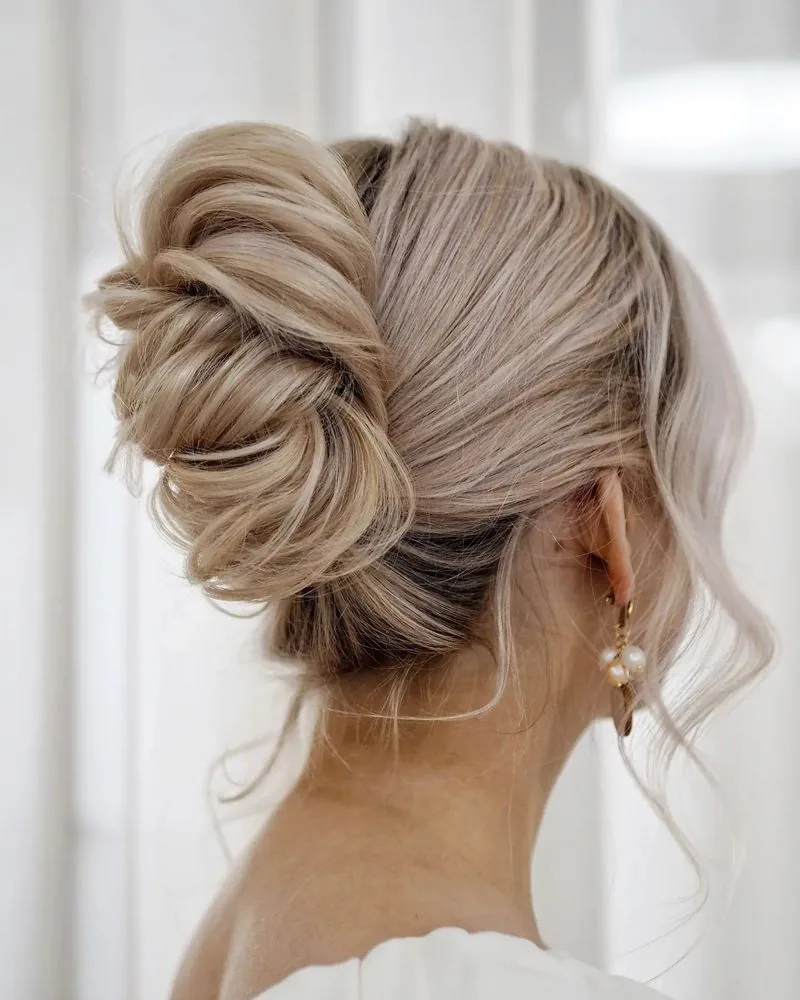
A low messy bun sounds casual, but done well it is one of the most useful church hairstyles there is. The bun sits low at the nape, which keeps it modest and comfortable, and the looseness adds softness around the face — the trick is that the looseness is deliberate, not accidental. A few pins, a little texture spray, and two soft front pieces turn a three-minute bun into a style that looks intentional and pretty all morning.
How to style it: add texture spray, gather the hair loosely at the nape, twist it into a bun, pin it in two or three places, and pull out a few pieces at the front — do not smooth anything. Cost and time: three minutes, no tools beyond a few pins. Pros and cons: it is the fastest style in this guide and suits every hair type, but it will not hold through a windy walk — save it for calm Sundays. Common mistake: making it too neat, which turns messy into formal. Quick verdict: three minutes to a polished, pretty look.
20. Soft Waves With a Middle Part
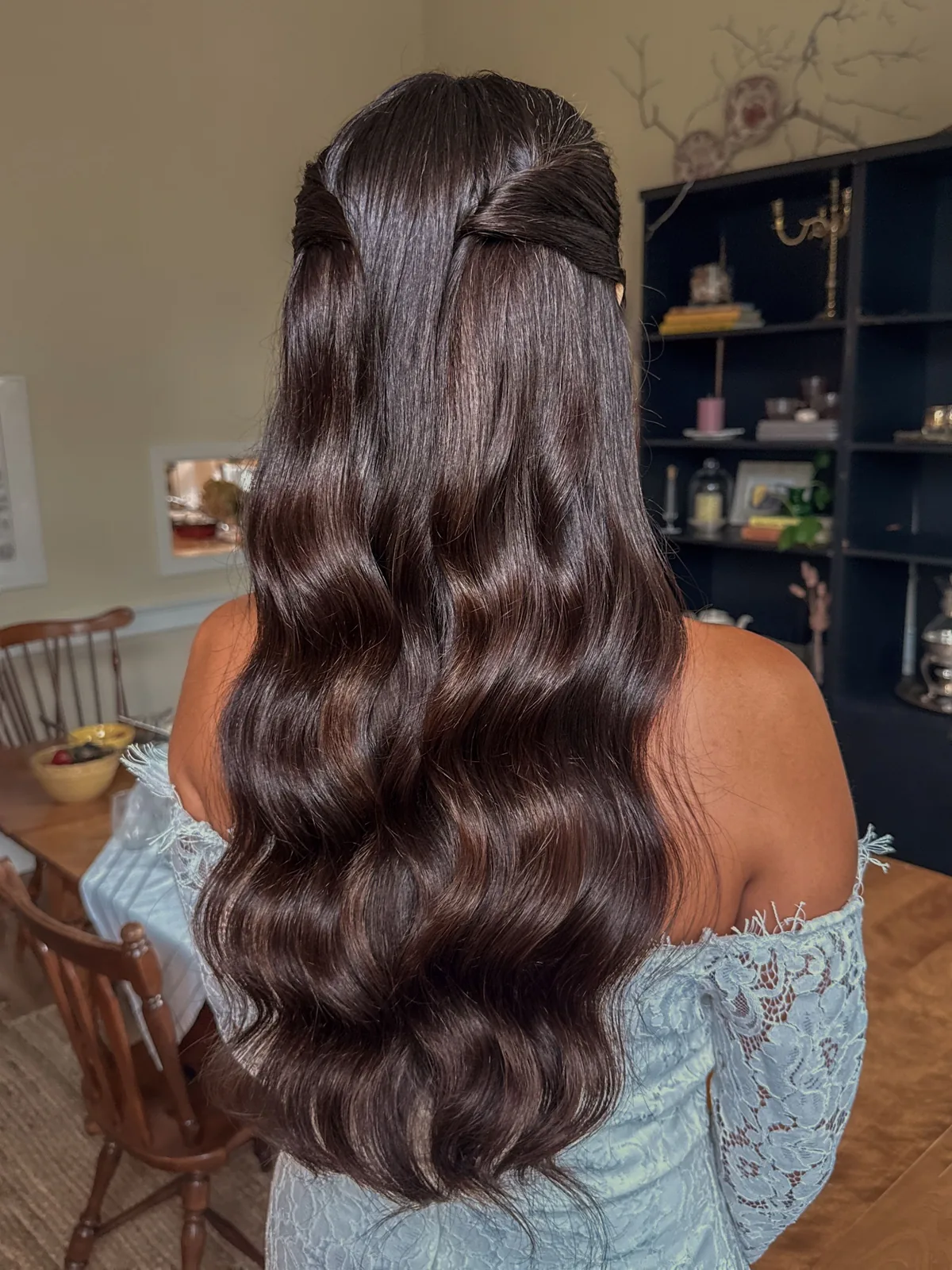
Soft waves with a middle part are a calm, symmetrical look that flatters almost everyone and suits church perfectly. The waves fall evenly, framing the face gently, while the middle part keeps the look balanced and understated. It is a style that never really goes out of fashion, and it is especially lovely on long hair, where the waves have room to move — just pin the front sections back if you want them out of your face during prayer.
Best for: long and medium hair, all face shapes, and women who want an easy, everyday style. How to style it: curl in large sections with a wide-barrel iron, alternating directions, then brush the curls out into soft waves and finish with a light texture spray. What to ask your stylist: ask for long layers that start at the cheekbones so the waves have somewhere to fall. Common mistake: making the waves too tight, which turns soft into frizzy. Quick verdict: the most effortless balanced look here.
21. Curtain Bangs With Long Hair
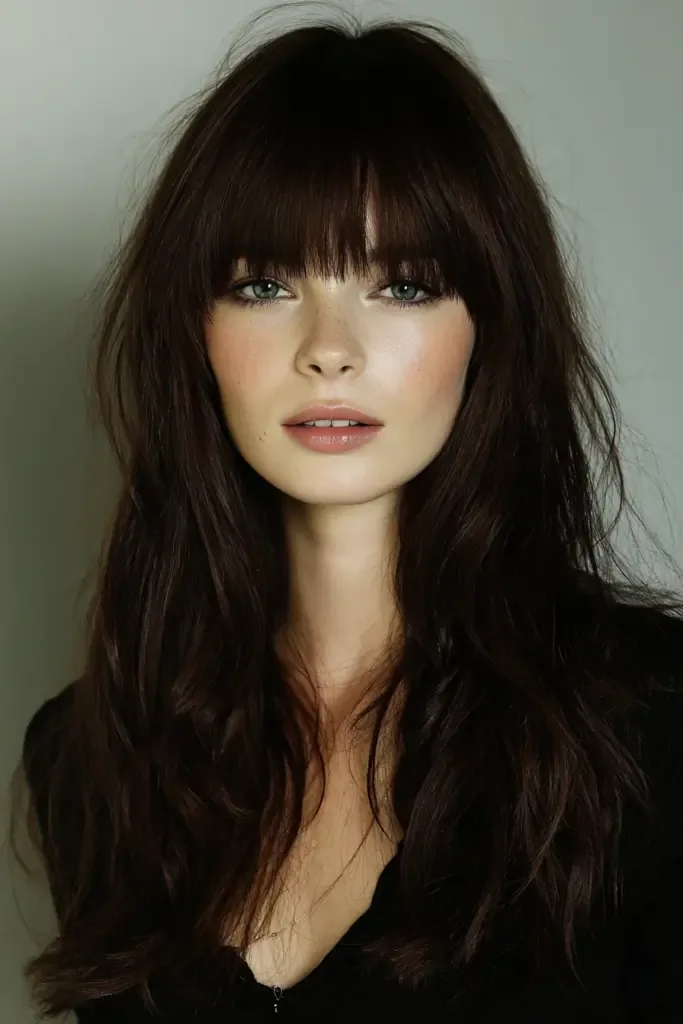
Curtain bangs with long hair are a soft, feminine church look that frames the face without needing any pins at all. The bangs part in the middle and fall to either side of the face, adding gentle width at the cheeks, while the long hair behind them keeps the length you love. It is a pretty, modest style that suits almost every face shape, and it grows out gracefully — you can sweep the bangs to the side as they grow.
Best for: long hair, all textures, and women trying bangs for the first time. How to style it: blow-dry the bangs with a round brush, curving them away from the face on each side, and add a loose wave through the lengths. Pros and cons: the bangs are easy to style and easy to grow out, but they do need a trim every four to six weeks if you want them to stay at cheekbone length. Common mistake: cutting curtain bangs too short, which makes them look like a blunt fringe. Quick verdict: bangs without the commitment.
22. A Low Bubble Ponytail
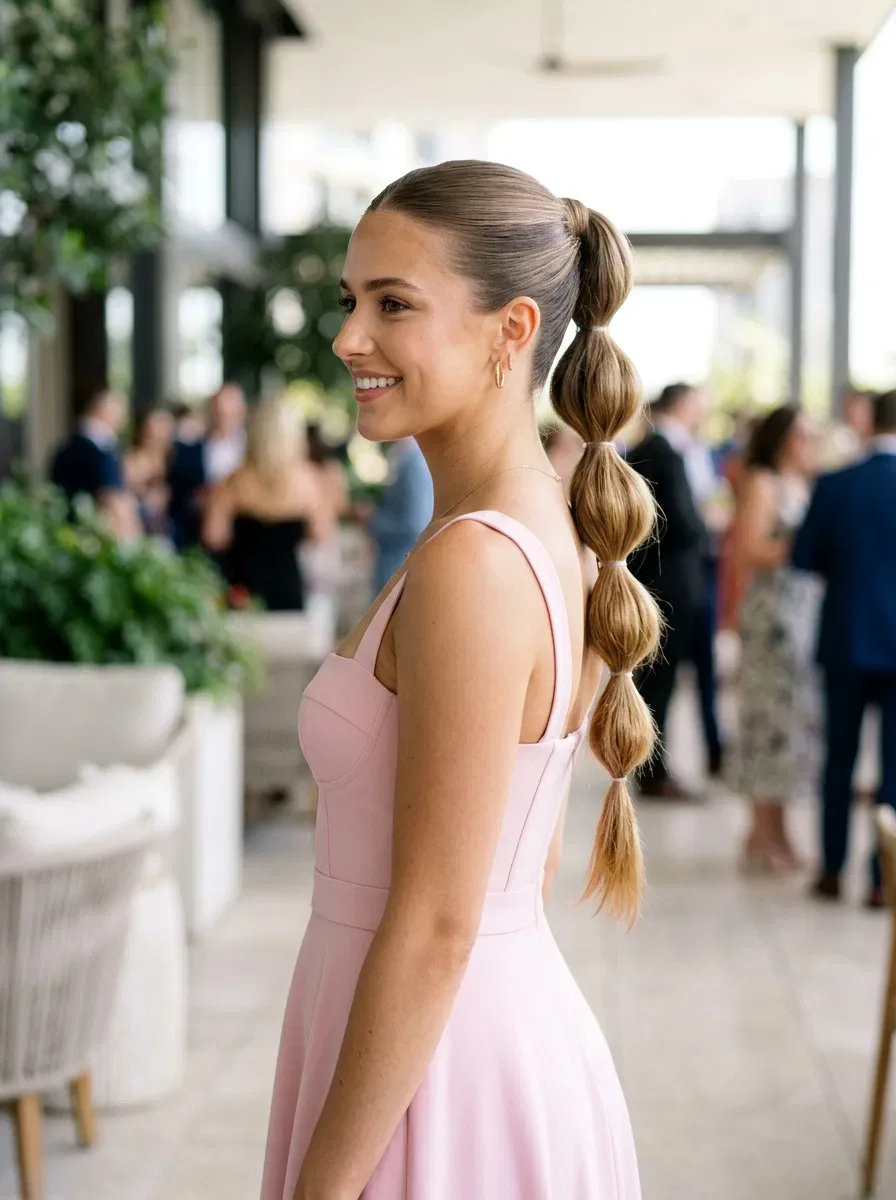
A low bubble ponytail is a playful twist on the classic low ponytail, and it looks surprisingly elegant in church. The ponytail is secured low at the nape, then tied again at intervals down its length, with each section gently pulled out to form soft bubbles. It is pretty, it holds its shape for hours, and it keeps long hair neatly contained — which is exactly what you want in a pew.
How to style it: gather the hair low, secure it, then add small elastics every few inches down the ponytail, pulling each section out gently for fullness. Best for: long hair, and women who want a ponytail with a little more personality. Pros and cons: it is secure, pretty and fun, but it needs a few elastics and a little patience. Who should avoid it: very short hair, which cannot bubble. Quick verdict: the ponytail, dressed up.
23. A Braided Low Bun
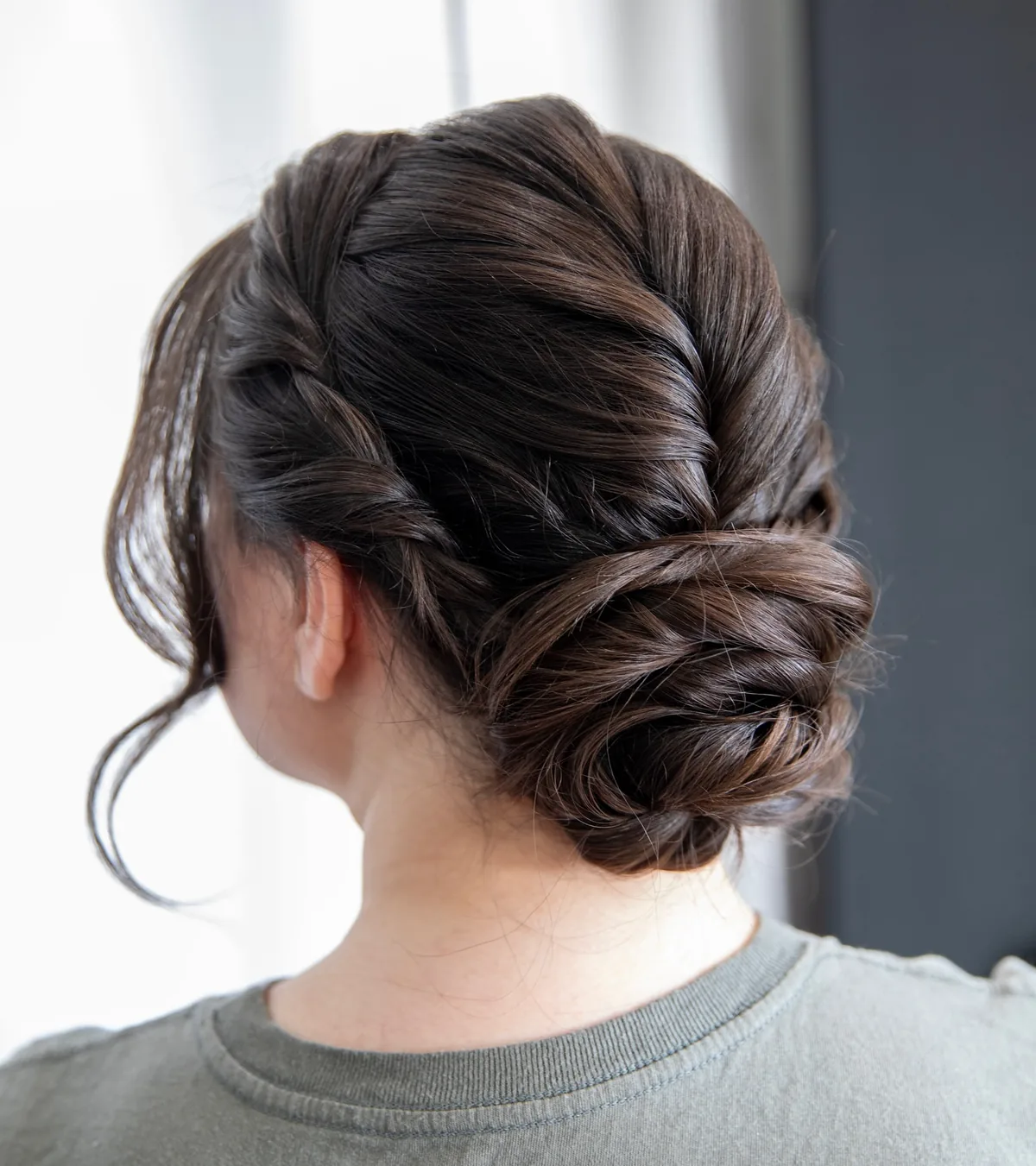
A braided low bun combines the two most reliable church styles — a braid and a bun — into one. The hair is braided first, then the braid is coiled into a low bun and pinned, which gives the bun beautiful texture and makes it far more secure than an ordinary bun, because the braid itself holds the shape. It looks intricate and special, and it is a lovely choice for a wedding in church or a festive service.
Best for: medium to long hair, and special occasions. How to style it: braid the hair low, coil the braid into a bun at the nape, and pin it in three places, tucking the end underneath. Maintenance: none on the day — the braid holds everything. Common mistake: braiding too tightly, which makes the bun stiff rather than soft. Cost and time: about ten minutes. Quick verdict: two reliable styles, better together.
24. A Silk-Scarf Low Bun
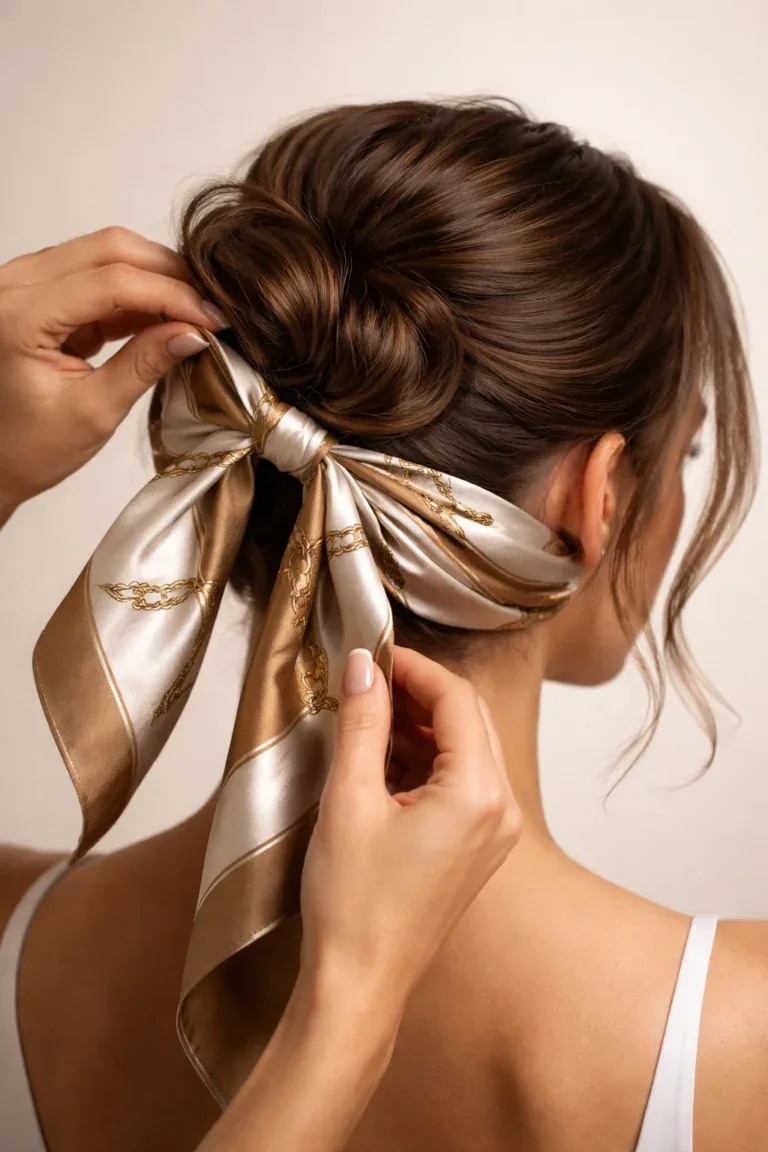
A silk scarf wrapped around a low bun is one of the most elegant church hairstyles, and one of the easiest. The scarf adds colour and polish, it keeps flyaways in place, and it turns the simplest bun into a deliberate, dressed-up style. Choose a scarf that picks up a colour in your dress, wrap it around the base of the bun, and tie it in a small bow or tuck the ends underneath.
Best for: women who wear head coverings or scarves, and anyone who wants an easy way to dress up a simple bun. How to style it: make a low bun first, then fold a silk scarf into a band, wrap it around the base of the bun and tie it neatly. Pros and cons: it is quick, pretty and practical, but the scarf needs to be silk or satin — cotton slips. Who should avoid it: nobody, as long as the scarf is secured with a pin. Quick verdict: the fastest way to make a simple bun look special.
25. A Velvet-Headband Half-Up Style
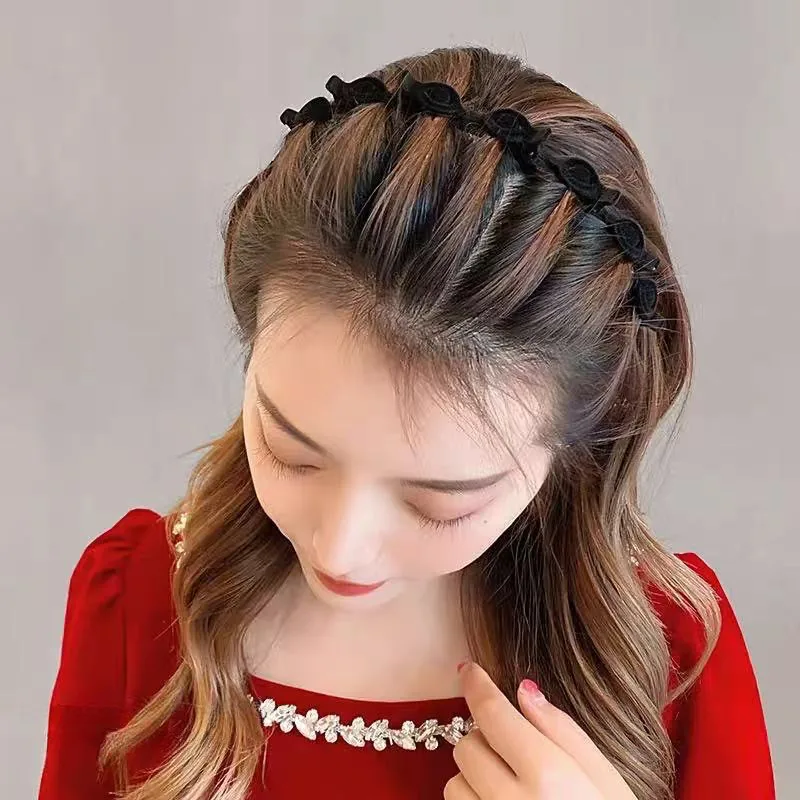
A velvet headband with a half-up style is a classic Sunday look that never really goes out of fashion. The headband keeps the hair off the face, the half-up section adds a little lift at the crown, and the rest of the hair falls softly — it is pretty, modest and comfortable, and it takes about two minutes. Choose a headband in a dark, neutral colour for an ordinary Sunday, or a deep jewel tone for a festive service.
Best for: medium to long hair, and women who want a fast, pretty style. How to style it: gather the top section from temple to temple, secure it with a small clip, then place the headband just behind the hairline. Common mistake: a headband that is too tight, which gives you a headache by the sermon — it should sit comfortably, not grip. Cost and time: two minutes and one headband. Quick verdict: the fastest pretty church style here.
26. Pinned-Back Sides With Soft Curls
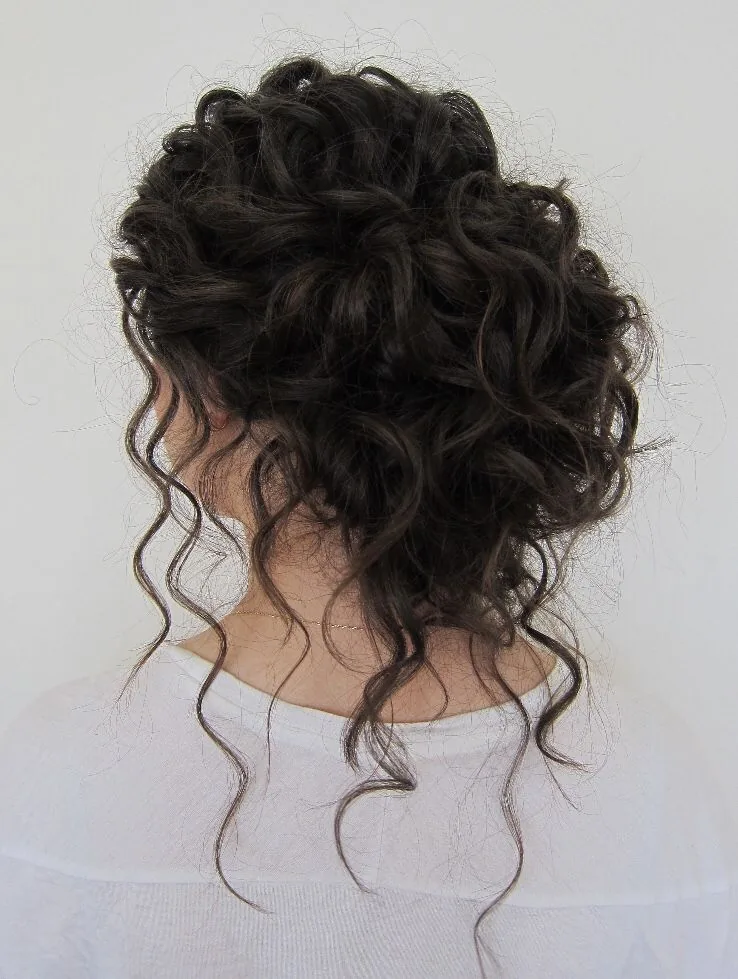
Pinning back the sides with soft curls is the simplest way to wear your hair down in church and still keep it out of your face. Two small sections are taken from each temple, twisted or braided back, and pinned behind the head, while the rest of the hair falls in soft curls. It is romantic, it is practical, and it looks lovely with a dress or a skirt — the pins do the work, and the curls do the pretty.
How to style it: curl the hair first, take a section from each temple, twist them back and pin them together behind the head with crossed bobby pins. Pros and cons: it is quick, pretty and secure, but it needs enough length to pin back — very short hair will need a different option. Maintenance: none on the day. Who should avoid it: nobody — the pinned sections can be as small or as large as you like. Quick verdict: down, but out of your face — the best of both.
27. Vintage-Inspired Retro Waves
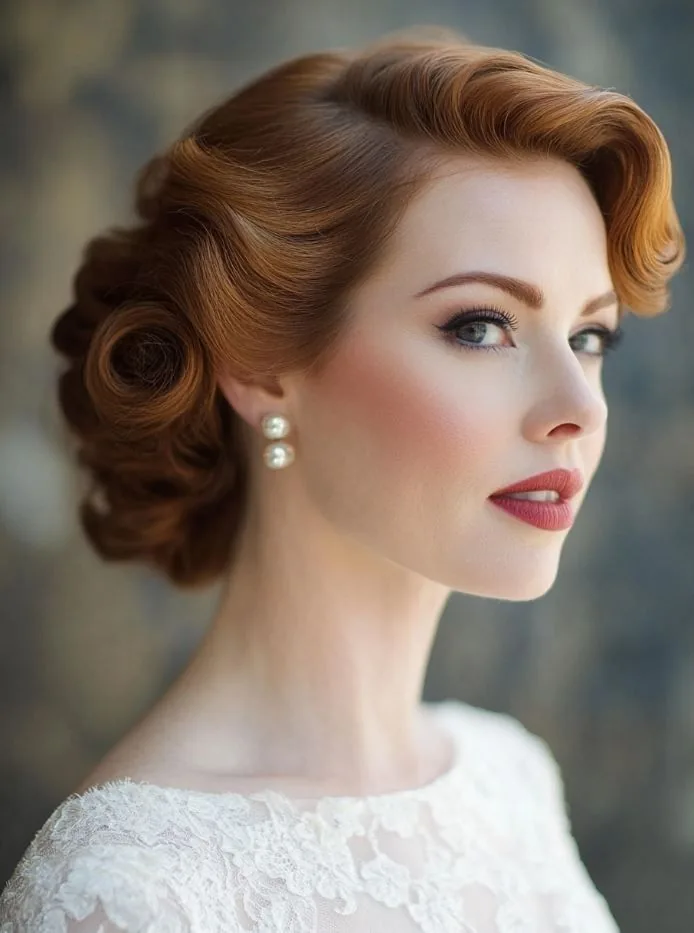
Vintage-inspired retro waves — soft, sculpted waves that curve in one direction — have a gracious, old-Hollywood quality that suits church beautifully. They are polished and deliberate, they frame the face elegantly, and they hold their shape for hours when they are set properly. It is a lovely choice for a formal service, a wedding in church, or any Sunday when you want to look like you made an effort.
Best for: medium to long hair, and women who love a vintage look. How to style it: curl in large sections in the same direction, let the curls cool, then brush them out gently into smooth waves and set with a flexible-hold spray. Pros and cons: it is gorgeous and photographs beautifully, but it takes twenty to thirty minutes and will drop in humidity. Maintenance: a light spray on damp hair helps it last. Quick verdict: the glamour option — save it for the days you want to look your best.
28. Long Layers With Face-Framing Pieces
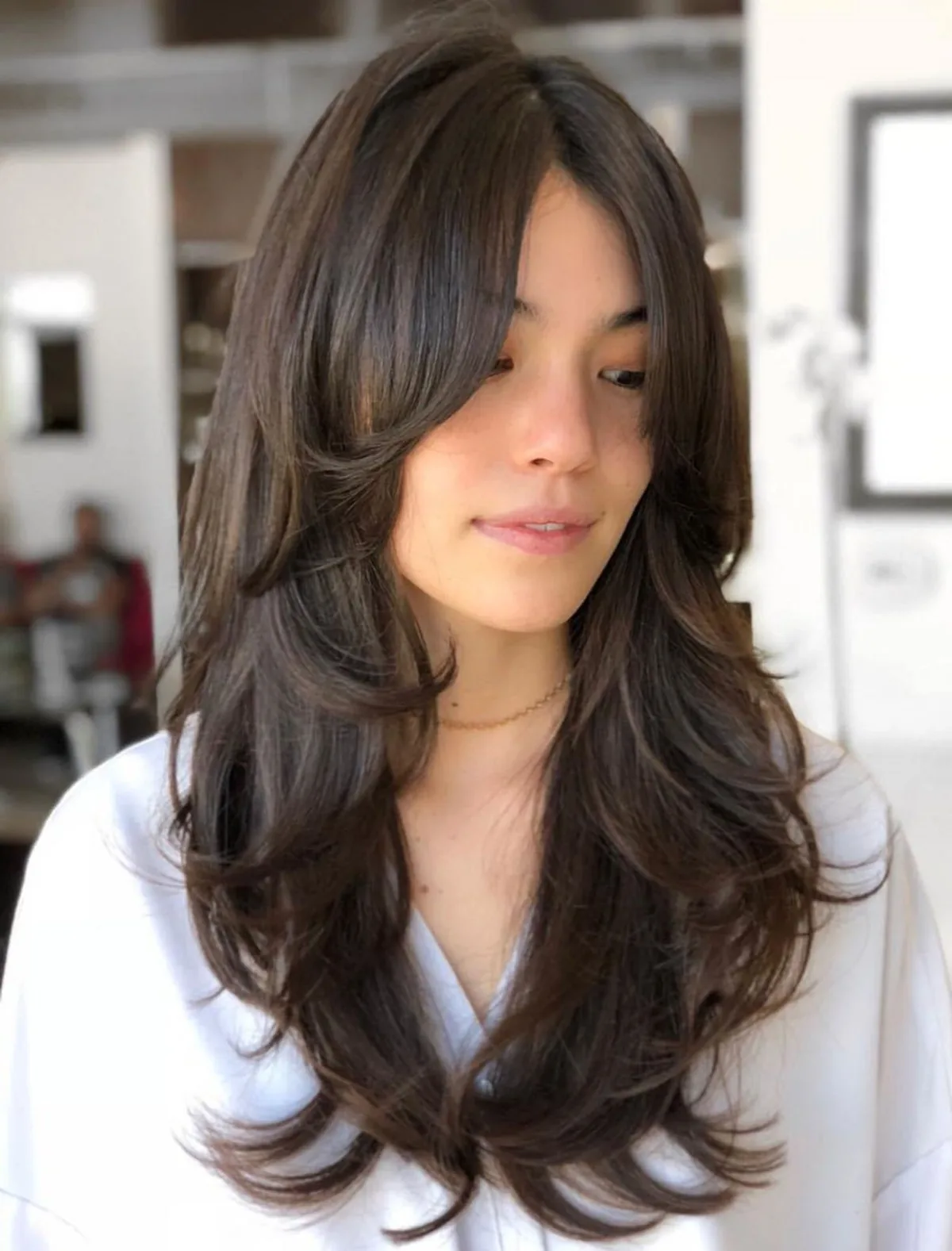
Long layers with face-framing pieces are a beautiful church style for women who love their long hair and do not want to pin it up. Two shorter pieces at the front — starting at the cheekbones and curving down past the chin — soften the face and keep the hair from falling in a flat curtain, while the layers through the back keep it light and moving. It looks lovely worn down, and it is easy to gather into a low ponytail or braid after the service.
Best for: long hair, all textures, and women who want to keep their length. How to style it: blow-dry the front pieces with a round brush, curving them away from the face, and add a loose wave through the lengths. Common mistake: layers that start at the chin or lower, which do almost nothing for the face — they need to start at the cheekbones to work. Cost and time: a standard salon cut, about an hour. Quick verdict: the best way to wear long hair down in church.
29. The Classic Low Side Bun
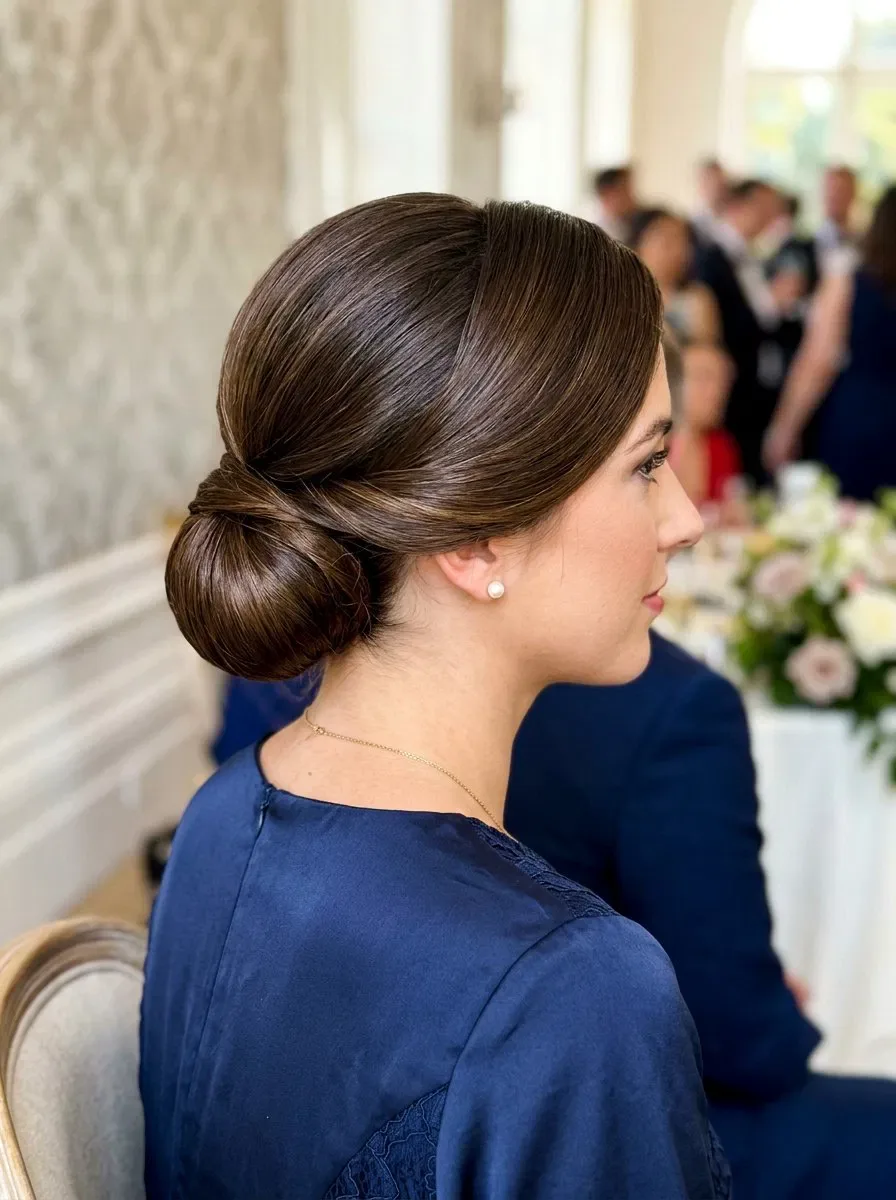
A low side bun — a bun that sits just behind one ear rather than in the centre — is a gentle, romantic variation on the classic chignon, and it looks lovely in church. The asymmetry adds softness and a little interest, and it is a beautiful choice if you usually part your hair on one side. It sits comfortably under a hat, it holds for hours, and it looks just as good from the pew as it does from the front.
Best for: medium to long hair, and women who like a little asymmetry. How to style it: sweep the hair to one side, gather it low behind the ear, twist it into a bun and pin it in three places, leaving two soft tendrils at the front. Pros and cons: it is elegant and easy, but it can feel uneven if you are not used to a side style — do a trial run first. Maintenance: none on the day. Quick verdict: the chignon, with a romantic twist.
30. A Twisted Crown Half-Up Style
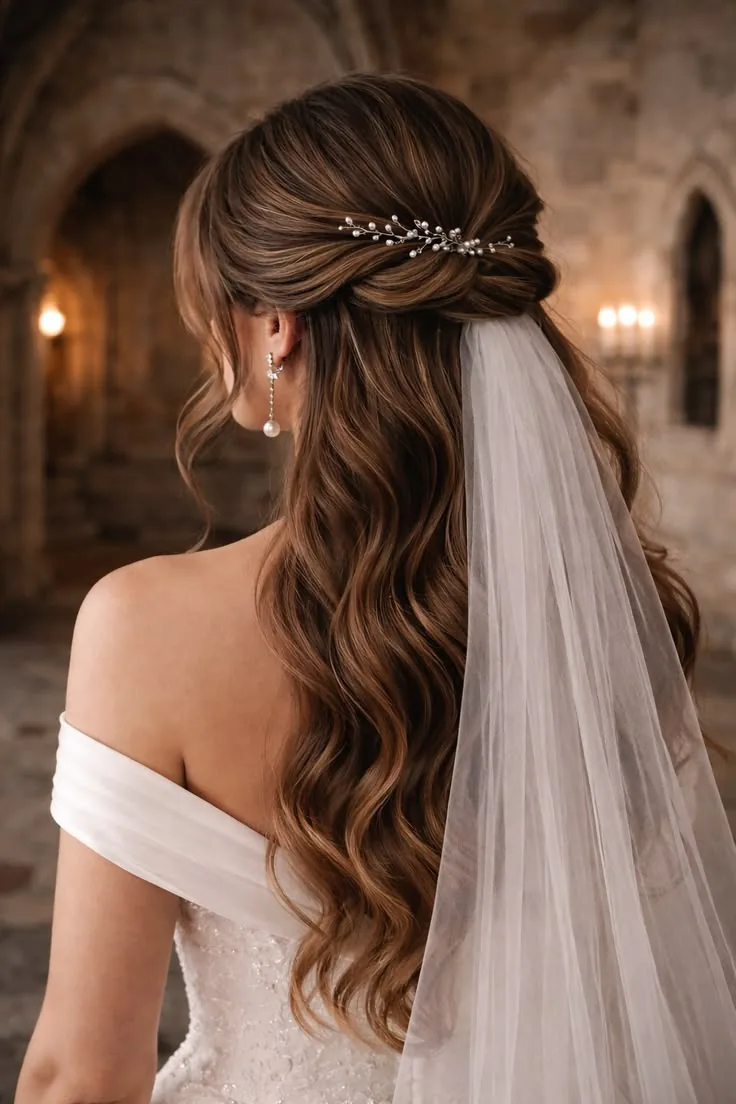
A twisted crown half-up style is a pretty, practical church hairstyle: two sections are twisted from the temples and pinned together at the back, forming a soft crown, while the rest of the hair falls loose. It keeps the hair out of the face, it looks far more complicated than it is, and it holds through a long service because the twists are pinned in two places. It is a lovely choice for a younger woman, or for anyone who wants a soft, romantic look.
How to style it: take a section from each temple, twist each one back toward the centre, and pin them together with crossed bobby pins, then curl the lengths softly. Best for: medium to long hair, and casual or semi-formal services. Common mistake: twisting too tightly, which looks severe — keep the twists loose and soft. Cost and time: five minutes and two pins. Quick verdict: the crown that takes five minutes.
31. A Simple Shoulder-Length Blowout
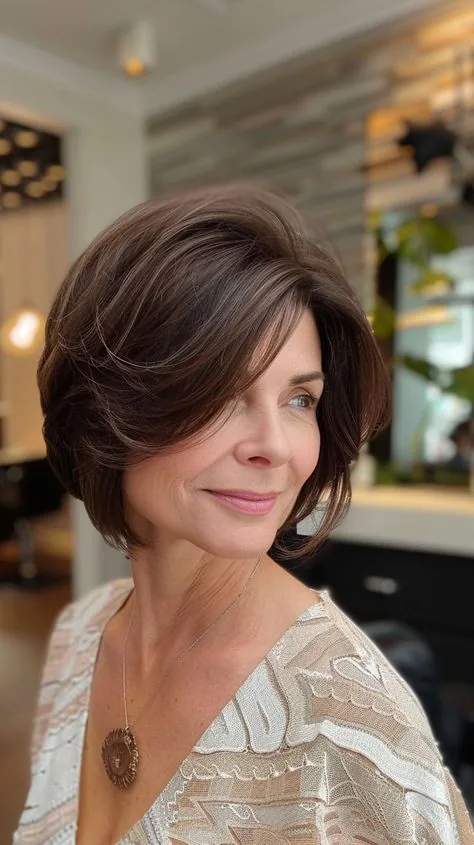
A simple shoulder-length blowout is the church hairstyle for women who want to look polished with no pinning at all. The hair is blow-dried smooth with a round brush, the ends turned under slightly, and the result is a neat, glossy shape that frames the face and sits beautifully under a hat. It is the style that looks like you have just stepped out of a salon, and it needs nothing more than a brush and a hairdryer.
Best for: straight and wavy hair, shoulder-length cuts, and women who like a clean, classic look. How to style it: blow-dry in sections with a large round brush, turning the ends under, and finish with a drop of shine serum. Pros and cons: it is clean, polished and easy, but it will drop in humidity, so it is not the best choice for a hot summer Sunday. Maintenance: a volumising mousse on damp hair helps it last. Quick verdict: the salon-fresh look, at home.
32. A Soft High Bun, Softened With Tendrils
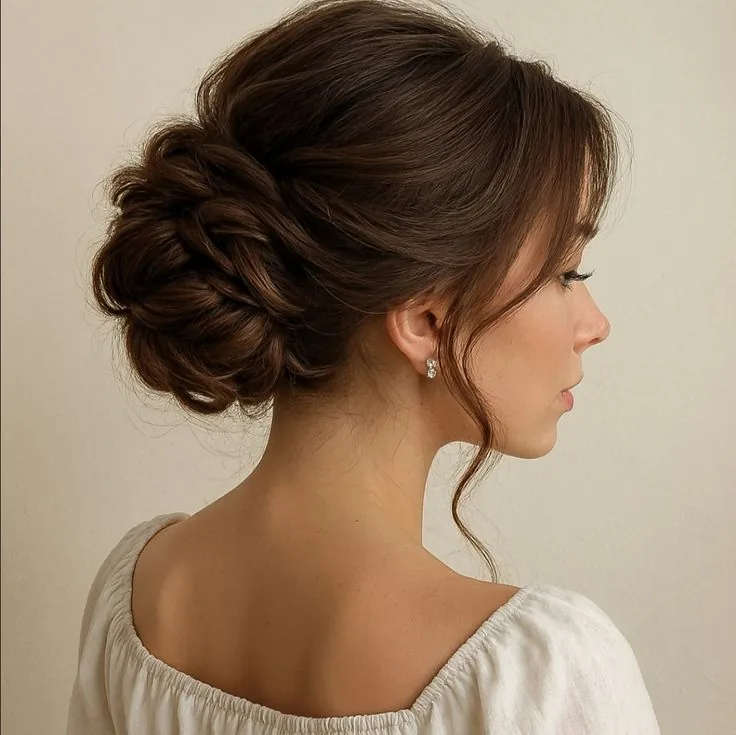
A soft high bun is not the first style most women think of for church, but with tendrils left out and a soft finish, it can look graceful and appropriate — especially for a younger woman, or for a formal service where you want a little height. The key is the softness: the bun should be loose and textured, not tight and severe, and the tendrils at the front keep the face framed and the look gentle.
How to style it: gather the hair high but loosely, twist it into a bun, pin it, and pull out two soft tendrils at the front, curling them lightly. Best for: medium to long hair, and formal services. Pros and cons: it is elegant and keeps the hair completely off the neck in summer, but it is less comfortable under a hat — choose a low bun instead if you are wearing one. Who should avoid it: a very tight, very high bun, which looks severe rather than soft. Quick verdict: high, but soft — the two words that make this work.
33. A Wavy Lob With a Deep Side Part
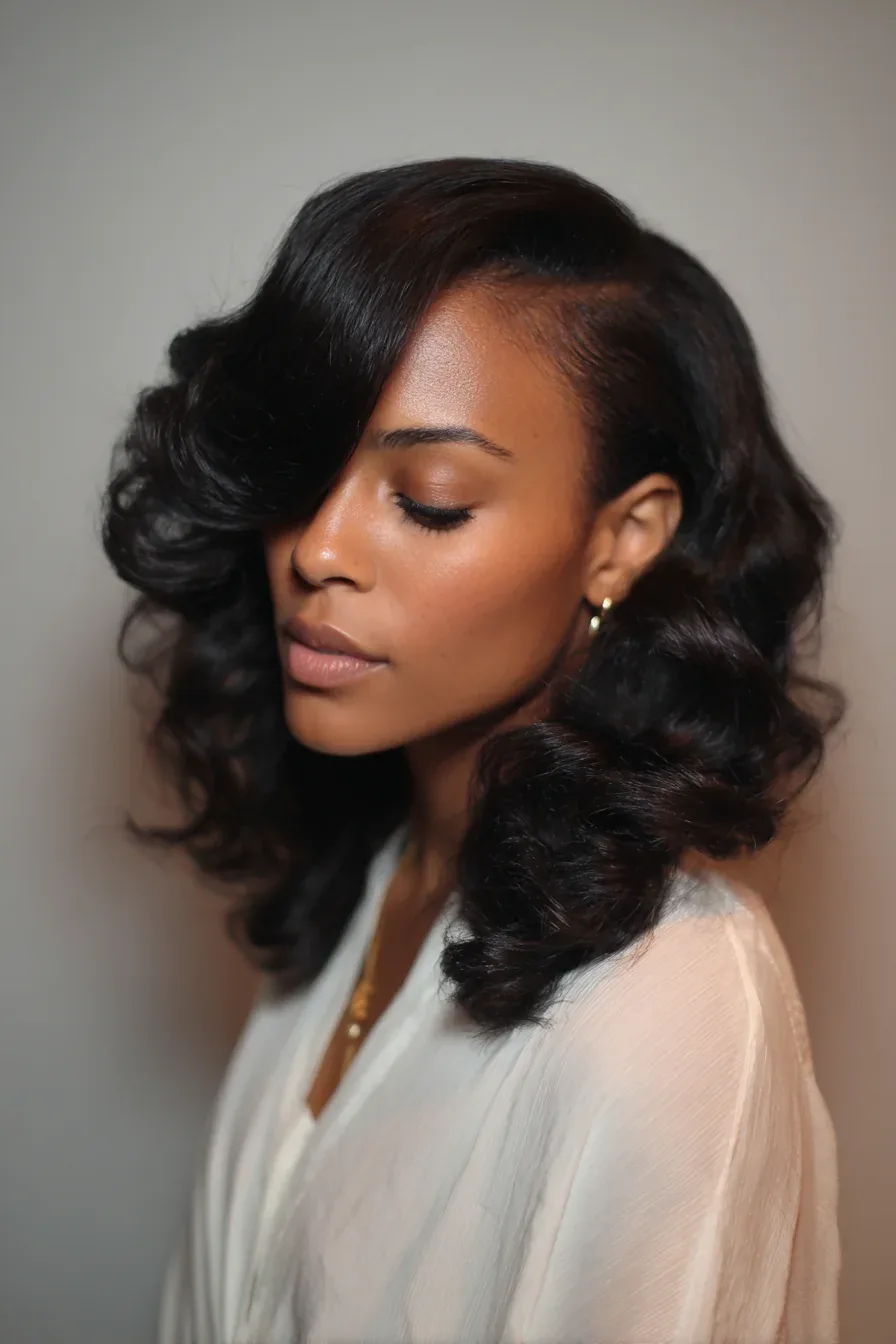
A wavy lob with a deep side part is a small change that makes a big difference. The deep part sweeps a heavy section of hair across the forehead and down one side of the face, which adds instant softness and a little drama, while the waves give the lob movement and body. It is polished, modern and a little bit glamorous, and it needs no pinning at all — which makes it a wonderful choice for a Sunday when you want to look lovely with almost no effort.
Best for: straight and wavy hair, and women who want a classic cut with a modern twist. How to style it: part the hair deeply on one side while it is damp, blow-dry the heavier side with a round brush for a soft sweep, and add loose waves through the lengths. Cost and time: a quick salon cut and about fifteen minutes of styling. Common mistake: parting too shallowly, which turns a dramatic sweep into an ordinary side part. Quick verdict: one deep part changes everything.
34. A Pearl-Pinned Low Updo
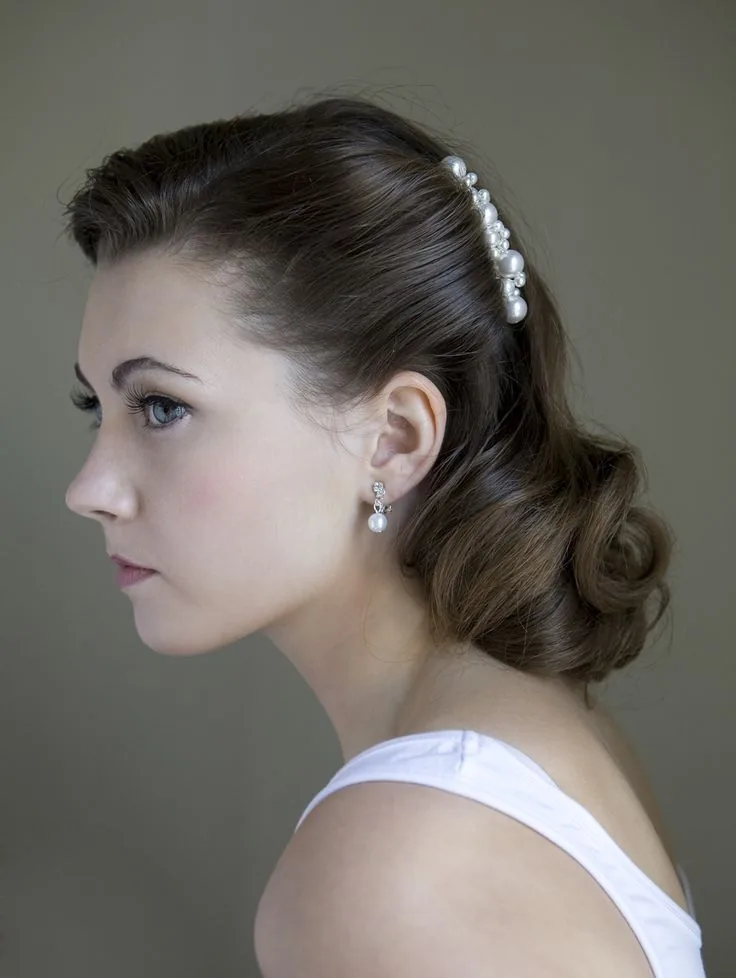
A pearl-pinned low updo is the finishing touch of this guide — a low chignon or low bun, finished with two or three pearl pins, which add a quiet, elegant sparkle that is perfect for church. The pearls catch the light without glittering, they look lovely with a simple dress, and they turn the simplest updo into something special. It is a beautiful choice for Easter, Christmas, a baptism, a wedding in church, or any Sunday when you want to feel a little extra dressed up.
Best for: special services, and medium to long hair. How to style it: make a low bun or chignon first, then slide two or three pearl pins into the side of the updo, just above the ear, and mist with a light-hold spray. Pros and cons: it is quick, elegant and inexpensive, but the pins need to be pushed in firmly or they will slip — use a bobby pin behind each one. Cost and time: five minutes and a set of pearl pins. Quick verdict: the smallest detail, and the prettiest finish in this guide.
What is the most appropriate hairstyle for church?
The most appropriate hairstyle for church is one that is neat, modest and secure — a low bun, a low chignon, a braid, a half-up style, or a polished bob. The best choice is a style that stays in place through a long service, keeps the hair out of your face, and looks polished without drawing attention away from worship. A low chignon is the safest all-round choice, and a soft low bun with tendrils is the easiest pretty option.
Can I wear my hair down to church?
Yes, you can wear your hair down to church, as long as it is neat and does not fall into your face. Soft waves, a shoulder-length blowout, curtain bangs with long hair, or long layers with face-framing pieces all work well worn down. The trick is to keep the front sections out of your eyes — pin back the sides, or sweep the hair over one shoulder when you sit in the pew, so it stays tidy through the service.
How do I keep my hair neat through a long service?
Choose a style that is anchored low and pinned in more than one place, such as a low bun, a braid or a twisted updo, and use two bobby pins crossed in an X wherever a style needs to stay. Mist a flexible-hold spray before you leave the house, and carry two spare pins in your handbag. Avoid styles that only look good for the first twenty minutes, and avoid touching your hair during the service — the less you touch it, the neater it stays.
What hairstyles work with a church hat?
The best hairstyles for a church hat are low and smooth at the crown: a low bun, a low chignon, a low braid, or a sleek low ponytail. A high bun or a tall twist will push the hat up and make it sit crooked, and volume at the crown shows through and can make the hat tilt. Keep the bulk low, keep the crown smooth, and try the hat on with the hairstyle before Sunday morning, so there are no surprises.
Are braids appropriate for church?
Yes, braids are very appropriate for church, and they are one of the most practical choices. A side braid over one shoulder, a Dutch braid crown, a milkmaid braid, or a loose fishtail braid all look pretty and modest, and they hold their shape through a long service without a single pin. A braid is also a good choice in summer heat, because it keeps the hair off your neck and stays neat in humidity.
What is a quick hairstyle for Sunday morning?
The quickest church hairstyles take five minutes or less: a low ponytail with a wrapped base, a low bun with two pins, or a velvet-headband half-up style. With ten minutes you can add soft waves, or braid the hair the night before and undo it in the morning for easy waves. The best trick is to prepare the night before — wash and dry your hair on Saturday evening, so Sunday morning is only styling, not washing.
What hairstyles are best for older women in church?
Older women look wonderful in a neat bob, soft curls at shoulder length, a low chignon, or a silver updo — the key is a style that is neat, soft and easy to maintain. A shoulder-length bob with curtain bangs is a lovely choice, and a low bun with tendrils is elegant at any age. Avoid styles that are fussy or fiddly, and choose a cut that works with your natural texture, so you are not fighting your hair every Sunday morning.
How should I style my hair for choir?
For choir, choose a style that stays out of your face while you sing and does not distract in a group: a low bun, a neat braid, or a pinned half-up style. Hair should be smooth at the neckline, because a choir robe sits there, and it should be pinned securely, because singing moves your head and shoulders. A low chignon or a Dutch braid crown are both excellent choir hairstyles, and both look lovely from the congregation.
What hairstyle works with a head covering or veil?
A low, smooth style works best with a head covering or a veil: a low bun, a low chignon, or a low braid, with a centre part and a smooth crown. The covering sits best on a flat, neat base, so avoid volume at the crown and keep the bulk low at the nape. A silk scarf wrapped around a low bun is also a lovely option, and it keeps flyaways in place while adding a touch of colour.
Should I wash my hair on Sunday morning?
You do not need to wash your hair on Sunday morning — in fact, second-day hair often holds a style better than freshly washed hair, because it has more grip. If you do wash it, dry it fully and add a little texture spray before styling, so pins and braids have something to hold onto. Many women wash and dry their hair on Saturday evening, so Sunday morning is only styling, and the style lasts better through a long service.
Conclusion
Sunday best is not about the fanciest hairstyle — it is about a style that is pretty, modest and easy, one that looks polished when you walk in and still looks neat when you walk out. The 34 hairstyles in this guide are all chosen with that in mind: low buns and soft chignons that hold for hours, gentle braids that never need a mirror check, half-up styles that keep the hair out of your face, and polished bobs and waves that look lovely with no pinning at all. The right church hairstyle does not demand your attention all morning — it lets you forget about your hair and focus on the service.
Start with the guides, not the gallery. Think about how long your service runs, whether you wear a hat or a head covering, whether you sing in the choir or volunteer, and how much time you really have on a Sunday morning — then pick the style family that fits. Try it on a Saturday first, pin it twice, carry two spare pins in your handbag, and choose the version that feels like you on your best day. Your hair should be the least of your worries on a Sunday. Now it can be.