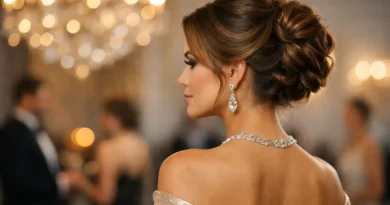
Book the Room Before You Sing a Note: 31 Audition Hairstyles That Frame Your Face and Stay Out of Your Way
An audition is won in the first ten seconds, before you sing a note, say a line, or take a single step — and in those ten seconds, the panel sees your face and your hair. Not your resume, not your shoes, not the song you spent three weeks perfecting. Your hair is the frame around the face they are judging, and it either helps them see you clearly or gets in the way. Too much hair and they cannot see your eyes. A style that falls apart mid-song and they are watching the collapse instead of listening to you. A look that does not match your headshot and they spend the first minute wondering if they have the right person.
This guide gathers 31 audition hairstyles for women, chosen for exactly that kind of pressure: styles that frame your face, stay put through singing, dancing, and moving, photograph well on a casting tape, and still look like you. Eight guides first walk you through what actually matters: hair that reads well on camera, styles that survive a dance call, framing your face for the panel, quick changes between pieces, matching your headshot, keeping hair out of your eyes under stage lights, low-maintenance looks for long audition days, and what casting directors actually notice. Whether you are auditioning for a musical, a play, a dance company, a commercial, or a film role, there is a style here that will carry you into the room — confident, camera-ready, and completely out of your way.
Hair That Photographs Well on a Casting Tape
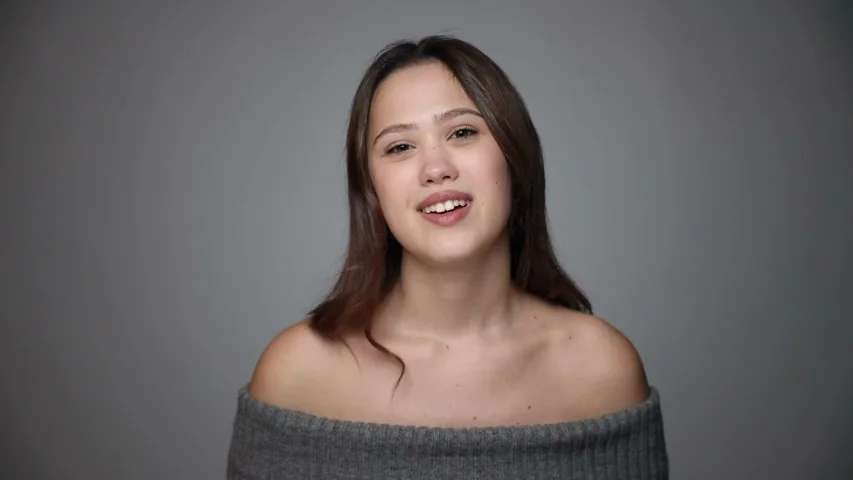
A casting tape is unforgiving in a way a live room is not. The camera flattens everything, the lighting is rarely kind, and a hairstyle that looks full and lively in person can read as a dark shapeless mass on screen. The styles that photograph best have definition: a clear part, visible shape at the front, and no hair falling across the face. Think of your hair on camera as a frame, not a feature — it should outline your face cleanly so the casting director’s eye goes straight to your eyes and your expression. Before you film, take a test shot on your phone in the exact spot you will tape, and look at it on a small screen the way a casting director will.
Best for: self-tapes, on-camera auditions, and commercial castings. How to style it: keep the front clean with a side or centre part, pull the sides back just enough to show both cheekbones, and add a little shine serum so the camera picks up healthy hair instead of dull frizz. Common mistake: wearing your hair down and loose for a tape — it looks romantic in the mirror and like a curtain on camera. Quick verdict: if your face is fully visible in a phone test shot, the style will work on tape too.
Styles That Survive Dancing, Singing, and Moving
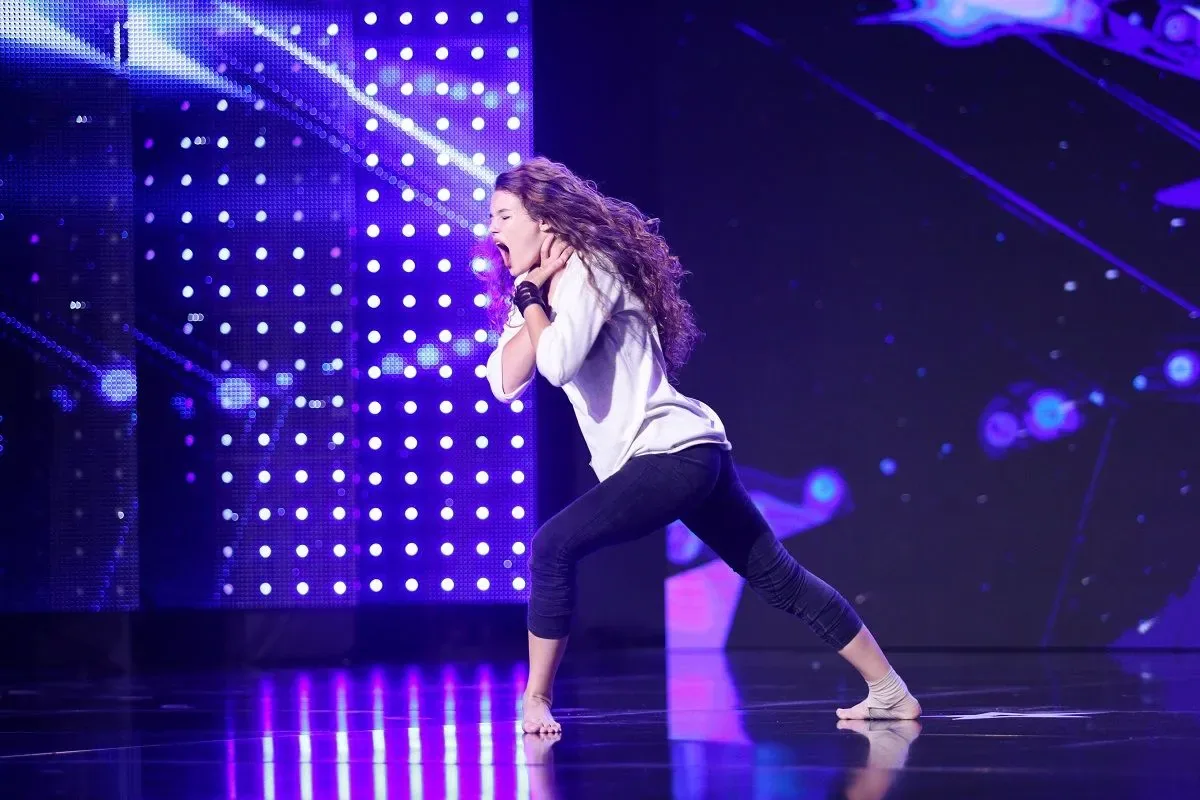
A musical theatre audition asks your hair to do two contradictory jobs at once: look soft and beautiful while you sing, and stay locked in place while you dance. A loose, flowing style will not survive a jazz combination, and a helmet-tight bun can look severe when you are singing a ballad. The answer is structure underneath and softness on top — a firmly pinned base with a few loose pieces at the front, or a ponytail anchored high with a wrapped section of hair hiding the elastic. Do a full run-through at home: sing the song, then do the dance combination, then check the mirror. If anything has moved, add one more pin before the real thing.
Pros: a movement-proof style means you never think about your hair during the audition, which is exactly the point. Cons: building that security takes ten extra minutes and a few more pins than a normal day style. Maintenance: carry three spare bobby pins and a small hair tie in your audition bag — a two-minute bathroom fix between the singing and dance calls can save the whole day. Who should avoid it: nobody, if the audition involves any movement at all.
Framing Your Face for the Panel
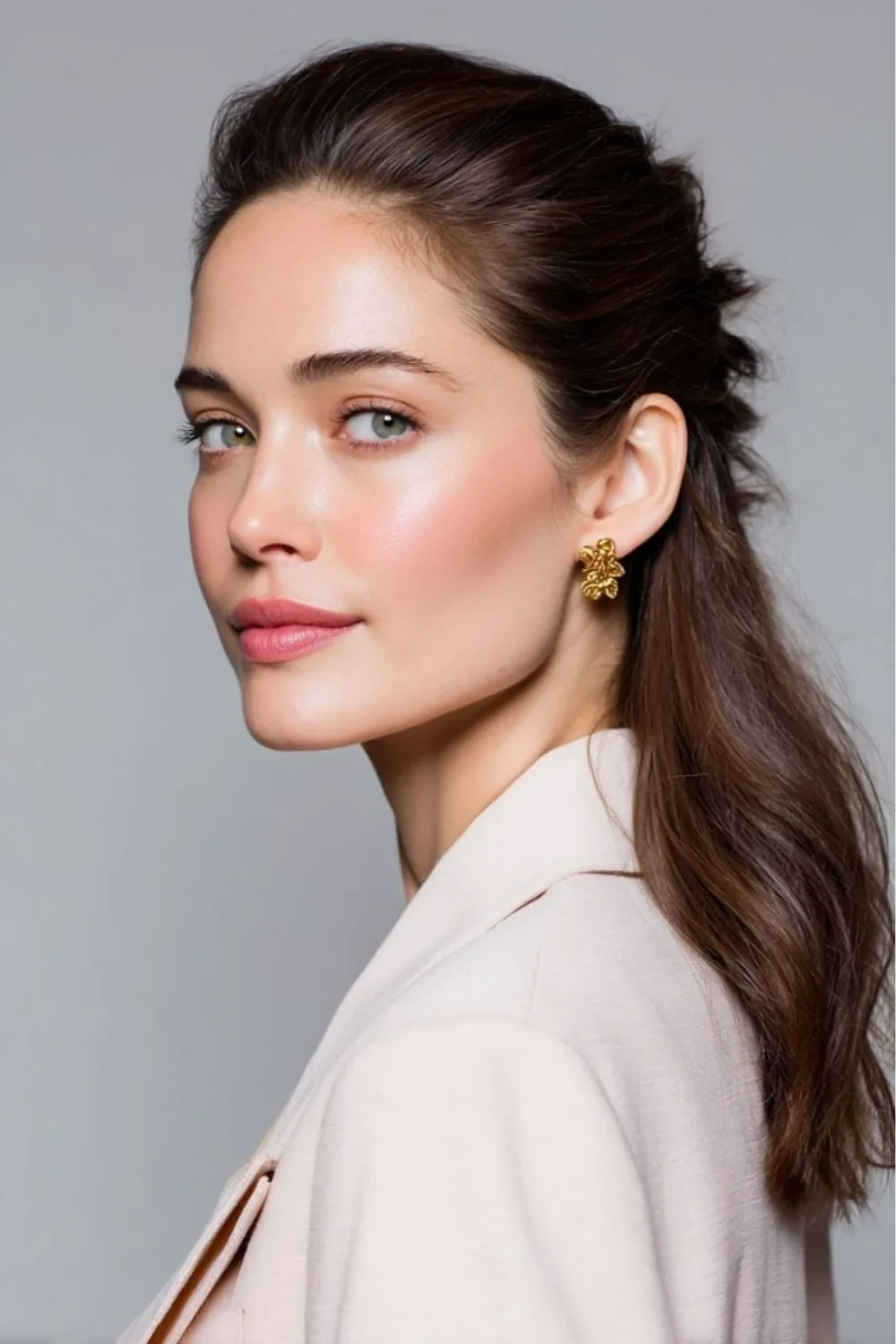
Casting directors sit a few feet away and watch your face for minutes at a time, so the way your hair frames that face matters more than the style itself. Face-framing pieces — a soft tendril, a curtain bang, a swept side section — draw the eye toward your eyes and cheekbones, and they soften a severe updo into something warm and watchable. The trick is proportion: pieces that end at the cheekbone or jaw flatter almost everyone, while pieces that hang past the chin start to close the face in. Ask a friend to look at you from across the room, not up close, because that is the distance the panel sees you from.
How to style it: pull two thin sections loose at the front after the main style is done, curl them lightly away from the face, and pin them back just enough that they move with you instead of falling forward. Best for: straight and wavy hair, where the framing pieces hold their shape. Common mistake: pulling out too much hair at the front, which turns a polished style into a messy one under stage lights. Quick verdict: two pieces, cheekbone length, curled away from the face — that is the whole formula.
Quick Changes Between Audition Pieces
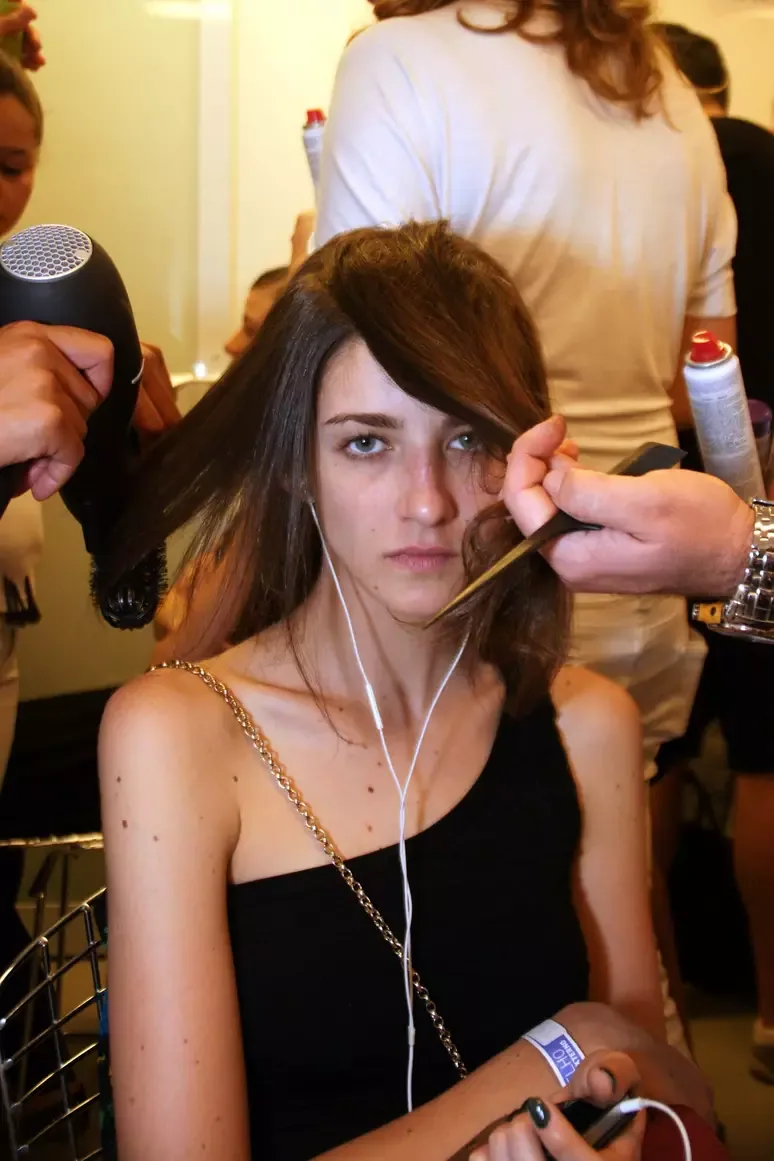
Some auditions ask for two different sides of you — a classical song and a contemporary one, a dramatic monologue and a comedy piece — and you may have ninety seconds between them to change your look. Your hair needs to be convertible, not fixed. A low ponytail that can be twisted into a bun in thirty seconds, a half-up style that can drop down into loose waves, a braid that can be undone into texture: these are the styles that give you two looks from one base. Practice the change at home with a timer, because a change that takes four minutes in your bedroom will take six under pressure.
Best for: musical theatre and multi-piece auditions. How to style it: build the first look on a low ponytail base and carry a few extra pins and a small claw clip in your pocket — the second look is just a twist, a roll, and a pin away. Pros: you walk in looking different for each piece without ever leaving the hallway. Cons: a convertible style is never quite as perfect as a dedicated one, so keep both versions simple. What to ask your stylist: for a base style that can be taken up or let down in under a minute.
Headshot-Matching Hair: Look Like the Person in the Photo
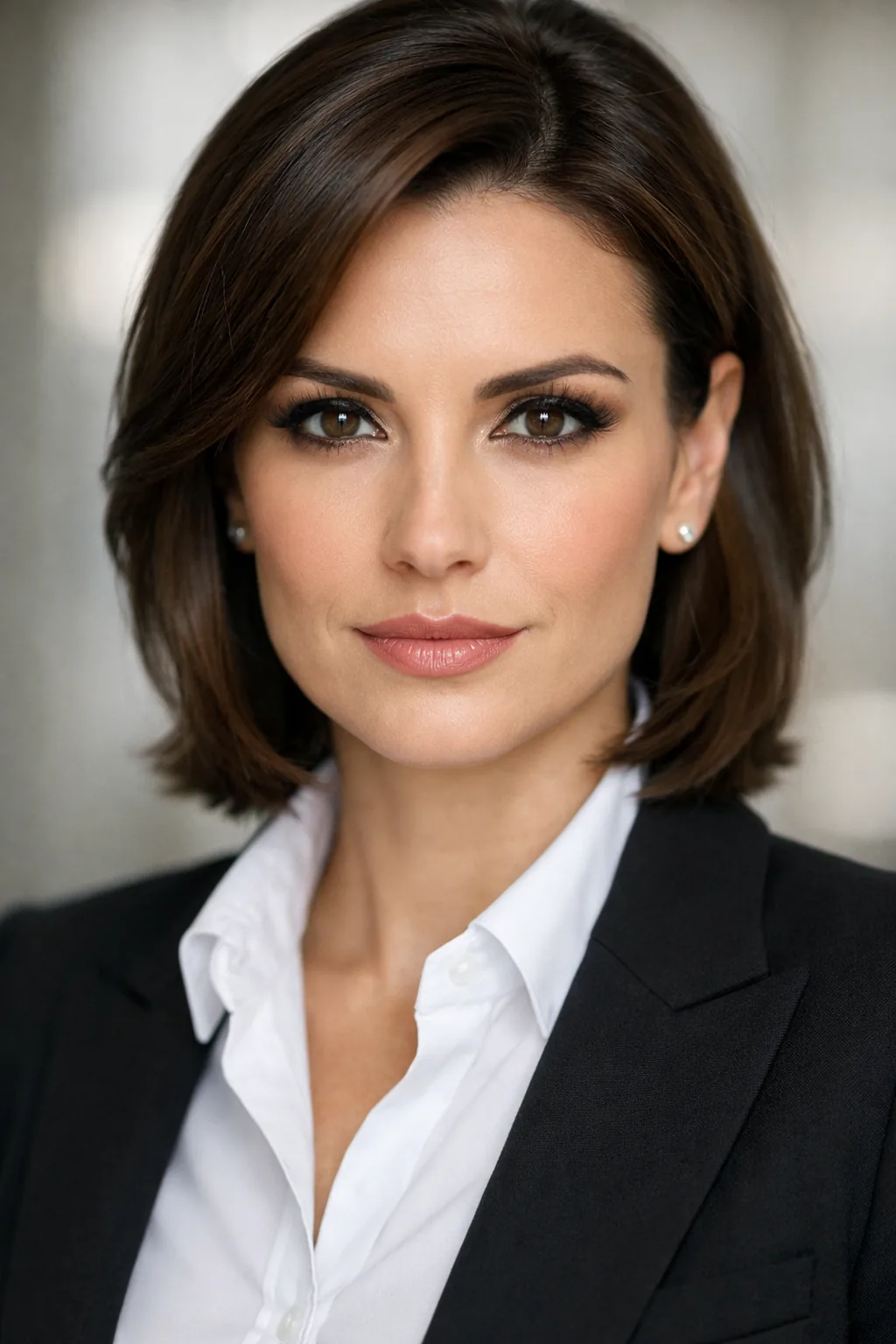
Your headshot is a promise, and your hair on audition day is how you keep it. If your headshot shows long loose waves and you walk in with a severe bun, the panel spends the first minute reconciling two different people instead of watching your performance. Casting directors say it plainly: they want the person in the room to match the person in the photo. That does not mean you must copy the headshot exactly — it means the length, the colour, the part, and the general shape should be recognisably the same. If you have changed your hair since the headshot, get a new headshot before you audition.
Why it works: matching your headshot removes a distraction and lets the panel focus on your work. Best for: every audition, without exception. Common mistake: cutting or colouring your hair the week before an audition and hoping nobody notices — they always notice. Maintenance: if your headshot is more than a year old, or your hair has changed by more than a few inches, book a new session. Quick verdict: when in doubt, wear your hair the way it looks in your headshot.
Keeping Hair Out of Your Eyes Under Stage Lights
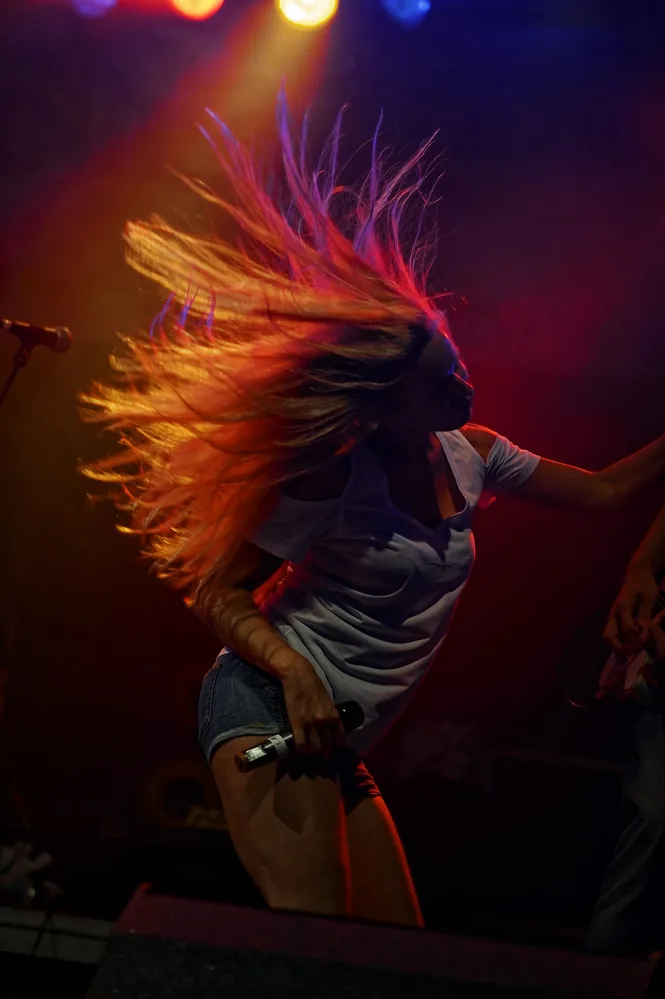
Stage lights are hot, bright, and directly above you — and hair that behaves perfectly in your bathroom will fall forward the moment you tilt your head back to sing a high note. A single strand across the eyes is distracting on camera and uncomfortable in person, and pushing it back mid-song breaks the whole performance. The fix is mechanical, not cosmetic: pin the front sections back at the temples with crossed bobby pins, use a light-hold spray on the hairline, and test the style by tilting your head back and shaking it gently. If nothing moves, the lights cannot move it either.
Pros: a secure hairline means you can sing, dance, and act with your whole face visible, which is what the panel is there to see. Cons: too much product at the hairline can look stiff in a close-up, so use spray sparingly and brush it through. How to style it: part the hair, smooth the front with a little pomade, and anchor each side with two crossed pins hidden under the top layer. Who should avoid it: nobody — even a fully down style needs the front secured for an audition.
Low-Maintenance Looks for Long Audition Days
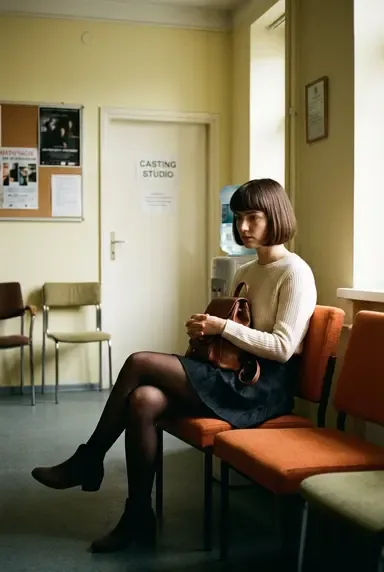
An open call can mean arriving at eight in the morning and not singing until four in the afternoon, with hours of waiting in a hallway, a stairwell, or a crowded holding room. A style that needs constant attention will not survive that day — it will be flattened by sitting, frizzed by nerves, and picked at by boredom. The styles that last all day are the simple ones: a low bun, a braid, a smooth ponytail, a short cut that holds its own shape. Choose the style you can forget about for eight hours, not the one that looks best in the first five minutes.
Best for: open calls, cattle calls, and all-day dance auditions. Maintenance: bring a small kit — three pins, a hair tie, a travel-size spray, and a pocket mirror — and do one five-minute refresh before your slot, not a full restyle. Pros: you arrive looking as good at four o’clock as you did at eight. Cons: the most durable styles are also the simplest, so they will not turn heads in the waiting room — but the waiting room is not the audition. Quick verdict: pick the style that survives the day, then refresh it once before you go in.
What Casting Directors Actually Notice
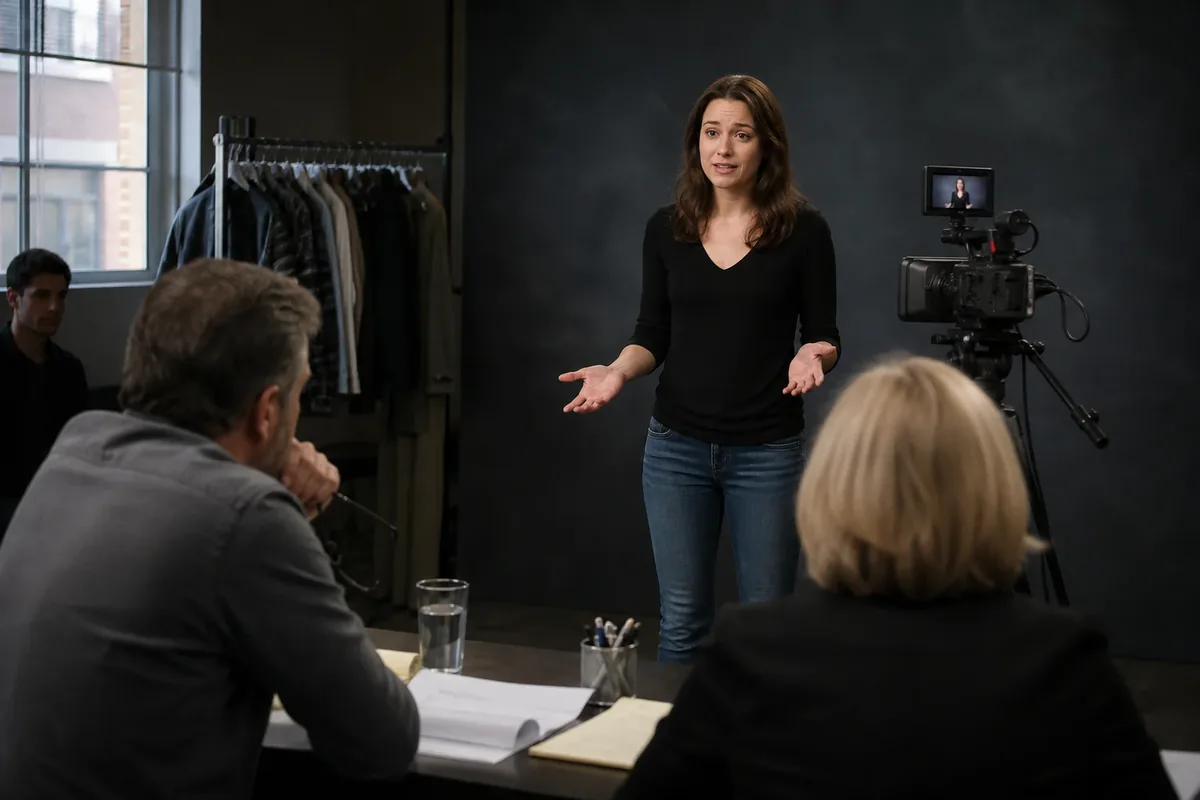
Ask casting directors what they notice about hair and the answer is refreshingly boring: they notice when it distracts them, and they do not notice it at all when it works. They notice hair in the face, hair that falls apart, hair that does not match the headshot, and hair that looks like it took three hours and a team of stylists. They do not notice a neat bun, a clean ponytail, or soft waves that stay where they were put. In other words, the best audition hair is invisible — it supports your face and your performance and then gets out of the way entirely.
What this means for you: stop choosing the most impressive style and start choosing the most reliable one. Best for: every audition, from a community theatre open call to a BroadwayEPA. Common mistake: over-styling — elaborate braids, heavy accessories, and dramatic volume all read as effort on camera, and effort is distracting. Cost and time: the best audition styles take twenty minutes or less and cost nothing but pins and spray. Quick verdict: if the panel remembers your song and not your hair, you chose right.
1. The Sleek Low Bun That Lets the Panel See Your Face
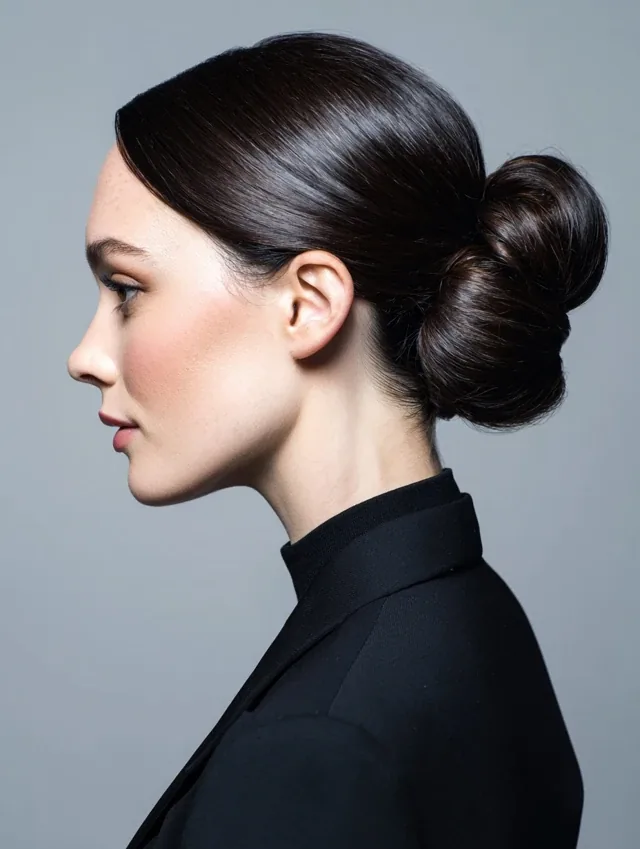
The sleek low bun is the single safest audition hairstyle in existence, and there is a reason every casting director has seen it a hundred times: it shows your whole face, it does not move, and it looks polished on camera and in person. Gather the hair at the nape, smooth the sides with a brush and a little pomade, twist into a low bun, and pin it firmly. The clean lines flatter the cheekbones and jaw, and the panel can watch your expression without a single strand in the way. It works for singing, acting, and dance auditions alike, and it matches almost any headshot that shows the hair pulled back.
Best for: musical theatre, straight plays, and on-camera auditions. How to style it: part the hair in the centre or on the side, smooth with a boar-bristle brush, and secure the bun with three pins at the base and two at the sides. Pros: completely secure, camera-friendly, and finished in under ten minutes. Cons: it can feel severe on a round face, so leave two thin pieces loose at the front to soften it. Quick verdict: when you do not know what the panel wants, wear the low bun.
2. A Classic Chignon for a Timeless, Polished Entrance
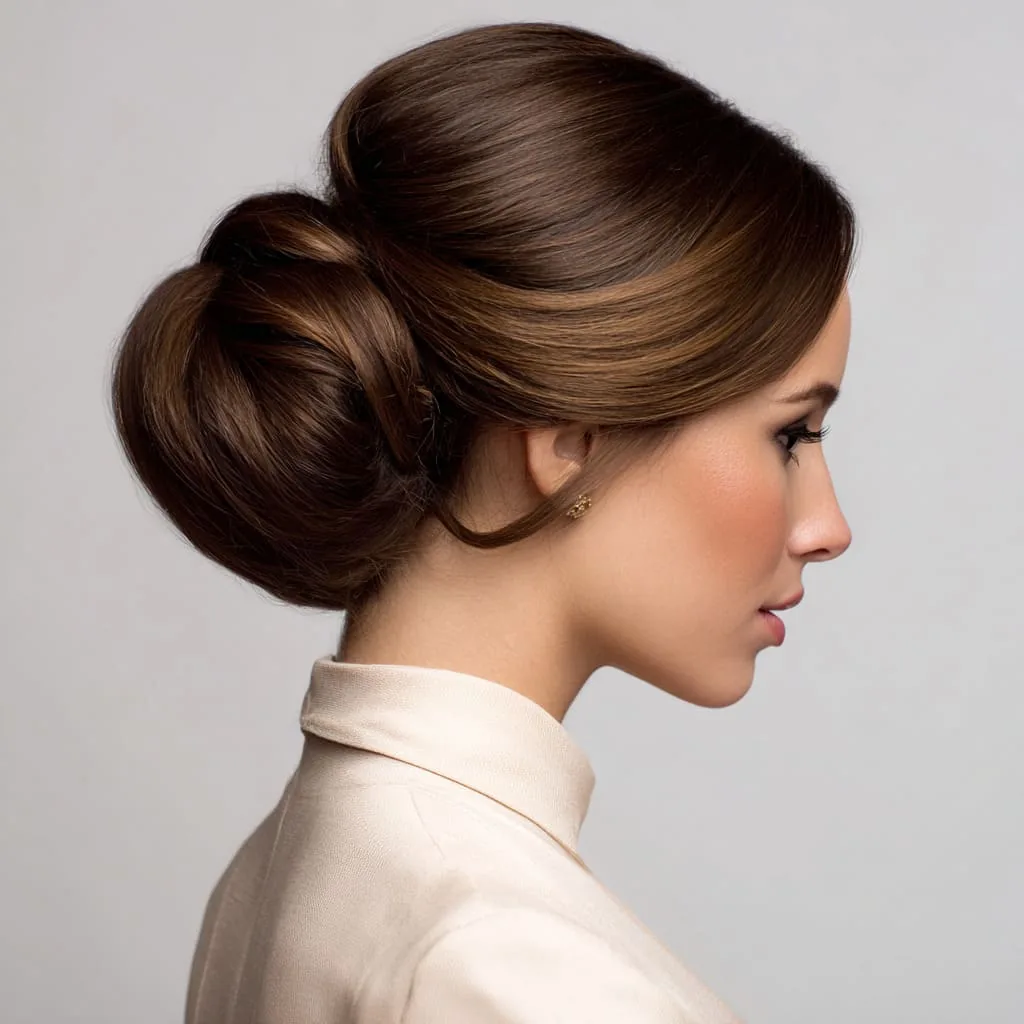
A classic chignon takes the low bun one step further into elegance: the hair is rolled and tucked rather than twisted, giving a smooth, sculpted shape that reads beautifully from every angle the panel sees. It is the style for a classical singing audition, a period play, or any role that calls for grace and composure, and it photographs like a portrait — clean, symmetrical, and calm. Because the hair is rolled inward, there are no flyaways at the nape and no loose ends to catch the light, which makes it one of the most camera-friendly updos you can wear.
How to style it: gather the hair low, roll it upward and inward, and pin along the roll so the shape holds from the side as well as the back. Maintenance: a light mist of flexible-hold spray, not a stiff helmet of hairspray — the chignon should look soft, not lacquered. Common mistake: rolling it too high, which turns a chignon into a top knot and loses the whole point. Cost and time: about fifteen minutes and a handful of pins. Who should avoid it: dancers, unless the roll is pinned very firmly, because a chignon can loosen during a vigorous combination.
3. The Polished Low Ponytail That Moves With You
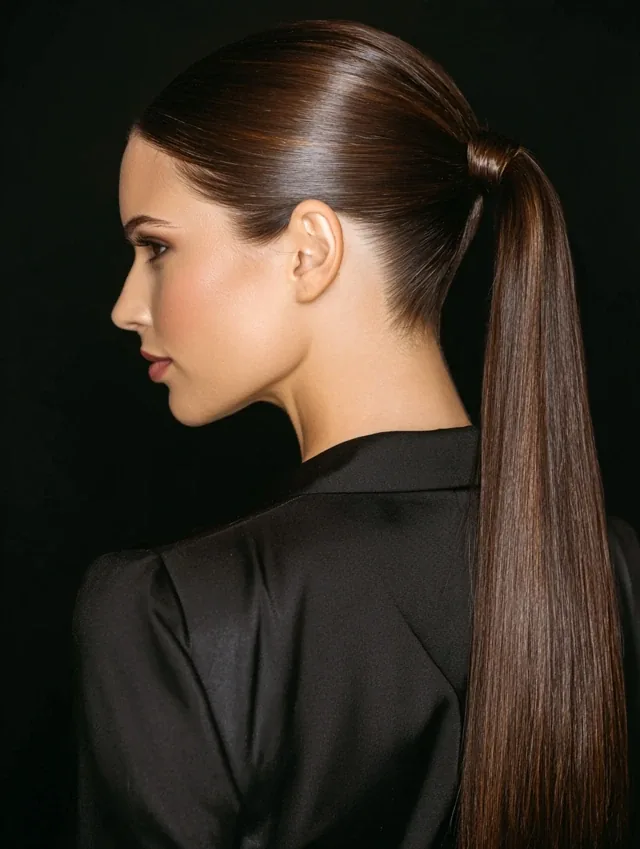
A polished low ponytail is the working actor’s best friend: it keeps the hair completely off the face, it moves naturally when you move, and it can be dressed up or down in seconds. Wrap a small section of hair around the elastic to hide it, smooth the top with a brush, and the whole thing reads as deliberate and finished rather than thrown together. It is especially good for dance auditions, where a bun can feel too stiff and loose hair is a hazard, and for contemporary singing auditions where you want to look modern rather than formal.
Pros: secure, comfortable for hours, and easy to refresh — just re-smooth the top and re-wrap the elastic. Cons: on very fine hair it can look thin, so tease the crown lightly before gathering. Best for: dance calls, commercial auditions, and long days. What to ask your stylist: for a ponytail placement that flatters your face shape — slightly above the nape lengthens the neck, while a true nape placement reads more classic. Quick verdict: if the audition involves movement, start with the low ponytail.
4. Soft Hollywood Waves for a Camera-Ready Glow
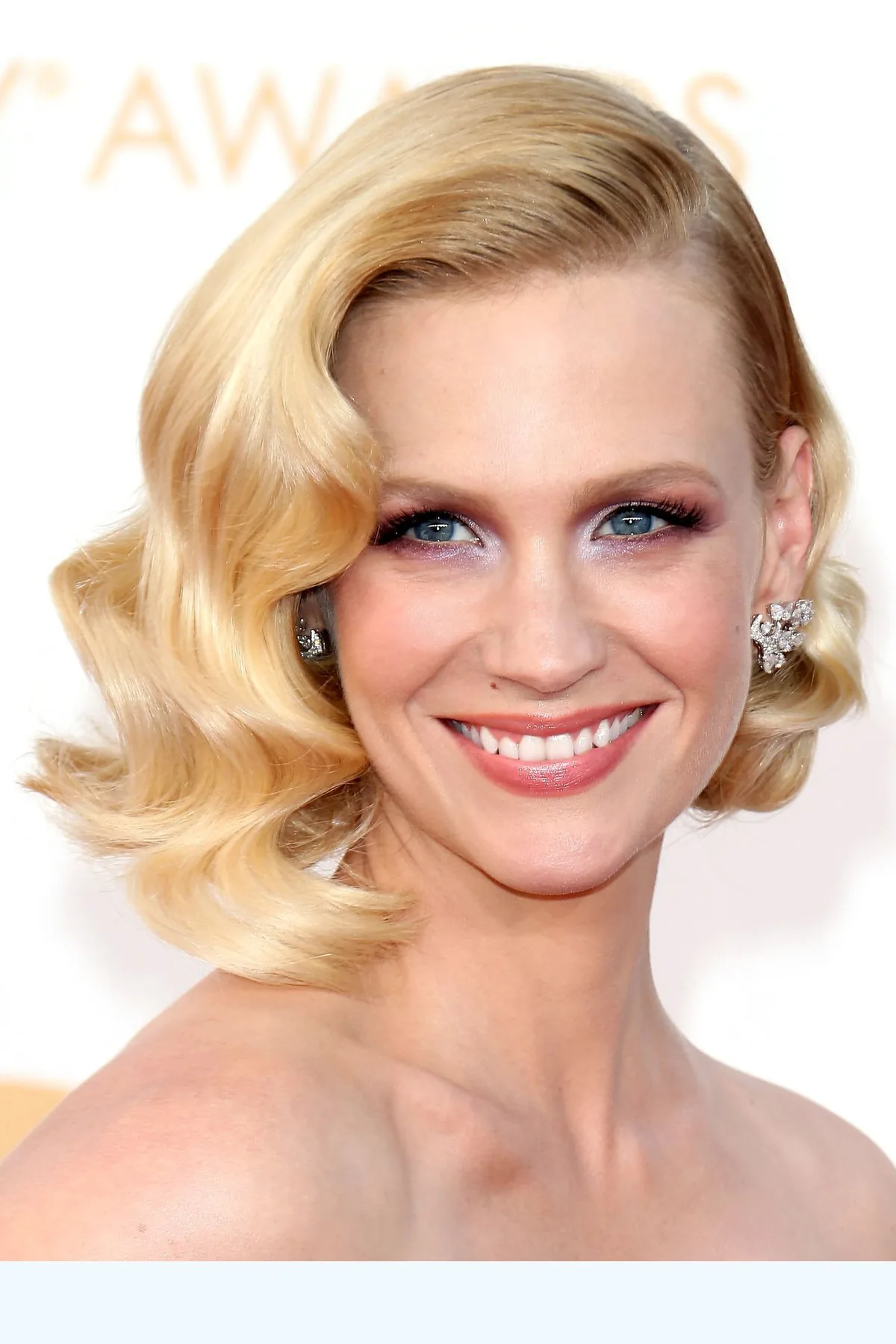
Soft Hollywood waves are the most glamorous audition look, and the one most likely to make a casting director look twice — in a good way. The waves are uniform, glossy, and brushed out so they move as one sheet of hair, which reads beautifully on camera and gives the face a warm, open frame. This is the style for a film audition, a commercial, or a role that calls for polish and presence, and it is also the closest match for a headshot that shows long, wavy hair. The key is control: the waves must be pinned and set, not just curled and left, or they will drop before you reach the room.
How to style it: curl in large sections all in the same direction, pin each curl to cool, then brush out gently and set with a light-hold spray. Best for: on-camera auditions and headshot-matching. Common mistake: curling the front sections toward the face, which closes it in — always curl the front away from the face. Maintenance: bring a small brush and re-smooth the top layer before your slot. Who should avoid it: anyone with a dance call in the same audition, because the waves will not survive it.
5. The Half-Up Twist That Keeps Hair Back Without Losing Length
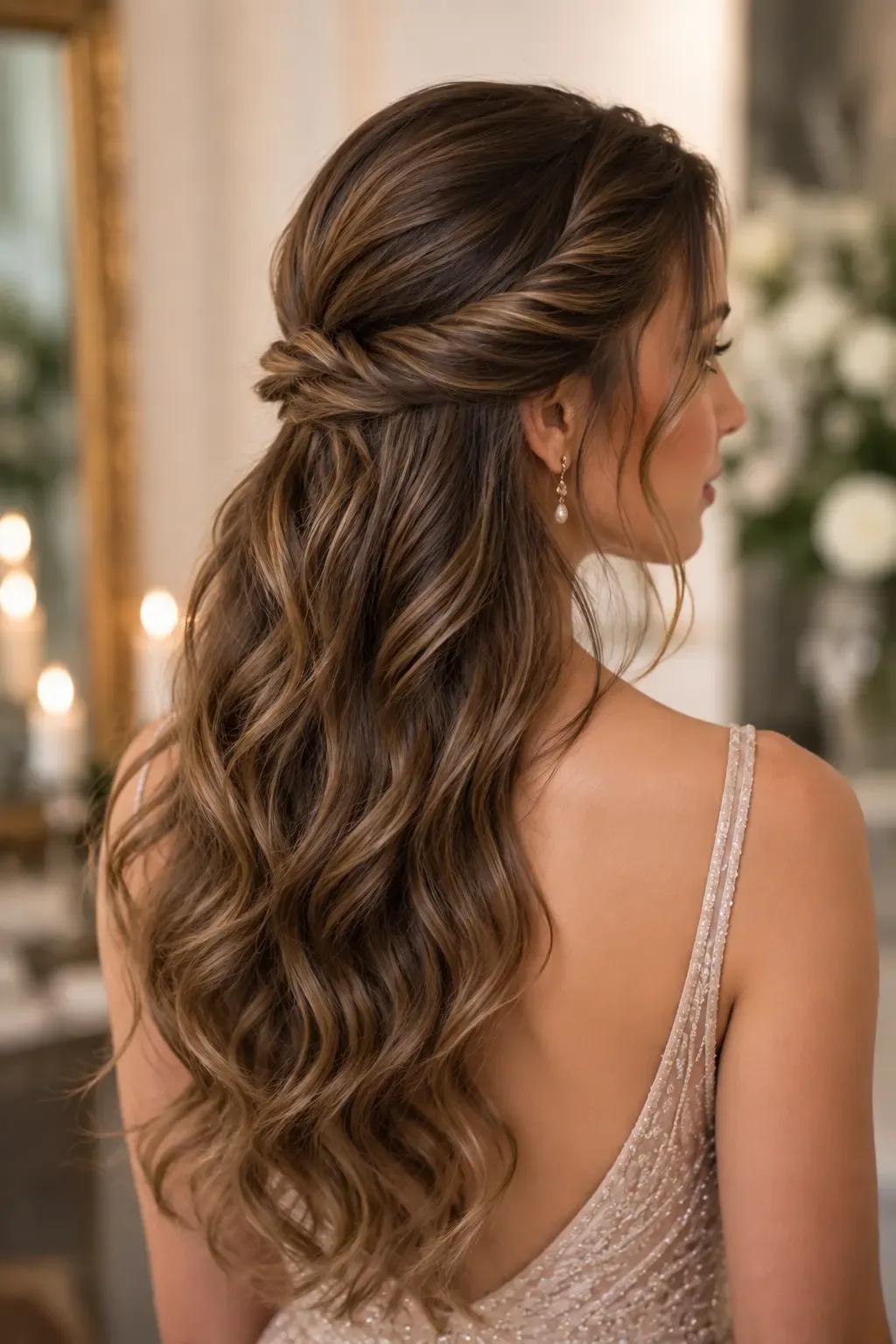
The half-up twist is the compromise style every long-haired actor needs: it keeps the front and sides completely out of your face while letting the length show, which is exactly what you want if your headshot shows long hair. Take two sections from the temples, twist them back, and pin them together at the crown — the twist adds structure and intention, so it reads as a styled look rather than hair that is simply half tied back. It works for singing auditions, where you want the hair to move a little with the music, and for acting auditions where the character is warm and approachable.
Pros: quick to build, easy to refresh, and flattering on almost every face shape. Cons: the loose length can still fall forward during a dance combination, so this is a singing and acting style, not a dance style. Best for: musical theatre singing calls and straight-play auditions. How to style it: curl the loose length lightly first, so the bottom half has shape instead of hanging flat. Quick verdict: if your headshot shows long hair, this is the most faithful way to wear it at an audition.
6. A French Twist for Instant Authority
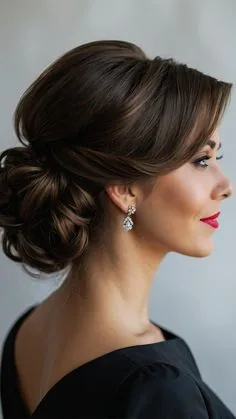
A French twist is the most authoritative hairstyle you can walk into an audition with. The vertical roll, the clean sweep from the forehead, the total absence of loose hair — everything about it says composure, control, and professionalism. It is the style for a classical audition, a period drama, a corporate commercial, or any role where the character carries herself with dignity. On camera it is superb, because the silhouette is clean from every angle and there is nothing to catch the light or fall out of place.
How to style it: sweep all the hair to one side, roll it upward against the head, and pin along the seam with large pins — the roll should sit straight, not lean. Maintenance: it holds for hours once pinned, but carry two spare pins because one slipped pin can undo the whole shape. Common mistake: leaving the front too flat, which makes the twist look severe — lift the crown slightly before rolling. Cost and time: about fifteen minutes if you have practised it, and it is worth practising twice at home before audition day.
7. The Braided Crown That Stays Put Through Anything
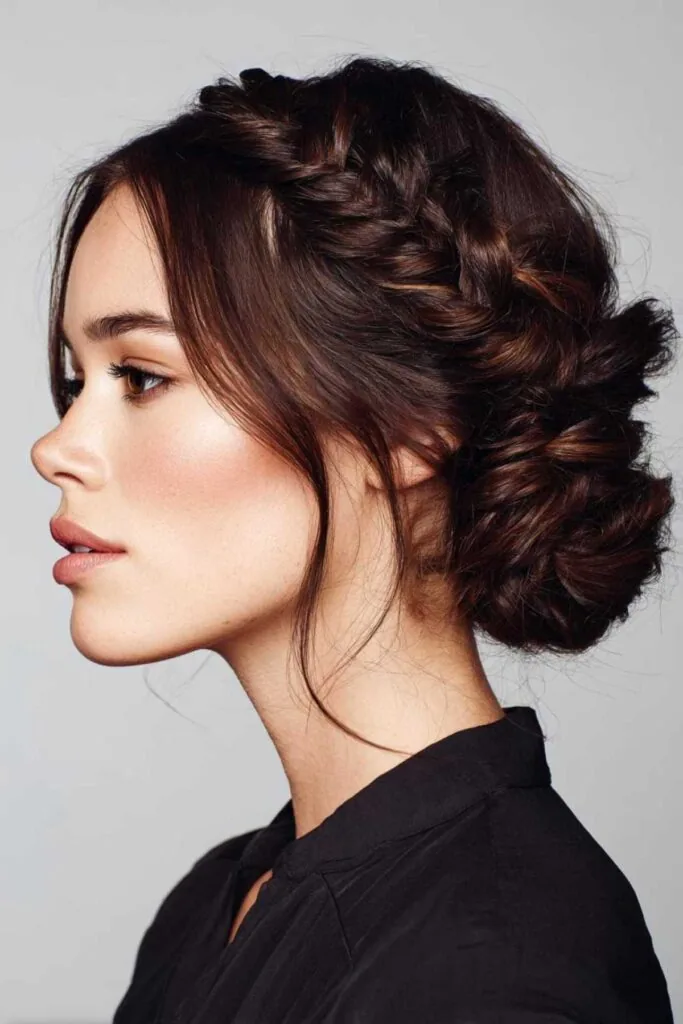
A braided crown wraps the hair around the head like a halo, and once it is pinned it simply does not move — through singing, dancing, quick changes, and a full day of waiting. That makes it one of the most practical audition styles for dancers and musical theatre performers, and it has a romantic, storybook quality that suits period pieces and folk-inspired roles. The braid also photographs beautifully, because the texture reads clearly on camera even in flat lighting, and it keeps every strand off the face and neck.
Best for: dance auditions, period plays, and long audition days. Pros: exceptionally secure and comfortable, with no elastic or bun pulling at the scalp. Cons: it takes time and some skill to braid evenly all the way around — practise it the day before, not the morning of. How to style it: braid two sections from behind each ear, cross them over the crown, and pin the ends underneath each other. Who should avoid it: anyone with very short hair, where the braid will not reach all the way around.
8. Side-Swept Curls That Open Up One Side of the Face
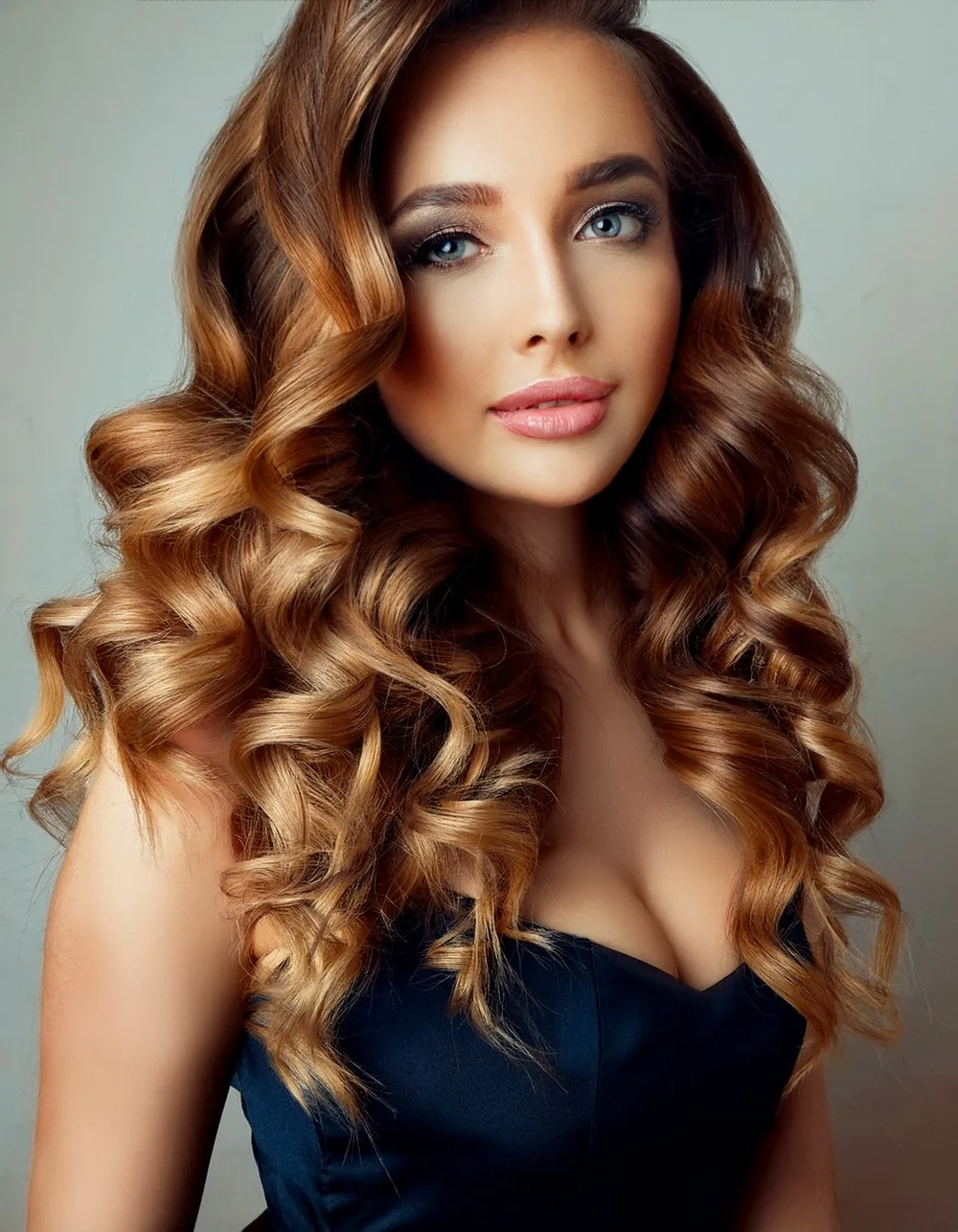
Side-swept curls take all the glamour of loose waves and give it a clear direction: everything sweeps to one side, leaving the other side of the face completely open to the panel. That asymmetry is flattering on camera, because it creates a clean line from the part to the shoulder, and it is practical too — the hair is pinned on the open side, so it cannot fall into your eyes while you sing. It is a lovely choice for a film or commercial audition, where the camera may favour one side of your face, and for any role that calls for warmth and a little old-Hollywood charm.
How to style it: part deeply on one side, curl the lengths, sweep everything over to the fuller side, and pin the tucked side flat behind the ear. Best for: on-camera auditions and commercial castings. Common mistake: sweeping so much hair to one side that the other side looks bare and unbalanced — keep a soft wave on the tucked side too. Maintenance: a light spray on the pinned side and a quick finger-comb of the curls before you go in. Quick verdict: pick the side the camera loves, and sweep toward it.
9. A Textured Bob With a Side Part for Modern, Effortless Polish
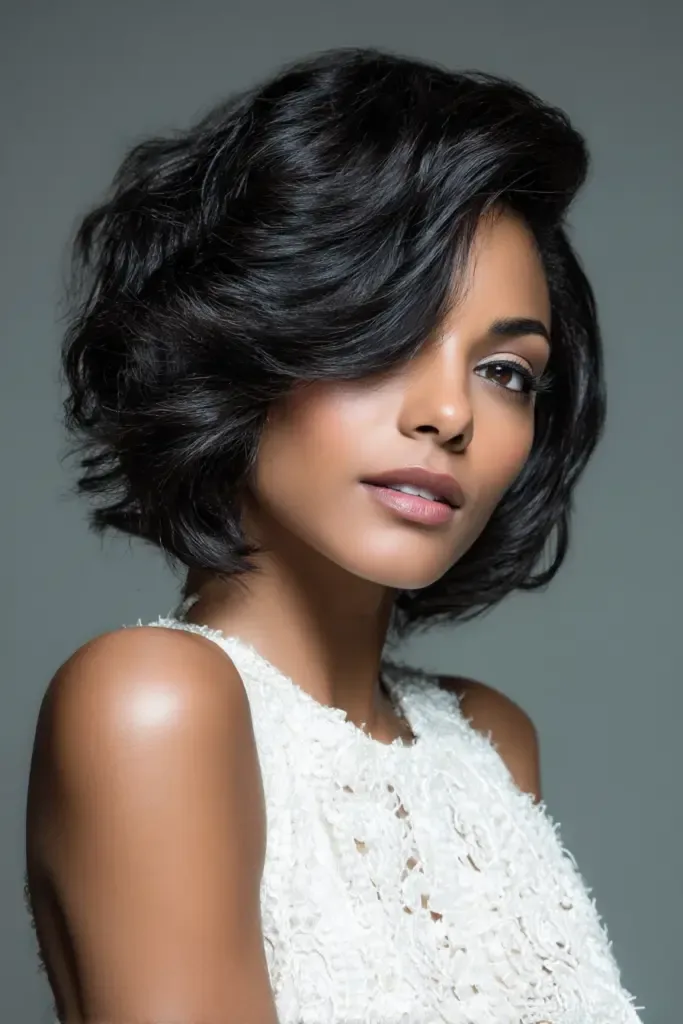
A textured bob with a deep side part is the modern audition look: short enough to need no pins, structured enough to hold its shape all day, and stylish enough to suggest a character who is confident and contemporary. The texture gives it movement on camera, the side part frames one side of the face, and the length — just grazing the jaw — keeps the neck and shoulders visible, which matters when the panel is watching your posture and breathing. It is an excellent match for a headshot that shows short hair, and it is one of the few audition styles that genuinely needs no maintenance between the waiting room and the room itself.
Pros: zero pins, zero risk of falling apart, and it looks finished from the moment you wake up. Cons: a bob cannot be changed between pieces, so if the audition needs two looks, this is not the style. Best for: commercial auditions, contemporary plays, and on-camera work. What to ask your stylist: for textured ends rather than a blunt cut, so the bob moves instead of sitting like a helmet. Quick verdict: if your hair is short, lean into it — a great bob is an audition asset, not a limitation.
10. Sleek Straight Hair With a Centre Part for a Clean, Honest Look
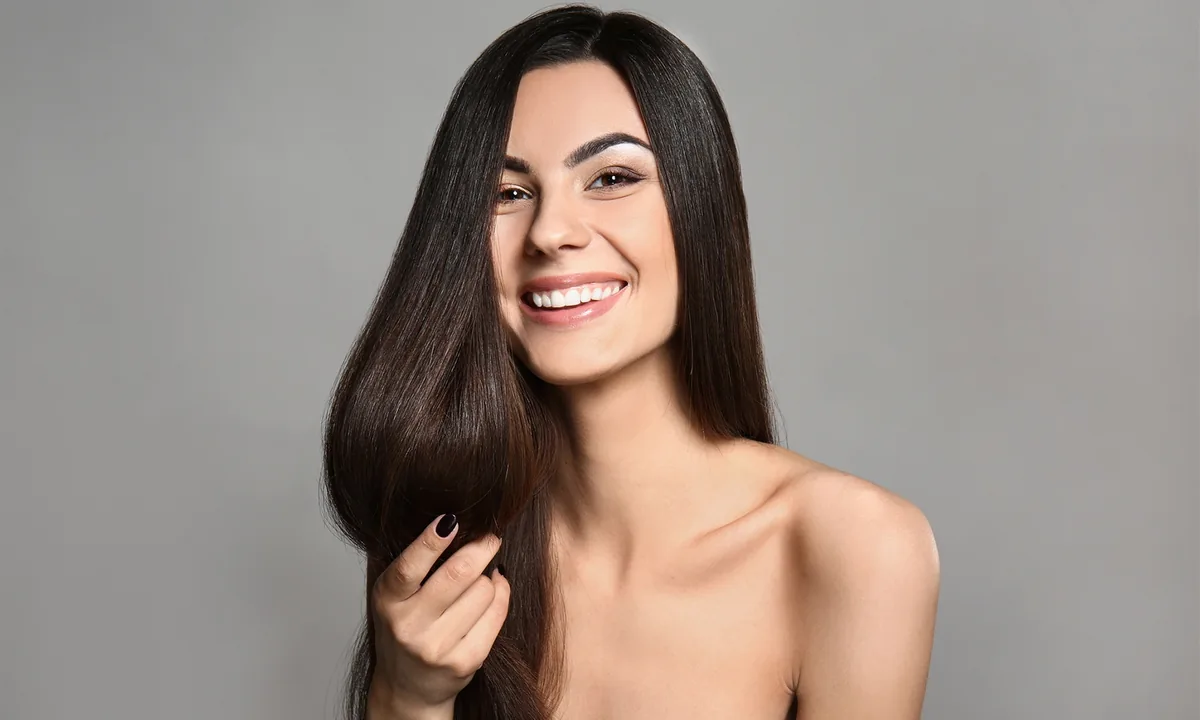
Sleek straight hair with a centre part is the most honest audition look there is: nothing hidden, nothing exaggerated, just healthy hair and a clear view of your face. It works because it is symmetrical, which reads as calm and trustworthy on camera, and because it is the easiest style to match to a headshot — if your headshot shows straight hair, this is the look. The secret is the finish: the hair must be genuinely smooth, with shine, or the camera will show every wave and frizz instead. A flat iron, a shine serum, and a brush are all it takes.
How to style it: blow-dry smooth with a paddle brush, flat-iron in sections, and finish with a pea-sized amount of serum smoothed over the surface. Best for: straight-play auditions, film, and any role that calls for naturalism. Common mistake: wearing it down without securing the front — pin one side back behind the ear so the panel always sees both eyes. Maintenance: carry a small brush; straight hair shows every tangle after a long wait. Who should avoid it: dancers, and anyone whose hair frizzes in heat or humidity.
11. Romantic Loose Curls for Warmth and Approachability
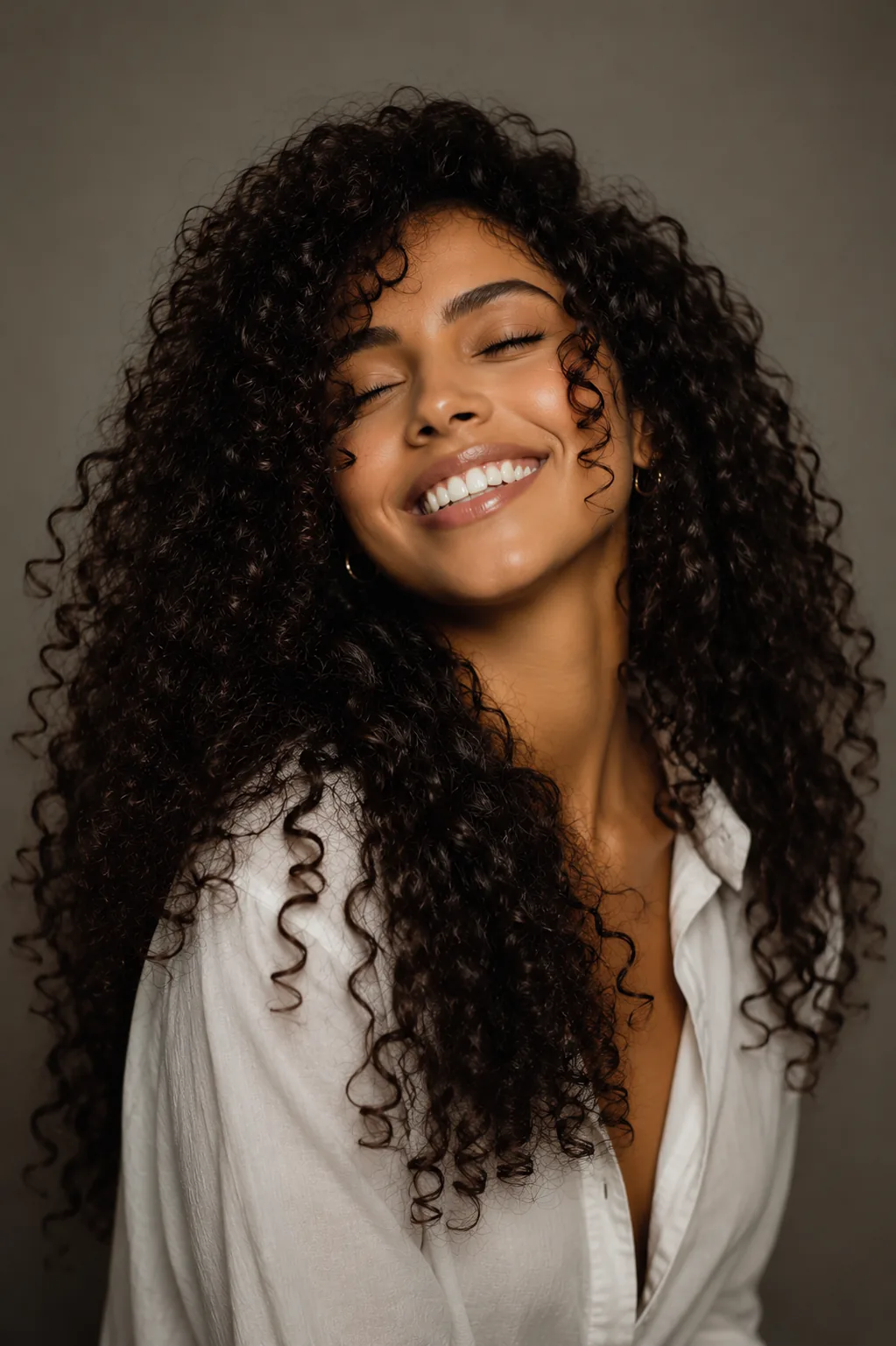
Romantic loose curls are the style for the warm, open-hearted character — the best friend, the romantic lead, the singer with a ballad that needs the audience to feel something. The curls are soft and brushed out, not tight ringlets, so they frame the face gently and move when you move, which makes a performance feel alive on camera. They are also forgiving: if one curl drops during the audition, the style still looks intentional, because loose curls are supposed to look a little undone.
Best for: musical theatre ballads, romantic roles, and commercial auditions. Pros: flattering on nearly every face shape and easy to build with a large-barrel iron. Cons: the curls will drop over a long day, so set them with a light spray and avoid touching them in the waiting room. How to style it: curl large sections away from the face, let them cool, then brush through once for softness. Quick verdict: if the song is warm, let the hair be warm too.
12. A Low Bun With Face-Framing Pieces for Softness and Security
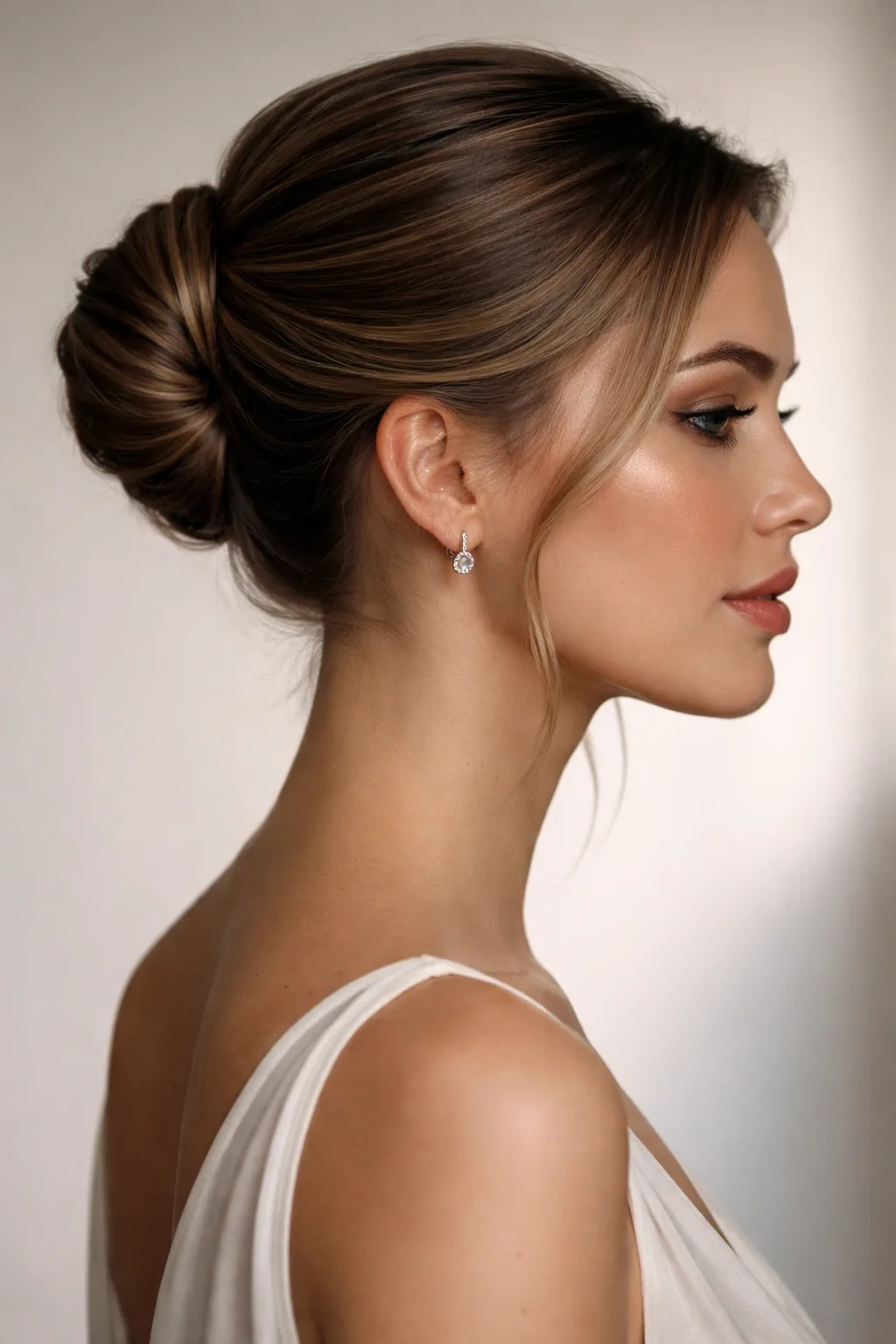
This is the low bun, softened: the same secure base at the nape, but with two thin pieces left loose at the front to frame the face and take the severity out of the style. It is the best of both worlds for an audition — the panel sees a polished, professional performer, and they also see a warm, approachable face, not a scraped-back one. The framing pieces are the difference between a bun that looks like a uniform and a bun that looks like a choice, and on camera they add exactly the softness that flat lighting takes away.
How to style it: build the bun first, then pull out two thin sections at the temples and curl them lightly away from the face. Pros: secure like a bun, soft like loose hair, and easy to fix — if a piece falls, tuck it back in thirty seconds. Cons: the pieces need pinning at the roots or they will fall forward under stage lights, so anchor them with crossed pins hidden under the top layer. Best for: singing auditions and on-camera work. Maintenance: one re-curl of the front pieces before your slot is all it needs.
13. A High Ponytail With Volume for Energy and Confidence
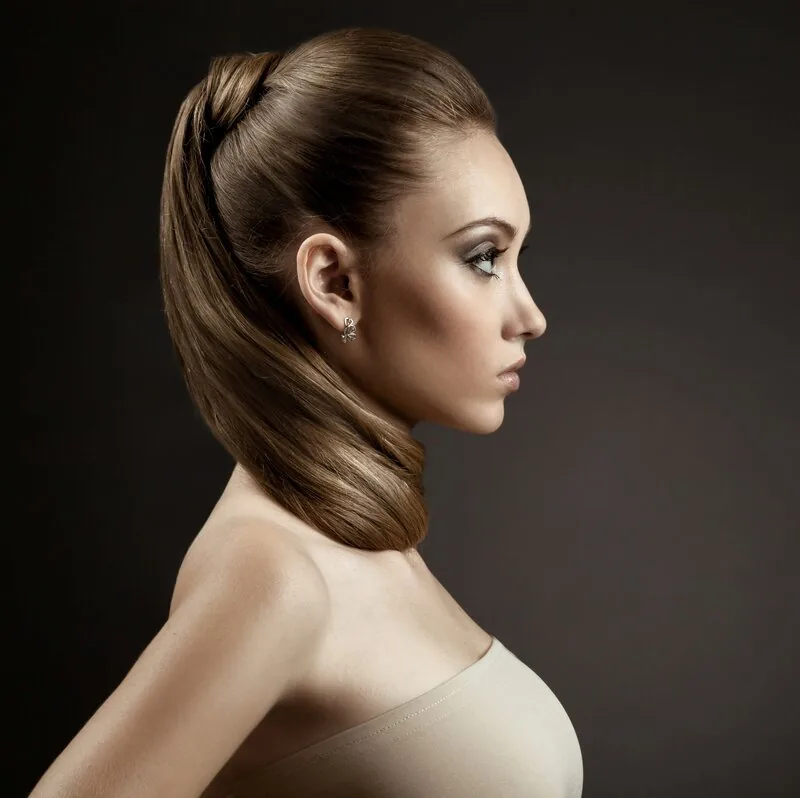
A high ponytail with volume is the most energetic audition hairstyle: it lifts the face, lengthens the neck, and moves with you, which makes it ideal for a dance audition, a pop song, or any role that needs spark and confidence. The volume at the crown is what makes it read as a style rather than a gym ponytail — tease the crown lightly, smooth the surface, and wrap a section of hair around the elastic. On camera the height creates a strong silhouette, and in the room it says you are ready to perform, not just to wait.
Best for: dance calls, pop and rock musicals, and commercial auditions. Pros: secure, comfortable, and flattering on most face shapes. Cons: a high ponytail can pull at the scalp over a long day, so position it at the crown rather than the very top of the head. How to style it: gather the hair high, tease the crown before smoothing, and secure with two elastics for extra hold. Who should avoid it: classical singing auditions, where the energy of a high ponytail can fight the formality of the piece.
14. The Messy Low Bun That Looks Effortless on Purpose
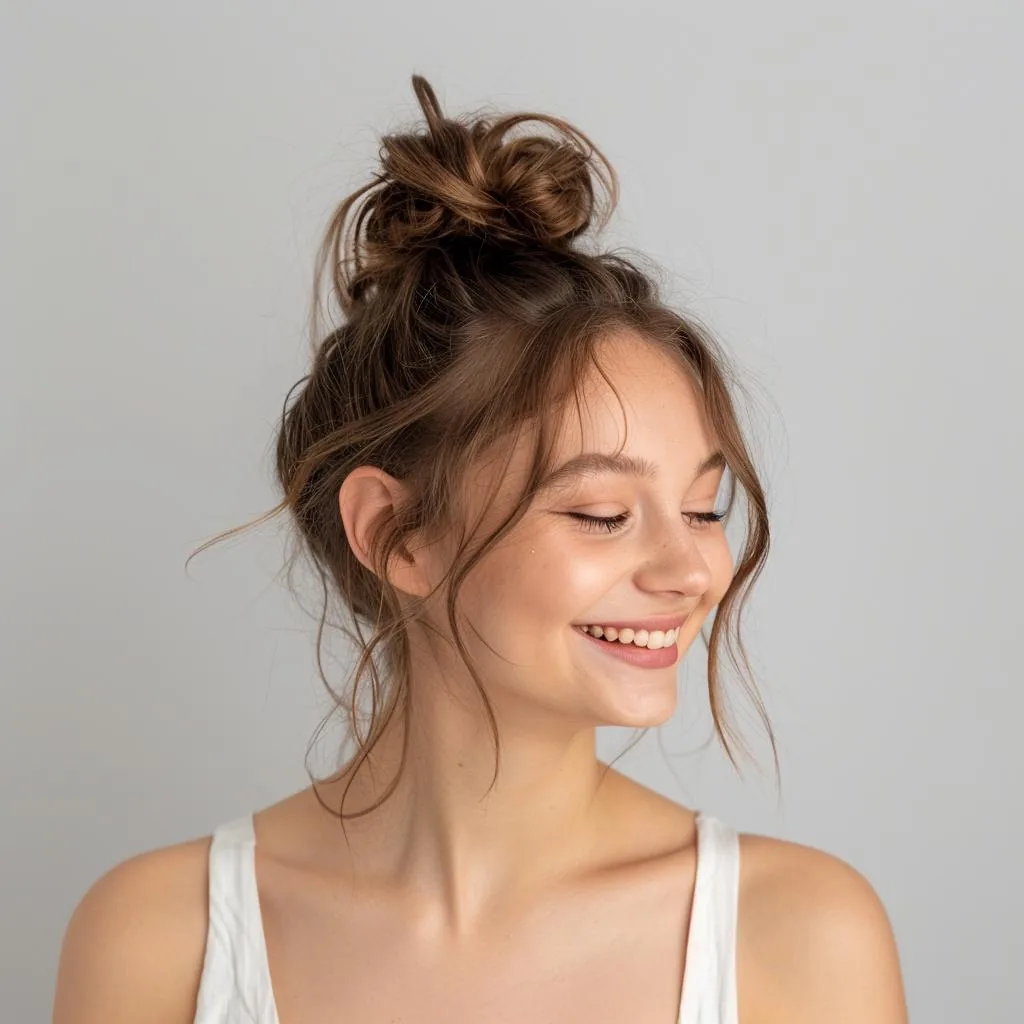
A messy low bun is not a bun you did badly — it is a bun you did loosely on purpose, with texture, a few soft pieces, and a shape that looks relaxed rather than rigid. It is the right choice for a contemporary play, an indie film audition, or any role where the character is natural, creative, or a little undone. The looseness is also practical: a messy bun is comfortable for hours, it does not pull, and if a piece comes loose during the audition it simply joins the look instead of ruining it.
Pros: comfortable all day and forgiving of movement. Cons: the line between artfully messy and actually messy is thin, so build it deliberately — texture spray, a loose twist, and pinned pieces, not just a bun you threw up in the car. Best for: contemporary and naturalistic roles. Common mistake: making it too messy, which reads as unprepared on camera. Quick verdict: messy on purpose, polished at the edges, and pinned firmly underneath.
15. A Braided Low Ponytail for Texture That Holds
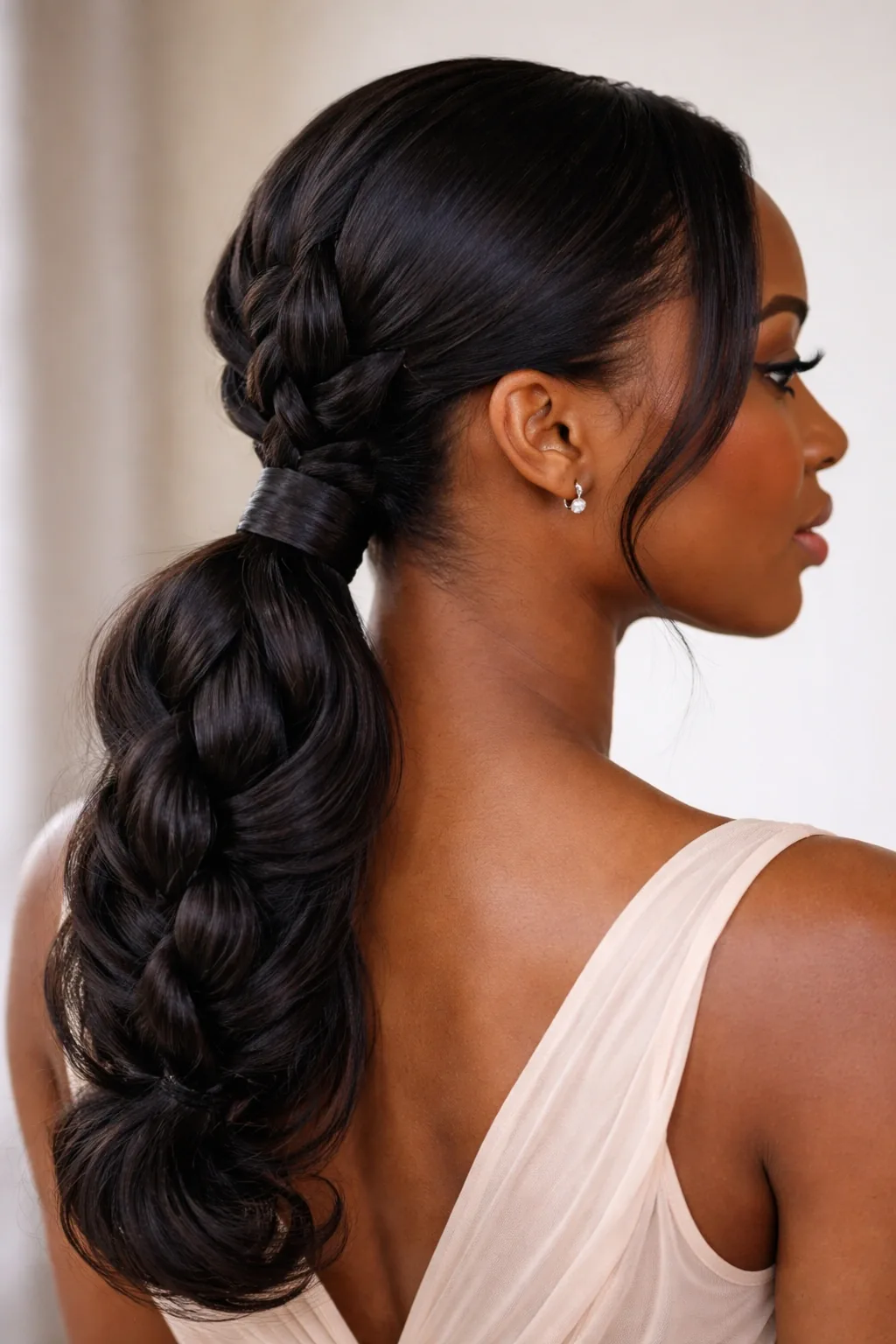
A braided low ponytail combines the security of a ponytail with the texture of a braid, and the result is a style that holds through a dance call and still looks detailed and deliberate on camera. Braid the ponytail loosely and pull the sections apart slightly for fullness, or keep it tight and sleek for a cleaner line — either way, the braid stops the ponytail from swinging into your face and gives the panel something interesting to look at from behind as well as the front. It is a smart choice for a dance audition, a folk musical, or a period piece where a plain ponytail would look too modern.
How to style it: gather a low ponytail, braid it to the ends, and secure with a small clear elastic wrapped in a strand of hair. Best for: dance auditions and period roles. Pros: exceptionally secure and comfortable, with no pins needed at the base. Cons: on very thick hair the braid can be heavy, so keep it loose and let it rest over one shoulder if needed. Maintenance: none — a braid holds all day. Quick verdict: if a ponytail feels too plain and a bun feels too formal, braid the ponytail.
16. A Voluminous Blowout for Presence in the Room
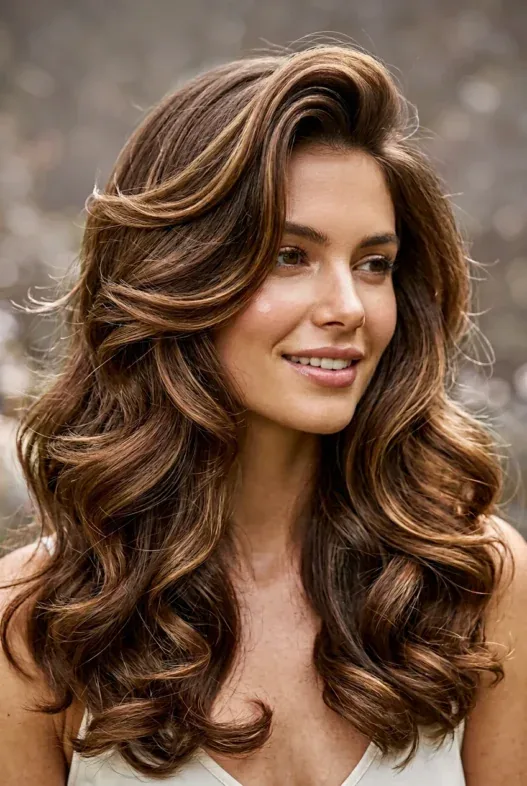
A voluminous blowout is the style for walking into the room like you belong there: big, bouncy, shiny hair that fills the frame and makes the panel look up. The volume gives the face a strong frame, the movement gives a performance energy, and the shine reads beautifully under stage lights and on camera. It is the right choice for a commercial audition, a pop musical, or any role where presence matters as much as the performance itself. The trade-off is maintenance — a blowout is a morning style, not an all-day one, so time it as close to your slot as you can.
Best for: commercial and pop-musical auditions. How to style it: blow-dry with a large round brush, lifting at the roots, and set the shape with velcro rollers while you do your makeup. Common mistake: overloading the hair with product, which weighs the volume down within an hour — use a light mousse at the roots and nothing heavy on the lengths. Cost and time: about thirty minutes, or a salon blowout if the audition matters enough. Who should avoid it: dancers and anyone with a long wait ahead.
17. A Pinned-Back Half-Up Style for a Clean, Open Face
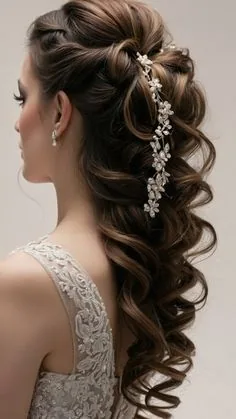
The pinned-back half-up style is the simplest way to guarantee the panel sees your whole face: the front sections are drawn back and pinned flat, the length falls behind the shoulders, and nothing can fall forward no matter how you move. It is less formal than a bun and less exposed than wearing the hair fully down, which makes it a versatile choice for acting auditions, singing calls, and commercial castings. A small decorative pin or a plain one hidden under the hair both work — the point is the open face, not the accessory.
Pros: secure at the front, soft at the back, and finished in five minutes. Cons: the loose length can still swing during a dance combination, so keep this one for singing and acting. Best for: straight plays and singing auditions. How to style it: take a section from each temple, cross them at the back of the crown, and pin flat — the crossed sections hold each other in place. Maintenance: a quick re-pin before your slot. Quick verdict: if you want your hair down but your face open, pin it back.
18. A Classic Pixie for Bold, Unmistakable Character
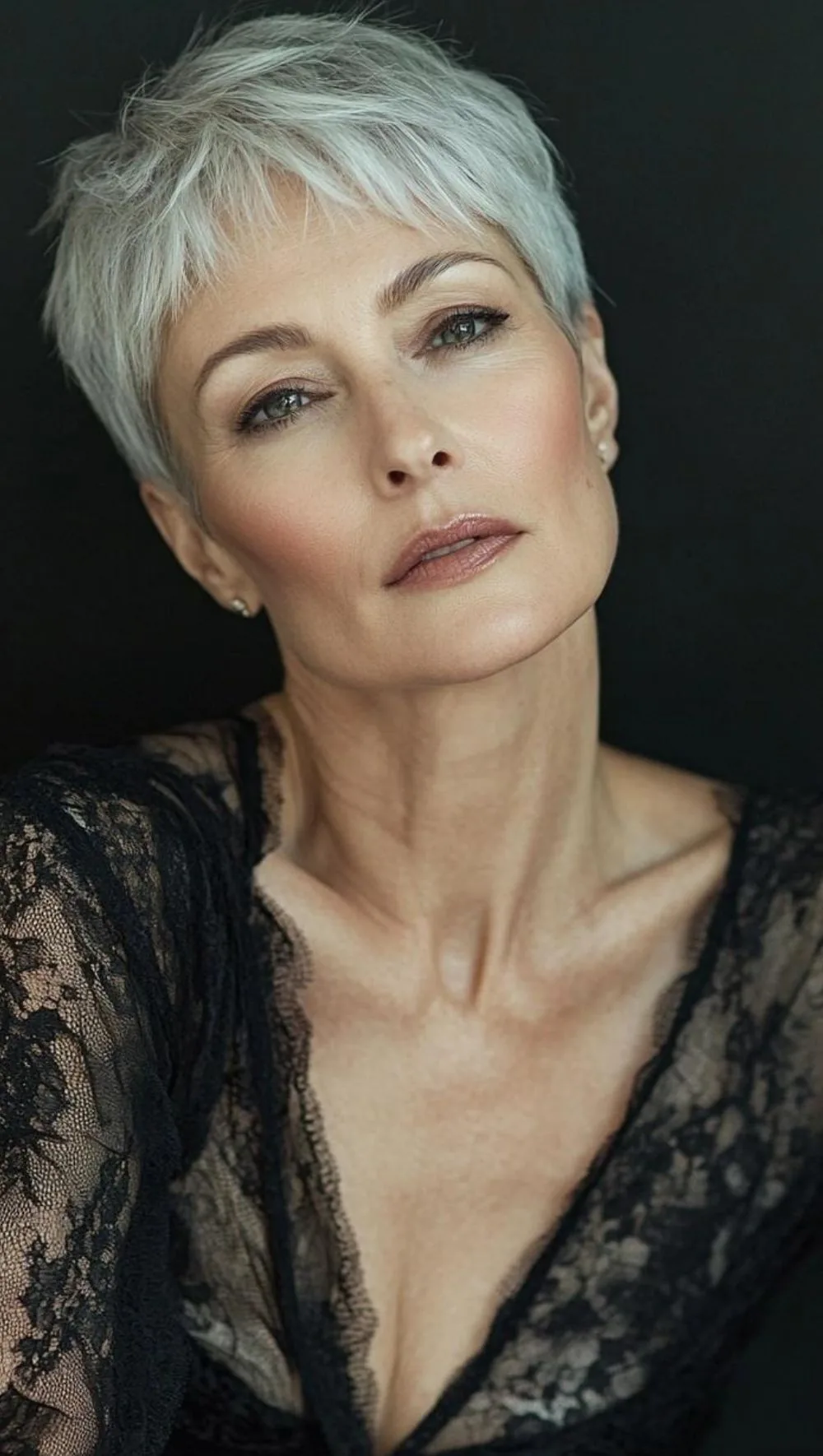
A classic pixie is the boldest audition choice and, for the right person, the best one: there is nothing to hide behind, nothing to fall in your face, and nothing for the panel to look at except you. A pixie photographs beautifully because the face is completely exposed, it holds its shape through any amount of movement, and it is unforgettable — in a room full of long hair, a great pixie stands out. It is also the most honest match for a headshot that shows short hair, and it suits character roles, contemporary pieces, and any audition where individuality is the point.
Best for: character roles, contemporary theatre, and on-camera auditions. Pros: zero maintenance, zero risk, and maximum face visibility. Cons: it cannot be changed between pieces, and it will not suit a period role that expects long hair — know the show before you commit. What to ask your stylist: for a pixie with enough length on top to sweep to the side, so you have one styling option on the day. Maintenance: a little pomade, a quick finger-style, and you are done.
19. A Sleek Bob With a Gold Clip for a Touch of Polish

A sleek bob with a single gold clip is a small detail that does a lot of work: the bob itself is clean, modern, and completely secure, and the clip pulls one side back from the face while adding a point of light that catches the camera. It is the kind of understated polish casting directors respond to, because it shows care without showing effort. The style suits commercial auditions, contemporary plays, and any role where the character is put-together and sharp, and it takes almost no time to build if the bob is already cut well.
How to style it: smooth the bob with a flat iron, sweep one side back, and secure it with a slim gold clip at the temple. Pros: fast, secure, and camera-friendly. Cons: a heavy or oversized clip will distract the panel, so keep it slim and simple. Best for: commercial and contemporary auditions. Common mistake: clipping both sides, which turns a chic detail into a matched set — one side only. Quick verdict: one clip, one side, and a clean bob underneath.
20. A Low Chignon With a Middle Part for Symmetry and Calm
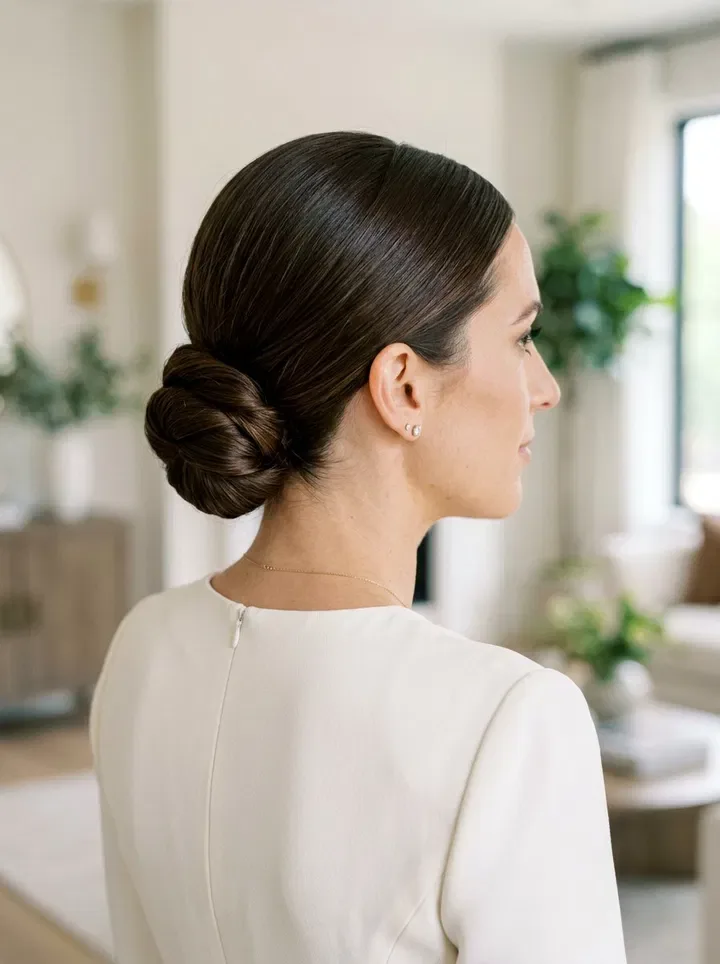
A low chignon with a middle part is the calmest hairstyle in this guide: perfectly symmetrical, completely secure, and quietly elegant in a way that suits classical singing, period drama, and any audition where composure is part of the character. The middle part frames the face evenly on both sides, which reads as balanced and trustworthy on camera, and the chignon at the nape keeps the neck long and the shoulders visible. It is a style that asks for nothing and gives everything — the panel sees your face, your posture, and your performance, with no distractions at all.
Best for: classical singing, period plays, and film auditions. How to style it: part precisely in the middle, smooth both sides with a brush, and roll the lengths into a low chignon pinned along the fold. Maintenance: a light spray and it will hold all day. Pros: symmetrical, secure, and timeless. Cons: a strict middle part can feel severe on a long face, so soften it with a slight lift at the crown. Cost and time: about fifteen minutes and a handful of pins.
21. A Wavy Lob for Modern Length Without the Weight
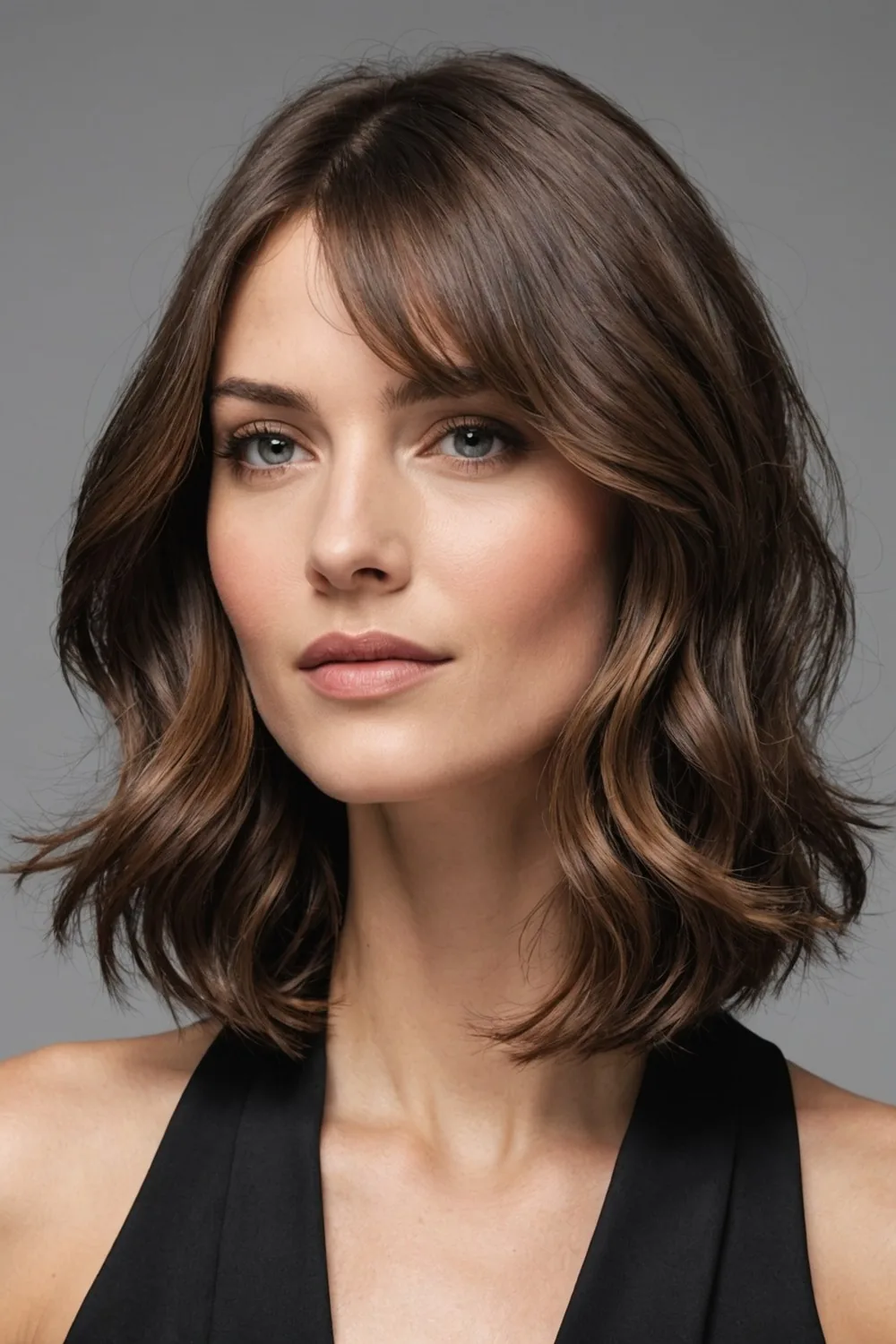
A wavy lob — a long bob that ends at the collarbone — gives you the look of long hair without the weight, the falling, and the fuss of it. The waves add texture and movement that read well on camera, the length is short enough to stay behind the shoulders, and the whole style holds its shape through a singing audition without a single pin. It is a natural choice for contemporary musicals, commercial castings, and any role where the character is modern and relaxed, and it matches a headshot that shows shoulder-length hair exactly.
Pros: light, comfortable, and easy to refresh with a quick finger-comb. Cons: the ends can flip outward during a long day, so carry a small brush. Best for: contemporary musicals and commercial auditions. How to style it: curl the lengths in alternating directions for natural texture, then brush out lightly and set with a flexible spray. Common mistake: curling every section the same way, which makes the lob look like a set of ringlets instead of waves. Quick verdict: shoulder length, soft waves, and nothing in your face.
22. A Twisted Low Updo for Texture With Total Control
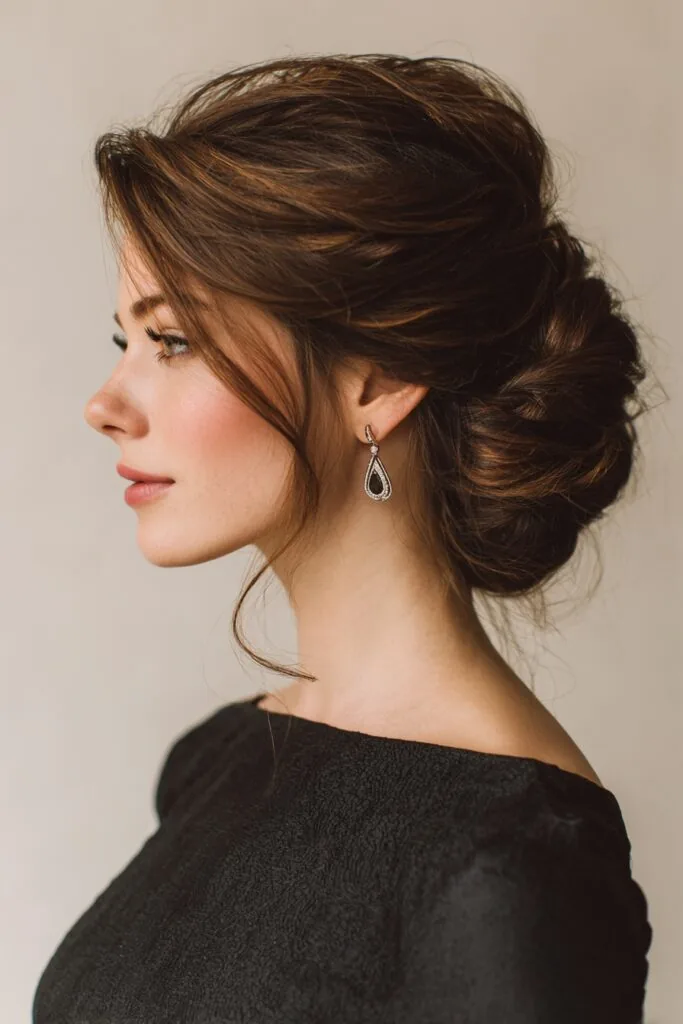
A twisted low updo is built from sections of hair twisted and pinned into a low, textured shape — more interesting than a plain bun, just as secure, and full of detail that photographs beautifully. The twists catch the light, which gives the style dimension on camera even under flat audition-room lighting, and the low placement keeps the neck long and the face open. It is a lovely choice for a musical theatre audition, a period piece, or any role where the character is elegant but not formal, and it holds through singing and light movement without complaint.
How to style it: divide the hair into three low sections, twist each one, and pin the twists together at the nape so they overlap. Pros: secure, textured, and more distinctive than a standard bun. Cons: it takes a little longer to build than a bun, so practise it once before the day. Best for: musical theatre and period auditions. Maintenance: one or two spare pins in your bag, and a quick check that no twist has loosened before your slot. Who should avoid it: dancers doing a vigorous combination, unless every twist is pinned twice.
23. A Soft Updo With Tendrils for Romance That Still Holds
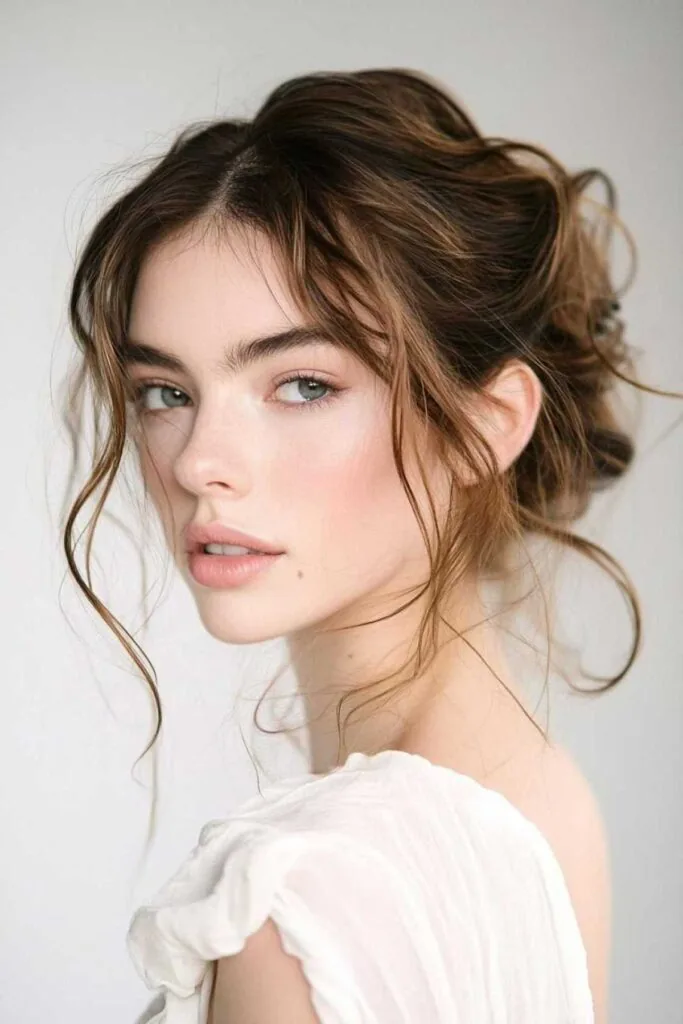
A soft updo with tendrils is the romantic audition look: the hair is gathered loosely at the back, the shape is soft rather than sculpted, and a few curled tendrils frame the face and neck. It suits a love song, a romantic lead, or a period piece where the character is gentle and open-hearted, and it photographs with a warmth that a severe updo never has. The secret is that the softness is only on the surface — underneath, the updo is pinned firmly, so the tendrils are the only thing that moves, and they are meant to.
Best for: romantic roles, ballads, and period auditions. Pros: warm, flattering, and forgiving of movement. Cons: the tendrils need attention — pin them at the roots or they will fall forward under the lights. How to style it: build a loose low bun, pull the tendrils out at the temples and nape, and curl them lightly. Common mistake: pulling out too many tendrils, which turns a soft updo into loose hair. Quick verdict: soft on top, firm underneath, and two tendrils at the front.
24. A Side Braid Over the Shoulder for Storybook Charm
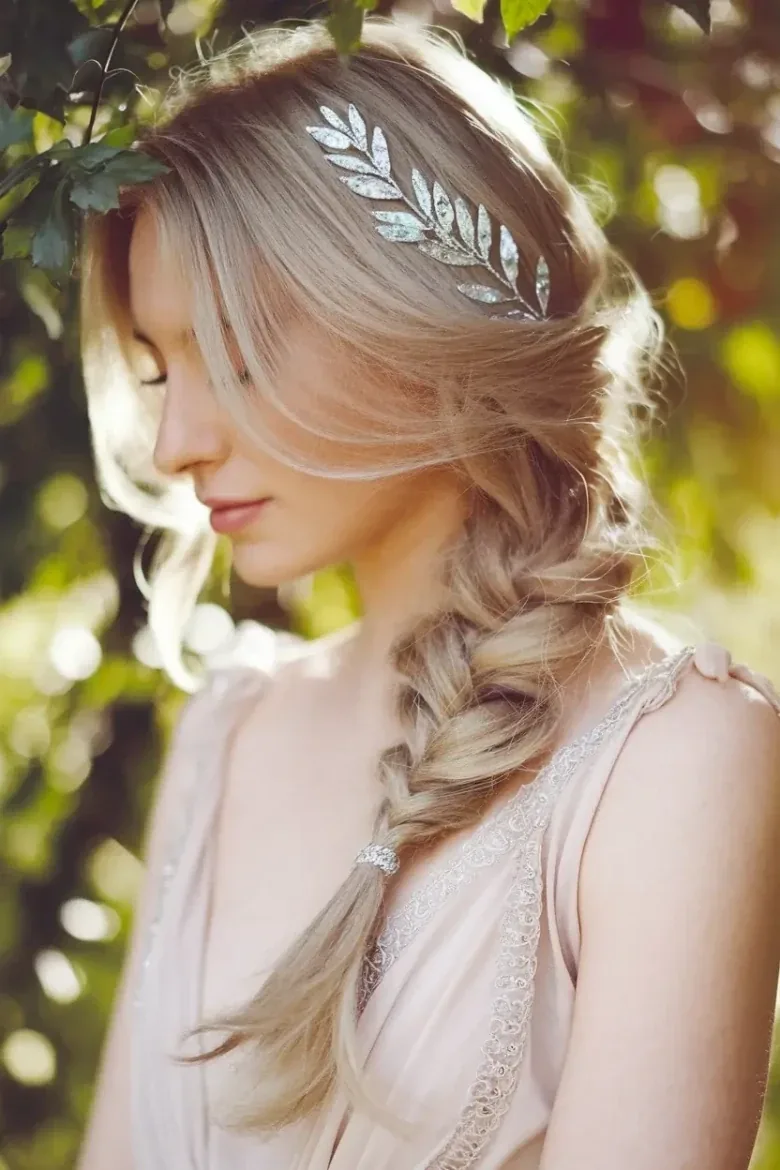
A side braid over the shoulder is the storybook audition style: it keeps all the hair on one side, completely off the face, while showing off length and texture in a way that reads beautifully on camera. It suits folk musicals, fantasy roles, period pieces, and any character with a gentle, earthy quality, and it is one of the most comfortable styles to wear all day — no pulling, no pins in the scalp, and nothing to fall apart. The braid also gives you a quick-change option: undo it between pieces and you have soft waves for the second song.
Pros: comfortable, secure, and convertible into waves in under a minute. Cons: the braid rests on one shoulder, so it can catch on a costume or a microphone pack — check your outfit before you go in. Best for: folk and period musicals, and long audition days. How to style it: sweep the hair to one side, braid loosely, and pull the sections apart slightly for fullness. Maintenance: none. Quick verdict: if the role is gentle, let the braid do the talking.
25. Curtain Bangs With a Blowout for a Framed, Open Face
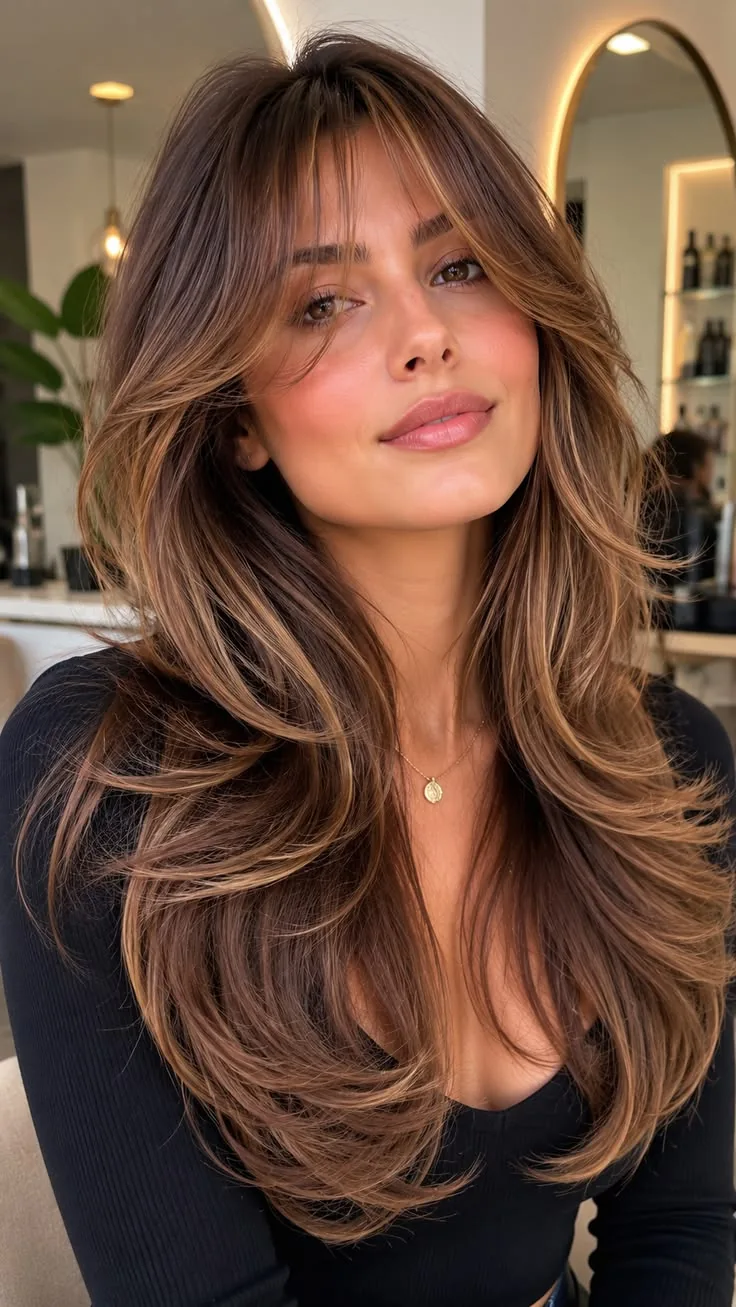
Curtain bangs with a blowout are the most flattering way to wear bangs at an audition: the bangs part in the middle and sweep to each side, framing the face instead of covering it, while the blowout gives the rest of the hair volume and shine. The panel sees your forehead, your eyebrows, and your eyes — the whole upper face, which is where expression lives — and the bangs add softness without ever falling into your line of sight. It is a modern, camera-friendly look that suits commercial auditions, contemporary musicals, and any role where the character is stylish and approachable.
Best for: commercial and contemporary auditions. How to style it: blow-dry the bangs forward with a round brush, then sweep them to each side while they are still warm. Common mistake: letting the bangs grow too long before the audition, so they fall into your eyes — trim them a week ahead, not the day before. Pros: frames the face beautifully and needs no pins. Cons: bangs and stage lights do not mix if the bangs are too heavy, so keep them light and parted. Quick verdict: bangs that frame, never bangs that cover.
26. Long Layers With Shine for Effortless, Healthy Hair
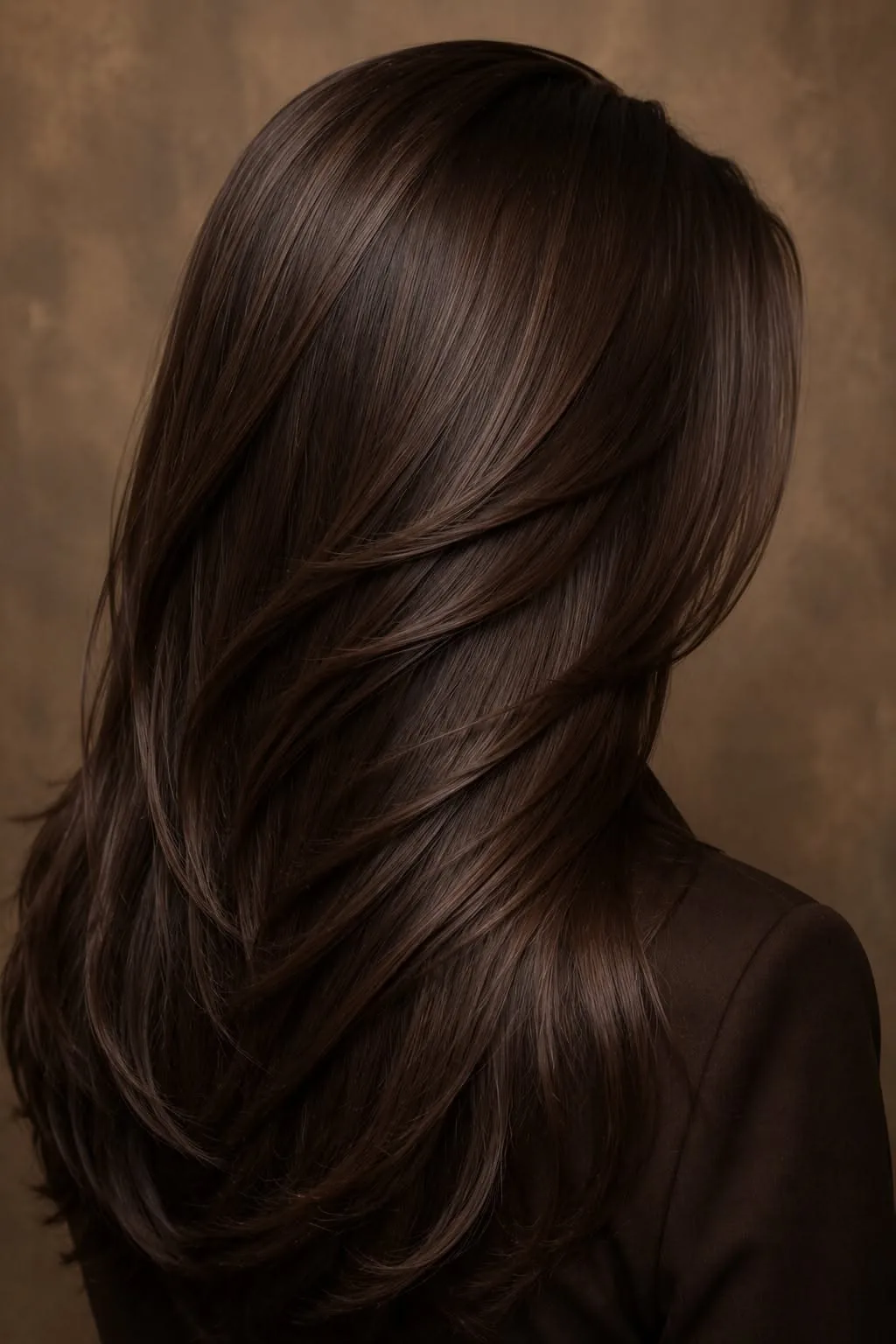
Long layers with shine are the simplest audition statement: healthy, glossy hair that moves naturally and frames the face without any elaborate construction. The layers keep the hair from looking heavy, the shine catches the light on camera, and the length matches a headshot that shows long hair better than any updo can. This is the style for a singer whose voice is the star — the hair is beautiful, but it never competes with the performance — and for a film audition where naturalism is the whole point.
How to style it: blow-dry smooth, add a shine serum to the surface, and pin one side back behind the ear so the panel always sees both eyes. Best for: singing auditions and film. Pros: fast, natural, and exactly like your headshot if your headshot shows long hair. Cons: long loose hair can fall forward when you move, so it is a singing style, not a dance style. Maintenance: a brush and a spare pin in your bag. Who should avoid it: anyone with a dance call in the same audition.
27. A Polished Top Knot for Height and Drama
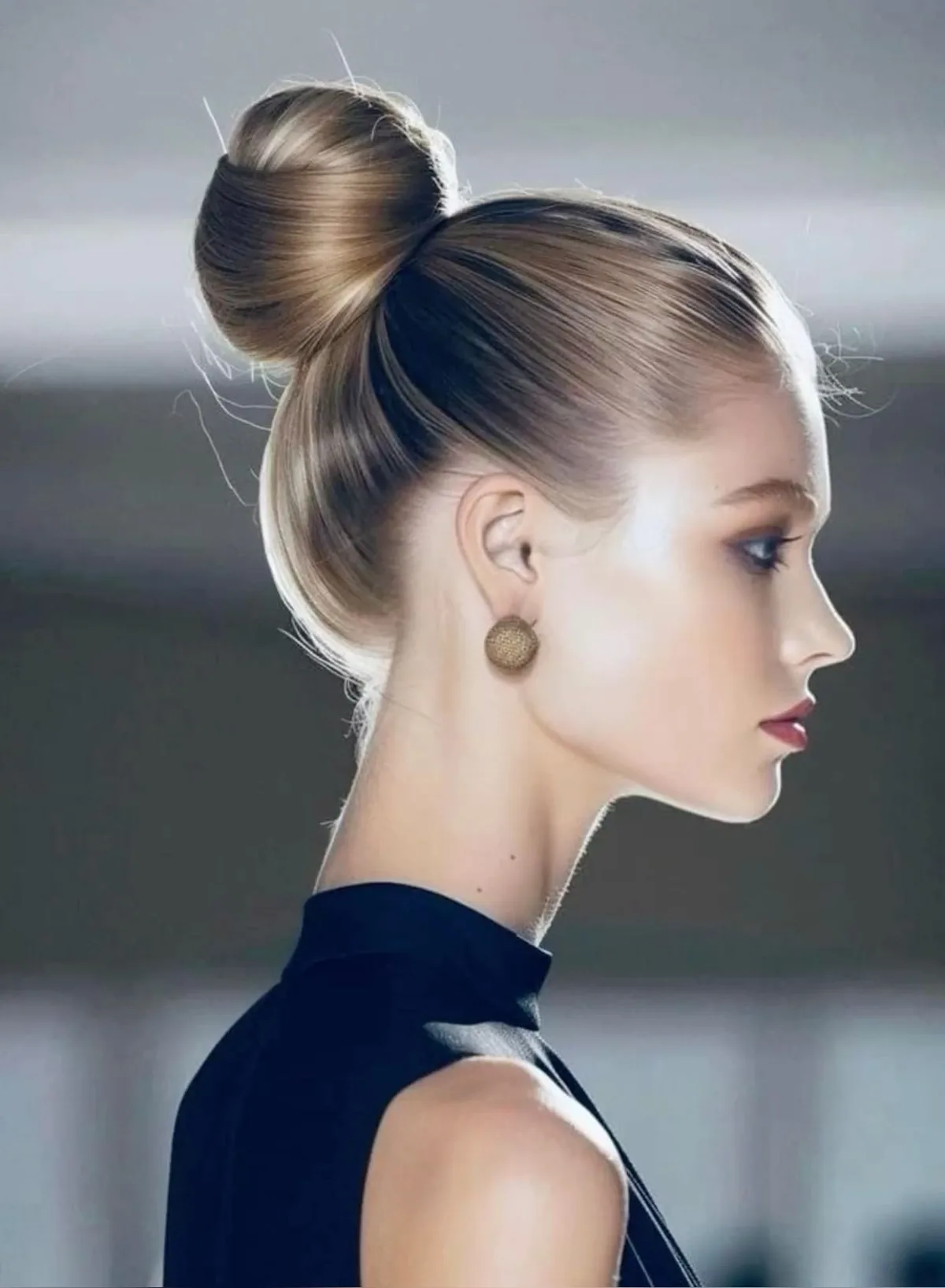
A polished top knot is the most dramatic silhouette in this guide: all the hair gathered high and smooth, the face completely exposed, the neck long, and the whole look reading as confident and intentional. It is a strong choice for a dance audition, where the height emphasises the line of the body, and for a commercial casting where a bold, clean look stands out in a crowded room. The polish is what separates it from a casual top knot — the sides must be smooth, the knot itself neat, and the whole thing pinned firmly enough to survive a full dance combination.
Best for: dance auditions and commercial castings. Pros: completely secure and strikingly clean on camera. Cons: a top knot can pull at the hairline over a long day, so build it firmly but not painfully tight. How to style it: gather the hair high, smooth with a brush and a little gel, twist into a knot, and pin at the base. Common mistake: placing it too far forward, which shortens the face — the knot should sit at the crown, not the forehead. Quick verdict: high, smooth, and secure — or not at all.
28. A Dutch Braid Crown for a Secure, Sculpted Look
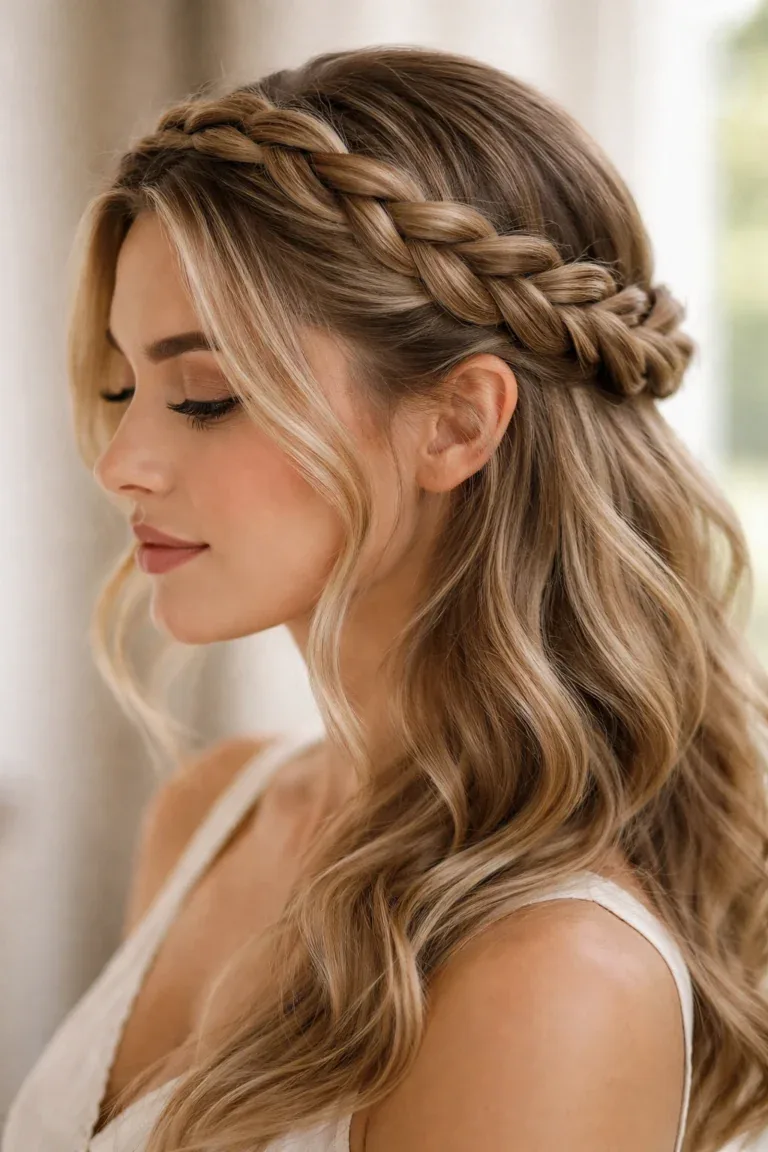
A Dutch braid crown — the braid that sits on top of the hair rather than inside it — wraps around the head with a raised, sculpted texture that photographs beautifully and holds through anything. Unlike a regular braided crown, the Dutch braid stands out from the head, which gives it definition on camera even in flat light, and the raised braid is less likely to loosen during movement. It is a wonderful choice for a dance audition, a folk or period role, or any performer who needs a style that will look exactly the same at four in the afternoon as it did at eight in the morning.
Best for: dance auditions and long days. Pros: exceptionally secure and visually distinctive. Cons: it takes skill and time to braid evenly — practise it the day before, and give yourself thirty minutes on the morning. How to style it: Dutch-braid from behind one ear, around the crown, to the other ear, then pin the ends underneath. Who should avoid it: anyone with very fine hair, where the raised braid can look thin — add a little texture spray first. Maintenance: none once it is pinned.
29. A Waterfall Braid Half-Up Style for Gentle, Flowing Texture
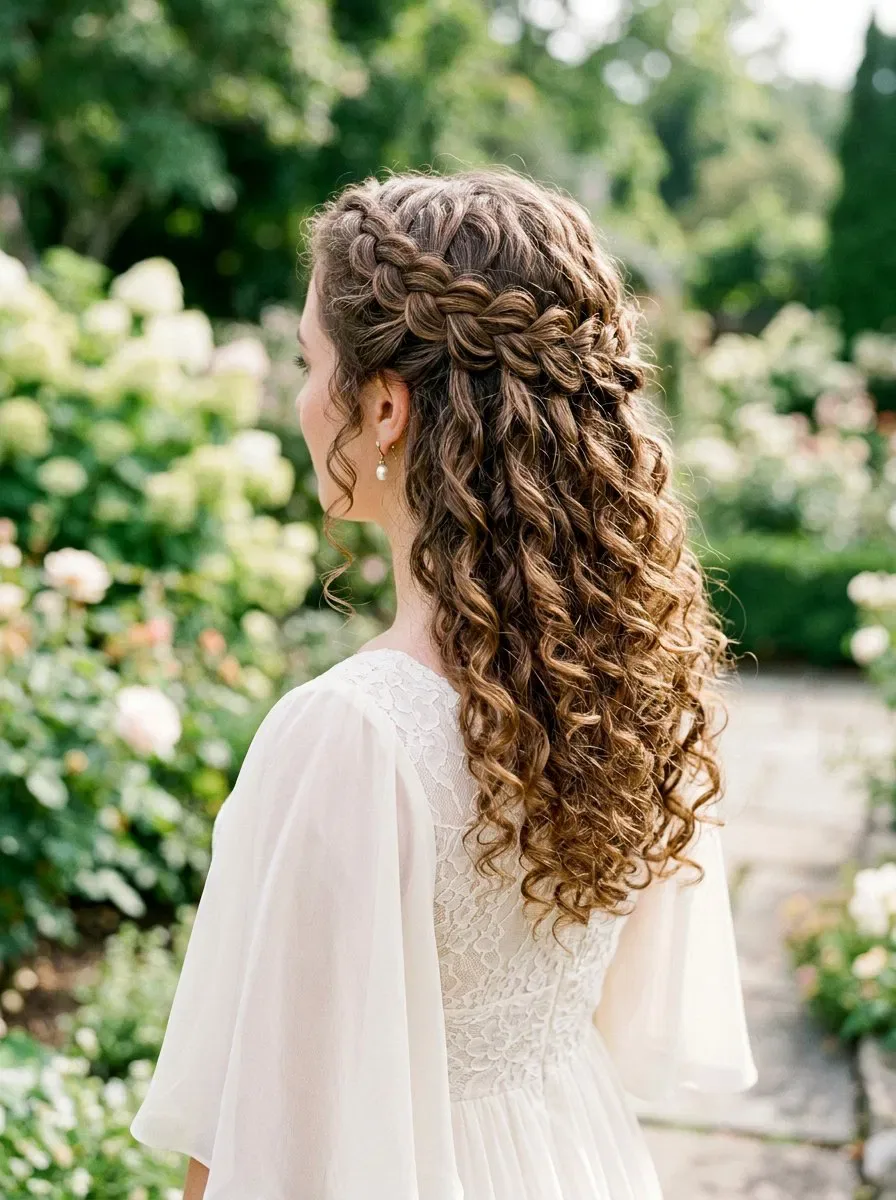
A waterfall braid half-up style is the prettiest way to keep the front of your hair back while letting the length flow: the braid runs across the back of the head, dropping strands as it goes, so the hair falls in soft waves below it. It suits a romantic role, a folk musical, or a singing audition where the character is gentle and the song is lyrical, and it photographs with a delicate, detailed texture that a plain half-up style never has. The braid also does the practical job of holding the front sections back, so your face stays open while the length stays free.
Pros: romantic, detailed, and secure at the front. Cons: the loose length will not survive a dance call, so this is a singing and acting style. Best for: ballads, romantic roles, and folk musicals. How to style it: braid across the back of the head, dropping the bottom strand of each stitch, and curl the loose length lightly. Common mistake: braiding too tightly, which pulls the waterfall flat — keep it loose so the dropped strands fall naturally. Quick verdict: the braid holds the front, the waves do the rest.
30. A Polished Bubble Ponytail for Modern, Playful Energy
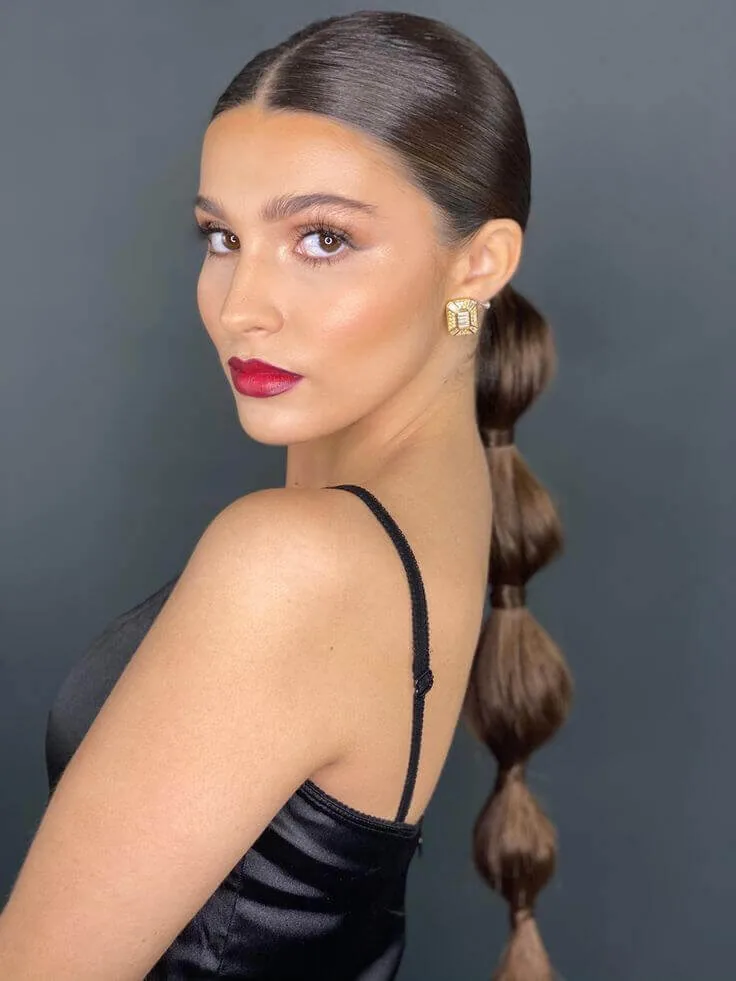
A polished bubble ponytail takes a high or mid ponytail and divides it into soft, rounded sections with small elastics, creating a style that is modern, playful, and surprisingly secure. It is the right choice for a pop musical, a commercial audition, or a dance call where you want energy and personality without loose hair flying around — each bubble is anchored, so the ponytail moves as one piece instead of whipping about. On camera the bubbles create a strong, graphic shape that reads clearly even in a wide shot, and in the room it signals a performer who is confident and fun.
Best for: pop musicals, commercial auditions, and dance calls. Pros: secure, distinctive, and comfortable for hours. Cons: it is a bold, modern look, so it will not suit a classical or period audition — know the show first. How to style it: secure the ponytail, add elastics every few inches, and gently pull each section wider to form the bubbles. Maintenance: a quick check that no elastic has slipped before your slot. Quick verdict: playful on purpose, polished in execution.
31. A Minimal Sleek Updo for the Ultimate Clean Slate
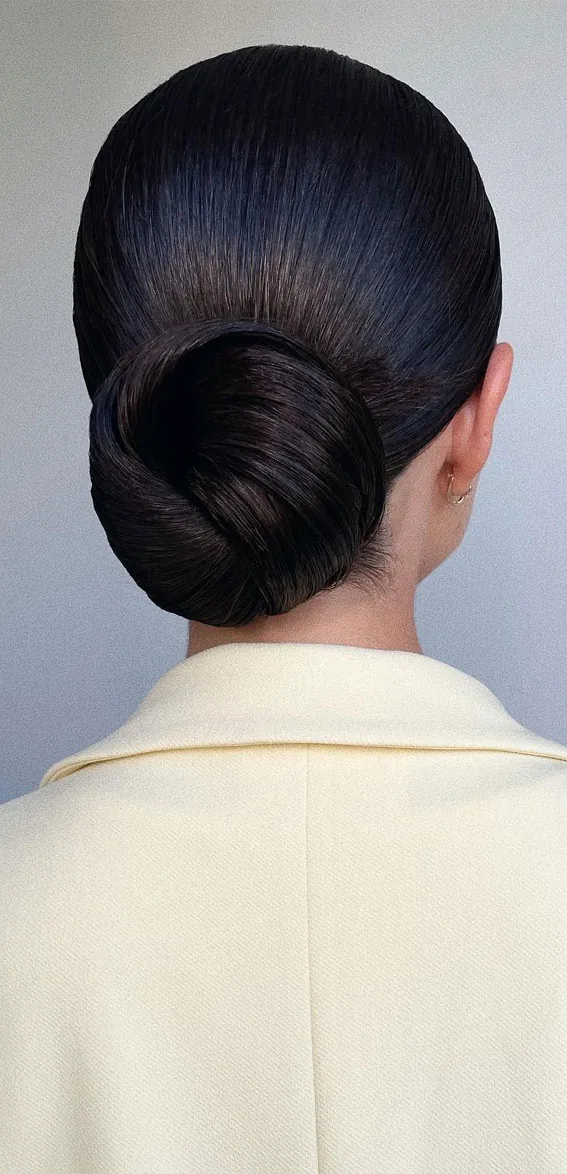
A minimal sleek updo is the final answer for an actor who wants nothing between the panel and the performance: the hair is smoothed back, gathered low, and pinned into a small, neat shape with no texture, no tendrils, and no decoration. It is the style for a dramatic monologue, a classical audition, or any role where the character’s stillness and focus are the point, and it is the easiest style in this guide to match to a headshot that shows the hair pulled back. The minimalism is deliberate — every strand is in place, the face is fully visible, and the panel has nothing to look at except you.
Pros: the most secure and least distracting style in this guide, and finished in under ten minutes. Cons: it shows everything, including a bad hair day, so the smoothing has to be perfect — use a brush, a little pomade, and a fine-tooth comb at the hairline. Best for: dramatic auditions, classical singing, and on-camera work. Common mistake: leaving the updo too small and tight, which can look severe — keep the shape soft and low. Quick verdict: when the performance is the whole point, let the hair disappear.
What is the best hairstyle for a musical theatre audition?
The best hairstyle for a musical theatre audition is a sleek low bun or a polished low ponytail, because both stay secure through singing and dancing, keep your face fully visible, and photograph well on a casting tape. Choose the bun for classical or formal shows and the ponytail for contemporary or dance-heavy shows, and always test the style by singing your song and doing the dance combination at home first.
Should my audition hair match my headshot?
Yes — your audition hair should match your headshot as closely as possible in length, colour, part, and general shape. Casting directors expect the person in the room to look like the person in the photo, and a mismatch wastes the first minute of your audition while they reconcile the two. If you have changed your hair since your headshot, get a new headshot before you audition.
Can I wear my hair down for an audition?
You can wear your hair down for a singing or acting audition if it is styled, the front is secured so it cannot fall into your eyes, and it matches your headshot. Keep it down for ballads and romantic roles, but pull it up for dance auditions, where loose hair is a hazard and a distraction. Always pin at least one side back so the panel can see both of your eyes.
What hairstyle is best for a dance audition?
A sleek low bun, a high ponytail, a braided crown, or a Dutch braid crown are the best hairstyles for a dance audition, because they are completely secure and keep every strand off your face and neck. Avoid loose hair, half-up styles, and heavy waves for a dance call — they will fall apart during the combination and distract both you and the panel.
How do I keep my hair from falling in my face while singing?
Pin the front sections back at the temples with crossed bobby pins, use a light-hold spray or a little pomade on the hairline, and test the style by tilting your head back and shaking it gently before you leave home. If anything moves in the test, add another pin — a style that survives the test will survive the song, even under hot stage lights.
Should I wear hair accessories to an audition?
Keep hair accessories minimal at an audition: one slim clip, a plain elastic wrapped in hair, or a few discreet pins are fine, but avoid large bows, heavy jewellery, and anything that catches the light or makes a noise. Casting directors want to see you, not your accessories, and anything elaborate reads as effort on camera. If in doubt, leave the accessory out.
What is the best hairstyle for a self-tape audition?
The best hairstyle for a self-tape is a clean, defined style with a clear part and no hair across the face — a sleek low bun, a smooth ponytail, or soft waves with the front pinned back. Film a test shot on your phone in the exact spot you will tape and check it on a small screen, because a style that looks good in the mirror can read as a dark mass on camera. Add a little shine serum so the camera picks up healthy hair.
How should I do my hair for a long open-call audition day?
Choose a simple, durable style such as a low bun, a braid, or a smooth ponytail that you can forget about for eight hours, and carry a small kit with three pins, a hair tie, a travel-size spray, and a pocket mirror. Do one five-minute refresh before your slot rather than a full restyle, and avoid styles that need constant attention — they will not survive a day of waiting in a hallway.
Can I change my hairstyle between audition pieces?
Yes, if your base style is convertible — a low ponytail can twist into a bun in thirty seconds, and a side braid can be undone into soft waves in under a minute. Practise the change at home with a timer, carry extra pins and a claw clip in your pocket, and keep both looks simple. A change that takes four minutes at home will take six under pressure, so only attempt it if you have rehearsed it.
What do casting directors notice about audition hair?
Casting directors notice hair only when it distracts them — hair in the face, hair that falls apart, hair that does not match the headshot, or hair that looks over-styled. They do not notice a neat bun, a clean ponytail, or soft waves that stay in place. The best audition hair is invisible: it frames your face, supports your performance, and then gets out of the way entirely.
Conclusion
The right audition hairstyle does not win you the role — your performance does. But the right hairstyle makes sure the panel actually sees that performance, instead of watching your hair fall apart, wondering why you do not look like your headshot, or losing your eyes behind a curtain of curls. Pick a style that frames your face, stays put through everything the audition asks of you, and looks like the person in your headshot. Practise it at home, test it on camera, and carry three spare pins in your bag. Then walk into the room, forget about your hair completely, and let the panel see the only thing that matters: you, singing, acting, and dancing like the role is already yours.
Start with the sleek low bun if you are unsure — it is the safest choice in this guide and the one casting directors see most often for a reason. If the show is a dance-heavy musical, go for the polished low ponytail or the braided crown. If the audition is on camera, choose a style with a clear part and a clean front, and film a test shot before you go. Whatever you choose, choose it the night before, wear it once at home, and arrive at the audition knowing your hair is the one thing you do not have to think about. Break a leg — and book the room before you sing a note.