Pixie Cut: The Liberating Short Crop
There is a haircut that whispers of rebellion, shouts with confidence, and embodies a unique kind of freedom. It’s more than just a style; it’s a statement. It’s the pixie cut. To the uninitiated, it may seem like a simple shearing of locks, but for those who have taken the plunge, it is a transformative experience. Chopping off your hair to reveal a short, textured, and undeniably chic crop is an act of liberation, a declaration that beauty is not measured in inches of hair but in the strength of one’s character.
This guide is for the curious, the bold, and the ones feeling the pull towards a lighter, freer version of themselves. We will journey through the history of this iconic cut, demystify who it’s for (spoiler: it’s for anyone with the courage to try), and provide the essential knowledge to ask for, style, and rock your liberating short crop.
The Allure of the Chop: Why Go Short?
Why would someone willingly part with the long hair so often associated with femininity? The reasons are as varied and unique as the individuals themselves. For many, it’s a practical revolution. Imagine a life with showers that take five minutes, a hair-drying routine that lasts 60 seconds, and a significant reduction in your shampoo and conditioner budget. The time and mental energy saved are profound.
Beyond practicality, there is a powerful emotional and psychological shift. Shedding long hair can feel like shedding past versions of yourself, old heartbreaks, or societal expectations. It forces you to confront your face, your features, and your essence without a curtain to hide behind. This vulnerability quickly transforms into a potent confidence. There is no hiding with a pixie cut; you are seen, and in that visibility, you find a new kind of strength. It’s a haircut that says, “This is me. Take it or leave it.”
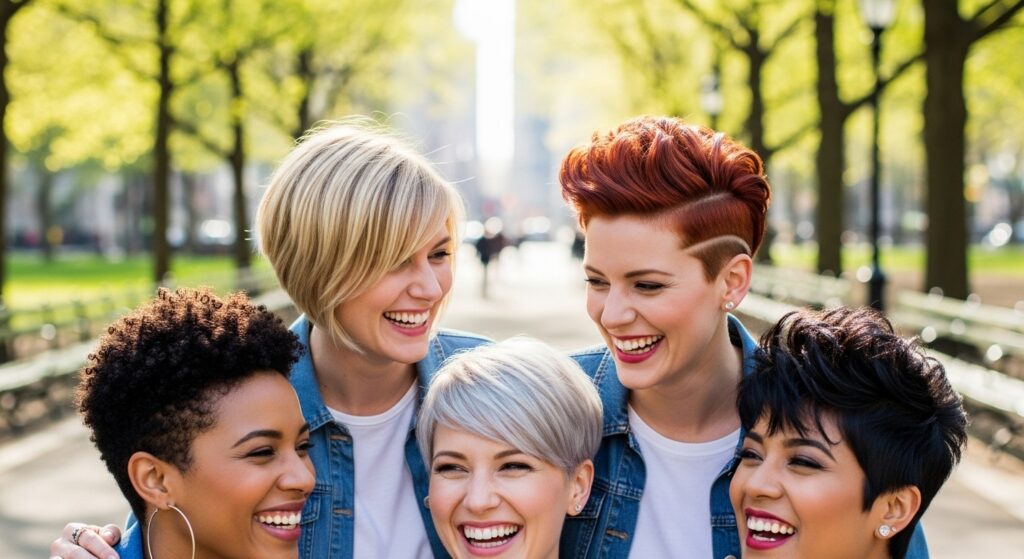
A Cut Through History: The Pixie’s Iconic Journey
The pixie cut is far from a modern trend. Its roots are deep and rebellious. In the 1920s, the “flapper” era embraced short bobs and crops as a symbol of women’s liberation, a stark contrast to the long, restrained styles of the Victorian age. However, the pixie as we know it truly exploded into the public consciousness in the 1950s and 60s, thanks to silver screen icons.
Audrey Hepburn in Roman Holiday (1953) presented a gamine, elfin cut that was both playful and elegant, capturing hearts worldwide. Then came the androgynous power of Twiggy in the 1960s, whose sharp, boyish crop defined the mod era. These women used the pixie not just as a style, but as a part of their charismatic identity.
Throughout the decades, it has been reclaimed and reinvented by countless celebrities, each adding their own flavor. From the edgy platinum crop of Annie Lennox to the sleek, powerful statement of Halle Berry and the modern, textured looks sported by stars like Michelle Williams and Florence Pugh, the pixie cut remains a constant on the red carpet, a testament to its enduring and adaptable appeal.
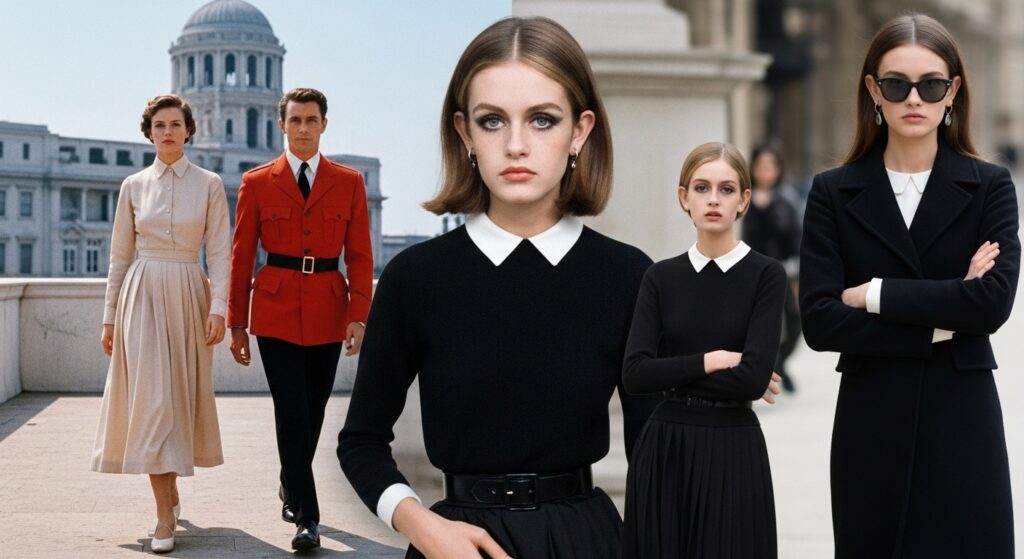
Finding Your Match: The Right Pixie for Your Face Shape
A common misconception is that pixie cuts only suit a certain “type” of person. This is simply not true. The key is not your face shape, but finding the right variation of the pixie to enhance your unique features. A skilled stylist is your greatest ally here, but understanding the basics will empower your consultation.
For Oval Faces: You’ve hit the jackpot! An oval face is the most versatile and can carry almost any pixie style. Feel free to experiment with super short sides, longer tops, or asymmetric designs.
For Round Faces: The goal is to create length and definition. Opt for styles that are longer on top with height and volume. Asymmetric cuts and side-swept bangs can also help to elongate the face. Keep the sides softer rather than severely clipped.
For Square Faces: You’ll want to soften your strong jawline. Pixies with wispy, textured layers around the face and a slightly longer, tousled top work beautifully. Avoid blunt, heavy bangs that can make the face look boxy.
For Heart-Shaped Faces: (Wider forehead, narrower chin) Styles with wispy, side-swept bangs are perfect as they balance the forehead. A pixie that is fuller at the chin level, like a longer, piecey cut, can also help to widen the appearance of a narrower jaw.
For Long Faces: The aim is to create width. Blunt, full bangs are your best friend, as they shorten the appearance of the face. Shorter styles that keep volume on the sides rather than the top will also help to add balance.

The Stylist Consultation: How to Ask for a Pixie Cut
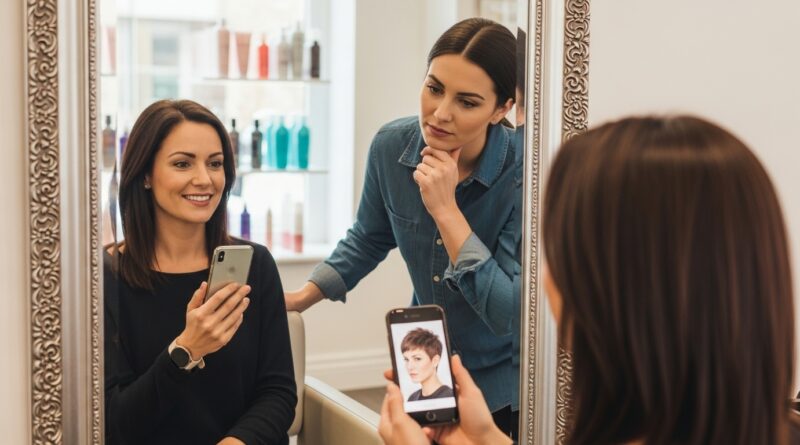
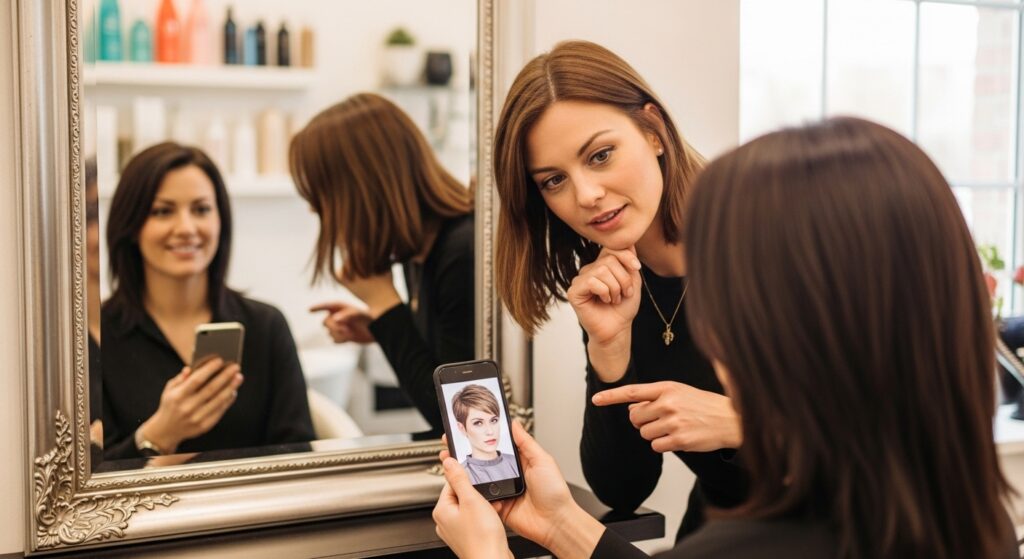
Walking into a salon and asking for “a pixie” can be vague. Preparation is key to getting the cut you envision. Bring pictures! A visual reference is the most effective way to communicate with your stylist. Collect 3-4 images of pixie cuts you love, noting what you like about each one—the texture, the length on top, the way the sides are faded, etc.
Be open to your stylist’s professional opinion. They will assess your hair type (is it fine, thick, curly, or straight?), your hairline, and your face shape to recommend adjustments to your chosen inspiration photos that will make the cut work best for you. Key terms to discuss include:
Texture: Do you want it choppy and piecey, or smooth and sleek?
Volume: Do you want volume on top or a flatter, more streamlined look?
Bangs: Side-swept, blunt, wispy, or none at all?
Length on Top: How much length are you comfortable with? A 2-inch top is very different from a 5-inch top.
Sides and Back: Closely shaved? Scissor-cut? Tapered?
Life with a Pixie: Styling and Maintenance
Congratulations, you’ve taken the leap! Now, how do you care for your new crop? While low-maintenance in many ways, a pixie does require regular trims to maintain its shape. Plan on visiting your stylist every 4-6 weeks.
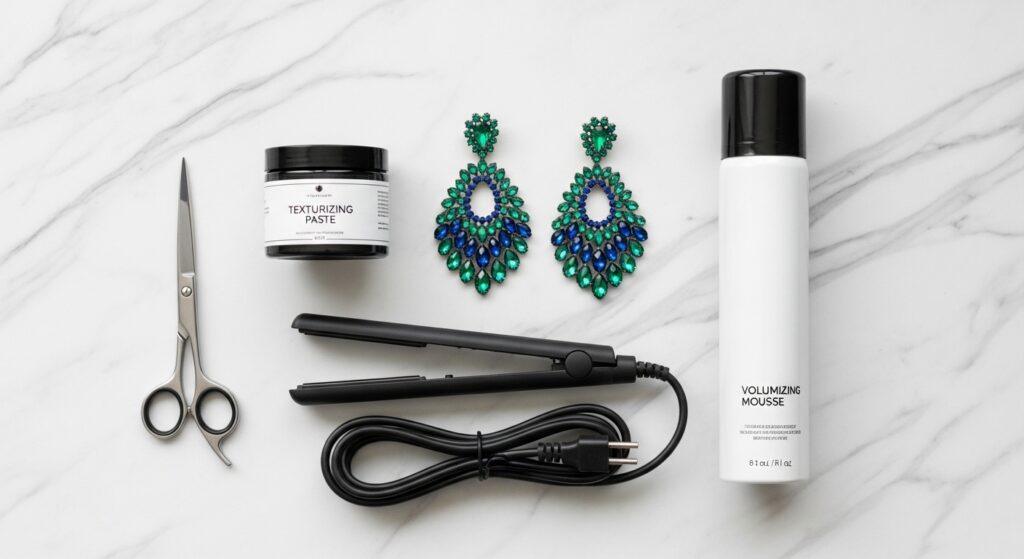
Styling a pixie is where the fun begins. With a few key products, you can create multiple looks.
For a Sleek, Polished Look: Apply a smoothing cream or a light-hold gel to damp hair. Blow-dry using a flat nozzle attachment, directing the hair as you go. A flat iron can be used for ultimate sleekness.
For a Textured, Piecey Look: This is the quintessential pixie texture. Work a texturizing paste, wax, or pomade through dry hair. Use your fingers to pinch and separate sections, creating definition and a slightly messy, “lived-in” effect.
For a Voluminous, Lifted Look: Apply a volumizing mousse or root-lifting spray to damp hair. Blow-dry your hair against its natural direction, using your fingers or a round brush to lift the roots at the crown.
For Curly and Wavy Hair: Embrace your natural texture! Use a curl-defining cream or curl enhancer on wet hair and let it air dry or use a diffuser. Scrunch your hair as it dries to encourage your curls and create a gorgeous, effortless look.
Don’t forget your accessories! Statement earrings, a bold lip color, and elegant headbands become powerful style statements when you have a pixie cut.
Beyond the Salon: The Deeper Liberation
The true power of the pixie cut extends far beyond the salon chair. It is a physical manifestation of an internal shift. In a world that often equates a woman’s hair with her beauty and identity, choosing to cut it all off is a radical act of self-definition. It is a declaration that your femininity, your sensuality, and your power are not external attributes granted by your hair length, but are intrinsic to who you are.
It teaches you to find beauty in the sharp line of your jaw, the curve of your neck, the expressiveness of your eyes. It forces you to build a confidence that comes from within, a confidence that is unshakeable because it is not tied to a temporary style. The pixie cut is a conversation starter, a filter for superficiality, and a badge of courage. It is, in its purest form, liberating.
So, if you feel that pull, that quiet curiosity about what it would be like to feel the air on your neck and see your face unframed, listen to it. The scissors aren’t just cutting hair; they’re cutting ties to convention. And on the other side is a lighter, bolder, and more authentically you