The U-Cut: Soft, Rounded Layers That Frame Your Face
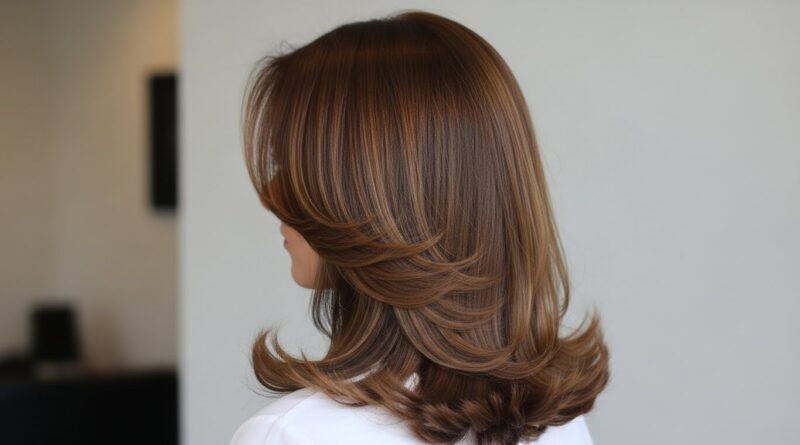
In the ever-evolving world of hair trends, some styles come and go with the seasons. Others, however, possess a timeless magic that consistently captivates. The U-Cut hairstyle firmly belongs in the latter category. More than just a cut, it’s a philosophy of shape, movement, and flattery. Imagine hair that cascades down your shoulders in a gentle, rounded silhouette, with layers that artfully frame your face like a soft-focus filter. This is the essence of the U-cut: a departure from harsh, straight-across lines, offering instead a flowing, dynamic, and profoundly feminine aesthetic that breathes life into your locks.
What Exactly is a U-Cut?
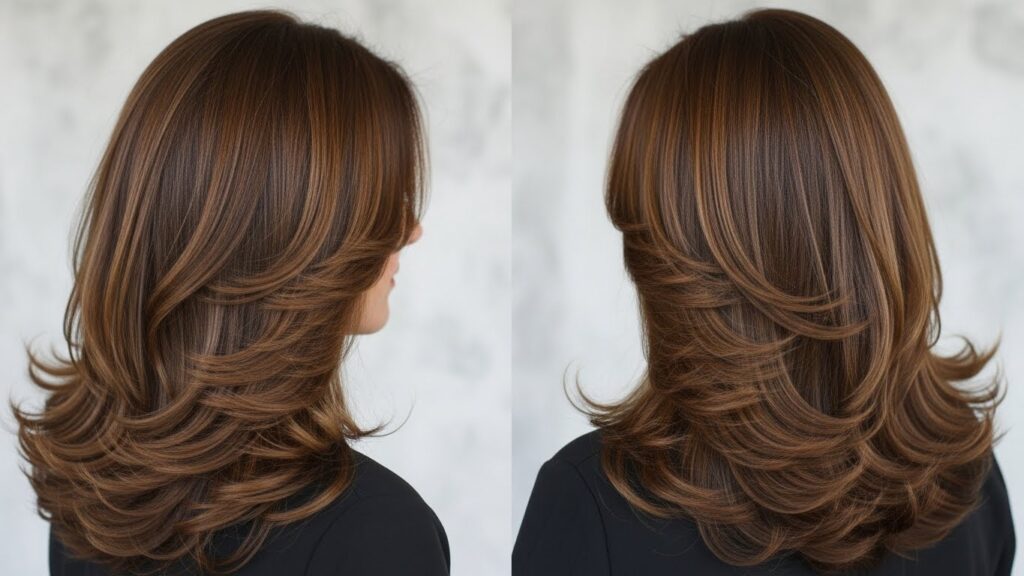
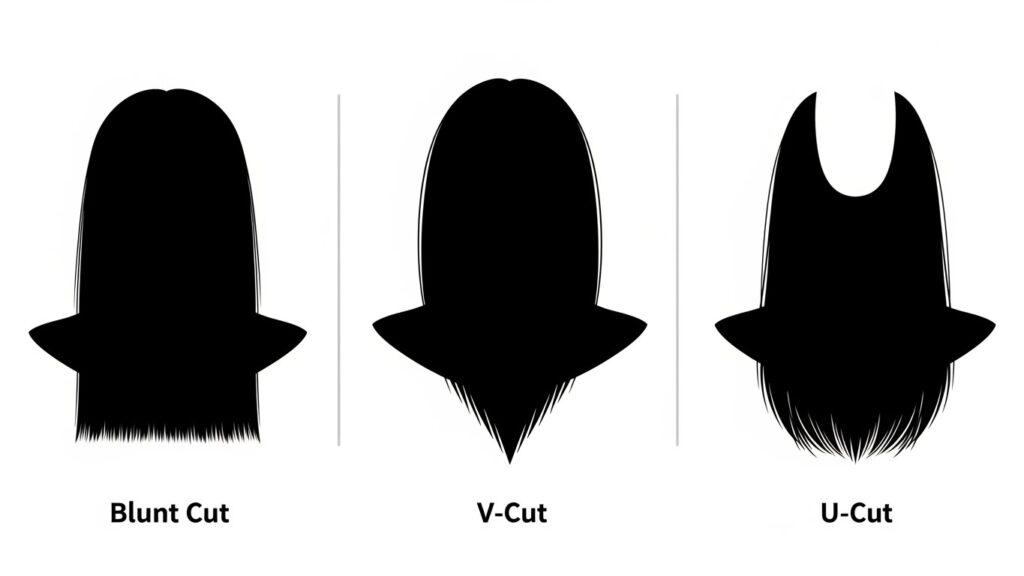
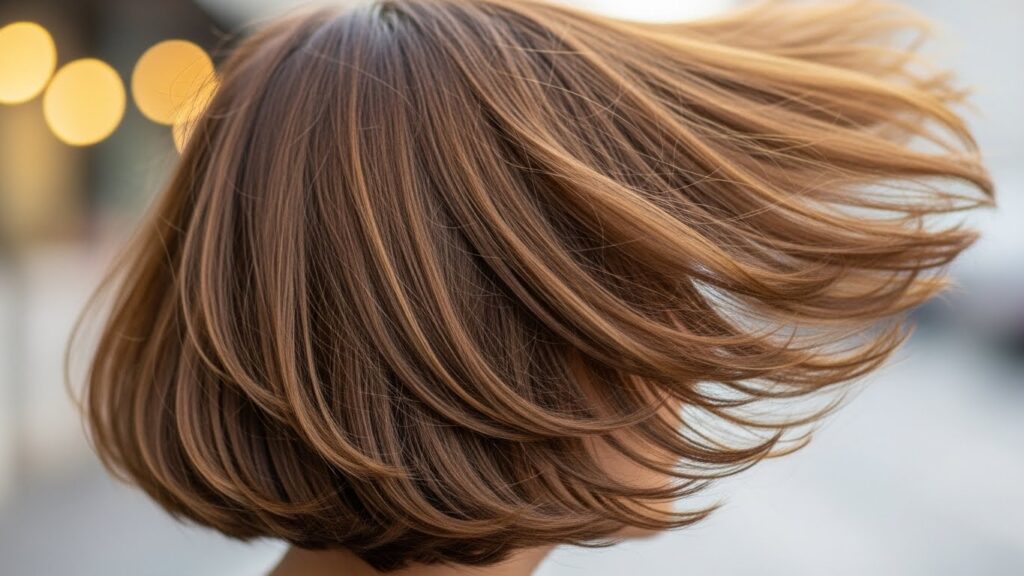
At its core, the U-cut is defined by its shape. When viewed from the back, the hair falls into a distinct “U” or horseshoe shape, with the longest layers in the center and progressively shorter layers moving towards the front. This creates a rounded, seamless perimeter that is the antithesis of the blunt, horizontal line of a traditional one-length cut or the sharp “V” of a V-cut.
The magic happens through strategic layering. These layers are typically soft and blended, not choppy or disconnected. They start around the jawline or collarbone, working to remove weight, encourage movement, and create that signature face-framing effect. The goal is not to lose length dramatically but to sculpt the existing length into a shape that adds body, bounce, and a touch of romantic softness. It’s a cut that works with your hair’s natural texture, enhancing waves and curls while also bringing life to straight hair.
Why Choose a U-Cut? The Benefits Unveiled
Why has the U-cut remained a salon staple for decades? The benefits are as tangible as they are visual. First and foremost, it is a masterclass in creating the illusion of volume. By removing bulk from the mid-lengths and ends, the hair gains lift and body, particularly at the roots. This is a game-changer for those with fine or flat hair who still desire length.
Secondly, the face-framing layers are a powerful tool for enhancing your natural bone structure. They draw attention to the eyes and cheekbones, soften angular jawlines, and can even help balance longer face shapes. The movement is constant and organic; with every turn of your head, the layers shift, creating a dynamic, lively look. Furthermore, the U-cut is famously low-maintenance and grows out beautifully. Unlike very precise blunt cuts that require frequent trims to maintain their line, the soft, graduated layers of a U-cut blend seamlessly as they grow, allowing for longer intervals between salon visits.
Finding Your Match: Which Face Shapes Suit a U-Cut?
The U-cut’s genius lies in its adaptability. While it is universally flattering, it can be tailored to harmonize perfectly with your unique face shape. For those with oval faces, you’re in luck—this shape can carry almost any style, and a U-cut will simply accentuate your balanced proportions. For round faces, the vertical lines created by the long center and face-framing layers help elongate the face, creating a slimming effect. Ask your stylist to keep the front layers longer, starting from the chin downwards.
If you have a square face with a strong jawline, the softness of the U-cut is your perfect ally. The rounded silhouette and gentle layers work to soften angular features, creating a more romantic look. For heart-shaped faces (wider forehead, narrower chin), the U-cut adds balance by bringing volume and width around the jawline and chin area. Those with long face shapes should opt for a U-cut with layers that begin below the chin to add width and prevent over-elongation.
The Stylist’s Chair: What to Ask For During Your Appointment
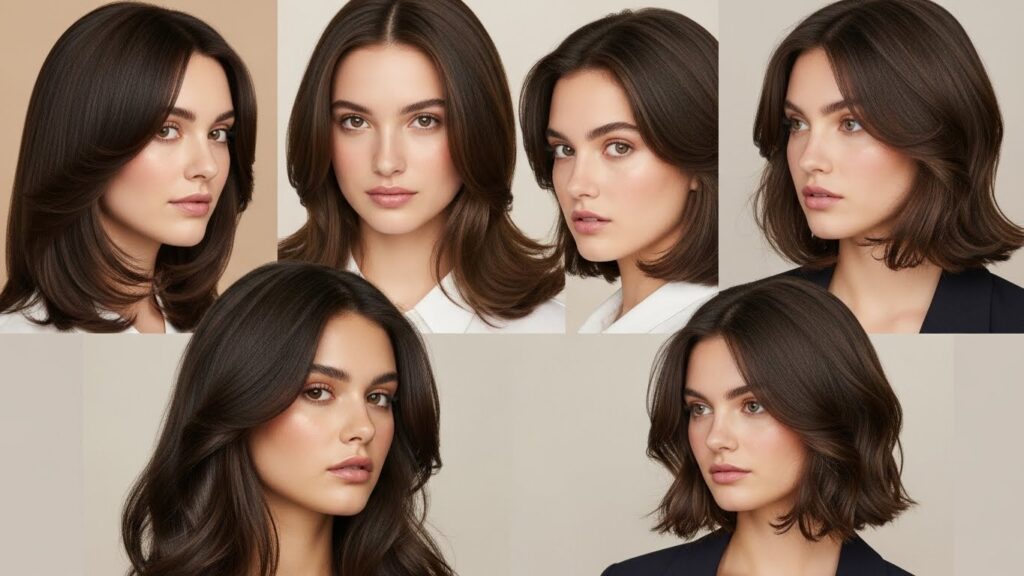
Communication is key to walking out of the salon with your dream U-cut. Don’t just ask for “layers.” Be specific. Bring visual references—photos from different angles are incredibly helpful. Use the terminology: ask for “a U-shaped hemline with soft, rounded layers”. Crucially, discuss the starting point of the layers. A common request is, “I’d like face-framing layers that start at my cheekbones/jawline/collarbone.”
Talk about your hair’s texture. If you have curly hair, the layers will need to be cut differently (often while dry) to account for spring-back. If your hair is very thick, you may need more internal layering to remove weight. If it’s fine, your stylist will be careful to layer subtly to retain density. Mention your styling habits, too. If you’re a wash-and-go person, your stylist can tailor the cut to look great with minimal effort.

Living with Your U-Cut: Styling and Maintenance Tips
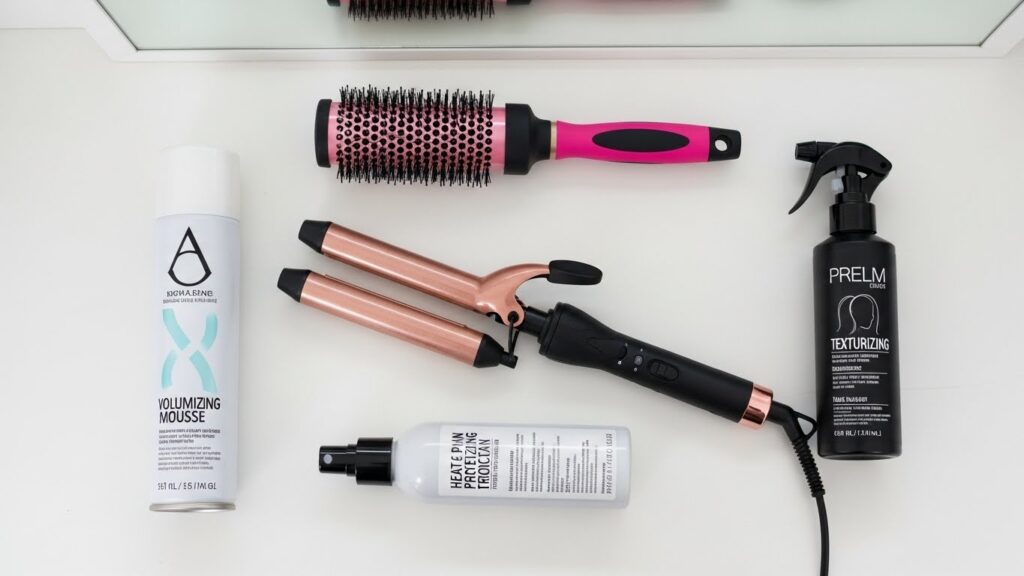
The beauty of a U-cut is that it styles with remarkable ease. For a quick, everyday look, simply apply a volumizing mousse or root lift spray to damp hair and blow-dry with a round brush, focusing on lifting the roots and curling the ends under or out to emphasize the shape. Beachy waves are a match made in heaven for this cut. Use a curling wand to create loose, alternating waves, then run your fingers through them and spritz with texturizing spray for that effortless, undone vibe.
Maintenance is straightforward. Regular trims every 10-12 weeks are sufficient to maintain the shape and prevent split ends from traveling up the delicate layers. Invest in a good quality heat protectant and a nourishing hair mask to keep your ends looking smooth and healthy. When tying your hair up, the layers will naturally create a soft, wispy frame around your face—a bonus half-up style is practically built-in.
The U-Cut vs. Other Layered Cuts
It’s helpful to distinguish the U-cut from its popular cousins. The V-cut is more dramatic and edgy, with layers converging at a sharp point in the back. The U-cut is its softer, more rounded sister. Blunt cuts offer a solid, graphic line and maximum weight, but lack the movement and airiness of a U-cut. Shag cuts feature much shorter, heavily textured layers throughout, creating a rebellious, rock-and-roll feel, whereas the U-cut maintains a more polished, length-retaining elegance.
Think of the U-cut as the perfect middle ground—it offers the movement and dimension of layers without sacrificing the feeling of having long, substantial hair. It provides shape without drastic change, making it an excellent choice for anyone hesitant about taking the plunge into heavy layering.
Is the U-Cut the Right Transformation for You?
If you are longing for a change that feels fresh yet timeless, that adds life and motion without a drastic chop, the U-cut deserves your serious consideration. It is a cut that celebrates length while defying heaviness, a style that flatters a wide spectrum of features and textures, and a look that transitions seamlessly from day to night. It’s the hairstyle equivalent of a perfectly tailored piece of clothing—it looks and feels like it was made just for you.
Ultimately, the best hairstyle is one that makes you feel confident and beautiful. The U-cut, with its inherent softness, graceful movement, and face-framing magic, has been delivering that feeling for generations. Bring the inspiration to your next stylist appointment and get ready to see your hair—and your face—in a beautifully framed new light.