Court-Ready Hair: 41 Tennis Hairstyles for Women That Stay Put Through Every Rally
Tennis asks more of your hair than almost any other sport. You are sprinting to the net, stretching for a lob, serving overhead and turning on a dime, all in the sun, all while sweating. A style that looks perfect in the mirror can fall apart by the second game, with strands in your eyes, a ponytail thumping against your neck and a bun sliding sideways. That is why choosing the right tennis hairstyles for women matters as much as choosing the right racket: the right style stays put, keeps you cool and lets you think about the ball, not your hair.
This guide brings together 41 tennis hairstyles for women, from the classic high ponytail and the French braid to sweatband styles, visor-friendly low ponytails and elegant off-court looks for after the match. Eight guides first cover the practical side, from hair ties that will not snap to sweat-proof products and hair care after a sweaty match. Then each of the 41 styles explains who it suits, how to wear it and what to watch out for, so you can find the one that holds through every rally, whatever your hair length or type.
Why Tennis Hair Has to Stay Put
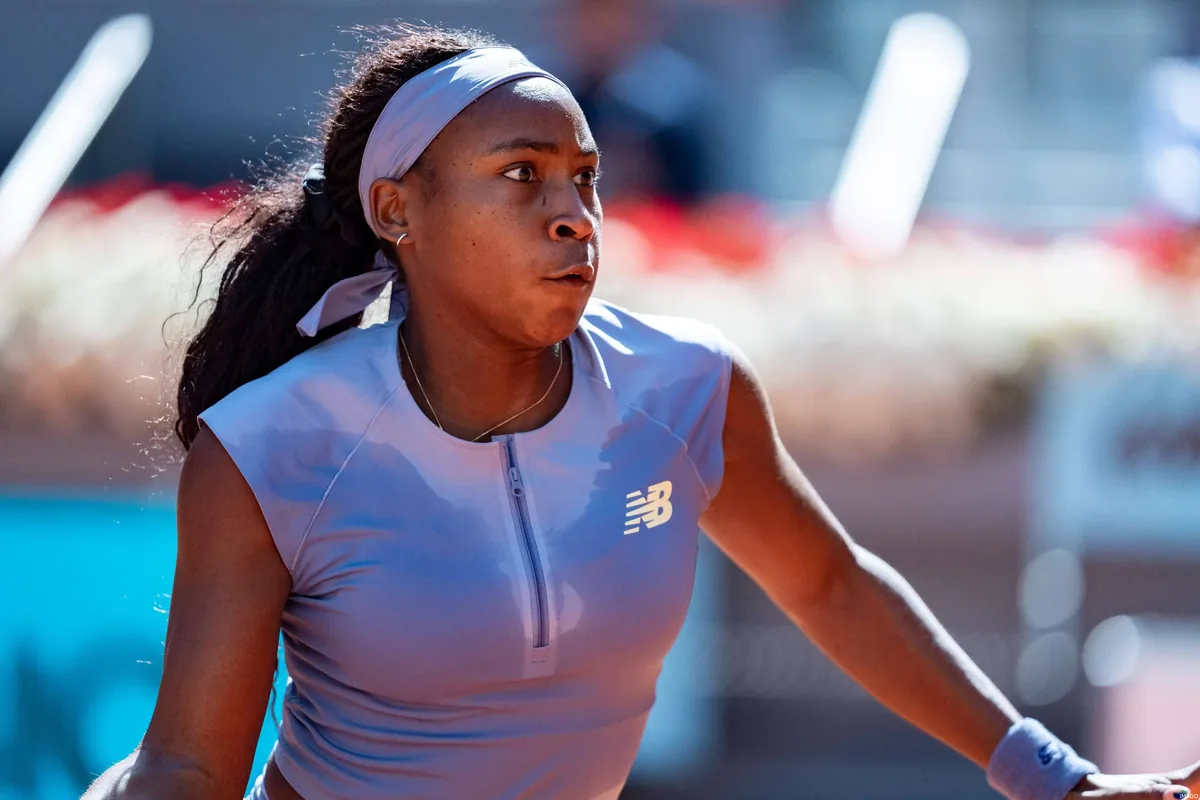
Tennis is not a gentle sport for your hair. You sprint, stop, turn, serve overhead and chase drop shots, and every one of those moves tugs at a loose style. A ponytail that bounces into your eyes on a serve or a bun that unravels mid-rally is more than annoying, it costs you points and breaks your focus. The best tennis hairstyles for women are built around one idea: nothing moves, nothing falls in your face, and nothing needs fixing between games.
Best for: every player, from weekend social tennis to competitive league matches. How to style it: anchor your style at two points, for example a braid plus an elastic, or a bun plus pins, so one failure never ruins the whole look. Common mistake: wearing your everyday loose style onto the court and expecting it to survive a three-set match. Quick verdict: if you have to touch your hair during a rally, the style has already failed.
Choosing Hair Ties That Will Not Snap Mid-Match
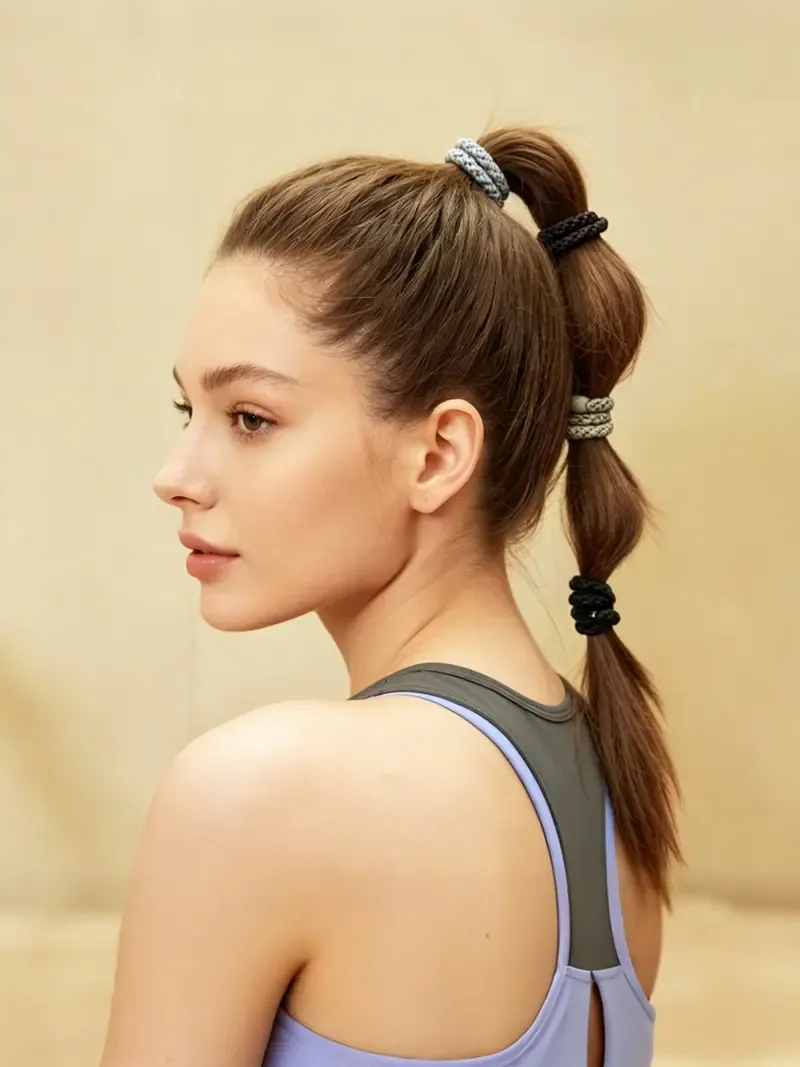
A cheap elastic is the weakest link in any tennis hairstyle. Thin rubber bands snap, dig in and leave a dent, while a good sports tie holds through sweat and sprinting without pulling. Look for thick, fabric-covered elastics, spiral telephone-cord ties or no-crease ties, and always carry a spare in your tennis bag or tucked into your sock, because a snapped tie at 40-40 is a problem you do not need.
What to buy: fabric-covered elastics or spiral ties, in a pack so spares are always handy. How to style it: wrap the tie three times for thick hair and twice for fine hair, and test it with a few jumps before you leave home. Cost and time: a pack of sports ties costs very little and lasts a whole season. Common mistake: using one thin elastic for a heavy ponytail and wondering why it sags by the second set.
Sweat-Proof Products: Gel, Spray and Dry Shampoo
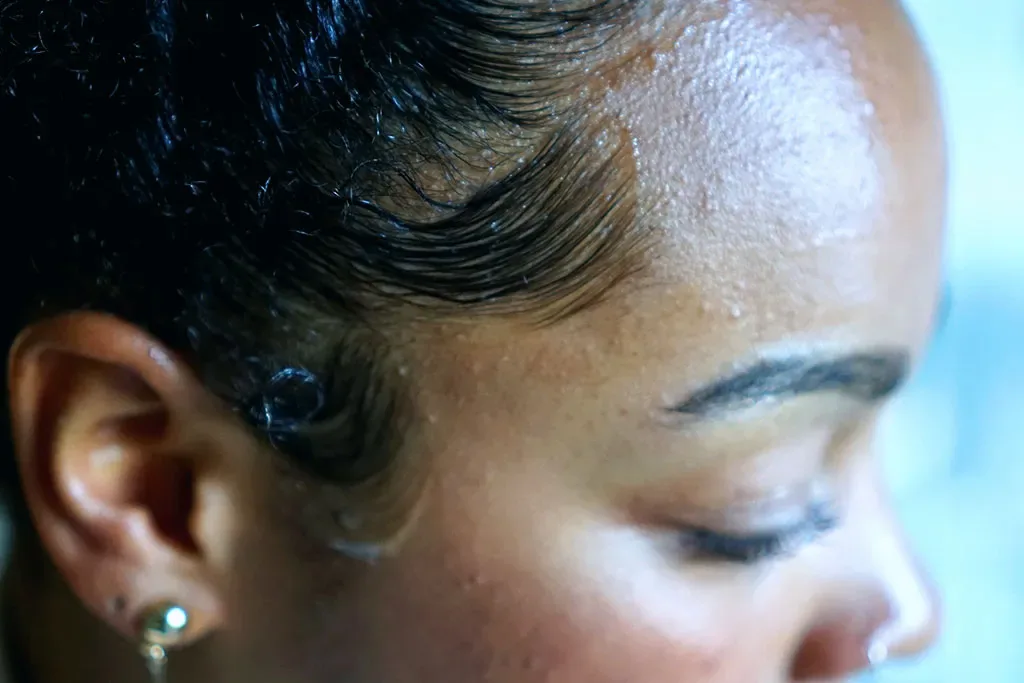
Sweat is the enemy of a neat tennis style, softening gel, loosening pins and turning smooth edges into frizz. A strong-hold gel or edge control smoothed over the hairline before you play keeps baby hairs in place, a light-hold hairspray locks a bun or braid without making it crunchy, and dry shampoo after the match soaks up sweat at the roots so you can go straight to lunch without a full wash.
Best for: players with frizz-prone or fine hair, and anyone playing in heat or humidity. How to style it: apply gel to damp hair, style, then mist with spray and let it set for a minute before you pick up your racket. What to ask your stylist: for a sweat-resistant styling routine that suits your hair type. Quick verdict: the right products are the difference between a style that lasts one game and one that lasts the whole match.
Visors, Caps and Headbands: What Works With Each Style
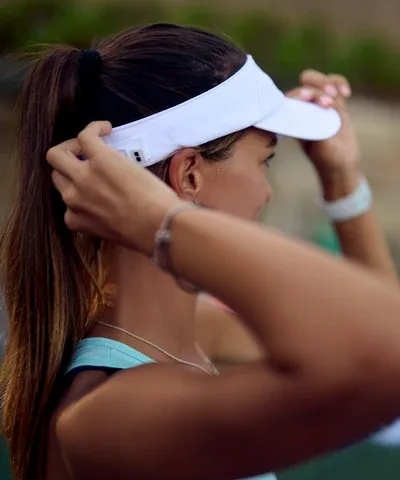
Sun protection is part of tennis, but a visor or cap changes which hairstyles work. A high ponytail threads neatly through the back of a cap, a low ponytail or braid sits comfortably under a visor, and a wide headband keeps sweat out of your eyes while holding back shorter layers. The trick is to put the visor or cap on first in your head, then build the style around it, not the other way round.
Best for: outdoor players, summer matches and anyone who wears sun protection on court. How to style it: try the style on with your visor before match day, and keep the bulk of the hair low if your cap has no ponytail opening. Common mistake: a high bun that pushes your cap up and lets the sun straight into your eyes. Quick verdict: low styles and braids are the most visor-friendly choices you can make.
Hair Care After a Sweaty Match
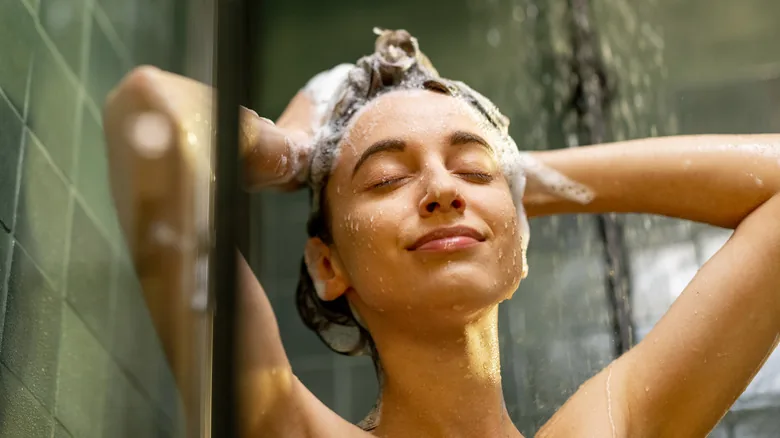
A hard match leaves salt, sweat and product in your hair, and how you wash it afterwards matters as much as the style you played in. Rinse with lukewarm water first, use a gentle shampoo and focus it on the scalp, and follow with conditioner only on the lengths so your roots stay light and bouncy. If you play several times a week, a clarifying wash once a week stops product and sweat from building up and dulling your hair.
Best for: anyone who plays two or more times a week. How to do it: wash within a couple of hours of the match, let hair air-dry when you can, and use a wide-tooth comb on wet hair. Maintenance: a weekly hair mask keeps lengths soft after repeated washing. Common mistake: piling conditioner onto the scalp, which leaves roots flat and greasy by the next morning.
Braids vs Ponytails vs Buns: Which Holds Longest?
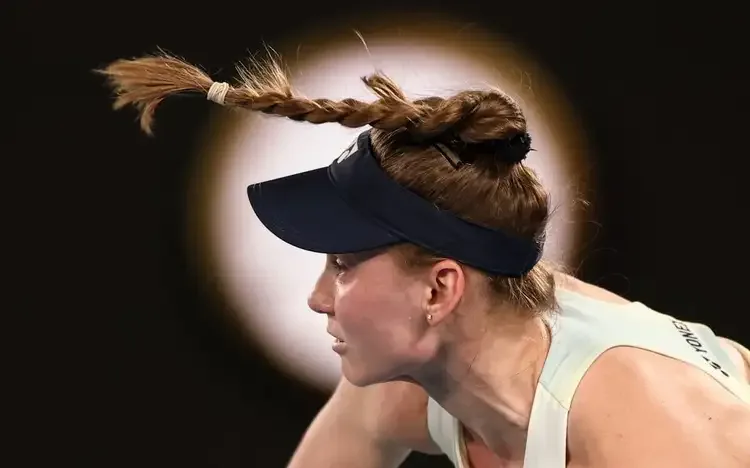
Every court style has a trade-off, and knowing it helps you pick the right one for the match ahead. Braids hold the longest and spread the tension evenly, so they are the best choice for long matches and thick hair. Ponytails are the quickest and coolest, but they bounce and can loosen. Buns keep everything completely out of the way and sit well under a cap, but a heavy bun can ache after an hour. Many players mix them, a braid into a ponytail or a bun, for the best of both worlds.
Best for: long matches and hot days, choose a braid; short social games, choose a ponytail; windy days, choose a bun. How to decide: match the style to the match length and the weather, not just to your mood. Quick verdict: braids win on hold, ponytails win on speed, buns win on tidiness, and a braided bun wins on all three.
Styling for Different Hair Lengths on Court
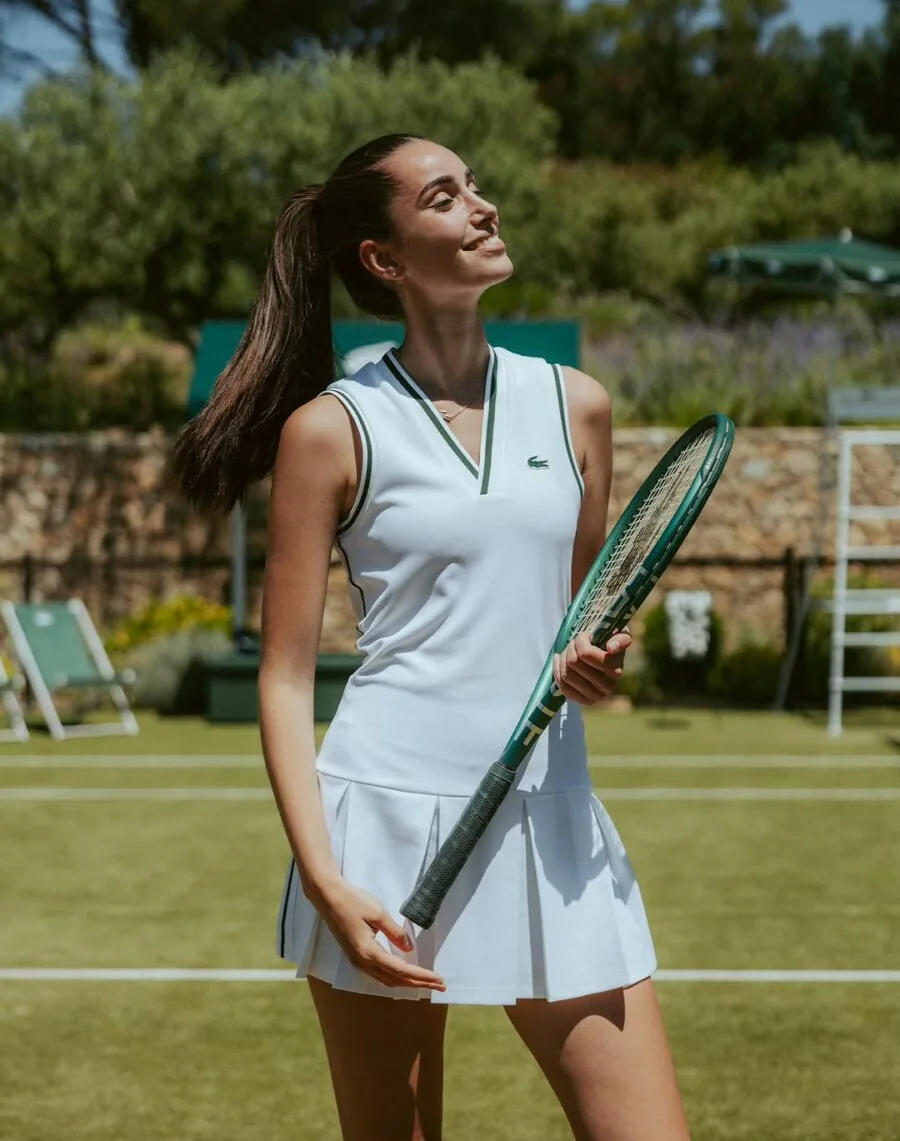
Tennis hair is not one-size-fits-all, because length decides what is even possible. Long hair suits braids, bubble ponytails and buns that use the length as an anchor. Medium hair is the easiest of all, with low ponytails, half-up styles and short braids that hold well. Short hair and pixie cuts need a different approach entirely: a sweatband, a headband or a few well-placed clips keep the front out of your eyes while the back stays free.
Best for: players of every length, once the style matches the hair. How to style it: short hair, reach for a band or clips; medium hair, a low ponytail or braid; long hair, a braid or bun that distributes the weight. What to ask your stylist: for a cut with layers that tuck neatly into a ponytail. Common mistake: forcing a long-hair style onto short hair instead of choosing a style built for it.
From Court to Dinner: Quick Off-Court Transitions
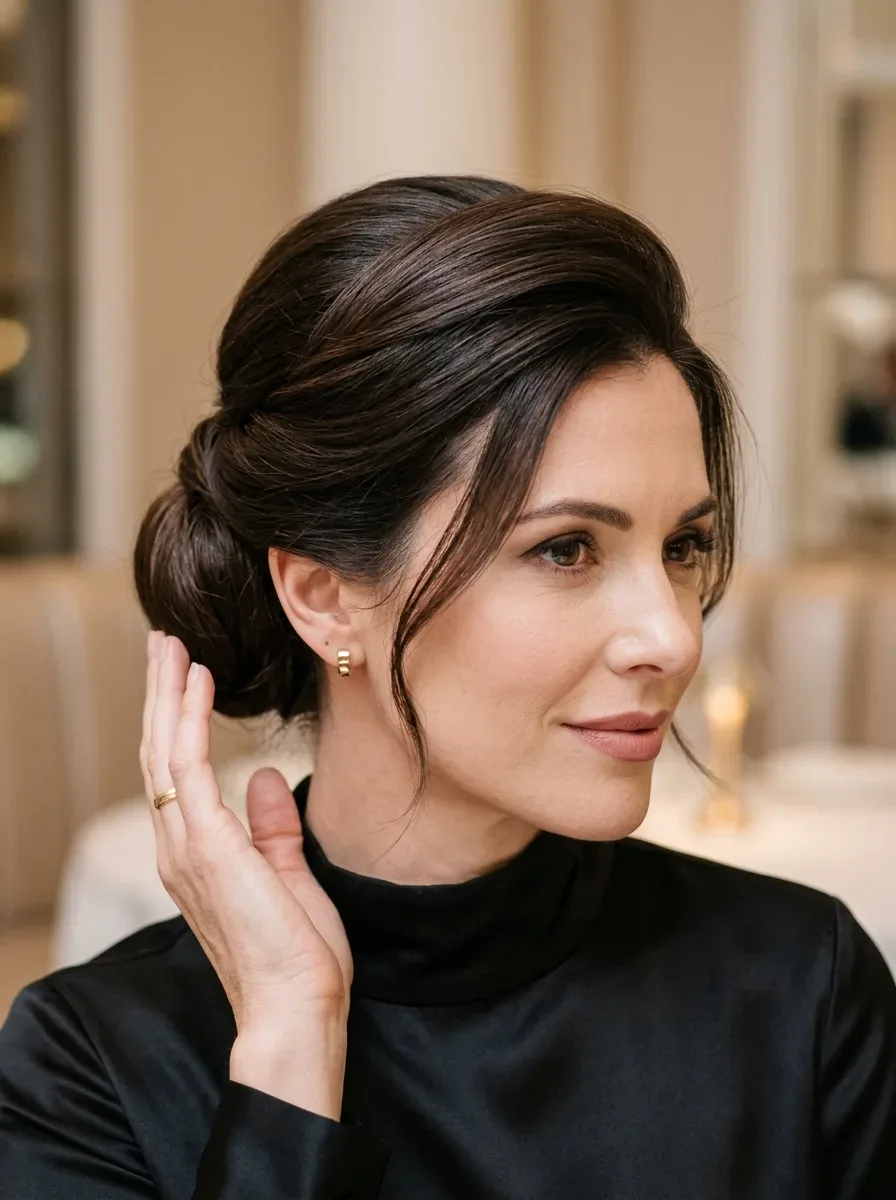
Tennis days rarely end at the court. There is lunch with your doubles partner, a drink at the clubhouse, sometimes dinner straight after, and nobody wants to arrive looking like they just left a match. The smart move is a style that transforms: take down a braid into soft waves, release a bun into a loose chignon, or swap a sweatband for a silk scarf and a pair of earrings. Five minutes, a little dry shampoo and one accessory change are all it takes.
Best for: club days, tennis lunches and post-match social plans. How to do it: keep dry shampoo, a clip and a scarf in your tennis bag, and choose a court style that leaves a soft wave when released. Time and cost: about five minutes and no extra spending. Quick verdict: the best tennis hairstyles for women work twice, once on court and once off it.
1. The Classic High Ponytail
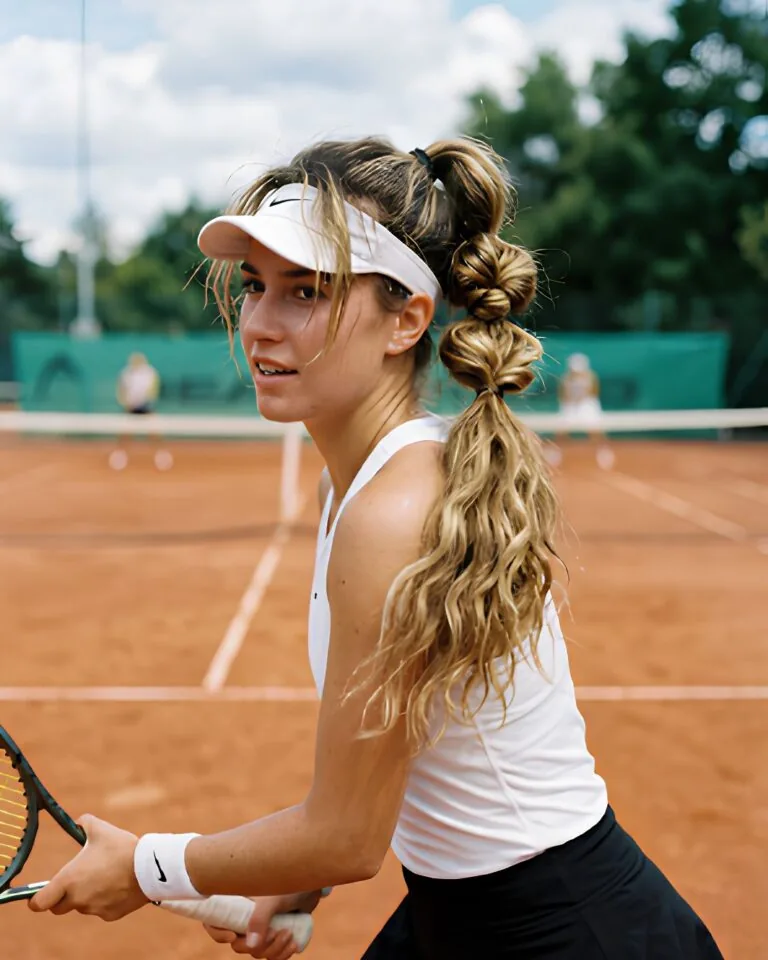
The classic high ponytail is the first style most players reach for, and for good reason: it lifts every strand off the neck, keeps hair out of the face on every serve, and takes less than a minute. Gather the hair high at the crown, smooth the sides with a brush, and secure it firmly. It suits almost every hair type and works with a visor, a cap or a headband.
Best for: hot days, long rallies and anyone who hates hair on the neck. How to style it: tip your head upside down, gather at the crown and wrap the tie three times for a firm hold. Common mistake: placing it too low, where it thumps against your neck with every step. Quick verdict: the fastest reliable court style there is.
2. The Low Sleek Ponytail
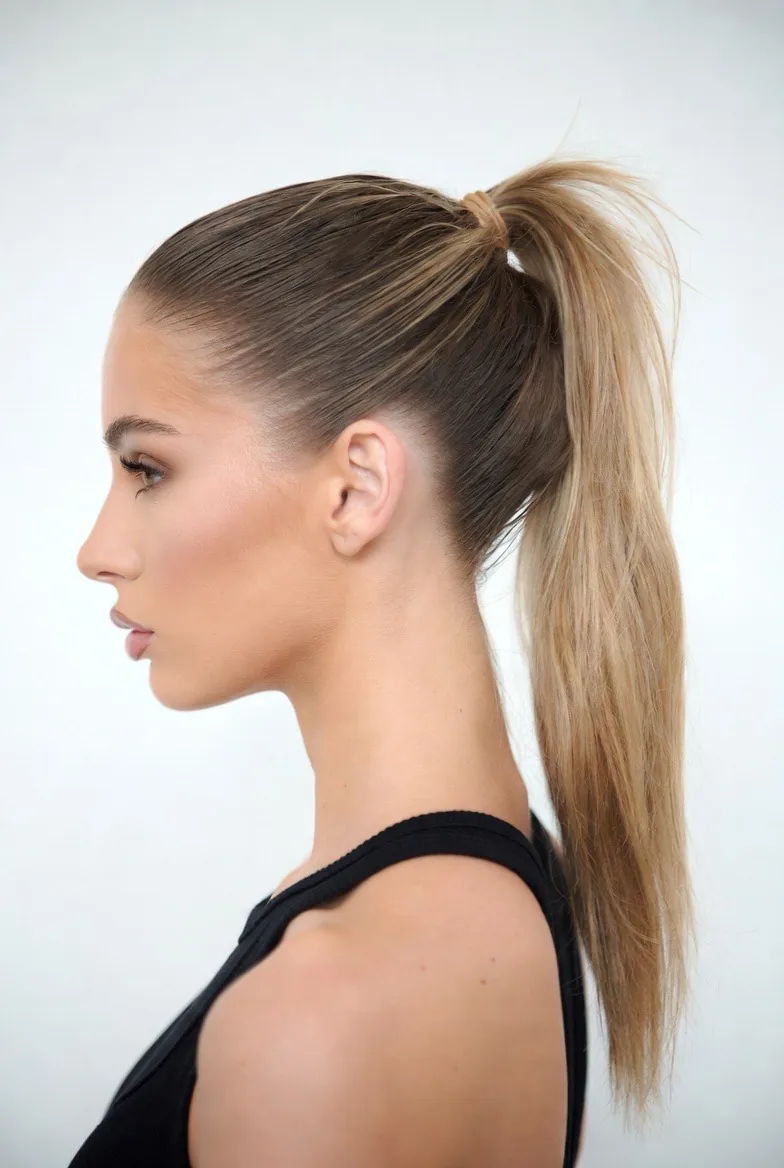
The low sleek ponytail is the polished cousin of the high ponytail, and it is the one to choose when you want to look put together as well as play well. Worn at the nape with a smooth, centre-parted finish, it barely moves during play, sits perfectly under a visor, and looks elegant enough for the clubhouse afterwards. A strand wrapped around the elastic hides the tie and finishes the look.
Best for: visor wearers, straight or wavy hair, and post-match lunches. How to style it: part in the centre, smooth with gel, secure low and wrap a strand around the base. Pros: stays put and looks refined. Cons: less cooling than a high ponytail on very hot days.
3. The French Braid
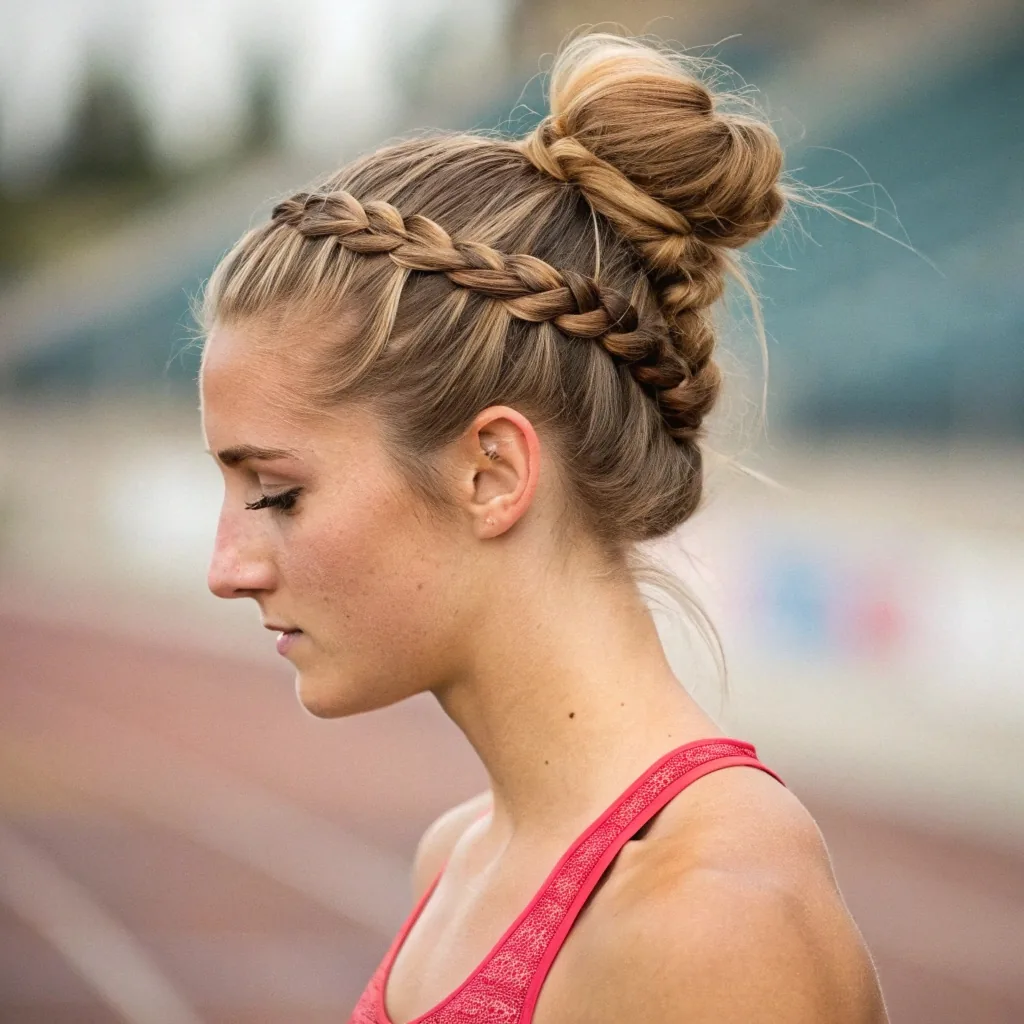
A single French braid is one of the most secure tennis hairstyles for women, because it anchors the hair to the head from the hairline to the ends. Nothing bounces, nothing escapes, and it survives serves, sprints and three-set matches without a touch-up. It also looks classic and neat, which is why so many professional players wear some version of it on court.
Best for: long matches, thick hair and windy courts. How to style it: braid from the front hairline backwards, keeping the sections even, and secure with a small elastic. Time and cost: about five minutes once you have practised, and no products needed. Who should avoid it: very short hair, which will not reach through the braid.
4. The Dutch Braid
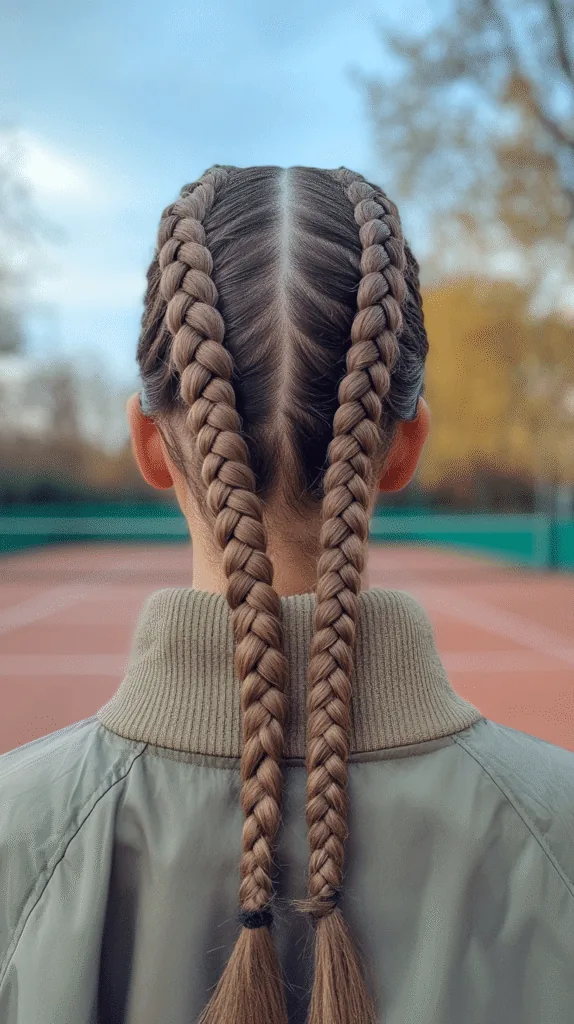
The Dutch braid, sometimes called the reverse French braid, sits on top of the hair instead of tucked inside it, giving a bolder, raised look that holds just as firmly. It is a favourite for players who want their braid to show, and it grips slippery or fine hair better than a standard braid because each section crosses under the last. One Dutch braid down the back is clean, sporty and completely match-proof.
Best for: fine or slippery hair that slides out of a normal braid. How to style it: cross each section under rather than over, pulling gently to keep it tight at the scalp. Maintenance: a light mist of hairspray keeps flyaways down. Quick verdict: the same hold as a French braid, with more visible style.
5. Double French Braids
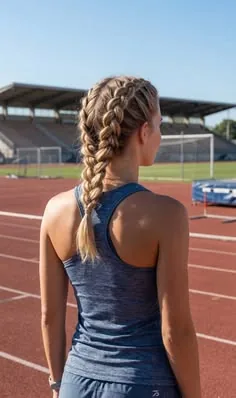
Double French braids split the hair into two neat braids, one on each side, and they are the ultimate stay-put style for long hair. The weight is balanced, so nothing pulls to one side, and the style holds through the hardest rallies. It is also the most practical choice for players with very thick hair, since two braids manage the bulk far better than one.
Best for: very long or thick hair, junior players and long tournament days. How to style it: part down the centre, braid each side from the hairline to the ends, and secure both at the same length. Pros: balanced, secure and cool. Cons: takes a little longer to do than a single braid, about eight minutes.
6. The Fishtail Braid
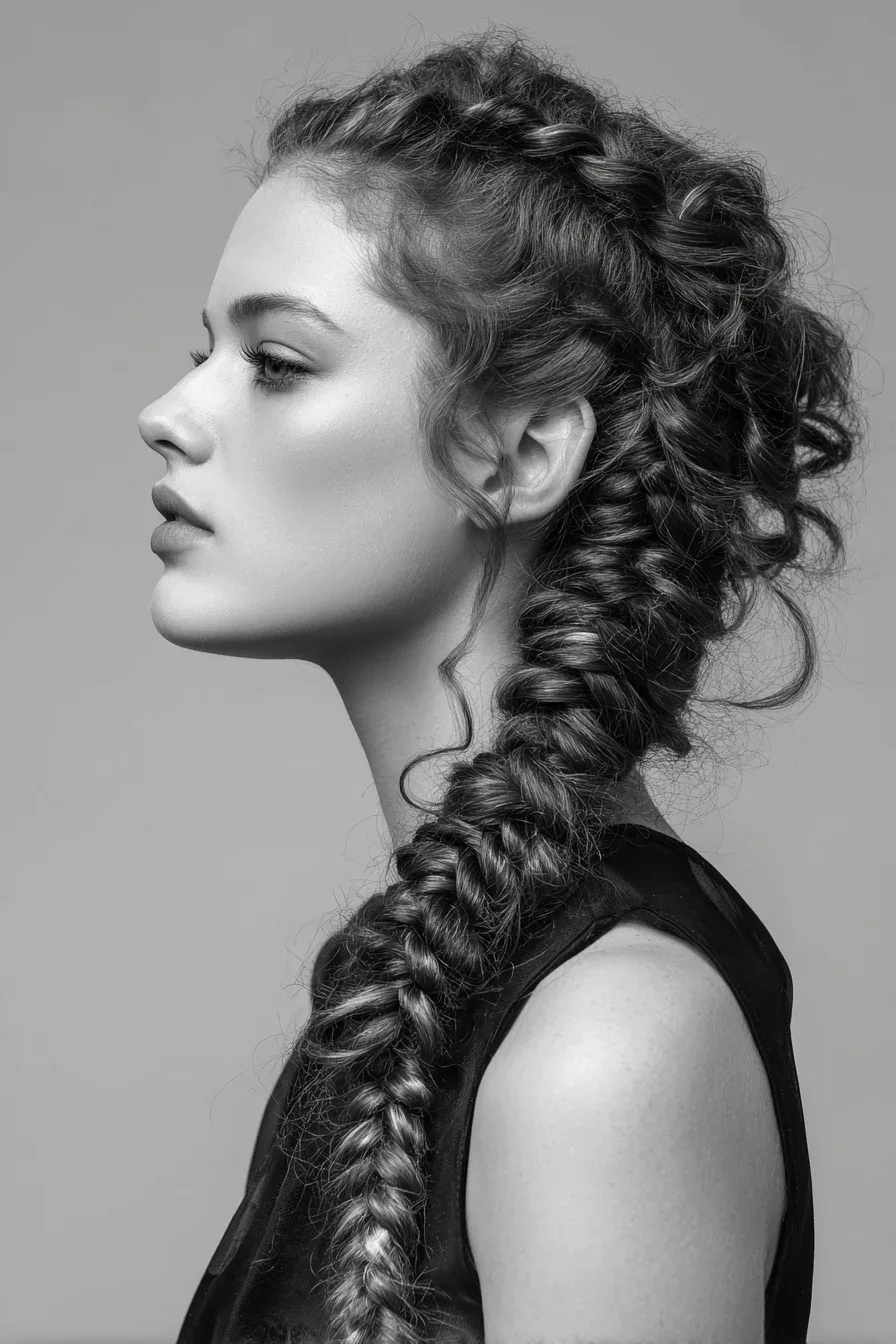
The fishtail braid looks intricate but is surprisingly simple, made by crossing small sections from each side, and it gives long hair a textured, sporty finish that holds beautifully on court. It works best on medium to long hair and sits neatly down the back, out of the way of serves and backhands. Loosen it slightly for a softer look, or keep it tight for maximum hold.
Best for: long hair and players who want a braid with more texture. How to style it: divide the ponytail in two, take a thin piece from the outside of each side and cross it over, repeating to the ends. Common mistake: taking sections that are too thick, which makes the braid look like a normal three-strand braid. Quick verdict: pretty, practical and impressively secure.
7. The Bubble Braid Ponytail
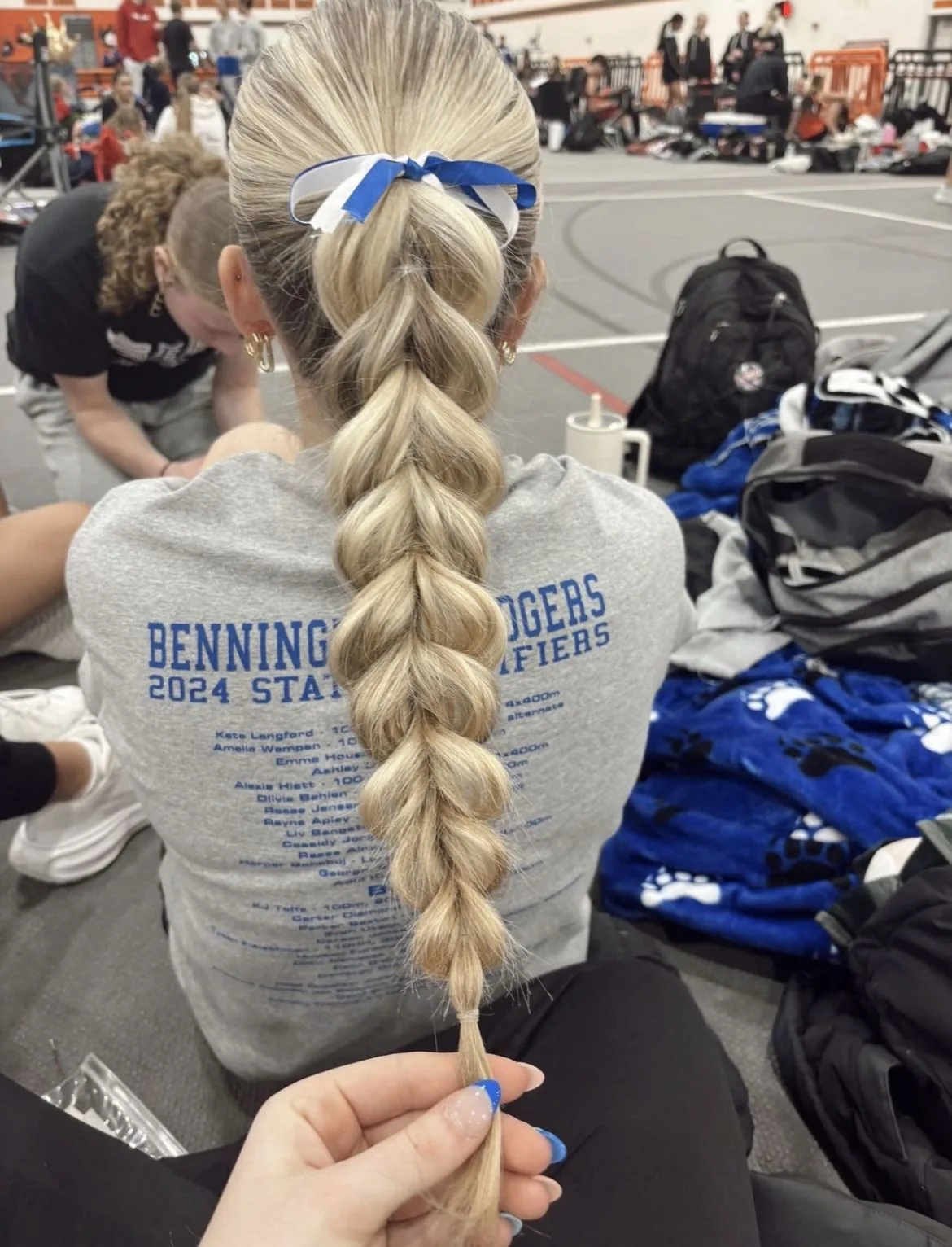
The bubble braid ponytail is a fun, modern court style: a high ponytail divided into puffed sections with small elastics, creating a row of bubbles down the back. It looks playful, but it is genuinely practical, because each elastic acts as an anchor and the style cannot unravel the way a loose ponytail can. It is also one of the easiest styles to do on yourself in front of a mirror.
Best for: medium to long hair and players who like a playful look. How to style it: make a high ponytail, add elastics every few inches, and gently pull each section out to form a bubble. Time and cost: about five minutes and a handful of small elastics. Who should avoid it: very fine hair, where the bubbles can look thin.
8. The High Bun
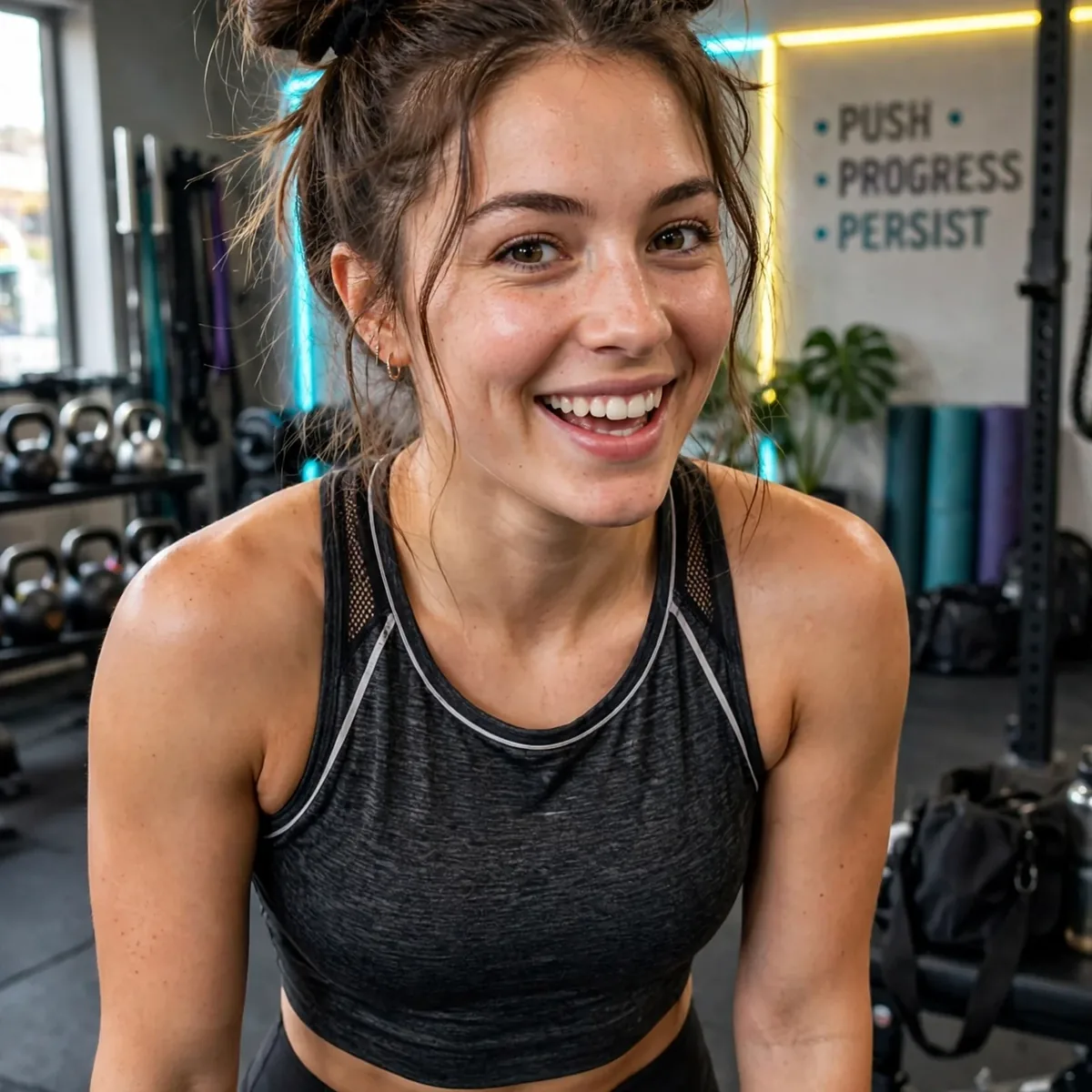
A high bun keeps every strand up and away from the face, neck and shoulders, which makes it ideal for hot, humid match days. Twist the ponytail, coil it around its base and pin it firmly, and you have a style that will not move through serves, volleys and sprints. It also pairs well with a headband, which catches sweat before it reaches your face.
Best for: hot weather, humid courts and players with thick hair. How to style it: gather high, twist, coil and pin with at least four bobby pins, crossed for grip. Pros: cool, tidy and completely out of the way. Cons: a heavy bun can feel tight after an hour, so keep the tension even.
9. The Low Messy Bun
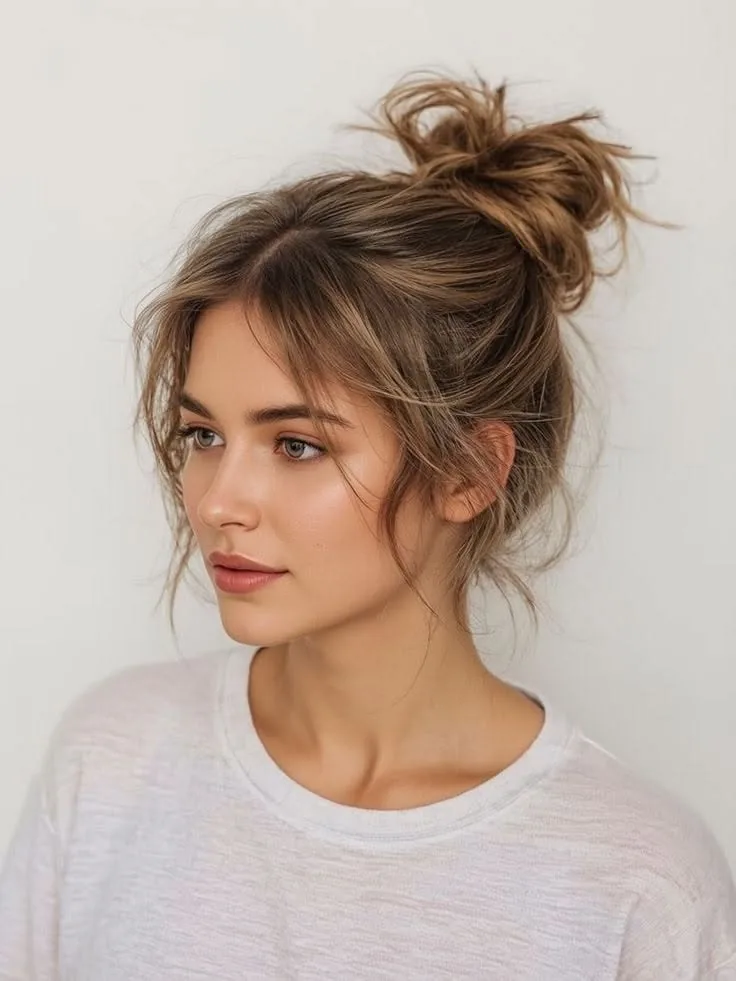
The low messy bun is the relaxed answer to court hair: gathered at the nape, twisted loosely and pinned with a few strands left soft around the face. It is comfortable for hours, works under a cap or visor, and looks effortless rather than overdone. It is also forgiving, which makes it a good choice when you are styling your own hair in a hurry before a match.
Best for: social tennis, cooler days and anyone who dislikes tight styles. How to style it: gather low, twist loosely, pin and pull out a few face-framing pieces. Common mistake: leaving it too loose, so it sags by the second set, so anchor it with two pins at the base. Quick verdict: comfort first, with enough polish for the clubhouse.
10. The Top Knot
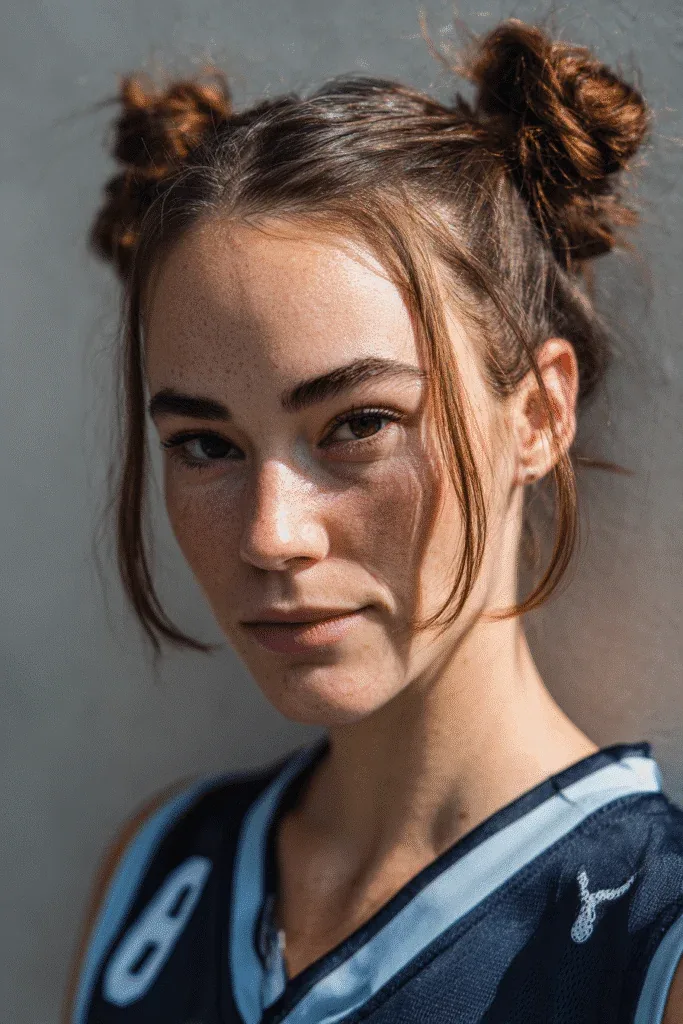
The top knot is a high bun with attitude, wound tightly at the very top of the head so it stays clear of collars, cap straps and visors. It is one of the most secure styles you can wear on court, because the knot sits above everything that moves, and it suits players who like a clean, bold silhouette. A top knot also dries quickly after a sweaty match, since the hair is lifted off the neck.
Best for: hot days, players with long hair and anyone wearing a visor. How to style it: pull the hair to the crown, twist tightly, coil and pin, then smooth the hairline with gel. Maintenance: re-pin once between sets if needed, though a well-made knot rarely needs it. Who should avoid it: anyone prone to tension headaches from high, tight styles.
11. The Braided Bun
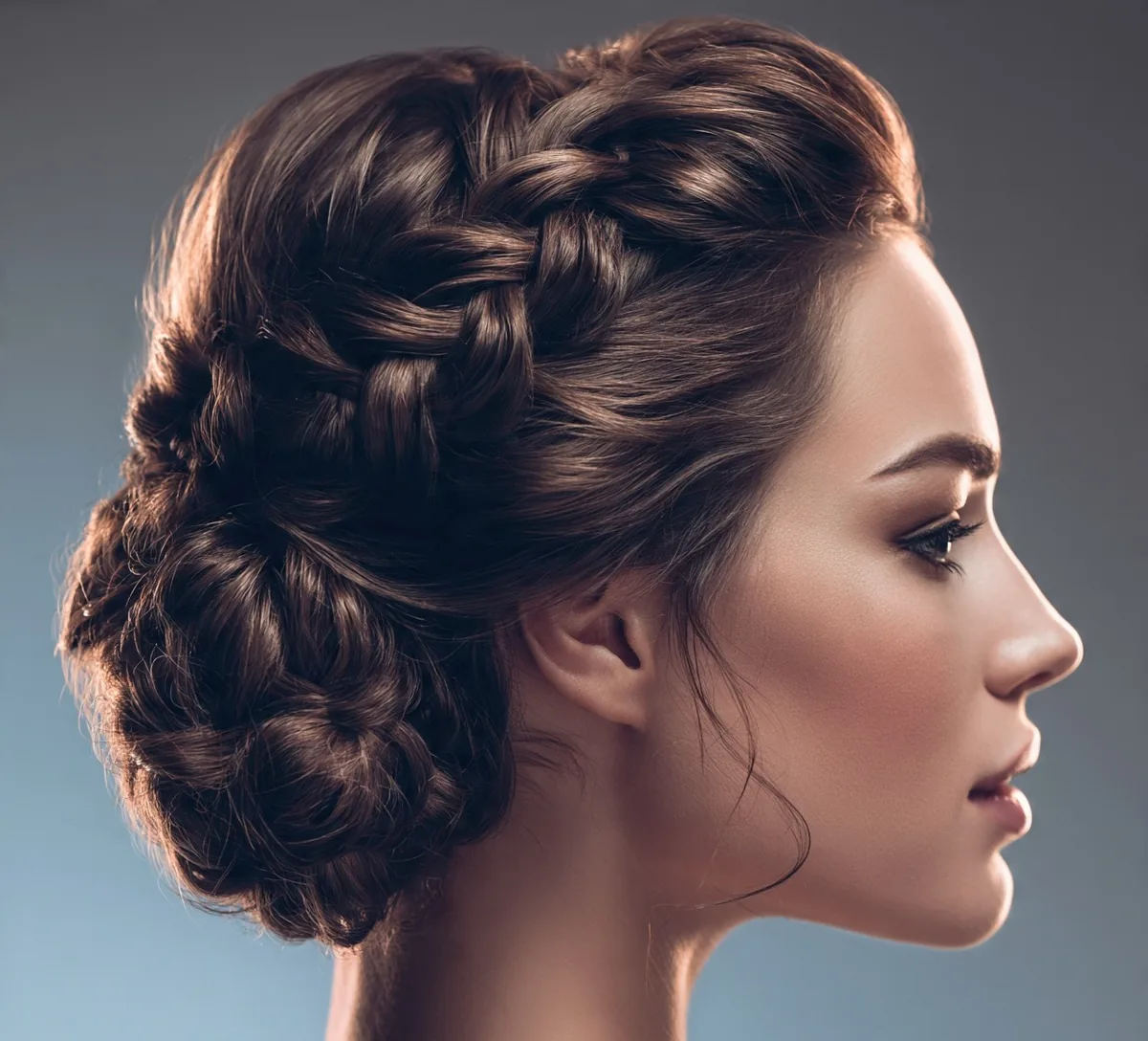
The braided bun combines the two most secure court styles into one: braid the ponytail first, then coil the braid into a bun and pin it. The result is a textured, elegant bun that cannot unravel, because the braid itself holds the shape even if a pin slips. It looks far more polished than a plain bun, so it works just as well for a club dinner as for a match.
Best for: formal club events, long matches and thick hair. How to style it: braid a high or low ponytail, coil the braid around its base and pin through the braid itself. Time and cost: about eight minutes and a few pins. Quick verdict: the most secure bun you can wear, and one of the prettiest.
12. The Donut Bun
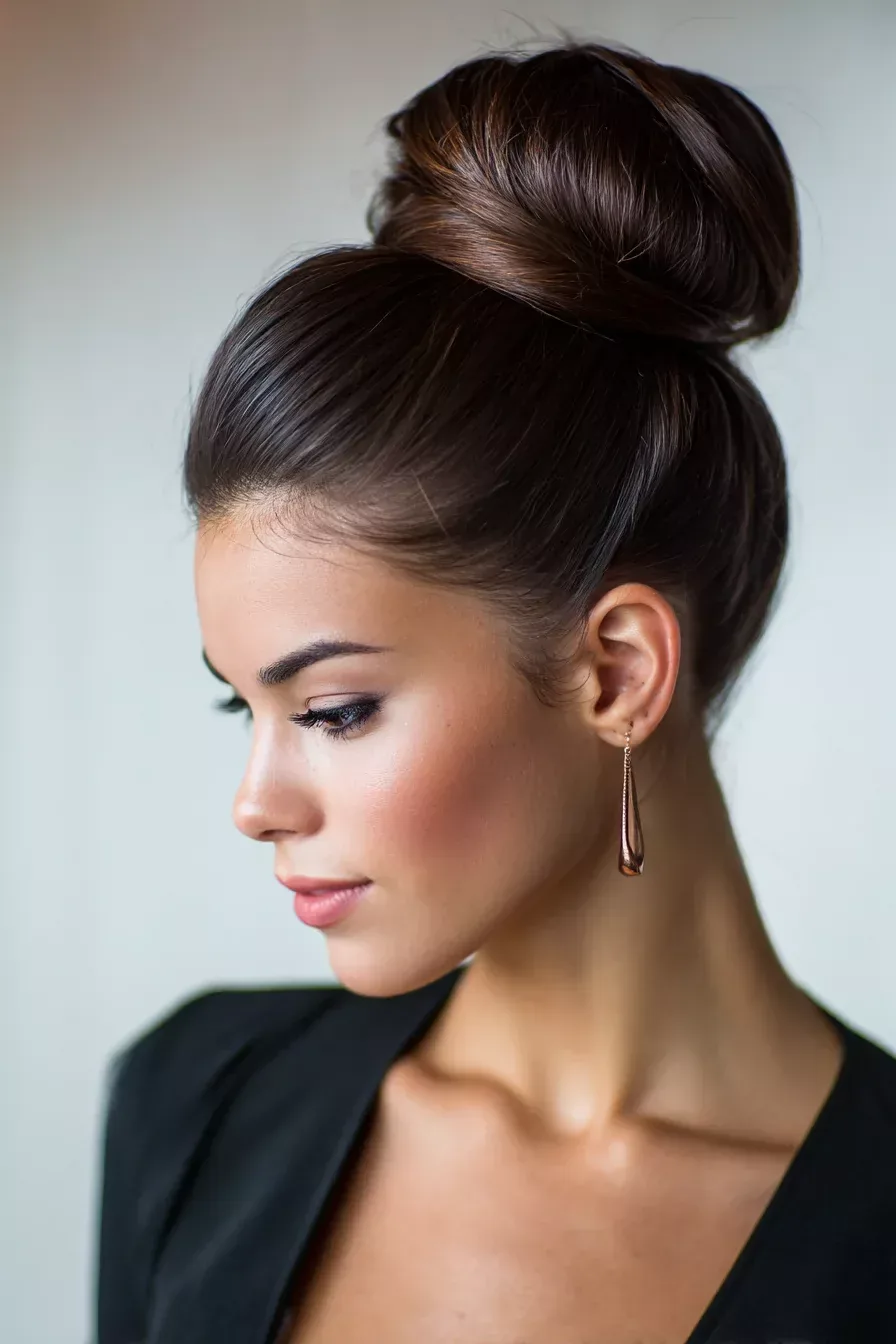
A donut bun uses a small foam ring to shape the hair into a perfectly round, smooth bun, and it is the neatest bun in this whole list. The ring distributes the weight evenly, so the style feels light even on long hair, and it stays put through an entire match without sagging. It is a great choice for players who want a sleek, professional finish with very little effort.
Best for: players who want a flawless, symmetrical bun. How to style it: pull the ponytail through the ring, spread the hair over it, tuck the ends under and pin. Cost and time: a foam donut costs very little and the style takes about four minutes. Common mistake: choosing a ring that is too big for your hair, which leaves the bun looking flat and sparse.
13. The Half-Up Ponytail
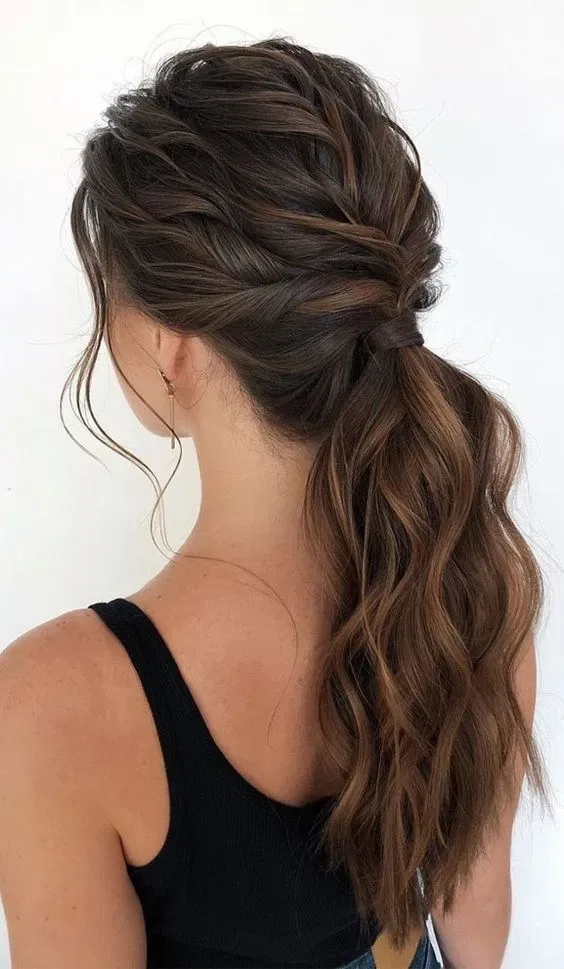
The half-up ponytail keeps the front sections out of your eyes while leaving the rest of the hair down, which makes it a good compromise for players who do not want a full updo. It works best for shorter matches and cooler days, and it is one of the quickest styles to do, taking under two minutes. Add a small braid to the top section for extra hold.
Best for: short matches, cooler weather and medium-length hair. How to style it: take the top half from temple to temple, smooth it back and secure at the crown. Pros: quick and comfortable. Cons: the loose lengths can still fly around on a windy court, so save it for calm days.
14. The Braided Crown Half-Up
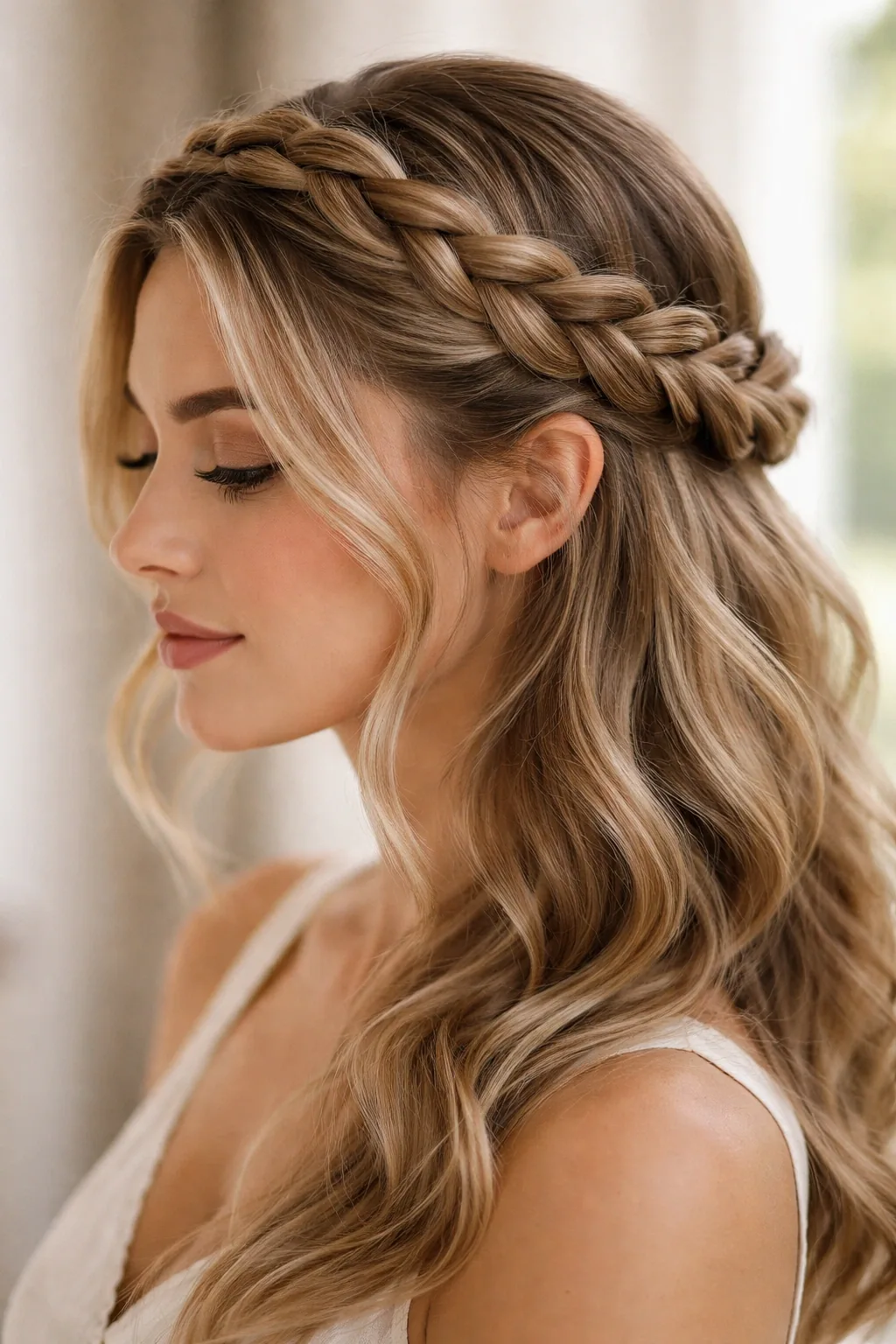
The braided crown half-up weaves a braid across the front of the head like a headband, holding the front sections back while the rest of the hair falls loose behind. It is secure where it matters most, around the face, and it looks romantic and pretty, which makes it a lovely choice for social tennis and club events. It also works well under a visor, since the braid sits flat.
Best for: social matches, club days and wavy or curly hair. How to style it: braid a section from one side across the hairline to the other, pin behind the ear, and leave the rest loose. What to ask your stylist: for face-framing layers that tuck neatly into the crown. Quick verdict: the prettiest way to keep hair out of your face without a full updo.
15. The Side Braid
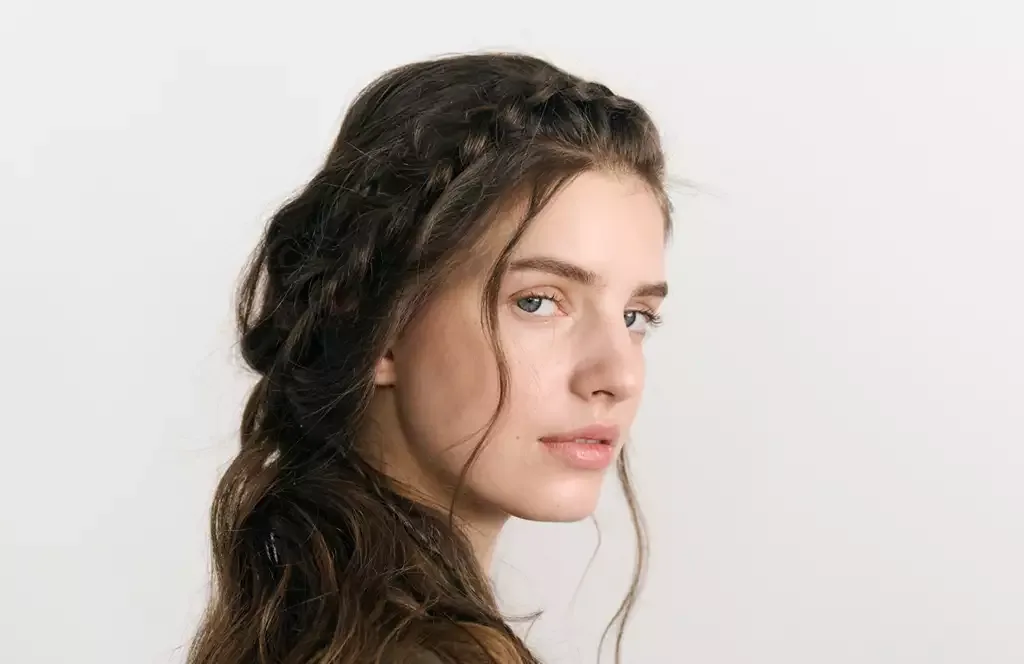
The side braid sweeps all the hair over one shoulder in a single loose braid, keeping it out of the way of your serving arm while looking soft and relaxed. It is a good choice for players who find a centre-back braid uncomfortable against a chair or car seat between matches, and it photographs beautifully from the front. Keep it a little loose for a romantic feel, or tight for a sporty one.
Best for: players with a dominant serving arm and anyone who likes their hair visible from the front. How to style it: sweep the hair to one side, braid from behind the ear downwards, and secure with a small elastic. Pros: comfortable and pretty. Cons: it can swing forward during a sprint, so tuck it behind your shoulder before you serve.
16. The Side Ponytail
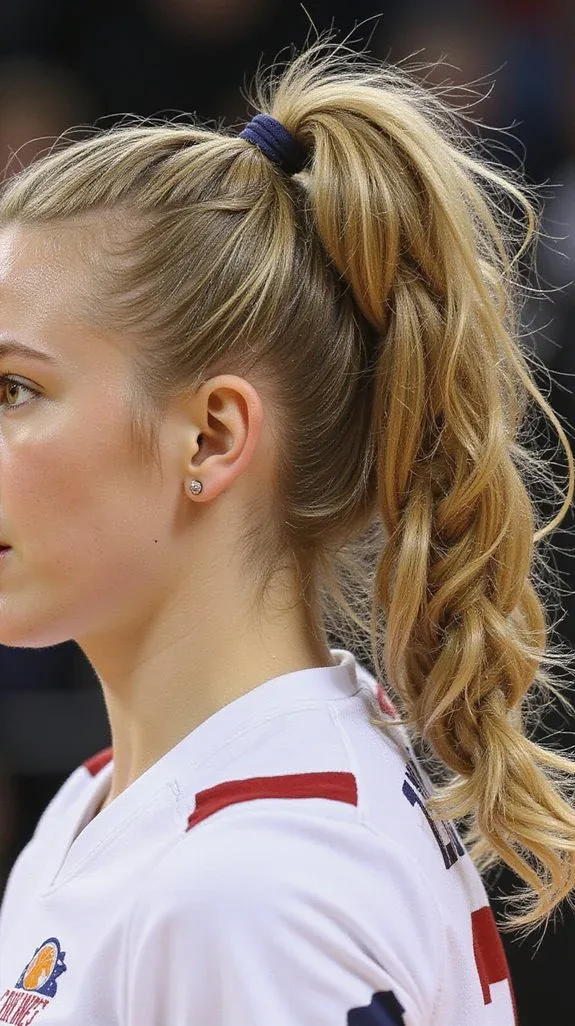
The side ponytail is a playful, retro court style that keeps the hair off the neck while letting it fall over one shoulder. It is quick to do, works on most lengths, and suits players who want a change from the usual high ponytail. Secure it firmly behind the ear so it does not slide forward during play, and add a scrunchie for a fun, sporty finish.
Best for: casual matches and players with medium-length hair. How to style it: part to one side, gather behind the ear and secure tightly. Common mistake: placing it too far forward, where it bounces into your face. Quick verdict: fun and fast, best saved for relaxed games rather than finals.
17. Headband With Loose Waves
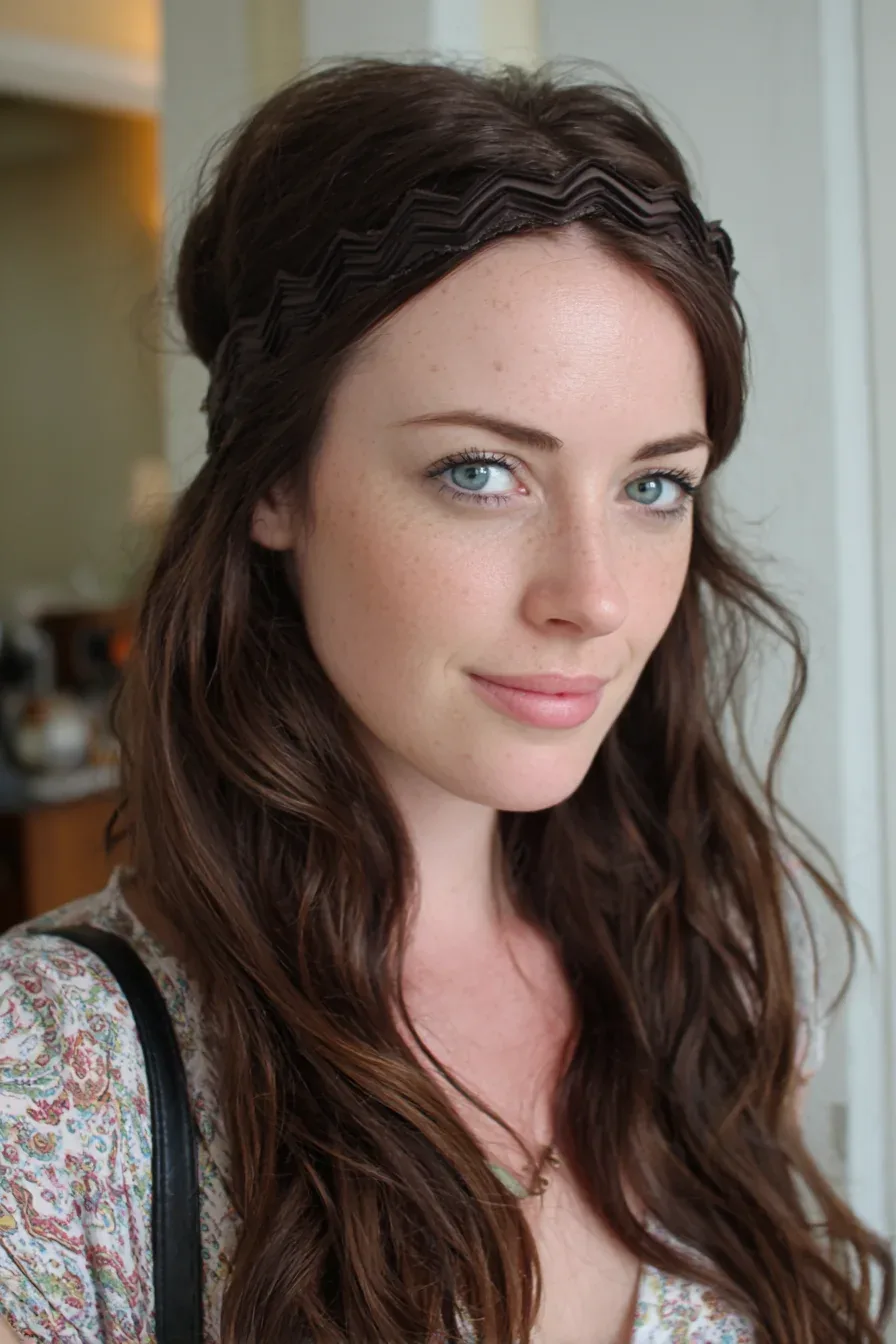
A wide headband with loose waves is the easiest way to look polished on court without tying your hair up at all. The band pushes the front sections back, catches sweat, and holds the waves in shape, while the loose lengths move naturally. Choose a non-slip fabric band with a little grip, and it will stay in place through a whole match.
Best for: wavy or curly hair, shorter matches and cooler days. How to style it: add soft waves with a curling wand, then slide the band on about an inch behind the hairline. Maintenance: keep a spare band in your bag, since a sweaty band is easy to swap. Who should avoid it: very long, heavy hair, which can pull a band loose.
18. The Athletic Sweatband Style
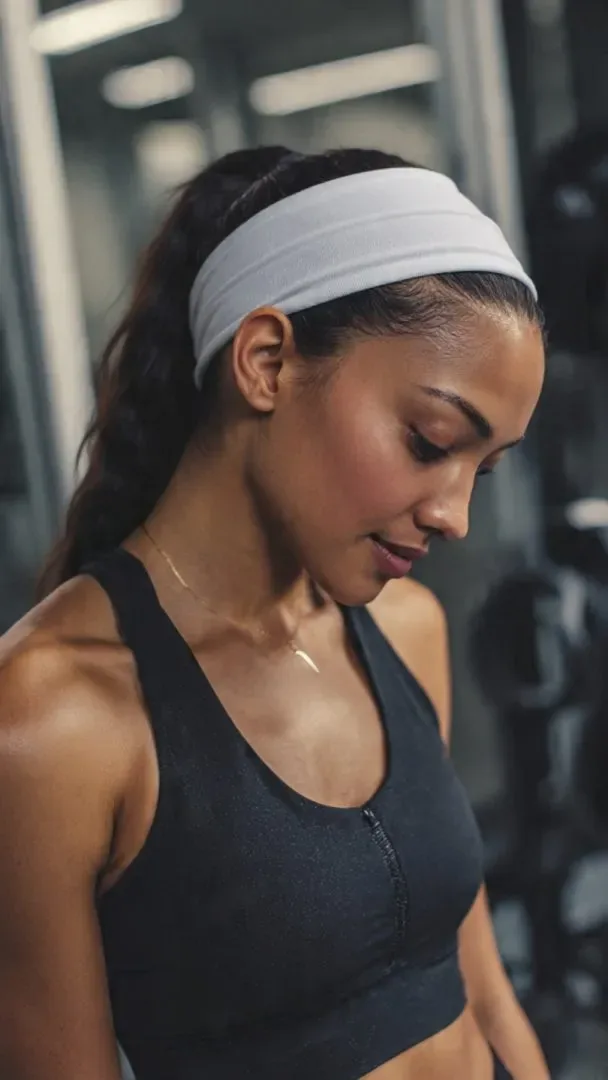
The athletic sweatband is pure function, and on court that is a compliment. A terry or moisture-wicking band worn across the forehead stops sweat running into your eyes, holds back short layers and flyaways, and works with almost any style underneath, from a ponytail to a pixie cut. It is the style professional players reach for on the hottest days.
Best for: hot, humid matches and players with short or layered hair. How to style it: wear the band low across the forehead, with the hair tied back or clipped behind it. Cost and time: a sports band costs very little and takes seconds to put on. Quick verdict: not the prettiest option here, but one of the most practical.
19. The Visor-Friendly Low Ponytail
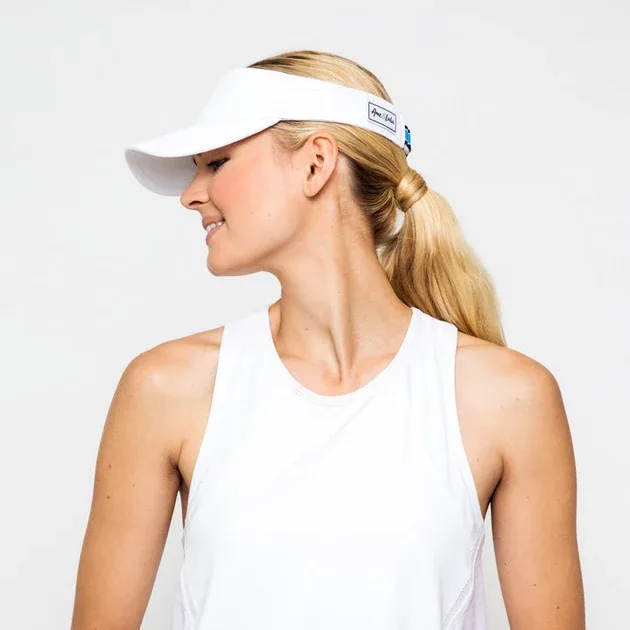
A visor needs a style that sits low, and this low ponytail is built exactly for that. Worn at the nape with a smooth finish, it leaves the crown clear for the visor strap and keeps the sun out of your eyes without any bulk pushing the visor up. It is simple, secure and comfortable for hours, which is why it is a staple for players who never play without sun protection.
Best for: visor wearers and sunny outdoor courts. How to style it: smooth the hair back, secure low at the nape, and put the visor on over the top. Pros: perfect visor fit and no headaches. Cons: less airflow around the neck than a high style on very hot days.
20. The Cap-Friendly Braid
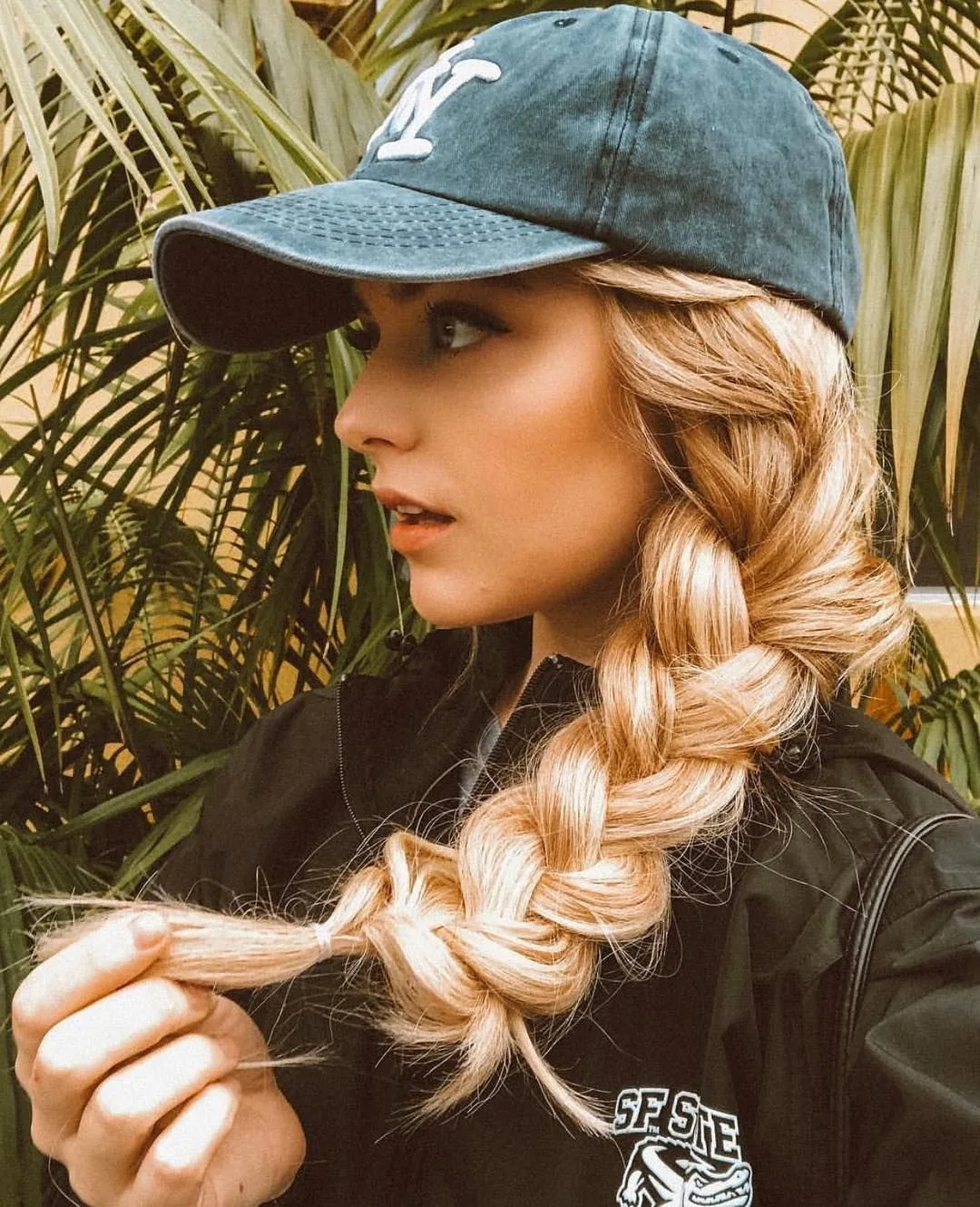
A cap-friendly braid is a low, single braid that threads neatly under a baseball cap or tennis cap, keeping the hair contained and the cap sitting properly. Start the braid low at the nape so it does not push the cap up, and keep it snug so it does not loosen under the cap band. It is the best choice for players who prefer a cap to a visor.
Best for: cap wearers, windy days and long hair. How to style it: put the cap on first, then braid from the nape down, checking the cap still sits level. Common mistake: starting the braid too high, which lifts the cap and lets the sun in. Quick verdict: the tidiest way to wear a cap and long hair together.
21. The Bubble Ponytail
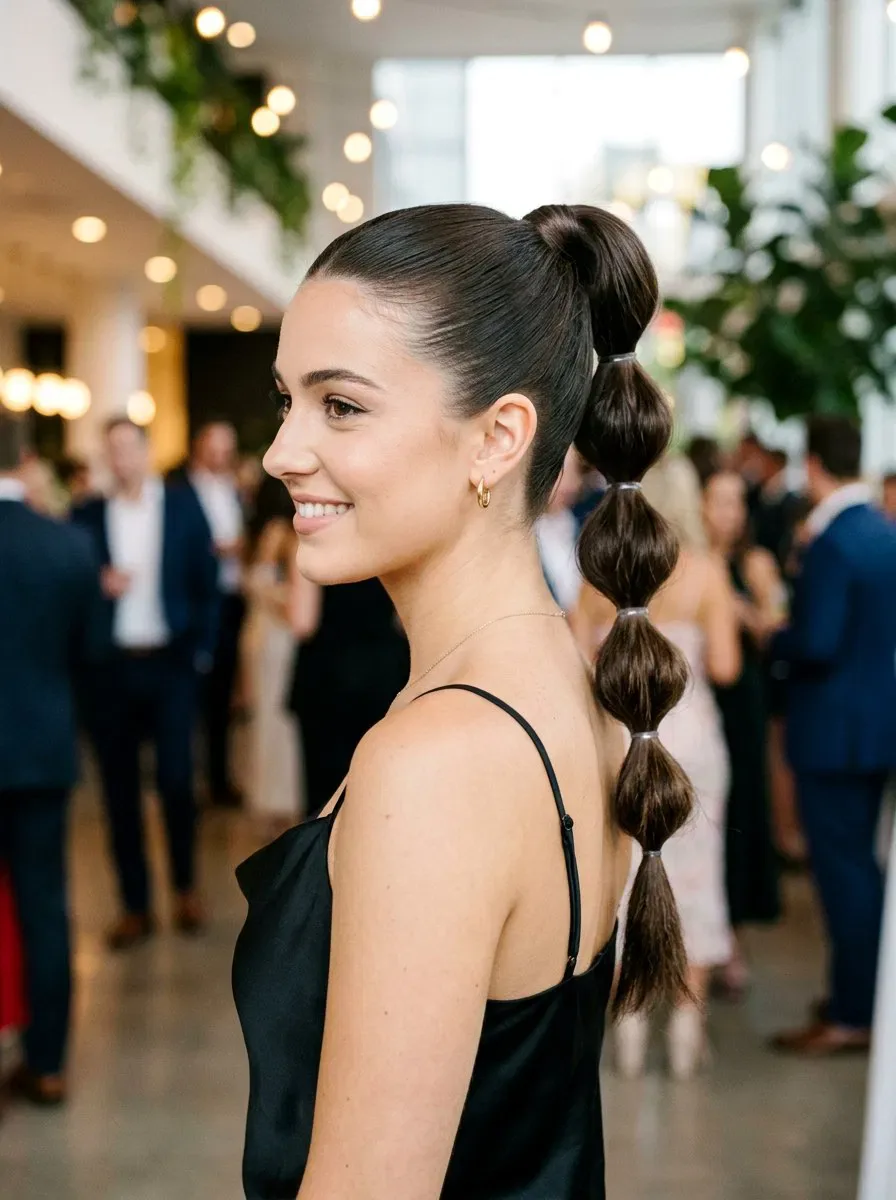
The bubble ponytail takes a classic high ponytail and adds spaced elastics down its length, puffing each section into a bubble. It looks fun and modern, but it is also practical: each elastic is another anchor point, so the style holds its shape far better than a plain ponytail. It suits long, thick hair best, where the bubbles look full and even.
Best for: long, thick hair and players who want a statement style. How to style it: make a high ponytail, add an elastic every three inches, and gently pull each section wider. Time and cost: about six minutes and a few small elastics. Who should avoid it: very fine hair, where the bubbles can look sparse.
22. The Rope Braid Ponytail
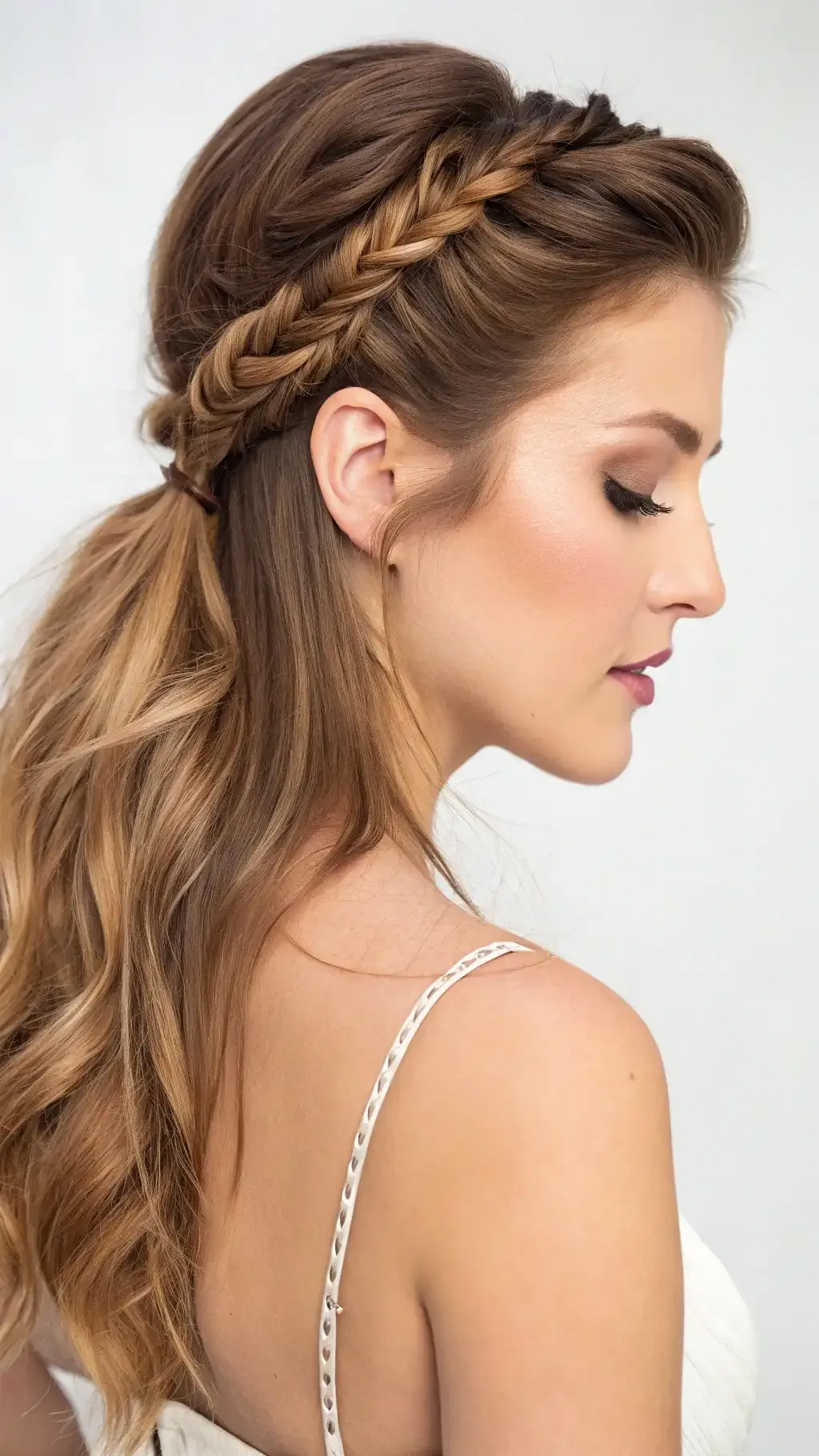
The rope braid ponytail twists two sections around each other like a rope, creating a sleek, rope-like tail that barely moves during play. It is quicker than a three-strand braid, holds slippery hair well, and looks elegant enough for the clubhouse. It is also one of the easiest braids to do on your own hair, since it only needs two sections.
Best for: slippery or straight hair and players who struggle with normal braiding. How to style it: split the ponytail in two, twist each section the same way, then twist them around each other in the opposite direction. Maintenance: secure the end firmly, since a rope braid can unwind if the elastic slips. Quick verdict: simple to learn, hard to ruin, and very secure.
23. Cornrows
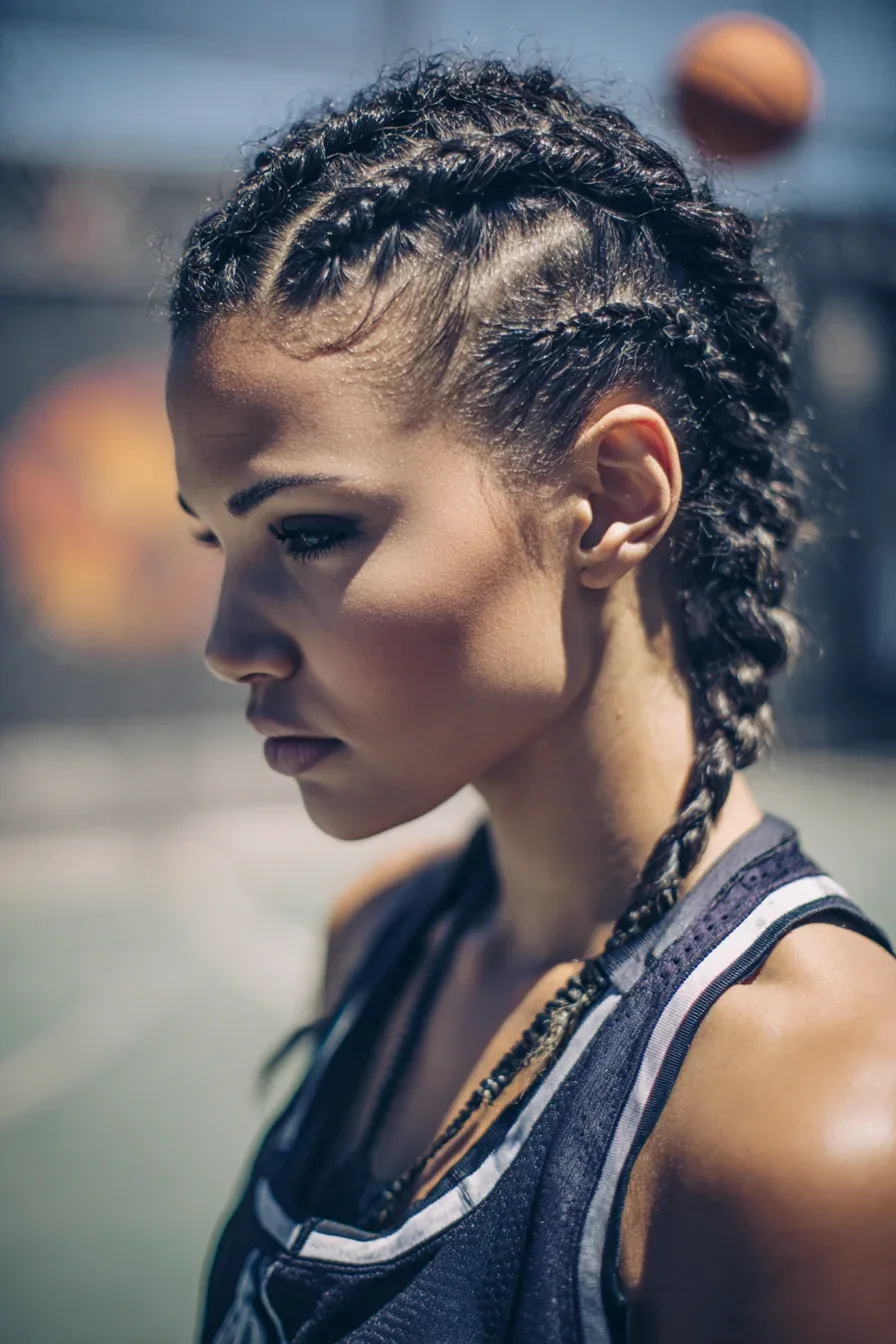
Cornrows are braided tight to the scalp in neat rows, and they are one of the most secure and long-lasting tennis hairstyles for women with textured or coily hair. Once done, they need no daily styling, survive sweat and swimming, and keep every strand off the face for weeks. They are a commitment, but for regular players they are the lowest-maintenance court style of all.
Best for: textured and coily hair, regular players and tournament weeks. How to style it: have them done by a braider, keep the rows even and not too tight at the hairline. Time and cost: a salon session takes a couple of hours, but the style then lasts for weeks. Who should avoid it: anyone who wants to change styles daily, since cornrows are semi-permanent.
24. Box Braids Pulled Back
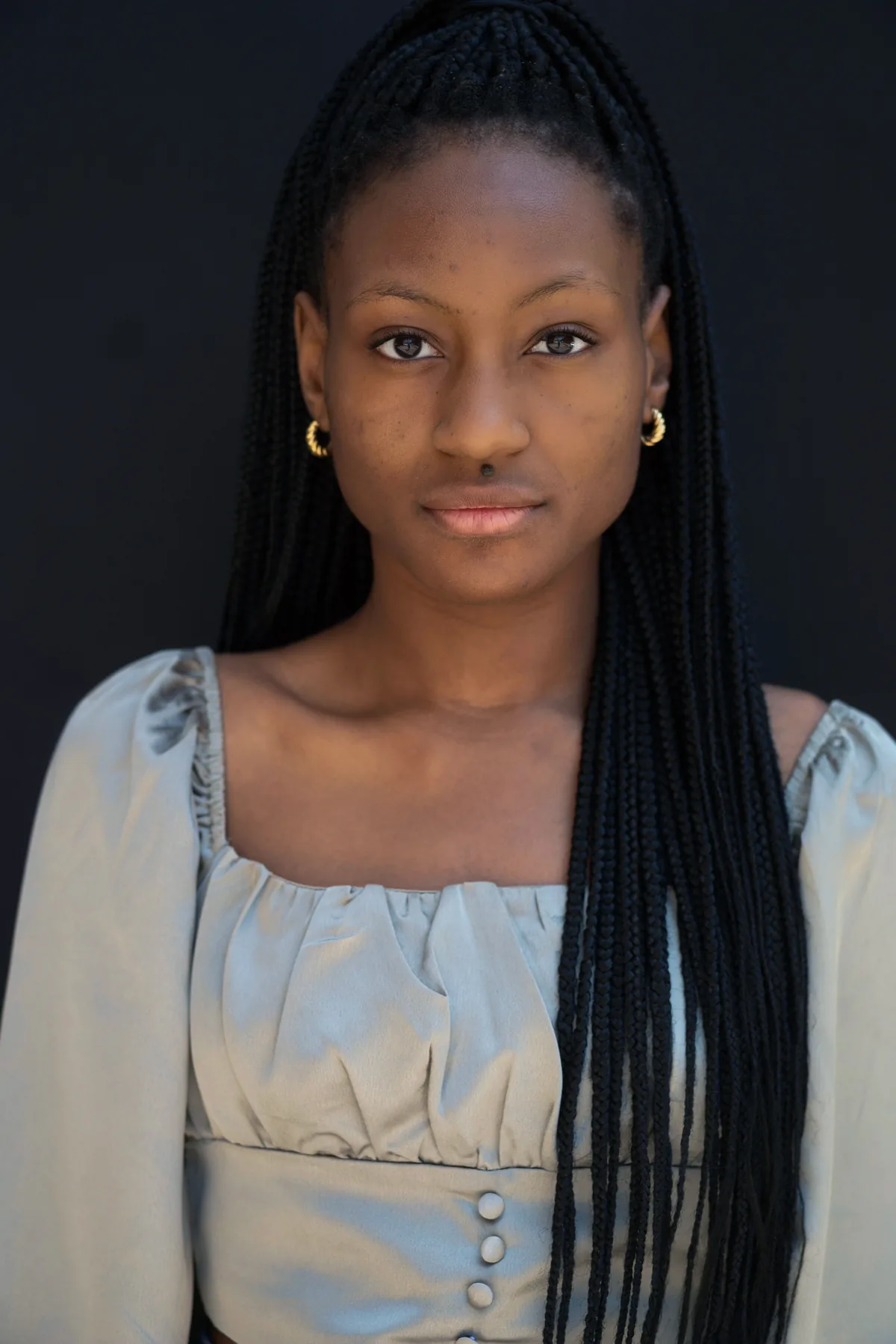
Box braids pulled back into a high ponytail or bun give you the best of both worlds: the braids themselves are already secure, and gathering them back keeps them off the face and neck during play. It is a practical, protective style that works for matches, practice and gym sessions alike, and it looks striking with a headband or a colourful scrunchie.
Best for: protective styling, long tournament weeks and players with braided hair. How to style it: gather the braids high, secure with a large soft tie, and wrap a braid around the base. Maintenance: keep the scalp moisturised and the edges smooth with a little gel. Quick verdict: protective, practical and full of personality.
25. The Sleek Low Bun With a Centre Part
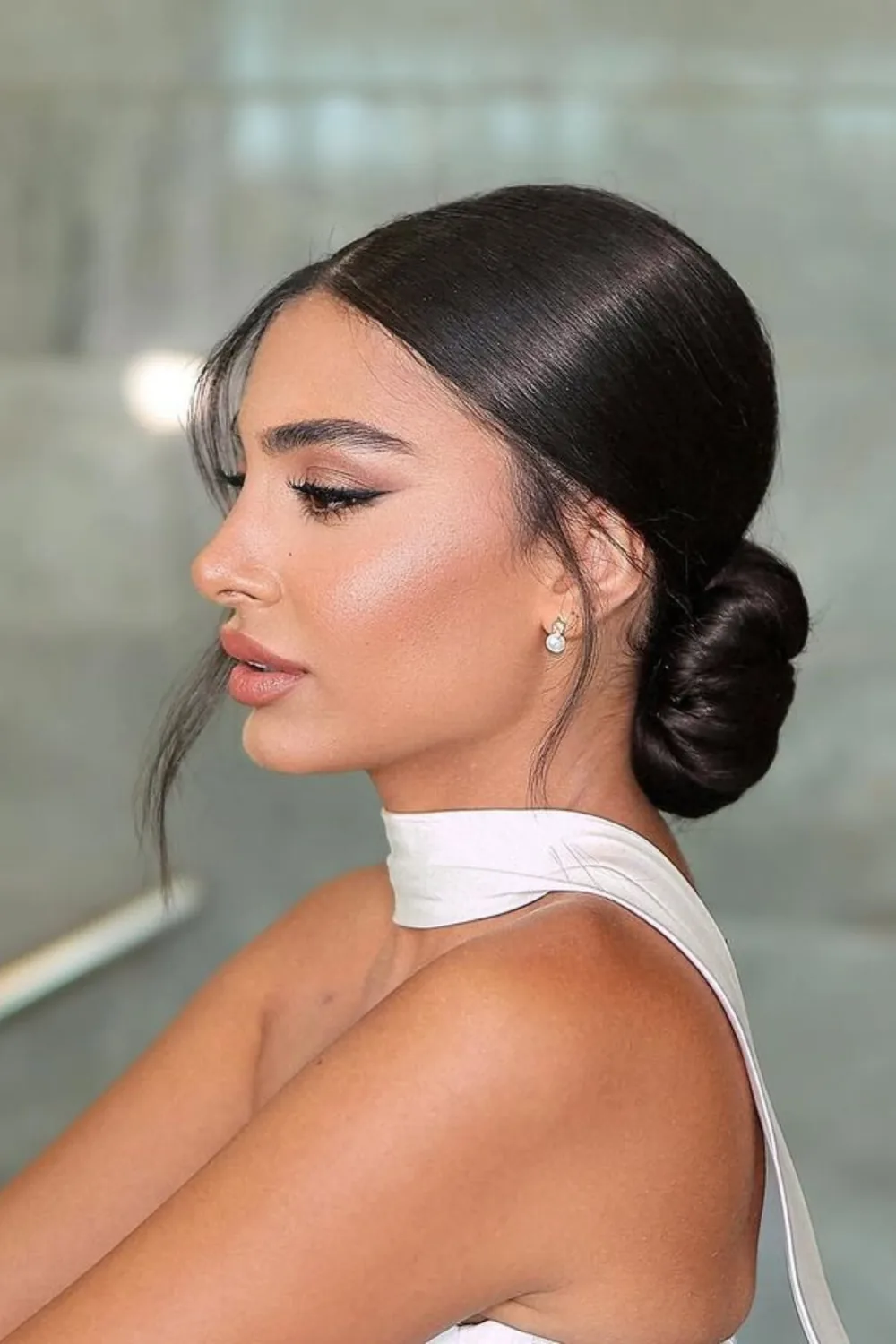
The sleek low bun with a centre part is the most elegant court style in this list, and it is a favourite for players who like a polished, almost ballerina-like finish. The centre part keeps the hair symmetrical, the low bun sits neatly at the nape, and the whole style stays put under a visor or cap. It takes a little gel and a brush, but the result looks effortless.
Best for: formal club matches, straight hair and visor wearers. How to style it: part in the centre, brush smooth with gel, twist into a low bun and pin. Pros: refined and very secure. Cons: it shows every flyaway, so it needs a smoothing product.
26. The Twisted Low Bun
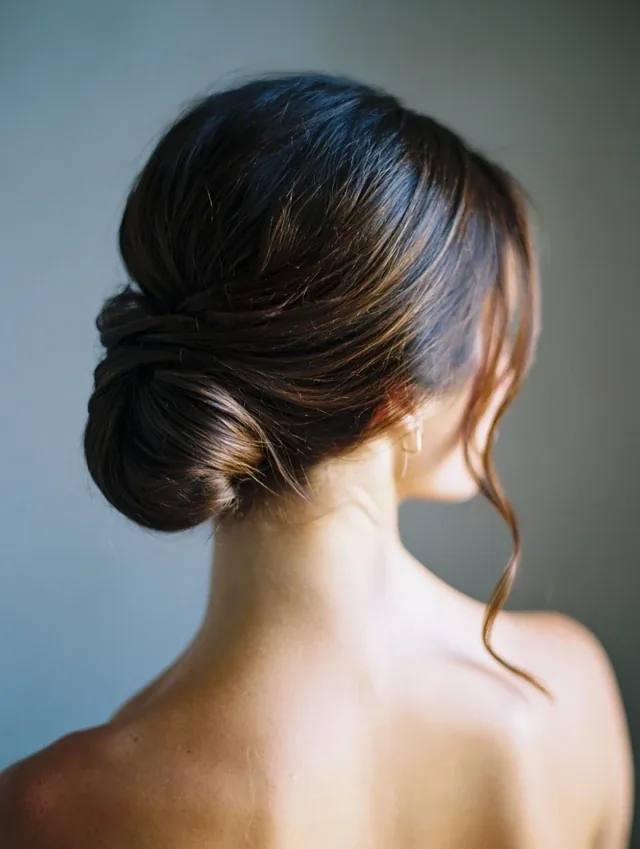
The twisted low bun is a softer take on the sleek bun: instead of a tight coil, the hair is twisted into a loose rope and wrapped into a bun, giving a textured, romantic finish. It holds well on court, feels comfortable for hours, and looks lovely with a few loose tendrils around the face. It is also quick to do, which makes it a good pre-match choice.
Best for: wavy hair, social matches and players who like a softer finish. How to style it: gather low, twist the length into a rope, coil it and pin, leaving a few tendrils free. Common mistake: twisting too loosely, so the bun sags, so keep the first twist firm. Quick verdict: elegant without trying too hard.
27. The Messy Top Knot With Face-Framing Pieces
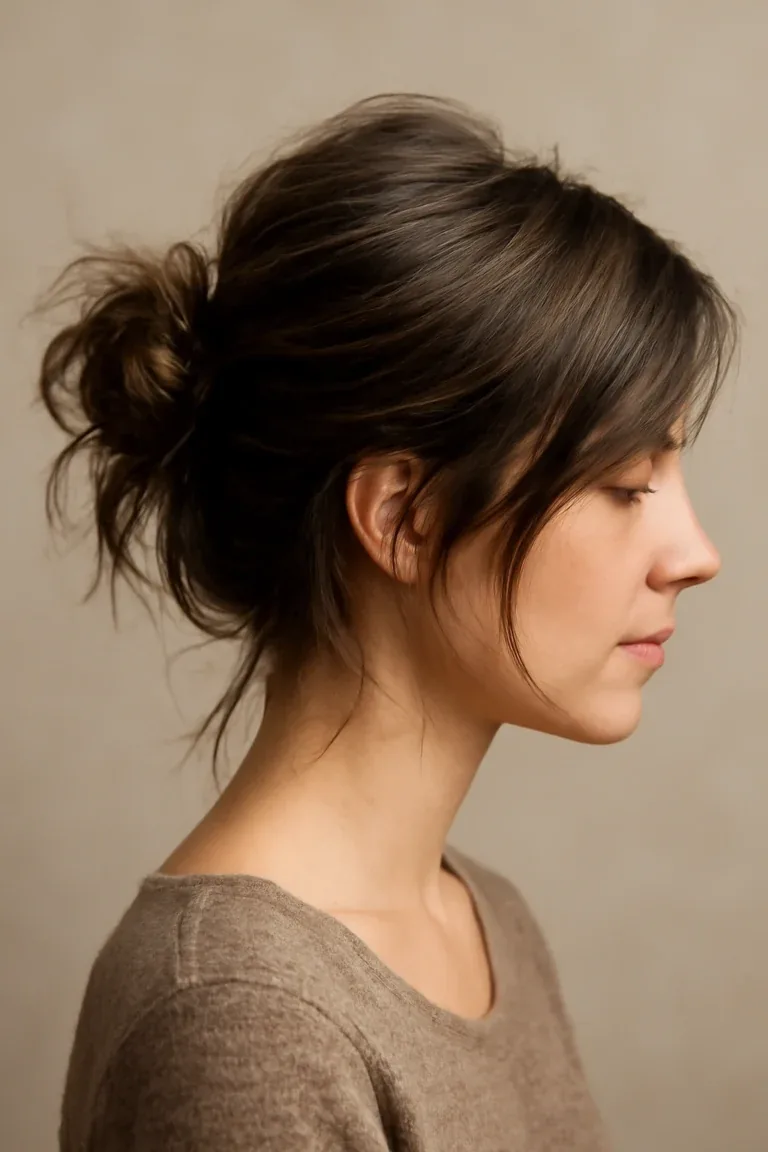
The messy top knot with face-framing pieces is the relaxed version of the classic top knot: the knot itself is secure and high, but a few soft pieces are left out around the face to keep the look friendly rather than severe. It is comfortable, cool and quick, and it suits almost every face shape. Pin the loose pieces back with a clip if they start to bother you mid-match.
Best for: casual matches, round and oval faces, and hot days. How to style it: make a high knot, pull out two thin pieces at the front, and pin the knot firmly. Pros: cool and flattering. Cons: the loose pieces can stick to a sweaty forehead, so keep a clip handy.
28. Sporty Double Braids
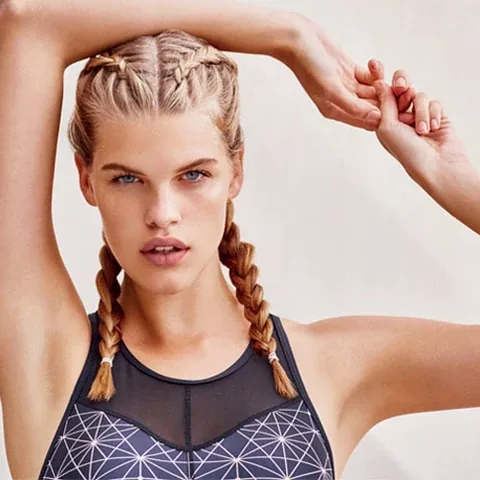
Sporty double braids are two low braids worn like pigtails, and they are one of the most practical styles for active players. The hair is split evenly, so the weight is balanced, and each braid stays put no matter how hard you run. They have a youthful, energetic feel, and they work especially well for junior players and for anyone with very long hair.
Best for: junior players, very long hair and high-energy matches. How to style it: part down the centre, braid each side from behind the ear to the ends, and secure both. Time and cost: about eight minutes and two small elastics. Quick verdict: balanced, secure and full of energy.
29. Braided Pigtails
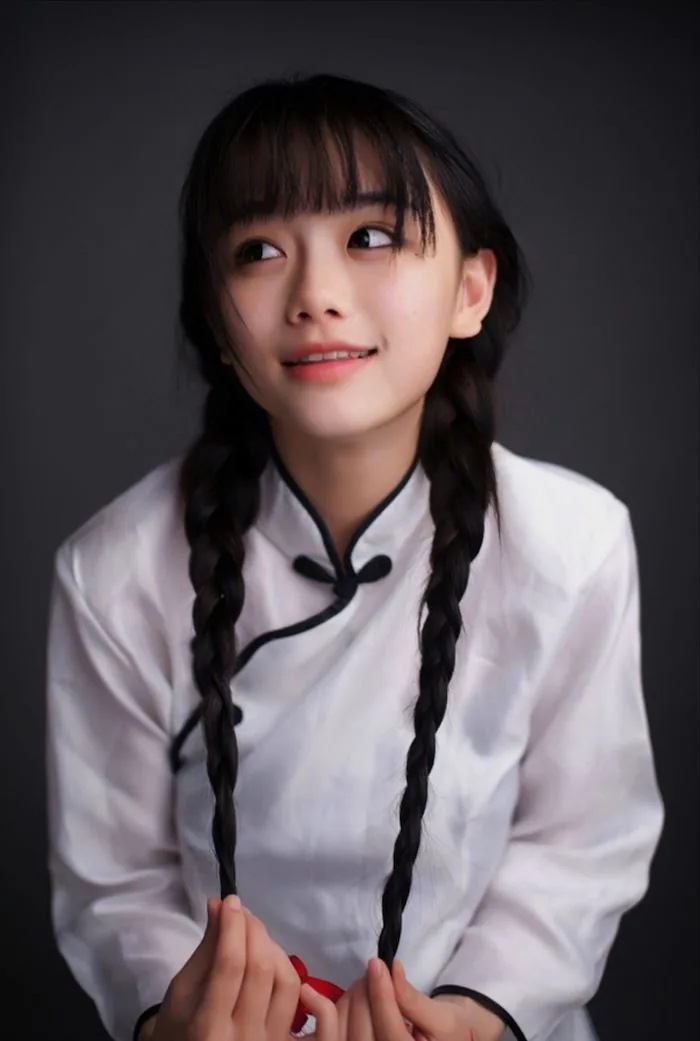
Braided pigtails are two braids tied low on each side, and they are a cute, practical choice for players who want their hair fully contained without a single heavy ponytail. They keep the hair off the neck, survive the longest rallies, and suit almost every hair texture. Add a ribbon or a colourful tie at each end for a playful finish that still means business on court.
Best for: long hair, junior players and very hot days. How to style it: part down the centre, braid each side low and secure at the same length. Pros: balanced and extremely secure. Cons: they can feel young for some players, so keep the braids neat and sleek for a more grown-up look.
30. The Curly High Puff
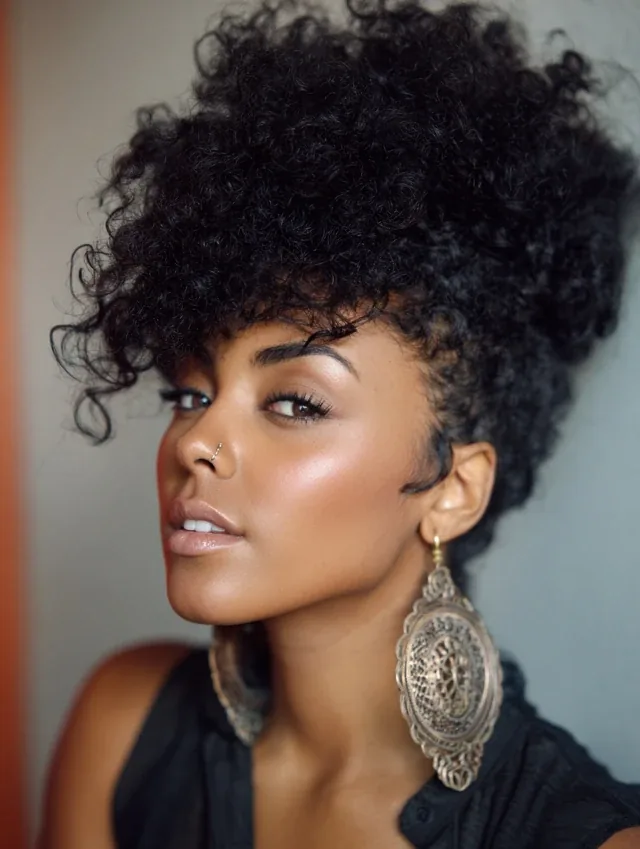
The curly high puff gathers natural curls into a high, rounded puff at the crown, keeping the curls up and off the face while showing off their natural texture. It is quick, comfortable and secure when anchored with a wide band or a few pins, and it is one of the best tennis hairstyles for women with curly or coily hair. A little curl cream keeps the puff defined and frizz-free.
Best for: curly, coily and natural hair. How to style it: gather the curls high with a soft band, shape the puff with your hands, and smooth the edges with gel. Maintenance: refresh the curls with a little water and cream between matches. Who should avoid it: very short curls, which will not gather into a puff yet.
31. The Short Bob With a Headband
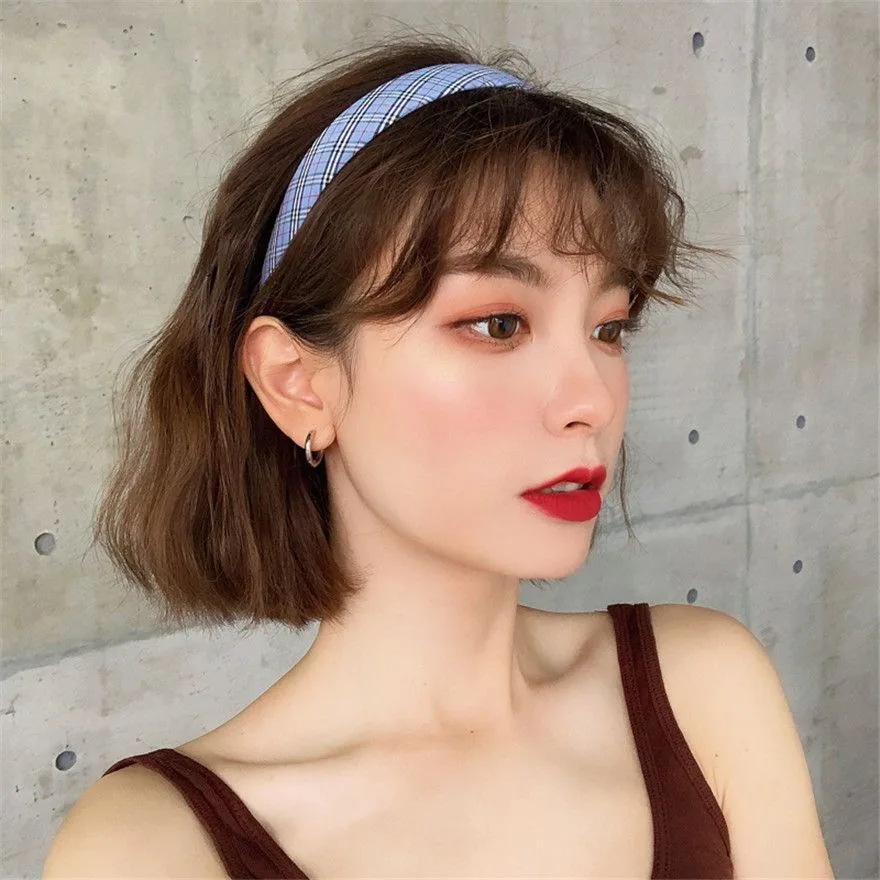
A short bob with a headband is proof that short hair can be perfect tennis hair. The bob itself is light and cool, and a non-slip headband holds the front sections back so they never fall into your eyes during a serve. It is a clean, sporty look that needs almost no styling time, and it works with a visor or a cap too.
Best for: short hair, bob cuts and players who hate tying their hair up. How to style it: smooth the bob, slide on a fabric headband, and tuck the sides behind your ears. Pros: cool, quick and comfortable. Cons: the back can still bounce, so keep the band snug.
32. The Pixie With a Sweatband
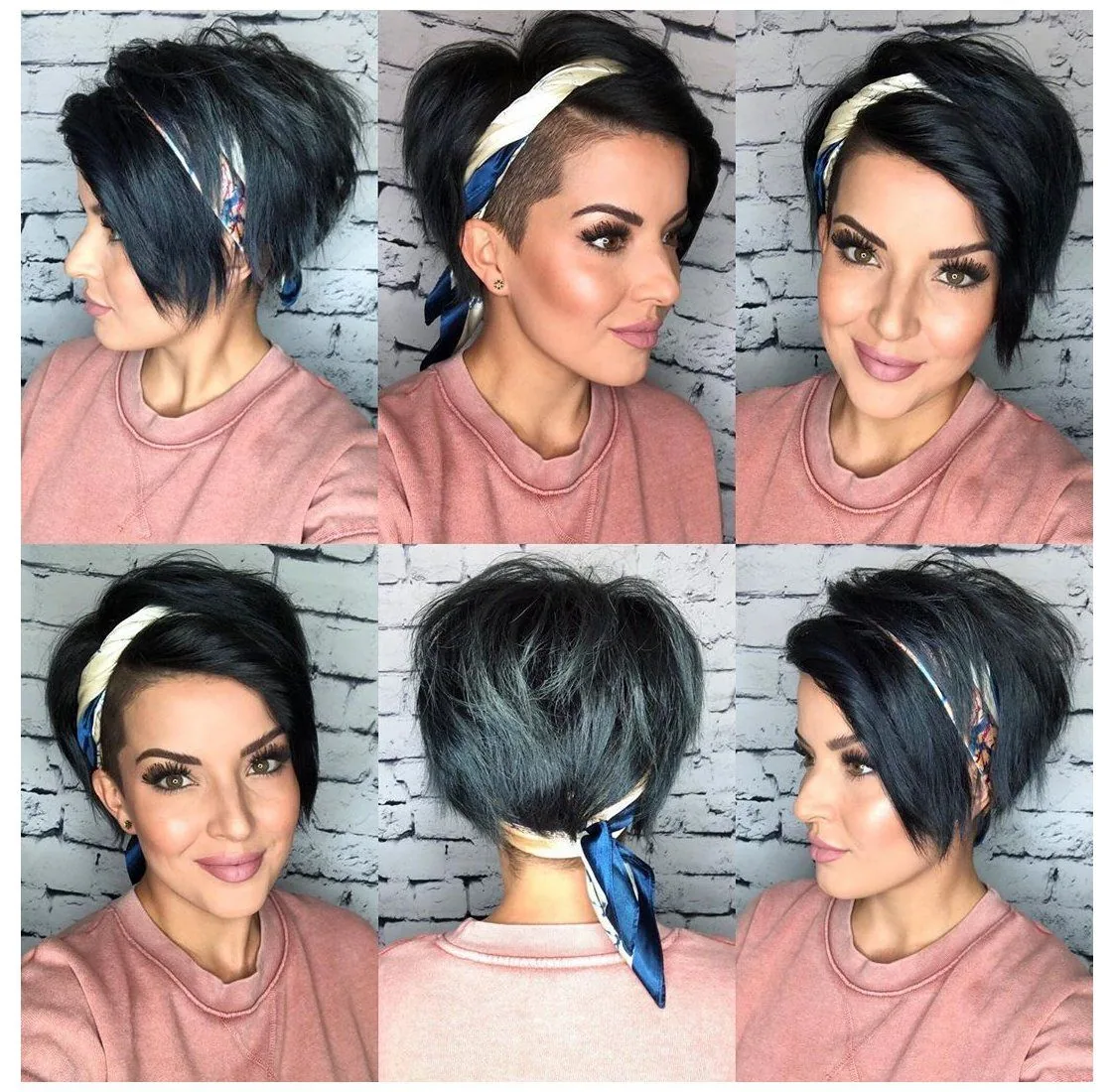
A pixie cut with a sweatband is the lowest-maintenance court style there is. The cut itself is already short and out of the way, and the sweatband does the rest: it catches sweat, holds back the front pieces and adds a sporty touch. It is ideal for players who want to arrive, play and leave without thinking about their hair at all.
Best for: pixie cuts and very short hair. How to style it: add a little texturising paste, then wear a moisture-wicking sweatband low across the forehead. Cost and time: seconds, and a band costs very little. Quick verdict: the fastest court hair of all, because there is almost nothing to style.
33. Long Layers Tied Back
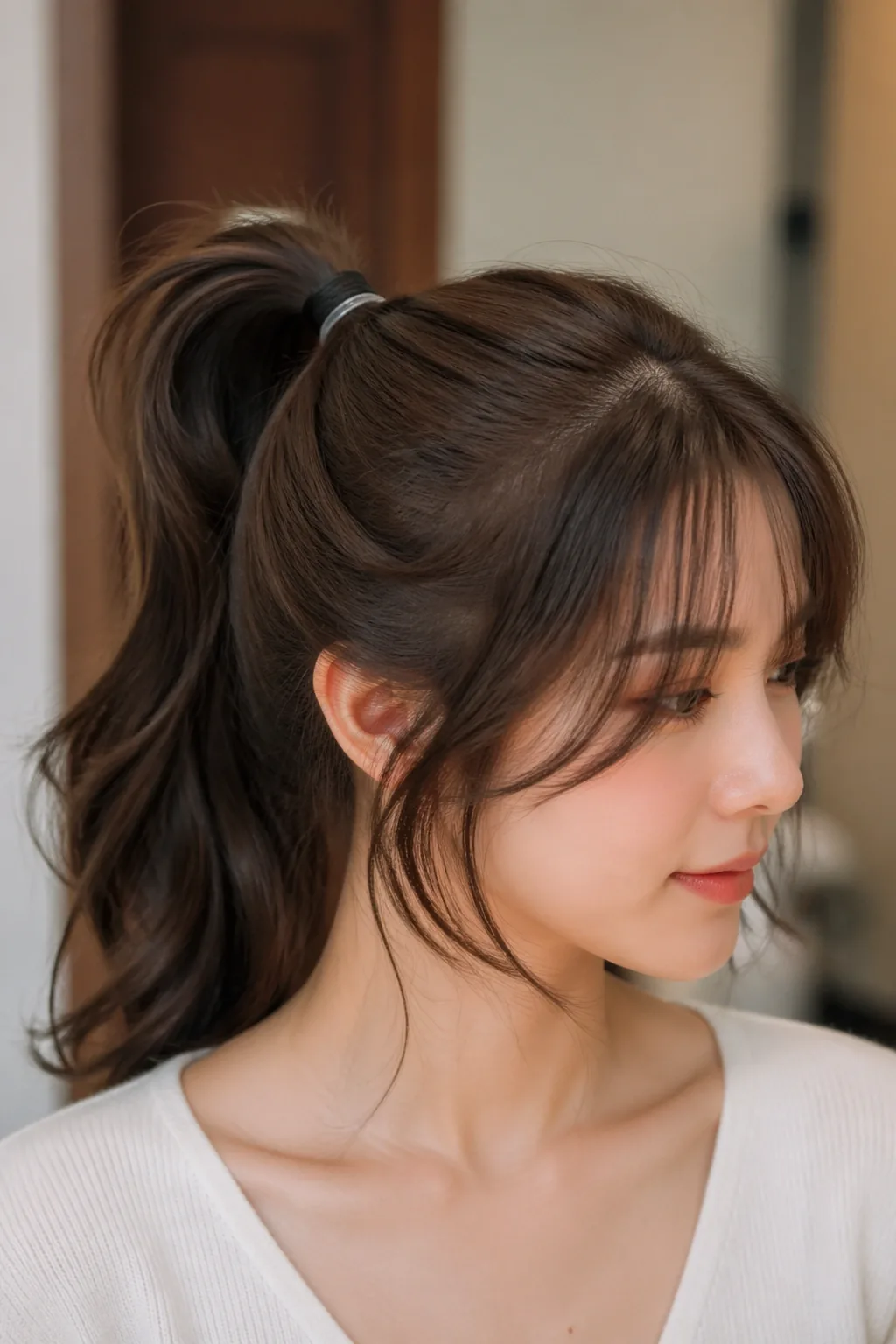
Long layers tied back in a low ponytail give you movement and shape without the hassle of loose hair. The layers fall neatly into the ponytail, the front pieces frame the face softly, and the style holds well through a match. It is a good choice for players who have invested in a layered cut and want to show it off, even on court.
Best for: layered cuts and medium to long hair. How to style it: gather low, let the shortest layers frame the face, and secure firmly. Common mistake: tying it too high, where the shorter layers fall out, so keep it low. Quick verdict: the layered cut, made court-ready in under a minute.
34. The Curtain Bangs Ponytail
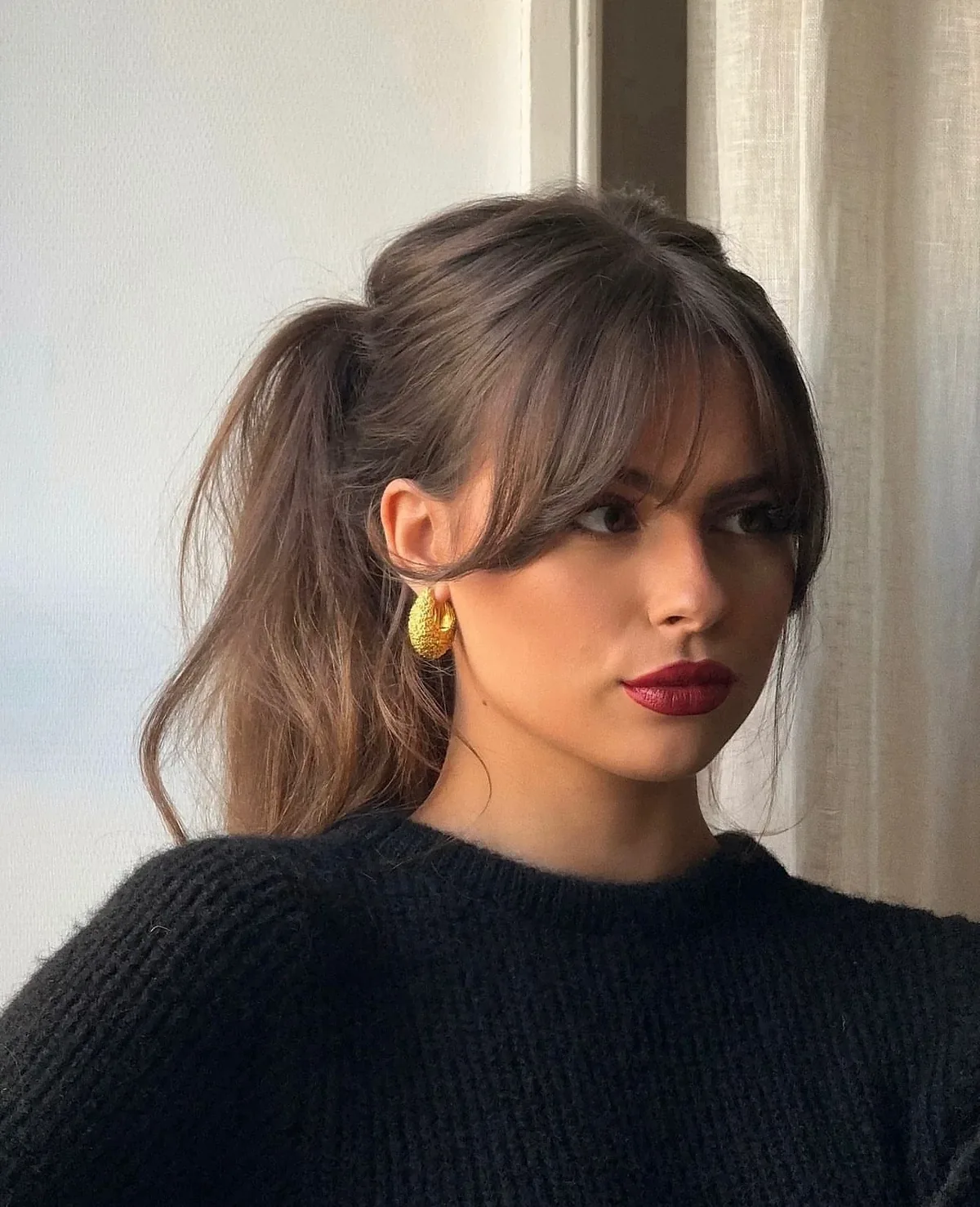
A curtain bangs ponytail keeps the trendy face-framing bangs while tying the rest of the hair back securely. The bangs are left soft and parted in the middle, framing the face, while the ponytail does the hard work of keeping the bulk out of the way. It is a flattering, modern court style, but the bangs need a little gel or a clip on very sweaty days.
Best for: curtain bangs and players who want a fashionable court look. How to style it: part the bangs in the centre, gather the rest into a ponytail, and smooth the bangs with a little gel. Pros: flattering and on-trend. Cons: bangs can stick to a sweaty forehead, so carry a clip.
35. The Slicked-Back Ponytail
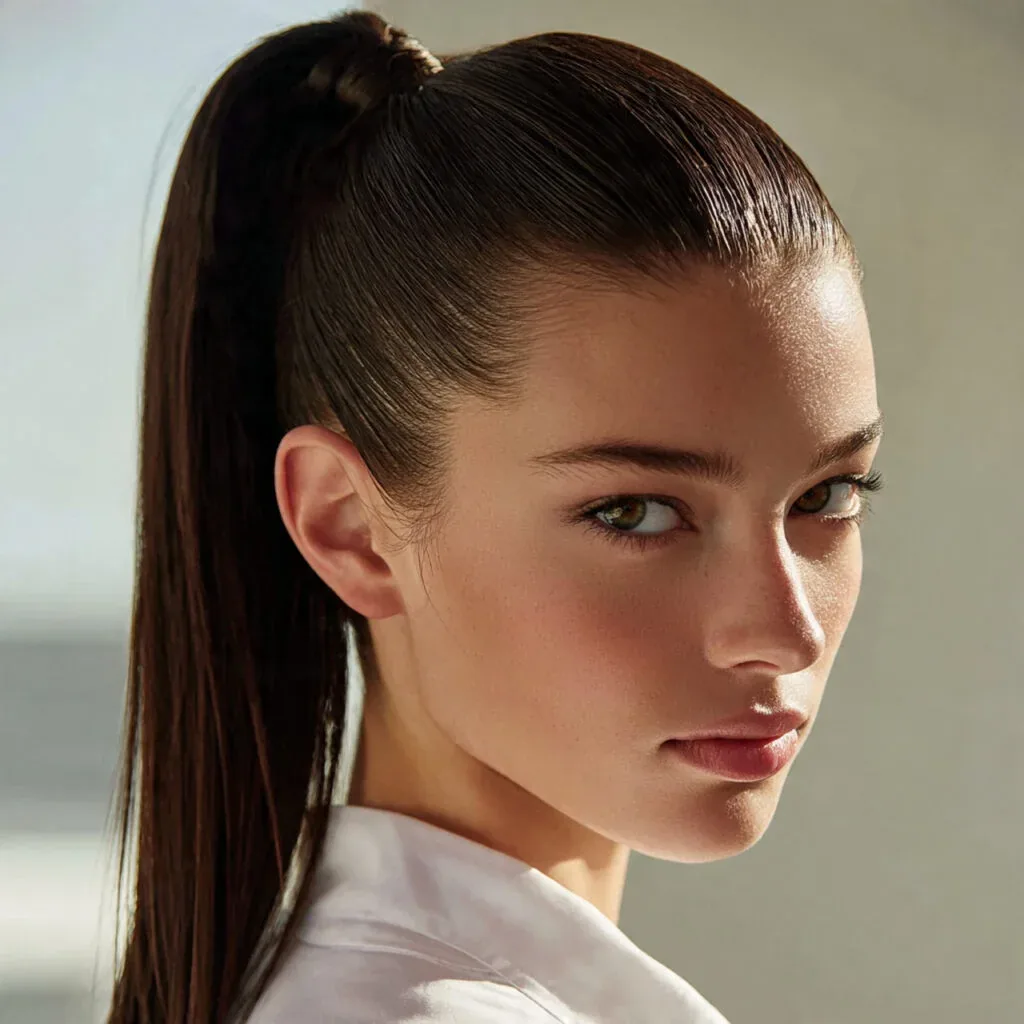
The slicked-back ponytail is the ultimate no-flyaway court style: every strand is brushed back with gel into a smooth, high ponytail that does not move, no matter how hard you play. It looks sharp and confident, works with a visor or headband, and photographs beautifully. It is also one of the easiest styles to maintain during a match, because there is nothing loose to fix.
Best for: players who hate flyaways and anyone playing in wind. How to style it: apply gel to damp hair, brush everything back smoothly, secure high and mist with hairspray. What to ask your stylist: for a gel that holds without flaking. Who should avoid it: anyone with a very tight hairline who finds slicked styles uncomfortable.
36. The Milkmaid Braid Headband
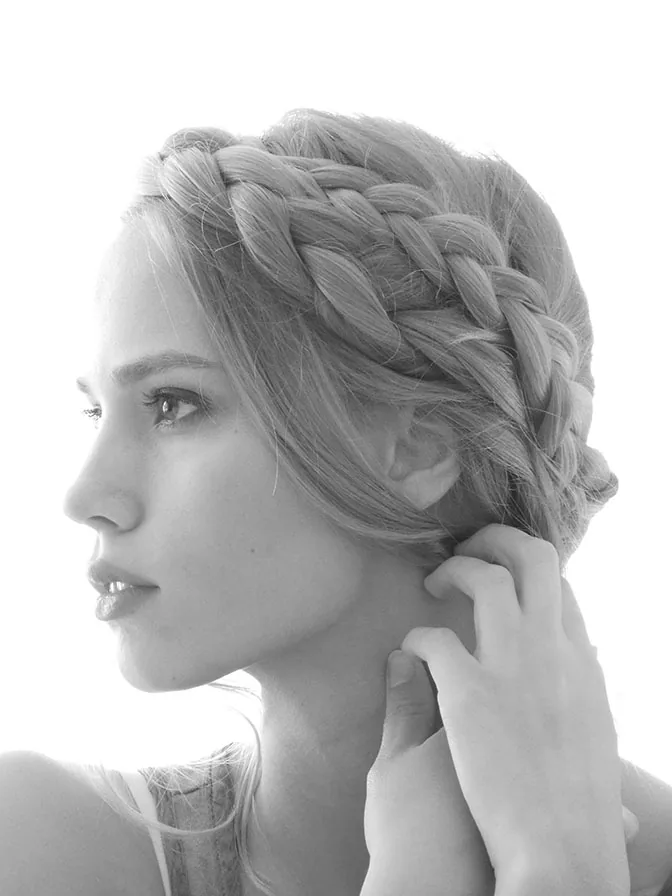
The milkmaid braid headband braids the hair across the top of the head like a crown, pinning it in place so the front is completely clear. It is secure, pretty and surprisingly practical on court, because the braid itself acts as a headband and cannot slip. It works best on medium to long hair, and it looks lovely with a visor worn over the top.
Best for: medium to long hair and players who dislike fabric headbands. How to style it: braid a section from behind one ear, bring it across the crown and pin behind the other ear. Time and cost: about six minutes and a few pins. Quick verdict: a headband made of your own hair, and it never slips.
37. The Waterfall Braid Half-Up
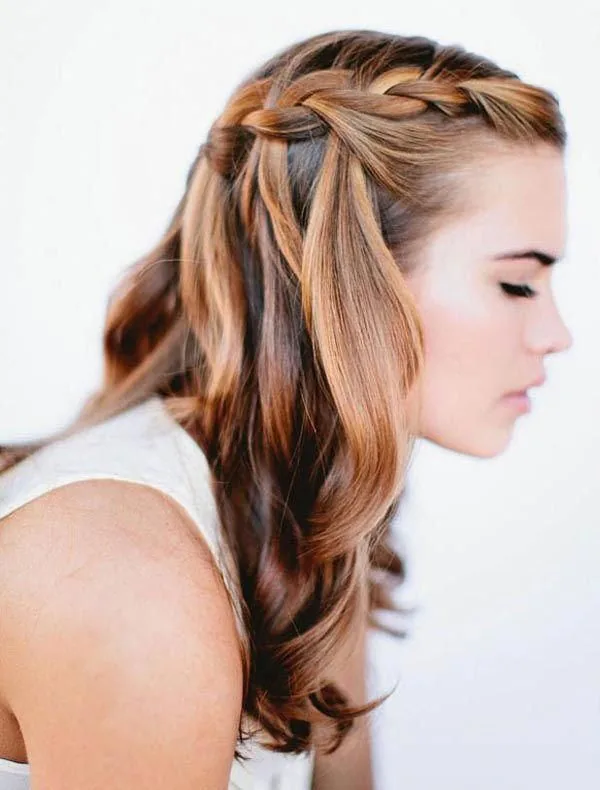
The waterfall braid half-up lets strands fall through the braid like a waterfall, creating a soft, romantic style that still keeps the front sections pinned back. It is best for social tennis and club days rather than competitive matches, since the loose lengths can move, but it is one of the prettiest styles in this list and it photographs beautifully.
Best for: social tennis, club events and wavy hair. How to style it: start a braid at one temple, drop a strand with each cross and pick up a new one, then pin at the other side. Common mistake: making it too loose, so it falls apart, so keep the braid itself firm. Quick verdict: beautiful for relaxed games, best saved off the competitive court.
38. The Claw Clip Twist
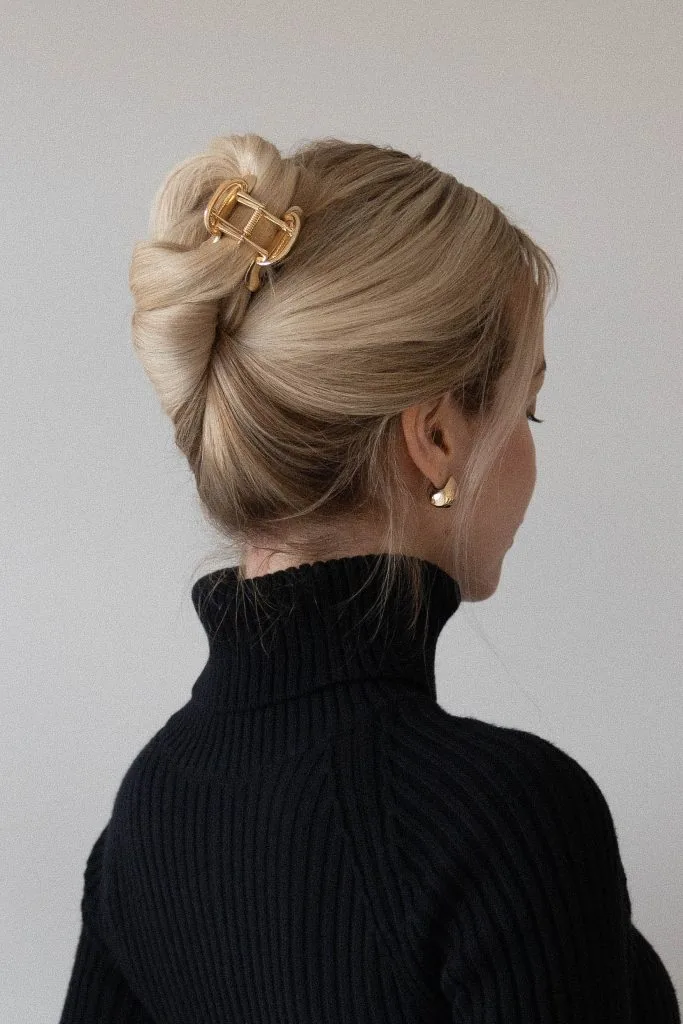
The claw clip twist is the off-court hero of this list: twist the hair up, clip it, and you are done in ten seconds. It is not the most secure style for a full match, but it is perfect for practice, warm-ups, coaching sessions and the drive to the club. Keep a large, strong clip in your bag, since cheap clips snap under the weight of thick hair.
Best for: practice, warm-ups and between-match breaks. How to style it: twist the hair up from the nape, fold it over and clip firmly. Pros: ten seconds and no elastics. Cons: it can loosen during hard play, so save it for lighter sessions.
39. Beachy Waves With a Braided Front
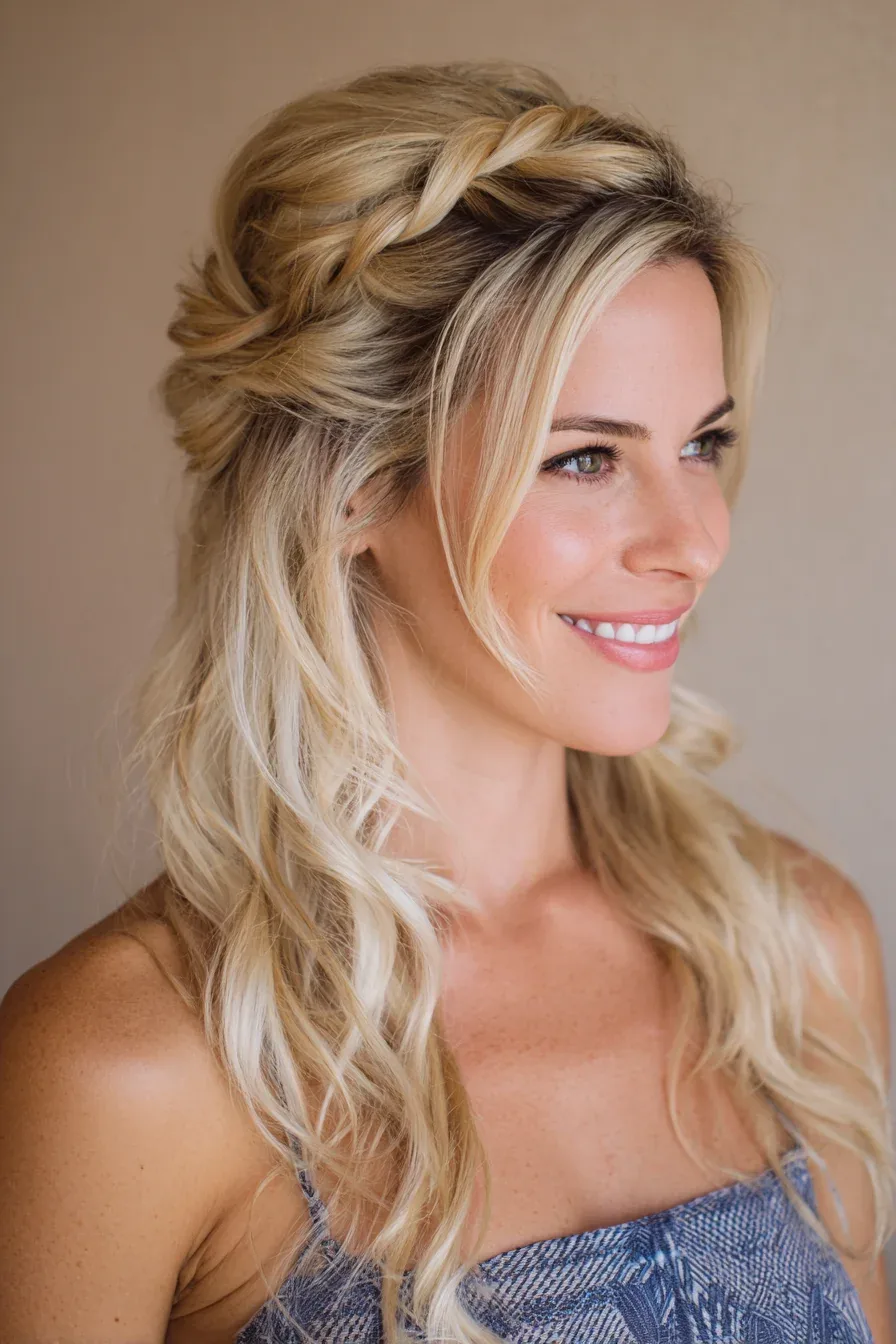
Beachy waves with a braided front give you a relaxed, off-court look that still keeps the hair out of your face. A small braid along the hairline pins the front back, while the rest of the hair falls in soft, textured waves. It is the perfect style for a beach tennis game, a holiday match or a casual hit with friends.
Best for: beach tennis, holidays and casual games. How to style it: add texture spray, braid a thin section along the front and pin it back. Maintenance: a little salt spray refreshes the waves. Who should avoid it: competitive matches, where the loose waves can get in the way.
40. The Loose Low Chignon
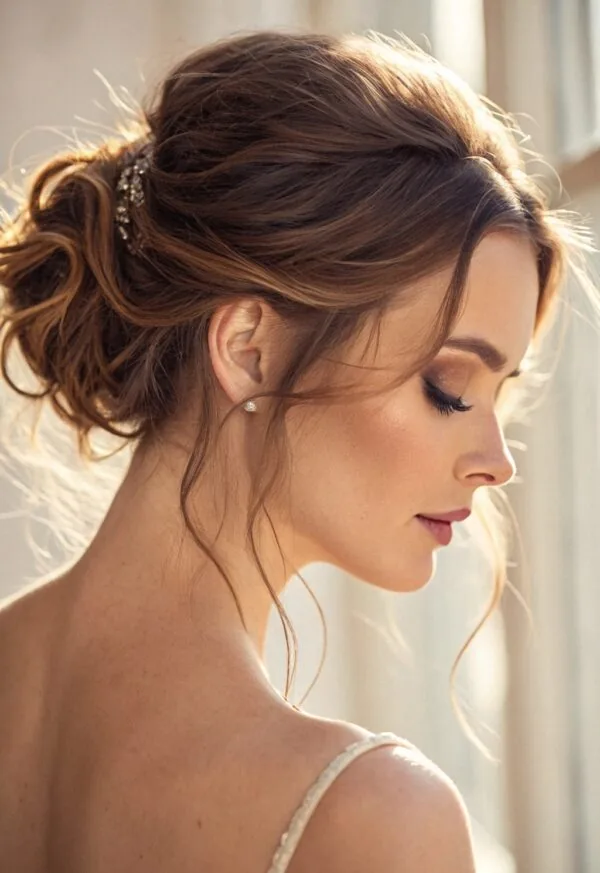
The loose low chignon is a soft, elegant bun worn at the nape, and it is the ideal post-match style. After the match, take your hair down, brush it smooth and twist it into a loose chignon with a few pins, and you are ready for dinner. It looks polished and grown-up, and it is comfortable enough to wear for hours.
Best for: post-match dinners, club events and formal occasions. How to style it: gather low, twist loosely, pin and pull out a few soft pieces around the face. Time and cost: about five minutes and a few pins. Quick verdict: the match is over, and your hair still looks wonderful.
41. The Straight Blowout for Off-Court Days
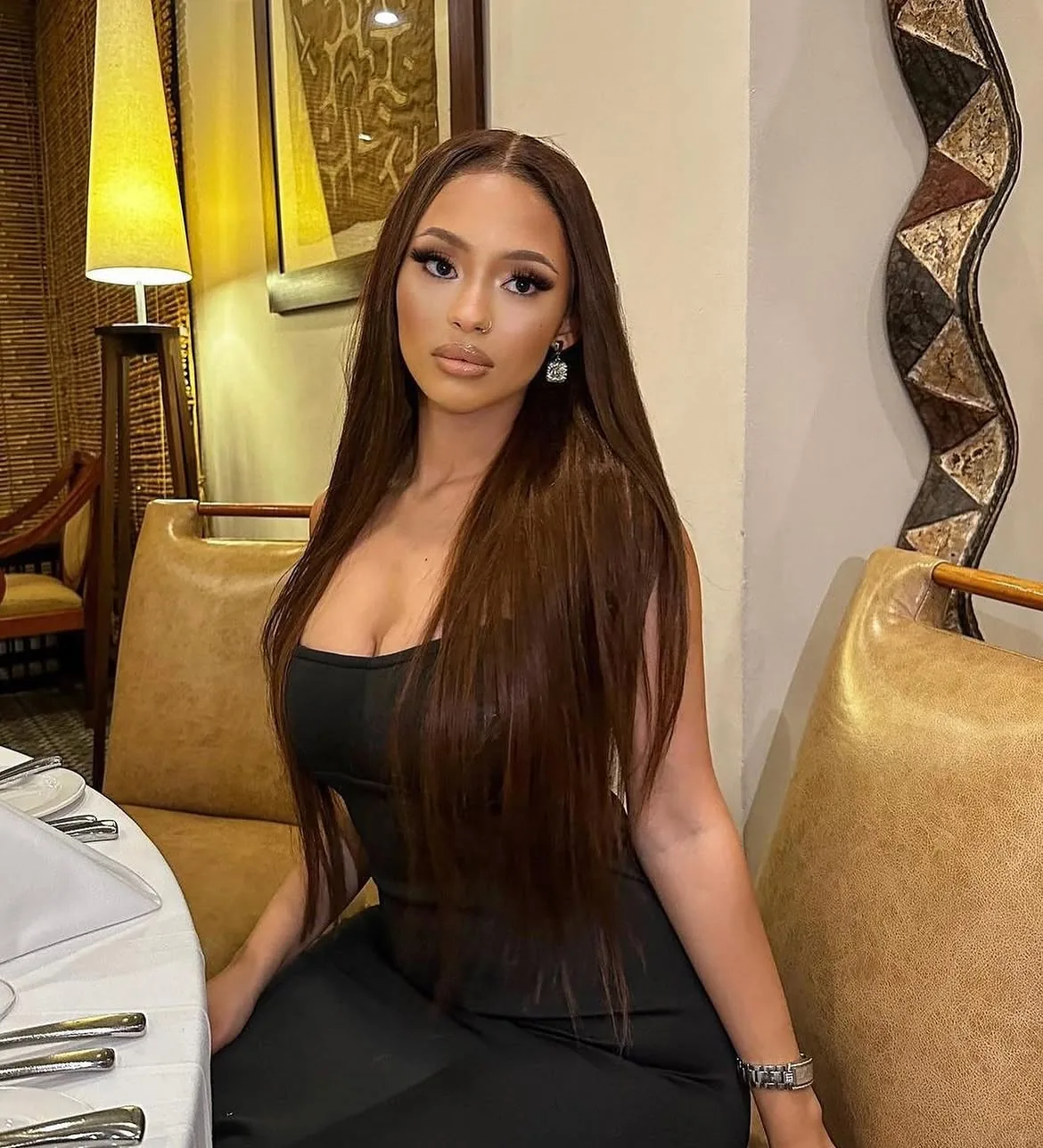
The straight blowout is the reward after a week of braids and buns: smooth, shiny, swingy hair with no elastic in sight. It is not a match-day style, but it is the perfect way to enjoy your hair on a rest day, at a tennis lunch or at a club dinner. A good blowout lasts for days with a little dry shampoo, so it is worth the effort.
Best for: rest days, tennis lunches and club dinners. How to style it: blow-dry in sections with a round brush, finish with a shine serum and a cool shot of air. Cost and time: about 30 minutes at home, or a salon visit. Quick verdict: the off-court style that makes all the court styles worth it.
What is the best hairstyle for playing tennis?
A braid is the best hairstyle for playing tennis, because it holds the longest and keeps every strand off your face through serves, sprints and long rallies. A French braid, Dutch braid or double French braids will stay put for a full match. If you prefer something quicker, a high ponytail or a secure bun is the next best choice.
How do I stop my ponytail from slipping during a match?
Use a thick, fabric-covered elastic and wrap it three times, then anchor the ponytail with two bobby pins crossed at the base. Applying a little gel or hairspray before you tie it up also helps, and a spiral tie grips better than a thin rubber band. Always carry a spare tie in your tennis bag.
What tennis hairstyle works best for curly hair?
A high puff, cornrows or box braids pulled back are the best tennis hairstyles for curly hair, because they contain the curls without fighting their texture. A French braid also works well on curly hair, since the braid holds the curls in place. Use a little curl cream or gel to keep the edges smooth and frizz-free.
Can I wear a visor with a bun?
Yes, you can wear a visor with a bun, but a low bun or a low ponytail works best, because a high bun can push the visor up. A low sleek ponytail, a low bun or a braid all sit neatly under a visor. If you love a high bun, choose a headband instead of a visor for sun protection.
How do I stop sweat making my hair frizzy on court?
Apply a strong-hold gel or edge control to the hairline before you play, and mist the finished style with a light-hold hairspray. A headband or sweatband also stops sweat reaching your hairline. After the match, use dry shampoo at the roots and avoid brushing dry, sweaty hair, which makes frizz worse.
What is the best tennis hairstyle for short hair?
A headband or a sweatband is the best tennis hairstyle for short hair, because it holds the front sections back without needing length to tie up. A short bob with a headband, or a pixie cut with a sweatband, both work beautifully. A few small clips at the front can also keep shorter layers out of your eyes.
How often should I wash my hair if I play tennis every day?
You can rinse your hair with water after every match and shampoo every two to three days, or whenever your scalp feels dirty. Use a gentle shampoo, focus it on the scalp, and use a clarifying shampoo once a week to remove sweat and product build-up. Dry shampoo between washes keeps the roots fresh.
Do braids damage your hair when you play tennis?
Braids do not damage your hair when they are done with even, gentle tension, and they actually protect it by keeping it contained. Damage comes from braiding too tightly, especially at the hairline, or from leaving braids in for too long without washing. Keep the tension comfortable and give your hair a break between braided styles.
What is the best headband for tennis?
The best headband for tennis is a wide, moisture-wicking fabric band with a non-slip grip, because it stays in place and absorbs sweat. Terry sweatbands work well for very hot days, while thinner elastic bands suit shorter matches. Choose a band that fits snugly without giving you a headache.
What should I do with my hair after a tennis match?
After a tennis match, rinse the sweat out with lukewarm water, shampoo the scalp gently and condition only the lengths. If you are going out, use dry shampoo at the roots, take your braid or bun down into soft waves, or twist your hair into a loose low chignon. Five minutes is all it takes to go from court to dinner.
Conclusion
The best tennis hairstyles for women are the ones you forget about during the match, because they stay put, keep the sweat out of your eyes and let you focus on the next point. Braids hold the longest, ponytails are the quickest, buns are the tidiest, and a good headband or visor makes any of them better. Try a few styles from this list in practice before you wear one to a match, and keep a spare tie, a few pins and a band in your tennis bag, because the right preparation is half the game.
Whether you play once a week with friends or compete every weekend, there is a style here for your hair length, your hair type and your match. Pick the one that feels comfortable, secure and like you, then get out on court and enjoy the game. Your hair will take care of itself, and you can take care of the tennis.