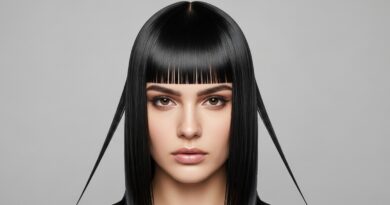
The Contour Cut: Haircut Designed to Sculpt Your Face
Have you ever left the salon with a haircut that looks technically perfect, yet somehow doesn’t quite work with your face? It’s not your imagination. A great haircut isn’t just about the style itself; it’s about the intricate relationship between hair, shape, and bone structure. Enter the contour cut, a strategic hairdressing technique that’s less about following trends and more about architecting a frame that highlights your best features. Think of it as contouring for your hair—using length, layers, and texture to sculpt, define, and enhance your natural face shape.
What Exactly is a Contour Cut?
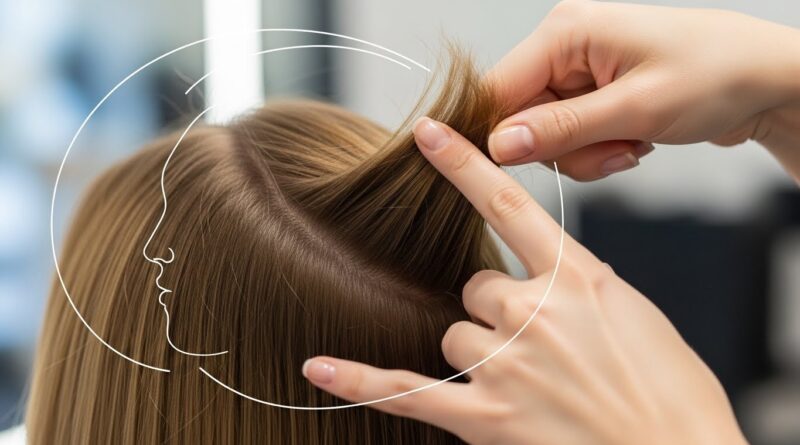
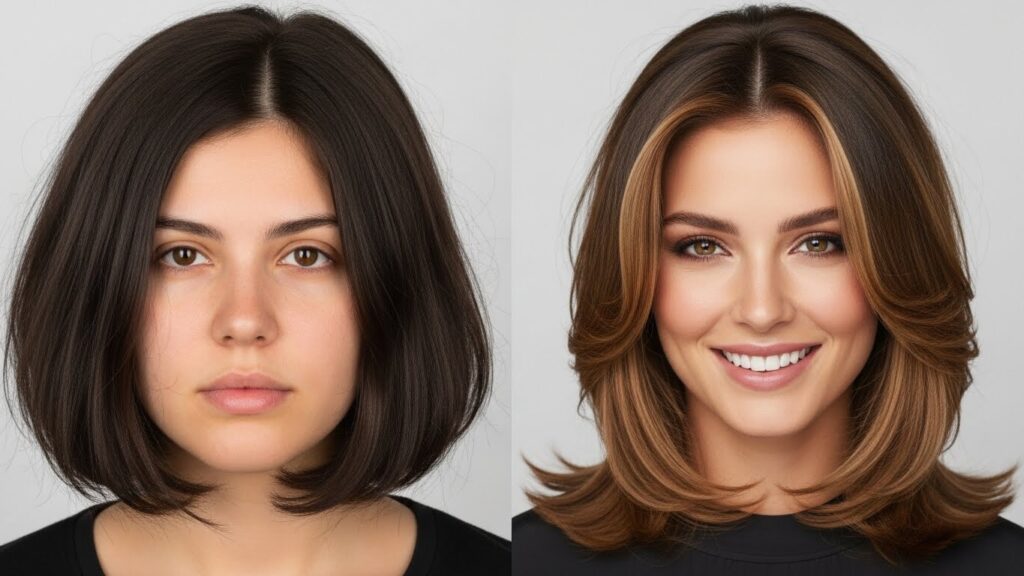
At its core, a contour cut is a cutting method where the hair is cut to follow the natural contours of the head and face. Unlike blunt cuts or uniform layers, a contour cut uses graduated lengths and strategic layering to create movement that naturally falls in a way that complements your unique facial structure. The stylist analyzes your face shape, features, and even your hair’s natural growth patterns to determine where to place shorter and longer pieces.
The goal is to create an optical illusion. For instance, if you have a round face, a contour cut might incorporate longer, vertical layers in front to create a slimming effect. If you have a square jawline, soft, wispy layers might be placed around the chin to soften the angle. It’s a bespoke service that considers the three-dimensional form of your head, not just the two-dimensional silhouette of a haircut in a magazine.
The Magic Behind the Technique: How It Sculpts Your Face
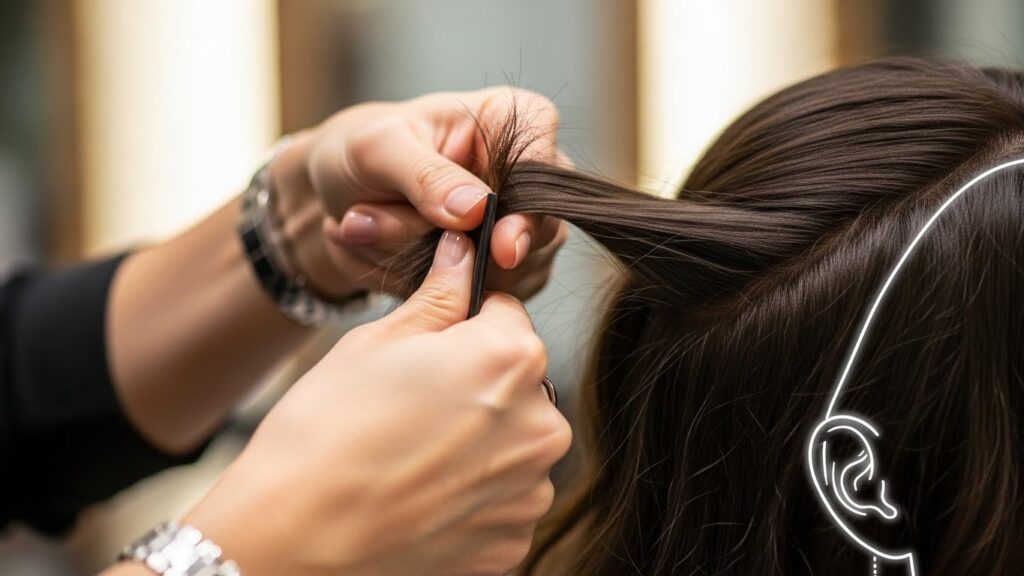
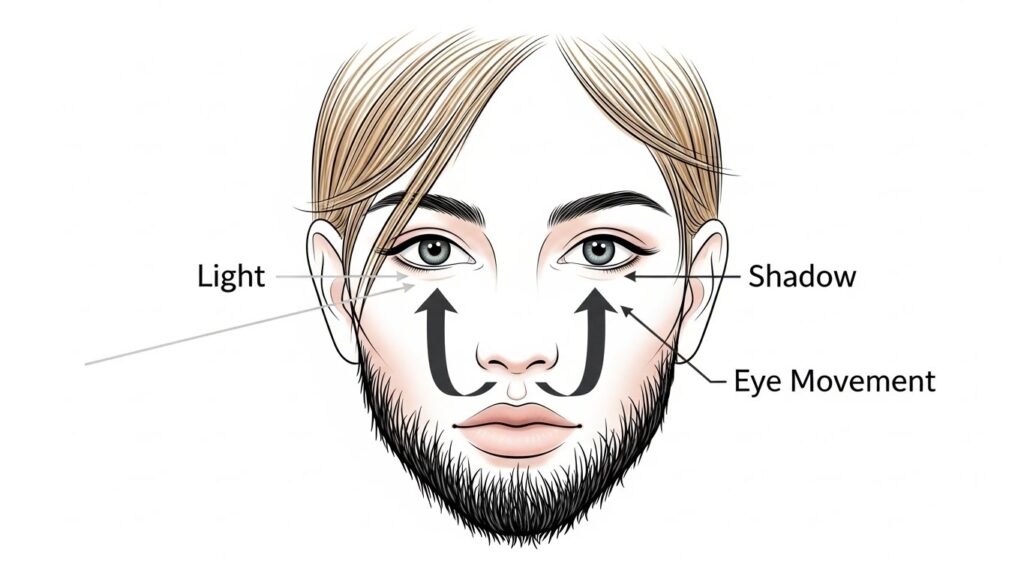
So, how does a simple haircut achieve such a sculpting effect? It all comes down to the principles of light, shadow, and line direction. Hair has volume and weight, and how it falls directs the eye.
Creating Light and Shadow: Just like makeup contouring uses dark and light shades to recede or highlight, hair does the same. Thicker, heavier sections can create shadows, while shorter, layered sections allow light to pass through, bringing features forward. A skilled stylist uses density and texture to play with this light.
Directing the Eye: The lines created by your hair—whether they’re horizontal, vertical, or diagonal—guide where people look. A contour cut uses lines to lead the eye toward your most attractive features, like your eyes or cheekbones, and away from areas you might want to downplay.
Adding Strategic Volume: Volume isn’t just about big hair. It’s about placement. Adding lift at the crown can elongate a round face. Keeping hair closer at the temples and fuller at the jaw can balance a heart-shaped face. The contour cut meticulously plans where volume begins and ends.
Is the Contour Cut Right for Your Face Shape?
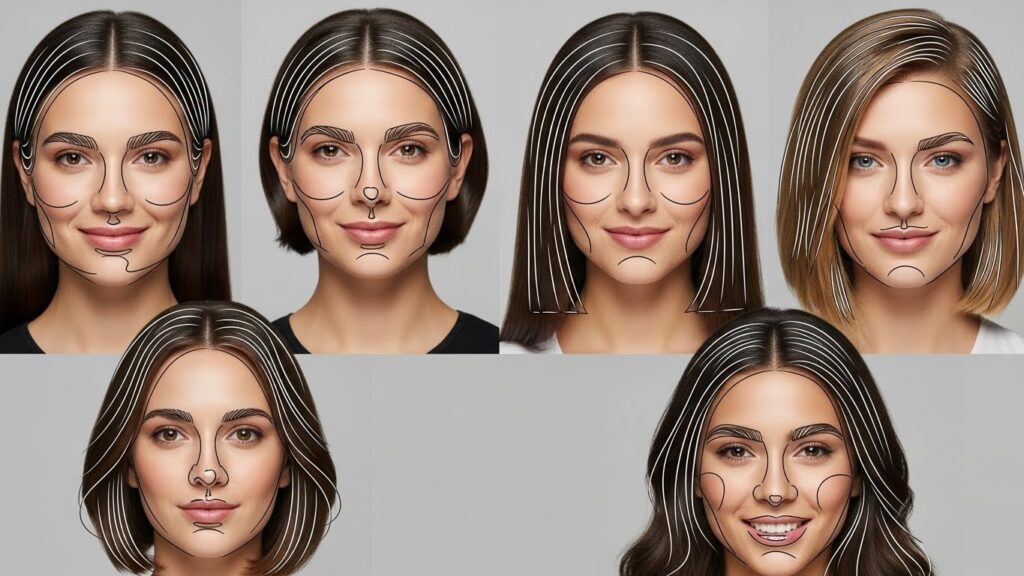
The beautiful truth is that the contour cut is adaptable to every single face shape because it’s customized. However, the approach changes dramatically depending on your unique structure. Here’s a quick guide to how a master stylist might approach different shapes.
For Round Faces: The goal is to create length and minimize width. A contour cut will often feature longer layers that start below the chin to draw the eye downward. Volume is built at the crown, while the sides are kept softer and closer to the face to avoid adding horizontal width. Angular, face-framing pieces are key.
For Square Faces: The aim is to soften strong jawlines and angular foreheads. The contour cut uses soft, textured layers that begin at the jawline and around the face to break up the squareness. Side-swept bangs or wispy fringe can also soften the forehead, creating more curved lines.
For Oval Faces: Considered the most balanced shape, oval faces can carry most styles. A contour cut here is about enhancement—adding pieces that highlight great cheekbones or a lovely brow. The focus is on maintaining that natural balance with effortless, face-grazing layers.
For Long/Rectangular Faces: The objective is to add width and reduce the appearance of length. A contour cut will incorporate fullness at the sides through shorter, bouncy layers that hit at the cheekbones or collarbone. Blunt or heavy bangs are also a powerful contouring tool to shorten the face visually.
For Heart-Shaped Faces: With a wider forehead and narrower chin, the goal is to balance the top and bottom. A contour cut adds width and volume around the jawline and chin area with chin-length bobs or inward-curving layers. It also softens the forehead with wispy, off-center bangs.
How to Ask Your Stylist for a Contour Cut
Walking into a salon and saying “give me a contour cut” might not be enough. Communication is crucial. Here’s your script for a successful consultation.
1. Bring Visuals, But Talk Features: Instead of just showing a photo of a celebrity and saying “I want this,” point out why you like it. Say, “I love how the layers in this picture seem to frame her eyes and make her cheekbones pop. I’d like something that does that for my face shape.” This tells the stylist you’re interested in the effect, not just the copy.
2. Discuss Your Face Shape Openly: Have a conversation. You can say, “I feel my face is quite round, and I’d love a cut that creates more definition and length.” or “My jawline is very strong; I’d like to soften it.” A good stylist will appreciate this insight and confirm their own analysis.
3. Use the Right Language: Incorporate key phrases like: “I’m looking for a cut that follows the contours of my face,” “I want personalized face-framing,” “I’d like layers that are cut to enhance my bone structure,” or “Can we focus on creating balance for my features?”
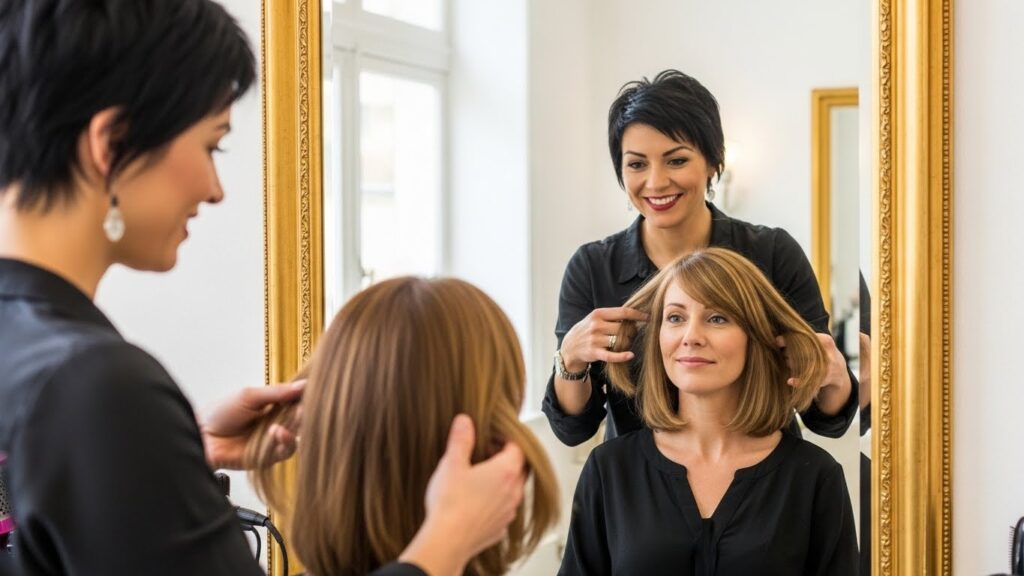
4. Trust the Professional: A true contour cut requires a stylist to constantly assess your hair in relation to your face as they cut. Allow them the creative freedom to adjust the technique as they work. It’s a dialogue between their shears and your silhouette.
Maintaining Your Sculpted Masterpiece
A precision cut requires precision maintenance. The good news is that a well-executed contour cut often grows out beautifully because it’s based on your natural shape. However, to keep it looking sharp, regular trims are essential—every 6-8 weeks is ideal.
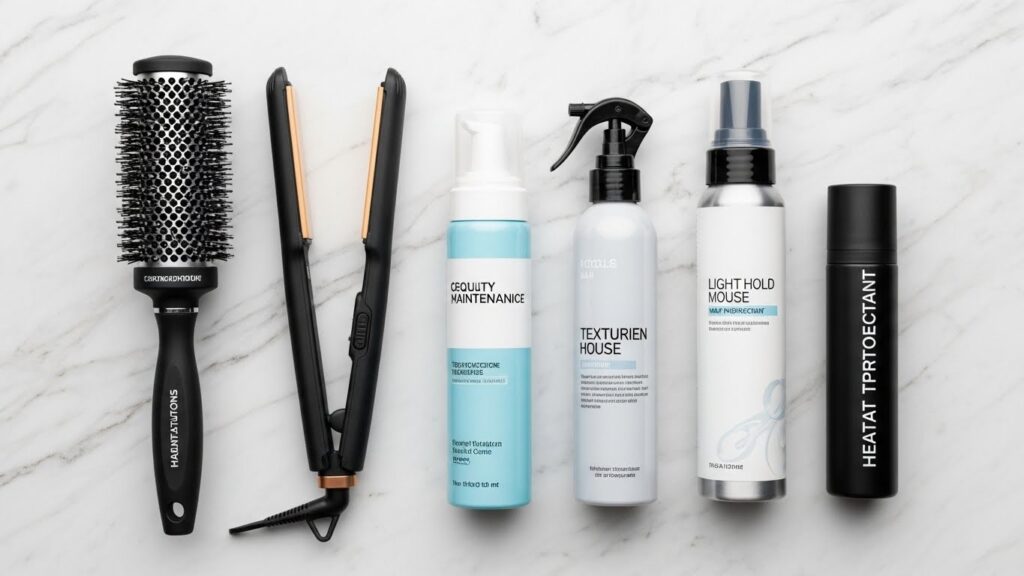
Styling is also part of the magic. Your stylist should teach you how to blow-dry or style your new cut to maintain its sculpting effect. This often involves using a round brush to encourage the layers to curve in the intended direction, or applying products like texturizing sprays or light-hold mousses to enhance the layers without weighing them down. The cut does most of the work, but your styling seals the deal.
Beyond the Cut: The Confidence of a Personalized Look
The ultimate benefit of the contour cut isn’t just a great hair day—it’s a lasting sense of confidence. When your hair harmonizes with your features, it doesn’t feel like you’re wearing a disguise or forcing a trend. It feels like the best version of yourself. It streamlines your morning routine because your hair naturally wants to fall into a flattering shape.
In a world of fleeting beauty fads, the contour cut stands apart as a timeless, intelligent approach to hairdressing. It’s an investment in understanding and celebrating your unique anatomy. It’s the art of using hair not just as an accessory, but as an integral part of your personal architecture.
Ready to redefine your look? Book a consultation with a skilled stylist and explore the transformative power of a haircut designed not just to style your hair, but to sculpt your face.