Sliced Ends: Vertical Cutting for Texture
In the ever-evolving world of hair, trends come and go, but the pursuit of the perfect texture is eternal. We crave hair that moves, that has character, that looks effortlessly cool and lived-in. Enter a technique that has quietly revolutionized the approach of top stylists: sliced ends through vertical cutting. Forget everything you think you know about a standard blunt or layered cut. This is a nuanced, artistic approach that creates unparalleled softness, flow, and a signature modern texture.
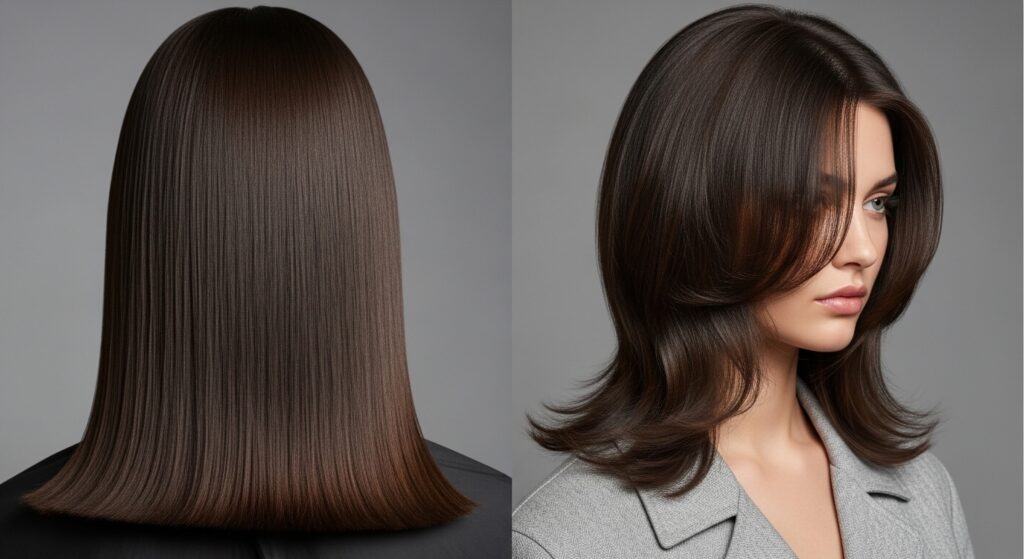
What Exactly Are “Sliced Ends”?
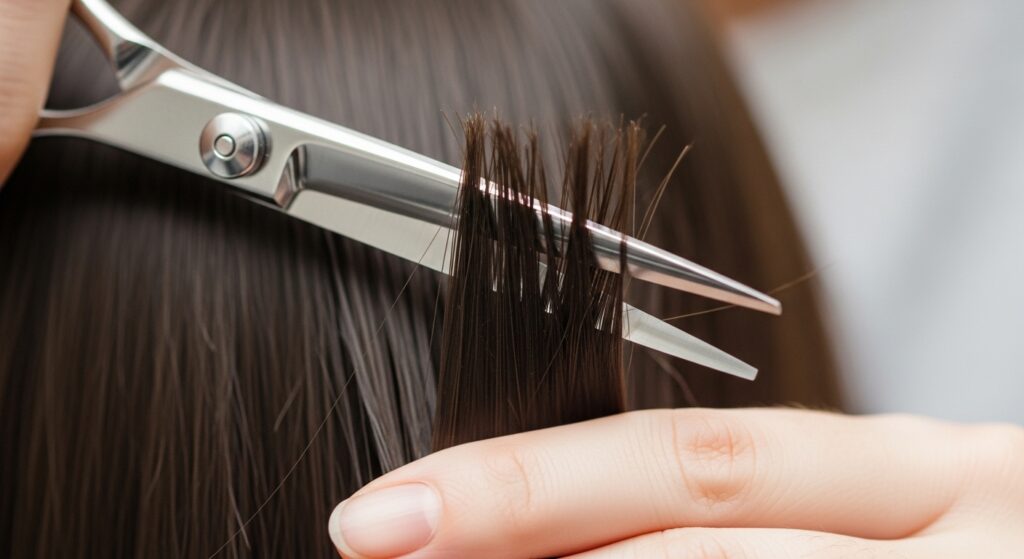
Let’s demystify the terminology. Sliced ends refer to the finish of the hair strand after it has been cut with the scissors held vertically (up-and-down) against the hair, rather than horizontally (side-to-side). Instead of making one clean, straight-across chop, the stylist slices into the hair section, often using the tips of their shears. This action creates tiny, irregular variations in the length of the hairs within a single section.
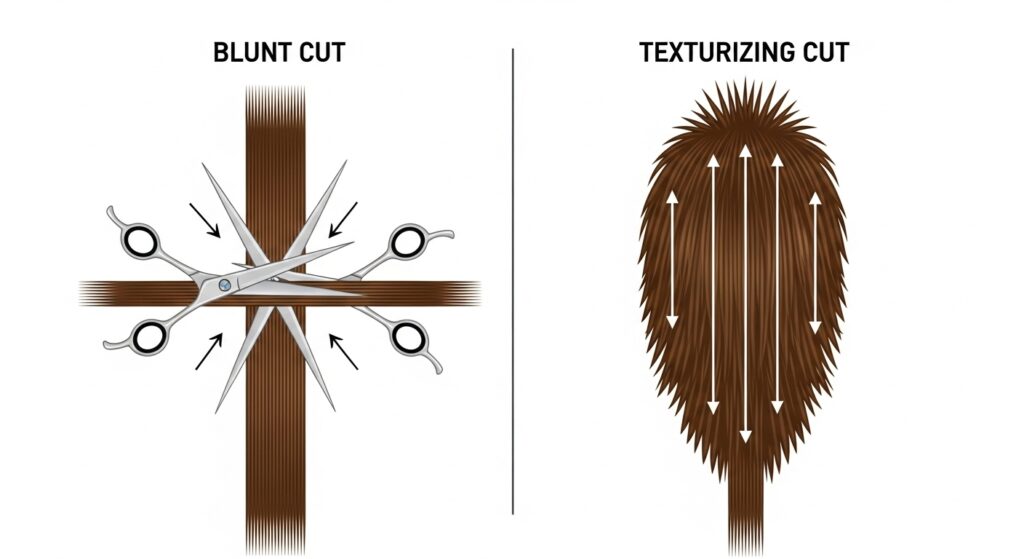
Think of it like this: a horizontal cut is like trimming the edge of a piece of paper with scissors—you get one straight line. A vertical slice is like taking that same scissors and making small, subtle nicks up into the edge of the paper. The result is a feathered, broken-up edge that eliminates bulk and allows for seamless blending between lengths. This technique is the cornerstone of achieving that coveted lived-in, beachy, or shattered texture without relying solely on chemical treatments or excessive thinning.
Vertical vs. Horizontal Cutting: The Core Difference
To truly appreciate the magic of slicing, you need to understand the fundamental difference in approach. Horizontal cutting is the classic method. The hair is pulled straight out from the head, and the shears cut across it perpendicularly. This is excellent for creating strong, defined shapes, clean bobs, and solid lines. However, it can also trap weight at the ends, leading to a helmet-like effect or a shape that doesn’t grow out gracefully.
Vertical cutting, in contrast, involves holding the shears in a vertical position and cutting into</em the hair section, often while the hair is held at an angle or with tension. The scissors move along the length of the section, not across it. This does not remove large amounts of length but instead texturizes from within. It disconnects the weight line, removes internal bulk, and creates those signature “sliced” ends that are soft to the touch and easy to style.
The Transformative Benefits of Getting Your Ends Sliced
Why should you ask your stylist for this technique? The benefits extend far beyond just a trendy name.
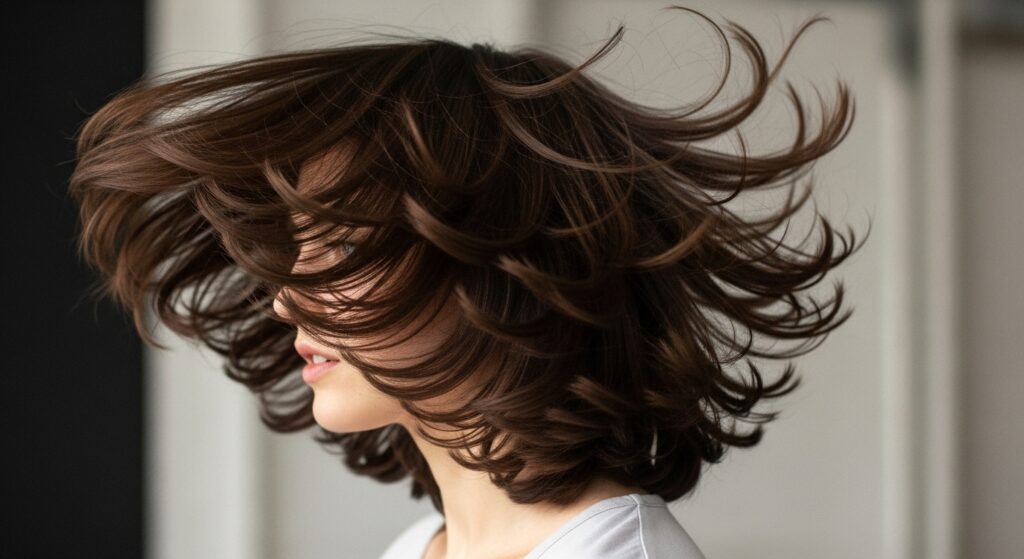
Unmatched Movement and Flow: By eliminating the heavy, solid line at the perimeter, your hair gains an inherent ability to move. Each strand moves independently, creating a dynamic, fluid look that feels alive.
Effortless, Lived-In Texture: This is the holy grail for many. Sliced ends create instant texture that looks natural, as if you were born with perfectly tousled hair. It’s ideal for enhancing waves and curls by removing weight that pulls them down, and it gives straight hair a cooler, more piece-y finish.
Seamless Blending and Soft Transitions: Whether you have layers, a shag, or a one-length cut, vertical slicing is the ultimate blending tool. It erases any harsh lines between different lengths, creating a graduated, feathery transition that is incredibly flattering.
Improved Grow-Out Period: A haircut with sliced ends grows out significantly better than a blunt one. Because the edge is diffused and irregular, there’s no obvious “line” as your hair gets longer. Your style maintains its shape and texture for months, making it a low-maintenance dream.
Volume Without Bulk: For those with fine or thin hair, the word “texturizing” can be scary—often associated with making hair look wispy and thinner. Vertical slicing, when done correctly, removes only the internal bulk that weighs hair down, allowing the roots to lift and creating the illusion of more volume at the crown, while preserving the density at the ends.
Who is the Ideal Candidate for Sliced Ends?
This technique is remarkably versatile, but it shines brightest on certain hair types and styles.
Perfect for: Individuals with medium to thick hair who need bulk removed without losing shape. Those wanting a modern shag, wolf cut, or any layered cut will find this technique essential. It’s also a game-changer for wavy and curly hair types, as it encourages curl formation by removing weight. People with straight hair seeking a softer, more textured finish than a blunt cut provides are also ideal candidates.
Considerations: If you have very fine, sparse, or damaged hair, a heavy-handed slicing technique can make ends look frayed. The key is communication with your stylist—a light, conservative application of the technique can still add movement without compromising density. Always consult with an experienced stylist who can assess your hair’s density and condition.

How to Ask Your Stylist for Sliced Ends
Walking into the salon and simply saying “slice my ends” might not get you the desired result. Be specific and descriptive. Here’s your script:
“I’m interested in adding more texture and movement to my ends. I’d love to avoid any heavy lines. Can we use a vertical slicing technique to soften the perimeter and create more of a lived-in, piece-y texture?”
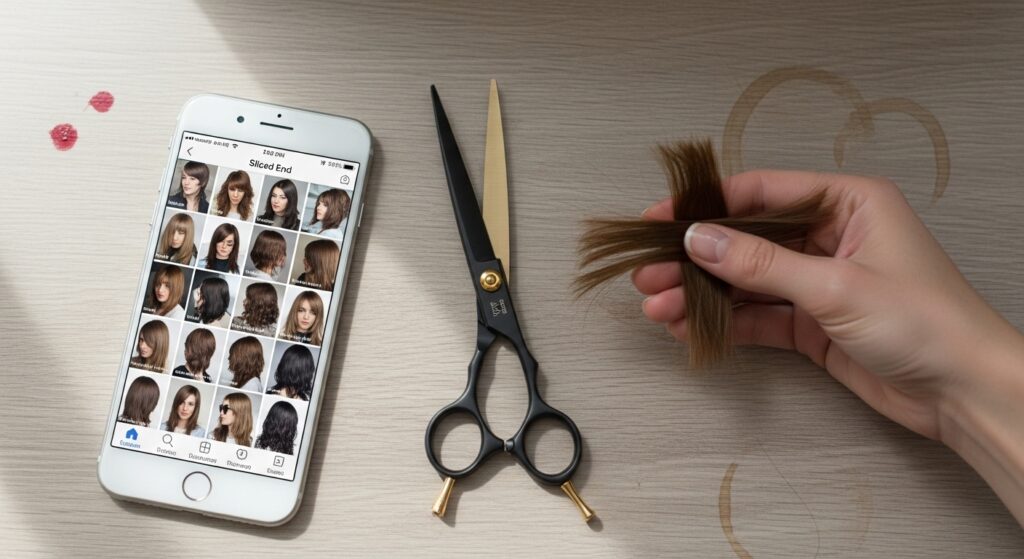
Bring visual references! Show pictures of hairstyles that embody the textured, soft-ended look you desire. Words like “shattered,” “feathered,” “diffused ends,” “lived-in texture,” or “vertical cutting” will signal to a knowledgeable stylist exactly what you’re after. A good stylist will understand and may even show you how they plan to incorporate the technique into your cut.
Maintaining Your Sliced-End Masterpiece
To keep your textured cut looking its best, a slight shift in your hair care routine is needed. The goal is to enhance and preserve the piece-y separation.
Styling Tips: Embrace texturizing products. A light-hold sea salt spray, a texturizing paste, or a dry texture spray will be your best friends. Apply them to damp hair for a defined wave or to dry ends to revive separation. When blow-drying, use your fingers or a diffuser to encourage natural movement, rather than a round brush which can create too smooth a finish. Embrace a little controlled chaos.
Trimming Schedule: Because the cut grows out so gracefully, you can often extend time between trims. However, to maintain the precise texture, a light dusting or trim every 10-12 weeks is recommended to refresh the ends before they can become overly uneven or lose their shape.

Conclusion: Embrace the Texture Revolution
The quest for perfect hair is often a quest for the perfect cut. Sliced ends through vertical cutting represent a sophisticated understanding of how hair moves, falls, and lives. It’s a technique that prioritizes softness, individuality, and effortless style over rigid perfection. It’s the secret behind those hairstyles you see that look amazing, feel incredible, and seem to style themselves with minimal effort.
If you’re ready to ditch the weight, unlock movement, and step into a world of effortless, textured beauty, it’s time to talk to your stylist about vertical cutting. It’s more than just a trim; it’s a transformation of your hair’ very architecture, leading to ends that aren’t just cut—they’re sculpted.