
Disconnected Texture: Separated Surface Areas
Look around you. The world is a tapestry of textures—the rough grain of a brick wall, the sleek coolness of glass, the soft weave of a fabric. But what happens when these textures are intentionally broken, interrupted, or placed in stark, isolated contrast? This is the realm of disconnected texture, a powerful design principle where surface areas are deliberately separated to create visual drama, narrative, and a profound sense of place. It’s more than just a style; it’s a language of materials speaking in deliberate fragments.
Beyond the Seamless: Defining Disconnected Texture
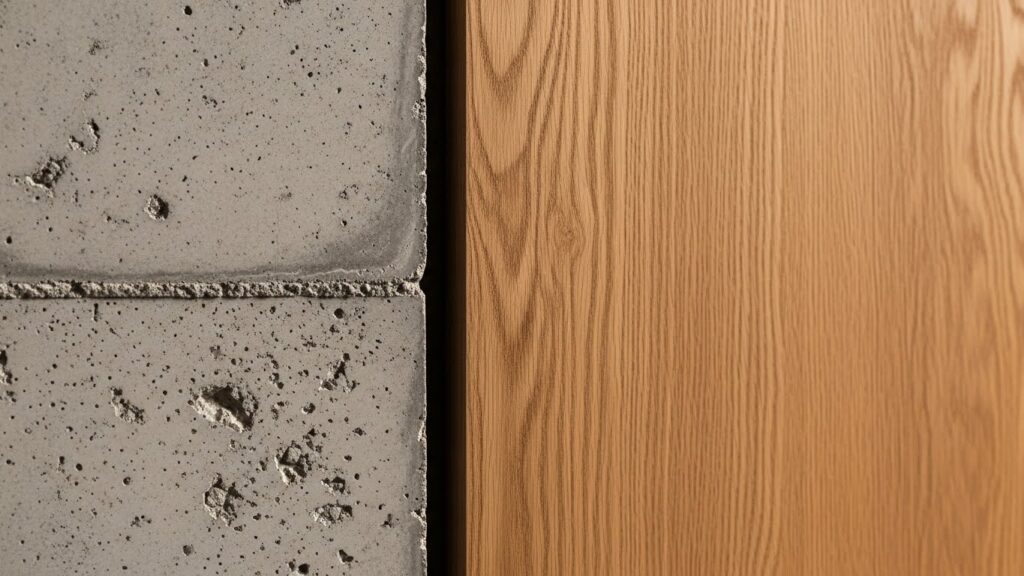
At its core, disconnected texture refers to the intentional use of materially or texturally distinct surfaces that are not blended or seamlessly integrated. Instead, they are presented as separate entities, often with a clear, definitive boundary—a joint, a gap, a change in plane, or a stark material transition. This is the antithesis of homogeneity.
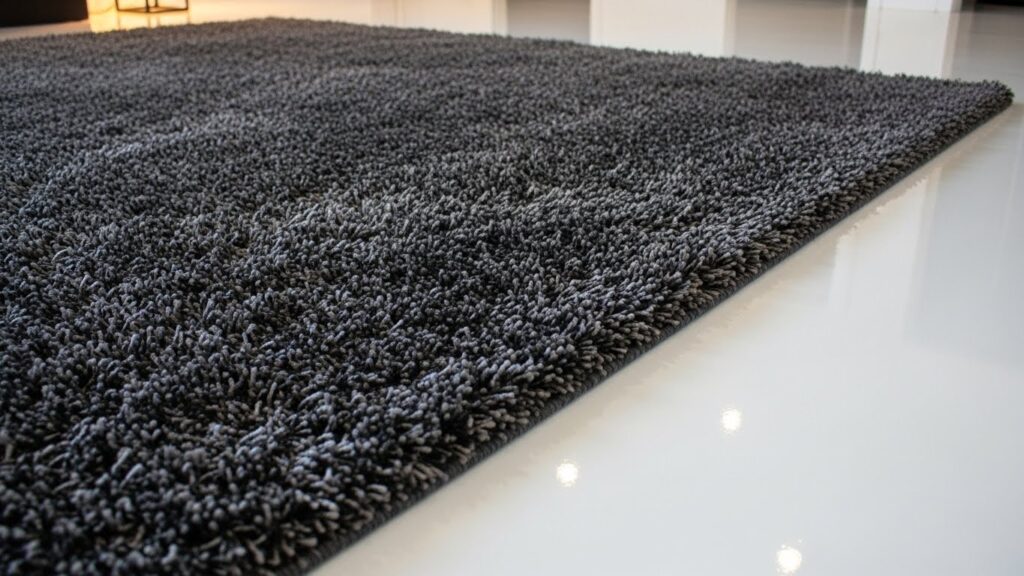
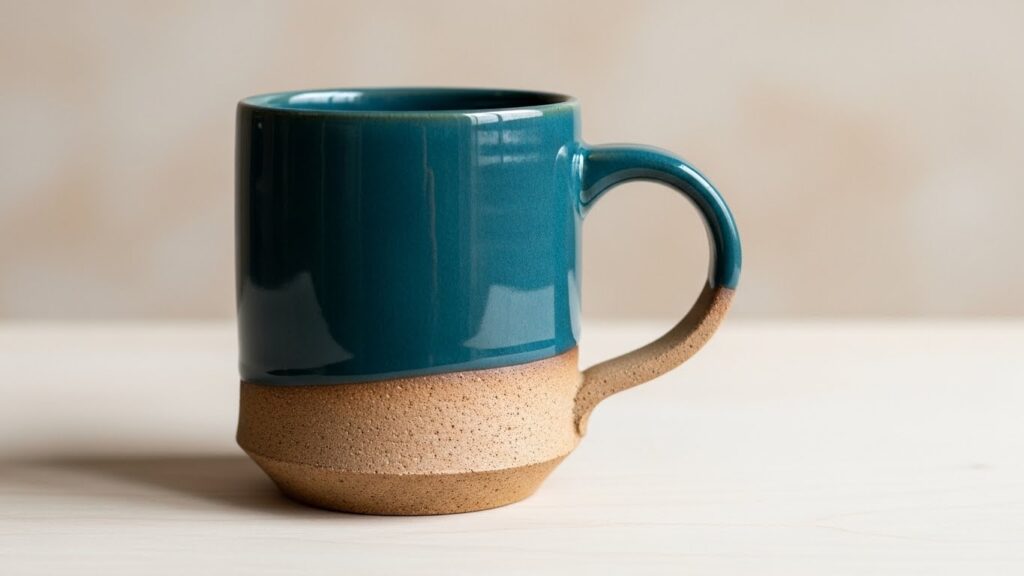
Think of a smooth, polished porcelain floor that suddenly gives way to a pebbled garden path. Or a sleek, metallic kitchen countertop that ends abruptly, revealing the rough, natural edge of a live-edge wooden breakfast bar. The disconnect is not a flaw; it’s the feature. It forces the eye to pause, to acknowledge each material on its own terms, and to contemplate the relationship—or the deliberate lack thereof—between them. This separation creates a visual tension that is both dynamic and intellectually stimulating.
The Psychology of Separation: Why It Captivates Us
Why does this design approach resonate so deeply? The human brain is a pattern-seeking machine, but it also delights in controlled disruption. Disconnected textures work on several psychological levels.
First, they create hierarchy and focus. By isolating a texture, you signal its importance. A single wall of rough stone in a room of smooth plaster becomes an instant focal point, a natural anchor for the space. Second, they engage our sense of touch through sight, known as haptic visuality. Seeing the clear divide between a soft fabric and a hard metal, we can almost feel the difference, making the experience more immersive.
Most importantly, separated surfaces tell a story. They can represent a dialogue between old and new (as in architectural renovations), between natural and man-made, or between function and art. The disconnect becomes a narrative pause, a visual comma that allows for meaning to seep into the space.
Manifestations in Architecture and Interior Design
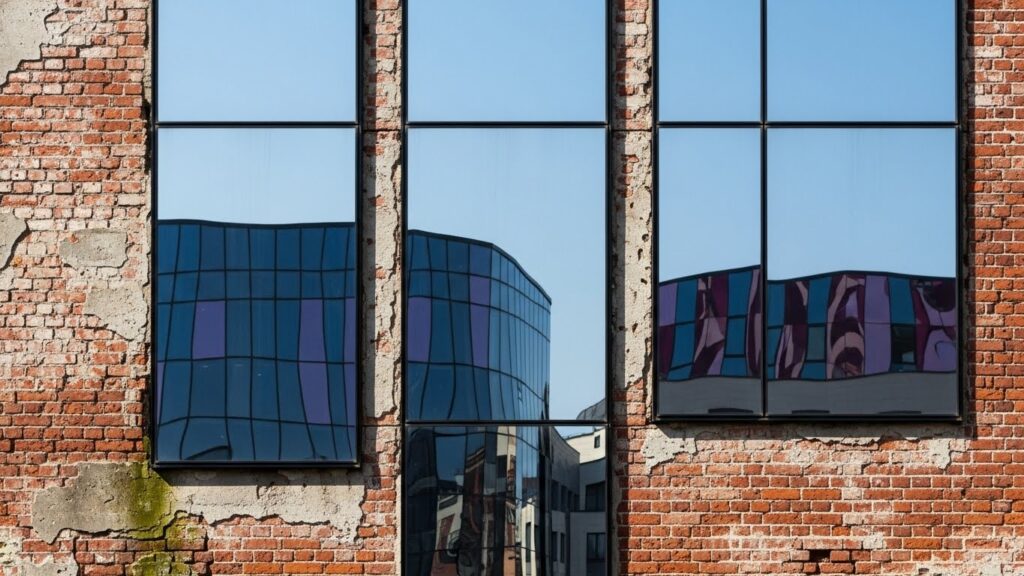
In practice, disconnected texture is a cornerstone of many design movements, from Brutalism to contemporary minimalism and biophilic design.
In architecture, it’s often seen in honest material expression. The Pompidou Centre in Paris famously displays its structural and mechanical systems (textured pipes, ducts) disconnected from the surrounding glass and steel envelope. In Japanese architecture, the concept of Ma (negative space) often extends to textures, where a smooth tatami mat area is distinctly separated from a wooden engawa porch, each with its own purpose and feel.
In interior design, the principle is used to zone spaces. A change in flooring texture—from hardwood to tile—can subtly define a kitchen area without a wall. A ceiling with disconnected panels of acoustic fabric and polished plaster can define a conversation pit. Furniture itself often plays with this: a sofa with distinct, separated cushions of velvet and leather creates a tactile and visual puzzle.
The Role of the “Gap”: Emphasizing Separation
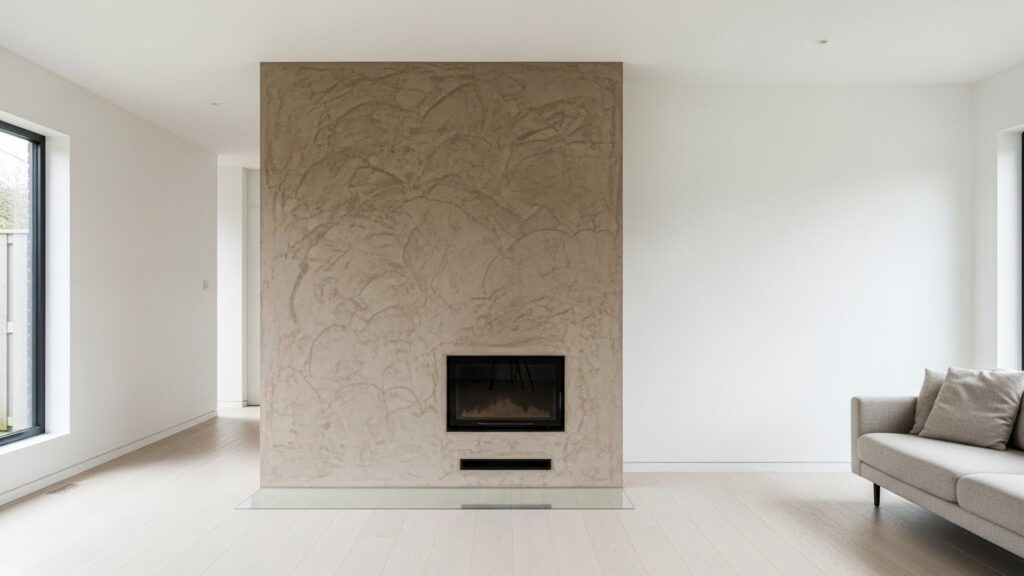
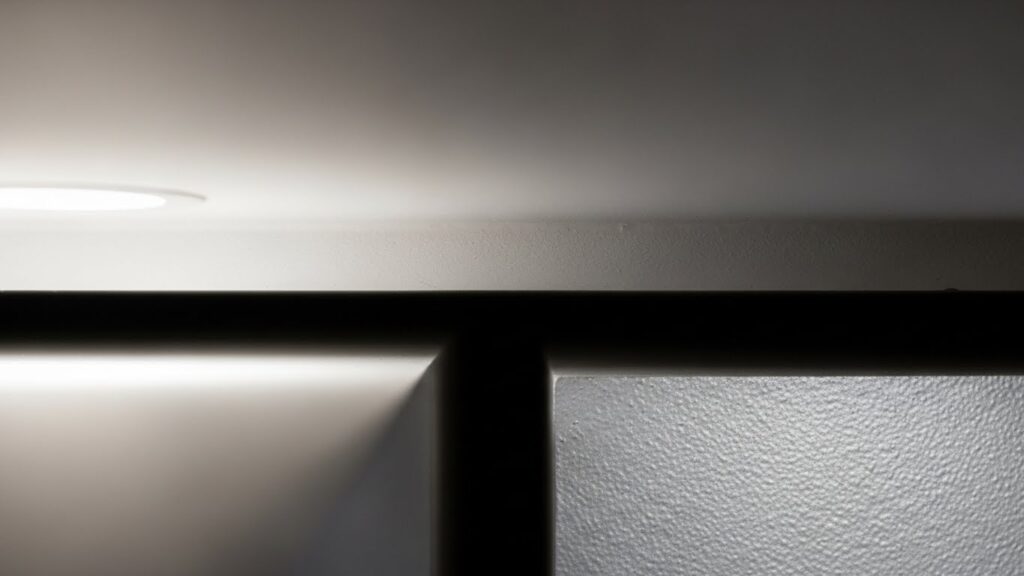
The true power of disconnected texture is often held in the space between—the gap, the shadow line, the reveal. This negative space is not empty; it is active.
A deliberate gap between a floating shelf and the wall behind it allows each surface to breathe and declares their independence. A shadow line between different flooring materials emphasizes the cut, the decision. In product design, the tiny seam between the anodized aluminum body of a phone and its glass screen is a celebrated disconnect that defines the object’s form. These gaps are the punctuation marks in the sentence of design, crucial for readability and rhythm.
Ignoring the gap is where many attempts fail. A poorly executed transition between textures feels like a mistake, whereas a celebrated disconnect feels like a bold statement. The difference lies in intentionality and precision.
Disconnected Texture in Digital and Graphic Spaces
This principle transcends the physical world. In UI/UX and graphic design, disconnected texture translates to the use of isolated visual elements that break the established pattern.
Think of a sleek, flat website interface that features a single, photorealistic, textured element—a grainy photograph, a 3D-rendered object with simulated roughness. This element is disconnected from the flat design language around it, creating immediate focus and depth. In motion graphics, a smooth animation might be interrupted by a glitchy, textured fragment, creating narrative disruption and visual interest. The core idea remains: separate to emphasize, contrast to engage.

Mastering the Balance: How to Use It Effectively
Employing disconnected texture successfully requires a thoughtful hand. It is not about chaotic collage, but about curated contrast.
Start with a dominant texture as your canvas. Introduce a secondary, contrasting texture in a limited, intentional area. Ensure the separation is clean and deliberate—use hard edges, changes in plane, or clear gaps. Always consider the narrative: what story does this material juxtaposition tell? Is it about warmth versus coolness, tradition versus innovation, or ruggedness versus refinement?
Remember, restraint is key. One or two powerful disconnections are often more potent than a dozen competing textures. The goal is to create a dialogue, not a shouting match.
Conclusion: The Beauty of the Break
Disconnected texture and separated surface areas challenge the desire for seamless uniformity. They remind us that beauty and interest often lie in the break, the contrast, and the honest presentation of individual elements. This design philosophy invites touch, prompts thought, and creates spaces and objects with layered depth and compelling stories.
From the grand scale of architecture to the intimate detail of a product, the intentional separation of textures is a testament to the power of and rather than or. It allows rough and smooth, old and new, hard and soft to coexist in a dynamic, respectful tension. In a world that often seeks to blend everything into a homogenous whole, perhaps the most striking statement we can make is a deliberate, beautiful disconnect.