Graduated Tips: Building Texture at Ends
In the world of haircutting, few techniques are as transformative and enduring as the graduated cut. It’s the architectural backbone of countless iconic styles, from chic bobs to shaggy layers. But what truly separates a good graduated cut from a great one? The answer lies in the ends. Building intentional texture at the ends is the secret weapon that elevates a shape from simply neat to dynamically modern, lived-in, and full of movement.

Understanding the Foundation: What is Graduation?
Before we sculpt the ends, we must understand the structure. A graduated haircut is defined by interior layers that are shorter than the perimeter length. This creates an increase in weight, or “stacking,” as you move down the head. The angle at which you hold the hair sections determines the degree of this graduation—a steeper angle creates stronger weight buildup, while a softer angle yields a more subtle effect.
The common pitfall is stopping at the graduation itself, leaving a solid, sometimes bulky, perimeter line. The contemporary approach sees this line not as a finish line, but as a starting point for texturization. The goal is to disrupt that solidity just enough to introduce air, separation, and a sense of effortless style.

Tool Mastery: Your Arsenal for Textured Ends
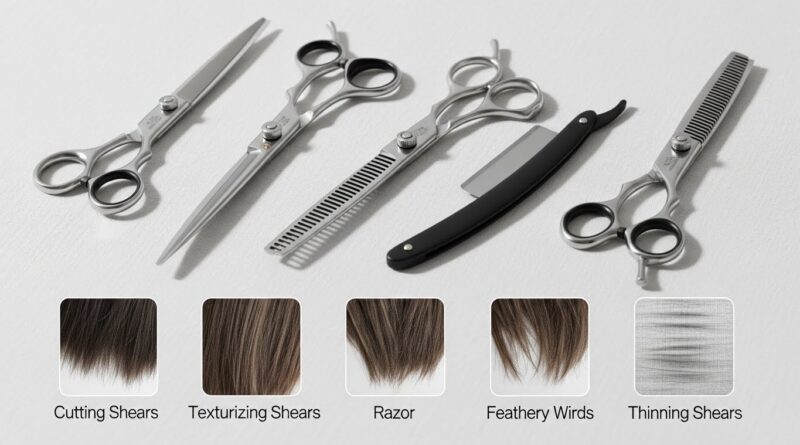
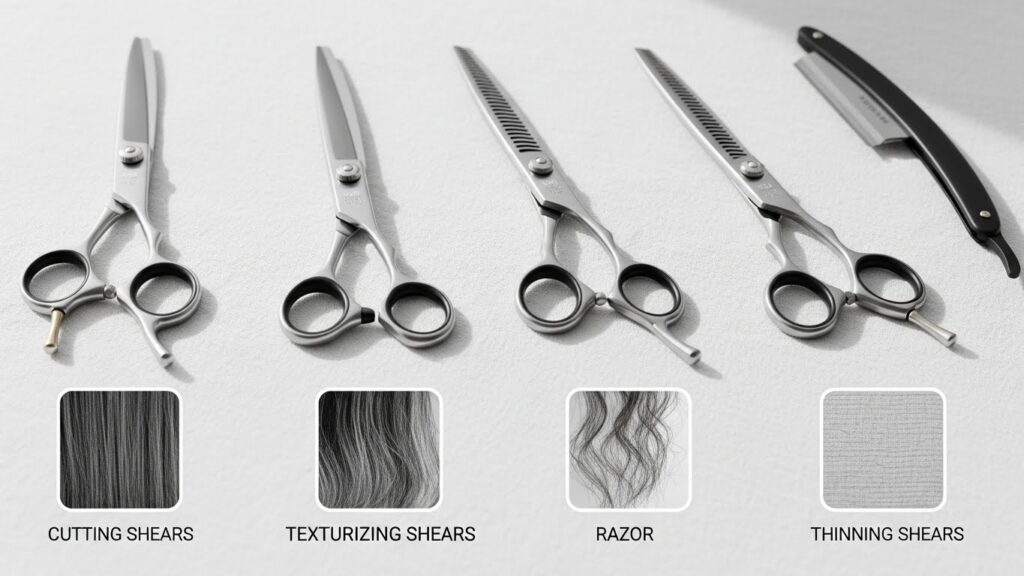
You cannot build exquisite texture with the wrong tools. Each instrument in your kit plays a specific role in the texturizing symphony.
Shears are Your Primary Sculptor: A great pair of cutting shears is non-negotiable. For texturizing, many stylists also utilize texturizing shears or chunking shears. These have specialized teeth that remove select strands without compromising the overall shape. Use them sparingly and strategically—aiming mid-lengths to ends to create separation, never directly at the perimeter line.
The Razor for Softness and Flow: A razor is unparalleled for creating feathered, seamless ends and a fluid, directional movement. It’s excellent for slicing out weight from within the graduation and for softening a hard perimeter line. Remember: a razor requires skill and is best on straight to wavy hair textures; it can be too softening on very fine or curly hair.
Thinning Shears with Caution: Often misunderstood, thinning shears are for removing density, not creating texture. They can be useful on very thick hair to reduce bulk within the graduated shape, allowing the ends to collapse more naturally. Use them with a light hand and avoid the very ends to prevent a frizzy, frayed look.
The Techniques: From Solid to Textured
With the right tools in hand, it’s time to apply the techniques that translate theory into stunning hair.
Point Cutting is Your Best Friend: This is the cornerstone of texturizing ends. Instead of cutting straight across, hold your shears vertically and make small, upward snips into the ends of the hair. This breaks up the line, creates notches, and prevents a harsh, “chopped” appearance. The deeper you point cut into the hair, the more texture and disintegration you create.
Slicing for Movement: Open your shears, place a single blade against a small section of hair, and slide down the length, closing the shears intermittently. This technique removes weight from within the hair strand instead of at the end, creating incredible internal movement and allowing the ends to be soft and piecey. It’s perfect for carving out pieces around the face within a graduated structure.
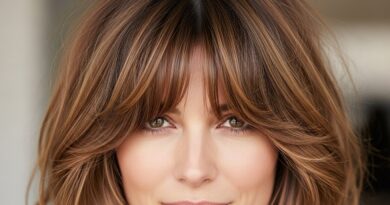
Notching for a Lived-In Feel: Make deliberate, deep V-shaped cuts into the perimeter at irregular intervals. This creates a “broken-up” perimeter that looks modern and effortless, as if the style naturally fell that way. It works exceptionally well in shags and modern mullets built on a graduated base.
Always Cut Dry (At Least for Finishing): Hair shrinks as it dries, and texture reveals itself. Always reserve a portion of your texturizing work for the dry cut. Dry hair allows you to see exactly how the weight is falling, where it’s too heavy, and which ends need more separation. This is where you personalize the texture for your client’s hair type and wave pattern.

Tailoring Texture to Hair Type
One-size-fits-all does not apply to texture. Your approach must adapt to the canvas you’re working on.
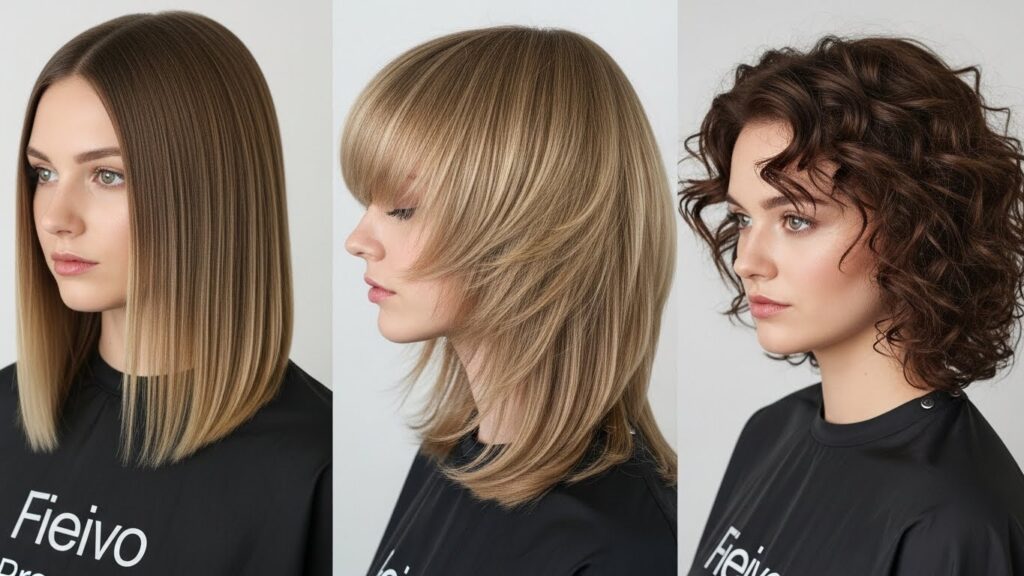
For Fine Hair: The goal is to create the illusion of density and body. Avoid over-thinning or razor work, which can make hair look wispy and sparse. Focus on blunt point cutting and very subtle notching to maintain integrity while adding separation. Graduation itself can add much-needed volume at the crown.
For Thick/Coarse Hair: Here, texture is about removing bulk and weight to allow the shape to move. Razor work and slicing are highly effective. Use texturizing shears in the mid-lengths to ends to reduce density, and employ deeper point cutting to prevent a bulky, triangular perimeter.
For Curly/Wavy Hair: Texture is inherent, so your job is to shape and define it. Dry cutting is essential. Use point cutting on dry curls to shape the ends without creating frizz. Deeper graduation can help manage volume and encourage curls to spring up beautifully, while careful texturizing can remove “bell” shapes and create a more unified curl formation.
Styling to Enhance the Textured Finish
The cut is only half the story. Styling products and techniques are what make your texturized ends sing.
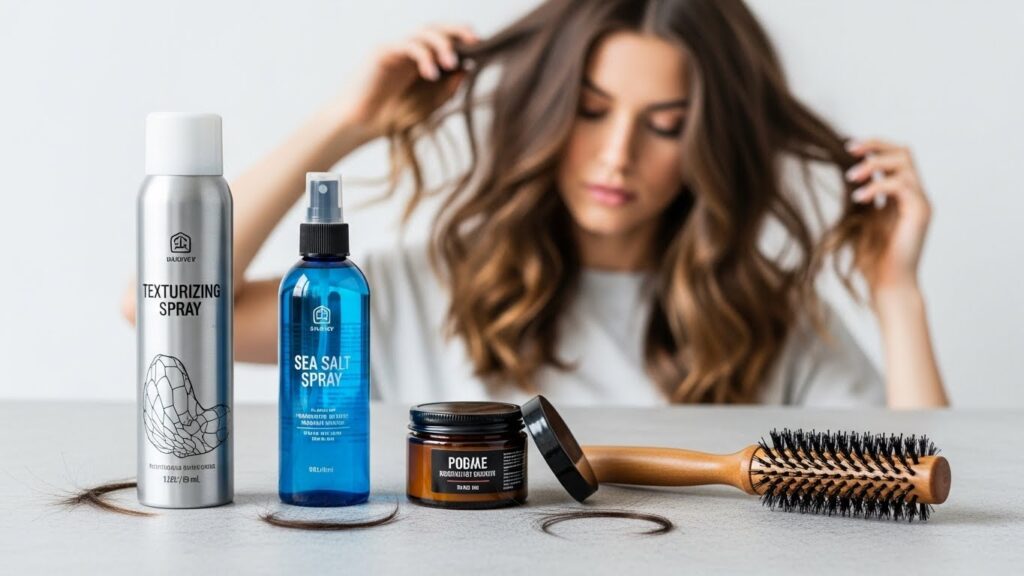
Start with a texturizing spray or sea salt spray applied to damp or dry hair. These products add grit and separation, helping those piecey ends hold their shape. For a more polished piecey look, use a lightweight pomade or wax. Rub a tiny amount between your fingers and gently pinch and pull at the ends to define them.
When blow-drying, use a round brush to curve the ends under or over, but finish by tousling with your fingers or using a diffuser to break the style apart slightly. The key is to avoid a helmet-like, too-perfect finish. Embrace a little imperfection—it’s what makes the texture look authentic and modern.
Conclusion: The Art of the Imperfect Perfection
Building texture at the ends of a graduated cut is the definitive step that bridges classic technique with contemporary aesthetics. It’s an art that requires understanding the foundation, mastering your tools, and applying techniques with a discerning eye for the individual’s hair type.
Remember, the ultimate goal is not chaos, but controlled disintegration. You are designing how the hair falls, moves, and catches the light. By shifting your focus from creating a perfect line to crafting a perfect feeling—one of softness, movement, and effortless style—you elevate your graduated cuts from simply technical to truly transformative. So, pick up your shears, embrace the point cut, and start building those beautiful, textured ends.