Why Hair Is Moving Away From Sharp Lines
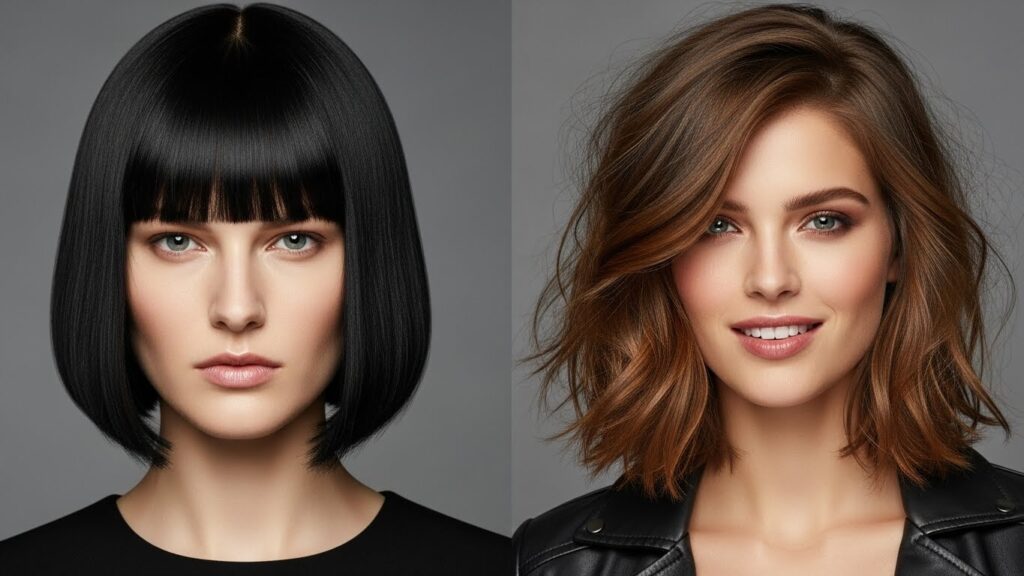
For years, the beauty and hair industry was dominated by a single, powerful ideal: precision. We coveted the razor-sharp bob, the geometric undercut, and the perfectly defined fringe. Salons were temples of exactitude, where a single misplaced snip was a cardinal sin. But look around now. On runways, red carpets, and city streets, a different aesthetic is taking root. The crisp lines are blurring, the severe angles are softening, and hair is embracing a new, more fluid philosophy. We are witnessing a profound shift away from sharp lines and toward something more organic, more personal, and undeniably more alive.
The Rise of the “Lived-In” Aesthetic
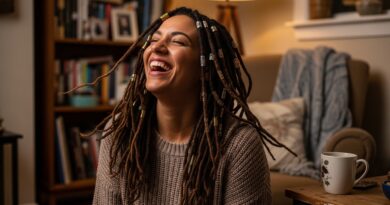
The most powerful force dethroning the sharp line is the overwhelming popularity of the “lived-in” hair look. This concept champions hair that looks beautiful not just on day one, fresh from the salon, but on day three, five, and seven. It’s hair that grows out gracefully, that looks good slightly messy, and that possesses its own natural texture. Sharp, geometric cuts often require constant maintenance to retain their shape; a single millimeter of growth can break the line. In contrast, a lived-in cut is designed to evolve and improve with time.
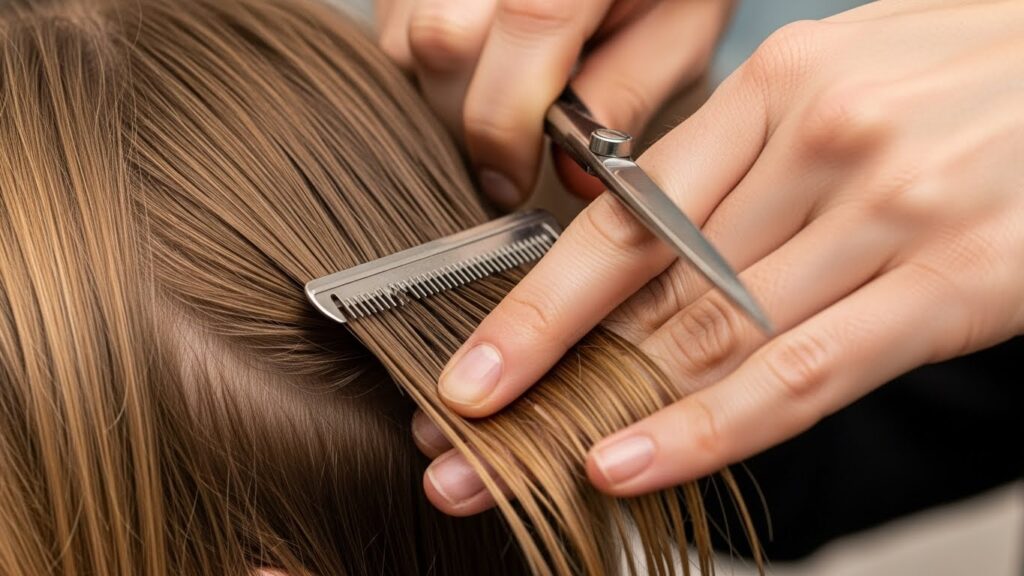
Why does this resonate so deeply now? Our lifestyles demand it. The modern pace of life, coupled with a growing preference for low-maintenance routines, makes weekly styling sessions unrealistic for many. People want hair that works with their natural texture and schedule, not against it. Techniques like point cutting, slide cutting, and effilating are used to create soft, diffused ends that blend seamlessly, eliminating harsh perimeters and allowing for a grow-out period that is stylish, not awkward.
Embracing Natural Texture and Movement
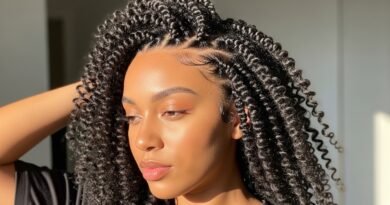
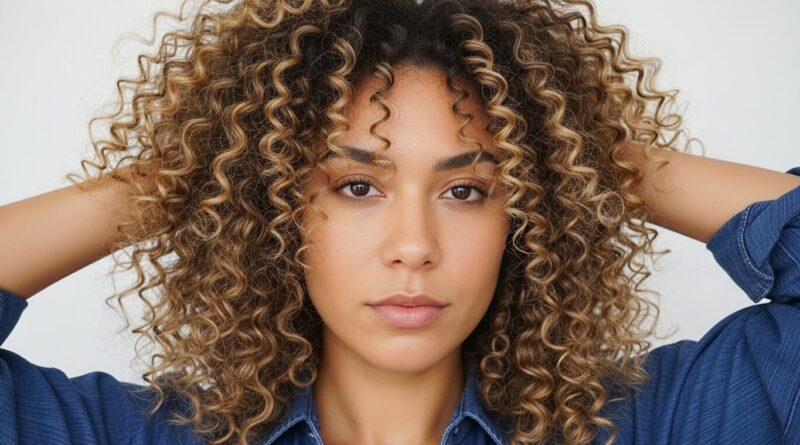
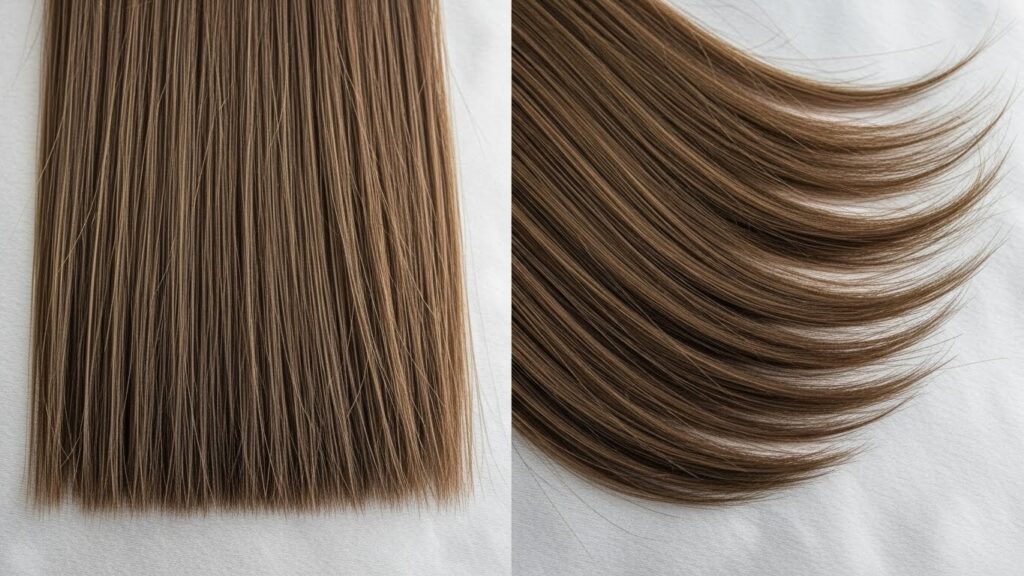
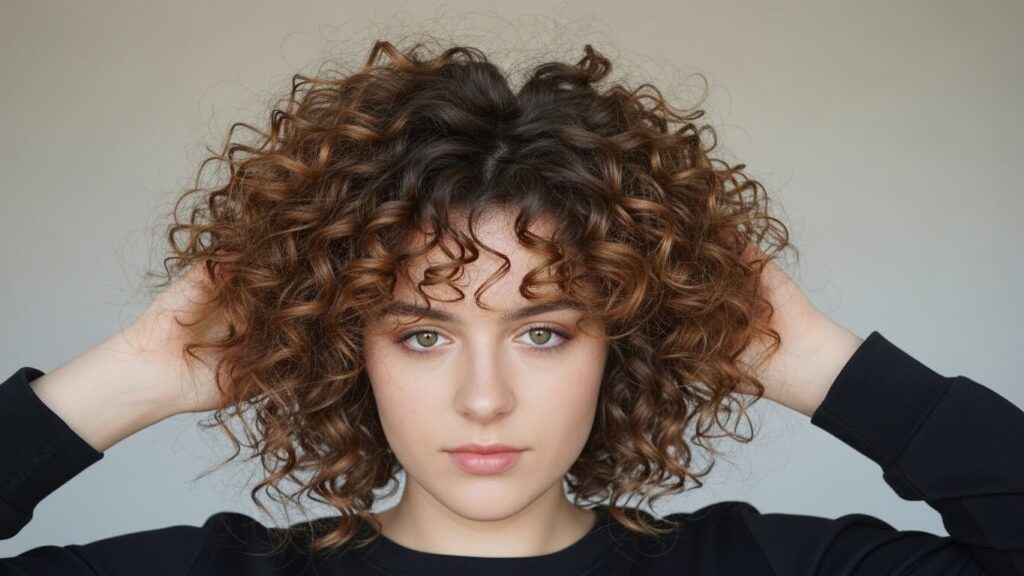
Gone are the days of fighting your curl pattern or wave to achieve pin-straight, sharp perfection. Today’s hair philosophy is about enhancing what you already have. The curly hair revolution played a massive role in this, encouraging people to wear their natural curls with pride. This celebration of inherent texture naturally opposes sharp lines, which often require heavy straightening or restrictive styling to maintain.
This shift is about movement. Sharp lines can be static; they hold a shape. The new wave of cuts is all about creating hair that moves with you, that catches the light differently with every turn of the head. Think of the shag, the ultimate anti-sharp haircut. With its cascading layers and fringe, it’s designed for maximum texture and bounce. Similarly, soft layers throughout longer hair break up weight and create a sense of airiness that a solid, blunt cut cannot. The goal is dynamic beauty, not a static portrait.
The Influence of Gender-Fluid and Inclusive Beauty
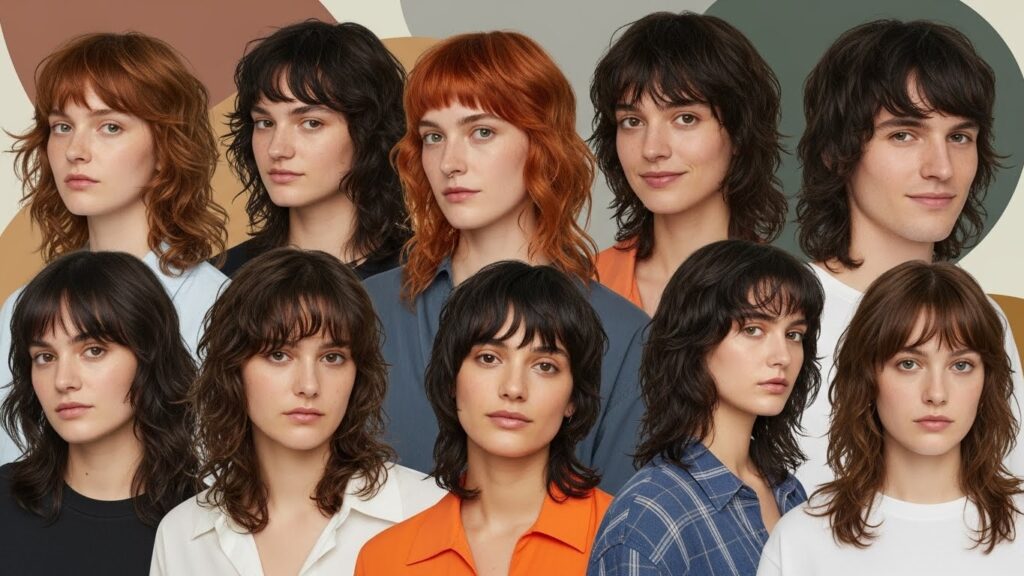
The move away from sharp lines is also intertwined with the broader, more inclusive conversation around beauty. Sharp, severe cuts often came with gendered connotations—the precise bob as hyper-feminine, the sharp undercut as masculine. Today’s hair trends are increasingly gender-fluid and focused on individual expression rather than societal boxes.
Softer, blended haircuts like the soft mullet, flowing shags, and textured crops are being adopted and adapted by people of all genders. These styles focus on the individual’s bone structure, hair type, and personal style, not on conforming to a rigid, line-based ideal. This democratization of style makes hair feel more personal and accessible, moving from a standardized “cut” to a customized “shape.”
The Technical Shift: Blurring and Blending
Behind this visual revolution is a change in hairdressing technique. Stylists are now acting more like painters using a blending brush than architects with a T-square. The key words are blur, blend, and connect.
Face-framing layers are no longer carved in but melted into the rest of the hair. Perimeter lines are deconstructed with texturizing shears or razors to remove weight and hardness. Even when a client asks for a “bob,” the modern interpretation is likely to be a “lob” (long bob) with invisible layers around the face and a perimeter that’s slightly shattered for a softer finish. This technical approach ensures that every section of hair connects fluidly to the next, creating a harmonious, holistic shape rather than a collection of distinct, sharp sections.
What This Means for Your Next Salon Visit
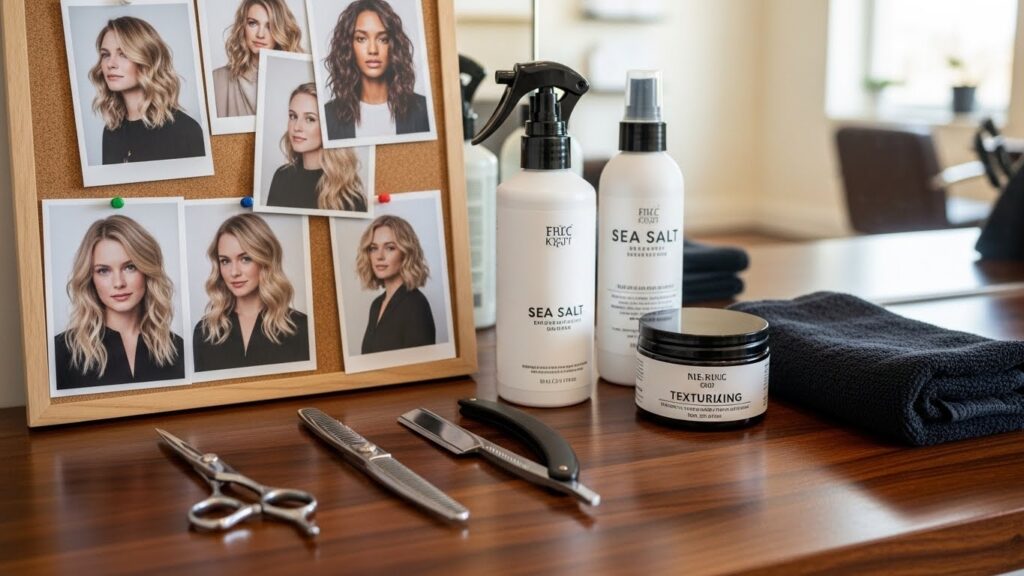
So, how do you embrace this shift? Your consultation is more important than ever. Instead of bringing a picture of a rigid, precise cut, look for inspiration photos that show movement and texture. Use words like “lived-in,” “soft,” “blended,” “textured,” “effortless,” and “easy.” Discuss your daily routine honestly—how much time you really spend styling.
Trust your stylist to use techniques that enhance your hair’s natural behavior. This might mean more point cutting than blunt cutting, or asking for internal layers for volume instead of just perimeter shaping. Embrace products that enhance texture—sea salt sprays, texturizing mousses, and flexible hold creams will become your best friends to accentuate the soft, lived-in finish.
The Future of Hair Is Fluid
The movement away from sharp lines is more than a trend; it’s a correction towards realism and humanity in beauty. It acknowledges that life is not perfectly linear, that our hair has its own will, and that true style should adapt to the individual, not the other way around. It prioritizes feel and flow over static precision.
This doesn’t mean sharp haircuts will disappear entirely—they will always be a powerful statement for those who seek them. But the dominant ideal has undeniably shifted. The future of hair is soft, blended, and beautifully blurred. It’s hair that looks like you, not like you’ve been cut from a template. It’s hair that moves, breathes, and lives. And in a world that often feels rigid and demanding, that sense of effortless freedom is the ultimate luxury.