Why Hair Is Moving Away From Extremes
Remember the hair landscape of the last decade? It was a time of bold statements and uncompromising choices. Razor-sharp bobs that demanded weekly trims, rainbow-colored curls that faded too soon, and the relentless pursuit of platinum blonde, no matter the cost to your strands. Hair was a declaration, often at the expense of health and daily sanity. But a quiet, powerful shift is happening. Across salons and social media feeds, a new philosophy is taking root: hair is moving decisively away from extremes. The focus is no longer on shock value or rigid trends, but on health, personalization, and effortless beauty. This isn’t a rejection of style, but an evolution towards a more sustainable and intelligent relationship with our hair.
The Tyranny of High-Maintenance: A Cultural Burnout
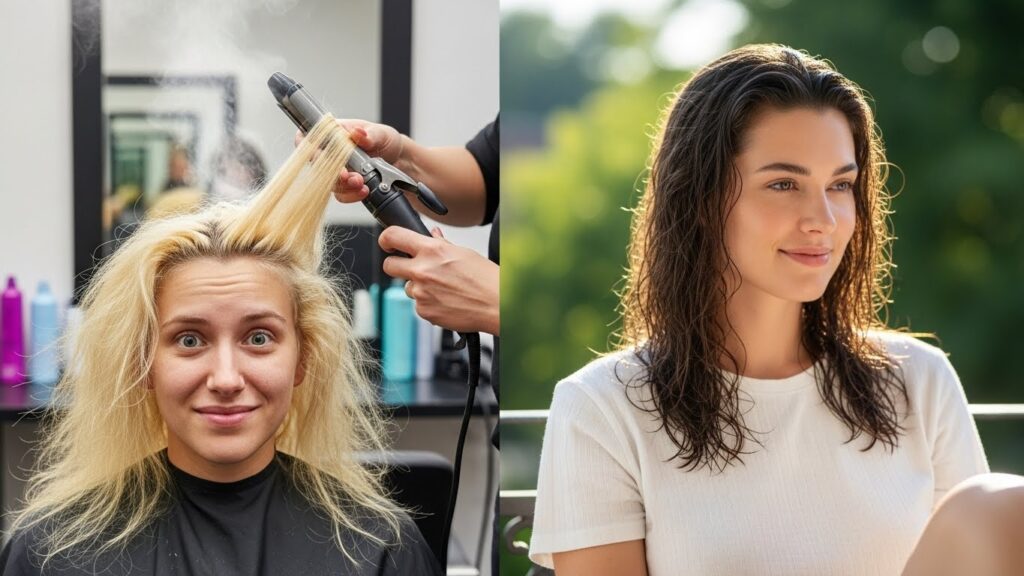
For years, many popular styles came with an invisible price tag: hours of upkeep. The perfect balayage required touch-ups every eight weeks. The glass hair trend demanded a cabinet full of serums and flat irons. The intricate fashion colors faded into unexpected, often unflattering tones, leading to a cycle of correction. This high-maintenance ideal created a form of beauty burnout. People began to question the return on investment—not just financially, but in terms of time and mental energy.
The pandemic served as a catalyst for this realization. With salons closed and routines disrupted, many were forced to confront their hair’s natural state. Roots grew out, textures returned, and a surprising thing happened: it often looked good. This period of enforced acceptance broke the spell of constant perfection. It revealed that low-maintenance doesn’t mean low-style. It means smart style—choosing cuts, colors, and treatments that grow out gracefully, adapt to your texture, and look good on day two, three, and ten.
Health as the Ultimate Luxury
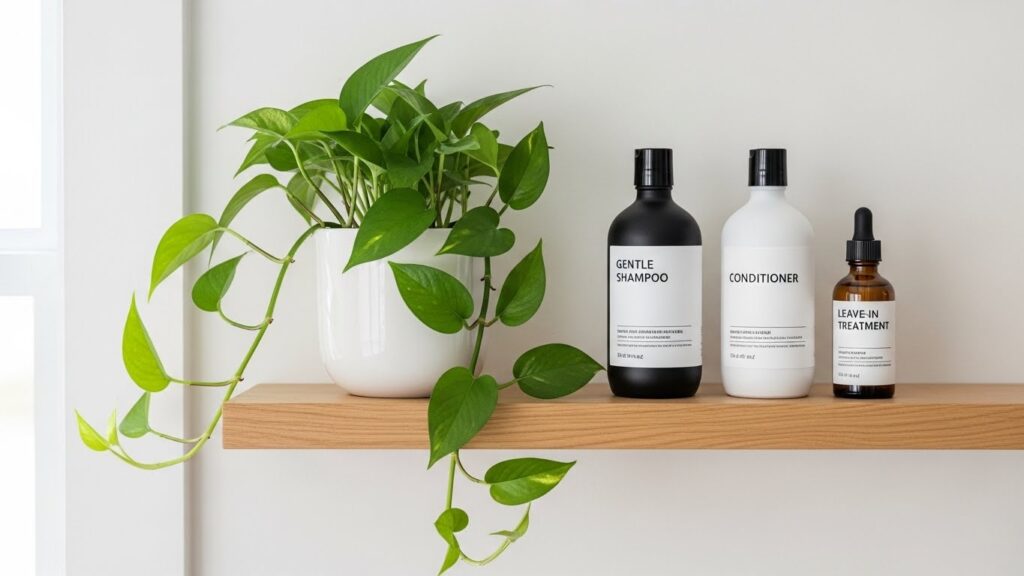
The most significant driver away from extremes is the prioritization of hair health. Consumers are more educated than ever. They understand that achieving platinum blonde from a dark base is a chemical process that can cause severe damage if not done meticulously. They know that constant heat styling without protection leads to breakage. The dream hair is no longer a specific color or cut if it leaves the hair brittle, limp, and lifeless.
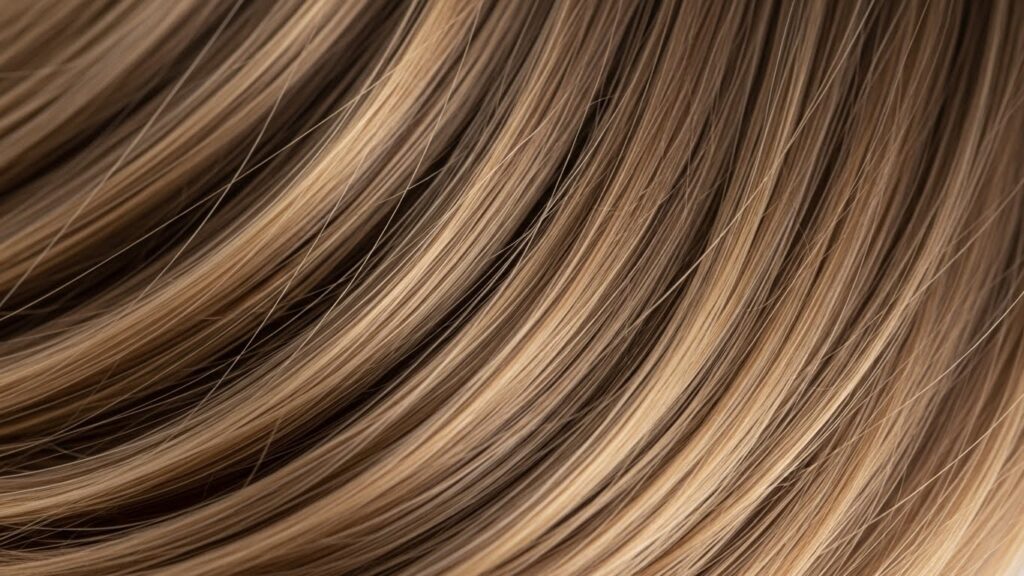
Instead, shine, movement, and strength have become the new status symbols. This has led to the rise of treatments like Olaplex and K18, which repair bonds, and a booming market for nourishing oils and masks. Color techniques have evolved accordingly. Instead of full-head bleach, techniques like babylights, shadow roots, and glosses are favored—they deliver dimension and brightness while being far gentler and allowing for longer intervals between appointments. The goal is enhancement, not overhaul.
The “Your Hair But Better” Philosophy
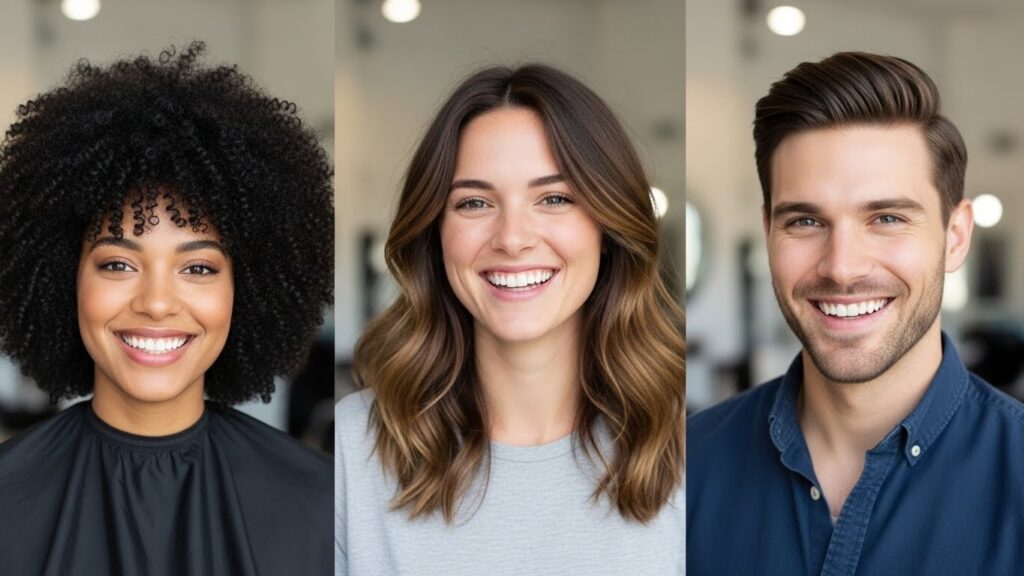
This trend is deeply rooted in individuality. The one-size-fits-all approach of extreme trends is fading. The modern consultation is a conversation about your unique hair texture, wave pattern, face shape, lifestyle, and even your personality. Stylists are now more like guides, helping clients discover the best version of their natural hair.
This philosophy has given rise to the “lived-in” look. Think shag cuts that work with natural wave, curly hair methods that encourage defined curls instead of fighting them, and colors that mimic the subtle variations found in nature. It’s a celebration of what makes your hair yours. A wiry gray is no longer something to cover aggressively but can be blended into a stunning silver melt. Coarse hair is celebrated with cuts that maximize its volume. This approach is inherently more sustainable and empowering, building confidence from authenticity rather than conformity.
Versatility and Adaptability Over Rigid Perfection
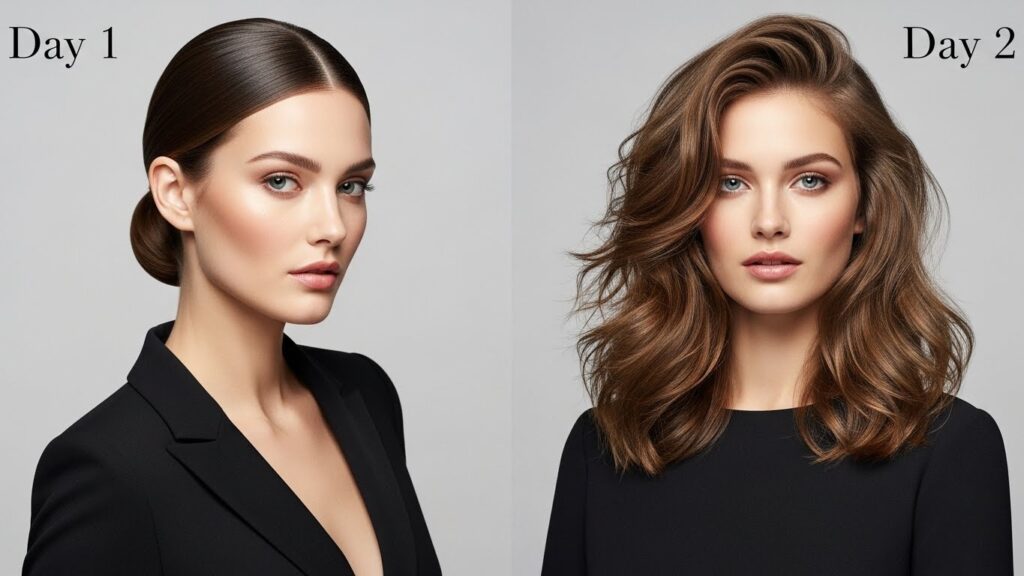
Life is unpredictable, and our hair should be able to keep up. The new hair ideals are built around versatility. A cut that can be air-dried for a wavy, textured look but can also be blown smooth for a more polished meeting. A color that looks intentional as it grows out. This is the antithesis of the extreme, precise bob that falls apart with a millimeter of growth or the solid color that shows a stark root line in two weeks.
Cuts with built-in layers and movement, like modern shags or long layers, offer this flexibility. Color techniques like ecaille (tortoiseshell) or bronde offer a seamless blend of tones that don’t demand constant upkeep. This shift acknowledges that people are multi-faceted, and their hair should be too. It’s hair that supports a dynamic life, rather than demanding life accommodate it.
The Influence of Social Media and a New Generation
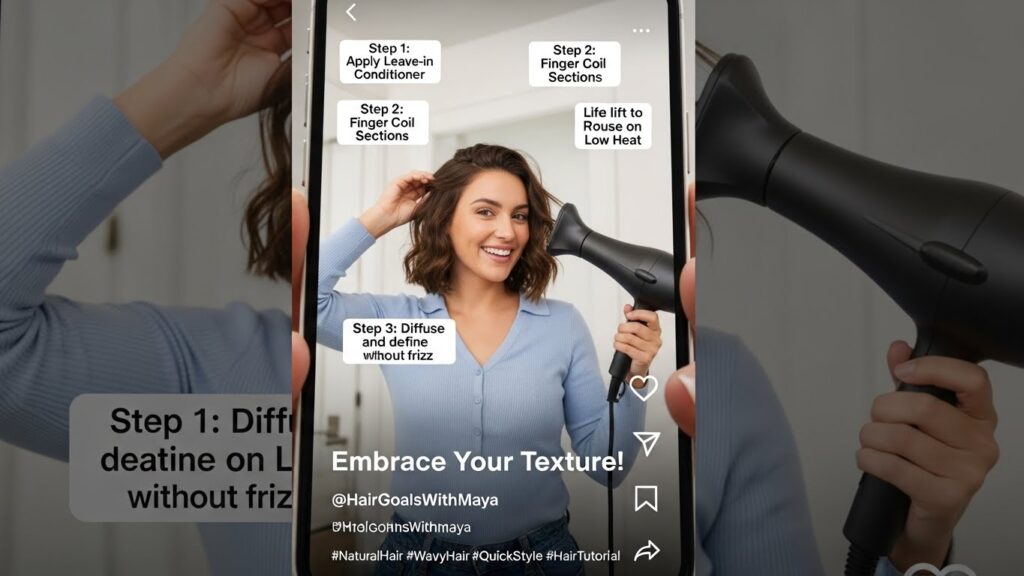
While social media once propagated viral, often extreme trends (remember the mermaid hair craze?), it is now a key platform for the anti-extreme movement. Platforms like TikTok and Instagram are filled with creators championing “wash-and-go” routines, curl care, and embracing gray hair. The algorithm rewards relatable, achievable content over unattainable perfection.
Furthermore, younger generations entering the salon are value-driven. They are conscious of the environmental impact of frequent chemical processes and the ethical stance of the brands they use. They seek out stylists who are experts in health and customization. Their definition of beauty is broader, more inclusive, and less prescriptive, which naturally pushes the industry away from rigid, extreme ideals and towards a spectrum of beautiful possibilities.
What This Means for Your Next Salon Visit
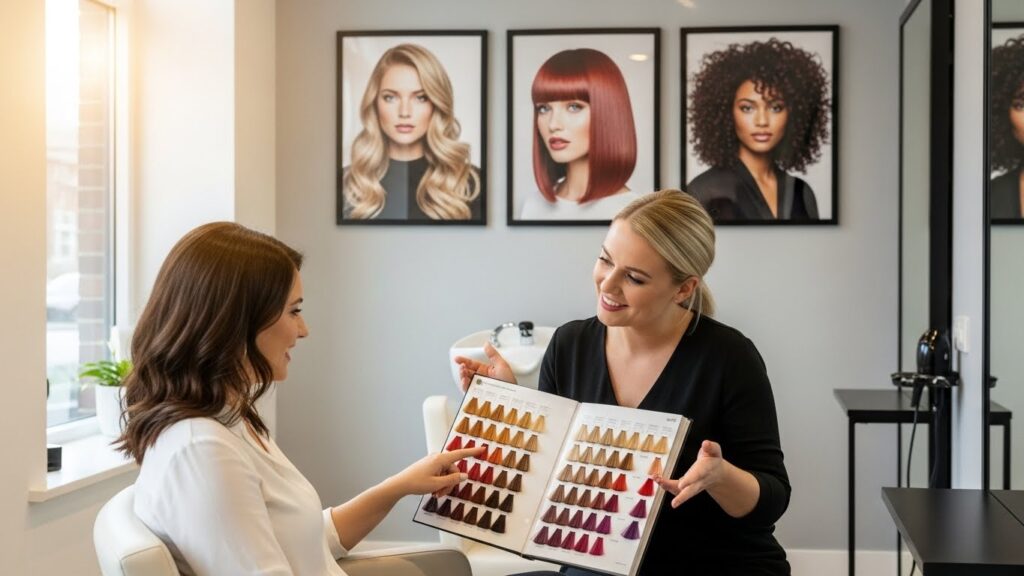
So, how does this cultural shift translate when you sit in the stylist’s chair? Your conversations will change. Be prepared to talk about your daily routine, how much time you really want to spend styling, and how you want your hair to feel as much as how you want it to look. Bring inspiration photos that show color that melts or cuts with texture, rather than sharp, geometric lines.
Consider asking for techniques that prioritize integrity: “lived-in” color, a cut that enhances your natural wave, or a gloss treatment for shine instead of a full color change. The best modern stylists will listen to these needs and craft a plan that delivers beauty without compromise—to your hair’s health or your peace of mind.
Conclusion: The Beauty of Balance
The movement away from hair extremes is a welcome embrace of balance. It signifies a maturation of beauty standards, where intelligence and individuality are as important as aesthetics. It’s a recognition that the most beautiful hair is hair that is healthy, manageable, and authentically yours. This trend is not about boring hair; it’s about sophisticated, personalized, and sustainable style.
It champions the subtle highlights that make you look well-rested, the cut that air-dries into perfect shape, and the confidence that comes from working with your hair, not against it. In a world that often feels extreme, our hair is becoming a sanctuary of sensible beauty—and that is a trend with truly healthy roots.