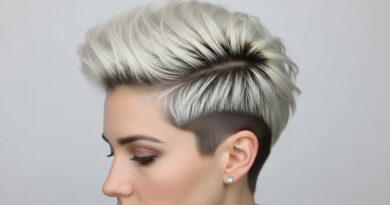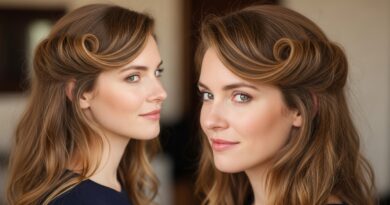
Why Hair Is Getting Less Structured
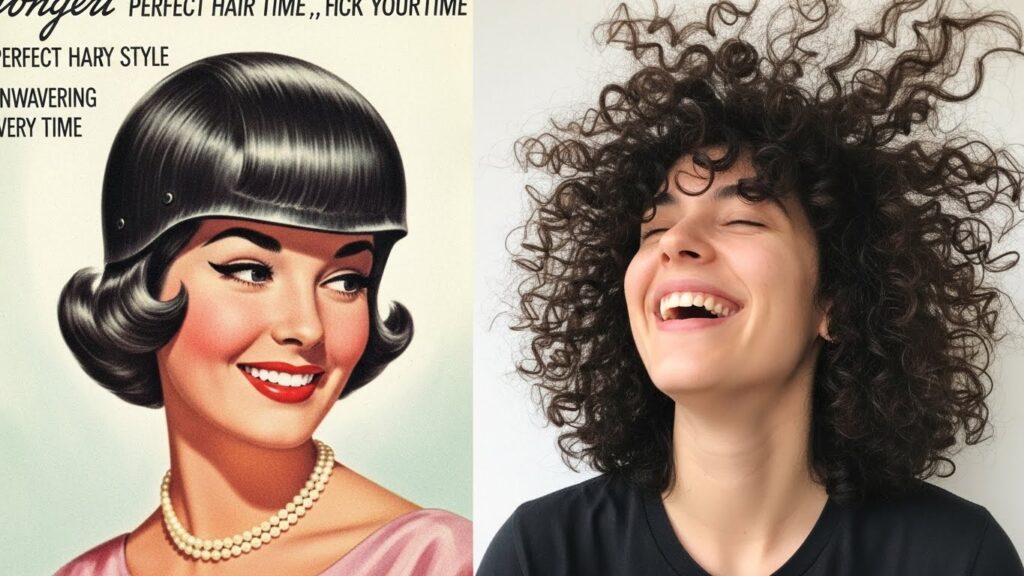
Look around the street, scroll through your social feed, or glance at the latest celebrity looks. A quiet revolution is unfolding on our heads. The once-dominant, sharply defined hairstyles—the crisp bobs, the helmet-like blowouts, the rigidly set waves—are softening, giving way to something more fluid, more personal, and decidedly less structured. This isn’t just a fleeting trend; it’s a profound shift in how we view beauty, time, and self-expression. But what’s driving this move away from precision and towards a more undone, textured aesthetic? The answers are woven into the very fabric of our changing world.
The Rejection of Rigid Perfection
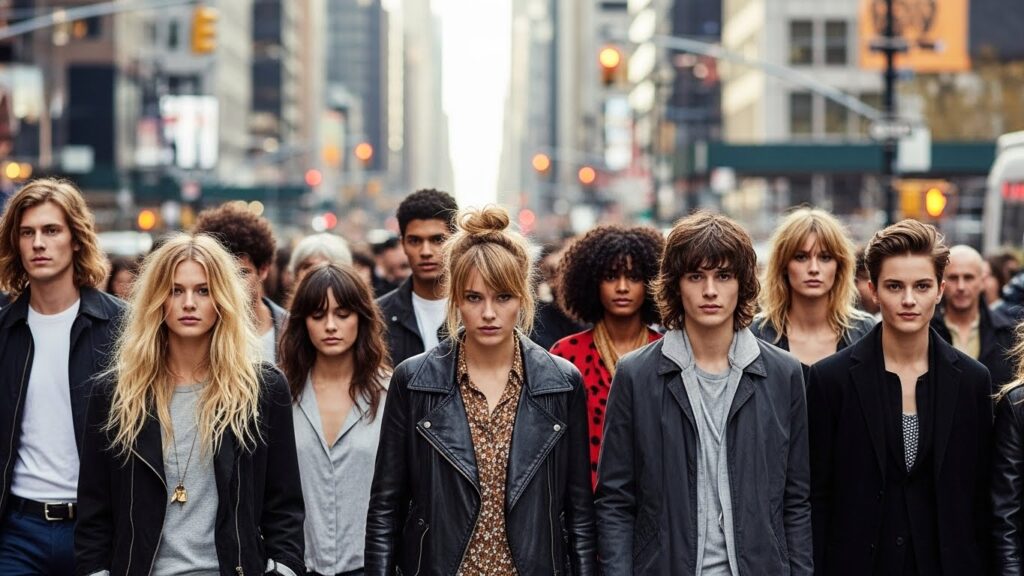
For decades, polished, structured hair was synonymous with professionalism, put-togetherness, and even success. It required tools, time, and often, a fight against one’s natural texture. Today, that ideal is being dismantled. The rise of social media, particularly platforms like Instagram and TikTok, has democratized beauty. We see real people with real hair, celebrating their unique textures—from coils to kinks to fine waves. This visibility has fueled a rejection of a single, rigid standard of beauty. The “perfect” salon blowout now competes with the beauty of a wash-and-go fro or sleep-mussed waves. Less structured hair has become a badge of authenticity, signaling a comfort in one’s own skin (and strands) that is far more compelling than flawless execution.
The Cultural Shift Towards “Effortless” Living
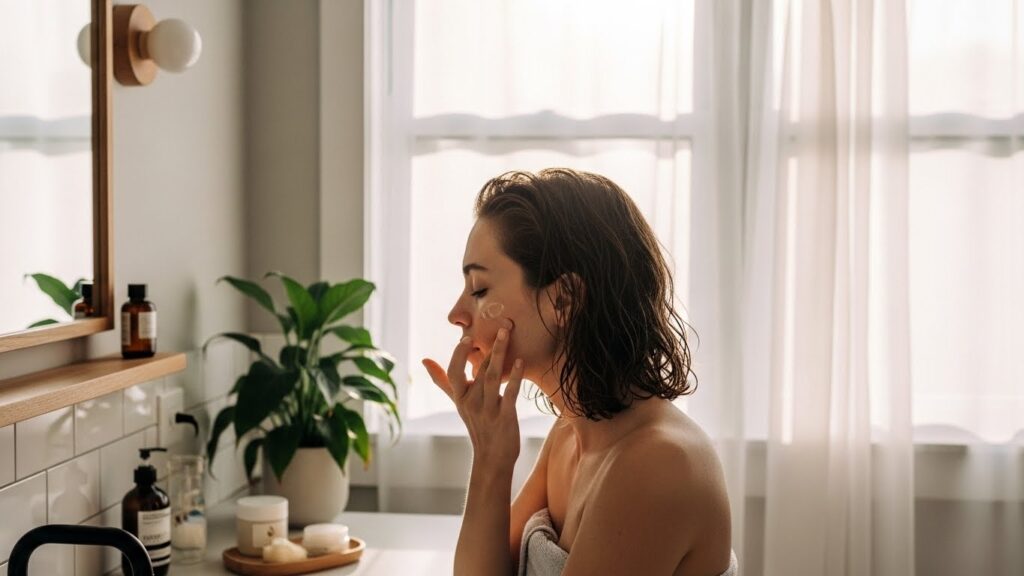
Our hairstyles often mirror our lifestyles. The global pandemic was a massive accelerant for this trend. With salons closed and video calls placing focus on the self-view, people were forced to experiment with and embrace their hair’s natural state. This period of collective reassessment led to a permanent change in priorities. The desire for low-maintenance routines that prioritize hair health over strict styling took root. Furthermore, the cultural cachet has shifted to the appearance of “effortlessness.” In a world that feels increasingly high-pressure and complex, looking like you didn’t try too hard is the ultimate luxury. A loosely pinned braid or a tousled, textured crop communicates a sense of ease and confidence that a stiff, sprayed-to-perfection style simply cannot.
The Science of Modern Hair Products
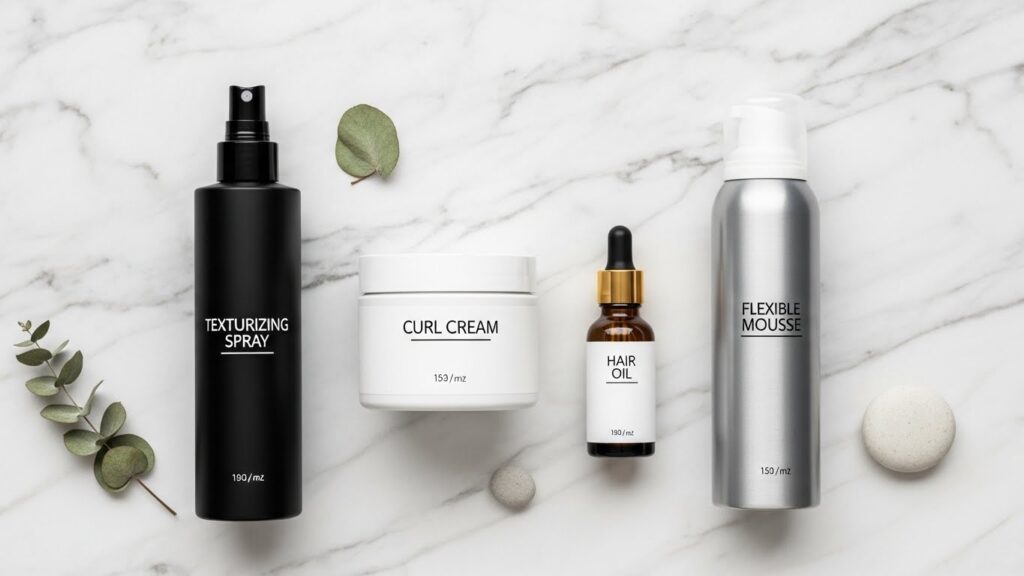
We couldn’t wear our hair this way if our products hadn’t evolved alongside our desires. The beauty industry has pivoted hard to support the unstructured hair movement. Gone are the days when strong-hold hairsprays and heavy gels were the only options. The market is now flooded with texturizing sprays, sea salt mists, flexible hold creams, and nourishing oils. These products are designed not to control, but to enhance and support your hair’s innate texture. They provide definition, reduce frizz, and add volume without the crunch or stiffness. This innovation allows individuals to achieve a “lived-in” look that lasts, effectively making less structured hair both stylish and practical for everyday life.
Celebration of Texture and Individuality
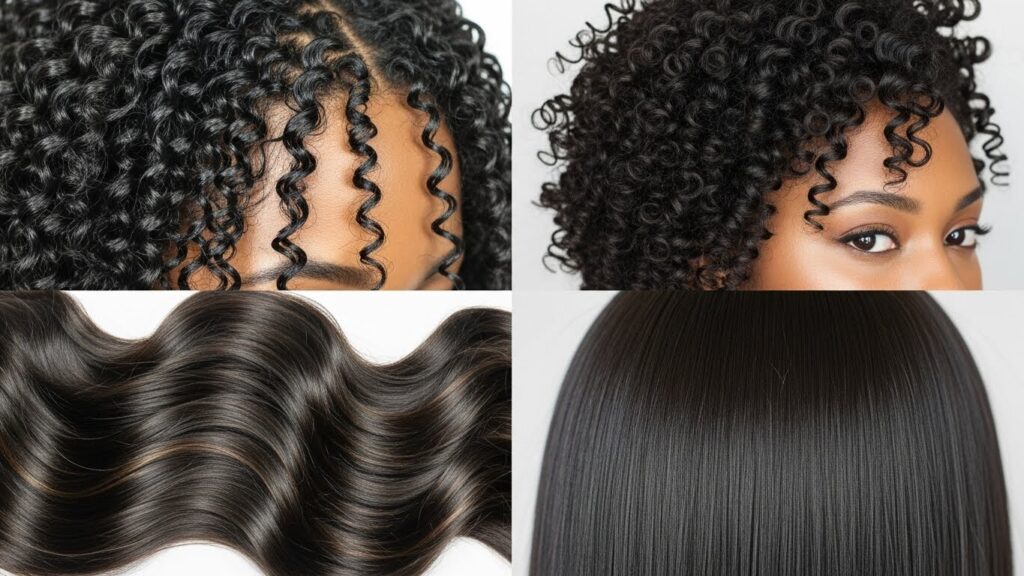
At its heart, the move away from structure is a move towards individuality. The curly hair community, in particular, has been a powerful force, championing the Curl Pattern Spectrum and educating people on how to care for their specific texture rather than trying to alter it. This has had a ripple effect across all hair types. People with straight hair are now seeking “bend” and piecey texture, while those with waves are enhancing them instead of brushing them out. The goal is no longer to make your hair look like someone else’s, but to make it look like the best, healthiest version of itself. The hairstyle is becoming less of a uniform and more of a signature.
The Influence of Fashion and Nostalgia
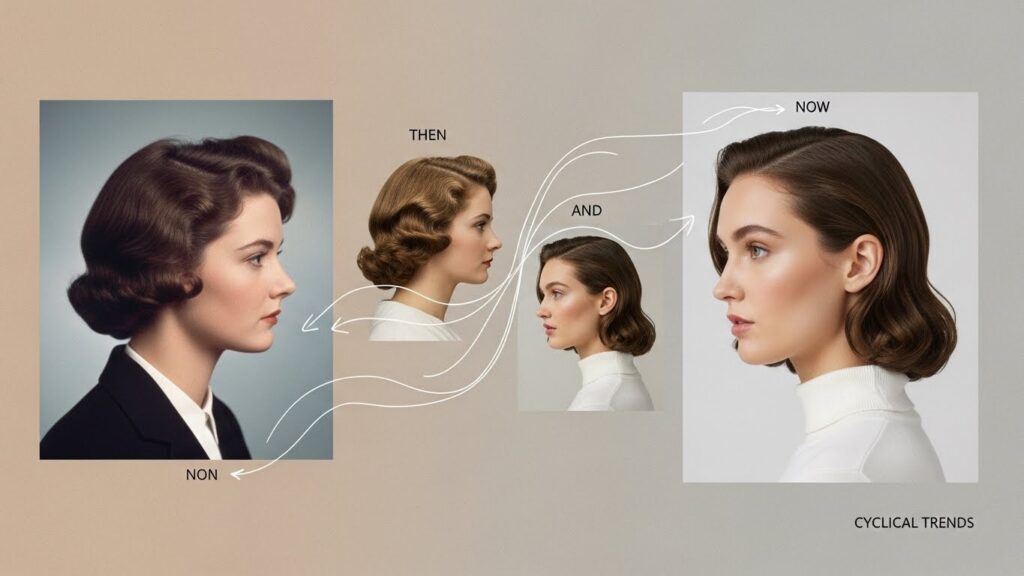
Fashion cycles are inherently nostalgic, and hair trends are no exception. The current aesthetic draws heavily from the effortless cool of the ’70s (think Jane Birkin’s breezy waves), the undone grunge of the ’90s (Kate Moss’s bedhead), and the bohemian layers of the early 2000s. Contemporary fashion’s embrace of comfort—oversized silhouettes, soft fabrics, and a mix of high and low—demands a hairstyle that matches. A stiff, structured bob can look out of place with a slouchy knit and jeans. The modern, less structured ‘do is the perfect sartorial companion: it looks intentional yet relaxed, curated but not contrived.
What This Means for the Future of Hair
This shift towards less structured hair is more than a trend; it’s a new philosophy. It signals a long-term move towards inclusivity, authenticity, and practicality in beauty. Salons are adapting, offering more “drying and styling” lessons than ever before, and focusing on cuts that grow out beautifully and require minimal daily intervention. The conversation has shifted from “how can I change my hair?” to “how can I work with what I have?” This doesn’t mean precision haircuts or sleek styles are extinct—they are simply no longer the default. They become a choice, one option in a vast menu of expressive possibilities.
The liberation of less structured hair is ultimately about freedom. Freedom from time-consuming routines, freedom from unattainable standards, and freedom to let your personality, not a rigid style guide, shine through your strands. So, the next time you let your air-dried waves be, or you pull your hair into a perfectly imperfect bun, know that you’re part of a broader cultural movement—one that values the real, the textured, and the authentically you.