19 Ringlet-Defining Methods That Eliminate Frizz for Good
If you have curly hair, you know the daily battle: the quest for defined, bouncy ringlets versus the ever-present threat of the frizz monster. It can feel like a constant tug-of-war between the gorgeous curls you know you can have and the fluffy, undefined mane that often appears instead. But what if you could tip the scales permanently in favor of smooth, clumped, and sensational ringlets?
1. The Pre-Wash Power Play: Oil Treatments
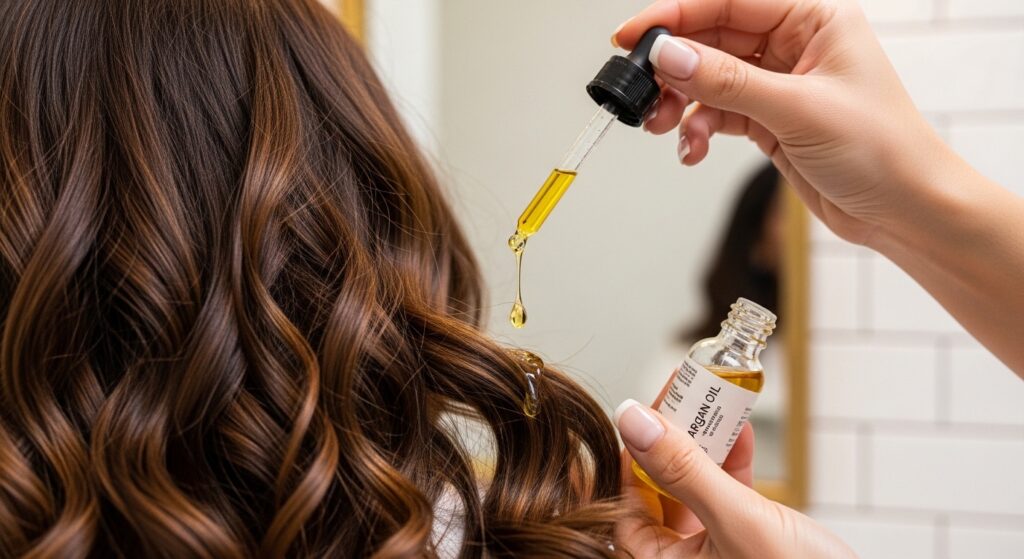
Start fighting frizz before you even step into the shower. Applying a light oil (like argan, jojoba, or coconut oil for some porosity types) to your mid-lengths and ends 30 minutes to an hour before washing creates a protective barrier. This prevents your strands from absorbing too much water and swelling excessively, which is a primary cause of cuticle damage and frizz.
2. Cold Water Rinse Finale
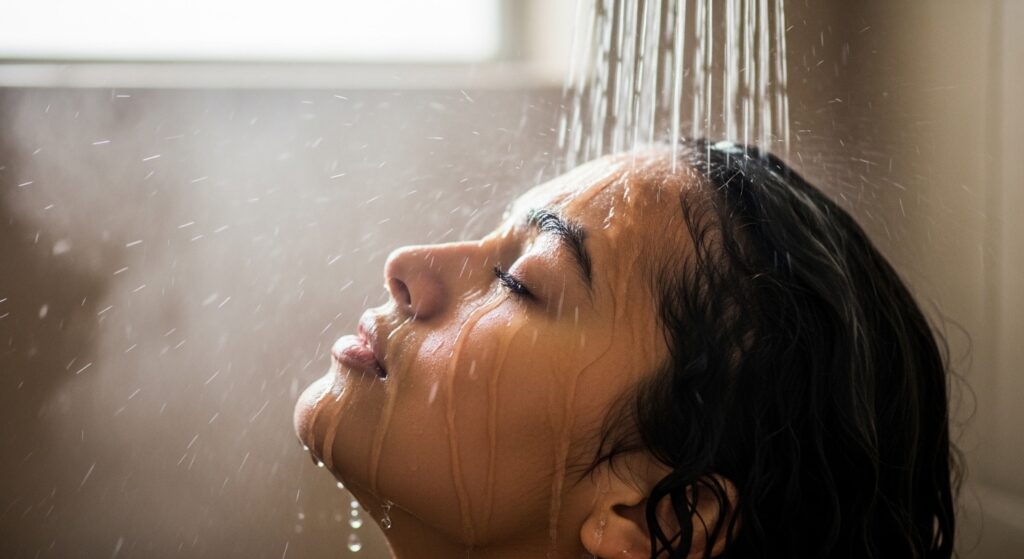
After conditioning and styling, give your hair a final blast of cold water. This helps to flatten the hair cuticle, sealing in moisture and creating a smooth, reflective surface that locks out humidity and enhances shine. It’s a simple step with a dramatic, frizz-fighting effect.
3. Microfiber or Cotton T-Shirt Drying
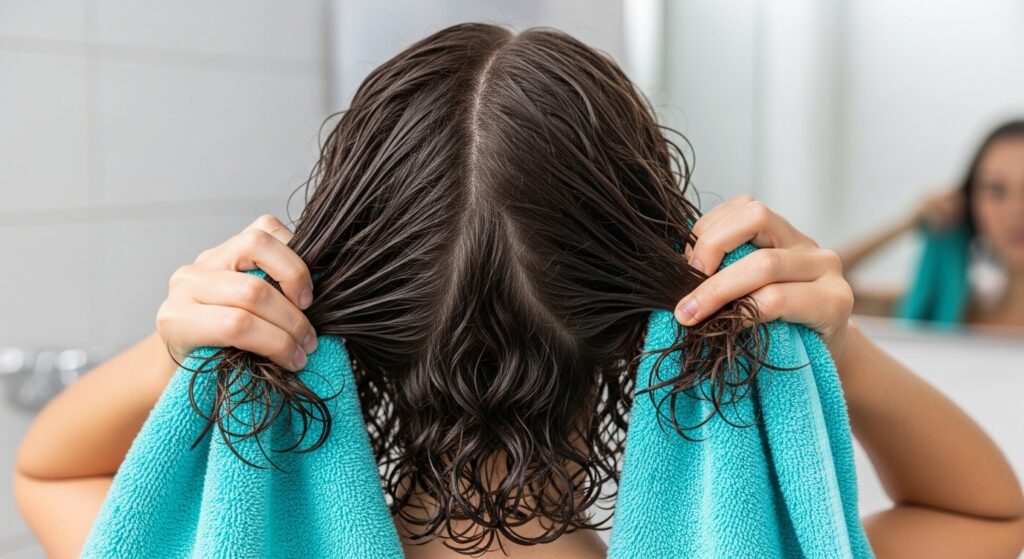
Ditch the regular bath towel immediately. Its rough texture creates friction, roughing up the cuticle and causing instant frizz. Instead, gently scrunch excess water from your curls using a soft microfiber towel or an old cotton t-shirt. The smoother fabric reduces friction and helps maintain curl clumps.
4. The “Squish to Condish” Method
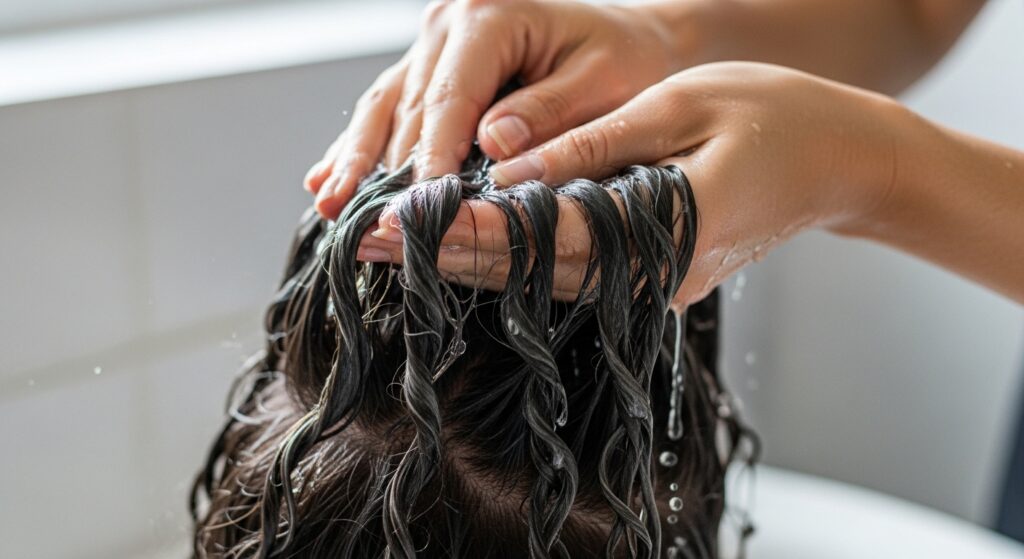
This curly girl method staple is a game-changer. After applying conditioner, flip your head over and add more water to your soaking wet hair along with more conditioner. Then, using a cupping motion, “squish” the water and conditioner into your curls from ends to roots. The sound is key—you should hear a squishing sound. This ensures maximum hydration and encourages tight curl clumps.
5. Styling on Soaking Wet Hair
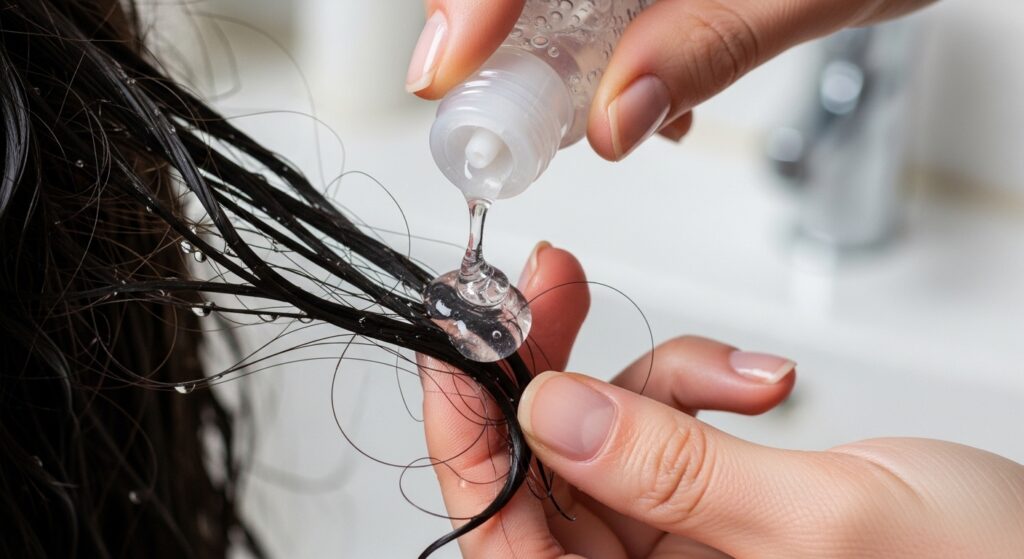
For maximum definition and minimal frizz, apply your leave-in conditioner and stylers (gel, cream, or mousse) to soaking wet hair. The water acts as a vehicle, helping the product distribute evenly and allowing curls to form their natural clumps before any frizz can start.
6. The Praying Hands Application
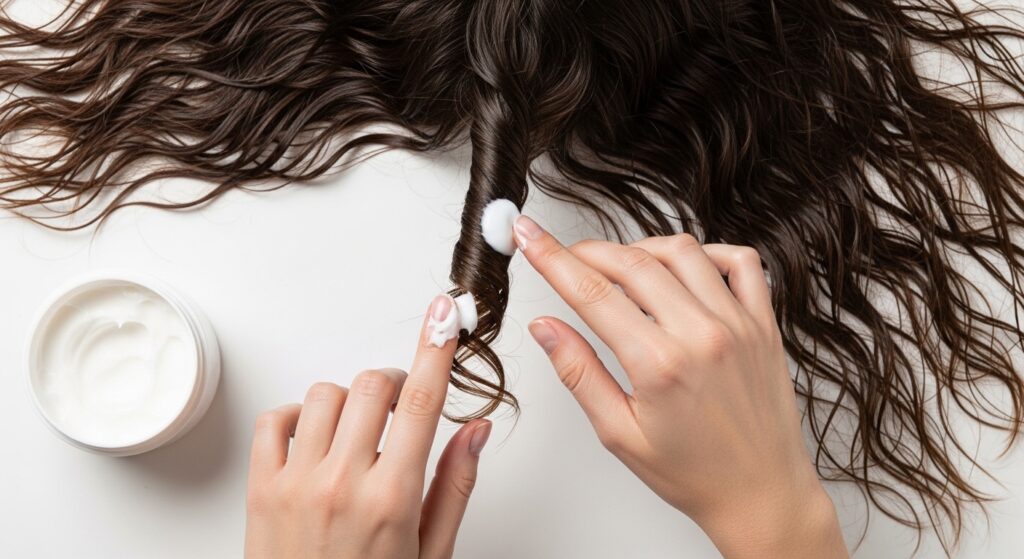
Raking product through your curls can break up clumps. For smooth, defined ringlets, use the “praying hands” technique. Glide product between your palms and then smooth it over a section of hair, hands flat like in prayer. This encourages clumping and smooths the cuticle.
7. Gel Cast is Your Best Friend
Do not fear the hard cast! Applying a generous amount of a hard-hold gel to wet hair and then not touching it until it’s 100% dry is the ultimate frizz guard. The cast locks curls in their smoothest, most defined form. Once bone dry, you simply “scrunch out the crunch” for soft, touchable, frizz-free ringlets.
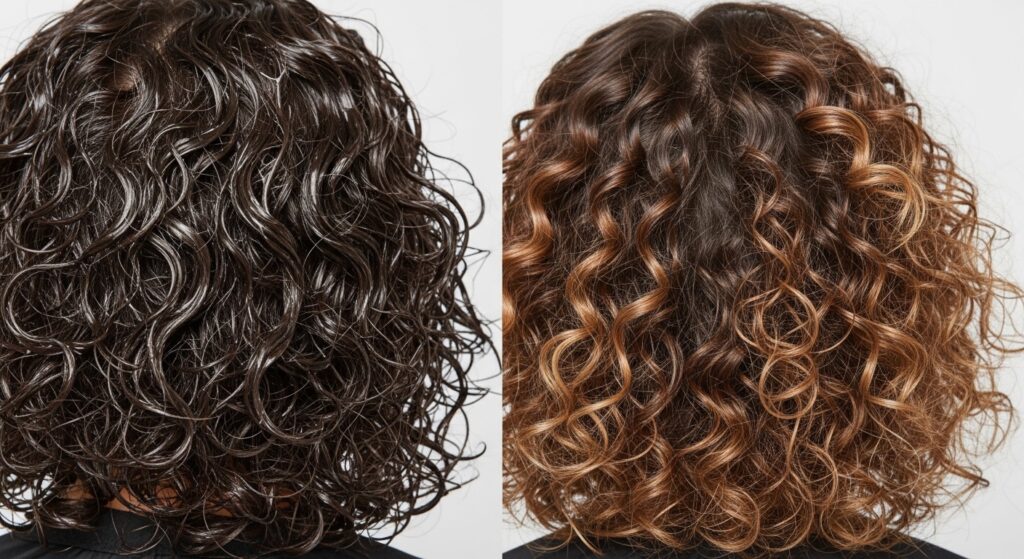
8. Diffuse with Intelligence
Air-drying can sometimes lead to frizz as hair stays wet for long periods. Use a diffuser with a low heat and low speed setting. Start by hovering the diffuser around the roots to set the cast, then gently cup sections of your curls into the diffuser bowl, holding them up to your scalp until dry. This minimizes airflow disruption.
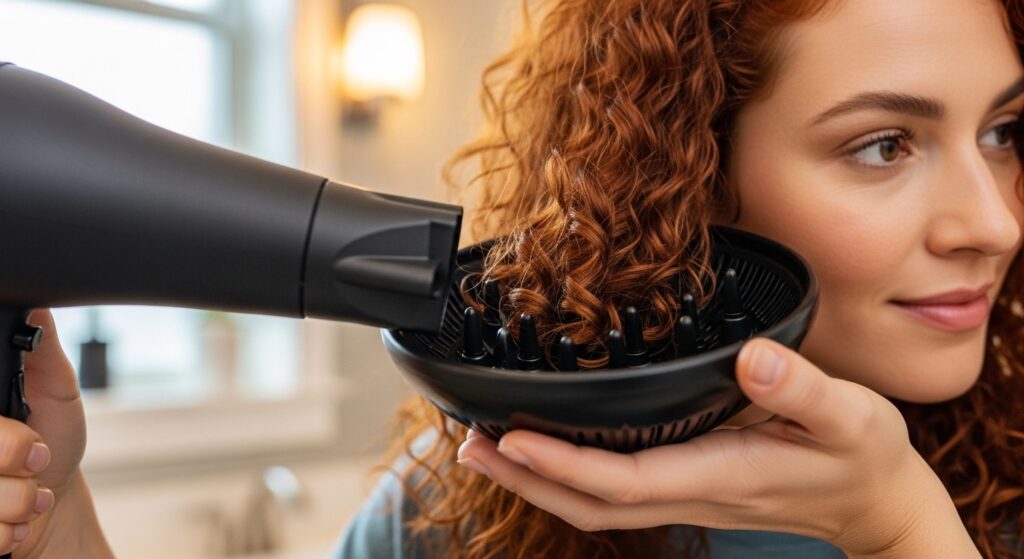
9. Pineappleing for Sleep
Protect your curls overnight. Loosely gather your hair at the very top of your head into a loose ponytail (like a pineapple) using a silk scrunchie. This prevents friction and flattening, preserving your definition for day two and three.
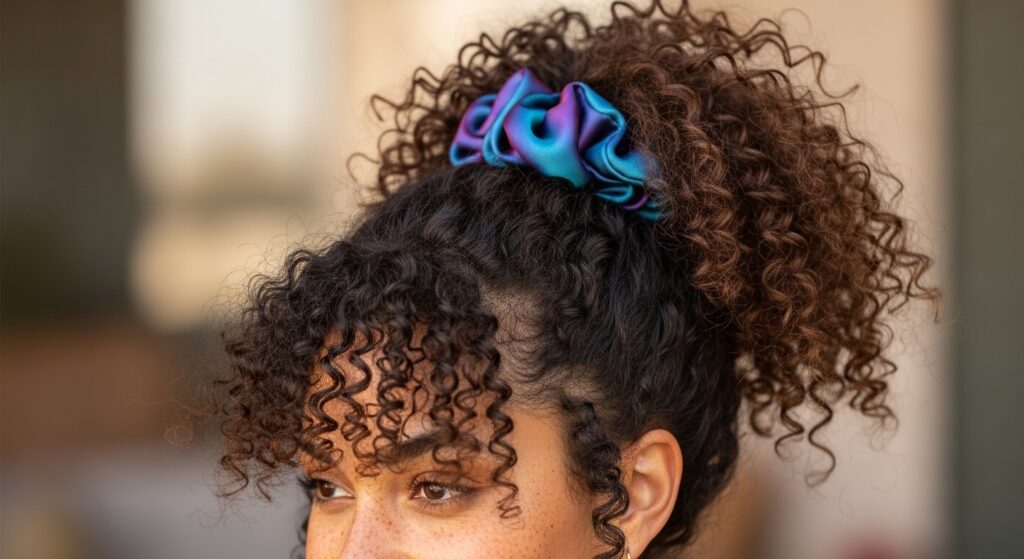
10. The Silk or Satin Pillowcase Revolution
If pineappleing isn’t for you, the bare minimum is a silk or satin pillowcase. The smooth surface allows your hair to glide as you sleep, reducing friction-induced frizz and helping maintain moisture levels in your strands.
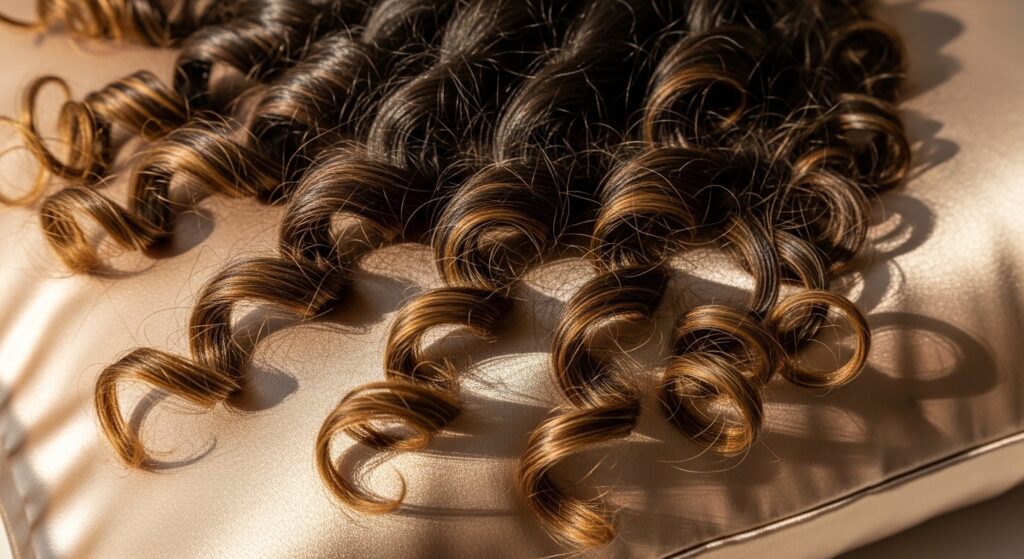
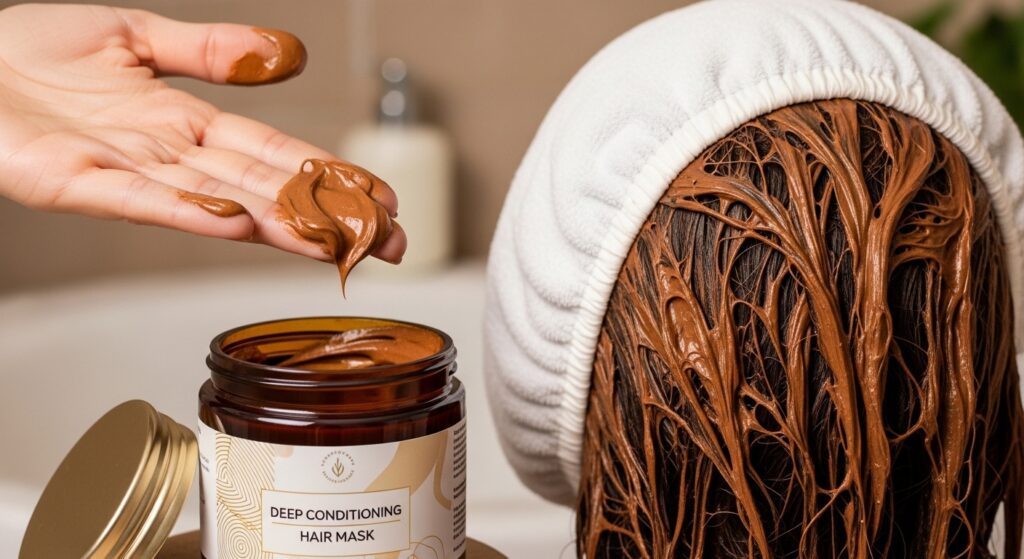
11. Regular Deep Conditioning
Frizz is often a cry for moisture. Incorporate a rich, protein-free deep conditioner into your routine weekly or bi-weekly. Look for ingredients like shea butter, honey, and aloe vera. This intensive treatment penetrates the hair shaft, addressing dryness at the core.
12. Protein-Moisture Balance Check
Too much moisture can cause limp, frizhy curls; too much protein can make them brittle and dry. Learn to read your hair’s signals. If curls feel mushy and won’t hold shape, try a protein treatment. If they feel straw-like and brittle, seek moisture. Balance is the key to resilient, defined ringlets.

13. The Magic of Leave-In Conditioner
Never skip a leave-in conditioner. It provides a lasting base layer of hydration and slip, which helps detangle and forms a protective layer on the hair shaft. This continuous moisture supply is crucial for fighting environmental frizz throughout the day.
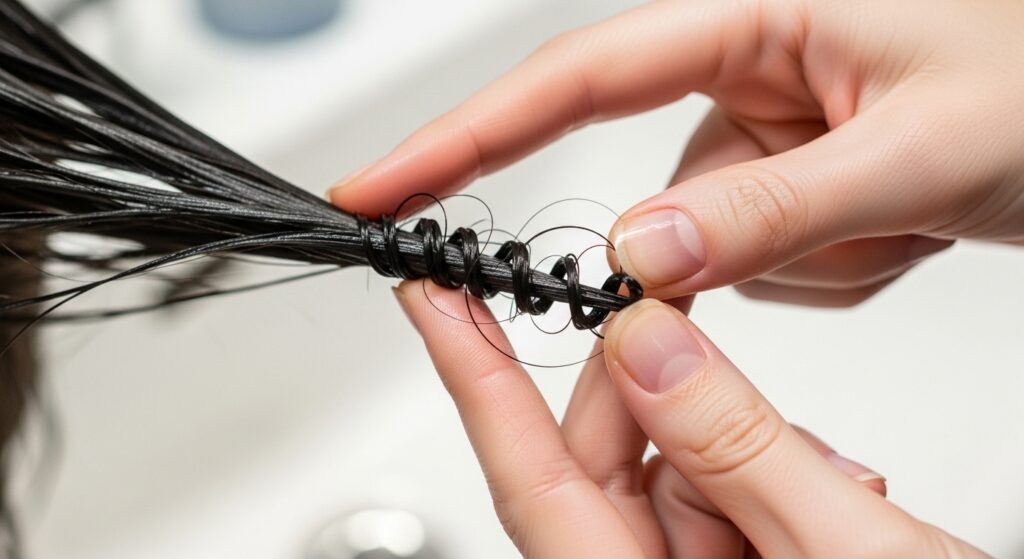
14. Finger Coiling for Stubborn Sections
For areas that refuse to clump or always frizz, finger coiling is your savior. Take a small section, apply a bit more product, and twirl it around your finger from root to tip. This manually trains the curl into a perfect, frizz-free ringlet as it dries.
15. Avoid Sulfates and Silicones (The Modified CG Method)
Sulfates are harsh detergents that strip natural oils, leading to dryness. Non-water-soluble silicones coat the hair, preventing moisture from getting in and causing buildup. Switching to sulfate-free shampoos and water-soluble silicones (or avoiding them altogether) can dramatically reduce dryness and improve definition.

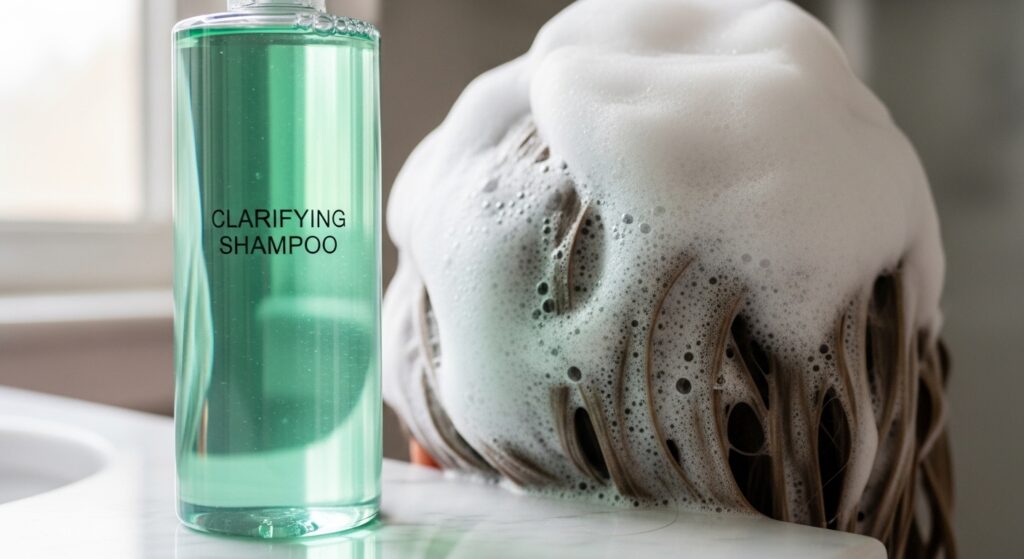
16. Clarify Strategically
Even with clean products, buildup happens. Use a clarifying shampoo once a month to remove hard water minerals, product residue, and pollutants. This resets your hair, allowing moisturizing products to penetrate effectively again, leading to better definition.
17. Humectant Awareness in High Humidity
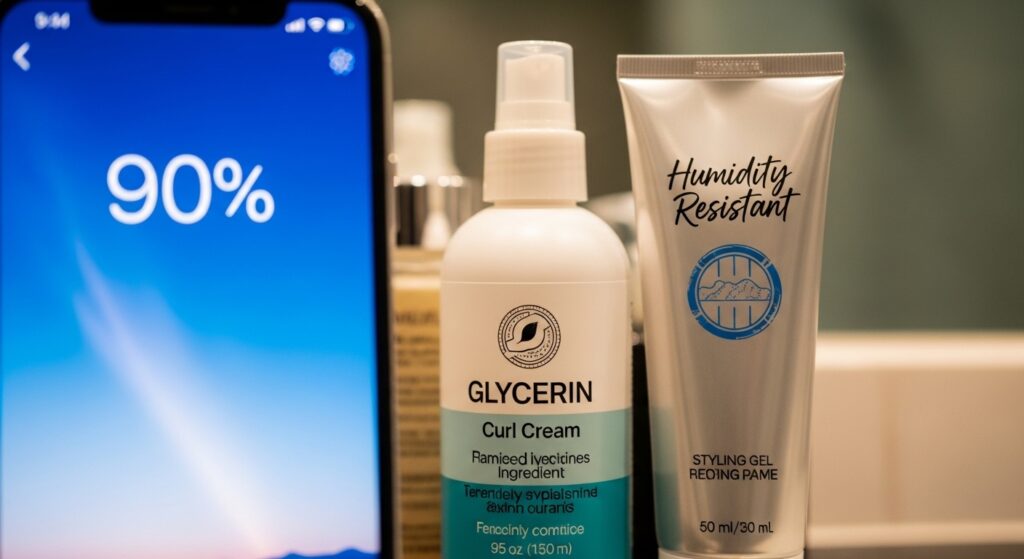
Ingredients like glycerin and honey are humectants—they attract moisture. In very humid climates, they can attract too much moisture from the air, leading to puffiness. On extremely humid days, opt for stylers with anti-humectant properties like polyquats or film-forming agents.
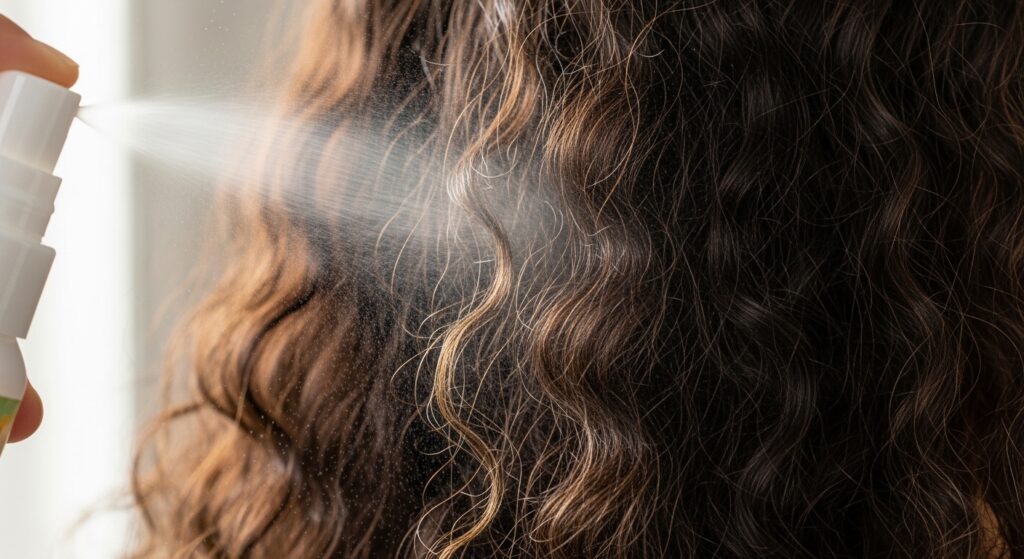
18. Refresh with a Water-Based Spray
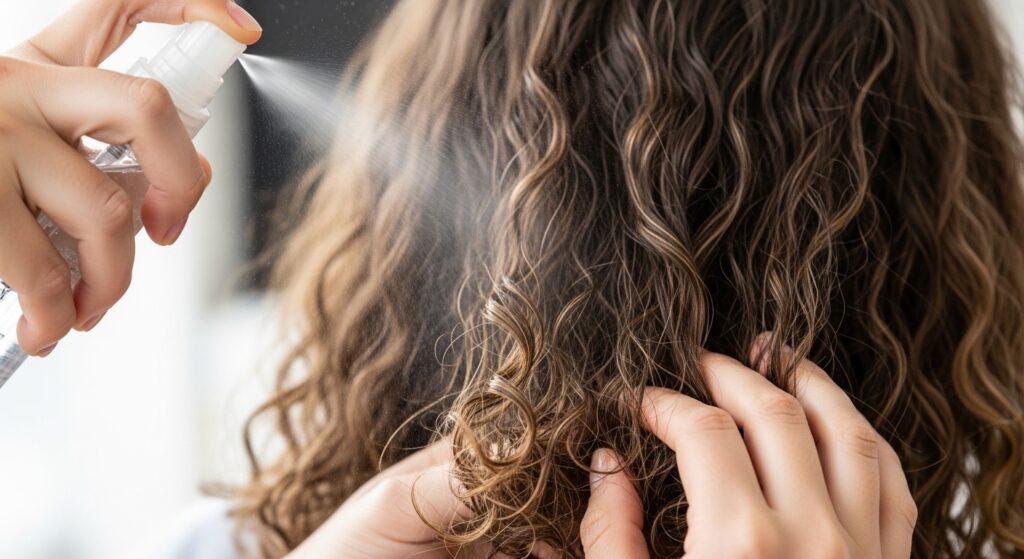
Don’t wet your entire head on day two or three. Mix water with a little leave-in conditioner in a spray bottle. Mist your hair lightly, then scrunch. For targeted frizz, smooth a tiny bit of product mixed with water over flyaways. This revives clumps without causing new frizz.
19. Protective Styling for Breaks
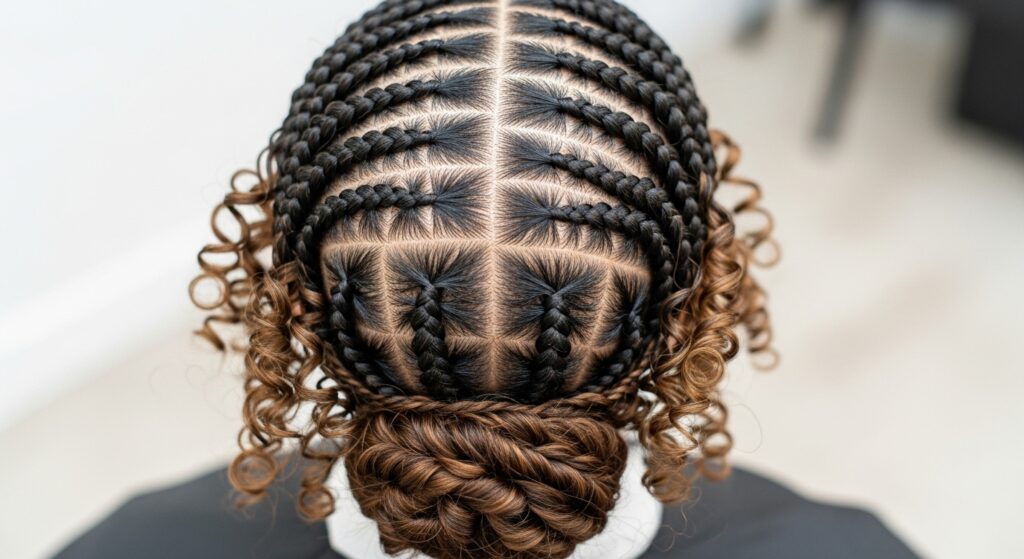
Give your hair—and yourself—a break. Periodically wearing low-manipulation protective styles like braids, twists, or buns minimizes daily handling and environmental exposure, preventing mechanical and weather-related frizz while allowing your hair to retain length and health.
Embrace Your Frizz-Free Future
Mastering frizz is a journey of understanding and consistent care. These 19 methods are your comprehensive toolkit. You don’t need to implement them all at once. Start with one or two that resonate with your biggest pain points—perhaps the cold water rinse and a silk pillowcase. Gradually build your perfect, personalized routine.
Remember, defined ringlets are not a fantasy. With the right techniques that prioritize hydration, seal the cuticle, and minimize damage, you can transform your hair’s texture. Embrace the process, celebrate the good hair days, and know that with each small step, you’re moving closer to eliminating frizz for good and unleashing the full, glorious potential of your curls.