Quick Guide to Layering Long Hair for Extra Body and Bounce
I have a confession: for years, I avoided layers because I was scared of flat, frizzy hair. Once I learned the right kind of layering for long hair, everything changed.
Layers add movement, lighten the weight of thick hair, and create waves that show up instantly. They can make fine hair look fuller and make natural texture bounce back faster.
This guide cuts through all the salon confusion. You will learn exactly how layers work, which trending 2026 hairstyles to mention, and how to style them at home so your haircut does the heavy lifting.
Let’s say goodbye to heavy, shapeless hair and hello to hair that actually feels alive, bouncy, and ready for anything.
Why Long Layers Matter So Much in 2026 Hairstyles

Every 2026 hairstyles list I have seen mentions movement. Long layers deliver that movement because they remove extra weight, letting hair swing and bend without losing length.
Thick hair feels lighter. Fine hair gets more air. Natural waves finally wake up. The goal is body and bounce, not choppy disconnected pieces.
The Old Money Hair Secret for Long Lengths
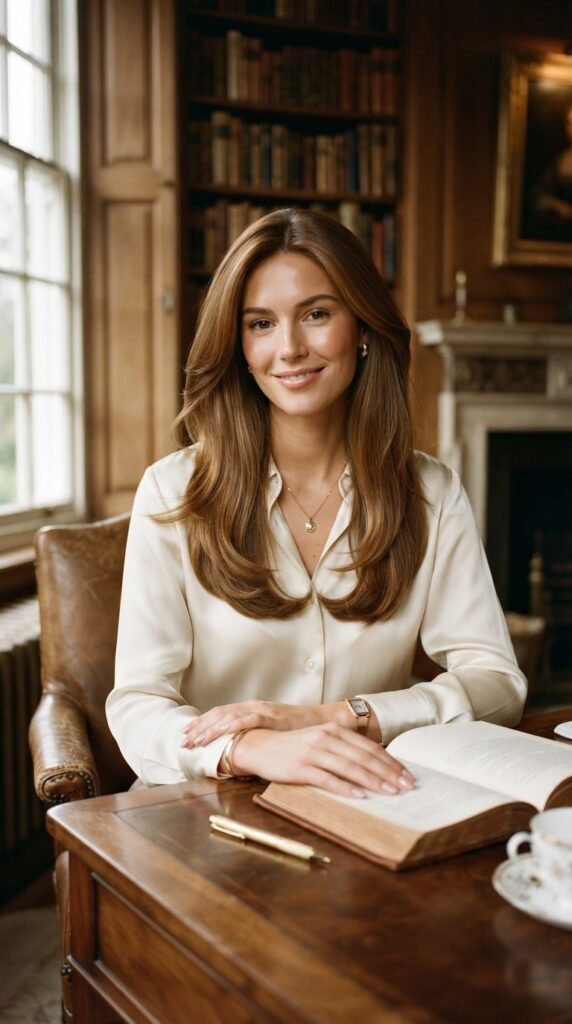
Old money hair can absolutely work on long hair. It depends on delicate interior layers that keep the outside smooth while allowing the hair to fold under gently.
You don’t see layer lines. You just see healthy volume. Ask your stylist for point-cutting instead of blunt steps, and keep the face-framing pieces soft.
How the Quiet Luxury Bob Teaches Us About Layers
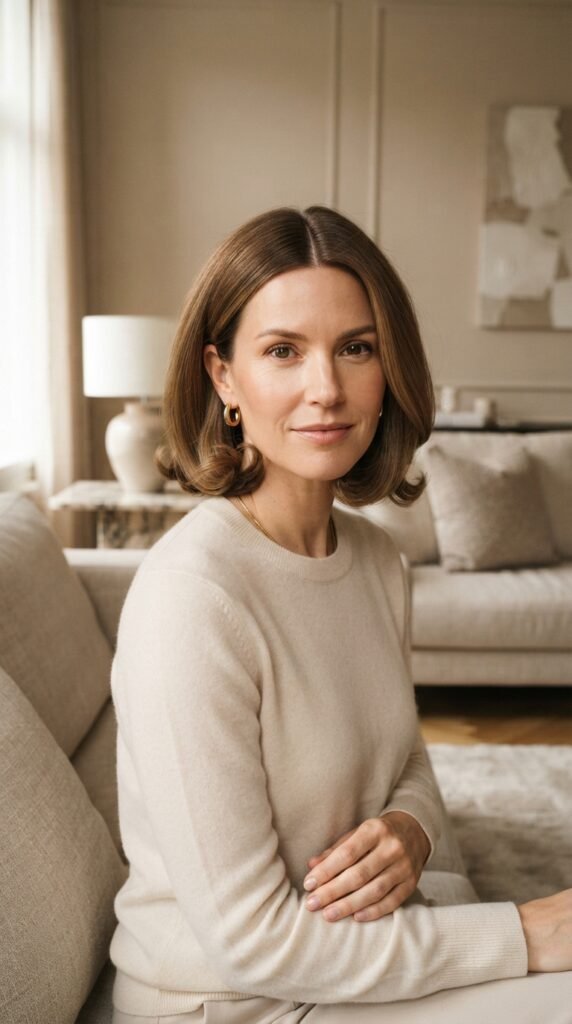
The quiet luxury bob is everywhere because it looks expensive without trying. Long hair can borrow the same idea by placing layers close to the crown for support.
Keep the outer shape smooth and put movement near the back and top. You get that lifted, quiet luxury feel without chopping your length.
Start Simple: Long Face-Framing Layers
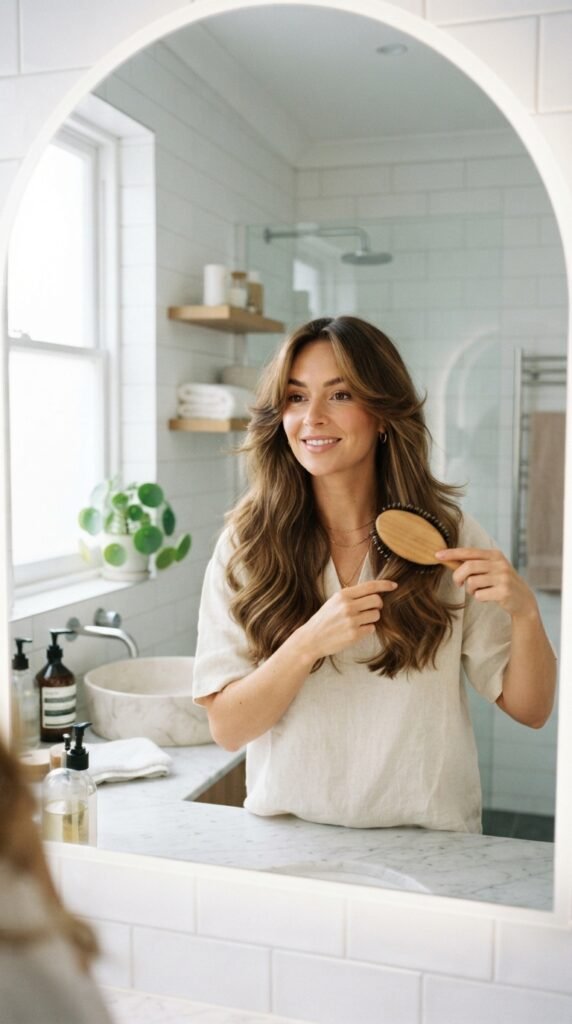
Face-framing layers are the safest place to start. They begin near your cheekbones or jaw and blend into the rest of your length, instantly opening up your face.
Ask for very subtle graduation at first. This refreshes a tired haircut while keeping you comfortable.
Invisible Layers: The Best Choice for Fine Hair
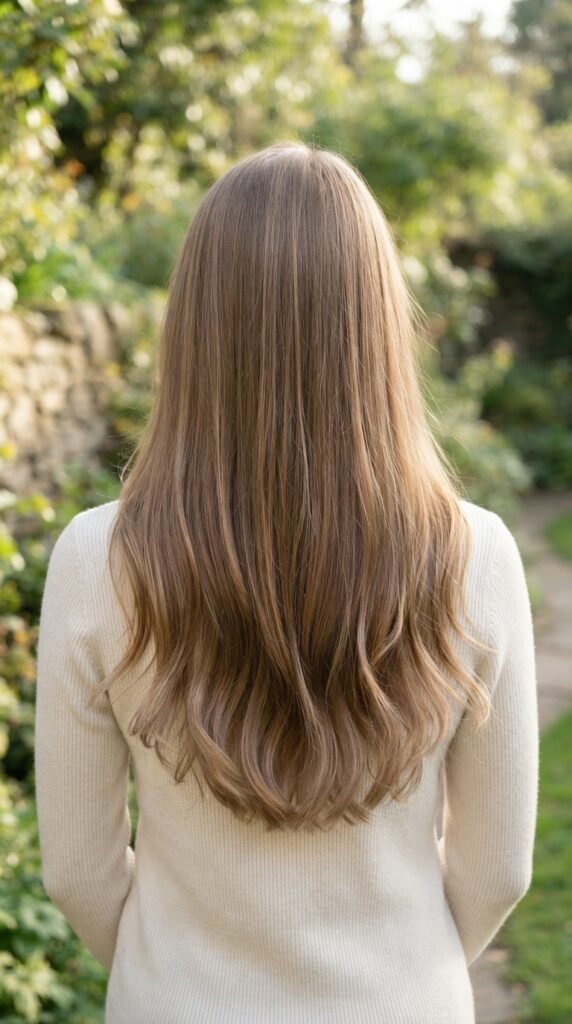
Invisible layers are not a myth. They happen when your stylist leaves the outside layer long and cuts hidden shorter strands underneath. That gives fine hair more fullness without showing harsh steps.
Too many visible layers can make fine hair look stringy. Two or three long interior layers are often enough to create real bounce.
Thick Hair? Use Internal Layers for Weight Removal
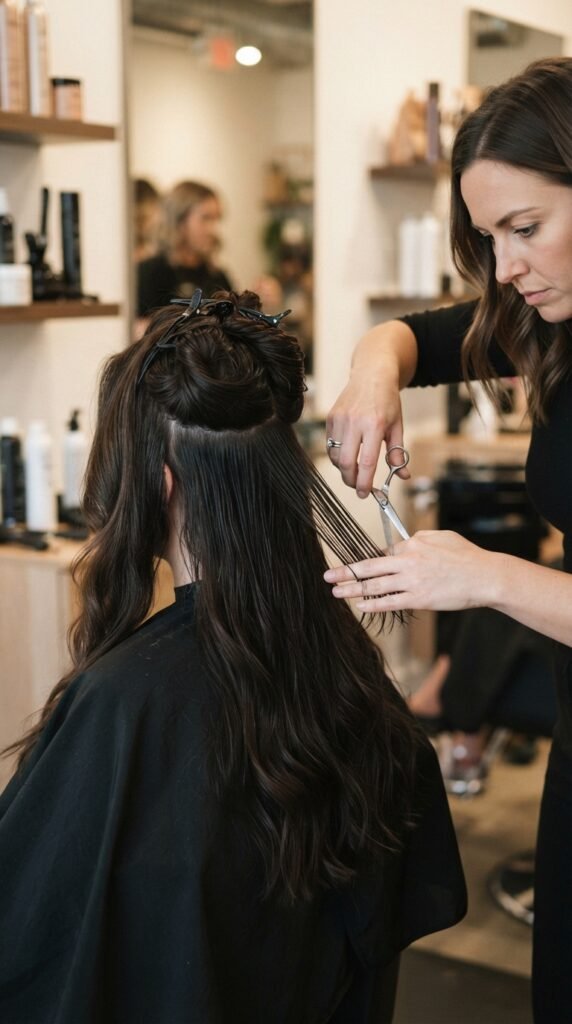
Thick hair can feel heavy even when it looks amazing. Internal layering removes weight from the middle and bottom sections while your top layer stays long.
This gives you that airy swing without sacrificing length. Ask for point cutting or slide cutting rather than harsh thinning shears.
Romantic Goth Hairstyles Love Feathery Long Layers

Romantic goth hairstyles are a beautiful example of layering for mood and movement. Long dark strands with wispy ends float around the shoulders instead of sitting flat.
Those feathery pieces create a soft, mysterious halo. If you want drama without heaviness, this layered look is perfect for long hair.
Long Hair Touched by the Hime Cut
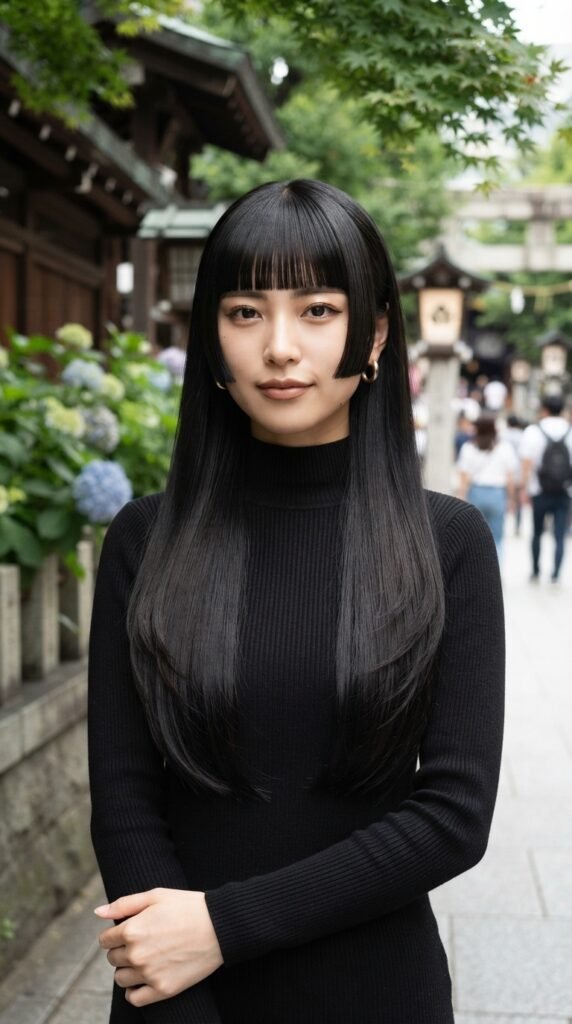
The hime cut is usually linked to sharp bangs, but long hair can borrow its best trick. Keeping strong face-framing strands around your cheeks adds instant structure.
Pair that blunt front with soft layers behind and you get a modern silhouette that feels intentional and full of body.
The Vampire Haircut Is All About Crown Lift
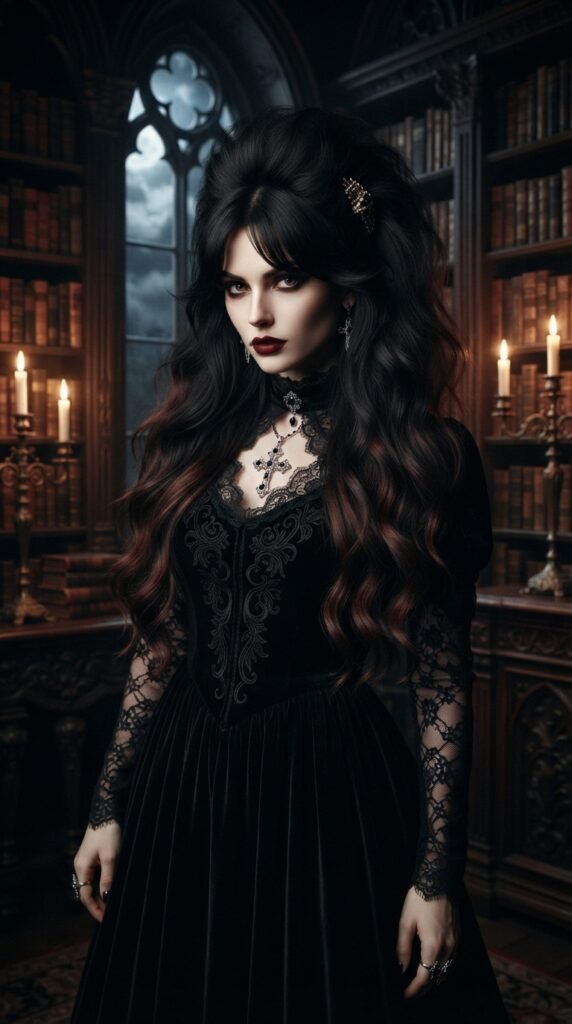
The vampire haircut may sound intense, but for long hair it simply means shorter internal layers near the crown that cascade into longer ends.
That hidden lift at the top creates a sweeping, glamorous shape. It works especially well if you love dark colors and glossy shine.
Glitchy Glam Hair: Try Sliced-Out Layers
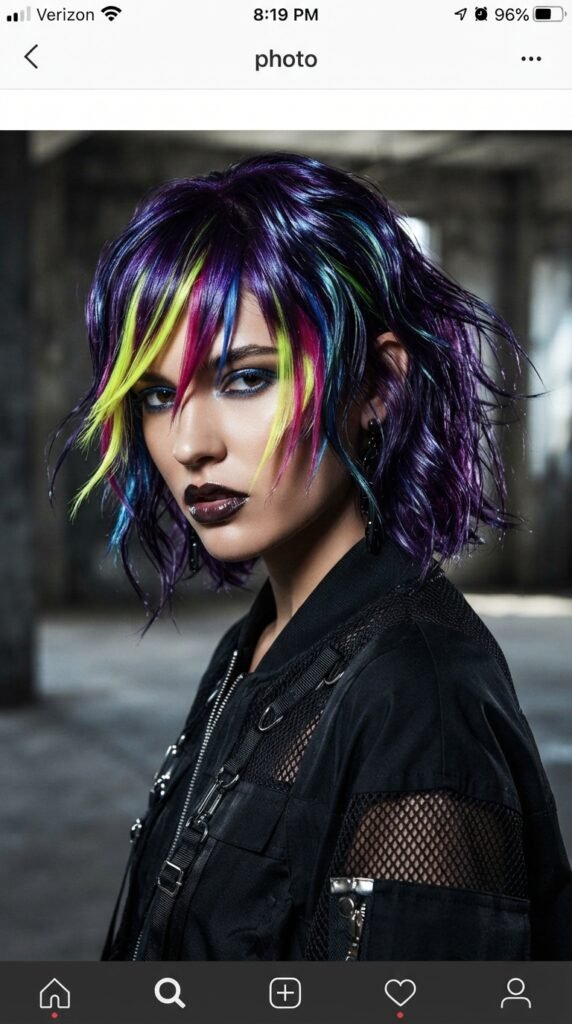
Glitchy glam hair is one of the coolest 2026 styles because it plays with contrast. Small, sliced-out layers peek through the surface and catch light when you move.
It feels sharper than traditional layering but still keeps long hair functional. Ask for soft disconnect near the mid-lengths if you like this look.
Asymmetrical Lob? Use the Same Idea on Long Hair
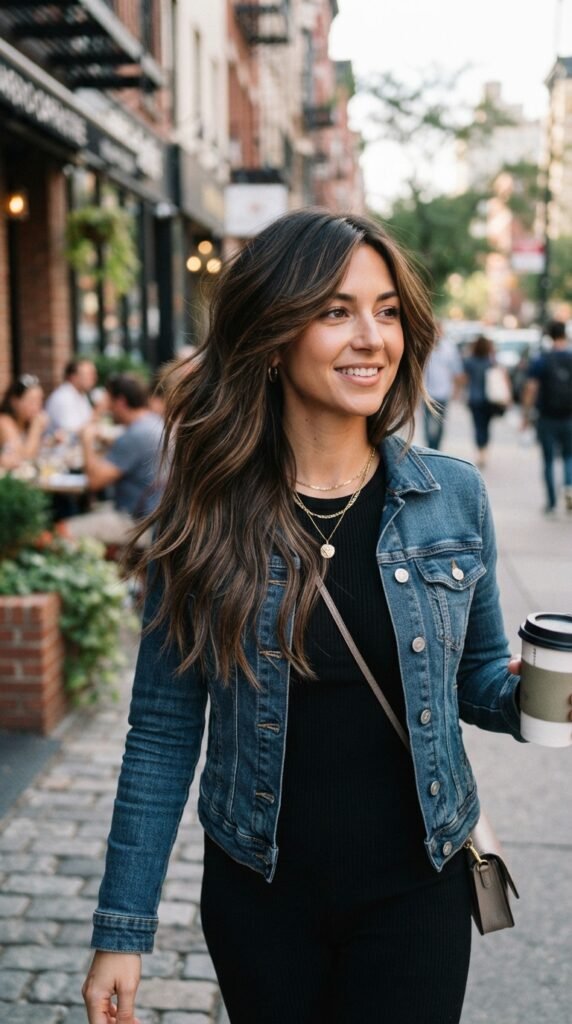
The asymmetrical lob is so popular because diagonal lines make hair look fuller instantly. For long hair, you can copy that trick by making face layers slightly angled.
Those forward-gliding pieces add movement and make simple waves look more expensive.
How Many Layers Do You Actually Need?
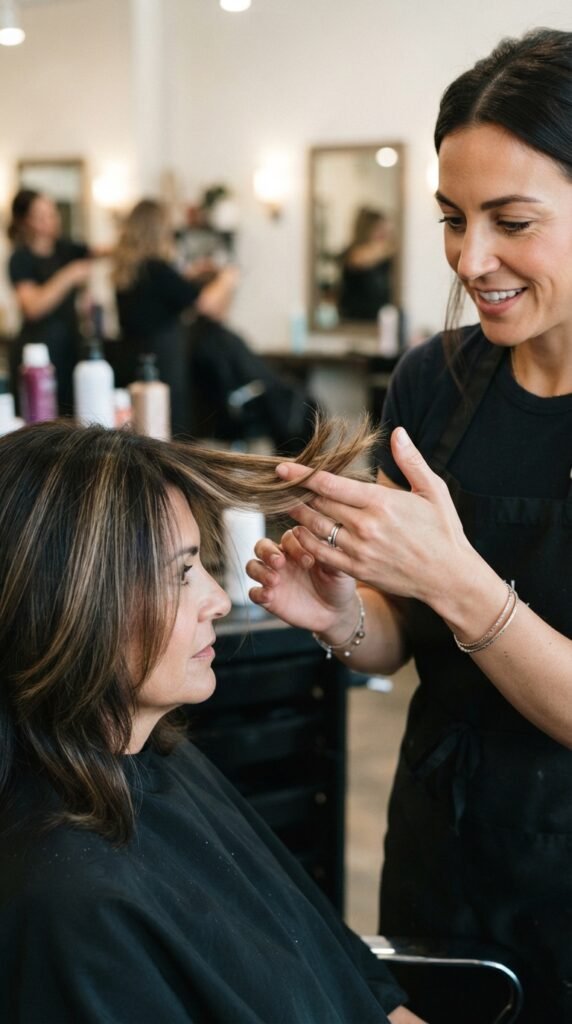
There is no perfect number, but here is a helpful guide:
- Fine hair: two to four subtle layers
- Medium hair: four to six soft layers
- Thick hair: six to eight internal layers
- Curly hair: fewer, heavier layers
Start conservative. You can always remove more hair later, but you cannot glue it back.
The Best Layer Shape for Extra Bounce
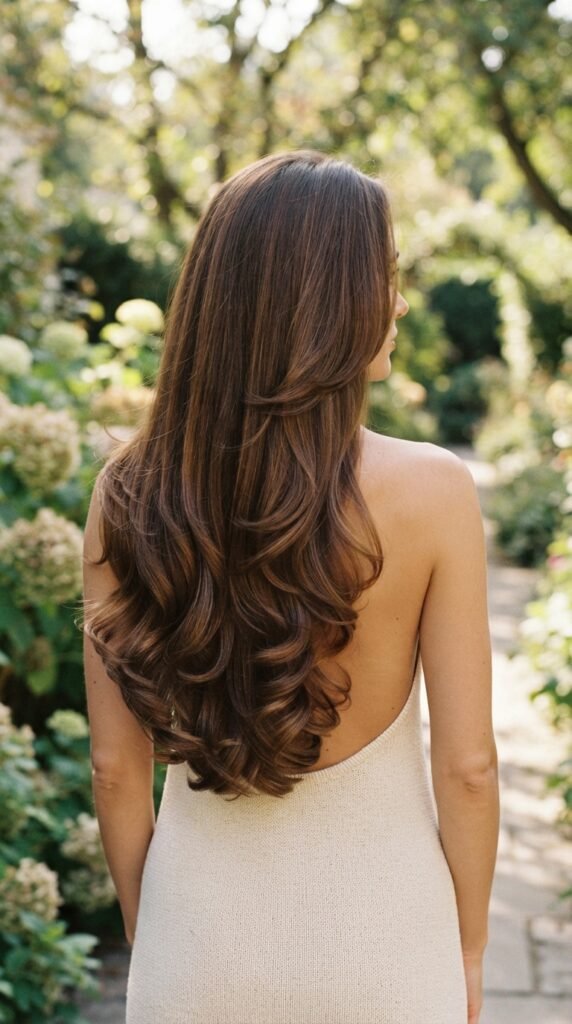
U-shaped layering is my favorite for bounce because it creates a rounder, softer silhouette. The shortest inner layers land near the top and gradually become longer toward the bottom.
This shape gives every wave somewhere to curve. If you prefer more pointy ends, a V-shape works too, but it tends to look slimmer.
What to Say at the Salon
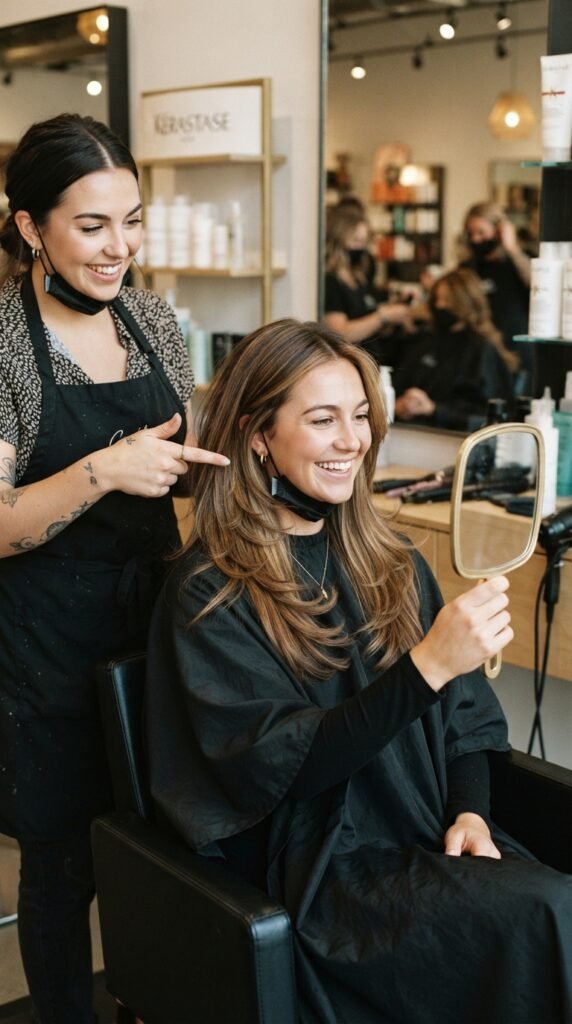
Show a photo, then say exactly this: “I want long layers that start around my collarbone, plus a little lift at the crown, but no choppy ends.”
That sentence gives your stylist a clear roadmap. Ask to see the back with a mirror before they finish so you can approve the shape.
Blowout Method for Bouncy Layers
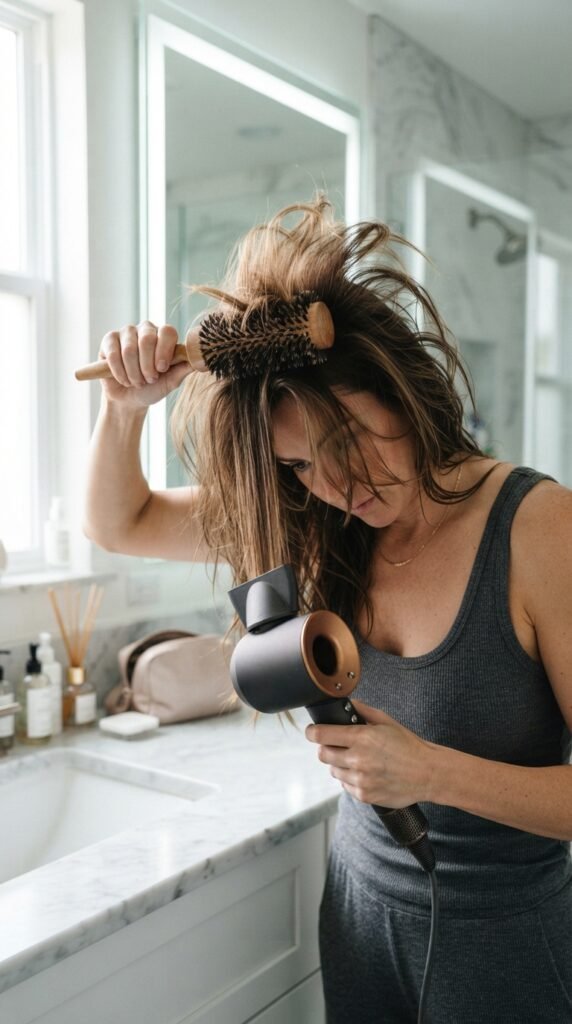
Step one: flip your head upside down and aim warm air at your roots. Step two: lift each section with a round brush and roll it gently away from your face.
Once the hair is dry, let it cool in the brush for a few seconds. That cool-down sets the shape and makes your layers look bouncy all day.
Curling Method That Creates Body
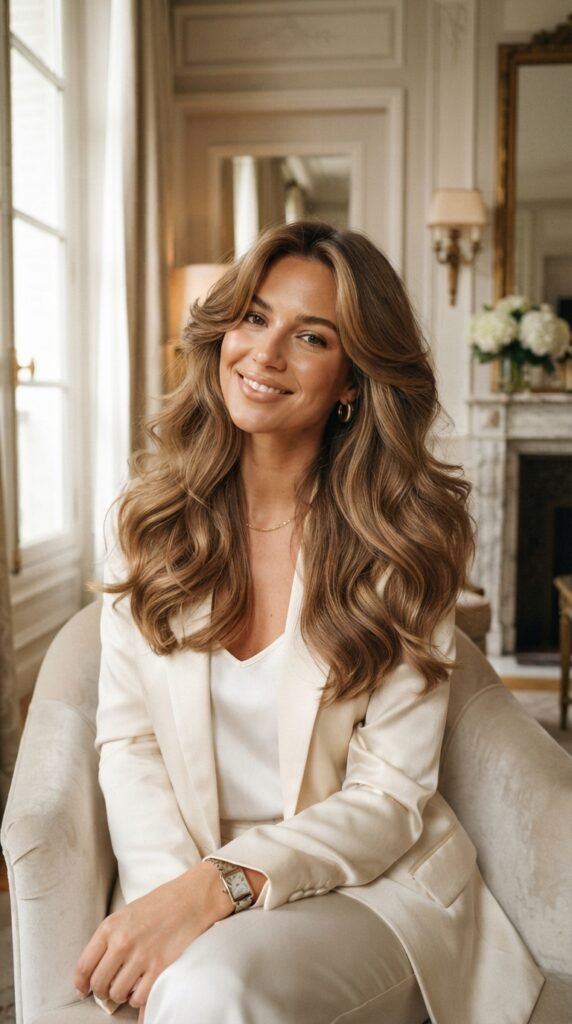
For bouncy waves, use a large barrel and curl away from your face. Skip every other section so the final look feels relaxed rather than stiff.
When you finish, gently break up the curls with your fingers and lift the roots. A light flexible hairspray will keep the bounce without making it crunchy.
Air-Drying Layers with Soft Texture

You don’t always need heat to see your layers. After washing, blot your hair gently and scrunch in a lightweight mousse.
When your hair is completely dry, flip your head over and massage your roots. That simple move gives your layers volume without a single hot tool.
Day Two Refresh for Layers
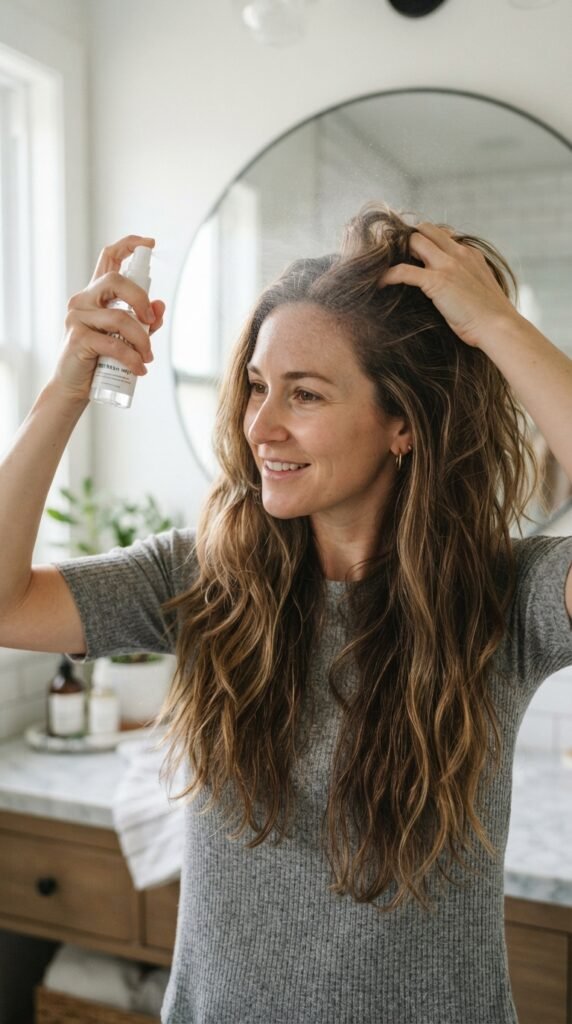
Morning hair is not the end of your hairstyle. Spray a little water or dry shampoo at the roots and lift sections upward with your fingers.
For any strands that fell flat, re-curl just those pieces. You don’t need to redo your whole head for your layers to wake up.
Products That Keep Layers Light and Springy

Heavy oils can flatten your layers by lunch. Instead, choose lightweight mousse, a soft texture spray, and a liquid gloss for the ends only.
Keep products away from your scalp. A little goes a long way when your haircut is already doing most of the heavy lifting.
Know When Layers Need a Reset
Layers start to lose their bounce around ten to twelve weeks. Ends can feel stringy and the shape becomes less rounded.
Book a small blend trim before you lose confidence in the cut. Removing just a little weight brings back that healthy, bouncy shape.
Layers are one of those small changes that make you feel like you got a whole new haircut. They bring body, bounce, and a little extra confidence every time you pass a mirror.
Start slow, communicate with your stylist, and use these styling tricks at home. The goal is hair that feels light, alive, and beautifully yours.
Save this post to Pinterest so you have these haircut ideas ready for your next appointment. And tell me below: are you asking for soft face-framing layers, or are you ready to try a bolder 2026 style? I would love to know.