18 Hair Dryer Nozzle Attachments and Their Best Uses
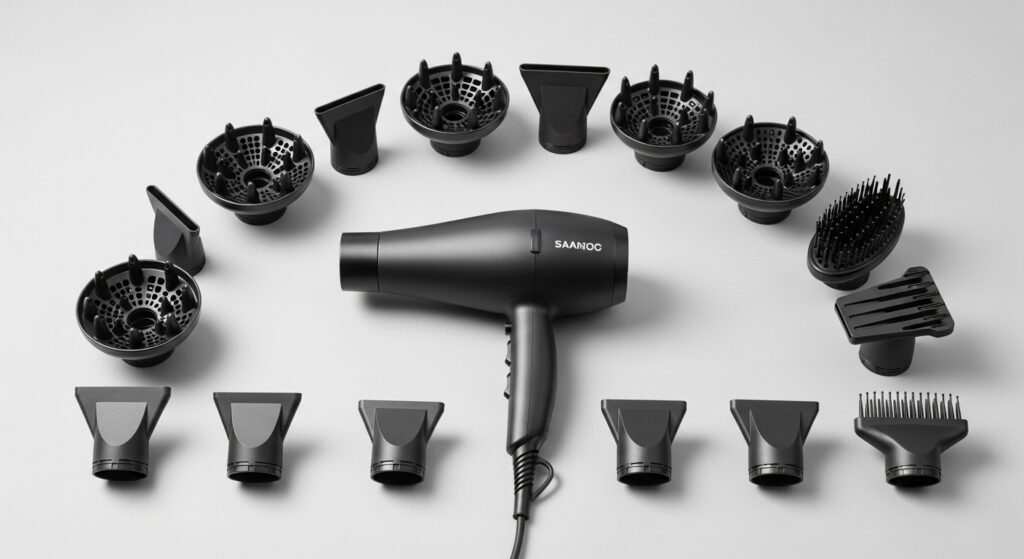
If you’ve ever glanced at the array of mysterious plastic pieces that came with your hair dryer and promptly tossed them back into the box, you’re not alone. Most of us grab the dryer itself and leave the attachments to collect dust, not realizing we’re missing out on the secret to salon-smooth, frizz-free, and professionally styled hair. The truth is, that little nozzle is more than just an accessory—it’s a precision tool that can transform your blowout from amateur to amazing.
The Classic Concentrator Nozzle
This is the standard, narrow attachment that likely came with your dryer. It focuses the airflow into a directed, concentrated stream.
Best Uses: Ideal for straightening and smoothing hair. Use it when you’re aiming for a sleek, frizz-free finish. Point the nozzle down the hair shaft to flatten the cuticle, which adds shine and reduces puffiness. It’s perfect for blow-drying with a round brush to create tension and smoothness.
The Wide-Tooth Comb Nozzle
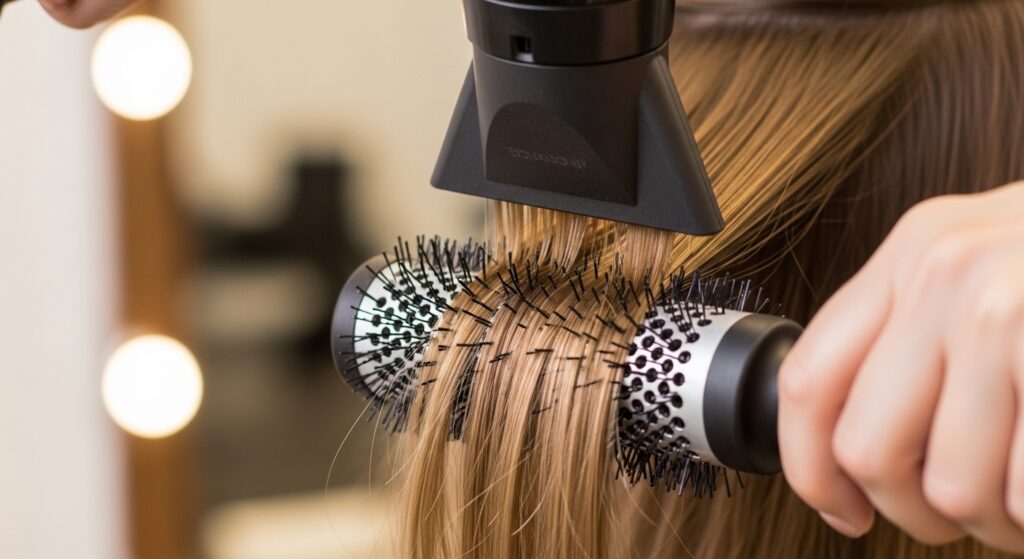
This attachment looks like a wide-tooth comb that fits over the dryer’s barrel, allowing you to detangle and dry simultaneously.
Best Uses: Excellent for thick, curly, or coily hair that’s prone to tangling. It’s a gentle way to stretch curls while drying, reducing frizz and saving time by combining two steps. It’s also great for applying heat protectant and drying in one motion on damp, detangled hair.
The Pik Nozzle Attachment
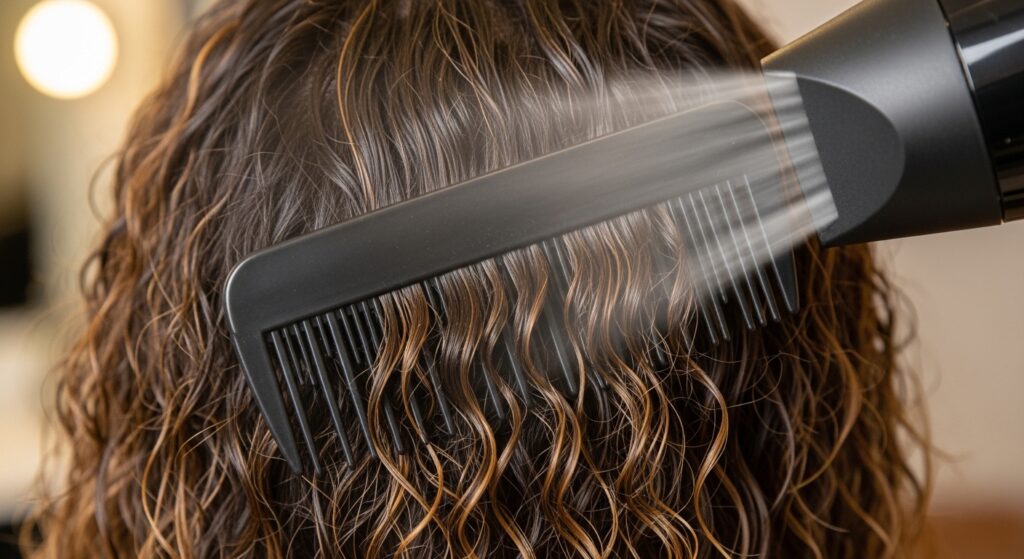
Similar to the comb but with longer, pick-like teeth, often spaced further apart.
Best Uses: Designed to add volume and lift at the root for afros, textured hair, or anyone wanting serious height. Use it to dry hair while picking it out, creating amazing volume and shape without sacrificing definition.
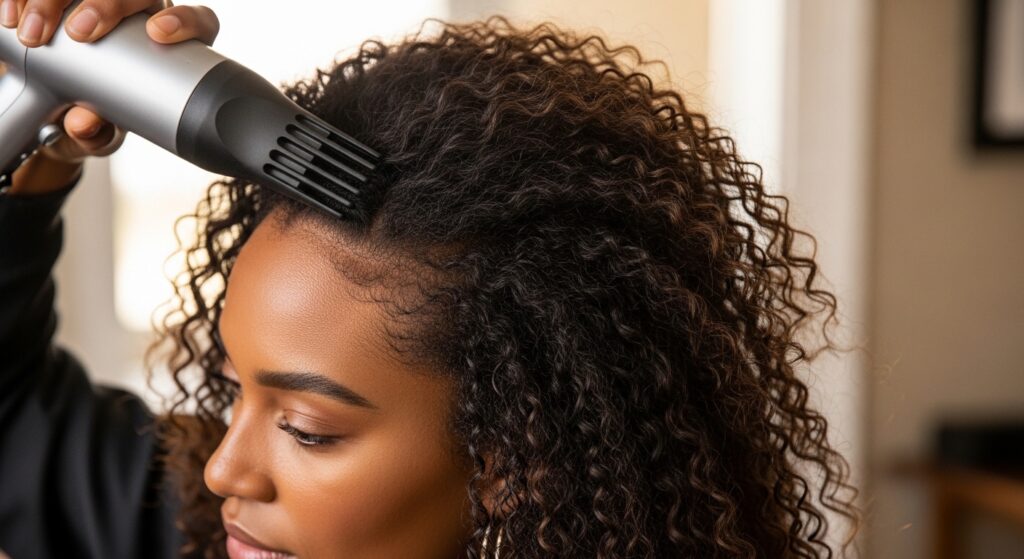
The Finger Diffuser
This bowl-shaped attachment with “fingers” or prongs that extend upward. You scrunch your curls into it.
Best Uses: The holy grail for curly and wavy hair types. It disperses airflow gently, reducing frizz and enhancing your natural curl pattern. Scrunch your hair up into the diffuser on a low heat and speed setting to encourage bounce, definition, and volume without disturbing the curl clumps.
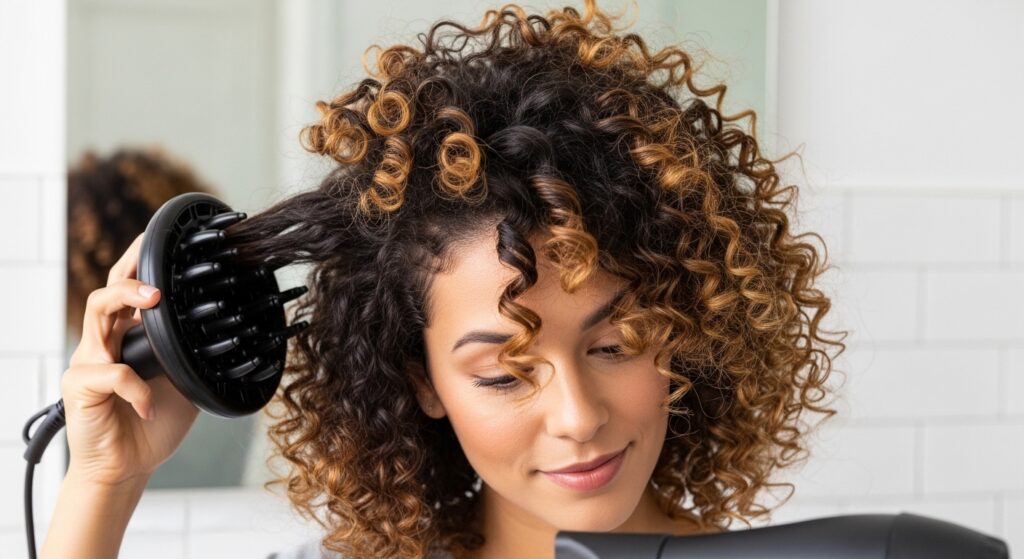
The Bowl Diffuser
A smoother, more shallow bowl-shaped diffuser without long fingers.
Best Uses: Good for looser waves or fine curly hair that doesn’t need as much root lift. It provides gentler, more distributed air than a standard dryer head but is less aggressive than a finger diffuser. It’s a great all-rounder for adding soft texture.
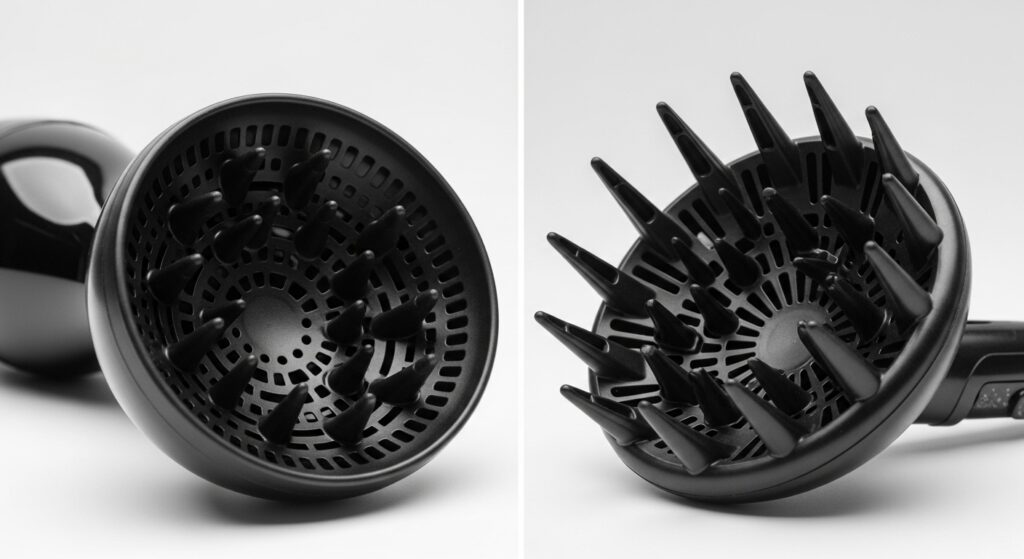
The Concentrator Comb (Fine-Tooth)
A hybrid between a concentrator and a fine-tooth comb, often with a narrow air slot.
Best Uses: Fantastic for precise straightening on shorter hair or bangs, and for creating super-smooth, flat styles. The fine teeth help guide and tension the hair perfectly as the concentrated air dries it straight.
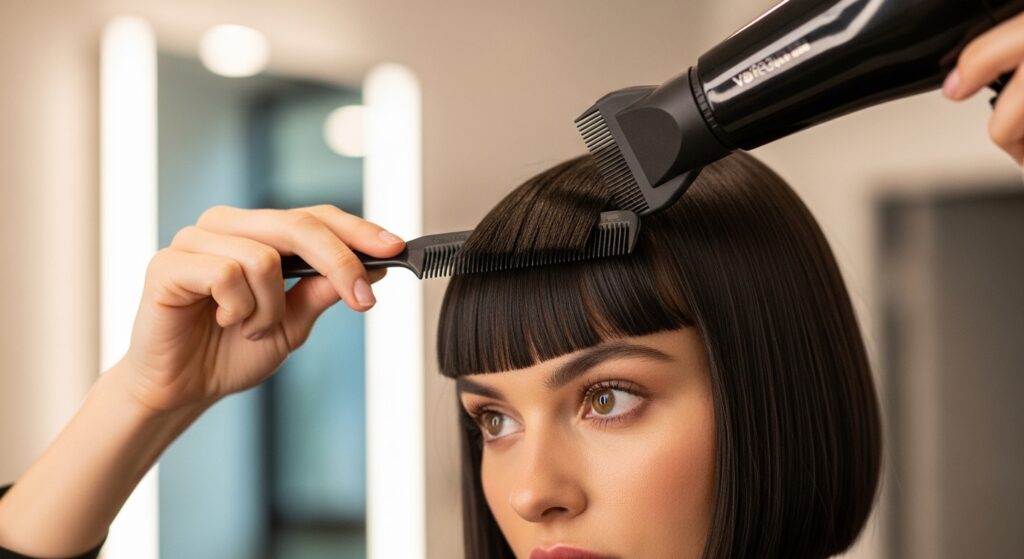
The Flyaway Nozzle
A very narrow, often slit-like concentrator that produces an even more focused jet of air.
Best Uses: Taming those last-minute flyaways and baby hairs. The intense, precise airflow can be used on a low setting to lay down edges or smooth the top layer of hair without disturbing the style underneath.
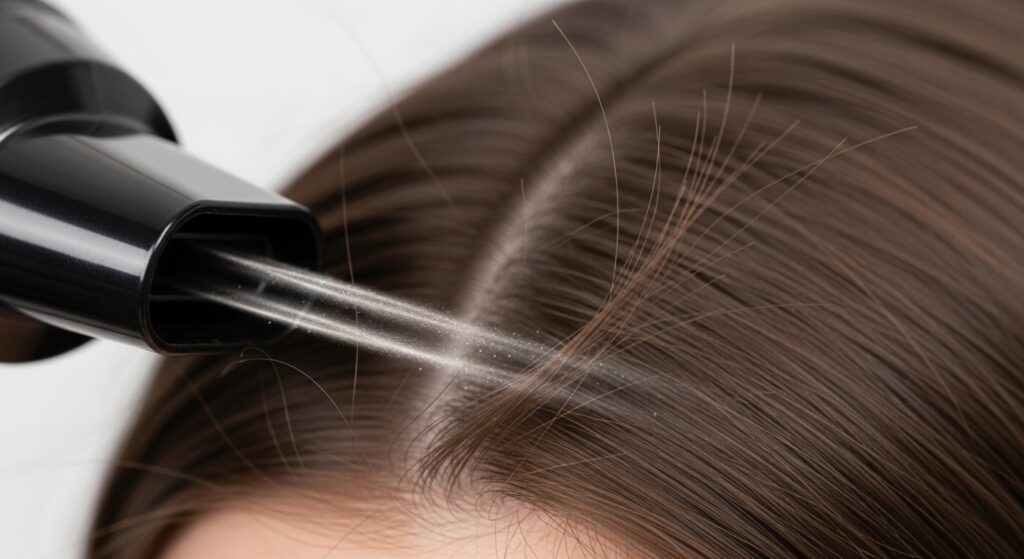
The Volumizing Nozzle
This attachment often has a raised center or vents that direct air underneath the hair at the roots.
Best Uses: As the name suggests, it’s for boosting root volume on flat hair. Lift a section of hair at the crown and point the nozzle at the roots, using a cool shot to set the lift. Perfect for fine hair that falls flat quickly.
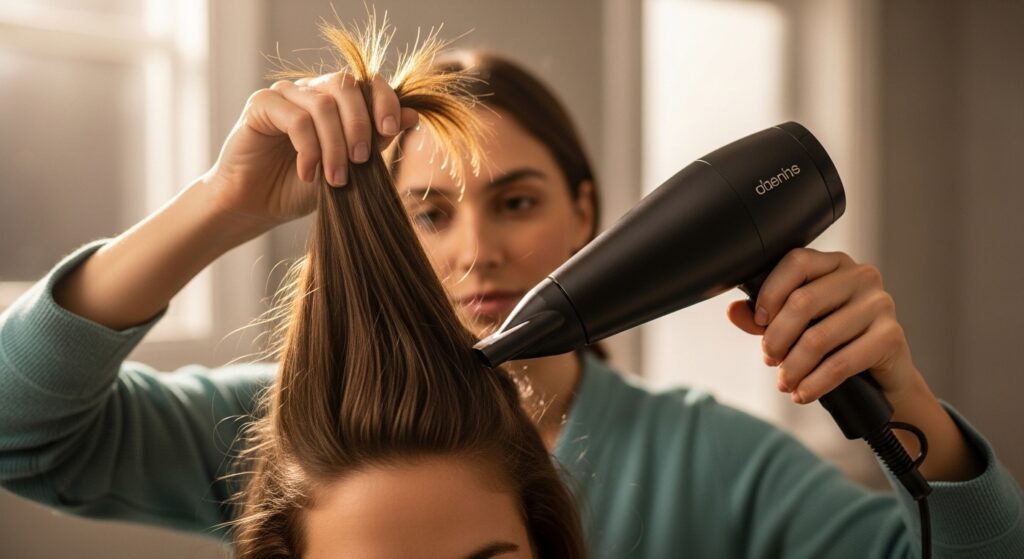
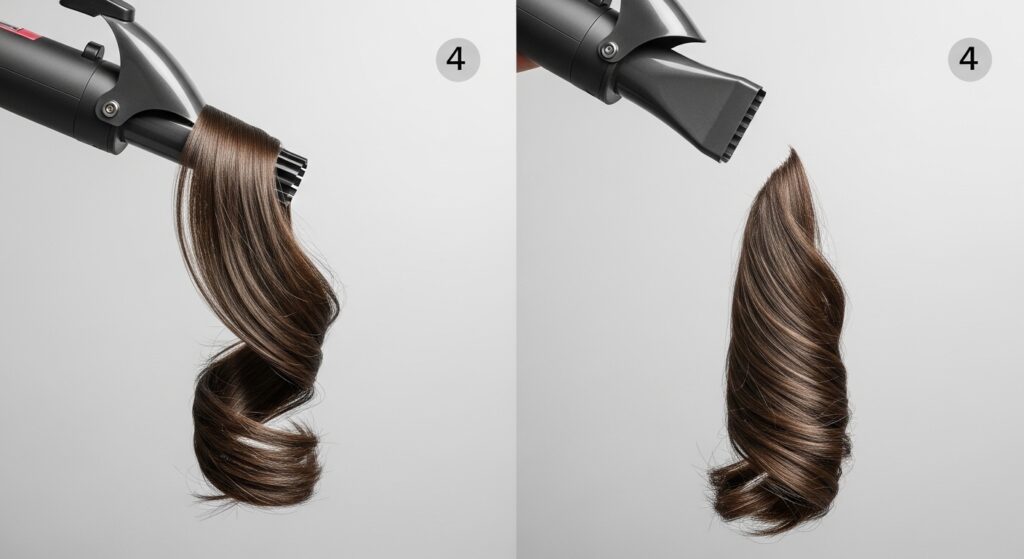
The Curling Nozzle
A unique, often conical or curved attachment designed to help wrap and dry hair in a curl.
Best Uses: Creating blow-out curls or waves without a separate curling iron. You wrap a section of hair around the nozzle and apply heat. It takes practice but can create beautiful, uniform curls with less direct heat contact than a styling tool.
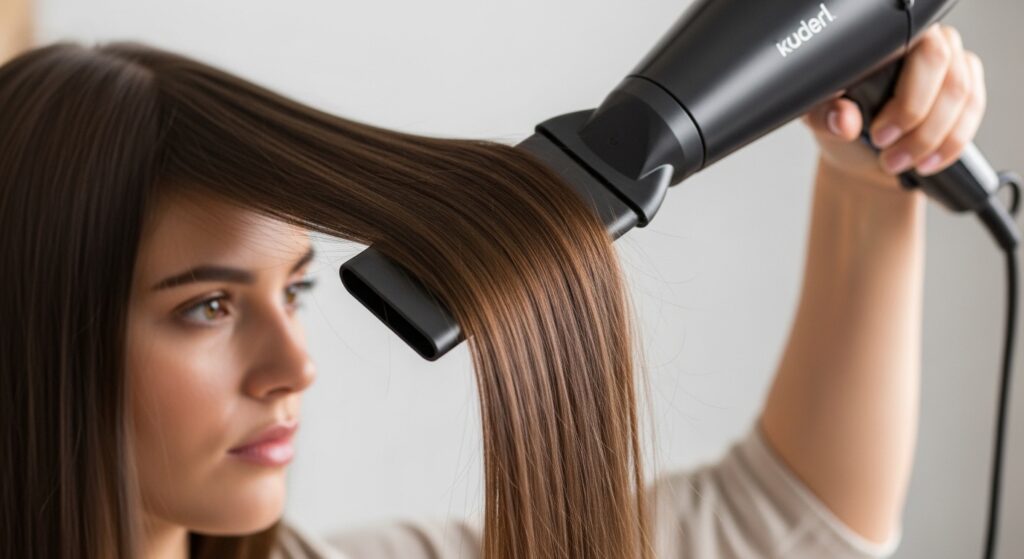
The Straightening Nozzle
Typically a wider, paddle-shaped concentrator that covers more surface area.
Best Uses: Speed-drying long, straight hair. Its wider aperture allows you to dry larger sections quickly while still maintaining a focused, downward airflow to smooth the cuticle. It’s efficient for everyday straight styling.
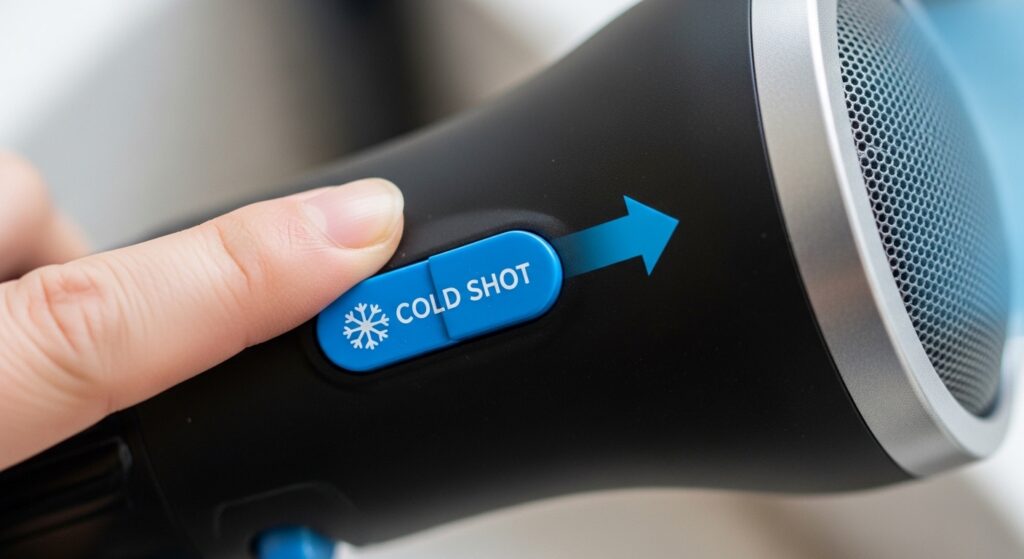
The Cold Shot Button
Not a physical attachment, but a crucial button on most dryers that releases room-temperature air.
Best Uses: Setting your style. After heating a section with your chosen nozzle, blast it with the cold shot to lock in the shape, close the cuticle, and add shine. Essential for making volume or curls last longer.
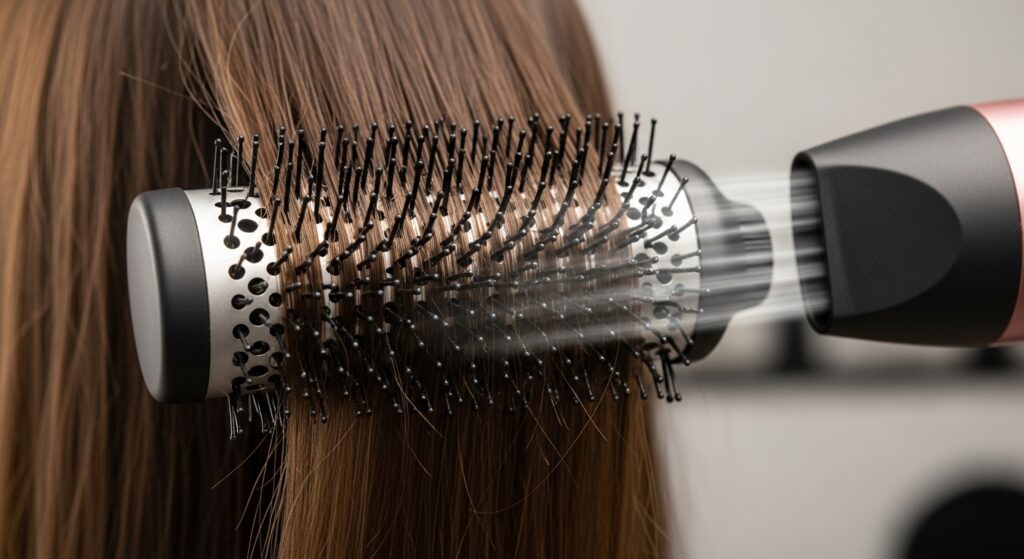
The Styling Concentrator (with Brush)
An attachment that combines a concentrator tip with built-in boar or nylon bristles.
Best Uses: For one-step drying and styling. The bristles help smooth and detangle as the air flows through, making it easier to achieve a basic blow-dry with one hand. Great for quick, simple styles on medium to long hair.
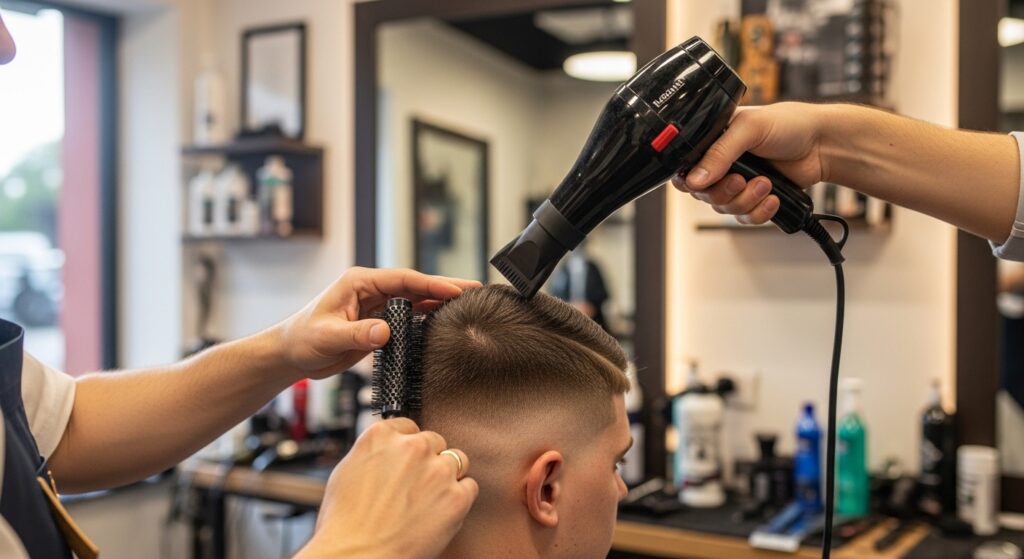
The Narrow Concentrator
An even skinnier version of the classic concentrator, sometimes called a “styling nozzle.”
Best Uses: Ultimate precision work. Perfect for drying intricate haircuts, undercuts, or very short hair. It allows you to avoid drying areas you don’t want to and is excellent for detailing around the hairline.
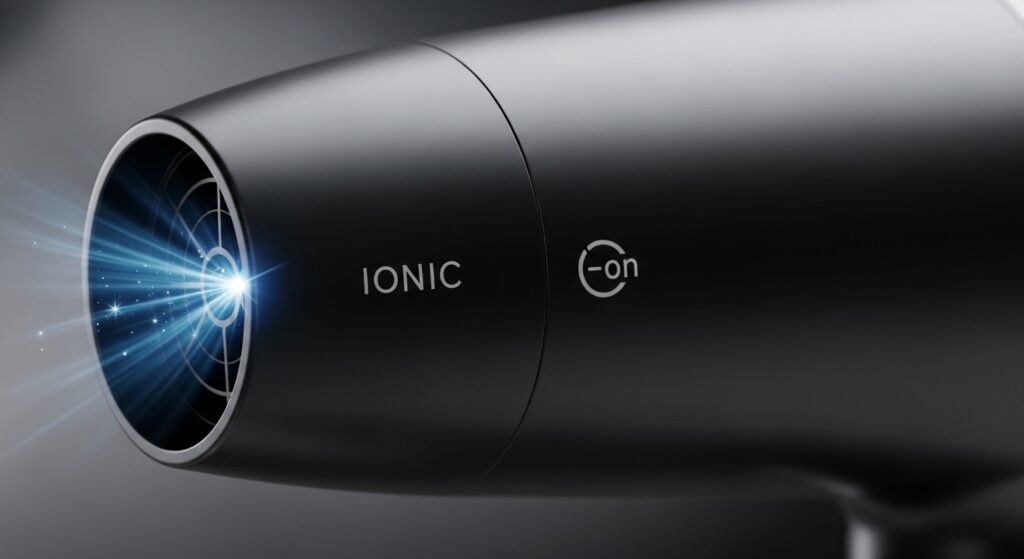
The Ionic Generator Nozzle
Some high-end dryers have nozzles that emit negative ions.
Best Uses: Reducing frizz and drying time. Negative ions break down water molecules faster and help flatten the hair cuticle. Use this for the sleekest, shiniest possible finish, especially in humid environments.
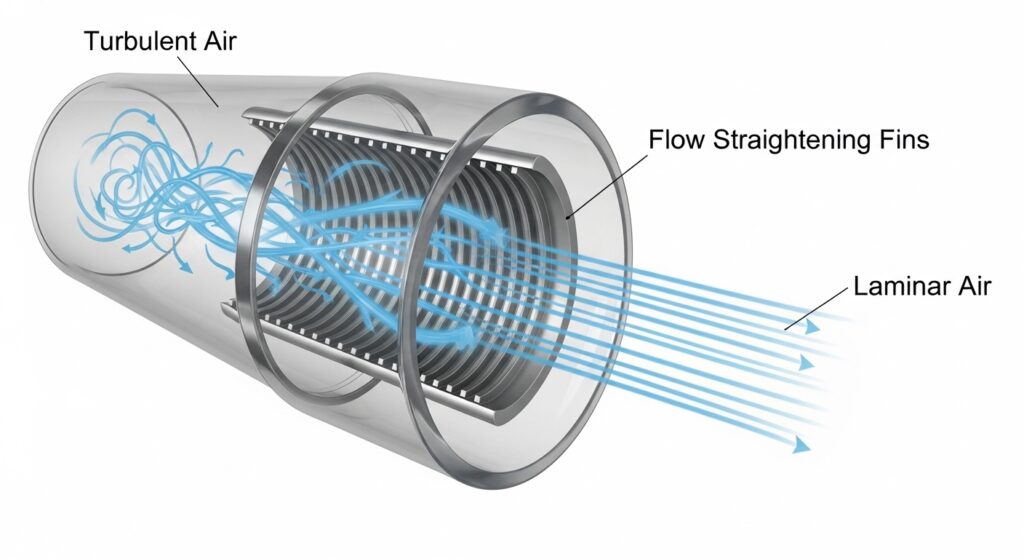
The Airflow Focus Nozzle
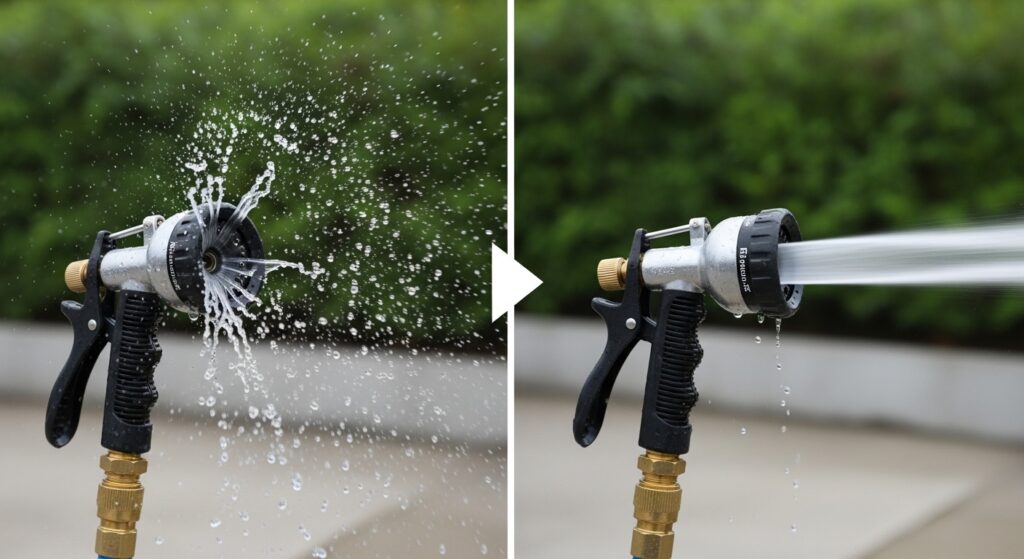
Features internal fins or channels that create a perfectly aligned, non-turbulent airflow.
Best Uses: Minimizing frizz caused by swirling air. This is for the ultimate smooth, salon-style blowout. The laminar airflow dries the hair cuticle flat without disturbing the strands, leading to exceptional smoothness.
The Dual-Concentrator (2-in-1)
An adjustable nozzle where you can slide or twist to change the width of the air slot.
Best Uses: Versatility. Use the wide setting for general drying and the narrow setting for smoothing and detailing. It’s perfect for the minimalist who wants one attachment to do it all without switching pieces.
The Gentle Airflow Nozzle
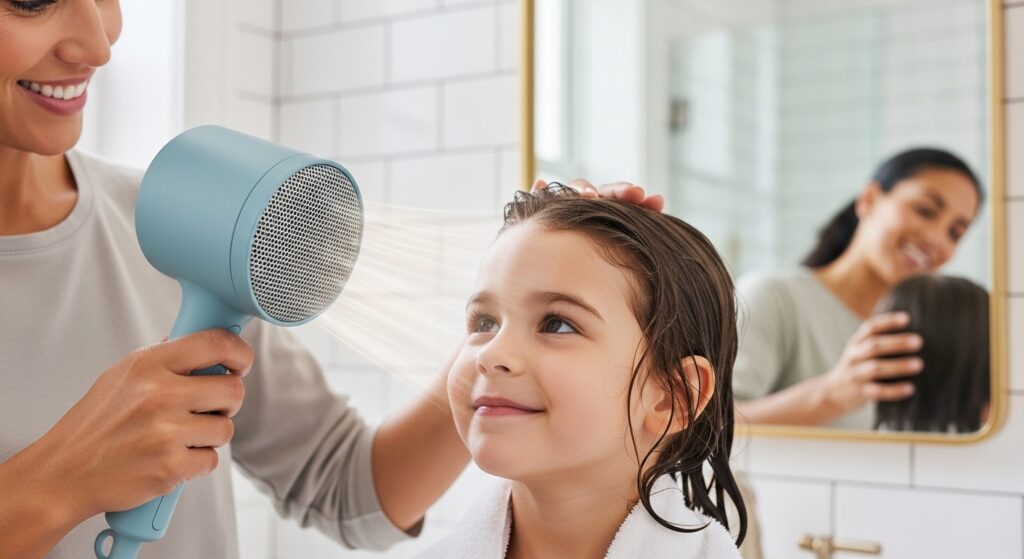
A perforated or mesh-covered attachment that significantly reduces air speed and heat intensity.
Best Uses: Drying delicate hair, children’s hair, or for use on pets. It provides a much softer, diffused heat that is less likely to cause damage or discomfort. Also great for refreshing styles without overheating.
The Angled Concentrator
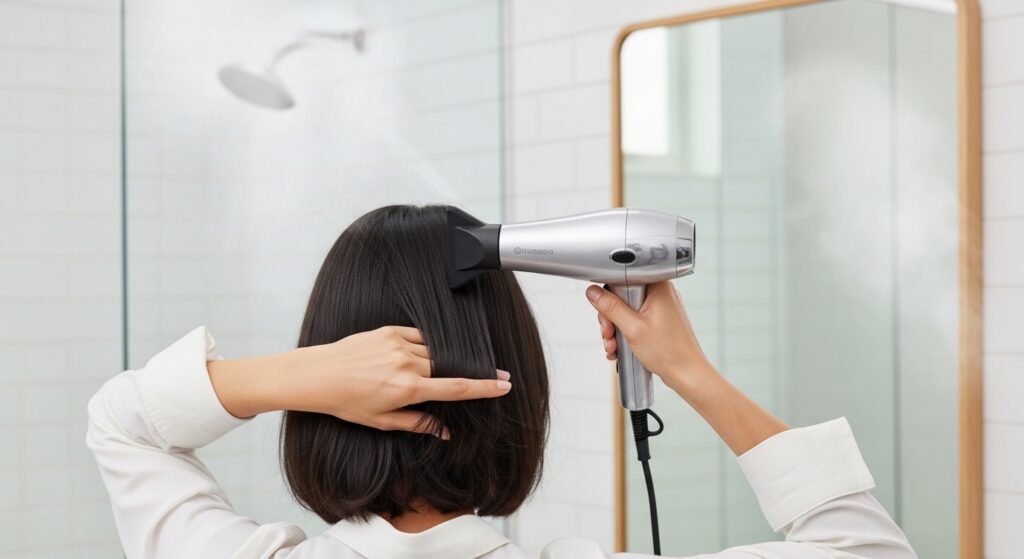
A concentrator nozzle set at a 45 or 90-degree angle to the dryer body.
Best Uses: Improving ergonomics and reach. The angle allows for a more comfortable wrist position, especially when styling the back of your own head. It makes it easier to maintain that crucial downward airflow for smoothness.
Putting It All Together: Your Styling Cheat Sheet
Now that you’re an attachment expert, here’s a quick reference guide. For bone-straight, smooth hair: reach for the Classic or Flyaway Concentrator. For defined, bouncy curls: the Finger Diffuser is your best friend. For maximum volume: try the Volumizing or Pik nozzle. For quick, everyday drying: the Wide-Tooth Comb or Straightening Nozzle will save you time.
Remember, the key to a professional blowout is sectioning your hair and using the right tool for the job. Start with a lower heat/speed for delicate styling and finish with the cold shot to lock it all in. Don’t be afraid to experiment—that box of attachments is a treasure trove of styling potential. Dig it out, clip on a nozzle, and get ready to see your hair in a whole new light.