Inspire 20 Lemonade Cornrows Protecting Lengths During Harsh Weather Conditions
Hey friend. Can we talk about the weather for a second? I don’t know about you, but my hair has been through it lately. Between the dry indoor heat, the bitter wind outside, and the general winter gloom, my strands feel like they’re on strike. If you’re trying to grow your hair out or just keep it healthy, this season can feel like a major setback.
That’s exactly why I’m obsessed with protective styles right now. They’re our secret weapon. And my current favorite? Lemonade cornrows. They’re not just a cute look; they’re a full-on strategy for protecting your lengths so you can actually see growth come spring.
This style is playful, chic, and seriously low-maintenance. It lets you tuck all your ends away safely while you rock a gorgeous look. Think of it as giving your hair a long, well-deserved vacation. Let’s dive into everything you need to know to get this style and keep your hair thriving all season long.
What Are Lemonade Cornrows Exactly?
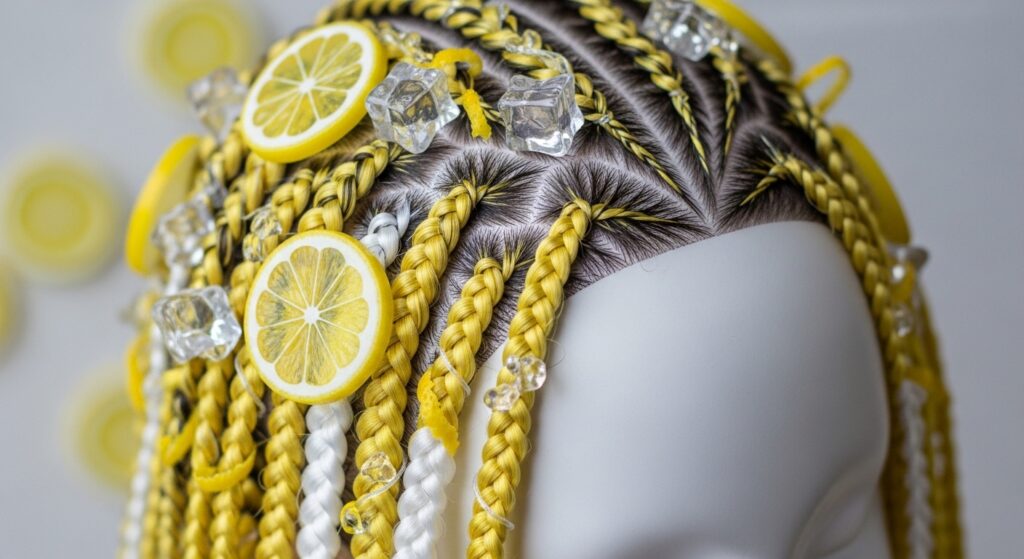
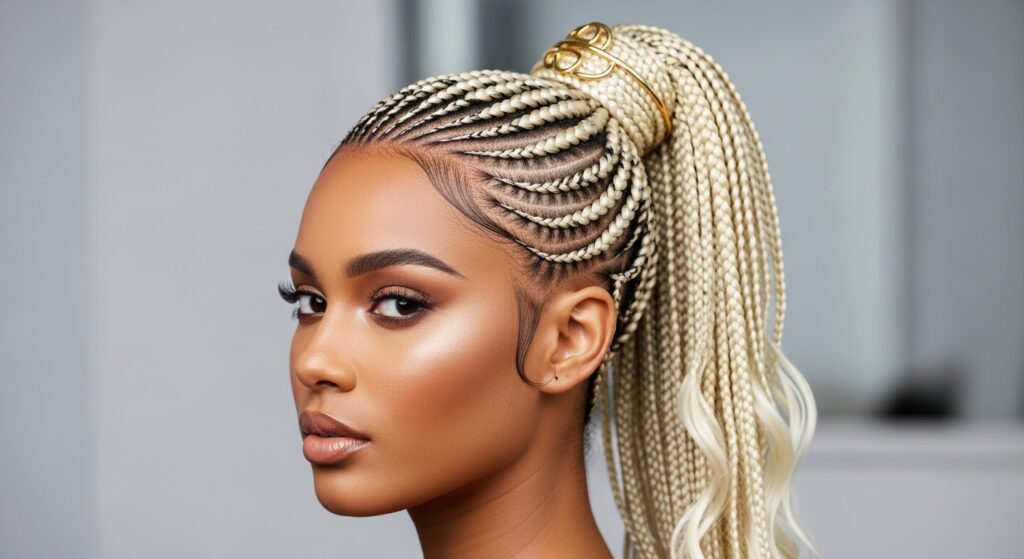
You’ve probably seen them all over your feed. Lemonade cornrows are that iconic style with multiple, often thin, cornrows that sweep back from the hairline, usually into a ponytail or bun. The name comes from Beyoncé’s visual album, and the look has stuck around for good reason.
It’s a versatile protective style that works for so many hair types and textures. The magic is in the technique: your natural hair is neatly braided close to the scalp, which minimizes daily manipulation and seals your ends away from the elements.
Why They’re Perfect for Harsh Weather
When the air is dry and cold, our hair loses moisture fast, leading to breakage and split ends. Constant hats and scarves can cause friction damage, too. A style like this creates a barrier.
By keeping your hair in braids, you’re locking in moisture from your pre-style wash and treatments. You’re also preventing those ends from rubbing against your clothes and winter gear. It’s the ultimate “set it and forget it” winter hair solution.

The Pre-Braid Care Ritual (Non-Negotiable!)
Never, ever braid dirty or dry hair. This step is what separates a protective style that helps from one that harms. Start with a clarifying shampoo to remove any product buildup.
Follow up with a deeply moisturizing conditioner. While your hair is damp, apply your leave-in products in this order:
- A hydrating leave-in conditioner
- A sealing butter or cream on your lengths
- A light oil to seal the moisture (focus on those ends!)
Finding the Right Stylist is Key
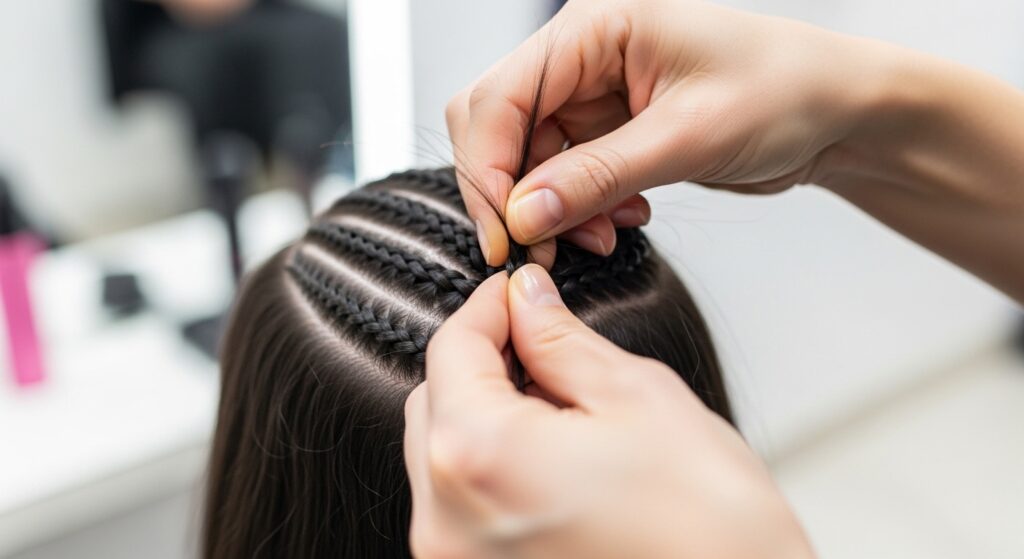
Not all braiders are created equal. For a style that protects, the tension needs to be just right—not too tight to cause stress on your edges, but secure enough to last. Do your research!
Look at a stylist’s portfolio for neat, healthy-looking braids. Read reviews. And always, always speak up during the appointment if the braids feel too tight. Your comfort and hair health come first.
Choosing Your Lemonade Cornrow Pattern
The classic look is multiple straight-back braids. But you can get creative! Ask for curved parts for a softer look, or geometric patterns for something more modern. The number of braids is up to you.
More, thinner braids give a detailed, intricate look. Fewer, thicker braids are faster to install and can feel lighter on your head. Discuss the final look (like a high ponytail or bun) with your stylist so they can plan the braid direction.
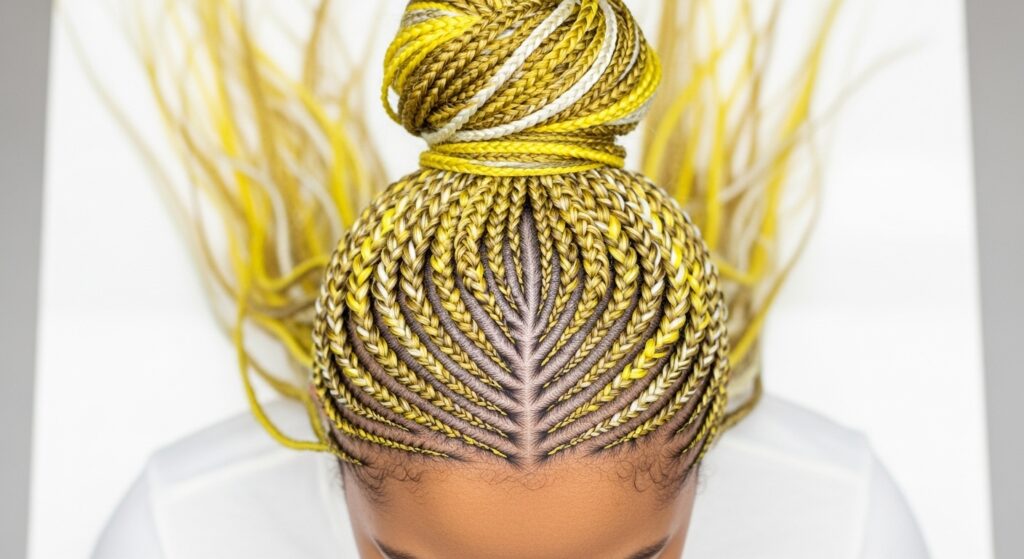
To Add Hair or Not to Add Hair?
You can absolutely do this style with just your natural hair, especially if it’s long enough. Adding extensions (kanekalon or pre-stretched braiding hair) gives more length and fullness, and can help protect even more of your natural ends by tucking them away completely.
If you do use added hair, opt for high-quality, lightweight braiding hair. This prevents unnecessary pulling and keeps the style comfortable for weeks.
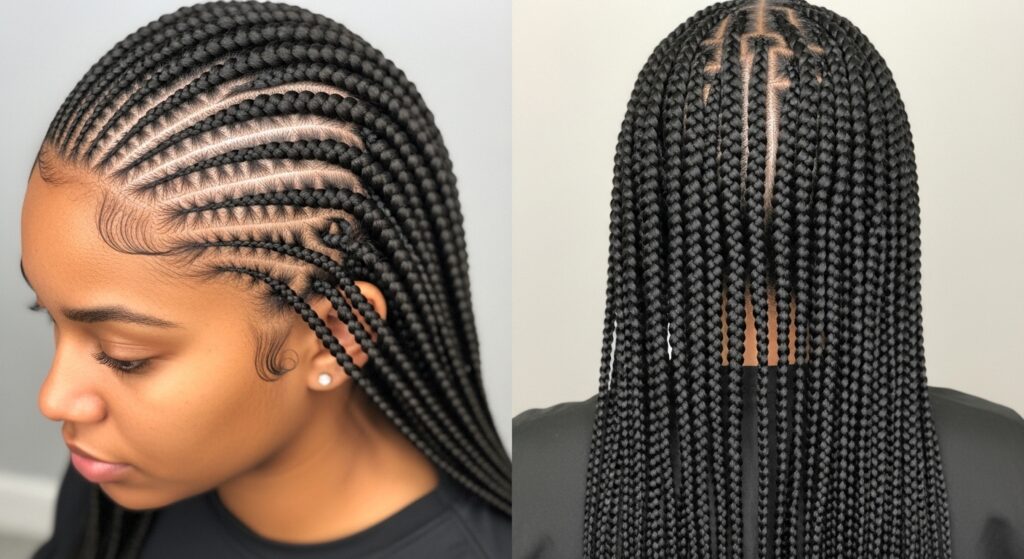
Mastering the At-Home Maintenance
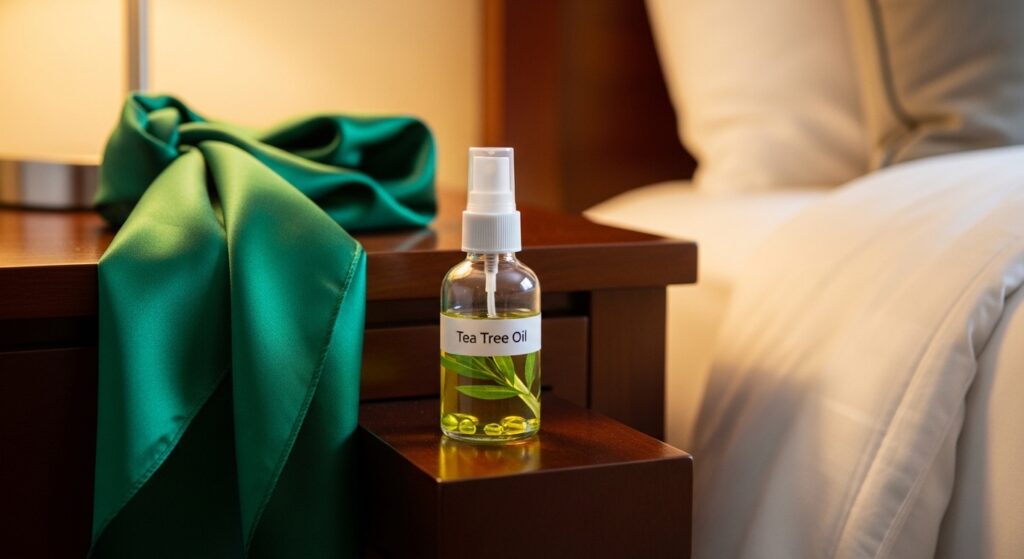
Your job starts once you leave the salon. To keep your scalp healthy and your style fresh, you need a simple routine. Every few days, use a light spray bottle to mist your scalp with a mix of water and a little lightweight oil.
Gently massage your scalp with the pads of your fingers. At night, always wrap your braids in a satin or silk scarf, or sleep on a satin pillowcase. This prevents frizz and moisture loss.
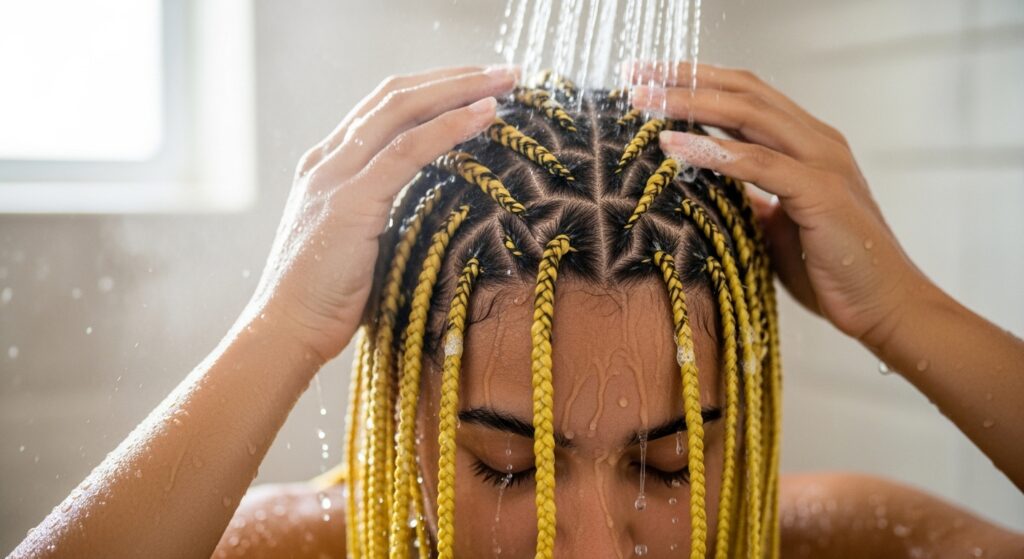
How to Wash Your Braids (Yes, You Should!)
You can and should wash your braids to avoid buildup. Dilute your shampoo in a bottle of water. Gently apply the mixture to your scalp, using the pads of your fingers to massage—don’t rub the braids.
Rinse thoroughly. Focus conditioner only on the length of the braids and your own hair underneath, avoiding the roots. Let it sit, then rinse well. Air dry completely or use a hooded dryer on low, cool heat.
Fighting the Frizz and Flyaways
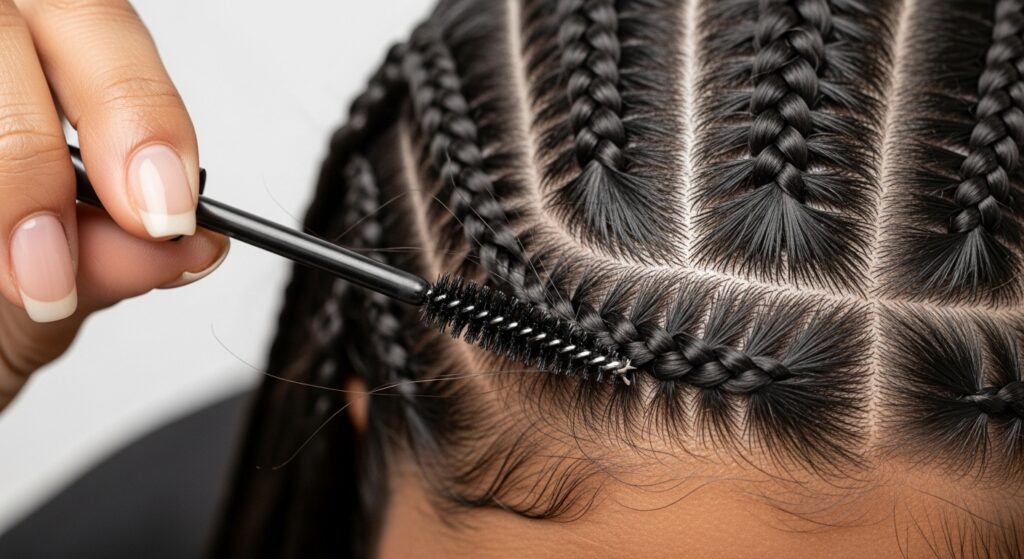
A little frizz is normal, but to keep your style sleek, have a few tools on hand. A tiny bit of edge control or gel on a toothbrush can tame baby hairs and edges.
For flyaways along the braids, a light holding mousse sprayed on a soft toothbrush and lightly smoothed over the problem areas works wonders. The key is a light touch—you don’t want buildup.
Styling Your Lemonade Braids Day-to-Day
The ponytail or bun is a classic, but don’t stop there! Try half-up, half-down styles. Or, wrap the ends into a chic low knot. You can also accessorize with cute coil ties, silk scarves, or even gold cuffs on the braids.
For a night out, you can create a stunning updo by pinning the ends into an elegant twist or bun. The versatility is a huge part of why this style stays so popular.
Knowing When It’s Time to Take Them Down
Protective styles have an expiration date, usually around 6-8 weeks. Leaving them in too long can lead to matting, tangling, and even breakage. Watch for signs like excessive frizz at the roots, an itchy scalp you can’t soothe, or a smell that won’t wash away.
When it’s time, be patient. Take them down carefully with lots of conditioner or a take-down spray to minimize knots and shedding. Never just rip them out.
The All-Important Take-Down Process
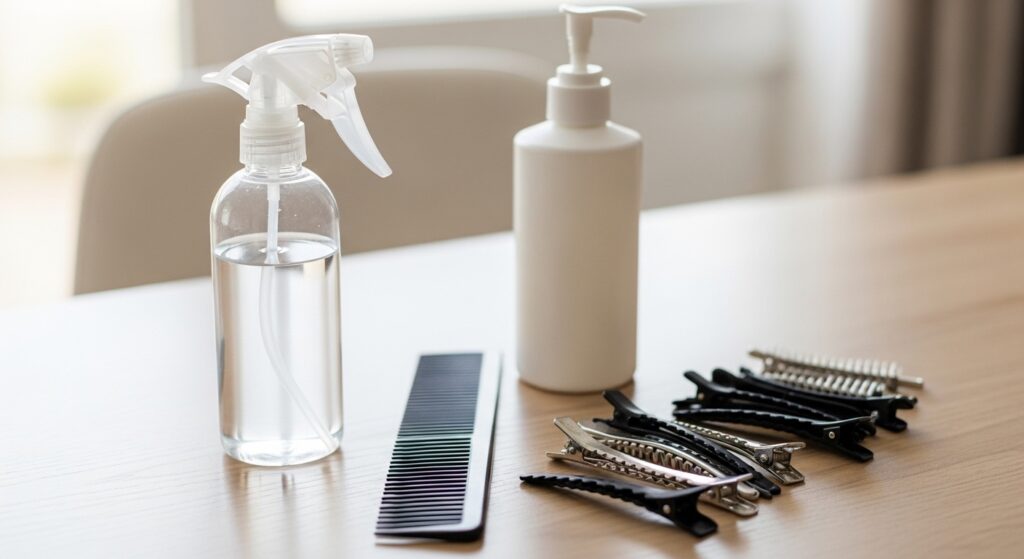
Set aside a few hours for a gentle take-down. Work in small sections. Saturate each braid with a creamy conditioner or a dedicated take-down spray to add slip.
Use the tips of your fingers or a wide-tooth comb to carefully loosen the end of the braid, then unravel slowly. Once all braids are out, your hair will need some serious TLC.
Post-Braid Hair Care & Recovery
Your hair has been in a confined state. The first thing to do is a thorough, gentle cleanse with a moisturizing shampoo. Follow with a protein-free deep conditioner to restore hydration.
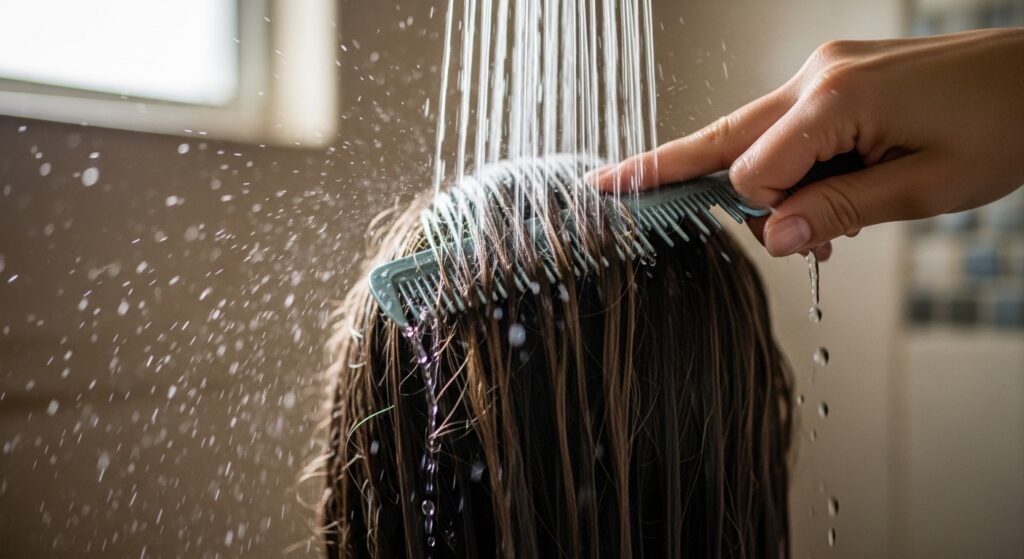
Detangle with a wide-tooth comb under the shower’s running water or with more conditioner. Let your hair breathe for at least a week or two before any new tension or heat styling. This is a great time for simple 2026 hairstyles like loose braids or buns.
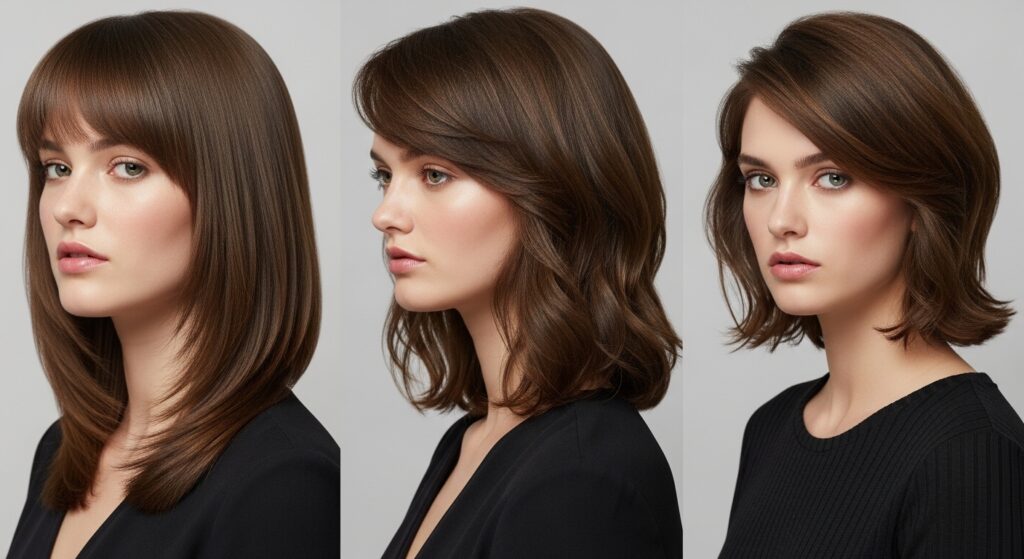
Lemonade Braids vs. Other Winter Styles
Compared to wigs or weaves, lemonade cornrows offer more consistent scalp access for cleansing and moisturizing. Compared to simple twists, they often have a sleeker, more polished look that lasts longer without re-twisting.
They strike a perfect balance between being a true protective style and a ready-to-wear fashion statement. You’re not hiding them; you’re showcasing them.
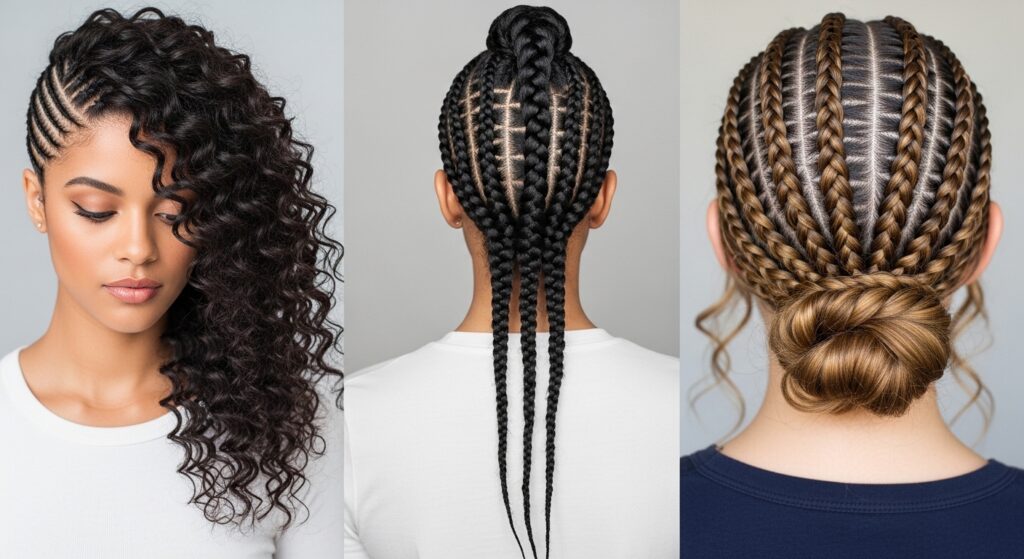
Adapting the Look for Different Hair Textures
If you have finer or looser curl patterns, your stylist might recommend slightly thicker braids or using a light gel for hold to prevent slipping. For tighter curl patterns, ensuring the hair is stretched slightly before braiding can help with neatness and reduce excessive shrinkage tension.
The core principles are the same: clean hair, moisture, and proper tension. A good stylist will know how to adapt the technique for your unique hair.

Budgeting for Your Style & Upkeep
The initial install can be an investment, often ranging based on stylist expertise and hair added. Factor in the cost of quality pre-care products, and any accessories you might want.
Remember, this style lasts for weeks, so think of it as cost-per-day. You’re saving money on daily styling products, heat tools, and potentially costly damage repair down the line.

Mixing Trends: Lemonade Meets Glitchy Glam
Why not play with trends while you’re protected? The clean lines of lemonade braids are a perfect canvas. Add a few face-framing tendrils for a romantic goth touch. Or, weave in a few metallic threads or colored extensions for a glitchy glam hair moment.
You can even gather the ends into a sharp, asymmetrical lob-inspired bob shape using the braid ends. It’s all about personalizing the classic.
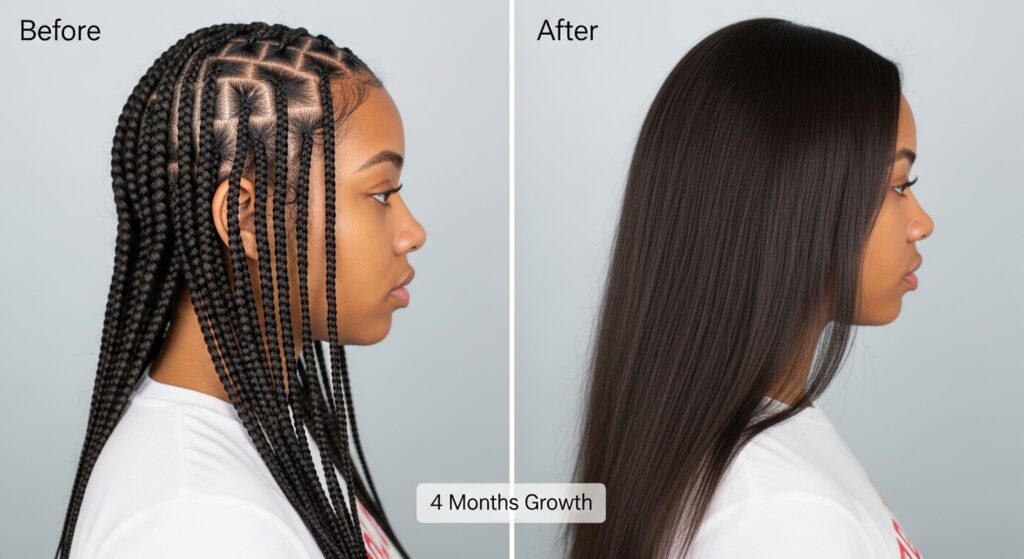
From Protective Style to Hair Growth
Remember, protective styling doesn’t directly make your hair grow—that happens from within. What it does is fiercely retain the length you grow by preventing breakage.
When you combine this style with a healthy diet, plenty of water, and minimal stress on your strands, you create the perfect environment for the growth you do achieve to actually stay on your head. You’ll see the difference at your next length check.

My Personal Experience & Tips
I get this style at least once every winter. My biggest lesson? Don’t skip the pre-wash deep condition, and always listen to my scalp. If it’s screaming, the style is too tight.
I also love using this time to give my hair color a break if I’ve been experimenting with vampire haircut dark tones or bright highlights. It’s my reset button, letting my natural hair just be.
Answering Your Top 3 Questions
Can I exercise with them? Absolutely! Just tie them down with a satin scarf during high-impact workouts and wash your scalp soon after to avoid sweat buildup.
Will they damage my edges? Only if installed too tightly or left in too long. Proper installation and timely removal are crucial. How do I deal with itching? A light scalp spray with peppermint or tea tree oil (diluted!) can provide relief without heavy buildup.
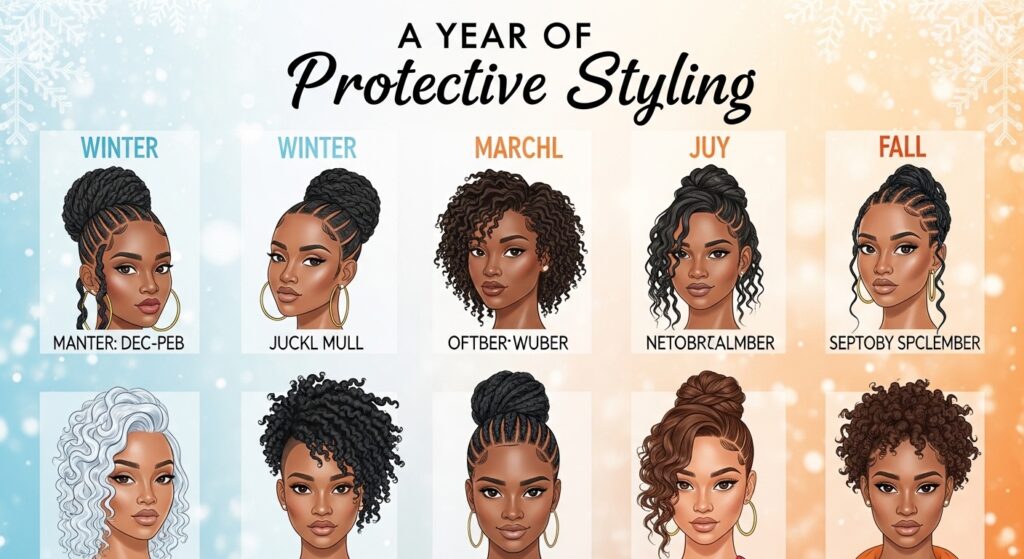
Beyond Winter: A Year-Round Strategy
While perfect for winter, this strategy works in summer against humidity and UV damage, too. Think of lemonade cornrows and styles like them as part of a year-round protective rotation.
You might alternate with wigs, hime cut inspired blunt bobs (when wearing your own hair), or other braid styles. The goal is to give your hair regular breaks from daily styling stress, no matter the season.
Your Hair Health Blueprint
At the end of the day, lemonade cornrows are a tool in a bigger toolkit. They work best when you have a solid foundation: a simple, consistent wash routine, knowing what products your hair loves, and listening to what it needs.
Whether you’re dreaming of old money hair elegance or just stronger, longer hair, it starts with protection. This style lets you look put-together while doing the deep work of retaining every millimeter of growth.So, there you have it—your complete guide to rocking lemonade cornrows this season and coming out with healthier, happier hair. It’s more than just a hairstyle; it’s a commitment to giving your hair the break it deserves.
I truly believe the best hair journeys are built on smart protection, not just hoping for the best. When you shield your strands, you get to see all your hard work pay off. It’s the most satisfying feeling.
Did you find this guide helpful? Save this post to Pinterest to keep these tips handy for your next salon visit! And tell me in the comments—are you team natural hair or added hair for your braids? I love hearing what works for you!