The Deva Cut: Why Curly Hair Needs Special Cutting Techniques
For decades, people with curly hair walked into salons hoping for a transformation and walked out with disappointment. Traditional haircutting methods were designed primarily for straight hair, often leaving curls uneven, bulky, or lacking definition.
The Deva Cut changed that reality. Instead of forcing curls to behave like straight hair, this revolutionary cutting method works with the natural curl pattern. It respects the shape, shrinkage, and unique movement of curls.
This guide explores why curly hair requires special cutting techniques and how the Deva Cut has transformed the curly hair experience.
1. Why Curly Hair Is Different from Straight Hair
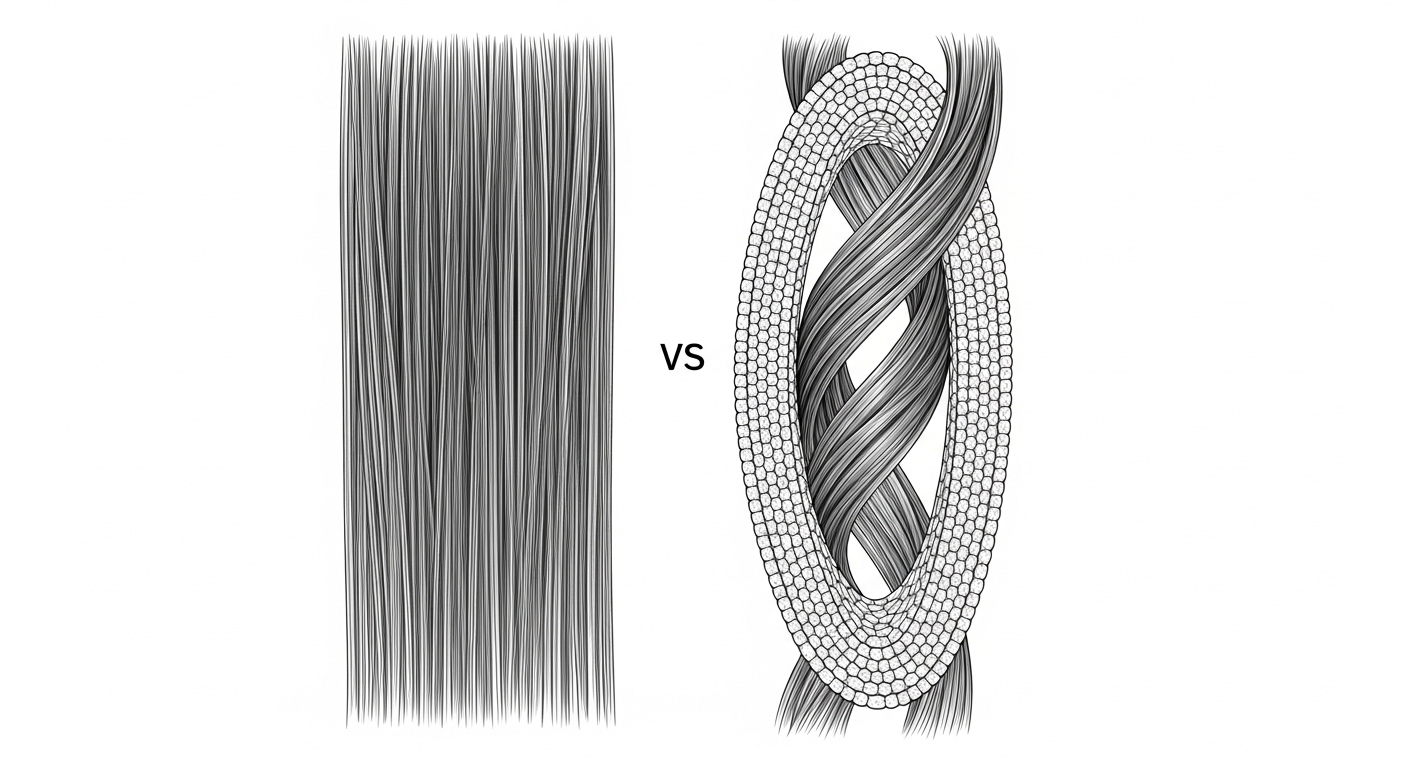
Curly hair behaves very differently from straight hair because of the shape of the hair follicle.
Curly strands grow in spiral patterns, which affects how they bounce, shrink, and hold moisture.
Traditional haircutting methods often ignore this complexity.
2. The Long History of Misunderstood Curls
For many years, the beauty industry treated curls as something to “fix.”
Relaxers, straighteners, and flat irons were often encouraged instead of embracing natural texture.
The Deva Cut helped shift the mindset toward curl acceptance.
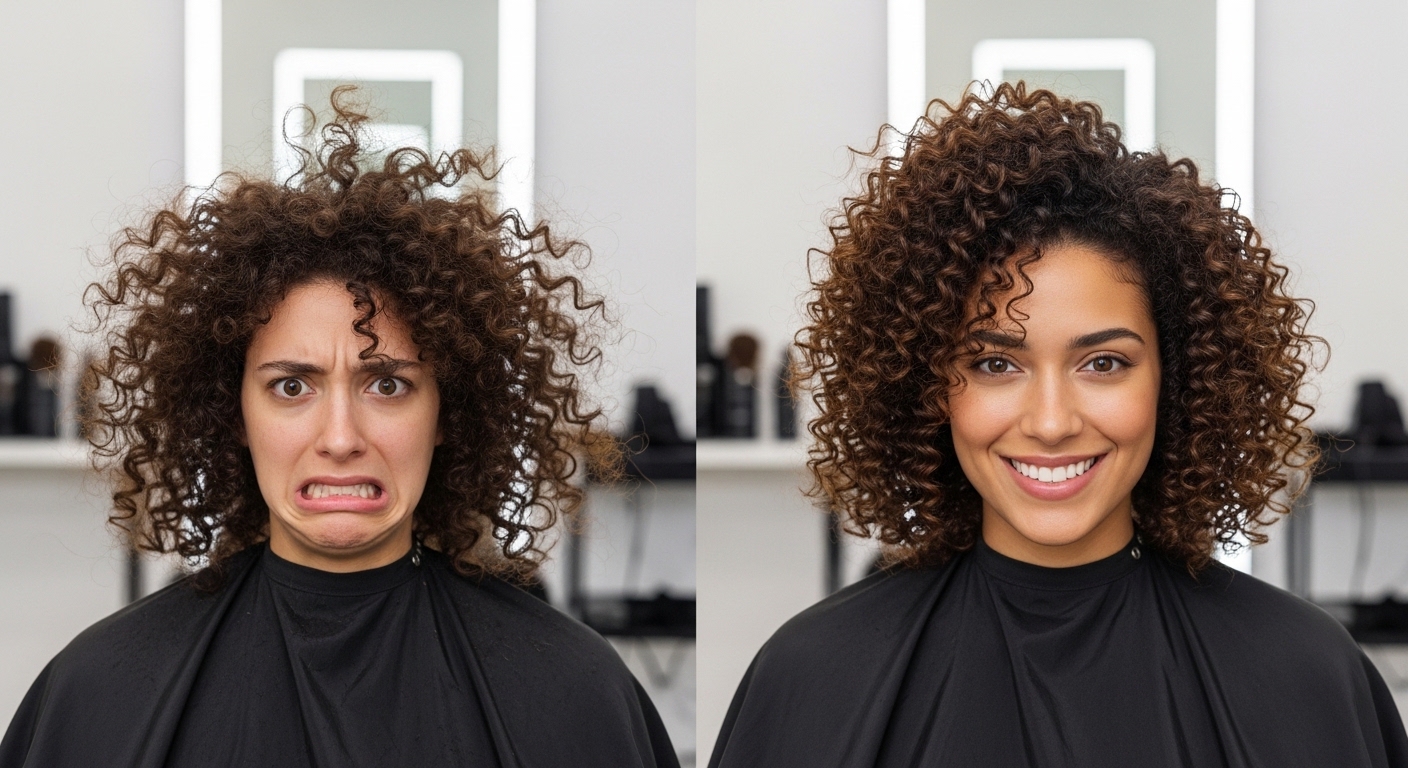
3. The Common Salon Horror Stories
Many people with curly hair share similar experiences:
-
Triangle-shaped hair
-
Uneven layers
-
Frizzy, undefined curls
These problems often come from cutting curls incorrectly.
4. Why Traditional Wet Cutting Fails for Curls
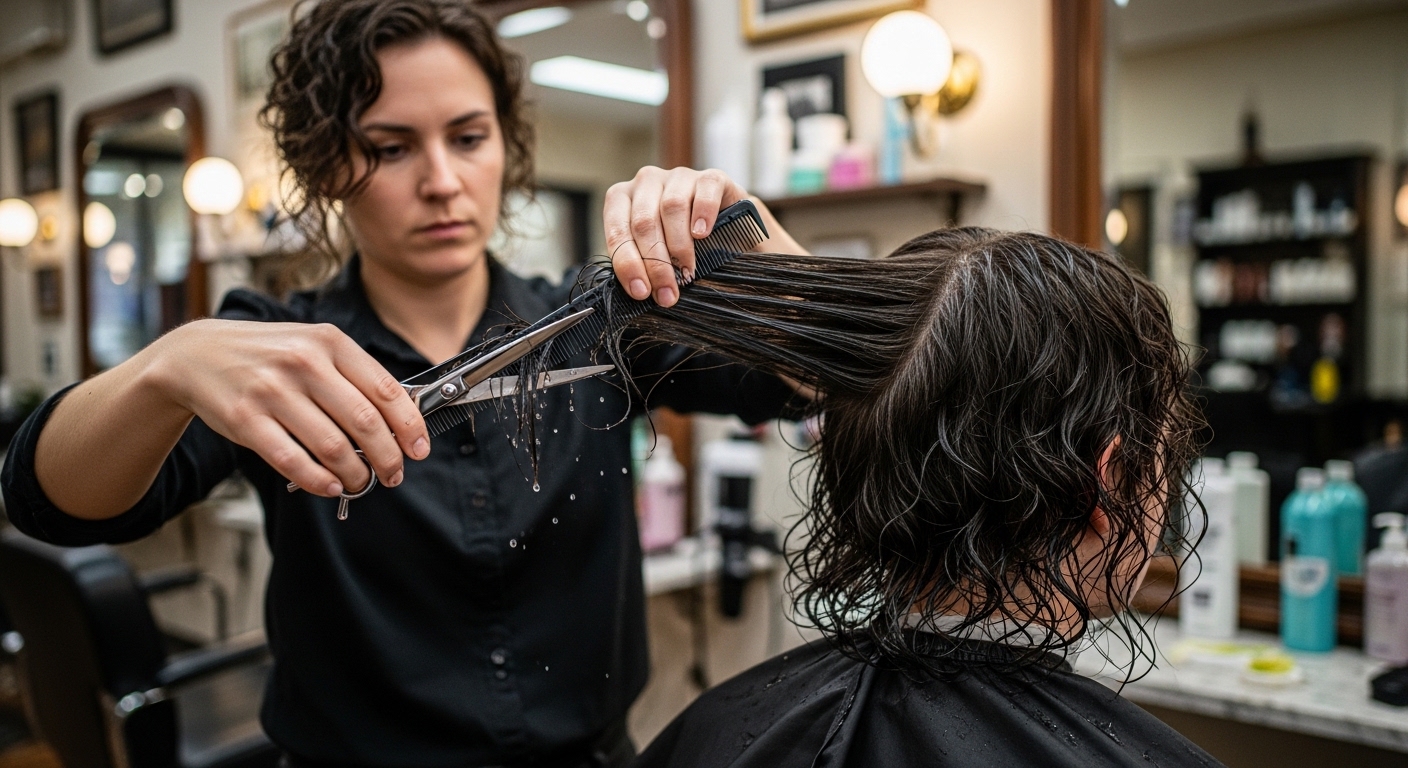
Most salons cut hair while it is soaking wet.
Wet curls stretch significantly, hiding their natural pattern and making accurate cutting nearly impossible.
5. The Problem of Curl Stretching
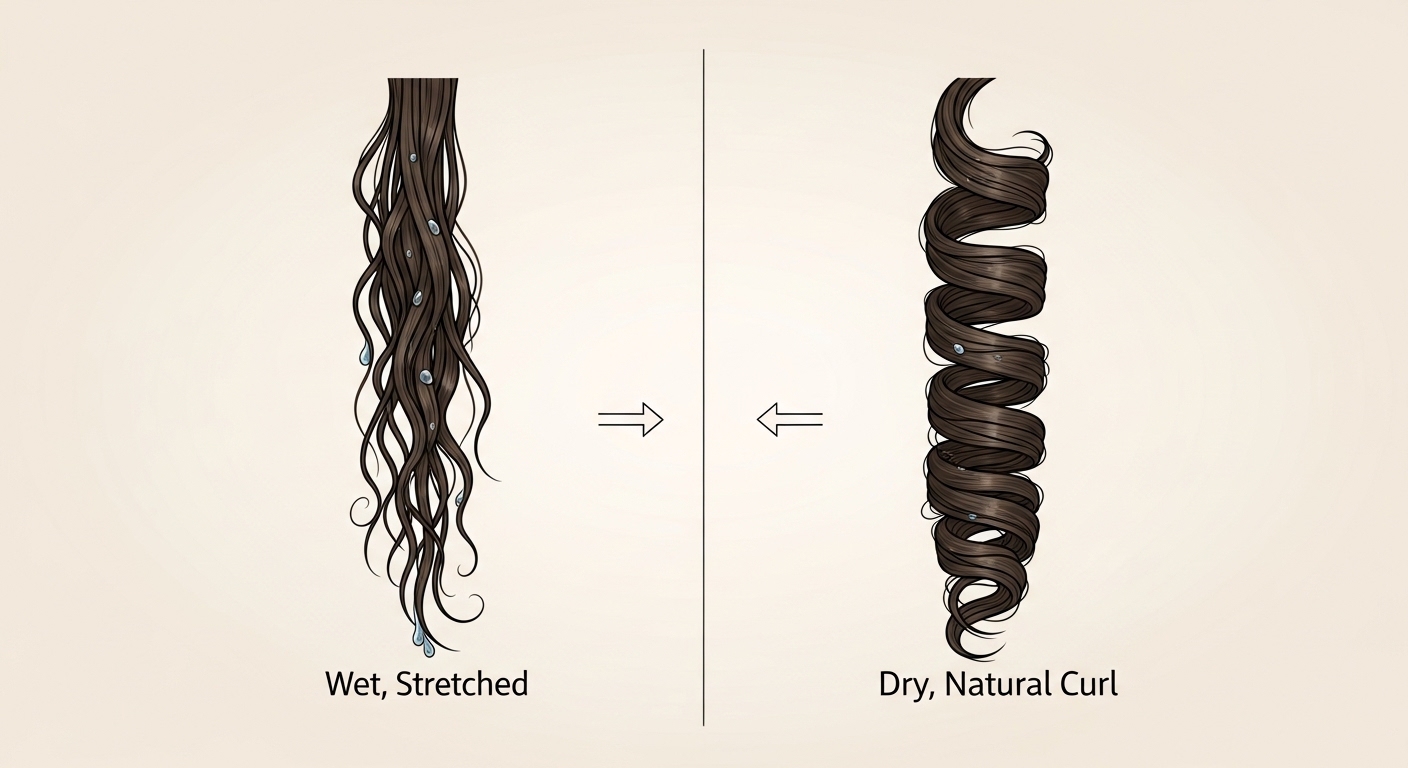
When curly hair is wet, it can stretch up to 50% longer than its natural length.
This makes predicting the final shape extremely difficult.
6. Understanding Curl Shrinkage
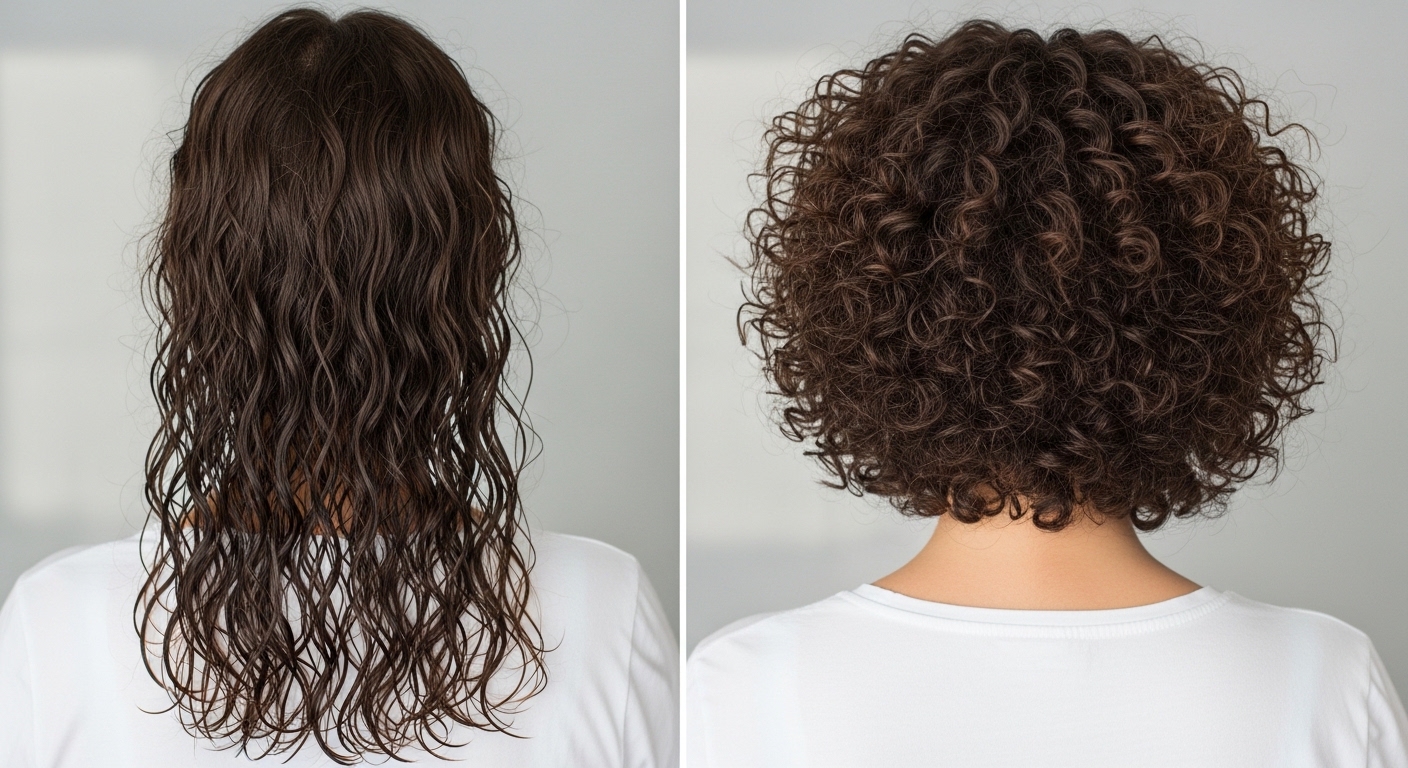
Shrinkage is when curls contract and bounce upward as they dry.
Healthy curls often shrink significantly.
7. Introducing the Deva Cut
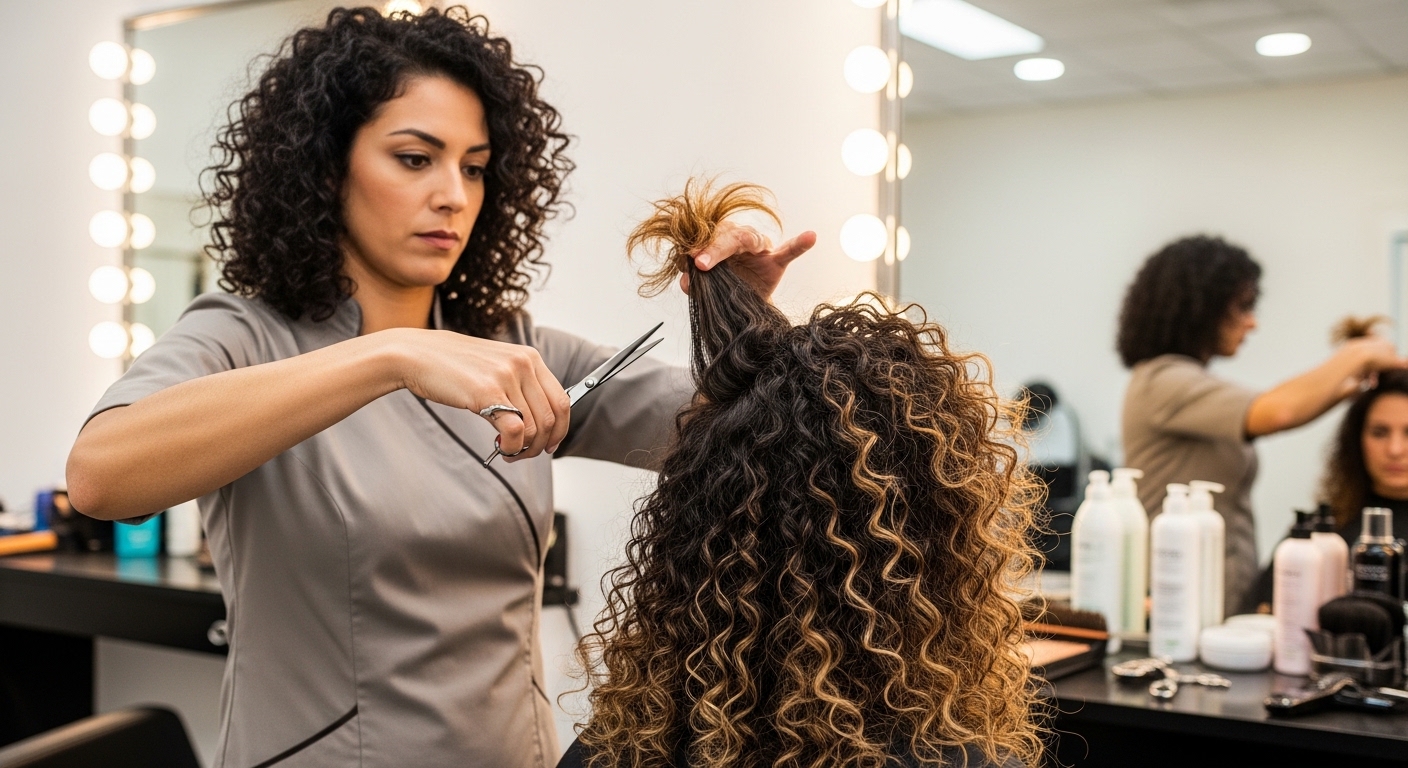
The Deva Cut is a specialized haircut designed specifically for curly hair textures.
It focuses on dry cutting and curl-by-curl precision.
8. The Philosophy Behind the Deva Cut
The Deva Cut treats curls as individual shapes rather than a uniform mass.
Each curl is evaluated and shaped separately.
9. Dry Cutting: The Biggest Difference
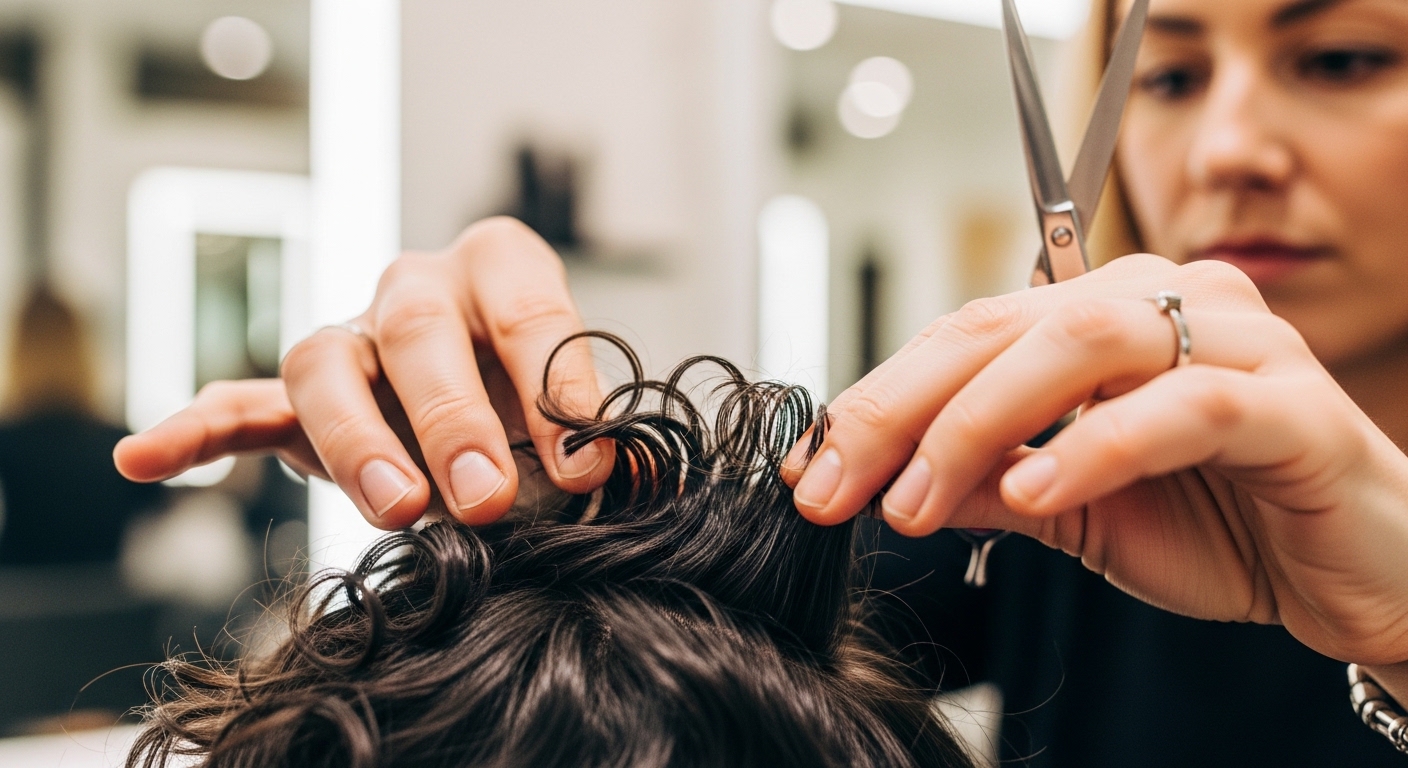
Unlike traditional cuts, the Deva Cut is performed on completely dry hair.
This allows the stylist to see the true curl pattern.
10. Curl-by-Curl Precision
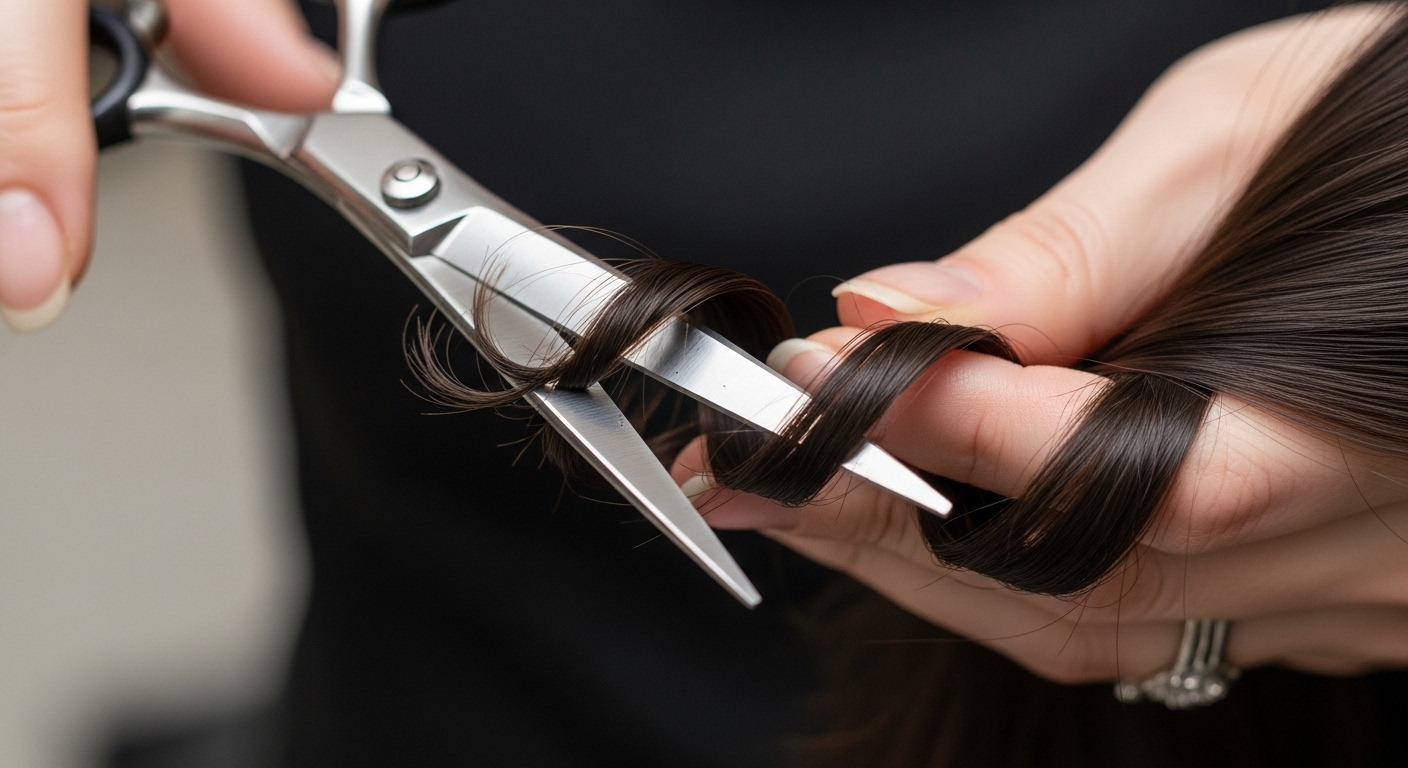
Every curl grows differently.
The stylist cuts each curl individually rather than cutting straight lines across sections.
11. No Comb, No Tension Technique
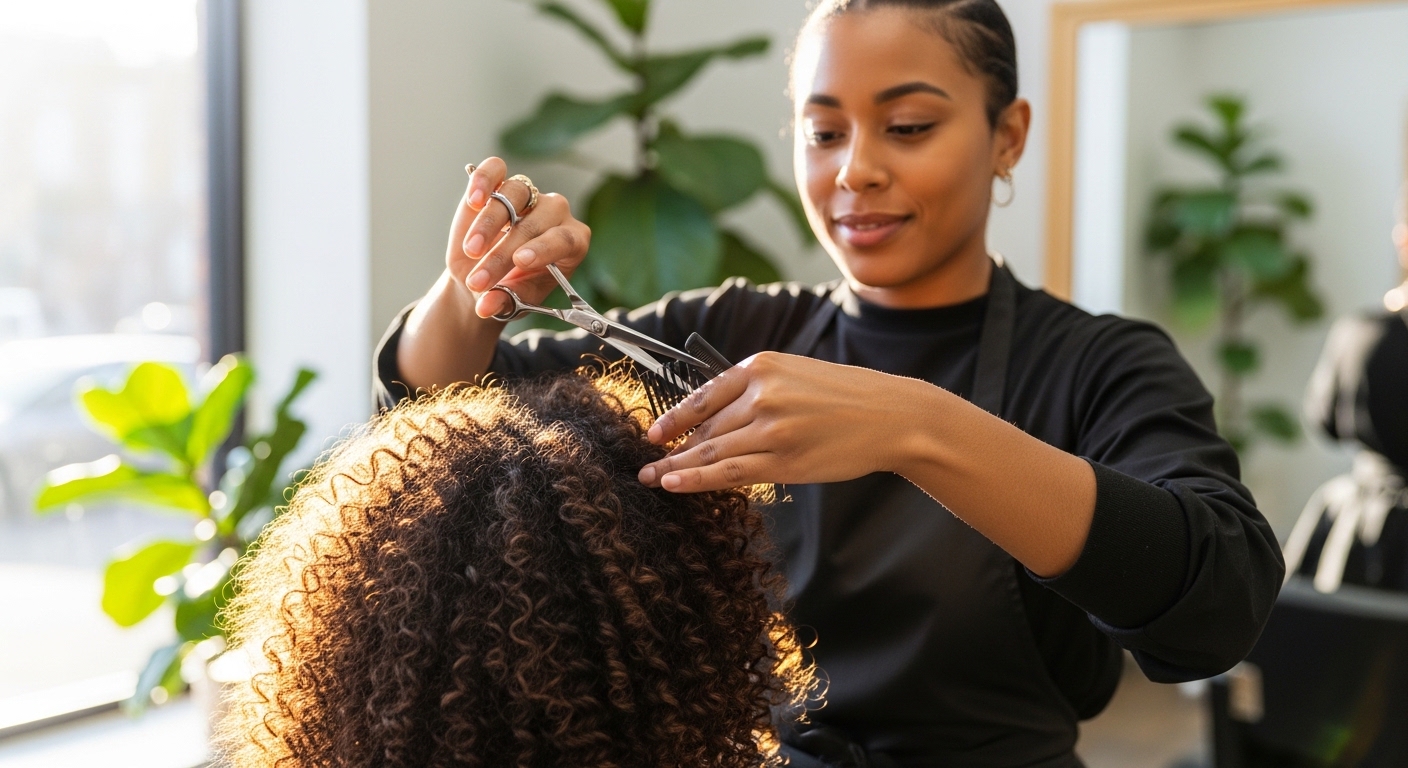
Traditional cutting uses combs to stretch hair.
Deva stylists often use fingers to preserve the curl’s natural formation.
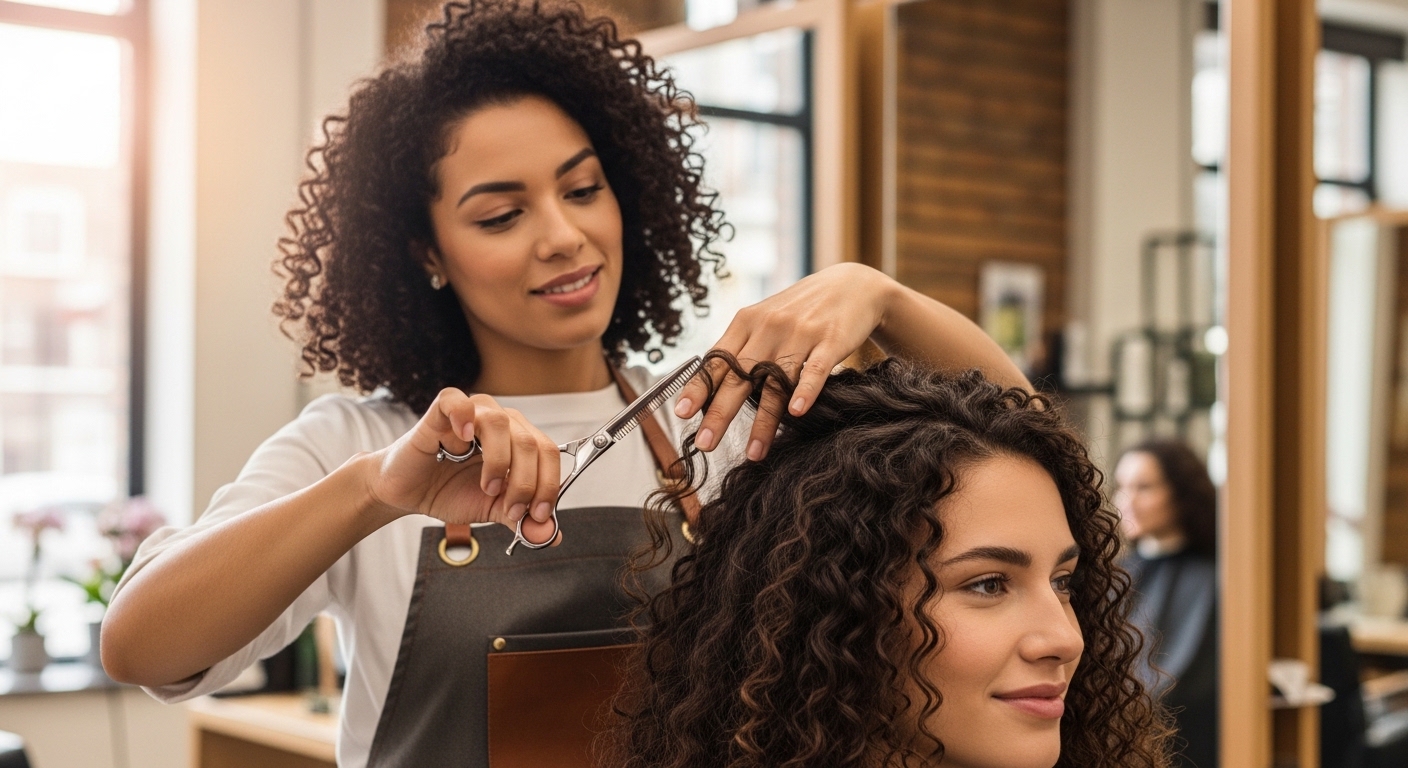
12. Sculpting the Hair Shape
The Deva Cut focuses on shaping curls around the head like a sculpture.
This helps curls fall naturally.
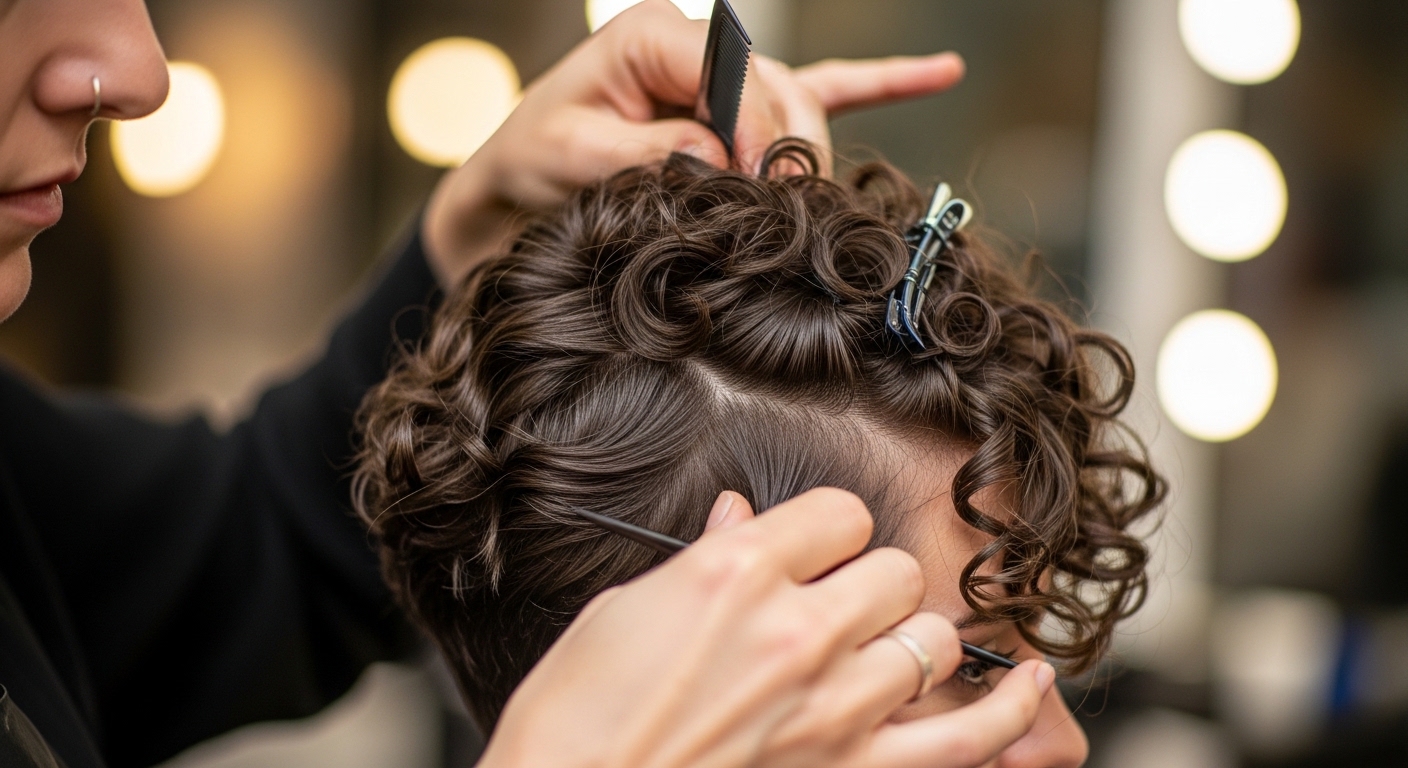
13. Creating Volume at the Crown
One goal of the Deva Cut is lifting curls near the roots.
This prevents the dreaded flat crown.
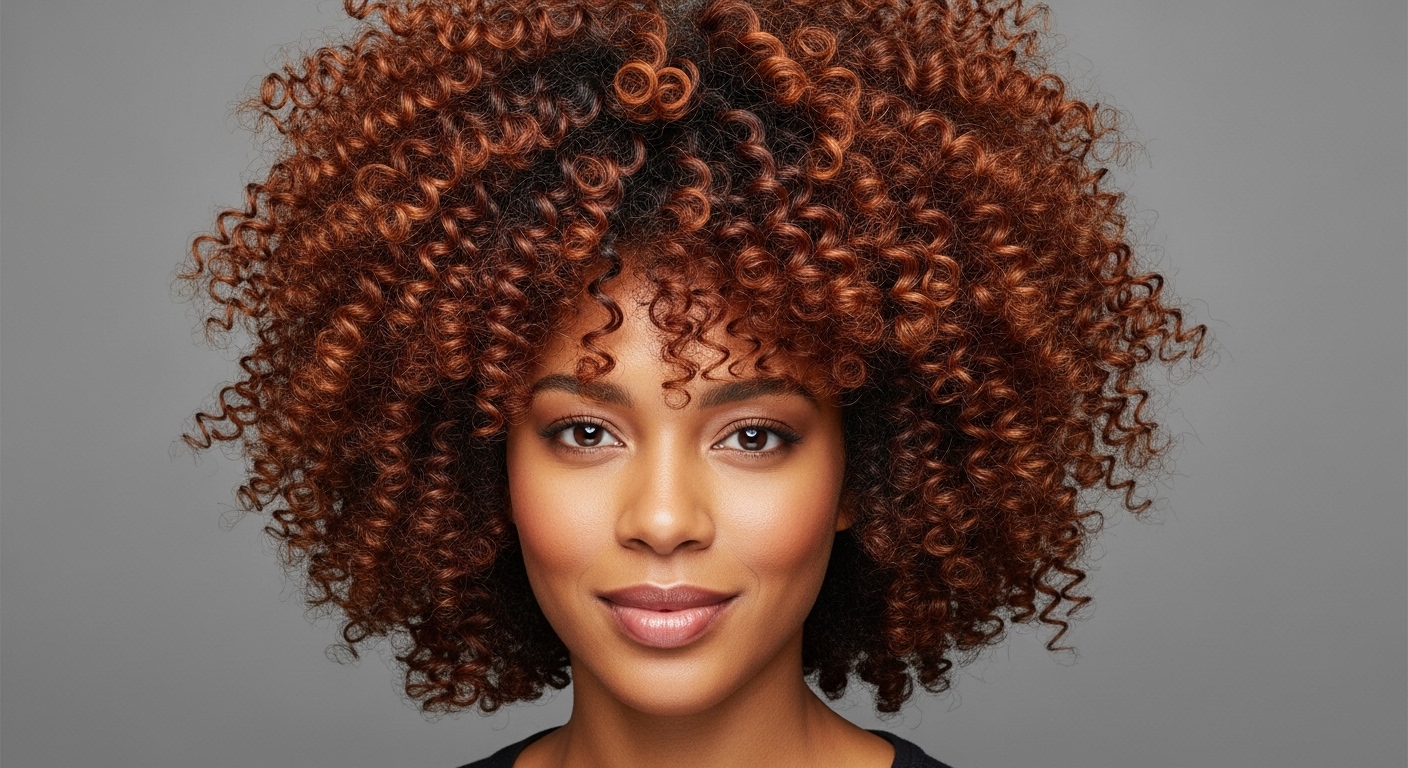
14. Eliminating the Triangle Effect
The triangle shape happens when hair is heavy at the bottom.
Proper curl layering prevents this.
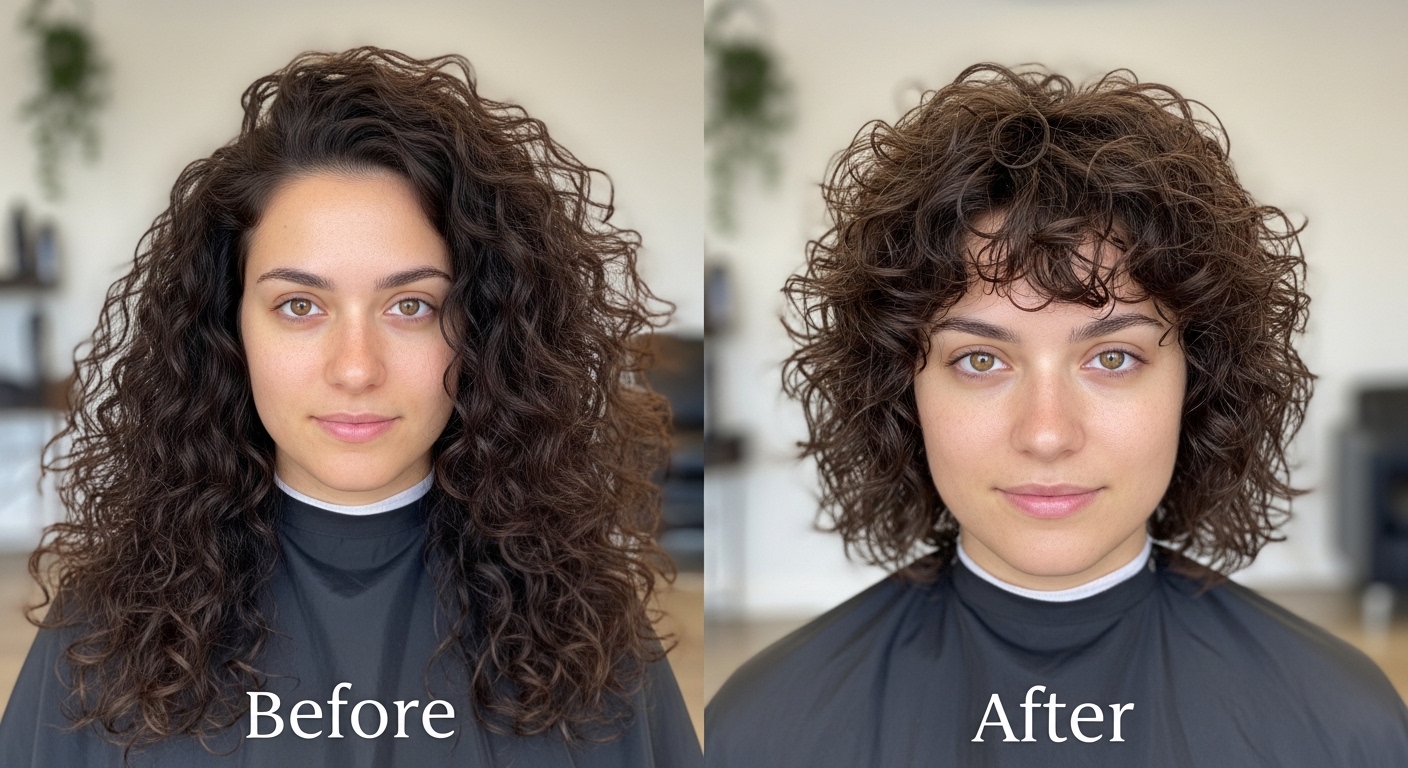
15. How Curl Clumping Improves
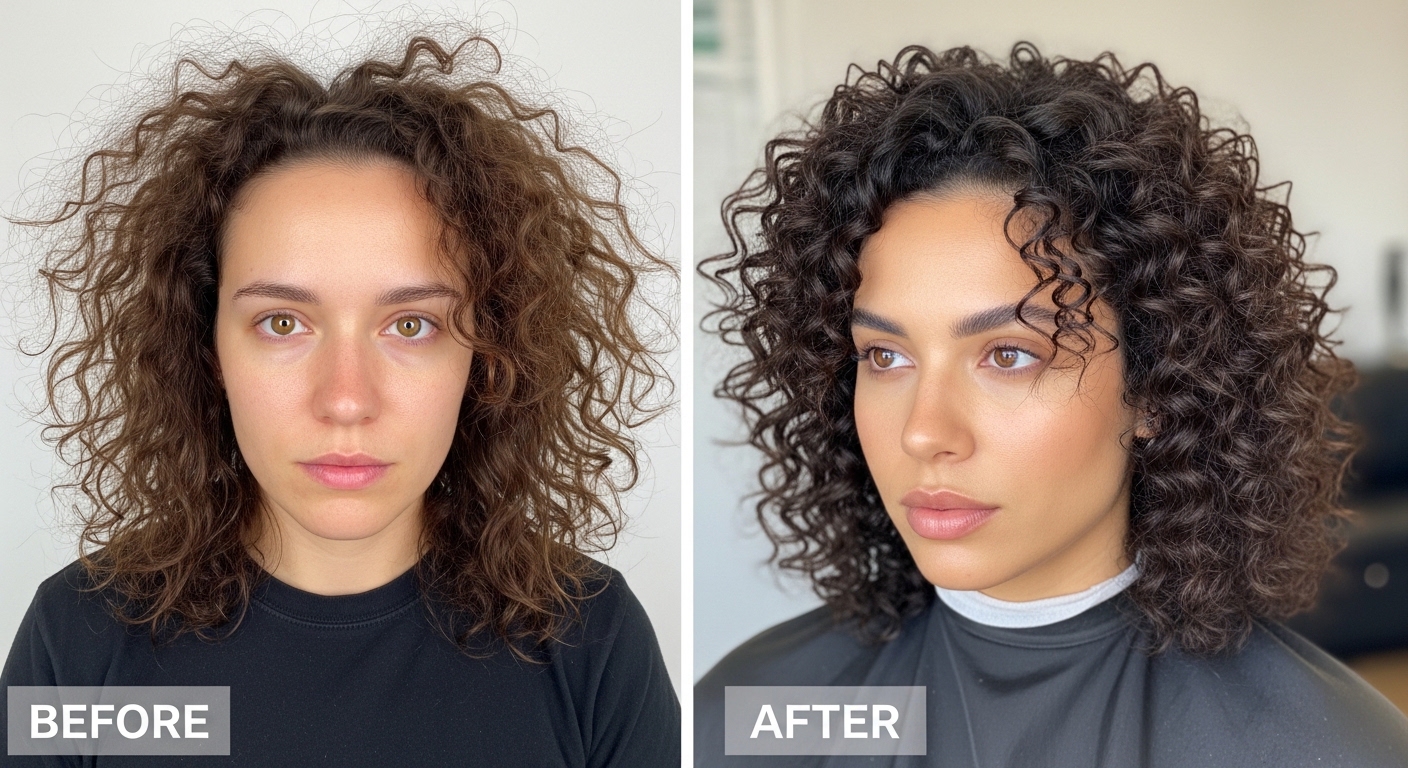
After a Deva Cut, curls often group together naturally into defined clumps.
This leads to more uniform curl definition.
16. Reduced Frizz Through Better Cutting
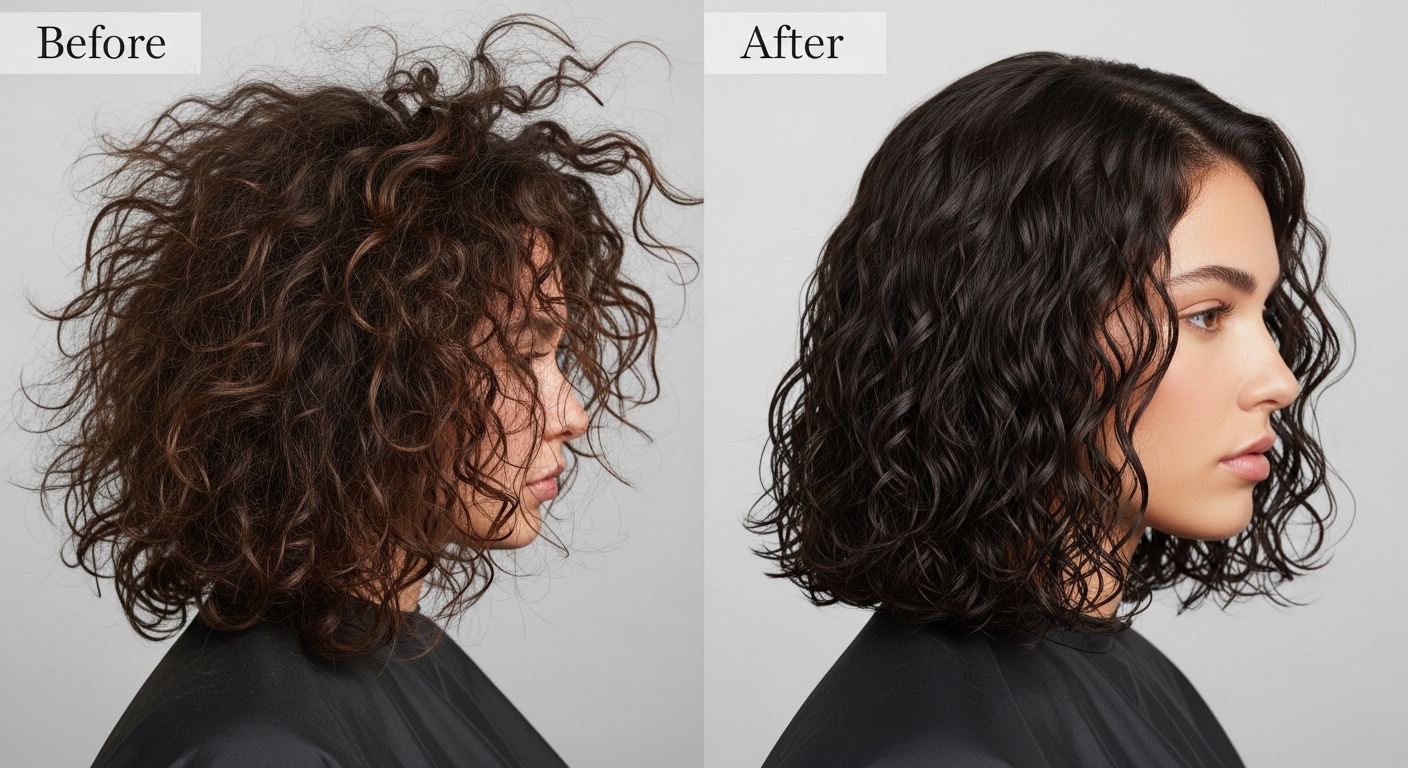
Frizz often comes from uneven ends and damaged layers.
Curl-specific cutting helps reduce this issue.
17. The Importance of Curl Density
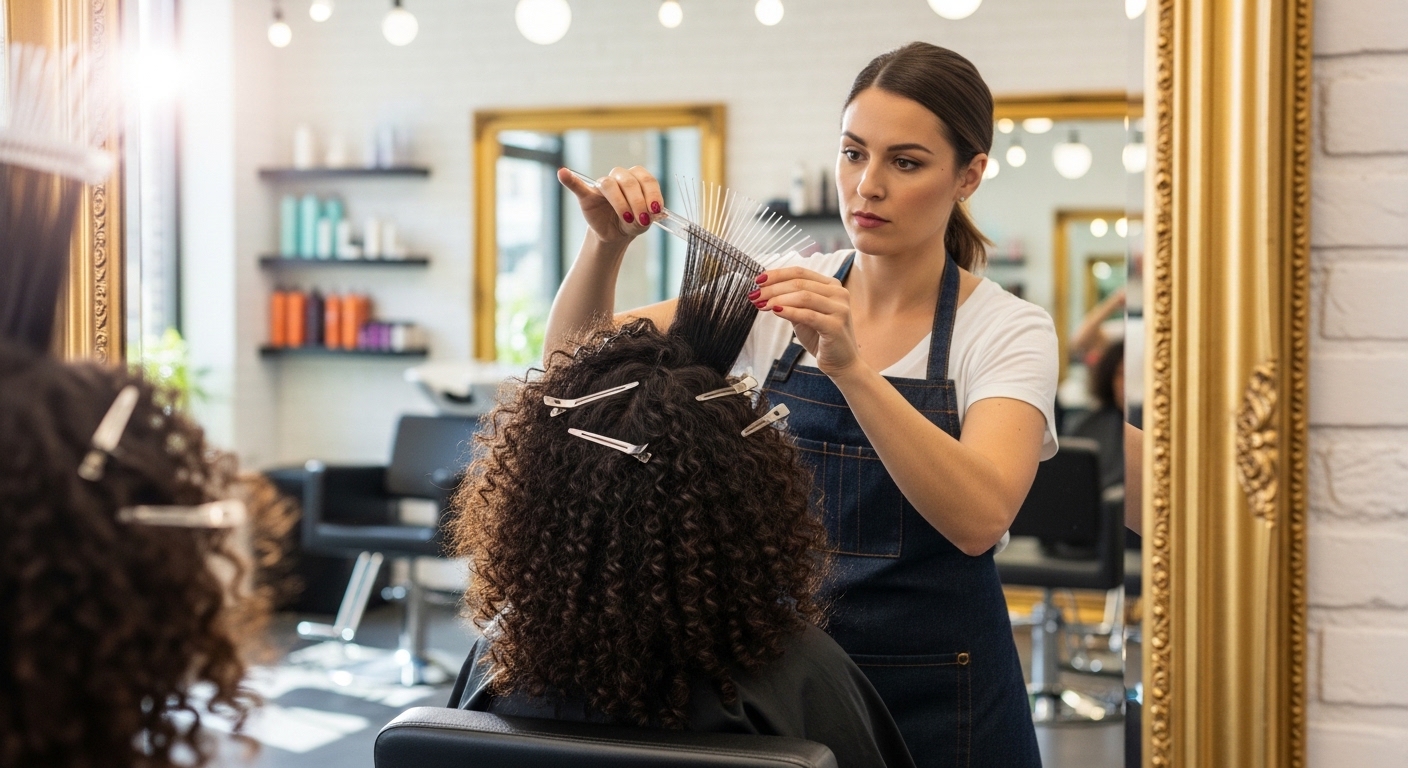
Every head of curls has different density.
Some areas may require more shaping than others.
18. Multiple Curl Patterns on One Head
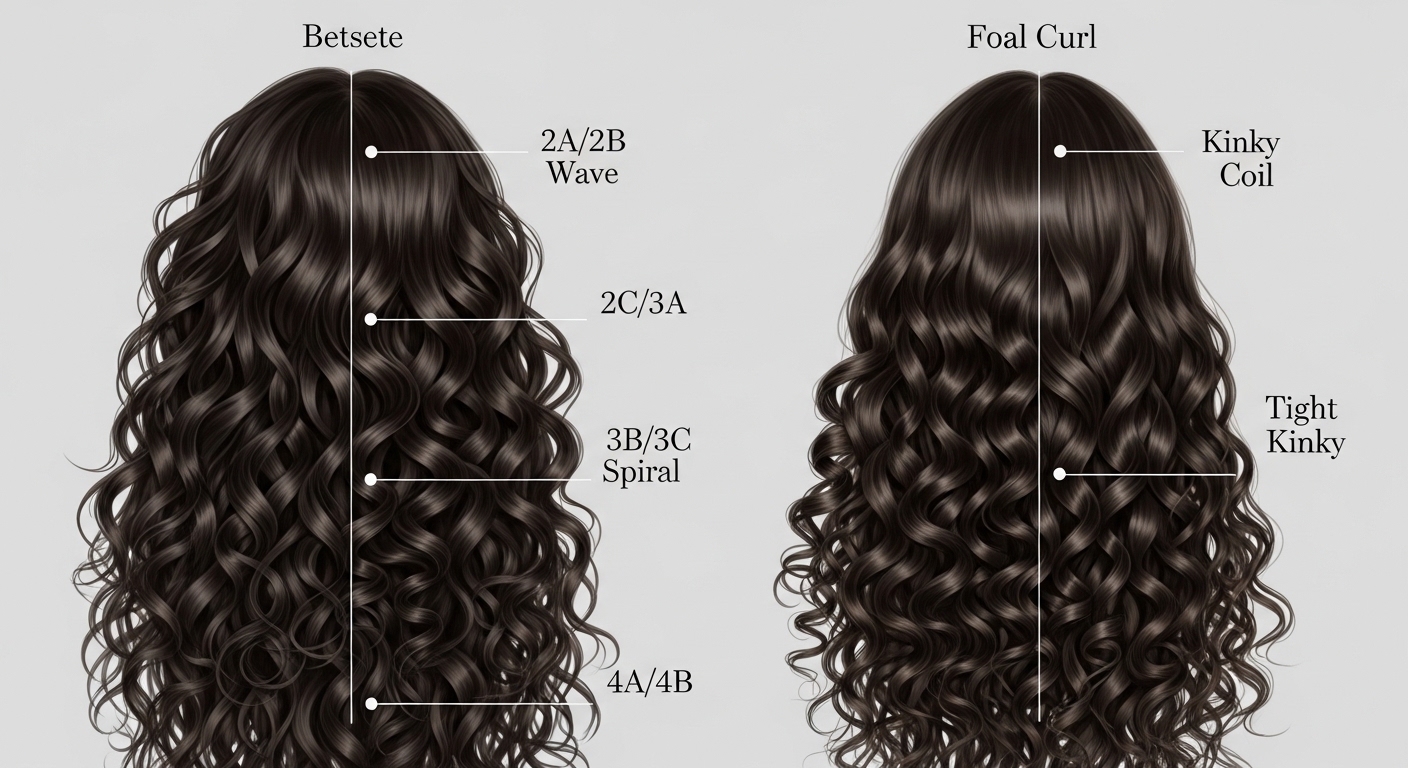
Many people have multiple curl types on one head.
A Deva stylist adjusts the cut for each pattern.
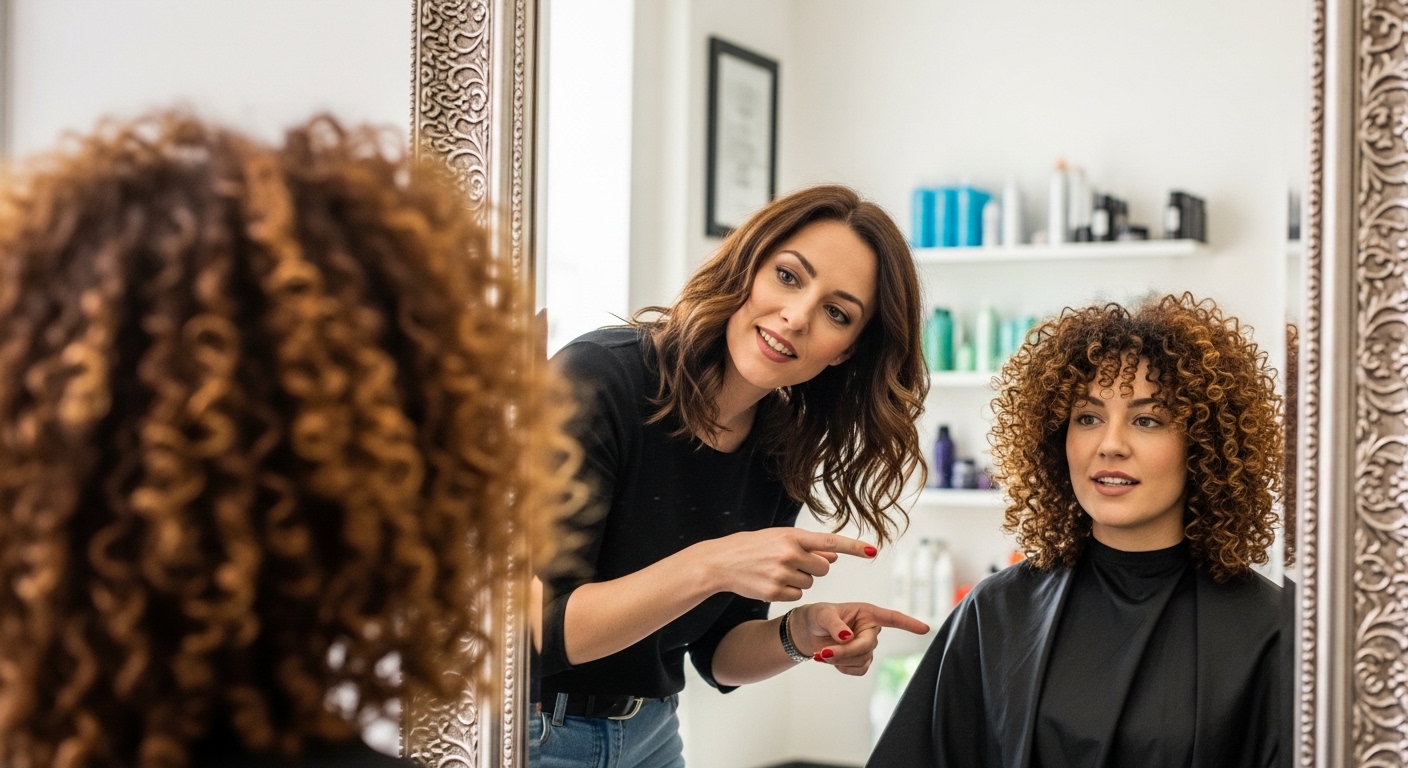
19. A Personalized Haircut Experience
Every Deva Cut is customized.
The stylist considers:
-
face shape
-
curl pattern
-
hair density
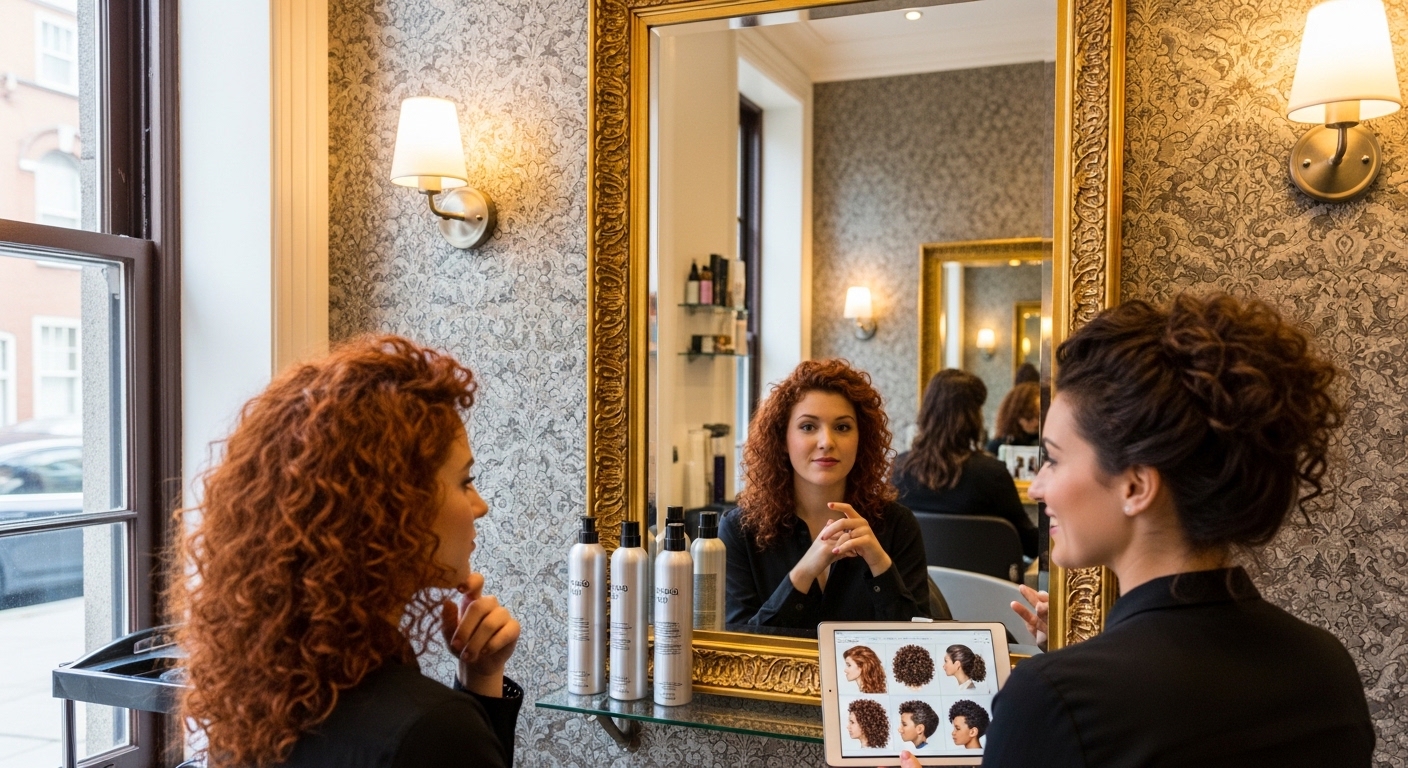
20. What Happens During a Deva Cut Appointment
A typical appointment includes:
-
Curl consultation
-
Dry curl cutting
-
Wash and style
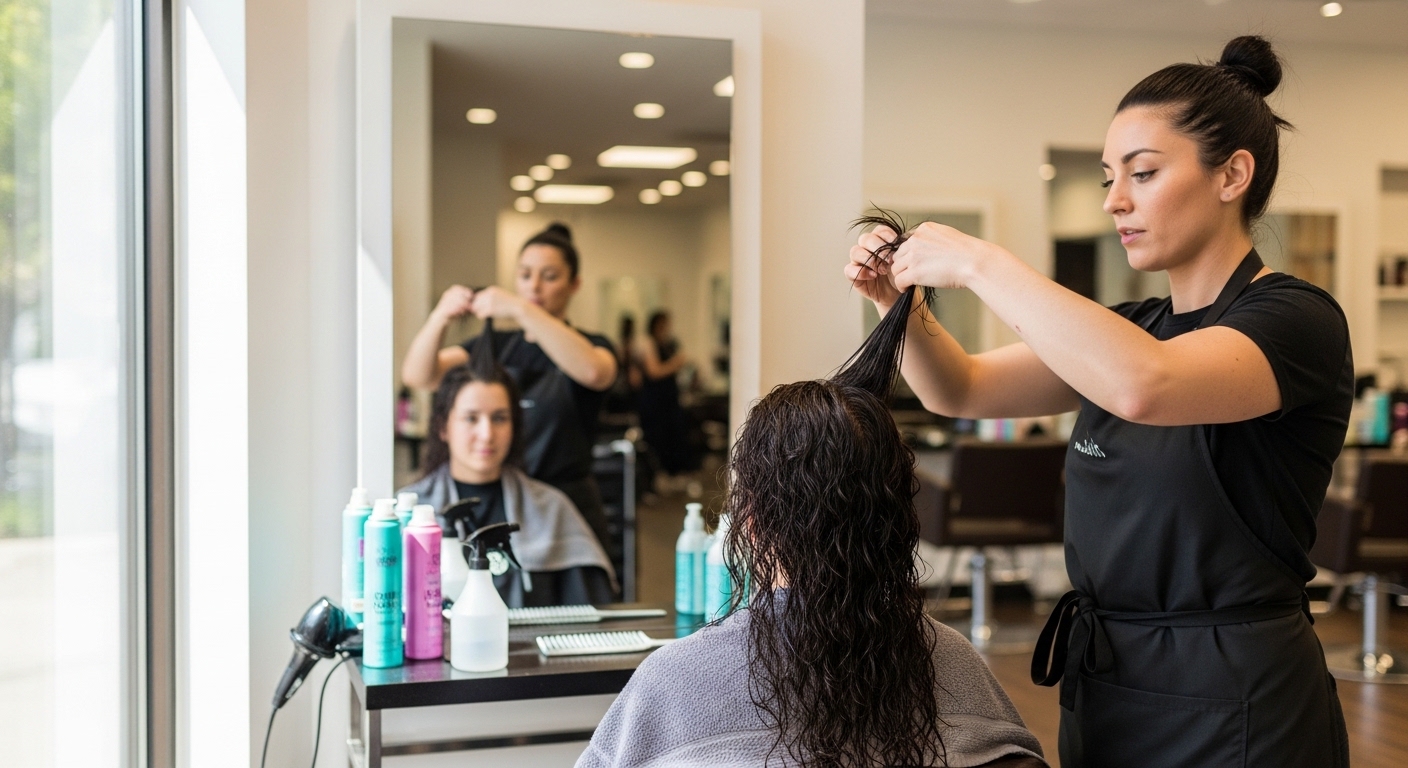
21. The Styling Lesson After the Cut
Many stylists teach you how to style curls at home.
This often includes techniques like scrunching and diffusing.
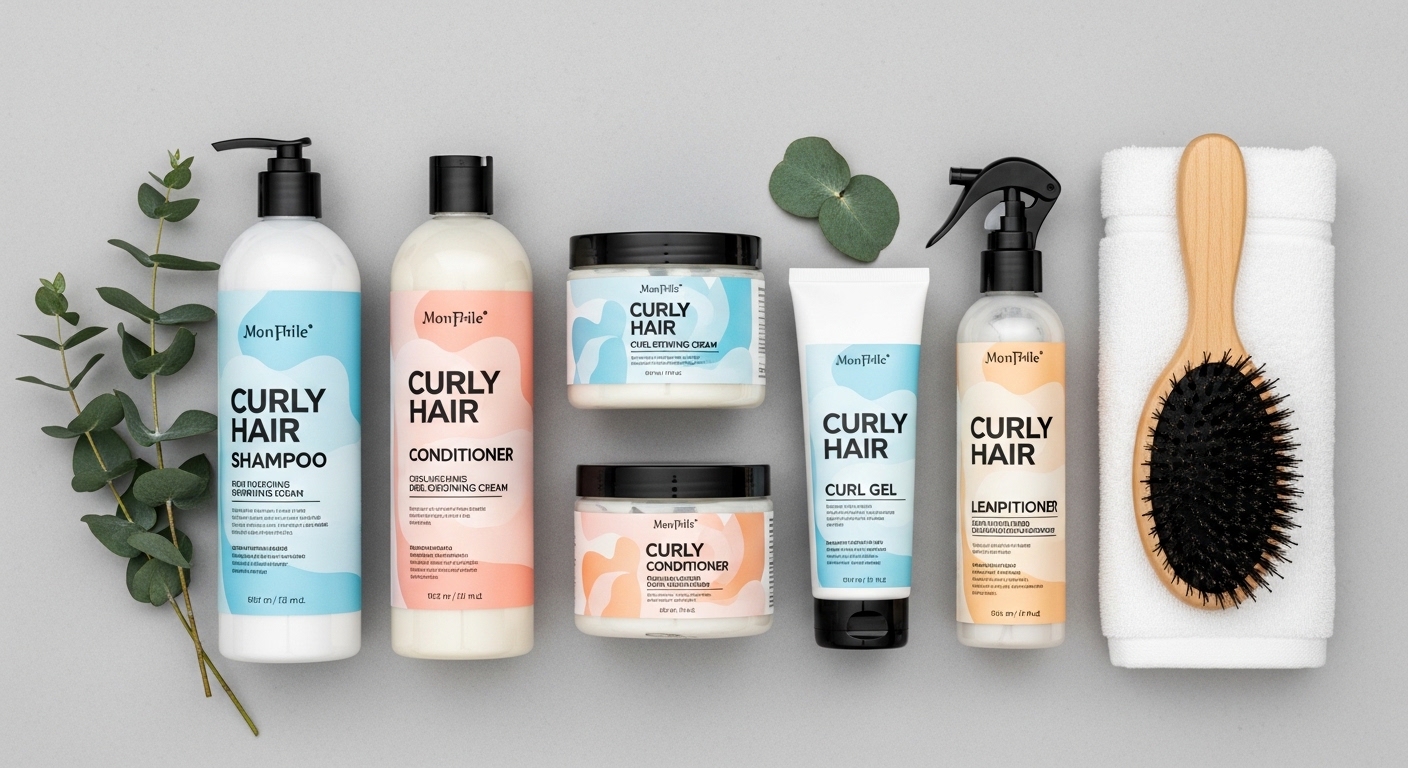
22. The DevaCurl Product Philosophy
The DevaCurl method emphasizes:
-
sulfate-free cleansers
-
moisturizing conditioners
-
curl defining gels
23. The Transition Period
After years of improper cuts or heat damage, curls may need time to adjust.
It can take a few wash cycles for curls to settle into their new shape.
24. Finding a Certified Curl Specialist
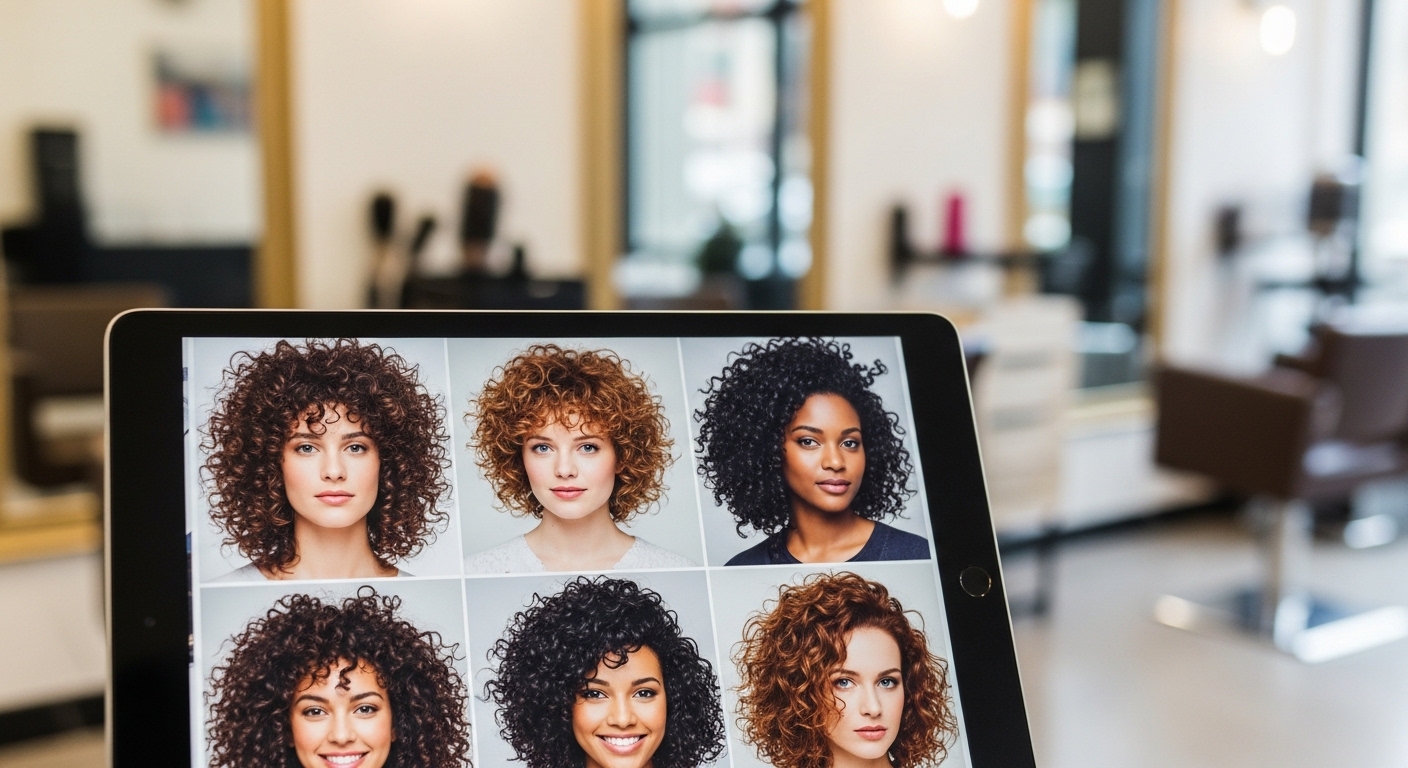
Not every stylist is trained in curl cutting.
Look for professionals certified in curl-specific techniques.
25. Embracing Your Natural Curl Pattern
The Deva Cut is about more than just hair.
It encourages people to embrace their natural beauty.

Final Thoughts: A New Era for Curly Hair
The Deva Cut represents a major shift in how curly hair is understood and styled.
Instead of forcing curls to behave like straight hair, it celebrates their natural movement and individuality.
When curls are cut correctly, they become easier to style, healthier, and more defined. For many people, a Deva Cut is not just a haircut—it’s the moment they finally learn to love their curls.