Curtain Up, Hair Down (or Up): 40 Hairstyles for a Night at the Theatre, From Balcony to Front Row
There is something special about a night at the theatre — the hush as the lights dim, the rustle of programmes, the orchestra tuning up somewhere below the stage. You have chosen the dress, booked the seats and planned dinner, and now there is one last decision: your hair. The best hairstyles for a night at the theatre do more than look beautiful in the mirror at home. They hold through a three-hour show, they photograph well in dim light, they let you lean back comfortably in your seat, and they never block the view of the person sitting behind you.
These 40 hairstyles for a night at the theatre cover every length and texture, from low chignons and French twists to Hollywood waves, braided crowns and polished ponytails. Eight guides first walk you through the practical side of the evening: how theatre lighting changes your hair, why seat-friendly shapes matter, what to pack for intermission touch-ups, and how to time everything from dinner to curtain up. Each style includes honest notes on how to style it, what to ask your stylist, and the pros and cons, so you can take your seat knowing your hair will behave until the final bow.
Elegance and the Occasion: Dressing Your Hair for the Theatre
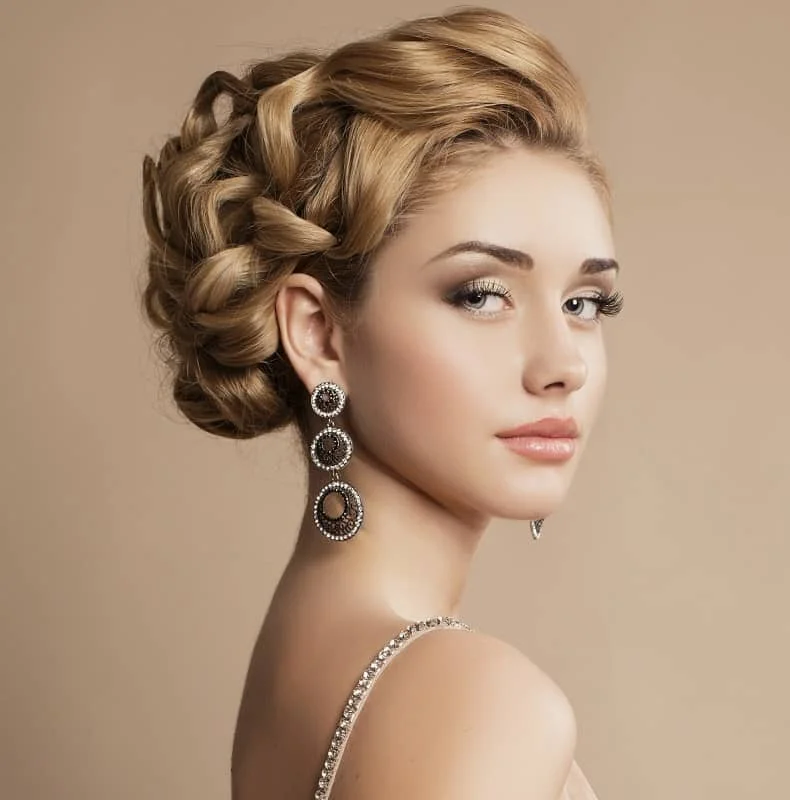
A night at the theatre sits somewhere between a dinner party and a wedding: it calls for polish, but not for a full bridal updo. The sweet spot is a style that looks deliberate — smooth roots, a defined shape, a little shine — without looking stiff or overworked. Think of it as the hairstyle equivalent of a well-cut dress: structured enough to feel special, comfortable enough to forget about for three hours.
The occasion itself should guide the choice. A grand opera house or a gala opening invites a classic updo; a small fringe theatre or a modern play is the perfect excuse for a relaxed blowout or soft waves. Either way, the hair should match the energy of the evening, not compete with it. If your outfit is dramatic, keep the hair simpler; if your dress is understated, your hair can carry a little more drama.
Quick verdict: aim for one focal point. A bold lip, a statement earring or an elaborate updo — pick one, and let the rest of the look support it. That restraint is what makes theatre-night hair look expensive rather than effortful.
Theatre Lighting and Photos: Hair That Looks Good in the Dark
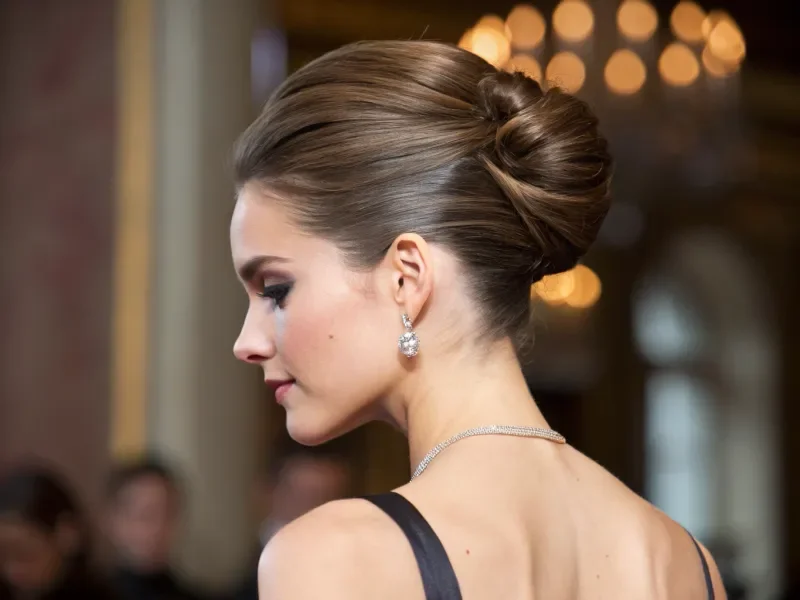
Theatre lighting is flattering and unforgiving in equal measure. Warm, low light softens everything and makes shine look gorgeous — but it also swallows fine detail, so delicate braiding and subtle texture can disappear entirely once the house lights go down. Styles with clear shape and a little gloss read best: smooth buns, defined waves and polished ponytails all hold up beautifully in dim light.
Photos are another matter. The pre-show selfie in the foyer, the interval snapshot with friends — these are taken in mixed light, often with a flash. Matte, fuzzy texture can look dull on camera, while a light mist of shine spray or a smoothing serum catches the light in the right way. Avoid heavy glitter or oversized sparkle accessories, which flash white in photos and distract from your face.
Common mistake: testing your style only in bright bathroom light. Check it in a dim room before you leave — if the shape still reads clearly, it will survive the auditorium.
Seating and Sightlines: Styles That Never Block Anyone
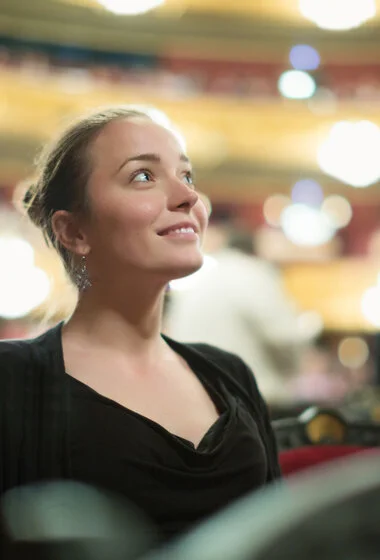
Theatre etiquette has one golden hair rule: nothing tall, wide or poking out behind your head. A high top knot, a tall beehive or a big bow placed at the back can block the view of the person behind you for an entire performance — and no hairstyle is worth that. Low and flat at the back is the way to go: low buns, nape chignons, low ponytails and side-swept styles all sit below the sightline.
Height is fine if it goes up and forward — volume at the crown reads beautifully from the front and does not bother anyone behind you. The trouble starts with anything that sticks out sideways or backwards. Wide fascinators, tall hairpieces and oversized clips at the back of the head are better saved for the foyer photos than worn through the show.
Best for: anyone in the stalls or the balcony, where rows are close together. If you are in a box or a front-row seat, you have more freedom — but a low, elegant shape still looks the most polished of all.
Intermission Touch-Ups: A Two-Minute Refresh Plan
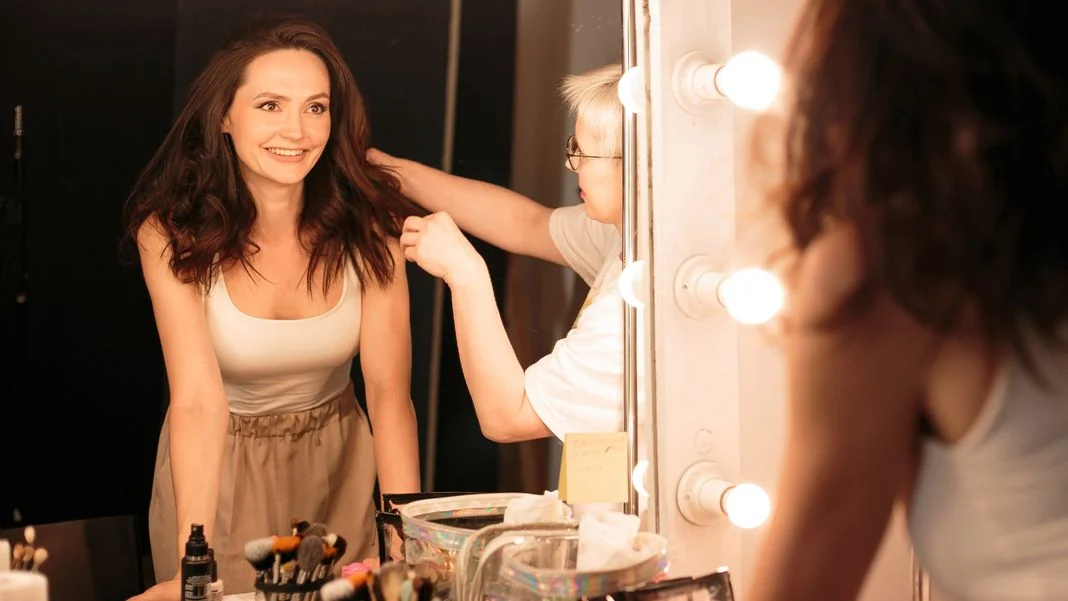
Even the best style softens after two hours under warm lights, so plan a quick intermission refresh rather than hoping for the best. The whole kit fits in a small clutch: two or three bobby pins that match your hair colour, a mini hairspray, a folded tissue for blotting your hairline, and one spare elastic. That is all you need.
At the interval, step into the ladies’ room and do a thirty-second check: smooth any flyaways at the hairline with a tiny spritz of spray on your palm, re-pin anything that has slipped, and gently lift the roots at the crown with your fingertips. Do not re-curl or rebuild anything — a light touch-up always looks better than a rushed restyle.
What to avoid: brushing out an updo, adding more product to already-set hair, or re-doing a ponytail from scratch in a crowded bathroom. Small fixes, done calmly, keep the style looking intentional until the curtain call.
Matching the Outfit: Hair That Completes the Look
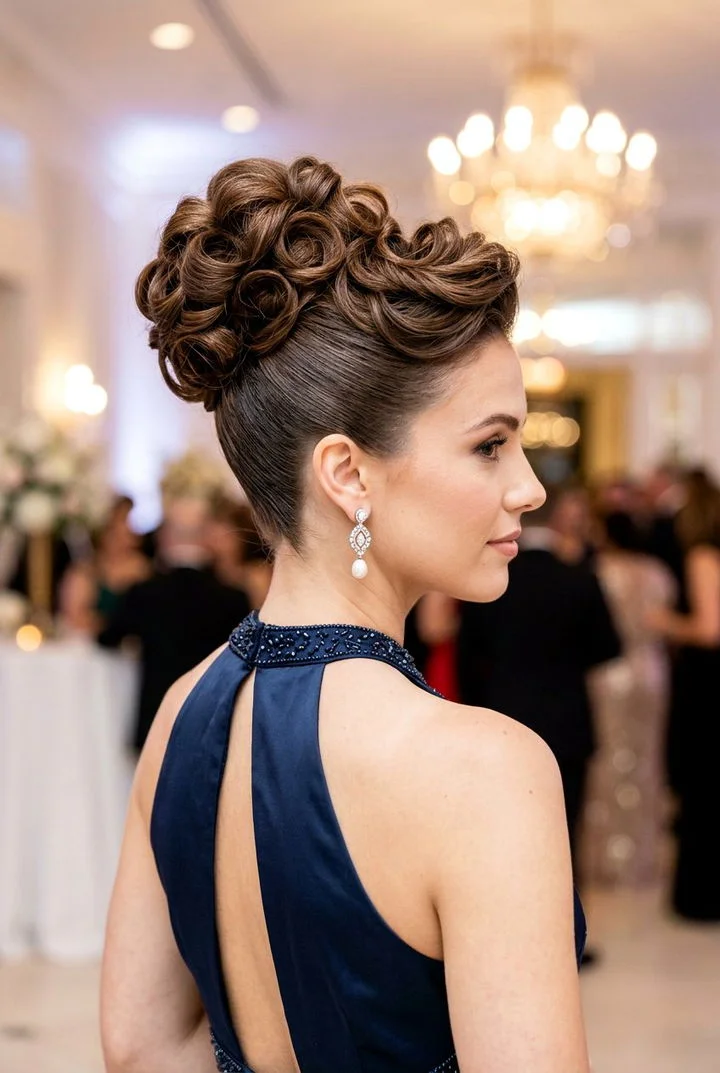
Hair and outfit should talk to each other. A dress with a high neckline or an embellished collar looks best with hair swept up, so the neckline gets its moment. A strapless or off-the-shoulder dress pairs beautifully with soft hair down — waves or a half-up style balance the bare shoulders. And a dress with an open back deserves an updo, full stop: it is a shame to hide a beautiful back under a curtain of hair.
Colour and texture matter too. Sleek, glossy hair suits structured fabrics like satin and crepe; softer, textured styles suit velvet, lace and chiffon. If your dress is heavily beaded or sequinned, keep the hair smooth and simple so the two do not compete. If the dress is plain, your hair can afford a braid, a twist or a statement accessory.
Quick verdict: try the hair with the actual dress on, not just in your head. Stand in front of a mirror, turn around, and check the back view — that is the view most of the audience will see.
Hair That Lasts a Long Evening: Hold Without the Helmet
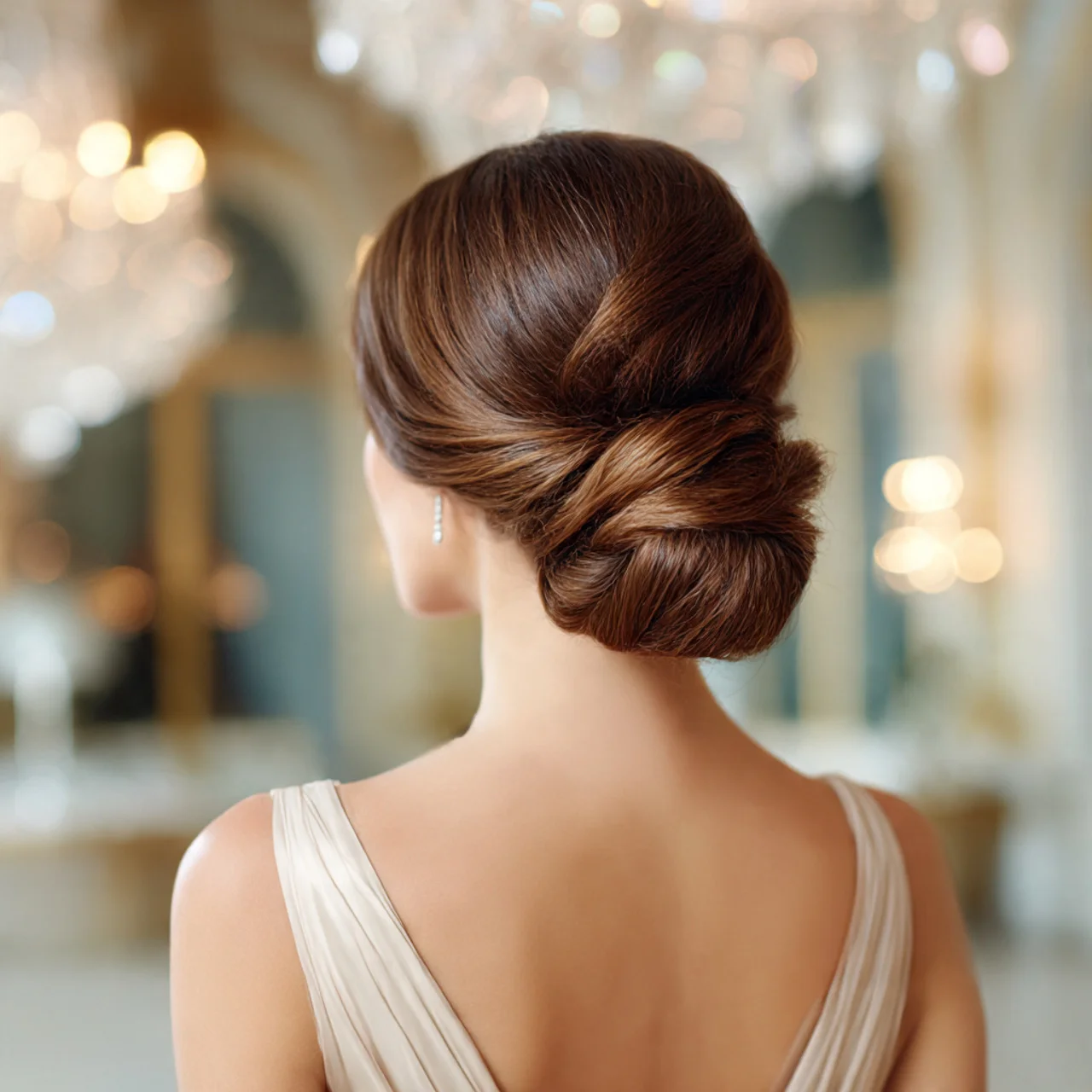
A theatre evening is a long one: dinner, the show, the interval, drinks afterwards. Your style needs to last four or five hours, through warm auditoriums, leaning back in seats and the occasional hug in the foyer. The secret is building hold into the style itself — pinning in sections, anchoring at two or more points, and letting the hair set — rather than drowning it in hairspray at the end.
Start with the right base. Hair that is freshly washed and completely dry is the hardest to style; second-day hair, or hair prepped with a little mousse or texture spray, grips pins and holds curl far better. If you must wash on the day, blow-dry with a volumising mousse and let the hair cool fully before you start styling.
Common mistake: using only hairspray for hold. Pins do the structural work; spray is the finishing touch. A style anchored properly with pins needs only a light mist, and it will still look soft and touchable at the final bow.
Accessories: The Finishing Touch That Elevates Everything
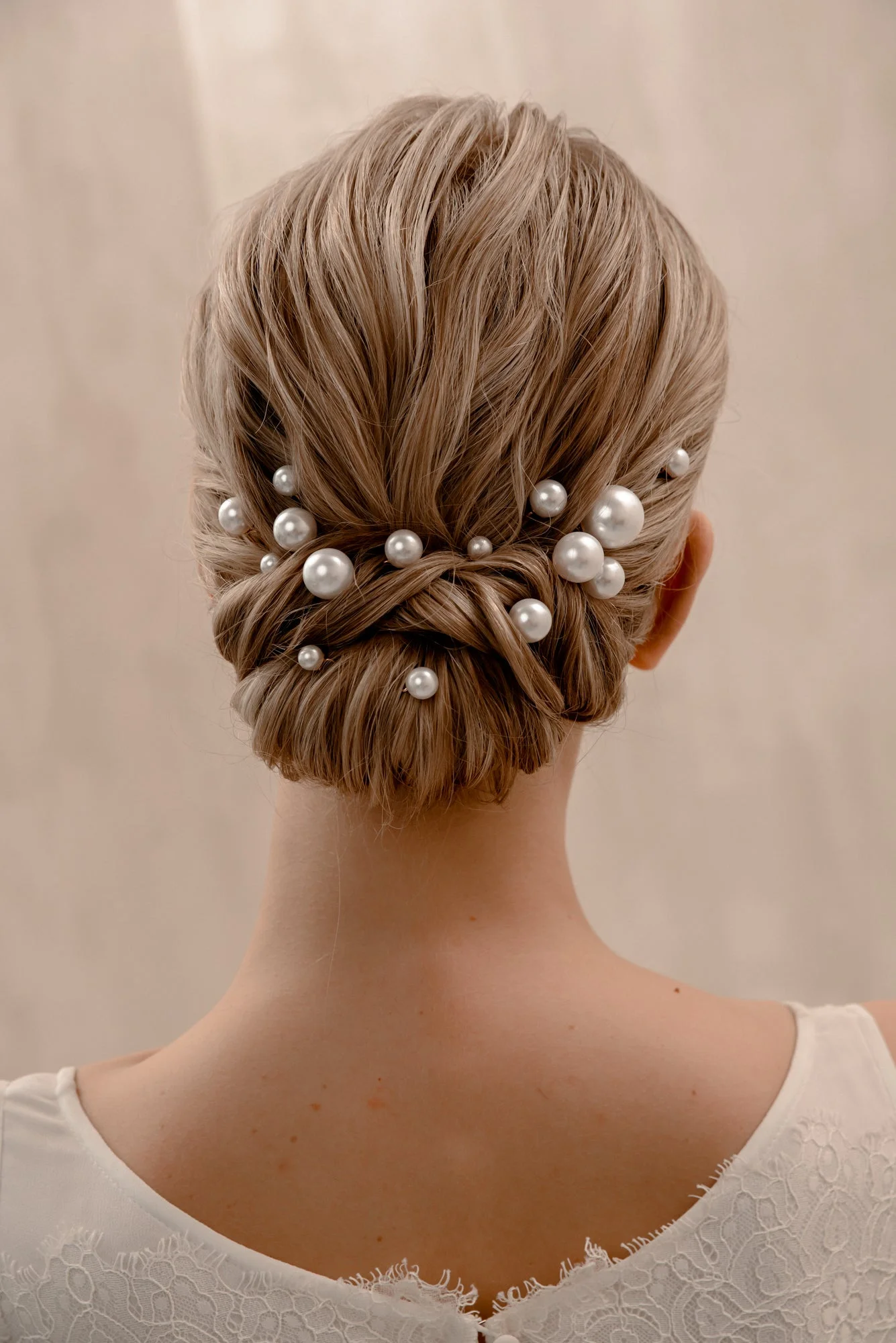
The right accessory can turn a simple bun into a theatre-night look in seconds. Pearl pins, a slim gold comb, a velvet ribbon or a single crystal clip — one well-chosen piece is all it takes. Place it where it will be seen from the front and the side, and keep it low and flat if you are sitting in the stalls.
Choose accessories that are comfortable to lean against. Anything with a sharp point or a big three-dimensional shape will dig in when you lean back in your seat, and you will spend the second act fidgeting with it. Flat pins, slim combs and soft ribbons are the safest bets, and they photograph beautifully too.
What to avoid: oversized bows at the back of the head, tall tiaras, and anything that jingles or catches the light with every movement. In a dark auditorium, a flashing accessory is a distraction — for you and for everyone around you.
From Dinner to Curtain Up: Timing Your Theatre-Night Hair
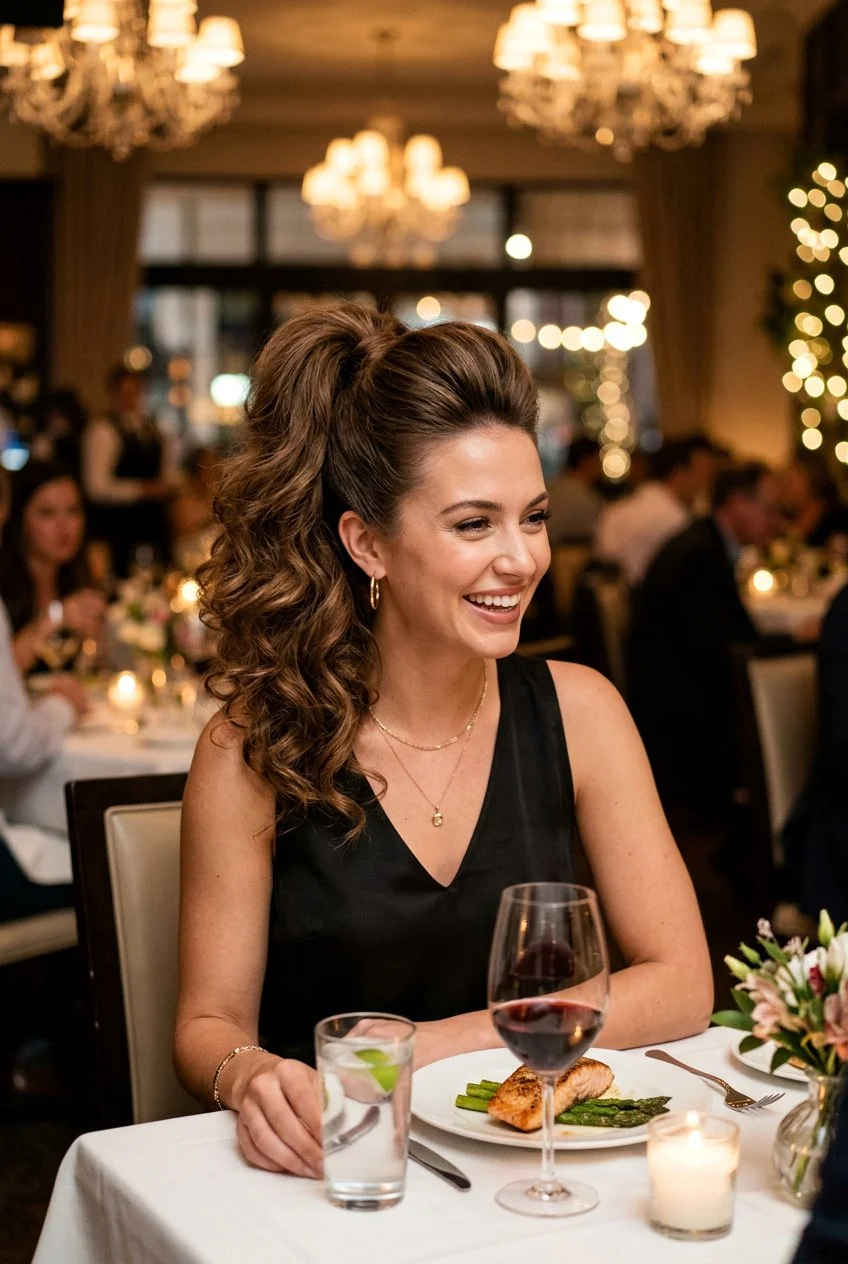
Good timing is the difference between relaxed glamour and a last-minute panic. If you are styling your own hair, start ninety minutes before you need to leave: thirty minutes for the base (wash, dry, prep), thirty for the style itself, and thirty spare for the outfit, the makeup and a calm final check. If a stylist is doing it, book the appointment to finish at least an hour before curtain up.
Build in a buffer for the journey. A style set with a light mist of hairspray survives a car ride fine, but wind, rain and a walk from the car park can undo soft curls. A silk scarf over the hair for the walk, removed in the foyer, is an old-fashioned trick that still works perfectly.
Quick verdict: finish the hair before the makeup, not after — hairspray and powder do not mix, and a final spritz over finished makeup is never a good idea. Hair first, face second, dress last, and you will walk into the theatre looking like you never rushed at all.
The Classic Low Chignon: Quiet Elegance That Never Misses
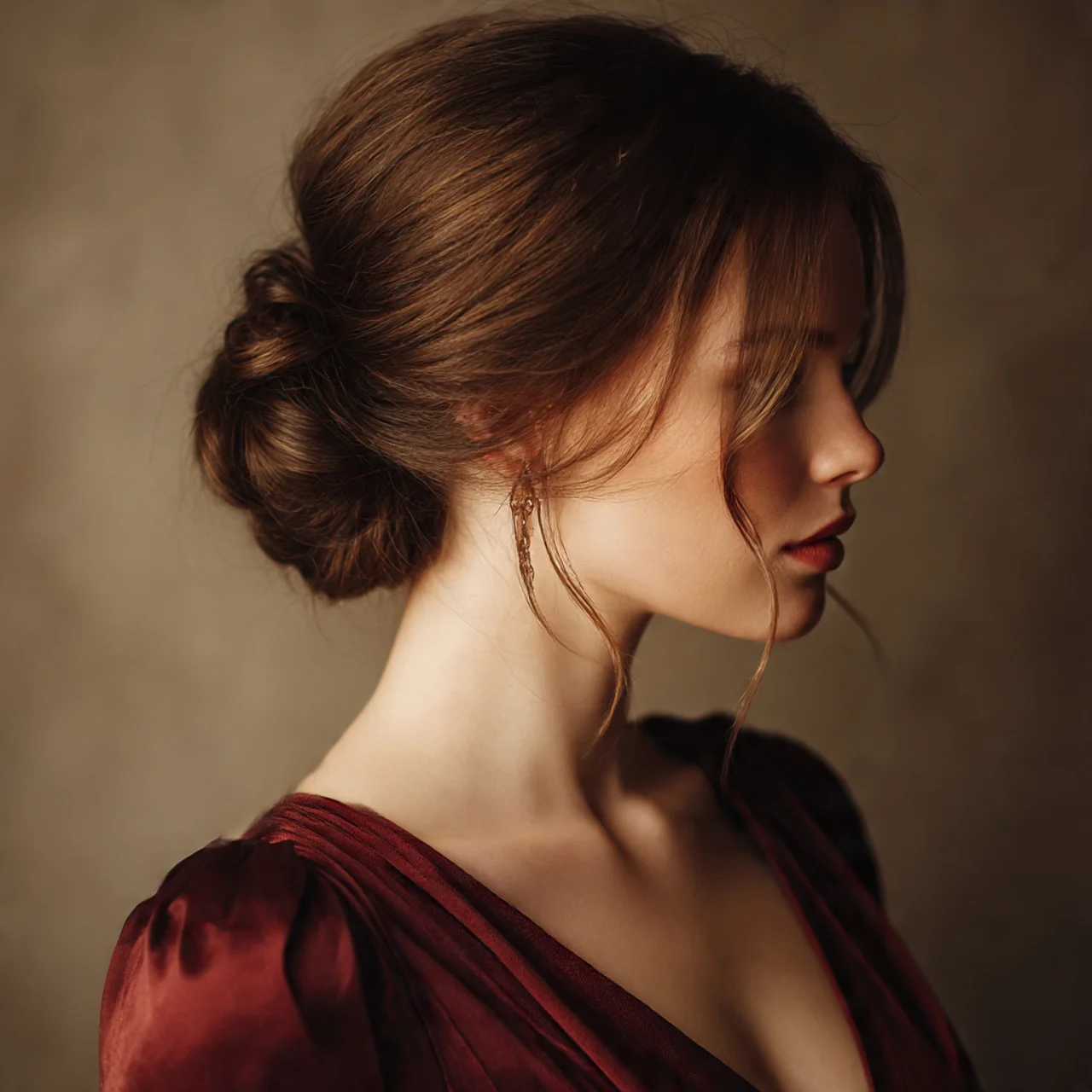
If you could only pick one theatre hairstyle, this would be it. The low chignon sits at the nape, keeps every strand off your face, leans back into a seat without a wobble, and looks as appropriate at the opera as it does at a modern play. It is the style that never tries too hard — and that is exactly why it works.
How to style: gather the hair into a low ponytail at the nape, twist it loosely, coil it into a soft knot and pin it in place, leaving a few face-framing pieces loose at the front. A light mist of shine spray finishes it. What to ask a stylist: “a soft, low chignon with a little texture at the crown, nothing too tight or scraped back.”
Pros: suits every face shape, works on most hair lengths, photographs beautifully and never blocks anyone’s view. Cons: very fine hair may need padding or texture spray to hold its shape, and a too-tight chignon can feel severe. Best for: first-time theatre-goers who want a safe, elegant choice.
A Sleek Ballerina Bun for the Front Row
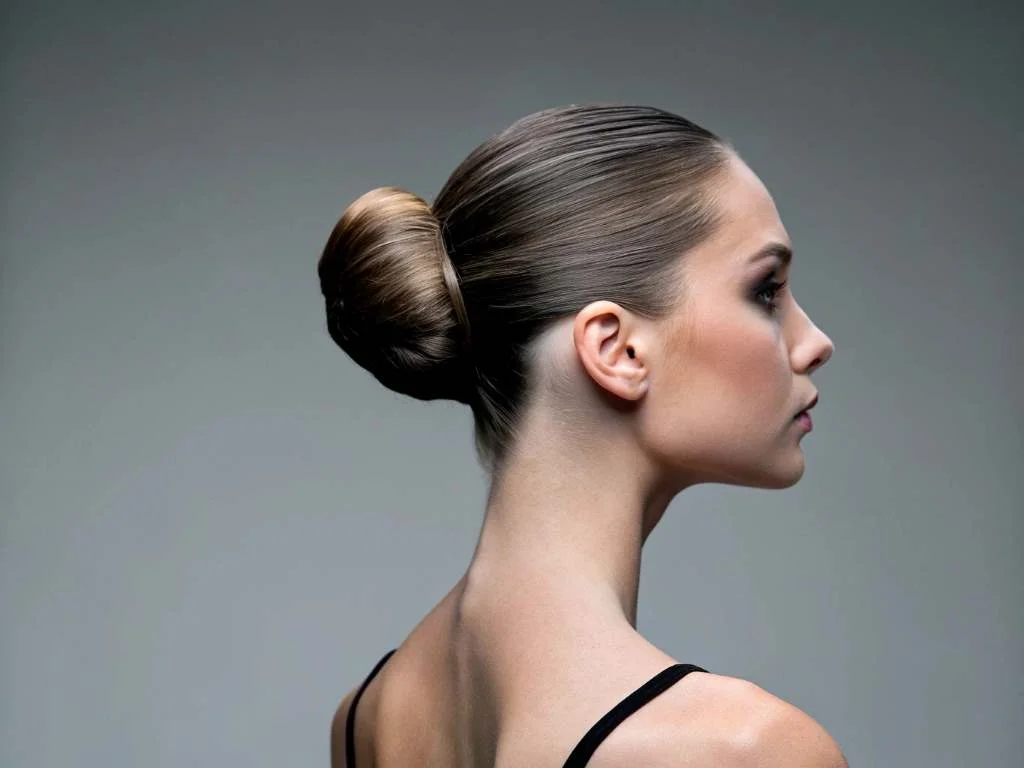
The ballerina bun is the chignon’s sharper, more sculpted cousin — smooth, glossy and perfectly round. It pairs beautifully with a strong outfit, a bold lip or statement earrings, because the clean lines of the bun let everything else shine. In the stalls, it reads as confident and intentional.
How to style: smooth the hair back with a boar-bristle brush and a little gel or serum, twist into a tight coil at the crown or nape, and pin it firmly. A bun ring helps if your hair is fine. What to ask a stylist: “a smooth, low ballerina bun, please — polished, not puffy, with a clean part.”
Pros: lasts all evening with almost no touch-ups, suits structured outfits, and keeps the neckline visible. Cons: it shows every bump and flyaway, so the prep work matters — and a high version will block the view behind you, so keep it low. Quick verdict: perfect if you love a clean, architectural look.
The French Twist, Still the Most Theatrical Updo of All
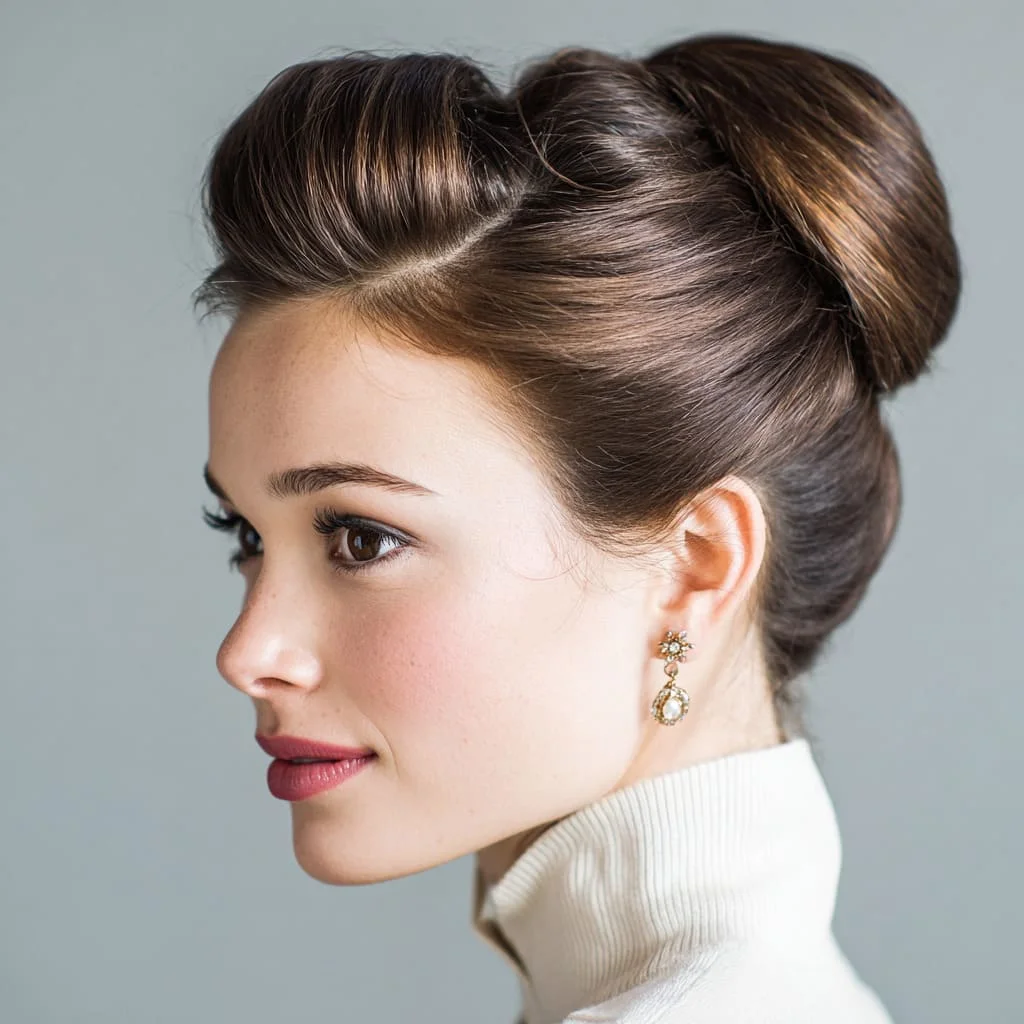
There is a reason the French twist has survived every trend since the 1960s: it is vertical, sculptural and unmistakably glamorous. It lifts the face, lengthens the neck and looks extraordinary from every angle in the auditorium — including from behind, where the elegant fold of hair is a small work of art in itself.
How to style: sweep all the hair to one side, pin a vertical line up the back of the head, then fold the length over the pins and tuck the ends in, securing with long hairpins. A little backcombing at the crown gives it height. What to ask a stylist: “a classic French twist with soft volume at the crown — not too tight, with a few loose pieces at the front.”
Pros: incredibly elegant, suits medium to long hair, and photographs like a dream. Cons: it needs practice (or a professional) and plenty of pins, and very thick hair can feel heavy by the interval. Best for: a gala night, an opera, or any evening where you want to feel like the main event.
Soft Hollywood Waves That Catch the Stage Light
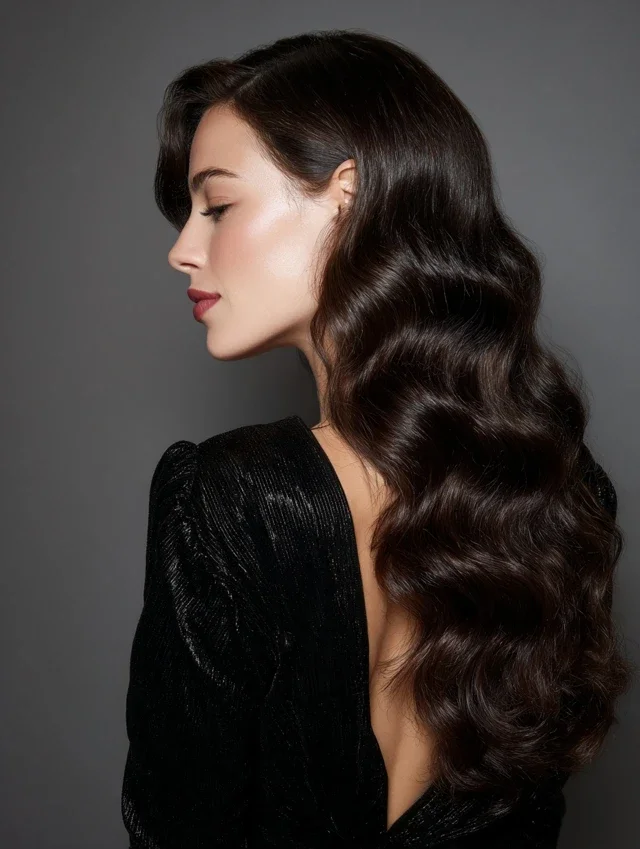
Hollywood waves are the red-carpet answer to theatre hair: glossy, sculpted, swept to one side, and made for dim light. The smooth S-shaped waves catch the warm glow of the foyer and look sensational in photos. This is the style to choose when your dress is simple and you want your hair to do the talking.
How to style: curl large sections in the same direction with a wide-barrel iron, let each curl cool pinned up, then brush through gently with a soft brush to form the wave. Set with a flexible-hold spray. What to ask a stylist: “old Hollywood waves, brushed out soft, with a deep side part.”
Pros: undeniably glamorous, suits most face shapes, and works beautifully with off-the-shoulder dresses. Cons: it takes time and heat, it can drop in humidity, and it sits on the shoulders, so it can feel warm under theatre lights. Common mistake: curling sections in opposite directions — that gives beach waves, not Hollywood waves.
The Polished Low Ponytail: Simple, Sharp, and Seat-Friendly
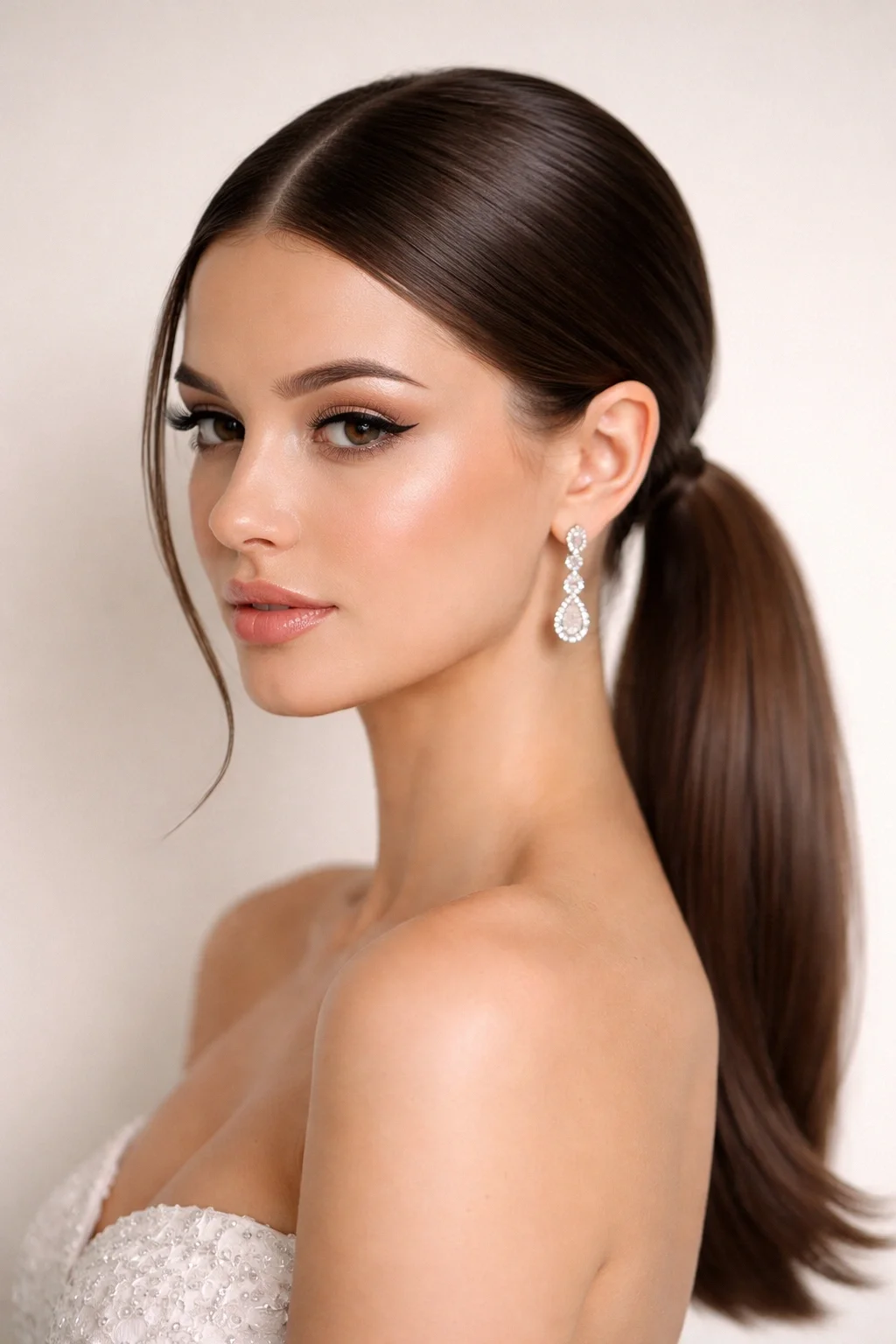
Do not underestimate the low ponytail. Done properly — smooth, glossy, with the elastic wrapped in a strand of hair — it is one of the most modern and elegant theatre looks there is. It keeps the hair completely out of the way, leans back comfortably, and suits everything from a tailored jumpsuit to a flowing gown.
How to style: part the hair in the middle or to the side, smooth it back with serum, secure it low at the nape, then wrap a thin strand around the elastic and pin it underneath. What to ask a stylist: “a sleek low ponytail with a wrapped base — very polished, no bumps.”
Pros: fast, comfortable, works on almost every hair type, and never blocks a view. Cons: it can look plain if the hair is not glossy, and it shows any unevenness in the part. Quick verdict: the best choice when you want to look expensive with minimal effort.
Half-Up, Half-Down With Real Volume
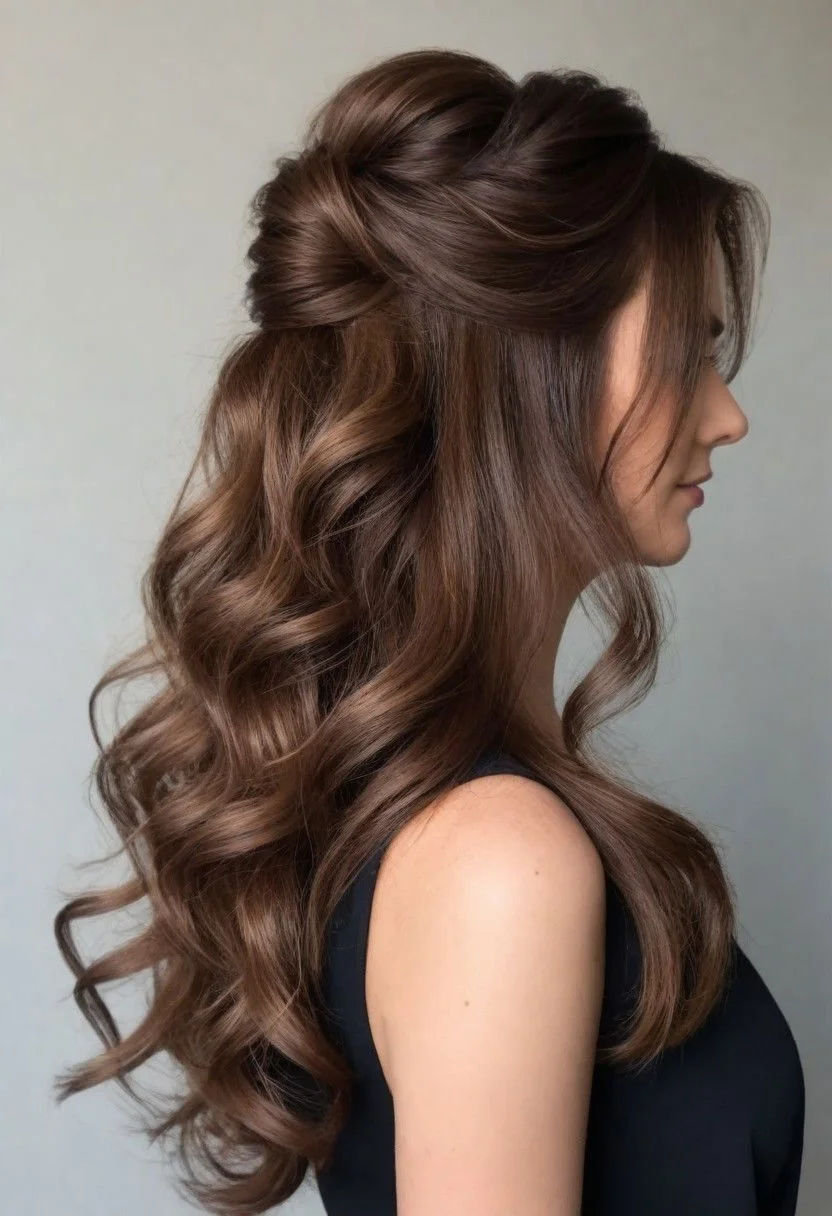
Half-up, half-down is the compromise that pleases everyone: the front is swept away from your face, the length is still on show, and the style feels relaxed rather than formal. Add volume at the crown and a soft curl through the ends, and it becomes a proper evening look rather than a daytime default.
How to style: take the top section from temple to temple, backcomb the roots lightly, smooth the surface, and secure it at the crown with pins or a small clip. Curl the loose length in soft waves. What to ask a stylist: “half-up with volume at the crown and soft curls through the ends.”
Pros: flattering on almost everyone, shows off long hair, and keeps the front tidy through the whole show. Cons: the loose length can feel warm and may need a touch-up at the interval. Best for: long hair that you actually want people to see.
A Braided Crown Updo With Old-Hollywood Charm
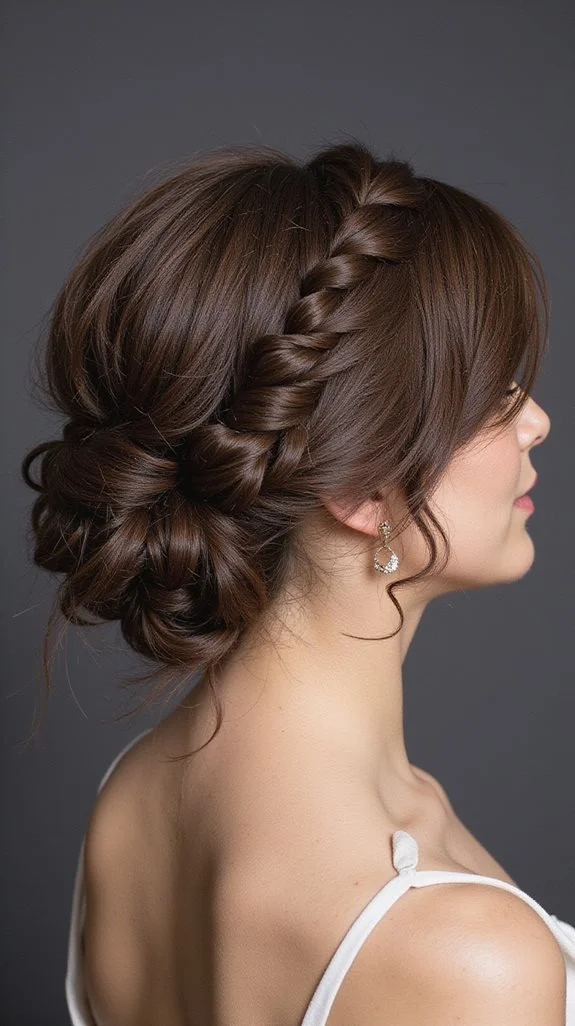
A braided crown wraps around the head like a halo, lifting the hair completely off the neck and giving the whole look a romantic, almost storybook quality. It is intricate enough to feel special, but the shape is low and flat, so it is perfectly polite to the person behind you.
How to style: part the hair in the middle, braid two Dutch braids from the nape up and over the crown, then pin the ends underneath and loosen the braids slightly for softness. What to ask a stylist: “a braided crown, soft and a little loose, with the ends tucked away neatly.”
Pros: lasts for hours, keeps you cool, and looks stunning from every angle. Cons: it needs medium to long hair and a bit of time — this is not a five-minute style. Who should avoid it: anyone with very short layers, which will poke out of the braid.
Vintage Finger Waves for a Night at the Opera House
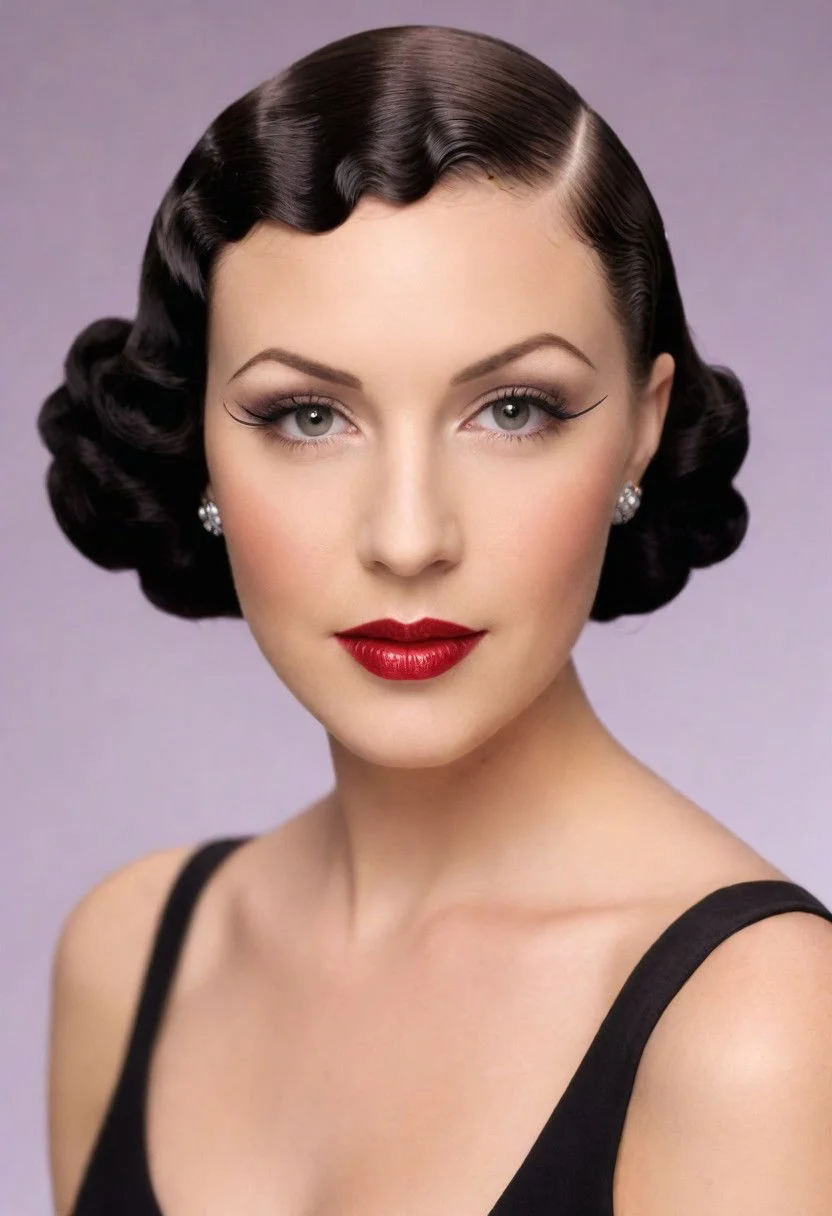
Finger waves are pure 1920s glamour — sculpted, glossy ridges that frame the face like a work of art. They are the perfect choice for a night at the opera or a period drama, especially with a vintage-inspired dress, and they photograph beautifully under theatre lights.
How to style: apply a strong-hold gel to damp hair, comb sections into S-shaped waves with your fingers and a fine comb, clip the ridges in place and let the hair dry completely before removing the clips. What to ask a stylist: “classic finger waves, please — sculpted and glossy, with a side part.”
Pros: unforgettable, elegant, and a genuine conversation starter. Cons: it takes skill and drying time, and it works best on short to medium hair. Common mistake: touching the waves before they are fully dry — patience is everything here.
The Textured Low Bun (and the Face-Framing Pieces That Make It)
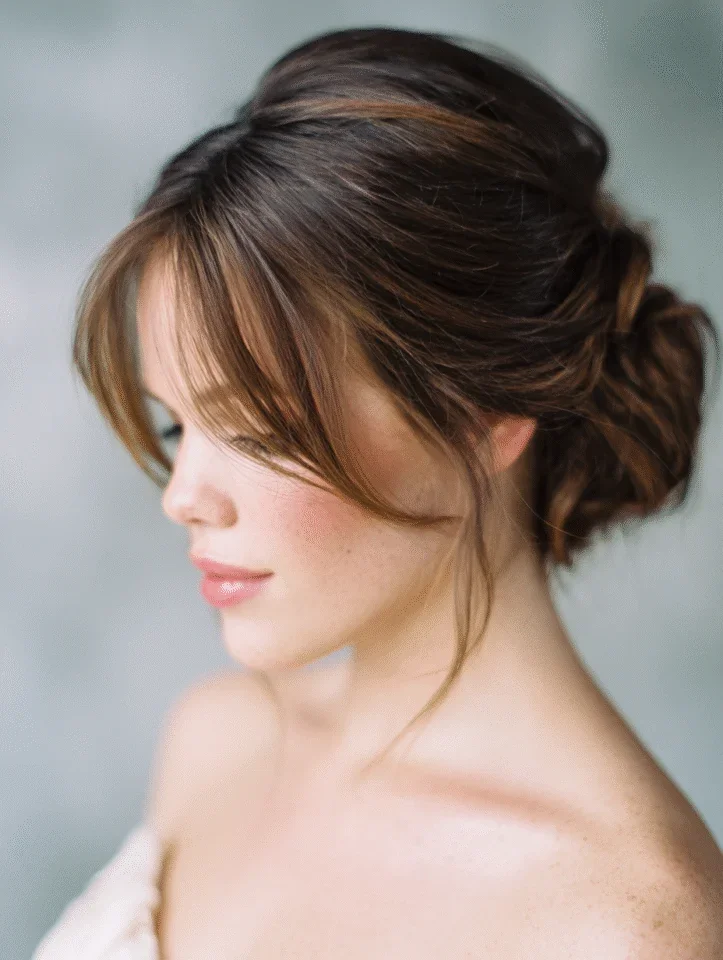
The textured low bun is the chignon’s relaxed younger sister: a little looser, a little softer, with wispy pieces framing the face. It is the style to choose when a sleek bun feels too severe but you still want your hair up and out of the way.
How to style: add texture spray through the lengths, gather the hair low, twist loosely and pin it into a soft knot, then gently pull a few pieces free at the front and curl them lightly. What to ask a stylist: “a soft, textured low bun — not too neat, with loose pieces around the face.”
Pros: forgiving, flattering and comfortable, and it actually looks better as the evening goes on. Cons: the loose pieces can fall into your eyes by the second act, so keep a spare pin handy. Quick verdict: ideal for anyone who wants elegance without the stiffness.
Side-Swept Curls: Drama Without the Height
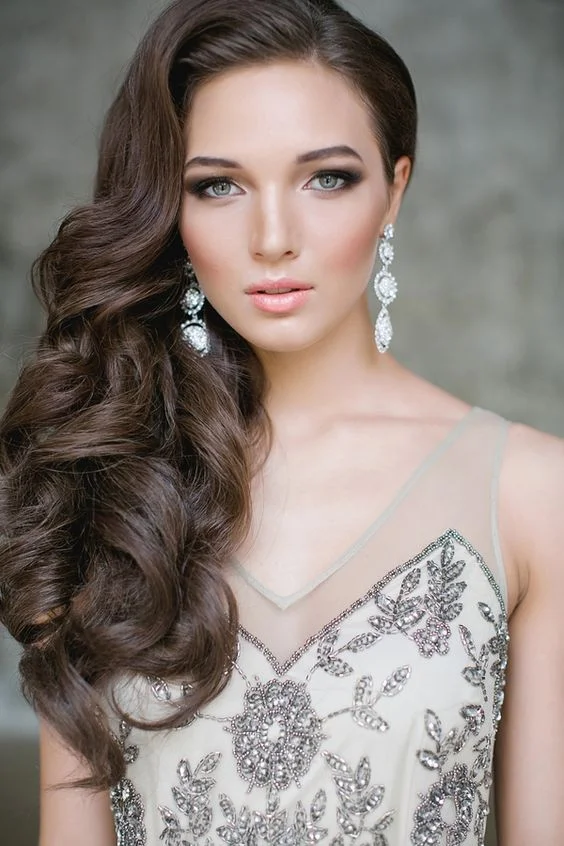
Sweeping all your curls over one shoulder is one of the oldest red-carpet tricks in the book, and it works just as well in the theatre. The asymmetry is flattering, the curls catch the light beautifully, and — because everything sits forward and to the side — nobody behind you is affected at all.
How to style: curl the hair in large sections, brush through softly, then sweep everything to one side and pin it discreetly at the nape so it stays put. A deep side part sets the whole look up. What to ask a stylist: “all my curls swept to one side, pinned so they stay there all evening.”
Pros: dramatic yet seat-friendly, shows off long hair, and pairs perfectly with a one-shoulder dress. Cons: the pinned side can loosen, so check it at the interval. Best for: anyone with long hair who wants to wear it down without the fuss.
The Low Top Knot You Can Actually Lean Back In
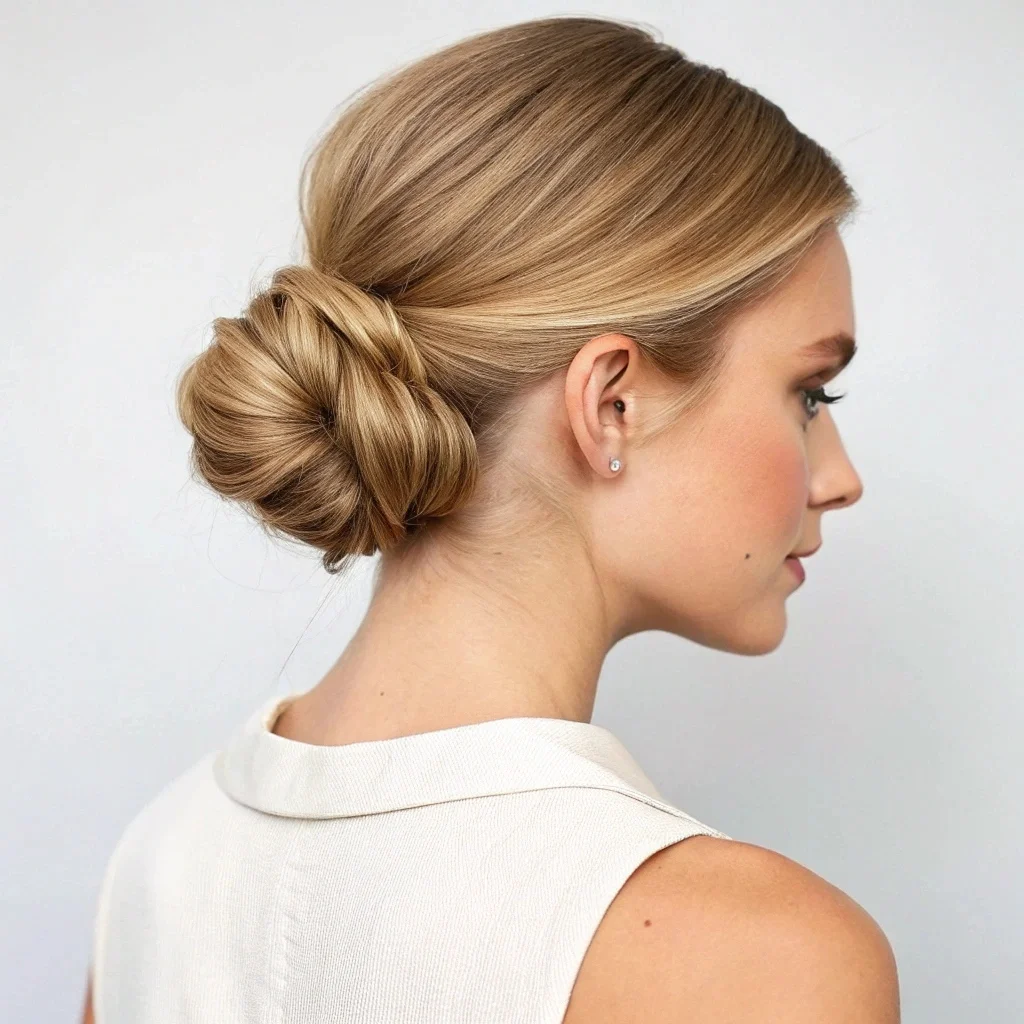
A top knot sounds like the enemy of theatre seating — until you place it low. A low top knot, sitting at the nape rather than the crown, gives you all the clean lines and drama of a knot with none of the sightline problems. It is modern, sculptural and surprisingly comfortable.
How to style: gather the hair into a low ponytail, twist it into a knot and pin it flat against the nape, smoothing the surface with serum. Keep the front sleek or add a soft side part. What to ask a stylist: “a low, flat top knot at the nape — polished and secure.”
Pros: cool and comfortable, lasts all night, and shows off earrings beautifully. Cons: a high version will block the view behind you, so placement matters more than anything here. Who should avoid it: anyone who wants softness — this is a sharp, graphic style by nature.
A Waterfall Braid for Long Hair That Wants to Be Seen
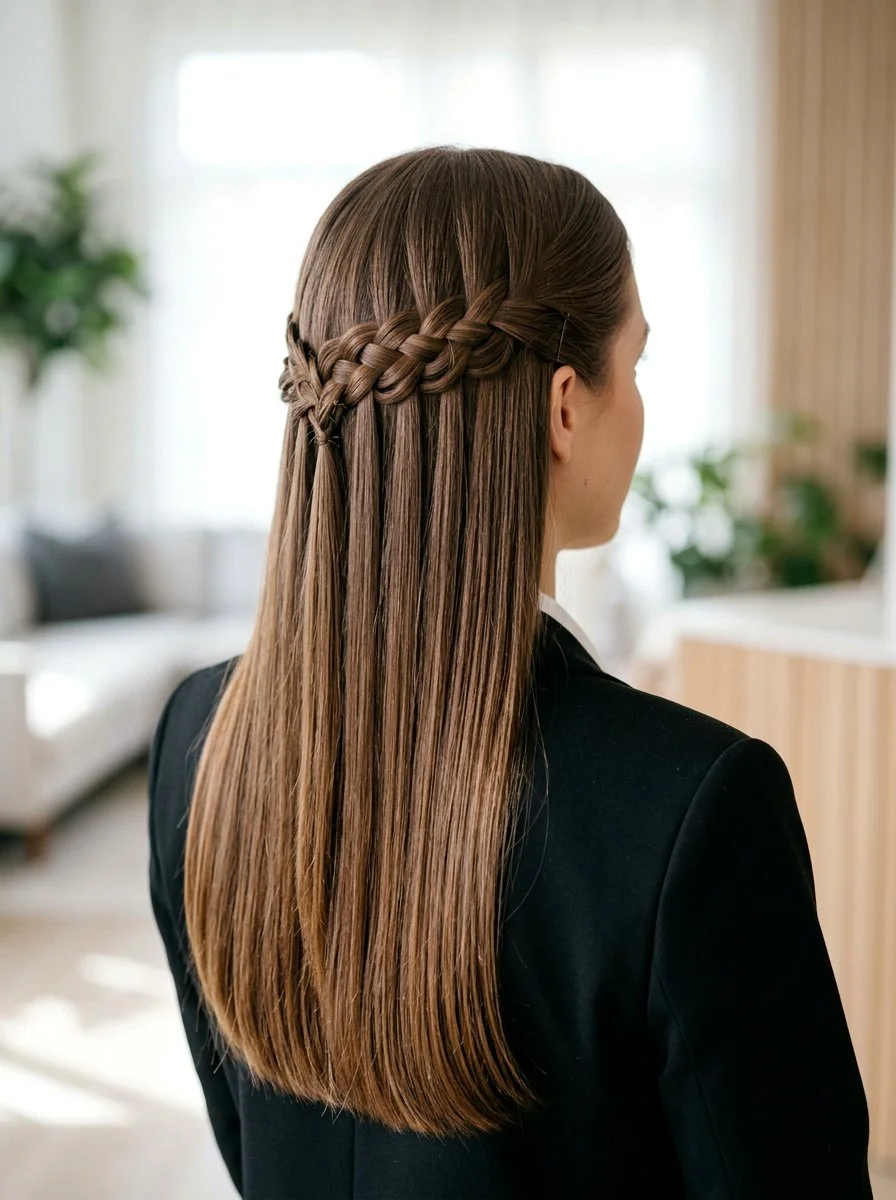
The waterfall braid is one of the prettiest half-up styles there is: a braid that runs across the back of the head, letting strands cascade through it like water. It keeps the front of your hair tidy while showing off the length, and it looks intricate without being heavy.
How to style: start a French braid at one temple, dropping the bottom strand each time and picking up a new one, and carry it across to the other side. Curl the loose hair softly. What to ask a stylist: “a waterfall braid across the back, with soft curls through the rest of my hair.”
Pros: romantic, photogenic and surprisingly secure once pinned. Cons: it needs practice, and fine hair may need texture spray to grip. Best for: long, thick hair — the braid shows up best when there is plenty of it.
The Twisted Chignon: Five Minutes, Maximum Polish
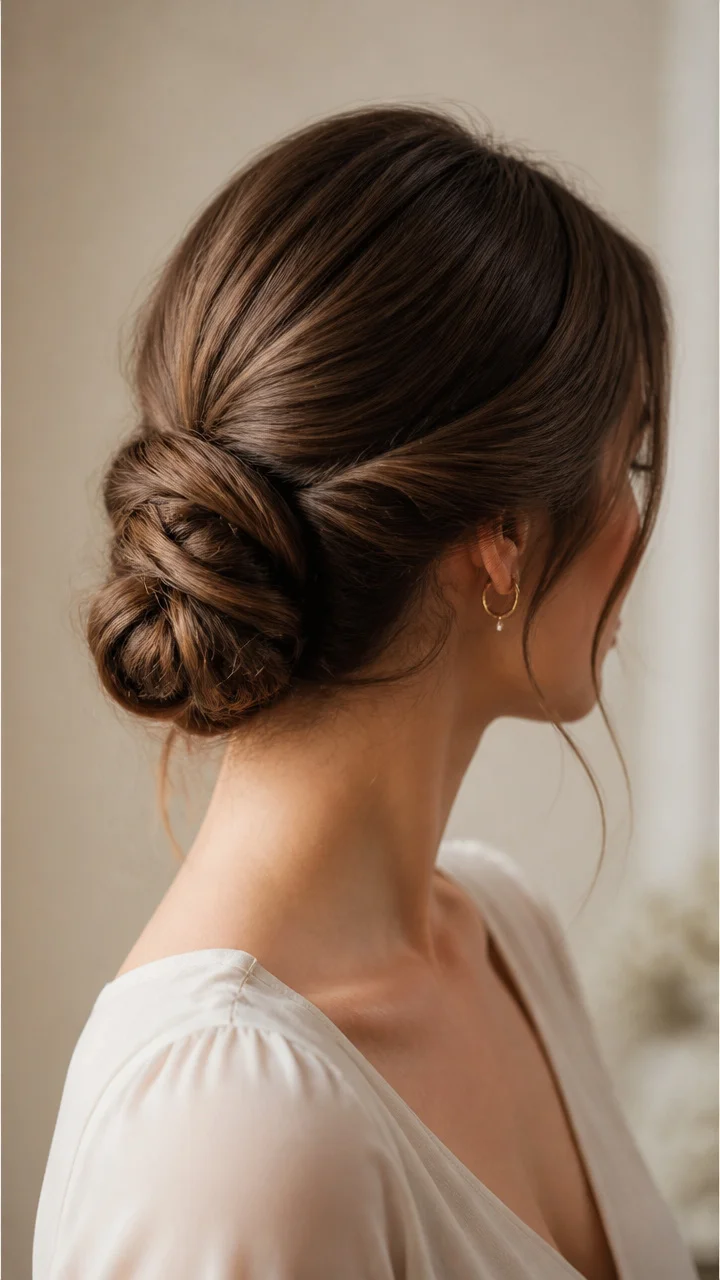
Short on time before the curtain? The twisted chignon is your answer. Two twists, a few pins, and you have a style that looks like it took an hour. It is the best emergency theatre hairstyle there is — and plenty of people choose it even when they are not in a rush.
How to style: part the hair in the middle, twist each side back toward the nape, cross the twists over each other and pin them into a low knot. Smooth the top with serum. What to ask a stylist: “a twisted low chignon — quick, soft, and secure.”
Pros: fast, easy to do yourself, and genuinely elegant. Cons: it can loosen on very silky hair, so use a little texture spray first. Quick verdict: the style to learn by heart — it will save you on more theatre nights than any other.
A Glamorous Blowout That Survives the Whole Performance
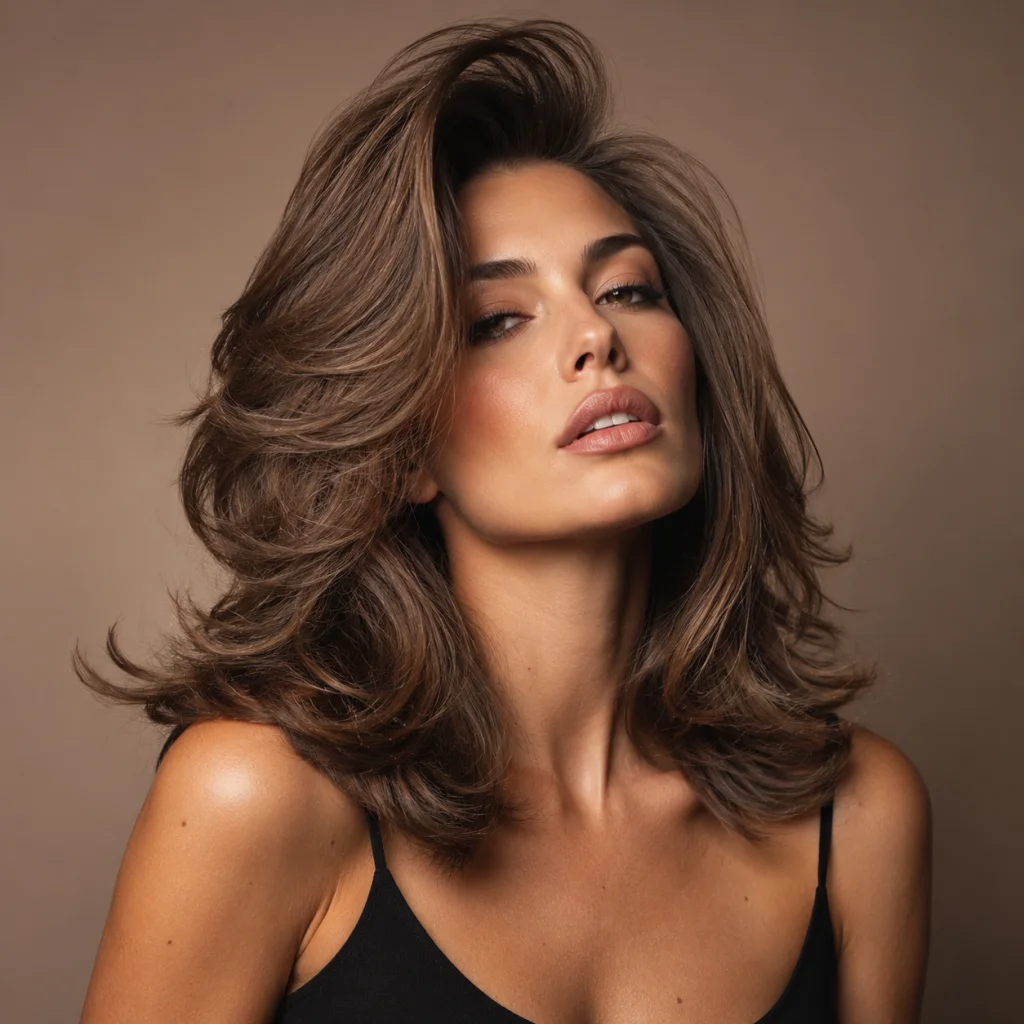
A great blowout is the simplest way to feel glamorous without an updo: smooth roots, bouncy ends, and movement that catches the light every time you turn your head. The trick is making it last — a blowout that collapses by the interval is worse than no blowout at all.
How to style: blow-dry in sections with a round brush, rolling the ends under, and set each section with a velcro roller while it cools. A light flexible-hold spray keeps the bounce without stiffness. What to ask a stylist: “a bouncy blowout with volume at the roots and movement through the ends — I need it to last all evening.”
Pros: natural, flattering and low-maintenance once it is done. Cons: humidity and theatre heating can flatten it, and leaning back in a seat can dent the back. Common mistake: skipping the cool-down — hot hair that is not allowed to set will fall flat within the hour.
The Braided Low Bun: Pretty, Practical, and Photogenic
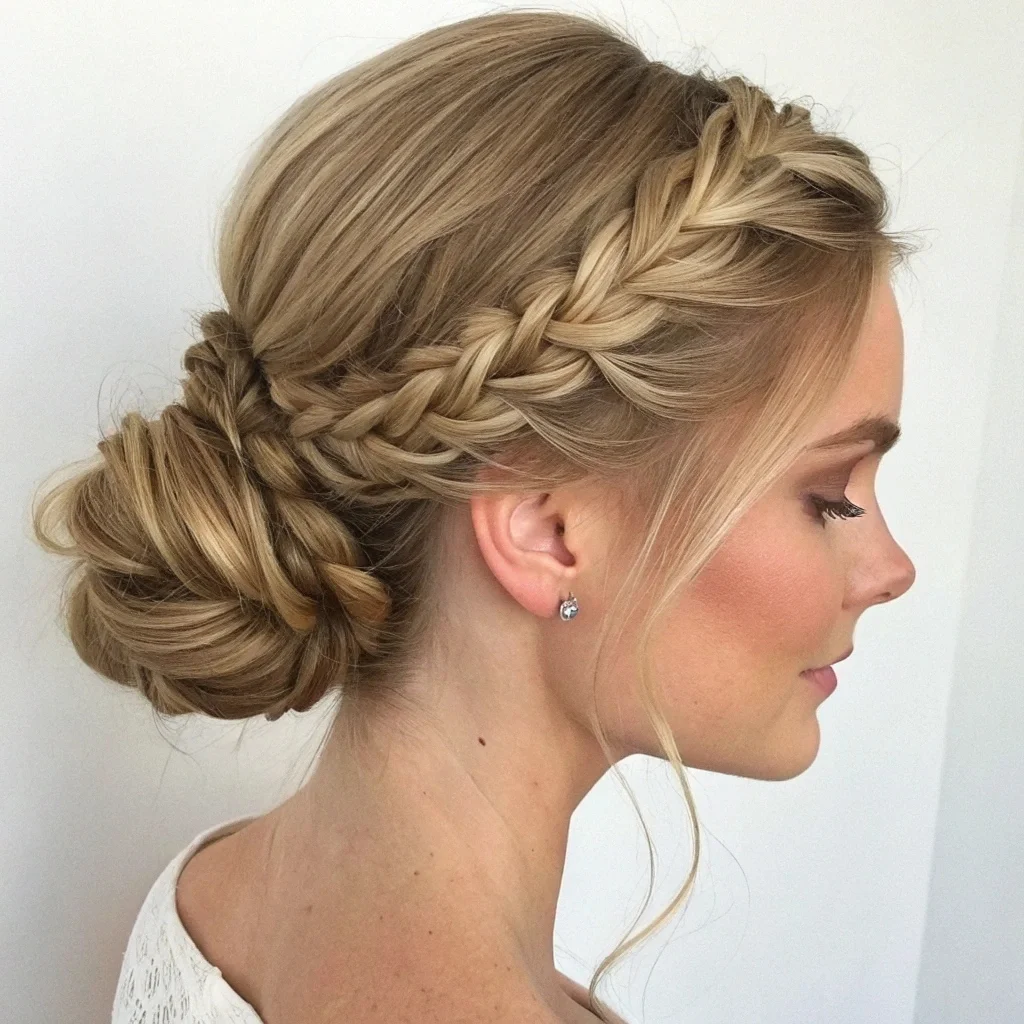
Take a low bun, add a braid, and you get a style with twice the interest and twice the staying power. The braid gives the bun structure and texture, and it photographs beautifully — those woven details catch the light in a way a plain bun never does.
How to style: braid the hair into a loose three-strand or fishtail braid, then coil the braid into a low bun and pin it securely. Loosen the braid slightly for softness. What to ask a stylist: “a low bun made from a loose braid, soft and textured.”
Pros: holds for hours, suits most hair types, and looks far more complicated than it is. Cons: very short hair cannot braid into a bun. Best for: medium to long hair that needs a style with real staying power.
Sleek and Straight With a Centre Part
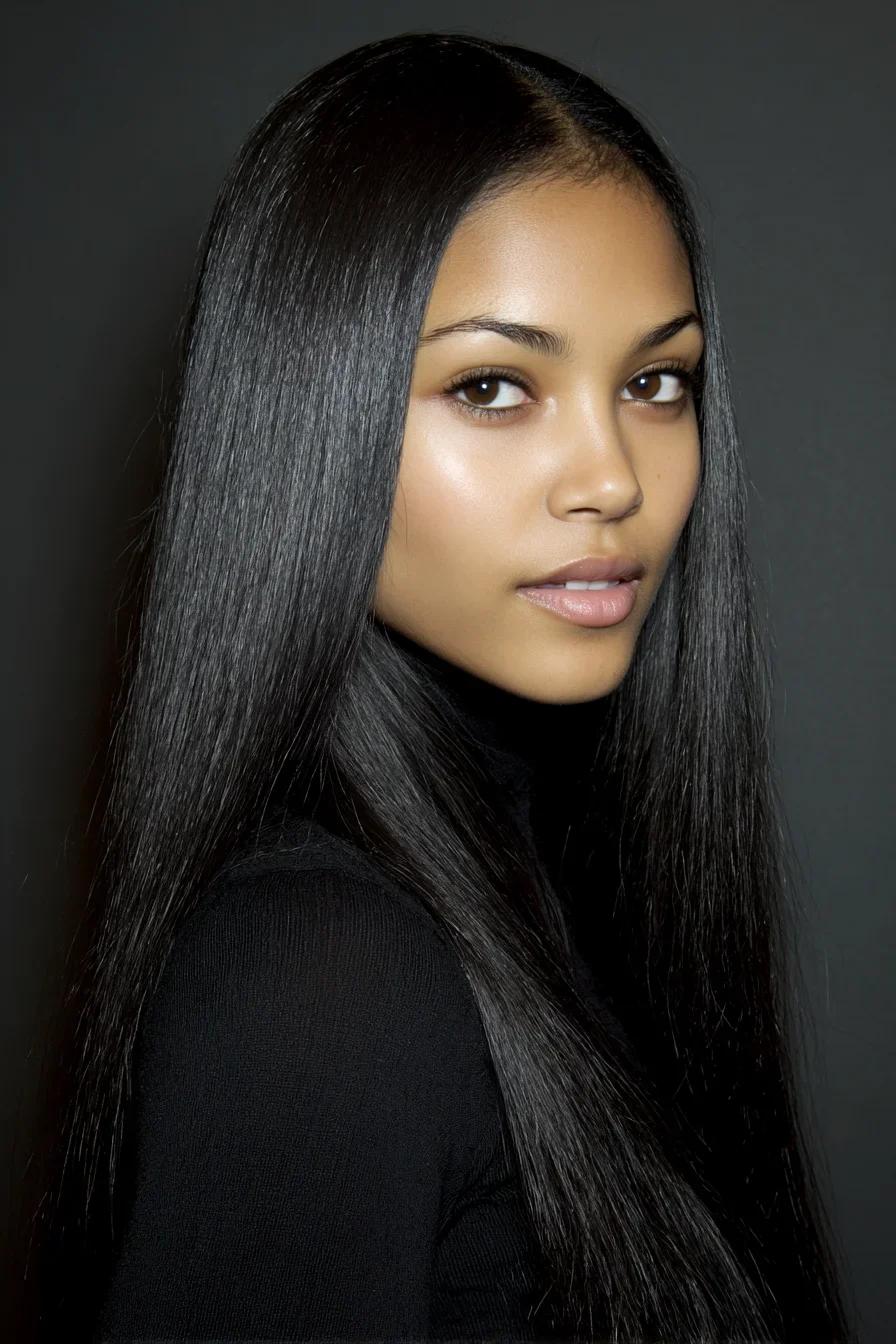
Sometimes the most striking theatre look is also the simplest: hair worn straight, glossy and perfectly parted in the middle. It is modern, minimal and confident — and it frames the face beautifully under theatre lighting. The key is the finish: this style lives or dies on shine.
How to style: flat-iron in small sections, then smooth a drop of serum through the lengths and mist with shine spray. The part must be dead straight. What to ask a stylist: “sleek, straight hair with a sharp centre part and a high-gloss finish.”
Pros: effortless-looking, works with almost any outfit, and never blocks a view. Cons: it shows damage and frizz mercilessly, and fine hair can look flat. Who should avoid it: anyone battling humidity on the night — frizz will undo the whole effect.
A Romantic Loose Updo for Soft Evening Light
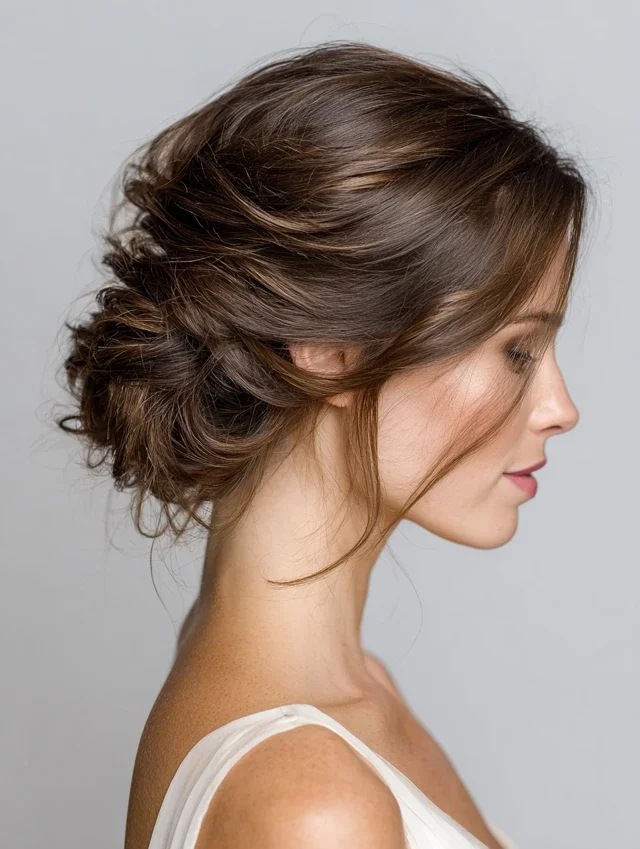
Not every updo needs to be sleek. A romantic loose updo — softly pinned curls, a few tendrils escaping, nothing pulled too tight — feels like something from a period drama, and it suits the warm, golden light of a theatre perfectly. It is the style for anyone who finds structured updos too severe.
How to style: curl the hair loosely, then pin sections up softly at the back, leaving the shape airy and a few pieces loose around the face. Do not pull anything tight. What to ask a stylist: “a soft, loose updo — romantic, not structured, with pieces falling around my face.”
Pros: flattering, forgiving and comfortable; it looks better as it loosens. Cons: it can unravel faster than a structured updo, so pin generously. Quick verdict: choose this when your dress is soft and romantic too.
Retro Pin Curls for a Vintage Theatre Night
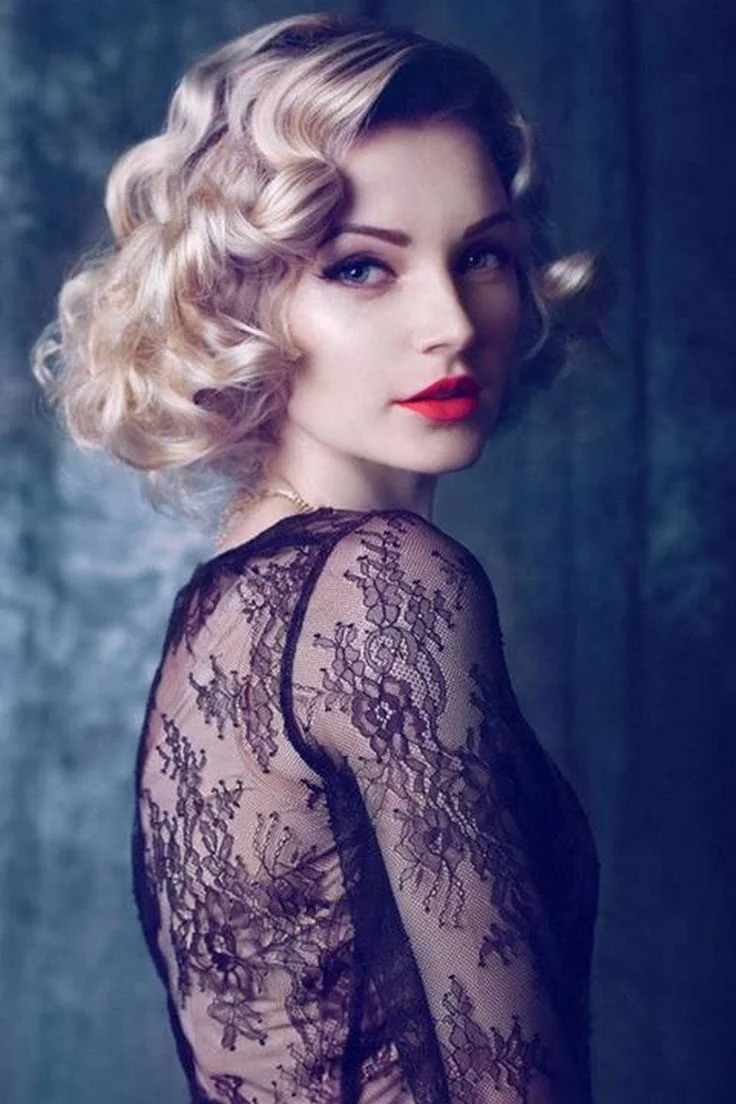
Pin curls are the original heat-free curl — and they give a kind of structured, vintage wave that no curling iron quite matches. For a night at a period play, a vintage musical or a classic opera, they are the most authentic choice you can make, and they hold their shape for hours.
How to style: set damp hair in small pin curls the night before or a few hours ahead, let it dry completely, then release the curls and brush them gently into soft waves. What to ask a stylist: “a pin-curl set, brushed out into soft vintage waves.”
Pros: long-lasting, heat-free, and wonderfully authentic. Cons: it needs planning — this is not a last-minute style. Common mistake: releasing the curls while they are still damp. They must be completely dry, or the waves will drop.
The Elegant Side Bun: Asymmetric and Effortless
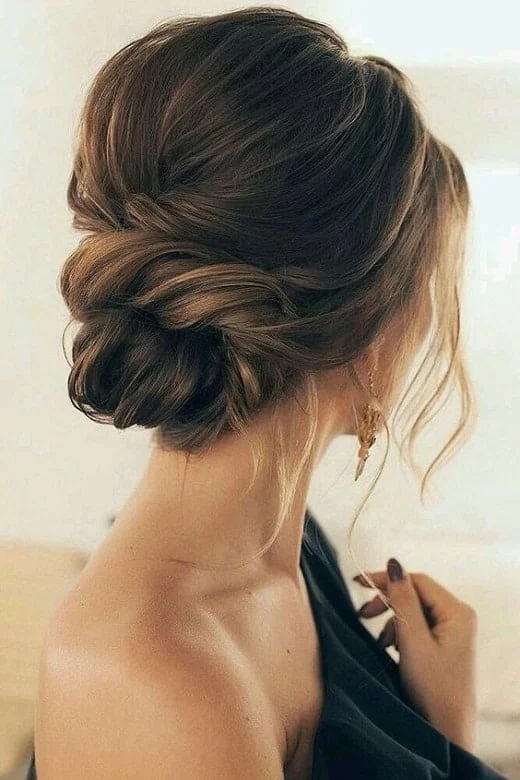
A side bun takes the classic low bun and moves it off-centre, just below one ear. The asymmetry is instantly more interesting than a centred bun, and because the bun sits forward, it never interferes with leaning back in your seat. It is one of the most comfortable updos you can wear to the theatre.
How to style: sweep the hair to one side, gather it low behind the ear, twist into a soft bun and pin it. A deep side part completes the look. What to ask a stylist: “a low side bun, soft and a little loose, sitting just behind my ear.”
Pros: comfortable, flattering and easy to wear; shows off an open-back dress beautifully. Cons: it can feel unbalanced if your hair is very thick — ask your stylist to keep it compact. Best for: anyone wearing a dress with an interesting neckline on one side.
A Milkmaid Braid Updo With a Modern Finish
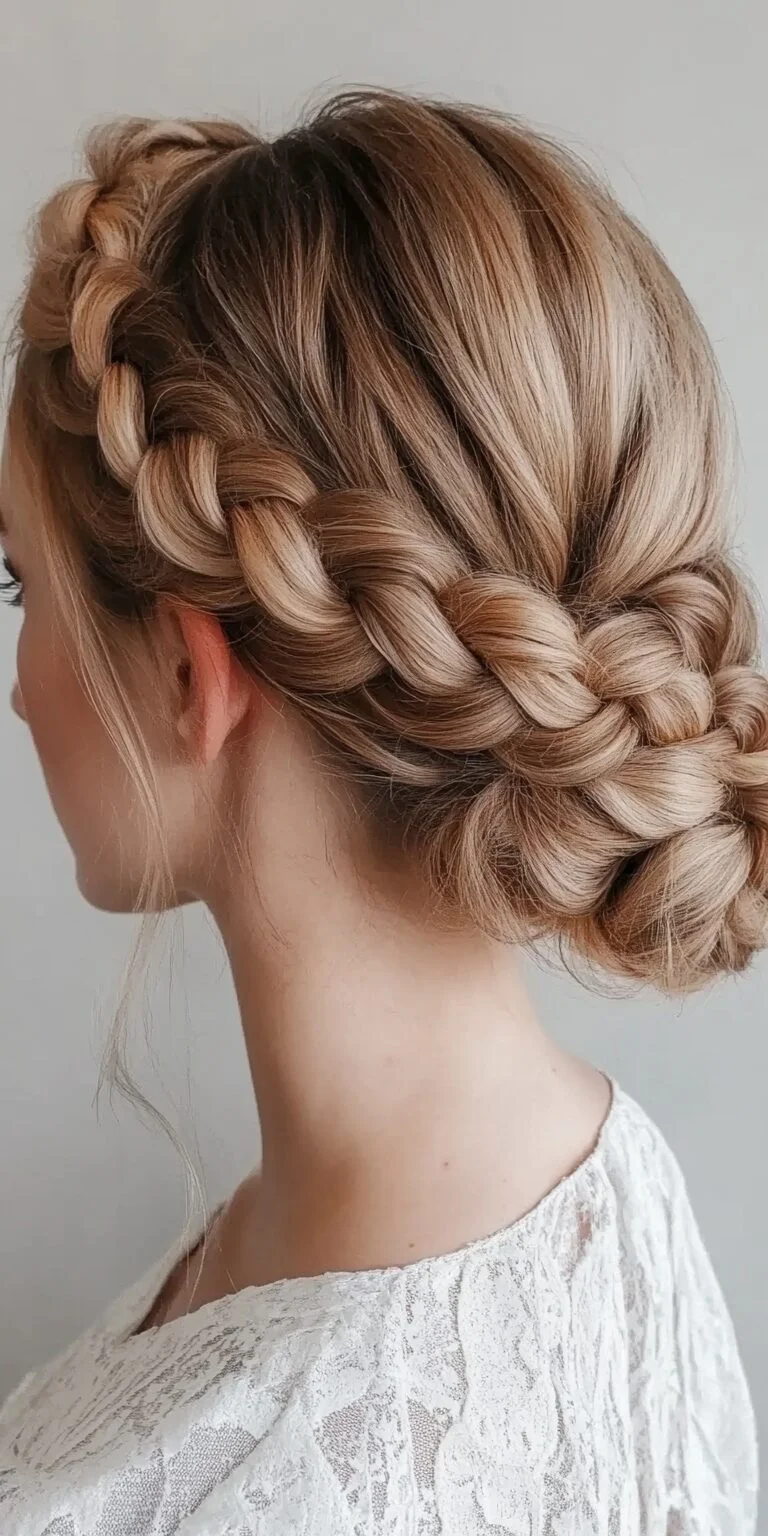
The milkmaid braid — two braids crossed over the top of the head — has a romantic, folk-tale quality that feels right at home in a theatre. The modern version is softer and looser than the traditional one: gently pulled apart, with a little volume at the front and a few wispy pieces framing the face.
How to style: part the hair in the middle, braid two low braids, cross them over the crown and pin the ends underneath. Loosen the braids gently for softness. What to ask a stylist: “a soft milkmaid braid, modern and a little loose — not too tight or severe.”
Pros: stays put all evening, keeps you cool, and looks lovely from every angle. Cons: it needs length — at least shoulder-length hair — and it can look costumey if it is too neat. Who should avoid it: anyone who wants a sleek, modern look; this one is unapologetically romantic.
The Wavy Lob With a Deep Side Part
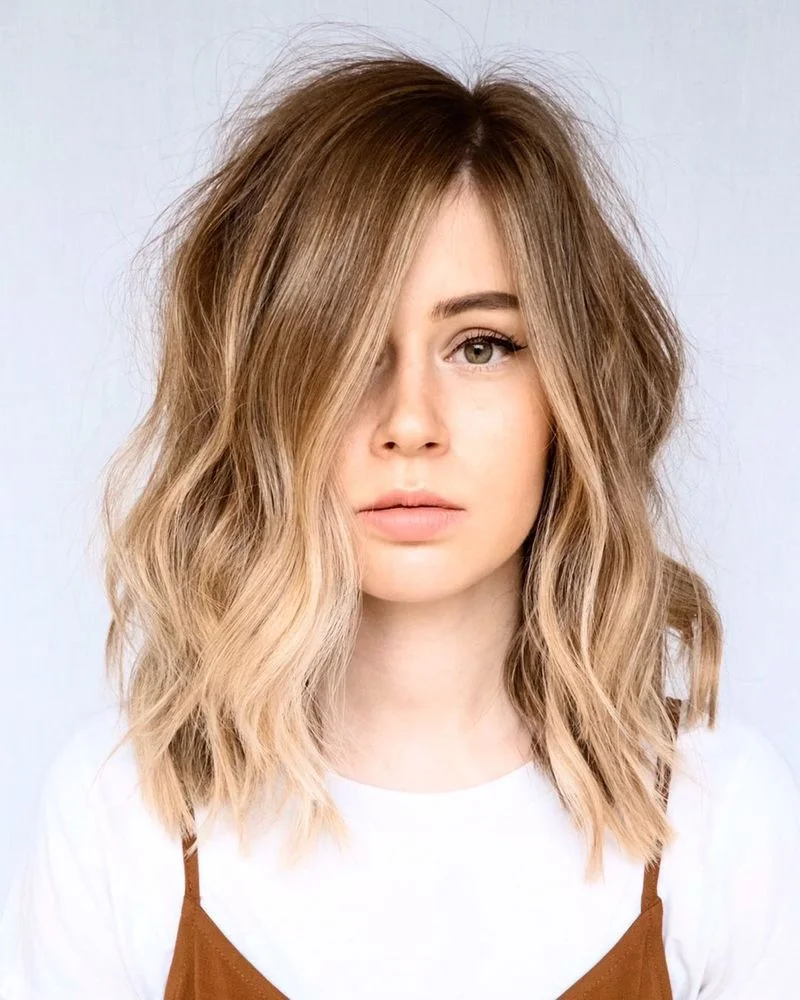
The lob — a long bob that sits just above the shoulders — is one of the most theatre-friendly lengths there is. Worn wavy with a deep side part, it has movement, volume and a touch of glamour, and it never gets in the way: no hair on the shoulders, nothing to lean on, nothing to block anyone.
How to style: curl the hair in alternating directions with a medium iron, then brush through for soft waves. A deep side part adds the drama. What to ask a stylist: “a wavy lob with a deep side part — soft waves, lots of movement.”
Pros: chic, comfortable and low-maintenance; suits almost every face shape. Cons: it can fall flat by the second act if the hair is very fine — a little texture spray at the roots helps. Quick verdict: the perfect choice if you already have a lob and want to dress it up.
A Sculpted Pixie With Shine and Intention
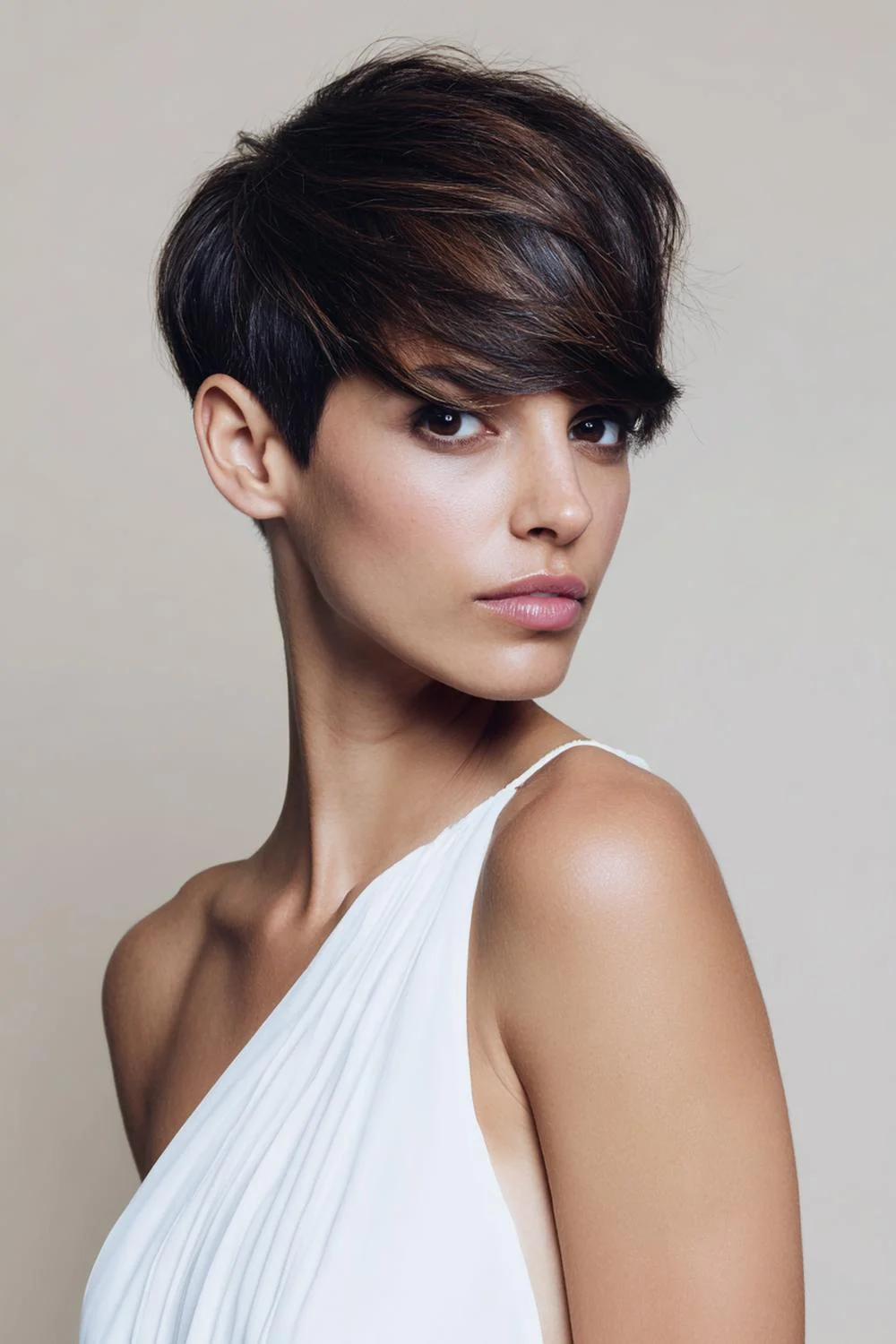
Short hair is a gift on a theatre night: nothing to pin, nothing to fall, nothing to block a view. A pixie, sculpted with a little wax and a lot of shine, looks deliberately glamorous — especially with a bold lip or a statement earring. The secret is in the finish: texture and gloss turn a daytime pixie into an evening one.
How to style: work a pea-sized amount of styling wax through the lengths, piece out the ends with your fingers, and smooth the sides. A shine spray adds the evening polish. What to ask a stylist: “my pixie, styled with texture and shine for an evening out.”
Pros: effortless, comfortable and striking; zero sightline worries. Cons: it needs product to look intentional — unstyled, a pixie can read as daytime. Best for: anyone with short hair who wants to feel dressed up without a single pin.
The Classic Bob, Softened With a Curl
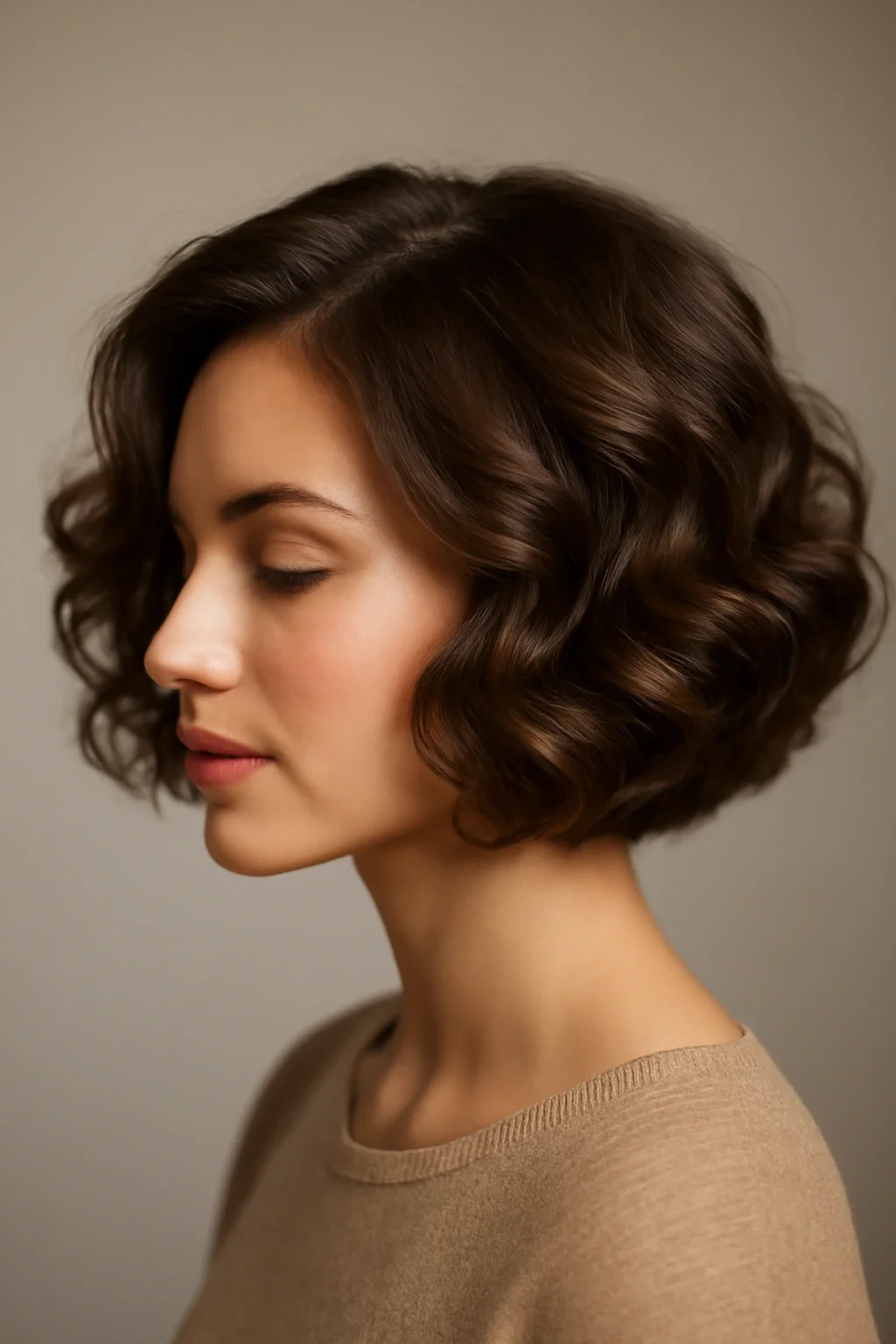
A classic bob, worn straight, is chic — but add a soft curl through the ends and it becomes an evening style. The curl gives the bob movement and softness, and the shape frames the face beautifully under theatre lights. It is polished without being fussy.
How to style: curl the ends under with a medium iron or a round brush, then brush through gently so the curl softens into a bend. A side part adds asymmetry. What to ask a stylist: “my bob with a soft curl through the ends — polished, not too bouncy.”
Pros: quick, flattering and easy to maintain through the evening. Cons: the curl can drop in humidity, so set it with a light spray. Who should avoid it: nobody, really — this is one of the most universally flattering theatre styles there is.
A Polished High Ponytail — Done the Grown-Up Way
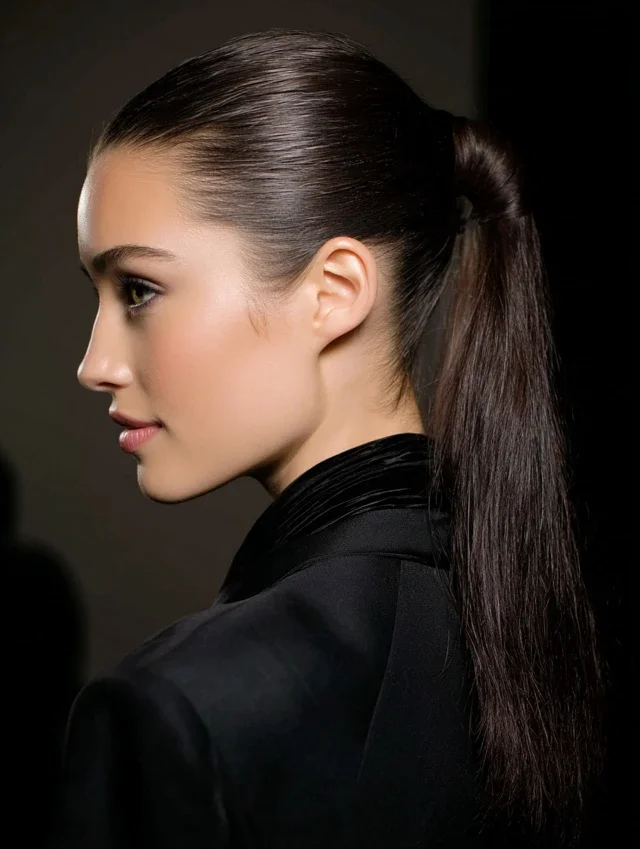
A high ponytail at the theatre? Yes — with two conditions. Keep it sleek and glossy rather than bouncy, and wear the length forward over one shoulder so it does not bounce into the person behind you or catch on the seat. Done this way, it is sleek, modern and surprisingly elegant.
How to style: smooth the hair up with a brush and serum, secure it high, wrap the base with a strand of hair, and sweep the length over one shoulder. What to ask a stylist: “a sleek high ponytail, worn forward over one shoulder.”
Pros: dramatic, youthful and cool; shows off the neck and shoulders. Cons: it can pull at the scalp over a long evening, and a bouncing ponytail is a sightline problem — so keep it forward. Common mistake: wearing it swinging loose behind you. Forward is the rule.
The Fishtail Braid Updo: Intricate Without the Fuss
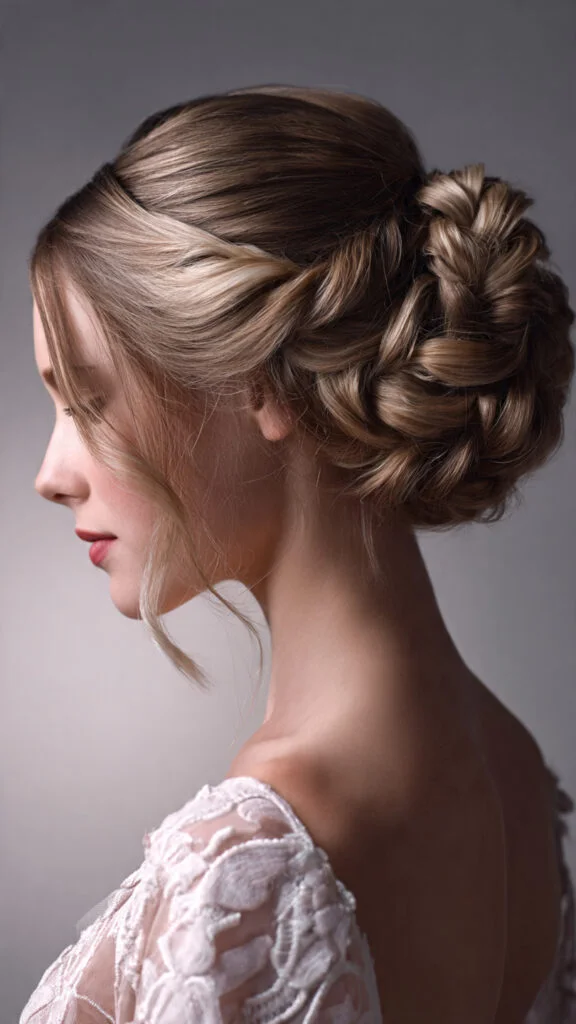
A fishtail braid looks far more complicated than it is — two sections, crossed over and over — and the result is a fine, intricate weave that catches the light beautifully. Coiled into a low updo, it becomes a style with real texture and detail, perfect for a night when you want your hair to be a talking point.
How to style: fishtail-braid the hair loosely, pull the braid apart gently for fullness, then coil it into a low bun and pin it. What to ask a stylist: “a loose fishtail braid coiled into a low updo — soft, textured, and full.”
Pros: intricate and eye-catching, holds well, and works on medium to long hair. Cons: it takes longer than a plain braid, and very fine hair may need texture spray to grip. Best for: anyone who loves detail and wants a style people will ask about.
A Rope-Twist Low Bun for Fine Hair
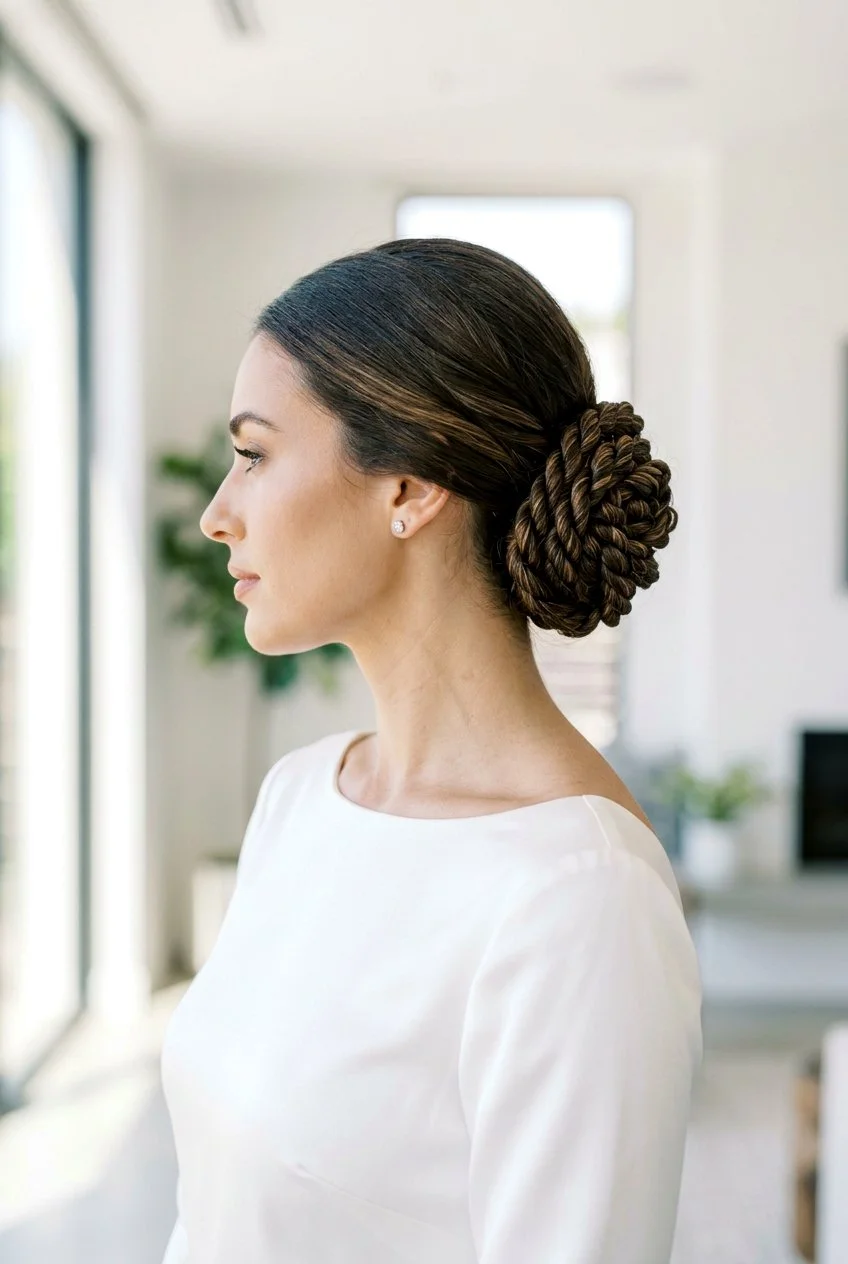
Fine hair can struggle with updos — braids slip, buns look small, pins slide out. The rope-twist bun solves all of that: two twisted strands grip each other and hold their shape, and the twist itself adds visual thickness. It is one of the best theatre updos for fine hair.
How to style: divide the hair into two sections, twist each one in the same direction, then twist the two together in the opposite direction and coil into a low bun. Pin securely. What to ask a stylist: “a rope-twist low bun — I have fine hair and need something that holds.”
Pros: holds brilliantly on fine hair, looks thicker than it is, and is quick to do. Cons: the technique takes a little practice — the two directions matter. Quick verdict: if your hair is fine and slippery, learn this one first.
Voluminous Curls With a Headband That Stays Put
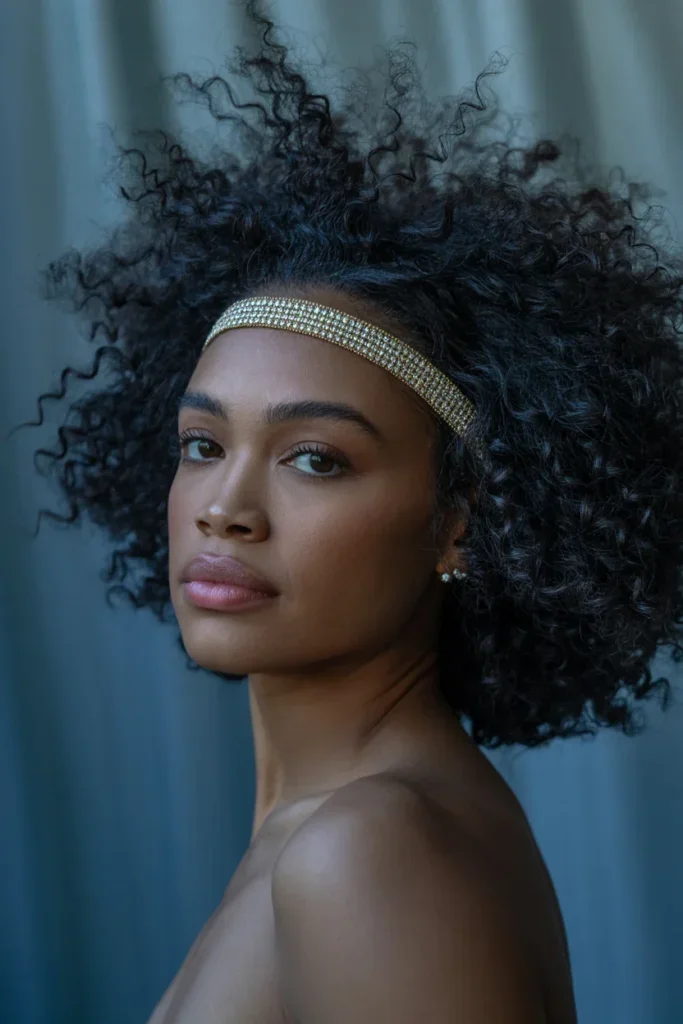
Big, voluminous curls are made for a night out — and a slim headband keeps them off your face while adding a polished finish. Choose a flat, low headband rather than a tall one, and the whole look stays seat-friendly and comfortable for hours.
How to style: curl in large sections, brush through for volume, then place a slim velvet or metal headband a couple of inches behind the hairline. Pin the band in place at the sides. What to ask a stylist: “big soft curls with a slim headband — flat and comfortable, please.”
Pros: glamorous, fun and flattering; the headband does real work keeping the hair in place. Cons: a tight headband can cause a headache by the interval, so choose one that fits comfortably. Best for: curly or wavy hair that wants a little structure.
The Modern Soft Beehive: Height Without the Blocked View
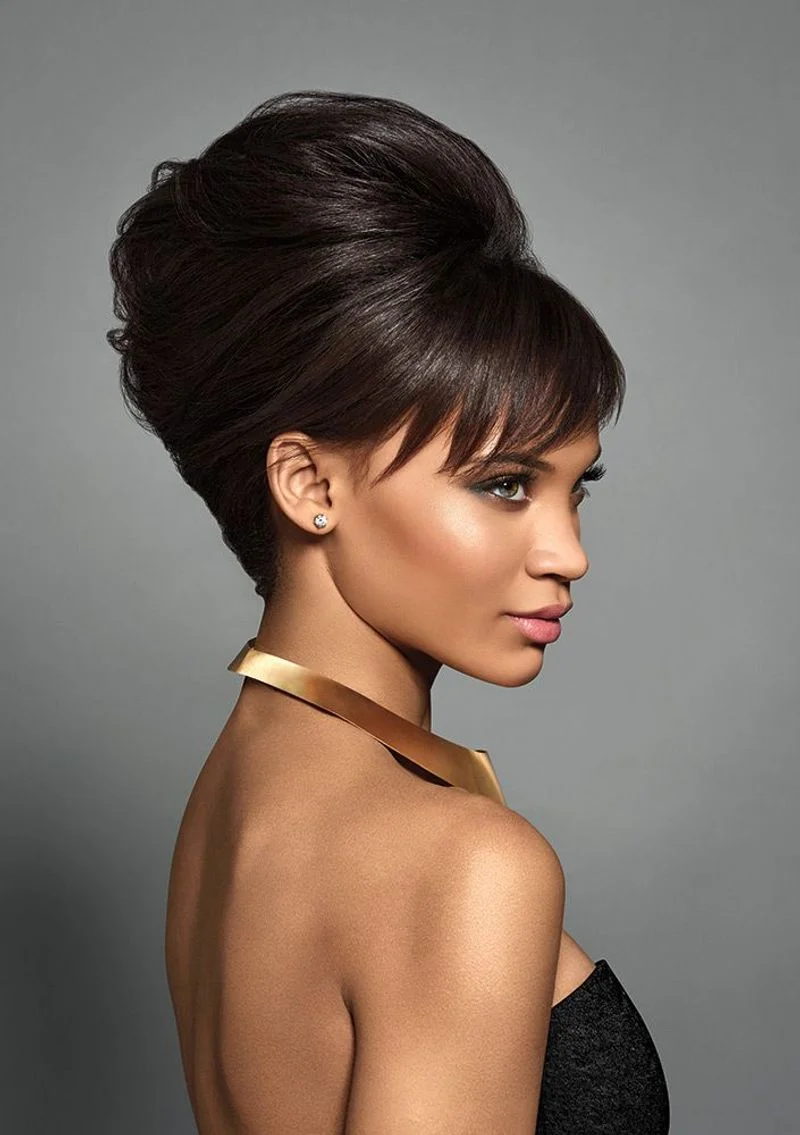
The beehive is back — but the modern version is softer, lower and far more wearable than the 1960s original. The volume sits at the crown and leans forward, which means it looks dramatic from the front and stays completely out of the way of the person behind you. That is the whole trick: height up, not back.
How to style: backcomb the crown section, smooth the surface, and pin it into a soft, rounded shape, with the rest of the hair swept into a low bun or left loose. What to ask a stylist: “a soft, modern beehive — volume at the crown, nothing sticking out at the back.”
Pros: dramatic, retro and surprisingly comfortable when kept low. Cons: it needs backcombing, which some hair hates, and a tall version is a sightline disaster — keep it forward. Who should avoid it: anyone in a seat directly in front of someone else with a very tall style. Keep it modest.
A Chignon With Pearl Pins
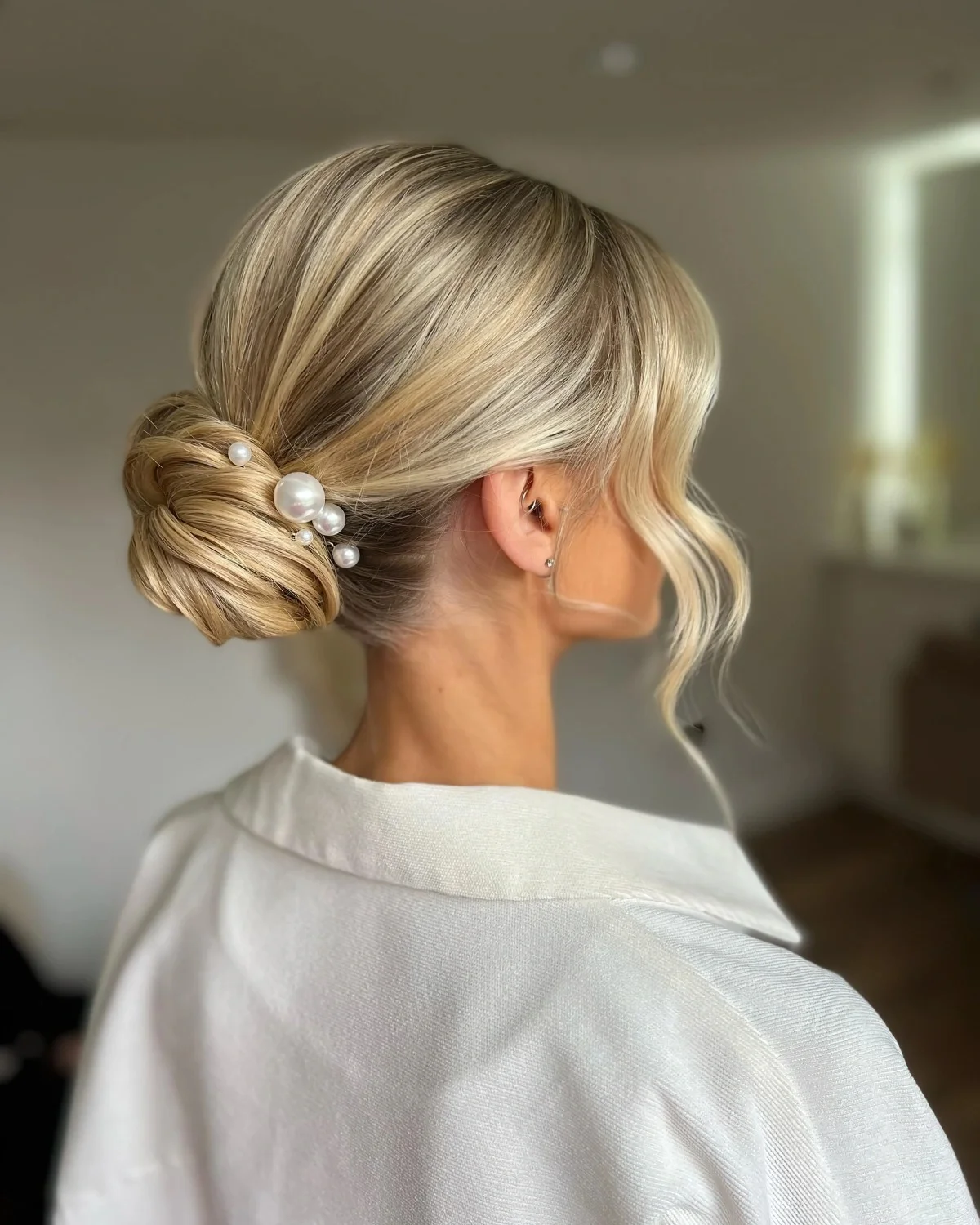
Take the classic low chignon and add three pearl pins, and suddenly the whole look feels finished — like jewellery for your hair. Pearls suit theatre lighting perfectly: they glow softly instead of flashing, and they look just as good in a dim auditorium as they do in the foyer.
How to style: build a soft low chignon, then slide two or three pearl pins into the side of the bun, fanning them slightly. Keep them low and flat. What to ask a stylist: “a low chignon with pearl pins — placed low, so I can lean back comfortably.”
Pros: instant elegance, inexpensive to achieve, and endlessly photogenic. Cons: pins can slip on very smooth hair — anchor them through a bobby pin. Quick verdict: the easiest upgrade in this whole list. One accessory, ten minutes, a completely different look.
The Messy-Elegant Low Bun: Undone on Purpose
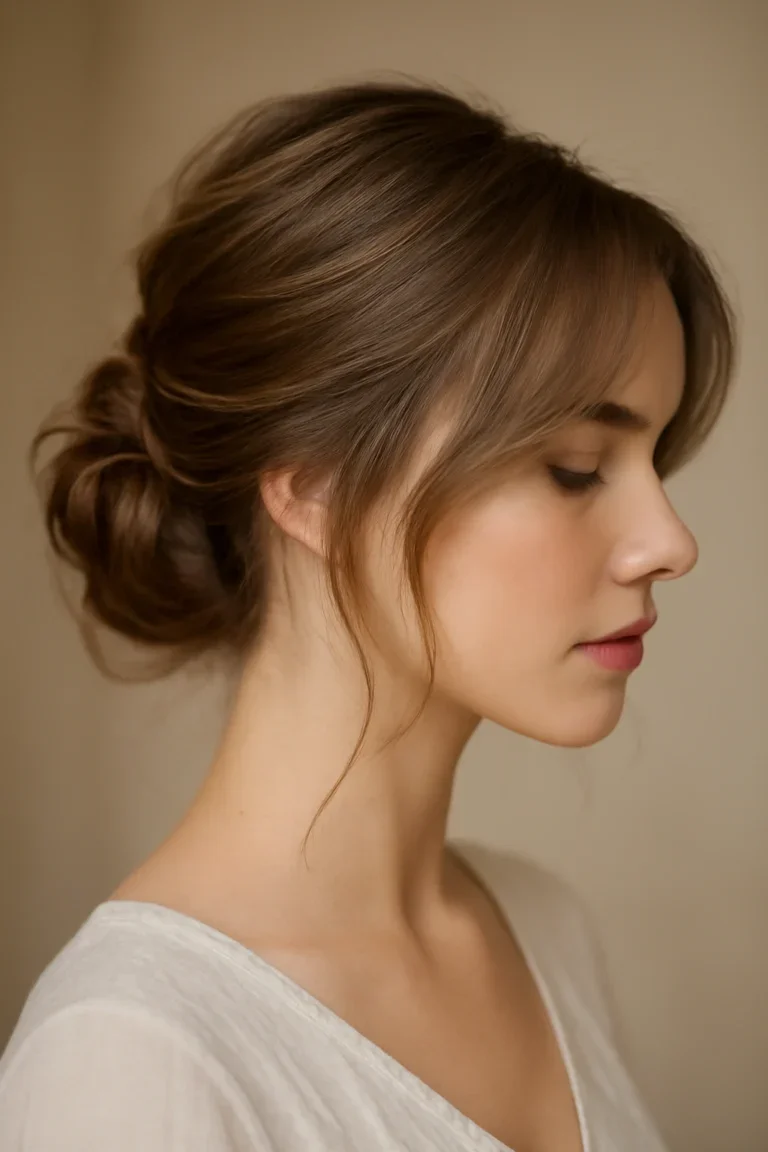
The messy bun has grown up. The theatre version is not the bun you wear to the gym — it is deliberately undone: soft texture, a few loose pieces, a shape that looks effortless because someone worked at it. It is relaxed, modern and very forgiving.
How to style: add texture spray, gather the hair loosely at the nape, twist and pin it into a soft knot, then gently pull at the edges for fullness and free a few face-framing strands. What to ask a stylist: “a messy low bun — soft and undone, but still polished.”
Pros: comfortable, flattering and actually improves as the evening goes on. Cons: it can tip over into genuinely messy by the second act — pin it more securely than you think you need to. Best for: a modern play, a comedy, or any night where you want to look relaxed rather than formal.
A Braided Headband Half-Up for Medium Hair
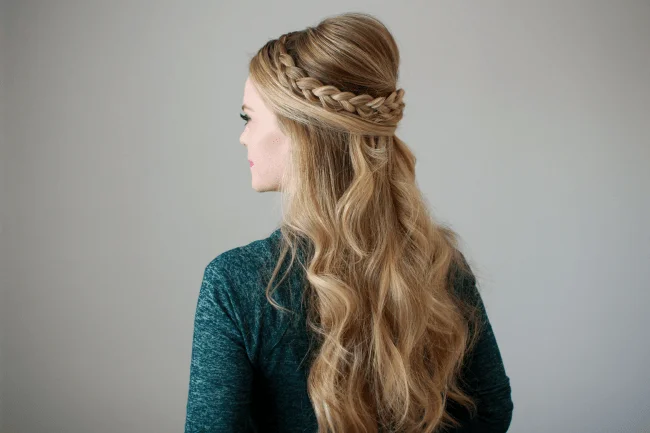
A braided headband — a small braid running across the front of the head like a hairband — is a lovely way to dress up medium-length hair without committing to a full updo. It keeps the front tidy, shows off the length, and adds a handmade, romantic detail.
How to style: take a section from behind one ear, braid it, and bring it across the crown to the other side, pinning it underneath. Curl the rest of the hair softly. What to ask a stylist: “a braided headband across the front, with the rest of my hair curled softly.”
Pros: pretty, practical and secure; works beautifully on medium hair. Cons: it needs enough length to braid across, and the braid can loosen — pin both ends well. Quick verdict: a gentle, romantic choice for a smaller theatre or a matinee that runs into the evening.
A Soft Updo That Works With Curly Hair, Not Against It
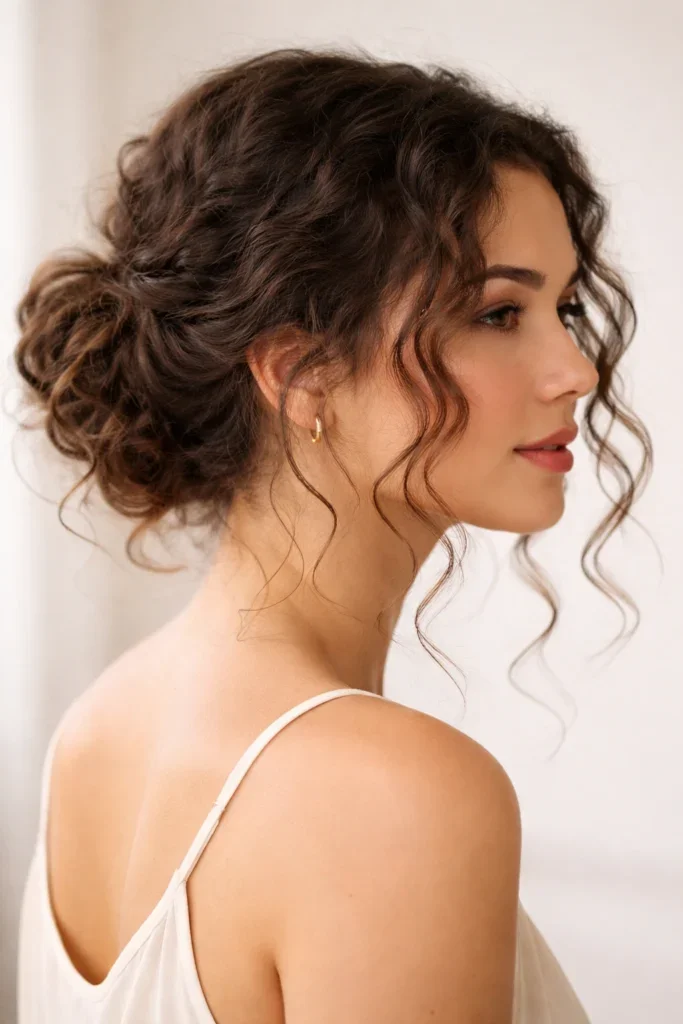
Curly hair does not need to be straightened for the theatre — it needs a style that works with the curl, not against it. A soft updo that gathers the curls loosely at the back, letting the natural texture do the work, is more beautiful (and far more comfortable) than fighting your hair into submission.
How to style: define the curls with a light cream, then gather sections loosely at the nape and pin them softly, leaving the curl pattern visible and a few tendrils free at the front. What to ask a stylist: “a soft updo that keeps my curl pattern — please do not straighten it first.”
Pros: celebrates natural texture, holds well, and looks stunning under warm light. Cons: it needs a stylist who understands curly hair — ask before you book. Best for: anyone with natural curls who is tired of being told to straighten them for formal events.
The Sleek Bun With a Side Part
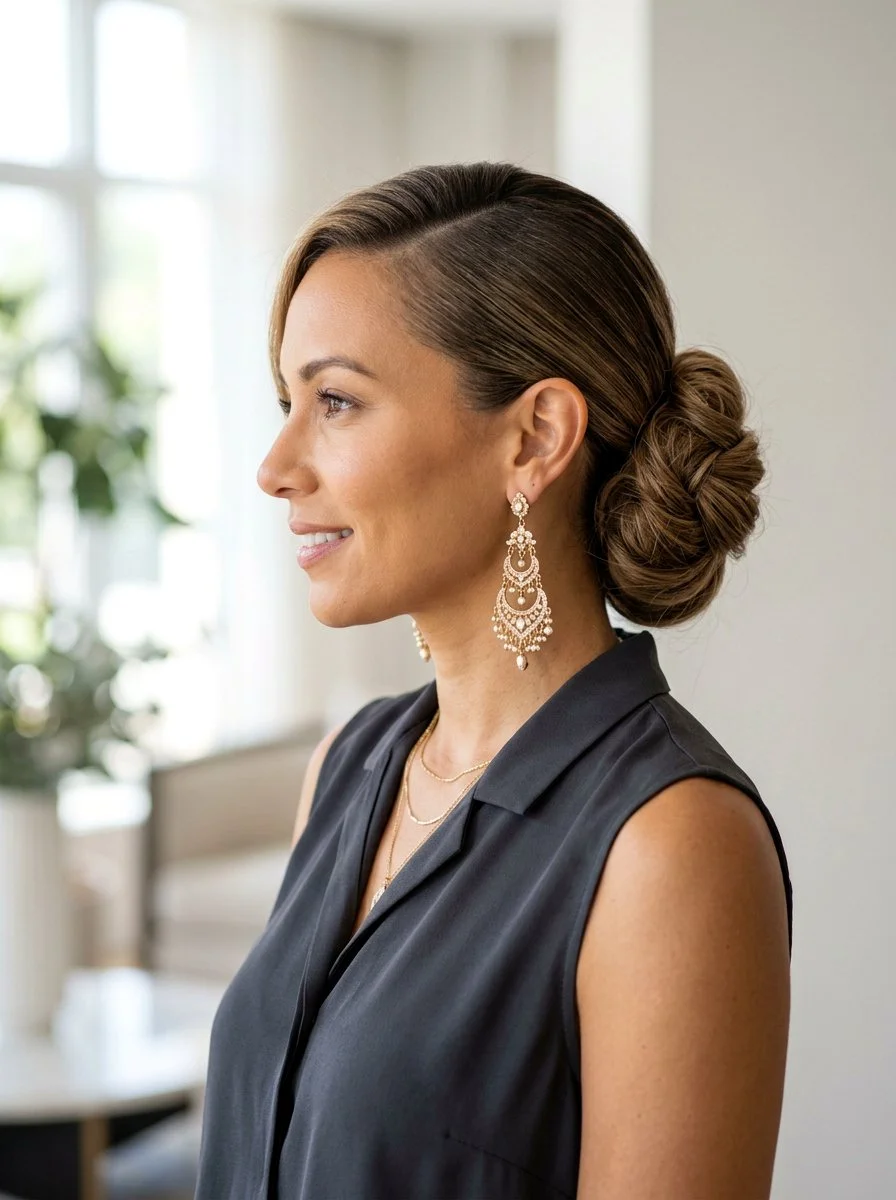
A deep side part changes everything about a sleek bun. It adds asymmetry, softens the face, and gives a classic style a modern edge — all while keeping the hair completely smooth and secure. It is the bun for anyone who finds a centre part too severe.
How to style: part the hair deeply to one side, smooth it back with serum, and coil it into a low bun at the nape. Keep the surface glassy. What to ask a stylist: “a sleek low bun with a deep side part.”
Pros: sharp, modern and very secure; suits strong features beautifully. Cons: it shows every imperfection in the smoothing, so take your time with the prep. Who should avoid it: anyone who wants softness — this is a polished, graphic look.
Soft Victory Rolls for a Vintage-Inspired Evening
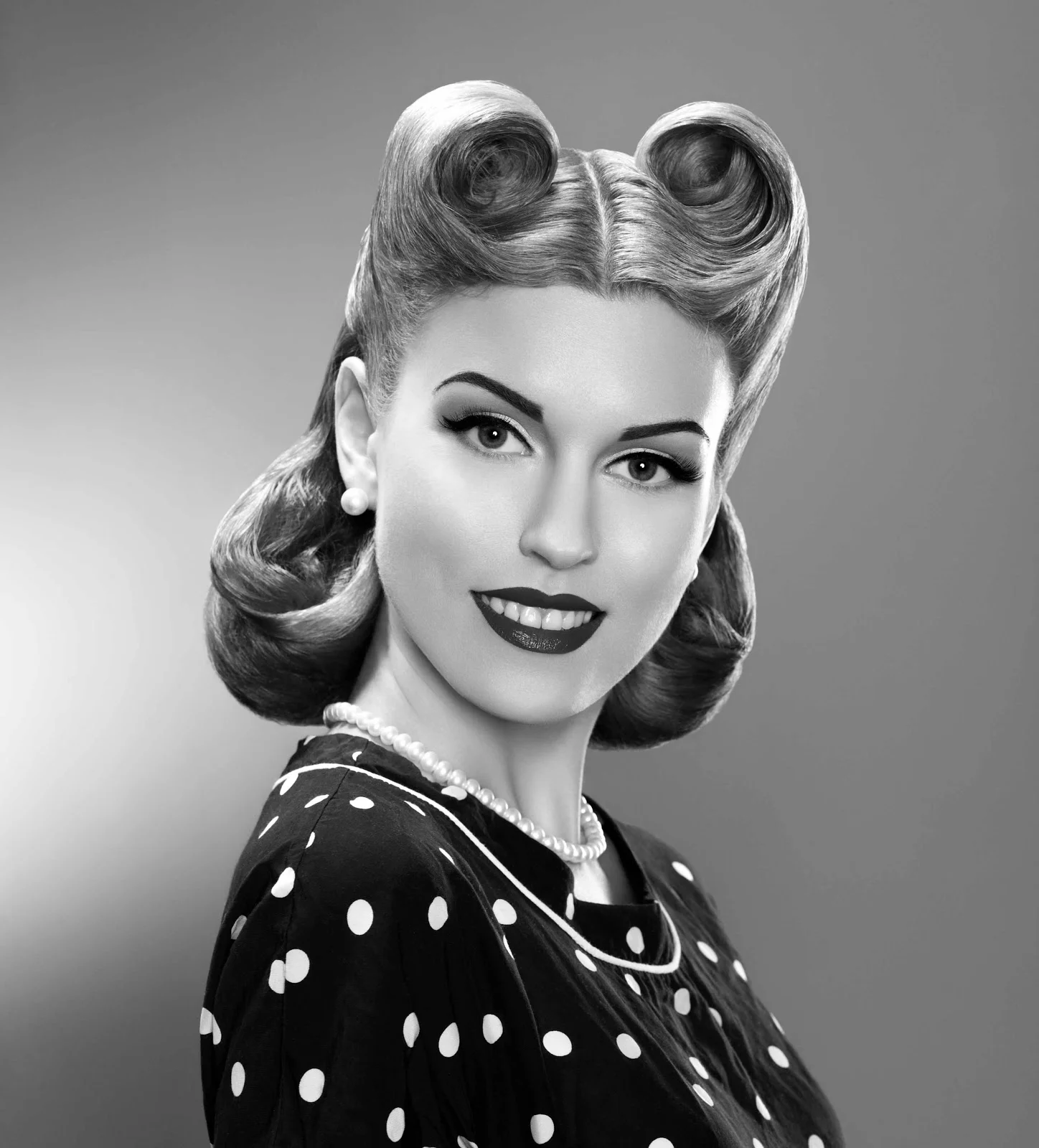
Victory rolls — the rolled, sculpted curls of the 1940s — are pure vintage theatre glamour. The modern, softened version keeps the iconic shape but loosens it up, so it reads as a nod to the era rather than a costume. Pair it with a vintage-style dress and a red lip, and you are ready for a night at a classic musical.
How to style: section the front hair, roll each section up and inward, pin it securely, and brush the rest into soft waves. What to ask a stylist: “soft victory rolls at the front, with the rest of my hair in gentle waves.”
Pros: unforgettable, glamorous and full of personality. Cons: it takes time and a lot of pins, and it works best on medium-length hair. Common mistake: making the rolls too big — softer and smaller looks more modern.
A Layered Blowout With Curtain Bangs
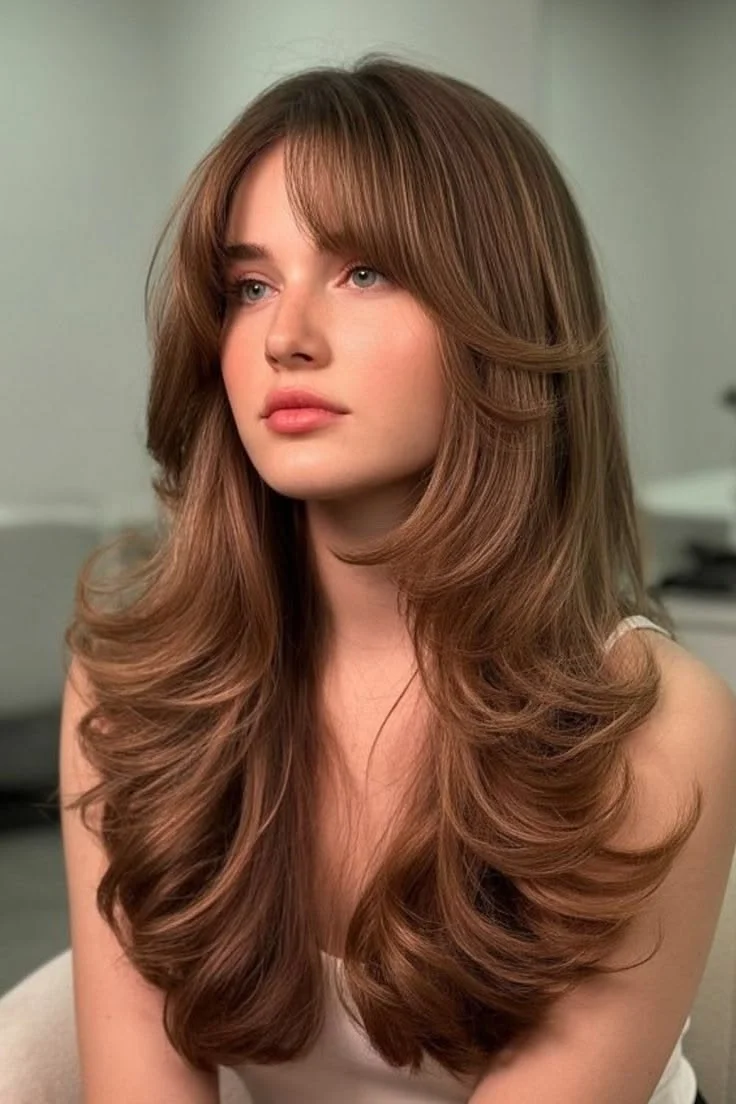
Curtain bangs are the friendliest fringe there is: soft, parted in the middle, framing the face without hiding it. Paired with a layered blowout, they give the hair movement and shape that looks effortless under theatre lights — and they never fall into your eyes during the show.
How to style: blow-dry the bangs away from the face with a round brush, then blow out the layers with volume at the roots and a soft bend through the ends. What to ask a stylist: “a layered blowout with my curtain bangs styled away from my face.”
Pros: flattering, modern and easy to wear; the bangs frame the face beautifully in photos. Cons: bangs can go limp in a warm auditorium — a little dry shampoo at the roots before you leave helps. Best for: anyone who already has curtain bangs and wants an easy evening upgrade.
A Low Ponytail With a Ribbon
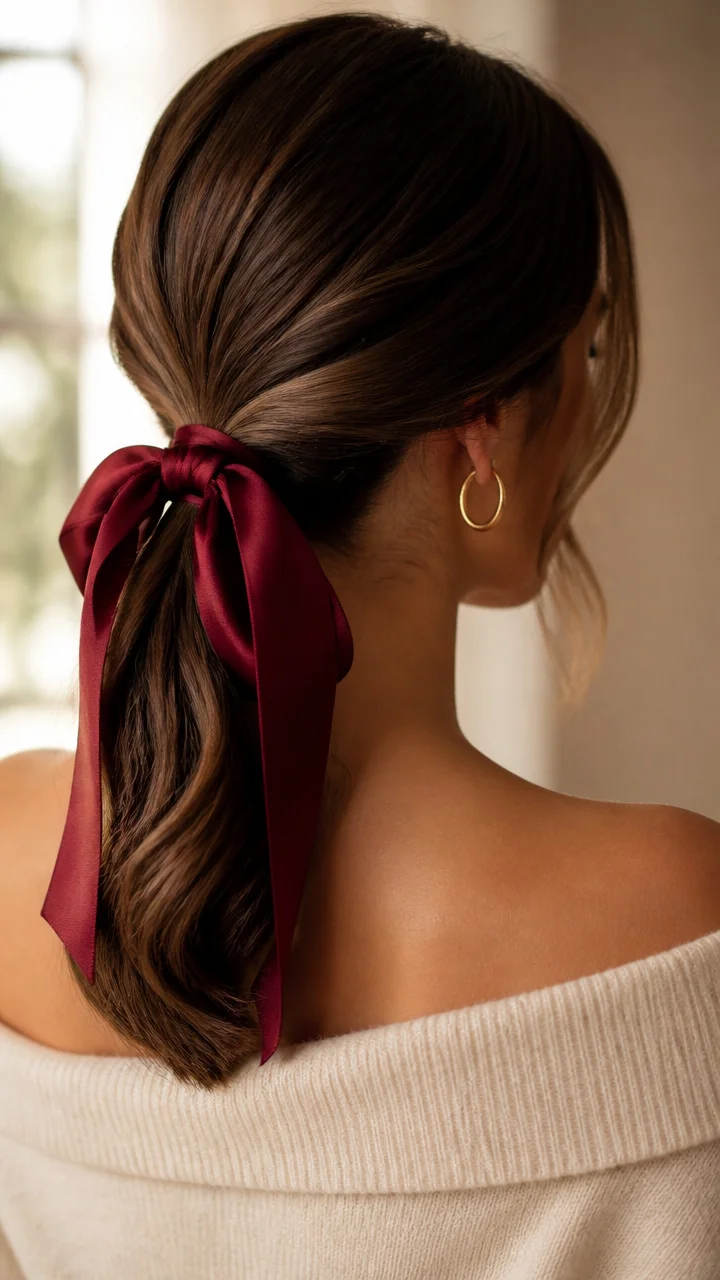
A velvet ribbon tied around a low ponytail is one of those tiny details that transforms a simple style into an evening look. It is inexpensive, it takes seconds, and it adds exactly the right amount of theatre-night romance — especially in black, deep green or burgundy.
How to style: smooth the hair into a low ponytail, wrap the elastic with a strand of hair, then tie a velvet ribbon around the base in a small bow, letting the ends hang. What to ask a stylist: “a sleek low ponytail finished with a velvet ribbon.”
Pros: fast, cheap, charming, and completely seat-friendly. Cons: the bow must sit low and flat, or it becomes a sightline problem — keep it small. Quick verdict: the best last-minute theatre hairstyle there is.
A Twisted Half-Up With Clips
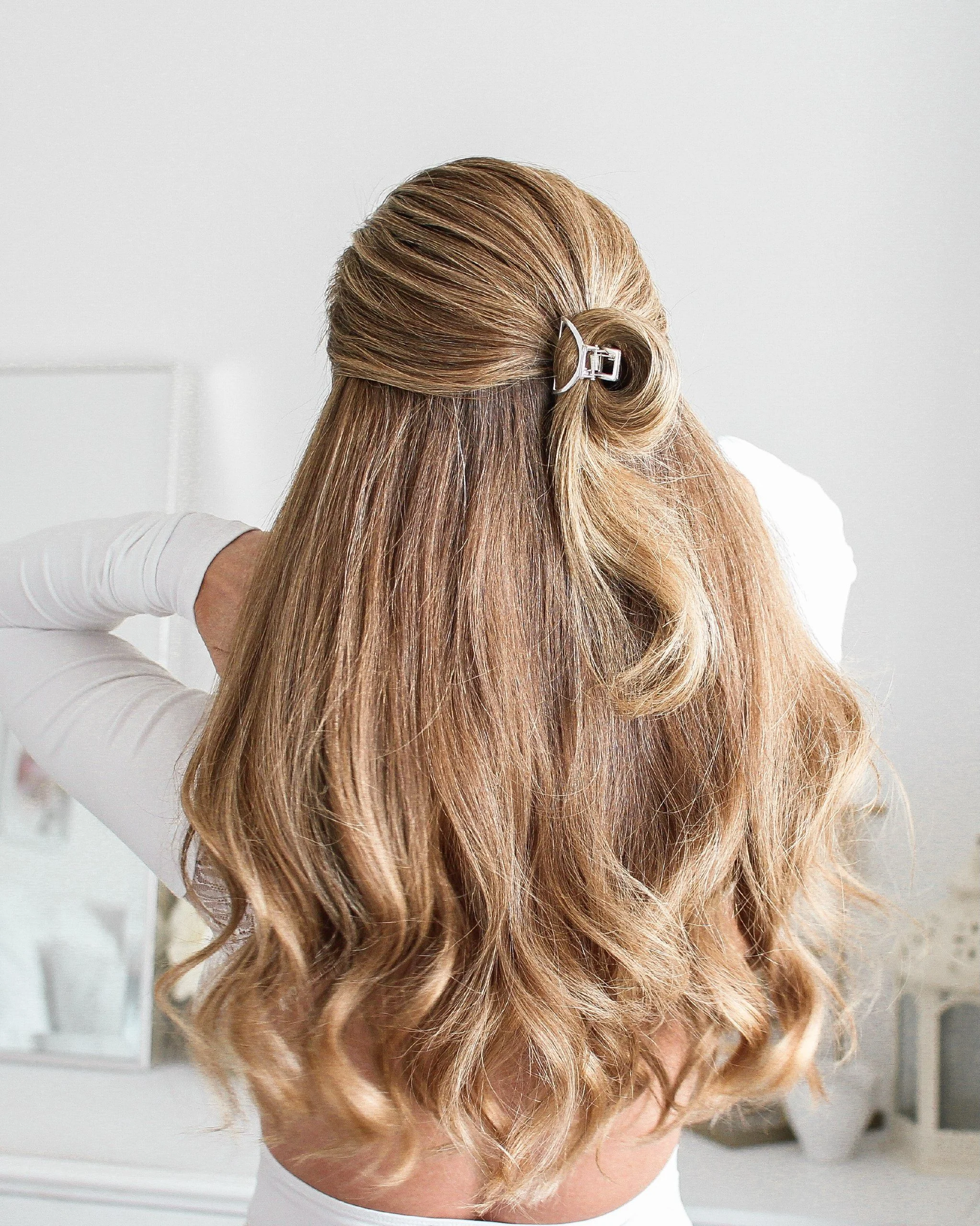
Twist two front sections back, secure them with a pretty clip, and you have a half-up style that takes five minutes and looks like it took thirty. A gold or tortoiseshell clip adds the evening polish, and the twists keep the front of your hair neatly away from your face all night.
How to style: take a section from each temple, twist them back toward the crown, cross them over and secure with a decorative clip. Curl the loose length softly. What to ask a stylist: “a twisted half-up, secured with a clip — simple and soft.”
Pros: quick, pretty and practical; the clip doubles as jewellery. Cons: the twists can loosen on very straight hair — a little texture spray helps. Best for: medium to long hair that needs a fast, reliable evening style.
Glamorous Side-Part Waves
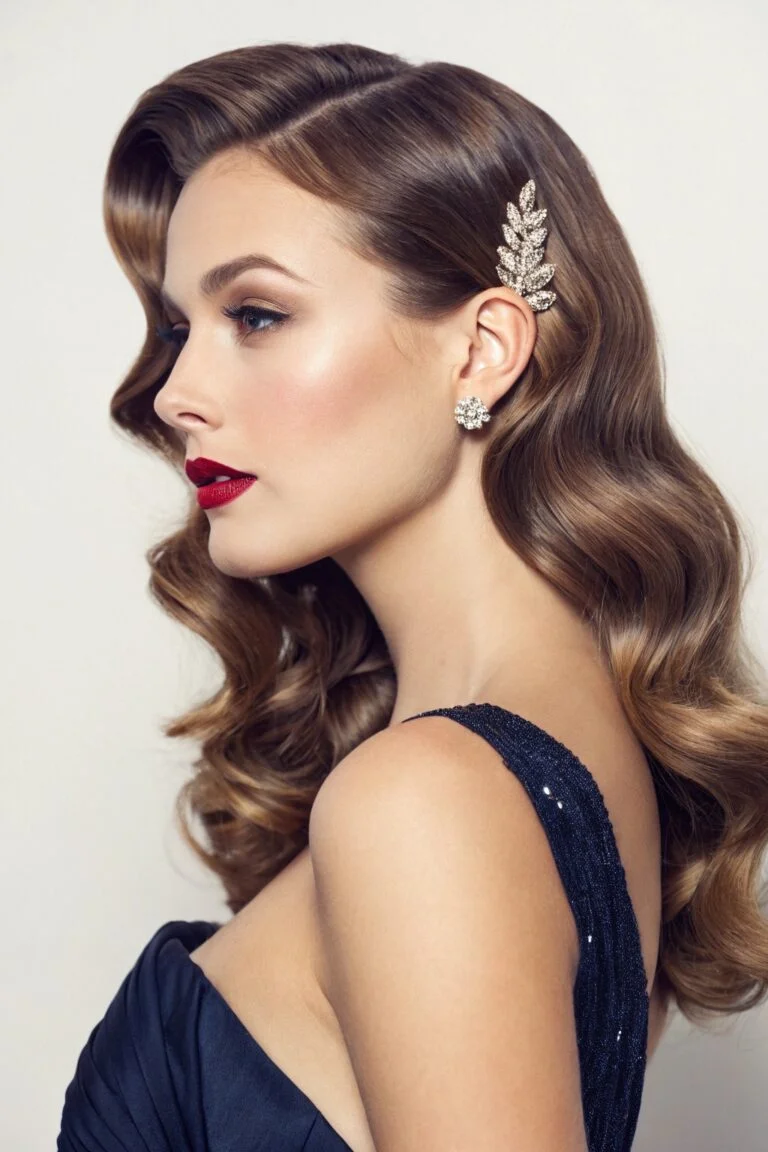
Side-part waves are Hollywood waves’ relaxed cousin: the same glossy, sculpted shape, but brushed out a little softer and worn a little looser. The deep side part gives the style instant drama, and the waves move beautifully every time you turn your head.
How to style: curl large sections away from the face, let them cool, then brush through gently and set the deep side part. Finish with shine spray. What to ask a stylist: “soft, glamorous waves with a deep side part — brushed out, not too structured.”
Pros: glamorous without being stiff, suits most face shapes, and photographs wonderfully. Cons: it needs heat and setting time, and it can drop in humidity. Who should avoid it: anyone in a rush — this one rewards patience.
An Elegant Bun for Short Hair
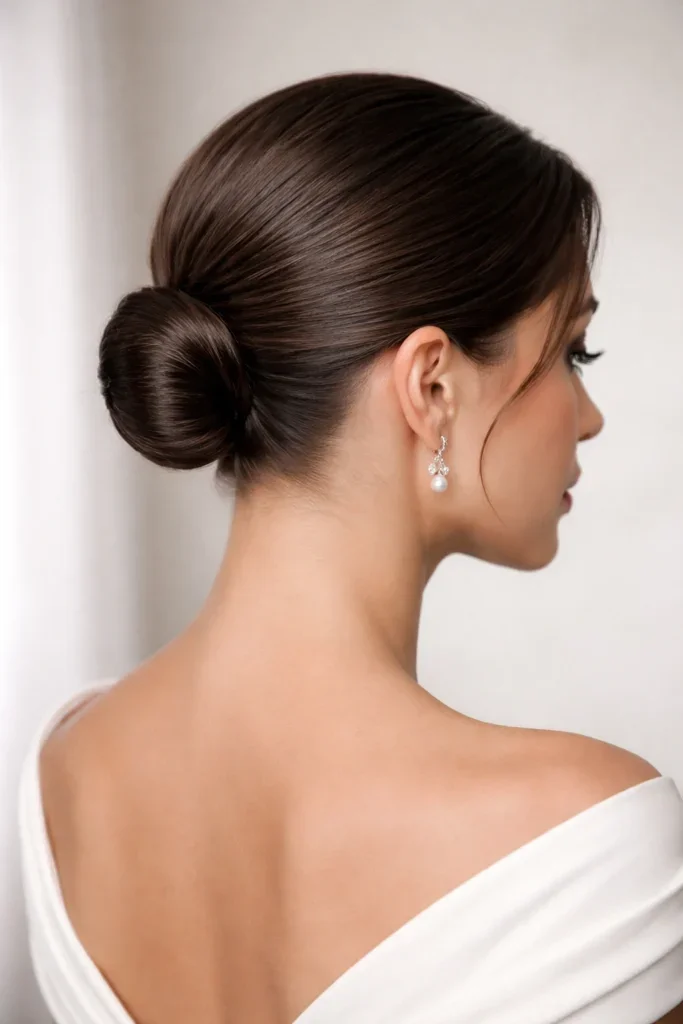
Short hair can absolutely wear a bun — it just needs a little help. A small, low bun built with pins and a little texture looks just as elegant as a full chignon, and it is one of the most comfortable theatre styles there is: nothing to lean on, nothing to fall down, nothing to fuss with.
How to style: add texture spray, gather the hair low, twist it into a small knot and pin it generously, tucking the ends in. A few loose pieces at the front soften the look. What to ask a stylist: “a small, low bun for my short hair — pinned securely, with soft pieces at the front.”
Pros: elegant, comfortable and secure; proves short hair can do evening too. Cons: it needs plenty of pins and a bit of patience. Quick verdict: if someone has told you your hair is too short for an updo, this is your answer.
A Statement Updo With Fresh Flowers
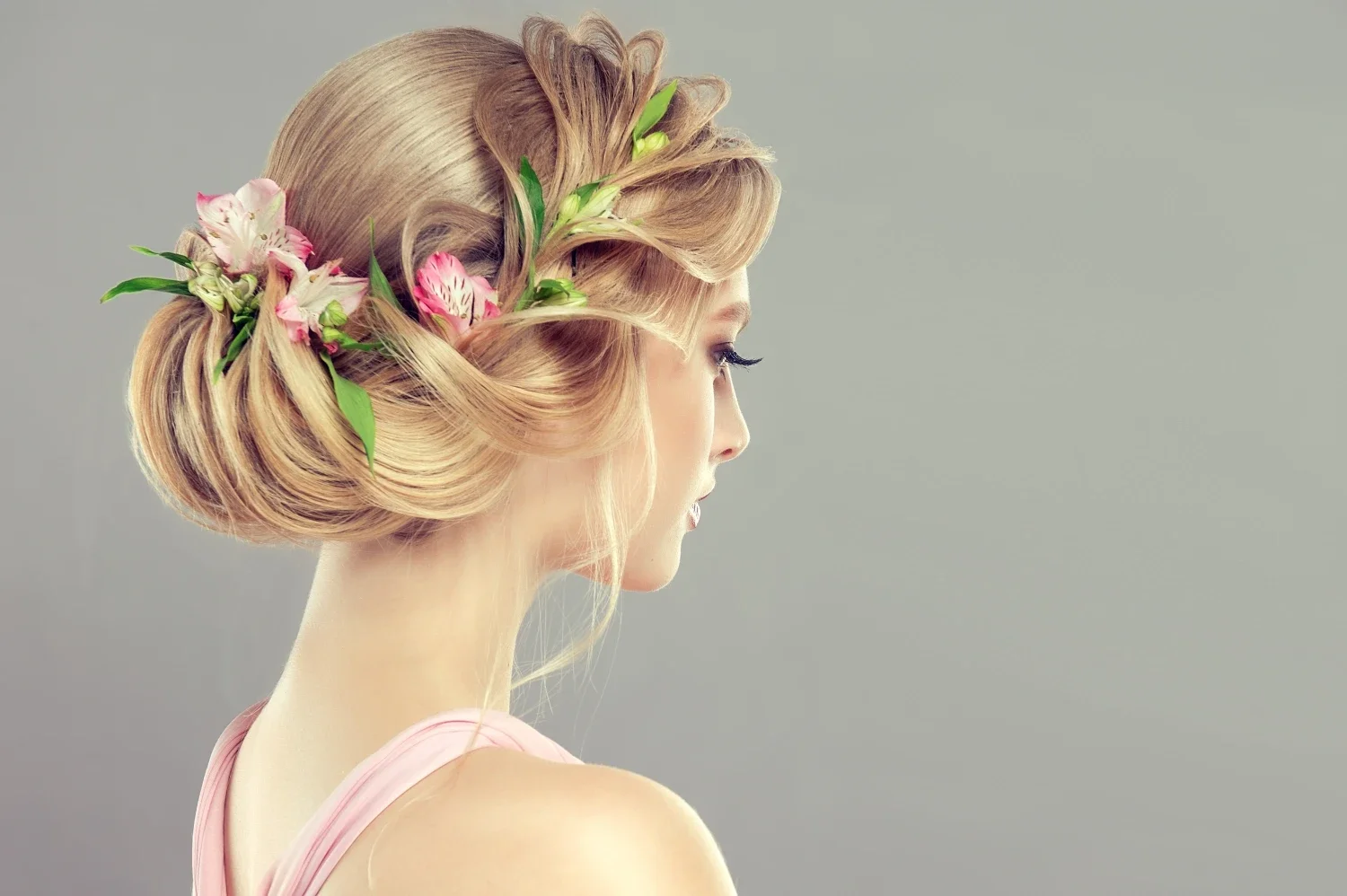
Fresh flowers in the hair are the most romantic theatre accessory of all — a small sprig of jasmine, a single gardenia, or a few tiny white blooms tucked into an updo. They smell wonderful, they photograph beautifully, and they suit a summer evening at an open-air theatre perfectly.
How to style: build a soft low updo, then tuck small, sturdy flowers into the pins at the side, keeping them low and flat. Mist the flowers lightly with water before you leave. What to ask a stylist: “a soft updo with fresh flowers tucked in low at the side.”
Pros: romantic, unique and unforgettable; costs almost nothing. Cons: flowers wilt under hot lights, so choose hardy blooms and keep them small. Best for: a summer evening, an outdoor performance, or a wedding-adjacent theatre night where romance is the whole point.
What is the best hairstyle for a night at the theatre?
The best hairstyle for a night at the theatre is a low, elegant updo — a low chignon, a French twist or a sleek low bun. These styles stay neat for hours, lean back comfortably in your seat, photograph well in dim light, and never block the view of the person behind you. If you prefer your hair down, soft Hollywood waves or a polished blowout are the best alternatives.
Should I wear my hair up or down to the theatre?
Either works, but hair up is the safer choice for a long show. Updos stay tidy through three hours, keep you cool under warm lights, and never fall into your face. Hair down looks beautiful too — just choose a style with hold, like set waves or a blowout, rather than loose, freshly washed hair that will fall flat by the interval.
Will a high bun block the view of the person behind me?
Yes, a high bun or top knot can block the view of the person sitting behind you, especially in the stalls where rows are close together. Choose a low bun, a low chignon or a side bun instead — these sit below the sightline and are just as elegant. Height at the crown is fine, but nothing should stick out behind your head.
How do I make my hairstyle last through a three-hour show?
Build hold into the style itself: prep with mousse or texture spray, pin in sections, anchor the style at two or more points, and finish with a light mist of flexible-hold hairspray. Start with second-day hair if you can, and carry two or three spare bobby pins for a quick intermission touch-up.
Can I wear a hat or fascinator to the theatre?
You can wear a hat or fascinator to the theatre, but you should remove it once you take your seat. A hat worn through the performance blocks the view behind you and is considered poor theatre etiquette. Wear it for arrival and photos in the foyer, then take it off before the lights go down.
What hairstyle works best with a formal dress?
An updo works best with a formal dress, especially if the dress has a high neckline, an embellished collar or an open back. A low chignon or French twist shows off the neckline and keeps the look balanced. For a strapless or off-the-shoulder dress, soft waves or a half-up style work beautifully instead.
Is it okay to wear loose waves to the theatre?
Yes, loose waves are fine for the theatre as long as they are set properly. Use a curling iron and let the curls cool before brushing through, then set with a flexible-hold spray so the waves last the whole show. Avoid wearing your hair freshly washed and unstyled, as it will fall flat quickly under warm theatre lights.
How early should I style my hair before the show?
Style your hair about ninety minutes before you need to leave, or finish at a salon at least an hour before curtain up. This leaves time for the style to set, for your makeup and outfit, and for the journey — including a silk scarf over your hair if you are walking in wind or rain.
What should I pack for intermission touch-ups?
Pack two or three bobby pins that match your hair colour, a mini hairspray, a tissue for blotting your hairline, and one spare elastic. That is all you need for a two-minute refresh: smooth flyaways, re-pin anything that has slipped, and lift the roots at the crown with your fingertips.
What hairstyles work for short hair at the theatre?
Short hair has wonderful theatre options: a sculpted pixie with shine, a classic bob with a soft curl, a wavy lob with a deep side part, or a small low bun built with pins. Short styles never block anyone’s view, need almost no touch-ups, and look deliberately glamorous with the right finish.
Take Your Seat: Your Theatre-Night Hair, Sorted
The best hairstyles for a night at the theatre are the ones you forget about once the lights go down — because they are comfortable, secure and sitting exactly where you left them. Whether you choose a classic low chignon, a dramatic French twist, soft Hollywood waves or a simple low ponytail with a ribbon, the rules are the same: keep it low at the back, build in the hold, match it to your outfit, and leave yourself time to enjoy getting ready.
So pick the style that feels most like you, give it a trial run before the big night, and pack those two spare bobby pins. The curtain is about to rise — and your hair is ready for it.