Hairstyles for a Murder Mystery Party: 36 Speakeasy, Gothic and Noir Looks That Stay in Character All Night
A murder mystery party lives or dies on its characters, and nothing sells a character faster than the hair. The right hairstyle for a murder mystery party does more than match a costume — it tells the room who you are before you say a single suspicious word. Are you the cool-headed detective, the flapper with a secret, the widow in black, or the heiress who will not survive dessert? Your hair answers that question the moment you walk in.
This guide collects 36 hairstyles for a murder mystery party, from 1920s finger waves and speakeasy bobs to Victorian gothic updos, Hollywood noir waves and victory rolls. Eight practical guides come first: how to pick your character, match your hair to your era, make a style survive a whole evening of accusations, decide between a wig and your own hair, choose accessories, pull off a quick character change, pair hair with makeup, and pack a party hair kit. Every style includes honest notes on time, hold, cost and who it suits, so you can arrive in character and stay in character until the murderer is finally revealed.
Pick Your Character First, Then Your Hairstyle
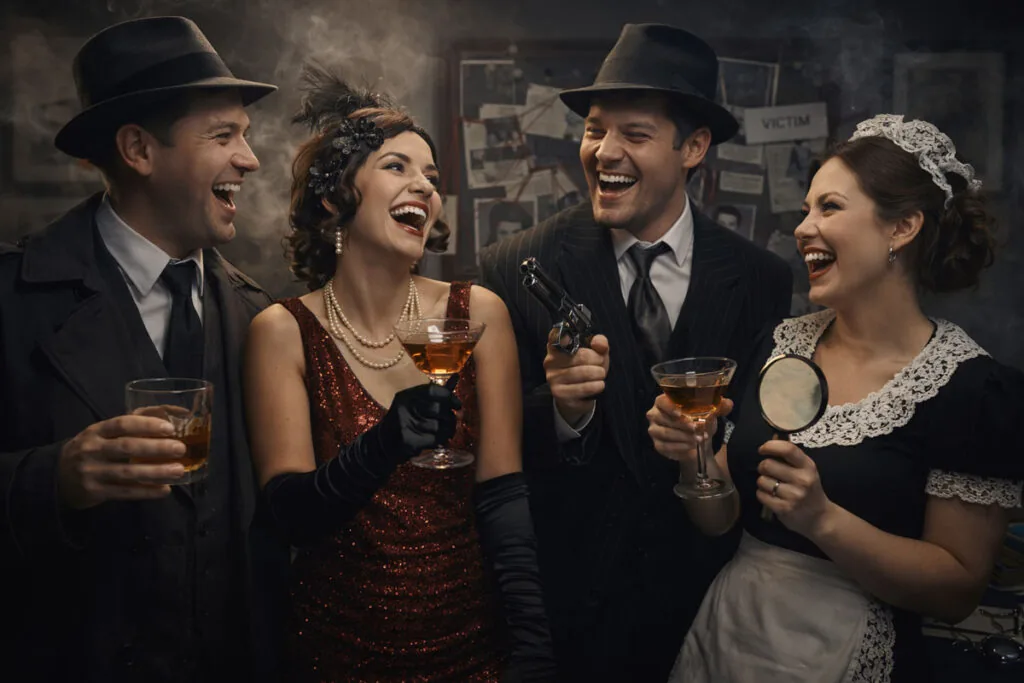
The biggest mistake at a murder mystery party is choosing a hairstyle you love and then trying to squeeze a character around it. Start the other way round. Read your character card first: a detective needs hair that looks sharp and unbothered, a femme fatale needs drama and shine, a flapper needs movement, and a Victorian widow needs severity. When the hair matches the role, the costume suddenly looks deliberate instead of thrown together.
Best for: anyone who has been assigned a character in advance, and hosts who want the whole cast to look like they belong in the same story. How to choose: pick one word for your character — suspicious, glamorous, innocent, dangerous — and let that word rule every hair decision. Common mistake: copying a hairstyle from a different era than your party’s setting. A beehive at a 1920s speakeasy looks lost; finger waves at a Victorian manor look just as wrong.
Match Your Hair to Your Era: 1920s, Victorian and 1940s Noir
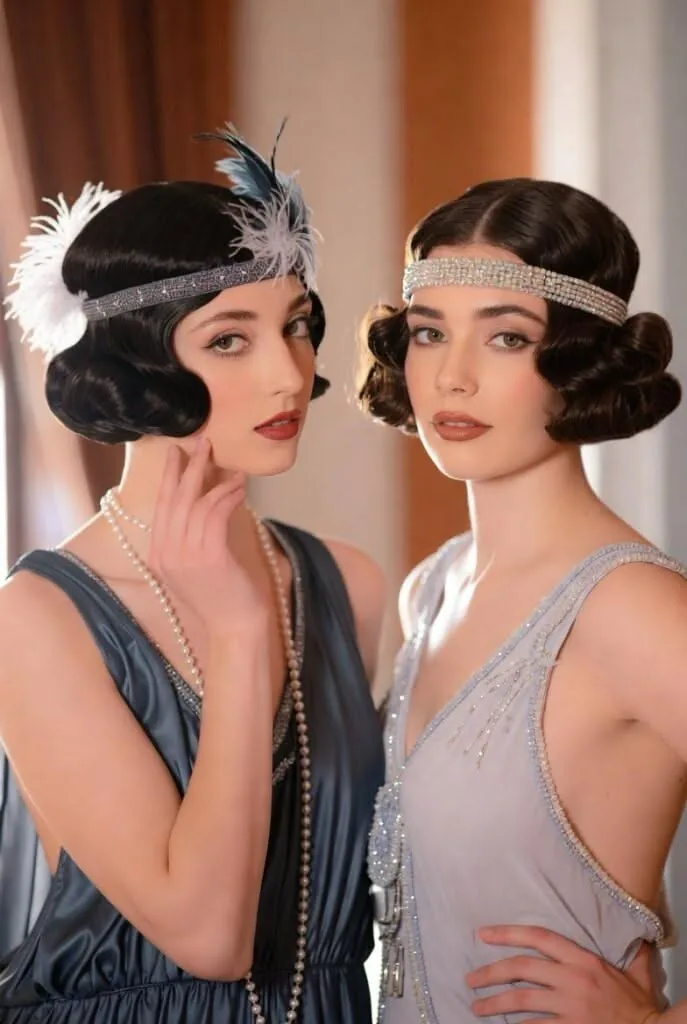
Every murder mystery has a setting, and each setting has a hair language. The 1920s speak in finger waves, sleek bobs and beaded headbands. The Victorian era speaks in severe centre parts, high pompadours and ringlets pinned close to the head. The 1940s speak in victory rolls, pageboys and glossy side-part waves. Learn the three or four signature shapes of your era and you will look right even in a simple outfit.
Quick verdict: if you only have thirty minutes, pick the single most recognisable shape of your era — finger waves for the 1920s, a high pompadour for the Victorians, victory rolls for the 1940s — and do it well. One strong era signal beats three half-finished ones. What to ask: if you are booking a stylist, show them a photo of the era, not just the style name, and ask how long the set will hold under party lights.
Costume-Party Hair That Lasts All Night
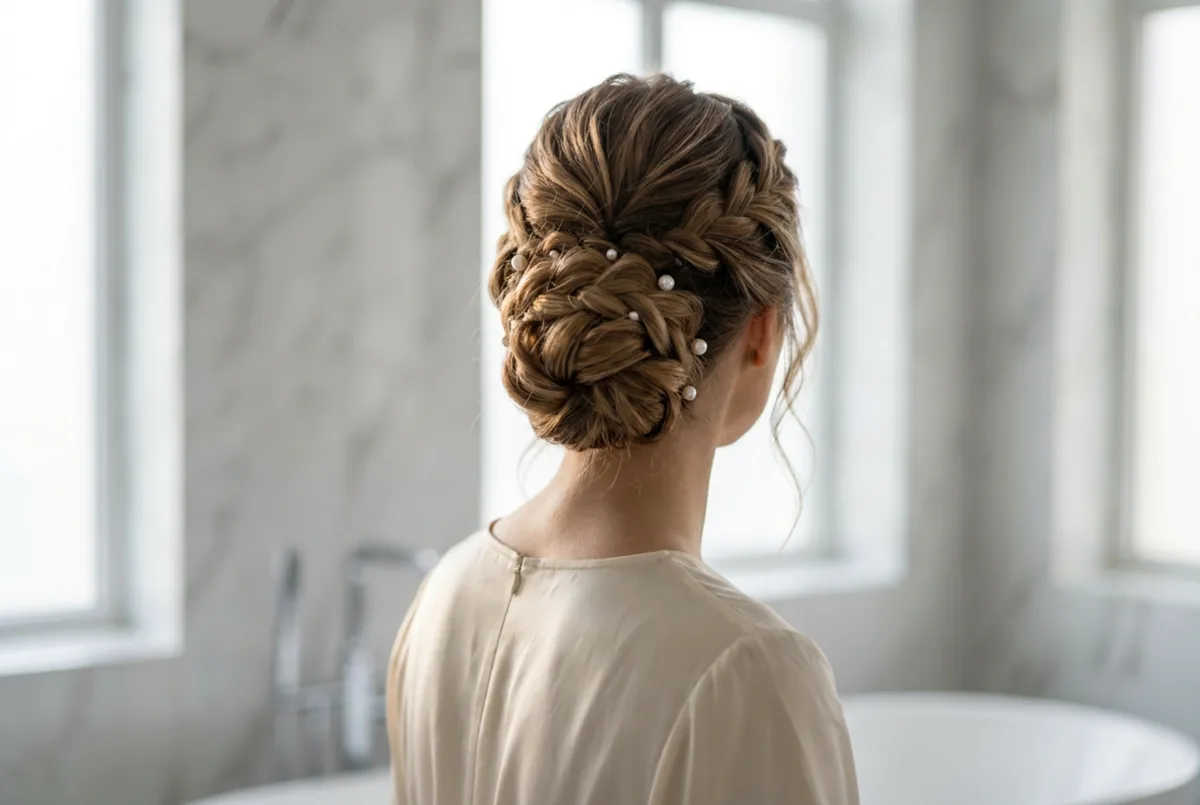
A murder mystery party runs for hours: drinks, dancing, whispered accusations in the hallway, and a dramatic reveal near midnight. A style that looks perfect at 7 p.m. and collapses by 9 p.m. breaks character at the worst moment. The secret is building hold into the style from the start, not spraying it on at the end.
How to style: start with day-old hair or a light texturising spray — squeaky-clean hair slips out of pins. Set curls or waves with a cool shot from the dryer, pin each section while it cools, and only release it once it is cold. Finish with a flexible-hold spray, then a light mist of strong-hold spray from arm’s length. Maintenance: carry four spare bobby pins and a travel-size spray in your clutch. Who should avoid it: very heavy updos if you plan to dance — a lighter pinned style will outlast a tall one by hours.
Wigs or Your Own Hair: When to Wear Each
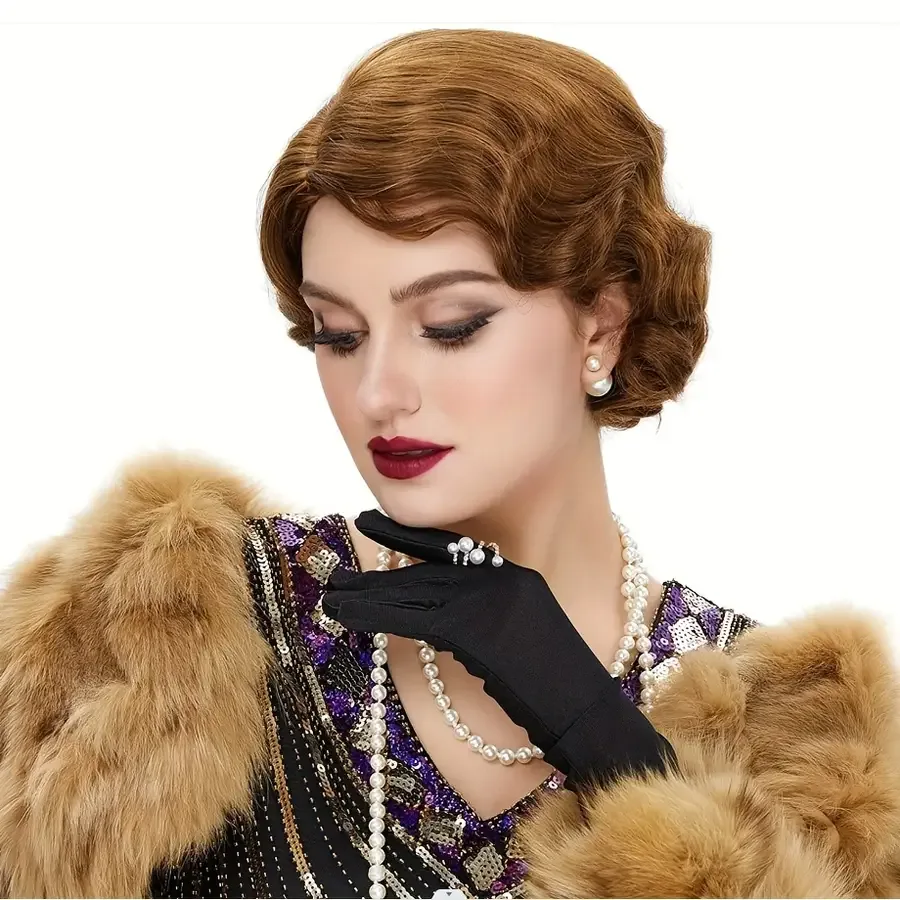
A wig is the fastest way to become a different person, and for a murder mystery party that is often the whole point. A short black bob wig turns anyone into a 1920s flapper in sixty seconds; a long auburn wig turns a pixie cut into a Victorian heroine. But a wig also brings its own risks: it can slip, itch, or shine in a way that reads fake in photos.
Pros of a wig: instant transformation, no heat damage, easy character changes between rounds. Cons: heat under party lights, the need for a wig cap and pins, and a hairline that can give you away up close. Quick verdict: wear a wig when your own hair cannot reach the look — very short hair going long, or a dramatic colour change. Style your own hair when the character’s look is close to your natural length and texture; it will move better, photograph better, and stay comfortable until the reveal.
Accessories That Sell the Character
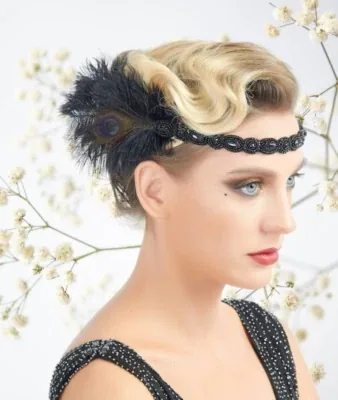
At a murder mystery party, one well-chosen accessory can do the work of an entire costume. A feather headband says 1920s before you open your mouth. A black birdcage veil says widow. A pearl comb says heiress. A tilted hat says detective who means business. Accessories are also the cheapest way to upgrade a simple hairstyle into a character.
Best for: last-minute guests, tight budgets, and anyone whose hair will not cooperate with a complicated set. How to style: anchor every accessory with at least two bobby pins crossed in an X — a headband that slides is worse than no headband at all. Common mistake: wearing three statement pieces at once. Pick one hero accessory and let the hair be the supporting act.
Quick Character Changes: One Base Style, Three Suspects
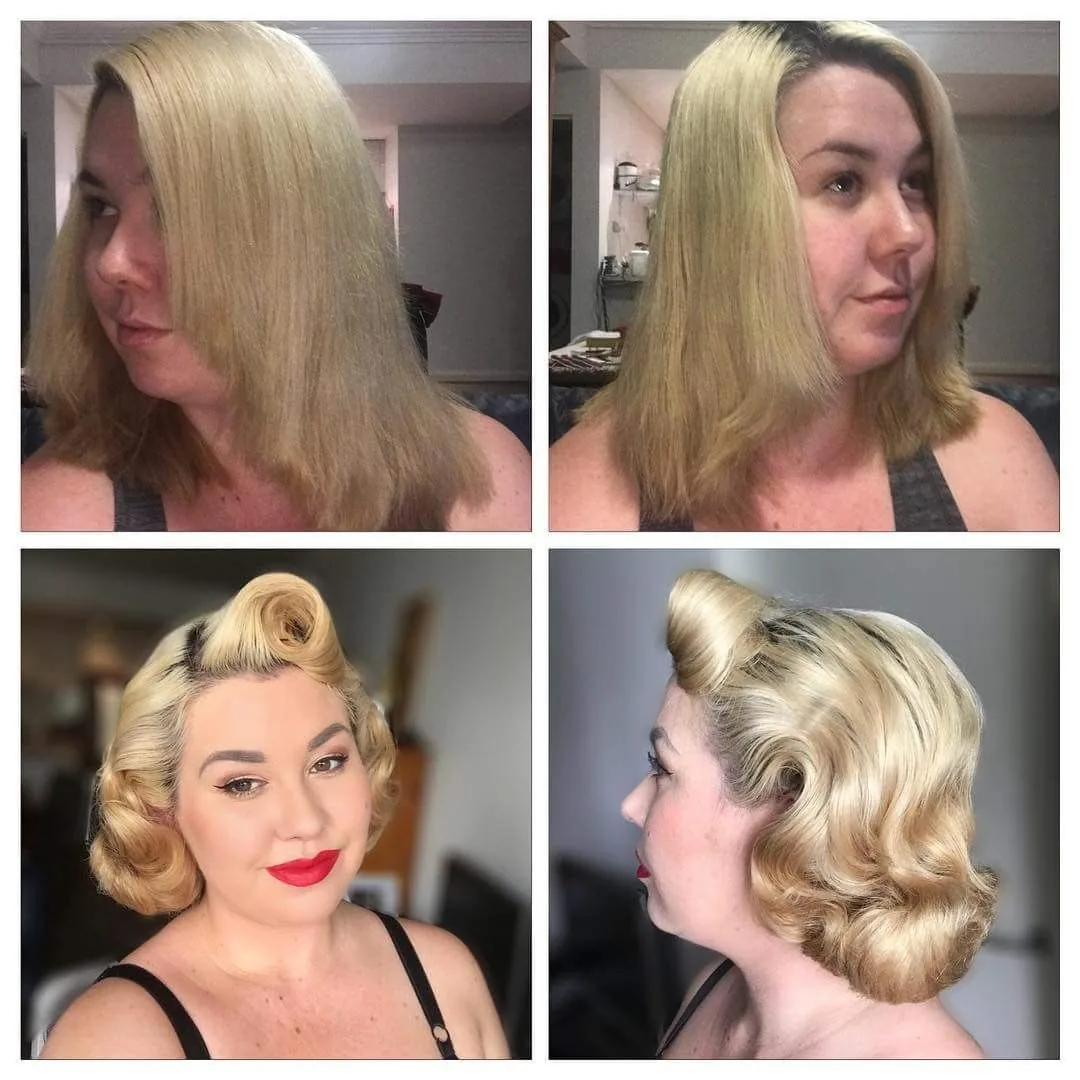
Some parties ask guests to switch characters between rounds, or a host may play two roles across the night. The trick is a base style that can change its story with one move: a low chignon becomes a detective with a hat, a widow with a veil, or a socialite with a jeweled comb. Build the base once, then swap the accessory, not the hair.
How to style: choose a smooth low bun or a soft side part as your base — both accept hats, veils, scarves and combs without re-pinning. Maintenance: keep the swap pieces in a small pouch, not scattered across the venue. Quick verdict: if your party has character changes, plan them before the night starts and test each switch at home. A change that takes four minutes in your bathroom takes fifteen in a crowded hallway.
Hair and Makeup Pairings for Mystery Characters
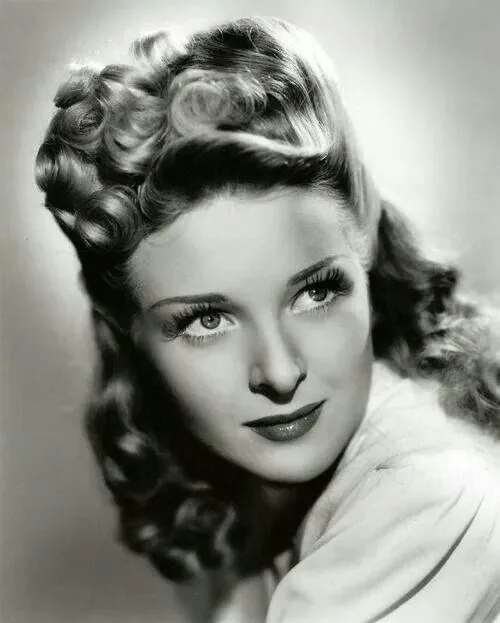
Hair and makeup should agree with each other. A 1920s finger wave pairs with a dark cupid’s-bow lip and thin arched brows; a 1940s victory roll pairs with a red lip and a soft winged liner; a Victorian updo pairs with pale skin and a muted mouth. When the two match, the character reads instantly. When they clash — say, a gothic updo with bright modern contouring — the eye gets confused.
Best for: guests who want photos that look like they belong in a period film. What to ask: if a makeup artist is helping, tell them your character and era first, then your style. Common mistake: going too heavy on both hair and makeup at once. Pick one to be the star: dramatic hair with quiet makeup, or a simple style with a bold lip.
Pack a Murder Mystery Party Hair Kit
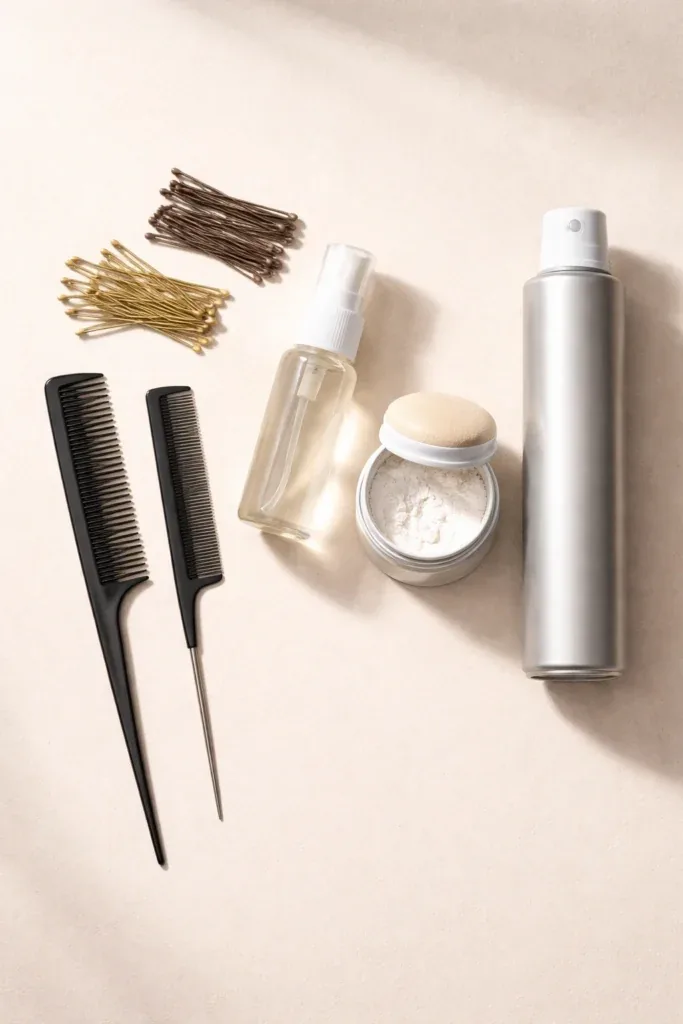
Even the best-set hairstyle benefits from a small rescue kit. Pack it the way a detective packs evidence: everything in one place, nothing left to chance. A good kit fits in a clutch and saves you from the bathroom mirror at the worst moment.
What to pack: six bobby pins in your hair colour, two small claw clips, a travel-size strong-hold hairspray, a pocket comb, a few clear elastics, blotting paper for shine, and one spare accessory — a comb, a flower, or a feather — in case yours goes missing. Cost: almost nothing, since most of it is already in your drawer. Maintenance: check the kit before you leave, not after you arrive. A rescue kit you forgot at home is just a list.
1. Classic 1920s Finger Waves
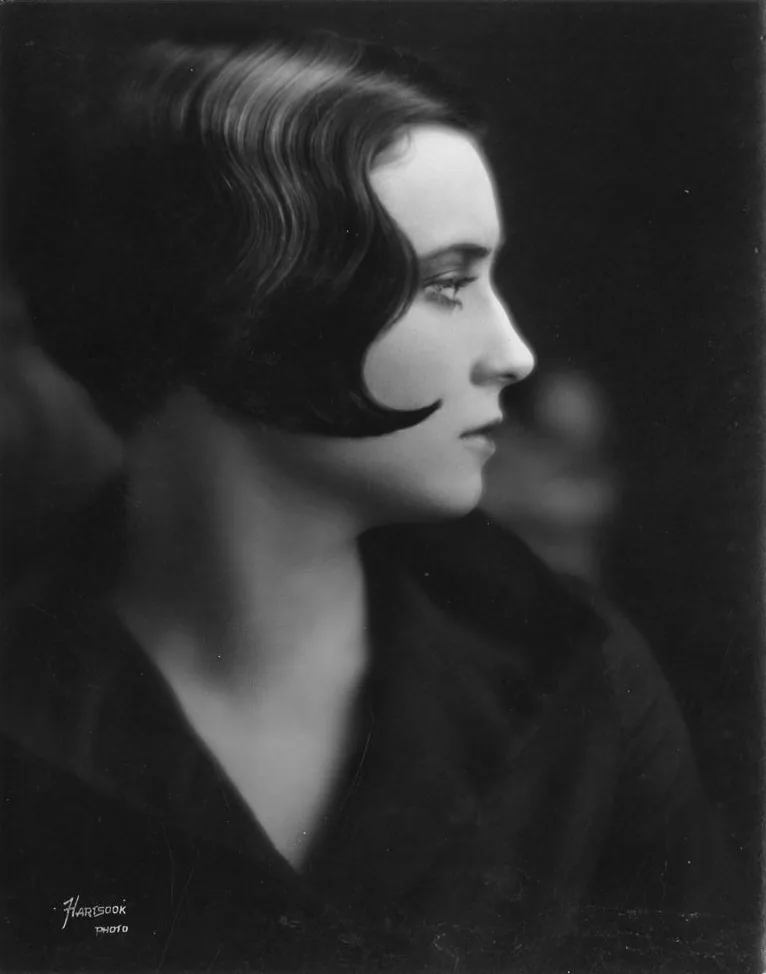
No hairstyle says murder mystery quite like finger waves. This is the signature look of the speakeasy flapper: sculpted S-shaped waves pressed close to the head, glossy and precise, made for candlelight and suspicion. It works best on short to medium hair, and it photographs beautifully — every wave catches the light.
Best for: flappers, jazz singers, and anyone whose party is set in the 1920s. How to style: work on damp hair with strong-hold gel, shape the waves with your fingers and a fine comb, clip each ridge, and let it dry completely before removing the clips. A curling iron can fake the shape, but the gel-and-finger method gives the authentic flat, sculpted finish. Who should avoid it: very long, heavy hair — the waves pull out under their own weight. A wig or a shorter cut is a better bet there.
2. The Flapper Bob with a Beaded Headband
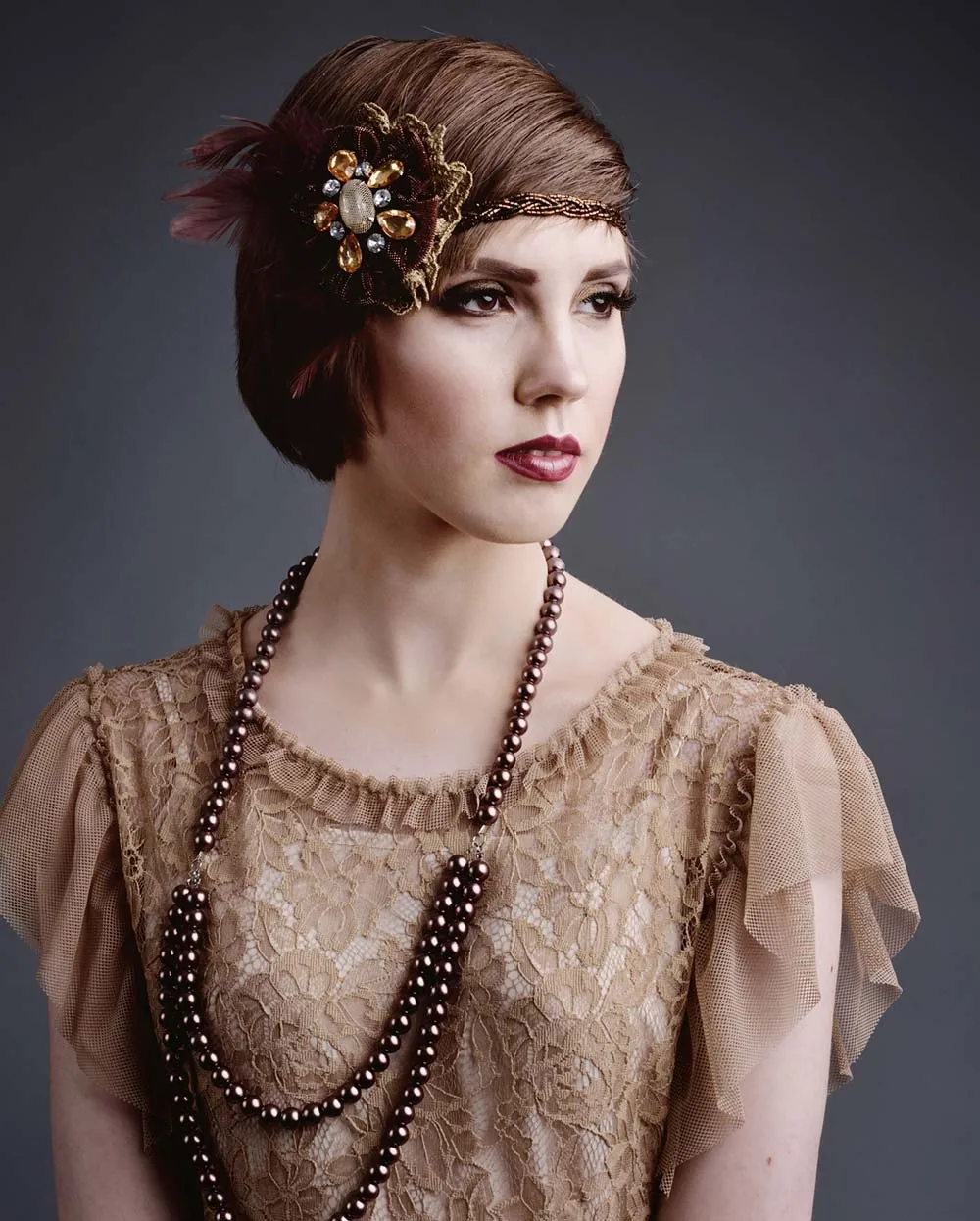
The flapper bob is finger waves’ livelier sister: a chin-length cut with a slight curl at the ends and a beaded headband worn low across the forehead. It is the look of the girl who knows everyone’s secrets and is enjoying it far too much. It is also one of the easiest 1920s styles to wear all night, since the headband does half the work.
Pros: instantly recognisable, comfortable, and flattering on most face shapes. Cons: needs a bob-length cut or a convincing wig — long hair tucked under rarely fools anyone up close. Quick verdict: if you want the 1920s with the least effort, this is your style. Add dark lips, a long necklace, and a knowing smile, and the character is complete.
3. Old Hollywood Glamour Waves
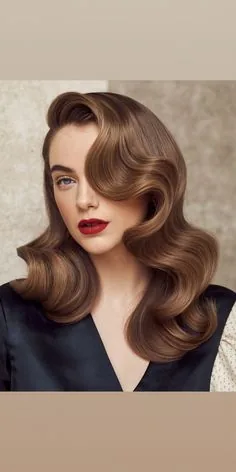
Old Hollywood waves are the femme fatale’s calling card: deep, glossy waves parted to one side, falling over one shoulder like a curtain. This is the hair of the movie star who might be innocent and probably is not. It suits medium to long hair and looks expensive with almost no effort once the set is in.
How to style: curl large sections away from the face with a wide-barrel iron, brush them out into one smooth wave, and pin the top section while it cools. A shine spray at the end makes the difference between pretty waves and screen-siren waves. Maintenance: one side pinned behind the ear keeps it from falling into your face during interrogations. Common mistake: curling the ends too tightly — the wave should look brushed and fluid, not ringleted.
4. Victory Rolls, Noir Detective Style
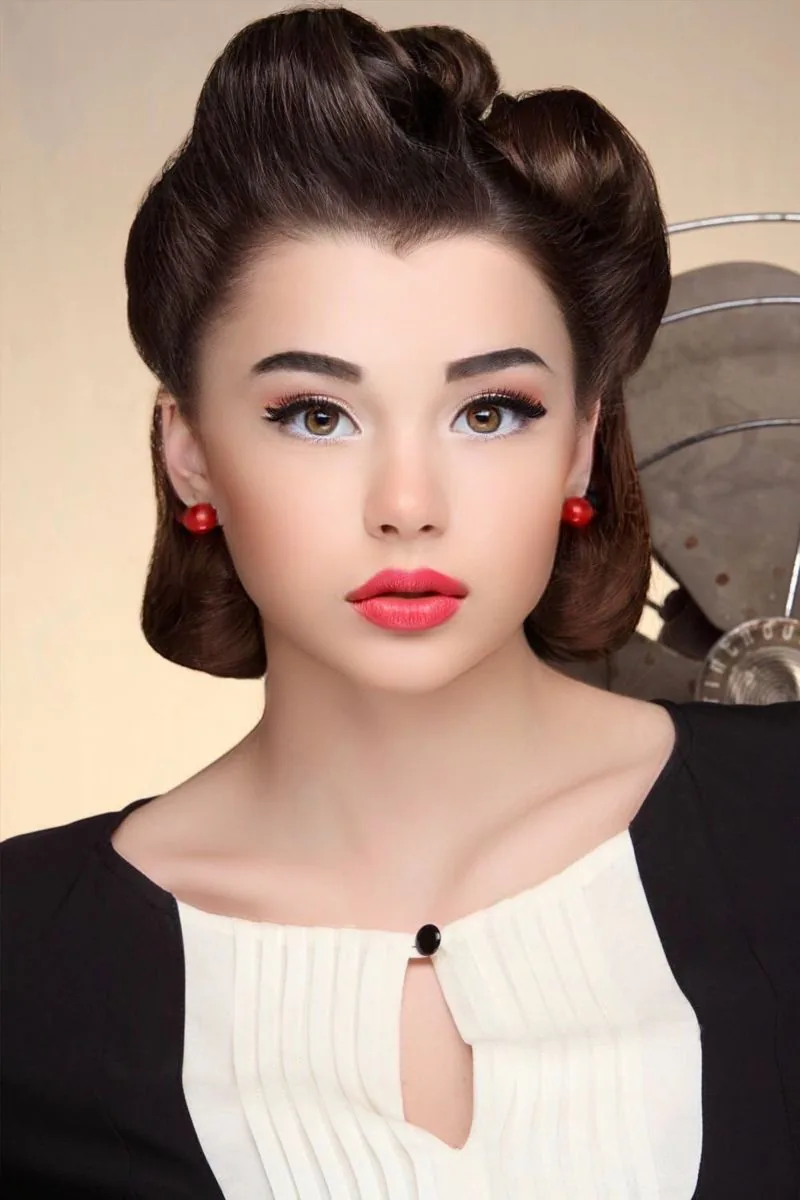
Victory rolls are the most dramatic shape in the 1940s playbook: two rolled curls framing the face like exclamation marks. Worn with a sharp suit or a trench coat, they turn any guest into the kind of detective who has seen everything twice. They are bold, structured, and impossible to ignore.
Best for: medium to long hair, strong personalities, and 1940s noir settings. How to style: section the front hair, backcomb lightly, roll each section inward around your fingers, and pin firmly at the base. The rolls should sit high and symmetrical — uneven rolls are the most common giveaway of a rushed job. What to ask: a stylist can set these in about forty minutes; ask them to show you how to re-pin one roll, because you will need to know by midnight.
5. The Sleek Low Chignon of the Cool-Headed Detective
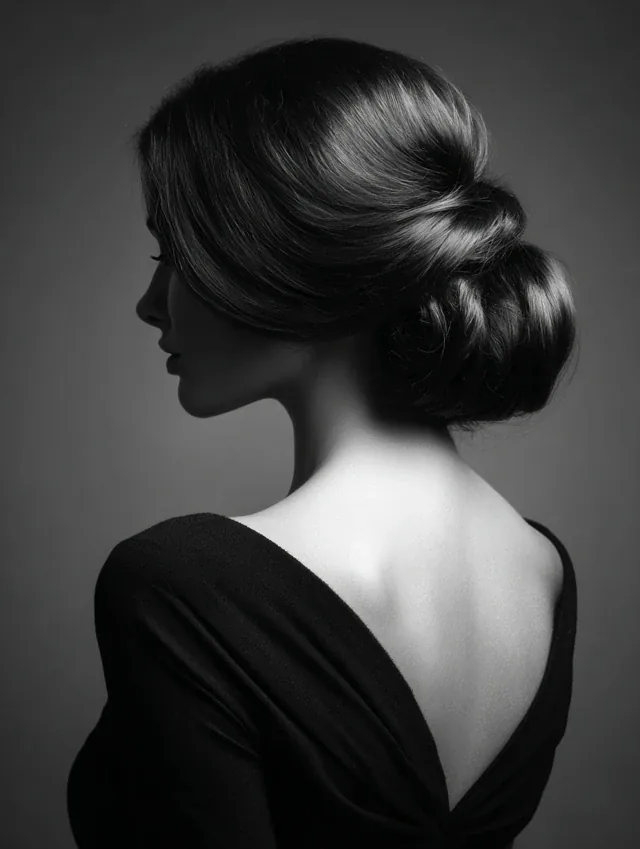
The detective who solves the crime never has a hair out of place, and the low chignon is how she does it. Pulled smooth at the nape, with a clean centre or side part, it reads calm, clever and completely in control. It is also one of the most comfortable updos for a long evening, since nothing pulls at the front of the head.
Best for: detectives, inspectors, and any character who needs to look sharp rather than showy. How to style: smooth hair back with a light serum, gather it low, twist it into a knot and pin in a flat spiral. A fine mist of hairspray and a pocket comb for touch-ups are all the maintenance it needs. Quick verdict: the safest choice in this whole guide — elegant, era-flexible, and almost impossible to ruin.
6. Gibson Girl Pompadour for the Victorian Heiress
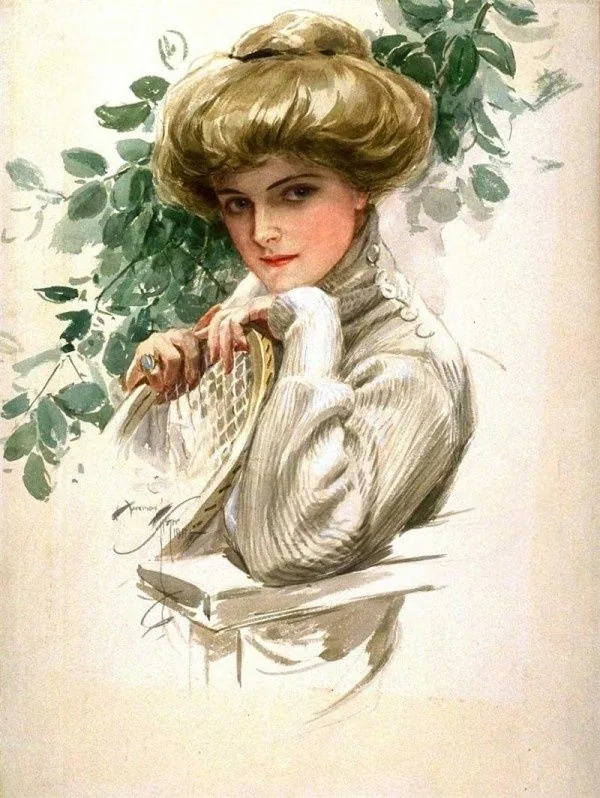
The Gibson Girl pompadour is the Victorian heiress in hair form: a tall, soft mass of hair swept up from the face, with loose waves at the crown and a few tendrils escaping at the temples. It is romantic, grand, and just a little bit untouchable — exactly right for the richest person in the room, who may or may not be the murderer.
Pros: hugely flattering, very period-accurate, and dramatic in photos. Cons: it takes volume, time, and a lot of pins — fine hair will need a hair rat or padding to reach the height. Maintenance: a light-hold spray keeps the shape without making it crunchy. Who should avoid it: anyone who dislikes the feeling of pinned-up hair, since this style needs a firm base to survive the evening.
7. The Widow in Black: Veiled Low Bun
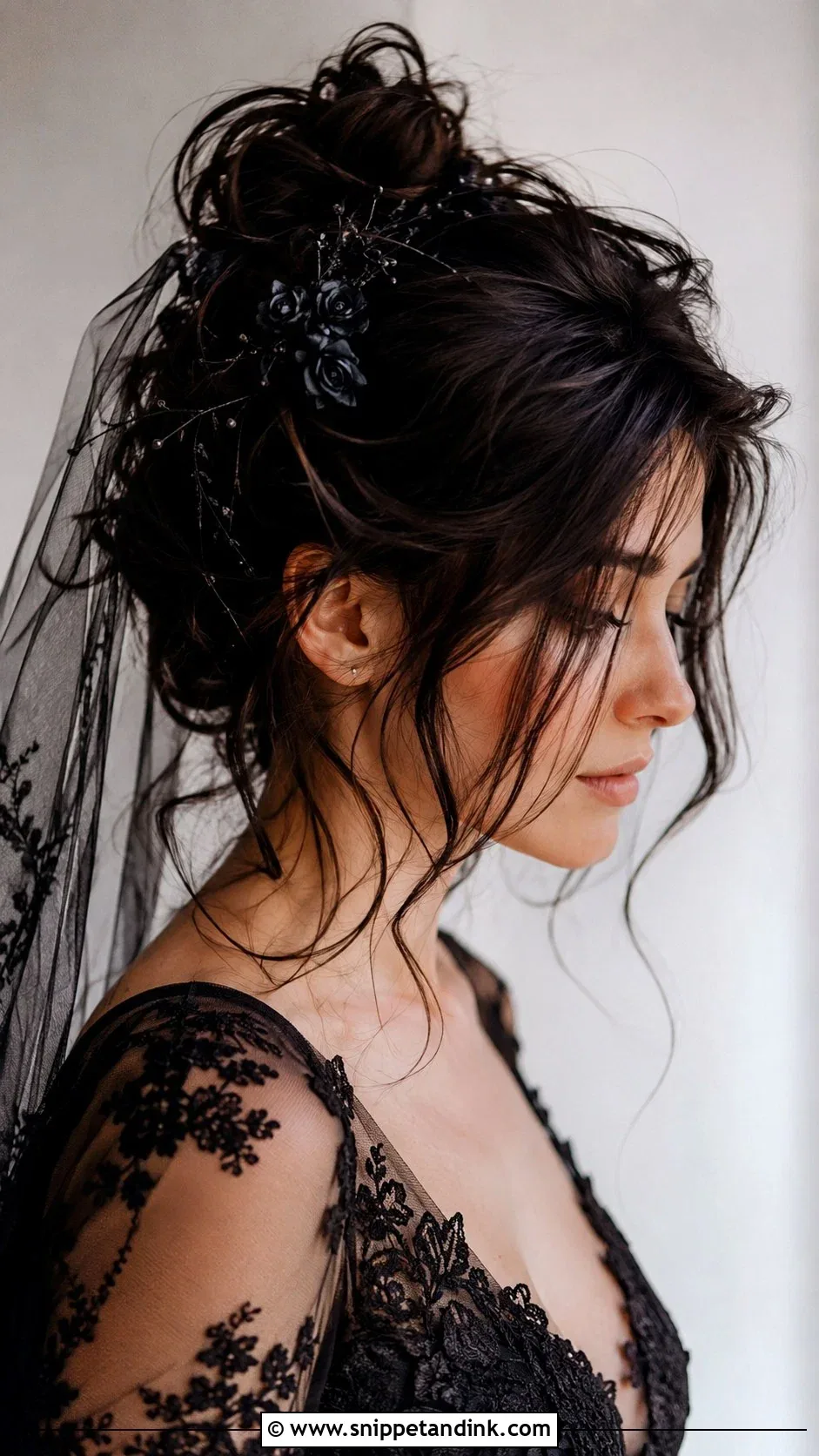
Every murder mystery needs a widow, and the veiled low bun is her uniform. A smooth, low bun under a short black birdcage veil is instantly readable: grieving, elegant, and hiding something. The veil softens the whole look and gives you something to peer from behind during the accusations.
How to style: part the hair in the middle, smooth it into a low bun, and attach the veil with two crossed pins at the crown so it sits just above the eyes. Common mistake: a veil that is too long — it catches on drinks, candles and other guests. Keep it to the nose or cheekbone. Best for: Victorian and gothic settings, and anyone who likes a costume that does the acting for them.
8. Slicked-Back Hair for the Hard-Boiled Detective
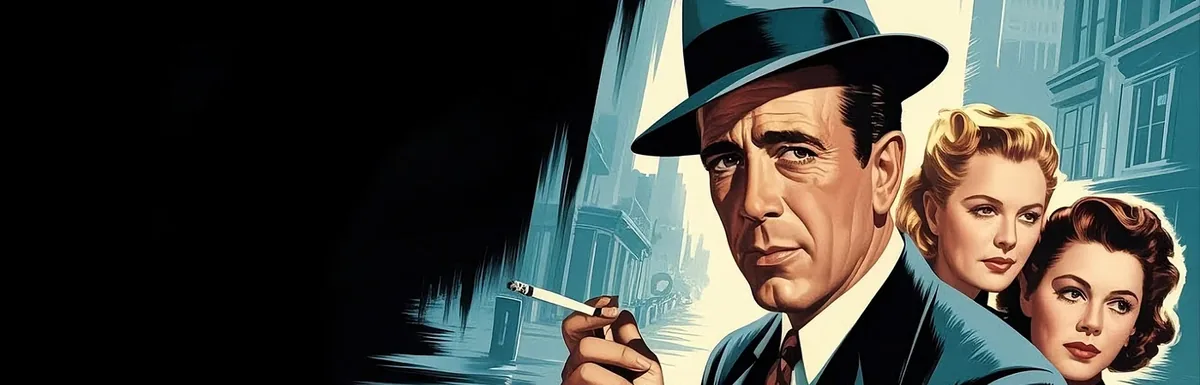
For the men at the party — or anyone playing the hard-boiled detective — slicked-back hair is the whole character in one gesture. Combed straight back with a wet-look finish, it says trench coat, cigarette smoke, and a man who has seen too much. It takes five minutes and lasts all night.
Best for: short to medium men’s hair, and 1940s noir characters of any gender. How to style: apply pomade to damp hair, comb straight back with a fine-tooth comb, and add a second light layer of pomade for shine. A side part variation softens the look for a younger detective. Quick verdict: the highest character payoff per minute of effort in this guide. Add a hat and a coat and you are done.
9. The Suspect’s Loose Romantic Curls
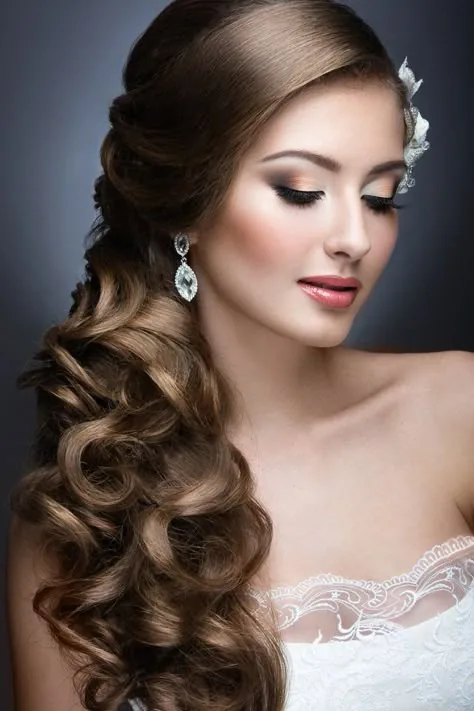
Loose romantic curls are the hairstyle of the suspect who looks too innocent to be guilty — which is exactly why she is the most suspicious person in the room. Soft, tumbling curls with a middle part suit almost every era from Victorian to modern, making this the most flexible style in the guide.
Best for: long hair, first-time party guests, and characters whose innocence is the whole act. How to style: curl in large sections, alternating direction, then brush through with your fingers for softness. Maintenance: curls drop over hours, so start them tighter than you want them to end. Who should avoid it: very fine hair in humid rooms — bring extra spray or choose a pinned style instead.
10. A Dramatic High Ponytail for the Socialite Suspect
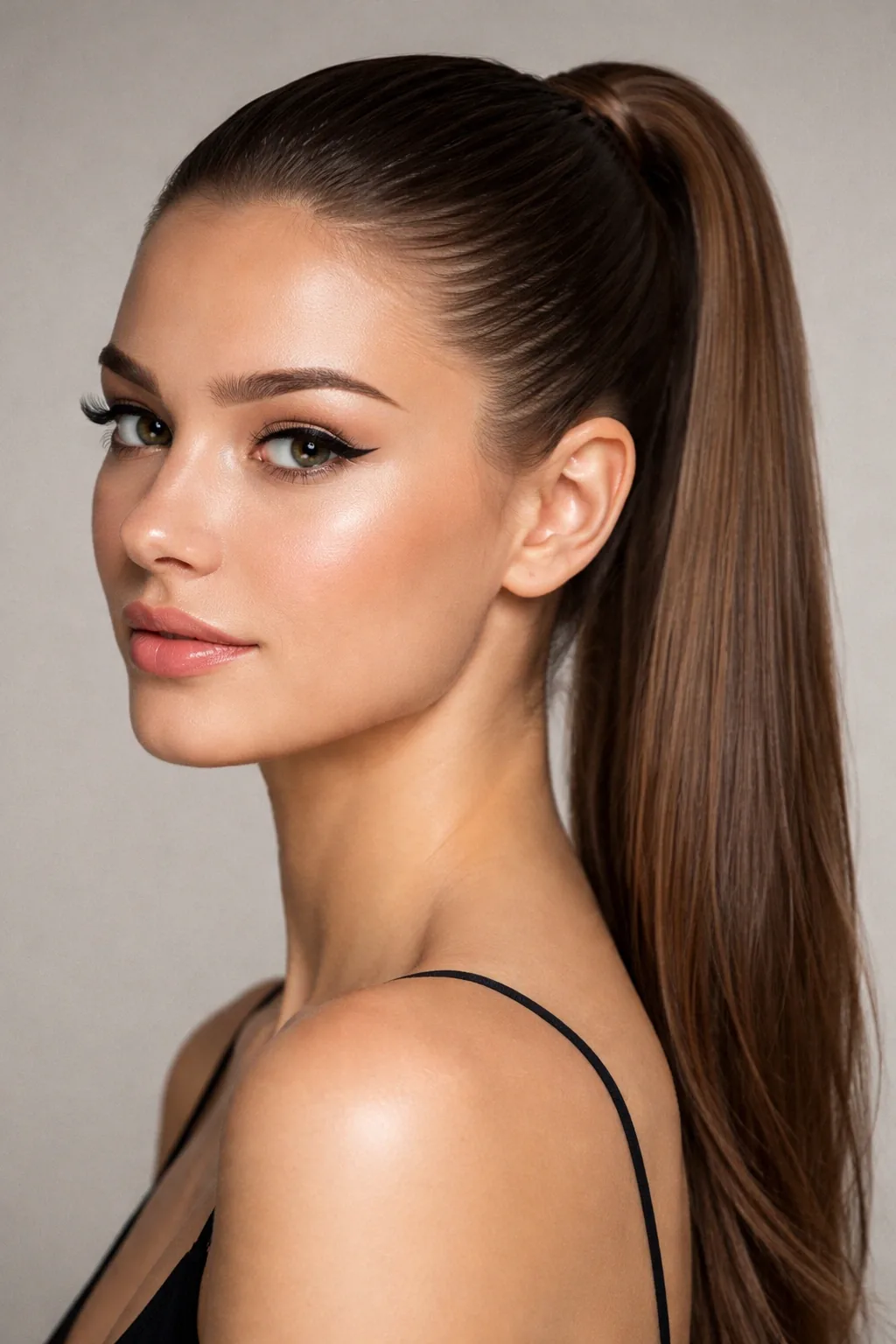
The socialite suspect does not do subtle. A high ponytail — sleek at the crown, swinging with volume, wrapped at the base with a strand of hair — is confident, camera-ready, and very hard to ignore. It suits a modern mystery setting best, where the characters are rich, glamorous, and possibly lying about everything.
Pros: fast to style, stays put, and lifts the whole face. Cons: a tight high ponytail can ache after a few hours, so loosen the base slightly once it is set. Quick verdict: pair it with statement earrings and a bold lip, and let the ponytail do the talking. Common mistake: leaving the elastic visible — wrap it and pin it for a finished look.
11. The 1940s Pageboy with a Tilted Hat
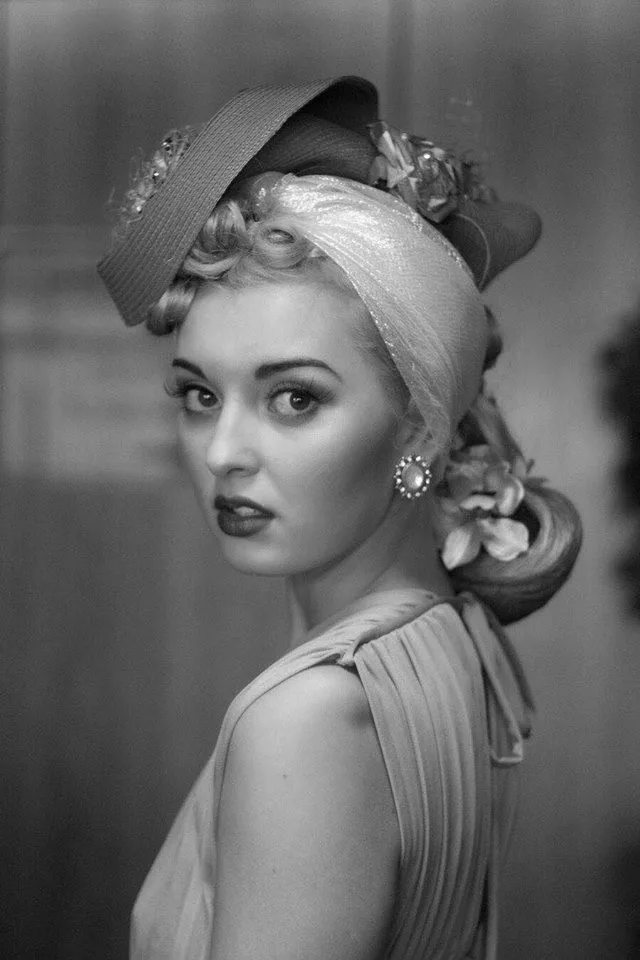
The pageboy is the 1940s working woman’s haircut: shoulder-length, curled under at the ends, neat and practical — until you tilt a small hat over one eye and it becomes pure noir. This is the look for the secretary who knows where the files are, or the reporter who got too close to the story.
Best for: medium-length hair and 1940s settings. How to style: blow-dry the ends under with a round brush, add a deep side part, and pin the hat at a slight angle with two pins. What to ask: if you are buying a hat for the night, bring your hair to the shop — a hat that fits a bun will slide off a pageboy. Maintenance: almost none; the shape holds itself.
12. Pin Curls That Survive the Whole Evening
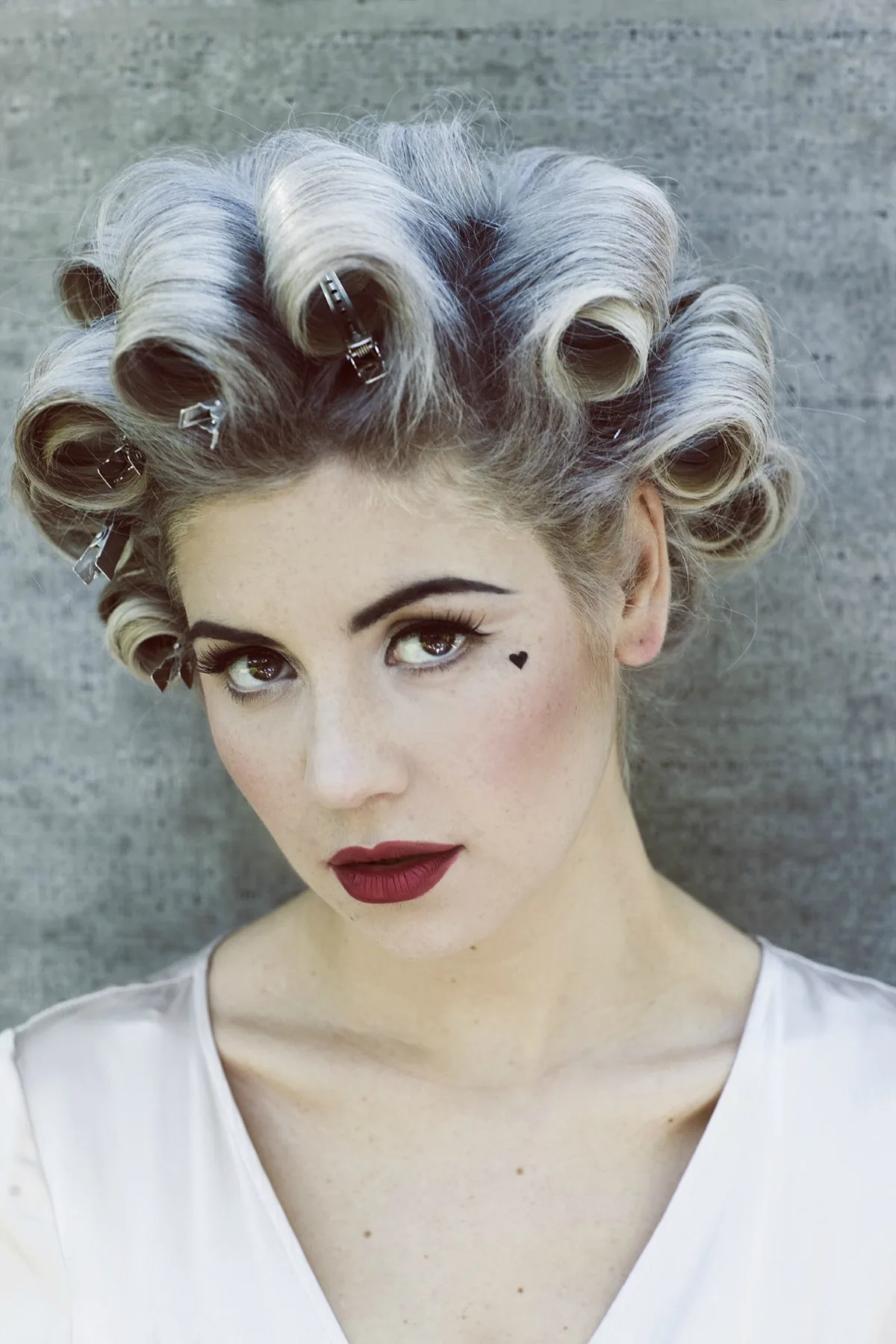
Pin curls are the old-school secret behind almost every vintage look in this guide. Small curls pinned flat to the head, left to set, then brushed out into soft waves — they hold longer than any iron curl because the hair cools in the shape. If your party runs late, pin curls are your best friend.
How to style: on damp hair, wind small sections around your finger, pin each curl flat, and let them dry fully — at least an hour, or overnight if you can. Brush out gently for waves, or leave a few pin curls visible at the front for a retro finish. Pros: no heat damage, incredible hold, authentic vintage texture. Cons: the slowest method here, so start early. Quick verdict: worth the wait if staying in character past midnight matters to you.
13. The Beehive with a Secret
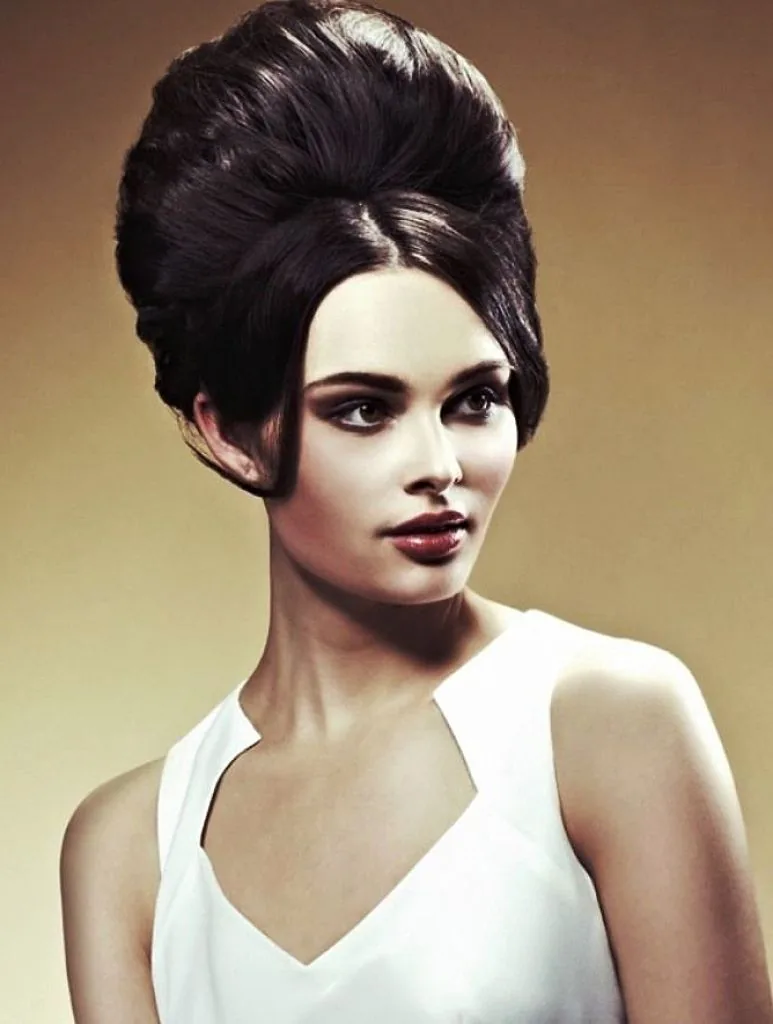
The beehive is the tallest, boldest style in this guide, and that is precisely the point. A 1960s mystery hostess with a beehive does not need to announce herself — the room notices her first. It is dramatic, sculptural, and surprisingly good at hiding a spare hairpin or two, which feels thematically right.
Best for: 1960s settings, confident characters, and medium to long hair. How to style: backcomb the crown in small sections, smooth the top layer over, and pin the shape into a tall, rounded hive. A hair rat or padding helps fine hair reach the height. Maintenance: strong-hold spray and minimal touching — every pat flattens it a little. Who should avoid it: anyone who will be sitting in a low car or under a low doorway all night.
14. Soft Waterfall Braid for the Innocent Witness
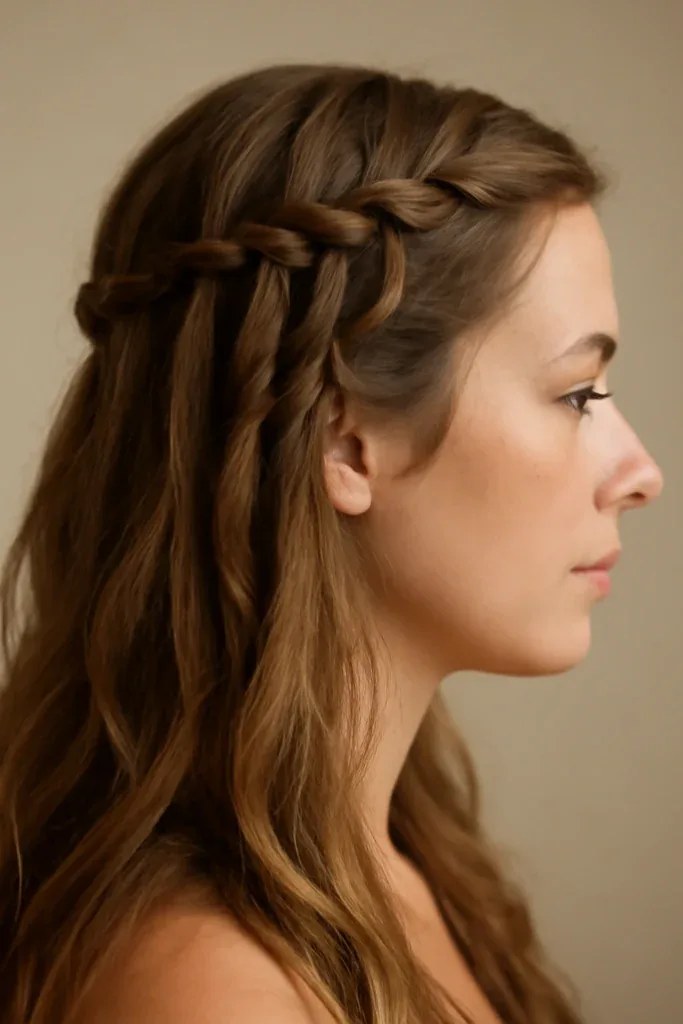
The waterfall braid is the hairstyle of the witness who saw everything and understands none of it. Strands cascade through a loose braid like water over a ledge — romantic, soft, and younger-looking than most styles here. It works beautifully for the ingénue, the governess, or the girl next door who definitely did not do it.
Pros: gentle, pretty, and comfortable for hours. Cons: it loosens faster than a pinned updo, so set it with texturising spray first. How to style: braid across the back of the head, dropping the bottom strand each time and picking up a new one. Common mistake: pulling it too tight — the waterfall needs softness to read as a waterfall at all.
15. The French Twist with a Pearl Comb
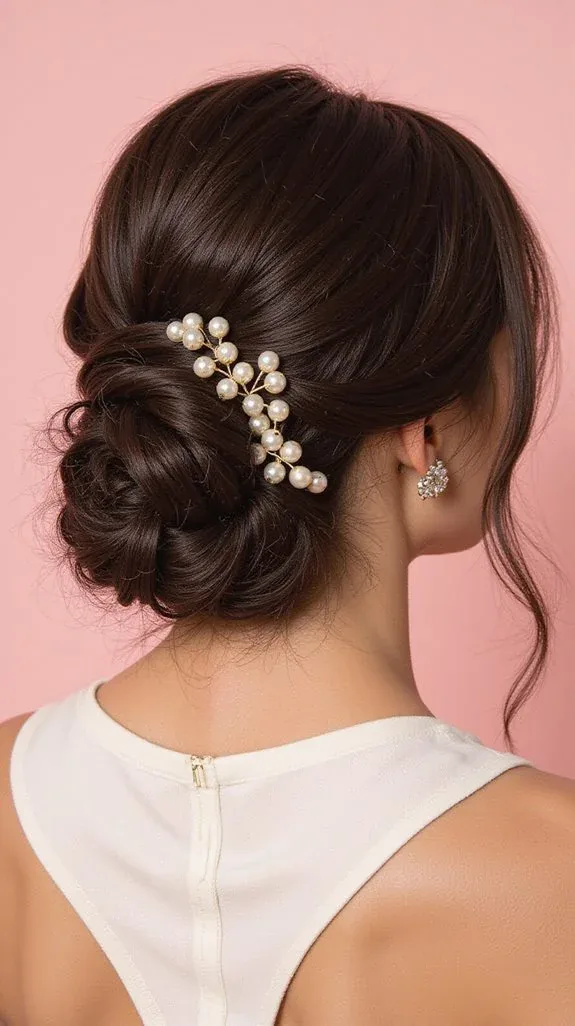
The French twist is old-money elegance in a single gesture: hair swept up and tucked into a vertical roll, finished with a pearl comb. It is the hairstyle of the hostess who owns the manor, serves the drinks, and knows exactly who the murderer is — because she hired them. Or did she?
Best for: medium to long hair, formal settings, and characters with authority. How to style: gather the hair low, twist upward, and pin along the fold. The pearl comb slides in last, both as decoration and as extra anchoring. Quick verdict: if your character is rich, powerful, or hiding a fortune, this is the style. Maintenance: check the roll once mid-evening; a twist that slips sideways is the only thing that can spoil it.
16. A Messy-Chic Bun for the Amateur Sleuth
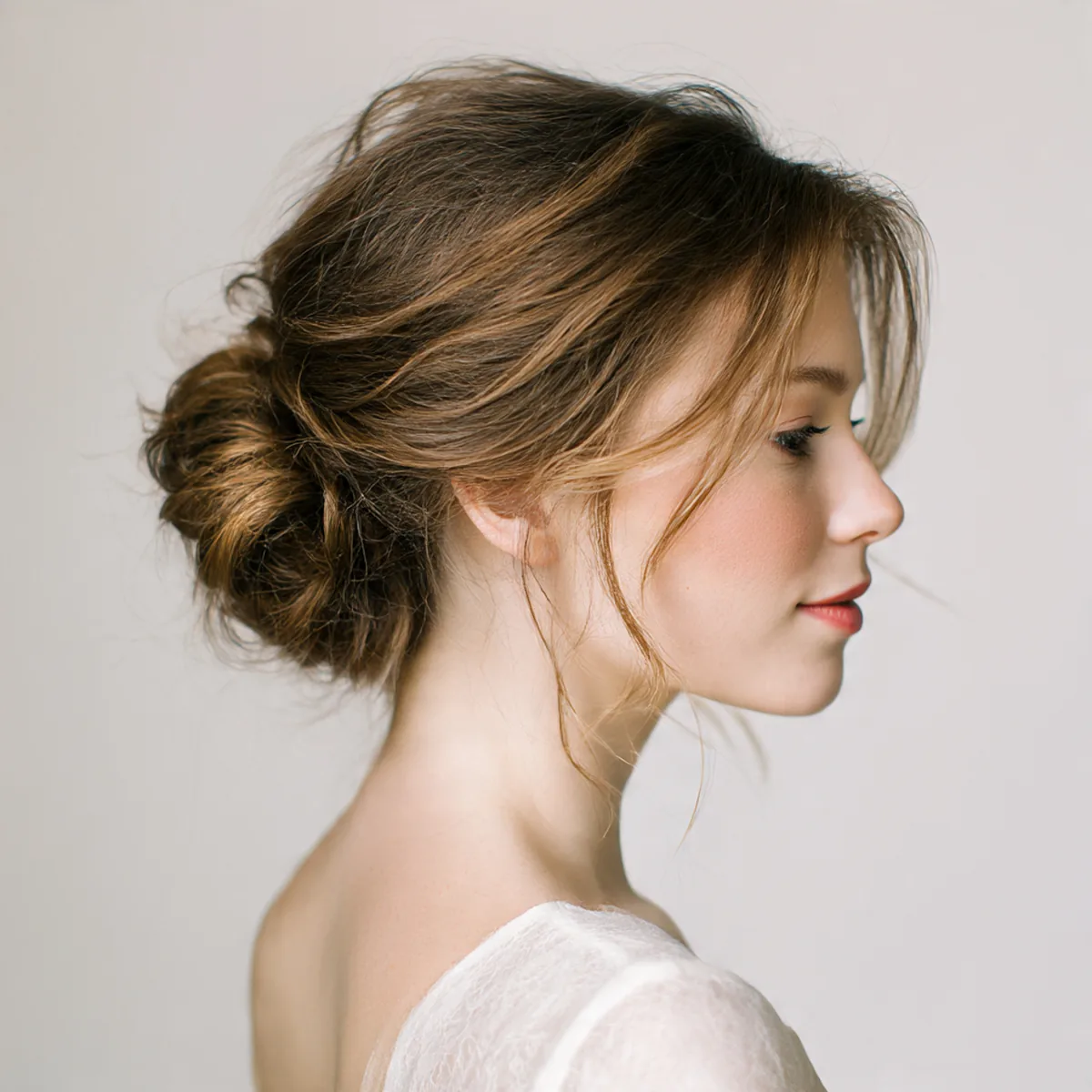
Not every detective wears a trench coat. The amateur sleuth — the novelist, the neighbour, the friend who notices everything — wears a messy-chic bun: loosely gathered, a few pieces escaping, held together by what looks like luck and is actually four well-placed pins. It says clever, curious, and too busy thinking to fuss over her hair.
How to style: gather the hair loosely at the crown or nape, twist it once, pin it, and pull out a few face-framing pieces. The goal is deliberate looseness, not actual mess. Pros: takes three minutes, survives dancing, and suits every hair type. Common mistake: making it too neat — a perfect bun reads as a different character entirely.
17. The Vintage Side Sweep with a Feather Fascinator
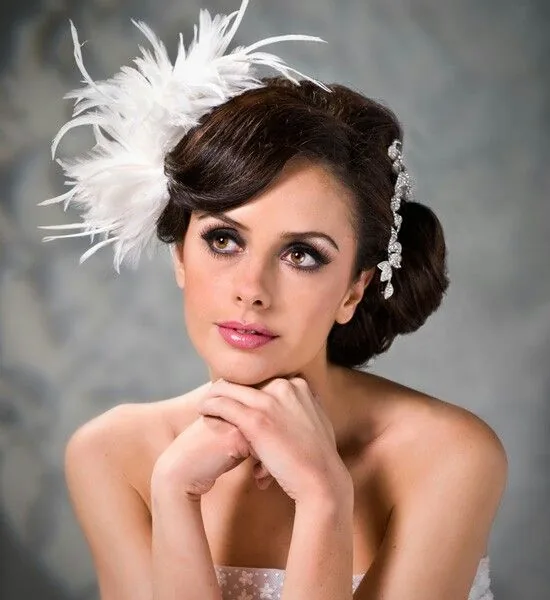
Sweep all the hair to one side, add a feather fascinator, and you have the most photographable look at the party. The side sweep creates a long, elegant line across the shoulders, and the feather adds height and drama without the weight of a hat. It suits 1920s and 1930s characters especially well.
Best for: medium to long hair, and anyone who wants one strong photo moment. How to style: curl the lengths, sweep everything over one shoulder, and pin the fascinator on the opposite side to balance the shape. Maintenance: a light spray keeps the sweep from migrating back to the middle. Who should avoid it: very short hair — the sweep needs length to drape.
18. Dark Romantic Updo with Loose Tendrils
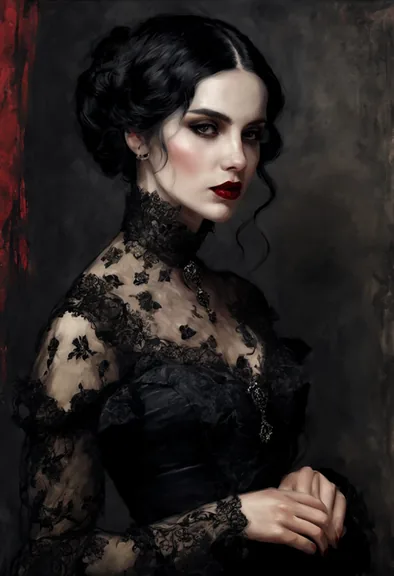
The gothic heroine’s updo is dark romance in hair form: a low, soft knot with loose tendrils curling around the face, a little undone, a little haunted. It suits Victorian gothic settings, candlelit rooms, and characters who have a tragic backstory they will absolutely tell you about by the second course.
Pros: romantic, forgiving, and easy to refresh — messy is the point. Cons: tendrils drop in humidity, so curl them tighter than the rest. How to style: build a loose low bun, pull out tendrils at the temples and nape, and curl them with a small iron. Quick verdict: the most forgiving formal updo in this guide, and the best choice if you are styling your own hair under time pressure.
19. The Librarian’s Neat Bun with Glasses Charm
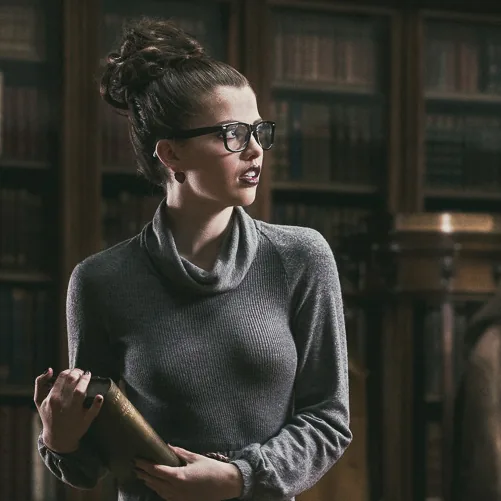
The quiet librarian is everyone’s favourite suspect precisely because she looks so harmless. A neat, low bun — smooth, centred, and utterly sensible — with glasses and a cardigan completes the disguise. The joke of the character is that the most forgettable person in the room is the one to watch.
Best for: any hair length that reaches a bun, and players who enjoy a character with a twist. How to style: centre-part the hair, smooth it back with serum, and pin a flat, round bun at the nape. Common mistake: making the bun too glamorous — this one should look practical, not pretty. Maintenance: none at all, which is the beauty of it.
20. Hollywood Side-Part Waves for the Movie Star Suspect
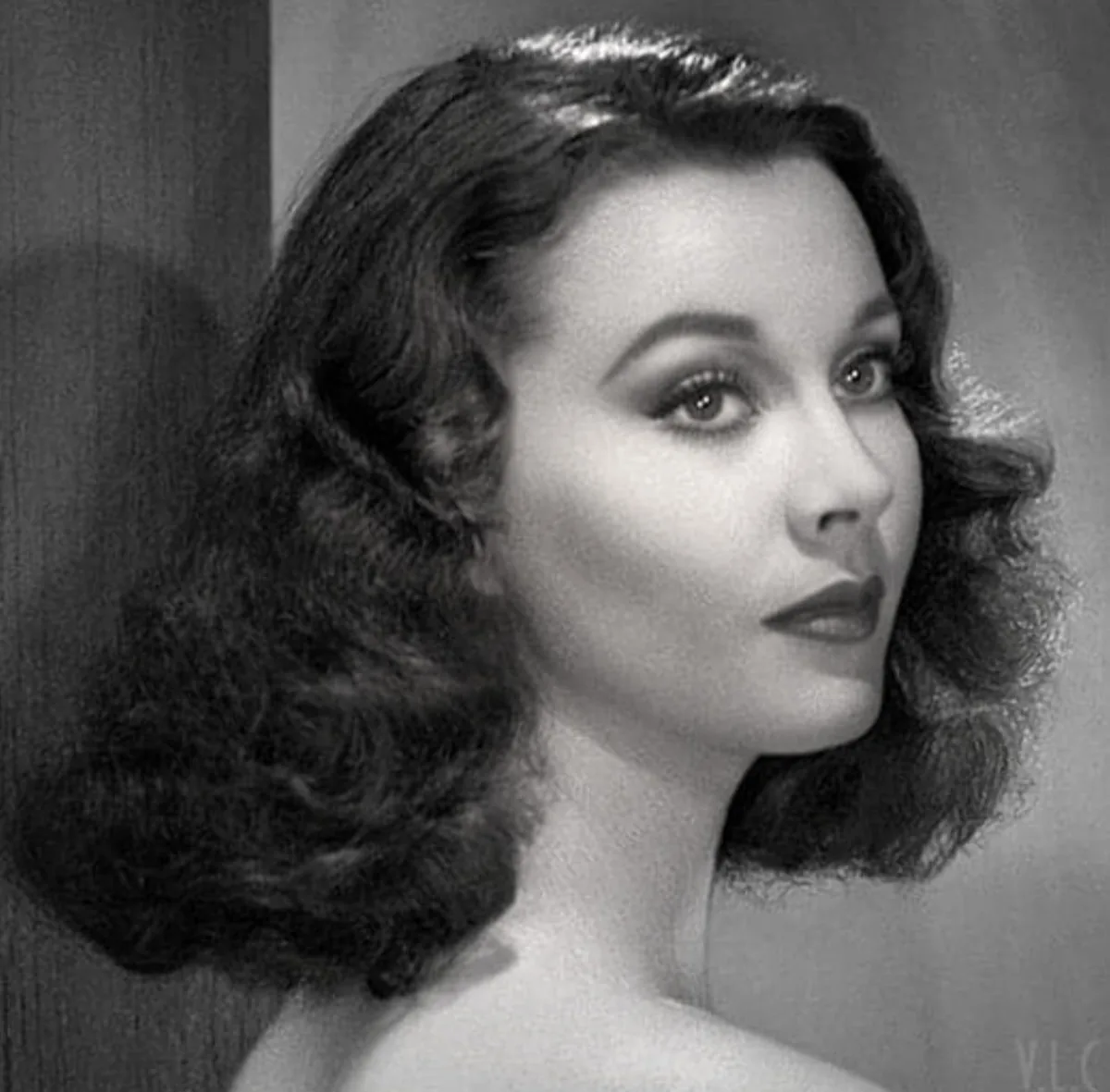
The movie star suspect arrives late, looks incredible, and has an alibi that does not quite hold up. Deep side-part waves — glossy, sculpted, and falling over one eye — are her signature. It is old Hollywood at its most dramatic, and it needs almost no costume beyond a fur stole and a raised eyebrow.
How to style: create a deep side part, curl large sections toward the face, brush into a single smooth wave, and pin the shorter side flat behind the ear. Best for: medium to long hair and anyone who wants to be the most glamorous suspect in the room. Maintenance: a shine spray and a spare pin are all you need. Quick verdict: high glamour, low effort — one of the best returns in this guide.
21. The Speakeasy Singer’s Marcel Waves
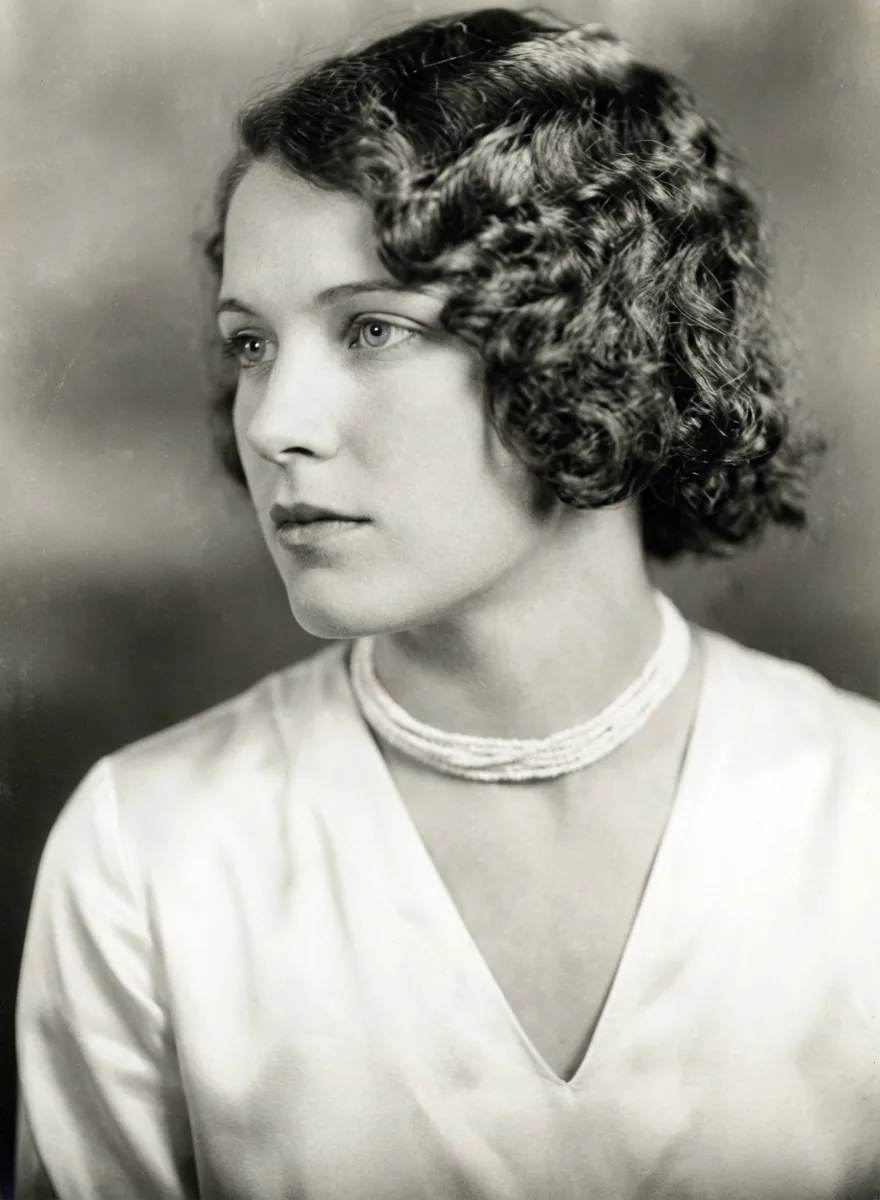
Marcel waves are finger waves’ wilder cousin: deep, uniform waves created with a heated iron, worn by the speakeasy singer who performs between courses and knows all the gossip. They frame the face in rhythmic ridges and catch the stage lights beautifully. If your character sings, this is the hair.
Best for: short to medium hair and 1920s cabaret characters. How to style: use a Marcel iron or a small curling iron, wave each section in the same direction, and comb the ridges into place while they are warm. Pros: more volume than flat finger waves, and the shape holds for hours. Cons: it takes practice — do a trial run before the night, not on it.
22. Copper Curls for the Femme Fatale
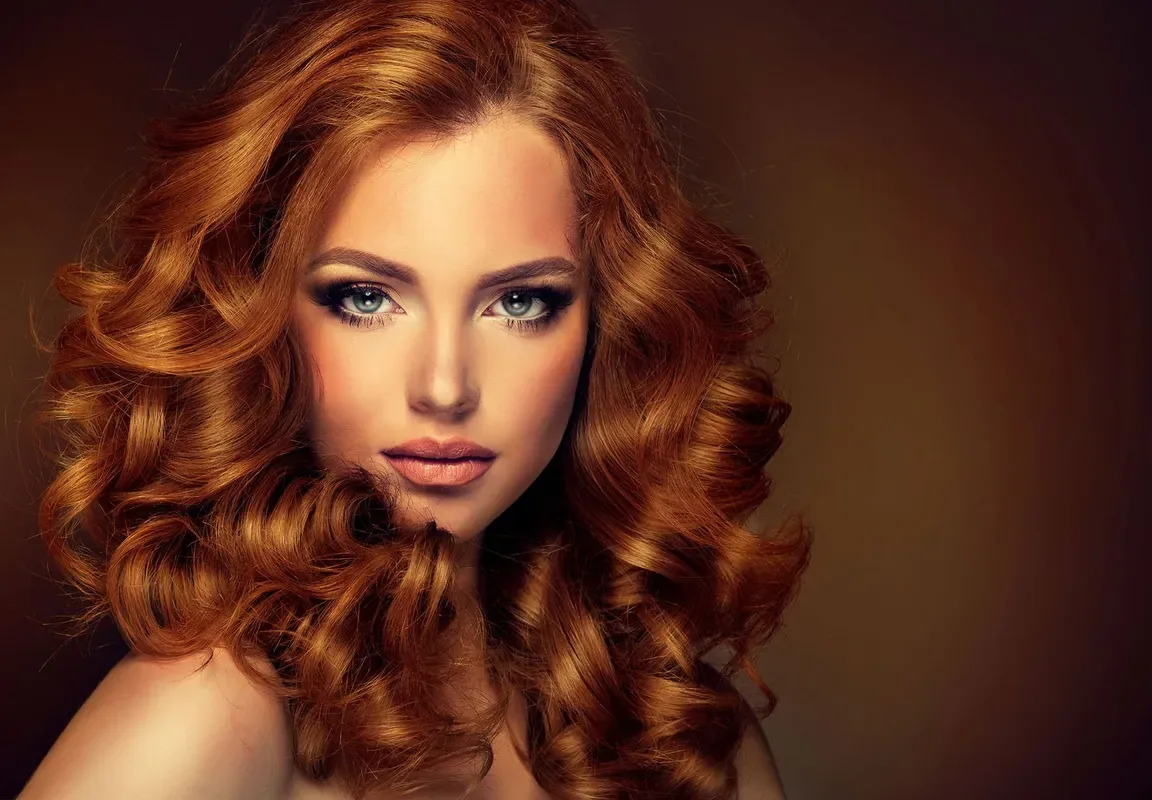
Nothing reads femme fatale like a head of copper curls. The colour does half the work before the style even starts — warm, vivid, and impossible to overlook. Piled high or falling loose over the shoulders, copper curls belong to the woman every other character is watching, and every other character is wrong about.
How to style: curl in medium sections with a one-inch iron, separate the curls with your fingers, and let the volume build naturally. A colour-depositing conditioner the week before keeps the copper bright. Best for: naturally curly or wavy hair, and anyone willing to commit to a temporary colour for the night. Quick verdict: if your hair is already copper or auburn, lean into it — the character is practically built in.
23. The Inspector’s Neat Side Part
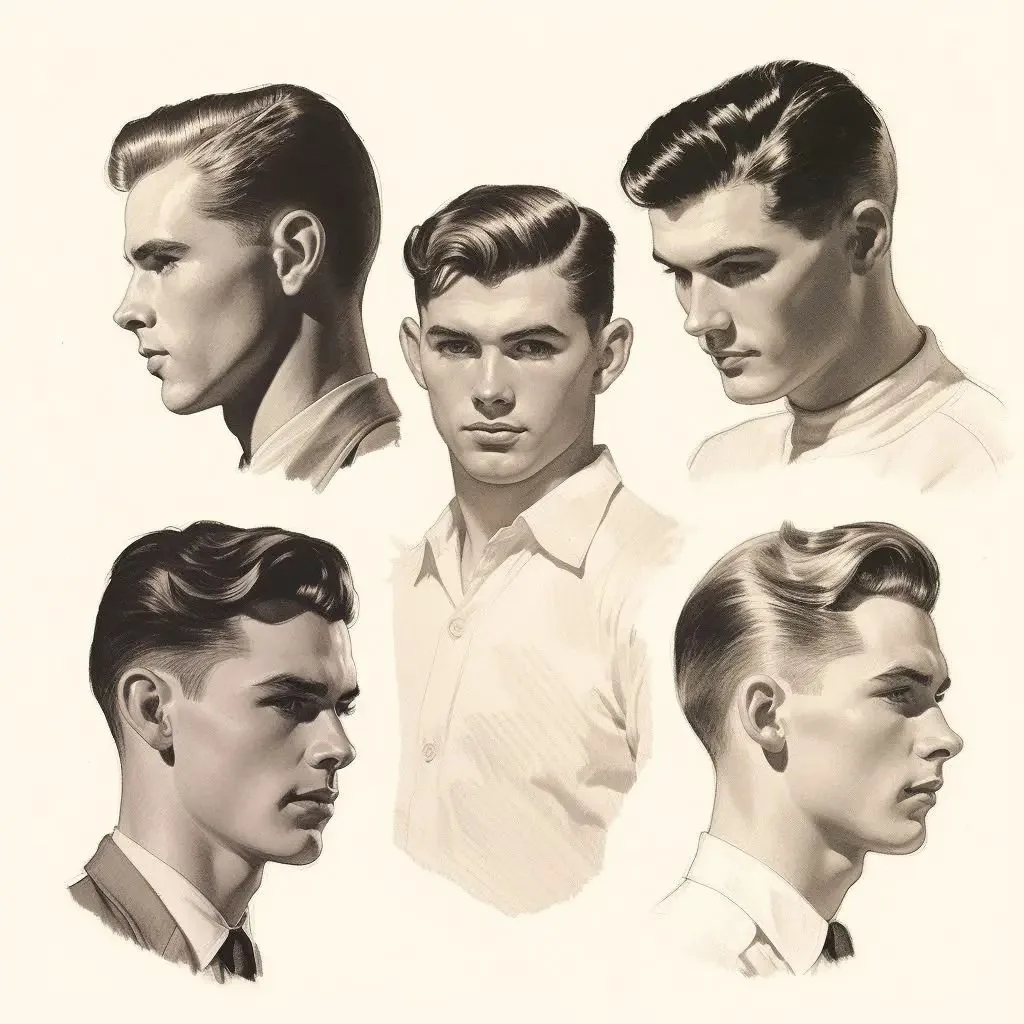
The inspector is not the flashiest character in the room, and that is his advantage. A neat side part — clean, short on the sides, combed with a slight wave on top — says methodical, observant, and quietly in charge. It is the haircut of the man who will solve the case while everyone else is busy performing.
Best for: men’s short to medium hair, and anyone playing law enforcement. How to style: apply a light pomade to damp hair, comb a clean side part, and sweep the top across. Maintenance: a pocket comb is the only tool you need. Common mistake: too much product — the inspector’s hair should look groomed, not greased.
24. Braided Crown for the Doomed Heiress
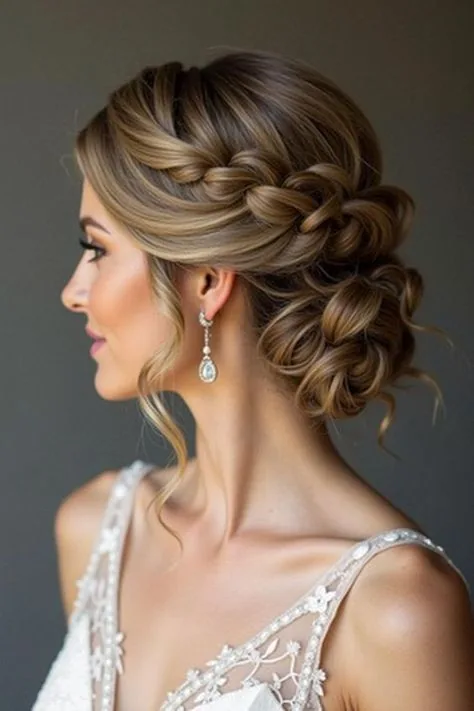
The braided crown is the hairstyle of the heiress at the centre of the story — the one with the fortune, the will, and the enemies. A braid wrapped around the head like a coronet is regal, romantic, and just old-fashioned enough to belong in a country house with a library and a locked study. It also stays put for the entire evening, which is more than the heiress can say for herself.
Pros: stunning in photos, rock-solid hold, and it keeps hair completely off the face. Cons: it needs length — shoulder-length hair at minimum, and extensions help below that. How to style: braid two sections from behind each ear, cross them over the crown, and pin where they meet. Who should avoid it: very short hair, unless you are happy with a braided headband effect instead.
25. The Gatsby-Era Sleek Bob
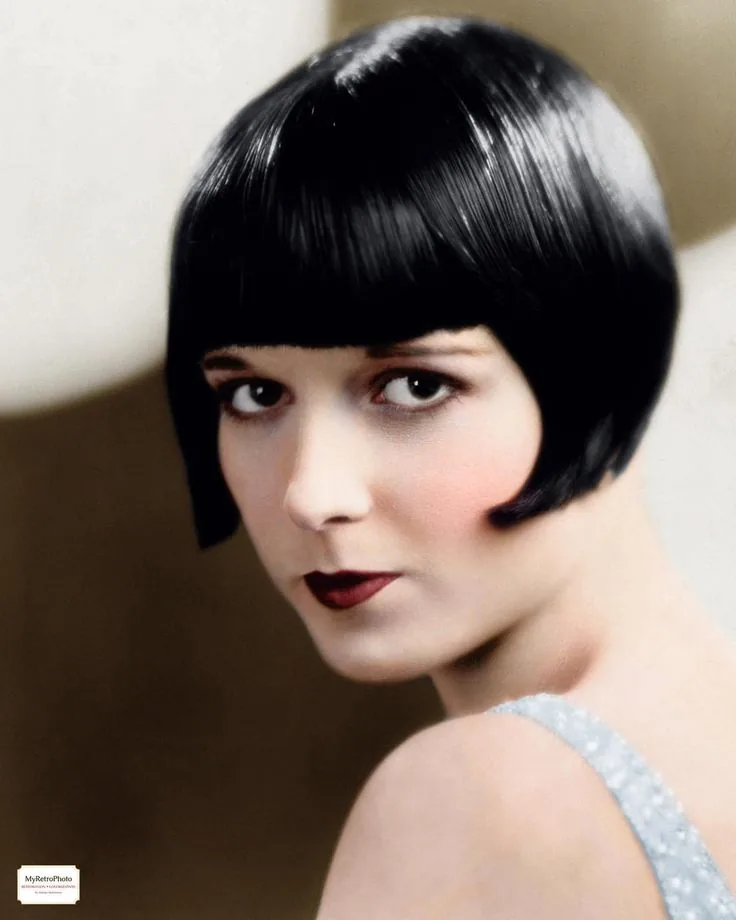
The Gatsby-era bob is all polish: a chin-length cut, dead straight or with the tiniest flick at the ends, worn with a headband or a jeweled clip. It is the look of the Jazz Age at its most glamorous — champagne, jazz, and a garden full of secrets. It suits a Roaring Twenties party better than almost anything else in this guide.
Best for: straight hair and 1920s settings. How to style: flat-iron the lengths smooth, tuck one side behind the ear, and add a headband or clip on the opposite side. Quick verdict: the simplest 1920s look here, and one of the most flattering — a sharp bob frames the cheekbones and makes the whole outfit look intentional. Maintenance: a shine spray keeps it looking expensive all night.
26. Tousled Bedhead Curls for the Last-Minute Guest
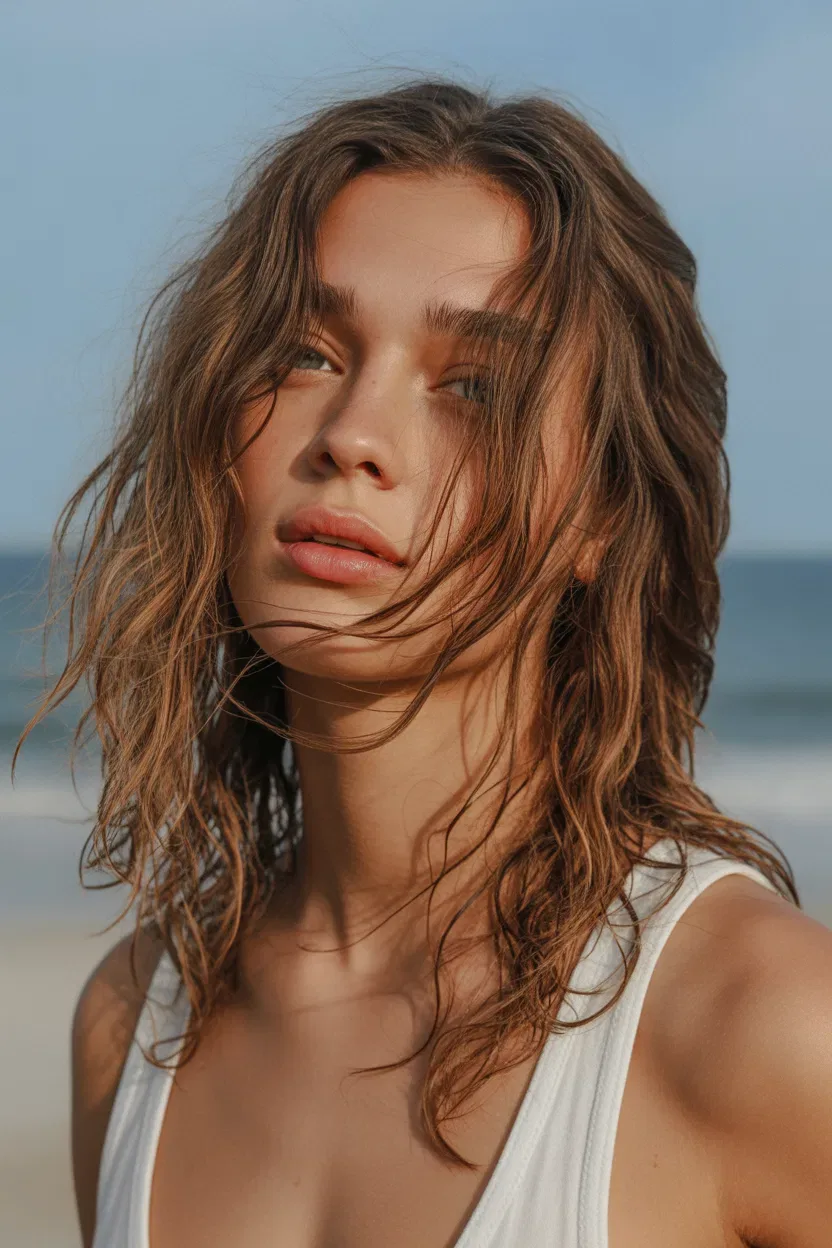
Some guests get their invitation an hour before the party. Tousled bedhead curls are their rescue plan: deliberately undone, textured, and full of movement, they look like a choice rather than a rush job. They suit the bohemian suspect, the artist, or the guest who claims she just threw something on — and is lying.
How to style: scrunch a texturising spray or mousse into damp hair, twist random sections, and let it air-dry. A diffuser speeds it up. Pros: ten minutes, no heat tools required, and it looks better as the night goes on. Common mistake: over-brushing it — the texture is the style, so leave it alone once it is set.
27. The Gothic Victorian Ringlets
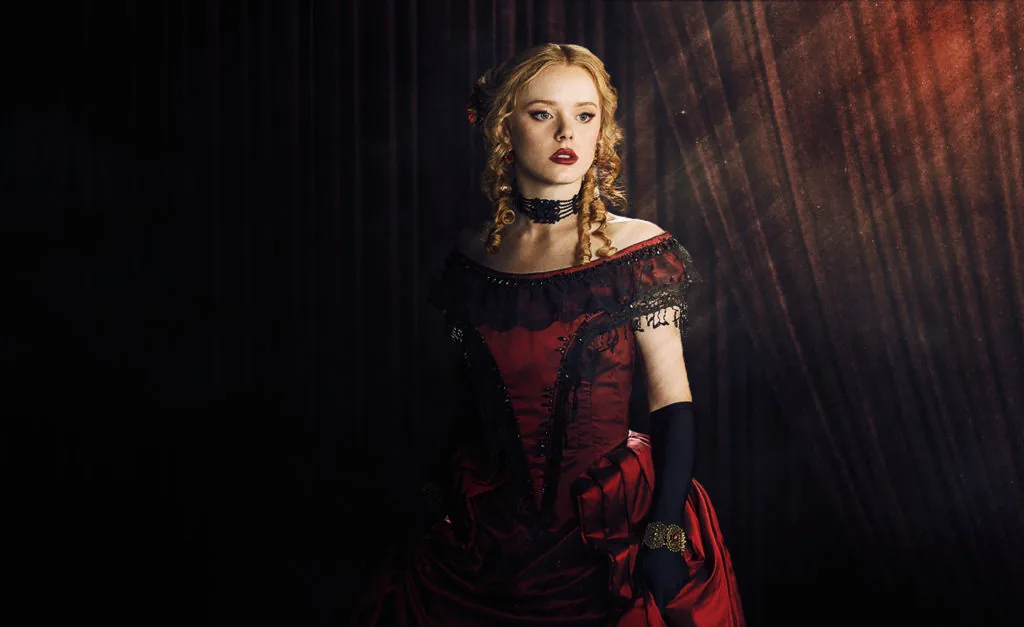
Victorian ringlets are long, tight, glossy curls worn loose around the shoulders or pinned in clusters at the sides — the hair of the gothic heroine in a windswept manor. They are romantic, dramatic, and wonderfully impractical, which is exactly right for a character who has never once considered practicality.
Best for: long hair and Victorian or gothic settings. How to style: curl small sections with a narrow iron, let each curl cool in your palm, and separate them only slightly. Maintenance: ringlets hold best on hair that has not been freshly washed. Who should avoid it: very fine hair without setting spray — the curls will drop into waves within the hour.
28. A Low Twisted Knot with a Cameo Brooch
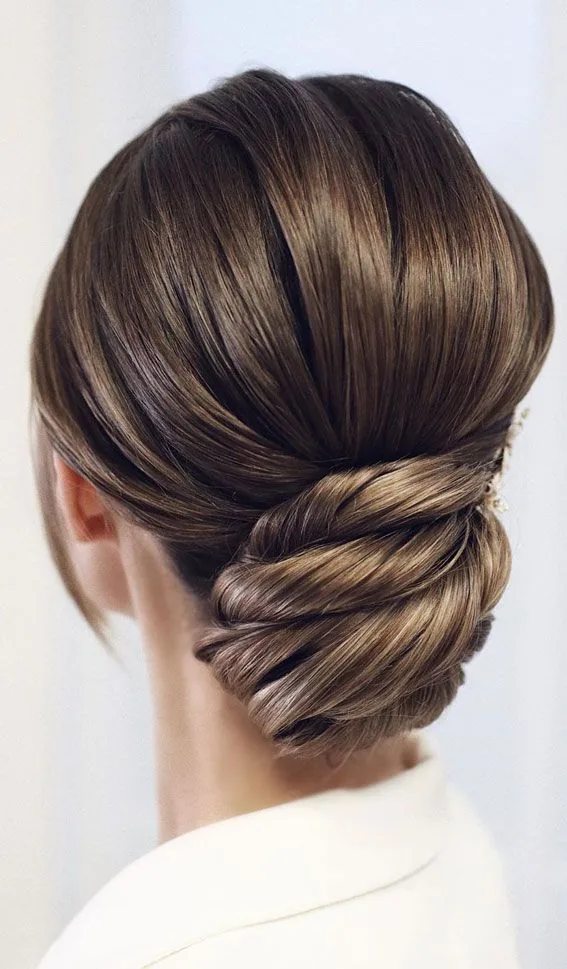
A low twisted knot pinned with a cameo brooch is Victorian elegance distilled into a single detail. The knot itself is simple — hair twisted and coiled at the nape — but the cameo turns it into a character: the dowager, the aunt with the inheritance, the woman who has seen this all before and is not impressed.
How to style: twist the hair into a low coil, pin it flat, and place the brooch where the twist meets the head. Pros: comfortable, secure, and flattering on every face shape. Quick verdict: one of the easiest updos here, and the brooch makes it look far more elaborate than it is. Common mistake: a brooch that is too heavy — it will drag the knot down within the hour, so pin it through the twist itself.
29. The 1920s Eton Crop for the Bold Flapper
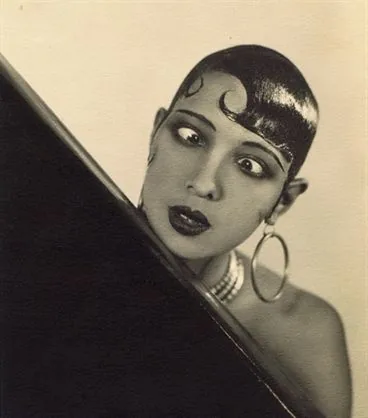
The Eton crop is the bravest haircut in this guide: a very short, slicked-down 1920s crop that was scandalous in its day and is striking now. It belongs to the flapper who breaks every rule in the room — the one who drives too fast, dances too long, and definitely knows something about the victim.
Best for: short hair and confident characters. How to style: smooth the hair close to the head with pomade, create a neat side part, and add a small jeweled clip or headband for the party. Pros: zero maintenance, totally comfortable, and unforgettable. Who should avoid it: anyone who needs length for another style later in the night — this one is a commitment, so a wig is the safer way to try it.
30. Glossy Blowout for the Modern Mystery Host
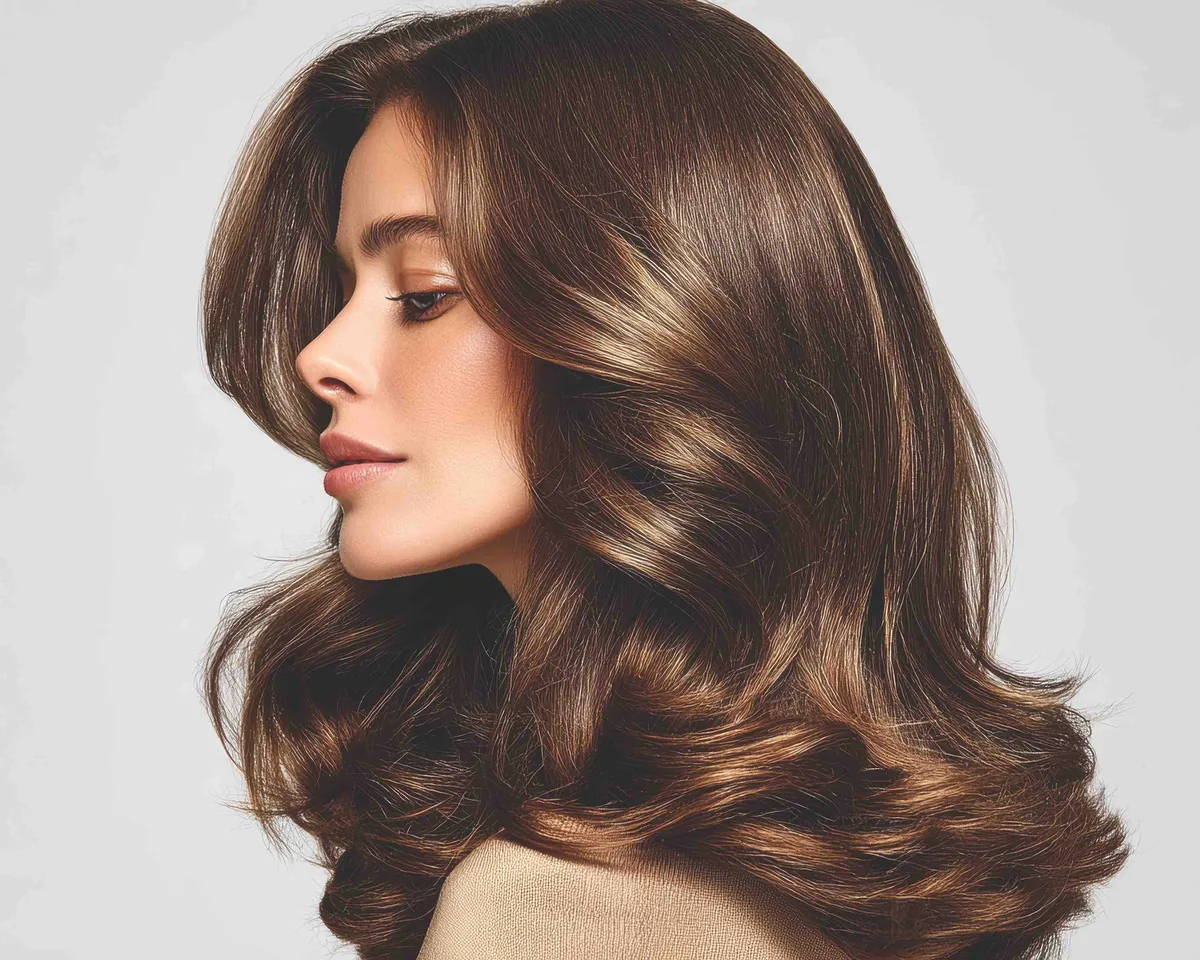
Not every murder mystery is set in the past. The modern host — the one who organised the evening, hired the actors, and may have staged the whole thing — wears a glossy blowout: smooth, voluminous, and so shiny it looks lit from within. It is contemporary, polished, and works with any modern costume.
How to style: blow-dry in sections with a large round brush, rolling the ends under, and finish with a shine spray. Maintenance: the blowout holds well, but avoid rain and steam — check the weather before you commit. Best for: medium to long hair and modern settings. Quick verdict: the most versatile style in this guide for a present-day party, and the easiest to get from a salon on the day.
31. The Retro Scarf-Wrapped Updo
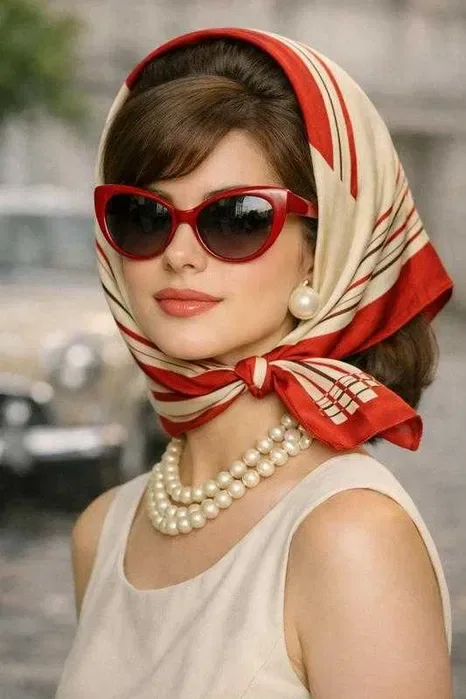
A silk scarf wrapped around an updo is vintage glamour with a practical streak — it hides a multitude of sins, keeps the style locked in place, and adds a splash of colour or pattern that pulls the whole costume together. It suits 1940s, 1950s and 1960s characters, and it is the best friend of the guest whose hair will not behave.
Pros: forgiving, fast, and it stays put all night. Cons: the scarf must be pinned well or it creeps upward as you move. How to style: build a low bun first, then wrap the scarf around the hairline and tie it at the nape or on top, tucking the ends in. Common mistake: choosing a scarf that fights the outfit — match it to one colour in your costume and let it be the accent.
32. Voluminous Curls with a Jeweled Clip
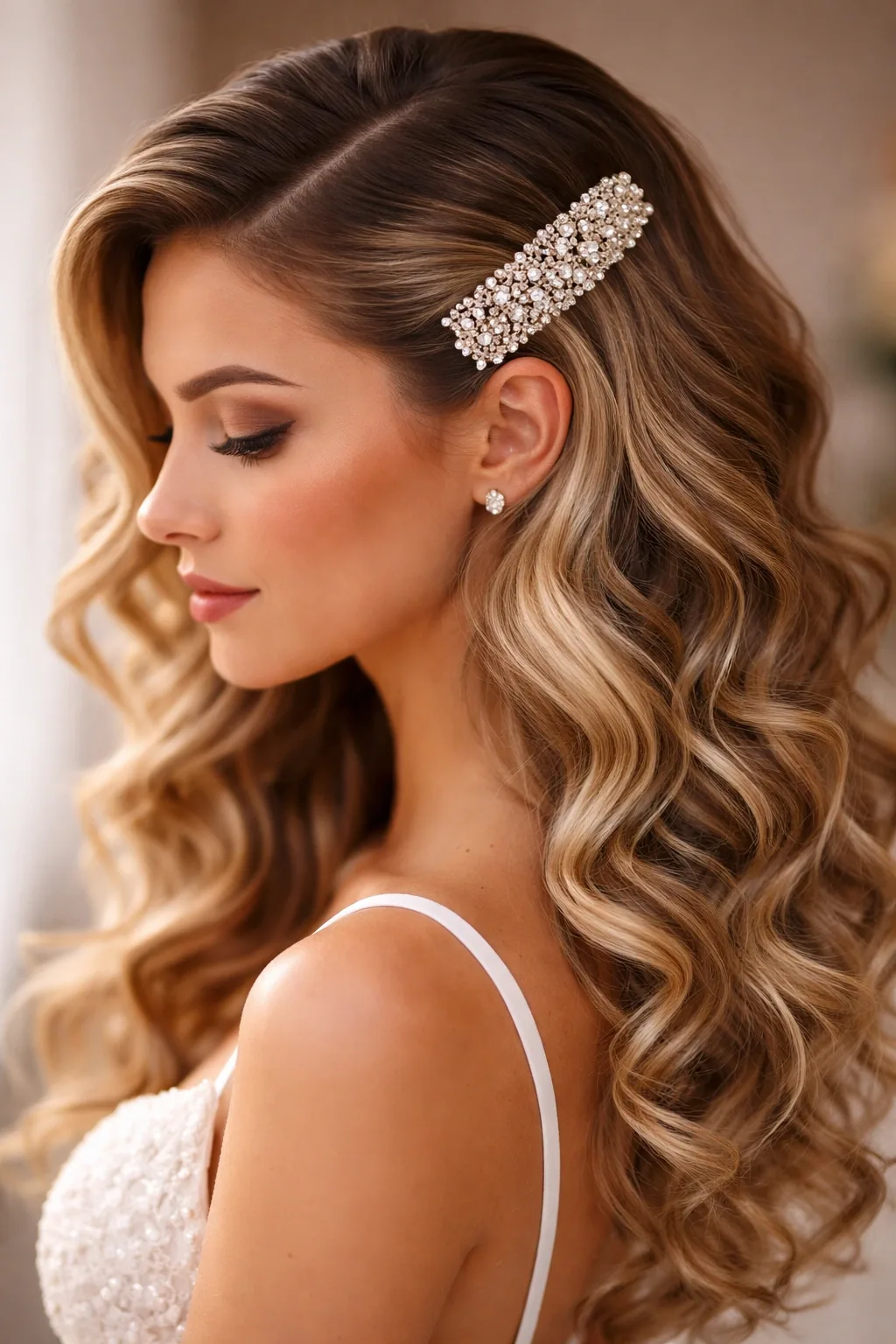
Voluminous curls with a jeweled clip are the diva’s entrance: big, bouncy, unapologetic hair with one sparkling clip catching the light. This is the style for the opera singer, the actress, the woman whose arrival stops the conversation. The clip does double duty as decoration and as the thing holding the whole performance together.
Best for: medium to long hair and glamorous characters. How to style: curl with a large iron, brush out for volume, and clip one side back with the jeweled piece. Maintenance: a root-lift spray at the crown keeps the volume from collapsing by the second act. Quick verdict: maximum drama for minimum effort — the curls are simple, the clip is the star.
33. The Sleek Middle Part with a Black Veil
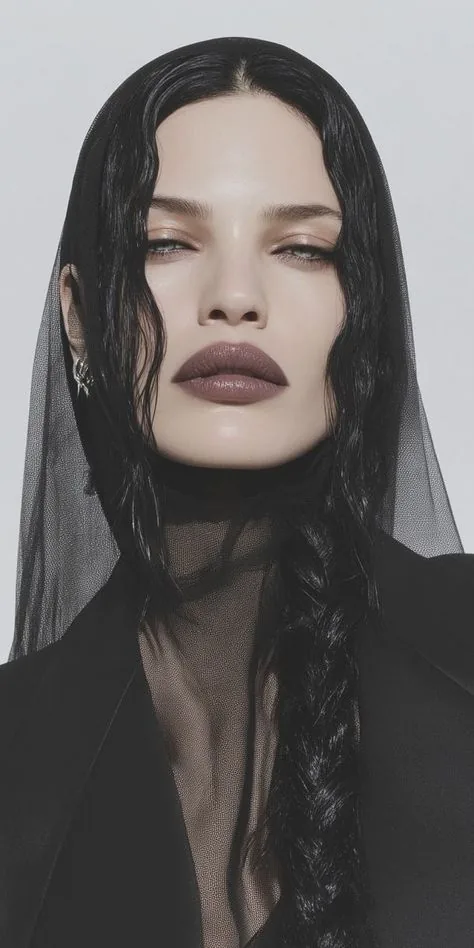
Long, straight hair with a severe middle part and a short black veil is gothic elegance at its most minimal. There is nowhere to hide in this style — which makes it perfect for the character who is hiding everything. It suits Victorian and gothic settings, and it photographs like a portrait from another century.
How to style: flat-iron the hair dead straight, create a razor-sharp middle part, and pin the veil at the crown so it falls over the forehead. Pros: striking, simple, and comfortable. Cons: it shows every flaw in the hair, so a smoothing serum is essential. Who should avoid it: very curly hair, unless you are prepared for a long straightening session.
34. The Maid’s Double Braids
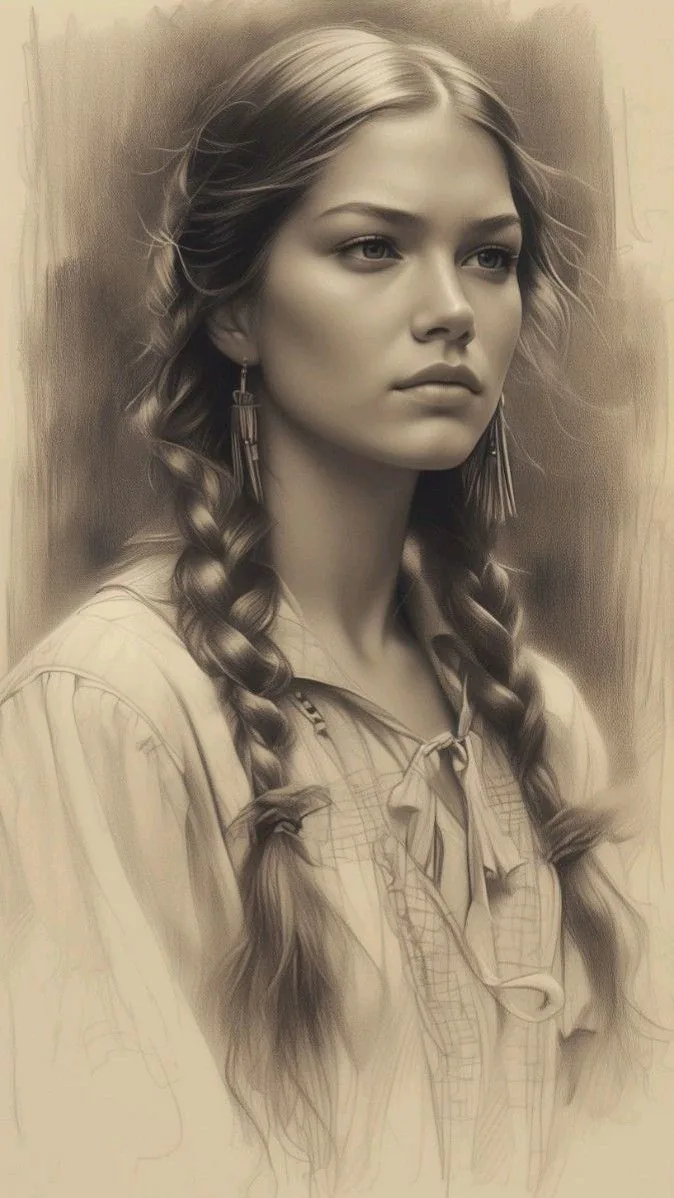
Double braids are the hairstyle of the maid who sees everything and says nothing — until the final reveal, when she says everything. Two neat braids over the shoulders, tied with black ribbon, are charming, youthful, and quietly suspicious. They are also one of the most comfortable styles here, which matters when you are serving drinks all night.
Best for: long hair and service-staff characters. How to style: part the hair down the middle, braid each side from the nape, and tie with ribbon. Maintenance: none — braids only get better as they loosen. Quick verdict: the easiest character hair in the guide, and the most fun to play against type when the maid turns out to be the mastermind.
35. The Dramatic Top Knot for the Art Deco Hostess
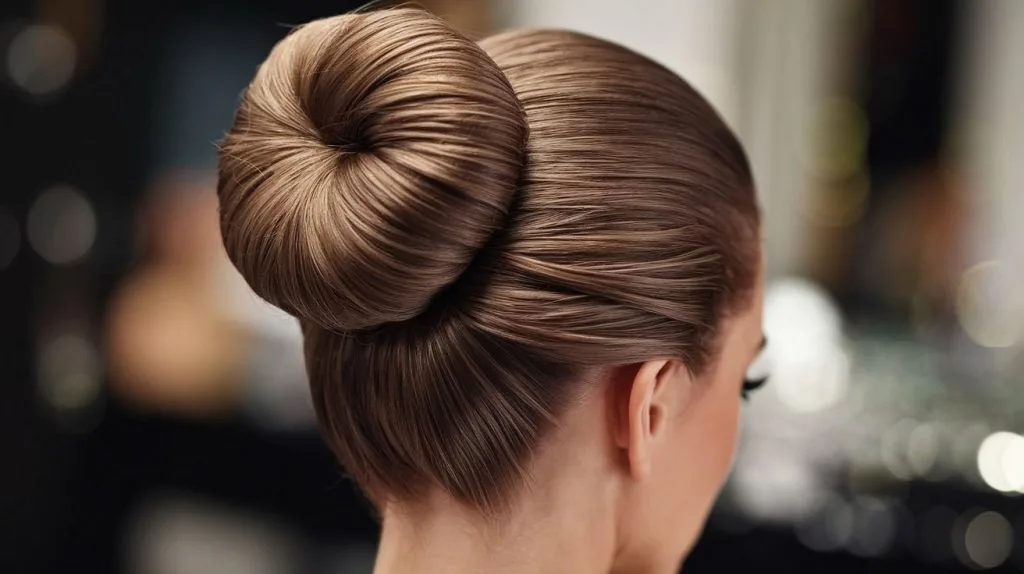
The art deco hostess does not do understated. A high, sculpted top knot — smooth, tall, and gleaming — gives her the silhouette of a statue and the presence of a monument. It pairs with geometric jewellery, bold shoulders, and a room full of people who are all, somehow, suspects.
Pros: dramatic, secure, and it makes any outfit look more expensive. Cons: a heavy top knot can pull by the end of the night, so anchor it with pins in an X and keep the base slightly loose. How to style: gather the hair high, twist it into a knot, and smooth the surface with serum. Best for: 1920s and 1930s settings, and hosts who want to be seen from across the room.
36. The Final Reveal: Loose Waves That Work for Every Character
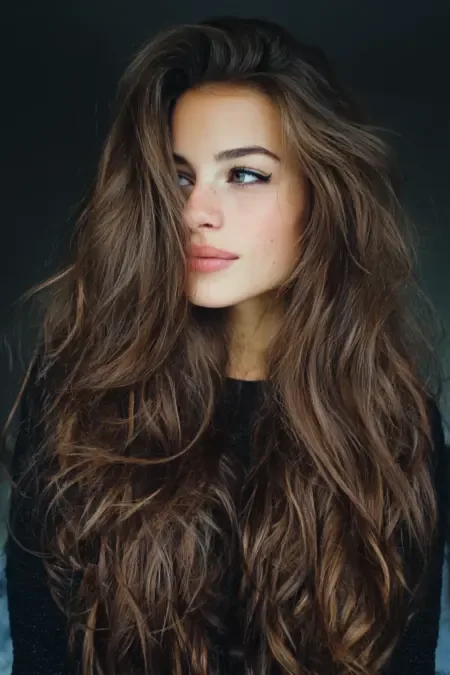
Every guide needs a closer, and this is the most useful style in the whole list: soft, loose waves that work for almost any character. Add a headband and you are a flapper. Add a veil and you are a widow. Add a hat and you are a detective. The waves themselves are neutral, which makes them the perfect base for a last-minute character change.
Best for: anyone who has not been assigned a character yet, or who wants one style that can play three roles. How to style: curl large sections loosely, brush through, and finish with a flexible spray. Quick verdict: if you read this whole guide and still cannot decide, choose this. It will not let you down, whatever the night reveals.
What hairstyle is best for a murder mystery party?
The best hairstyle is the one that matches your character and your party’s era. Finger waves suit a 1920s flapper, victory rolls suit a 1940s detective, and a veiled bun suits a Victorian widow. Pick the character first, then choose the most recognisable hairstyle from that era.
Should I wear a wig to a murder mystery party?
Yes, if your own hair cannot reach the look — very short hair going long, or a dramatic colour change. A good-quality wig with a wig cap and pins looks convincing and lets you change characters quickly. Style your own hair when the look is close to your natural length, since it moves and photographs more naturally.
How do I make my hairstyle last all night?
Start with day-old hair or texturising spray, set curls and let them cool before releasing, and finish with flexible-hold spray followed by a light mist of strong-hold spray. Carry spare bobby pins and a travel-size spray in your clutch for touch-ups.
What 1920s hairstyle works best for a speakeasy murder mystery?
Finger waves are the most authentic choice, followed by the flapper bob with a beaded headband and the sleek Gatsby bob. All three read as 1920s instantly, photograph well in low light, and pair with dark lips and long necklaces.
Can I do a murder mystery hairstyle on short hair?
Yes. Finger waves, the Eton crop, the flapper bob, Marcel waves and the slicked-back detective look all work beautifully on short hair. If you want a long style, a wig is the simplest route — short hair underneath actually makes a wig sit more securely.
What hair accessories make a costume look more convincing?
One strong era accessory: a feather headband or beaded headband for the 1920s, a birdcage veil for a widow, a pearl comb for an heiress, a tilted hat for a detective, or a cameo brooch for a Victorian character. Anchor every accessory with two crossed bobby pins so it cannot slip.
How do I style my hair if I am playing the detective?
Choose a sharp, controlled style: a sleek low chignon, slicked-back hair, a neat side part, or victory rolls with a trench coat. Detectives look calm and unbothered, so avoid loose, romantic styles and keep every strand in place.
What hairstyle suits a Victorian murder mystery character?
A Gibson Girl pompadour suits a Victorian heiress, a veiled low bun suits a widow, gothic ringlets suit a romantic heroine, and a low twisted knot with a cameo brooch suits an older relative with a secret. Severe centre parts and pinned-up shapes are the key Victorian signals.
Will hairspray and pins damage my hair after one party night?
No, one night of hairspray and pins will not cause lasting damage. Wash it out with a gentle shampoo, follow with conditioner, and avoid tight styles for a day or two afterwards. If you used a lot of backcombing, detangle gently from the ends upward with a wide-tooth comb.
What is the easiest murder mystery hairstyle for beginners?
Loose waves are the easiest — curl large sections, brush through, and add one era accessory. The messy-chic bun and the sleek low chignon are close behind, each taking under ten minutes with no special tools.
Conclusion: Solve the Case in Character
The best hairstyles for a murder mystery party are the ones that let you forget about your hair and focus on the game. Whether you chose finger waves, victory rolls, a veiled bun, or loose waves with a single feather, the goal is the same: walk in as your character, stay in character through every accusation, and still look the part when the murderer is finally revealed. Pick your era, build in the hold, pack your rescue kit, and let your hair do some of the acting for you. The case is yours to solve — just make sure you look unforgettable while you do it.