Highlights 25 Tawny Tortoise Shell Melts Blending Richly Warm
Okay, let’s talk about the one hair color trend that feels like a warm hug for your hair. It’s not a drastic change, but it’s the kind of subtle magic that makes everyone ask, “Did you just get back from vacation?” I’m obsessed with the tawny tortoise shell melt.
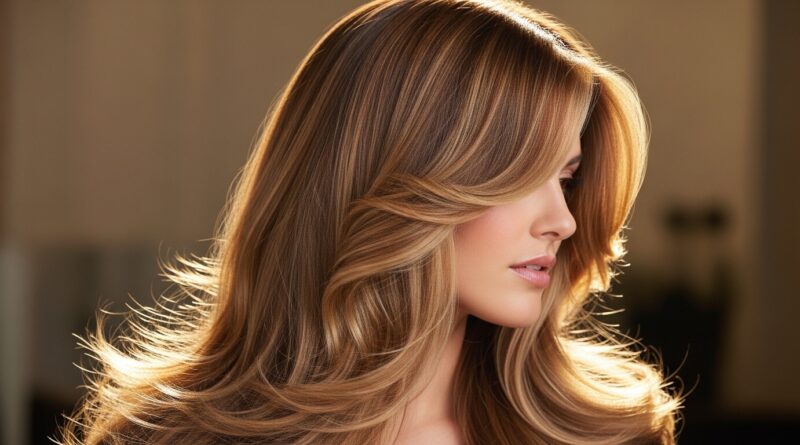
This isn’t about chunky stripes. It’s about ultra-blended, richly warm highlights that mimic the beautiful, sun-kissed layers of a tortoise shell. Think caramel, honey, and chestnut all melting together seamlessly.
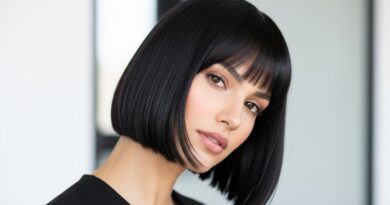
Whether you’re eyeing a chic quiet luxury bob or long, flowing layers, this color technique is the ultimate upgrade. It adds dimension, depth, and a healthy-looking glow without looking like you tried too hard. It’s the definition of effortless.
I’m breaking down everything you need to know, from what to ask your stylist to how to keep that gorgeous warmth at home. This is your complete guide to getting the look.
What Is a Tawny Tortoise Shell Melt?
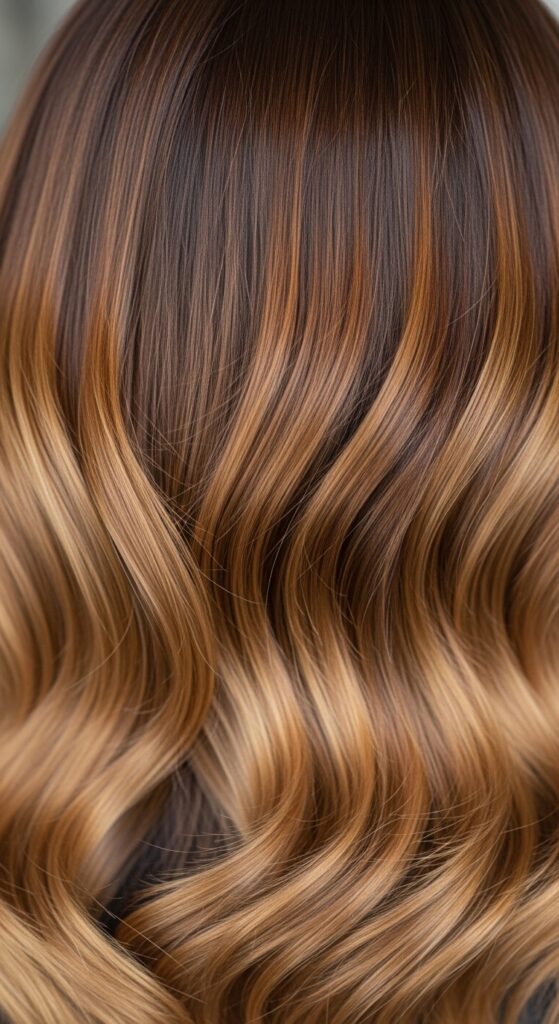
Let’s start with the basics. The name says it all. “Tawny” refers to that beautiful, warm golden-brown spectrum. “Tortoise shell” is the inspiration—those rich, blended patterns you see in actual tortoiseshell.
The magic word is “melt.” This technique uses balayage or foilyage to hand-paint the highlights so they blend perfectly into your base color. There are no harsh lines. It creates a soft, diffused, and incredibly natural result.
It’s perfect if you want to brighten up but keep things grounded and warm. This look is a cornerstone of the old money hair aesthetic—expensive-looking, timeless, and perfectly undone.
Why This Color is Perfect for 2026 Hairstyles
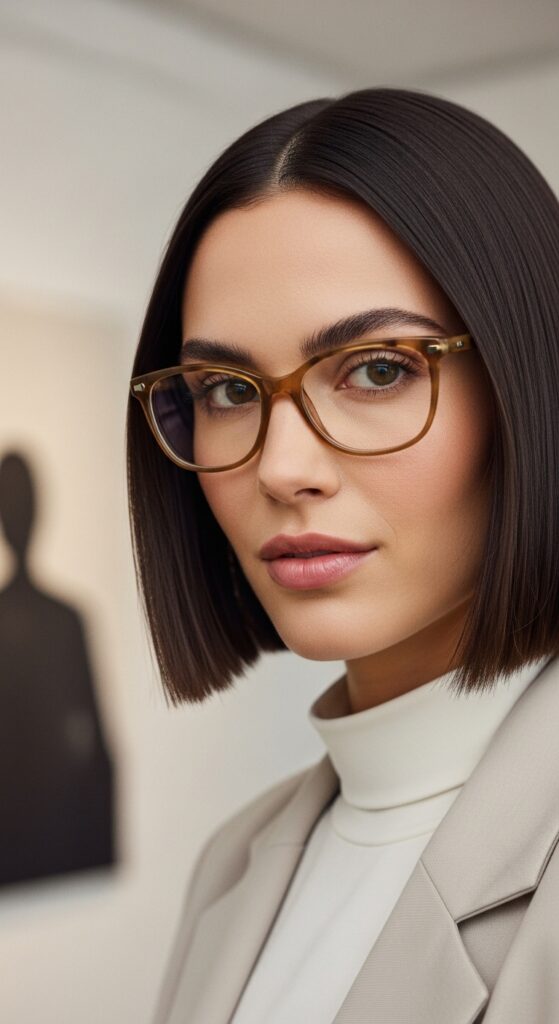
Looking ahead, 2026 hairstyles are all about personalized texture and warmth. We’re moving away from icy tones and towards colors that enhance your natural beauty. This melt is a perfect fit.
It works with virtually every cut and texture. It adds the dimension that modern cuts need to really pop. Think of it as the perfect partner for that asymmetrical lob or a textured shag you’ve been dreaming of.
The warmth is also key. It brings life to your face and works with the cozy, earthy color palettes that are sticking around. It’s a future-proof choice that feels fresh now and will still look amazing next year.
Bringing a Picture: What to Show Your Stylist
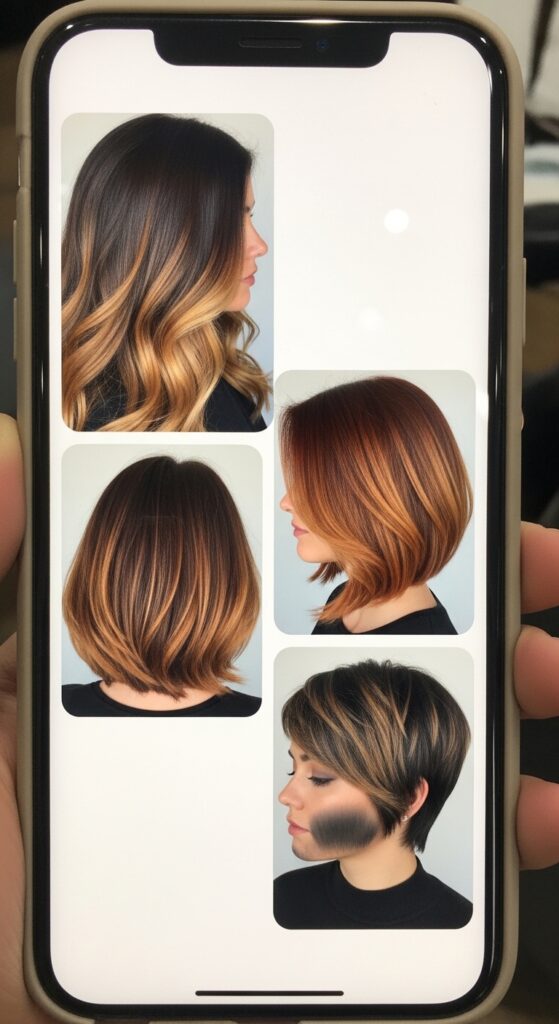
Walking into the salon and just saying the name isn’t enough. Your idea of “tawny” might differ from your stylist’s. The best thing you can do is bring visual references.
Collect 4-5 pictures that show the color you love. Make sure they include:
- Women with a similar skin tone to yours.
- Hair that is a similar length and texture to your own.
- Both salon-lit and natural light shots.
Point out exactly what you love. Is it the specific caramel tone? How soft the blend is? This gives your stylist a clear target and ensures you’re both on the same page for your dream color.
The Consultation: Key Questions to Ask
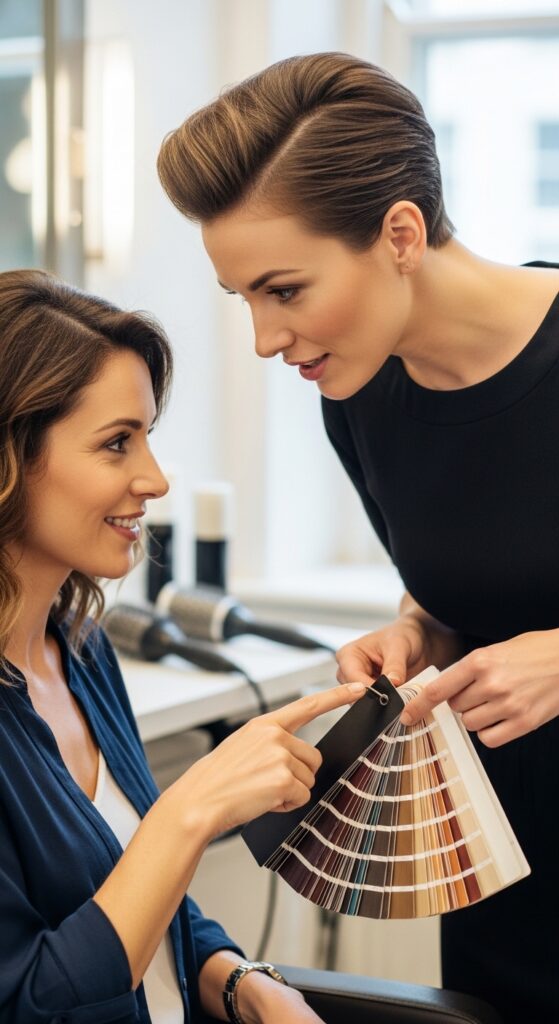
This chat is everything. Come prepared with questions to make the most of your time. Your stylist is your partner in this. First, discuss your base. Can your natural color work, or do you need a base adjustment?
Then, ask about technique. Will they use balayage, foils, or a combination? How will they place the color to flatter your face shape? Finally, talk maintenance.
Ask: “How often will I need touch-ups?” and “What can I expect for the grow-out?” A good melt should grow out gracefully, saving you trips to the salon. Getting these answers upfront prevents surprises.
Finding Your Base: Warm Browns vs. Cool Browns
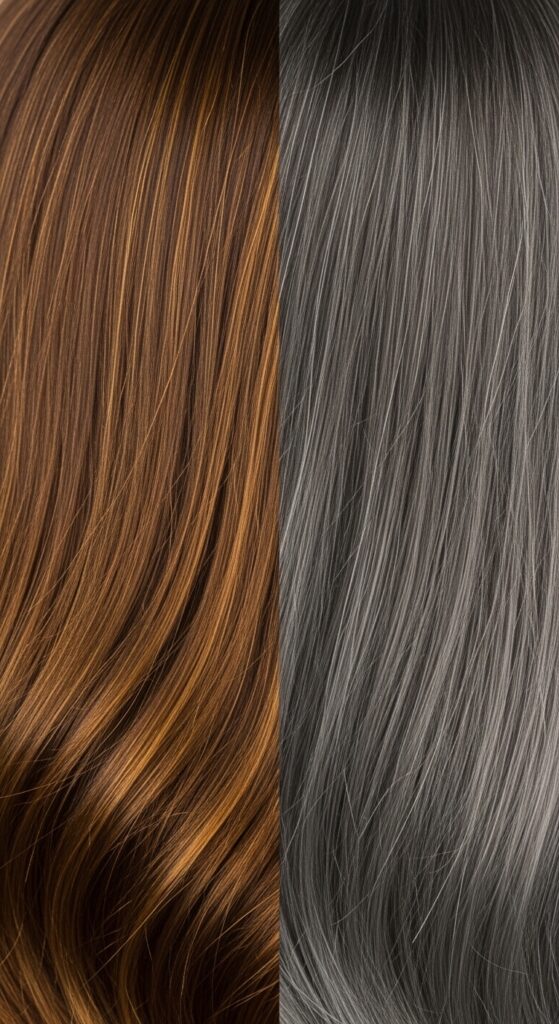
Your starting point matters. “Tawny” implies warmth, so it naturally pairs best with a warm brown base color. If your natural hair has golden or red undertones, you’re already halfway there.
If you have a naturally cool, ashy brown base, your stylist might need to pre-pigment or add some warmth to it first. This ensures the tawny highlights blend in a rich, cohesive way instead of looking separate or muddy.
Don’t fight your natural undertone. Working with it is the secret to a low-maintenance, gorgeous color. A great stylist will assess this during your consultation to create the perfect plan for you.
The Color Formula: It’s All About Dimension
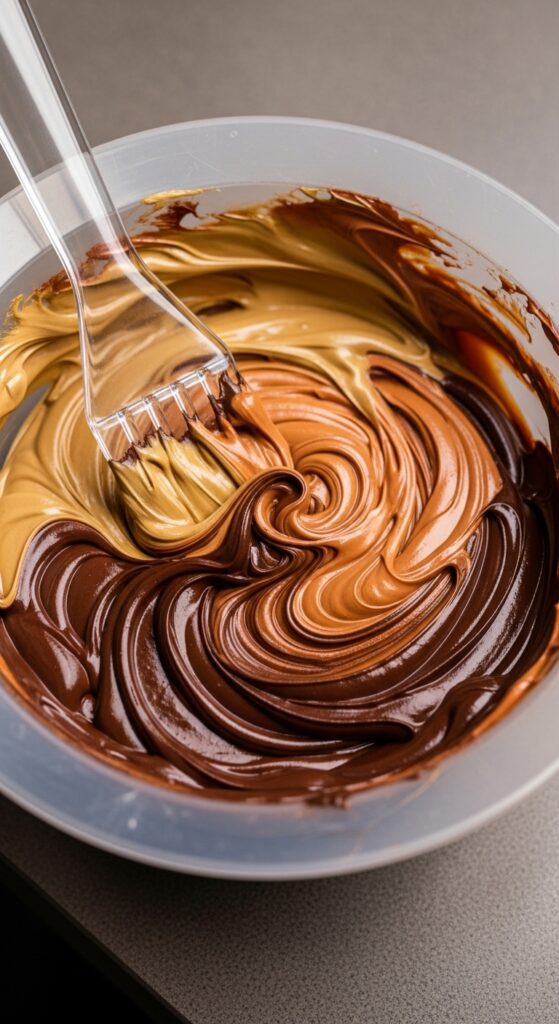
This look is never one flat color. The formula uses multiple shades within the warm family to create that signature depth. Your stylist isn’t just applying one “tawny” shade.
They’ll typically use a combination of 3-4 colors. A deeper chestnut near the roots, a rich caramel through the mid-lengths, and a brighter honey or gold towards the ends. These are all painted on in a way that they overlap and blend.
This multi-tonal approach is what makes the color look so alive and natural in different lights. It’s the opposite of a single-process color, and it’s worth every penny.
Balayage vs. Foils: Which Technique is Used?
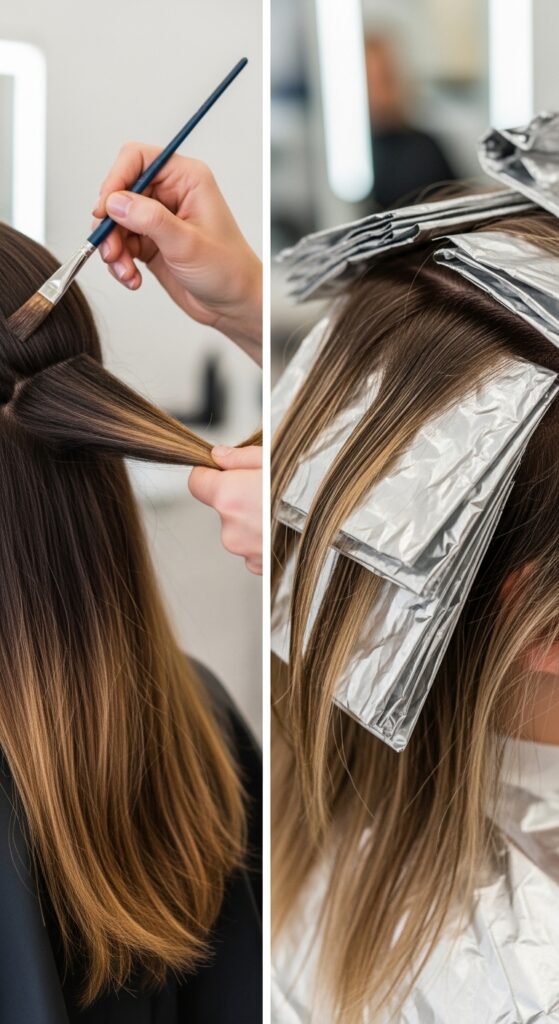
You’ll likely hear both terms. For the ultimate “melt,” balayage is often the star. It’s a freehand painting technique that gives the softest, most natural blend. It’s perfect for that sun-kissed effect.
However, many stylists use “foilyage.” This is balayage painted on, but then wrapped in foil. The foil allows for more lift and brightness, which can be great if you’re starting darker or want more pop.
Often, the best result uses both. Balayage for the soft, face-framing pieces and foils in the interior for extra dimension. Trust your stylist’s recommendation for your hair’s needs.
Face-Framing: The Most Important Placement
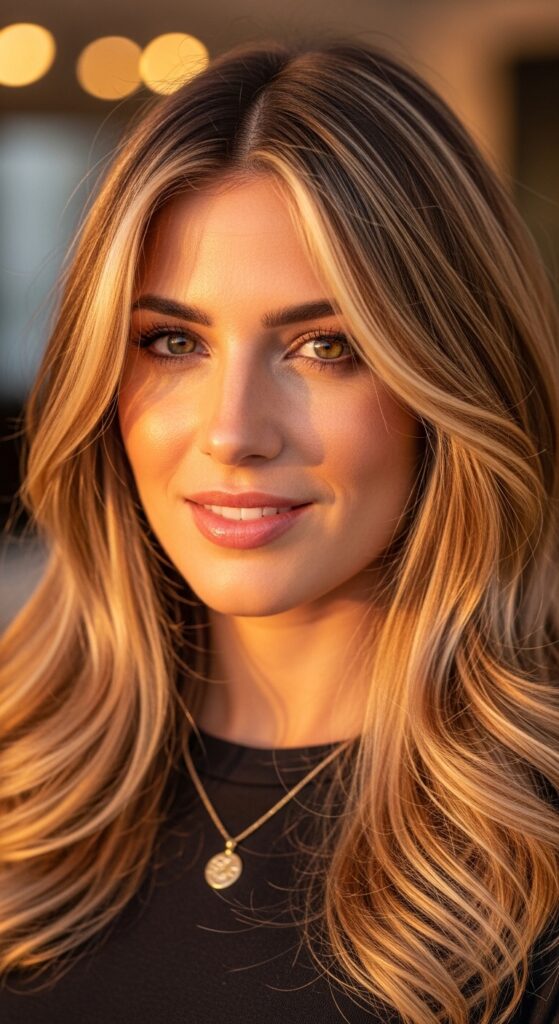
Where the color is placed is just as important as the color itself. The number one rule? It must frame your face. This isn’t a uniform highlight job. The lightest, brightest pieces should be placed where the sun would naturally hit.
That means around your hairline, on the tips of your layers around your face, and on the top layer of your hair. This placement instantly brightens your complexion, makes your eyes sparkle, and gives that “just stepped into the light” effect.
Even if you wear your hair up, these strategic pieces ensure the color always looks intentional and flattering. It’s a non-negotiable for this style.
Pairing It With a Quiet Luxury Bob
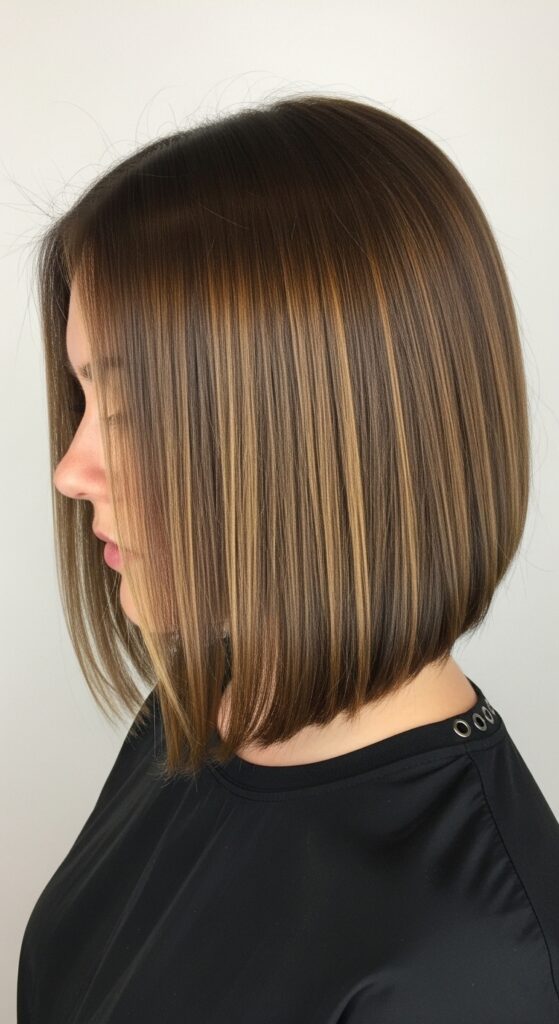
This is a match made in heaven. The quiet luxury bob is all about impeccable cut, health, and subtle detail. A solid color can sometimes fall flat on a blunt bob.
Adding a tawny tortoise shell melt gives that bob the movement and depth it needs. When you turn your head, the different warm tones catch the light. It makes the hair look thicker and the cut more dynamic.
It’s the ultimate “I woke up like this” hair for the chic, minimalist wardrobe. It proves that quiet doesn’t mean boring—it means masterfully crafted.
Pairing It With Long, Romantic Layers
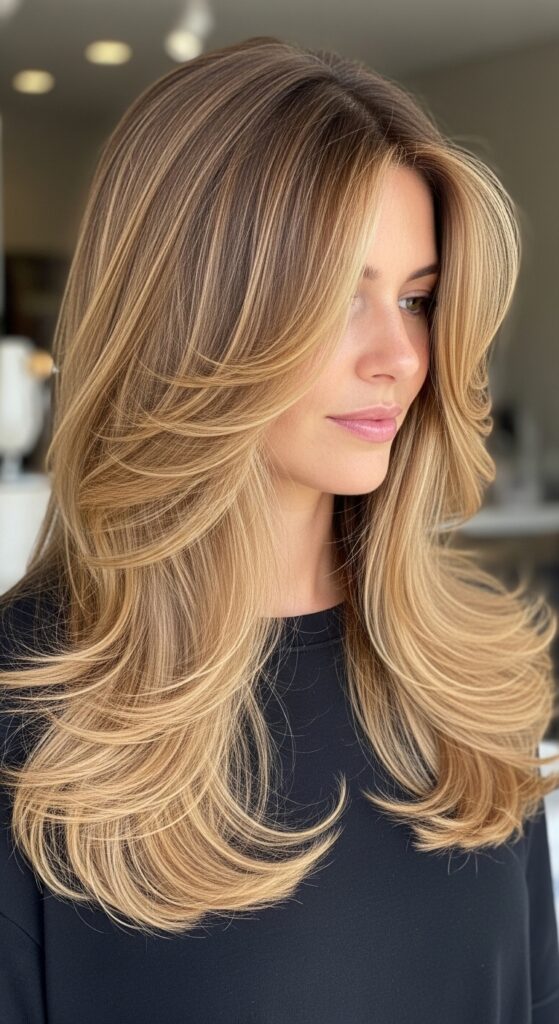
For my long-haired friends, this color is a dream. Long hair can sometimes look heavy or one-dimensional. The tortoise shell melt fixes that completely.
As the color melts down your lengths, it creates a beautiful, cascading effect. It enhances every layer and adds a sense of movement even when your hair is still. It feels romantic, luxurious, and healthy.
It pairs beautifully with 2026 hairstyles that focus on soft, undone waves and romantic texture. It’s giving modern princess, in the best way possible.
Unexpected Pairing: The Vampire Haircut
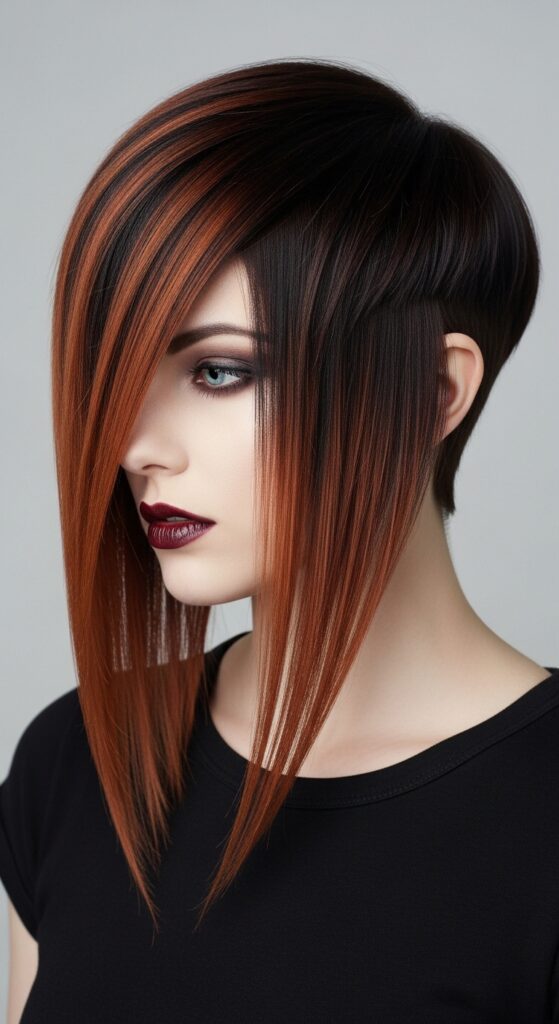
Think this warm color only works for soft looks? Think again. The vampire haircut—with its dramatic shags and sharp lines—gets a cool update with this color.
Instead of jet black, imagine a deep, warm brown base with tawny highlights melting through the long, face-framing pieces. It creates a romantic goth or glitchy glam hair vibe that’s rich and intriguing.
The warmth adds a human, fiery touch to an otherwise edgy cut. It’s unexpected, personal, and seriously stylish. It shows the versatility of this color trend.
Considering a Hime Cut? Add This Color.
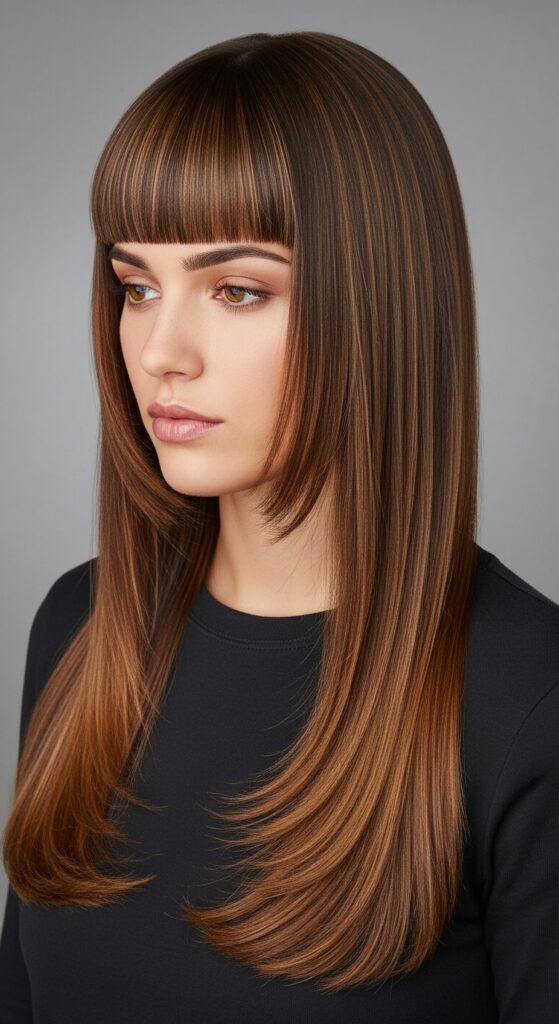
The hime cut is a bold, graphic statement. Pairing it with a flat, solid color can make it feel a bit harsh. Introducing a tawny melt softens the entire look beautifully.
The dimension adds a softness around the face that complements the blunt bangs. It also makes the long, straight lengths look more luxurious and less severe.
You can play with placement, keeping the bangs a bit darker and letting the highlights shine through the long sides. It’s a perfect blend of bold shape and warm, inviting color.
Maintenance: How Often for Touch-Ups?
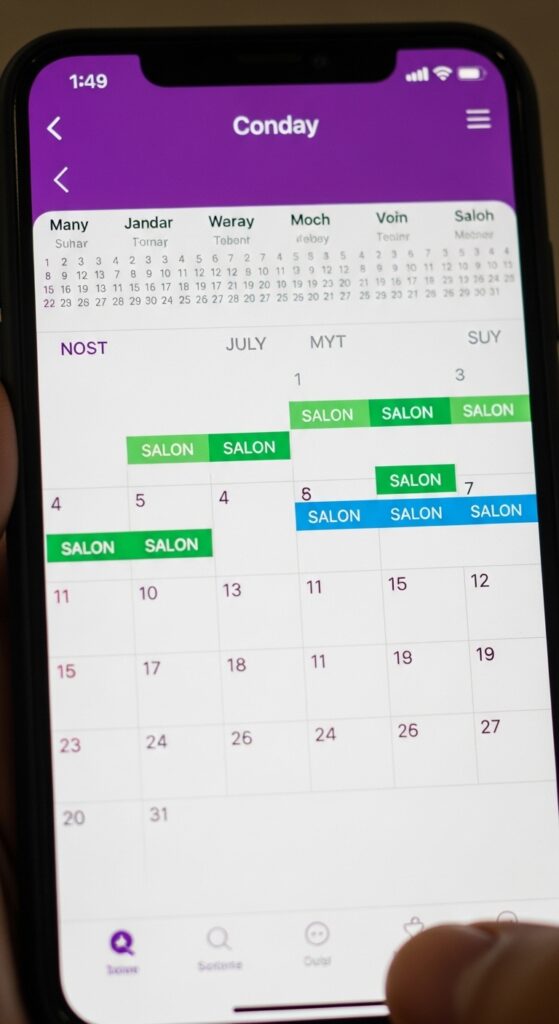
Here’s the best news: this is a low-maintenance color when done right. Because the highlights are so blended and there’s no harsh root line, you can go much longer between salon visits.
Most people can stretch touch-ups to 4-6 months. The grow-out is soft and natural, often looking like intentional shadow roots. This saves you time and money.
Of course, if you have a lot of gray or prefer a brighter look, you might need to go more often, like every 3-4 months. Your stylist will give you a personalized plan.
At-Home Care: Shampoo & Conditioner Must-Haves
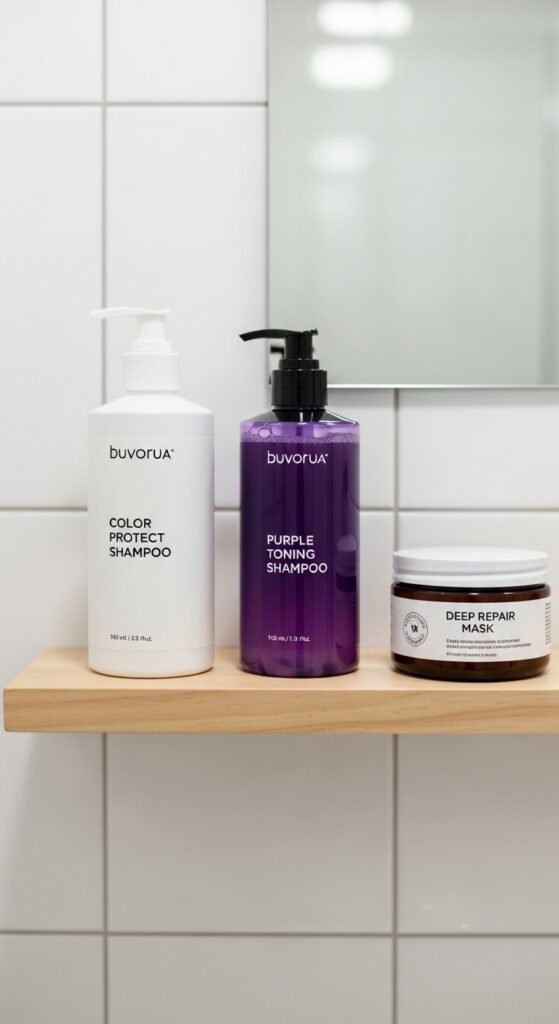
Protecting your investment is key. Step one is switching to a color-safe, sulfate-free shampoo and conditioner. This prevents the warm tones from fading and becoming brassy too quickly.
Incorporate a purple shampoo once a week or every other week. Wait, purple? Yes! Purple neutralizes unwanted yellow tones. For warm hair, you don’t want to eliminate warmth, just keep it from going *too* yellow.
Using it briefly (1-3 minutes) will keep your tawny tones clean and bright, not dull or ashy. Always follow with a good conditioner.
At-Home Care: The Magic of Gloss Treatments
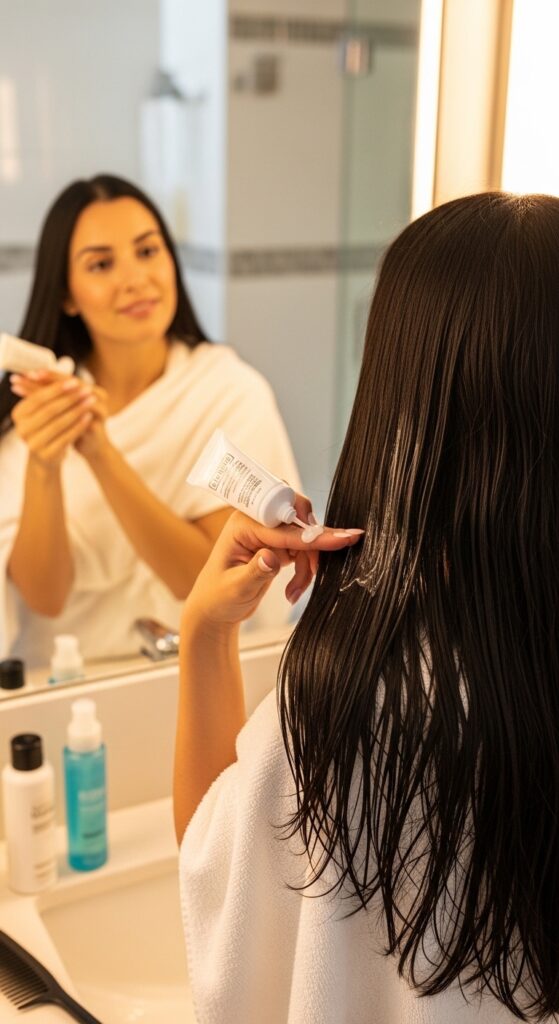
This is your secret weapon. Between salon visits, a clear or slightly tinted demi-gloss treatment is a game-changer. You can find great at-home options or ask your stylist for a take-home treatment.
A gloss seals the hair cuticle, adding insane shine and smoothing frizz. It also helps refresh the color tone, boosting the warmth and depth for weeks longer.
Think of it like a top coat for your manicure. It makes everything look fresh, polished, and expensive. I do one every 4-6 weeks and the difference is unbelievable.
Heat Styling: Protecting Your Color & Health
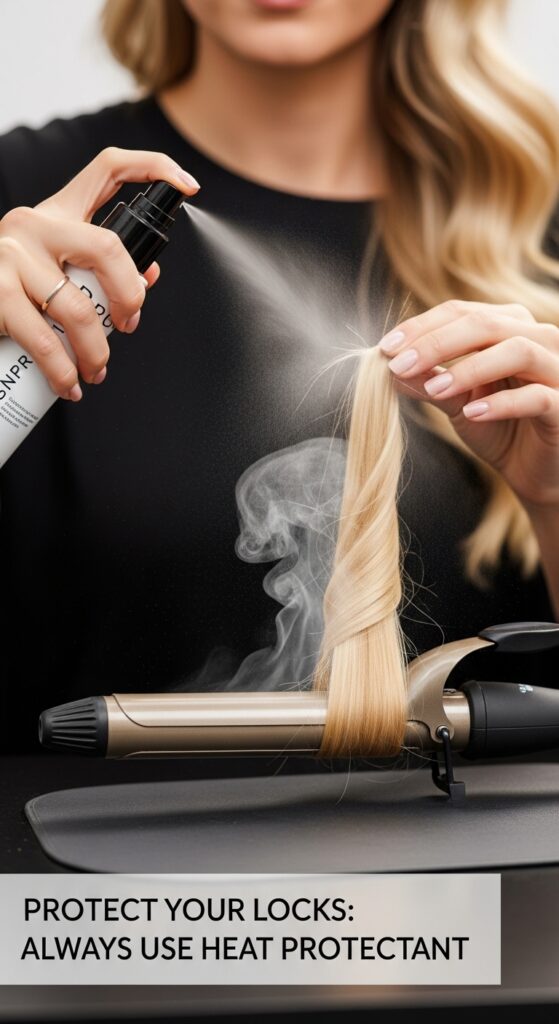
Heat styling can fade color and damage hair, making it look dull. The rule is simple: never use hot tools without a heat protectant spray. It creates a barrier between your hair and the heat.
Also, try to lower the temperature on your tools. You often don’t need the highest setting. And embrace air-drying when you can! The natural texture you get with this dimensional color is often beautiful on its own.
Healthy hair holds color better and reflects light more, making your melts look even more gorgeous. Protection is the key to longevity.
Creating the Perfect Warm-Toned Wave
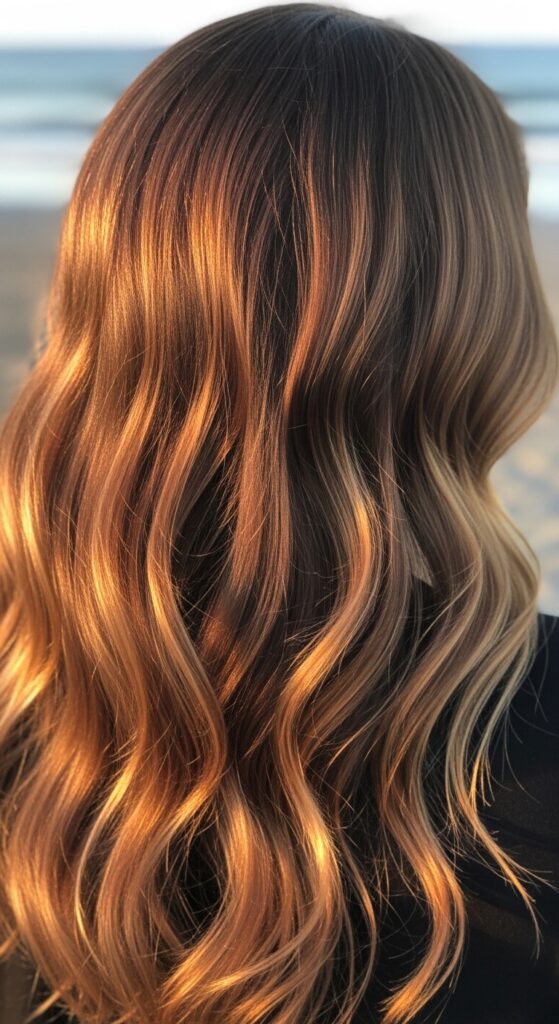
To really show off this color, loose waves are your best friend. They create peaks and valleys for the light to hit, making all those warm tones pop. Use a 1-1.5 inch curling wand or iron.
Wrap random sections away from your face, leaving the ends out for a more undone look. Don’t curl every piece—some should be left straight for a natural blend.
Once cooled, run your fingers through the curls to break them up. Finish with a light texturizing spray. This style screams effortless, sun-kissed beauty.
What If It Turns Too Brassy?
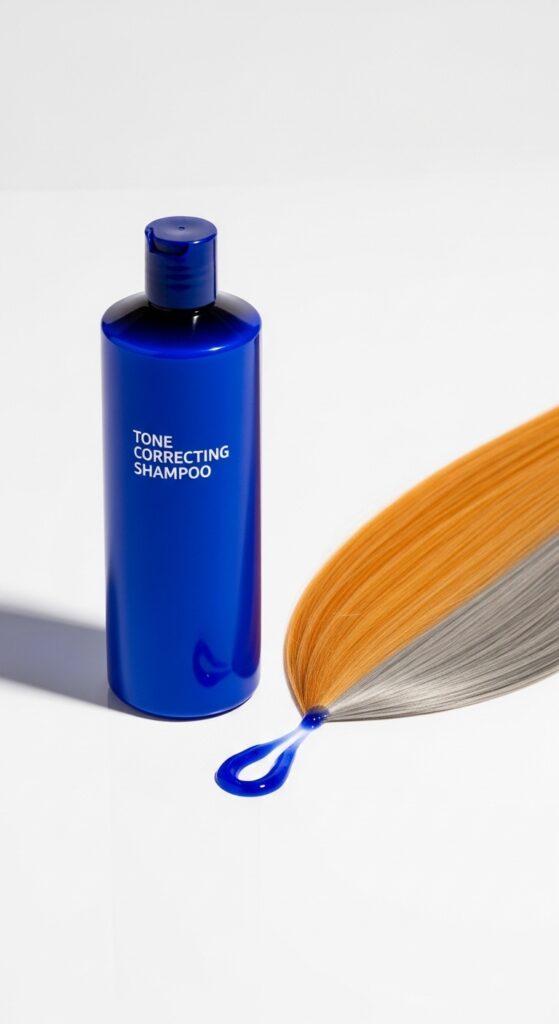
Sometimes, warm tones can overstep and turn more orange than golden. Don’t panic. This is where your toning shampoo comes in. If it’s looking yellow, use your purple shampoo.
If it’s leaning orange, you need a blue shampoo. Blue neutralizes orange. Use it as needed, but start with once a week for a few minutes to see how your hair responds.
If the brassiness is strong, a trip back to the salon for a quick toner is the best fix. They can re-balance the color perfectly. Communication with your stylist is key!
Common Mistakes to Avoid
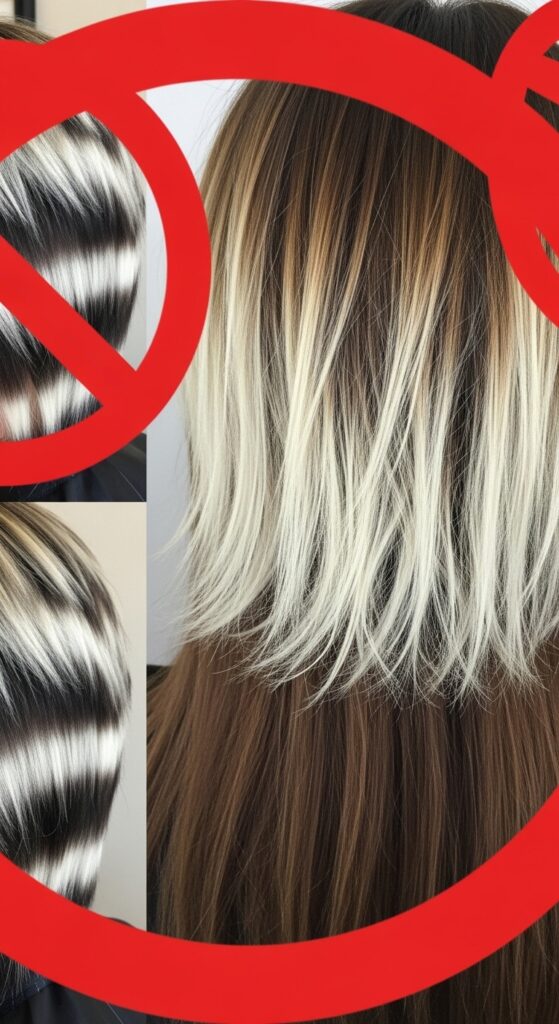
Let’s avoid pitfalls. First, don’t ask for uniform, stripey highlights. The beauty is in the irregular, painterly placement. Second, avoid going too light too fast.
Building warmth gradually is better for your hair’s health and creates a more believable result. Third, don’t skip the consultation or gloss treatments.
Finally, don’t try to DIY this with a box kit. The blending and placement require a professional eye. This is an investment in a custom color service.
Is This Color Right For You?
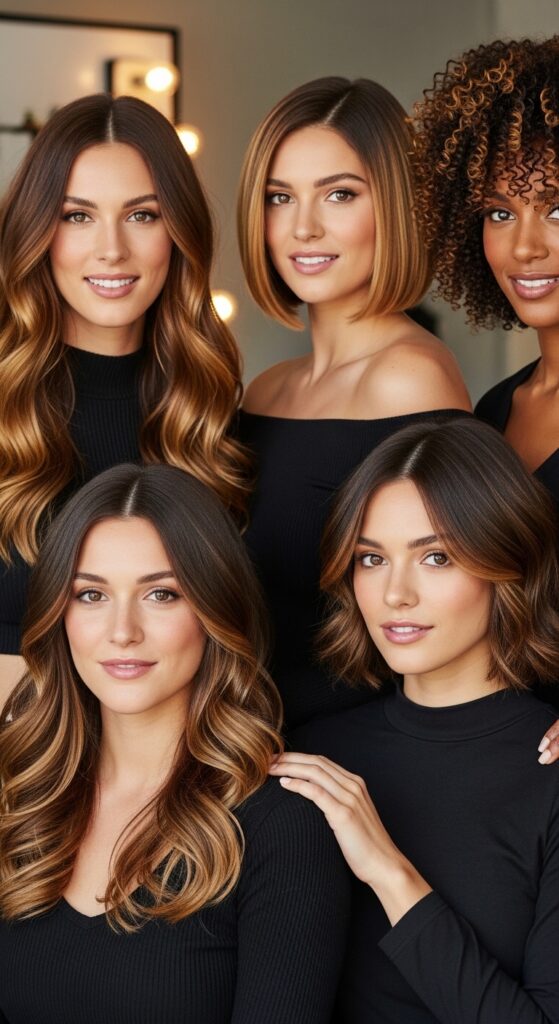
Warm tones are generally flattering on most people. If you have warm, olive, or golden skin tones, this will be a slam dunk. It enhances your natural glow.
If you have cool or pink undertones, you can still do it! The key is to keep the base a bit deeper and cooler, letting the tawny highlights warm up the surface. A good stylist will adjust the formula.
It’s also perfect for anyone wanting to disguise grays gracefully, as the multi-dimensional blend makes regrowth less obvious. When in doubt, bring pictures to your consultation and trust the pro.
Budgeting for Your Color Service
This is a custom, technique-driven color service, so it’s an investment. Prices vary wildly by location and stylist expertise, but expect a range similar to other balayage services.
Remember to factor in the cost of your initial service, tip (usually 20%), and the recommended at-home products. While the upfront cost is higher, remember the low maintenance means fewer salon visits per year.
Think of it as cost-per-day. Over 6 months, that beautiful color works out to just a few dollars a day for a major confidence boost. Worth it.