This One Product Swap Finally Stopped My Postpartum Hair Shedding
I remember staring at my hairbrush and feeling like I small animal had somehow moved in. Postpartum shedding hit me hard around month five, and every shower felt like a horror scene. I tried all the “growth” serums and pricey scalp treatments, but nothing seemed to slow the fall.
Then, one simple product swap changed everything. Within three weeks, my hairbrush started looking normal again. My pillowcase stopped collecting strays, and I finally felt like myself.
The best part? It wasn’t a complicated routine. Just one small change—and a few gentle habits that actually stuck. If you’re in the thick of postpartum shedding, this post is for you. You don’t need a cabinet full of products. You just need the right one, and I’ll show you exactly what worked for me.
Why My Hair Started Falling Out
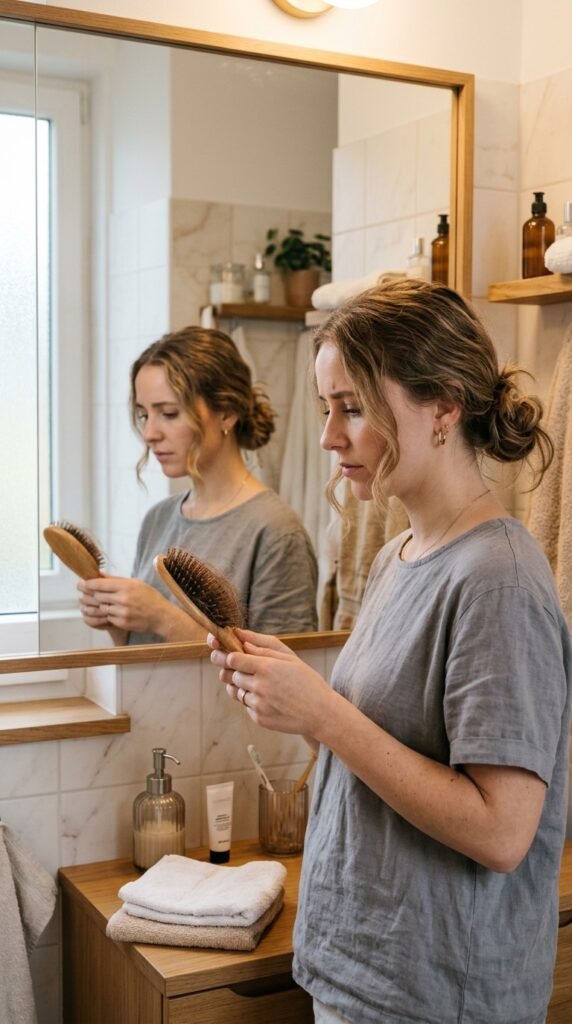
Postpartum shedding usually happens around the four-to-six month mark. Your hormones are adjusting after pregnancy, and all those extra hairs that stayed put during those nine months suddenly decide to leave at once.
It sounds scary, but it’s actually completely normal. Your body is just resetting. For me, understanding that it wasn’t permanent took away a lot of the anxiety.
- Shedding spikes around month 4–6
- It usually slows by month 9–12
- You’re not “balding” – it’s a temporary shift
The Product That Was Making It Worse
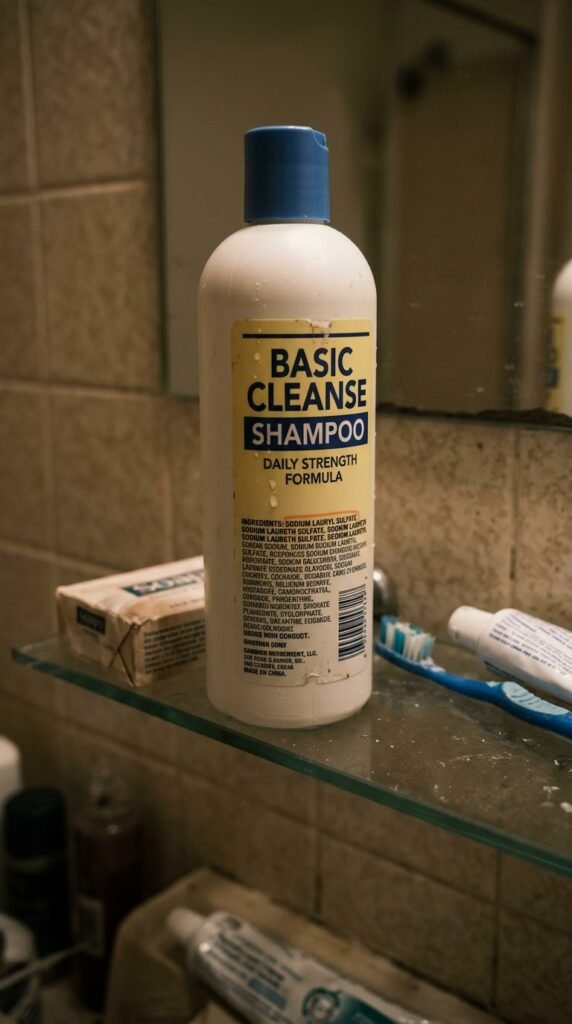
I was using a popular clarifying shampoo because I loved that squeaky-clean feeling. But it was packed with sulfates that stripped my scalp. My skin was dry, irritated, and my shedding seemed even worse after every wash.
I didn’t realize that a clean scalp isn’t a squeaky one. My poor hair was fighting to stay hydrated while also battling postpartum changes.
If you’re using a similar shampoo, check the ingredients. Sulfates can be too aggressive for a sensitive, shedding-prone scalp.
The One Swap That Changed Everything
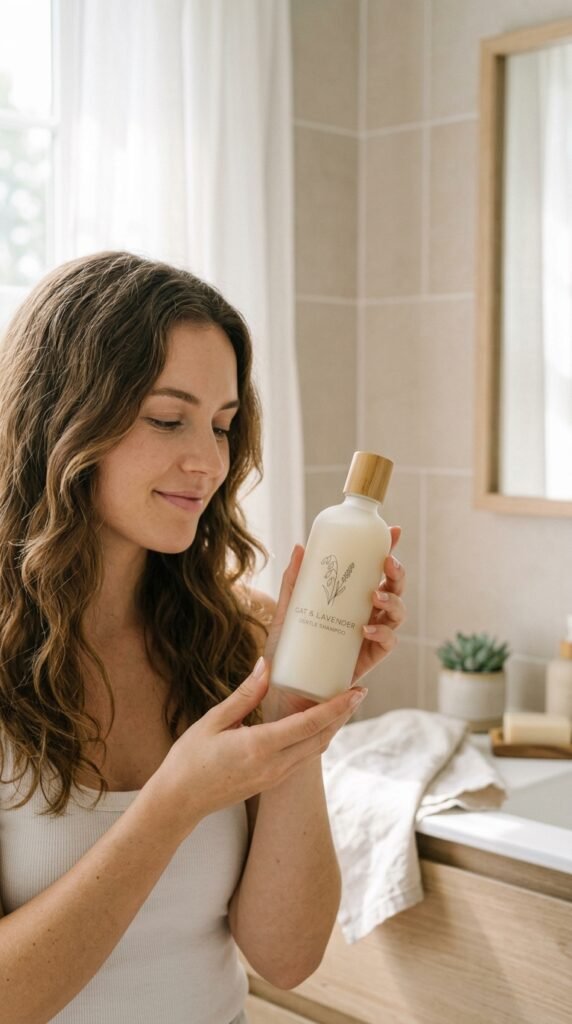
I swapped my harsh shampoo for a gentle scalp-first cleanser with caffeine and biotin. No sulfates, no heavy fragrance, just a soft, creamy formula that actually respected my skin. It felt like a sigh of relief for my head.
This one product swap made the biggest difference. My scalp stopped feeling tight and itchy, and my hair felt less fragile right after washing.
Now, I’m not here to sell you a specific brand. Just look for a shampoo that says “gentle” or “scalp soothing” and has simple, nourishing ingredients. Sometimes, the boring options are the real heroes.
What This Product Swap Actually Does
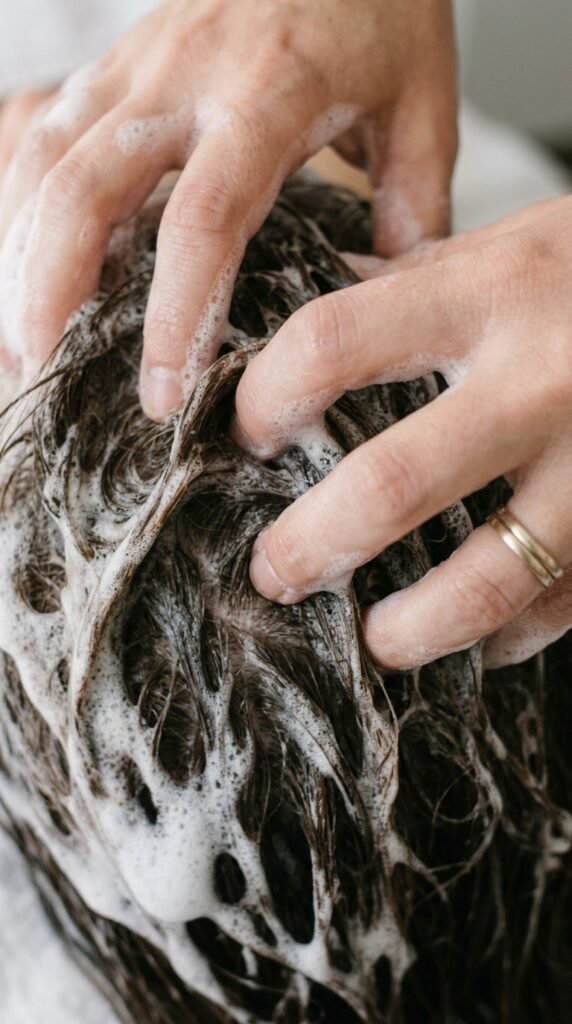
The caffeine in my new shampoo doesn’t just sound fancy. It helps stimulate the hair follicles and improves blood flow to the scalp. That means each strand gets more of the good stuff it needs to grow stronger.
Plus, without sulfates, my scalp stopped overproducing oil to compensate. That balanced feel made a huge difference in how much hair I lost in the drain.
It’s not magic, but it’s the right kind of support for hair that’s already stressed.
How I Knew It Was Working
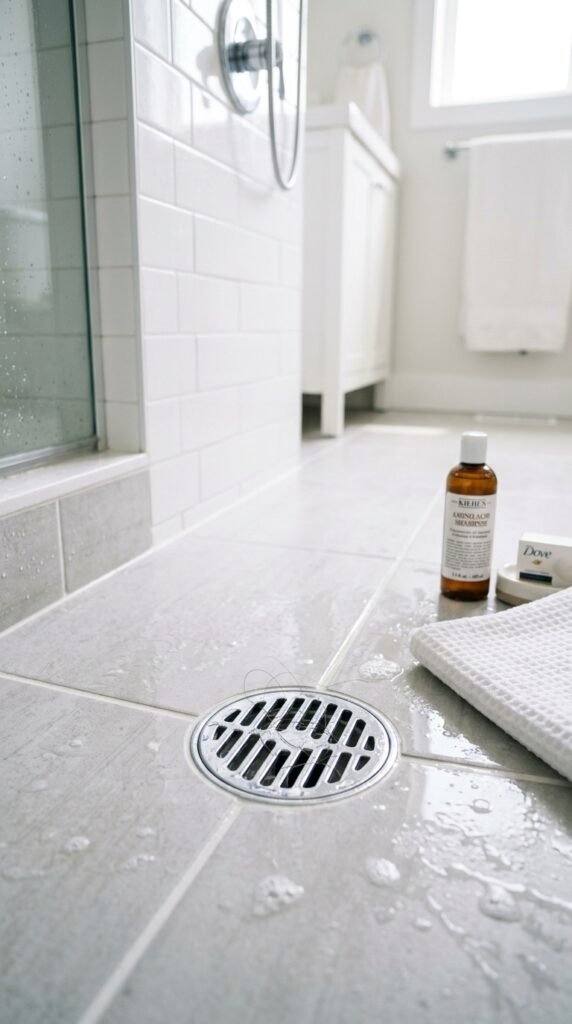
The first week, I didn’t notice much. But by week two, the clump in the shower was smaller. By week three, my brush had just a few strands instead of a whole nest.
I also started seeing tiny baby hairs along my hairline. That was my sign that things were turning around.
It’s not an overnight fix, but you’ll notice small wins. Just pay attention to how your hair feels when you run your fingers through it. Less breakage, less shedding.
My 4-Step Hair Care Routine Now
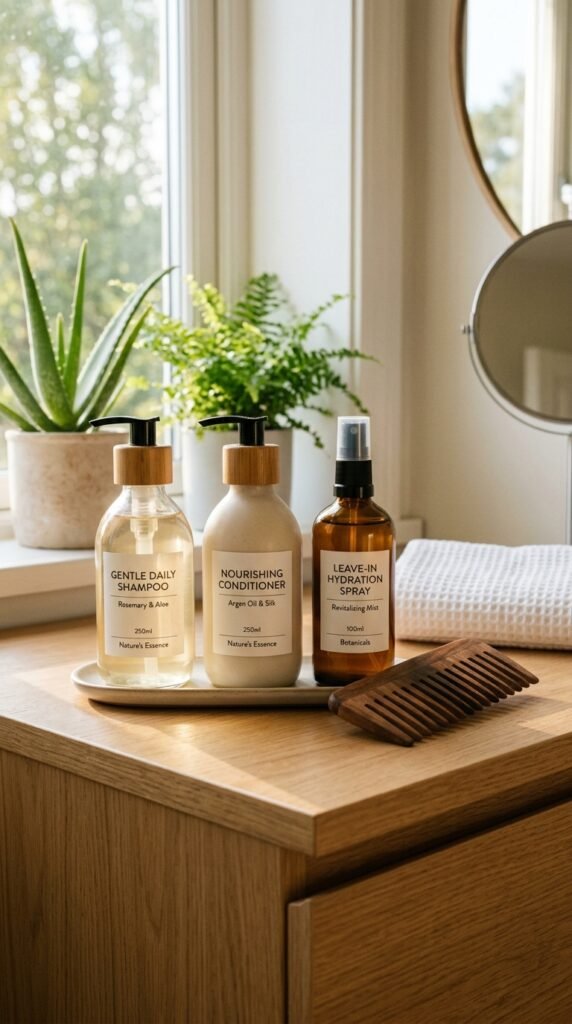
I keep my routine simple and consistent. My hair doesn’t need extra stress right now, so I stick to these four steps:
- Wash with lukewarm water, never too hot.
- Massage the gentle shampoo in for 3 minutes.
- Rinse and follow with a lightweight conditioner.
- Pat hair dry with a soft tee, then add a leave-in spray.
That’s it. I don’t over-wash, and I only shampoo every other day. My scalp finally feels balanced, and my hair looks calmer.
The Best Hairstyles for Thinning Hair (2026)
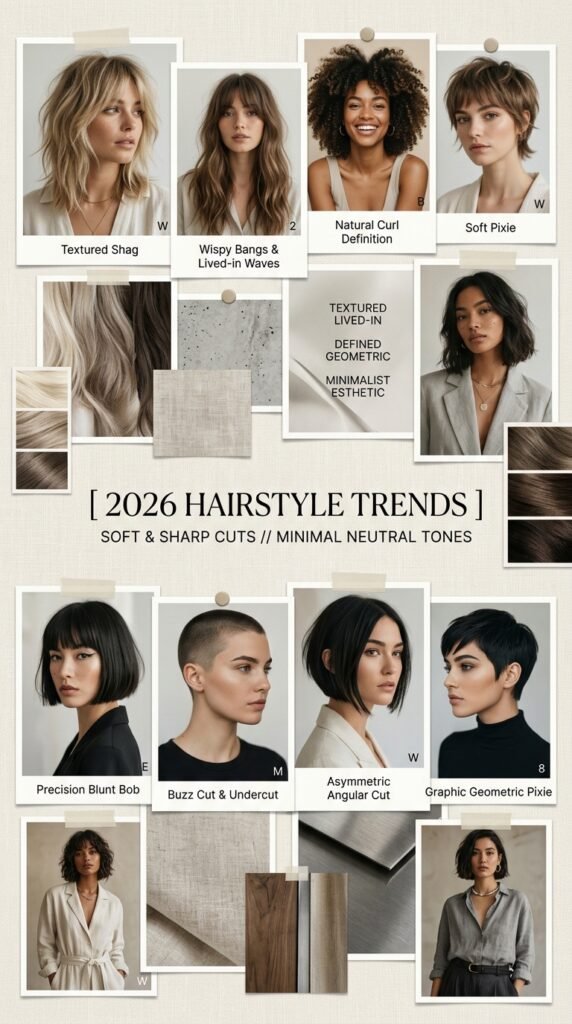
While waiting for your hair to regrow, the right cut makes all the difference. For 2026, the trends are all about texture and movement, which is great for thinning hair. You don’t need heavy layering to create the illusion of fullness.
Think soft volume, face-framing pieces, and cuts that move with your natural texture. I’ve rounded up the ones that work best for shedding season.
- Old money hair
- Quiet luxury bob
- Glitchy glam hair
Old Money Hair: The Trend That Saves Volume

Old money hair is all about looking healthy and expensive without trying too hard. Think glossy, slightly bouncy waves that start below the shoulders. It hides shedding because it looks full and polished, even when it isn’t.
This style works best with a few long layers and a center part. It gives you that quiet, confident energy without needing a lot of product.
For postpartum hair, I loved this trend because it let me hide thinner spots while I waited for regrowth. It honestly made me feel put-together during a very messy time.
Quiet Luxury Bob: My Go-To Shedding Season Cut

When I couldn’t handle long hair that kept shedding, I got a quiet luxury bob. This is that perfectly polished, chin-length cut that looks like you flew to Paris just for a haircut. The blunt edges make hair look instantly thicker.
It’s also super low-maintenance, which is a lifesaver when you’re running on no sleep. Just a little heat protectant and a quick blowout, and you’re done.
Honestly, if you’re feeling self-conscious about shedding, this cut will make you feel like a million bucks.
Romantic Goth Hairstyles for Fine Hair

If you like a little edge, romantic goth hairstyles are a perfect match for fine hair. Think loose, romantic waves with dark, moody tones and gentle face-framing pieces. They add softness without weighing hair down.
This style is great because it doesn’t require tight styling or teasing. Just loose braids overnight and a soft wave spray.
Plus, dark colors naturally give the illusion of deeper, fuller hair. It’s a fun way to embrace the season while keeping your scalp stress-free.
Glitchy Glam Hair: Edgy but Gentle

Glitchy glam hair is one of the coolest 2026 hairstyles, and you can totally rock it with thinning hair. It’s all about mixing sleek sections with subtle, iridescent shimmer pieces. Think futuristic but not harsh.
The key is to keep the hair smooth and not too tight. You can use a gentle silkening spray and a few silver clips to get the look without pulling at your follicles.
I tried this on a night out, and it made my hair seem so much bigger and more exciting. It’s a great confidence boost when you’re feeling flat.
Asymmetrical Lob: Hides Shedding Like a Dream

The asymmetrical lob is my secret weapon for hiding shedding. Why? The uneven lengths create natural movement and distract the eye. Your thinner spots just blend into the angles.
This cut works with each side slightly different, so it doesn’t need to be perfect. That’s exactly what new mom life needs.
Pair it with a soft curl, and it looks like you spent an hour styling when you really just used a curling wand for ten minutes. Total win.
Vampire Haircut: Why I Tried It

Vampire haircut is all about sharp, face-framing layers that give your hair a mysterious, bouji energy. The layers are piecey and the ends look intentionally sharp, which makes thin hair look more structured.
I tried it because I wanted something bold but not drastic. The layers add lift at the crown, so you don’t get that flat, sad look that shedding can cause.
It’s definitely a vibe. If you’re feeling a little dramatic, this cut will keep you looking sharp while your hair recovers.
Hime Cut: A Bold Option for Regrowth
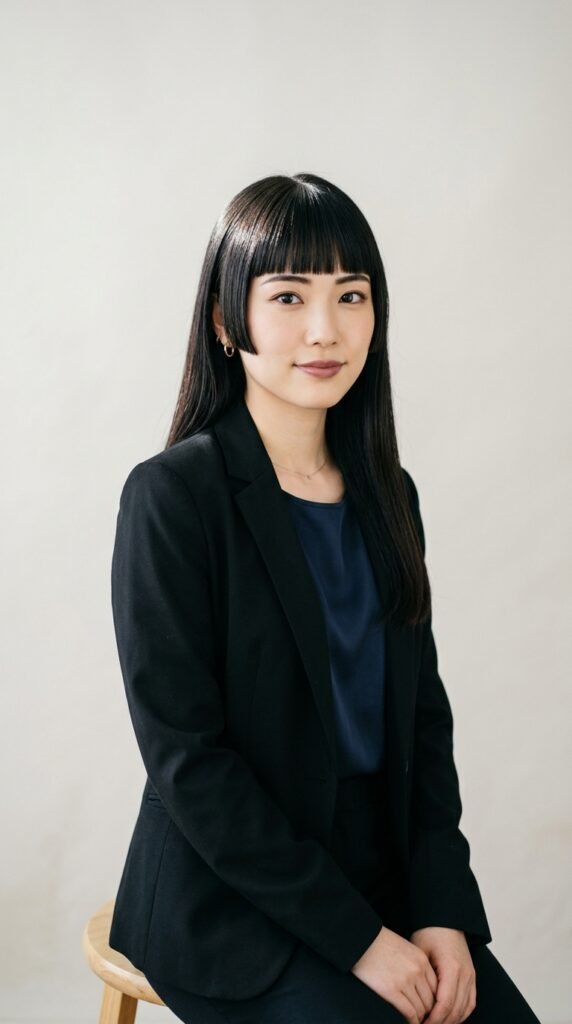
The hime cut is a Japanese style featuring straight bangs and short, cheek-length side locks. It looks super intentional and actually minimizes the appearance of sparse edges. I love how it highlights your face while hiding any baby hair chaos.
It works best on straight hair, but you can style it with a flat iron on low heat. For postpartum, it’s a bold yet practical way to feel in control of your look.
Plus, it’s a great conversation starter and gives off very cool 2026 hairstyles energy.
Foods That Support Hair Growth (Simple)
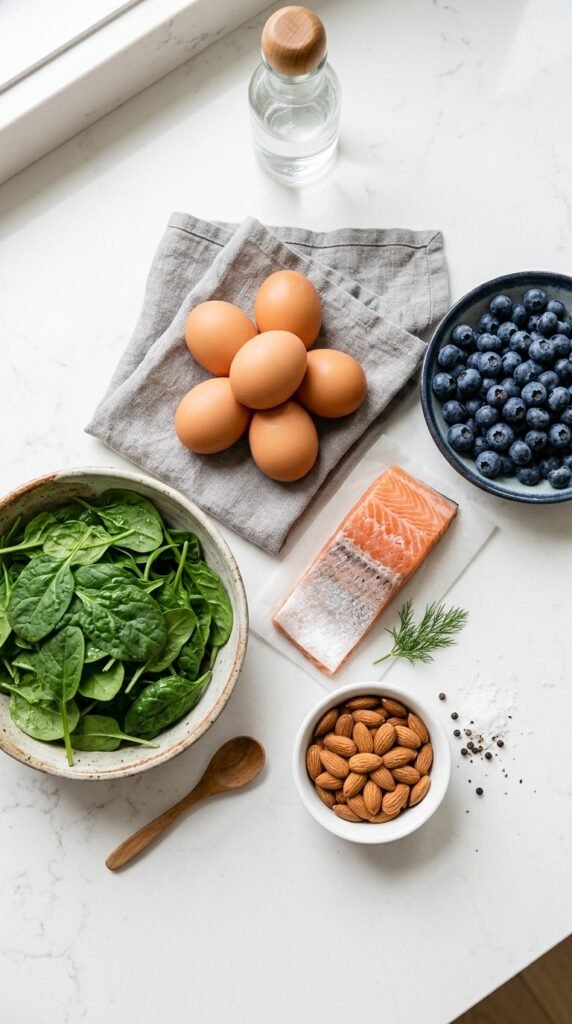
Your hair needs fuel from the inside. I added a few simple foods to my daily snacks, and it made a real difference in how quickly my hair recovered.
- Eggs: protein and biotin
- Spinach: iron and folate
- Salmon: omega-3s
- Almonds: vitamin E
You don’t need a crazy diet. Just adding a side of greens or swapping one snack for a handful of nuts helps your hair get the building blocks it needs.
Supplements I Actually Take
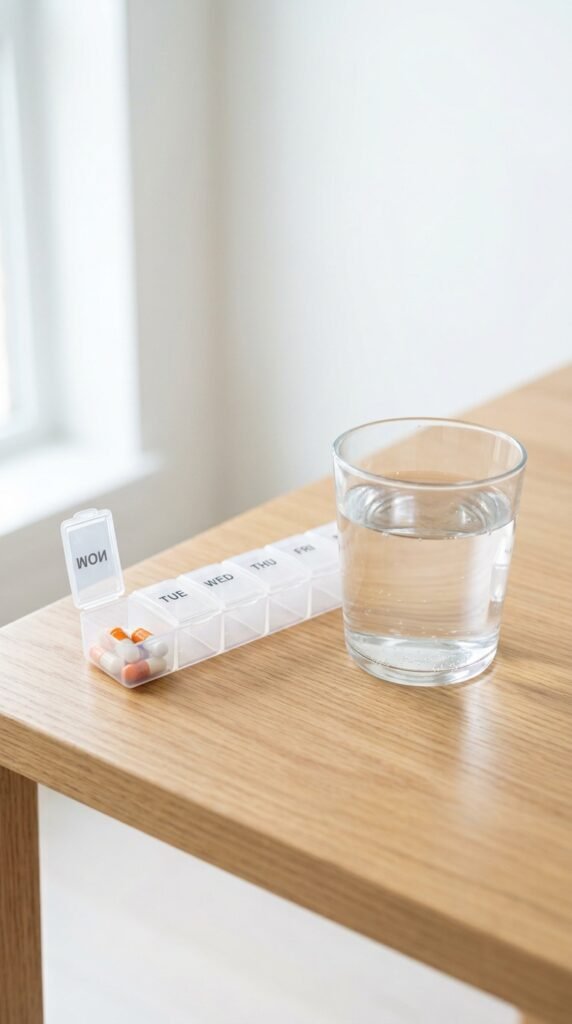
I’m not a doctor, but these are the supplements my healthcare provider suggested for postpartum shedding. Always check with yours first.
- Iron: low iron is a common culprit
- Vitamin D: helps hair follicle cycling
- Fish oil: reduces scalp inflammation
I noticed a difference after about a month of consistent use. But don’t go overboard. More isn’t better. Just follow the suggested dose.
Styling Tips to Avoid Breakage
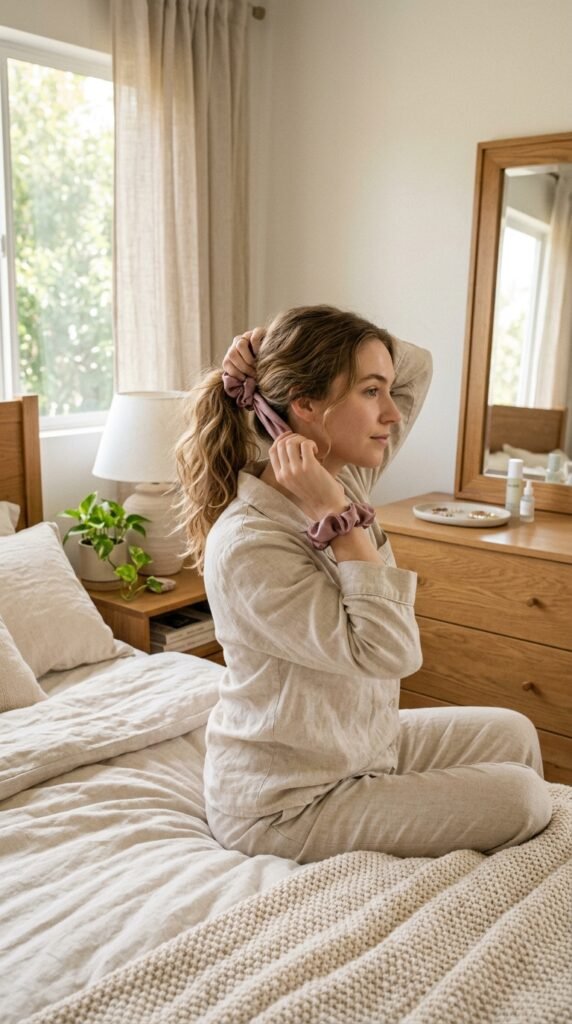
When your hair is shedding, every little styling choice matters. I stopped reaching for tight ponytails and hot tools. Instead, I switched to softer options that don’t tug at my hairline.
Here are a few quick swaps I made:
- Use silk scrunchies instead of elastic bands.
- Sleep on a silk pillowcase.
- Air dry whenever I can.
- Use heat protectant before any hot tool.
These small changes add up. My hair stopped snapping at the ends, and my scalp felt less tender.
What I Wish I Knew Sooner

I wish I hadn’t spent so much time crying over hair in the shower. Shedding is temporary, but the stress it caused me was very real. Looking back, I’d tell myself to be patient and kind.
Your hair doesn’t define you, even though it feels that way. The baby hairs are proof that recovery is happening, even if it’s slow.
Also, please don’t buy every new gimmick. Stick to the basics and trust the process.
When to See a Doctor

Postpartum shedding is normal, but there are times you should get extra support. If you see actual bald patches, or if the shedding continues past six months, it’s worth a visit to a professional.
Blood tests can catch things like thyroid issues or iron deficiency. These are common after pregnancy and very treatable.
Please don’t feel embarrassed. Doctors see this all the time. You deserve to feel good, and sometimes a little help goes a long way.
My Honest Two-Month Update

It’s been two months since my product swap, and I’m honestly surprised. My shedding has dropped by at least 80 percent. I spot baby hairs all around my hairline, and my ponytail feels slightly thicker again.
My scalp doesn’t feel angry after washing. It just feels normal. And normal is a huge win right now.
I still have thin patches, but they’re filling in. More importantly, I’m not panicking anymore. I feel like my hair is on my side again.
A Gentle Reminder to Your Heart
If you’re shedding right now, I want you to breathe. You are not alone, and this is not forever. Your body went through something amazing, and it’s just figuring out how to reset.
Try the product swap, eat a good snack, and wear a cute hairstyle that makes you feel like you. You deserve that little bit of joy.
Save this post to Pinterest so you can find it when you have a moment (or three) to yourself. And I’d love to hear your story—have you made any changes that helped your postpartum shedding? Drop a comment below and let’s share the journey.