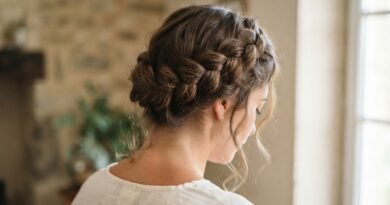
How I Reversed Stress-Related Hair Shedding in Under Three Months
Hey friend. If your hair has been thinning or shedding more than usual, you’re not alone. I hit a rough patch last year where stress took over, and my hair paid the price. Every shower felt like a horror scene. I knew I had to do something different.
So I dug into what actually works for stress-related shedding. I tested routines, tweaked my habits, and stayed patient. The result? My hair became fuller and stronger in under three months. No weird hacks, just simple, science-backed changes.
I also learned a ton about what not to do—which saved me time and frustration. If you’re ready to get your hair back on track, keep reading. I’m sharing my entire playbook, plus a few 2026 hairstyles to inspire you while you grow it out. And I promise, you’ll feel more in control from day one.
What Stress Does to Your Hair
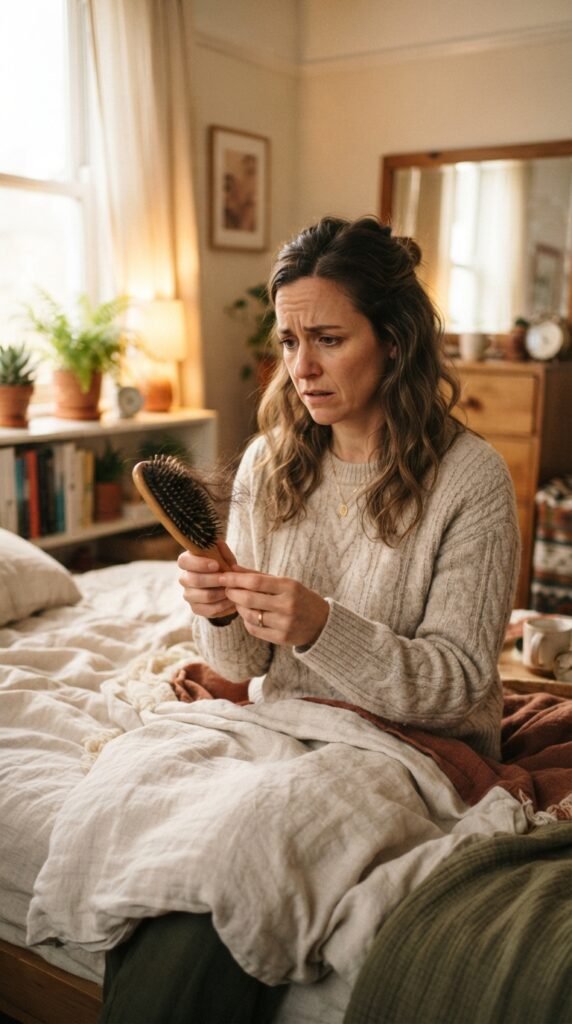
Stress puts your body in fight-or-flight mode. That can push hair follicles into a resting phase. A few months later, those hairs fall out all at once. It’s called telogen effluvium, and it’s super common.
The good news? It’s almost always reversible. Once you lower stress and support your body, hair can grow back. Knowing that gave me hope when I was panicking over every strand.
How I Knew It Was Stress-Related Shedding

I noticed three things: sudden shedding, way more hair in my brush, and no actual breakage. My hair wasn’t snapping—it was falling from the root. That was my clue.
I also checked for other causes like thyroid issues or iron deficiencies. When my doctor confirmed it was stress, I felt relieved. Here’s how to tell if yours might be the same:
- Shedding starts 2–3 months after a stressful event
- No red, itchy, or painful scalp
- Hair loss is spread across your whole head
The First Thing I Changed: My Diet

Hair is made mostly of protein, so I doubled down on lean chicken, eggs, and beans. I also added iron-rich foods like spinach and lentils. Within a few weeks, I noticed less hair in the drain.
Here’s what I added to almost every meal:
- Grilled salmon or tofu for omega-3s
- Greek yogurt for vitamin B12
- Citrus fruits to help iron absorption
I didn’t go crazy restrictive. Just swapped a few snacks for these. Easy wins.
Supplements That Actually Helped
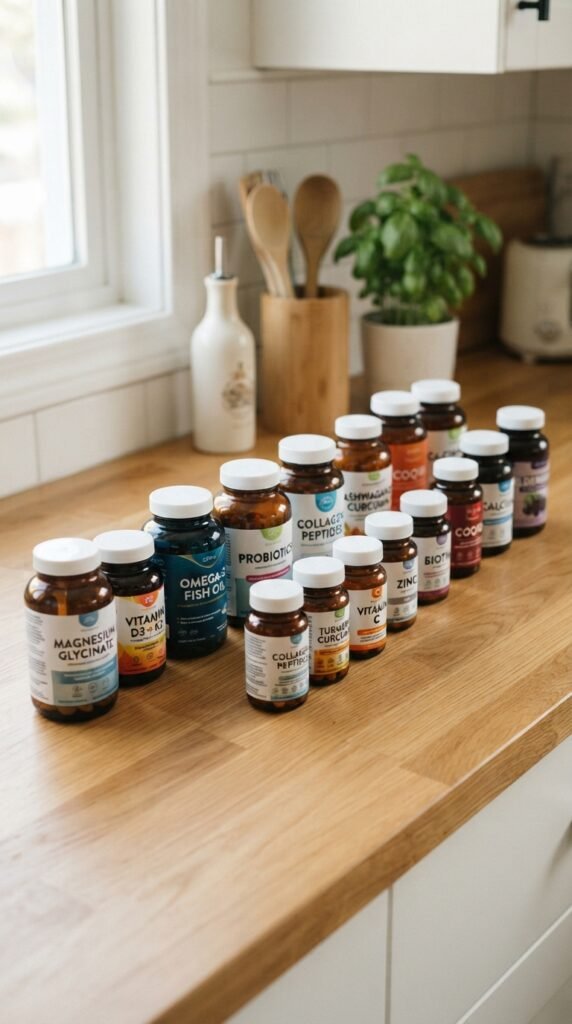
I talked to my doc before trying anything. He suggested vitamin D, zinc, and a good multivitamin with biotin. I was already low on vitamin D, so that made a big difference.
Supplements alone won’t fix everything, but they support your body while you reduce stress. I took them consistently with food, and after a month, I felt like my hair had a stronger foundation.
- Vitamin D3 – for follicle cycling
- Zinc – for tissue repair
- Biotin – for keratin strength
How I Reworked My Wash Routine

I used to wash my hair every day. That was stripping it and making shedding worse. I switched to every 2–3 days, and my hair felt less fragile.
Also, I switched to lukewarm water instead of hot. Hot water can irritate the scalp. I now shampoo only at the roots and conditioner from mid-length to ends. So simple, but it cuts down on breakage.
Try this: use a gentle sulfate-free shampoo. Massage slowly, don’t scrub. Rinse with cool water for extra shine.
Why I Ditched Hot Tools (Mostly)

Heat was making my shedding worse. So I put away my flat iron and curling wand for a few months. If I styled, I stayed below 300°F and used a heat protectant every single time.
The biggest shift was letting my hair air-dry more often. I’d use a microfiber towel or an old cotton t-shirt to gently squeeze water out. No rubbing, no twisting. That small habit alone saved so much breakage.
The Gentle Brushing Method That Saved Me

Brushing wet hair is a huge no-no for fragile hair. I switched to a wide-tooth comb only when my hair was damp with leave-in conditioner. That cut shedding dramatically.
Here’s my method:
- Start at the very ends to remove tangles
- Work your way up slowly
- Never yank or pull through knots
I dry brush once a day with a soft boar-bristle brush. That helps spread natural oils from root to tip without pulling.
Scalp Massage: My Non-Negotiable

Scalp massage improves blood flow and encourages follicles to wake up. I did it for five minutes every night. It also calmed me down, which made my stress less intense.
I used my fingertips in small circles, no nails. Sometimes I added a few drops of rosemary oil. Some studies show it helps with hair growth. Even if it didn’t, the relaxation alone was worth it.
- 2 minutes at the crown
- 2 minutes on the sides
- 1 minute along the hairline
Best Protective Styles for Hair Recovery

Protective styles gave my hair a break from constant rubbing. I wore loose braids, a low bun, or a silk-lined beanie around the house. No tight pulling.
I also played with softer trends. Think romantic goth hairstyles with loose waves, or a hime cut with face-framing layers that don’t require heat. You can still feel stylish while letting your hair heal. The key is to keep tension low.
Why I Stopped Tight Ponytails
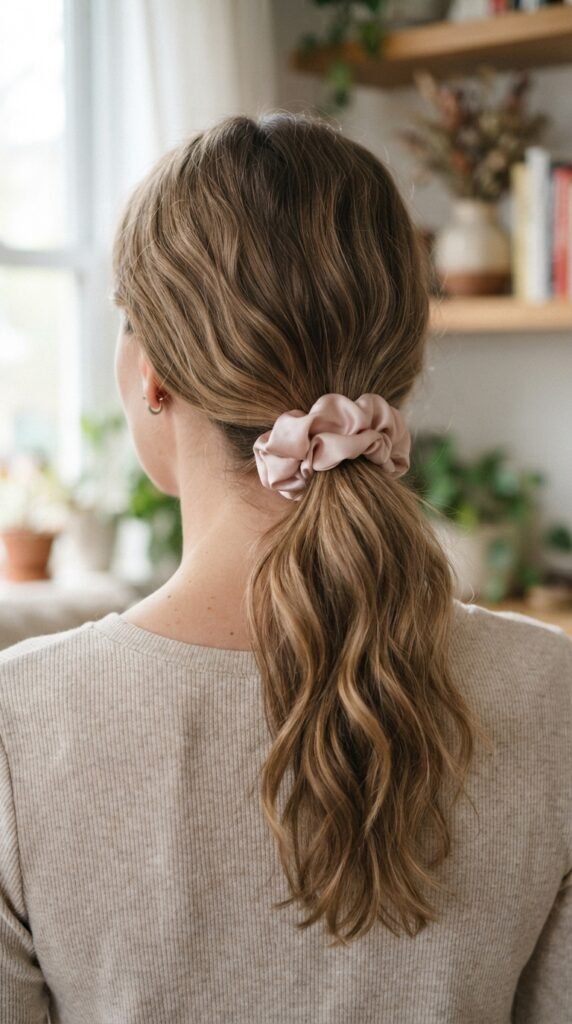
Tight ponytails were pulling on my hairline and adding extra stress. I switched to loose ponytails with silk scrunchies only. Honestly, my head felt so much better.
Traction alopecia is real, and I didn’t want to lose the baby hairs I’d grown. I started wearing my hair down more often. If I needed it off my face, I’d do a gentle claw clip. So easy and cute.
The Power of Silk Pillowcases and Hair Ties

Cotton pillowcases cause friction. I swapped mine for a silk pillowcase, and it was a game changer. My hair doesn’t tangle as much, and I wake up with less breakage.
I also traded old elastic bands for silk or spiral ties. These don’t crease or pull. It’s a small upgrade that made a big difference for my fragile strands.
- Silk pillowcase – less friction
- Silk scrunchies – no dents
- Claw clips – hold without yanking
Hair Masks That Made a Difference

Once a week, I treated my hair to a deep mask. I blended mashed avocado, honey, and coconut oil. Applied it from mid-length to ends, left for 20 minutes, then rinsed. My hair felt stronger and looked softer.
Protein masks also helped, but I didn’t overdo them. Alternating moisturizing and protein masks kept my hair balanced. Aim for one mask per week, not more, especially if your hair is fine.
How I Handled the “Ugly Phase”

Right when the old hair sheds, you get frizzy edges and weird lengths. I called it the ugly phase. But I found cute ways to rock it. Headbands, bandanas, and clips became my best friends.
I also tried glitchy glam hair looks—think soft, shiny strands with subtle color melt. It made me feel fresh without damaging my hair. And I remembered that baby hairs are proof your hair is growing back. That’s powerful.
Keeping My Confidence With Trendy Cuts

While growing out my hair, I still wanted to look put together. I looked into 2026 hairstyles that work with regrowth. Old money hair is all about health and shine, so that was perfect. A quiet luxury bob made me feel polished but no stress.
Other options I loved: an asymmetrical lob that hides thin ends, a vampire haircut with long layers, or a romantic goth look with soft waves. Even a hime cut added shapes without harsh damage. The right cut gives you confidence while you heal.
My Weekly Hair Care Schedule
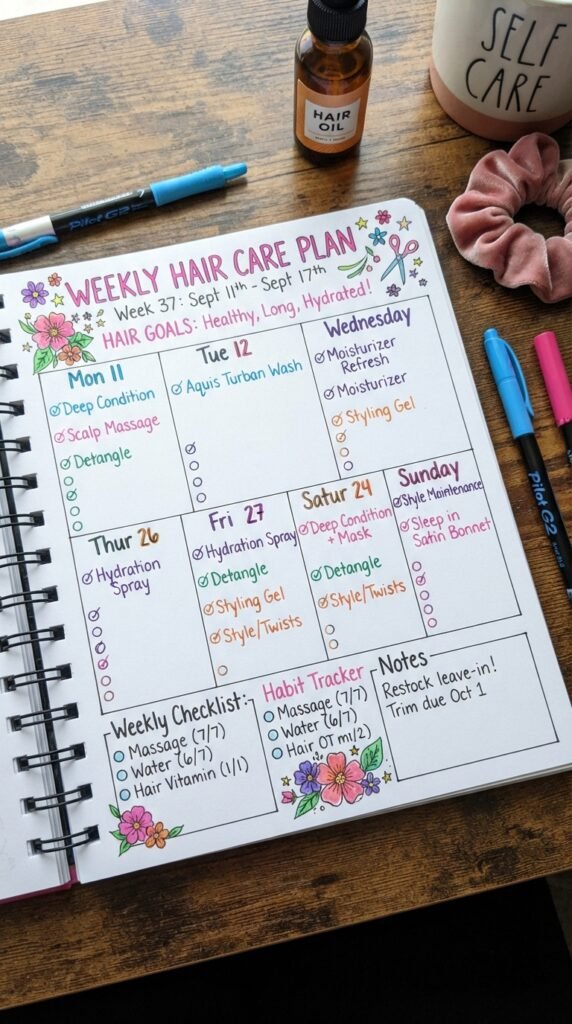
Consistency saved me. I created a simple plan and stuck to it. That stopped me from over-washing or over-styling out of panic.
- Monday – gentle wash and scalp massage
- Wednesday – dry brush and leave-in only
- Saturday – deep mask and air dry
- Sunday – trim split ends with sharp shears
Adding a routine took the guesswork out. My hair knew what to expect, and I felt calmer knowing I was doing the right things.
The Role of Stress Management (Beyond Hair)

I couldn’t just treat the hair—I had to treat the root cause. So I started taking 10-minute walks every day. I also did breathing exercises when I felt anxious. Lowering stress is what actually stops the shedding.
Sleep is huge too. I aimed for 7–8 hours to let my body repair. If you’re still overwhelmed, talk to someone. Your hair and your mind will both thank you.
When I Saw the First Baby Hairs
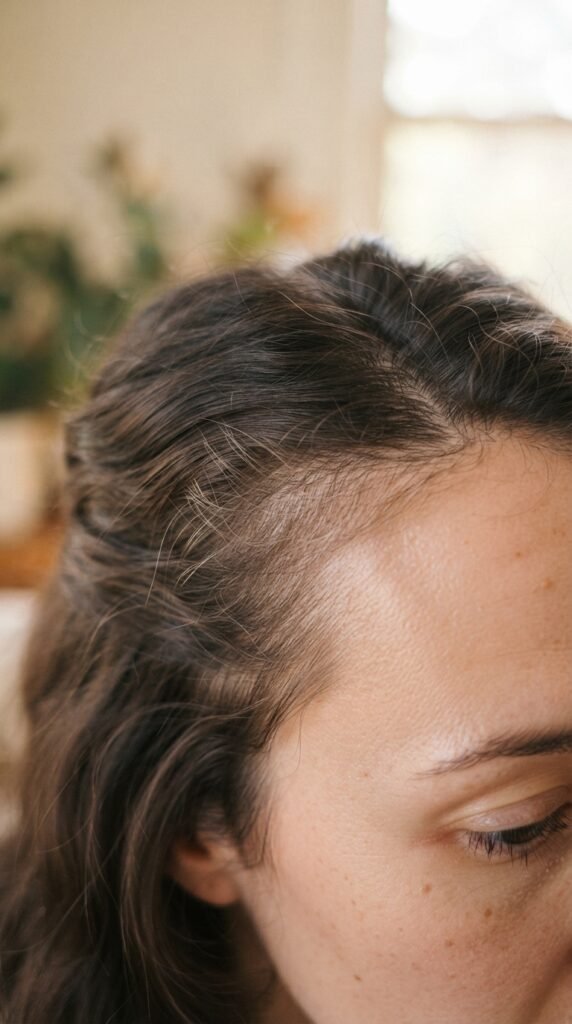
About six weeks in, I saw little wispy hairs around my temples. It was such a relief. I took photos every week to track progress. That small evidence kept me motivated when I felt impatient.
I celebrated those baby hairs. I wore them proudly. They reminded me that my body was healing. You’ll probably see yours around the same time. Don’t panic if they look fuzzy at first—that’s new growth!
What Didn’t Work (and What to Avoid)
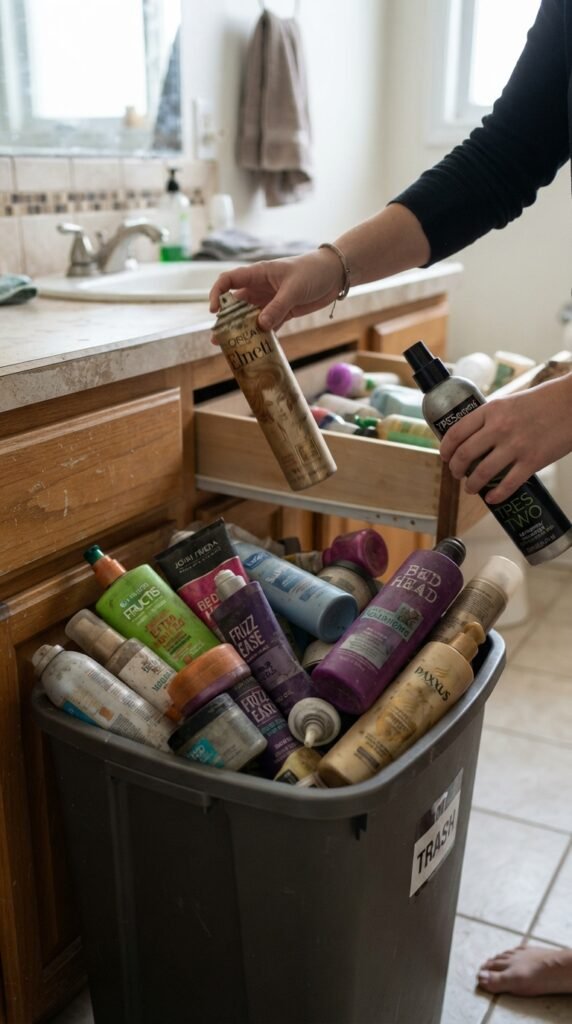
I wasted time on a few things. Skip products with harsh sulfates or alcohol. Avoid tight weaves, extensions, or styles that pull at your roots. And don’t double down on supplements—your body only needs so much.
One big mistake I made was trimming too often. I got carried away. But keeping length actually helped me feel better. Just trim every 8–10 weeks to get rid of split ends.
When to See a Doctor or Trichologist
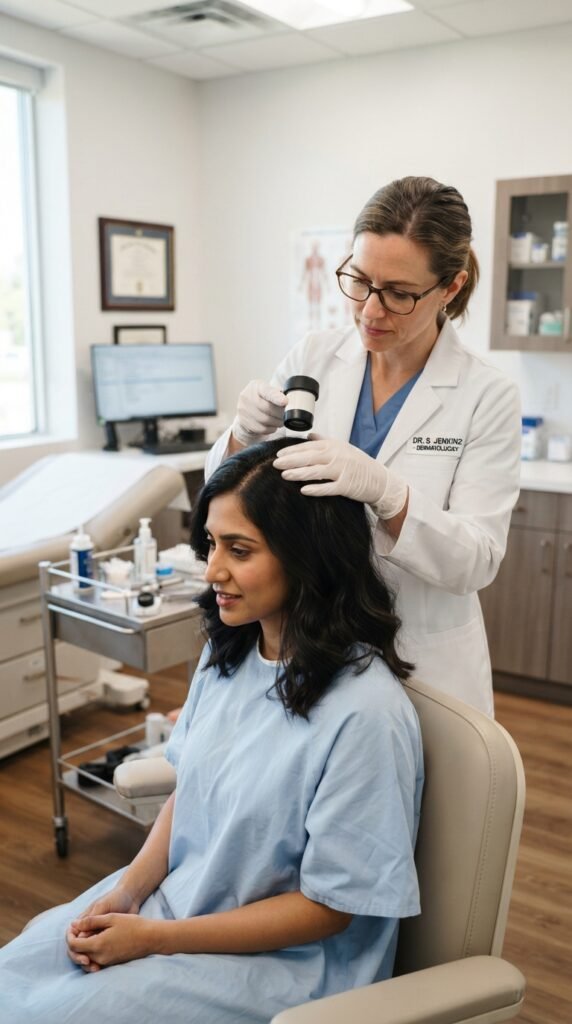
If you’ve been shedding for more than three months, or you’re losing clumps, see a professional. Blood tests can check for thyroid issues, iron levels, and hormone imbalances. It’s better to know than to guess.
I saw a doc early, which saved me from a lot of worry. A trichologist can also examine your scalp and give personalized advice. Don’t be afraid to ask for help.
My Three-Month Results and Tips for You
After three months, my shedding stopped almost completely. My hair looked thicker, and I had a halo of baby hairs. I’m not going to lie—it felt amazing. And it happened because I made small, consistent changes.
Here’s what I’d tell you:
- Be patient—hair grows slowly but it does grow
- Focus on diet, gentle care, and stress relief
- Try a cut or style that makes you feel beautiful right now
You can get through this. I believe in you.
That’s my story. I hope this helps you feel less alone and more armed with real steps. Remember, shedding is temporary, but great habits stick with you forever.
Save this post to Pinterest so you can come back to it when you need a reminder. And tell me in the comments—what’s your favorite way to pamper your hair after a stressful week? I’d love to chat.