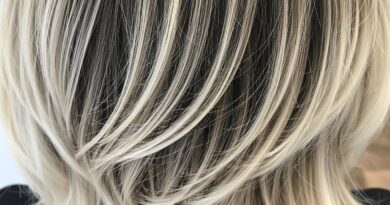
Why Stylists Say Cutting Your Hair Actually Helps It Grow Faster
Ever heard that cutting your hair actually helps it grow faster? It sounds totally backward, right? You’re not alone in thinking that. But your stylist isn’t crazy—there’s a real, practical reason they push for regular trims.
The quick truth? Hair growth happens at the scalp, not the ends. So a haircut can’t physically speed up your follicles. But when you trim away split ends, you stop breakage in its tracks. That means you keep more of the length you’ve already grown. See how that works?
In this post, I’ll break down why stylists say this, how often you should cut, and the coolest 2026 hairstyles that actually protect your growth. You’ll leave with simple, actionable tips—and maybe a new haircut inspo saved to your phone.
The Real Reason Trims Help You Keep Length
You’ve heard “trimming makes hair grow faster” your whole life. But your stylist really means it helps you *keep* length. When you skip cuts, split ends travel upward, causing the strand to snap. That breakage makes your hair look thinner and shorter than it actually is.
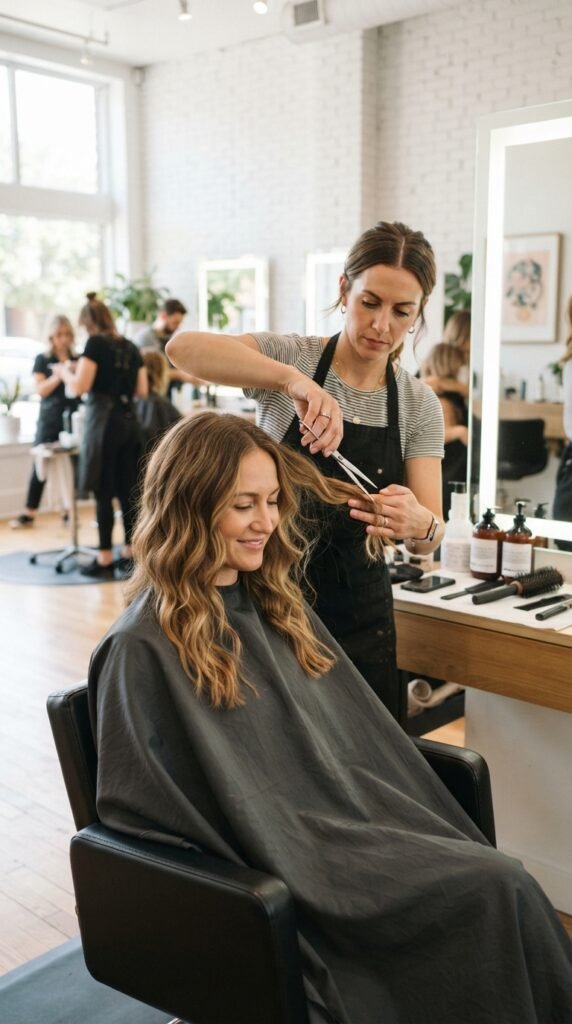
Think of it like maintaining a fence. A tiny repair today saves you from replacing the whole thing later. A trim every 8–12 weeks keeps those ends strong, so the length you gain doesn’t just break off.
- Split ends weaken the entire strand
- Breakage means losing visible length
- Regular trims keep your ends healthy and strong

Why Cutting Doesn’t Speed Up Growth (But Feels Like It)
Here’s the science: hair grows from the root, inside your scalp. Scissors never touch your roots. So a cut can’t make your hair grow faster. What it does is prevent the ends from fraying and snapping off. That’s why after a trim, your hair seems to grow more—because you’re not losing the growth to breakage.
It’s like filling up a water balloon with a tiny hole. If you patch the hole, the balloon fills up faster. Your hair is the same. Trim the weak ends, and you’ll actually see the length accumulate.
- Growth happens at the scalp.
- Scissors only fix the ends.
- No more breakage = more visible length.
How Regular Trims Prevent Breakage and Split Ends
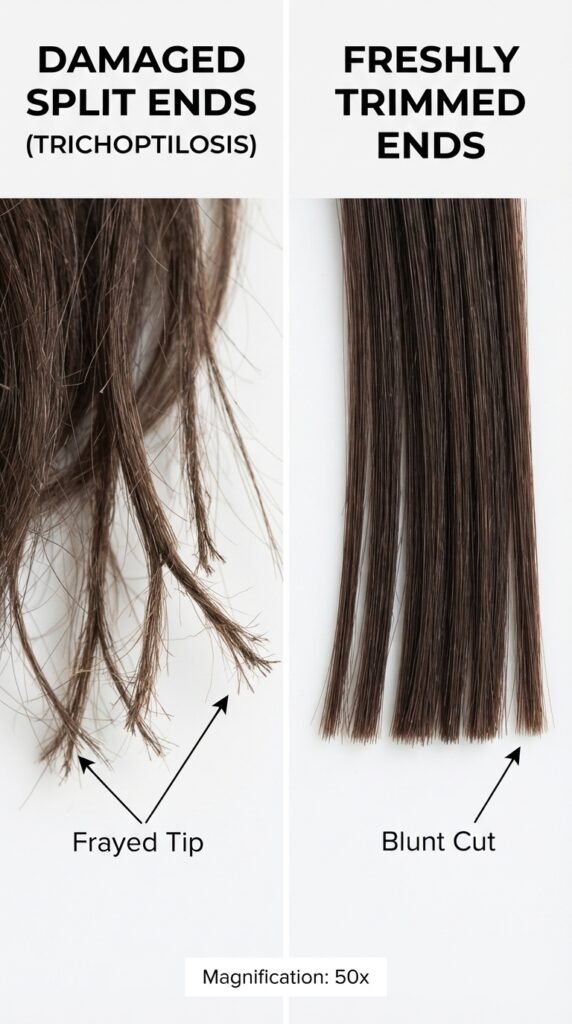
Split ends are like little forks at the tips of your hair. Once they start, they don’t heal. They work their way up the strand, causing fraying and breakage. That’s the sneaky way your hair loses length without you noticing.
A trim removes those weak parts before they become a bigger problem. It doesn’t make new hair grow, but it makes sure the hair you already have stays intact. Regular trims are the easiest way to keep your ends looking thick and healthy, which makes your whole head feel fuller and longer.
- Split ends travel up the strand
- Breakage thins out your ends
- Trims catch the damage early
The Science: Scalp Health and Hair Growth
Okay, let’s get nerdy for a second. Your hair growth rate comes down to your scalp, genes, and blood flow. Cutting the ends does nothing to those. But here’s the kicker—healthy hair starts at the scalp. If you’re not washing or massaging your scalp, you’re not giving growth a chance.
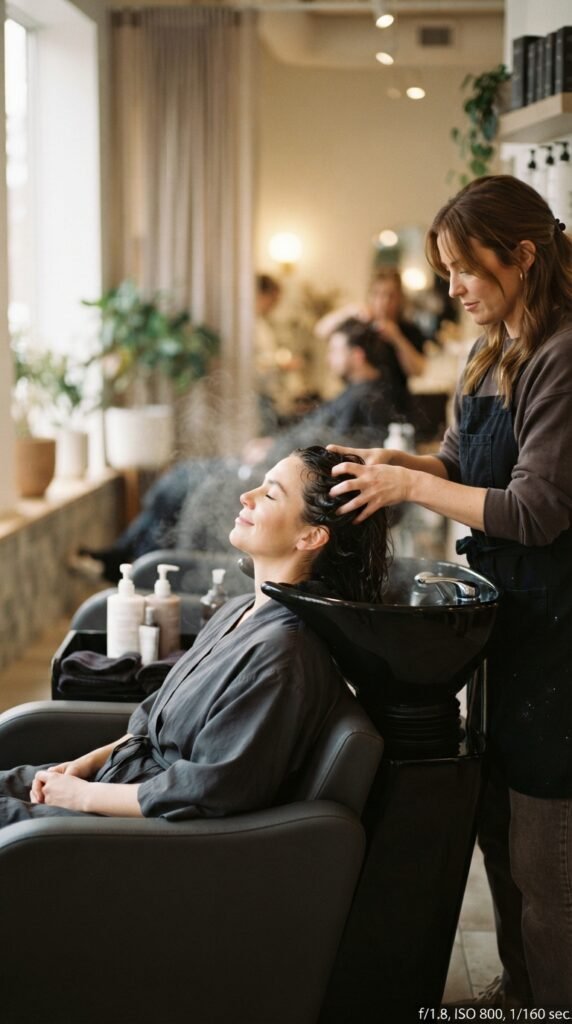
A good stylist might give you a scalp massage during a trim. That’s not just relaxing. It boosts blood flow to your follicles, which can encourage growth. So while the cut itself isn’t magic, the health benefits around it totally help.
- Scalp massage increases circulation
- Healthy follicles grow stronger hair
- Trims help you notice scalp care more
What Stylists Really Mean by “Healthy Hair”
When your stylist talks about healthy hair, they’re not just throwing out a buzzword. They mean the cuticle is smooth, the ends are sealed, and there’s minimal breakage. Healthy hair reflects light, feels soft, and grows at its best rate. And a great trim is the fastest way to get that health back.
You don’t need a huge chop either. Dusting the ends (removing just a few millimeters) is enough to keep things tidy. Ask your stylist for a “dusting” if you’re really attached to your length. They’ll get you on track without losing much.
- Healthy = smooth cuticle, no splits
- Dusting removes just the dead ends
- You don’t need a big cut to see results
Trims vs. Big Cuts: What Actually Helps Growth?
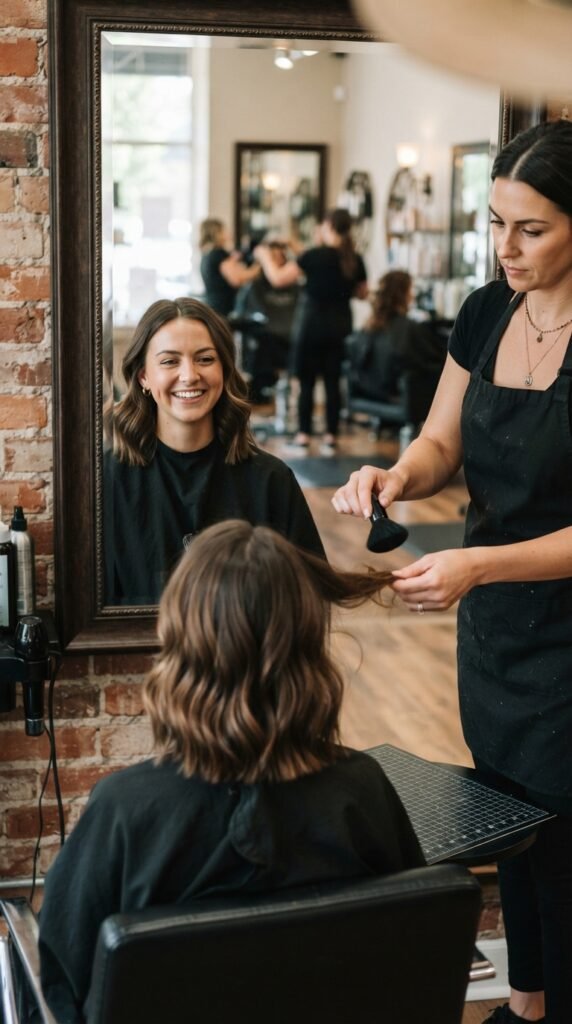
Let’s be real: a massive chop (like going from waist-length to bob) doesn’t help your hair grow faster. It just makes the current length shorter. What helps is *consistent* small trims. Think a quarter-inch every 8–10 weeks, not a dramatic change.
Big cuts usually happen when you have a lot of damage. So they’re great for a reset, but they don’t boost growth. If your goal is longer hair, stick with those tiny trims. Let the length build up while keeping the ends fresh.
- Small trim every 2–3 months
- Big chop only if there’s major damage
- Consistency beats dramatic changes
The Best Cutting Schedule for Each Hair Type
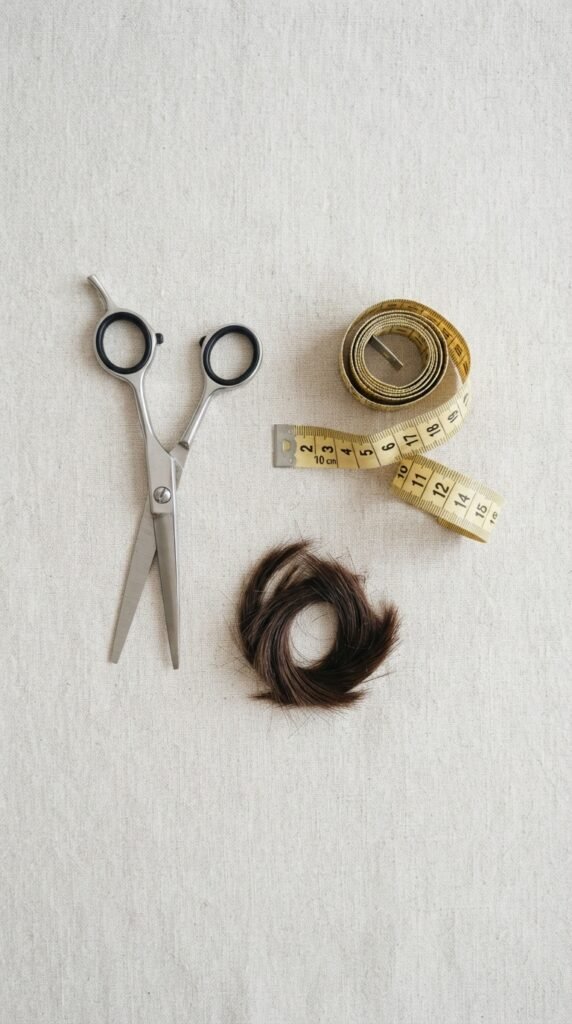
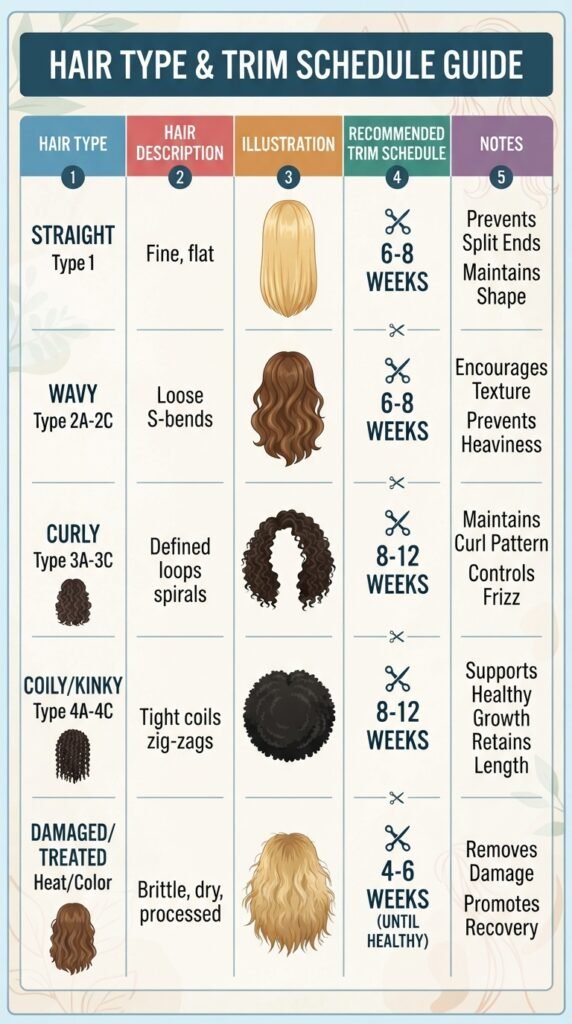
Not all hair needs the same trim frequency. Fine hair breaks easier, so it needs a trim every 6–8 weeks. Thick or curly hair is more forgiving—try every 10–12 weeks. Color-treated hair also needs extra attention since bleached strands are weaker.
I like to remind my readers: you know your hair best. If you see split ends, don’t wait for the calendar. Book that trim. Your hair will thank you with more length later.
- Fine hair: every 6–8 weeks
- Thick/curly: every 10–12 weeks
- Color-treated: every 8–10 weeks
Tips to Maximize Growth Between Cuts
While trims save your length, you still need to encourage growth. Eat enough protein, drink water, and massage your scalp daily. Also, swap your harsh towel for a soft t-shirt to reduce friction on your ends.
And here’s a big one: don’t brush wet hair. It’s super fragile then. Use a wide-tooth comb instead. These small habits add up. Then when you do go for a trim, you’re starting with the best possible base.
- Scalp massage for 2 minutes daily
- Sleep on a silk pillowcase
- Skip tight hairstyles that pull at roots

How to Talk to Your Stylist for Growth Goals
Tell your stylist exactly what you want: “I’m growing my hair long, so please just dust the ends.” A good stylist will respect that. Ask for “trim only” at the start of the appointment. It’s your hair, your call.
You can also ask for a “search and destroy”—where they hunt down individual split ends. This cuts out the most damage with zero mehe length off. It’s a total win for length lovers.
- Say “I’m growing it out, just a dusting”
- Request “search and destroy” for split ends
- Bring a photo of your goal length

Diy Trimming: Yes or No?
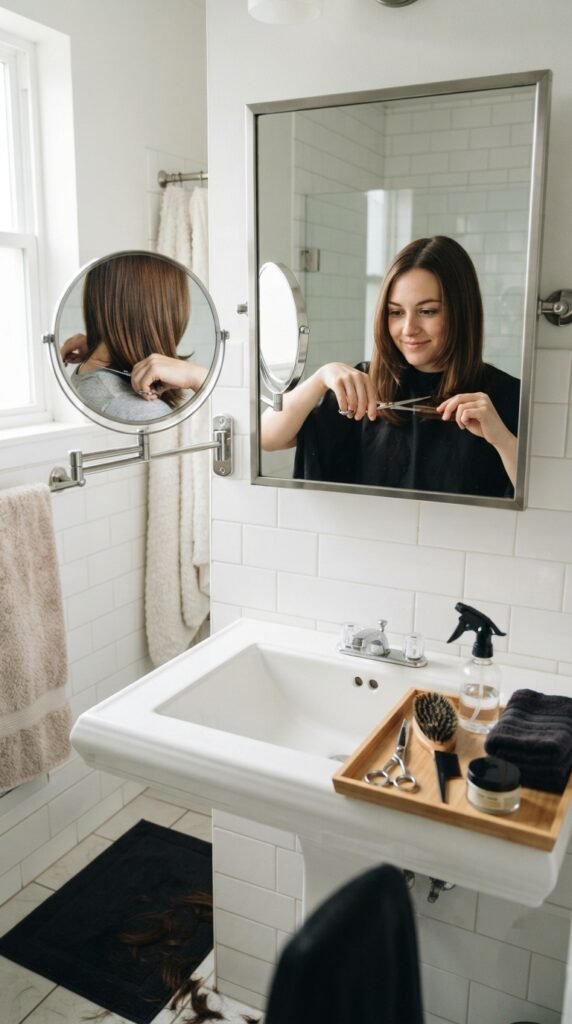
If you’re really careful, a DIY trim can work for a quick fix. But honestly, most of us end up cutting it crooked or taking off too much. I’ve been there. The best hack is to use hair ties to section your hair and trim little by little.
But for health and shape, I still recommend a pro. You can stretch your salon visits by dusting at home between appointments. Just be conservative. You can always take more off, but you can’t put it back.
- Use sharp shears, not kitchen scissors
- Cut hair when dry, not wet
- Trim a little, then stop
The Role of Diet and Vitamins (with Cuts)
Your stylist can only do so much. Hair growth starts with what you eat. Protein, iron, and vitamins like biotin and vitamin D help your hair grow stronger. Pair that with regular trims. The cuts remove weakness, and the nutrients build strength.
Think of trims as the maintenance and food as the fuel. You need both. I love adding eggs, salmon, and spinach to my meals when I’m in a growth phase. It’s not a miracle, but it definitely helps.
- Protein: eggs, chicken, beans
- Iron: spinach, red meat
- Biotin: nuts, sweet potatoes
Does Hair Type Affect How You Should Cut?
Straight hair shows split ends immediately, so trims are obvious. Curly hair hides them—that’s why you might see breakage before you realize. For textured hair, cutting each curl individually (called curly cutting) helps preserve the shape and prevent thinning.
If you have fine hair, avoid blunt cuts that make ends look thin. Ask for a soft layer instead. And if you have thick hair, a blunt cut helps it look fuller. Let your stylist guide you based on your type. They know what shows off your texture best.
- Straight hair: blunt ends look best
- Curly hair: cut each curl individually
- Fine hair: soft layers add volume

Trending 2026 Hairstyles That Support Growth
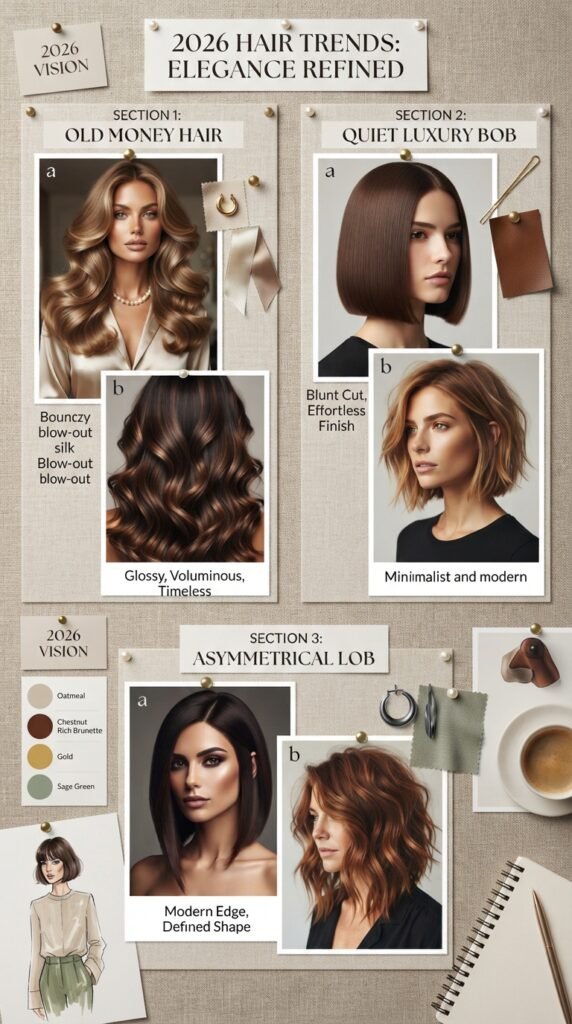
Now for the fun part! The 2026 hairstyles are all about length-friendly looks. Think old money hair—sleek, glossy, and long. That vibe only works when your ends are healthy from regular trims. Another favorite is the quiet luxury bob, which feels chic but totally achievable. And if you want something edgier, the asymmetrical lob is perfect for giving your hair a fresh start without losing all your length.
These styles all look amazing with a consistent trim routine. So pick one that excites you, and let your stylist shape your current length to fit the trend.
- Old money hair = long and glossy
- Quiet luxury bob = polished and neat
- Asymmetrical lob = modern with some edge
Old Money Hair: The Quiet Luxury Bob
“Old money hair” is everywhere right now. It screams polished, expensive (but not trying too hard), and deeply well-maintained. The quiet luxury bob is a shorter version of that—chin-length, blunt, and ultra-sleek. It looks great on almost everyone, and it forces you to stay on top of trims.
Why does it help your growth? Because the shape relies on clean ends. Any split or frayed tip ruins the whole vibe. So this cut keeps you accountable for those regular appointments. Plus, blunt ends prevent breakage from snagging. It’s growth-friendly in a disguised, stylish way.
- Blunt ends seal in moisture
- Neat shape requires frequent trims
- A polished look that’s timeless

Romantic Goth Hairstyles for Long Hair
If you’re more into dark aesthetics, romantic goth hairstyles are big for 2026. Think wavy, long layers with black or deep plum tones. The best part? These styles look even better with healthy, grown-out hair. That’s where regular trims come in—they keep those long waves from turning frizzy at the ends.
This trend loves length, so you’re not cutting much. Just a dusting to keep the shape. And you can add some face-framing layers to give it that romantic, dramatic feel without sacrificing your progress.
- Long layers with dark, moody color
- Waves hide the root of breakage
- A dusting keeps the ends clean

Glitchy Glam Hair: Cutting Edge Trend
Ever heard of glitchy glam hair? It’s a playful 2026 trend where you mix sleek sections with subtle, “glitched” color placements or cutting patterns. It’s bold, fun, and totally modern. Even though it sounds intense, it actually works with your growth because the contrast draws the eye to specific layers.
You can ask for a “glitch” effect using subtle layers and strategic chunks of color. The cuts are light, not heavy. So you keep your length while getting that fearless, editorial look. Just be ready to show your inspo photos—your stylist will love the creative challenge.
- Subtle color placement for the glitch effect
- Light layers create movement
- Keeps length while adding edge

Asymmetrical Lob: A Smart Growth Strategy
The asymmetrical lob is a genius middle ground. One side is slightly longer than the other, giving you a cool, modern shape while still feeling like a solid cut. Stylists love this because it lets you take off split ends without appearing to lose much length. Plus, it’s one of the top 2026 hairstyles for people in a “transitional” growing phase.
It also adds texture and volume, making hair look thicker. And if you’re growing out a bad cut or heat damage, this shape hides the transition beautifully. You’ll feel trendy while your hair gets healthier underneath.
- One side longer = playful asymmetry
- Great for growing out damage
- Adds volume and movement

Vampire Haircut and Hime Cut: Modern Trends
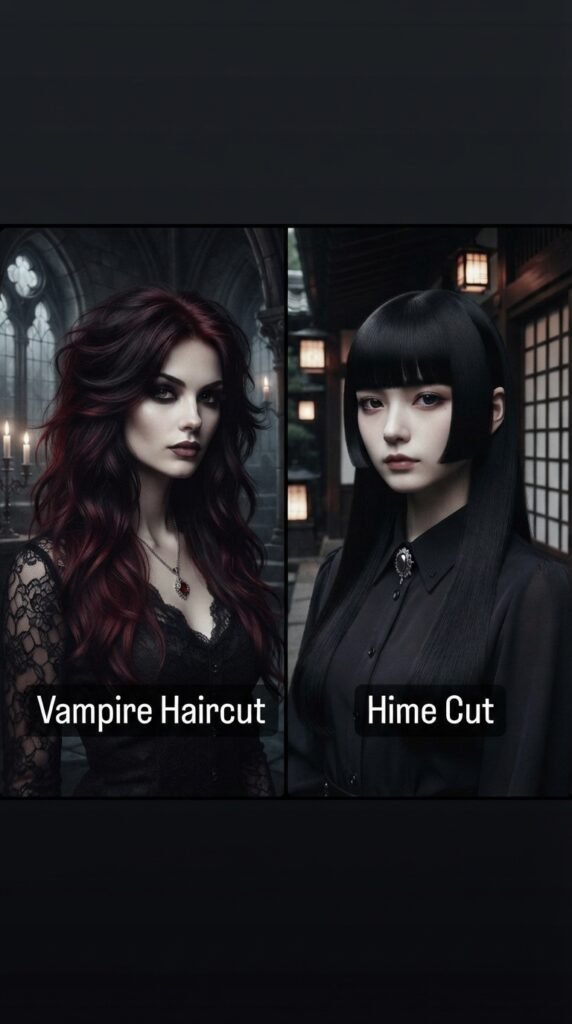
Two more viral trends are the vampire haircut and the hime cut. The vampire haircut is all about long, layered, and slightly wispy ends—think dark, romantic, and mysterious. It’s perfect for length lovers because you keep most of your hair. The hime cut, on the other hand, features straight fringe and dramatic face-framing pieces, often paired with long lengths.
Both styles rely on sharp ends and precise lines. That means you’ll need regular trims to maintain the shape. But you’re only shaping the exterior, not removing your growth. So you get a trend look without losing your goal.
- Vampire haircut: long, wispy layers
- Hime cut: blunt fringe + long ends
- Both protect length while adding drama
Protecting Your Ends: After-Cut Care
You just got a fresh trim—don’t ruin it! Apply a leave-in conditioner or a lightweight oil to your ends every day. That seals in moisture and keeps the fresh cut smooth. Also, avoid heat styling as much as possible. If you must, use a heat protectant every single time.
Try sleeping with your hair in a loose braid or a silk scrunchie. This prevents friction and keeps your ends from rubbing against pillowcases. You’ll stretch out the time between trims and keep your hair looking freshly cut longer.
- Daily oil on the ends
- Heat protectant before styling
- Silk pillowcase or braid at night

When to Expect Visible Results
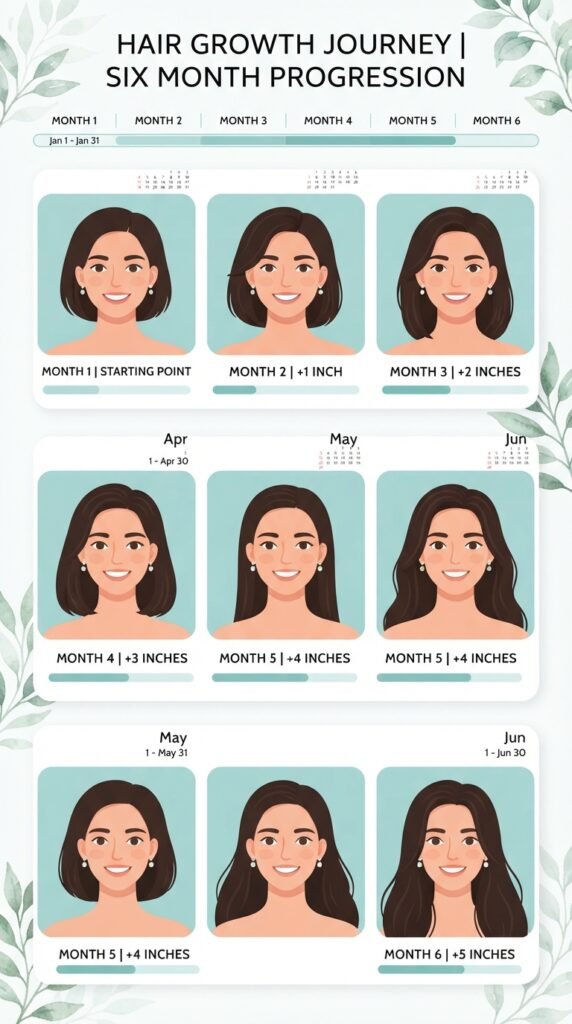
Hair grows about half an inch per month, or 6 inches a year. So after you start trimming regularly, don’t expect instant length by next week. But after 3–6 months, you’ll notice the difference. Your ends won’t look stringy, and your overall hair will feel thicker and look longer.
Take a photo every month in the same spot and lighting. That’s the best way to track progress. You’ll be amazed at how much healthier your hair looks even in just a few cycles.
- 0 months: fresh trim feels great
- 3 months: fewer breakage, softer ends
- 6 months: visible length you kept
Let’s Wrap This Up With a Hug
Okay, so the mystery is solved. Cutting your hair doesn’t magically make it grow fast from the root. But it absolutely helps you keep the length you work so hard for. That’s why stylists never shut up about it—they actually want you to have long, gorgeous hair!
Remember: small trims, consistent care, and a little patience go a long way. Mix in a trendy style like old money hair or a romantic goth vibe, and you’ll feel like a whole new person while your hair gets stronger.
Now, I want to hear from you. What’s your current hair goal—long and sleek, or rocking a fresh bob? Drop a comment below and let’s chat.
Save this post to Pinterest so you can find these tips again when you’re due for your next trim. And share it with your bestie who always skips hair appointments!