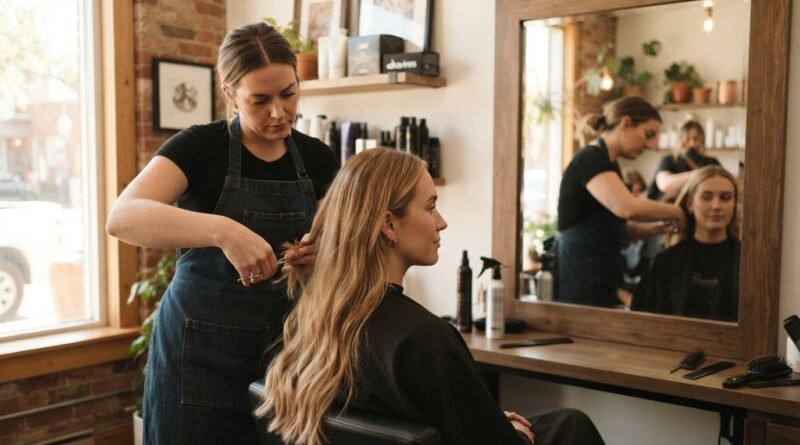
The Real Difference Between a Trim and a Cut Your Stylist Won’t Explain
Hey friend, let’s finally settle this: the real difference between a trim and a cut. I’ve lost count of how many times I sat in the salon chair, said “just a trim,” and walked out looking completely different. Sound familiar? The truth is, your stylist probably won’t spell it out unless you ask the right way. So I’m breaking it down in plain English. By the time you finish this, you’ll know exactly what to say at your next appointment. You’ll never leave with surprise layers again.
What a Trim Actually Means
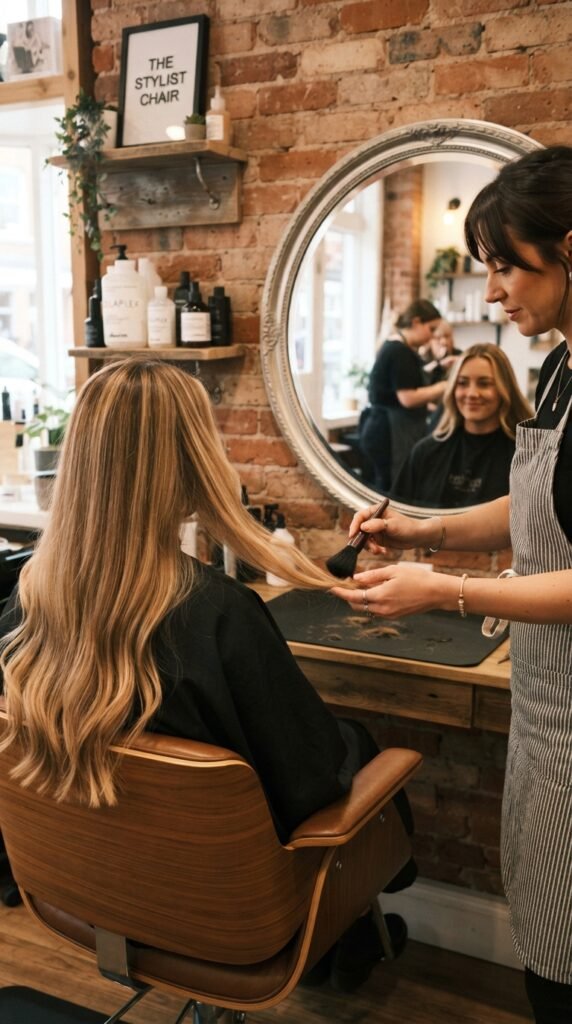
A trim is maintenance. It cleans up the ends of your hair without changing the overall shape. You should walk out looking exactly like you, just a little more polished.
Think of it like getting your favorite jeans hemmed. The fit stays the same, but the tiny loose threads are gone. It’s a small appointment with a big payoff because healthy ends make everything look better.
- Takes off split ends
- Keeps your current style
- Usually less than an inch
If you love your haircut and simply want it fresh, you want a trim.
What a Cut Actually Means
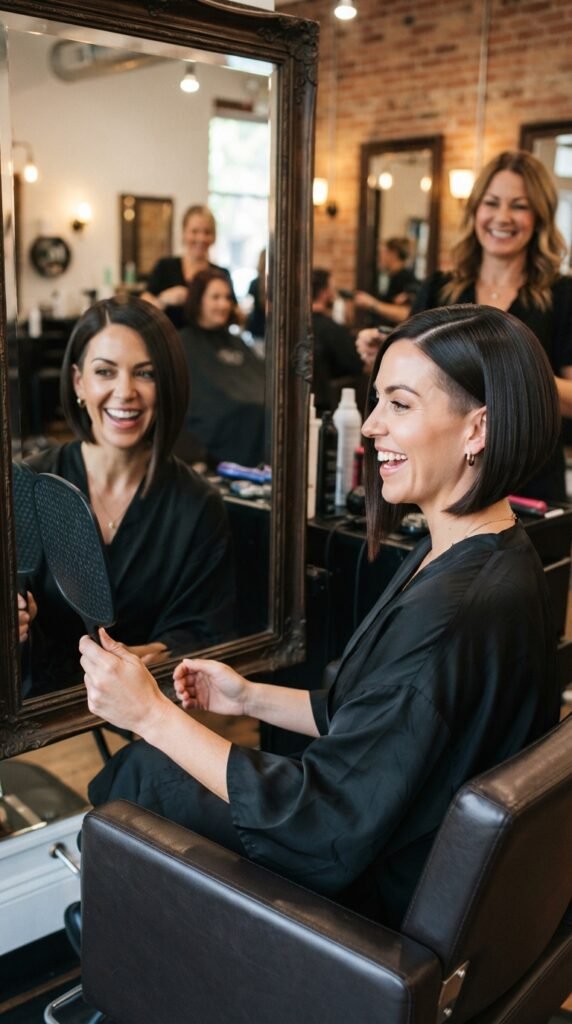
A cut is a bigger deal. It creates a new shape, changes your part, or takes off enough length to alter how your hair moves and falls. When you ask for a cut, your stylist has permission to reshape everything.
That could mean adding dramatic layers, creating a fringe, or going from long to shoulder-length. You’re not refreshing your old style; you’re starting a new one.
- New silhouette
- New movement
- A full style transformation
If you’re bored and ready for a change, you’re asking for a cut.
Why Stylists Keep the Definition Fuzzy
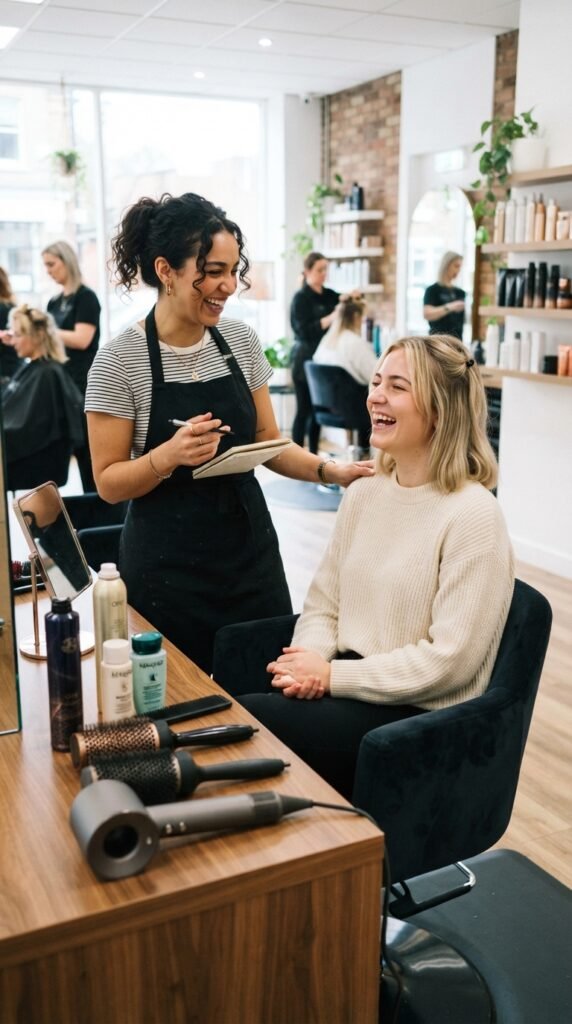
Honestly, the salon world doesn’t have one perfect rule. One stylist’s trim can be another stylist’s cut. That’s why so many of us leave confused.
Most stylists assume “trim” means minimal, but they don’t know how attached you are to your length. Unless you say exactly how much you want gone, they’re guessing.
- “Just a little off” is too vague
- “I trust you” can backfire
- Give a number or a stopping point
This is how the same chair turns into a dramatic reveal you never asked for.
The Length Illusion: Inches Are Not the Point
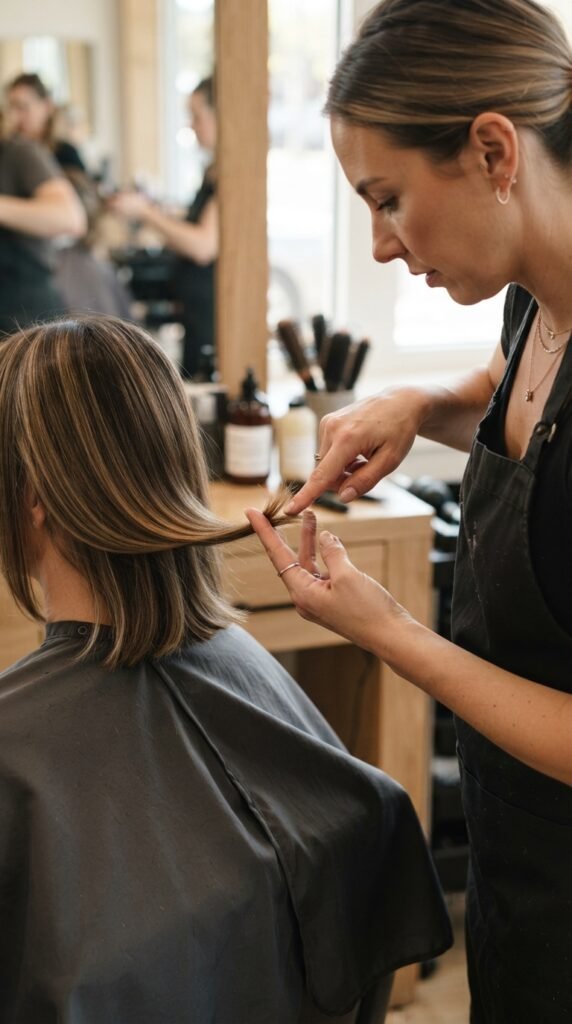
We obsess over inches, but the real difference between a trim and a cut is what happens to your overall shape. Taking off half an inch can feel like a trim if the line stays the same.
Taking off half an inch can also change everything if you remove layers or shift the angle. So don’t focus only on numbers.
- Point to where you want the length
- Ask if that will change your shape
- Ask what will stay the same
Get clarity on the plan, not just the length.
Shape Is the Real Boss
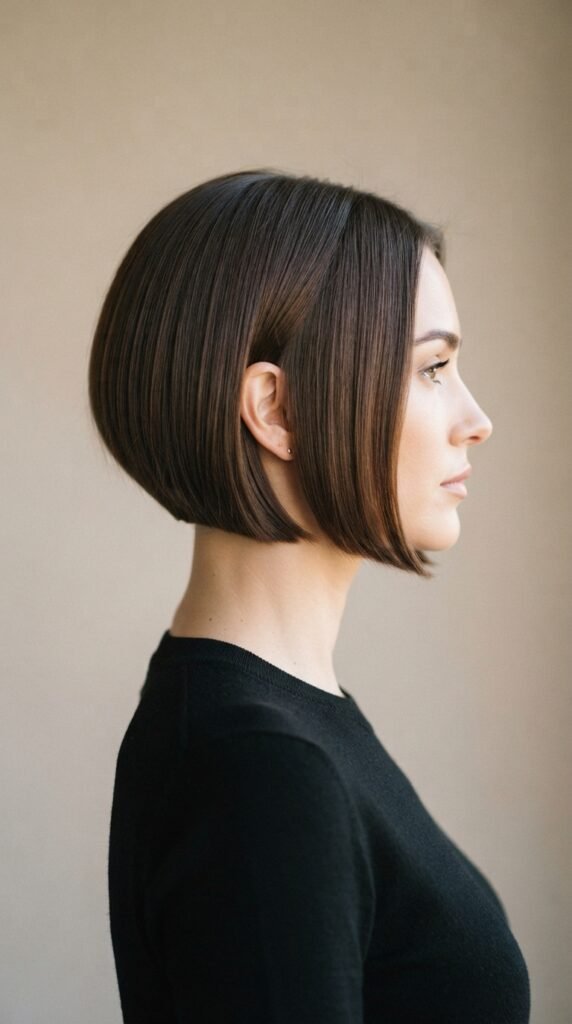
A trim keeps the shape you already have. A cut gives you a new shape. That sounds simple, but it’s the piece nobody says out loud.
Your hair might be a quiet luxury bob, a stacked lob, or a face-framing shag. The shape is what makes it look intentional and expensive.
- Trim = same shape, smaller version
- Cut = new architecture
- Name the shape you want to keep or change
When you say “cut,” you’re signing up for a new silhouette.
Trims Protect Your Style
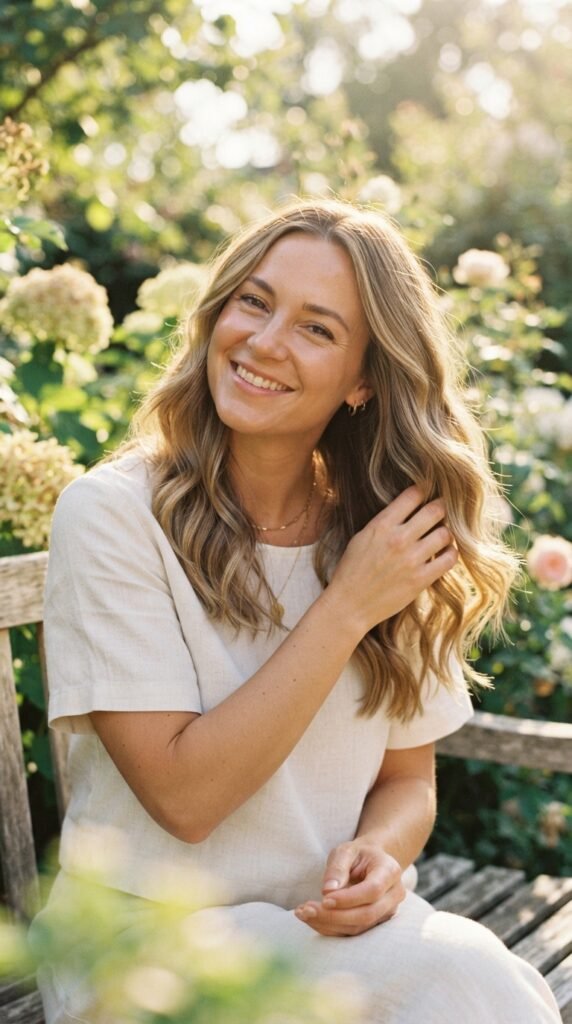
Regular trims are how people with cute 2026 hairstyles keep them looking cute. The style doesn’t change, but those fresh ends make everything look more polished.
If you have color-treated hair or heat styling, trims stop split ends from traveling up the strand. That means your style stays intact longer.
- Book every 8 to 12 weeks
- A tiny dusting prevents a bigger cut later
- Healthy ends make hair look fuller
A trim is really self-care for your current look.
Cuts Create a New Vibe
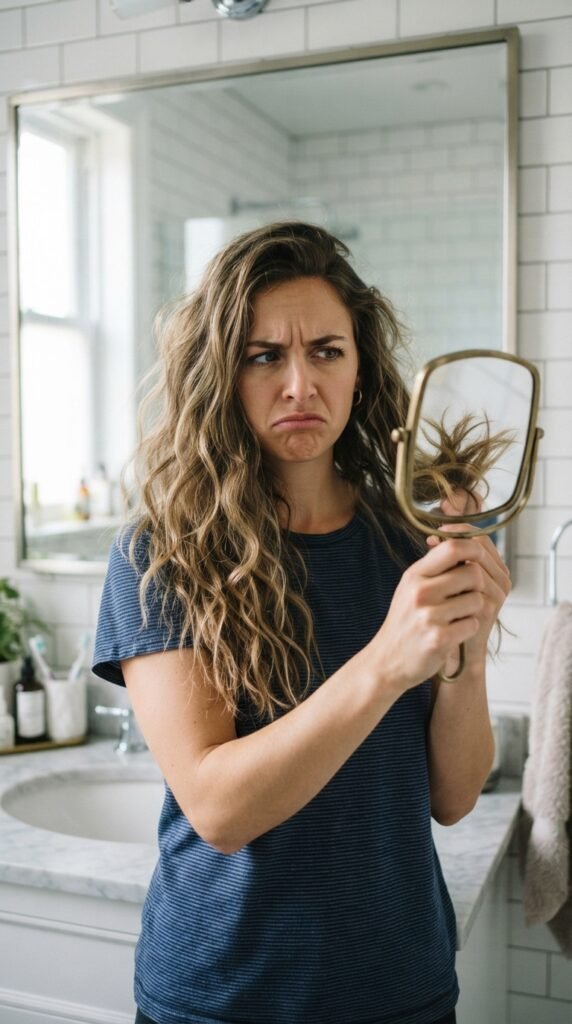
Sometimes you don’t need a refresh; you need a rebirth. That’s when you book a cut and walk in ready for a change.
Think about how a shag changes your energy, or how going for a blunt bob flips your whole style. A cut is an event.
- You want to feel different
- You’re ready for more upkeep
- You want people to notice
That’s a cut, friend. Own it.
The “Grow Out” Mistake Everyone Makes
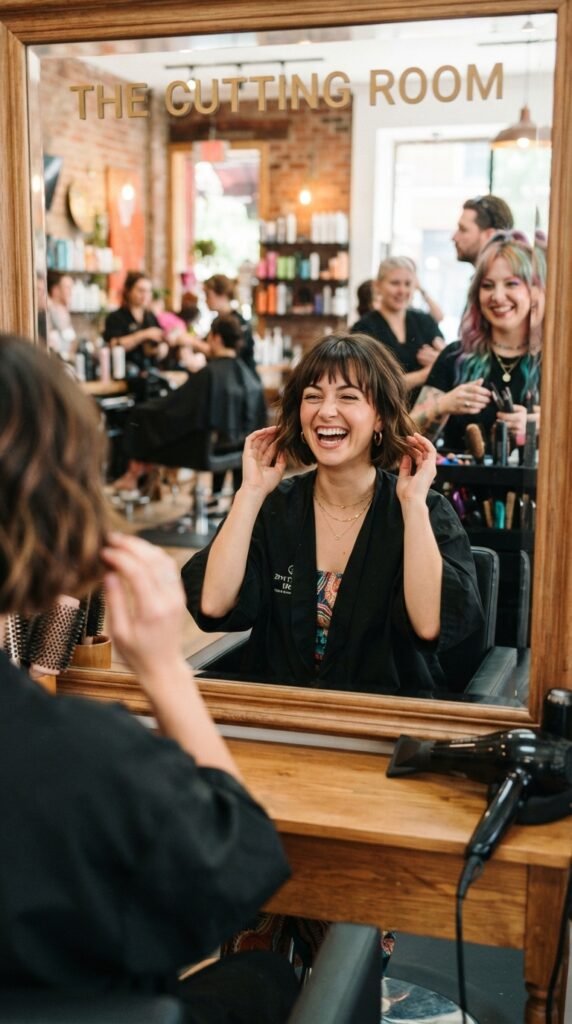
“I’m growing my hair out, so no trims for me.” I hear this all the time, and I get it. But skipping trims actually makes grow-out longer and lankier.
Split ends break off, and the shape gets uneven. That makes you feel like your hair isn’t growing, so you keep waiting.
- A tiny trim every few months prevents breakage
- Shape helps strands grow together
- Healthy hair always looks longer
Growing out? Trim the ends, not the dream.
Layers Have Their Own Personality
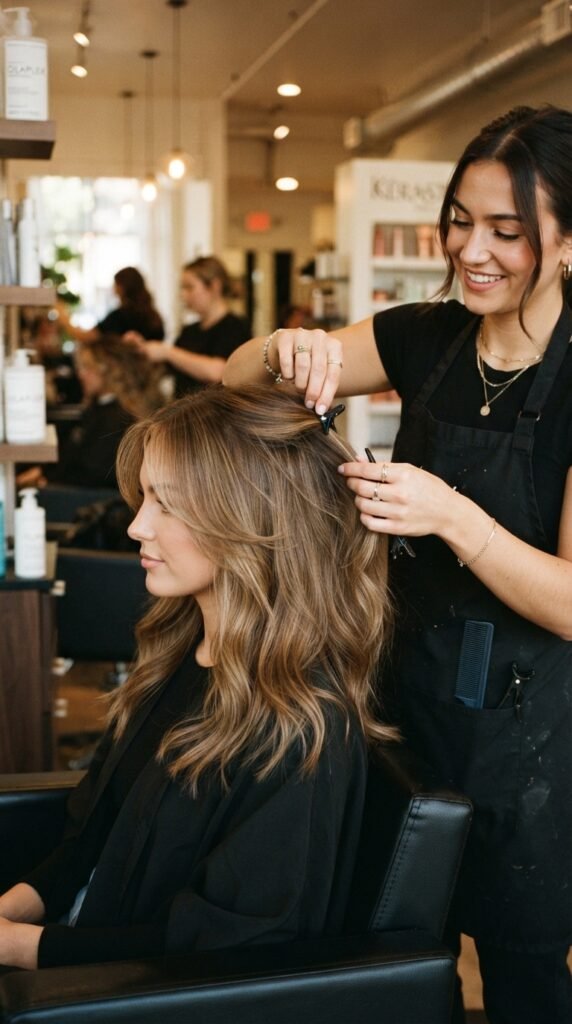
If you have layers, “trim” and “cut” get even blurrier. A trim might just dust the ends of each layer, while a cut will reshape how those layers fall.
For a shaggy or hime-inspired look, you need a stylist who understands the roadmap. Trimming layers wrong can undo the whole vibe.
- Ask for a dusting to keep layers
- Ask for a re-layer to change them
- Never say “just tidy it” if you love your layers
Be specific so your layers stay stunning.
Bangs: Never a “Quick Trim”
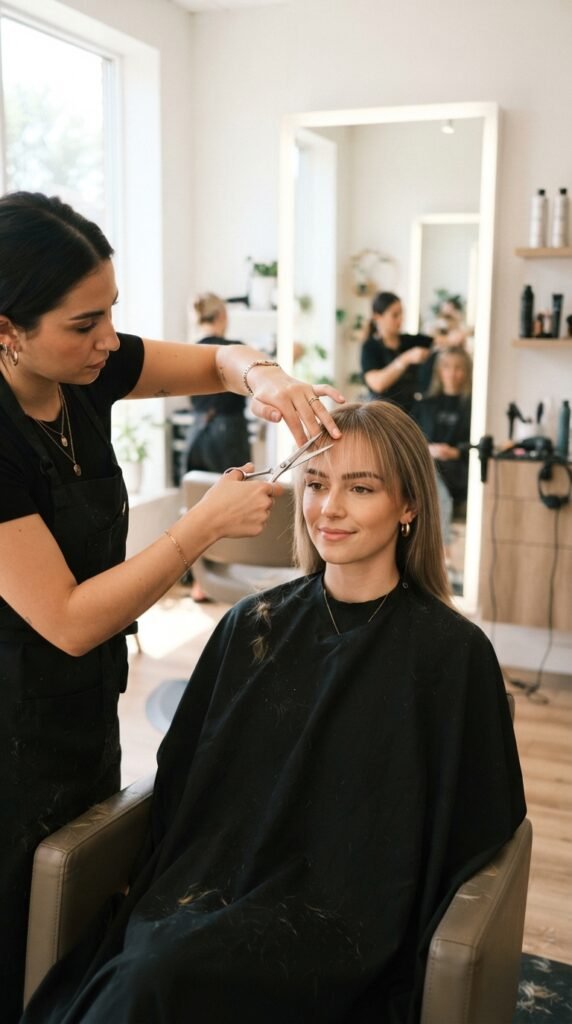
Bangs are the trickiest. A tiny scissors slip can change your whole face. When you ask for a trim, your stylist might only snip the very ends, but if you want a visible change, that’s a cut.
With curtain bangs, eyebrow skimming, or a fringe, you need to describe the final look, not the action.
- “Trim the ends” = keep the same style
- “Cut new bangs” = create a new look
- “Shape my bangs” = somewhere in between
Always show a photo, especially around the face.
When “Trim” Is the Right Word
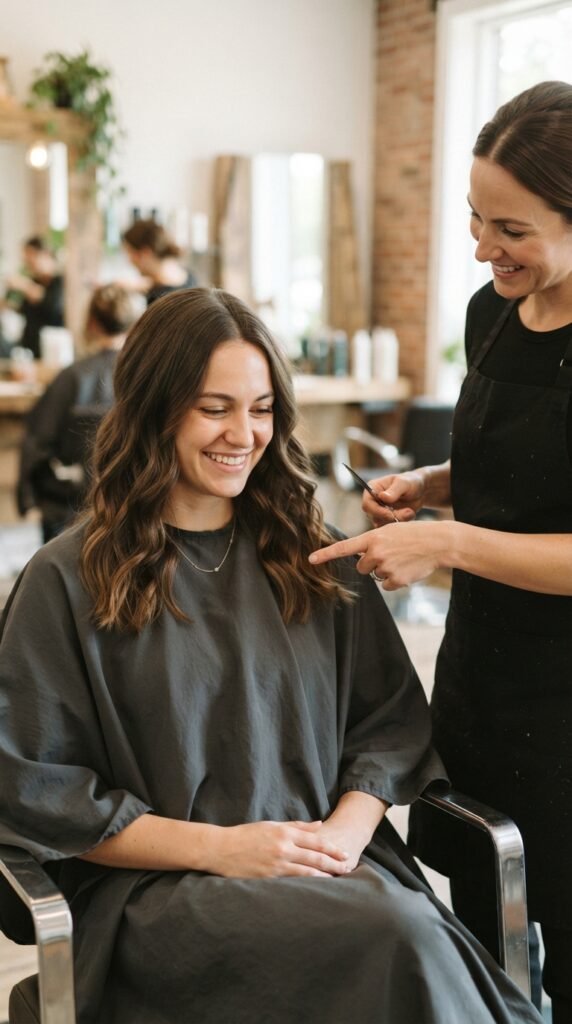
You should say trim when you love your current haircut and just want to maintain it. That’s the safest scenario for both of you.
Use “trim” when you’re happy with the shape, length, and styling routine. Your stylist will do a light dust and send you on your way.
- You left your last appointment feeling great
- Your hair still falls the same way
- You don’t want anyone to notice a change
That’s a beautiful, boring trim. Perfect.
When “Cut” Is the Right Word
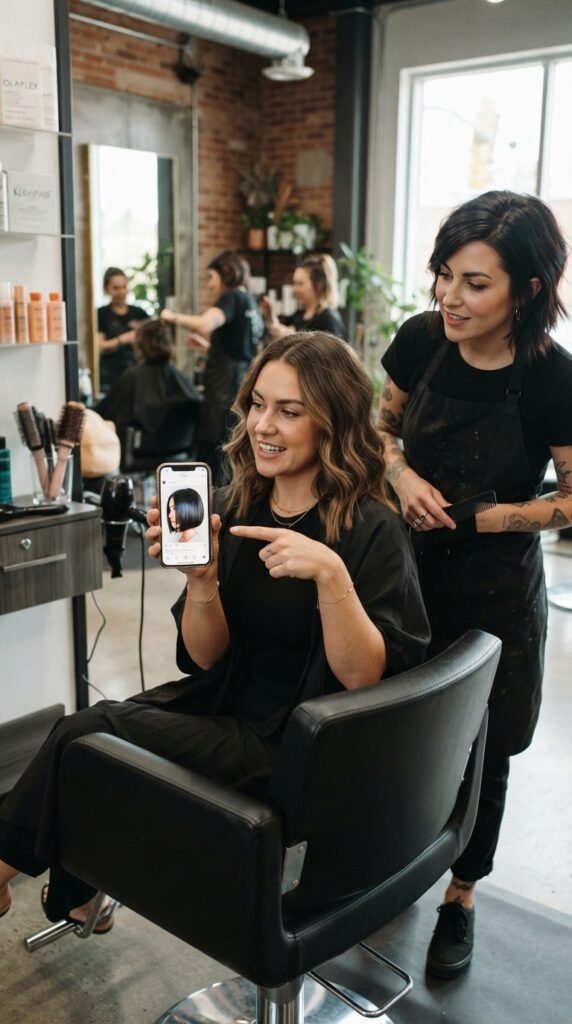
Say cut when you’re ready for your hair to feel different. Maybe you want to ease into a quiet luxury bob or go bold with a vampire haircut.
A cut is about intention. It’s an appointment you plan, not something you squeeze in before an event.
- You’re ready for a new routine
- You want to change how your face looks
- You understand it might take a few inches
Walk in with confidence and say, “I want a cut.”
The 10-Minute Salon Chat That Saves Everything

Before your stylist picks up scissors, have a real chat. It takes ten minutes and prevents almost every salon disaster.
Describe how your hair acts when you wake up, how you style it, and exactly where you want the length to land.
- Show a photo of the vibe
- Point to the length you want
- Ask, “Will this change my shape?”
You’ll leave with what you actually asked for.
How to Explain It So Your Stylist Gets It
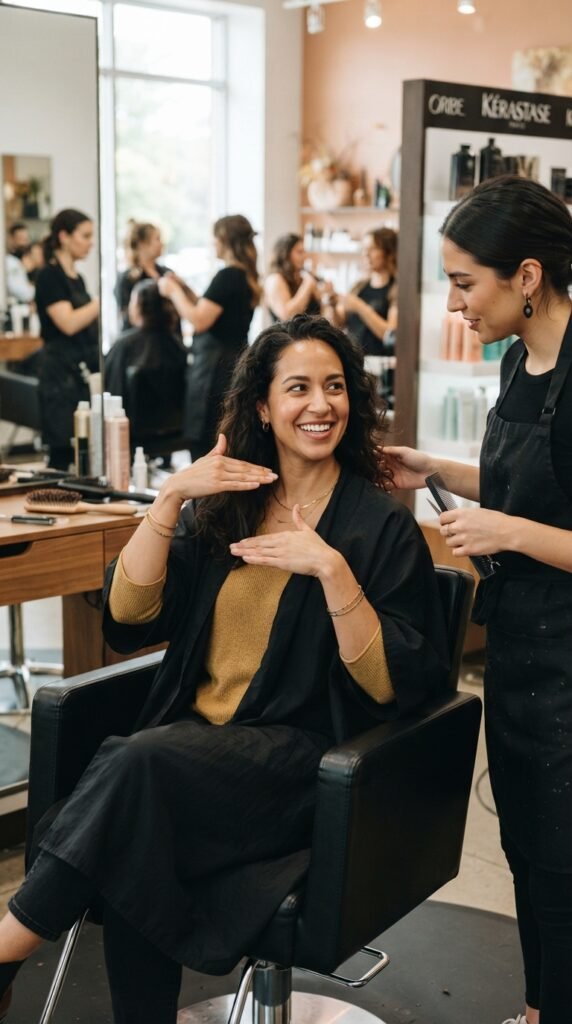
Don’t just say “trim.” Say, “I need about a quarter inch off the ends to keep my current layers.” That’s a sentence any stylist can use.
If you want a cut, say, “I want a new shape, like an asymmetrical lob with more movement.” Be the art director of your own hair.
- Name the style (bob, lob, hime, shag)
- Describe the maintenance you want
- Give a length limit
Clear is kind, especially in a salon chair.
2026 Hairstyles That Love Regular Trims
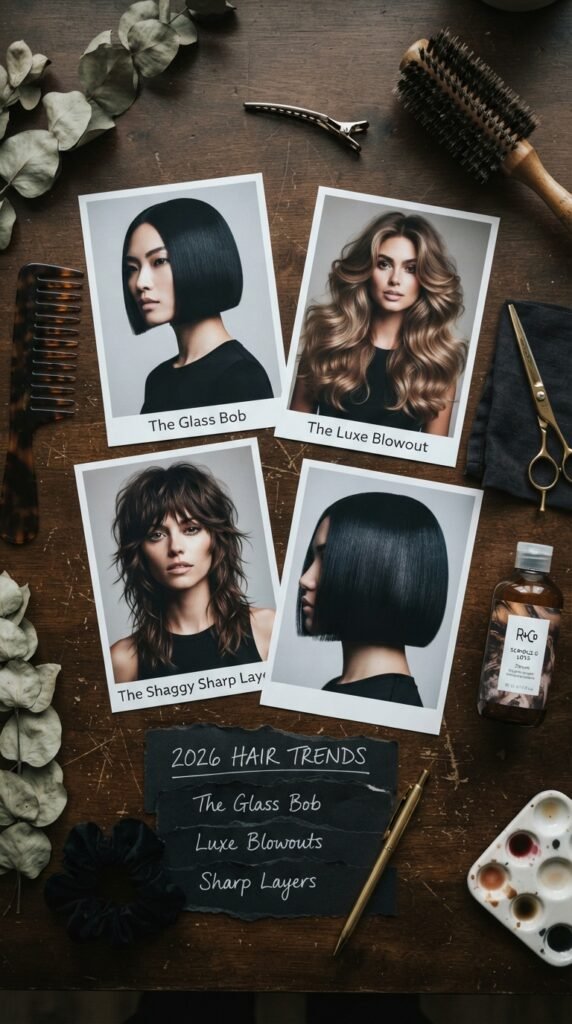
The 2026 hairstyles are all about precision. Old money hair, quiet luxury bobs, and romantic goth styles look expensive when ends are fresh.
These trends depend on clean lines and intentional movement. Skipping trims makes them go dull fast.
- Old money hair needs soft, healthy ends
- A quiet luxury bob needs a crisp line
- Romantic goth styles need defined texture
A trim every 8 weeks keeps you looking current.
The Old Money Hair Trim Routine
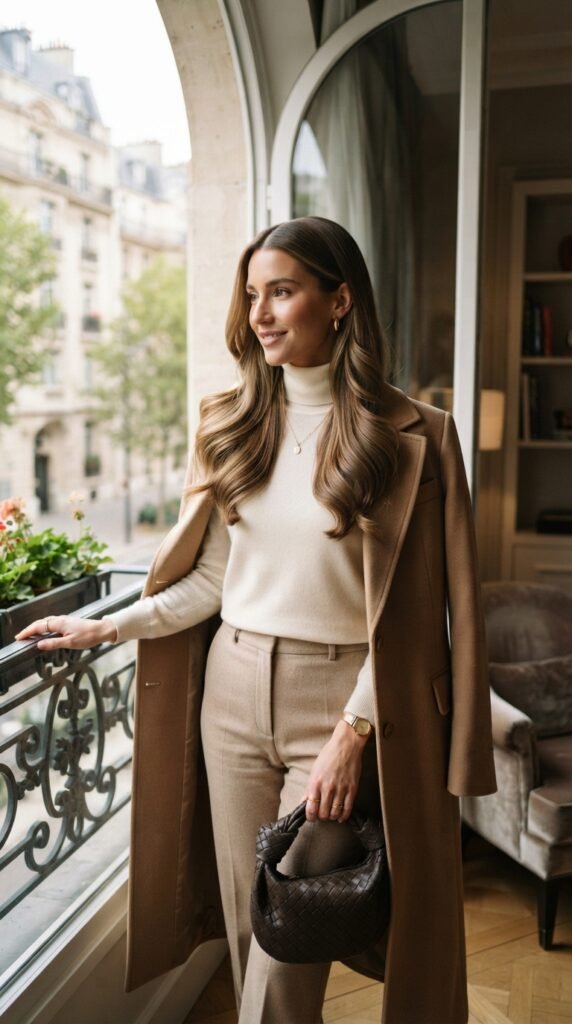
Old money hair is all about that polished, effortless look. A regular trim is the secret to making it look expensive instead of just long.
The goal is to keep the ends dense and blunt-ish, with subtle layers around the face. Too much cutting ruins the effect.
- Trim every 8 to 10 weeks
- Ask for minimal layering
- Keep it very subtle
That’s how you get that “I woke up rich” hair.
Quiet Luxury Bob: Trim or Cut?

If you have a quiet luxury bob, the difference between trim and cut is huge. A trim keeps that chin-grazing line sharp and even.
A cut could mean going shorter, shaving the nape, or adding blunt bangs. That’s a whole new personality.
- Trim = maintain the bob’s clean edge
- Cut = change the bob’s length or shape
- Always mention the bob by name
This style is all about precision, so be clear.
Romantic Goth Hairstyles and the Vampire Haircut
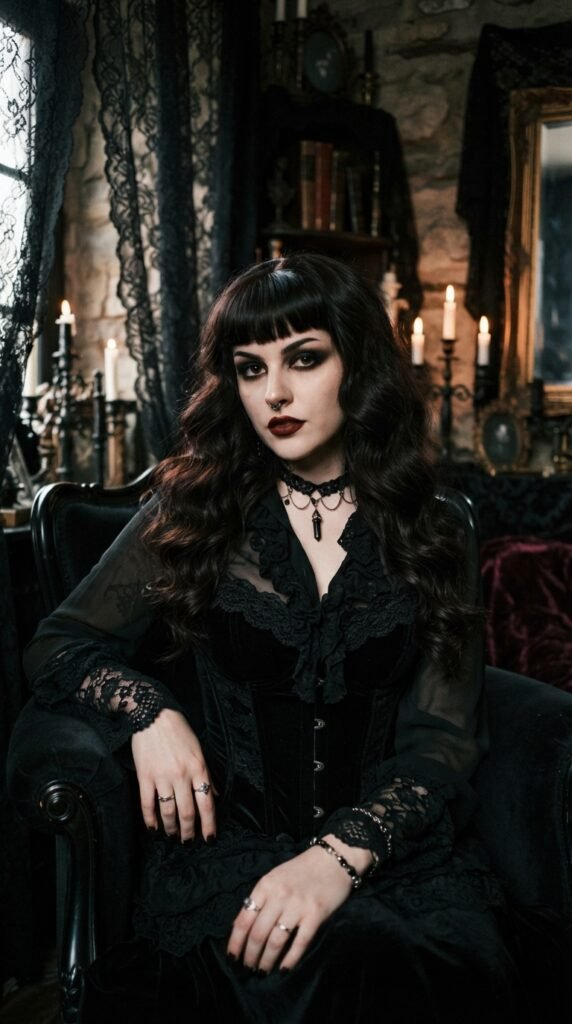
Romantic goth hairstyles lean into vampy layers, dark shine, and face-framing drama. The vampire haircut thrives on sharp, intentional shapes.
If that’s your vibe, you need a stylist who knows the difference between dusting and slicing in new layers. Trims maintain the moodiness; cuts create it.
- Trim keeps your length and layers fresh
- Cut adds new dramatic movement
- Ask for soft razor ends for that goth texture
Your dark romance deserves proper maintenance.
Glitchy Glam Hair and the Asymmetrical Lob

Glitchy glam hair is all about futuristic shine, sleek waves, and almost-edgy details. The asymmetrical lob is a perfect match for that trend.
With a lob like this, the difference between trim and cut is the angle. A trim keeps it balanced. A cut can flip the dynamic or add disconnected pieces.
- Trim = keep the exact asymmetrical line
- Cut = change the angle or add texture
- Don’t let anyone “fix” your asymmetry
Say what you love and protect it.
The Hime Cut and Face-Framing Magic
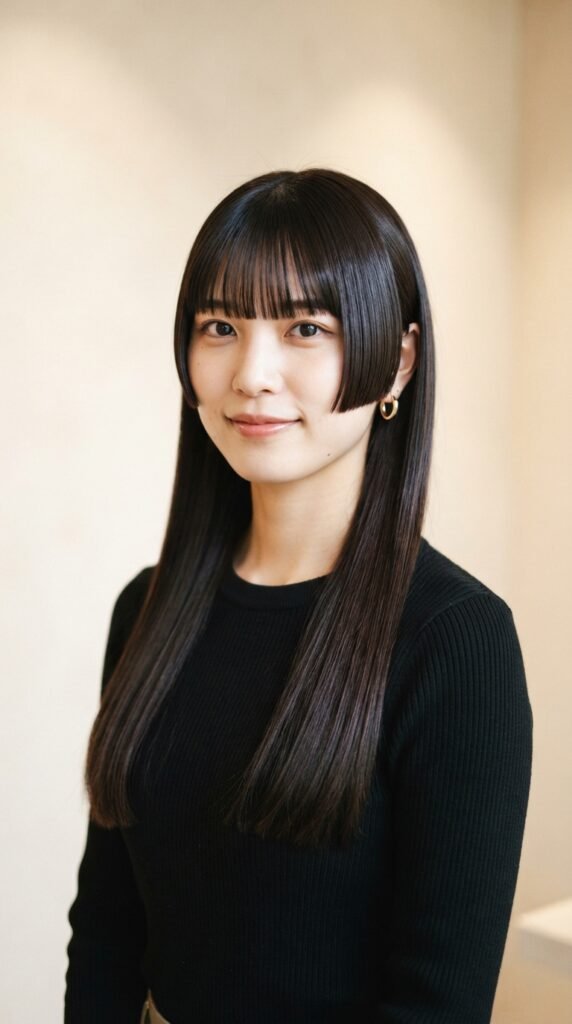
The hime cut is having a moment, and it’s a perfect example of why words matter. The cheek frame and straight ends are very specific.
A trim will just tidy the ends. A cut will reshape the cheek pieces or bring the whole look shorter. If you don’t say which, you’re gambling.
- Point to the exact length for cheek pieces
- Say “trim only if you keep the structure”
- Ask for a cutting map before they start
Face-framing magic is fragile. Protect it.
Let’s Wrap This Up, Friend
Okay friend, here’s the shortcut: trim keeps you the same; cut changes you. The real difference is about shape, not just length.
Next time you sit down, take a breath and get specific. Your stylist will thank you, and your hair will finally cooperate.
Save this post to Pinterest so you remember what to say at your next appointment. And leave a comment: what’s the closest you’ve ever come to a salon surprise? I’d love to hear your stories.