How to Detangle Curly Hair Without Losing a Single Strand
Let me guess: you sat down to detangle your curls, and ten minutes later your brush looked like a tiny fuzzy animal. I have been there. Curly hair is gorgeous, but it loves to hold onto knots like they are little treasures. It can feel like you have to choose between a good detangle and keeping your length.
The secret is that you don’t have to lose a single strand. With the right routine, the right tools, and a little patience, you can work through even the stubborn knots without breakage. Your curls can stay full, soft, and defined.
In this post, I’ll show you the exact detangling method I use on my own curls. It is simple, gentle, and honestly kind of relaxing once you get the hang of it. Ready? Let’s make wash day better.
Why Curly Hair Tangles So Easily
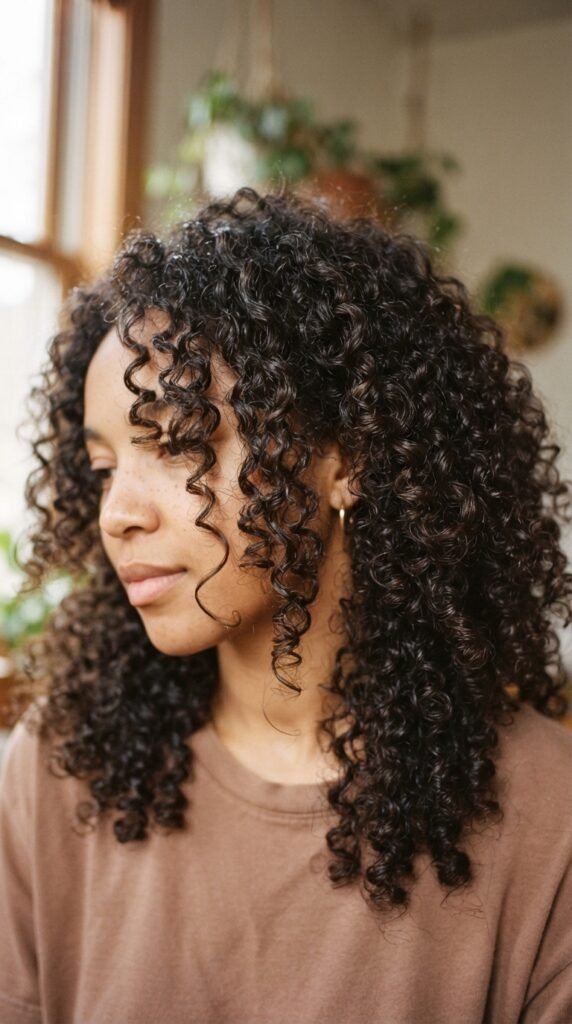
Curly hair tangles because of the shape of the hair shaft. Instead of lying flat, each strand curves and creates little loops. Those loops easily wrap around other strands.
Add in dry hair, friction from clothes, and sleeping, and you have a knot party. It is not because you are doing anything wrong. It is simply how curls are built.
That is why detangling has to work with your curl pattern, not against it.
What You Need Before You Start
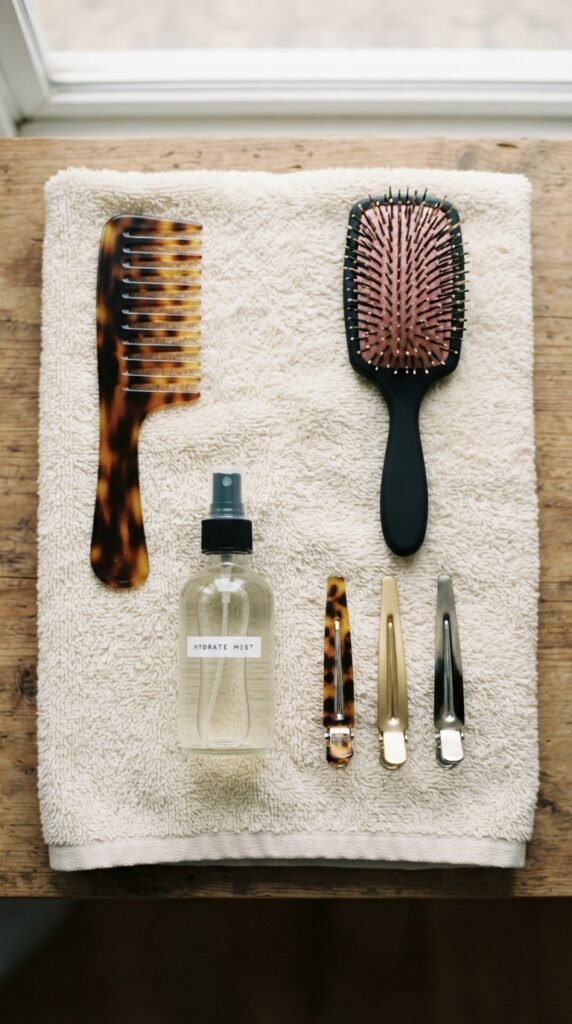
You don’t need a million products to detangle curly hair gently. You just need a few basics that actually help.
- A wide-tooth comb
- A detangling brush made for wet hair
- A spray bottle with water
- A slippery conditioner or detangling spray
- Sectioning clips
Having everything ready before you start makes the process feel calmer and faster.
The Golden Rule: Never Detangle Dry Curls
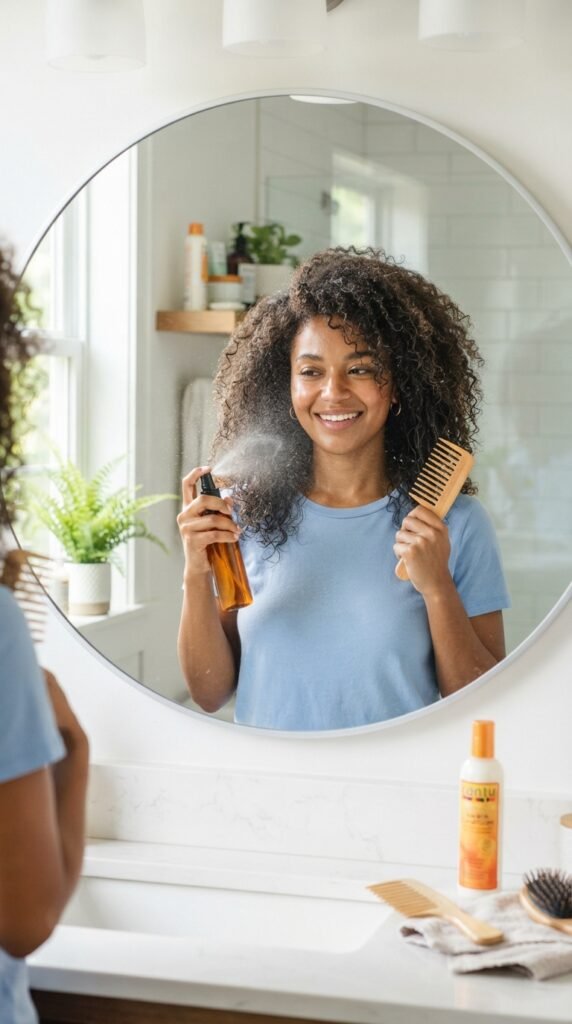
Dry curls are fragile. When you pull a brush through dry hair, strands stretch and snap before they release. That is how you lose length without realizing it.
Always detangle with slip. That means wet hair with conditioner in it, or at least a little leave-in spray to help everything glide.
Your hair should feel slippery, not squeaky clean, before you bring in a tool.
Sectioning: Your Best Friend
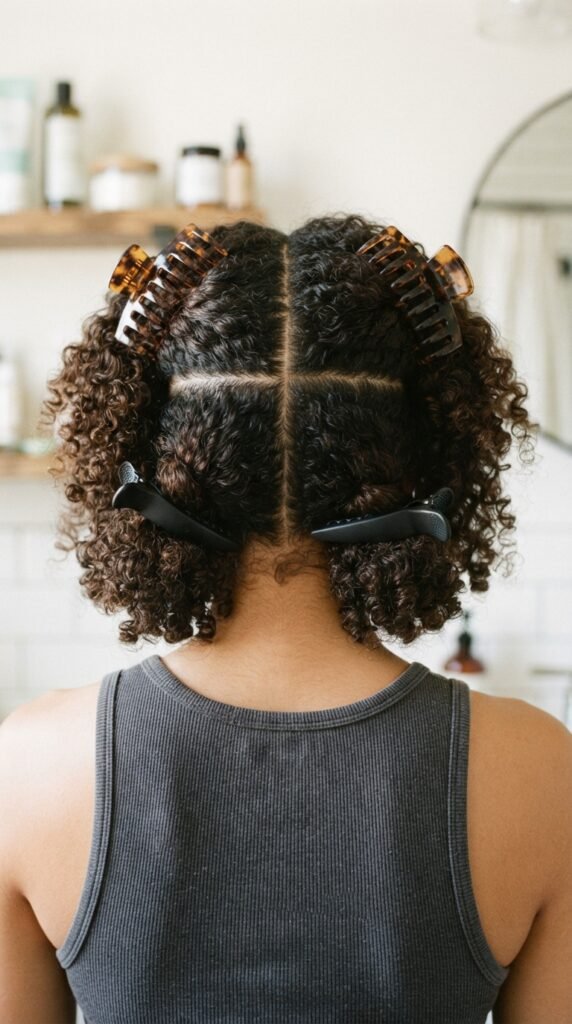
You would never try to untangle one giant necklace chain all at once. The same goes for hair. Sectioning keeps knots from getting worse.
When you section your hair, you also get to work in a way that feels manageable. No more wrestling with everything at once.
Start with four sections: two in the back and two in the front. Clip them safely and focus on one at a time.
How to Divide Your Hair Safely
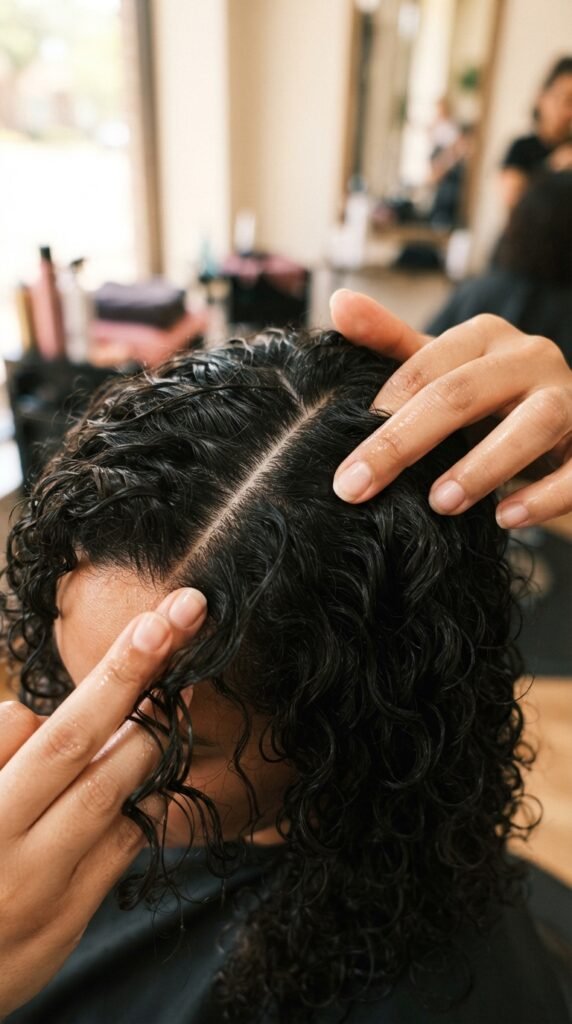
Use your fingers or a wide-tooth comb to create sections. Do not yank a brush through to divide hair.
- Make a straight line from the top of your ear to the crown.
- Pin that top section up.
- Do the same on the other side.
- Leave the bottom sections down to work on first.
Wet curls get heavy, so smaller sections are easier on your arms and your hair.
The Right Way to Hold a Strand
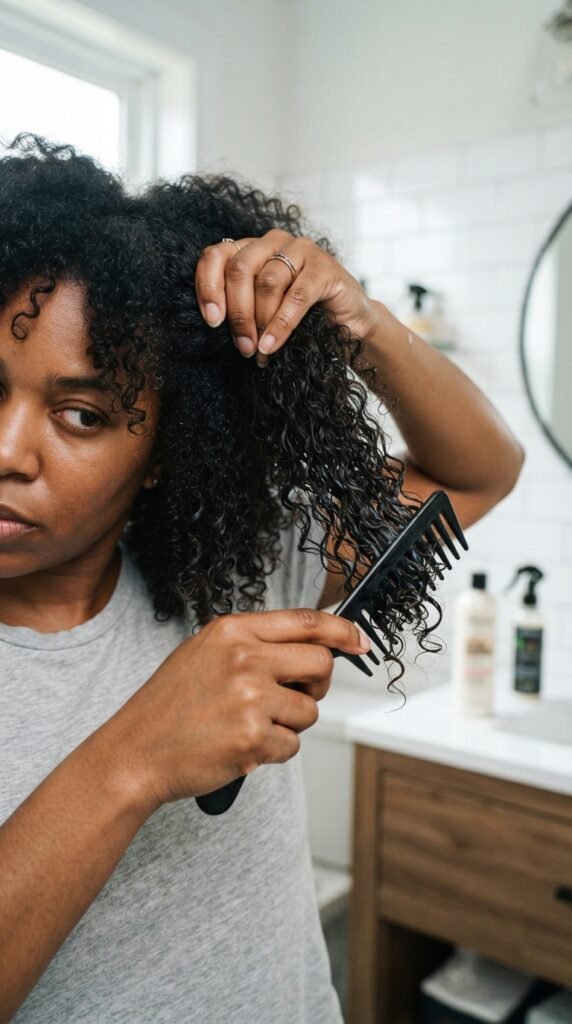
This small trick changes everything. Hold the section firmly near the root with one hand. That way, when you pull a knot lower down, the tension doesn’t hurt your scalp.
It also stops the knot from being ripped out from above. Your hand becomes a little anchor.
Take your time. The goal is not speed. The goal is keeping every strand exactly where it belongs.
Start From the Ends, Always
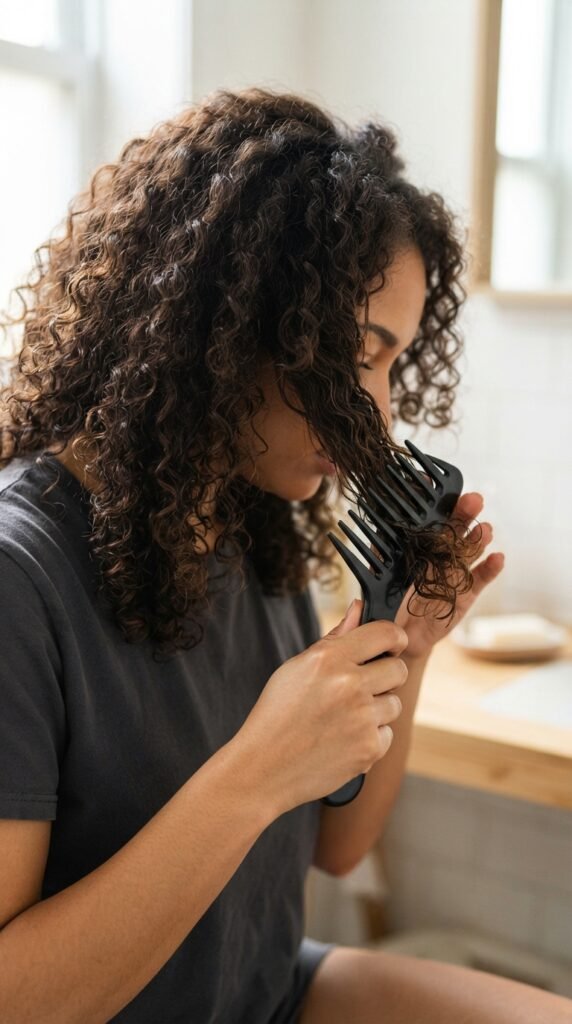
You have heard this before, but it matters more than anything. Never start at the roots. That pushes tangles down into one giant mess.
Start two inches from the tips. Gently comb out that section. Then move up another inch. Keep going until the whole length is smooth.
This slow way feels like it takes forever at first. But it actually saves time because you don’t have to fight the same knot twice.
Finger Detangling First

Your fingers are the safest detangling tool you own. They can feel knots before a brush ever reaches them.
While your hair is full of conditioner, glide your fingers through each section. Use a wide finger-tooth motion to separate curls.
If you hit a knot, pause. Work it apart with your thumbs before moving on. Fingertip detangling is not just for curly kids. It works beautifully for adults too.
The Brush vs. Comb Debate
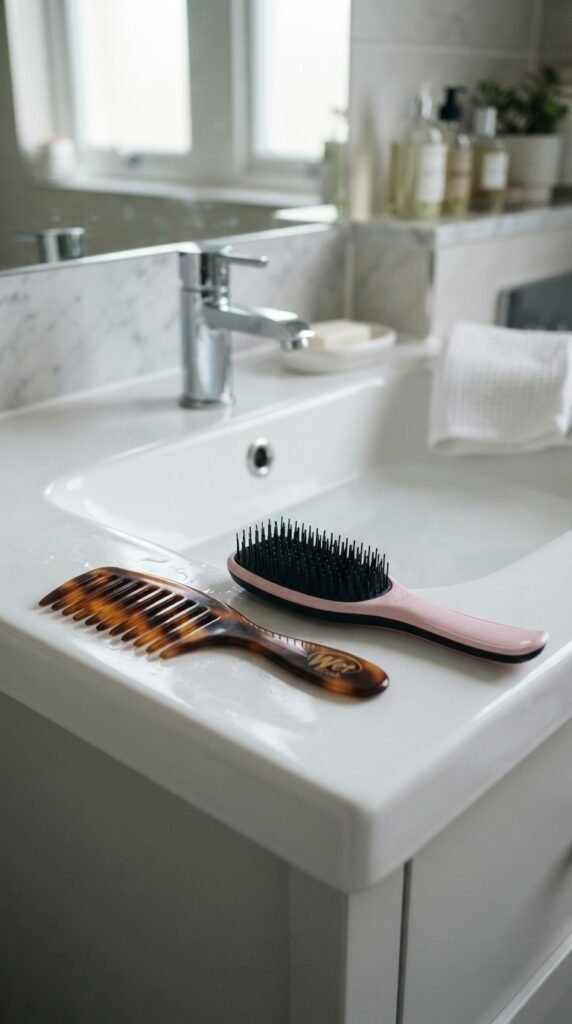
Some curly girls love brushes. Others swear by combs. The truth is that both can work if your hair has enough slip.
Wide-tooth combs are great for loosening knots without pulling out curl definition. A wet detangling brush with flexible bristles is great for smoothing smaller sections.
Try both and see what feels kind to your hair. The right tool is the one that leaves your curls less tangled and less stressed.
How Much Conditioner Is Too Much?
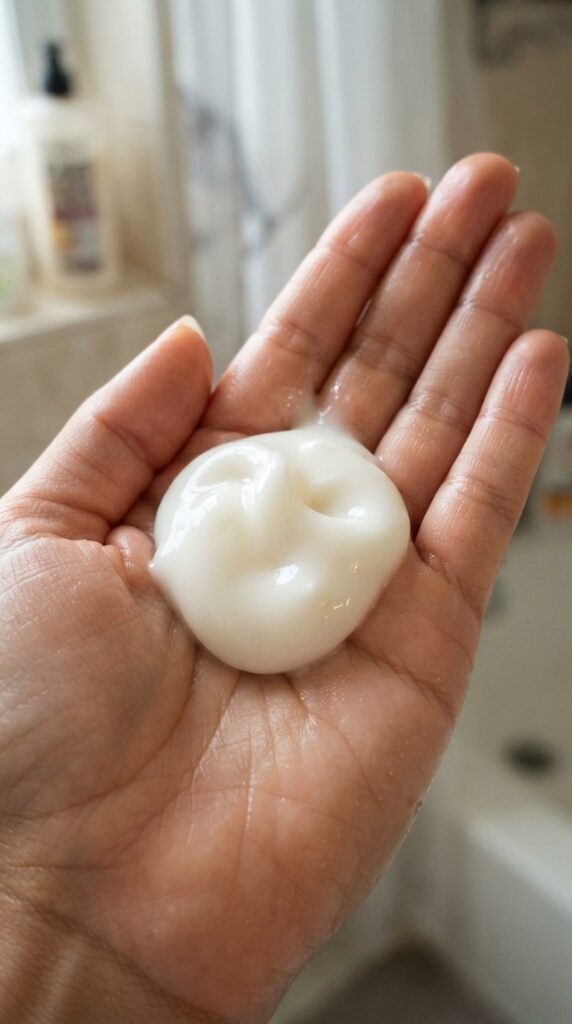
Honestly, when it comes to detangling, more is more. Your hair should feel like it is coated in butter.
If your hair starts to dry out while you work, add more water. If your comb starts to catch, add more conditioner. There is no prize for using less.
Focus especially on the middle and ends. They are older, drier, and need the most help.
The Slippery Slip Technique
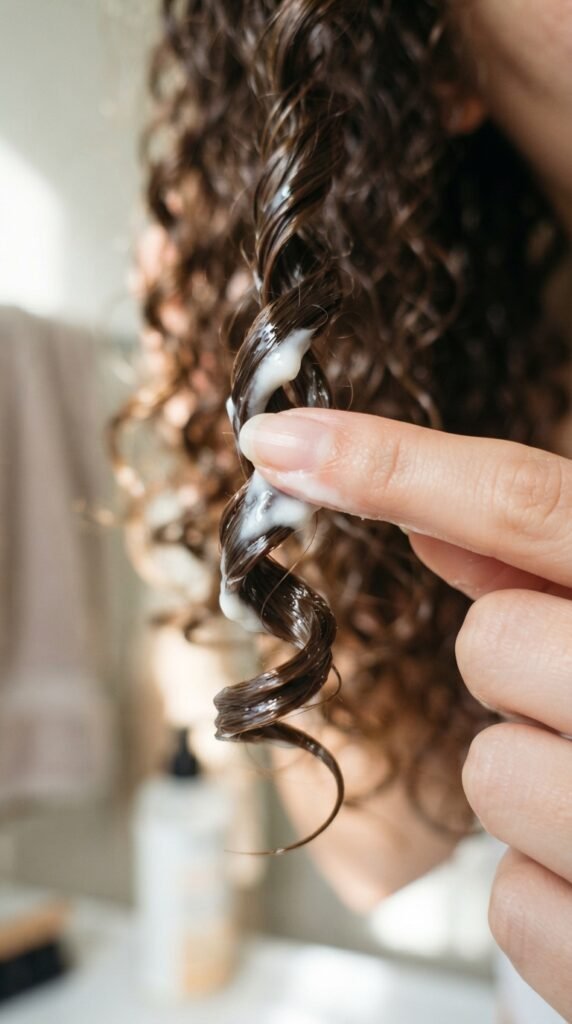
Here is my favorite detangling moment. After you have worked through one section, put a small amount of leave-in conditioner on your palms.
Smooth it over the length of your hair in a downward motion. This adds an extra layer of slip and helps curls clump together nicely.
It also reduces friction while you style. Soft, smooth strands are way less likely to tangle later.
Working in Small Sections: Why It Matters
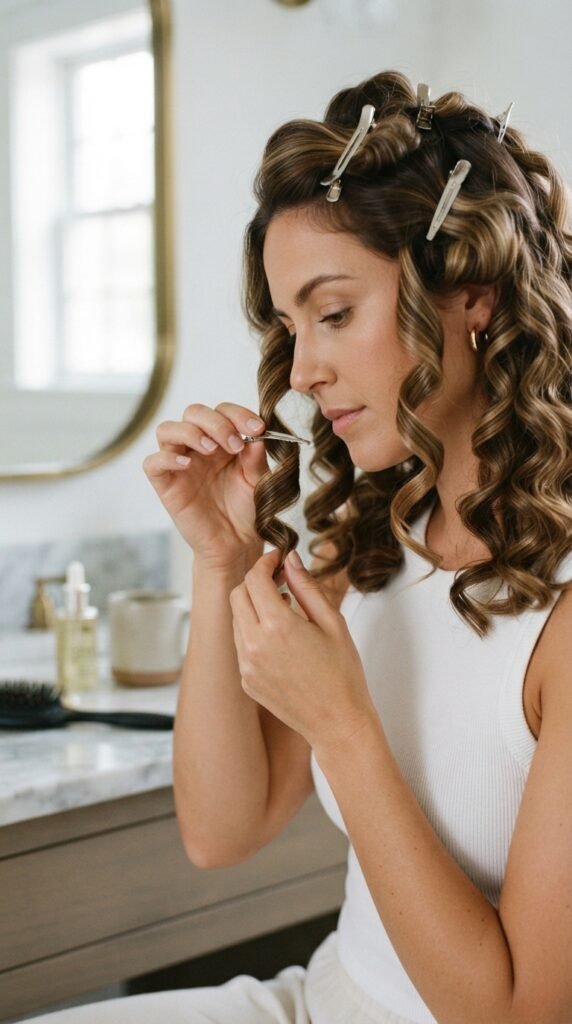
I know it feels boring, but small sections are the secret to a painless detangle. Big sections only give knots more room to hide.
Work inch by inch. Once a section is smooth, pin it away and move to the next one.
This method means less pulling, less breakage, and more even product distribution. Your curls will come out looking like you actually knew what you were doing.
The Prayer Hands Method
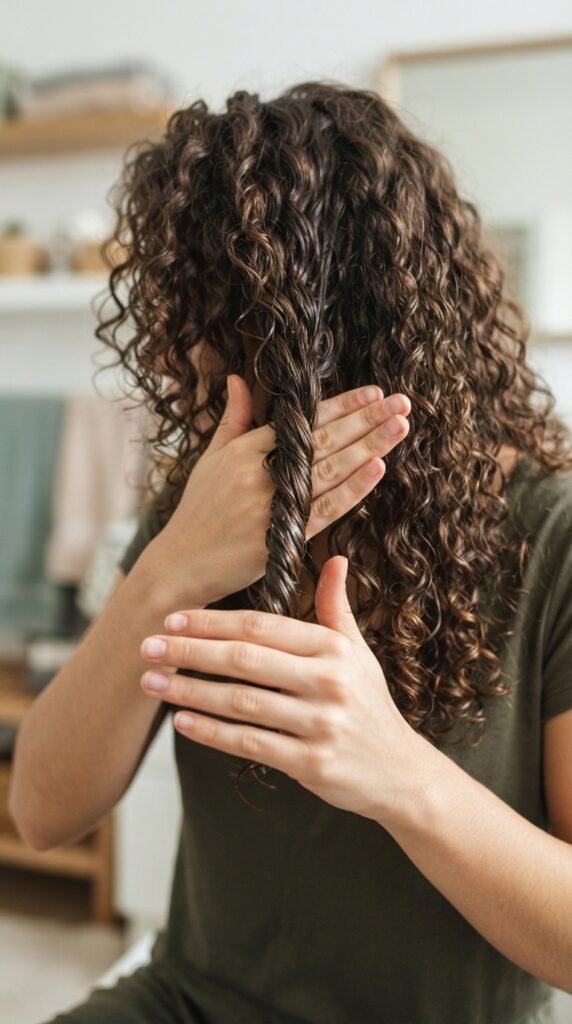
This technique uses the flat sides of your hands instead of your fingers. Place a section of hair between your palms with your hands together like you are praying.
Slowly slide your hands down toward the ends. This presses the curls together and helps them clump while also working out loose tangles.
It feels calming too. Just make sure your hair is wet and full of conditioner so your hands glide easily.
How to Handle Knots Without Tugging
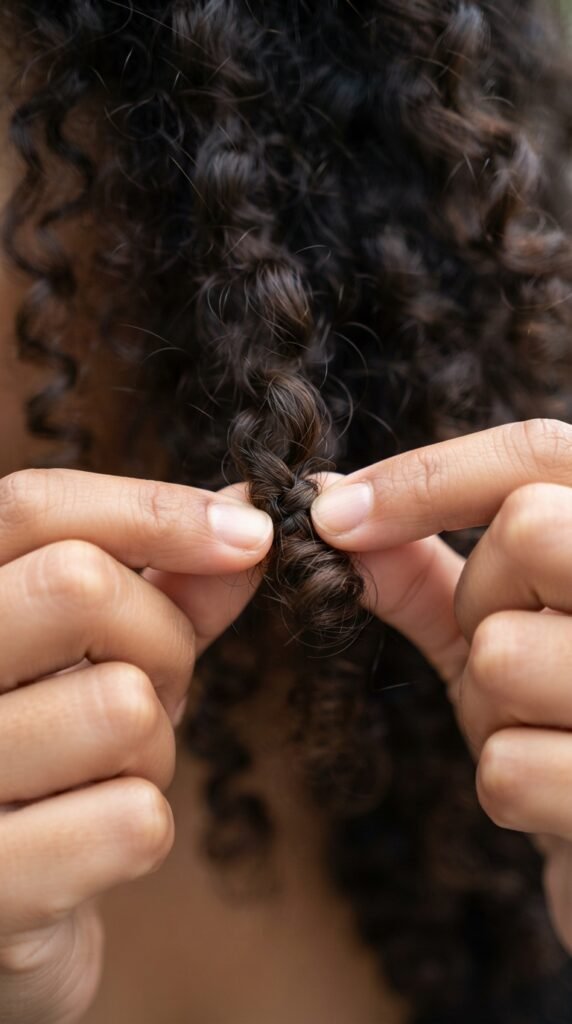
Every curly has that one annoying knot that feels impossible. Do not pull it. That is how strands snap.
Instead, hold the hair tightly above the knot. Use your other hand to gently wiggle the knot loose with your thumbs and fingers.
Add a little water or conditioner if you need more slip. Most knots can be worked apart if you give them time and patience.
What to Do About Fairy Knots
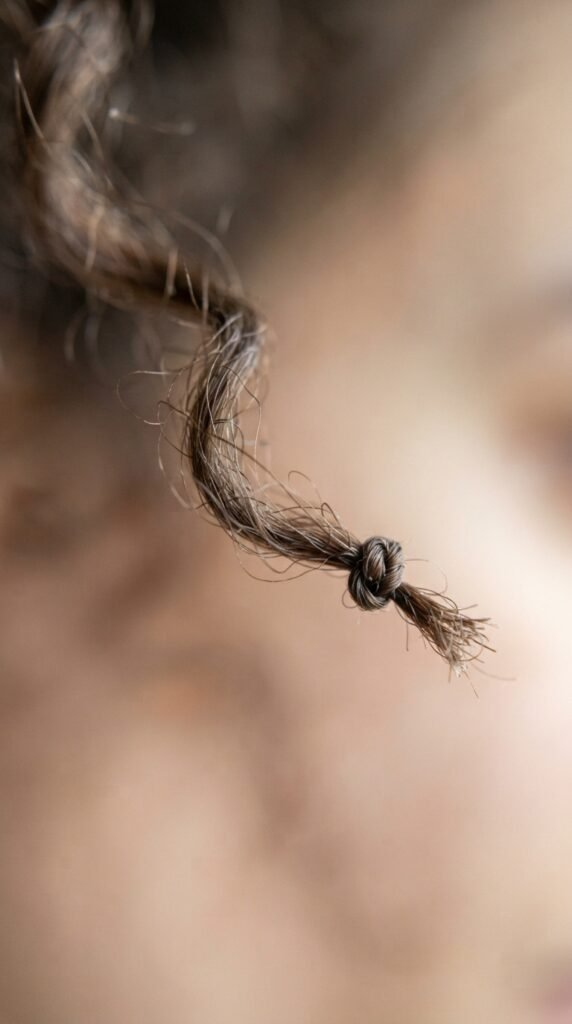
Fairy knots are those tiny knots that form at the very ends of your hair. They are annoying because they are so small you almost cannot see them.
Do not cut them out in a rush. Put a drop of hair oil on the spot and gently pinch it with your nails. Work the knot apart slowly.
These little knots are a sign that your ends are thirsty. A regular trim and deep conditioning can help prevent them.
Detangling in the Shower vs. Dry Detangling

Wet detangling is usually the best option for curly hair. The water and conditioner create the slip your curls need.
Dry detangling can work for very loose waves, but for tight curls it can be risky. If you do dry detangle, use a detangling spray and move slowly.
My own curls only get touched by a comb when they are wet and coated in something slippery. That is what keeps my length safe.
How Often Should You Detangle Curly Hair?
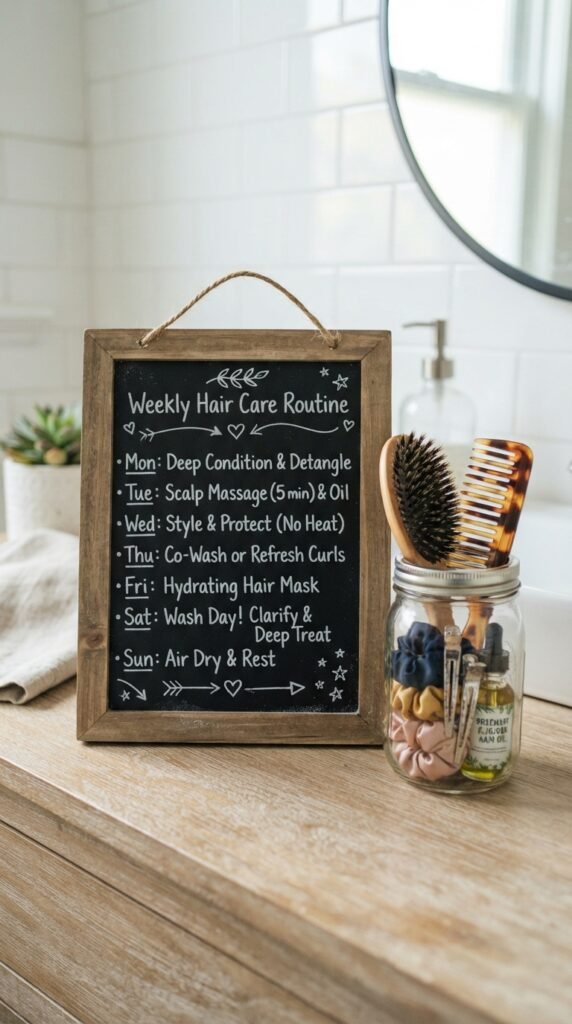
Most curly hair does not need a full detangle every single day. That could cause more stress.
Try a full detangle once or twice a week, on wash day. On other days, just refresh your curls with a little water and leave-in spray.
Listen to your hair. If it feels extra tangled, detangle sooner. There is no perfect number that works for everyone.
Protecting Your Strands While You Sleep

You brush your hair gently, and then you undo it all by rolling around on a cotton pillowcase all night. It happens to the best of us.
A few simple sleep habits can prevent tangles:
- Sleep on a silk or satin pillowcase.
- Put your curls in a loose pineapple topknot.
- Wrap your hair in a soft bonnet.
Morning tangles will be so much easier to handle.
Best Products for Detangling Curly Hair
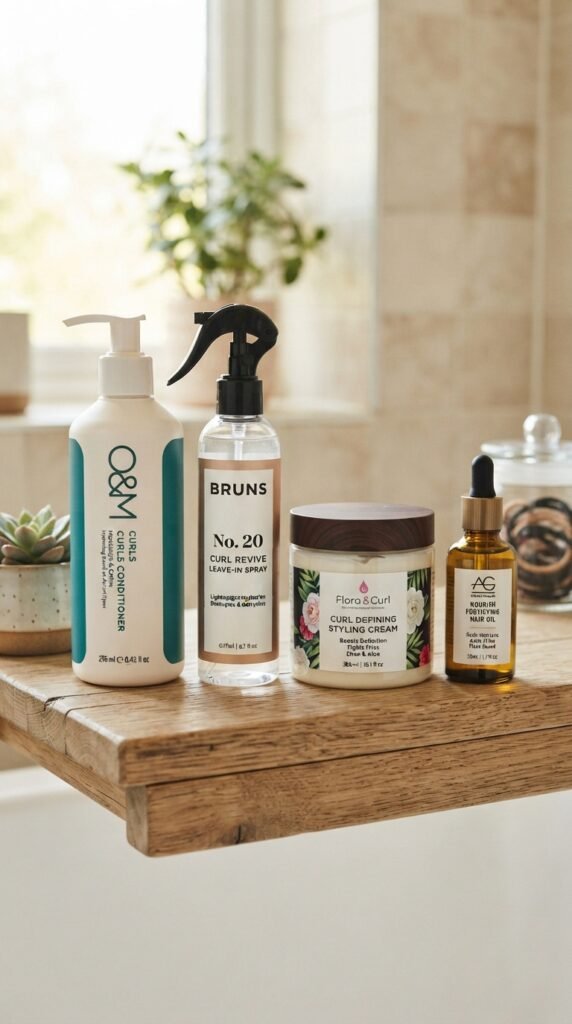
You do not need a full shelf of products, but these types really help:
- A thick conditioner with lots of slip
- A detangling spray for refresh days
- A creamy leave-in conditioner
- A light hair oil for ends and fairy knots
Look for words like “slip,” “softening,” and “hydrating.” Your hair should feel loved, not stripped.
Detangled Curls Are the Base for 2026 Hairstyles
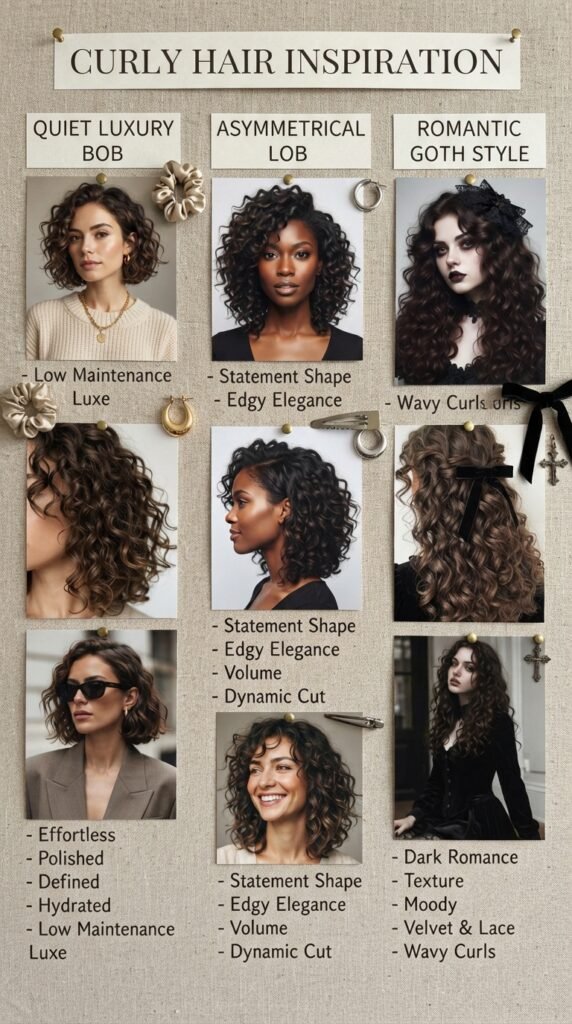
Once your curls are detangled, the styling possibilities are endless. Some of the biggest 2026 hairstyles look even better with healthy, defined curls.
Try an old money hair vibe with soft, polished volume. Or go bold with glitchy glam hair and glossy shine. You can also ask your stylist for a curly asymmetrical lob, a face-framing hime cut, or even a vampire haircut with layers that let your curls spring up.
A quiet luxury bob is another favorite, and romantic goth hairstyles look gorgeous with soft waves. But all of these need a gentle detangle first.
A Little Trim Goes a Long Way
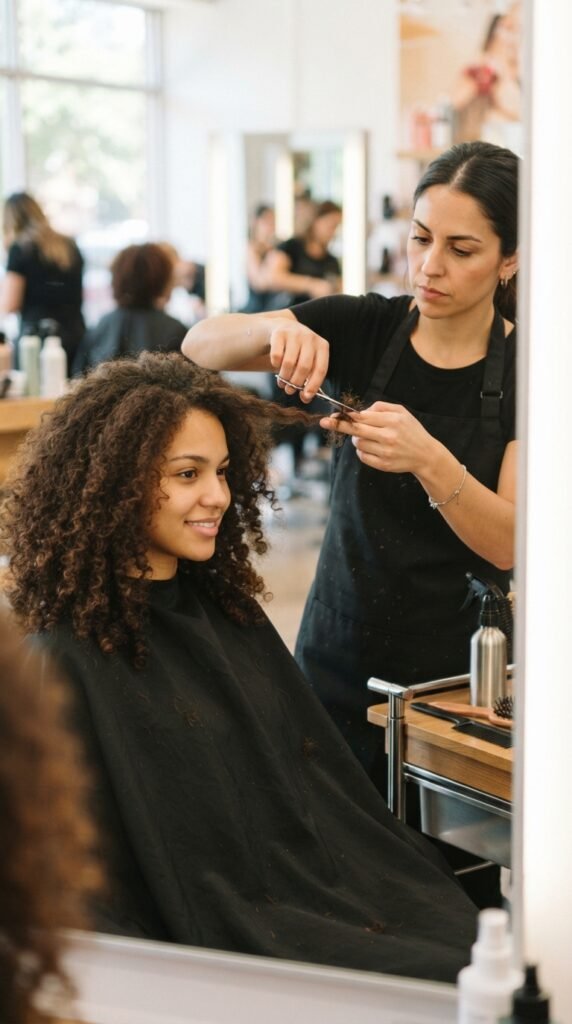
If your ends are full of split ends, they will tangle no matter what you do. Dead ends grab onto healthy strands and create knots.
You do not need a big chop. A small trim every three to four months keeps your curls strong and prevents tangles from traveling up the strand.
Your hair will feel lighter and look fuller. Plus, detangling becomes so much easier when the ends are clean.
A Warm Last Note
Detangling curly hair does not have to feel like a battle. With the right routine, a little patience, and a lot of slip, you can keep your curls full and beautiful.
Take your time. Work in sections. And remember that your hair is not supposed to fight you. It is supposed to feel good.
Save this post to Pinterest so you have it ready for your next wash day. And tell me in the comments: what is your go-to detangling product? I would love to know.