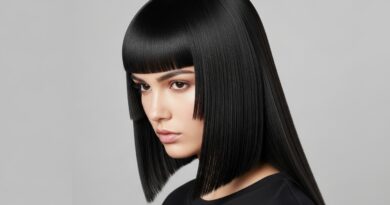
How Postpartum Hormones Trigger Sudden, Dramatic Hair Loss in New Mothers
Hey mama. If you’re reading this with a fistful of hair in the drain, take a breath. You’re not losing your mind. You’re losing hair. And it’s completely normal. Postpartum hormones are the reason, and the good news is it won’t last forever.
Your estrogen levels drop fast after delivery, and that sends a huge number of hair follicles into the resting phase. That means shedding. Lots of it. But you have more control than you think.
In this post, I’ll walk you through exactly why this happens, how long it lasts, and the best 2026 hairstyles plus super practical tricks to help you feel like yourself again. Quick, honest, and no fluff.
Why Postpartum Hair Loss Happens

During pregnancy, estrogen keeps your hair in a resting state so you lose less. After birth, estrogen drops quickly, and all that extra hair starts shedding at once. That’s why it feels dramatic and sudden.
It’s not your fault. Biology, not bad hair days, is running the show. Once you understand that, you can stop panicking and start making a plan.
- Estrogen spikes during pregnancy
- Levels crash after delivery
- Hair that held on now lets go
This pattern is called telogen effluvium. It affects most new mothers, so you’re in very good company. Think of it as your body cleaning house after a long pregnancy. It looks scary, but it’s actually a sign your hormones are resetting.
When Does It Start and End?

Most women start noticing the shed around two to four months after birth. It peaks between four and six months, and for many moms it tapers off by their baby’s first birthday.
That timeline isn’t a hard rule. Some women shed less, and some see it drag on a little longer. Either way, your hair isn’t gone for good.
- 2–4 months: shedding begins
- 4–6 months: heaviest shed
- 12 months: usually back to normal
The hardest part is waiting it out. Remember that the hair you see in the drain already left your head weeks ago. This is a normal season, not a permanent change.
How Much Hair Loss Is Normal?

Before pregnancy, losing 50 to 100 hairs a day is normal. Postpartum, that number can jump to 300 to 500 hairs a day. That feels terrifying when you see it in the drain or on the baby’s onesie.
Here’s the truth: your body is catching up. You didn’t suddenly go bald. You’re losing the extra hair that pregnancy held onto.
- Shedding in clumps is common
- A full hairline is usually still there
- You’re not abnormal if it’s a lot
Most moms describe it as a surprise, but your scalp knows what it’s doing. Give it a few more weeks before you worry.
What Do Postpartum Hair Sheds Look Like?
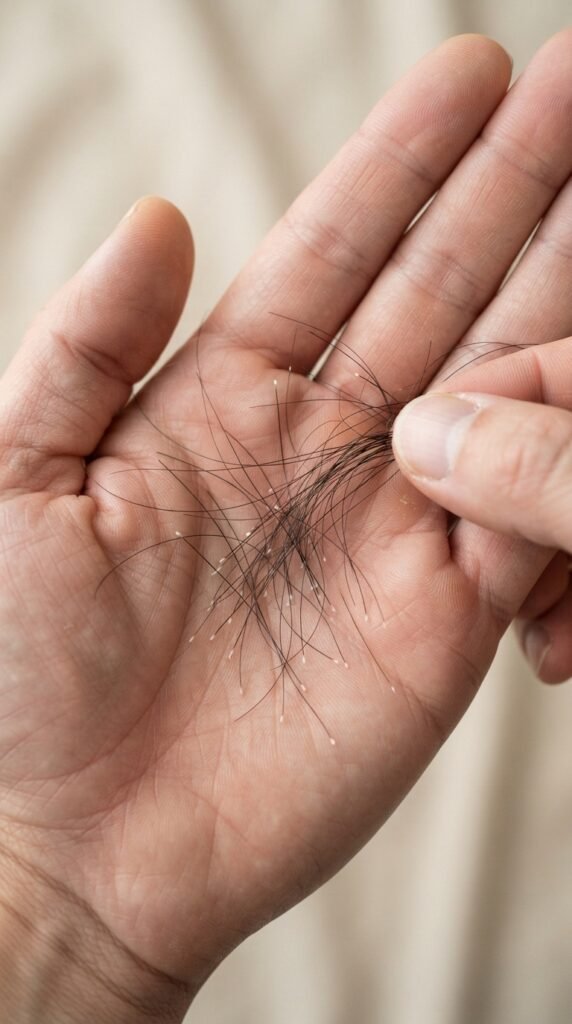
It helps to know what you’re dealing with. Shed hair from postpartum loss usually has a tiny white bulb at the root. That means it came out from the follicle, not from breakage.
If you see hair without roots, that’s breakage. Postpartum shed is all about the root, so look closely before you panic.
- White bulb = normal shed
- No bulb = breakage
- Breakage means being gentler
This simple check makes hair loss feel less mysterious and more manageable. You don’t need to inspect every strand, but a quick look can calm your nerves. Shedding is a phase, while breakage is a warning.
First Step: Be Gentle With Your Scalp
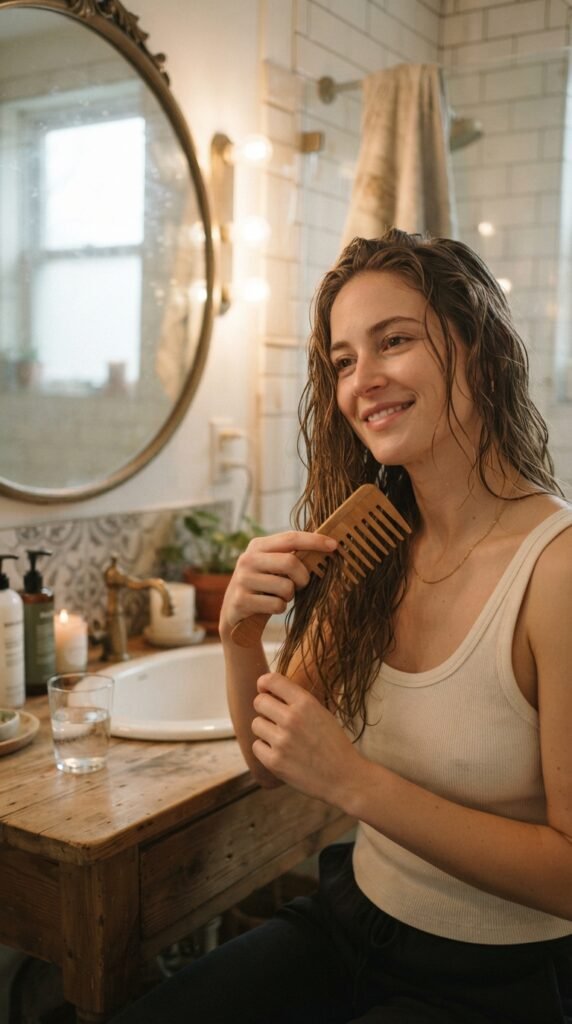
Your hair is fragile right now, so treat it like it’s precious. Skip tight ponytails and harsh brushing. Use a wide-tooth comb on wet hair, and start from the bottom.
Be extra careful with towel drying. Rubbing your hair with a towel breaks fragile strands. Gently squeeze or press instead.
- Loose styles only
- Comb from ends to roots
- Ditch rough towels
This is the easiest way to reduce extra breakage while your body resets. Think of this as postpartum hair care 101. You’re not being precious; you’re being smart. Your future regrowth will thank you. It only takes a minute, and it saves you from losing more hair than you need to.
Best Shampoos for Thinning Hair

You don’t need a $50 miracle bottle. Look for a gentle sulfate-free formula with caffeine, biotin, or keratin. These ingredients support the scalp and make hair look fuller without weighing it down.
Avoid shampoo that leaves a heavy coating. Your hair will look better with light products, and you’ll have more energy for the important stuff, like naps.
- Caffeine helps wake up follicles
- Biotin adds a fuller look
- Keratin smooths the shaft
A good shampoo won’t fix hormones, but it will help your hair look strong while you wait. Wash gently with your fingertips, not nails.
Scalp Care and Massage

Massaging your scalp brings more blood flow to the area. More blood means healthier hair follicles. It only takes five minutes a day, and it actually feels amazing.
Use your fingertips and move in small circles. You can do this while watching TV or waiting for your coffee to heat.
- Start at your hairline
- Move in slow circles
- Cover your whole scalp
Add a few drops of a light scalp oil if it makes you feel better, but keep it simple. Consistency matters more than fancy tools. Try to make it part of your nightly routine. Your scalp will feel alive again, and that tiny ritual can become your favorite break.
Supplements and Nutrition That Actually Help

Your body is exhausted, and your hair feels it. Iron, vitamin D, biotin, and zinc are the ones that matter most for new moms. But don’t buy a pile of random pills.
Get your blood checked first. Postpartum hair loss can sometimes be tied to low iron or low thyroid function. Food helps too, so add eggs, salmon, beans, and leafy greens when you can.
- Iron deficiency is common
- Vitamin D supports hair cycles
- Biotin helps structure
- Zinc supports repair
Think of these as teammates, not magic fixes. Water counts too, because dry hair snaps faster.
How to Conceal Sparse Areas
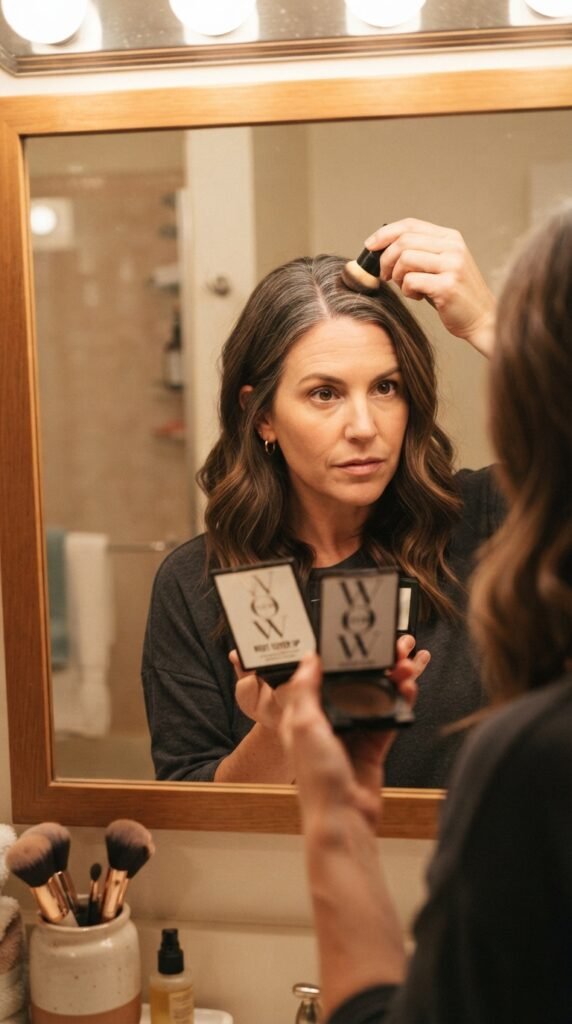
If the shed is hitting your temples or your part, you can fake fuller hair in seconds. Root touch-up powders and hair fibers match your color and cover the scalp showing through.
Headbands and clip-in extensions also work. They take the pressure off while your own hair catches up.
- Root powder for small gaps
- Hair fibers for larger patches
- Clips add instant thickness
You’re not hiding who you are. You’re buying yourself time and confidence until your regrowth appears. It’s the same trick stylists use for photo shoots. And honestly, it’s fun to try a quick hair glow-up. Just remember to wash it out before bed.
Easy Hairstyles for Shedding Hair

You need styles that don’t pull and don’t take forever. Easy wins include loose low buns, braids, and claw clip twists. They hide thin spots and still look put together.
Avoid anything tight, especially at the temples. Tension can make shedding worse while your hair is fragile. Save the slicked-back looks for another season.
- Loose low bun
- Side braid
- Claw clip twist
These styles take less than two minutes, which is exactly what a new mom needs. Messy is allowed, and it often looks better anyway. You’ll still look like you, just with more sleep-deprived grace.
The 2026 Haircut That Hides Hair Loss
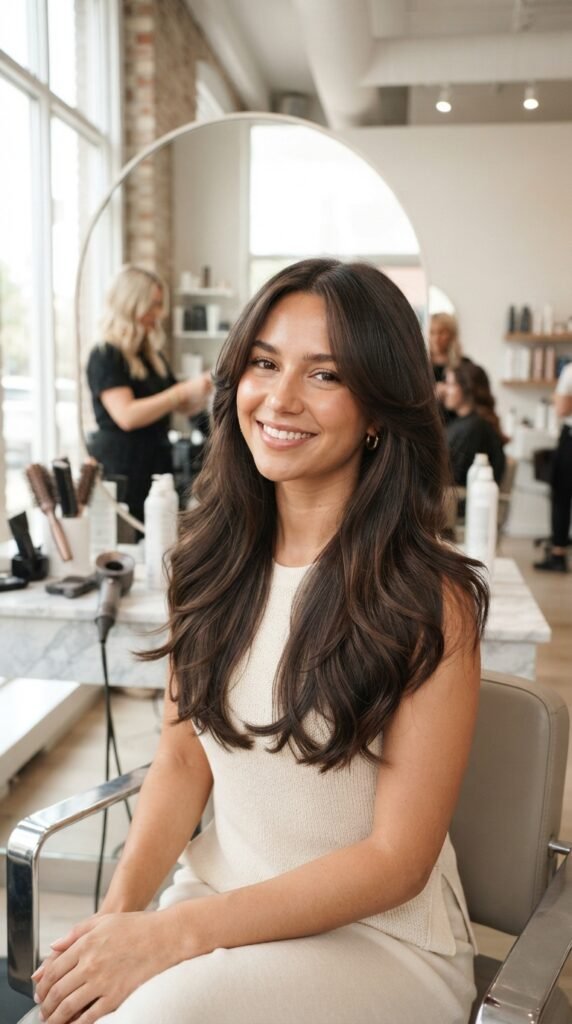
If you need a change, ask for long layers and face-framing pieces. The 2026 hairstyles are all about effortless fullness. A good cut makes your hair feel longer and thicker without lots of styling.
Tell your stylist you want movement, not too much weight removed. Thin hair needs structure, not more choppy bits.
- Long layers add bounce
- Face-framing strands draw attention down
- Blunt ends trick the eye
This is your year to keep things simple and let the cut do the heavy lifting. Bring a photo of something you love and make it your own. A stylist who listens is worth the appointment.
Old Money Hair Is Your Best Friend

Old money hair is the perfect postpartum vibe. It’s clean, polished, and rich-looking without trying hard. Think glossy, low-maintenance, expensive energy.
It works because it doesn’t rely on tight styling. You just need healthy-looking hair that looks like you woke up amazing.
- Shine over volume
- Soft waves over stiff curls
- Classic colors over trendy dye
The best part? You can get this look with a gentle dry and a few loose waves. It also pairs perfectly with simple earrings and a soft sweater. No complicated routine required.
The Quiet Luxury Bob for New Moms

The quiet luxury bob is a chin-length cut with soft, barely-there texture. It’s a top pick for new moms because it adds fullness and needs only air drying.
It also grows out beautifully, so you don’t need trim appointments every three weeks. That’s a win when your schedule is full of feedings and diaper changes.
- Chin length lifts the face
- Soft edges hide thin ends
- Easy to tuck behind ears
If you’re brave enough to chop, this bob makes you look put together in minutes. It’s the kind of cut that works on busy mornings.
Romantic Goth Hairstyles for Edgy Moms

Maybe you’re not into quiet and minimal. Romantic goth hairstyles give you dark, dramatic, soft waves with tiny braids. They’re playful and perfect for hiding regrowth.
This look lets you have fun while your hair recovers. Plus it’s a great reason to wear dark lipstick on a Tuesday.
- Loose dark waves
- Baby braids near the face
- Velvet hair ties
You can totally pull this off even if you’ve only slept four hours. Trust me. It feels like a costume, but it’s actually wearable. Find a dark gloss to make the whole look feel polished.
Glitchy Glam Hair: A Fun Distraction

Glitchy glam hair is one of the boldest 2026 hairstyles. It adds metallic streaks and holographic flashes. It does not fix hair loss, but it will distract from it and feel like a style moment.
If you’re craving creativity but not ready for a big chop, ask for a few face-framing highlights. Metallic tones look amazing with simple cuts.
- Face-framing streaks
- Metallic tones
- Glossy finish
It’s a low-commitment way to remind yourself that you’re still you. And it grows out soft, so there’s no harsh line. You might feel silly at first, then you’ll love it.
Asymmetrical Lob for Fine Hair

The asymmetrical lob is a favorite for fine hair. Because it’s cut unevenly, it creates the look of more movement and fullness. It’s long enough to pull back but short enough to feel light.
This cut is great for postpartum because it doesn’t need much work. Just add a little texture spray and go.
- One side longer
- Forward movement
- Great for thin ends
It also looks great with a middle part or a soft side part, so switch it up. Your hair will look fuller instantly, even on bad days. It’s one of those cuts that feels custom-made for busy moms.
Vampire Haircut for Extra Volume

The vampire haircut is all about sharp layers and volume around the face. It’s an edgy take on layered hair that makes thin hair look instantly bigger.
If you love romantic goth hairstyles, this is the cut to pair with them. It keeps the length while framing your best features.
- Choppy face layers
- Lots of texture
- Instant lift at the crown
Ask your stylist to keep the layers strong but not wispy, so you get fullness instead of feathery ends. This cut gives you drama with very little daily effort. And it’s perfect for air drying if you have enough texture spray.
Hime Cut: A Bold Frame
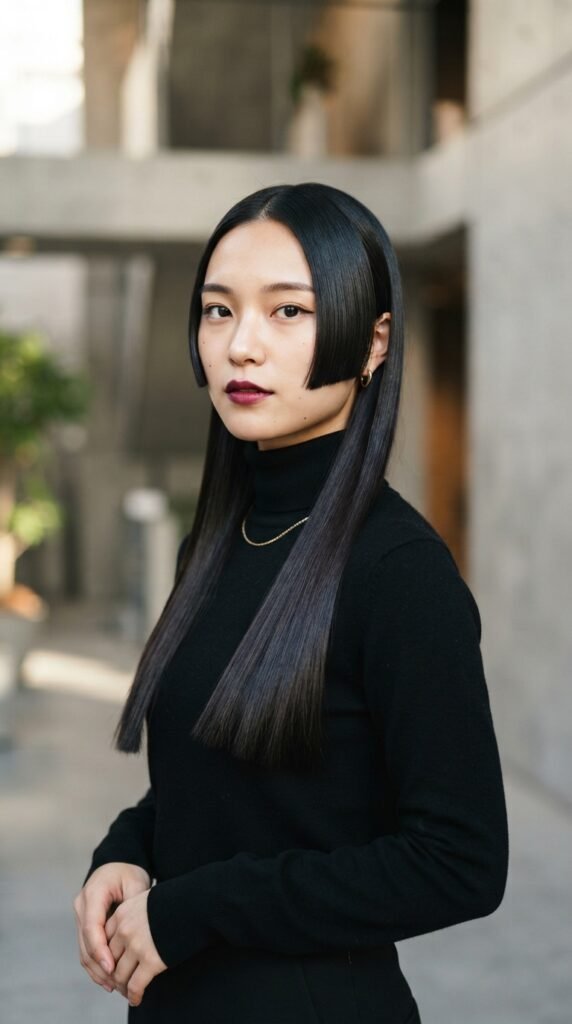
The hime cut is a Japanese-inspired style with straight cheek-length side bangs and blunt ends. It frames your face in a way that makes your hair look much heavier than it is.
It’s a bold look, but it’s also brilliant. Blunt lines hide thinning at the edges and give you that full-hair illusion.
- Side bangs stay long
- Blunt hemline adds weight
- Works with dark and light colors
If you’re ready for a statement, this one will make every outfit feel intentional. You can still wear it soft and wavy, so don’t be scared. It’s a cut that looks great in photos, which matters right now.
Hair Accessories That Save the Day
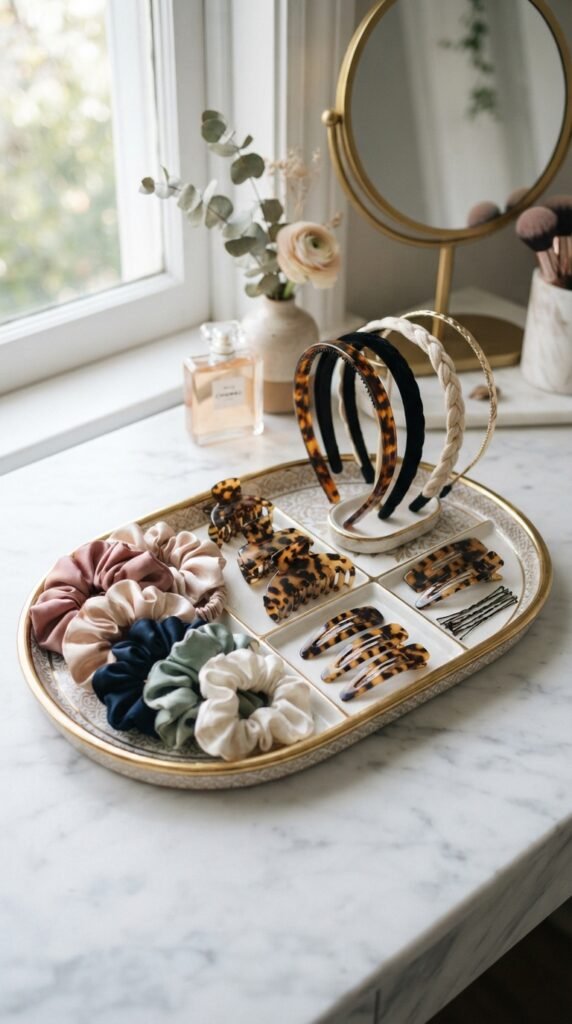
Accessories will become your best friend. Silk scrunchies don’t pull, claw clips hold loose styles, and headbands cover a sparse hairline beautifully.
You can look put together in thirty seconds without spending much money. Just keep a few favorites in your diaper bag.
- Silk scrunchies
- Wide headbands
- Claw clips
These small additions make the in-between grown-out stage feel cute instead of awkward. Velvet or satin options feel softer and stay in place better. Pick neutral colors so they match everything you wear. A quick headband can turn a rough hair day into a good one.
When to See a Doctor

Most postpartum hair loss is normal. But some signs mean you need a checkup. If the shedding continues after a year or you see bald patches, ask for help.
Thyroid problems and severe anemia can also cause hair loss, and they need treatment. You’re not being dramatic by getting answers.
- Loss past 12 months
- Smooth bald spots
- Itchy or painful scalp
A simple blood test can rule out anything serious and give you peace of mind. Leave no stone unturned when it comes to your health. You can also ask for a referral to a dermatologist if you want more support.
A Gentle Reminder
Your hair does not define how good a mother you are. That’s not something you need to earn. It can still be sad to see so much of it go, but you are not alone and this is not forever.
For now, focus on the little wins: a soft ponytail, a cute clip, one good scalp massage. You’re doing better than you think.
Save this post to Pinterest so you can find it when you’re in the middle of a shed and need a reminder that it gets better. And tell me in the comments: are you in the full shed, or just starting to see baby hairs? I’m right here with you, mama.