Padded Headbands Are Not Just Cute They Actually Protect Your Hair From Breakage
Why Padded Headbands Are a Hair Hero
Let’s be real—padded headbands are having a major moment. They instantly make any outfit look pulled together, and they save me on bad hair days more than I can count. But here’s the thing: they’re not just cute. They actually do something amazing for your hair underneath all that plush goodness.
Unlike skinny plastic or metal headbands that dig into your scalp and snag strands, padded ones spread pressure evenly. That means less pulling on your edges and fewer tiny breakage spots along your hairline. It’s like a little hug for your hair instead of a tug-of-war.
So if you love wearing headbands but worry about damage, this post is for you. I’m going to show you exactly how to wear them for maximum style and actual hair protection. You’ll never look at a padded headband the same way again.
How Padded Headbands Prevent Breakage
When you wear a regular headband, all the pressure stays in one narrow strip against your scalp. That friction and tension can cause hair to snap, especially around your temples and ears. Padded headbands change the game because they have a wider, softer surface. Think of it like a cushion instead of a rope.
The even pressure means your hair isn’t fighting against a hard edge every time you move. Plus, the soft fabric absorbs some of the movement, so your strands don’t get yanked when you turn your head. That’s a huge win for fragile hair.
- Reduces friction along the hairline
- Spreads tension across a wider area
- Keeps strands from catching on rough edges
The Best Fabrics for Hair-Friendly Headbands
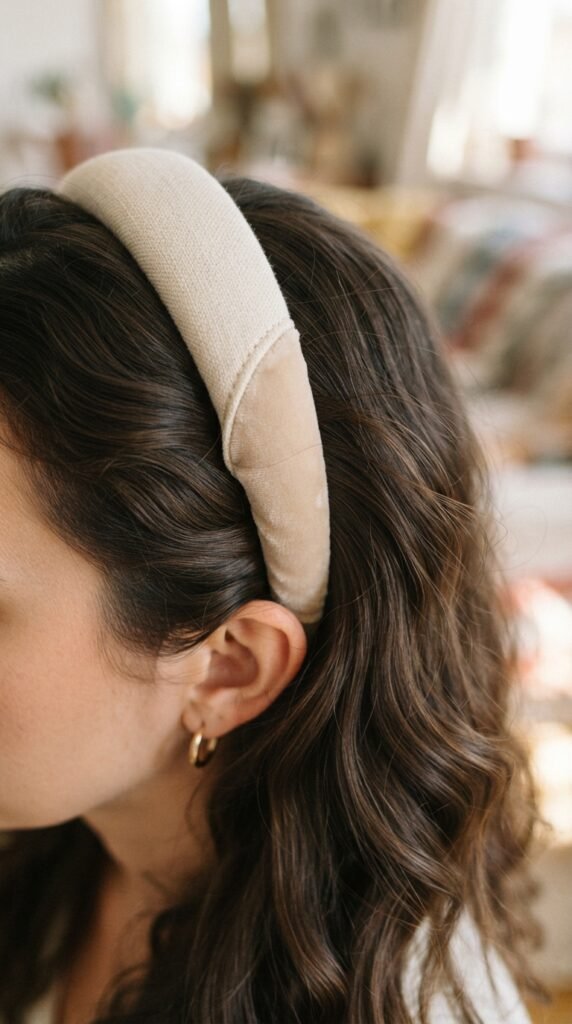
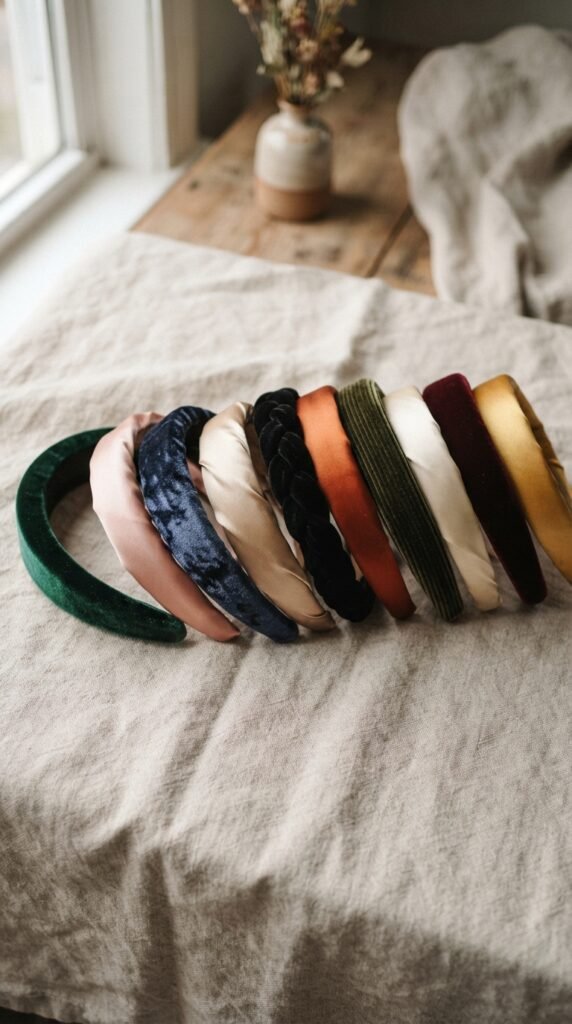
Not all padded headbands are created equal. The fabric on the outside matters a lot for your hair’s health. Velvet, silk, and satin are absolute favorites. They glide over strands instead of gripping them, so you won’t wake up with a nest of breakage.
Cotton can be okay, but it can also create friction if it’s rough. Wool and knit are cozy but can snag curly hair. I always tell my friends to feel the headband first. If it pulls at your skin, it’ll pull at your hair too.
- Look for silk or satin on the underside
- Avoid rough seams or embellishments inside
- Velvet is amazing for both style and softness
How to Choose the Right Padded Headband for Your Hair Type
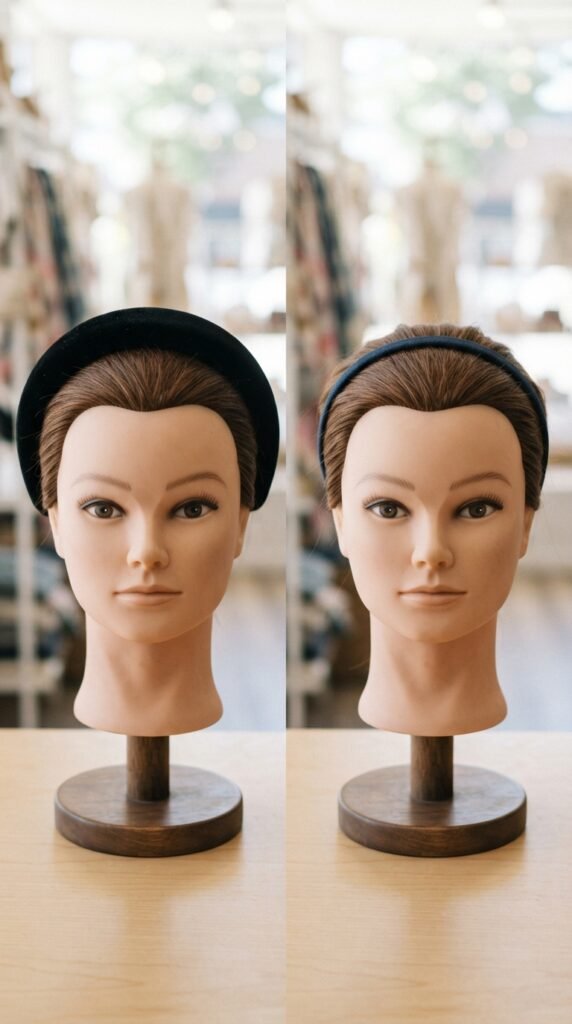
Your hair type changes everything when it comes to headbands. If you have fine, thin hair, you want a slim padded style that doesn’t overwhelm your strands. Thick or coily hair can handle a bigger, chunky headband with more grip. And if you have a sensitive scalp, go for the softest padding you can find.
It’s also about width. A wider band gives more protection because it covers more area, but if it’s too wide it might slip off. Test it by wearing it for five minutes at home. You shouldn’t feel any tightness or digging.
- Fine hair: slim and lightweight
- Thick hair: wide and plush
- Curly hair: satin or silk covering

5 Ways to Wear a Padded Headband Without Pulling Hair
Placement is everything. The classic “push it back from the hairline” trick is cute, but it can put pressure on fragile edges. Instead, try setting the band slightly further back, like one or two inches from your forehead. It still looks stylish but gives your hairline a break.
Another tip is to keep your hair loose underneath. If you tuck everything too tightly under the band, you’re creating tension. Let some pieces fall naturally. For curls, I like to fluff them around the headband so it looks effortless, not strained.
- Position the band behind your hairline
- Keep hair loose and airy underneath
- Use bobby pins on the sides if it slips
- Alternate headband positions daily
- Take it off when you get home

Padded Headbands vs. Skinny Headbands: Which Is Better?
Let me settle this once and for all: padded headbands win for protection. Skinny headbands are cute, but they concentrate pressure on a thin line. That can lead to tension breakage over time, especially if you wear them every single day. Padded ones are just way more forgiving.
That doesn’t mean skinny bands are evil. They’re great for quick looks or times when you’re not wearing them long. But if you want your hair to stay healthy while looking cute, padded is the way to go. It’s like choosing supportive sneakers over flip-flops for a long walk.
- Padded: better for daily wear
- Skinny: better for occasional styling
- Always check for tightness
Can Padded Headbands Damage Hair? Addressing the Myth
I’ve heard people say all headbands cause breakage. But that’s not fair to padded ones. The damage usually comes from wearing any headband too tight, for too long, or on wet hair. If you’re gentle, a padded headband is actually one of the most protective accessories you can use.
It’s also about breakage frequency. If you never give your scalp a rest and keep the band in the same spot for weeks, you’ll see issues. Treat your headband like a cute tool, not a permanent fixture. Rotate your styles and let your hair breathe.
- Don’t wear it to bed every night
- Don’t put it on soaking wet hair
- Listen to your scalp if it feels sore
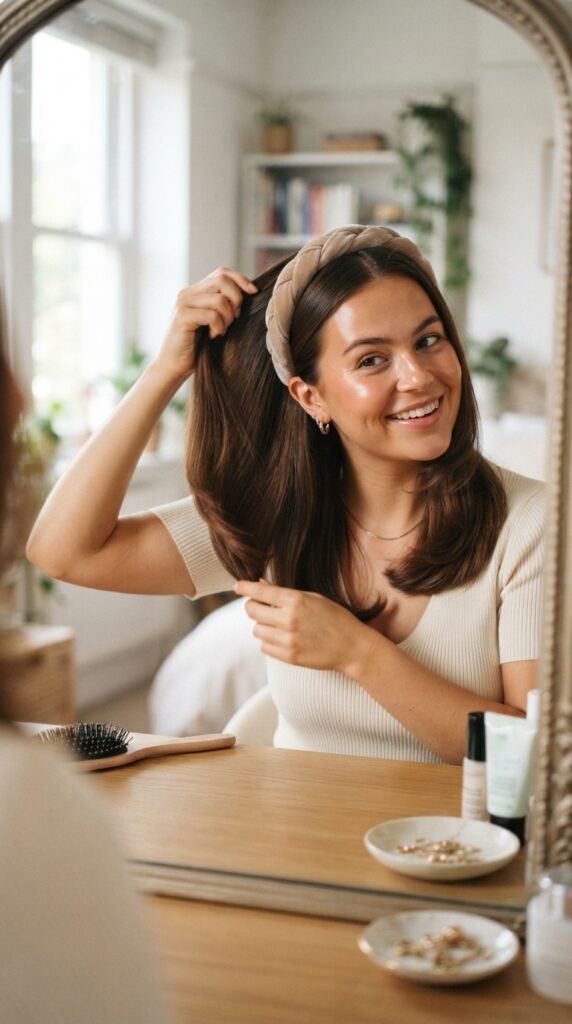
How to Sleep with a Padded Headband for Protection
Yes, you can wear a padded headband to bed, but do it the right way. Choose a super-soft silk or satin one, and make sure it’s not too tight. The goal is to keep your hair off your face while you sleep, not to leave red marks on your forehead.
Padded headbands can actually prevent hair breakage at night by stopping your strands from rubbing against rough pillowcases. But honestly, a silk bonnet is still my top recommendation. If you prefer a headband, just pick one with zero bling or hard parts.
- Use a silk or satin padded headband
- Keep it loose enough to slide a finger under
- Pair with a braid or loose bun for extra protection

Combining Padded Headbands with Protective Styles
Padded headbands are the perfect finishing touch for protective hairstyles. Whether you’ve got box braids, twists, or a sleek low bun, a plush headband frames your face and keeps stray hairs in place. It also adds a pop of color or texture to an otherwise simple style.
Best part? It helps protect your edges while you’re in a protective style. The padding prevents the headband from rubbing against your hairline and causing little tufts of breakage. I always add one when I’m between styles and want to look put together fast.
- Box braids + fluffy headband
- Twists + velvet headband
- Low bun + satin headband
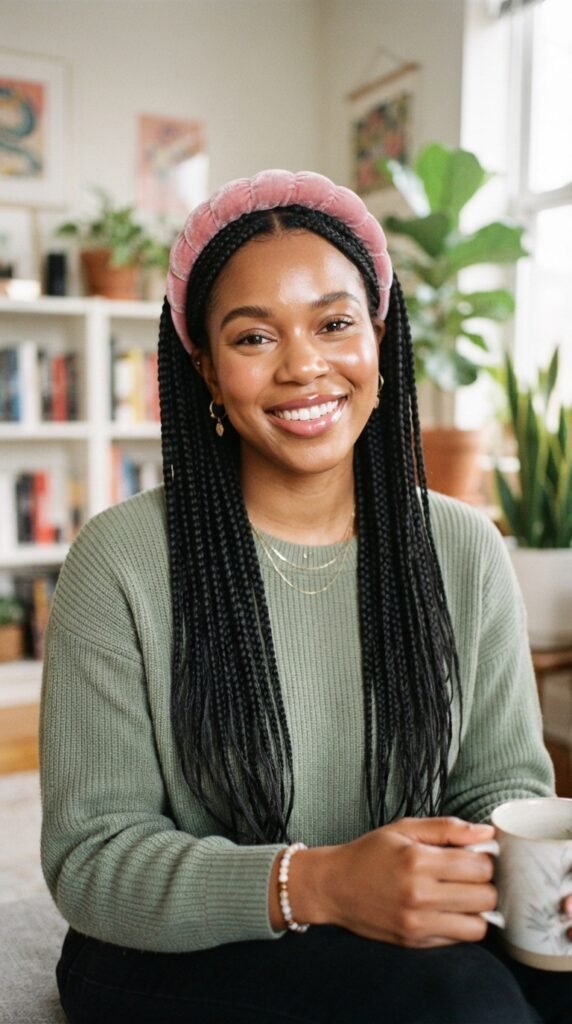
Padded Headbands for Natural Hair and Edges
If you have natural hair, you know how precious your edges are. Padded headbands can be your best friend if you choose wisely. Look for ones with a satin or silk lining so your edges don’t get rough or frizzy. And don’t pull the band too far forward—let your baby hairs breathe.
You can also use a padded headband to lay your edges without gel. Just dampen your edges, place the headband gently over them, and let it air dry. The pressure flattens them just enough, without the crunch or flaking. Total game changer.
- Dampen edges lightly
- Place padded headband over them
- Allow to dry completely before removing
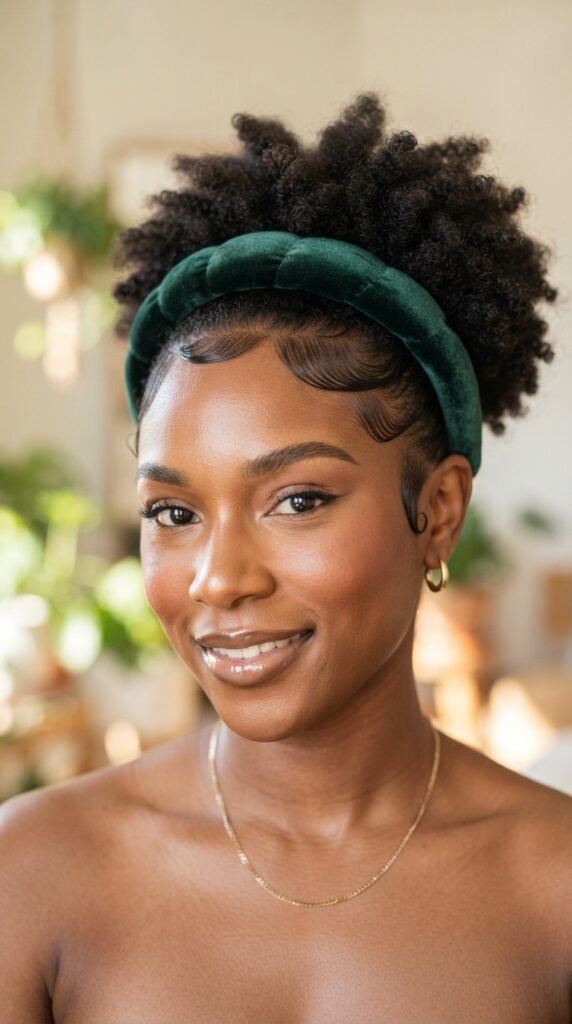
Padded Headbands for Fine or Thin Hair
Fine hair can get weighed down easily, but padded headbands can actually add the illusion of volume. A plush band lifts the hair slightly at the crown, which makes thin strands look fuller. It’s like a quick volumizing trick with zero heat or product.
The key is to keep your hair a little messy or textured under the headband. Flat, limp strands will just look thinner. Add some waves or curl cream before placing the band, and you’ll get that effortless chic vibe. Trust me, it works.
- Add texture before wearing
- Choose a light, slim padded band
- Avoid heavy embellishments

The “Old Money Hair” Look with a Padded Headband
Old money hair is all about quiet elegance—think sleek, glossy, and polished. A padded headband fits perfectly into that aesthetic when you choose neutral tones like beige, cream, or black. It gives you that “I woke up like this” but make it expensive energy.
For the full old money vibe, pair your headband with a center or deep side part. Keep your hair smooth and shiny. The padded band adds a soft, structured frame to your face without screaming for attention. It’s refined and totally timeless.
- Part hair neatly in the center
- Smooth down flyaways with a light serum
- Place a cream or nude padded headband
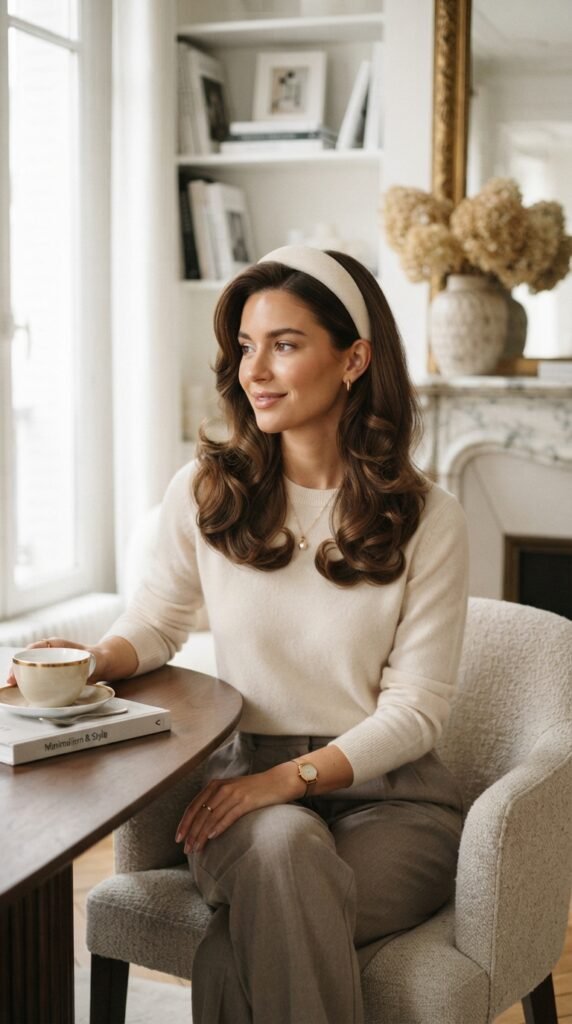
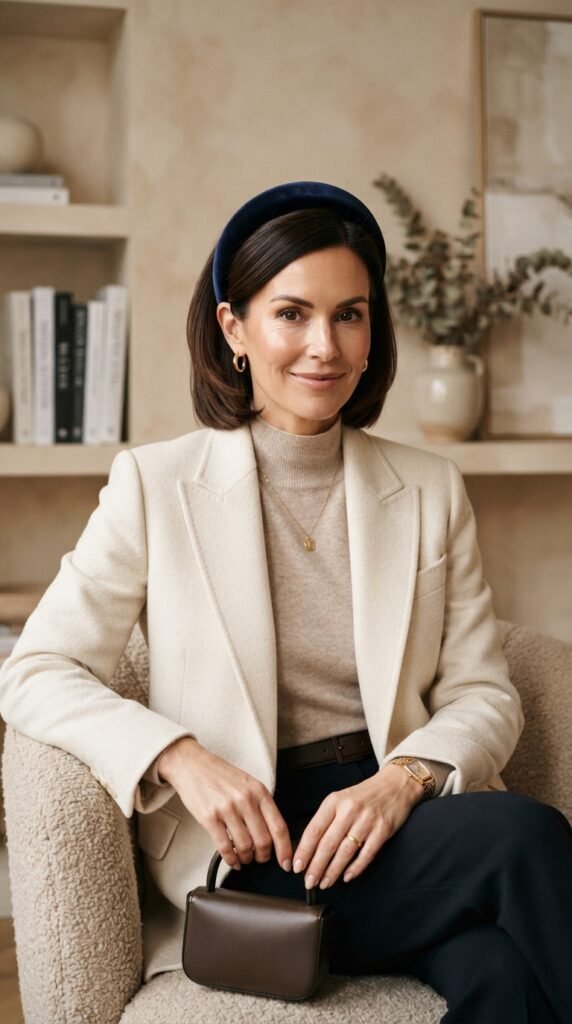
Styling a Quiet Luxury Bob with a Padded Headband
The quiet luxury bob is everywhere for 2026, and it looks amazing with a padded headband. Because the bob is already sleek and structured, the headband adds a soft touch without making it look fussy. It’s the perfect balance of sharp and soft.
Try a velvet padded headband in a muted tone like taupe or charcoal. It creates a beautiful contrast against a chin-length bob. The best part? It keeps shorter strands out of your face while you’re working or doing your skincare routine. Practical and pretty.
- Pair with an angled or blunt bob
- Keep the headband slim for a polished look
- Use a silk scarf underneath for extra protection
Romance and Edge: Romantic Goth Hairstyles with Padded Headbands
If you love romantic goth hairstyles, don’t sleep on padded headbands. They might seem too sweet, but in dark velvet or black satin, they add a touch of Victorian drama. Pair one with loose curls, a dark lip, and a flowy dress for instant main character energy.
The padding actually helps keep your hair back while maintaining that soft, haunting look. You can even add a small brooch or pearl pin to the side of the headband for extra flair. It’s romantic, moody, and completely wearable.
- Choose black or burgundy velvet
- Curl hair loosely for softness
- Add a vintage pin for goth elegance

Glitchy Glam Hair? Yes, You Can Pair It with a Headband
Glitchy glam hair is all about metallic, edgy, and futuristic vibes. You wouldn’t think a padded headband fits, but it does if you pick the right one. Look for padded bands wrapped in metallic or glossy fabrics. Silver, gold, or chrome finishes instantly match the glitchy aesthetic.
Wear your hair sleek or slightly crimped, and let the headband sit right at your hairline. It’s a cool contrast between the soft padding and the sharp, techy vibe. I love this look for a night out or even a themed photoshoot.
- Metallic padded headbands for shine
- Pair with sleek straight hair
- Add a glossy lip and shimmery eyeshadow

Rocking an Asymmetrical Lob with a Padded Headband
The asymmetrical lob is one of the coolest 2026 hairstyles, and a padded headband adds a fun twist. Because the lob has that edgy uneven hem, the softness of a padded band balances it out. It’s a great way to dress down a sharp cut for everyday wear.
For this style, place the headband further back so your short front pieces frame your face. It keeps your hair out of your eyes without hiding the cut. Plus, the cushioning protects your ends from rubbing against your shoulders all day.
- Tuck the headband behind your ears
- Let the longer side hang forward
- Choose a neutral or bold color to match your mood
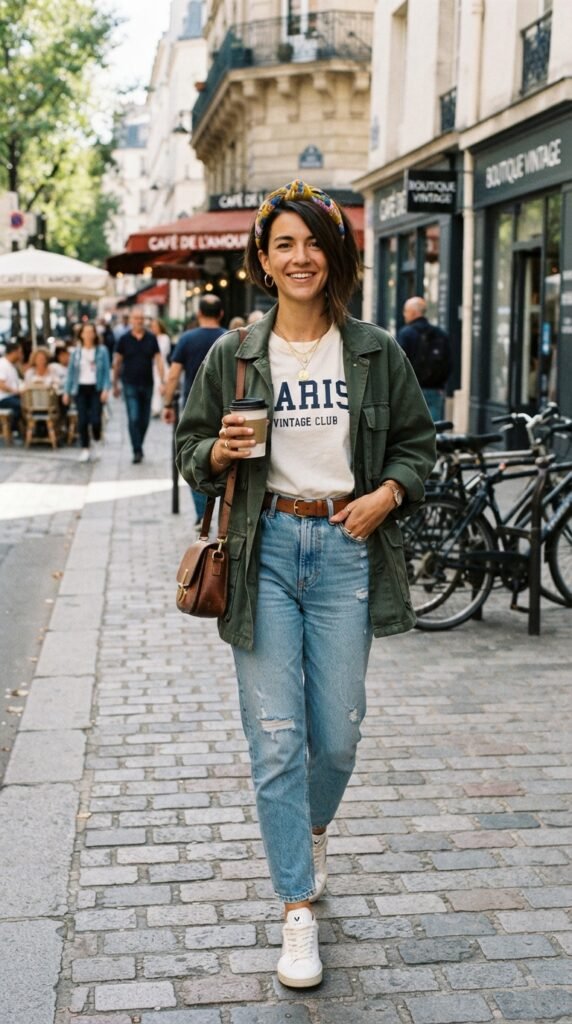
Vampire Haircut and Hime Cut? Headbands Work Too
You might think bold haircuts like the vampire haircut or hime cut are too dramatic for a headband. But actually, padded headbands can soften those sharp, chunky layers. They add a touch of sweet innocence to the darker, edgier look. Total anime meets quiet luxury.
For the hime cut, place the headband right behind your blunt bangs. It keeps the rest of the hair back while showing off those long front strands. For the vampire haircut, try a dark red or black velvet band. It’s strangely perfect.
- Show off bangs with a slim headband
- Use dark colors for gothic vibes
- Keep the rest of the hair flowing free

2026 Hairstyles: The Rise of the Padded Headband
Looking at 2026 hairstyles, the padded headband is becoming a staple accessory. It’s appearing on runways and street style blogs everywhere. From old money hair to glitchy glam hair, designers are pairing every cut with a plush band. It’s not just a trend—it’s a styling essential.
What I love is how versatile it is. You can wear it with a quiet luxury bob, romantic goth hairstyles, or even an asymmetrical lob. The padding makes it comfortable for all-day wear, and it protects your hair at the same time. That’s a win-win in my book.
- Padded headbands work with every major 2026 trend
- They add comfort to high-fashion looks
- They protect hair while keeping you on-trend
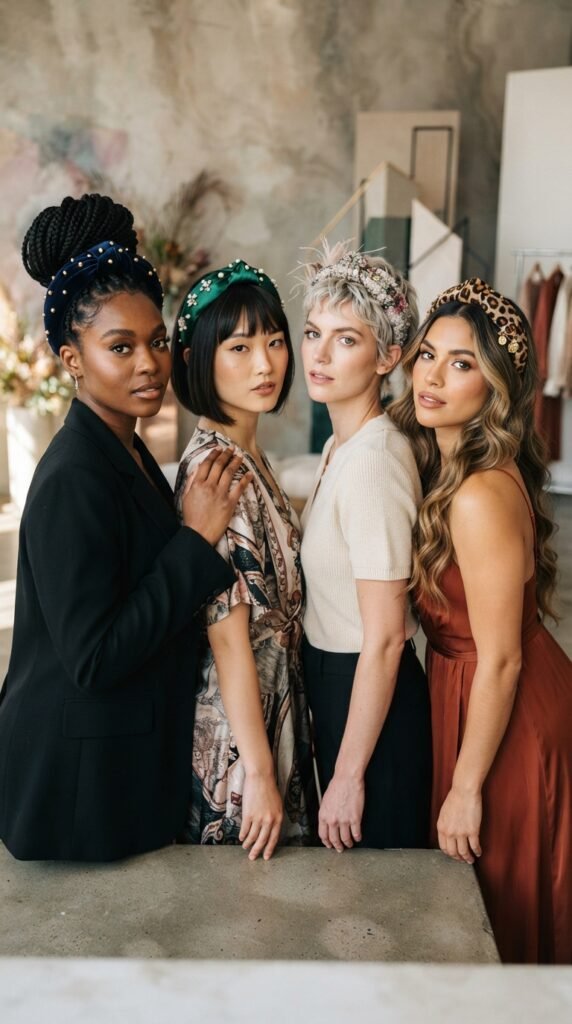
How to Keep Your Padded Headband Clean and Maintained
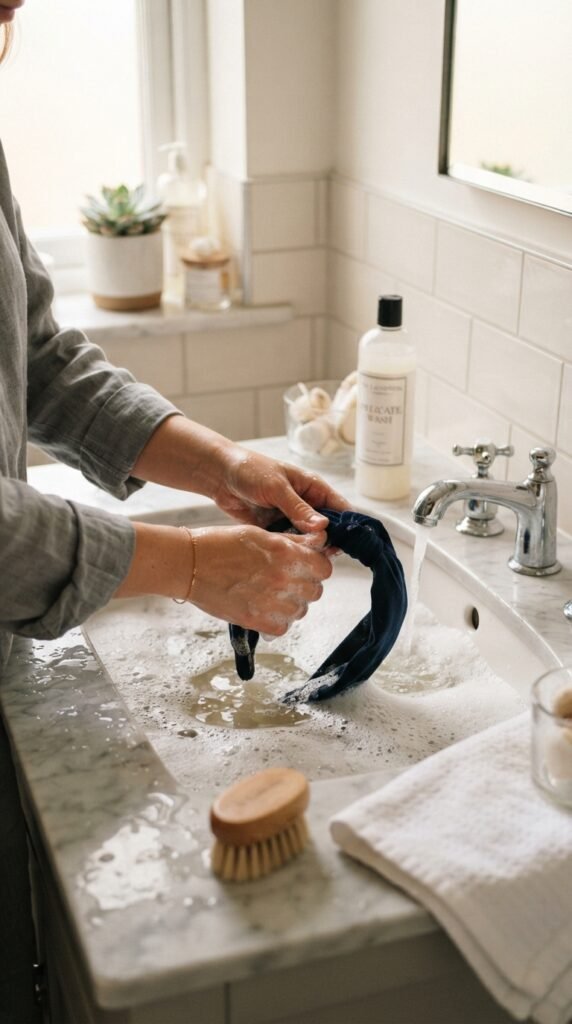
Honestly, hair products, sweat, and oil build up on headbands fast. And if you keep wearing a dirty headband, that gunk sits against your hair and can cause irritation or breakage. So please, wash your padded headbands regularly. It takes two minutes.
Use a gentle shampoo or mild soap in lukewarm water. Gently squeeze the padding, but don’t wring it out. Lay it flat to dry so the padding doesn’t lose its shape. I do this every couple of weeks, and they look brand new every time.
- Hand wash with gentle soap
- Press out water, don’t twist
- Air dry flat, away from heat
Quick Morning Routine: Padded Headband in 2 Minutes
We’ve all been there—wake up late, hair is a mess, and you need to leave fast. Padded headbands to the rescue. They hide greasy roots, add instant polish, and protect your hair from the environment. It’s the easiest styling hack ever.
My quick routine: run a wide-tooth comb through my hair, add a little dry shampoo if needed, pop on a padded headband, and go. It works for straight, wavy, or curly hair. You’ll look intentional, not lazy. I promise.
- Spritz with water or dry shampoo
- Smooth hair with hands or comb
- Place padded headband and adjust
Padded Headband Mistakes to Avoid
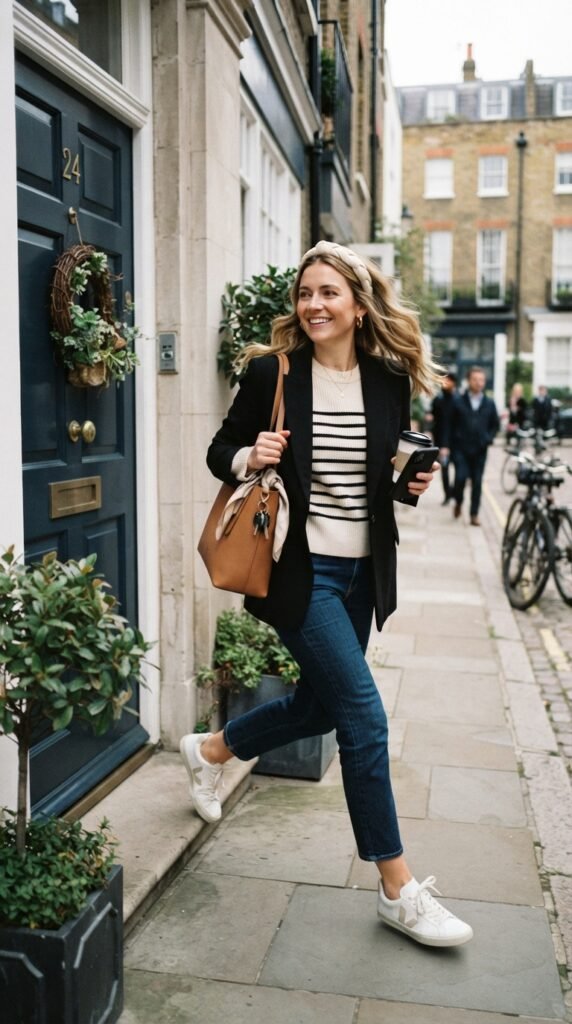
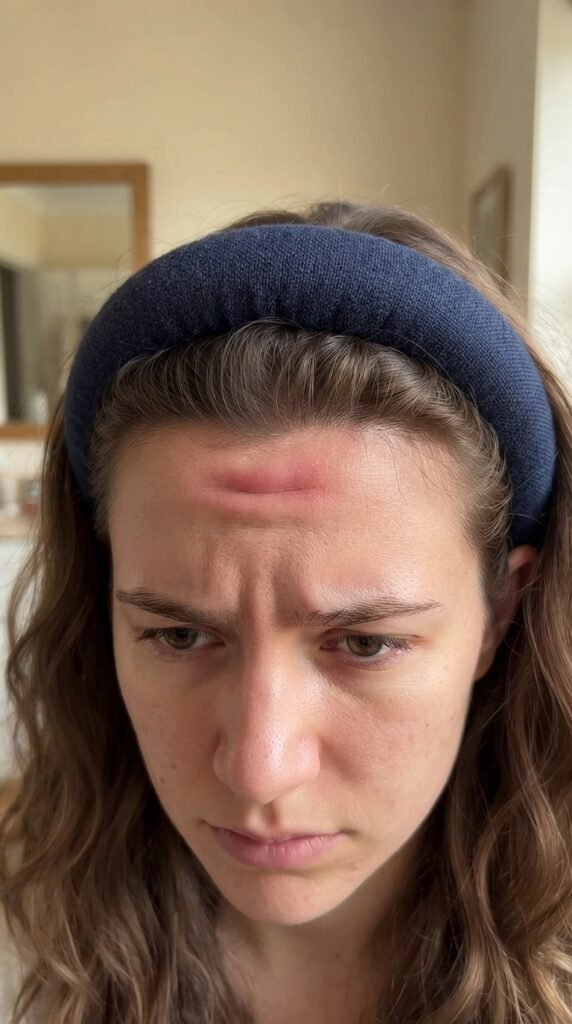
Let’s talk about what not to do. Wearing a padded headband too tight is the biggest mistake. It can cause headaches and tension breakage, especially around your temples. If it leaves indentations, it’s too tight. Size matters, so check that before buying.
Another mistake is wearing the same headband in the exact same spot every day. Your hair needs a break from pressure points. Switch up where the band sits, and rotate between different headbands. Also, never go to bed with a headband that has metal parts.
- Avoid tight bands
- Don’t wear the same spot daily
- Check for rough seams or embellishments
What to Look for When Buying a Padded Headband
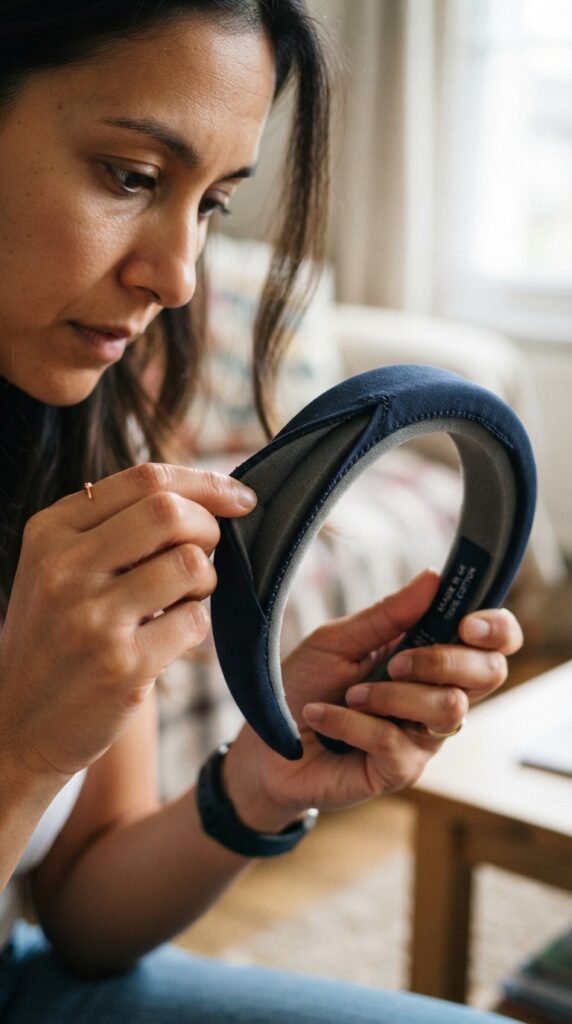
So you’re ready to buy one? Great. First, check the padding thickness. It should be plush but not bulky to the point of looking like a helmet. Second, examine the inside seam. A hidden or smooth seam won’t catch your strands.
Third, think about the grip. Some padded headbands have silicone strips underneath to stay in place. Those are awesome, but only if the silicone is smooth and not scratchy. And of course, choose a fabric that feels soft against your cheek. You’ll wear it all day, so comfort is key.
- Plush but proportional padding
- Smooth inside seams
- Soft or silicone-lined grip
Wrapping Up: Your Hair Will Thank You
Padded headbands are more than just a cute accessory. They protect your hair from breakage, keep styles in place, and honestly make everything look better. Whether you’re into old money hair, a quiet luxury bob, or romantic goth hairstyles, there’s a padded headband for you.
Take the time to find the right fabric and fit. Treat it like the gentle, hair-loving tool it is. I promise your edges, ends, and scalp will feel the difference. And the best part? You get to look incredibly stylish while doing it.
Save this post to Pinterest so you never lose these tips. And tell me below—what’s your favorite way to wear a padded headband? I’m always looking for new ideas!