AITAH for Kicking My Best Friend Out After She Overstayed Her Welcome?
When friendship and personal boundaries collide, things can turn ugly fast. In today’s AITAH scenario, we’re exploring a situation many people secretly fear: What happens when you offer someone help—and they take advantage of it?
Let’s dive into this real-life inspired story that has sparked heated debate online.
A 28-year-old woman—let’s call her Zara—turned to the r/AITAH community to share her dilemma. Zara and her best friend, Laila, had been inseparable since high school. When Laila lost her job and apartment in the same month, Zara didn’t hesitate to offer her a place to stay.
Originally, it was supposed to be for “a couple of weeks,” just enough time for Laila to get back on her feet. But those weeks turned into three months—and then six. Every time Zara asked about her progress, Laila had an excuse:
The job market was tough.
She was still waiting to hear back from interviews.
She couldn’t afford deposits for a new place yet.
Meanwhile, Zara was footing the bills, covering utilities, and sacrificing her privacy. Tensions simmered. The friendship began to feel one-sided.
Finally, after half a year, Zara gave Laila a firm deadline: She needed to move out within 30 days.
Laila was shocked and called Zara heartless. She claimed Zara knew she was struggling and accused her of abandoning a friend in need.
Zara asked Reddit: Am I the villain for finally putting my foot down?
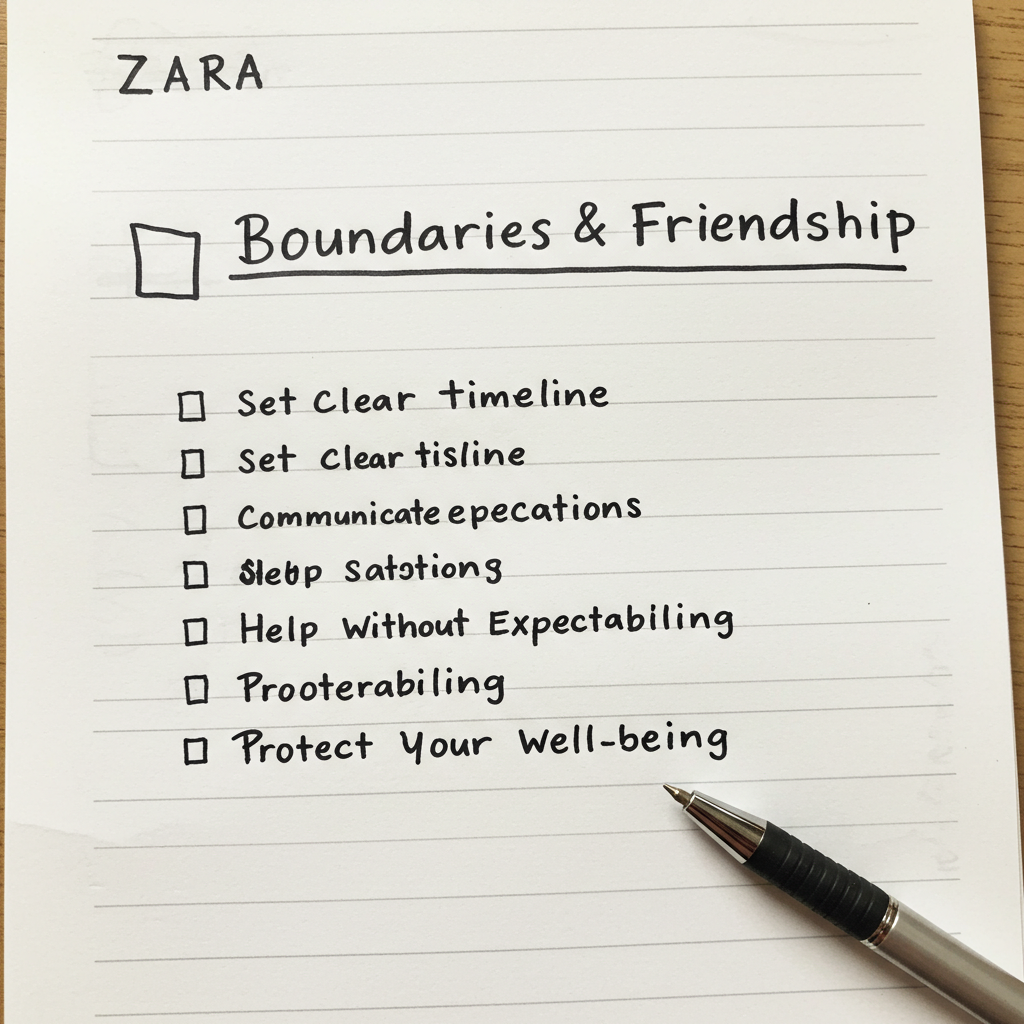
This scenario is a classic example of why clear expectations matter. When you offer someone help, it’s crucial to define:
How long the arrangement will last.
What contributions are expected (like rent or chores).
How you’ll check in on progress.
Without those boundaries, resentment grows—often until it explodes.
Lessons From This AITAH Story
Whether you think Zara is the villain or not, her experience offers important lessons:
1. Help Should Be Temporary, Not Unlimited
Even if you care deeply for someone, your own well-being comes first. A friend’s crisis doesn’t mean you must sacrifice your mental health or stability.
2. Communication Is Everything
Instead of hoping someone will “just figure it out,” have a direct conversation about expectations. This clarity prevents future arguments.
3. Saying No Doesn’t Make You a Bad Person
It’s natural to feel guilty for enforcing limits, but it doesn’t mean you’re heartless. Healthy boundaries can save relationships in the long run.
Most commenters voted Zara as “Not the A.” They applauded her patience and willingness to help for six months. However, they also agreed it would have been better to set a clear timeline from the start.
A few people suggested Zara could still help Laila—by offering to research rental options or providing references—without compromising her boundaries again.
Zara’s story is a reminder that friendship doesn’t mean surrendering your own life. Helping someone in crisis is compassionate, but it doesn’t have to come at the cost of your mental health, privacy, or financial stability.
Sometimes, loving someone means saying, “I care about you—but I can’t keep doing this.”